
 By
By 
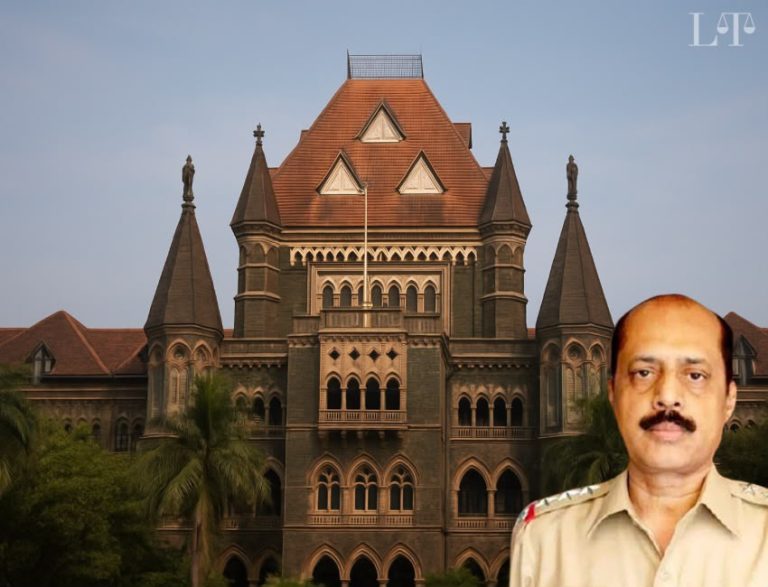
The Bombay High Court at Goa, comprising Justice Dr. Neela Gokhale, cancelled the bail granted to Saurabh Luthra, one of the partners of Birch by Romeo Lane nightclub in North Goa, where a massive fire killed 25 people.
The Court held that the Sessions Court had improperly exercised its discretion while granting bail and had failed to consider the seriousness of the allegations and the material collected during the investigation.
Fire at Birch Nightclub
Birch by Romeo Lane was a restaurant-cum-club at Arpora, Goa. It was operated by ‘Being GS Hospitality LLP’, in which Saurabh Luthra, his brother Gaurav Luthra and Ajay Gupta were partners.
The restaurant was located on a deck floor above a kitchen and had limited ventilation and only one narrow entry and exit.
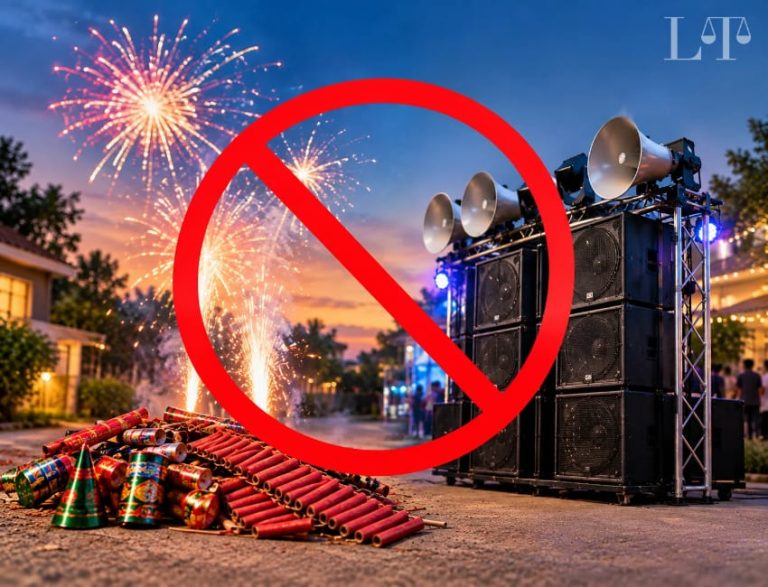
On December 6, 2025, a dance event was being held at the restaurant where. Cold pyro fireworks were allegedly being used near the DJ console. Sparks from the fireworks came into contact with the combustible roof and the fire spread rapidly.
The restaurant had no fire-fighting equipment or emergency exit, and 25 people, including 22 men and three women, died while several others were injured.
Licences and Safety Violations
The investigation also revealed that the restaurant was allegedly operating without the required permissions and licences. The prosecution further alleged that forged documents were used to obtain an excise licence.
The Sessions Court initially rejected Luthra’s bail application in February 2026, finding that the restaurant had multiple violations and that the accused were aware of the risks associated with using pyrotechnics inside the premises.
However, after the charge sheet was filed, the Sessions Court treated its filing as a changed circumstance and granted bail in April 2026.
Charge Sheet Not Enough
Justice Gokhale held that merely filing a charge sheet could not, by itself, be treated as a new circumstance for changing the earlier decision refusing bail.
The court said that the Sessions Court had not identified any substantial new circumstance that justified changing its earlier view.
The High Court also noted that the investigation contained material showing serious safety violations. Witness statements showed that there were no fire extinguishers, the staff had not been trained to handle fire emergencies, there was no proper emergency exit, and soundproof glass had been installed in a way that prevented smoke from escaping.
“The staff was never provided with any training to handle fire incidents, and there was no fire extinguisher equipment in the restaurant. There was also no emergency exit to the kitchen” the court noted.
Seriousness of Offence
The Court further criticised the Sessions Court for treating the offence as less serious because it did not carry a mandatory minimum sentence similar to offences such as murder or rape. The Court said that the seriousness of an offence cannot be decided only by looking at the minimum punishment prescribed by law.
The Court also rejected the argument that the lengthy charge sheet or the possibility of a long trial were sufficient grounds for granting bail.
It relied on Supreme Court precedent holding that filing a charge sheet or the possibility of a long trial does not, by itself, justify bail in a serious case.
Luthra Had Fled to Thailand
Justice Gokhale also noted that Luthra had fled to Phuket, Thailand, after the incident. He was brought back to India only after the issuance of a non-bailable warrant, proclamation proceedings and a Blue Corner Notice.
The court said the Sessions Court had failed to properly consider this while deciding whether Luthra was a flight risk.
“The Sessions Court ought to have taken note of and/or considered the material collected during the investigation even to find out whether there is any material collected during the investigation involving the Respondents for the serious offence as alleged and whether it is a fit case to enlarge him on bail or not. The finding upon flight risk is contrary to the record. The Respondent had fled to Phuket, Thailand, and was apprehended only after the issuance of a non-bailable warrant, proclamation, and Blue Corner Notice, and was later deported to India. None of these matters is addressed in the reasons,” the court noted.
Bail Order Set Aside
The Court concluded that the Sessions Court’s bail had improperly exercised its discretion and had not properly applied its mind while granting bail.
Justice Gokhale observed that the Sessions Court had failed to properly consider the gravity of the offence and the material collected during the investigation.
The court said:
“The order granting bail to the Respondent indicates an improper exercise of discretion by the Sessions Court. There is no application of mind in enlarging the Respondent on bail.”
The court therefore quashed and set aside the April 2026 bail order.
Luthra was directed to surrender before the Sessions Court within two weeks from the uploading of the judgment.
The Court also clarified that its observations were only prima facie and would not affect the trial. It also left it open to the Luthra to seek bail afresh after surrender. The trial court would consider any such application on its own merits and in accordance with law.
Case details: The State of Goa v. Mr. Saurabh Luthra