
 By
By 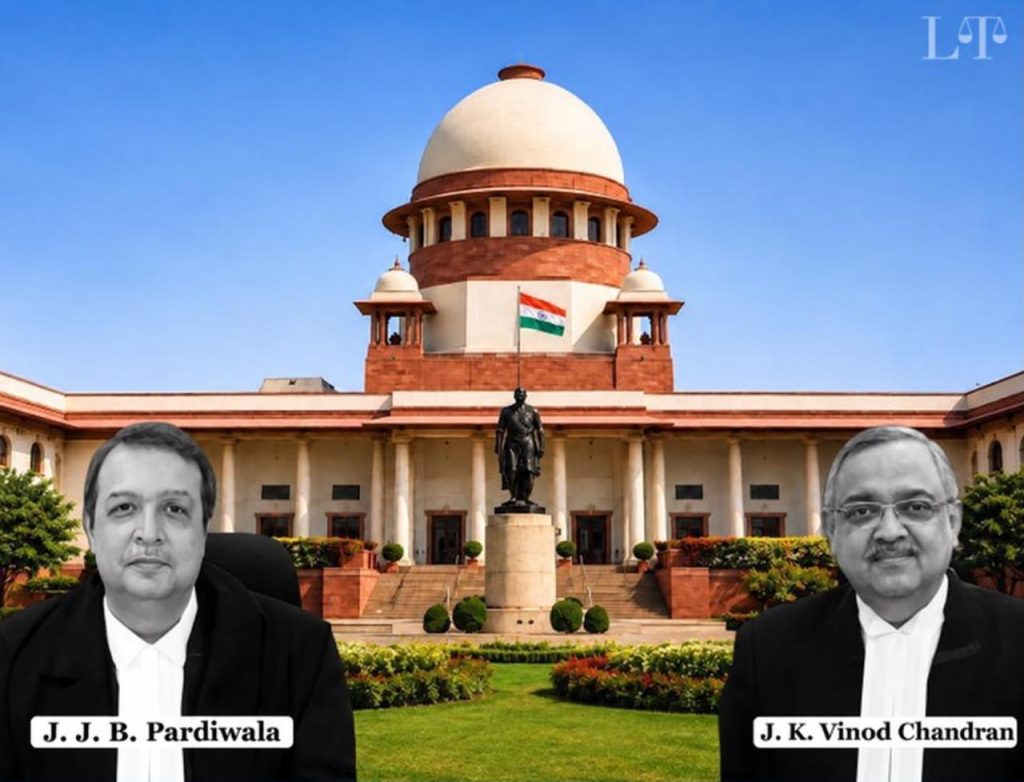
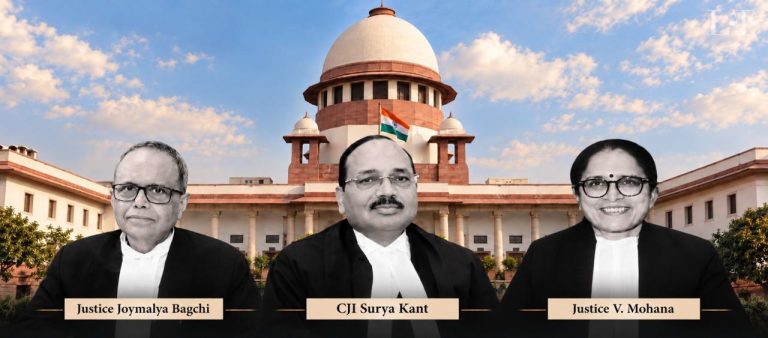
The Supreme Court on Monday, comprising Justice JB Pardiwala and Justice K Vinod Chandran, took suo motu cognizance of a series of recent rape and sexual assault incidents reported across Delhi-NCR.The cases include the alleged gangrape and murder of a teenage girl in Delhi, and the sexual assault of a minor inside a moving sleeper bus.
Court Calls for Accountability:
The Bench said it was deeply distressed by the repeated reports of such crimes in the National Capital Region. It said these incidents raised serious doubts about how well the police and public safety systems are working. The Court said someone must be held responsible for any failures by institutions that may have led to these crimes.
Two Cases That Shocked the Court:
The court spoke about the gangrape and murder of a teenage girl in Swarup Nagar, Delhi. Her decomposed body was subsequently recovered from a field. The Court also took note of the alleged sexual assault of a minor inside a moving sleeper bus. The Bench noted that the bus travelled approximately 47 kilometres from Greater Noida to Delhi without being intercepted by the police, observing that “one cannot help but draw painful parallels to the Nirbhaya incident of 2012.”
Has Anything Changed Since Nirbhaya?
The Court questioned whether the law enforcement and administration have improved in any real way since the Nirbhaya incident in 2012. The Bench noted that these incidents could not be viewed in isolation. When looked at along with other recent reports of sexual offences across Delhi-NCR, they point to bigger worries about public safety and how institutions respond.
“A Systematic Failure”
“These incidents considered alongside other recent reports of sexual offences across Delhi-NCR starkly underline a systematic failure on the part of the law enforcement and the public administrative authorities to guarantee basic public safety,” the bench observed.
Right to Live Without Fear:
The Bench also stressed that the right to life under Article 21 of the Constitution includes the right to live with dignity and without fear of violence. It said public places such as roads, parks, buses, metro stations, subways and footbridges must not become “zones of high risk”. Such risk can come from poor lighting, too little surveillance, weak patrolling or other administrative failings that could have been prevented.
Concern Alone Is Not Enough:
The Court also criticised the habit of only showing concern or solidarity after such incidents happen. It said the authorities who are responsible for preventing crime, keeping public order and protecting vulnerable people must be judged by clear and measurable standards of responsibility.
“Solidarity Is Not a Solution”
“Expressions of solidarity devoid of accountability fall short of answering the larger institutional question. Expressing solidarity is not a solution to this social evil. What is required is a measurable response with the responsibility and accountability fixed upon authorities entrusted with the prevention of crimes, maintenance of public order and protection of vulnerable persons,” the bench observed.
Suo Motu Case Registered:
Given these larger concerns, the Bench ordered that a suo motu case be registered. The case will look at this issue and at whether the current systems are enough to keep women and children safe in Delhi-NCR.