
 By
By 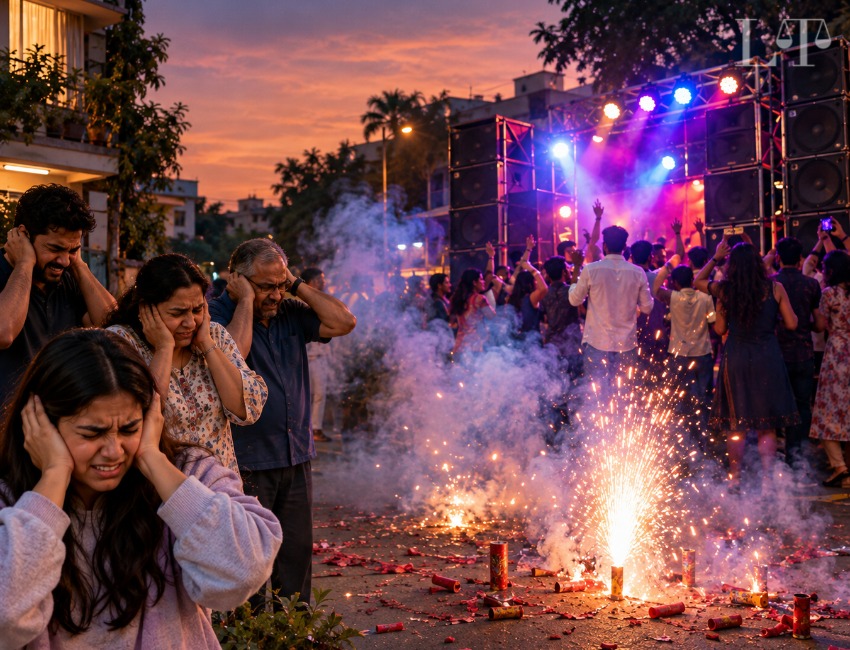
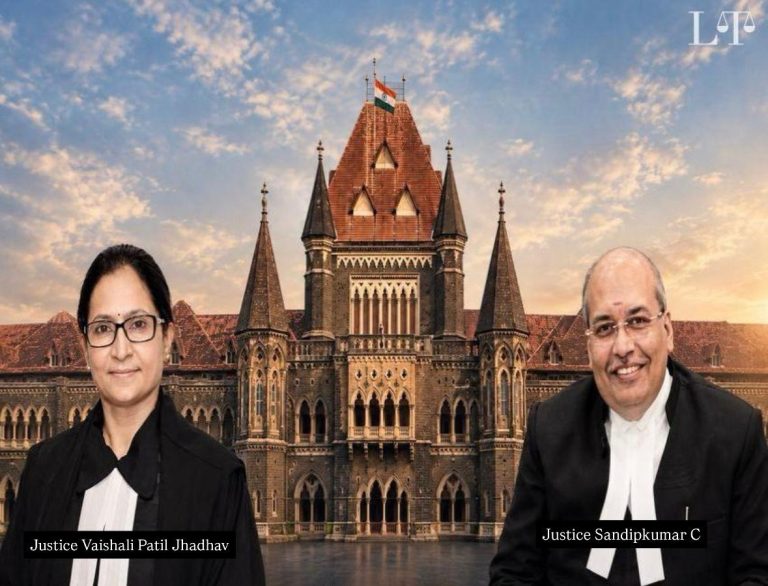
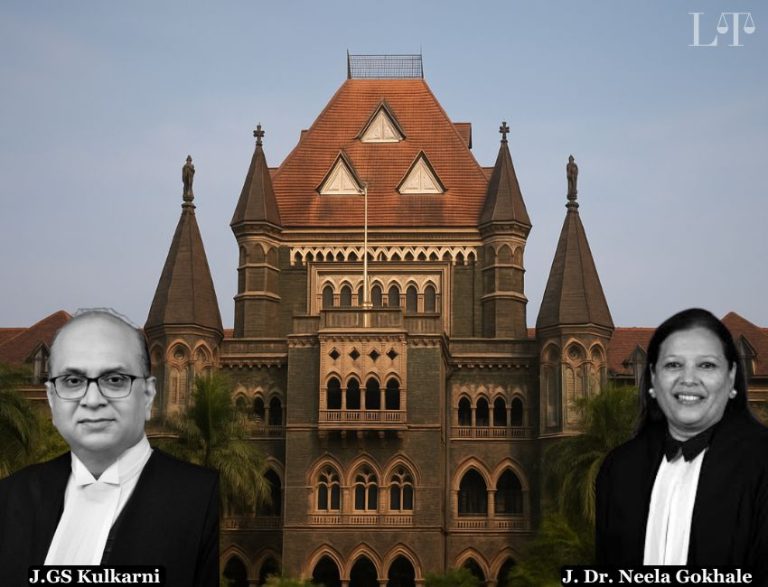
The Bombay High Court recently took suo motu cognizance of the high levels of noise and air pollution caused during festivals in Mumbai. A Division Bench of Justices G. S. Kulkarni and Dr. Neela Gokhale, noted that loudspeakers, amplifiers and firecrackers used during processions are further contributing to severe noise and air pollution.
Breach of statutory framework:
The Court pointed out that strong rules already exist to control noise pollution and set safe decibel limits. But in practice, these rules are not being followed properly, and this is causing real harm to citizens.
The Bench made clear that it has no problem with festivals and processions happening, but they must respect the rights of citizens who are affected by excessive noise. The Court also noted that the allowed time limits for these activities are being ignored. It said that loud music and firecrackers going off at the same time during processions pushes noise levels even higher and breaks the set limits.
The Court said:
“It is also evident that the collective decibel levels by simultaneous playing of loud music in such processions, accompanied with firecrackers being burst, has worsened the situation; apart from the prescribed norms being violated at such time.”
Citizens’ Rights Being Ignored:
The Court stressed that celebrations should not come at the cost of the legal rights of thousands of citizens who suffer because of excessive noise. It specifically mentioned senior citizens who are unwell, students studying for exams, and children who cannot handle loud noise. The Bench said such people should not have to suffer because of noise created by others.
The Court said:
“Such innocent persons cannot be made to suffer at the behest of few, who create such objectionable noise pollution.”
Concerns About Firecrackers:
The Bench also questioned why firecrackers are allowed during festivals, since the smoke from them makes the air quality even worse. It said firecrackers add to the noise pollution already caused by loudspeakers and amplifiers.
The Court noted:
“Most significantly, we are at a loss to understand, as to why firecrackers generating smoke and adding to the deterioration of air quality at alarming levels, are permitted to be burst/burnt during such festivities, which would add not only to the severe environmental/air pollution in the city, which is already facing such environmental challenges affecting the health of the public at large.”
The Court also warned about the risk of accidents on roads, since sudden loud bangs and smoke from firecrackers can startle drivers, two wheeler riders, and pedestrians.
The Court further raised concern that permission is being given for loud music during processions until midnight. It noted that while permission for using musical instruments, loudspeakers, and amplifiers is only supposed to last until 10:00 p.m., loud music is actually being allowed until midnight.
Reference to Earlier Case:
Looking at how serious Mumbai’s air pollution situation has become, the Court referred back to its earlier case on this issue — Suo-motu PIL No. 3 of 2023 on air pollution. The Bench said that given how bad the air pollution is, firecrackers should be banned to help protect the environment and reduce the harm caused by pollution.
The Court said:
“…prima facie it is high time that firecrackers causing noise and air pollution leading to the toxicity of the air are banned, so as to nurture healthy environment by reducing the severe ill effects caused by such pollution. No responsible citizen can be permitted to pollute atmosphere, including to create noise pollution by burning firecrackers, which certainly enhances the toxicity of the air causing severe air pollution.”
What Happens Next:
The Court has formally taken up this matter on its own and sent notices to:
- The State of Maharashtra, through the Commissioner of Police (Traffic)
- The Secretary of the Urban Development Department
- The Maharashtra Pollution Control Board
- The Commissioner of the Municipal Corporation for Greater Mumbai
The Bench said it plans to hear from all these parties about the issues raised and will look at what legal steps and rules need to be put in place. The parties involved have been allowed to submit their reply affidavits at this early stage.
Case details: In RE NOISE & ENVIRONMENTAL POLLUTION PUBLIC NUISANCE against STATE OF MAHARASHTRA