
 By
By 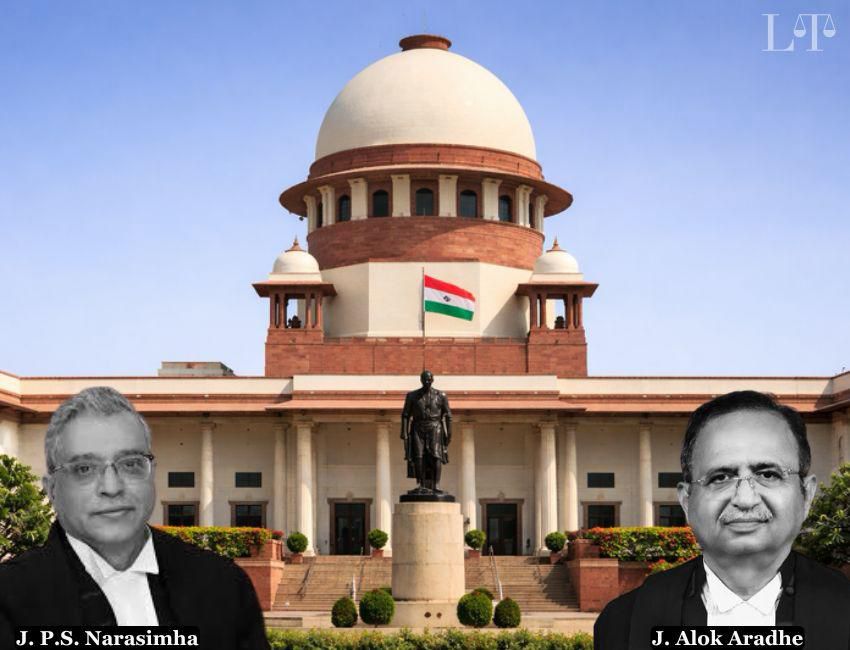
The Supreme Court recently addressed a broad question: can a state stop citizens, who pay for government schools with their taxes, from entering those schools? The Court made its view clear: no, a state cannot do that. But it said this particular case wasn’t the right one for it to decide that question.
The Case Dismissed
A Bench of Justice P.S. Narasimha and Justice Alok Aradhe dismissed a Public Interest Litigation challenging circulars issued by education authorities in Rajasthan and Uttar Pradesh. These circulars require outsiders such as journalists, YouTubers, social-media users, and members of civil society to get prior permission before entering government school premises. They also require a separate written permission before taking photographs, recording video, conducting interviews, or livestreaming.
Background of the Campaign
The petition was filed on August 25. That was the same week the Cockroach Janata Party ran its “School Thik Karo” campaign across Rajasthan, Uttar Pradesh, and Maharashtra. Volunteers livestreamed their visits to government schools and posted evidence of broken toilets, expired mid-day meals, and children sitting in cattle sheds. On August 16, the Cockroach Janata Party announced its Rajasthan campaign.
How the Circulars Followed
Within hours, the state’s Directorate of Secondary Education issued a circular banning entry and recording without approval. Four days later, Ayodhya’s District Basic Education Officer issued an almost identical order. Similar orders were also issued in Azamgarh, Ballia, Basti, Balrampur, Shamli, and Agra.
The Petitioner’s Argument
The petitioner, Priya Mishra, argued that the restrictions violated Articles 14, 19(1)(a), 19(1)(g), 21, and 21-A. Her petition pointed out a difference that the circulars do not make: between filming a child whose identity can be recognized and documenting something like a broken ceiling.
What the Petition Said
“Restrictions intended to protect children,” the petition read, “should not automatically prevent public-interest documentation of classrooms, buildings, toilets, drinking-water facilities, electricity, mid-day meals, and other infrastructure.”
The Court’s Response
In closing the court said, “We are not inclined to entertain the writ petition filed under Article 32 of the Constitution of India.”
Case Details: Priya Mishra v. Union of India & Ors. /Writ Petition(s)(Civil) No(s). 1095/2026 .