
 By
By 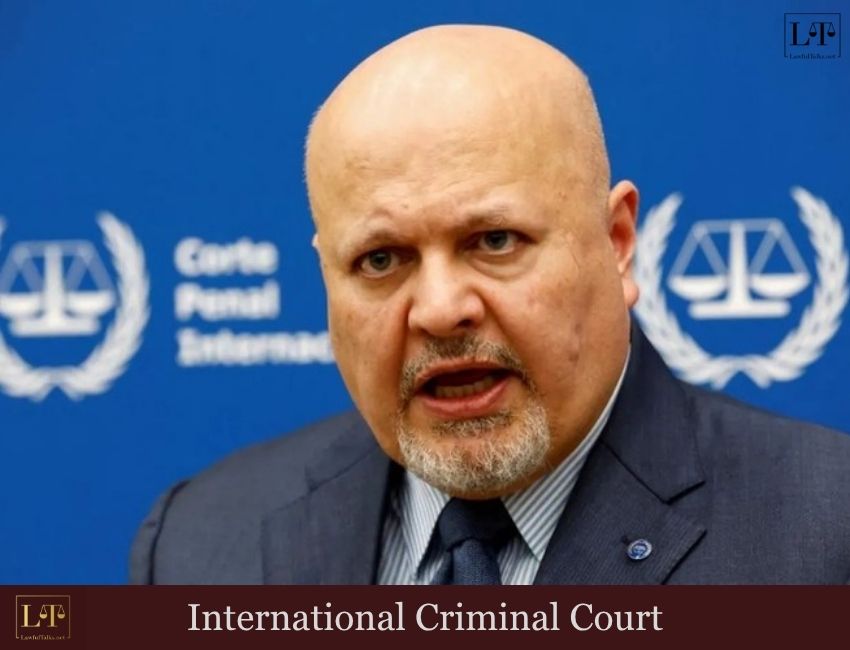
Karim Khan was the International Criminal Court’s (ICC) third chief prosecutor. He was elected in 2021. Now he has been removed from his job.
Members of the court voted 82 in favor of removing him. This came after allegations that he sexually misbehaved.
The court’s oversight body looked into the matter. In June, they said Khan committed a “serious breach of duty and serious misconduct.” They said he had an improper sexual relationship with a junior staff member at the ICC. They also said he tried to stop her from making a formal complaint about it.
Khan denies all the allegations. His lawyer said Khan will challenge “the lawfulness and fairness of the decision through all available legal mechanisms.” It is not yet clear what legal options are still available to him.
After the vote, the ICC released a statement. It said the Court “took note” of the decision made by the Special Session of the Assembly of States Parties — this is the group of 125 member countries that voted to remove Khan. The statement also said: “The Court will continue to attach the utmost importance to maintaining a safe, inclusive, and respectful working environment for all personnel.”
A Bigger Story for the ICC
This isn’t just about Khan. The whole episode has put the ICC in the spotlight. The ICC is the only permanent court in the world that deals with war crimes. What happens next could change the way the ICC works.
The investigation into Khan has caused divisions inside the ICC. It has drawn heavy public attention. And it comes at the same time that critics are trying hard to weaken or even shut down the ICC entirely. People who support the court are worried. They fear the court could become weaker because of this. They also worry it may become less able to handle the world’s most serious crimes.
About Khan
Khan is a well-known British lawyer. He has been on voluntary leave since May 2025 while he fought the allegations. He is also currently barred from practicing law in the UK, while the Bar Standards Board looks into his case.
He could not attend the vote in New York, which took place at the UN headquarters. This is because he is banned from entering the United States. The Trump administration placed sanctions on him after the ICC opened an investigation into alleged war crimes by Israeli officials in Gaza.
Timeline of the Misconduct Case
- May 2024: A third party first reported allegations of sexual misconduct involving a female staff member to the ICC.
- The court’s Independent Oversight Mechanism (IOM) opened an investigation.
- The IOM later closed the case after the woman who made the complaint chose not to take part.
- Investigators said there wasn’t enough evidence at that point to support the claims.
- Some critics said this early investigation was handled badly, and it hurt trust in the IOM.
- October 2024: A second complaint was made. This moved the case to the United Nations Office of Internal Oversight Services (OIOS).
- November 2024 to December 2025: OIOS carried out a much bigger investigation. They gathered more than 5,000 pages of evidence and witness statements.
- A panel of three judges reviewed the OIOS findings. Their job was to decide whether Khan’s actions counted as serious misconduct, less serious misconduct, or no misconduct at all.
Outside Pressure on the ICC
All of this is happening while the ICC faces huge pressure from outside, and while global tensions are running high.
The United States placed sanctions on Khan after he asked for arrest warrants for Israeli Prime Minister Benjamin Netanyahu and former Israeli Defence Minister Yoav Gallant. This was over alleged crimes connected to the war in Gaza. Since then, the US government’s attitude toward the ICC has become more and more hostile.
Earlier this month, the US announced a new “whole-of-government” plan aimed at dismantling the ICC “brick by brick.” US officials called the court a threat to American sovereignty. They promised to use visa bans, asset freezes, and diplomatic pressure to push other countries to leave the ICC or refuse to accept its authority over their citizens.
The United States, Russia, and Israel are not members of the ICC. However, the court can still claim legal authority over crimes committed by citizens of these countries if the crimes happen on the territory of a country that is an ICC member.