BCI to SC: Legal Practice and Journalism Cannot Be Pursued Simultaneously

- December 21, 2024


The Bar Council of India (BCI) conveyed to the Supreme Court that a practicing advocate cannot simultaneously serve as a full-time journalist, as this is prohibited under Rule 49 of the BCI Rules.
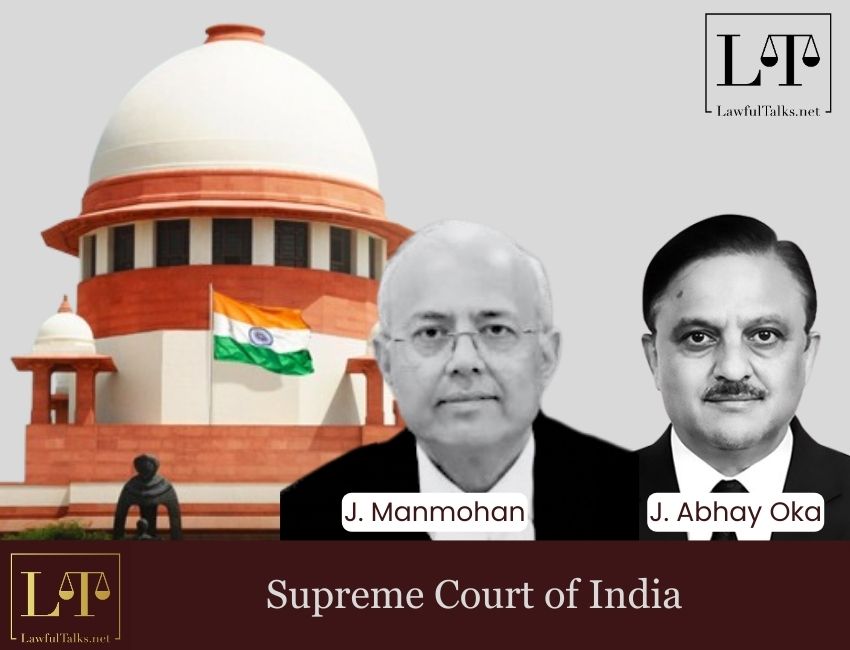
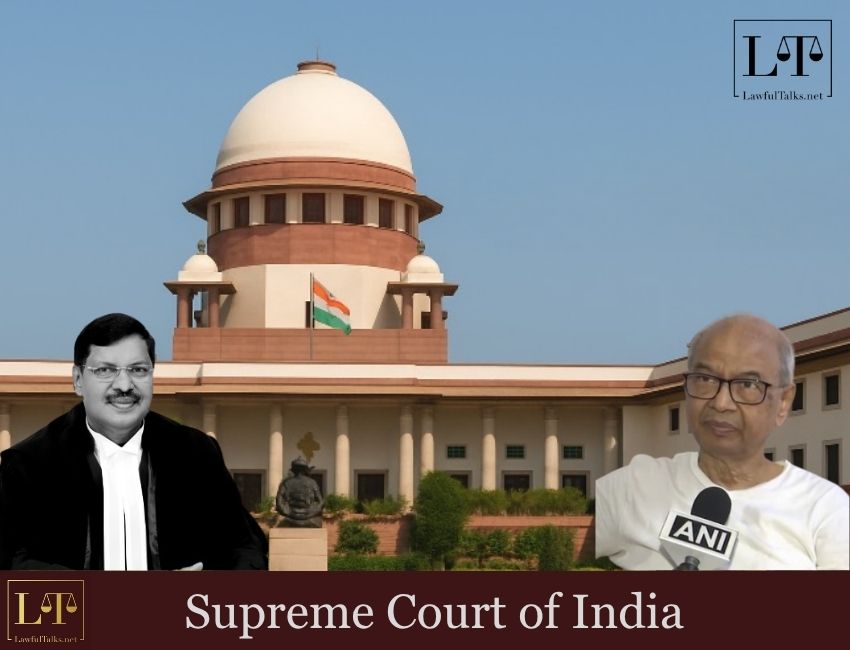
The bench comprising Justice Abhay S. Oka and Justice Manmohan, sought clarification from the BCI regarding the professional boundaries for lawyers. The query was prompted by a petition from an advocate who also worked as a freelance journalist and was seeking to dismiss a defamation case against him.
For context, under Rule 49 of the BCI Rules, it states that:
“An Advocate shall not be a full-time salaried employee of any person,Government, firm, corporation or concern, so long as he continues to practise,and shall, on taking up any employment, intimate the fact to the Bar Council on whose roll his name appears, and shall thereupon cease to practise as an Advocate so long as he continues in such employment.”
Thus, by virtue of the above rule, the counsel for the Bar Council of India informed the bench that individuals cannot simultaneously practice law and work as accredited journalists.
The Court, in its observations, recorded the Bar Council of India’s stance that an advocate cannot engage in full-time journalism due to the professional rules governing legal practice. The Court further noted the Petitioner’s voluntary undertaking to refrain from any involvement in journalism, ensuring that he would focus exclusively on his legal career. This voluntary undertaking was accepted by the Court, which stressed that this was a significant step in resolving the issue before it.
The Court adjourned the matter to February 2025 for further determination on the merits of the case.
Case Title: Mohd. Kamran v. The State Of Uttar Pradesh & ors., SLP (Crl) No. 9615/2024
Advocates For Petitioner(s): Mr. S.K. Warish Ali, Adv. Mr. Pankaj Singh, Adv. Dr. Vinod Kumar Tewari, AOR
Advocates For Respondent(s): Mr. Shaurya Sahay, AOR Mr. Aditya Kumar, Adv. Ms. Radhika Gautam, AOR











































Sign up for free and be the first to get notified about curated content just for you.