Review Petition Challenges SC's 3-Year Practice Mandate for Judicial Service Entry

- June 16, 2025


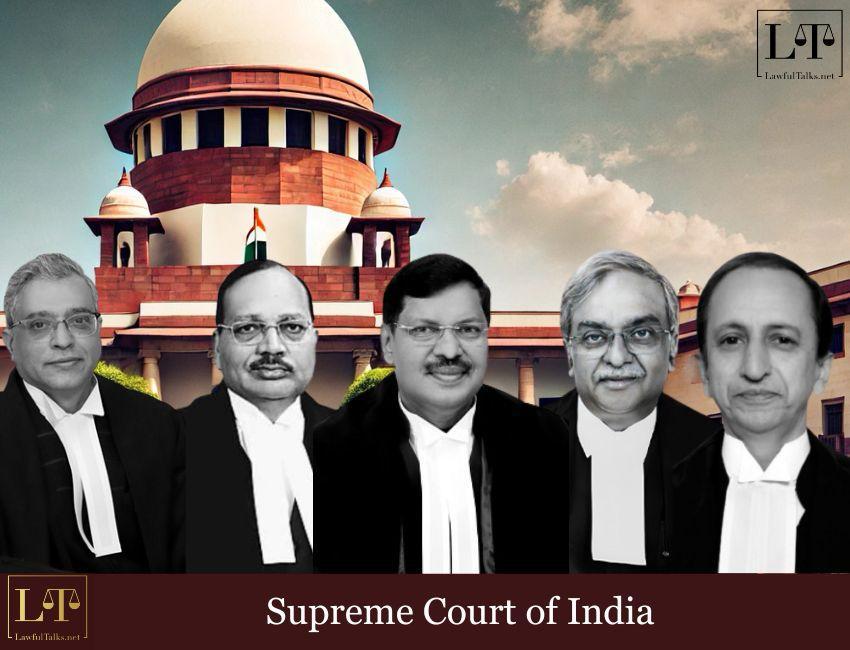
The recent decision of the Supreme Court, which mandated 3 years of practice as an advocate for a candidate to apply for the entry posts in judicial service (post of Civil Judge-Junior Division), has been challenged by filing a review petition.
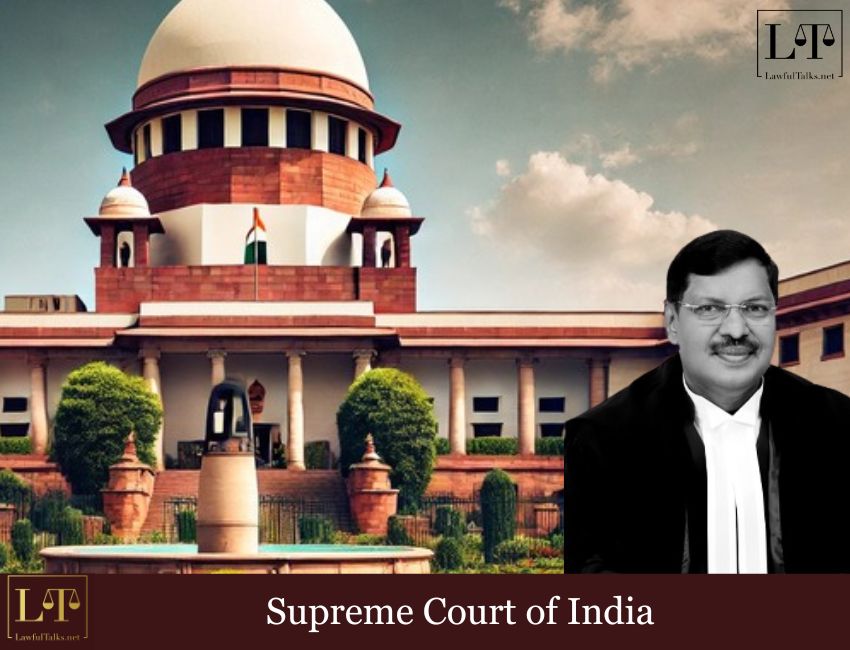
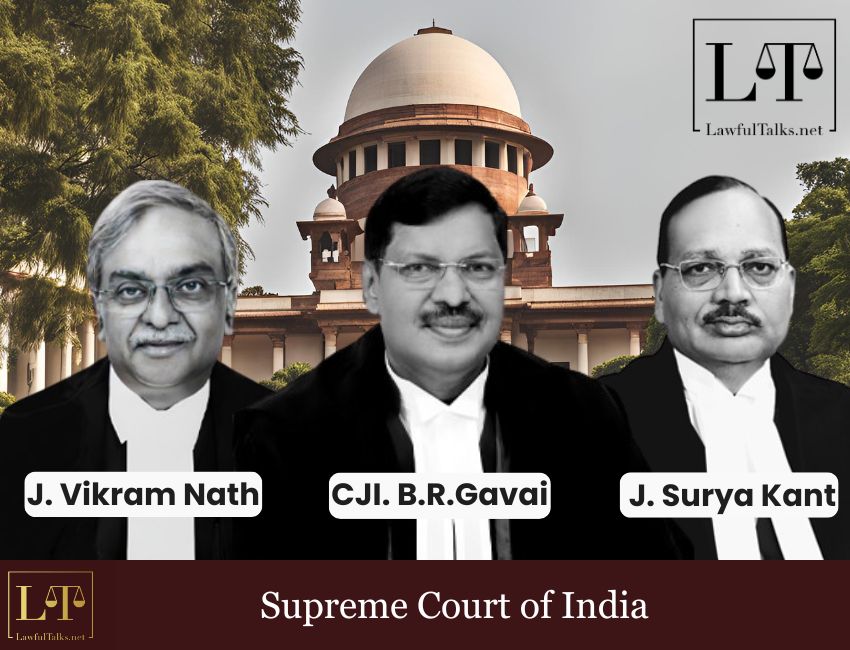
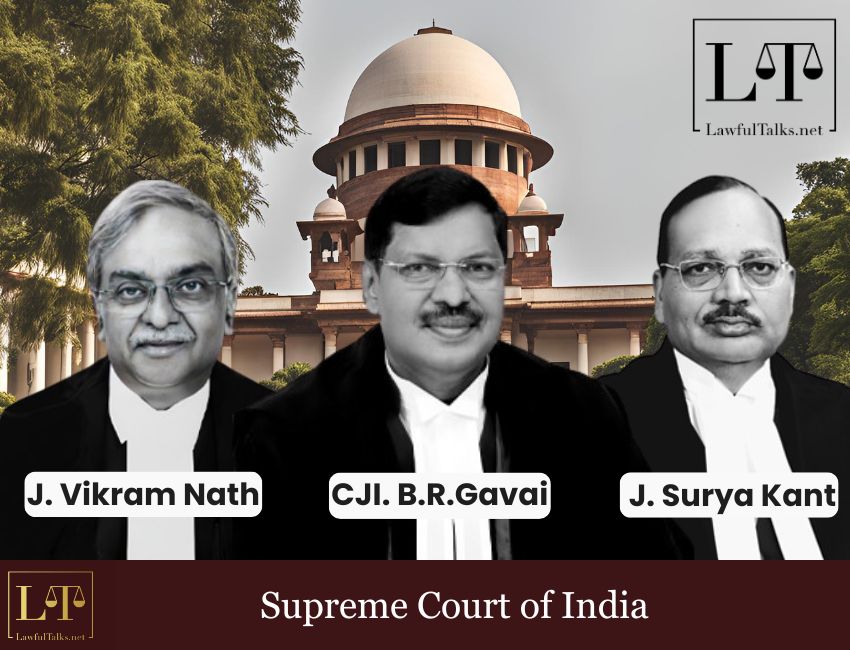
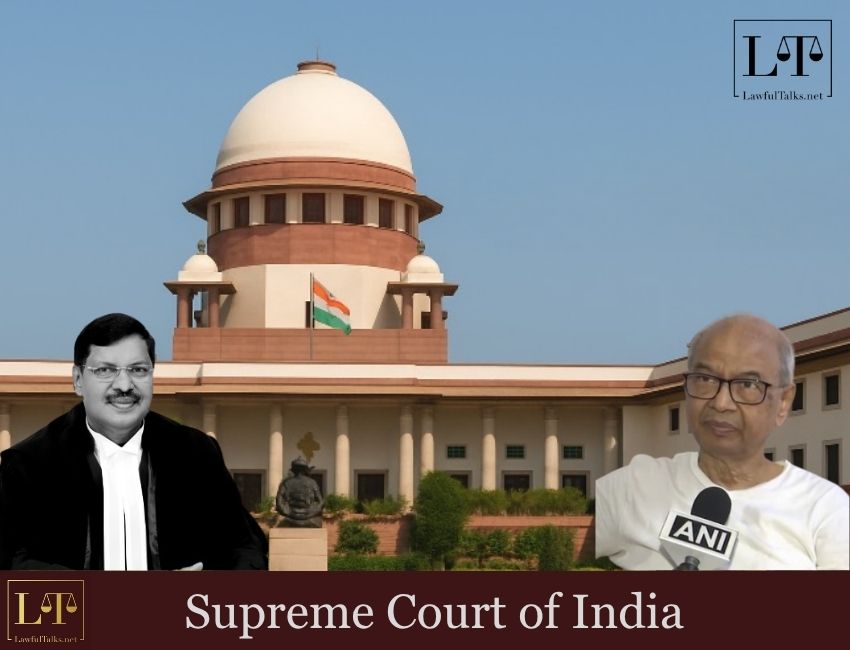
Such a review petition stems out of the verdict passed on 20/05/2025 by the bench of Chief Justice of India B.R. Gavai, Justice A.G. Masih, and Justice K. Vinod Chandran, which held, "All High Courts and State Governments shall amend the service rules to the effect that candidates desirous of appearing in Civil Judge (Junior Division) must have a practice of a minimum period of 3 years to be eligible for said examination,".
The petition, filed by Advocate Chandra Sen Yadav, contends that the imposition of the condition violates fundamental rights under Articles 14 and 16 of the Constitution. Petitioner requested the Court to defer the enforcement of the mandatory three-year practice requirement to 2027, so as not to unfairly disadvantage recent graduates from the years 2023 to 2025 who had prepared based on the earlier eligibility norms.
"Immediate enforcement causes retrospective hardship, violating principles of fairness, legitimate expectation, and equal opportunity under Article 14 of Indian Constitution,"
It was the case of the petitioner that the Supreme Court, in its decision to have a mandate of 3 years of practice, was not aligned with the critical recommendations put forth by the Shetty Commission. The petitioner further contended that the Court’s decision was primarily based on affidavits submitted by certain High Courts and State Governments that supported reinstating the practice requirement for entry into judicial service. However, the petitioner argued that the Court did not fully consider opposing views, notably those of the States of Nagaland and Tripura, the High Court of Punjab and Haryana, and the State of Chhattisgarh, all of which had recommended against the imposition of such a condition.
The Court while imposing the mandate, was of the opinion that over the past 20 years, the recruitment of fresh law graduates as judicial officers without any prior practice at the Bar had not been a successful experience. It was noted that such appointments had led to several problems.
Per contra, it was the case of the Petitioner tthat the Shetty Commission had recommended doing away with the practice requirement, noting that law students already gain exposure to court proceedings and practical experience through mandatory internships as part of their curriculum. This crucial aspect, the petitioner argued, was overlooked by the Supreme Court. Moreover, since candidates undergo formal training prior to assuming judicial office, the need for prior legal practice may no longer be justified.
It was also highlighted that no comprehensive data or statistics support the fact that fresh law graduates or candidates without three years of Bar experience are underperforming as judges.
Additionally, The review petition argues that the directive mandating a minimum of three years of legal practice disproportionately affects candidates from economically weaker sections and socially disadvantaged groups, particularly those belonging to the Scheduled Castes (SC), Scheduled Tribes (ST), and Other Backward Classes (OBC).
Source: News















































Sign up for free and be the first to get notified about curated content just for you.