RG Kar Medical College Tragedy - Supreme Court Questions Authorities On Systematic Failures

- August 20, 2024


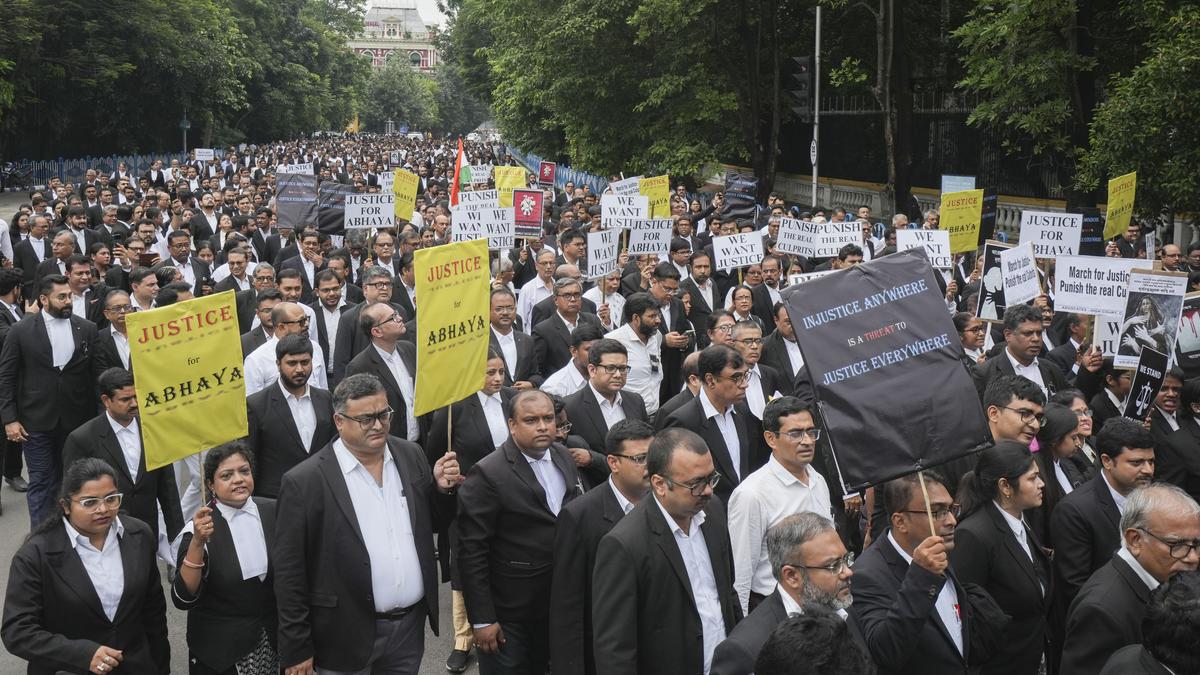
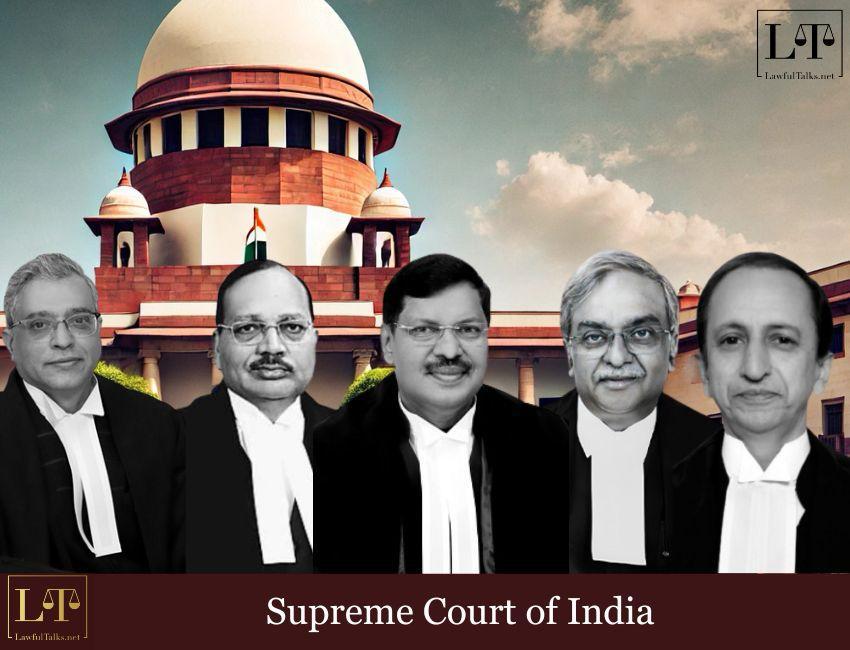
In the Supreme Court hearing on 20 August 2024, the Court questioned the authorities regarding the systemic failures and mishandling of the tragic incident at RG Kar Medical College Hospital, Kolkata, where a postgraduate doctor was raped and murdered.
The tragic incident that took place on 9 August 2024 at RG Kar Medical College Hospital, Kolkata, where a thirty-one-year-old postgraduate doctor was allegedly raped and brutally murdered during a thirty-six-hour duty shift, the Supreme Court made critical observations and directives aimed at addressing the systemic failures in the healthcare system, particularly concerning the safety and dignity of medical professionals.
The Court observed that the nature of the crime and the subsequent widespread circulation of the deceased's name and graphic images on social media have deeply shocked the nation, raising serious concerns about privacy and dignity in such sensitive cases. The Supreme Court was informed that writ petitions were filed before the Calcutta High Court seeking a court-monitored investigation into the crime. These petitions also questioned the conduct of the hospital authorities, including the Principal of RG Kar Medical College, amid allegations that the deceased's parents were initially misinformed about the cause of death and were only permitted to view their daughter’s body after a significant delay. Additionally, there was a reported delay in registering the first information report (FIR) regarding the murder, which compounded the gravity of the situation.
On 13 August 2024, the Calcutta High Court responded to these concerns by transferring the investigation to the Central Bureau of Investigation (CBI). The Supreme Court today emphasized the importance of this transfer, considering the serious allegations against local authorities and the widespread public outcry. The Court highlighted that an impartial investigation by the CBI is crucial in ensuring justice in this case.
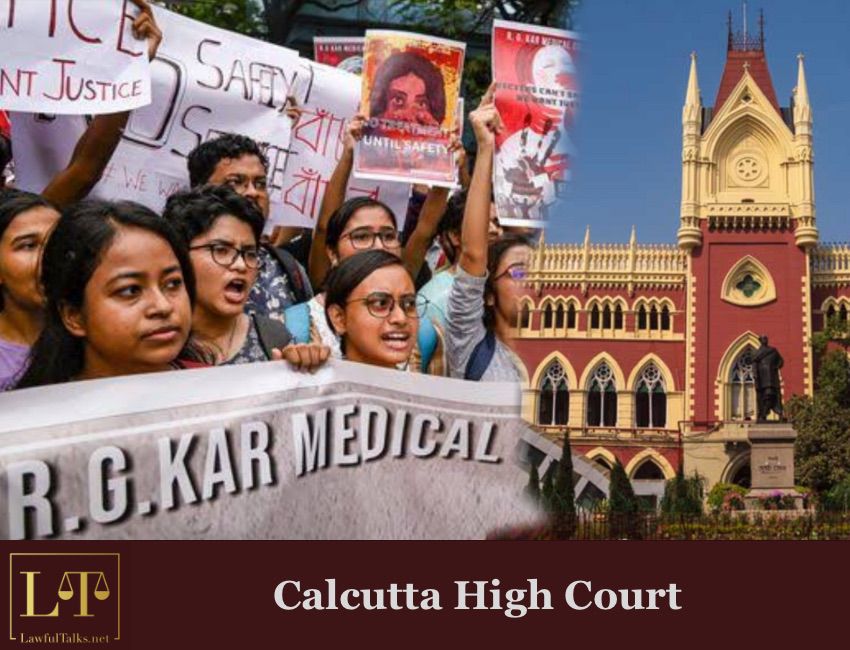
In the aftermath of the incident, the Supreme Court noted the nationwide protests led by doctors’ associations, student bodies, and civic groups, which highlighted the systemic failures in ensuring the safety of medical professionals. The Indian Medical Association, in particular, called for a nationwide withdrawal of medical services, excluding emergency services, for twenty-four hours on 17 August 2024, in protest against the lack of safety measures and the acts of vandalism that took place at RG Kar Medical College Hospital following the crime.
The Court expressed concern over the State Government's apparent failure to prevent the vandalism at the hospital, emphasizing that maintaining law and order, especially in a hospital environment where such a grave crime had occurred, was of paramount importance. The Court criticized the State's lack of preparedness to manage the situation and stressed that the State had a duty to deploy its machinery effectively to prevent such breaches of law and order.
Addressing the broader issue of institutional safety for medical professionals, the Supreme Court pointed out that this incident brought to the forefront the persistent dangers faced by healthcare workers in their line of duty. The Court highlighted that while several states, including Maharashtra, Kerala, Karnataka, Telangana, West Bengal, Andhra Pradesh, and Tamil Nadu, have enacted legislation to protect healthcare service professionals from violence, these laws have largely failed to address the systemic issues contributing to the vulnerability of medical professionals.
Particularly concerning to the Court was the increased risk faced by female medical professionals, who are often subjected to violence and harassment due to ingrained patriarchal attitudes and biases within healthcare settings. The Court stressed the need for comprehensive institutional safety norms that not only protect against physical violence but also address sexual harassment and discrimination, particularly against women in the medical profession.
In response to these concerns, the Supreme Court proposed the establishment of a 10 members National Task Force (NTF), including Surgeon Vice Admiral Arti Sarin among others tasked with formulating effective recommendations to remedy the issues related to the safety, working conditions, and well-being of medical professionals. The NTF was instructed to consider two primary areas:
(1) Prevention of violence against medical professionals and providing safe working conditions;
(2)Prevention of sexual violence against medical professionals:
The NTF was directed to submit an interim report within three weeks and a final report within two months from the date of the order. The Court also directed all State and Union Territory Governments to submit detailed information on the current safety measures in place at their respective hospitals, including the deployment of security personnel, the availability of resting rooms, and the implementation of sexual harassment laws.
Finally, the Supreme Court requested a status report from the CBI on the progress of the investigation by 22 August 2024. The State of West Bengal was also directed to file a status report by the same date concerning the acts of vandalism that occurred at the hospital.
The matter has been scheduled for further hearing on 22 August 2024.
Daily Order Link : https://www.sci.gov.in/wp-admin/admin-ajax.php?action=get_court_pdf&diary_no=373512024&type=j&order_date=2024-08-20&from=latest_judgements_order






































Sign up for free and be the first to get notified about curated content just for you.