SC Questions Public Inconvenience Justification for Stopping Udayasthamana Pooja

- December 11, 2024


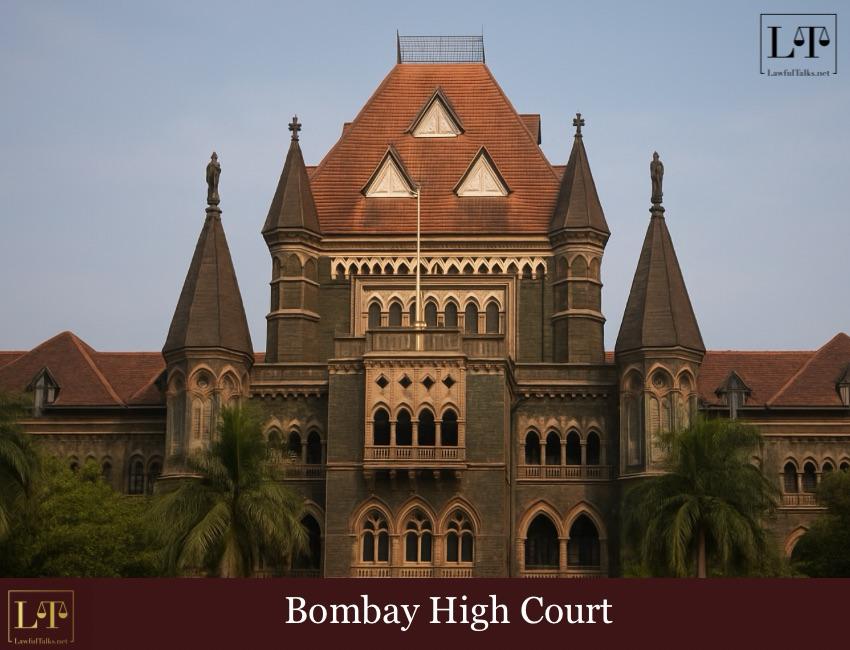
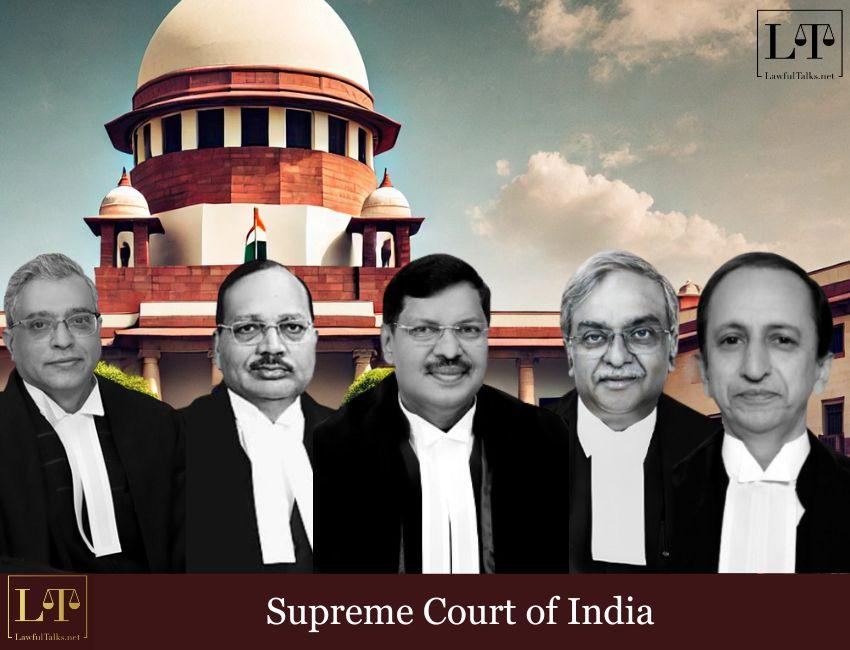
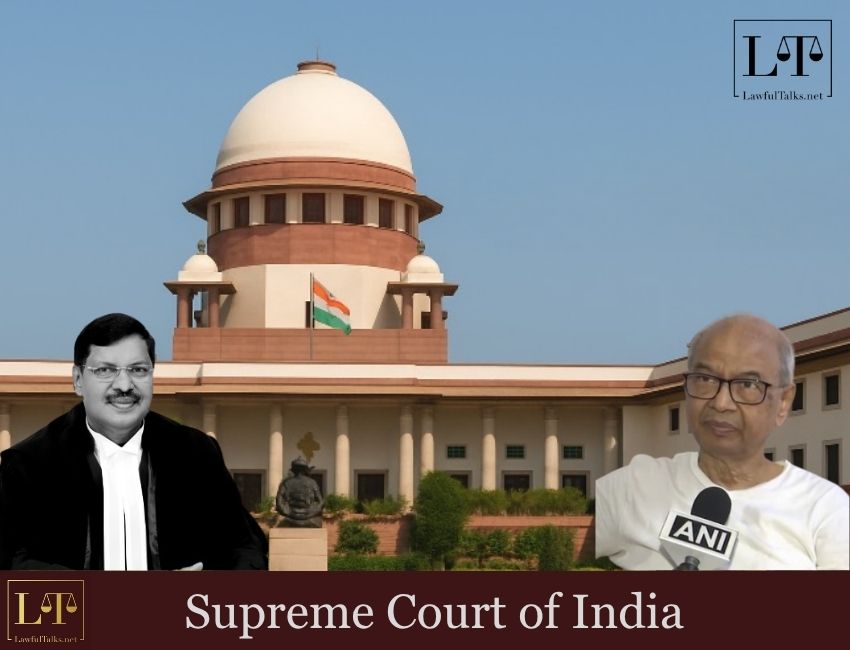
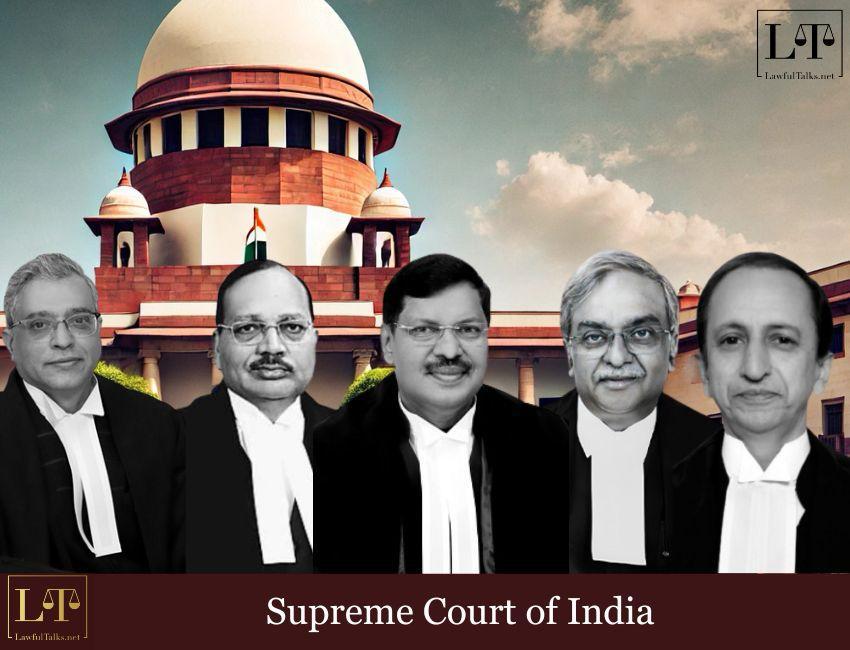
On 11th December 2024, the Supreme Court bench comprising Justice JK Maheshwari and Justice Rajesh Bindal issued notice in a plea challenging the Kerala High Court’s 7th December 2024 judgment. The Kerala High Court has upheld the Guruvayoor Sri Krishna Temple administration's decision not to conduct the Udayasthamana Pooja on Vrishchikam Ekadasi, citing public convenience.
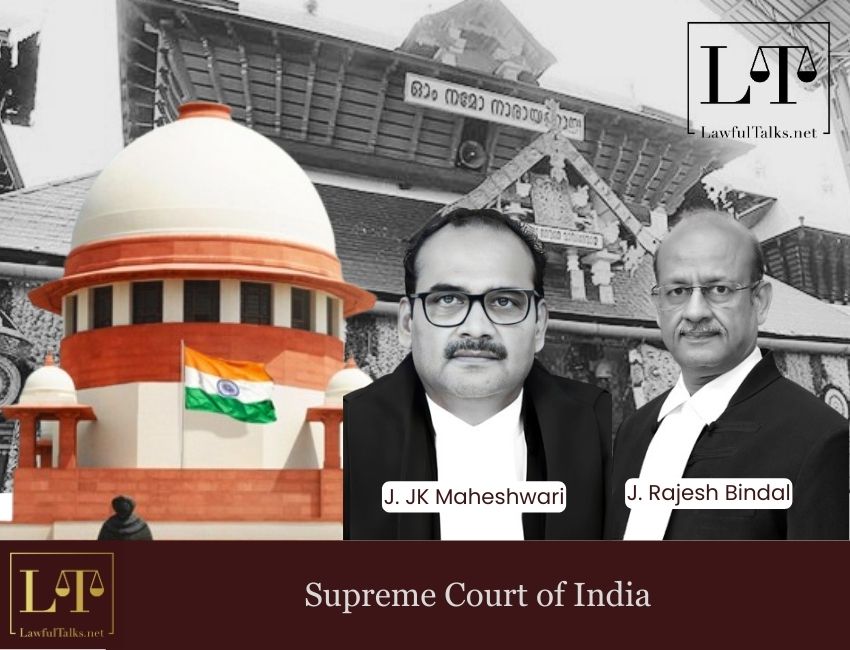
The Supreme Court directed notices to the Guruvayoor Devaswom Managing Committee, the Tantri, and the State of Kerala, with a returnable period of four weeks.
The Supreme Court questioned whether a pooja could be stopped solely on the grounds of public inconvenience. It emphasized that pooja is for the deity and its sanctity, and the management should explore ways to handle public issues without disrupting rituals.
The Court also issued an interim direction, stating that there should be no change to the chart of daily poojas as available on the temple’s website.
The dispute arose from the temple administration’s decision, supported by the Tantri, to forgo the Udayasthamana Pooja on Vrishchikam Ekadasi. The administration justified its decision by citing crowd management challenges and the need to allow more devotees time for darshan.
Members of the hereditary priestly family challenged this decision, arguing that it violated long-standing customs and rituals. They contended that the Udayasthamana Pooja has been conducted for centuries, with its framework attributed to Adi Sankaracharya, and that its non-performance would disturb the spiritual sanctity of the deity and offend devotees' beliefs.
The temple administration and the Tantri maintained that the Udayasthamana Pooja is not an indispensable ritual but a form of offering that has been altered in the past to accommodate practical considerations. They also asserted that the decision was made in consultation with the Tantri and would not adversely affect the temple’s traditions or rituals.
The Kerala High Court ruled that the Tantri has authority under the Guruvayur Devaswom Act, 1978, in matters of religious and ceremonial practices, unless such decisions contravene any law. It observed that whether the Udayasthamana Pooja is an essential ritual or a voluntary offering is a disputed question of fact, which must be decided by a competent civil court. It dismissed the petition, stating that the issue could not be addressed through writ jurisdiction.
The petitioners sought the Supreme Court’s intervention to allow the pooja to be conducted from 6 AM on the day of Vrishchikam Ekadasi. However, as the pooja time had already passed, the Court stated that no interim relief could be provided. Nevertheless, it expressed prima facie satisfaction with the petitioners' arguments and decided to examine the matter further.


































Sign up for free and be the first to get notified about curated content just for you.