SC Strikes Down Caste-Based Discrimination In Prisons Manuals

- October 03, 2024


SC Strikes Down Caste-Based Discrimination in Prisons: Orders States to Amend Prison Manuals

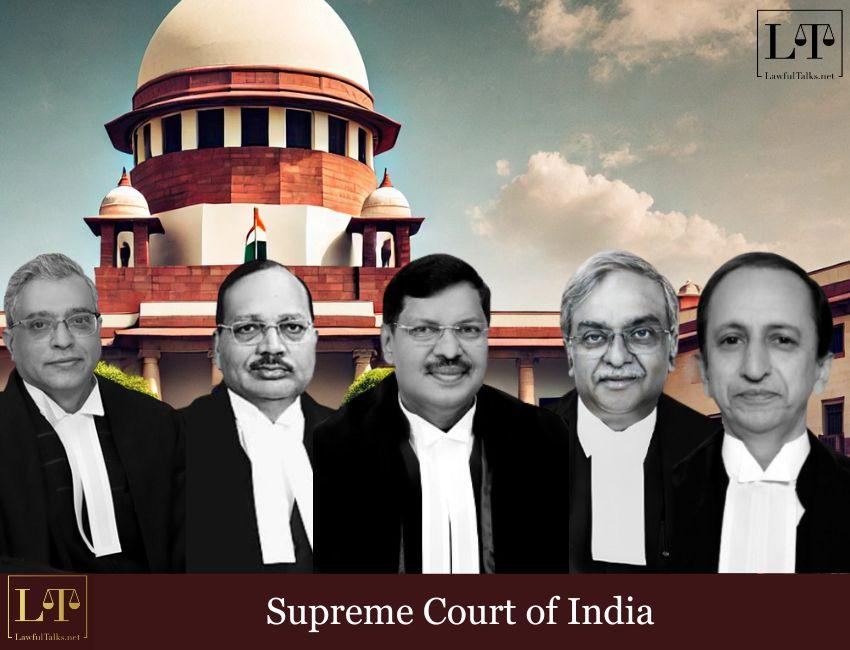
The Supreme Court of India, in a landmark judgement, set aside discriminatory provisions in the prison manuals of several states that allowed segregation of prisoners and distribution of work based on caste. A bench led by Chief Justice of India (CJI) D.Y. Chandrachud, with Justices J.B. Pardiwala and Manoj Misra, issued strong directives to halt caste-based discrimination in prisons and ordered amendments to outdated rules within three months.
The Supreme Court unequivocally condemned the practice of assigning work based on caste, emphasising that such policies violate Article 15 of the Constitution, which prohibits discrimination on grounds of caste, religion, race, sex, or place of birth. The bench remarked, “Prison manuals must not perpetuate caste-based prejudice by assigning degrading tasks to certain groups... No group is born as a scavenger class, nor should any group be restricted to such work.”
The judgement further invoked Article 17, which abolishes untouchability, and held that assigning tasks like cleaning sewers or hazardous work to marginalised castes is a continuation of untouchability in a modern form. The court called for an end to these practices, stressing that they violate the dignity and human rights of prisoners from marginalised communities, especially Scheduled Castes (SC), Scheduled Tribes (ST), and denotified tribes.

As part of its slew of directions, the Supreme Court ordered that prisoners, irrespective of their caste, should be given fair and equitable work opportunities. The court emphasised that work distribution must be devoid of any caste-based preferences, ensuring a dignified treatment for all prisoners in line with constitutional mandates. The bench held that such discriminatory practices fail to meet the standard of "intelligible differentia" and do not contribute to the reformation or rehabilitation of prisoners, a key objective of the penal system.
The court also prohibited prison authorities from allowing inmates to undertake hazardous tasks such as cleaning sewers or tanks, stating that such practices are not only discriminatory but also dangerous. The bench ordered that states must revise their prison manuals to comply with these guidelines, filing a compliance report within three months.
The ruling struck down provisions in state prison manuals that categorised certain prisoners, especially those from denotified tribes, as habitual offenders. The court described such classifications as remnants of colonial rule, which historically vilified de-notified tribes by labeling them as criminals. “Members of denotified tribes have historically been treated as criminals from birth. This classification is an affront to their dignity and a gross violation of Article 21, which guarantees the right to life with dignity,” CJI Chandrachud remarked.
The bench declared that these labels reinforce colonial stereotypes and directed all states to delete any reference to habitual offenders from their prison manuals. The ruling also mandated the removal of caste references in convict or undertrial registers.
The court not only targeted the discriminatory practices in the state prison manuals but also directed the Union government to amend the Model Prison Manual, 2016, which contains provisions allowing states to classify individuals as habitual offenders. It was observed that such categorizations are inherently discriminatory and violate the right to equality under Article 14 of the Constitution. The court noted, “Discrimination based on caste, both direct and indirect, is a relic of colonial rule. The Constitution mandates that prisoners be treated humanely, with due regard for their mental and physical well-being.”





































































Sign up for free and be the first to get notified about curated content just for you.