SC to Rule on Caste-Based Discrimination in Prison Manuals Today

- October 03, 2024


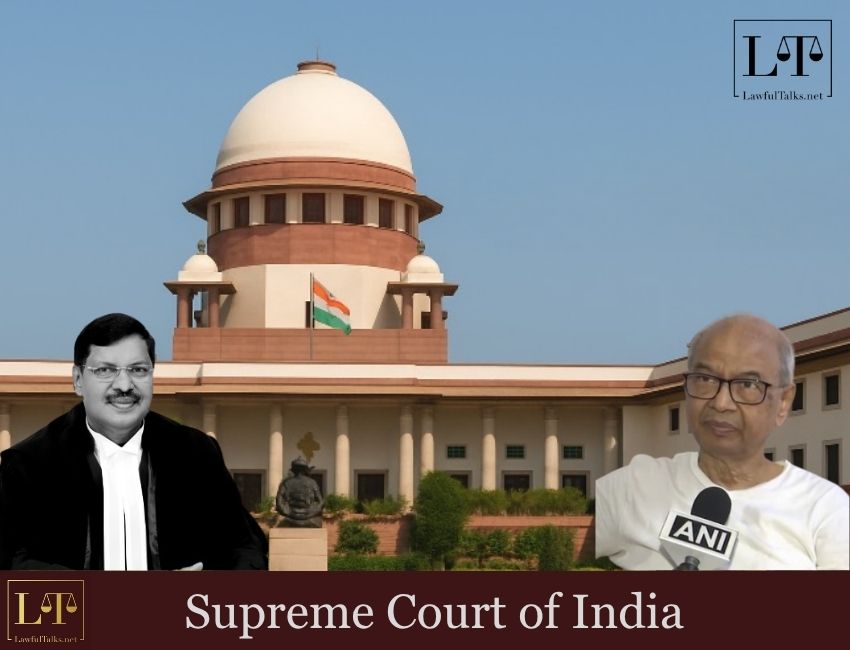
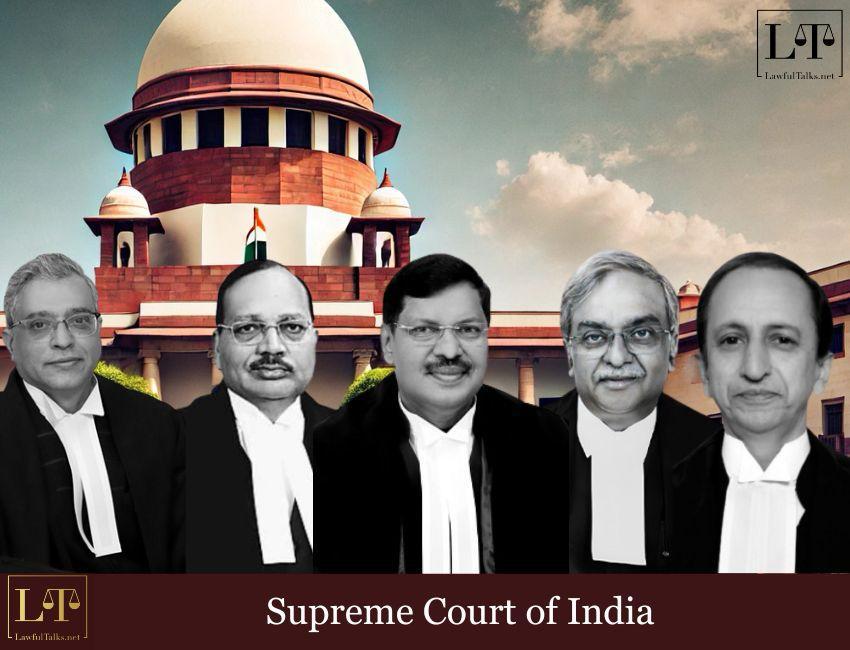
On October 3, 2024 the Supreme Court is set to deliver a significant judgement on a petition that challenges the caste-based discrimination allegedly entrenched in the prison manuals of various states. The bench, headed by Chief Justice of India D.Y. Chandrachud and comprising Justice J.B. Pardiwala and Justice Manoj Misra, will pronounce the verdict, which has the potential to reshape prison administration across India. The plea highlights discriminatory practices within state prisons, where caste determines the allocation of work and the treatment of inmates.
The petition, filed by journalist Sukanya Shantha, alleges that several state prison manuals continue to perpetuate caste-based discrimination, despite efforts to amend these practices in line with the Model Prison Manual, 2016, formulated by the Union Ministry of Home Affairs. The plea, submitted under Article 32 of the Constitution, asserts, "This petition is filed in public interest under Article 32 of the Constitution of India to bring to the notice of this court the continued existence and enforcement of rules and practices under various state prison manuals that are manifestly grounded in and reinforce caste-based discrimination."

According to the petition, the West Bengal Jail Code designates specific tasks, such as cooking, to inmates from dominant castes, while those from marginalised castes are relegated to menial tasks like sweeping. This practice reinforces the social hierarchies that the Indian Constitution seeks to eliminate, violating the principles of equality, dignity, and non-discrimination.
During a key hearing on July 10, 2024, the Supreme Court expressed its intention to direct the Ministry of Home Affairs to work with the states to eliminate caste-based practices that, although often unacknowledged, persist in the prison system. The court reviewed provisions of the Uttar Pradesh prison manual, which used terms like “scavenger class,” and noted that prisoners sentenced to simple imprisonment would not be required to perform menial or degrading tasks unless they belonged to a class or community "accustomed" to such work.
Chief Justice Chandrachud remarked that this "ground reality has to be altered" and mooted the involvement of legal services authorities at both district and state levels to conduct periodic jail visits to monitor prison conditions. The case was subsequently reserved for judgement.




















































Sign up for free and be the first to get notified about curated content just for you.