Historic SC Ruling: Judiciary Cannot Force President Or Governors To Act On Bills Within Set Time

- November 20, 2025


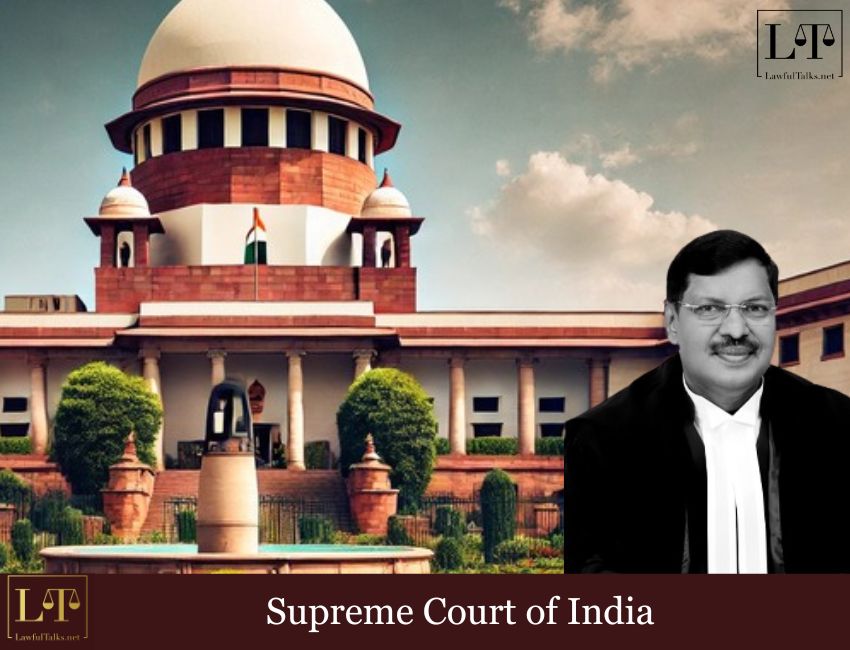
In the much awaited major constitutional ruling, the Supreme Court, answering President Droupadi Murmu’s reference under Article 143, held that it cannot impose fixed timelines for the President or Governors to act on Bills under Articles 200 and 201. The Court ruled that the idea of “deemed assent” when such timelines expire is unconstitutional, as it amounts to the judiciary taking over executive functions, violating the separation of powers.

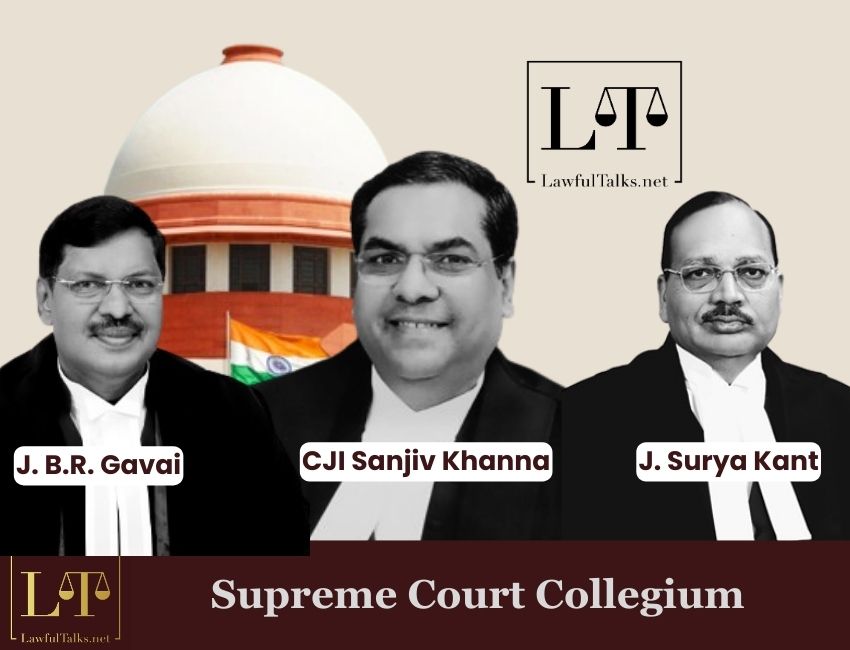
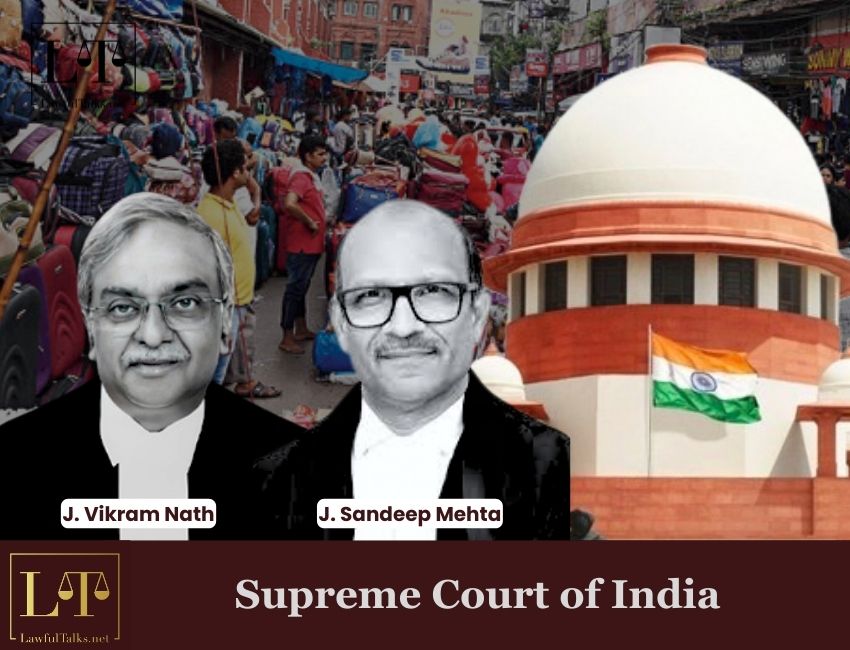
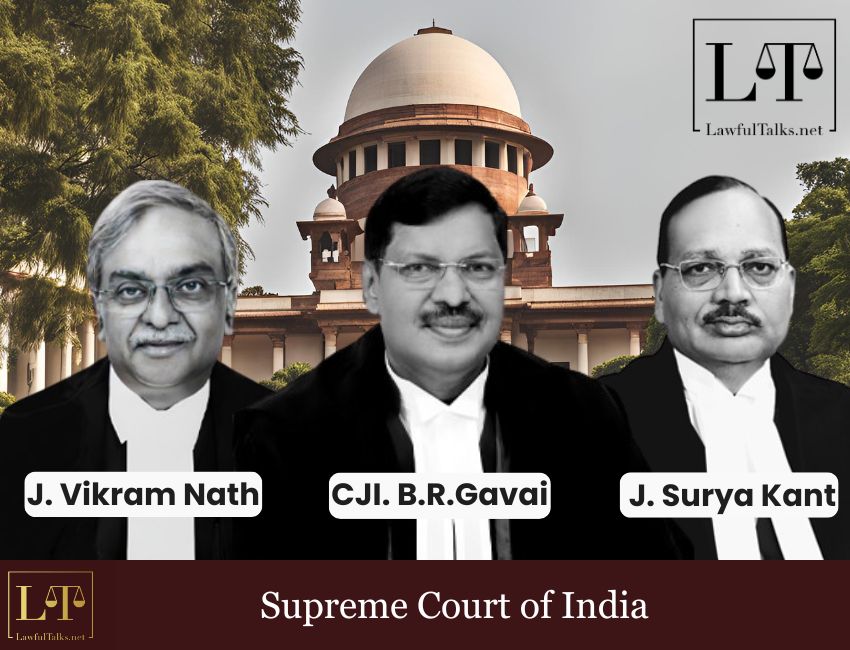
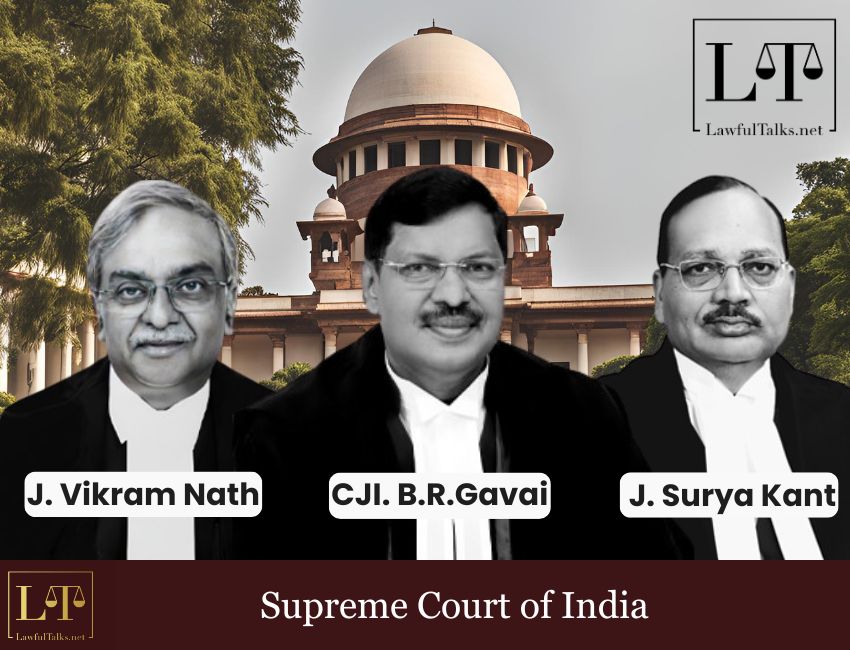
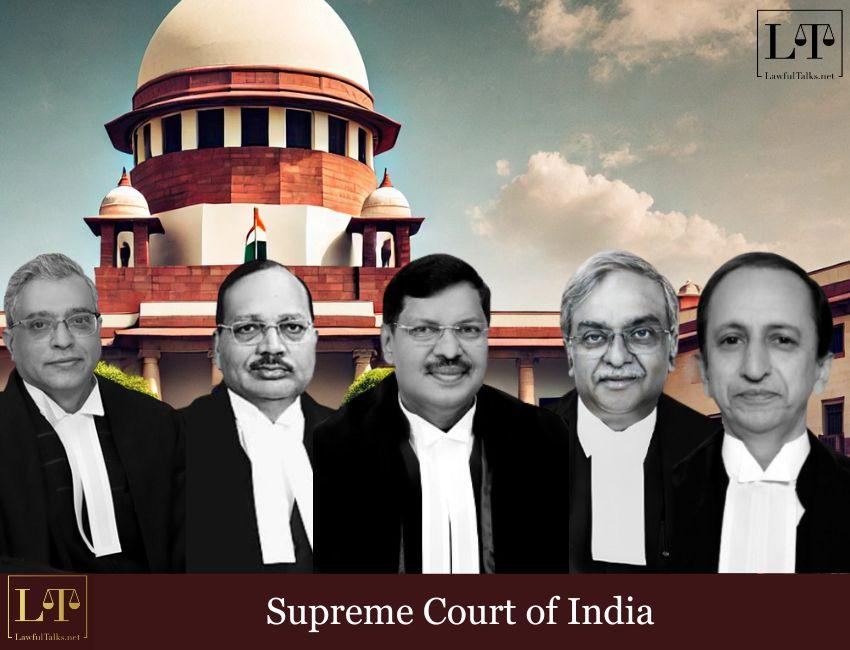
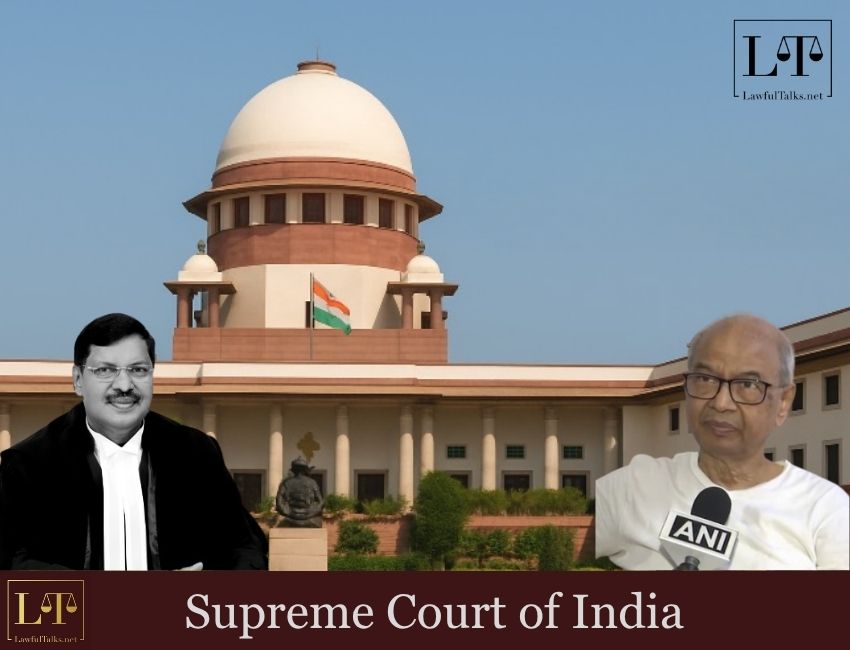
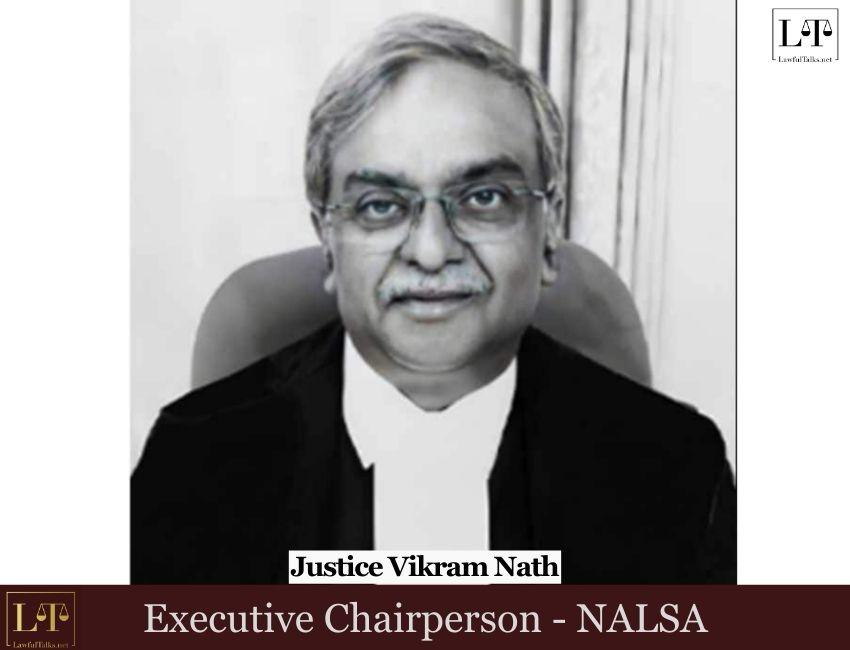
The five-judge bench led by Chief Justice of India (CJI) BR Gavai, Justice SuryaKant, Justice Vikram Nath, Justice PS Narasimha and Justice AS Chandurkar said that courts cannot tell the President or Governors exactly when they must decide on Bills. However, if there is a long or unexplained delay, the courts can step in in a limited way and tell them to act within a reasonable time, without commenting on the merits of the Bills.
The Court laid out the constitutional options for a Governor when a Bill is presented: the Governor may assent, withhold assent (but must return the Bill to the Assembly), or reserve it for the President. It rejected the Union’s argument that a Governor can indefinitely withhold a Bill without returning it, calling such a stance contrary to federal principles.
The bench also said that decisions made under Articles 200 and 201 cannot be reviewed on their merits. It added that Article 142 cannot be used to change or override what the Constitution says, which means there can be no idea of “deemed assent.” The Court made it clear that the President and Governors are not legally bound to follow fixed deadlines, because the Constitution intentionally allows flexibility in these processes.
This important ruling, delivered after the controversy involving the Tamil Nadu Governor, settles the question of whether courts can force constitutional authorities to act within strict time limits.
Appearance:
Attorney General for India R Venkataramani
Solicitor General of India Tushar Mehta
Senior Advocate Kapil Sibal (for the State of West Bengal), Senior Advocate Dr AM Singhvi (for Tamil Nadu), Senior Advocate KK Venugopal (for Kerala), Senior Advocate Gopal Subramanium (for State of Karnataka) and Senior Advocate Arvind P Datar (for State of Punjab)
Senior Advocate Harish Salve (for State of Maharashtra), and Senior Advocate Mahesh Jethmalani (for State of Chhattisgarh)
Judgment Awaited:
Case Details: Case Details: IN RE : ASSENT, WITHHOLDING OR RESERVATION OF BILLS BY THE GOVERNOR AND THE PRESIDENT OF INDIA







































Sign up for free and be the first to get notified about curated content just for you.