Big Murder Ruling: SC Says “Sudden Quarrel’’ Not Enough For Section 300 Exception

- December 16, 2025


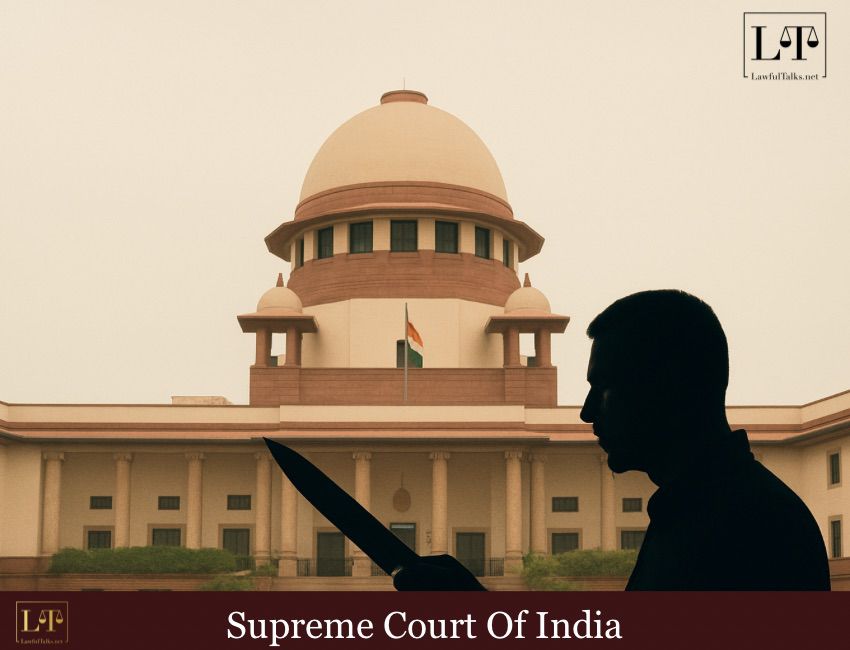
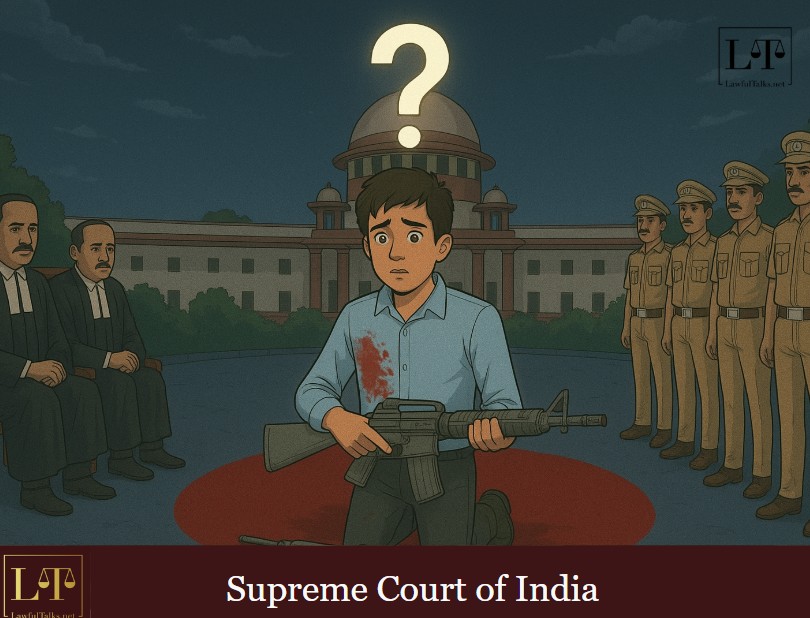
The Supreme Court has reaffirmed that where an accused repeatedly stabs an unarmed person without any element of mutual fight or self-defence, the offence squarely falls within the ambit of murder punishable under Section 302 of the Indian Penal Code. Rejecting the plea for a lesser offence, the Court held that such acts cannot be protected under Exceptions 2 or 4 to Section 300 IPC.
Facts:
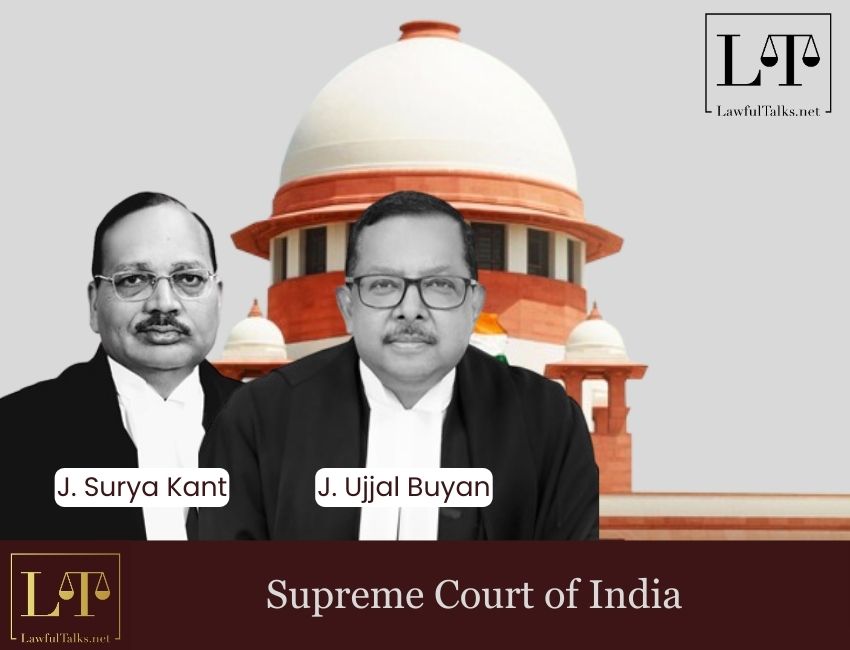
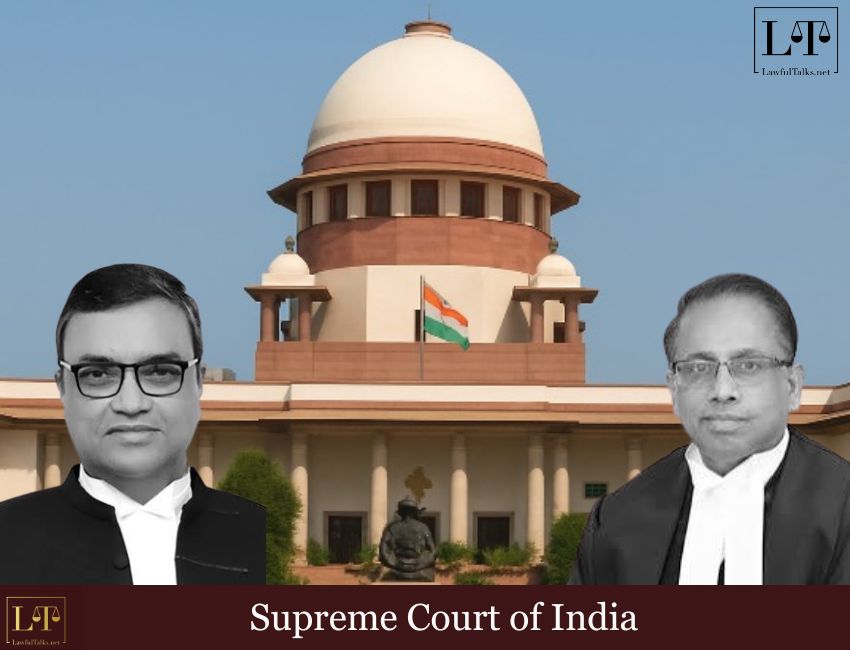
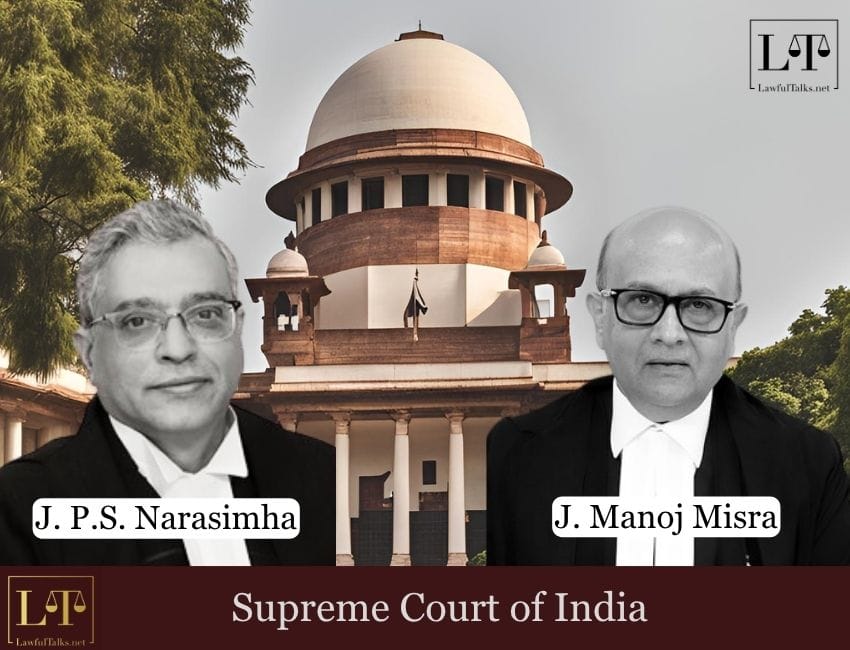
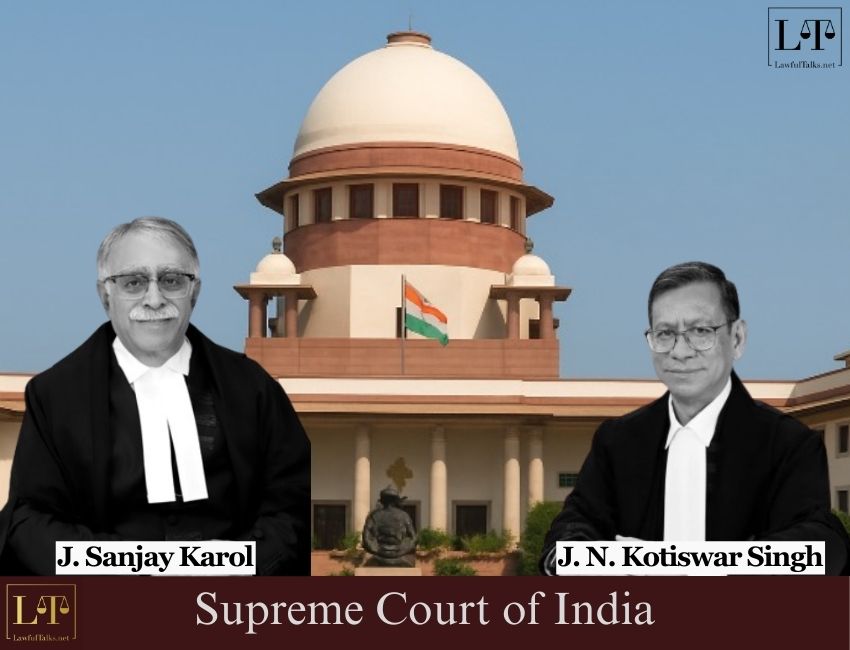
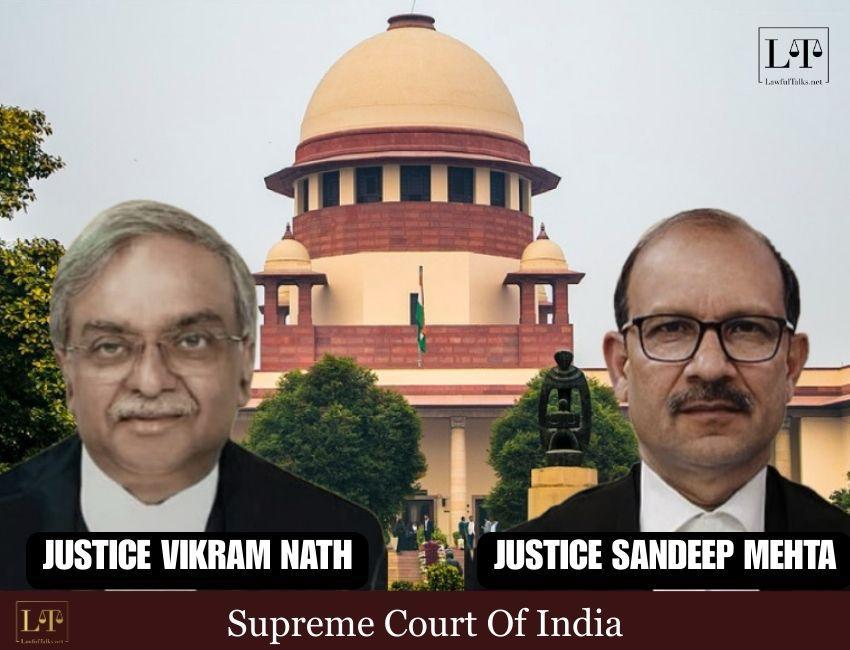
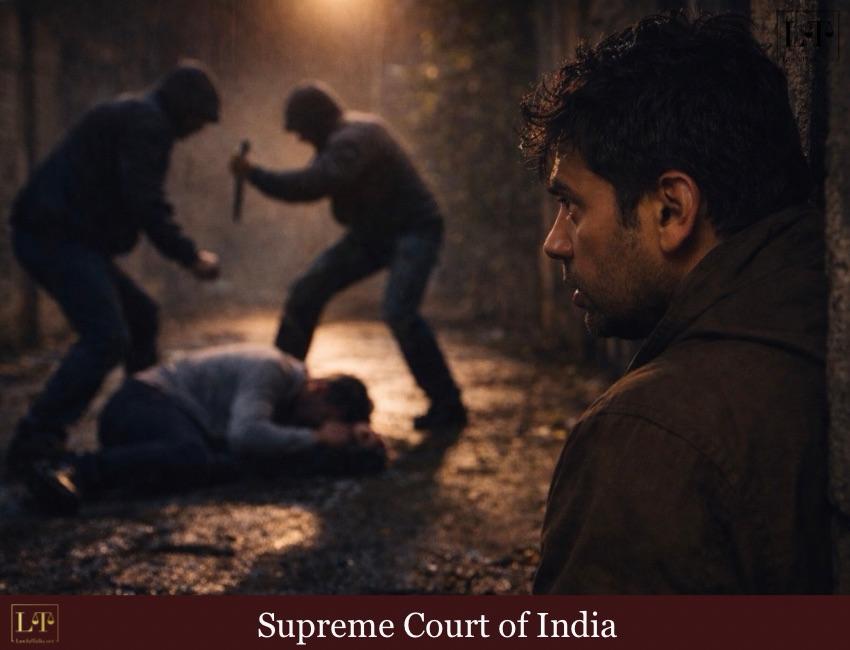
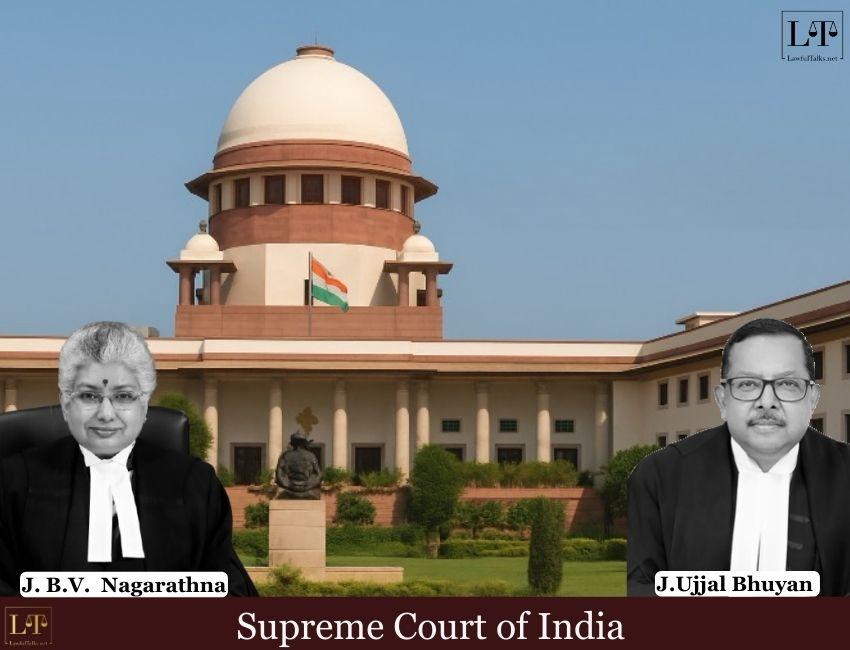
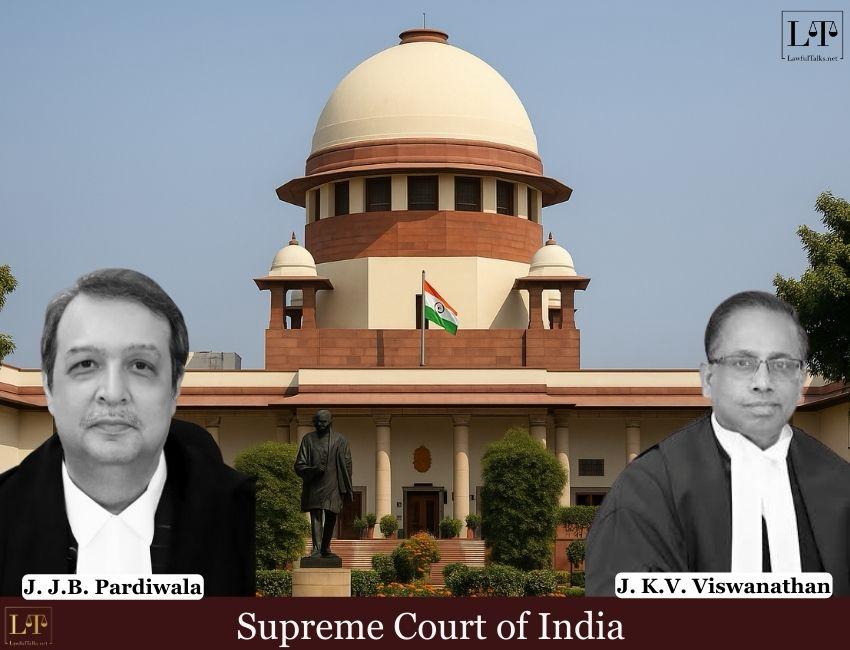
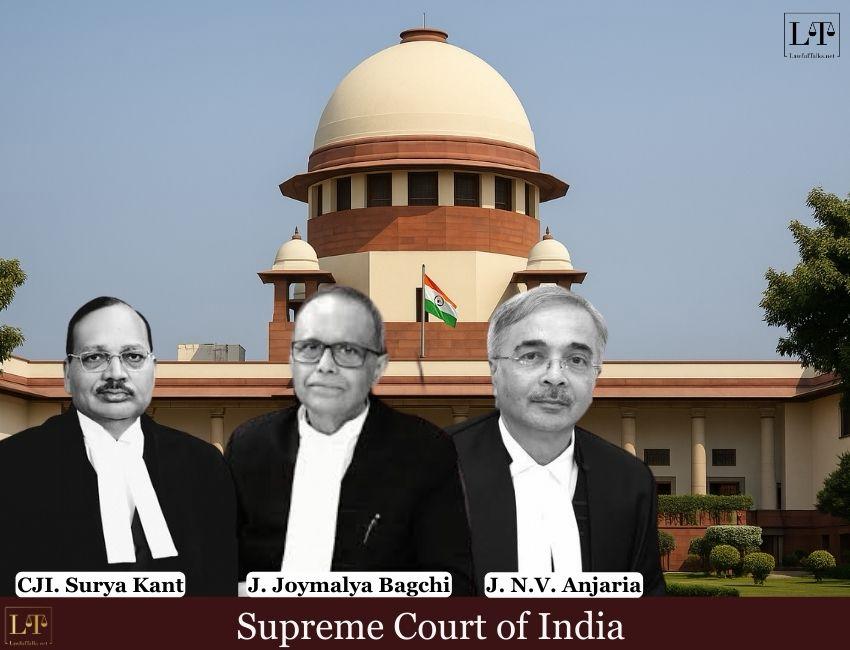
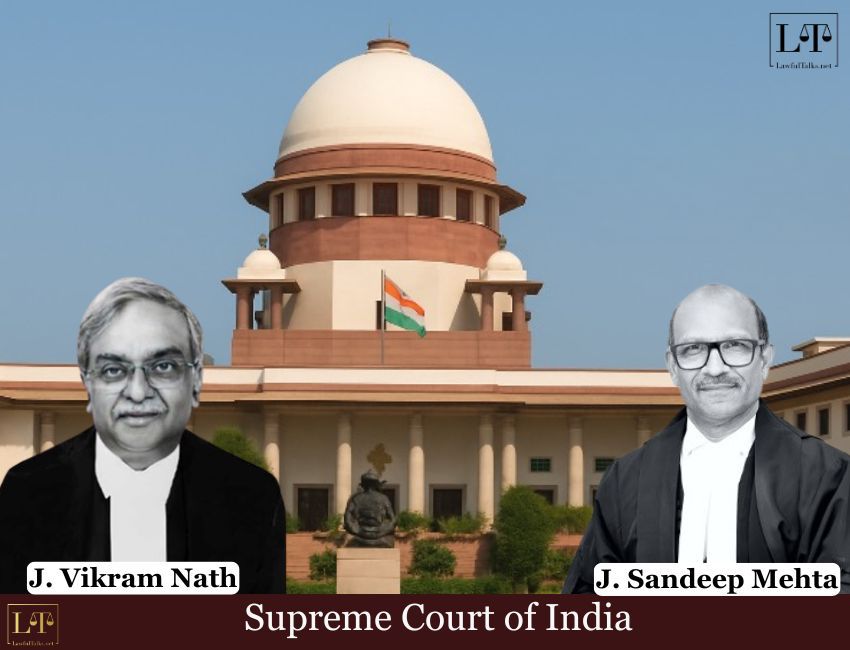
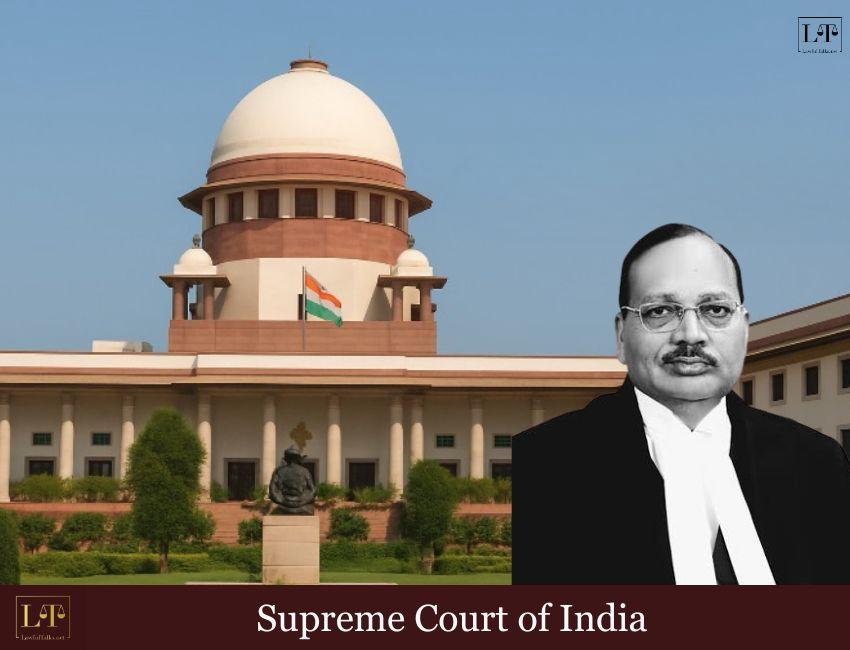
A Bench comprising Justice Manoj Mishra and Justice Ujjal Bhuyan noted that the deceased had suffered four knife blows on vital parts of the body. The Court observed that the injuries included cuts to the common carotid and subclavian arteries, which, in the ordinary course of nature, were sufficient to cause death.
In the present case, the appellant had inflicted multiple knife blows on an unarmed victim and sought the benefit of reduced punishment by invoking Exceptions 2 and 4 to Section 300 IPC. Exception 2 applies where death is caused in the exercise of the right to private defence, while Exception 4 covers cases where death is caused without premeditation during a sudden fight in the heat of passion, provided the offender does not take undue advantage or act in a cruel or unusual manner.
Placing reliance on the Supreme Court’s earlier judgment in Bhagwan Munjaji Pawade v. State of Maharashtra, (1978) 3 SCC 330 (para 6), the Bench reiterated:
“Where the accused is armed and the deceased is unarmed, Exception 2 can have no application and Exception 4 to Section 300 would not apply if there is sudden quarrel but no fight between the deceased and the accused.”
Elaborating on the scope of Exception 4, the Court observed:
“In our view, benefit of Exception 2 would not be available to the petitioner. As far as Exception 4 is concerned, an act of culpable homicide does not amount to murder if following ingredients are fulfilled (i) there is no pre-meditation; (ii) there is a sudden fight; (iii) the act is committed in the heat of passion; and (iv) the assailant has not taken any undue advantage or acted in a cruel manner. Although the term ‘fight’ has not been defined in IPC, but the consistent view is that it implies mutual assault by use of criminal force and not mere verbal duel.”
Applying these principles to the facts of the case, the Bench held that there was no evidence of any exchange of blows between the accused and the deceased. Consequently, the incident could not be termed a “fight” so as to attract Exception 4. The Court further noted that the infliction of four knife blows on vital parts of the body of an unarmed person clearly indicated that the accused had acted in a cruel manner.
Finding no mitigating circumstances to warrant interference, the Supreme Court held that there was no justification to reduce the conviction or sentence. Accordingly, the application seeking reduction of sentence was dismissed.
Case Details: Surender Kumar vs State of Himachal Pradesh





































































































































































Sign up for free and be the first to get notified about curated content just for you.