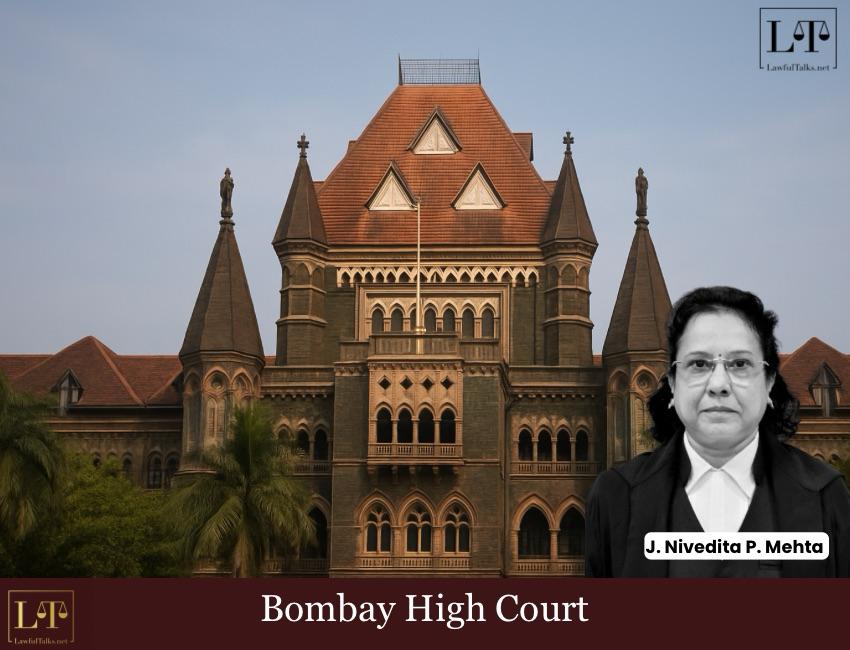
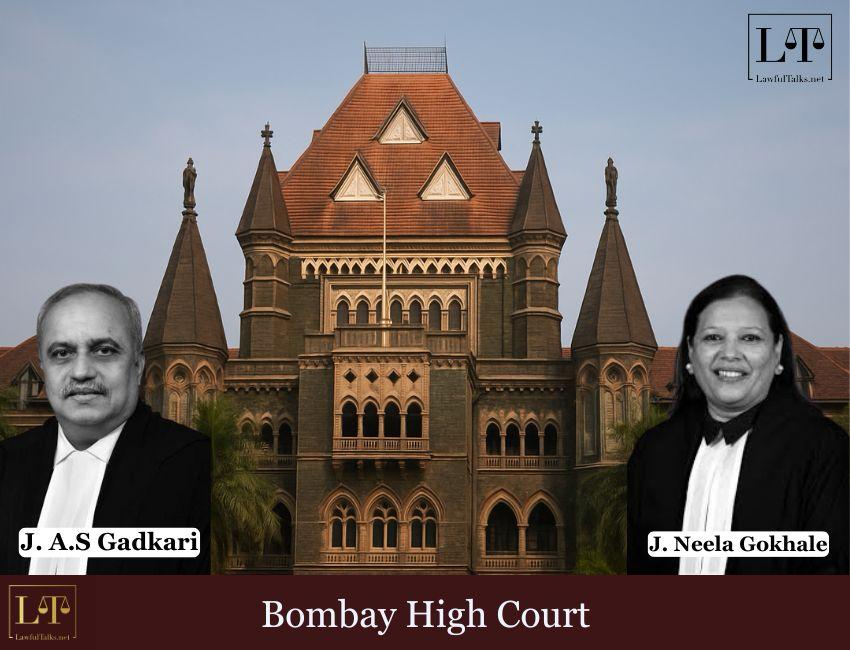
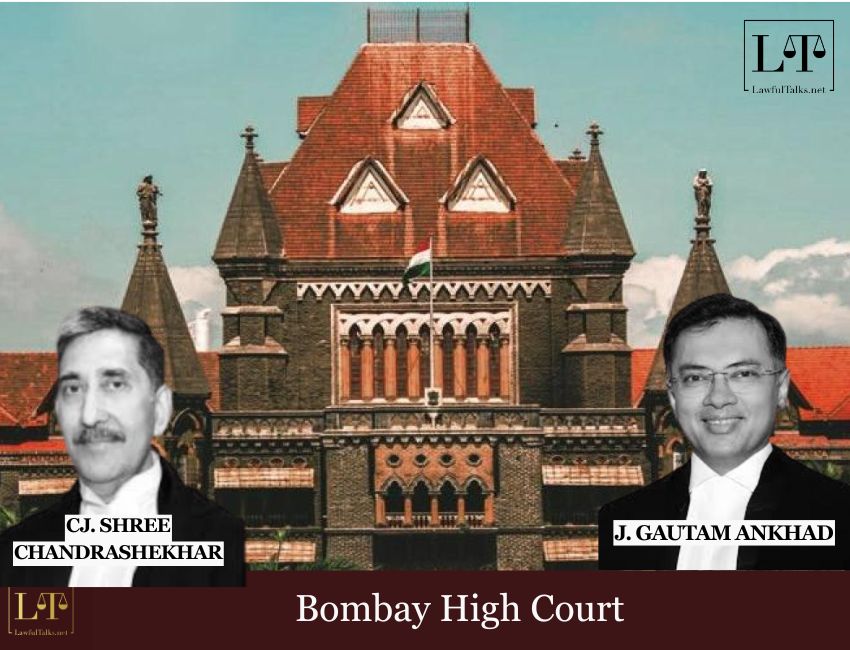
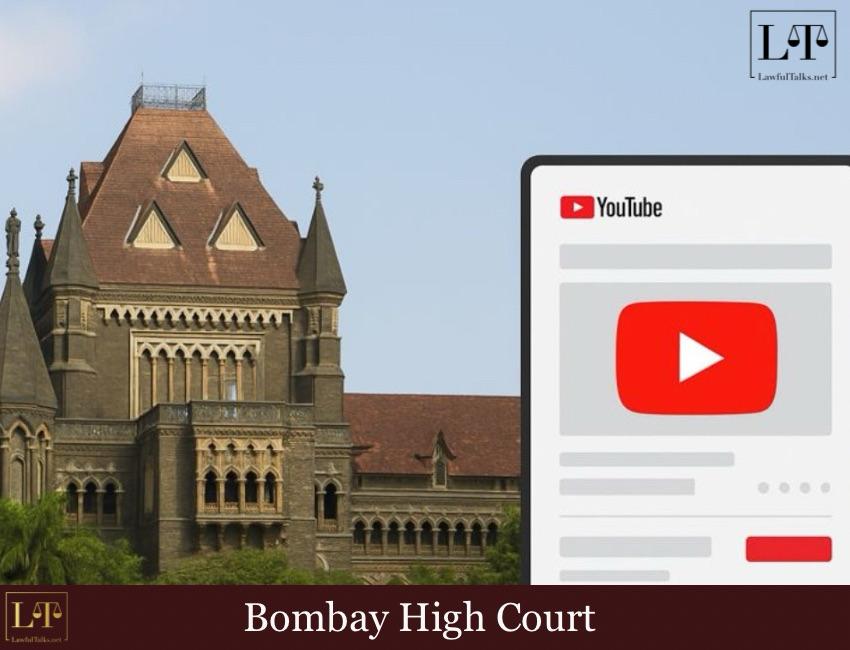
Justice Gokhale of Bombay HC Rips Apart Bail Order: Says, “Allegations Shake The Conscience Of The Court” — Bail Cancelled In Shocking POCSO Case

- December 12, 2025


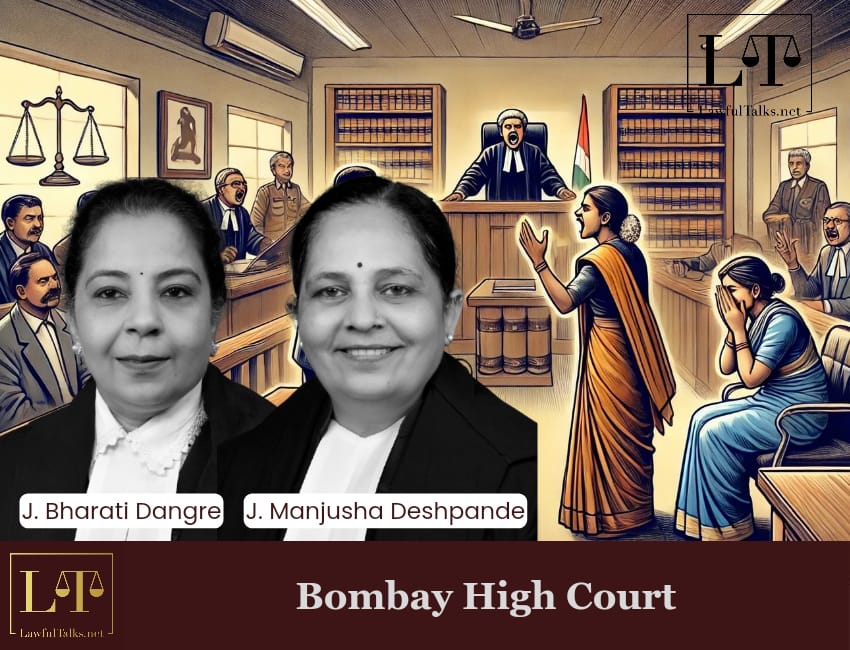
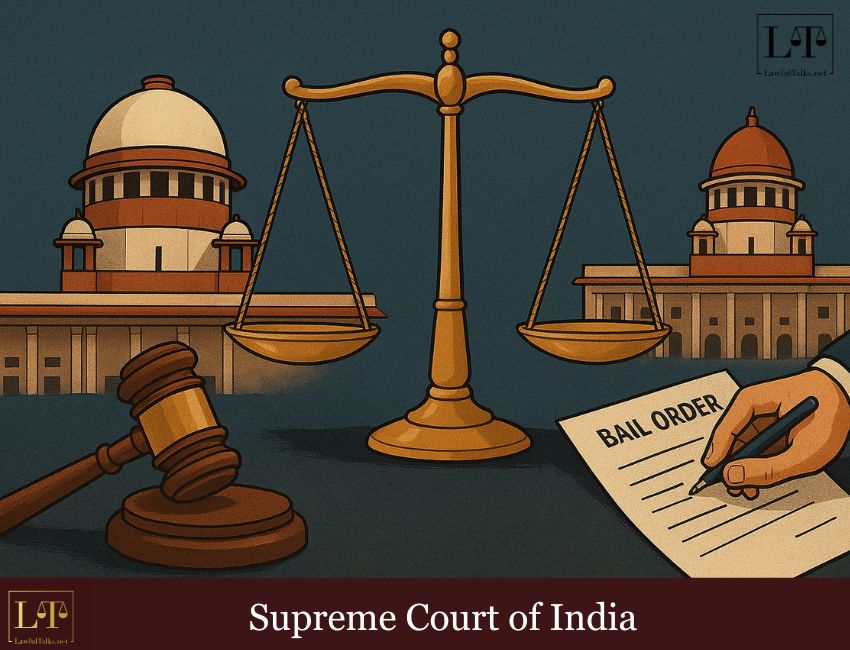
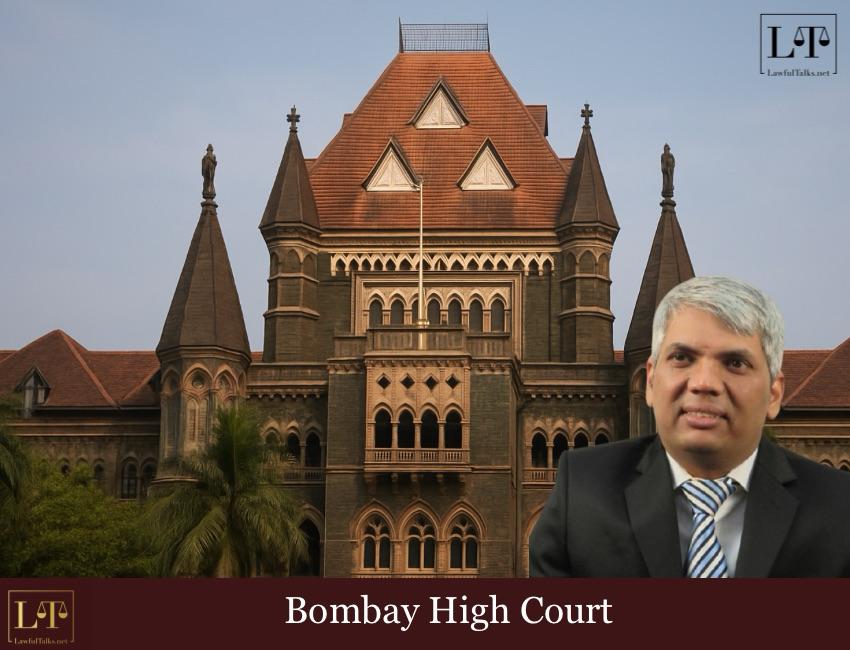
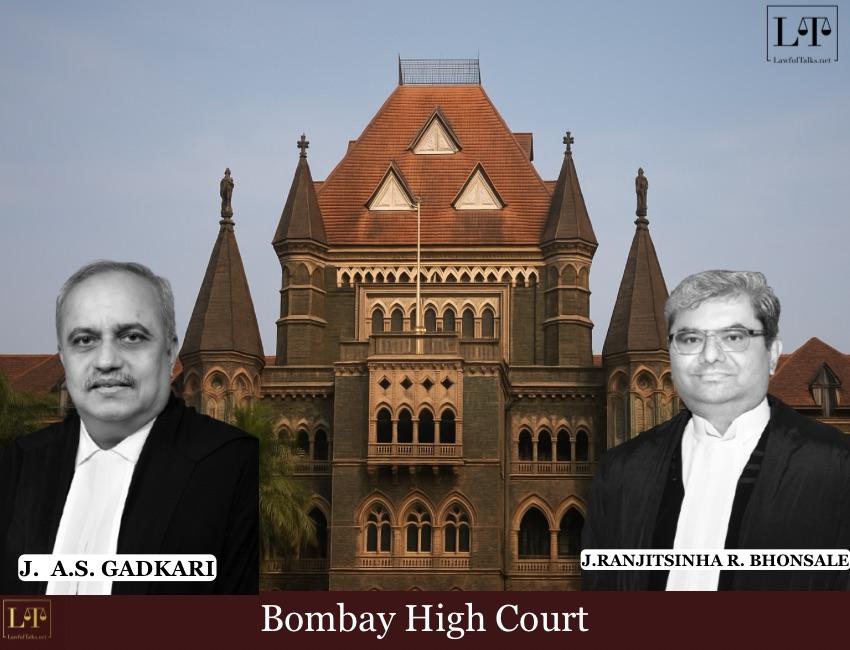
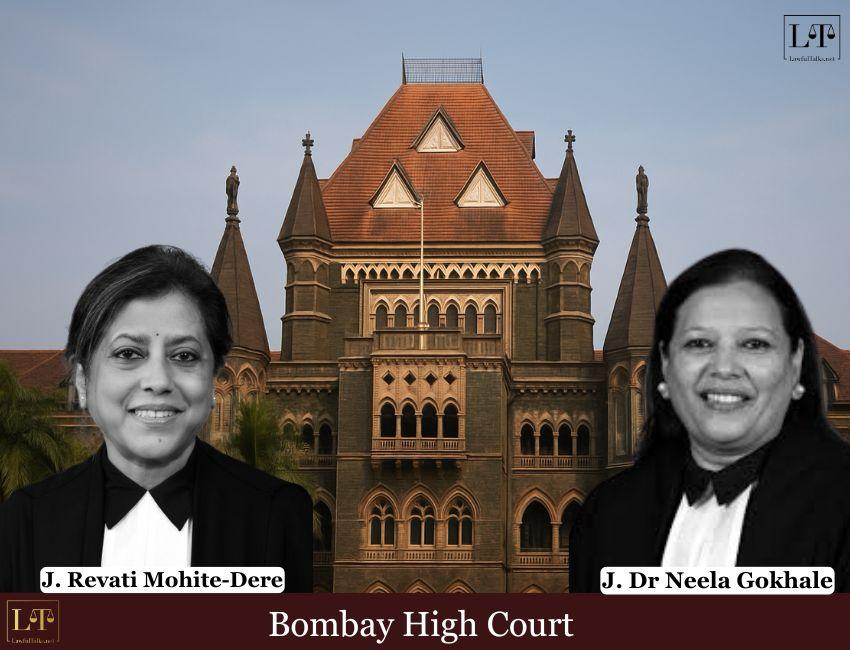
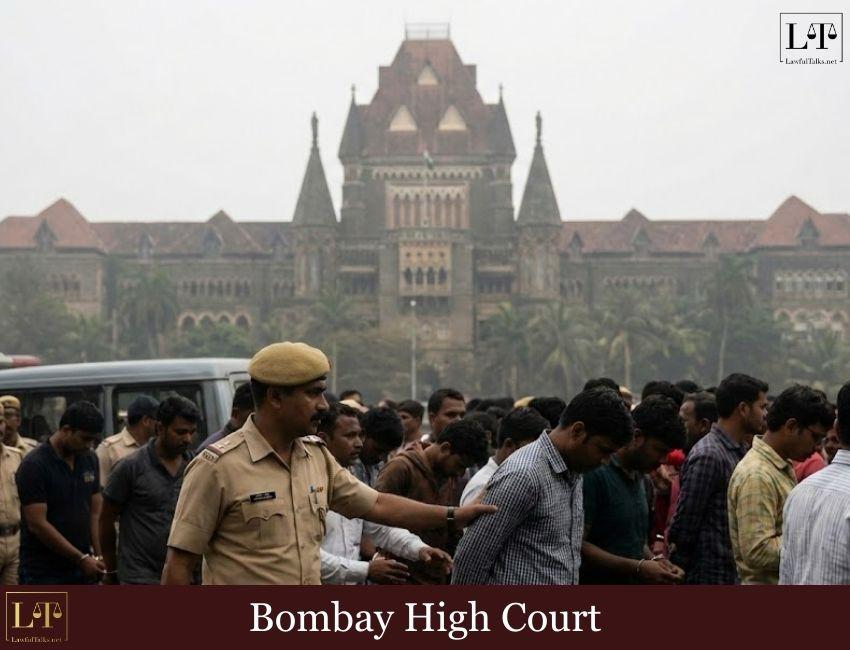
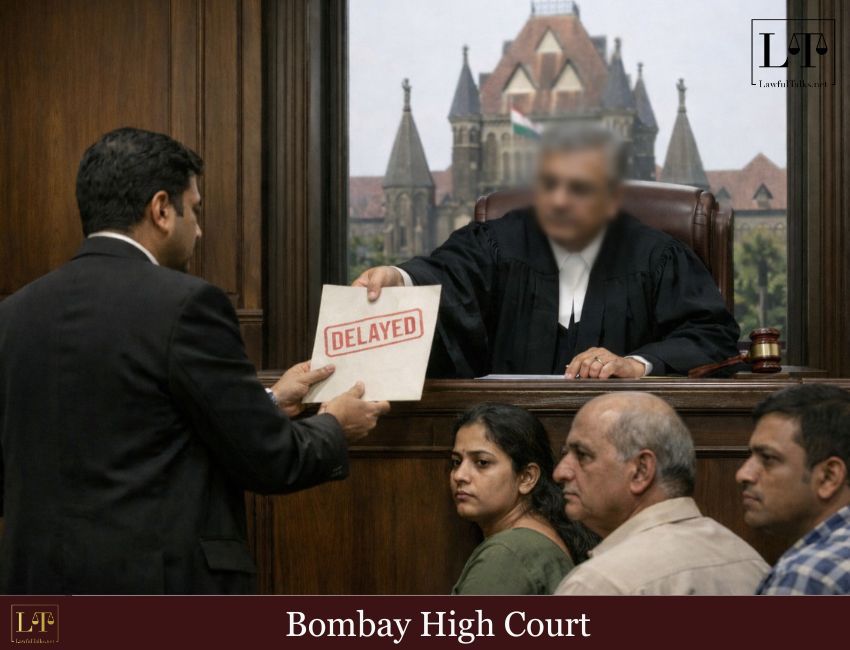
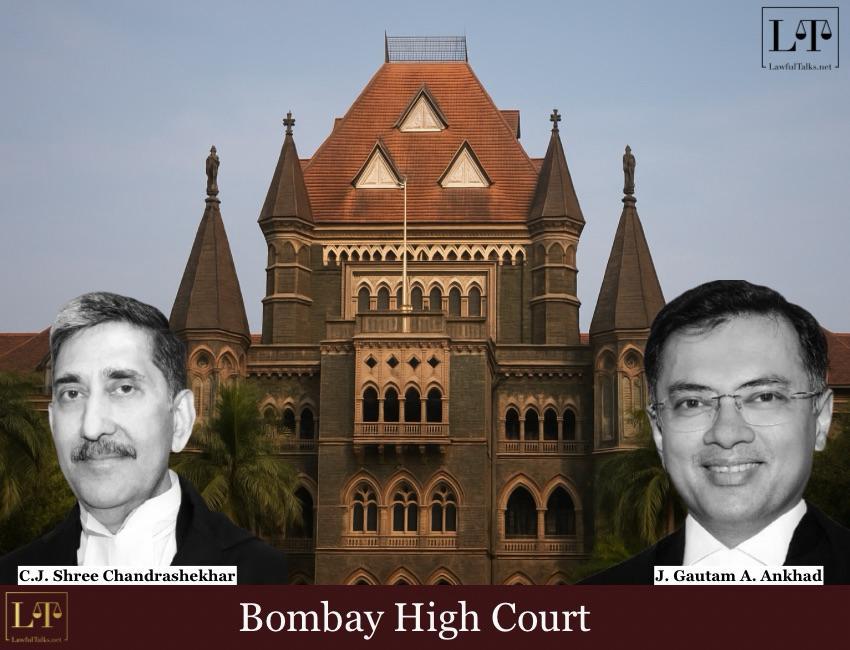
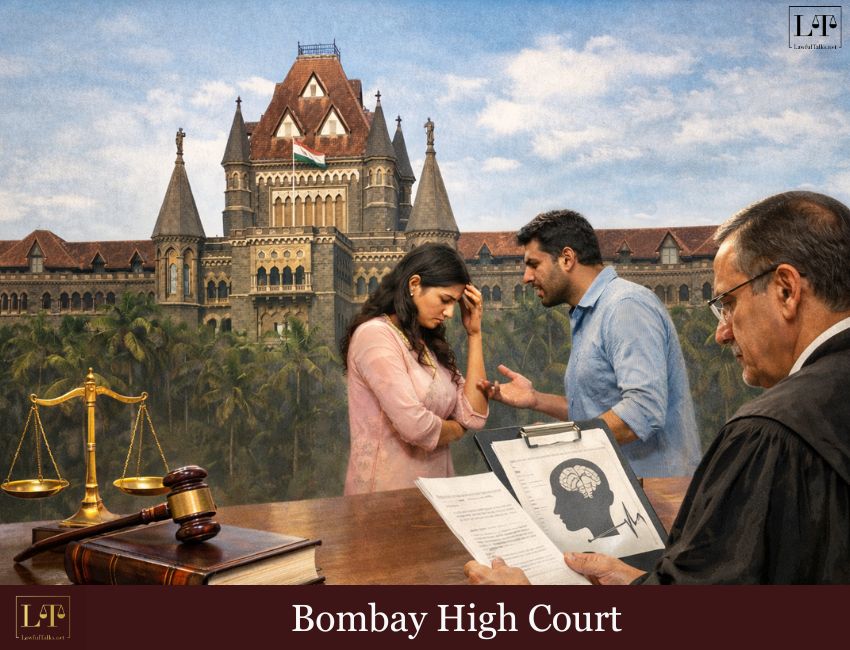
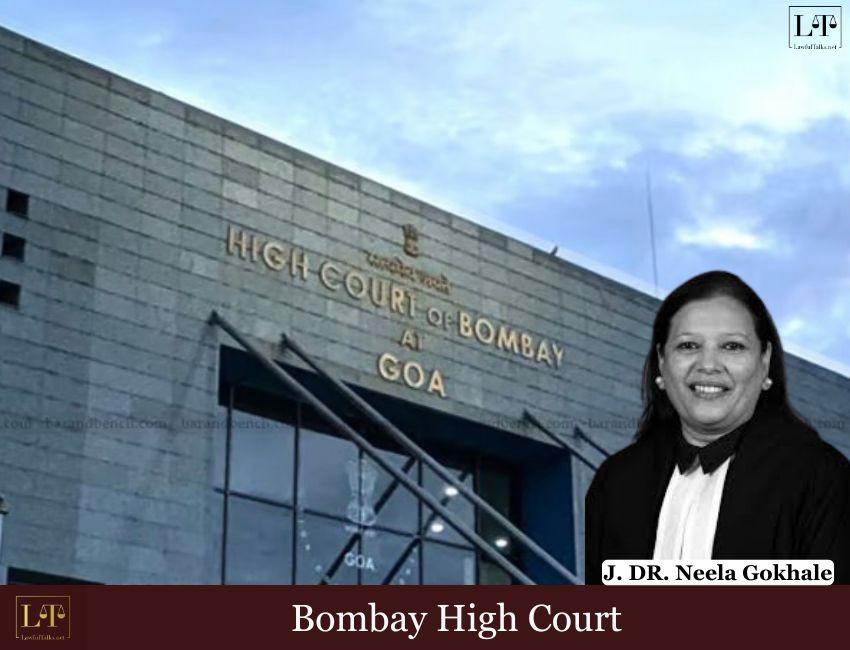
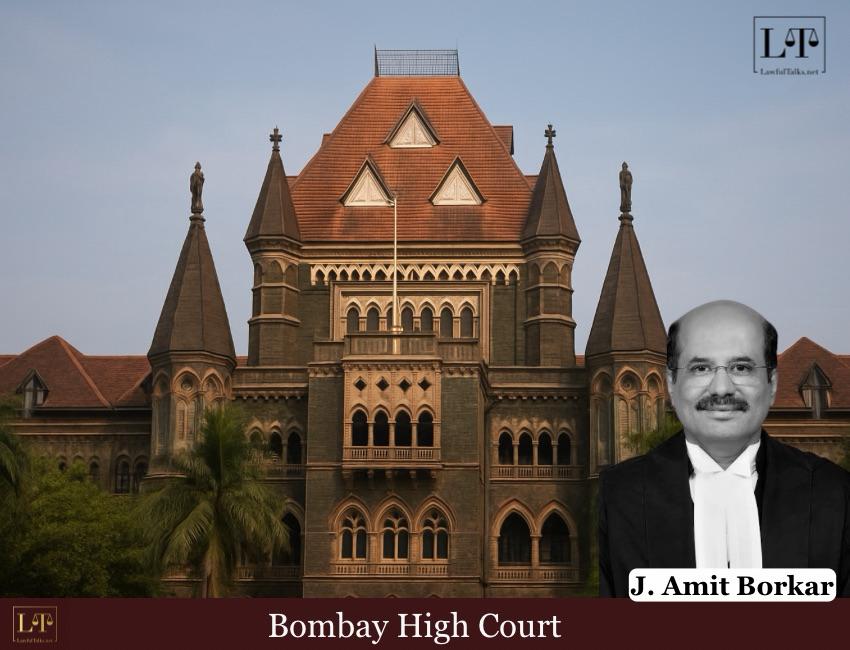
Justice Dr. Neela Gokhale of the Bombay High Court has passed a strong and important order cancelling the bail of a stepfather accused of repeatedly sexually assaulting his minor stepdaughter. The Court stressed that in such serious offences, courts must “consider the nature of accusations, the manner of commission, the gravity of the offence, and the possibility of tampering with witnesses”. Justice Gokhale noted that these factors should guide bail decisions, instead of vague arguments about matrimonial disputes or alleged delays in filing the FIR.
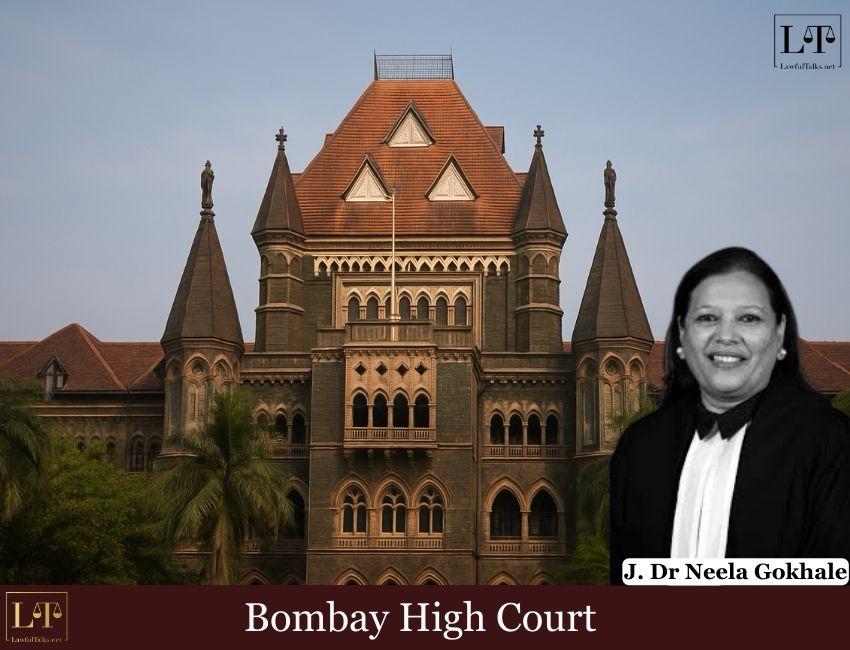
The Court criticised the trial court’s bail order, calling it unreasoned and overly wordy. According to the High Court, the lower court failed to consider key evidence, including the minor victim’s detailed statement and a WhatsApp voice note. Because the trial court had ignored this material, the High Court held that its bail order required interference and cancelled the bail.
Facts:
The case arises from an FIR dated 20 April 2025 lodged by a 16-year-and-10-month-old girl alleging that her stepfather, with whom she had been residing along with her mother and stepbrother since her mother’s remarriage in 2014, had subjected her to repeated sexual assault over a period of about two years.
According to her statement, the family lived in a 2.5 BHK flat where the mother, the respondent stepfather and the stepbrother shared the master bedroom, while the victim slept alone in another room, and “the minor victim narrated incidents of sexual assault by her stepfather on as many as five occasions and rape on at least two to three occasions” leading to registration of offences under various provisions of the Bharatiya Nyaya Sanhita, 2023 and the POCSO Act.
The allegations include penetrative sexual assault and repeated inappropriate touching, with the first incident allegedly occurring when the victim was only 14 years old.
Justice Gokhale noted that by an order dated 25 June 2025, the Special POCSO Court at Thane had granted bail to the accused on the reasoning that there appeared to be a matrimonial dispute between the accused and his wife, that the victim had not complained immediately, and that the FIR came to be lodged only after an incident in April 2025, thereby casting doubt on her explanation that she was threatened.
The trial court had noted that “the reason given by the victim that the applicant had threatened to kill her and her grandparents does not sound probable.” It also relied on the fact that the investigation was complete, the charge-sheet had been filed, and the accused had been in custody since April 2025.
Based on these points, the court said that continued detention was not necessary and that any concerns could be managed through strict bail conditions. On this basis, it considered the case suitable for bail despite the serious allegations.
Arguments Presented Before The High Court:
Before the High Court, the applicant – the mother of the victim – through counsel argued that the trial court had completely failed to understand the seriousness of the offence, especially given that the alleged perpetrator was the stepfather who had misused his position of authority over a helpless minor.
It was submitted that the alleged “delay” in lodging the FIR was not real, since the last incident took place on 15 April 2025 and the FIR was lodged on 20 April 2025. The counsel explained that the real reason for the earlier silence was the victim’s fear, as she was only 14 years when the assaults started and was living under the absolute control of the accused.
The Counsel also pointed out that there was an imminent threat to the lives of the victim and her mother and a serious risk of the accused influencing the trial if allowed to remain on bail.
Significantly, the State, represented by the APP, supported the mother’s plea for cancellation of bail and drew attention to a WhatsApp voice note allegedly sent by the accused to the victim’s phone, which had been seized and sent to the forensic science laboratory.
The APP admitted that the offence is serious especially as it is alleged to have been committed by the stepfather himself and agreed that the bail order required reconsideration.
Justice Gokhale recorded that the trial court had not examined this crucial material, including the statements of the mother and victim recorded by the Magistrate under Section 183 of the Bharatiya Nagarik Suraksha Sanhita (BNSS).
In her reasoning, Justice Gokhale observed that “the allegations in the FIR and the role attributed to the respondent are sufficient to shake the conscience of the Court,” emphasising that a stepfather, under whose roof the minor resides, had allegedly taken advantage of his position and indulged in sexual exploitation instead of protection.
The Court remarked that the accusations were “reprehensible and grave in nature” and that releasing the accused on bail was “bound to have an adverse effect on the trial because there is an imminent possibility of the witnesses being threatened,” especially given the age difference – the accused being 47 and the victim a minor.
Court Says “Delay in Disclosure Is Natural:
Justice Gokhale reiterated that although “bail once granted ought not to be cancelled in a mechanical manner,” this principle cannot protect a bail order that overlooks important material and is based on wrong assumptions.
The Court observed that the trial judge seemed to have been “swayed by an unsupported argument” that the FIR was filed because of matrimonial discord. However, “a plain reading of the FIR reveals an entirely different picture,” showing that the mother separated from her husband only after discovering the assaults on her daughter. The High Court made it clear that this separation “per se cannot be termed as matrimonial discord” that would support a claim of false implication.
The Court focused closely on why there was an alleged delay in reporting the abuse and explained the psychological and practical difficulties faced by children who suffer sexual abuse within their own families.
It pointed out that “the statement of the minor girl clearly narrates a continuous assault from the time she was 14 years till April 2025 for a period of two years” and said it was “quite possible that a minor of 14 years was scared to complain” when the accused was her stepfather who controlled the entire household.
The judge also noted that the victim only gained the courage to tell her mother when she was 16 years and 10 months old. After she disclosed the abuse, her mother immediately took her to her parents’ house. The Court held that this timeline “cannot be termed as ‘delay’ in filing a complaint, nor can the separation be termed as ‘marital discord’ as reasons to grant bail.”
The High Court further rejected the idea that the accused’s time in custody was a ground to continue bail. It emphasised that the bail order itself recorded his arrest only in April 2025, which “cannot be termed as long incarceration” given the seriousness of the allegations.
Justice Gokhale highlighted that “the alleged act committed by the respondent is heinous” and found that the trial court had “failed to consider the gravity of the offence” and “ignored the relevant material available on record.” Because of this, she held that the trial court’s use of discretion was flawed.
Case Details: Poonam Amit Shorti on behalf of XYZ Vs. Amit Mahesh Chand Shroti, Criminal Application no. 466/2025













































































































































































Sign up for free and be the first to get notified about curated content just for you.