Why The Supreme Court Ordered Refund In A ₹4.45-Crore Land Deal

- December 16, 2025


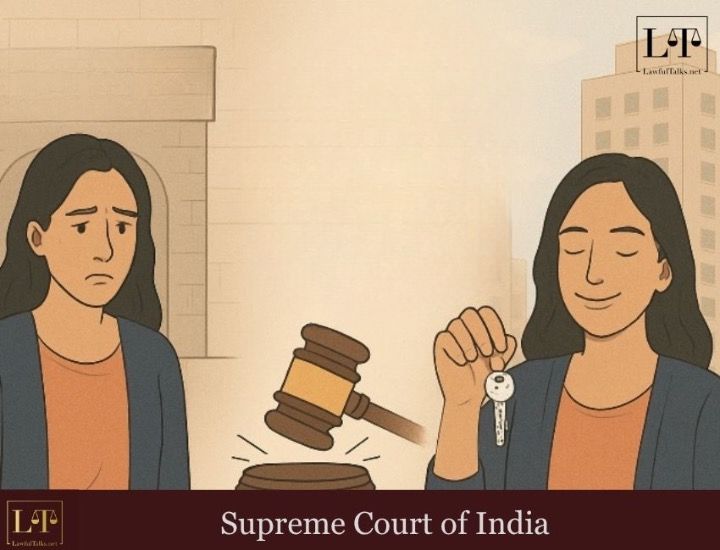
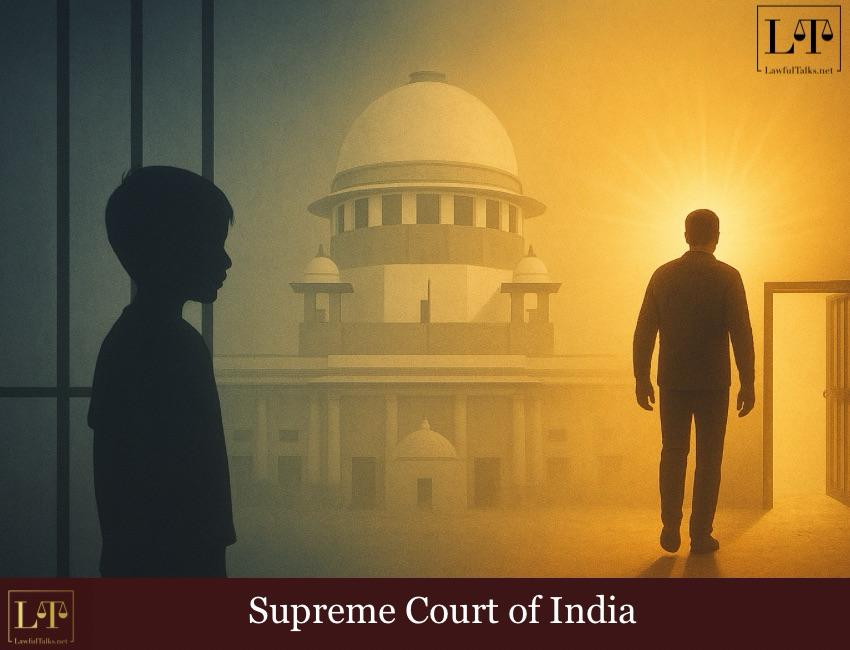
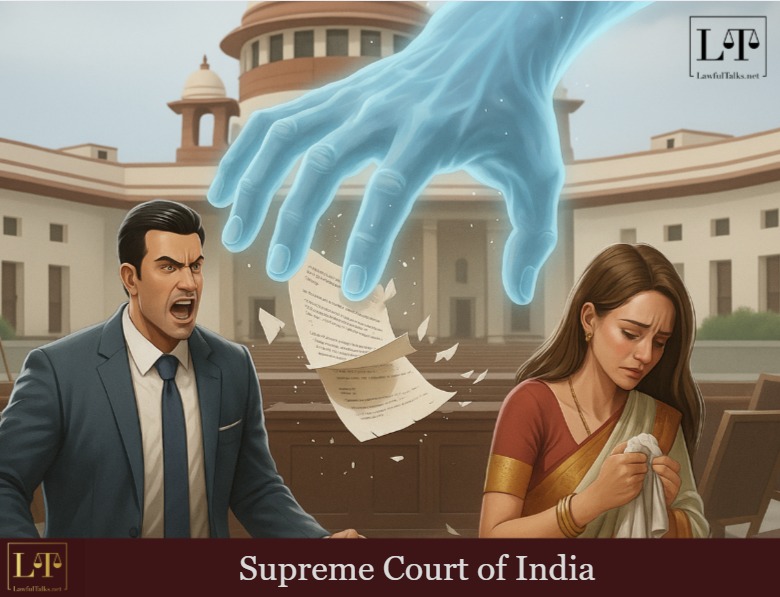
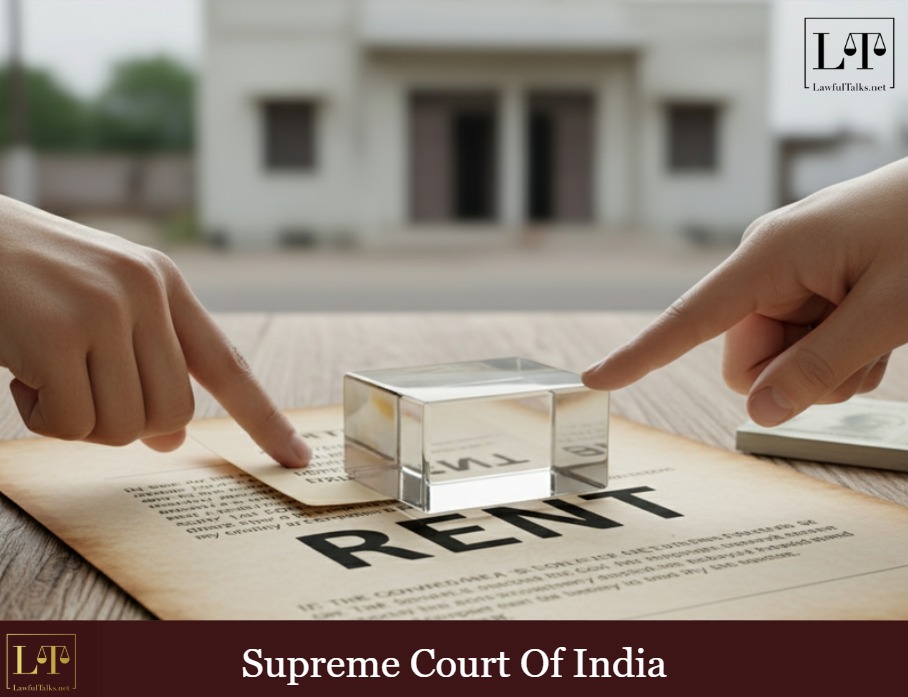
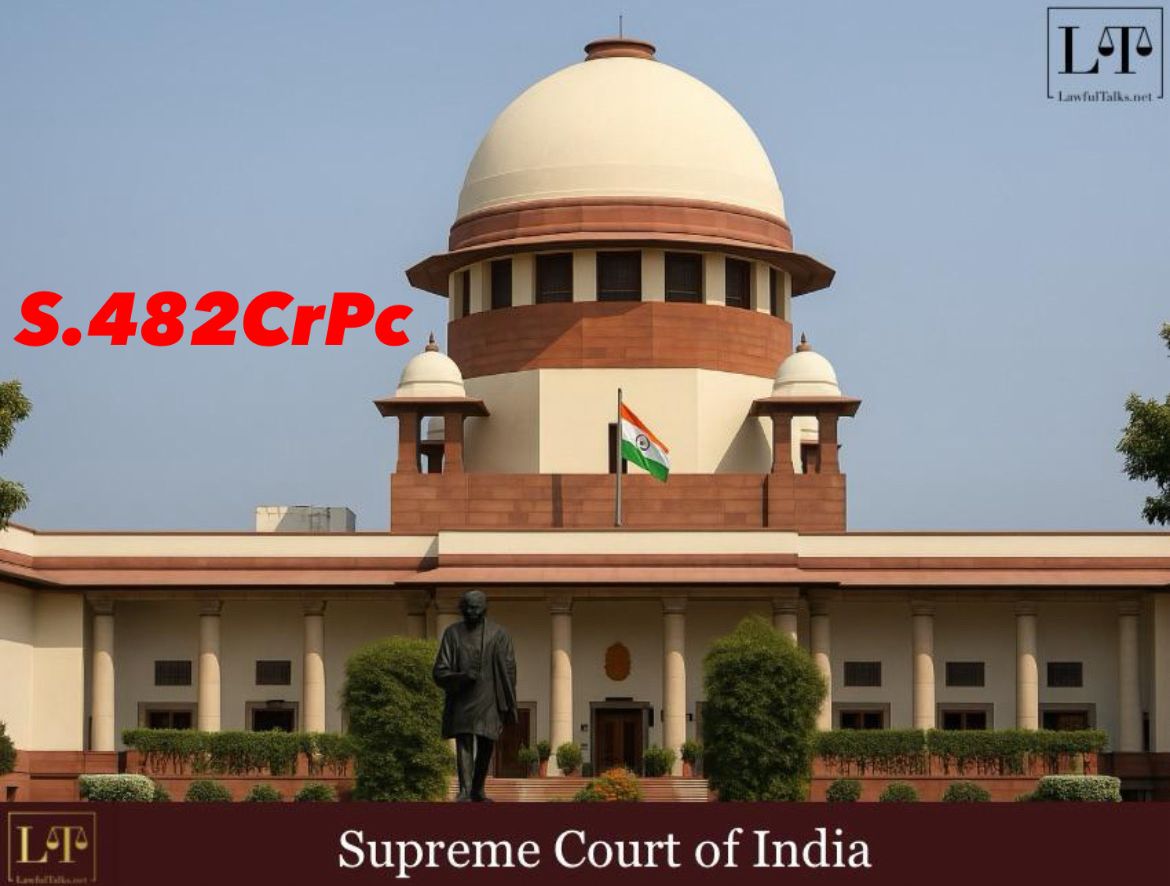
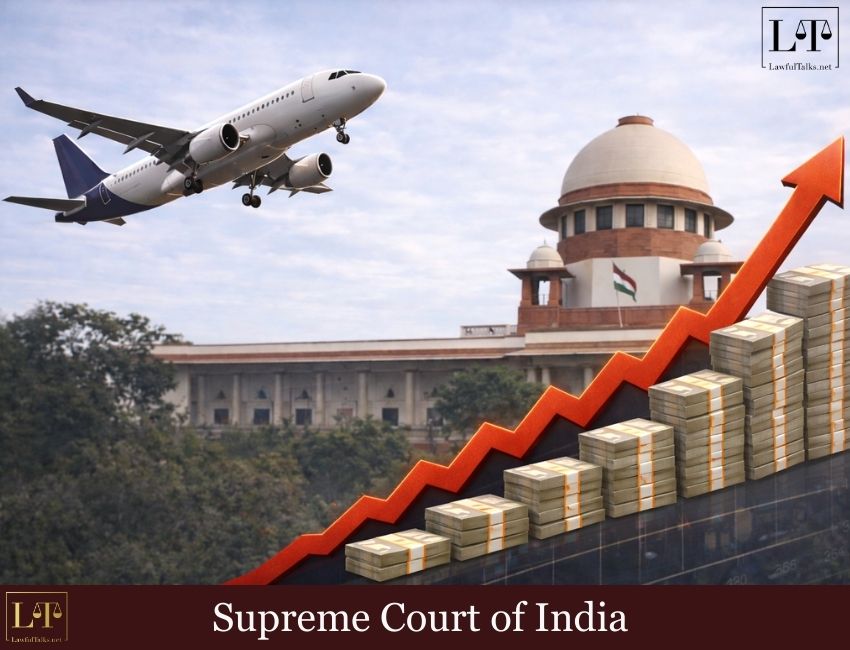
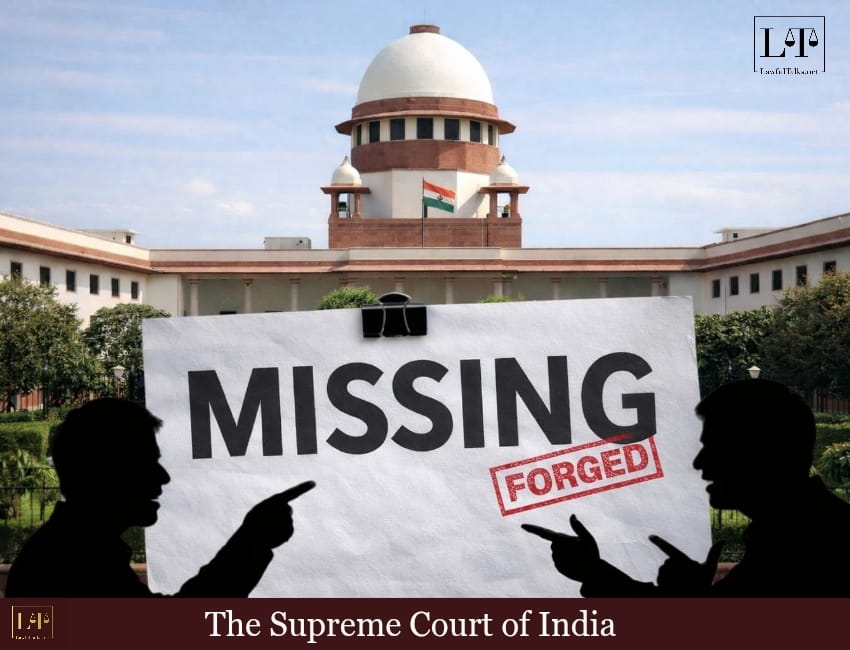
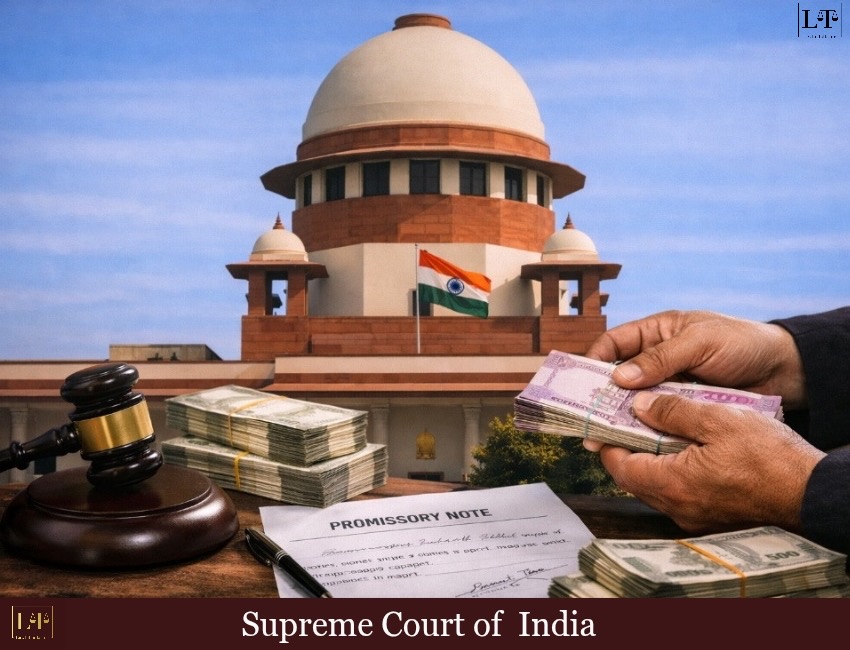
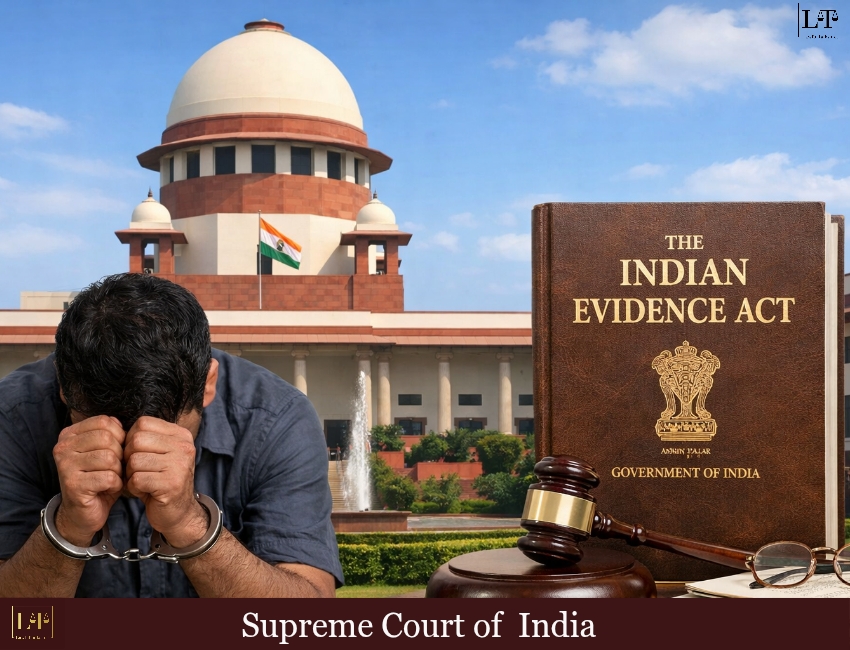
In a significant ruling highlighting the risks of concealed property liabilities, the Supreme Court has held that a seller who fraudulently hides existing encumbrances in an agreement to sell is liable to refund the buyer’s advance payment.
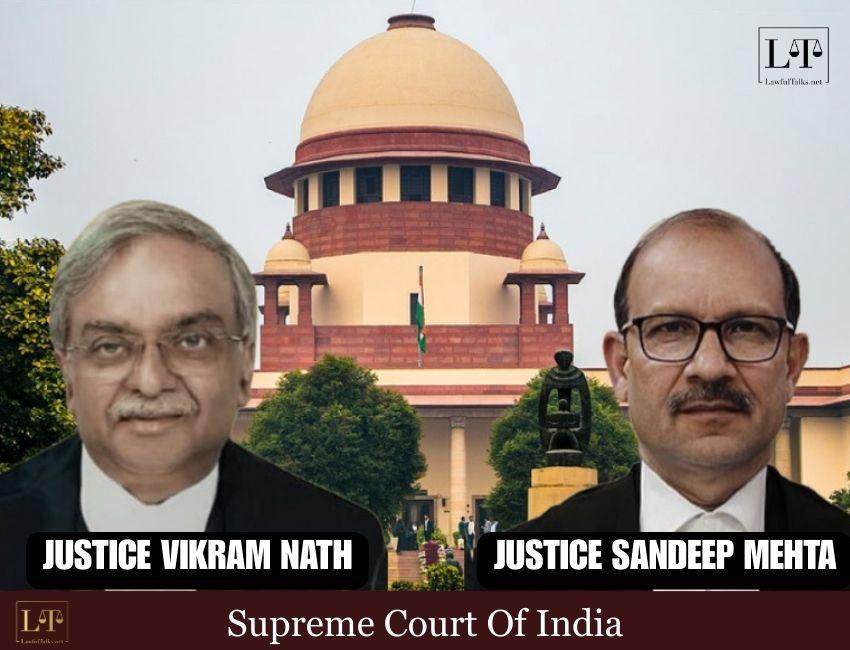
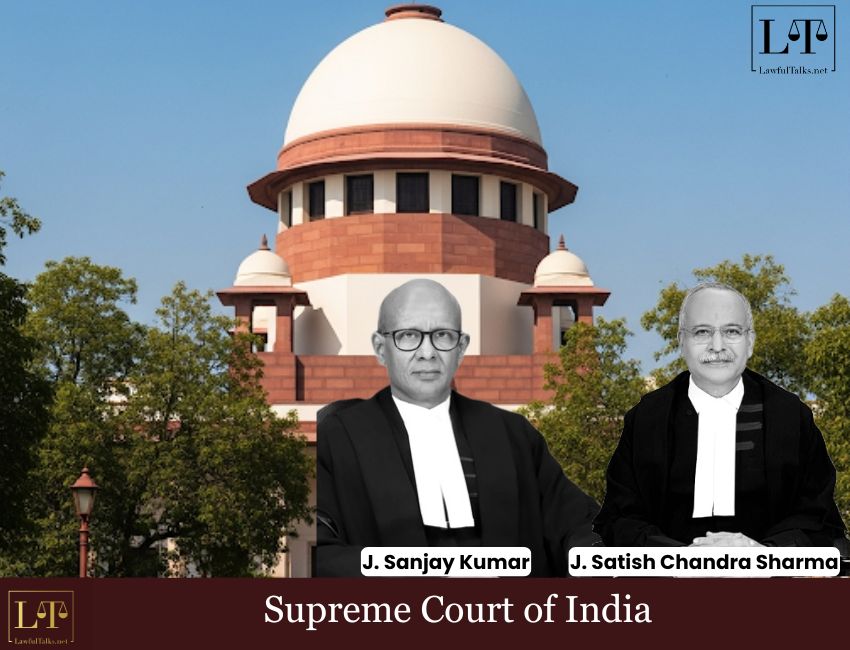
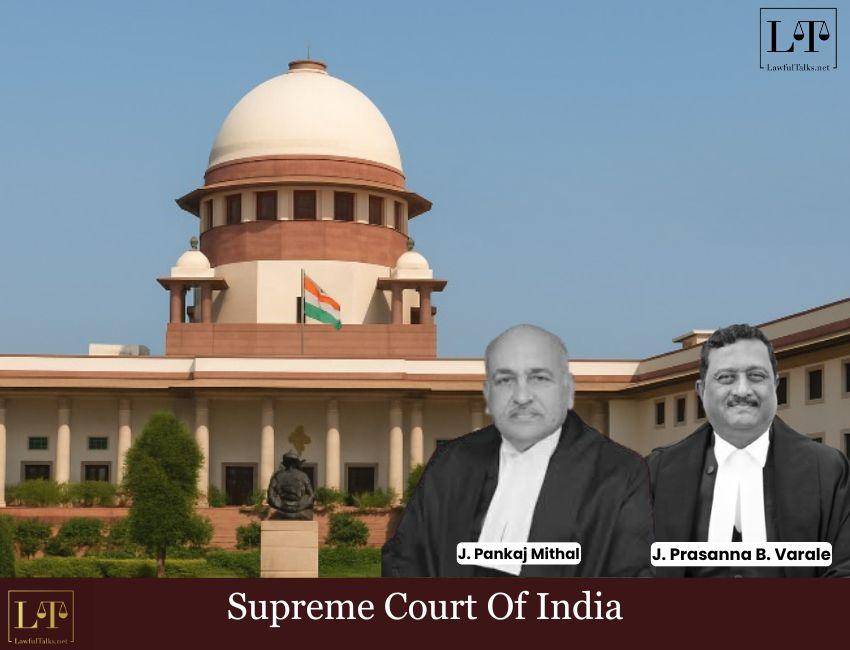
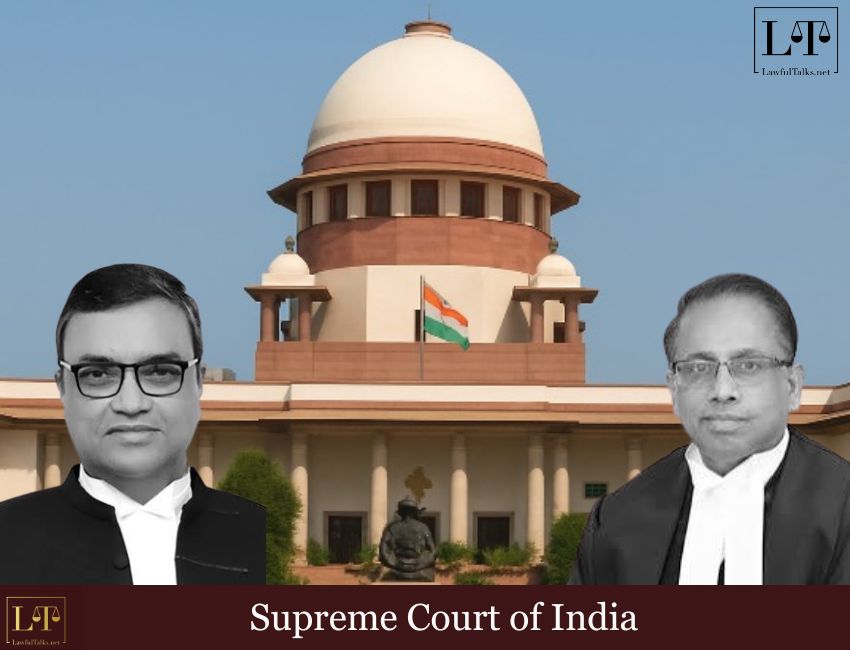
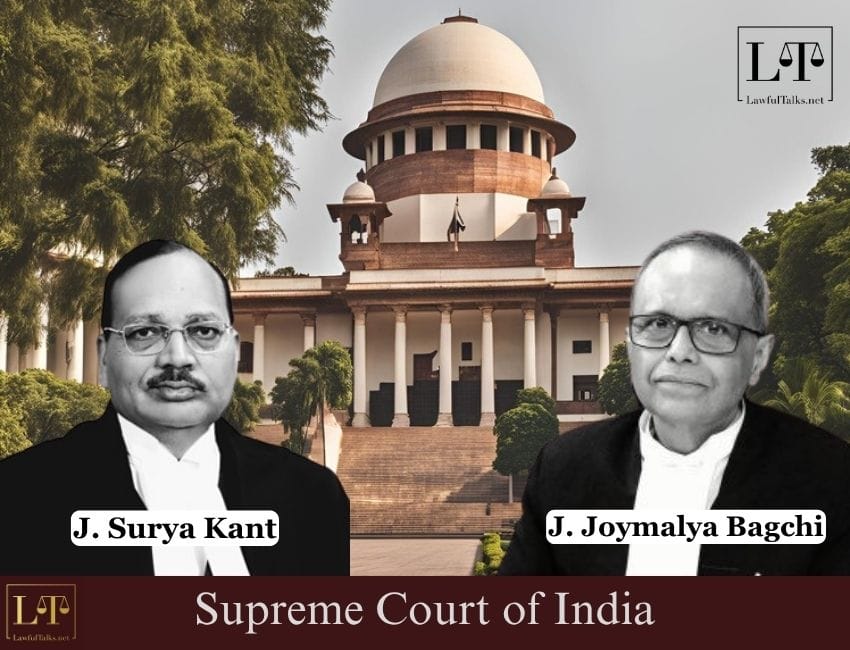
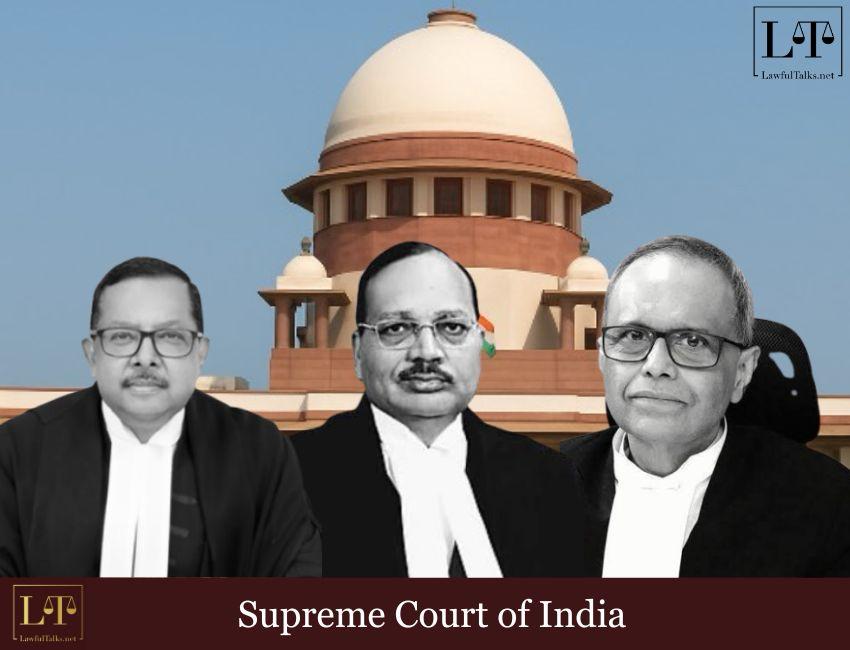
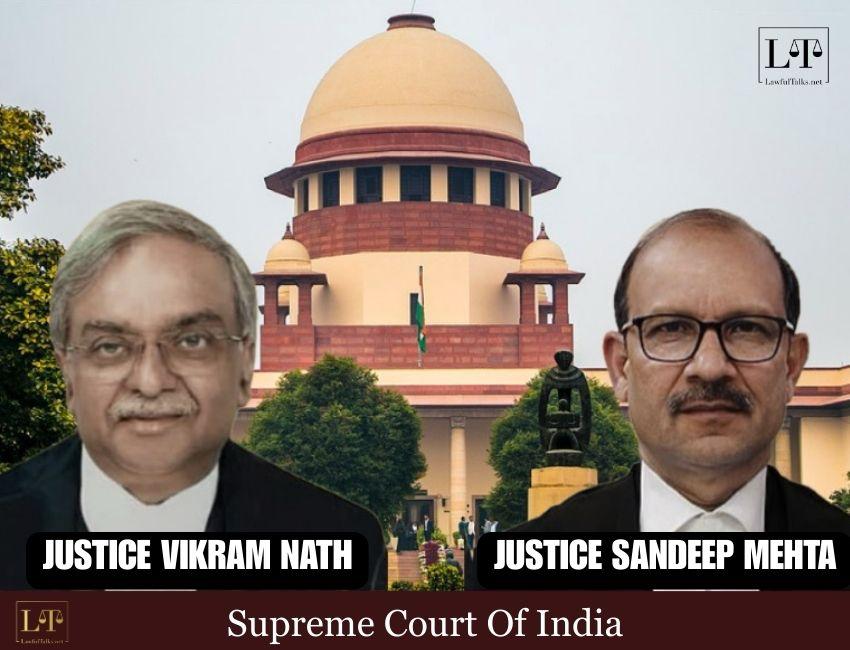
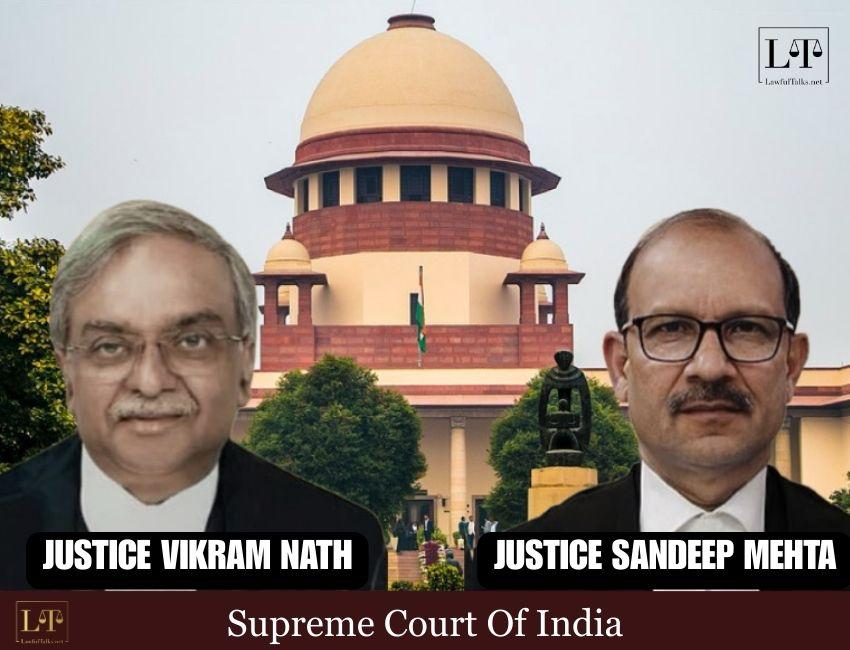
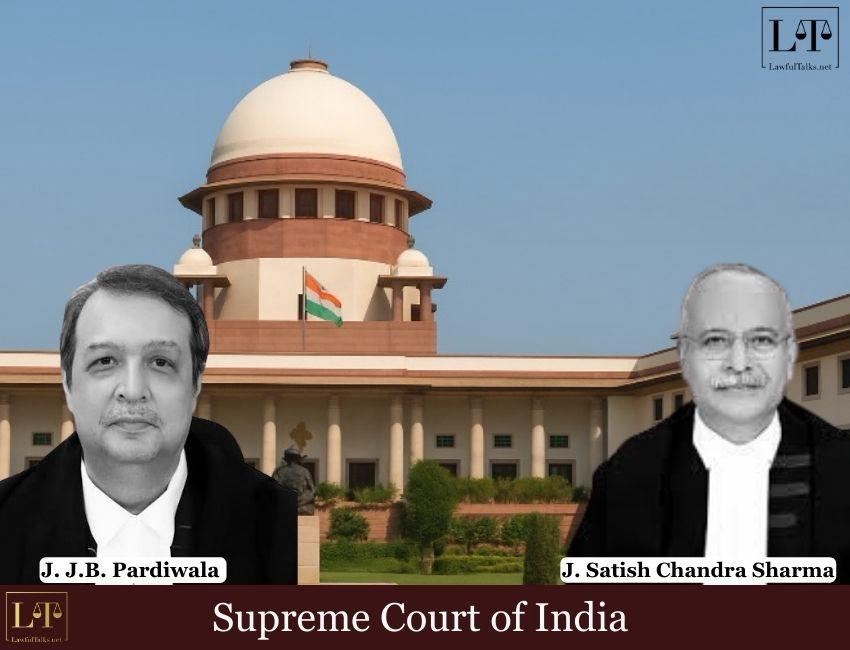
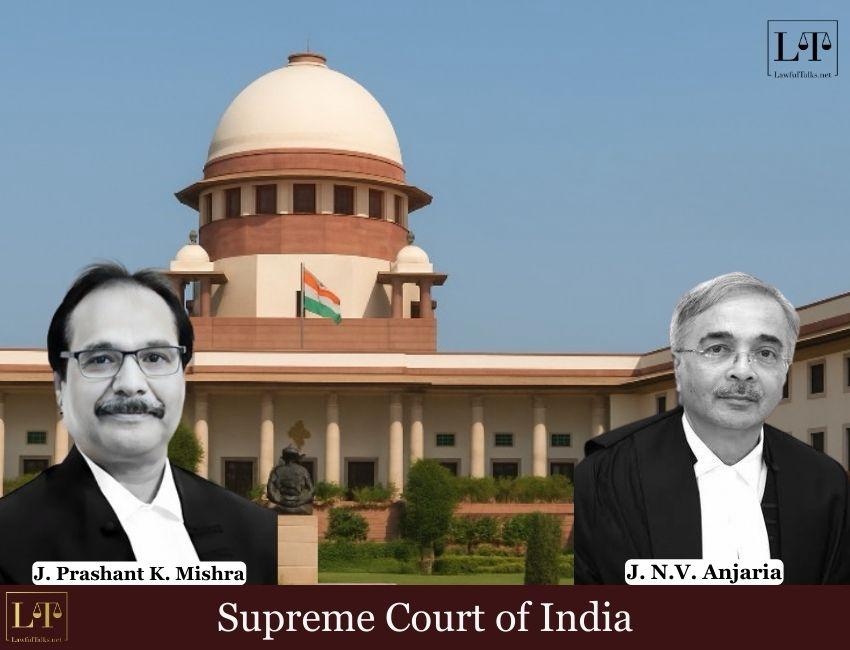
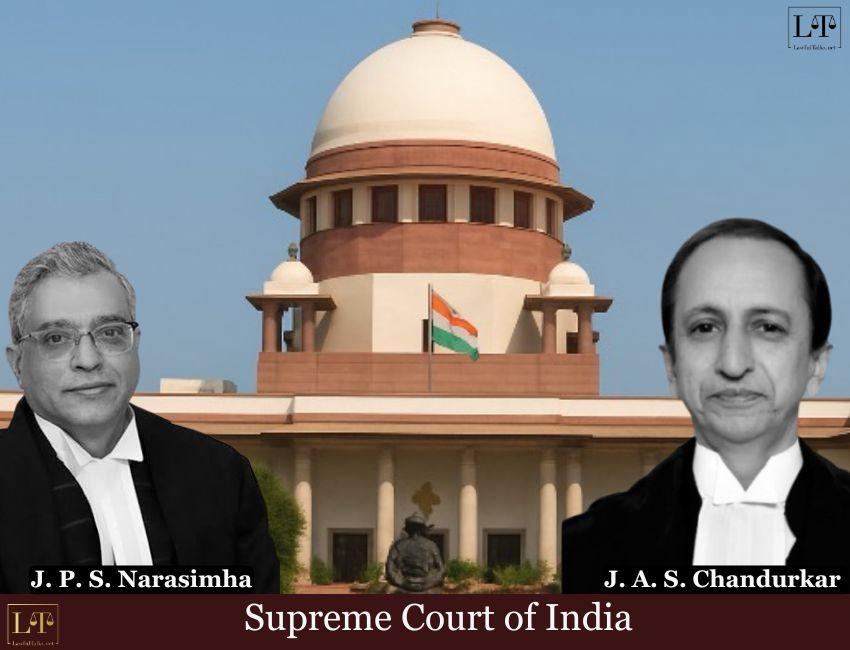
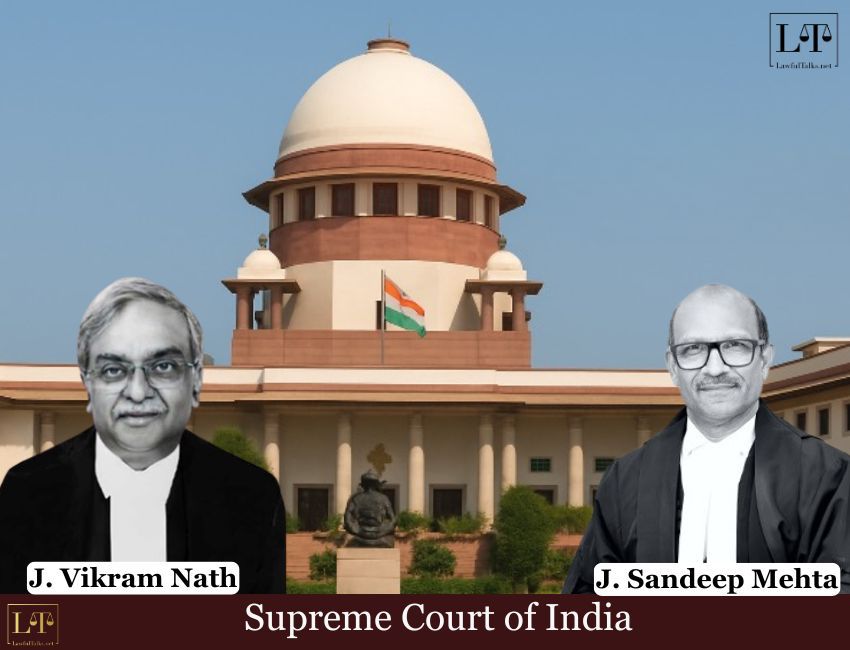
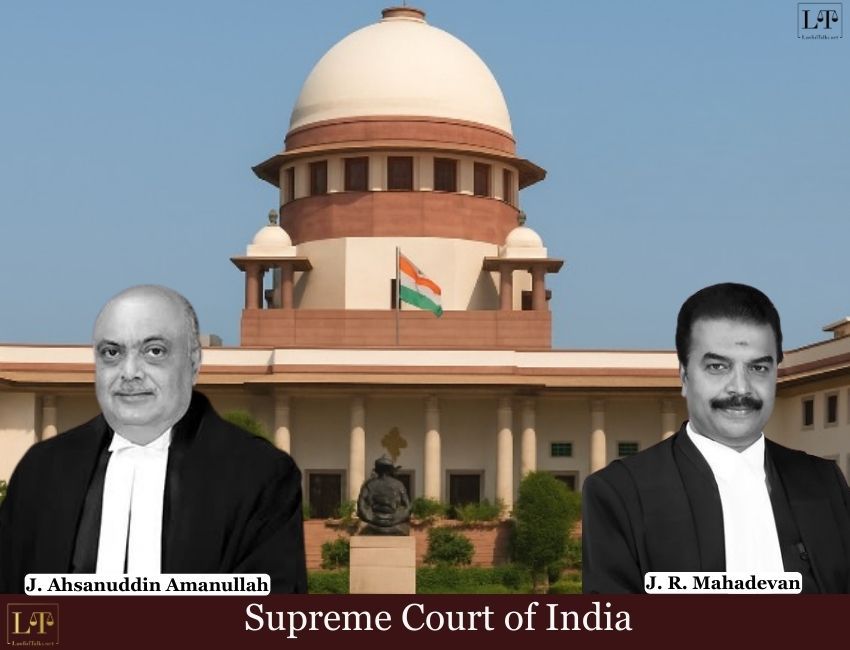
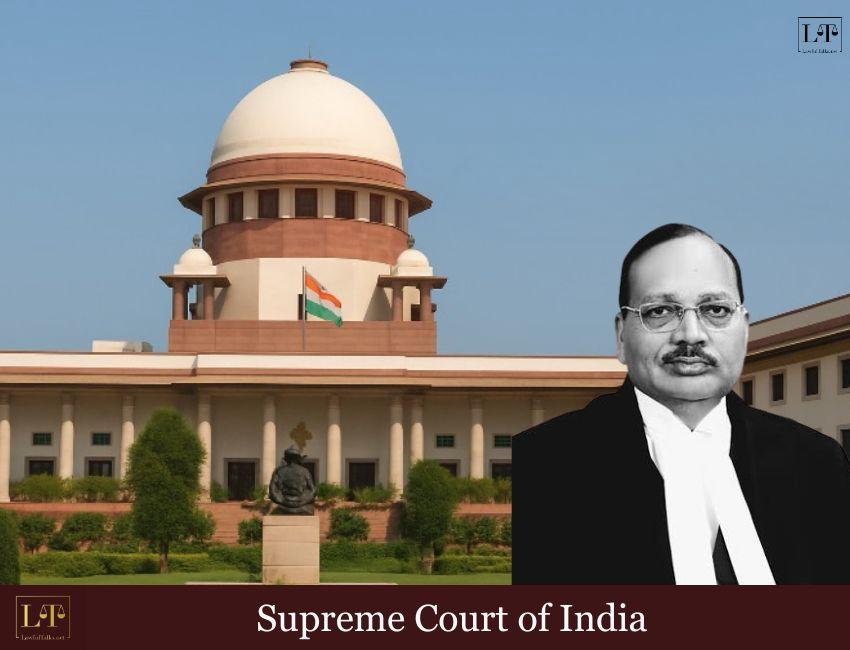
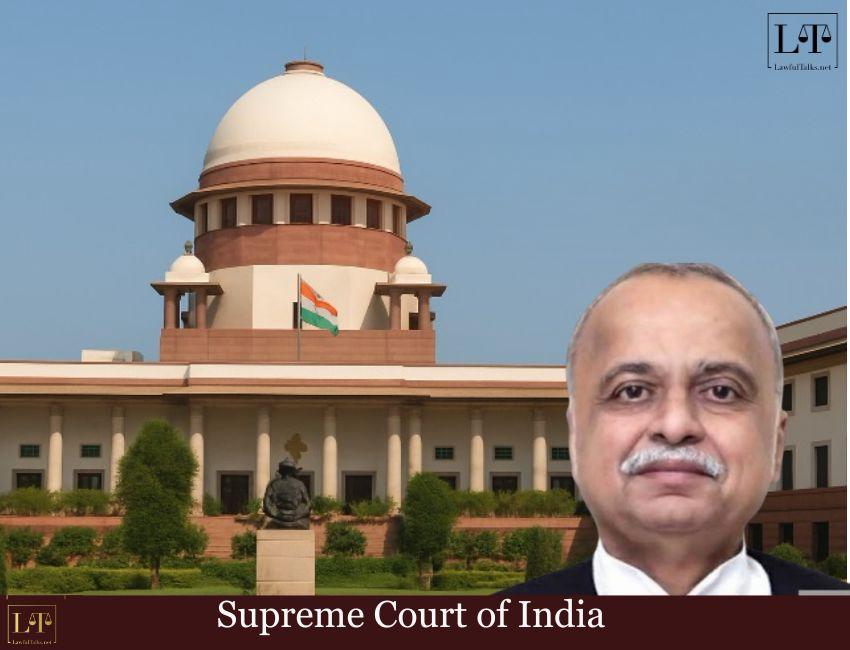
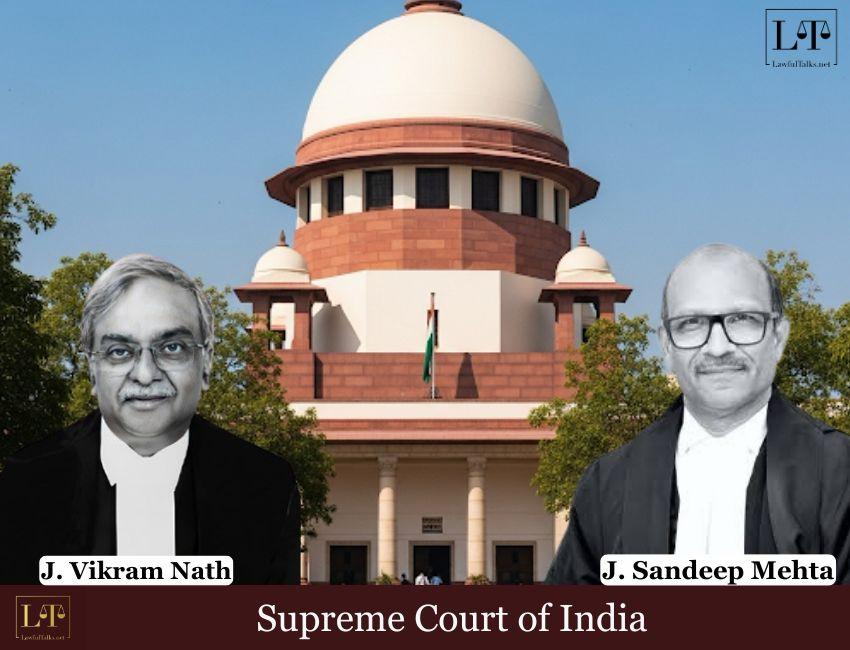
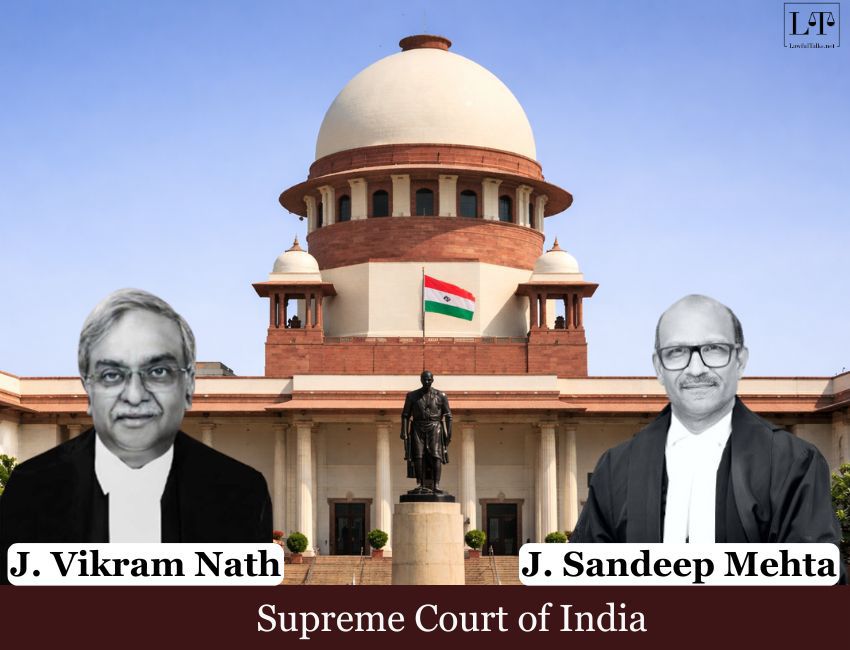
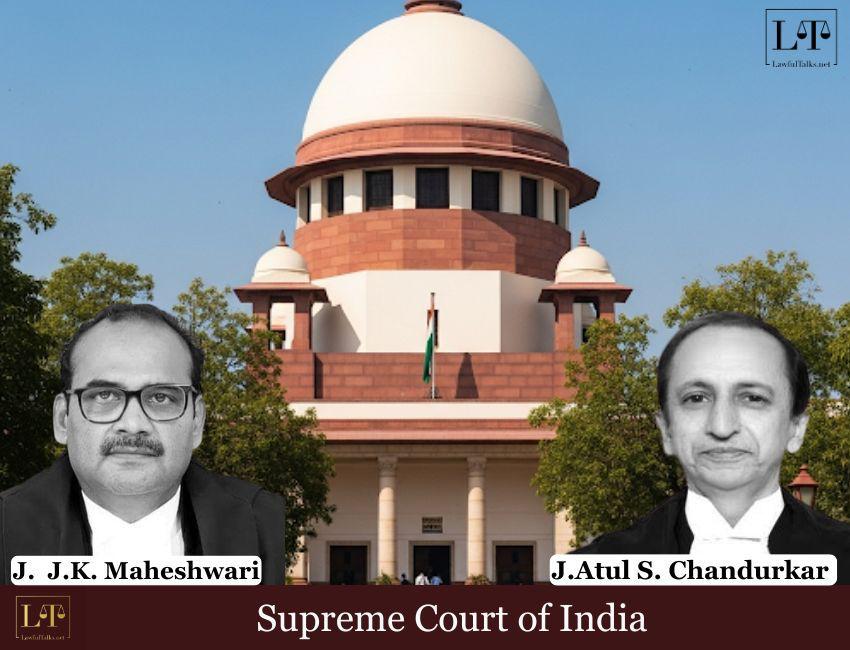
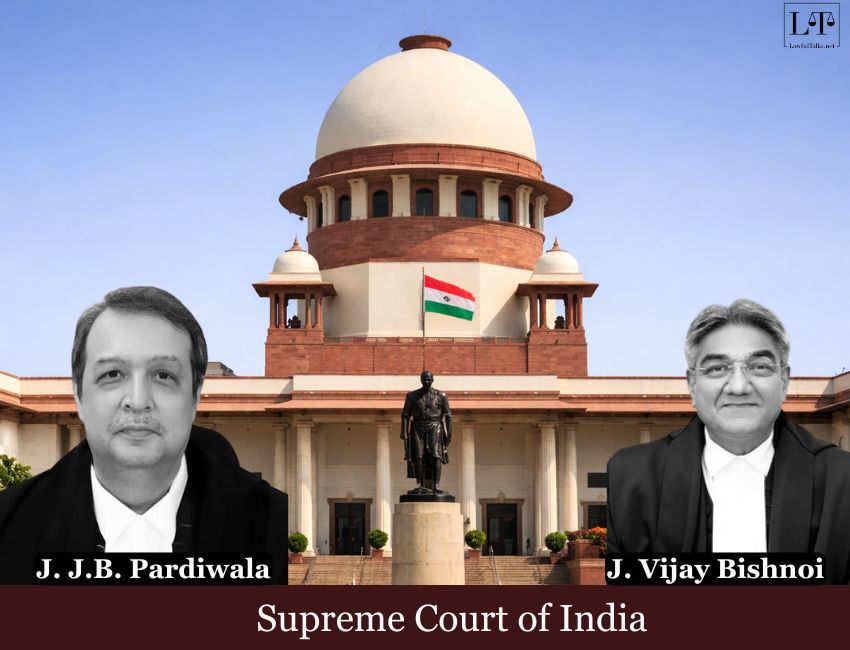
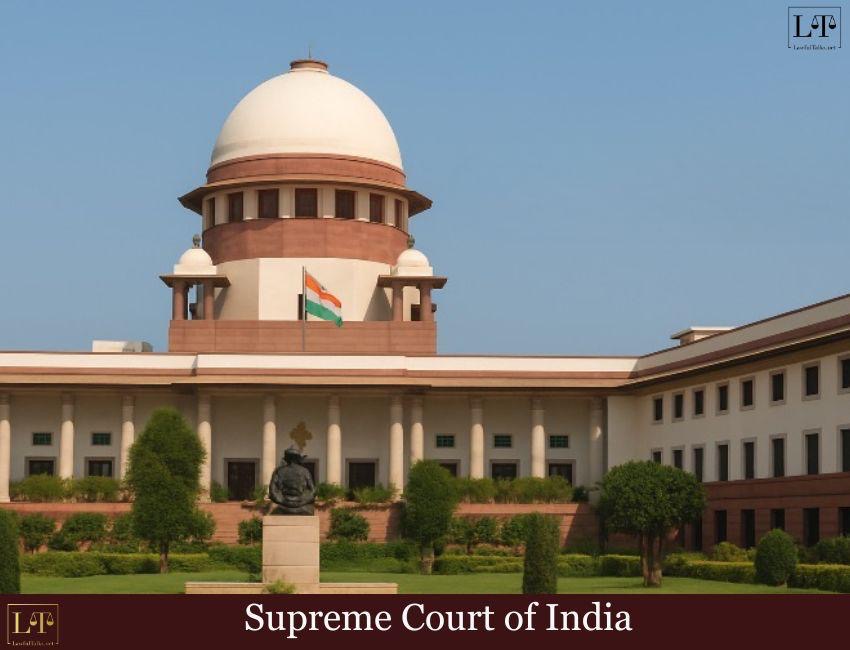
A Bench of Justice Vikram Nath and Justice Sandeep Mehta ruled in favour of the buyer, noting that the seller had failed to disclose an outstanding bank loan on the land at the time of entering into the agreement.
The Court observed that although the seller had assured the buyer of a clear title, the subsisting loan was not disclosed in the contract, thereby misleading the purchaser.
Background:
The case stemmed from a 2008 agreement where the seller promised to transfer roughly 77 acres and 26 cents of land for ₹4,45,00,000.On September 10, the buyer paid an advance of ₹50,00,000. Relying on the seller’s assurances, the buyer later paid additional amounts and also issued a post-dated cheque for ₹3,55,00,000, which subsequently bounced due to insufficient funds.
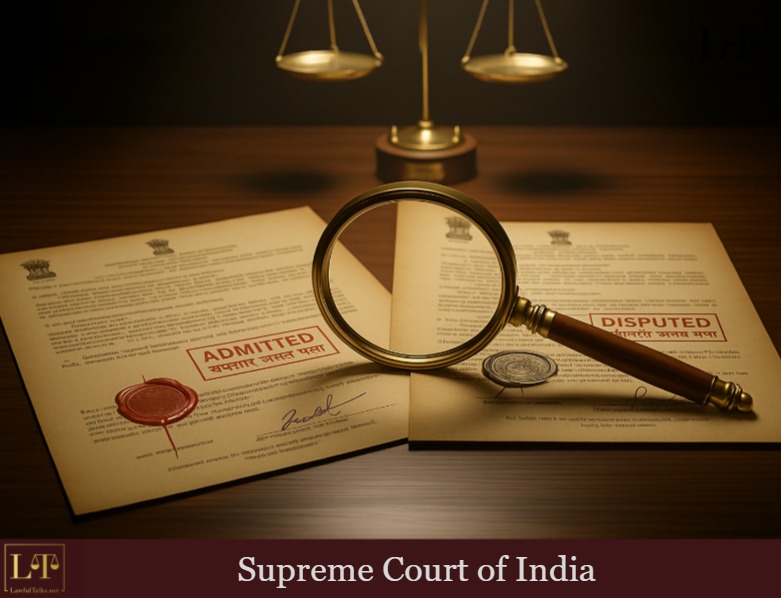
The buyer later discovered that the land was subject to an undisclosed equitable mortgage with Federal Bank, contrary to the agreement’s assertion that the property was free from encumbrances. In 2010, the buyer filed a suit seeking a refund of ₹55,00,000 along with interest, alleging that he had been induced into the agreement by fraud.
The trial court accepted the buyer’s case, directed the seller to refund the amount, and rejected the seller’s attempt to claim a set-off, holding that it was time-barred and not maintainable.
However, the High Court reversed this decision, holding that the buyer was aware of the mortgage and had failed to verify the original title deeds.
Before the Supreme Court, the seller argued that the buyer had knowledge of the bank loan even before the agreement was signed. The Supreme Court found this claim unconvincing. The Bench noted that, before filing the suit, the buyer had sent a legal notice specifically alleging concealment of the mortgage, to which the seller did not respond. The Court observed:
“the fact that before instituting the suit, the plaintiff-appellant sent a notice to the defendant-respondent specifically mentioning about the concealment of the mortgage, to which the defendant-respondent chose not to furnish any reply, clearly establishes that the case projected in the setoff, that the plaintiff-appellant was aware of the encumbrance on the suit schedule property from the inception, was nothing but an afterthought, devised solely to defeat the plaintiff-appellant’s legitimate claim for refund.”
It held that the claim of prior knowledge was raised later and rejected it as a false plea made only to escape liability.
Rejecting the High Court’s doubt about the buyer’s version—that the seller delayed giving access to the original title deeds until the sale deed was signed—the Court found the buyer’s explanation believable. It stated:
“There was nothing unnatural in the explanation offered by the plaintiff-appellant that he relied on the assurance of the defendant-respondent that the original title deeds would be handed over at the time of execution of the sale deed. It may be noted that the advance amount paid by the plaintiff-appellant was around 10% of the total sale consideration and thus, it cannot be said, unexceptionally, that the plaintiff-appellant would not have entered into the agreement without having a look at the original title deeds.”
The Court observed that since the buyer had paid only about 10% of the total sale consideration as advance, it was not unreasonable for him to proceed with the agreement based on the seller’s assurance, even without first examining the original title deeds.
The bench noted that,“ it is common practice for landowners to keep original title deeds in the bank lockers for security purposes. Hence, the explanation offered by the plaintiff-appellant for not insisting on the inspection of the original title deeds, at the time of entering into the agreement, was reasonable and justified.”
Additionally, the court observed that the seller’s later reduction of the price by ₹35 lakh indicated the existence of a hidden burden on the property. Concluding the matter, the Court held:
“we are of the firm opinion that the trial Court committed no error whatsoever in decreeing the suit filed by the plaintiff-appellant. The impugned judgment rendered by the High Court does not stand to scrutiny and is, thus, hereby set aside, and the judgment of the trial Court is restored.”
The appeal succeeded accordingly.
Appearance:
Advocate For Appellant : Mr. Raghenth Basant, Sr. Adv. Ms. Roopali Lakhotia, Adv. Ms. Kaushitaki Sharma, Adv. Mr. Adithya S Nair, Adv. Ms. Sonakshi Malhan, AOR
Advocate For Respondent :Mr. V. Chitambaresh, Sr. Adv. Mr. John Mathew, AOR
Case Details: MOIDEENKUTTY VERSUS ABRAHAM GEORGE


















































































































































































Sign up for free and be the first to get notified about curated content just for you.