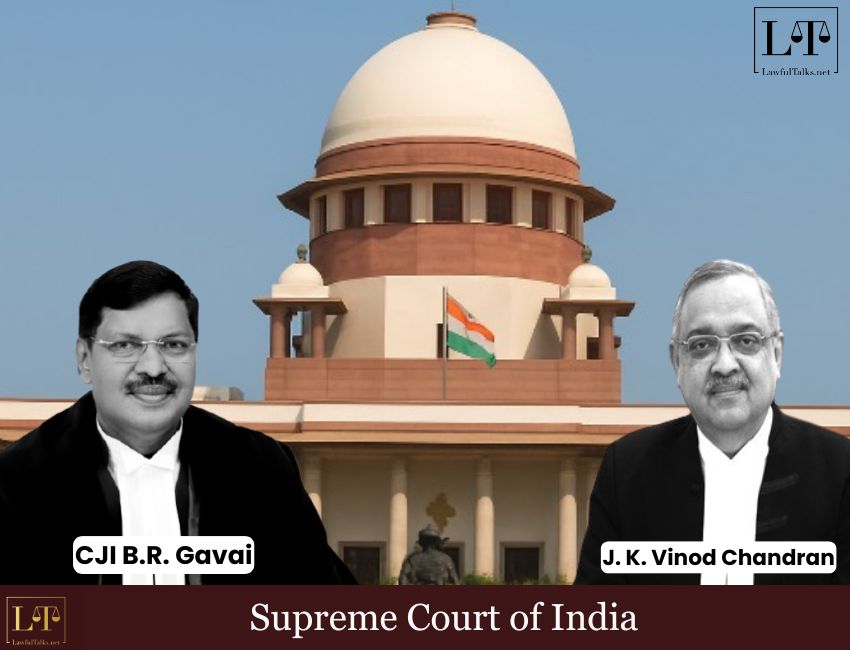
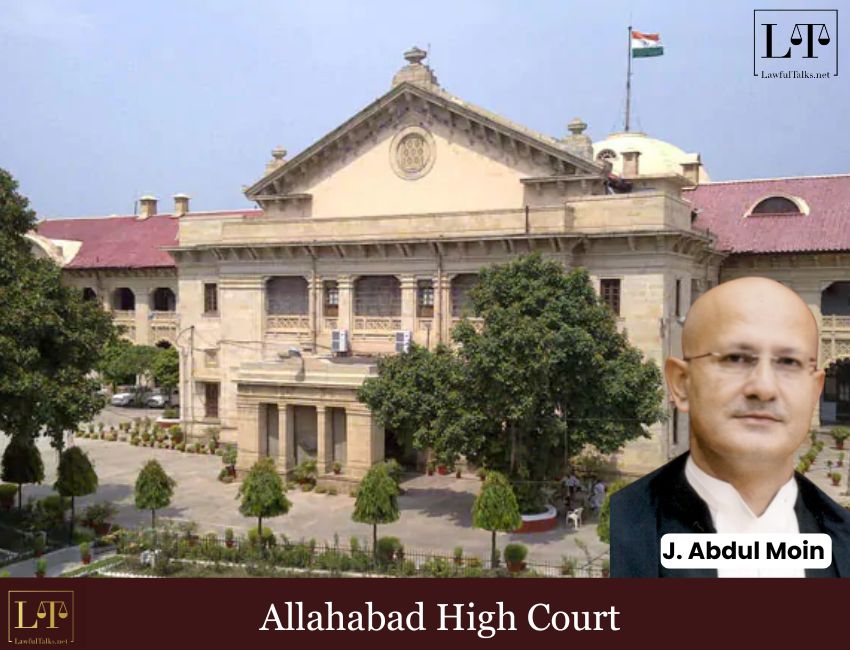
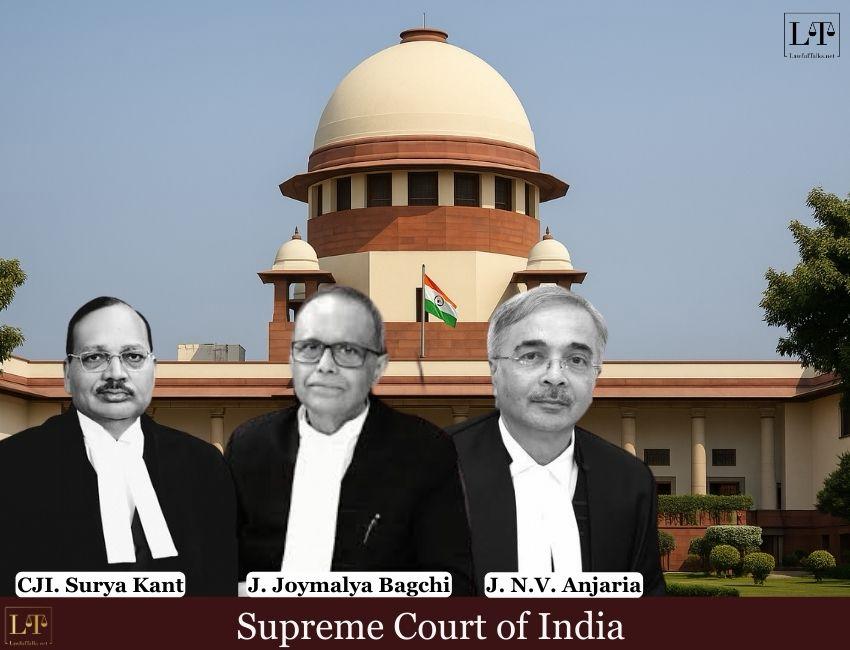
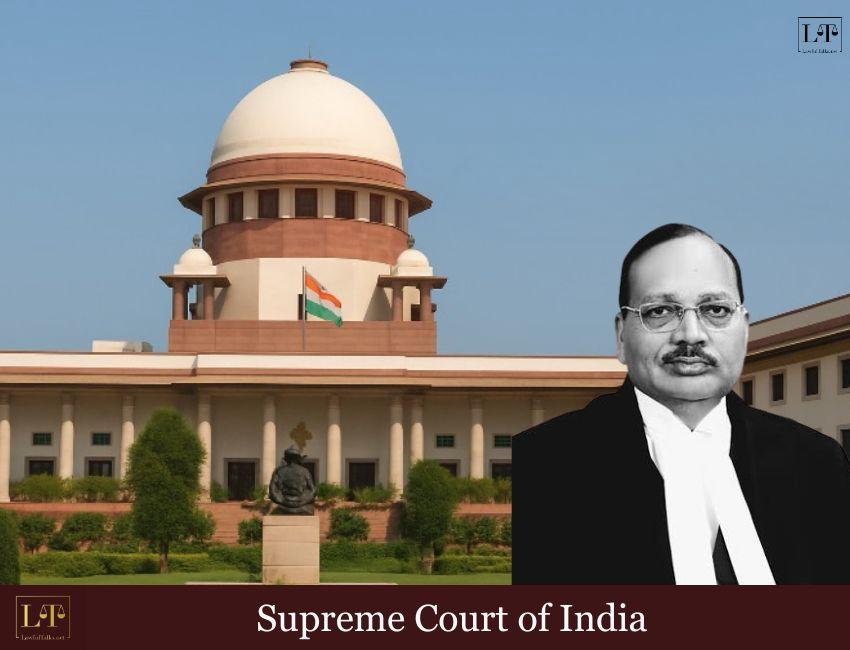
No Ambition, No Assignment-Only Principle: The Legacy Of CJI Gavai

- November 21, 2025


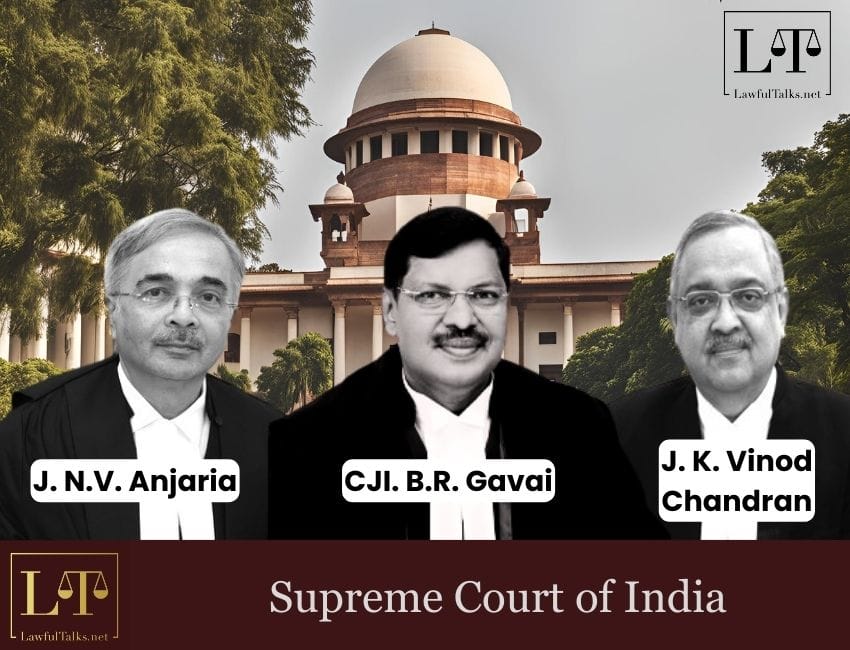
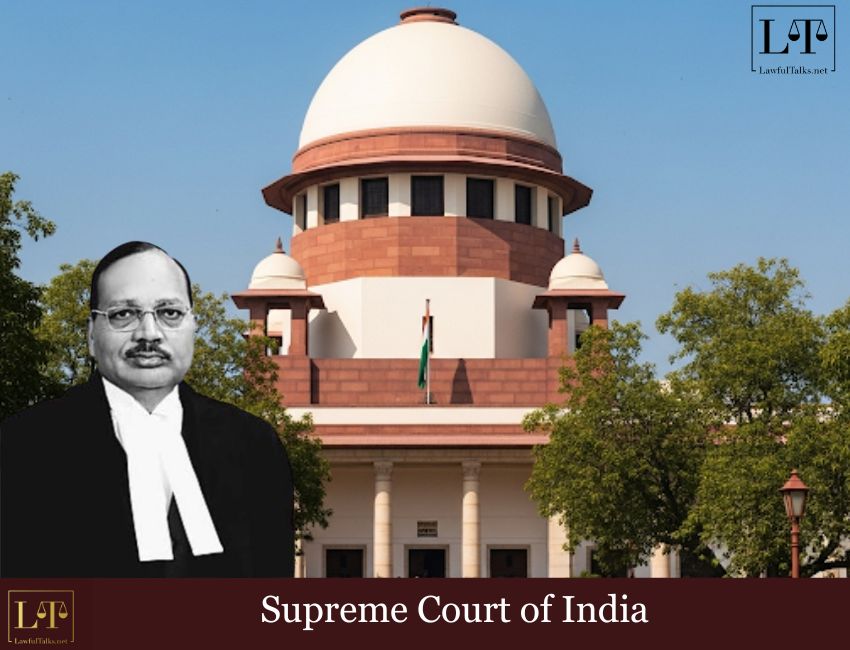
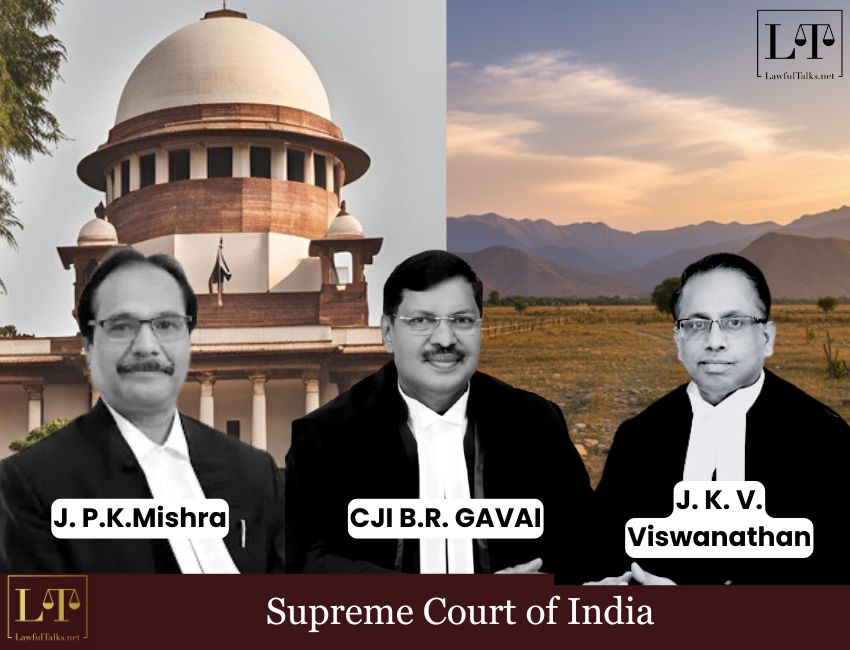
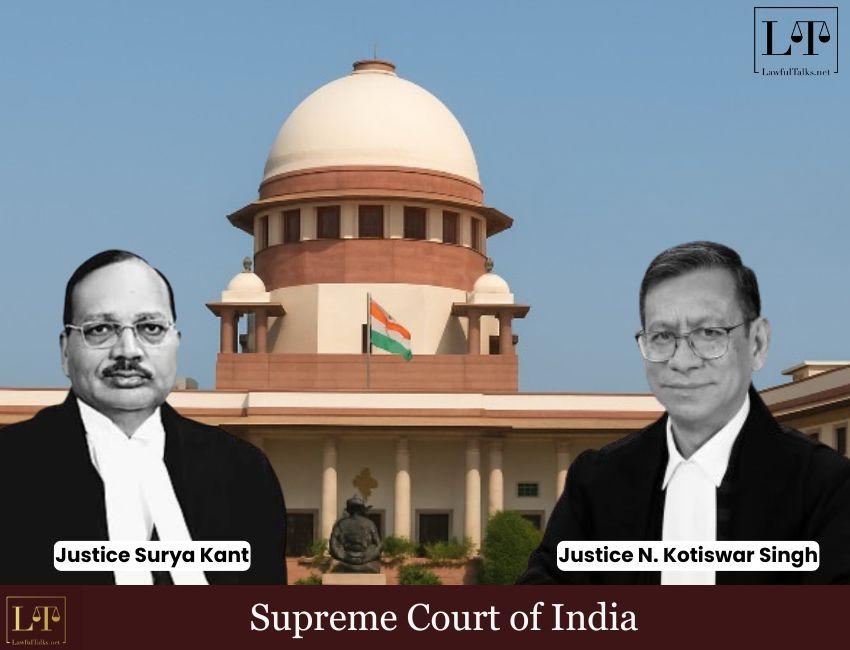
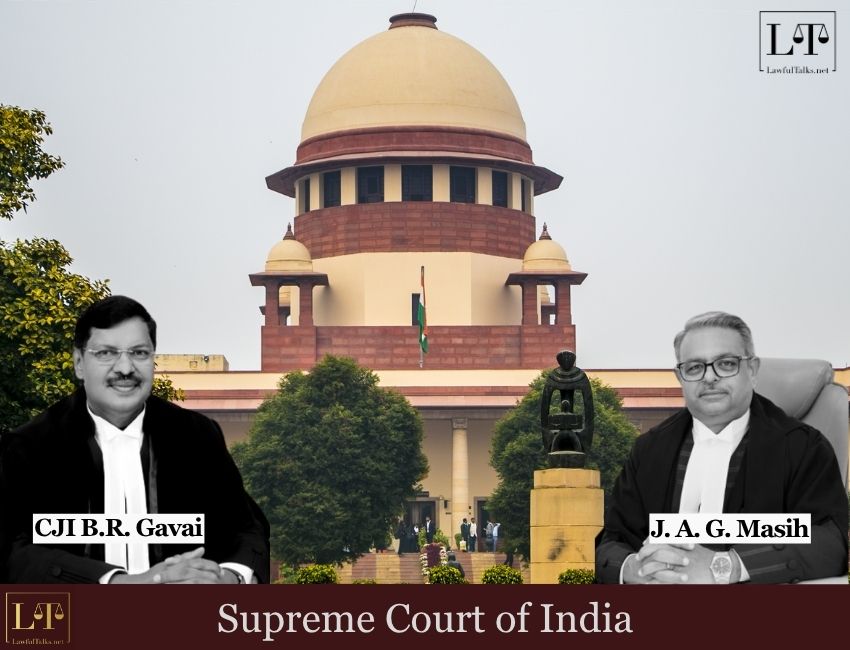
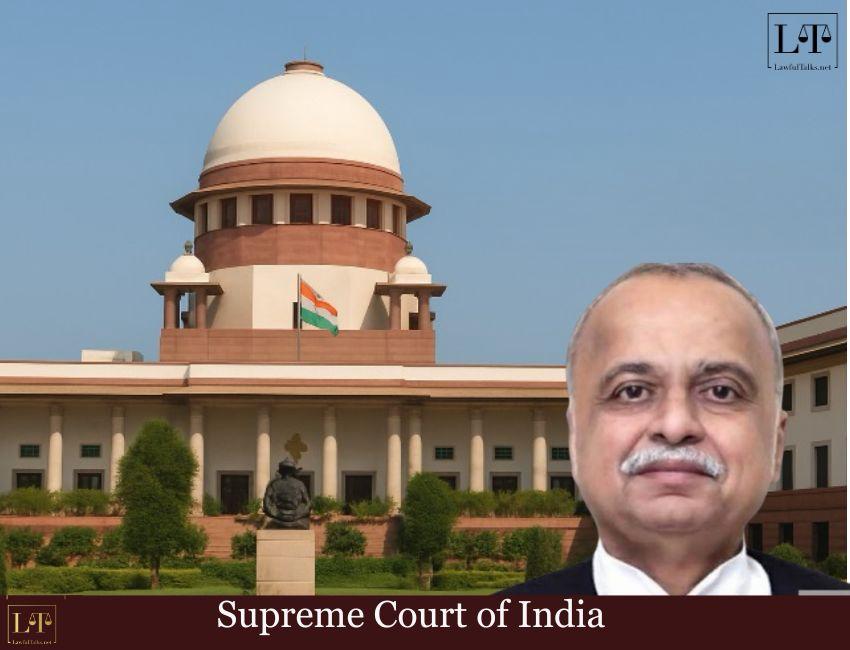
Amid the noise that usually surrounds a Chief Justice’s farewell, one line from Justice B. R. Gavai stood out for its startling honesty. Long before taking charge, he had already made it clear: “I do not have any political ambition… I will not take any post-retirement assignments.” And in the final days of his term, he repeated the promise without softening a syllable: “I have declared this on several occasions in the past that I will not accept any government position after November 24. I will do consultation and arbitration.” In a judiciary often clouded by speculation over post-retirement roles, this unwavering clarity became the quiet, unmistakable signature of his tenure.
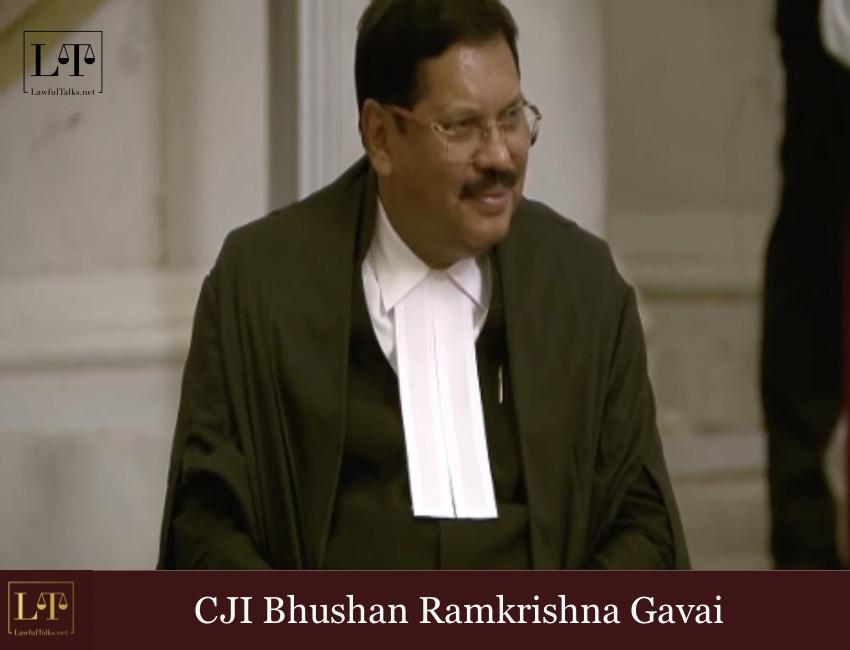
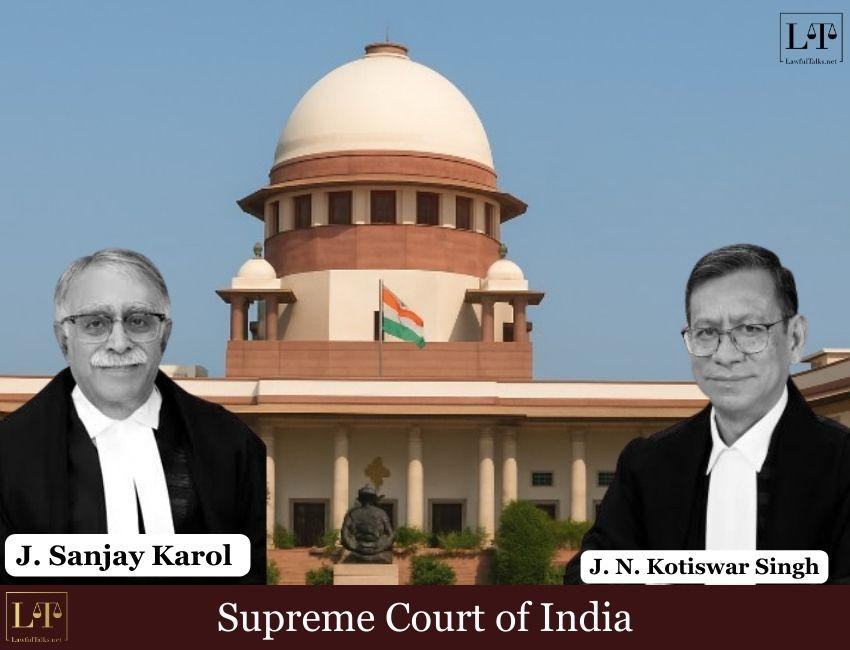
During his months as Chief Justice, the Supreme Court under his stewardship delivered a series of decisions that reflected the same clarity of purpose he brought to his public commitments. One of the most consequential was the Tribunal Reforms Act judgment, where a bench led by him struck down key provisions of the Tribunals Reforms Act, 2021. The Court held that the executive had attempted to resurrect clauses previously invalidated, and it went a step further by directing the establishment of a National Tribunals Commission within four months — a firm reminder that tribunal independence is not an optional ideal, but a constitutional imperative.
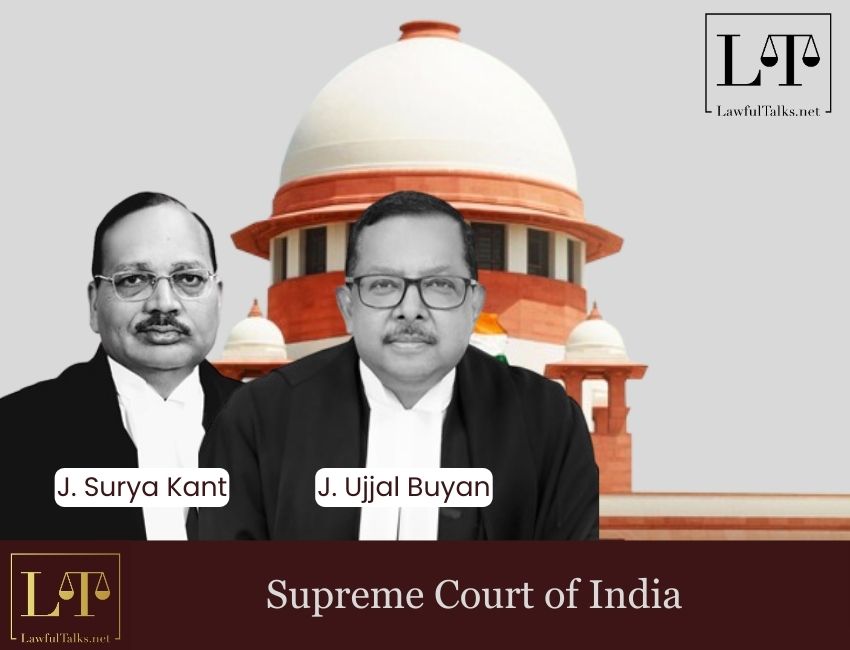
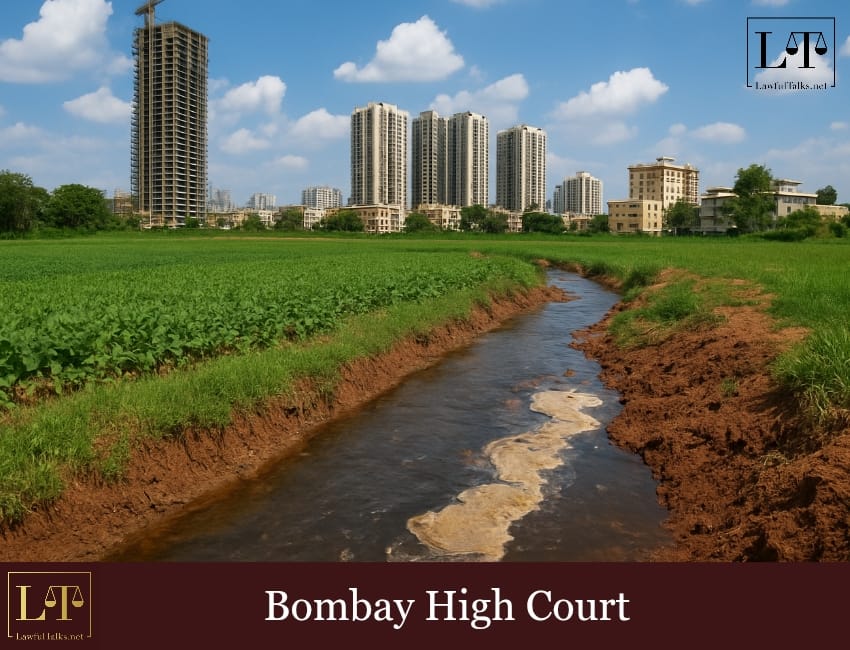
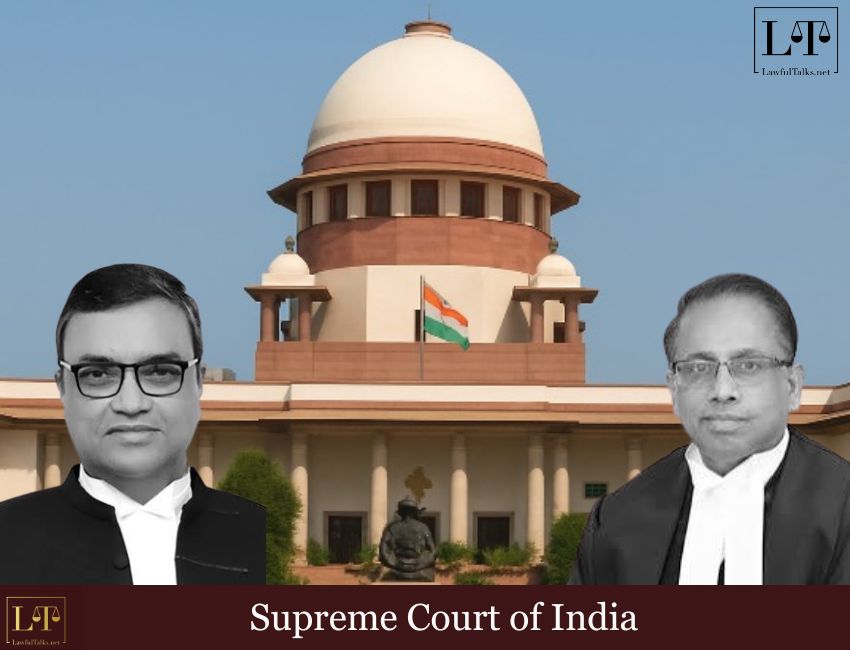
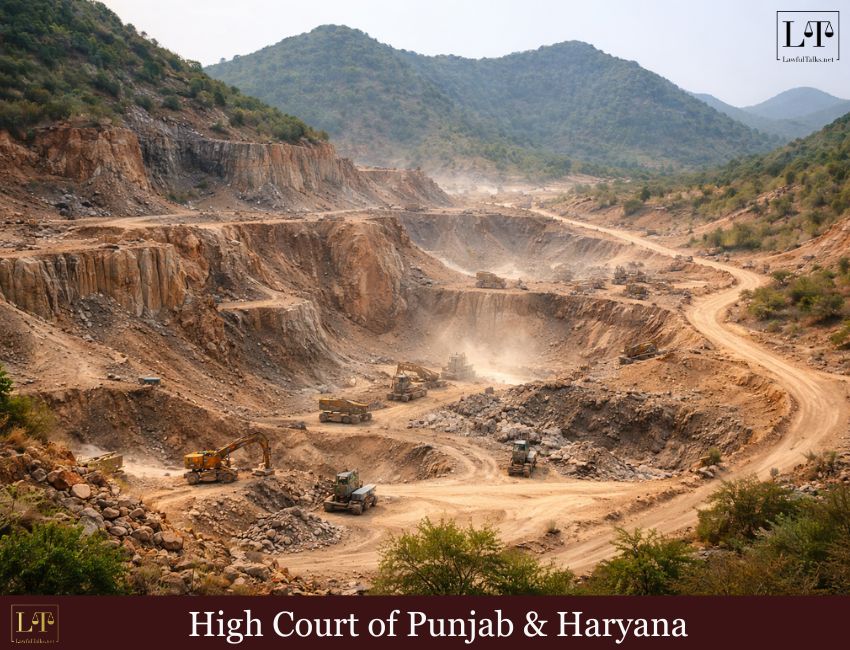
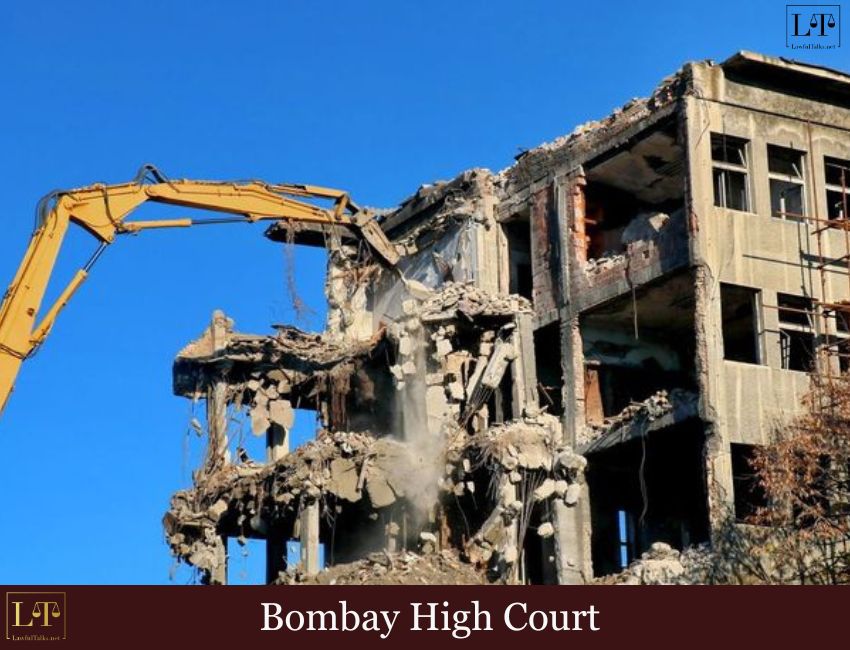
Soon after came the widely debated decision in Confederation of Real Estate Developers v. Vanashakti, in which a two-judge majority, including Justice Gavai, recalled an earlier ruling that had barred ex-post facto environmental clearances. His reasoning was grounded in consequences rather than abstraction: ordering the demolition of completed structures, he observed, would result in an unforgivable waste of public resources. Justice Ujjal Bhuyan’s dissent kept the debate intellectually honest, making the case one of the year’s most closely examined environmental decisions.
Another important order arose from the Futala Lake redevelopment matter, where Justice Gavai extended the public-trust doctrine even to man-made water bodies, insisting that environmental protection cannot depend on whether nature was pure or engineered. Redevelopment, he held, could proceed only under rigorous ecological safeguards.
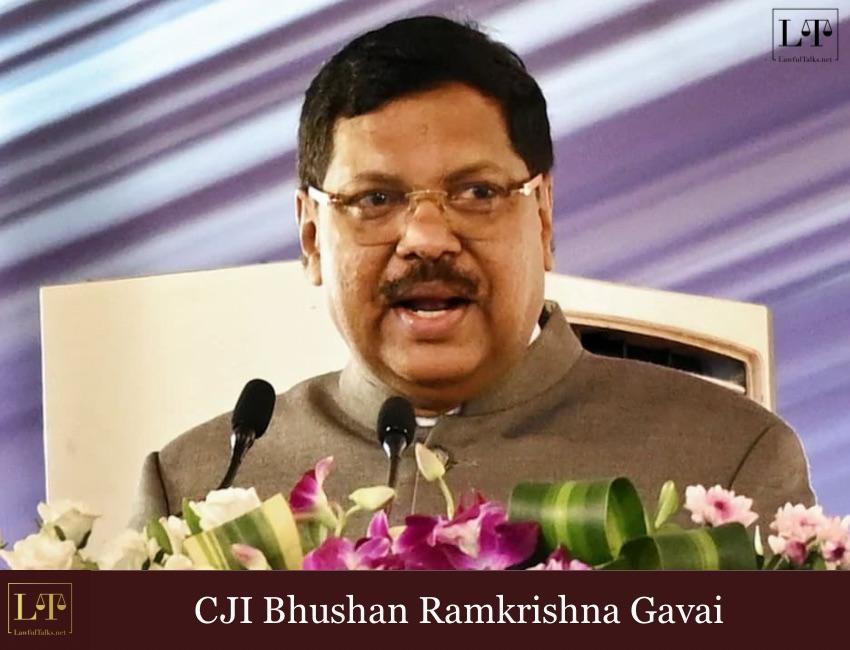
Taken together, these decisions reveal the arc of his judicial mind, one that held constitutional values firmly, yet refused to ignore the realities on the ground; principled without being doctrinaire, and practical without compromising the core of the Constitution. They aligned seamlessly with the integrity and steadiness he promised at the very outset of his tenure.
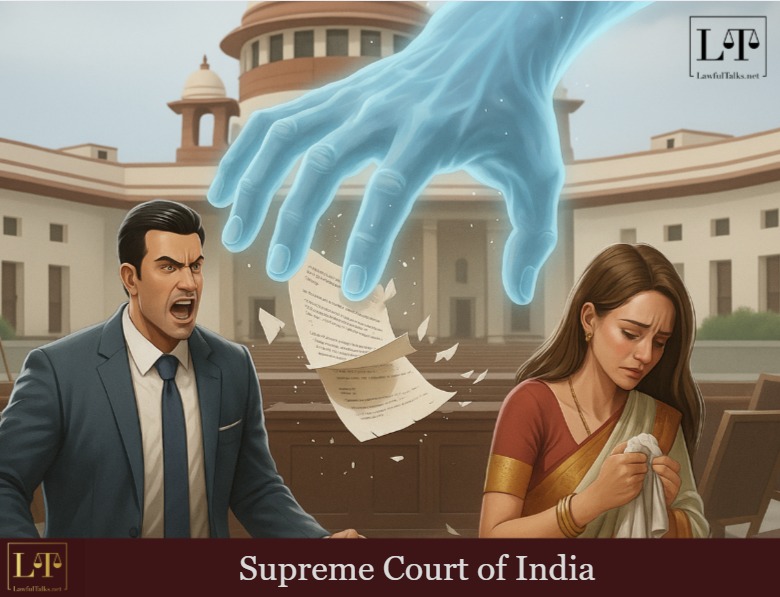
His composure as Chief Justice was revealed most vividly not in a written judgment but in an unexpected moment in open court. In the middle of an ordinary hearing, a disgruntled litigant hurled a shoe toward the Bench. The courtroom jolted, security personnel surged forward, and a wave of tension swept through the hall. Yet Justice Gavai did not so much as shift in his chair. He neither raised his voice nor allowed the outburst to disturb the dignity of the Court. Instead, he resumed the proceedings with the same calm, measured tone as before. The episode lasted only seconds, but it revealed something fundamental about him: when confronted with provocation, he remained steady, exactly as justice must.
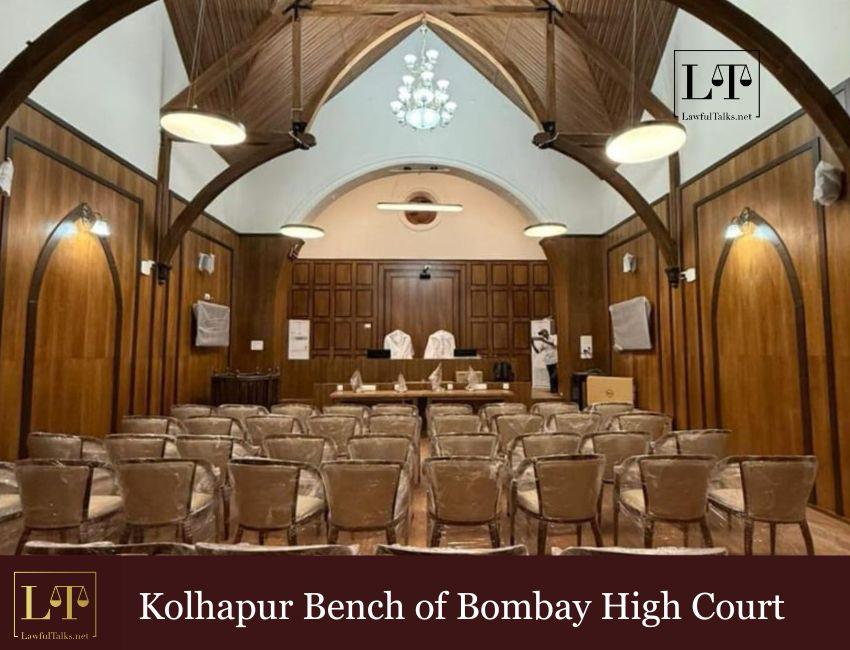
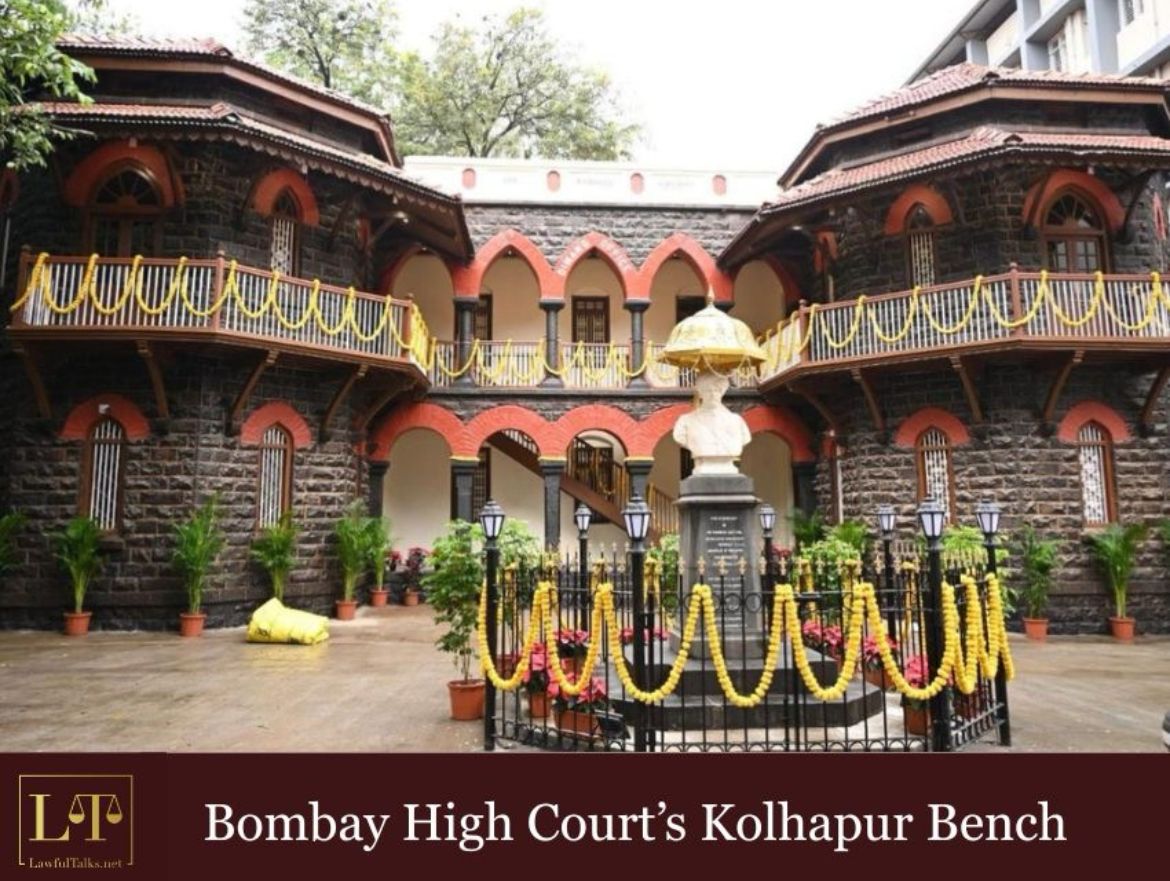
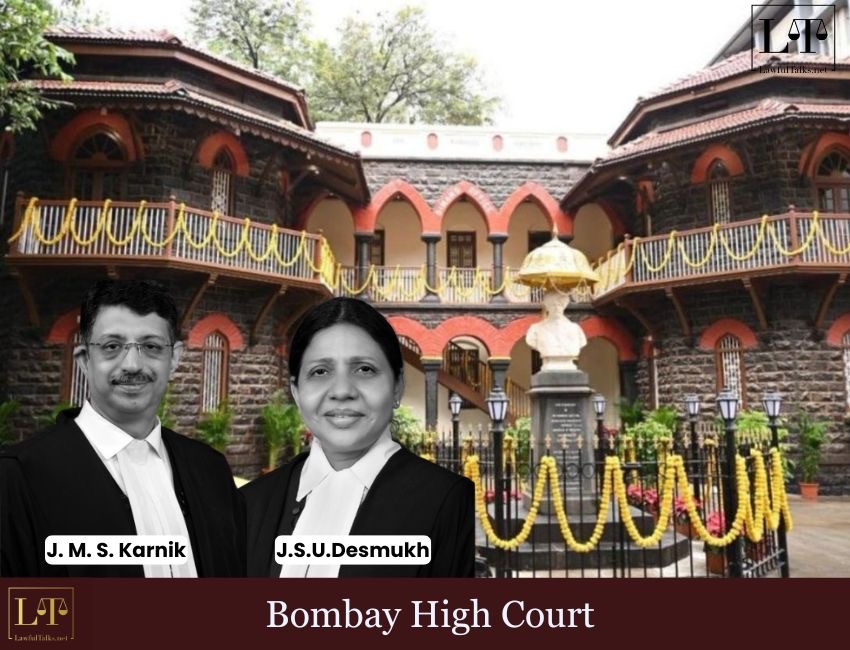
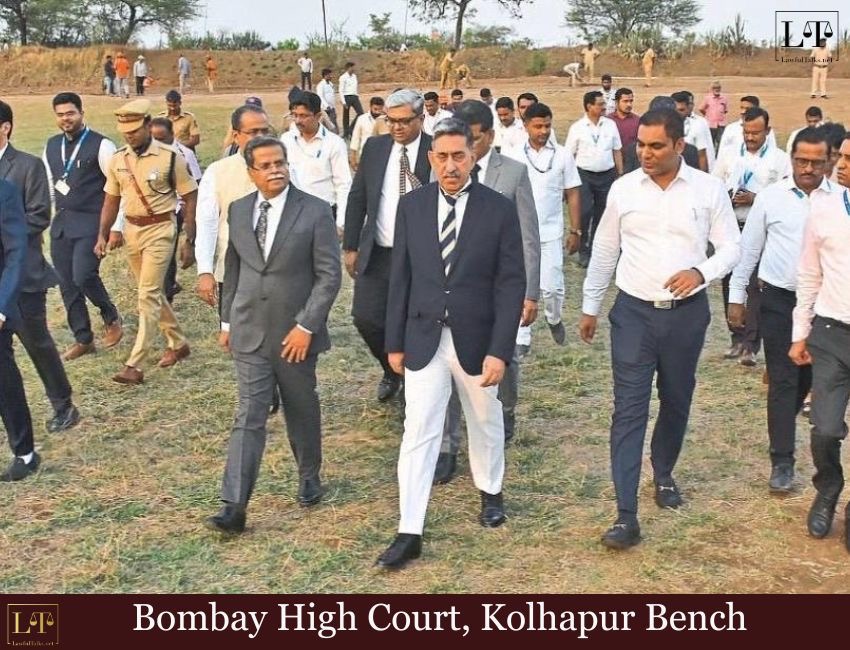
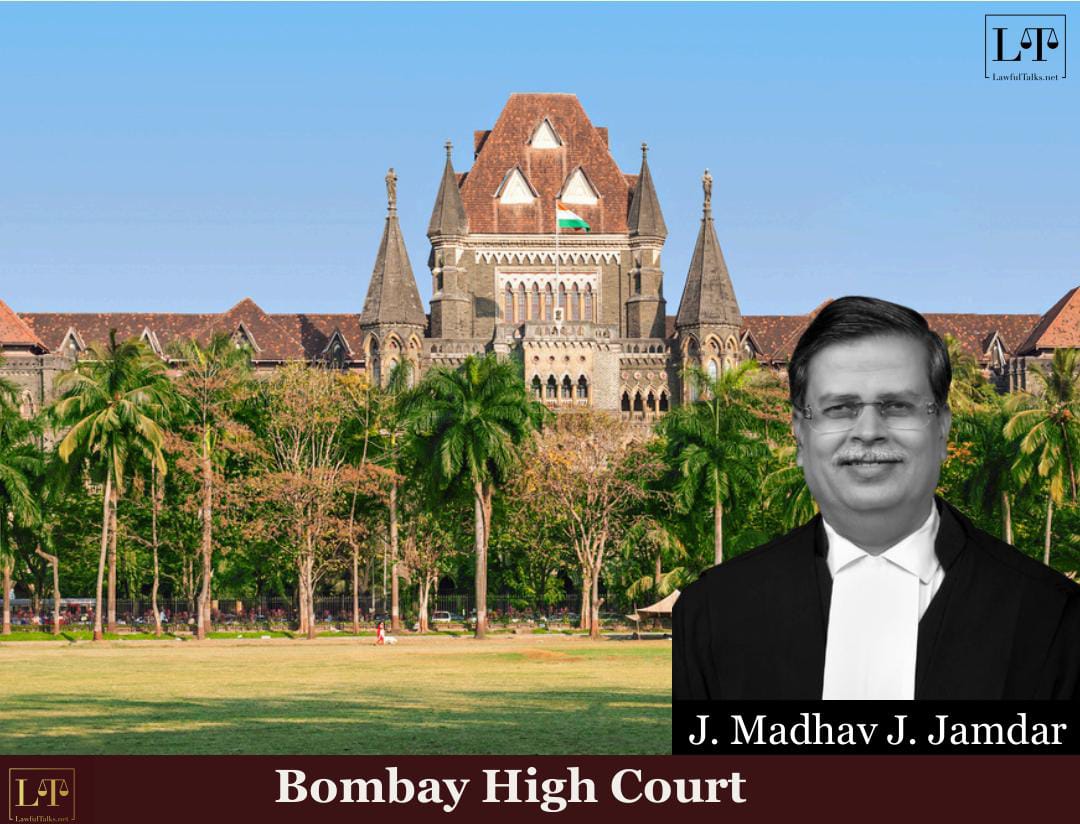
Beyond the courtroom, his tenure carried an unmistakable focus on strengthening judicial infrastructure and widening access to justice. He travelled extensively across the country, inaugurating new court complexes, circuit benches, and legal-education initiatives with a sense of urgency that belied the brevity of his term. In Mandangad, Ratnagiri, he opened the new Civil and Criminal Court complex — a project of quiet symbolism in a region closely associated with Dr. B. R. Ambedkar. In Kolhapur, he inaugurated the Bombay High Court’s Circuit Bench, a decentralising step that brought the High Court closer to thousands of litigants in western Maharashtra. He launched the permanent campus project of Maharashtra National Law University, Mumbai at Goregaon (West), laying the groundwork for a stronger and more inclusive legal-education ecosystem.
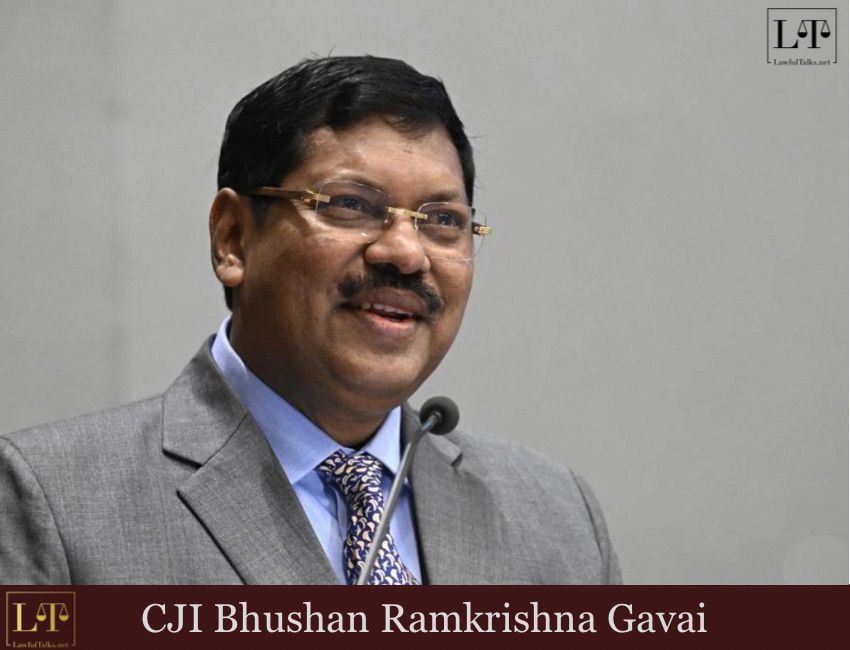
He dedicated a new District and Sessions Court building at Daryapur in Amravati, and strengthened justice delivery in the Northeast by inaugurating the Itanagar/Naharlagun bench building of the Gauhati High Court. He also opened multiple e-libraries and digital research centres, ensuring that young lawyers, often the most disadvantaged in terms of resources, had access to modern legal research tools. His tenure may have been brief, but the scale and spirit of these inaugurations made one thing unmistakably clear: to him, justice was not merely a principle to be spoken of, but a physical promise that had to exist in every district and every corner of the country.
His administrative leadership extended into the Supreme Court Collegium as well. Under his chairmanship, numerous candidates were appointed to the Supreme Court, and several more were recommended for elevation during his tenure. The process moved with a steadiness that stood out, free of controversy, marked by clarity, and delivered with a sense of timeliness that kept the institution functioning without disruption.
He entered the office with dignity. He leaves it with integrity. And in that quiet, principled journey lies the true measure of his legacy.















































Sign up for free and be the first to get notified about curated content just for you.