Breakup, Facebook & Criminal Law: Bombay HC Refuses To Quash FIR

- December 10, 2025


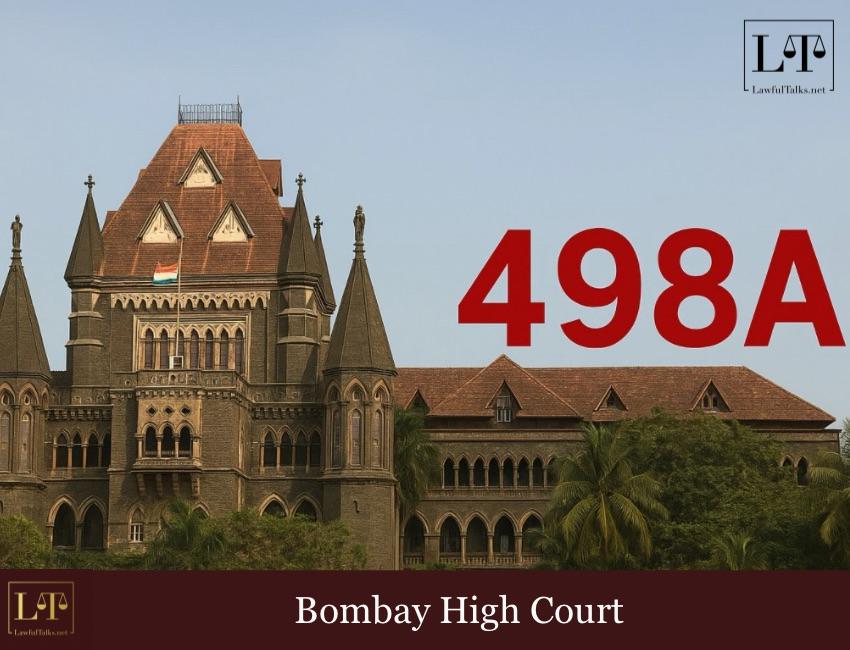
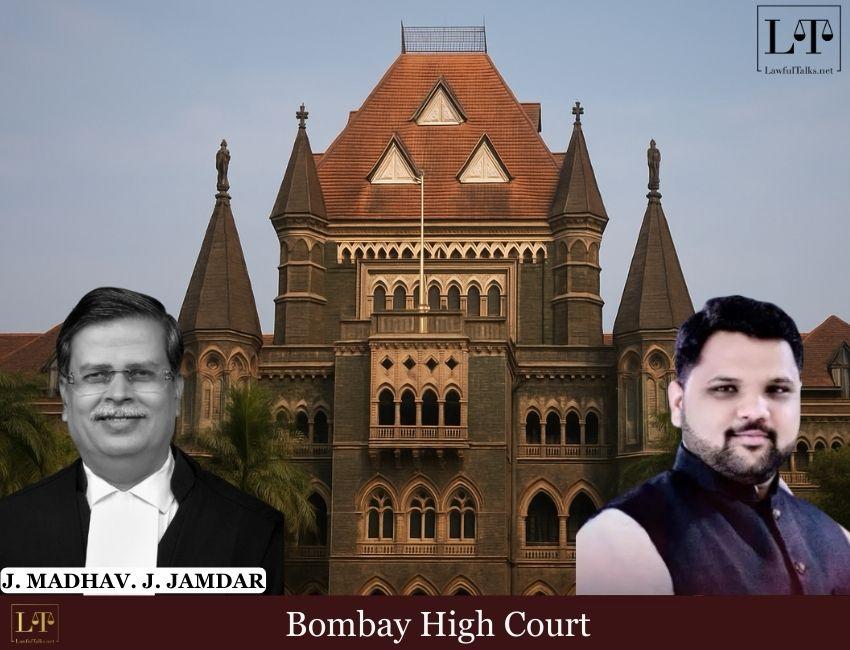
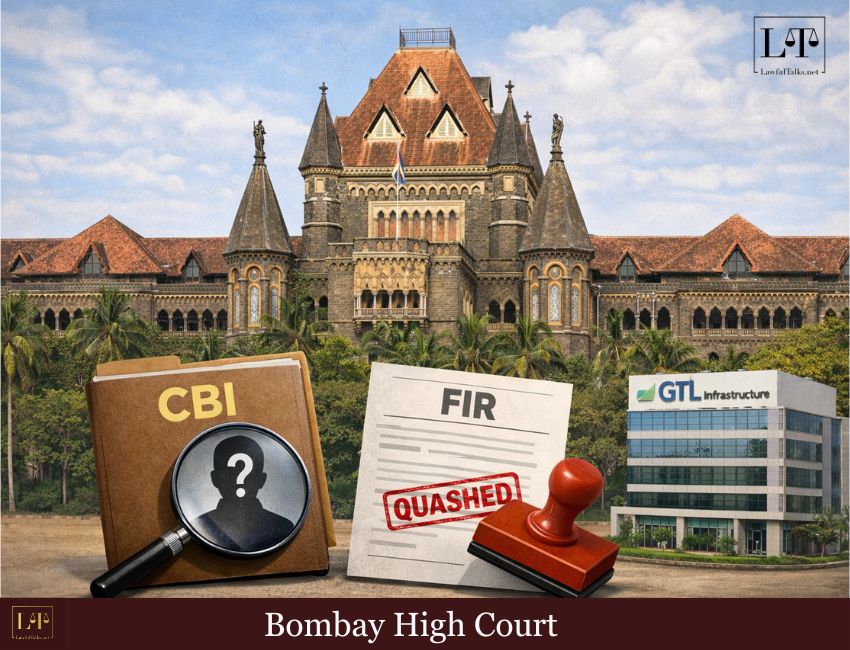
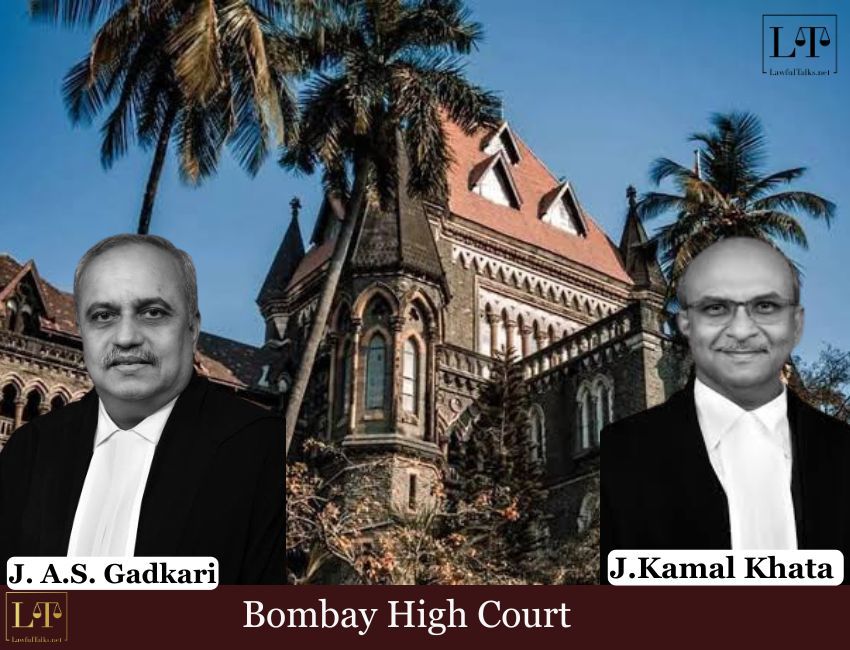
In a notable ruling, the Nagpur Bench of the Bombay High Court has held that posting an objectionable post on Facebook can amount to offences under Sections 354 and 354-D of the IPC. The court noted that the complainant is a married woman living with her husband. Even if she had a relationship with the applicant before her marriage, or even if the applicant had given her money on the promise of marriage, the Court said this does not give him any right to post objectionable content about her on social media.

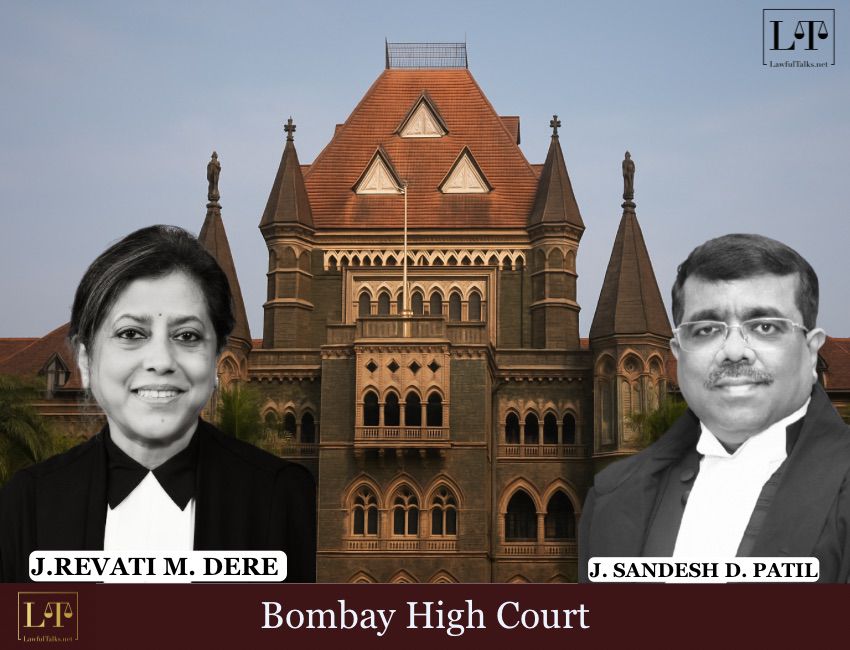
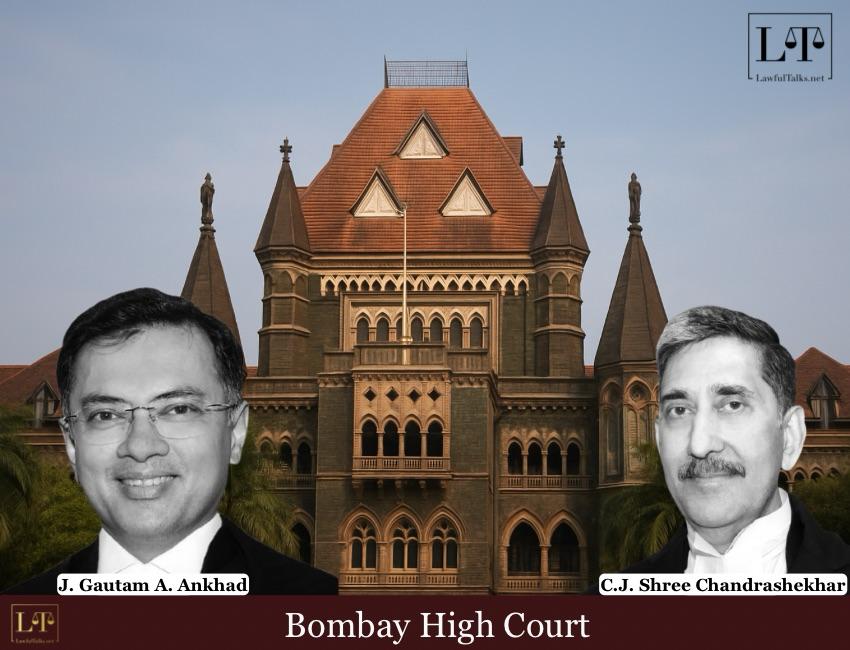
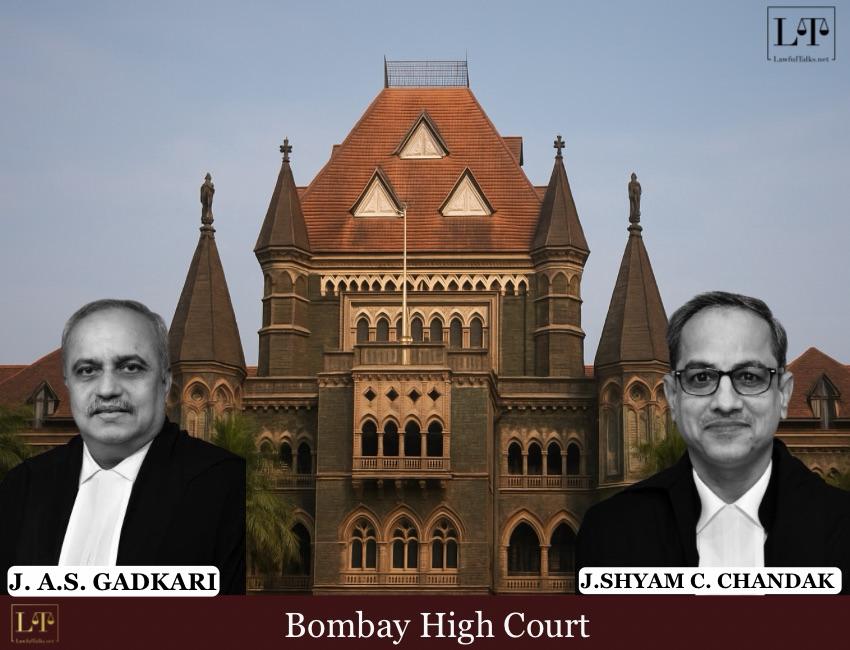
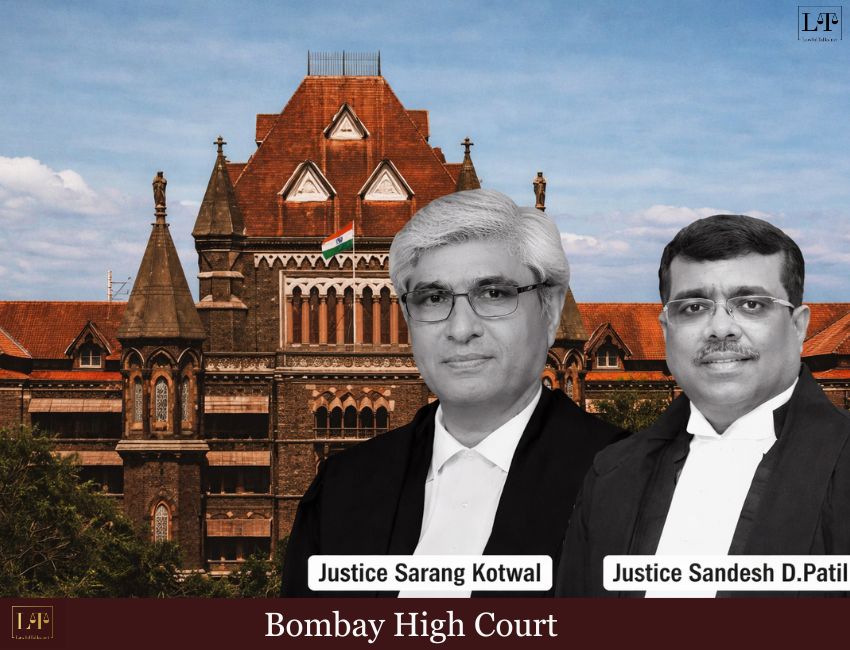
The bench of Justice Urmila Joshi Phalke and Justice Nandesh S.Deshpande, added that questions about financial help or a past relationship can only be decided during a full trial. Relying on the Supreme Court judgment in State of Madhya Pradesh v. Laxmi Narayan (2019) 5 SCC 688, the Bench stressed that Section 482 CrPC should be used sparingly and not to stop a legitimate prosecution.
Finding enough material to proceed with the case, the Court held that this was not a fit case for quashing the FIR and therefore rejected the application.
Facts
According to the complaint, non-applicant No. 2 is a married woman who has been repeatedly harassed by the applicant since the day of her marriage. She had befriended the applicant on Facebook two years before her wedding, and they used to chat regularly. It is further alleged that the applicant proposed marriage to her, but she declined his proposal because she did not like him.
When the non-applicant No. 2 refused his demands, the applicant allegedly became upset and posted objectionable material on her Facebook account using his mobile phone. According to the complaint, he made such posts on four different occasions, with the intention of defaming her and disturbing her marital life.
It was also alleged that on the night before her wedding, the applicant went to her house carrying poison and threatened to commit suicide. Her father and relatives then took him to the police station, where he apologised, and therefore no action was taken at that time.
The counsel for the applicant denied all allegations made by non-applicant No. 2. He stated that the applicant and non-applicant No. 2 first connected on Facebook, and their friendship eventually developed into a love affair that had been ongoing since 2014–2015.
It was submitted that their marriage had been finalised. According to the applicant, after this, the relatives of non-applicant No. 2 allegedly demanded money from him. Relying on their assurance of marriage, the applicant claims to have lent a total of ₹2.88 lakh to her family in good faith.
Additionally, the applicant’s counsel contended that non-applicant No. 2 and her family later demanded ₹5 lakh along with five acres of land for the marriage to take place.
According to the applicant, when he did not fulfil the alleged demands for money and land, the marriage was called off. He further claims that when he later requested the return of the money he had lent, non-applicant No. 2 and her family not only refused but also abused him.
Feeling aggrieved, the applicant filed a complaint against non-applicant No. 2 and her family before the Judicial Magistrate First Class (J.M.F.C.), Baramati, where the case is currently pending.
Court’s Observation:
After carefully examining the FIR and the resulting charge sheet, the Court observed that posting objectionable material on a Facebook account—a social networking site—constitutes offences punishable under Sections 354 and 354-D of the Indian Penal Code.
The Court held that, "Assuming that the non-applicant No.2 had some relation prior to her marriage with the applicant, and even assuming that the applicant had lent money to her on assurance of marriage, that cannot be construed as giving a license to the applicant herein to post some objectionable post over the social site."
"The aspect relating to the financial help referred by the applicant and the applicant having a relationship with him prior to the marriage are matters which are to be decided at the stage of evidence in a full fledged trial."
The application seeking quashing of the FIR was therefore rejected.
Case Details: Tukaram vs The State of Maharashtra.(Criminal Application No.522/2020)

















































































































































































































































































































Sign up for free and be the first to get notified about curated content just for you.