CJI’s Big Procedural Reset Begins Dec 1: Faster Listings, Fewer Mentions, Strict Adjournment Rules

- December 01, 2025


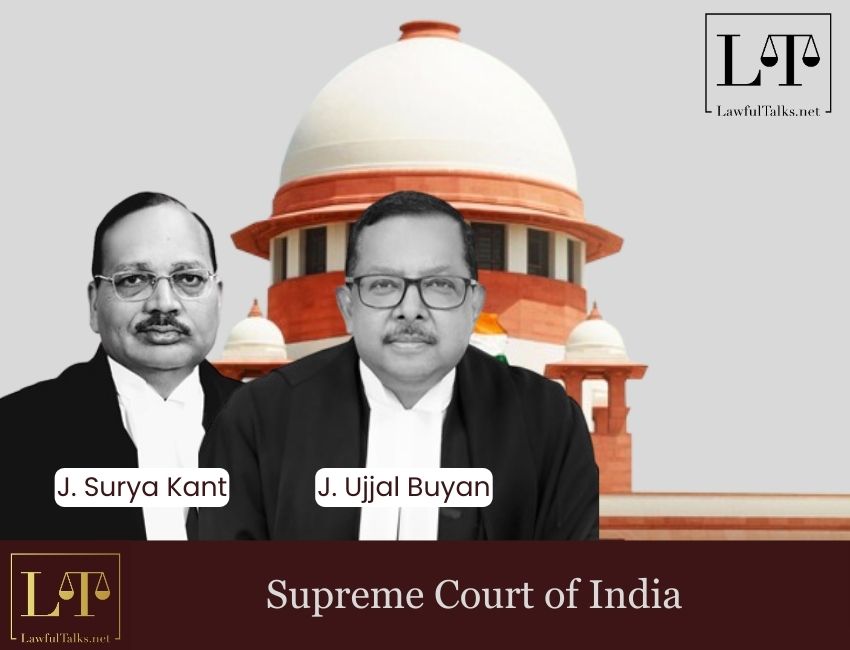
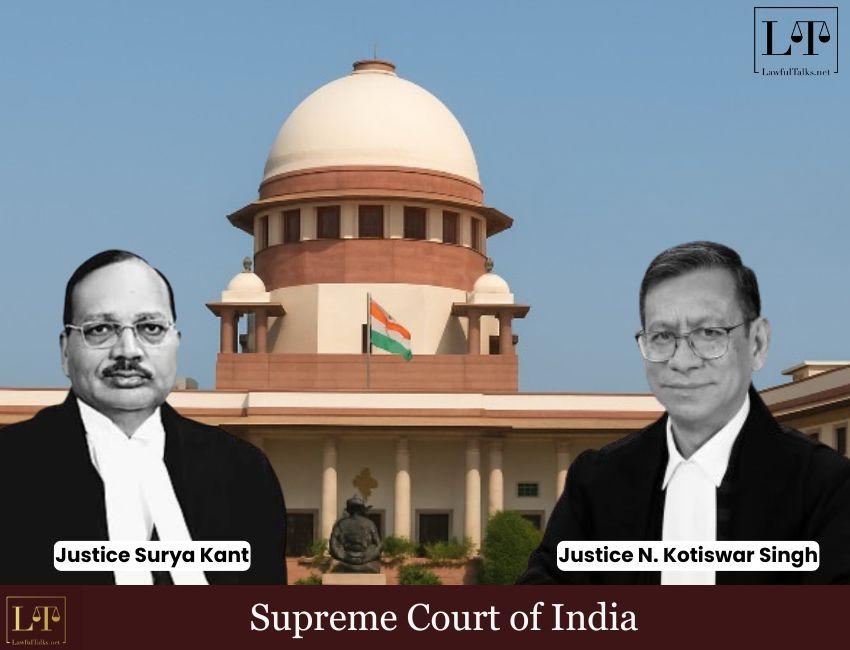
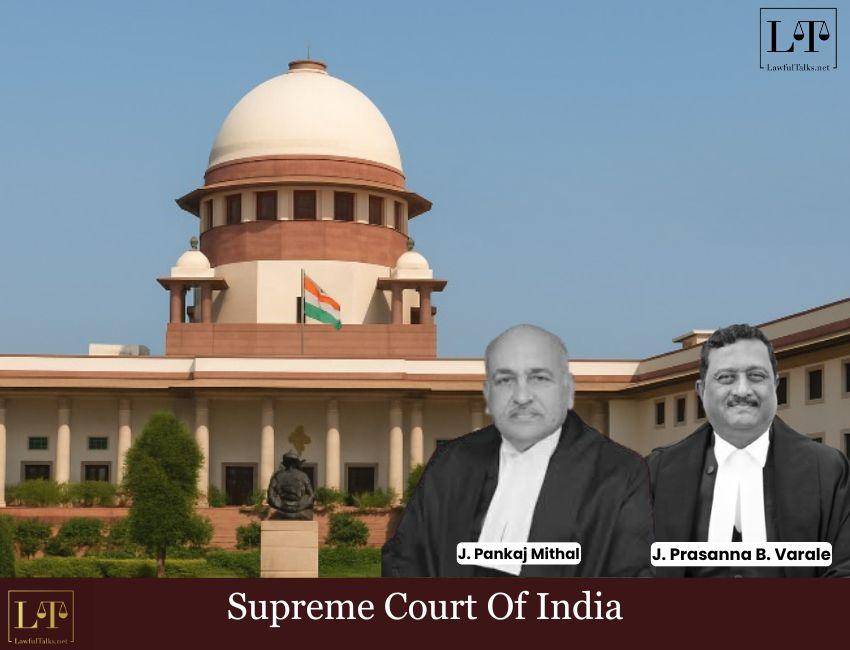
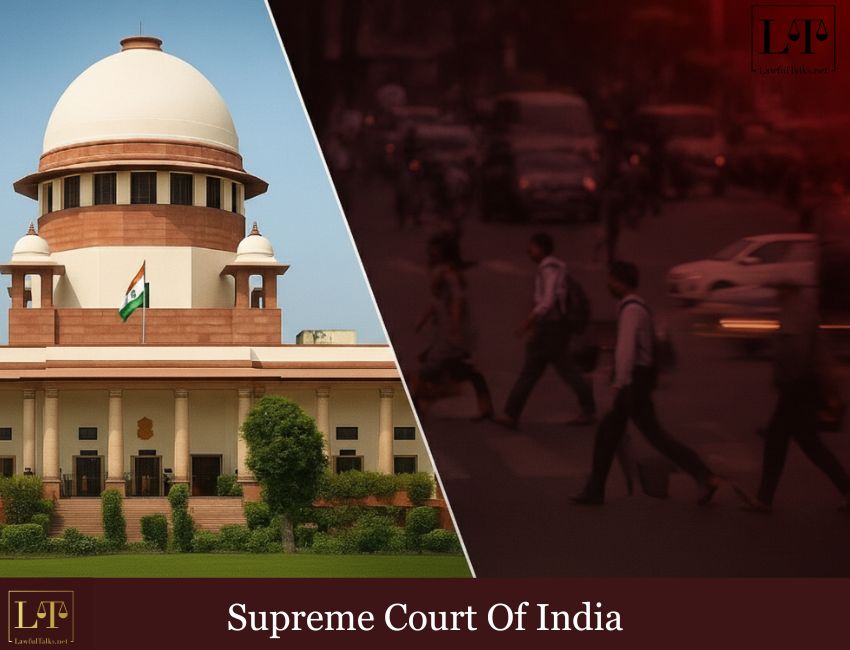
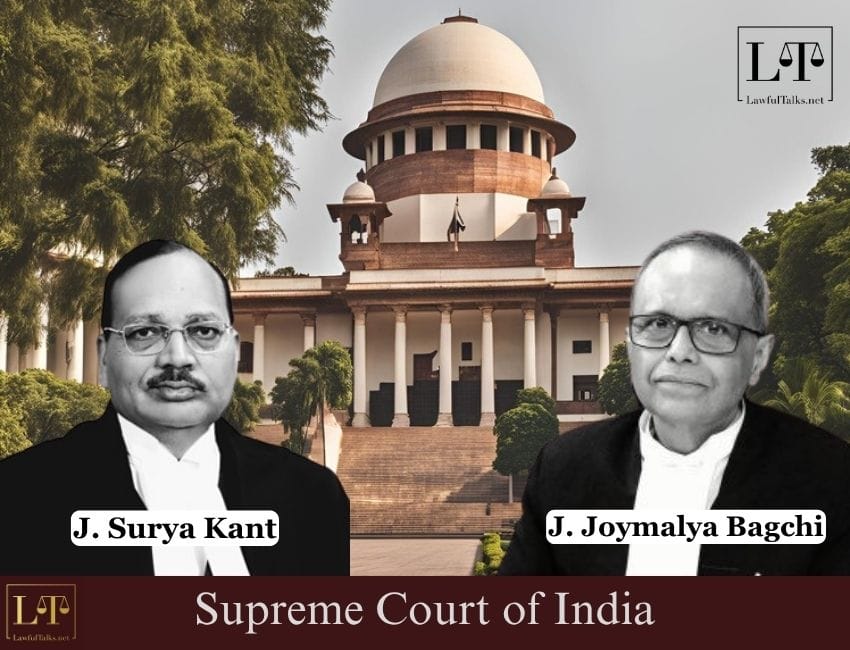
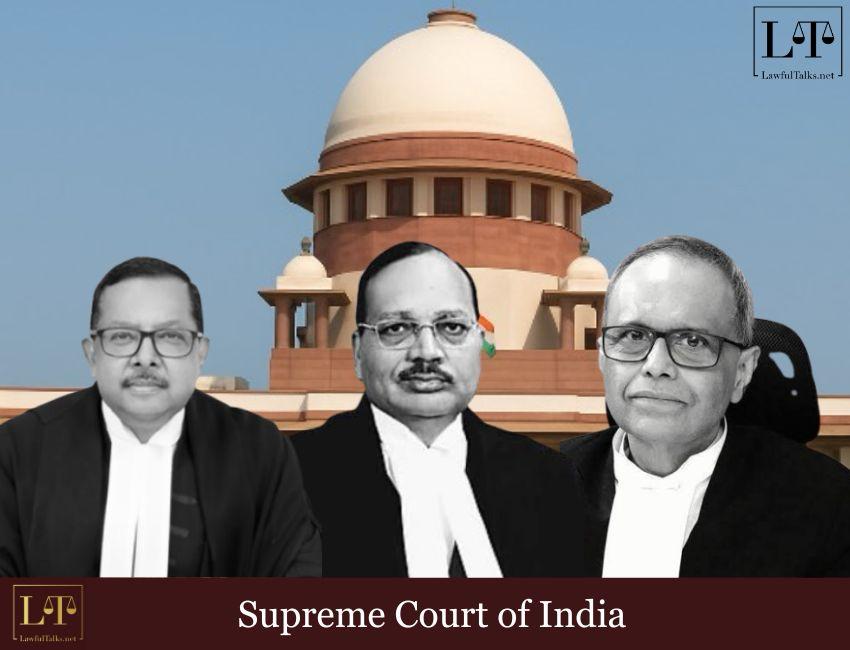
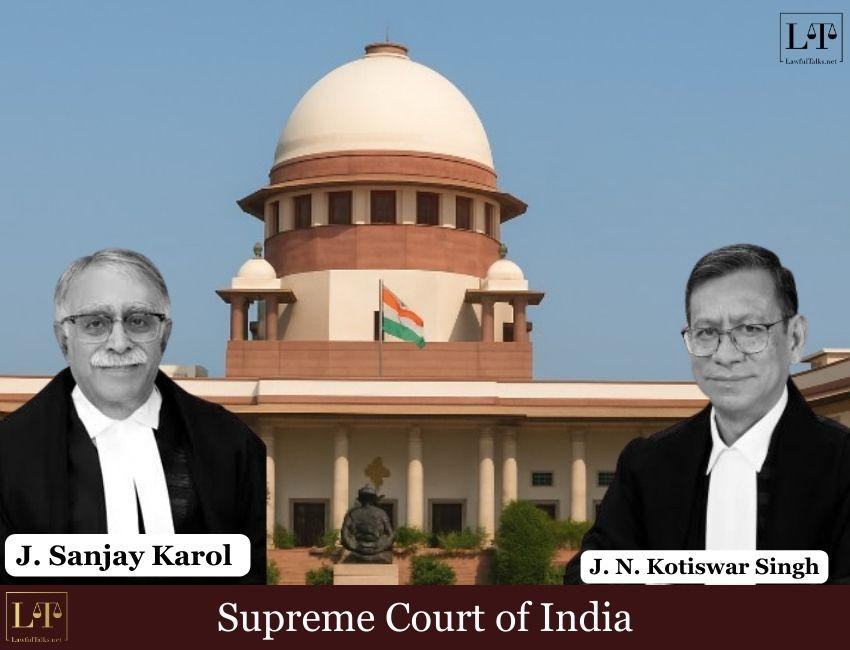
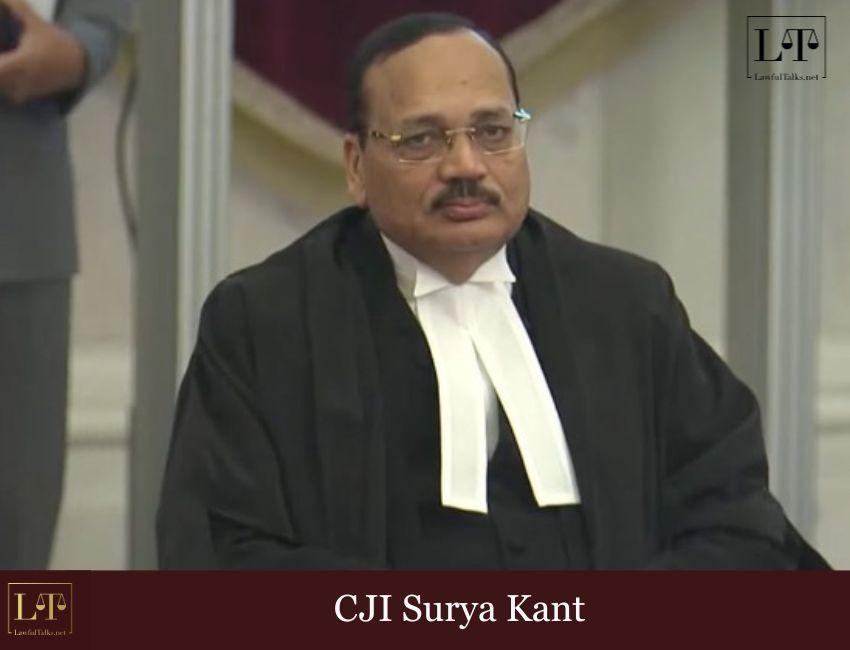
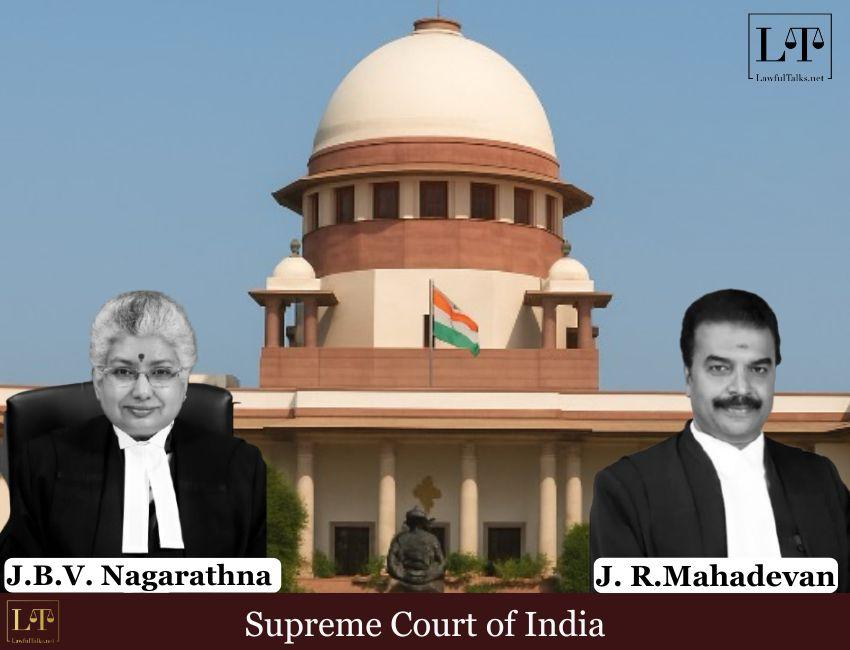
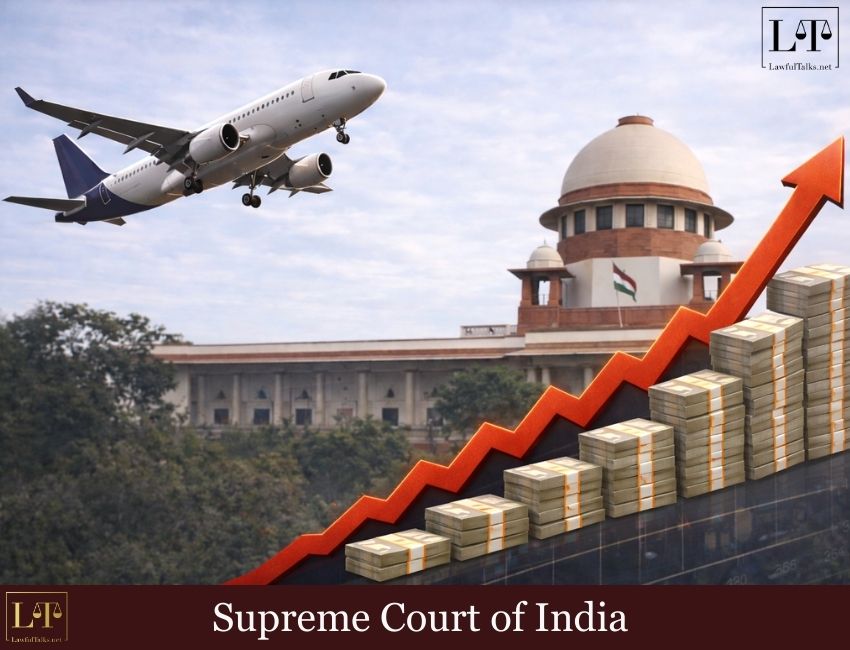
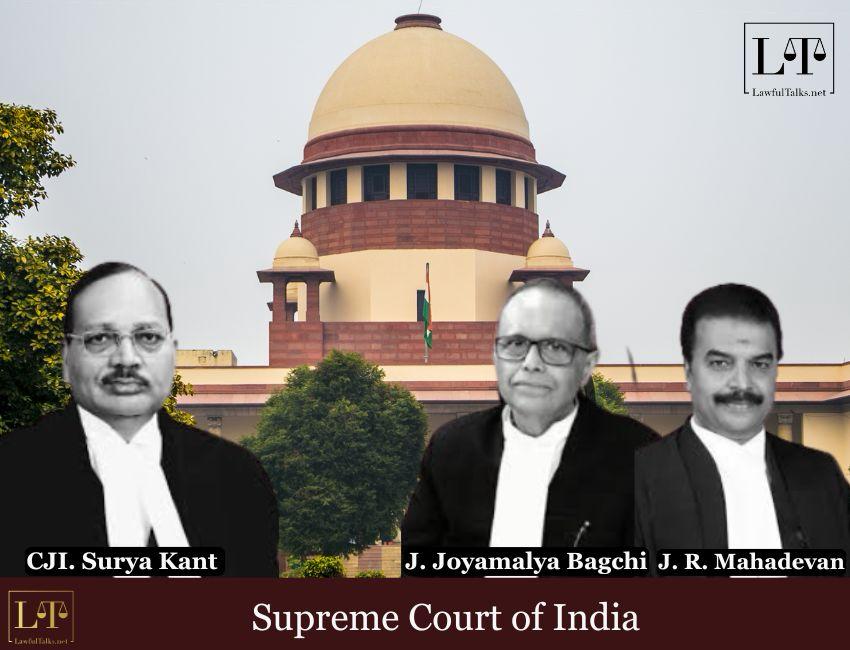
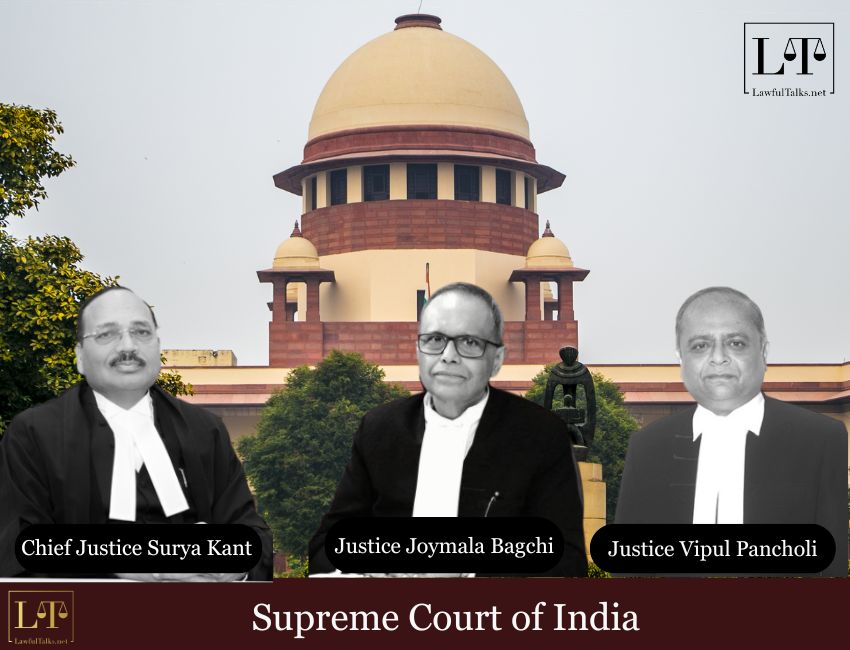
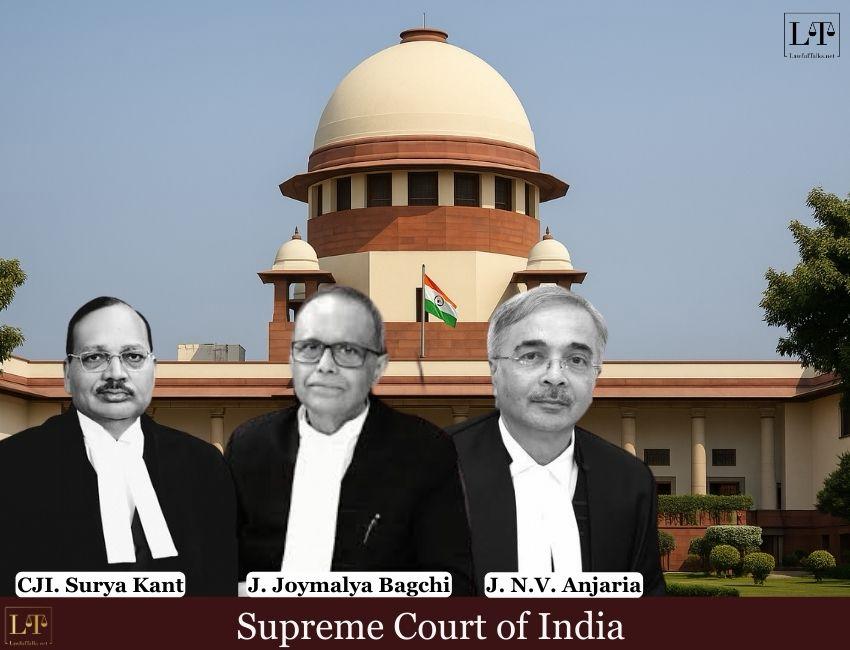
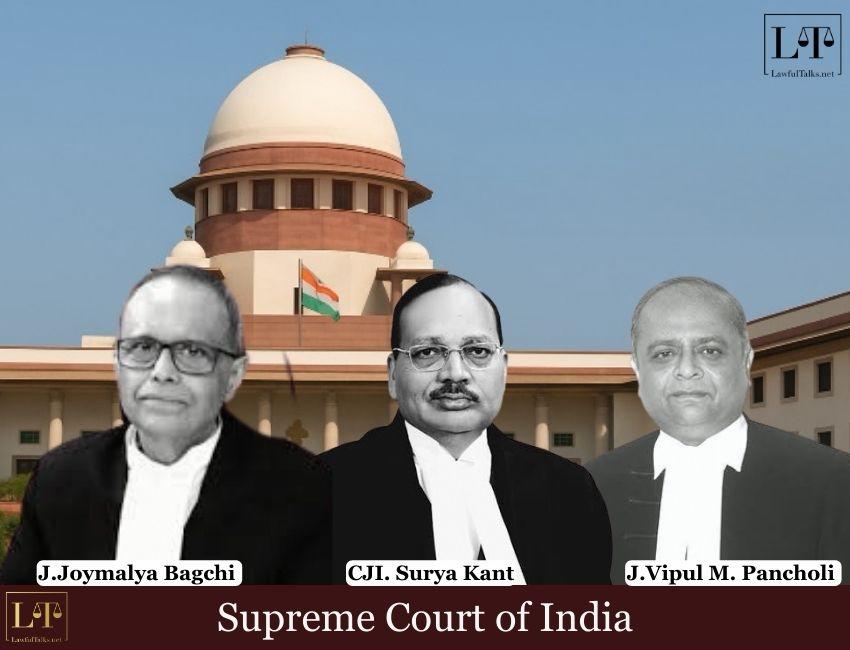
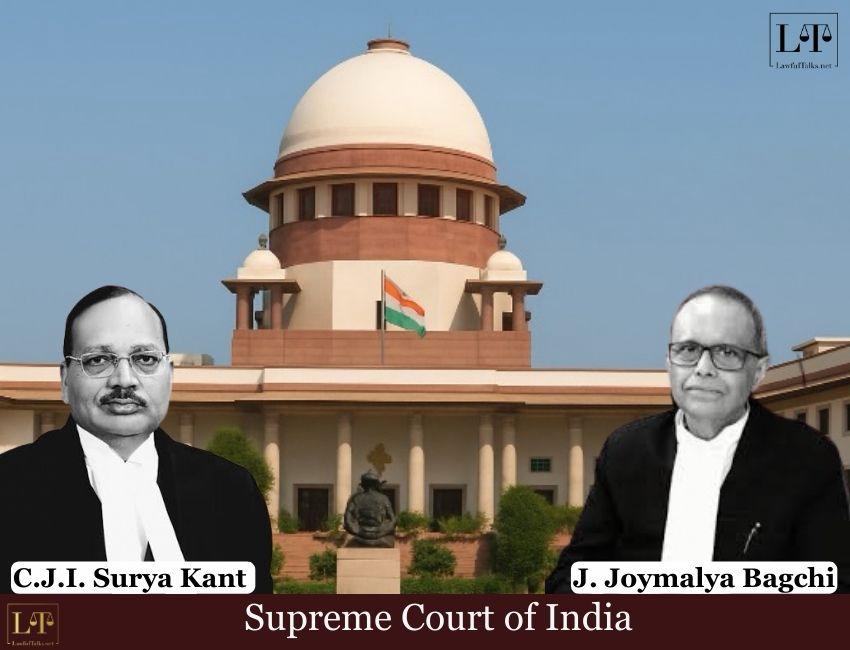
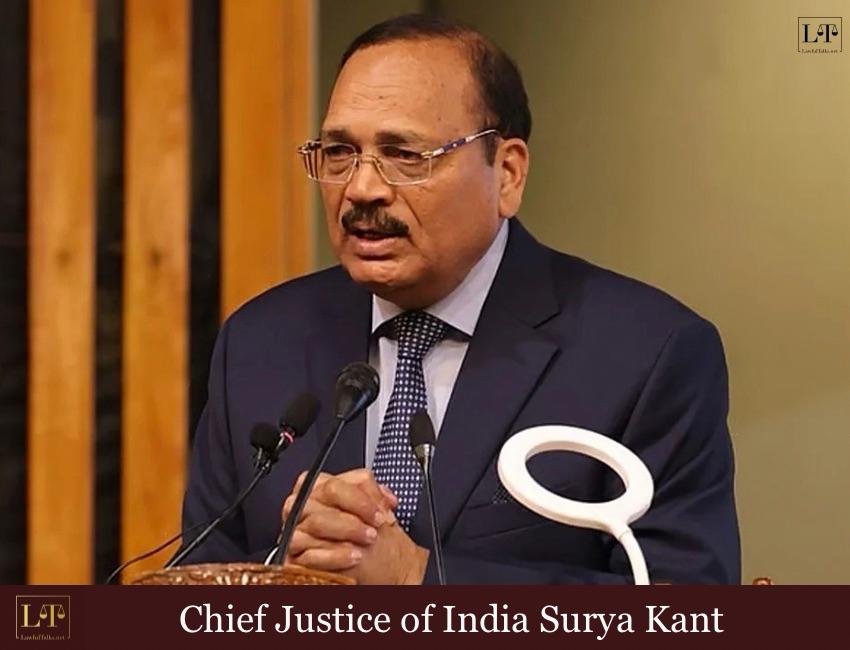
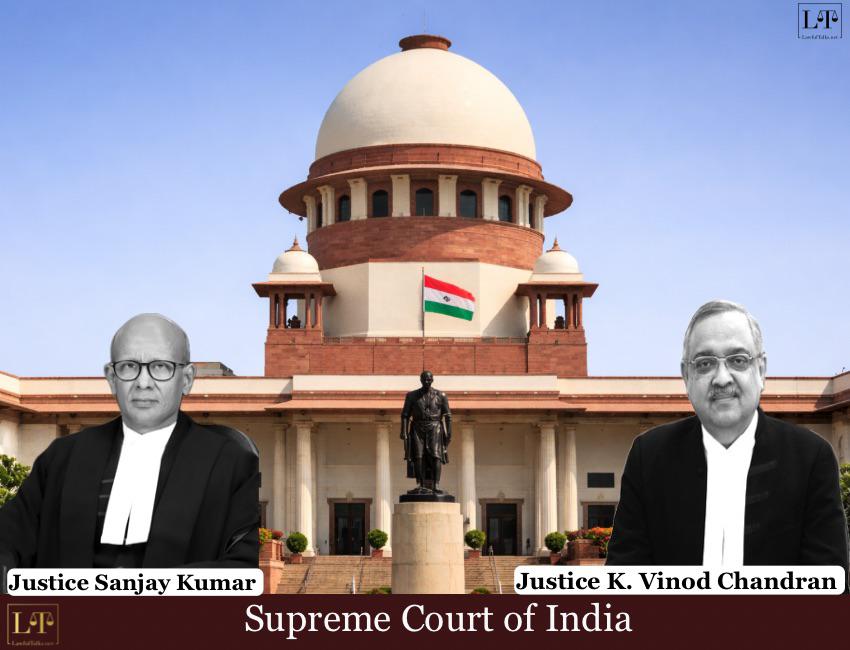
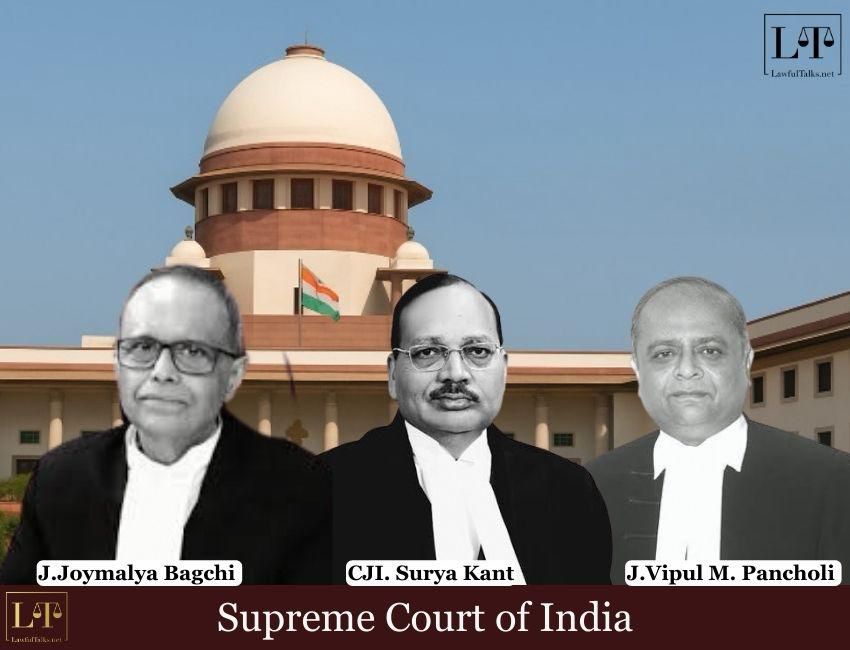
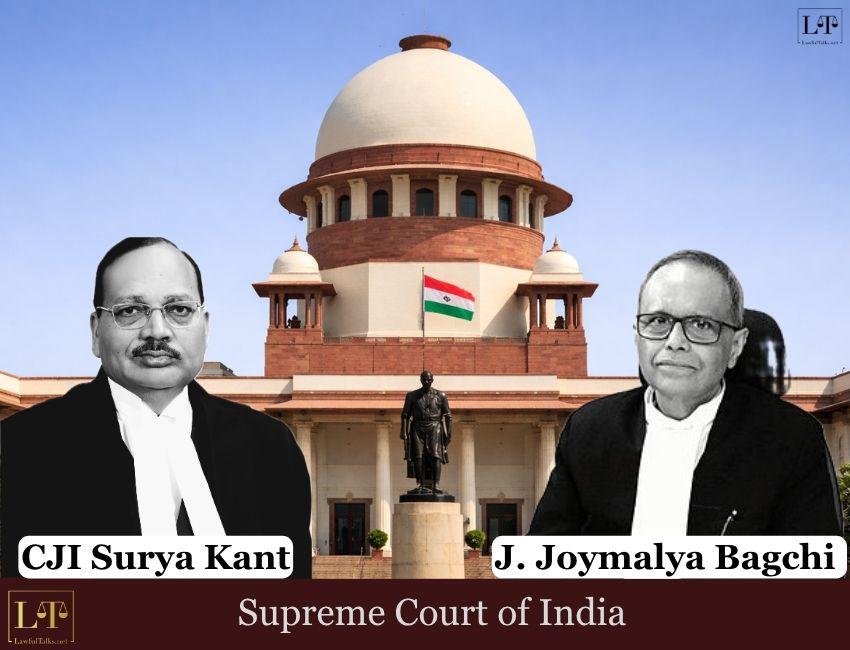
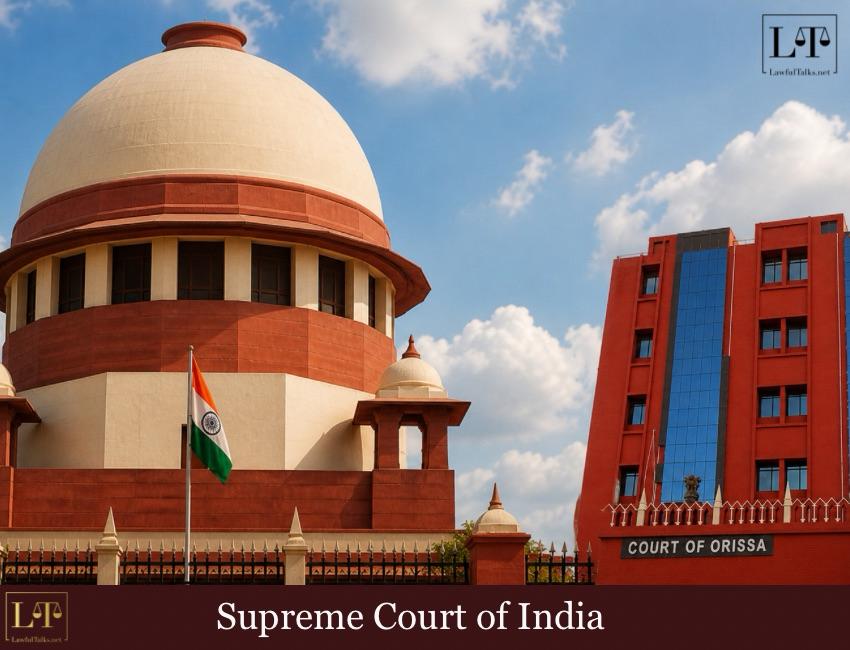
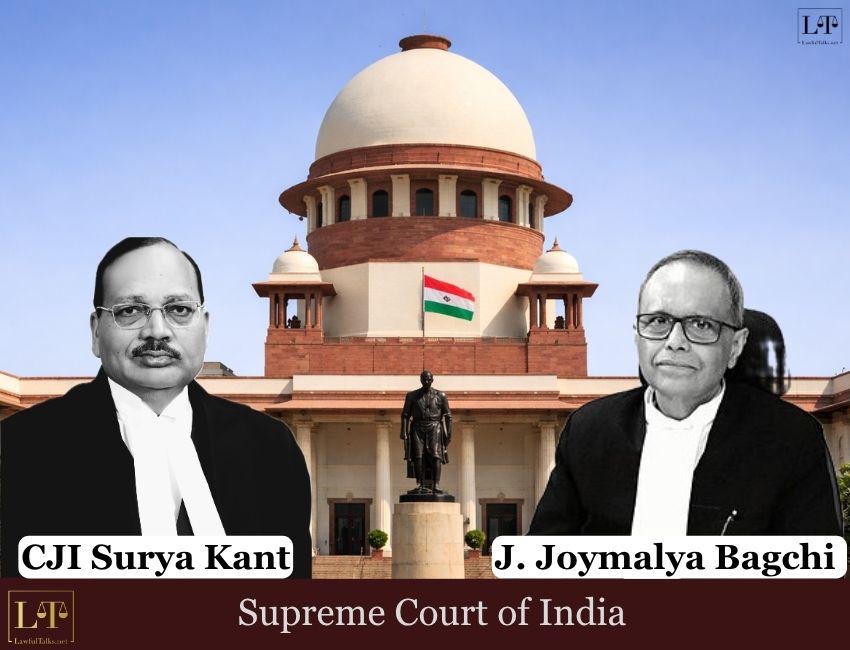
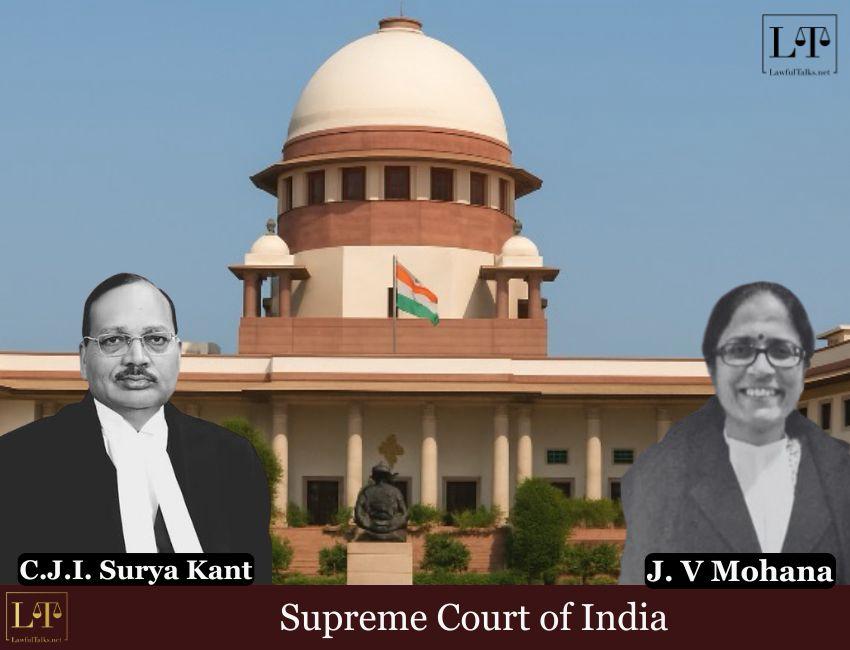
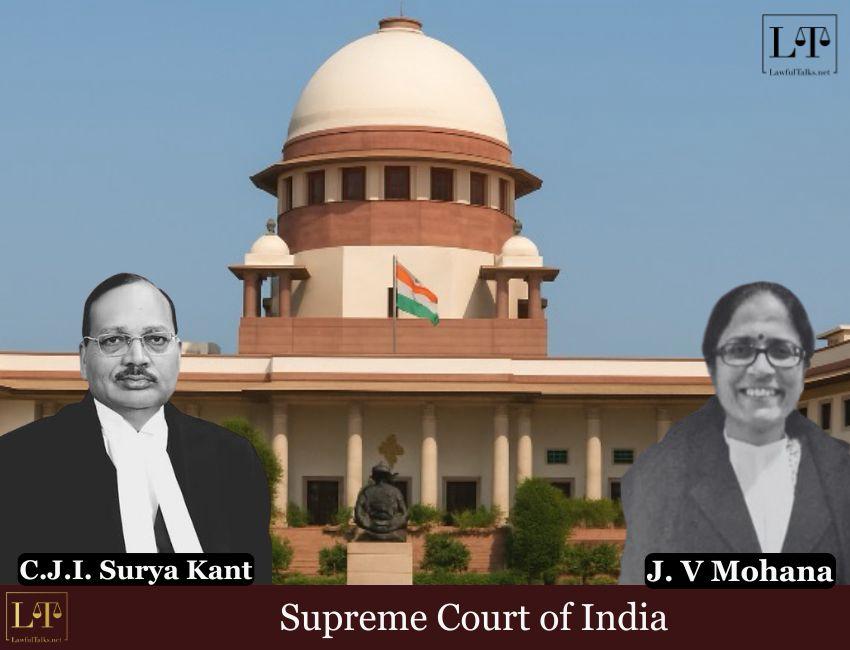
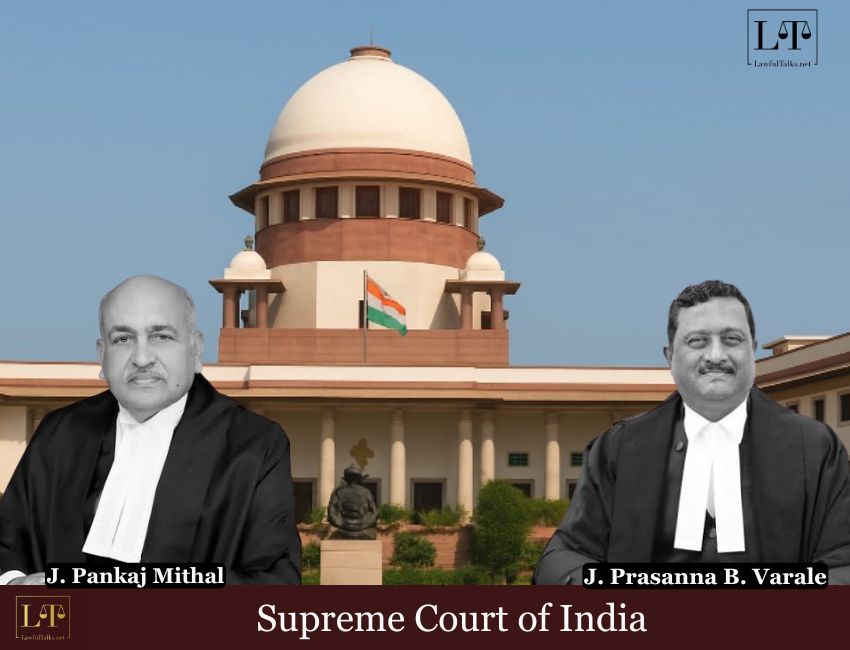
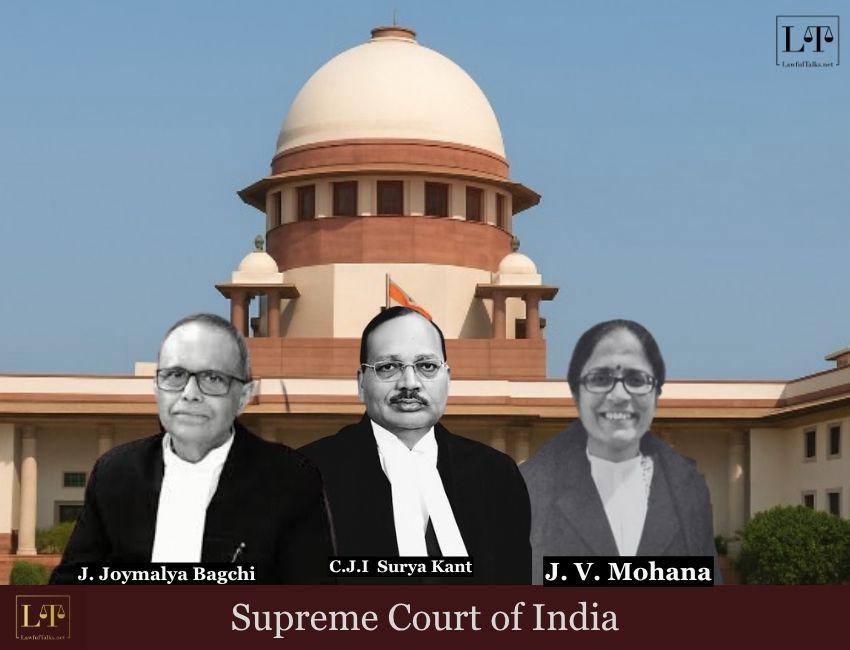
A few days after Justice Surya Kant took charge as the Chief Justice of India (CJI), the Supreme Court introduced major changes to how cases are mentioned, listed urgently, and adjourned. These reforms, which take effect from December 1, 2025, aim to streamline filings, reduce unnecessary oral mentions before benches, and ensure faster listing of cases involving personal liberty or urgent interim relief. The Supreme Court has issued four circulars to put these changes into action.
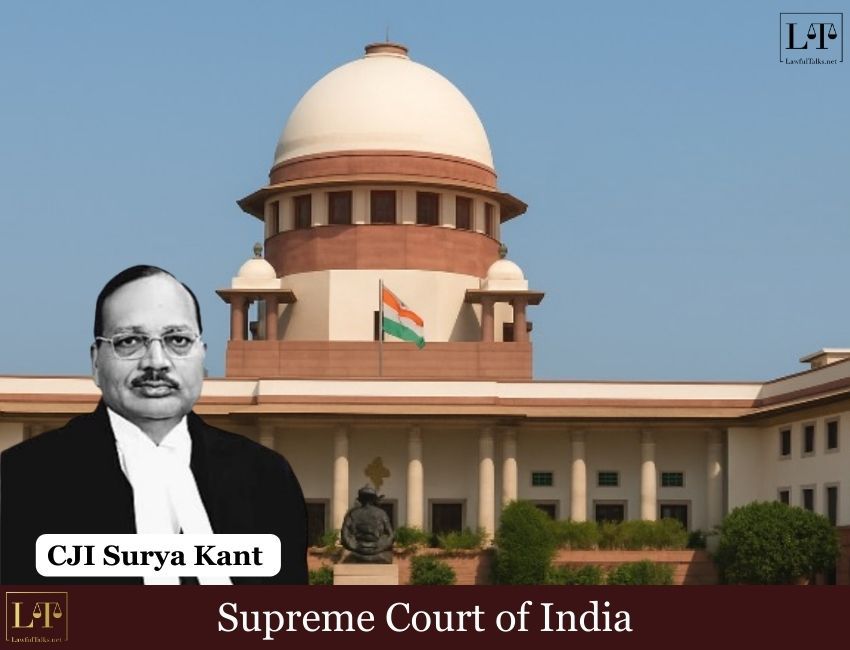
According to the circulars on listing and mentioning, litigants no longer need to orally mention cases before the CJI for listing. Matters that require urgent relief (as specified) will now be automatically listed within two working days.
No Oral Mentioning Before CJI; Senior Counsel Not Allowed To Mention
The Court has prohibited oral mention of cases before the Chief Justice of India, except in situations expressly allowed. Senior Counsels will no longer be permitted to mention matters before any bench; instead, the Court encourages young junior counsels to handle oral mentionings.
Automatic Listing For Urgent Liberty Matters
The new circular guarantees that all fresh cases concerning personal liberty or urgent interim relief will be listed automatically within two working days. These matters include:
Regular bail and anticipatory bail
Cancellation of bail
Death penalty cases
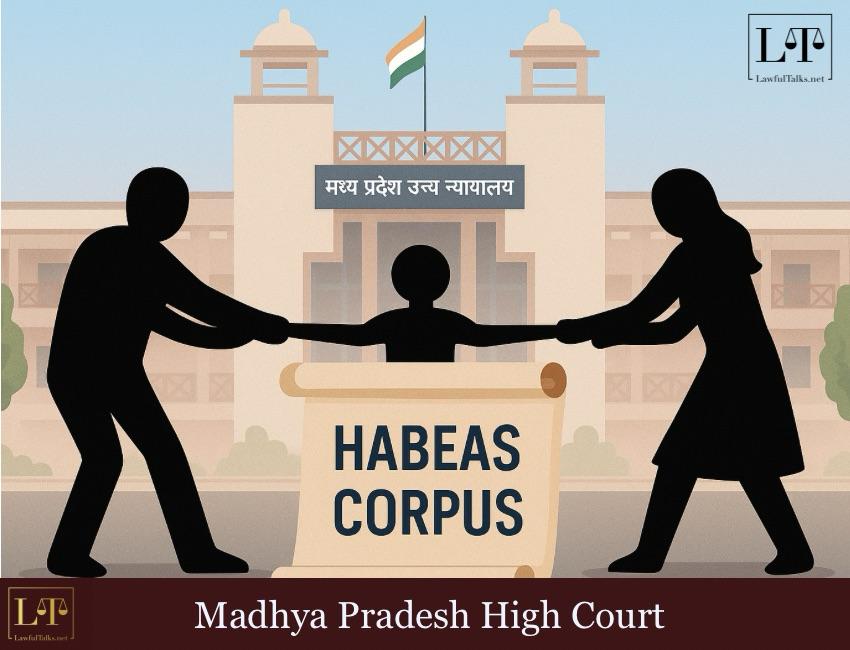
Habeas corpus petitions
Eviction or dispossession matters
Demolition cases
Any matter requiring urgent interim orders
These matters will be taken up only after defects are rectified and verification is done. Litigants will not be required to make oral mentionings for these types of cases.
All other fresh matters verified on Tuesday, Wednesday, or Thursday will be listed the next Monday, while those verified on Friday, Saturday, or Monday will be listed the next Friday.
Exceptionally Urgent Matters Must Be Processed Through Mentioning Officer
If a party wants an early listing of a case due to the need for urgent interim orders, they must file the prescribed Mentioning Proforma along with a letter detailing the urgency with the Mentioning Officer by 3 p.m. on the previous working day (or by 11:30 a.m. on Saturdays). Only limited categories—such as anticipatory bail, death penalty, habeas corpus, and urgent eviction or demolition matters—are eligible for such advancement. The Mentioning Officer will compile these requests and forward them to the Registrar (Judicial Listing) to obtain directions from the Chief Justice of India.
In rare situations involving extreme urgency in the above categories, where the matter cannot wait until the scheduled listing date, the Proforma and the urgency letter must be submitted to the Mentioning Officer before 10:30 a.m. The Officer will then place the request before the Registrar (Judicial Listing) to seek orders from the Chief Justice. The urgency letter must clearly explain why the matter cannot wait for the scheduled date, as required under the Circular.
Regular Matters Cannot Be Mentioned For Listing
The Court has clarified once again that regular hearing matters are not eligible for oral mentioning. Only requests seeking urgent relief or early listing may be submitted, and these must be routed through the Mentioning Officer.
Strict Rules For Adjournment Requests
Another circular revises the procedure for adjournment applications:
Letters seeking adjournment for fresh and after-notice matters may be circulated until 11 am on the previous working day.
Adjournment will be considered only after obtaining consent of counsel on the other side.
Bereavement in the family or medical emergencies of advocates or parties are the only grounds for adjournment, apart from other genuine reasons accepted by the Court.
All requests must follow the prescribed format and be emailed to adjournment.letter@sci.nic.in.
No adjournment letters will be allowed for regular matters.
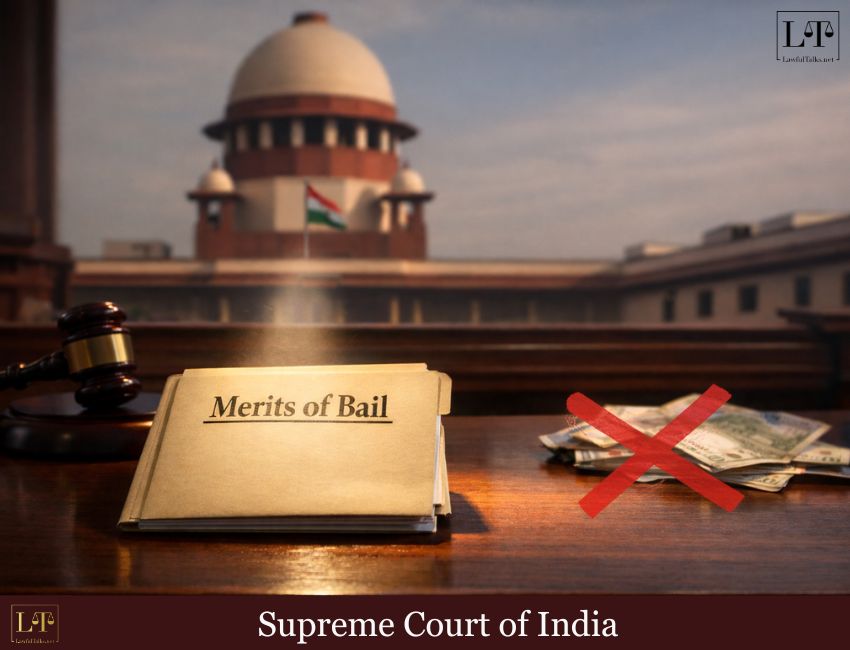
Bail matters
To facilitate quicker disposal of bail petitions, an advance copy must be provided to the relevant Nodal Officer or Standing Counsel representing the Union of India, State, or Union Territory. A separate circular has been issued regarding this requirement.
Circular on circulation of adjournment letters
Circular on listing of matters




































































































Sign up for free and be the first to get notified about curated content just for you.