Big Win for Patients; ‘No More Hidden Charges’: HC Orders Radical Overhaul of Hospital Disclosures

- November 28, 2025


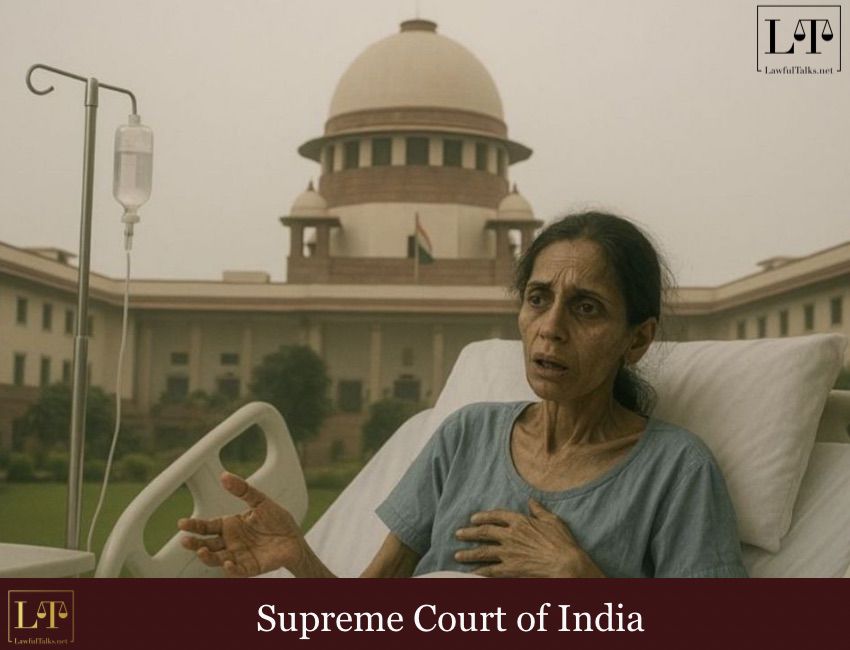
The Kerala High Court on Wednesday issued detailed directions to protect patient welfare and ensure proper enforcement of the Kerala Clinical Establishments (Registration and Regulation) Act, 2018. The Court said that every hospital must make key information easily available to the public — including bed categories, ICU and operation theatre availability, diagnostic and lab facilities, and ambulance or emergency contact numbers.

It further ordered that hospitals must clearly display, at their reception or admission areas and on their official websites, a full list of services offered along with baseline charges and package rates for common procedures, in both Malayalam and English. The Bench warned that non-compliance will invite action under the 2018 Act, including suspension or cancellation of registration, penalties, and any other legal remedies patients may pursue under civil, criminal, or constitutional law.
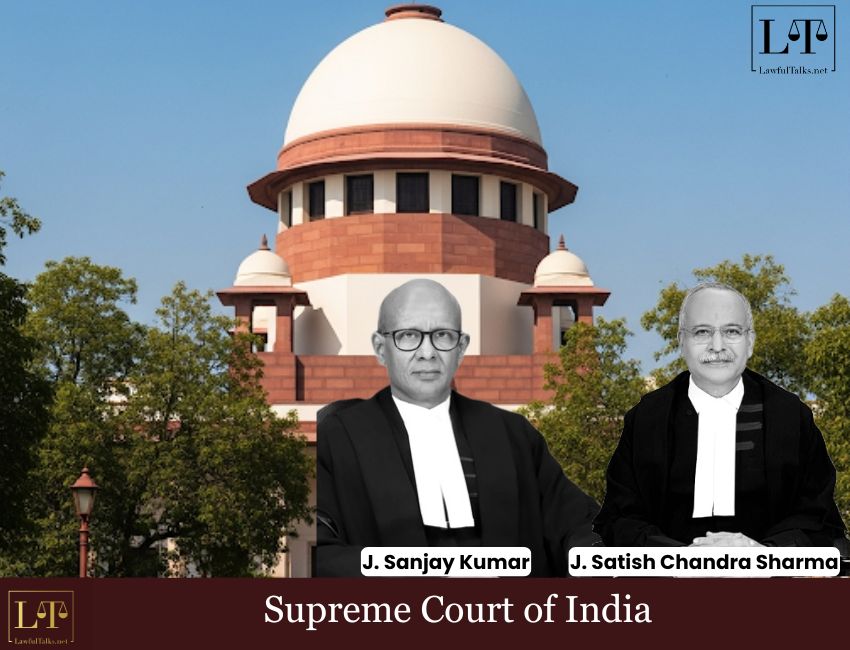
"The Act does not create new constraints; rather, it operationalizes these constitutional duties through a registration-cum- standards regime, a transparency mandate, and enforceable minimum requirements for emergency care and stabilization”, stated the Division Bench of Justice Sushrut Arvind Dharmadhikari and Justice Syam Kumar VM
Background:
The litigation arose from a series of petitions filed by private hospitals and healthcare associations in Kerala challenging the Kerala Clinical Establishments (Registration and Regulation) Act, 2018 and its accompanying rules. The Appellants challenged Sections 16(2), 39(2), 39(3) and 47 of the Act, which dealt with mandatory registration of clinical establishments, public display of treatment fees and package rates for the services that were offered and treatment of victims in emergencies.
A Single Judge of the Kerala High Court had earlier upheld the constitutional validity of the Act and dismissed the petitioners’ challenges. Dissatisfied with that outcome, various private hospitals and associations including the Kerala Private Hospitals Association filed appeals before a Division Bench.
The Appellants contended that the provisions were arbitrary, vague and too burdensome, particularly for smaller clinics that do not have extensive facilities. They said that requiring the publication of thousands of treatment rates, maintaining 24/7 emergency services, and disclosing detailed staff information violated their autonomy, imposed unrealistic obligations, and also created serious privacy concerns.
Court’s Observations:
The Court rejected the Appellant’s arguments, holding that the State clearly has the power to pass this law under Entry 6 of List II, which covers public health and hospitals. It said the Act supports Article 21 (right to life) and Article 47 (the State’s duty to improve public health).
The Court also noted that the Act provides proper procedural safeguards—such as notice, a chance to show cause, and avenues for appeal and revision—which are sufficient to address any concerns about registration or cancellation.
Additionally, the Bench clarified that the Act does not impose uniform State-determined rates. Hospitals are only required to publicly disclose their own fees so that patients are not taken by surprise.
On the issue of emergency and life-saving services, the Court observed that the, “Act assigns graded responsibilities depending on whether an institution is primary, secondary, or tertiary, thereby tailoring obligations to the capacity of each category of hospital”
Responding to concerns about privacy in relation to Form 2A, the Court noted that much of the employee information sought is already available through the National Medical Registry.
While dismissing the appeals, the Court noted with concern that despite the Kerala Clinical Establishments Act being in force for nearly eight years, a large number of private hospitals had still not complied with the transparency requirements and emergency care obligations mandated under the statute.
To ensure meaningful implementation going forward, the Bench issued an extensive set of directions:
Emergency Care
Transparency of Services and Charges
Mandatory Brochure
Grievance Redressal System
Accuracy and Updates
Discharge Requirements
Compliance Monitoring
Patient Rights and Remedies
Bilingual Information
District-Level Oversight
Training Protocols
Penalties
Finally, the Court directed the Registrar to forward the judgment to the Chief Secretary and the State Police Chief to ensure strict enforcement. The State was also instructed to widely publicise the key directions in print and visual media for one month and submit a report.
CASE DETAILS : KERALA PRIVATE HOSPITALS ASSOCIATION HAVING ITS REGISTERED OFFICE AT KPHA HEAD QUARTERS Versus STATE OF KERALA
For Appellants : VV Asokan
For State : State Attorney N Manoj Kumar



































































































































































































































































































































































































Sign up for free and be the first to get notified about curated content just for you.