SC: No Accused Can Live Under The Shadow Of Perpetual Investigation

- November 24, 2025


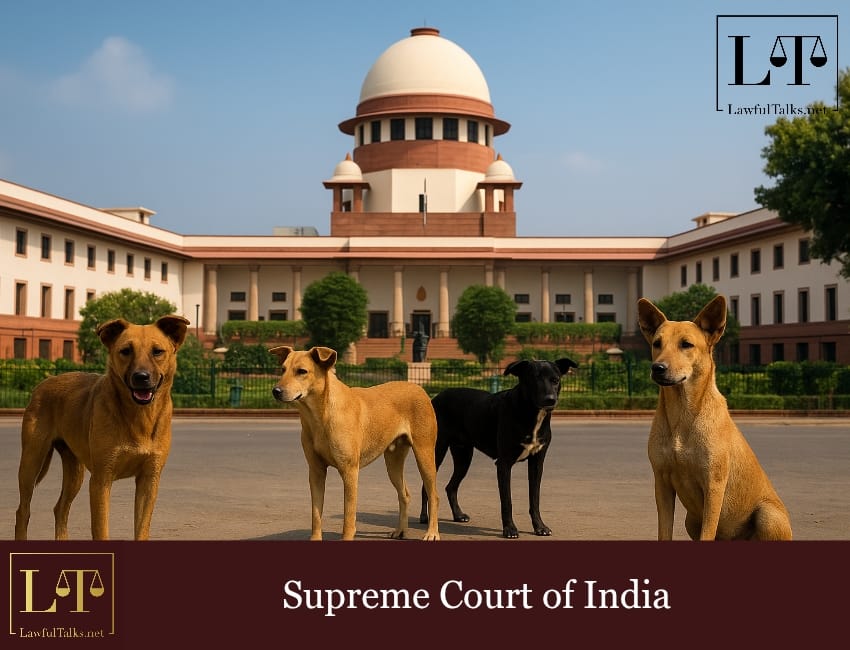
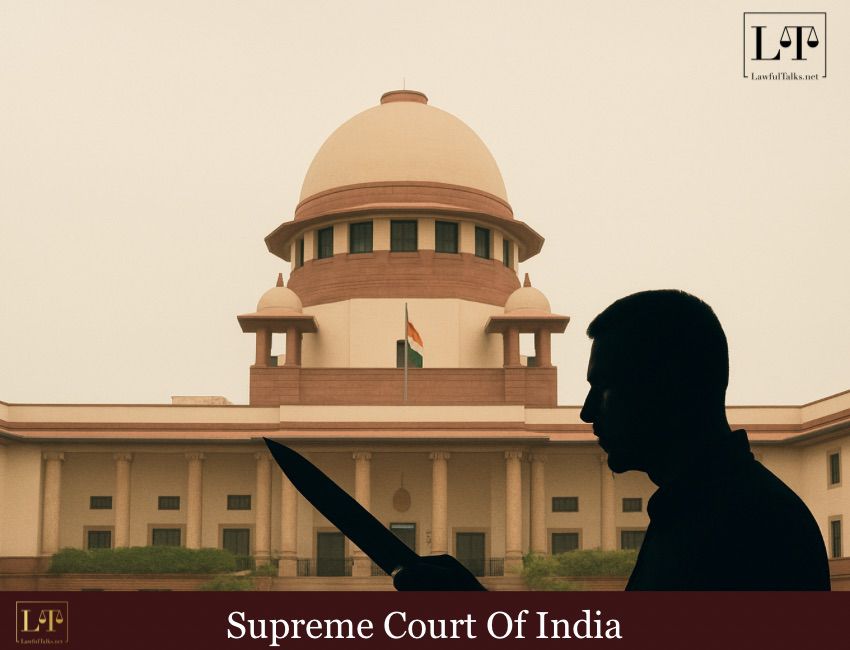
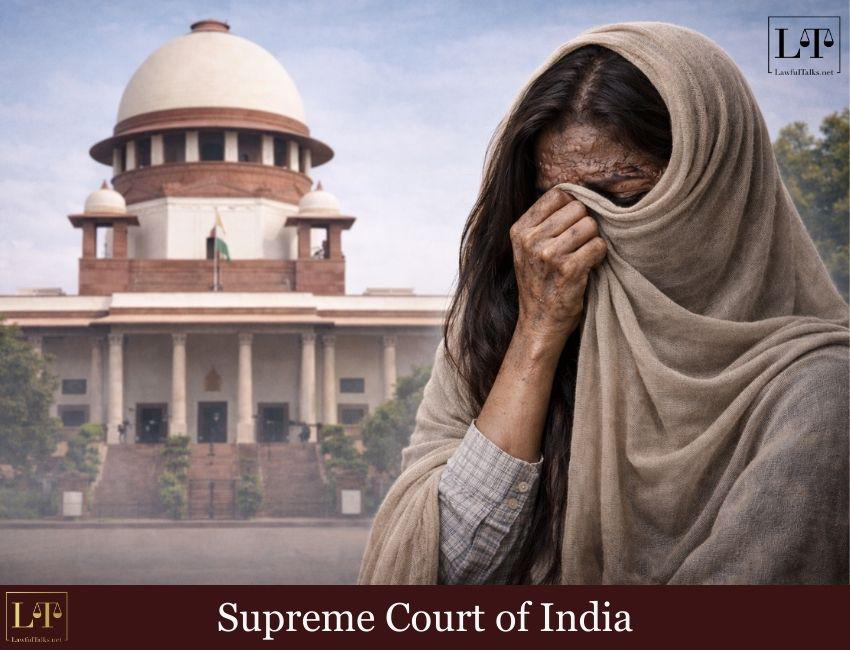
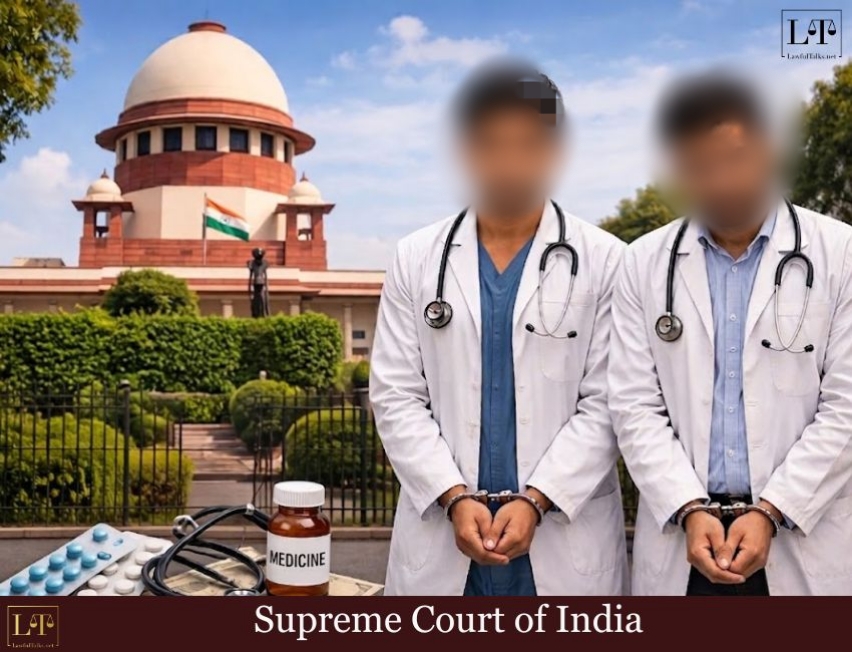
In an important ruling, the Supreme Court recently held that a trial court does not become functus officio after granting permission for further investigation. Instead, it must ask investigating agencies to explain any unreasonable delay in filing supplementary charge sheets.
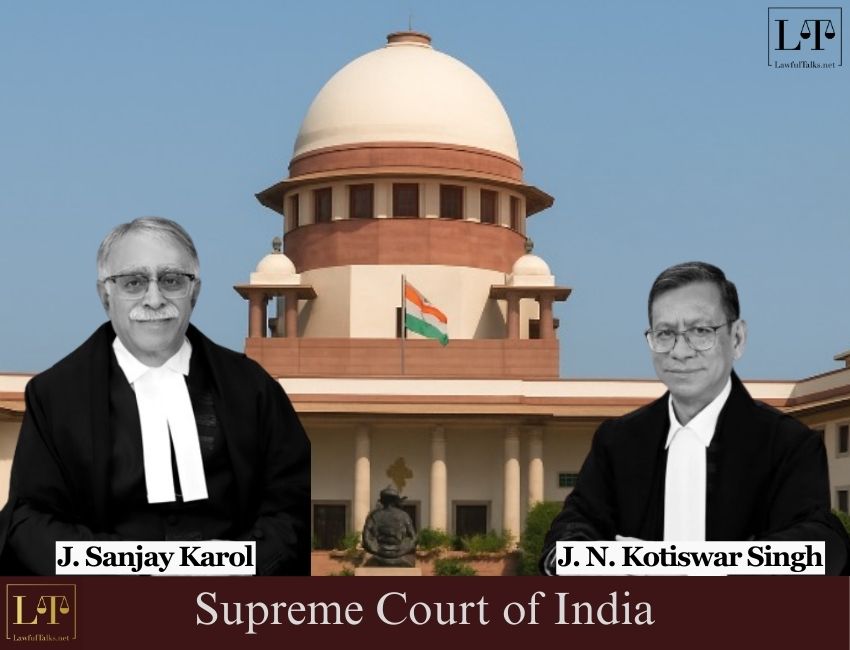
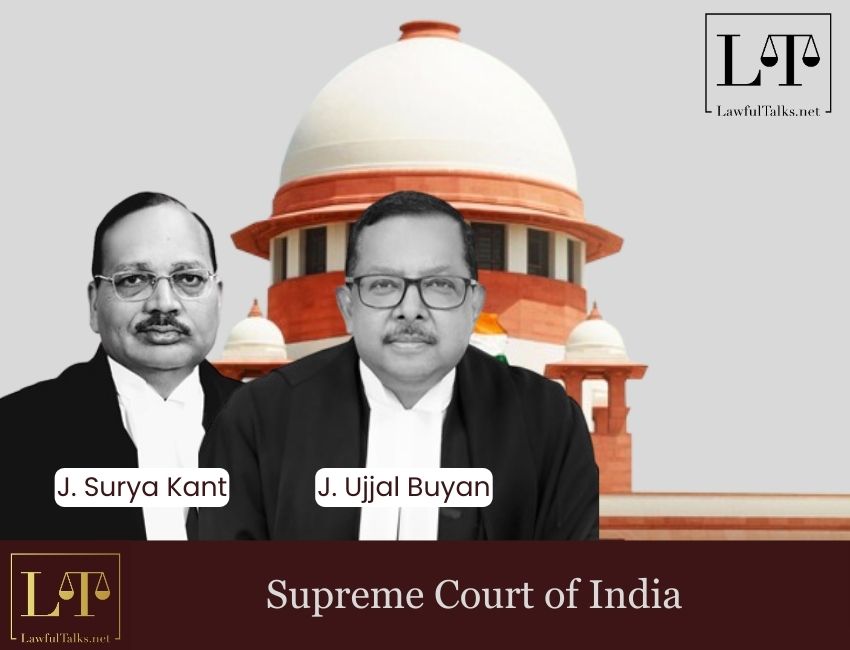
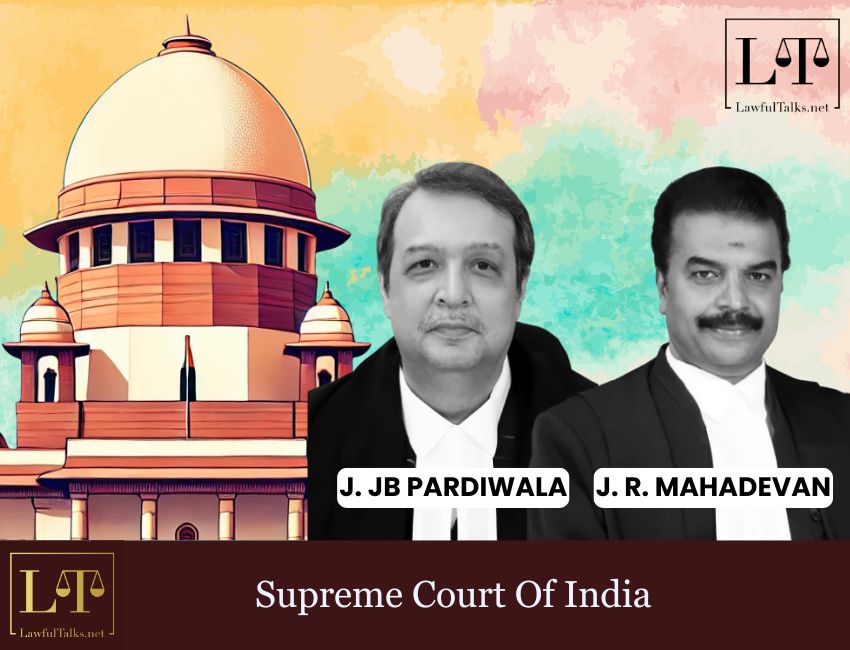
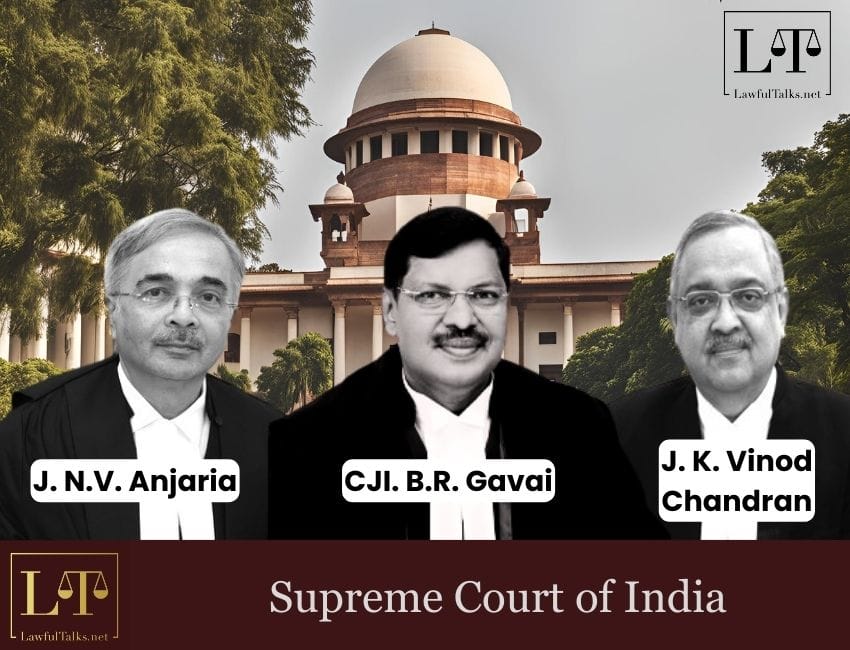
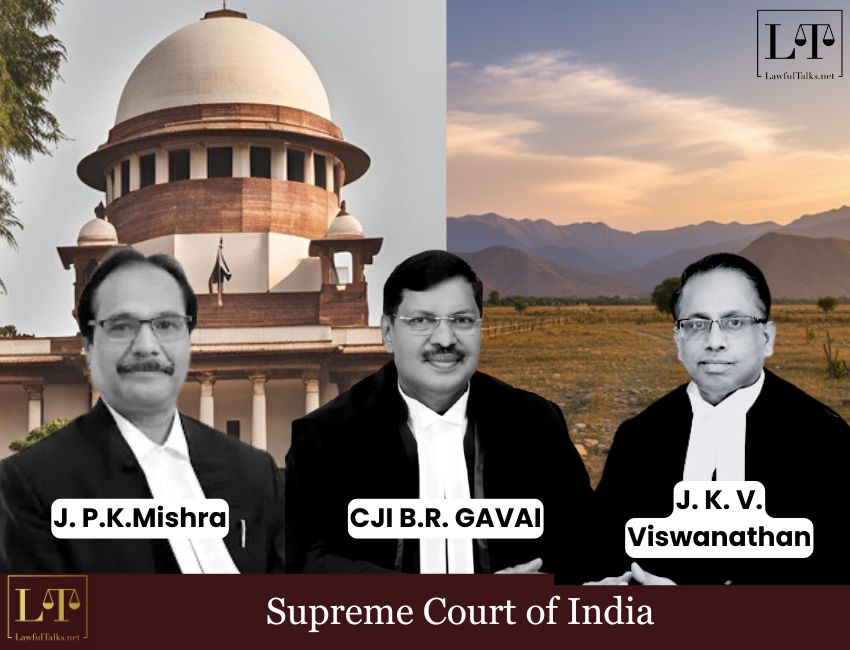
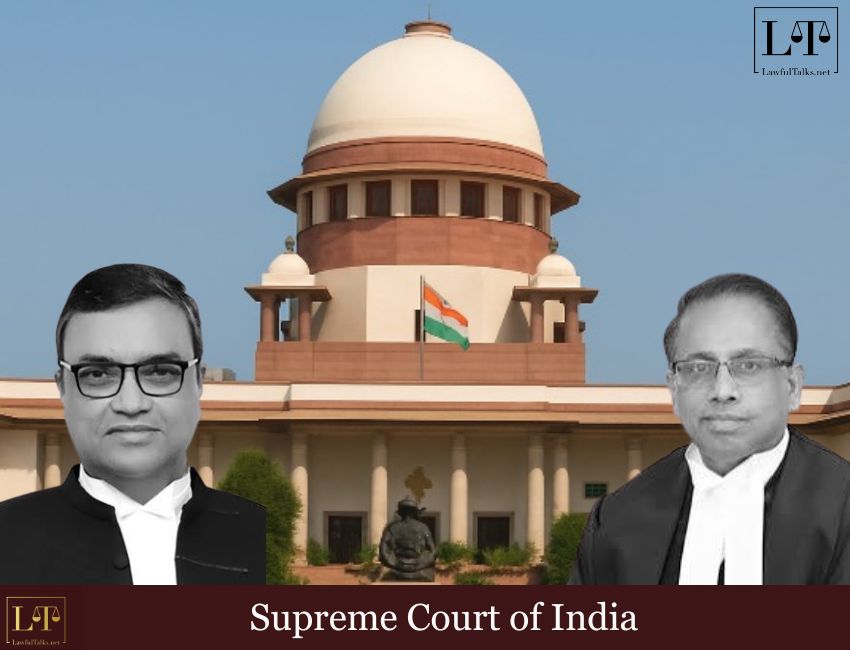
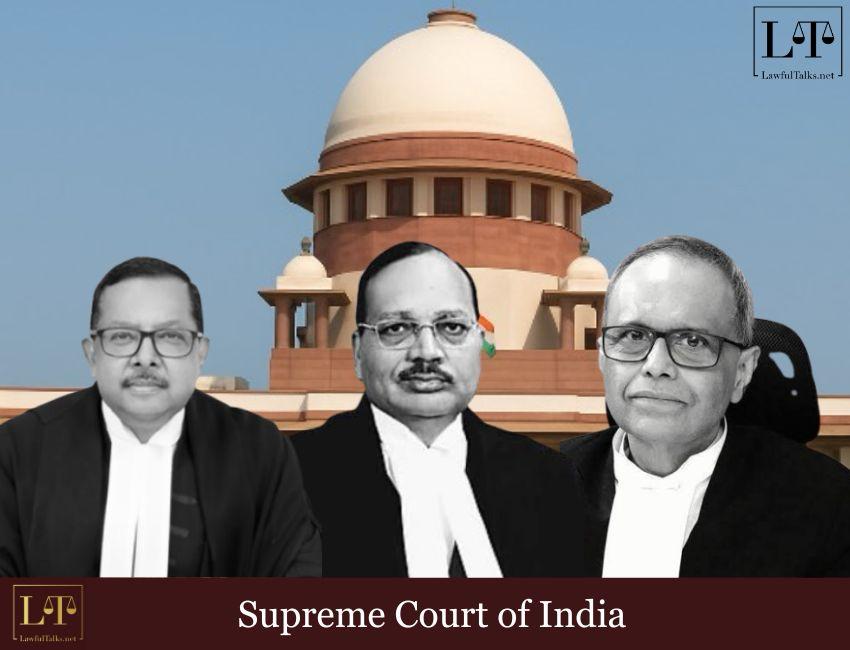
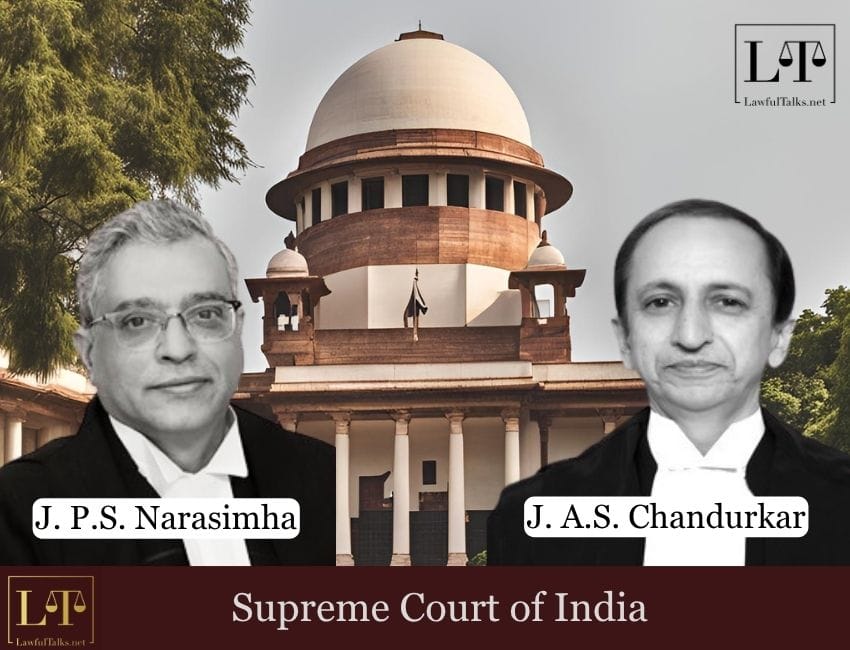
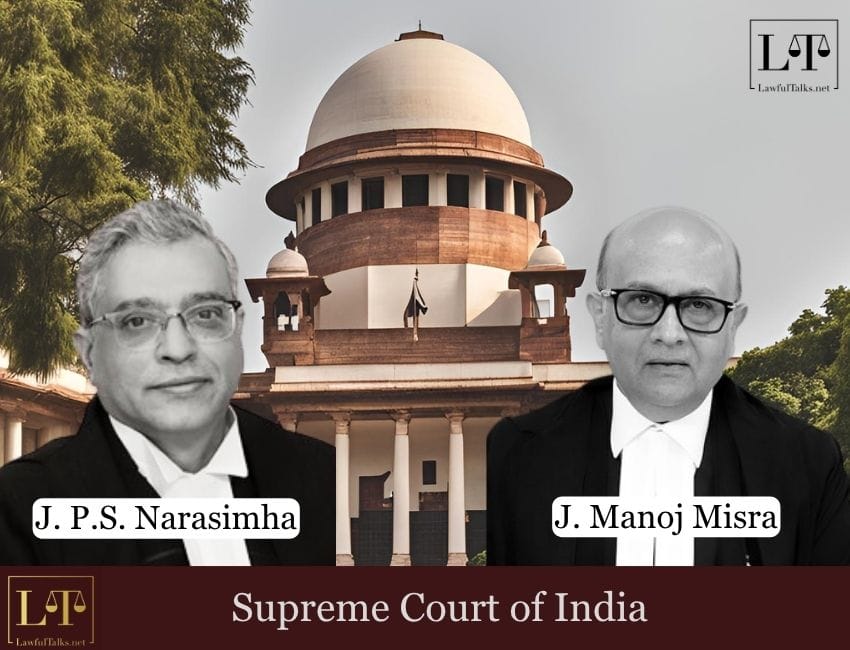
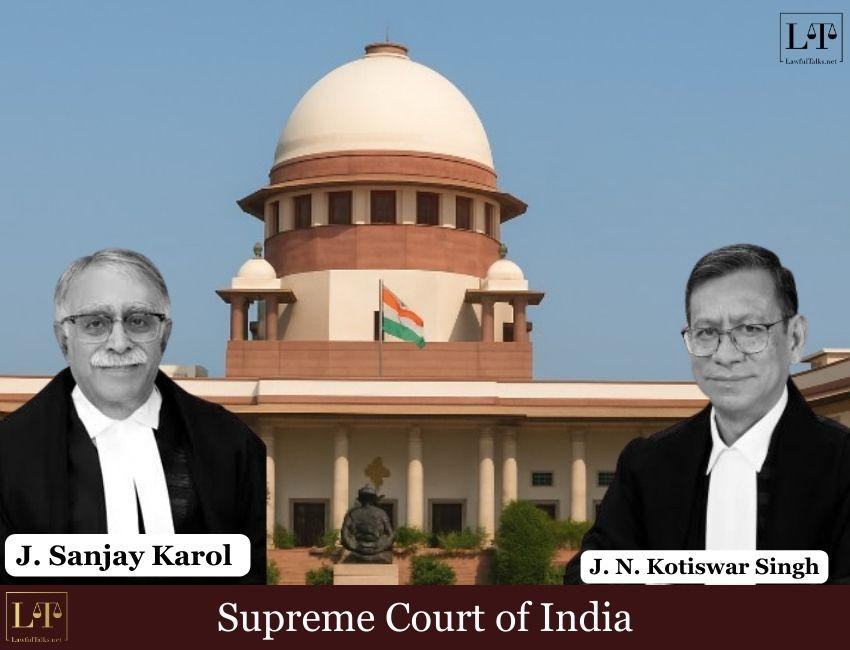
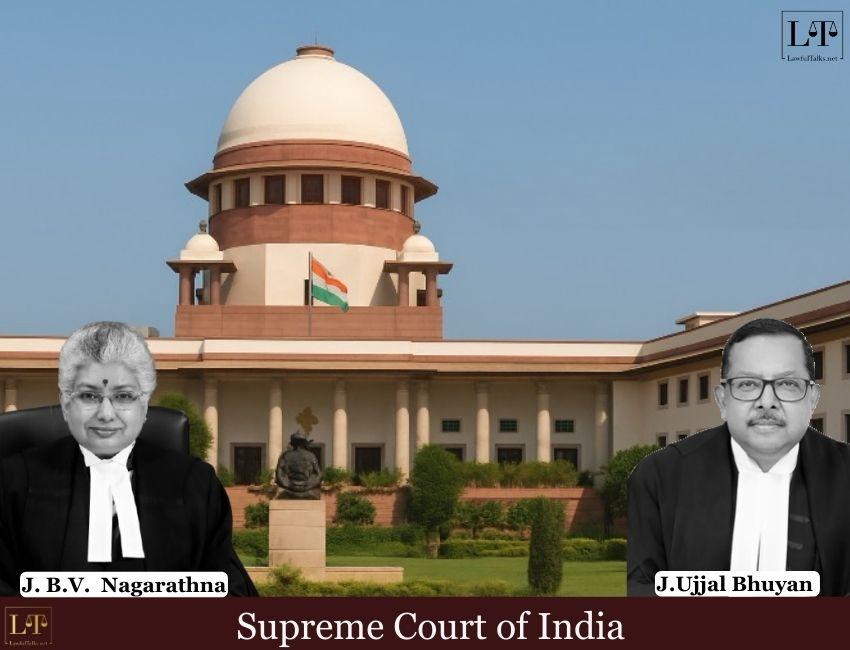
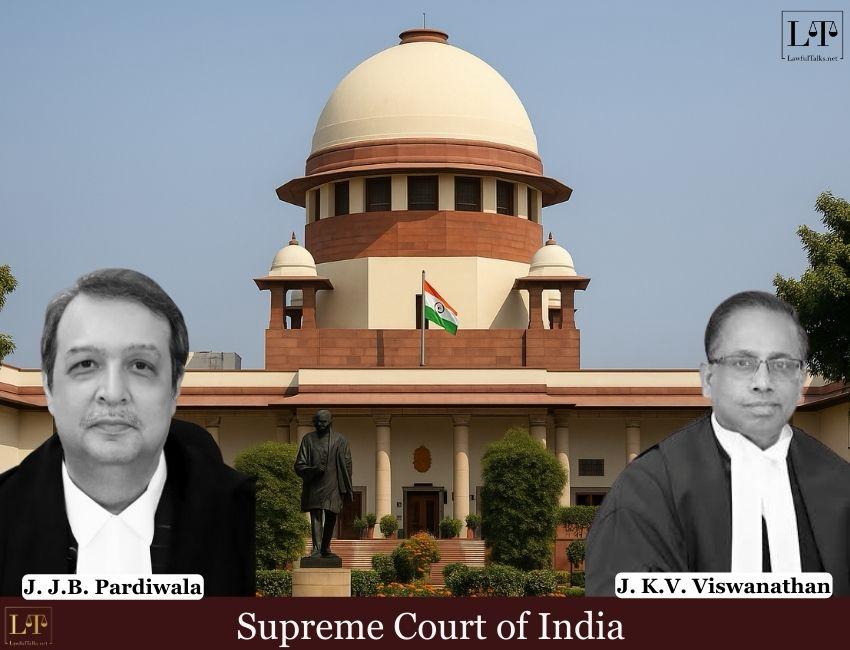
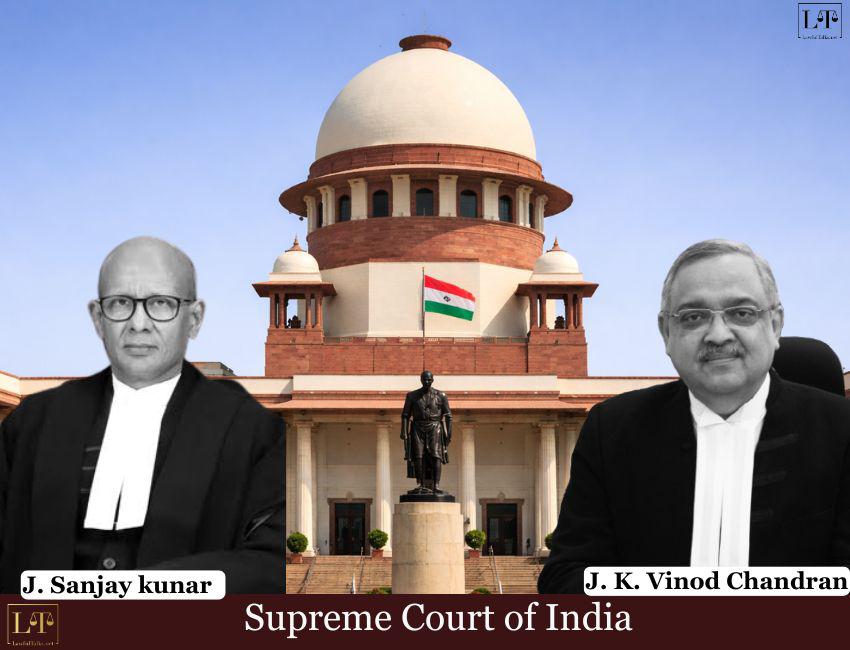
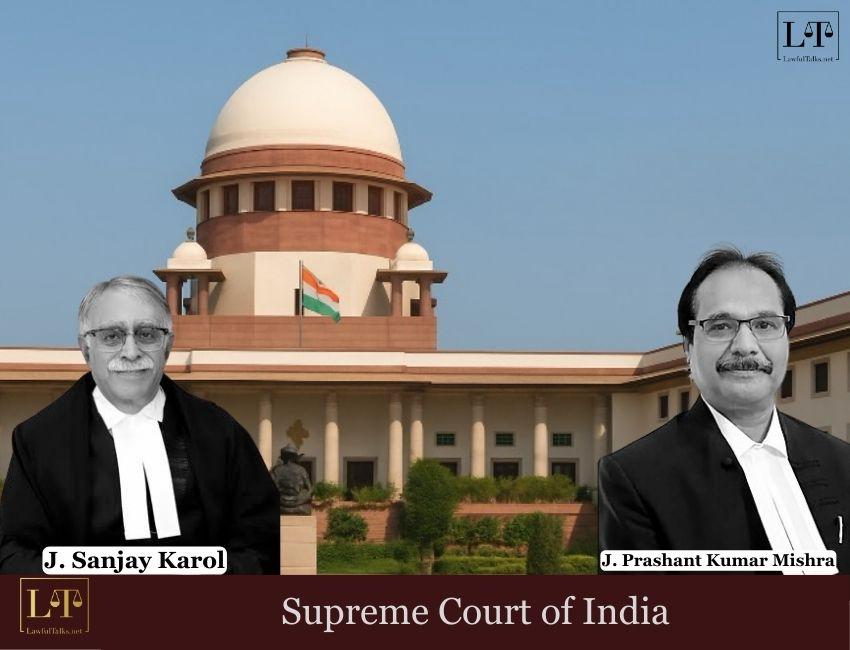
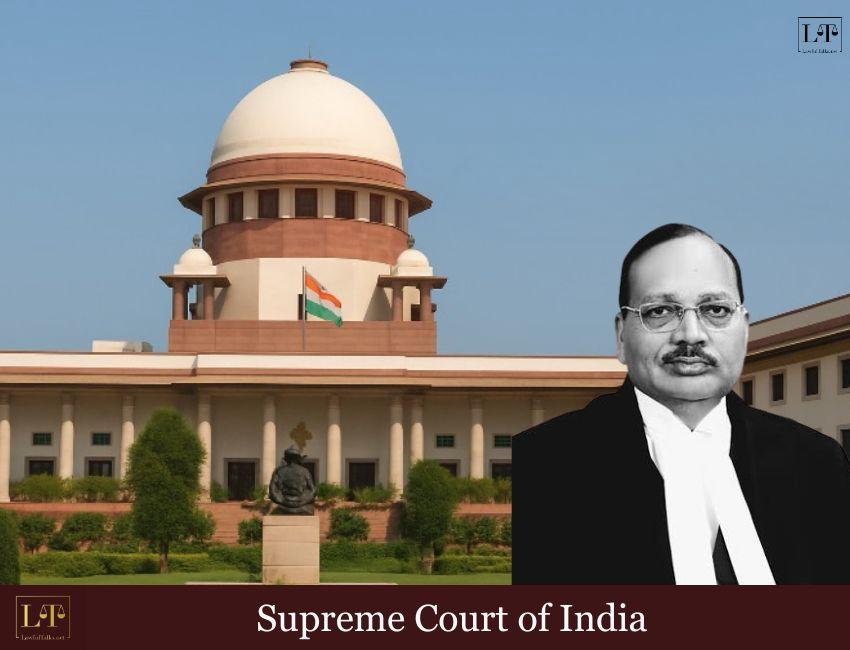
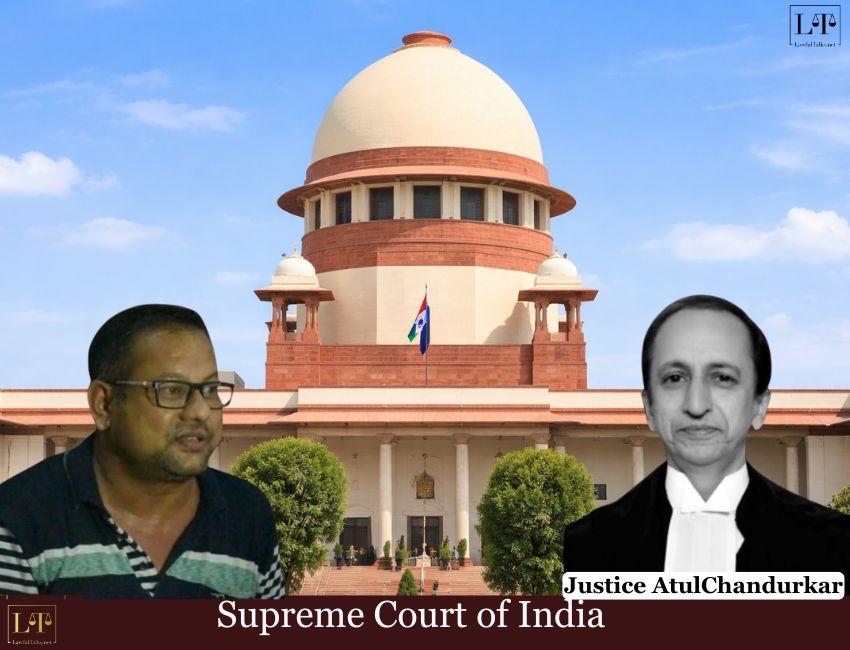
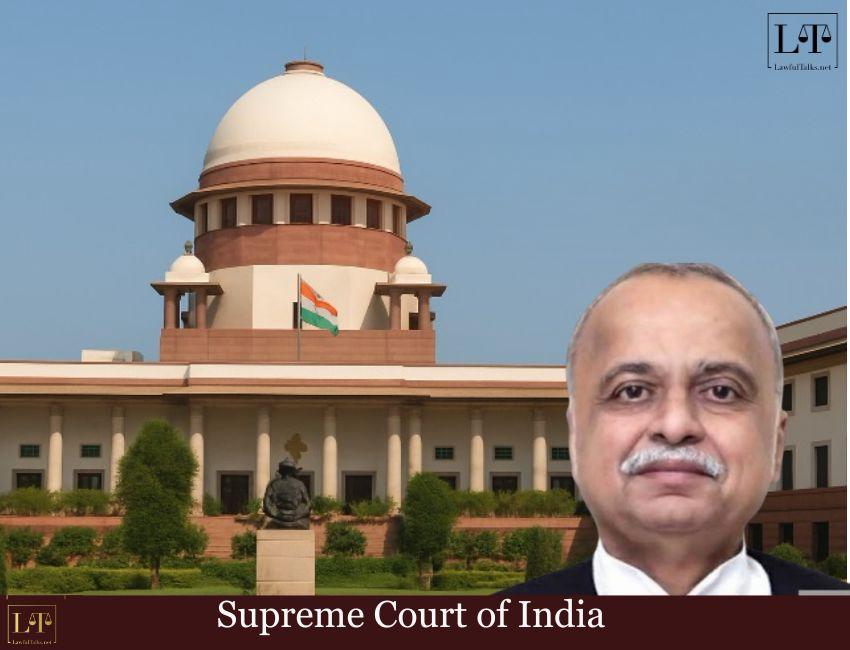
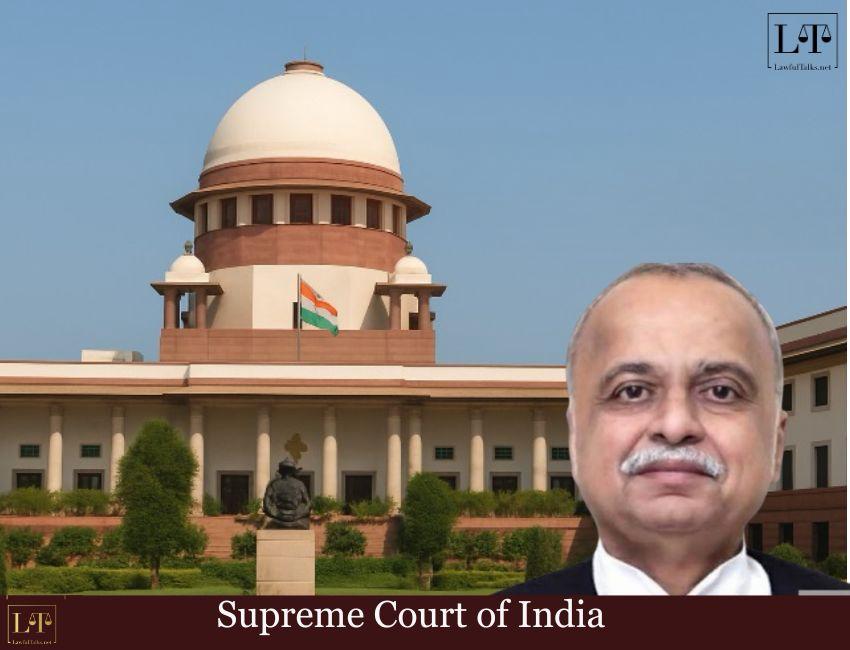
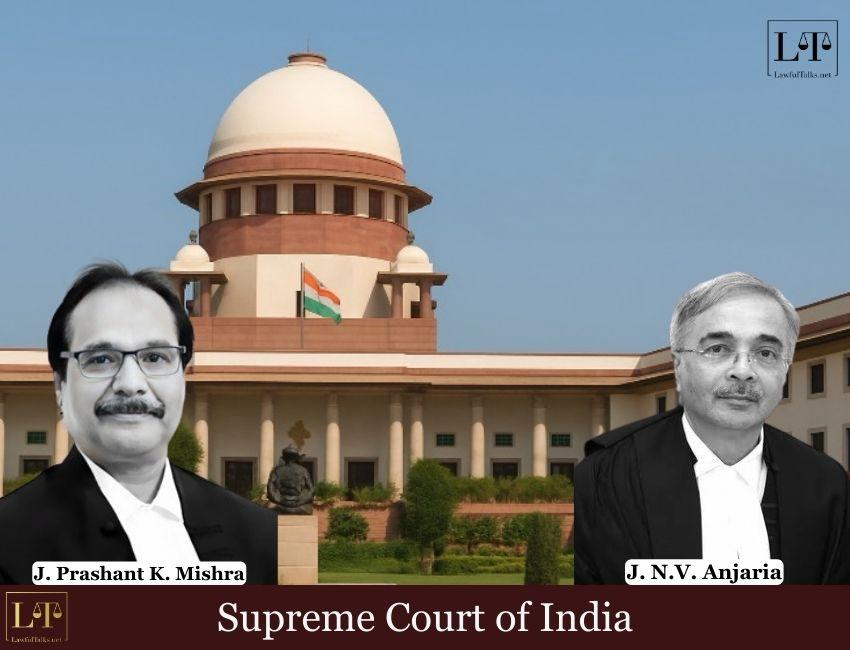
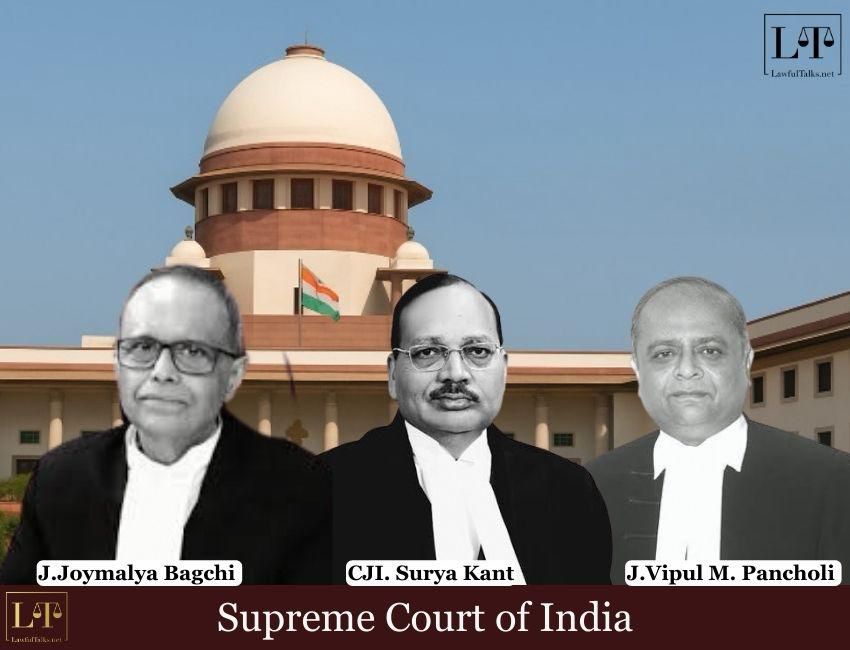
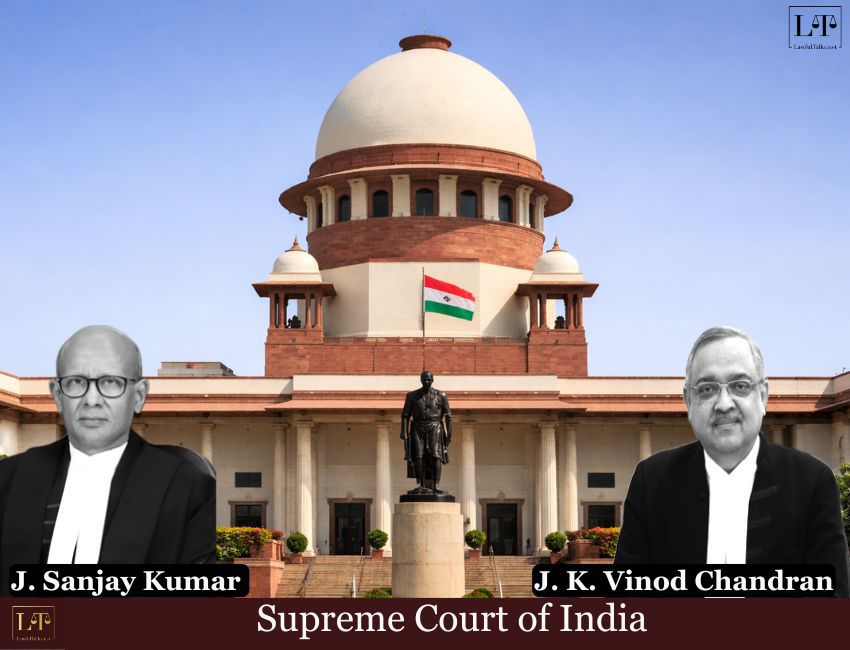
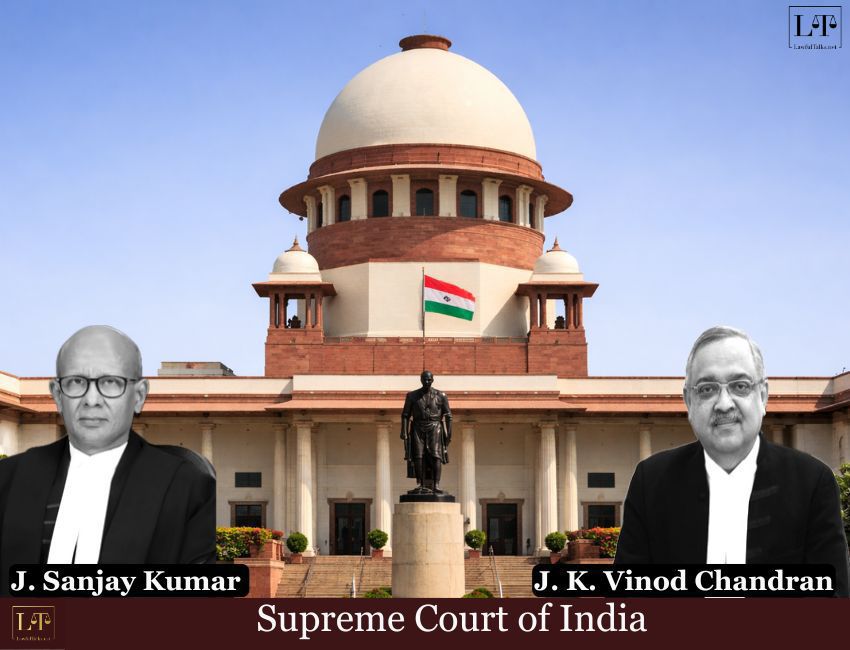
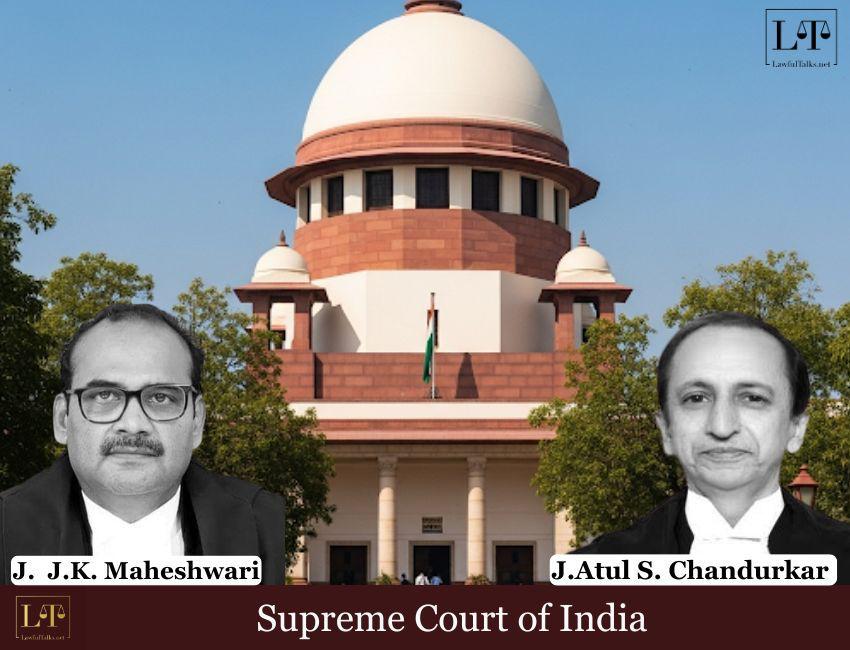
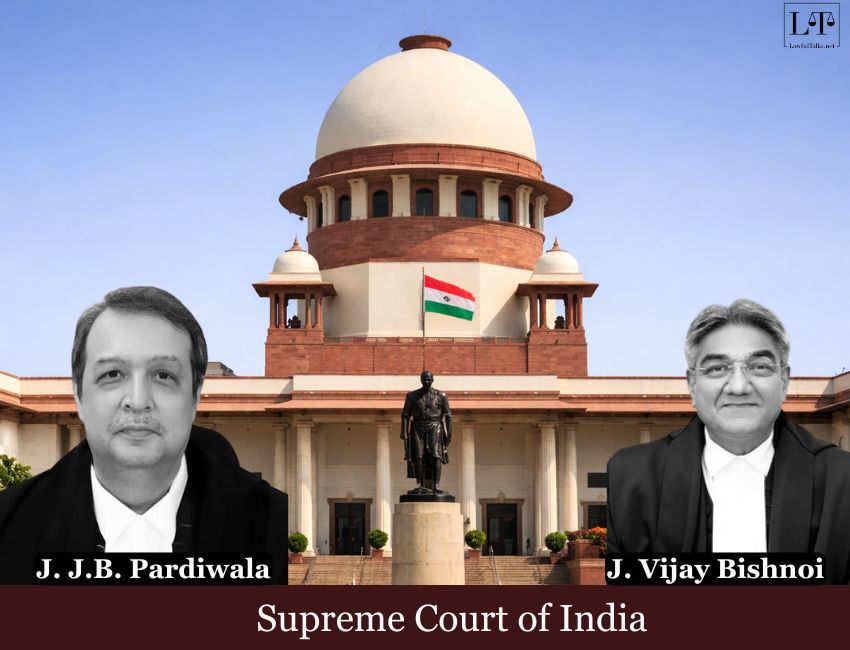
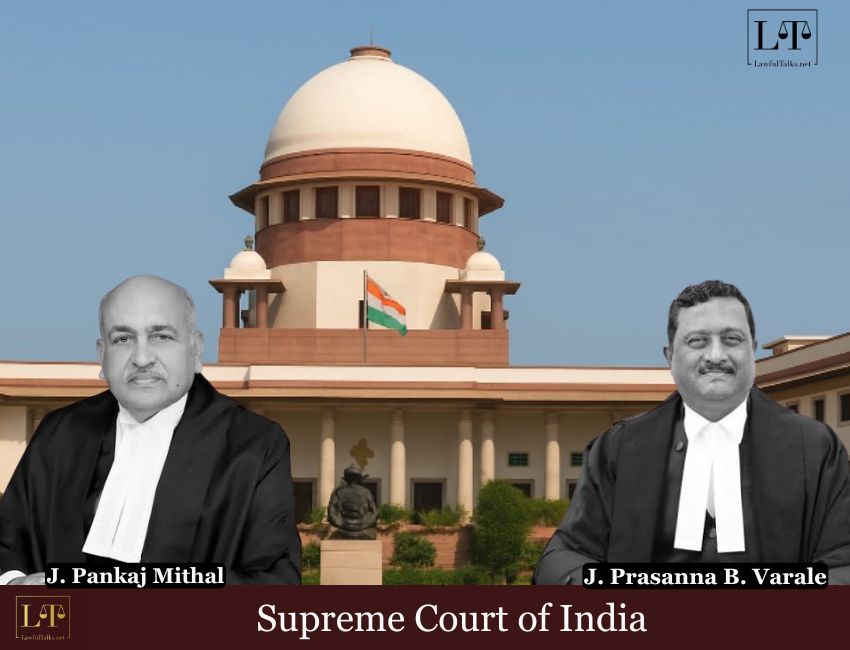
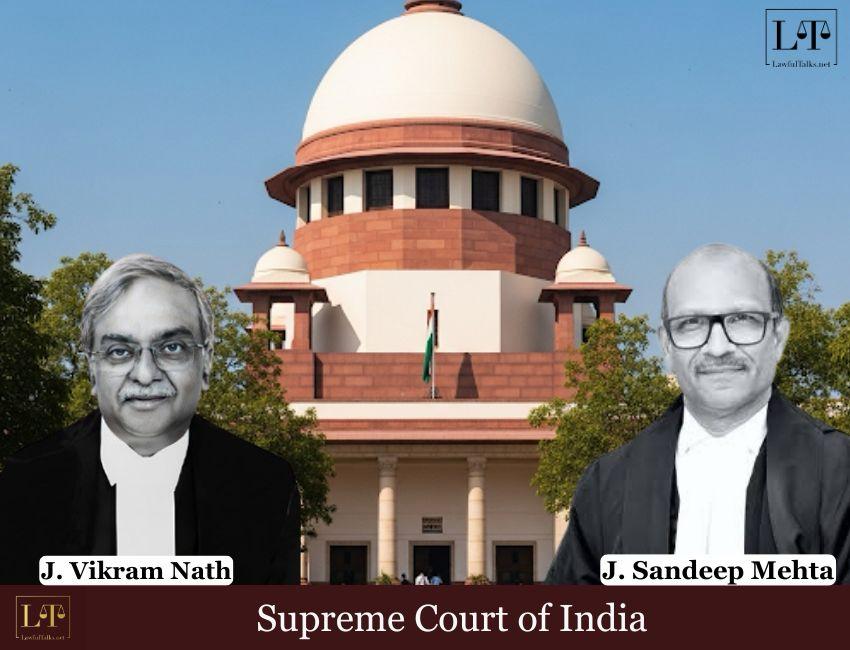
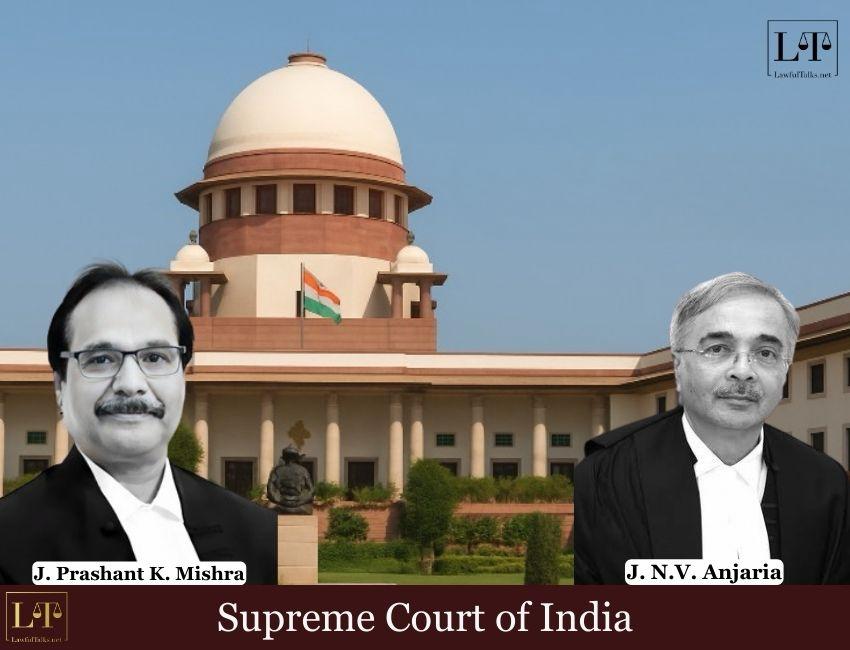
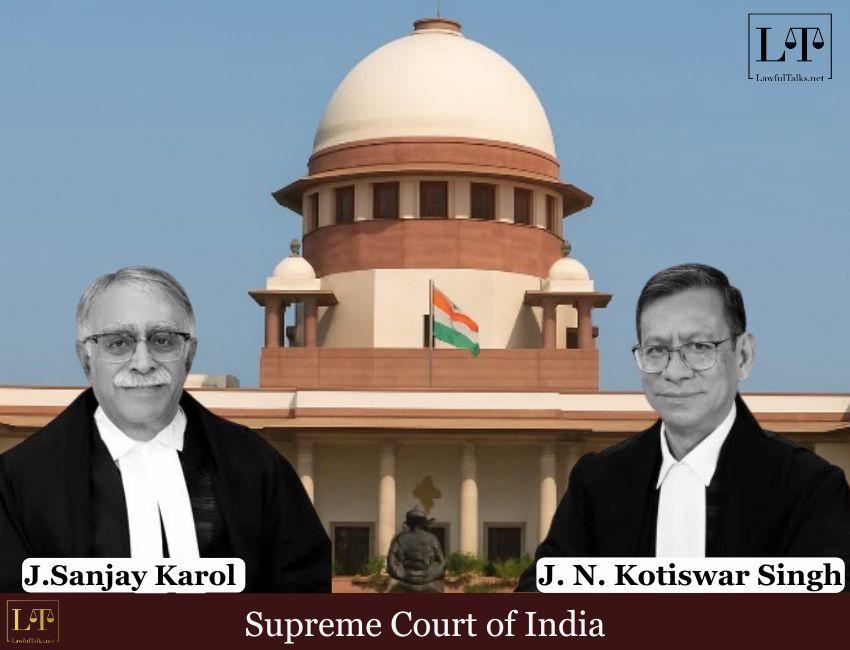
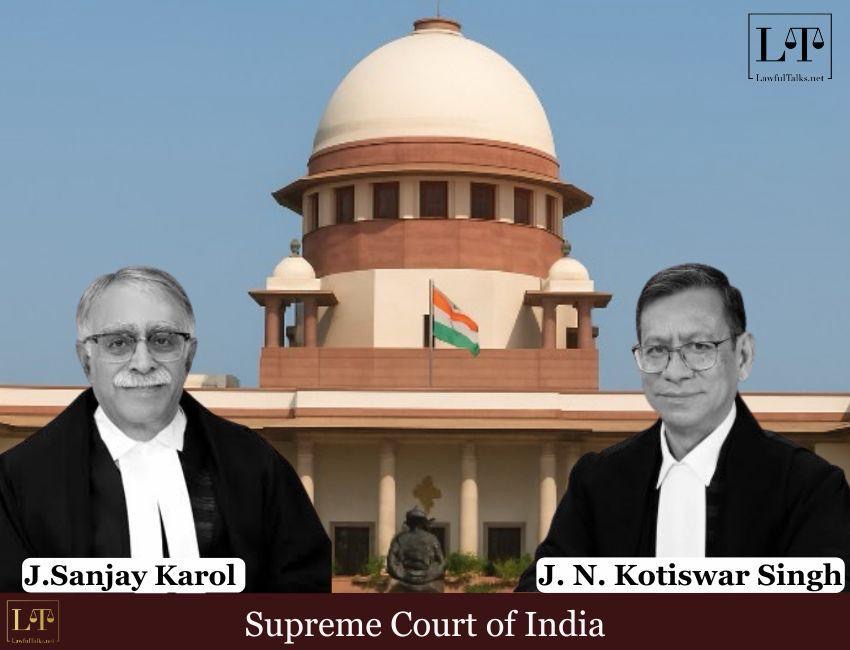
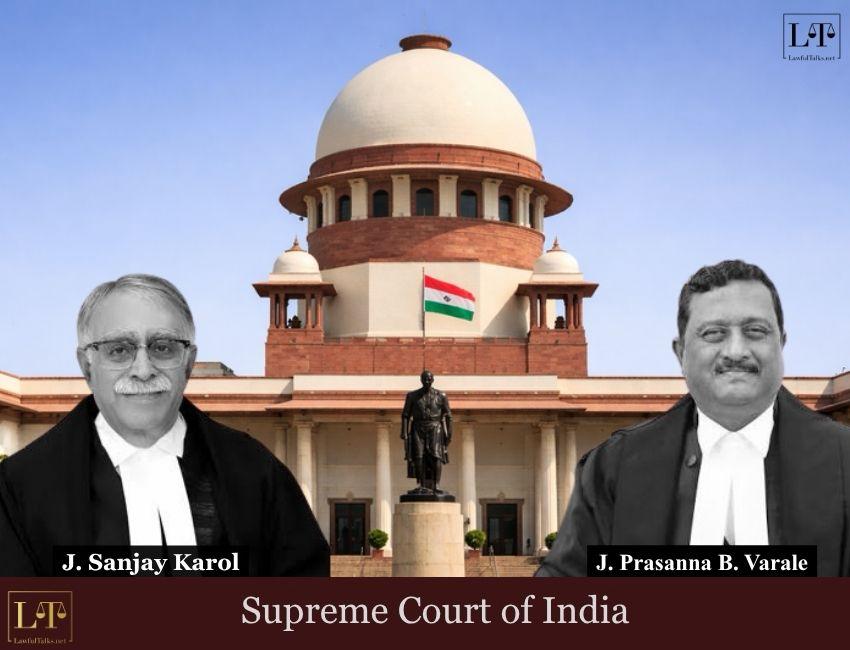
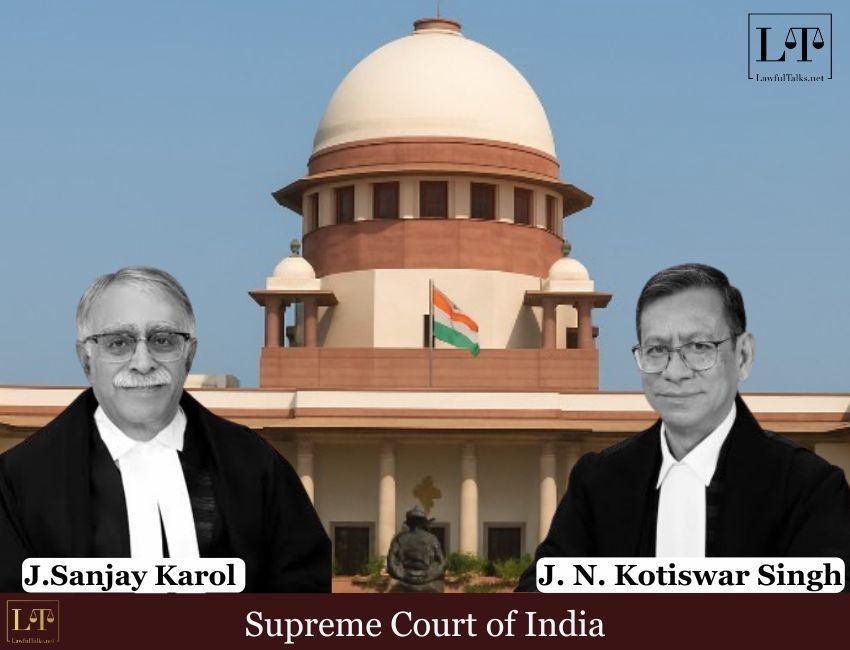
A Bench of Justice Sanjay Karol and Justice N Kotiswar Singh applied this principle to quash criminal proceedings against an IAS officer whose case remained under further investigation for 11 years. The Court observed that such unexplained and inordinate delay was sufficient to vitiate the entire prosecution.
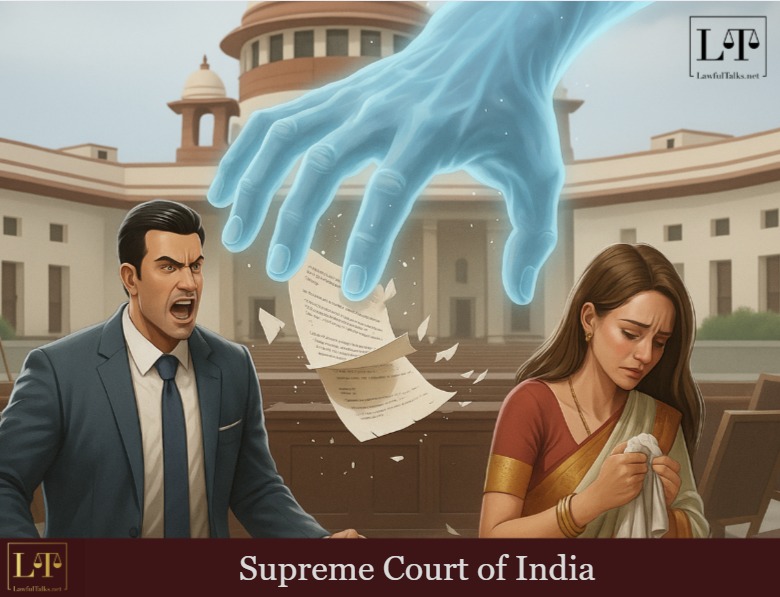
The court observed, “The accused cannot be made to suffer endlessly with this threat of continuing investigation and eventual trial proceedings bearing over their everyday existence”.
Background:
The case began with a 2005 FIR in Saharsa, Bihar, which claimed that the appellant, then District Magistrate-cum-Licensing Authority (2002–2005), had issued arms licenses to fictitious or unfit individuals without proper police verification. A supplementary chargesheet dated 13th April 2006 was then filed, wherein, qua the appellant it was observed that no offence was made out under the Arms Act against him, and the allegations levelled were termed ‘false’.
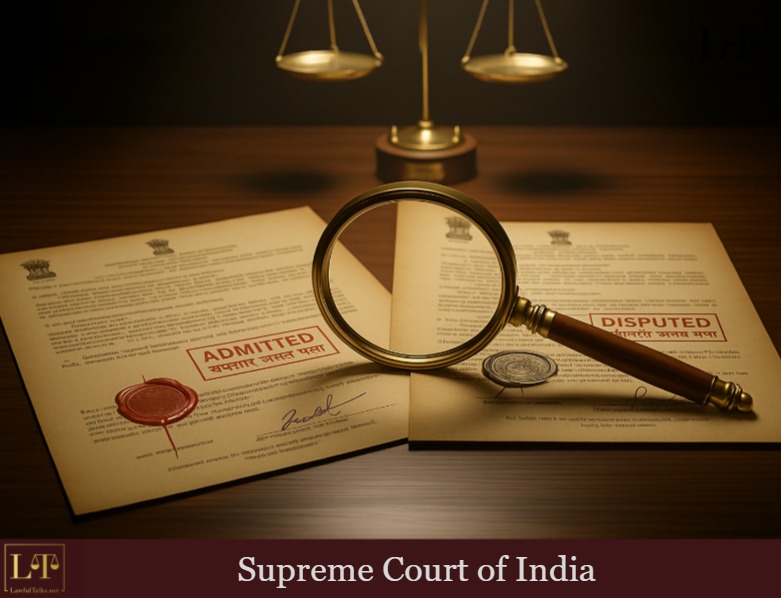
The permission for further investigation was given in 2009 and the chargesheet that was submitted as a result thereof was dated 31st August 2020 that is after a period of 11 years. This is after the fact that in the second chargesheet, the investigating authorities have concluded the charges against the appellant to be false.
In 2024, the impugned judgment records that even after the cognizance was taken nearly two years ago in 2022, the trial had not moved forward. At the close of 2025, the question for consideration before the Court was how long such delay could be allowed to continue.
The judgment issued detailed directions to strengthen procedures related to further investigation and the filing of supplementary charge sheets:
i) In view of Vinay Tyagi v. Irshad Ali27, it can be seen that the ‘leave of the court’ to file a supplementary chargesheet, is a part of Section 173(8) CrPC. That being the position, in our considered view, the Court is not rendered functus officio having granted such permission. Since the further investigation is being made with the leave of the Court, judicial stewardship/control thereof, is a function which the court must perform.
ii) Reasons are indispensable to the proper functioning of the machinery of criminal law. They form the bedrock of fairness, transparency, and accountability in the justice system. If the Court finds or the accused alleges (obviously with proof and reason to substantiate the allegation) that there is a large gap between the first information report and the culminating chargesheet, it is bound to seek an explanation from the investigating agency and satisfy itself to the propriety of the explanation so furnished.
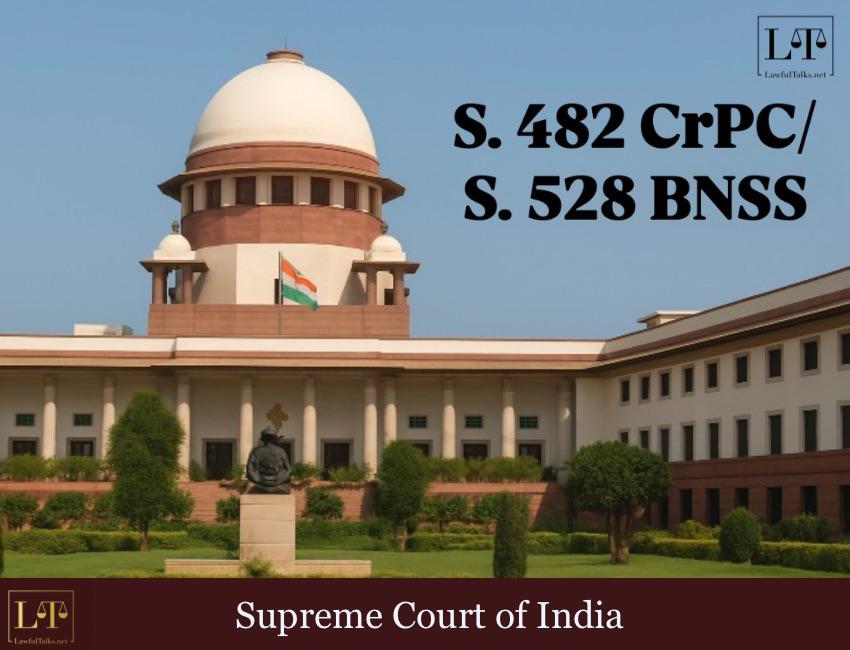
The court also highlighted, “If investigation into a particular offence has continued for a period that appears to be unduly long, that too without adequate justification, such as in this case, the accused or the complainant both, shall be at liberty to approach the High Court under Section 528 BNSS/482 CrPC, seeking an update on the investigation or, if the doors of the High Court have been knocked by the accused, quashing. It is clarified that delay in completion of investigation will only function as one of the grounds, and the Court, if in its wisdom, decides to entertain this application, other grounds will also have to be considered.”
Case Title: Robert Lalchungnunga Chongthu @ R L Chongthu v. State of Bihar
Appearance:
For Petitioner(s) : Mr. Maninder Singh, Sr. Adv. Mr. Santosh Kumar, AOR Ms. Richa Singh, Adv. Ms. Hemlata Rawat, Adv. Mr. Shravanth Paruchuri, Adv.
For Respondent(s) : Mr. Shivam Singh, Adv. Mr. Divyansh Mishra, Adv. Mr. Manish Kumar, AOR









































































































































































Sign up for free and be the first to get notified about curated content just for you.