SC Raps Bombay HC for Exceeding Article 227 Jurisdiction; Sets Record Straight on Vakalatnama Withdrawal Rules

- November 25, 2025


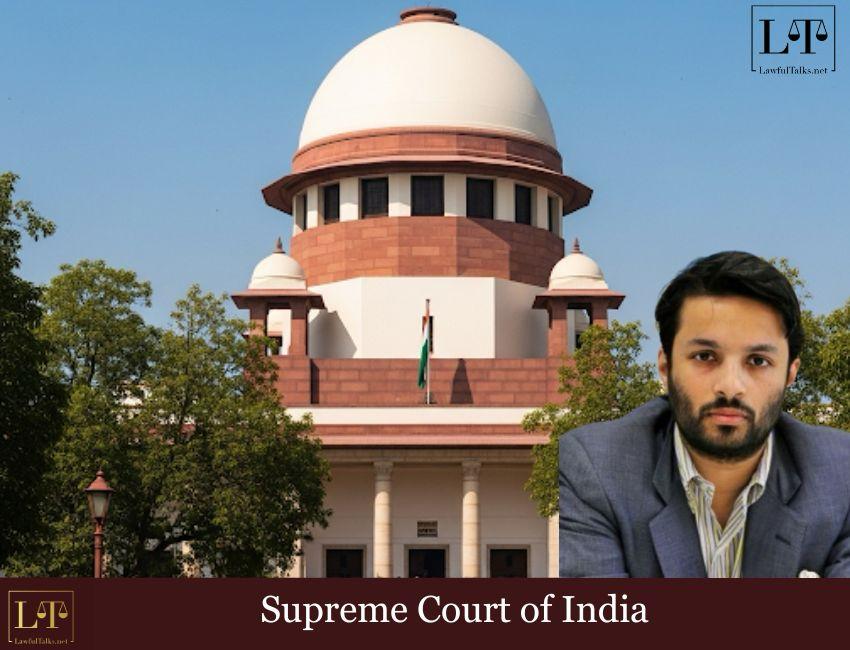
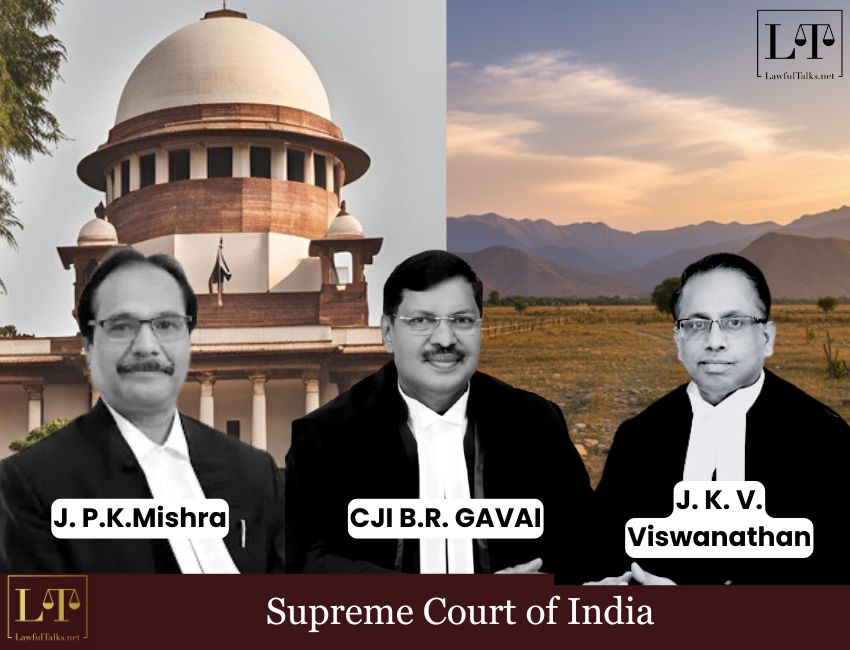
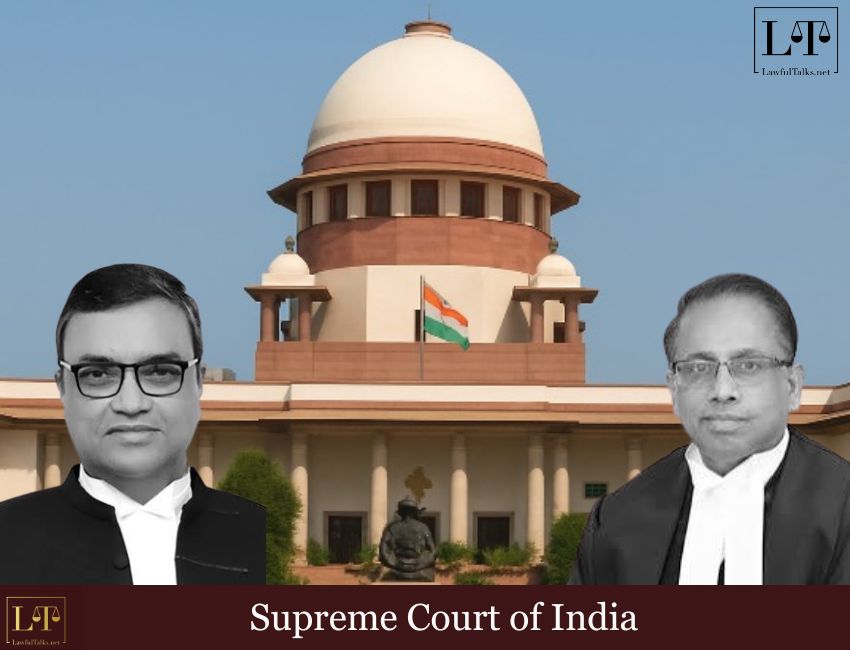
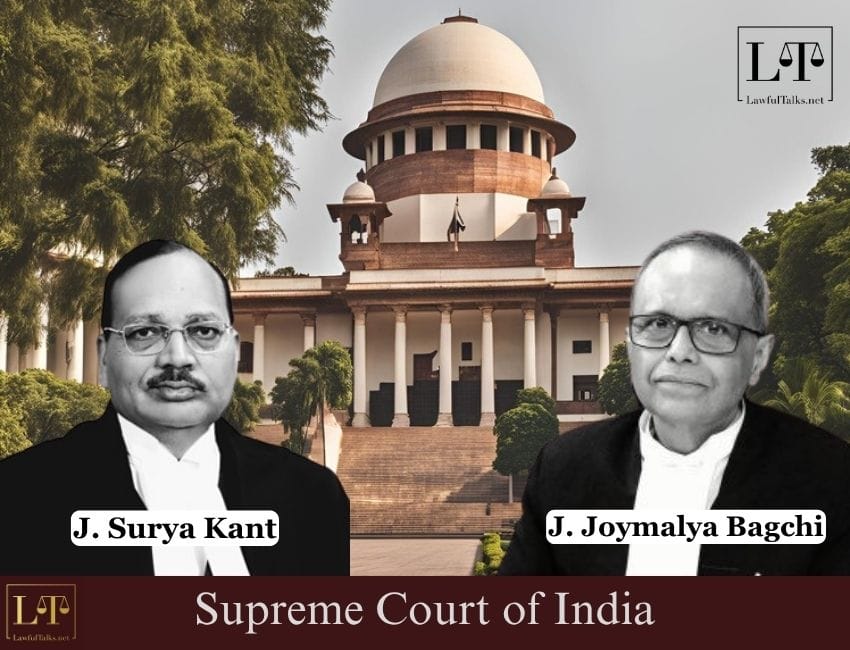
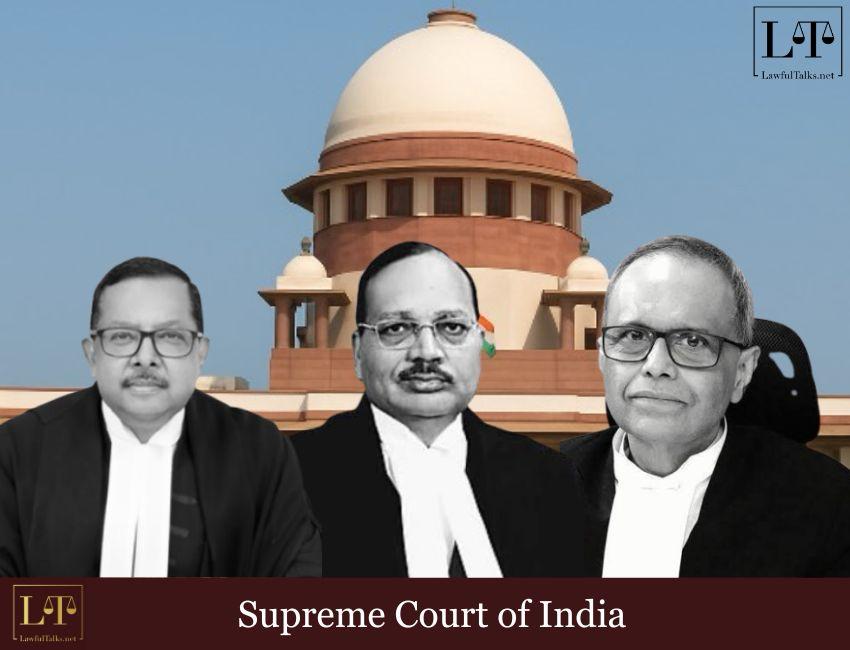
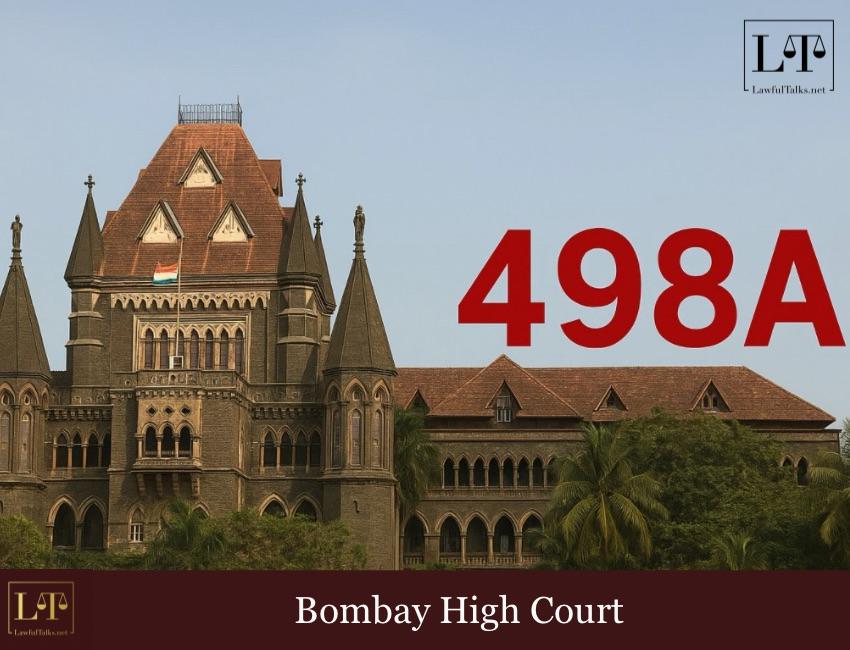
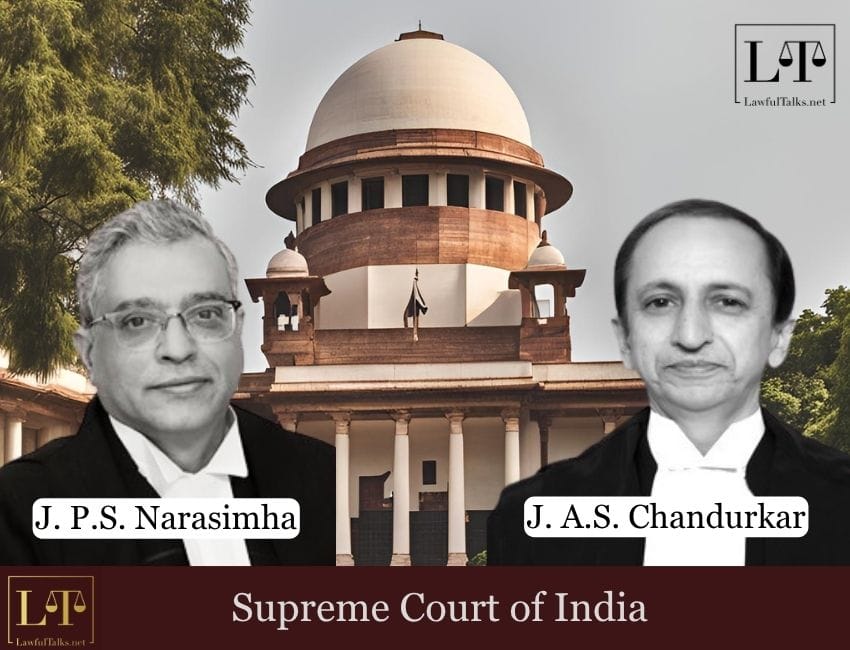
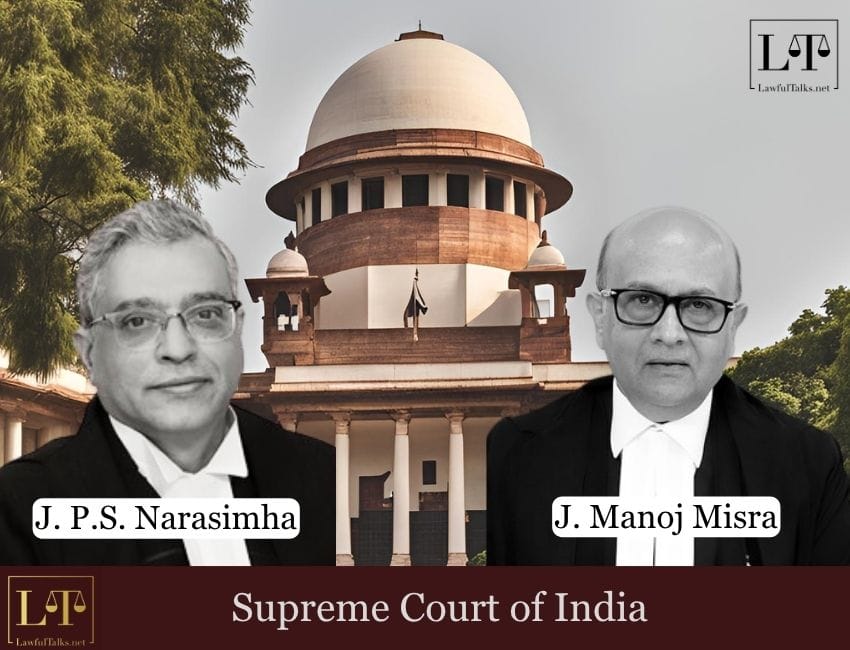
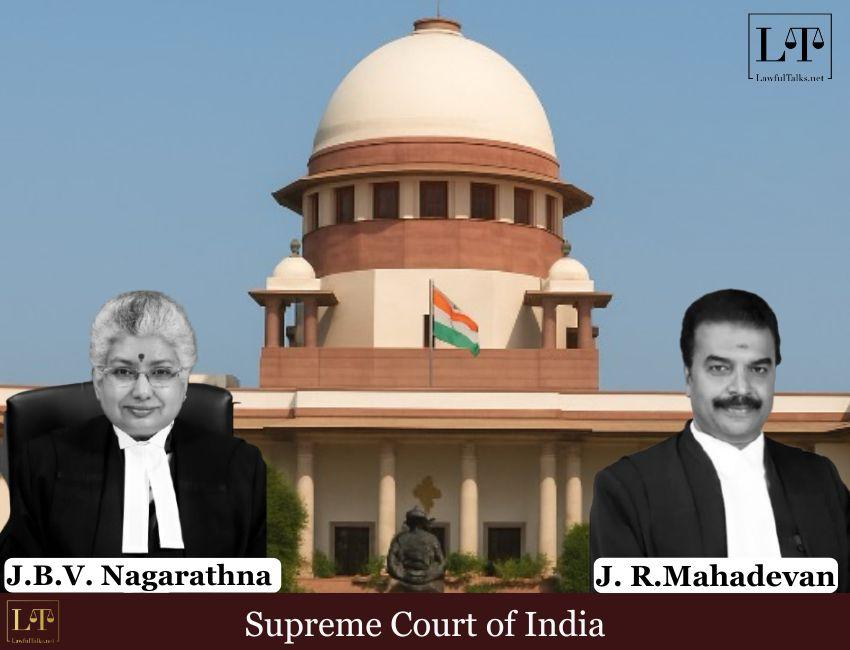
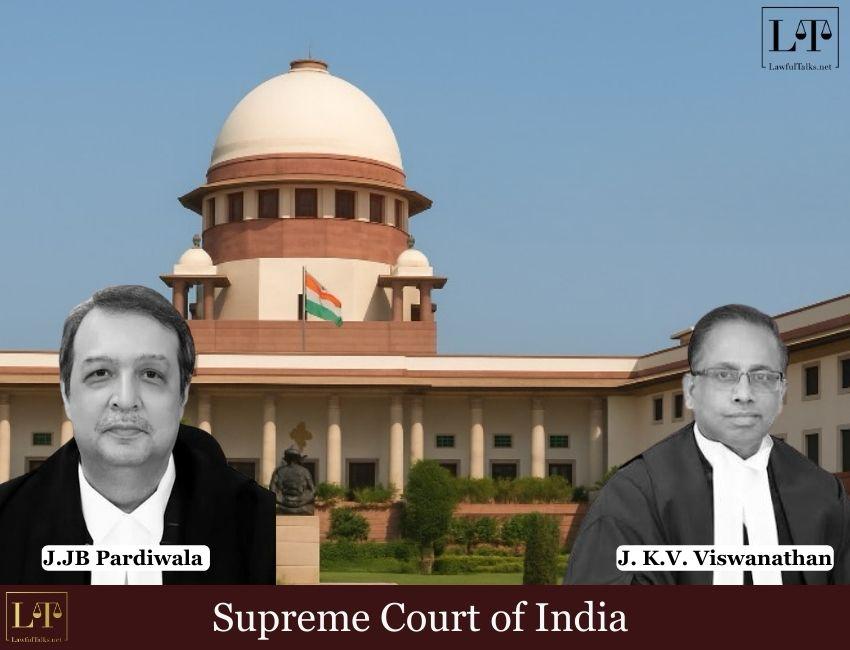
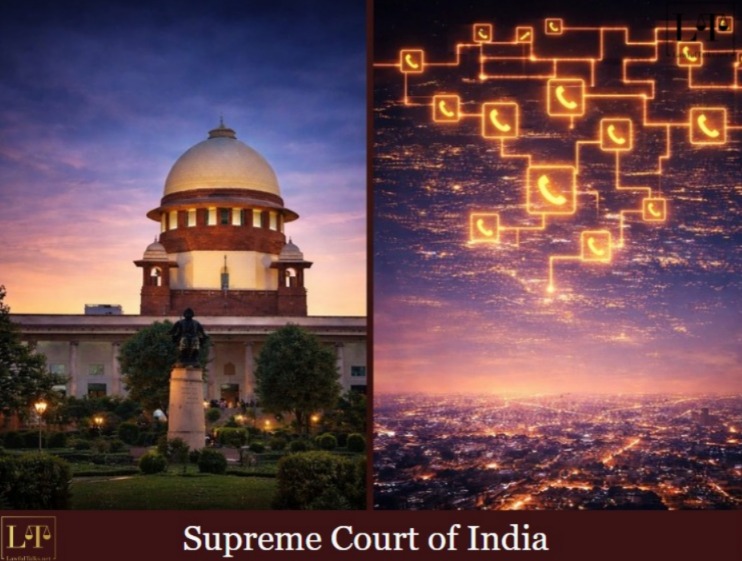
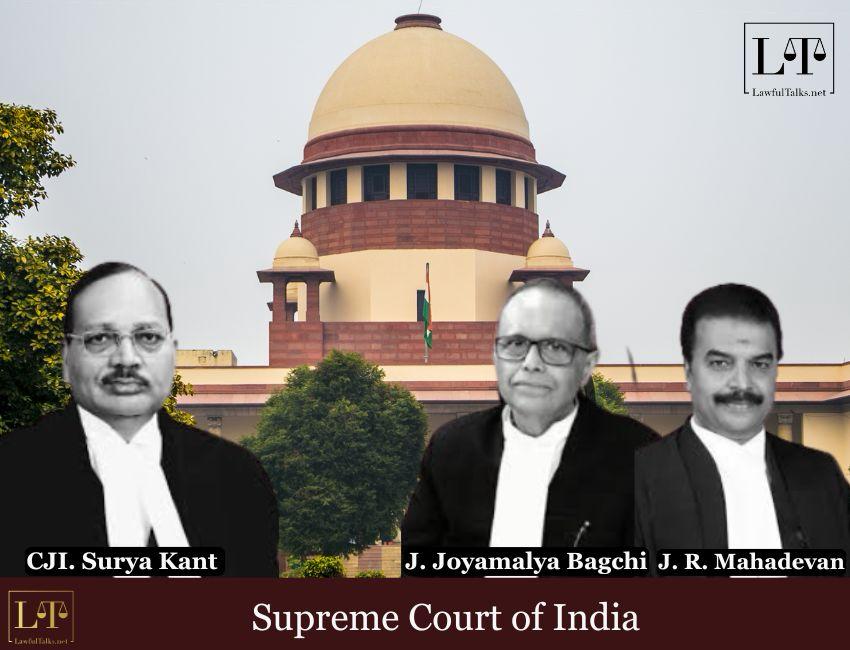
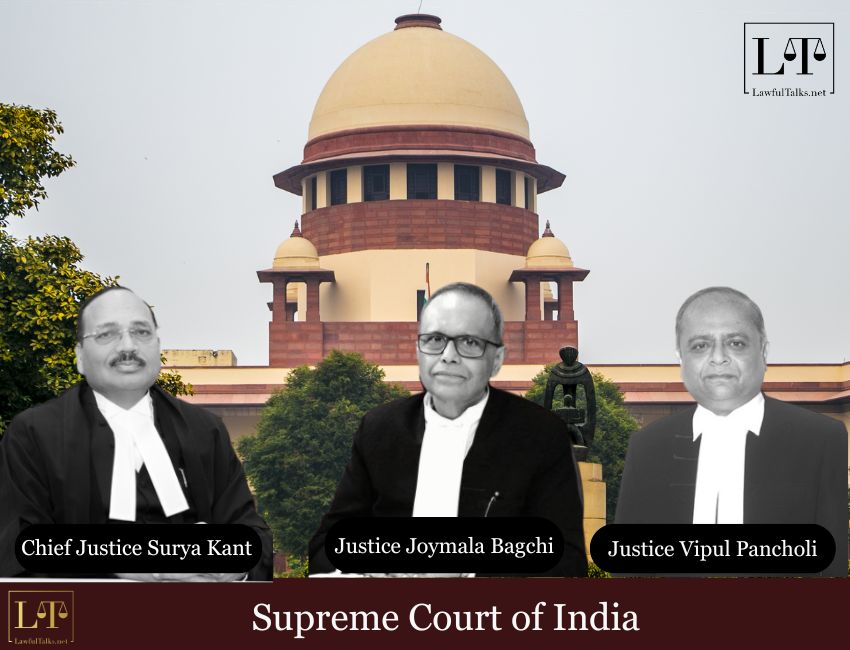
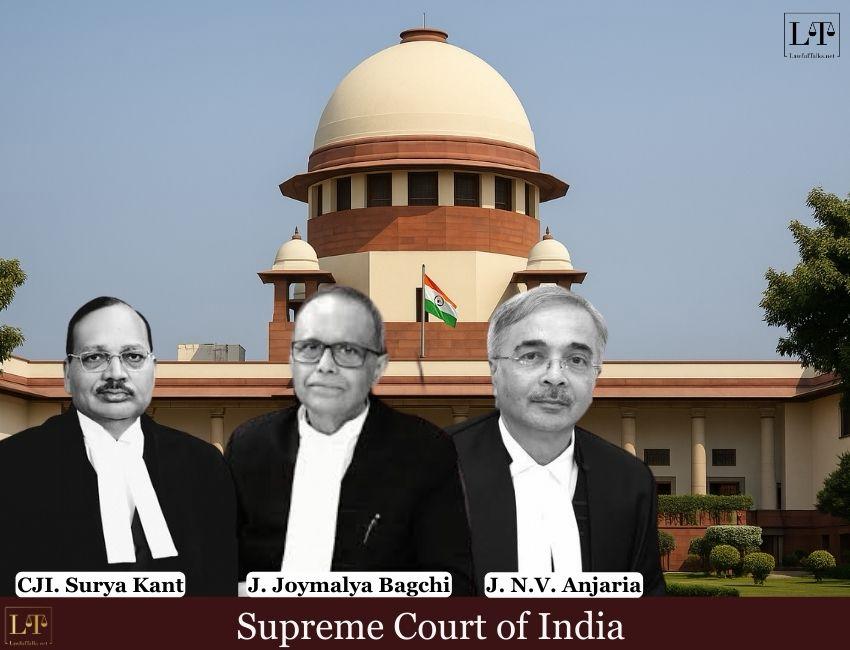
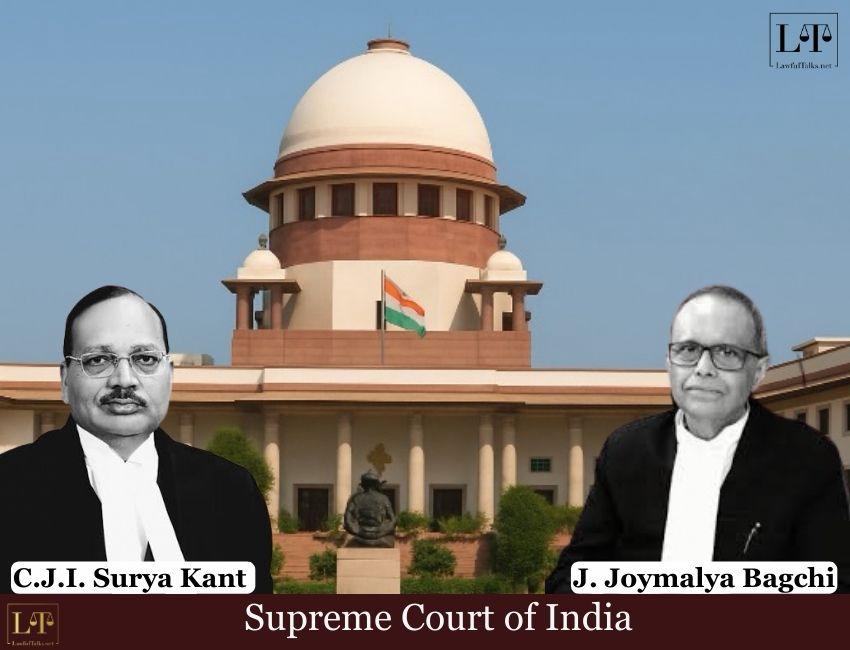
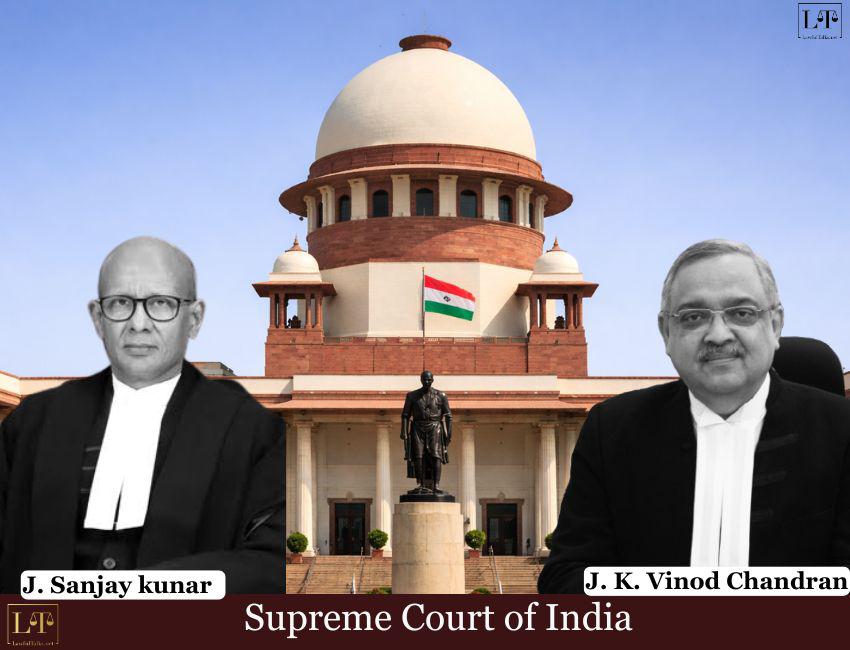
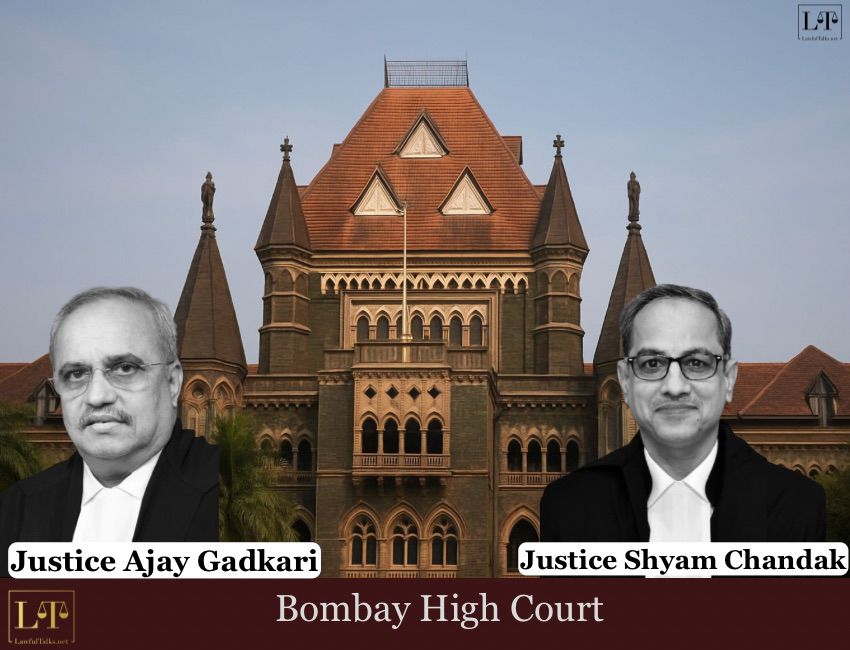
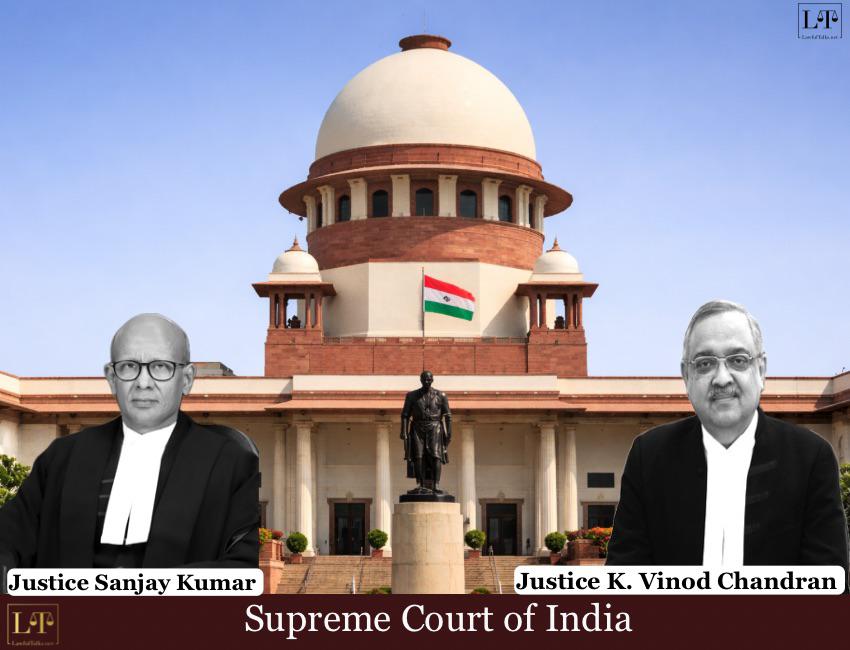
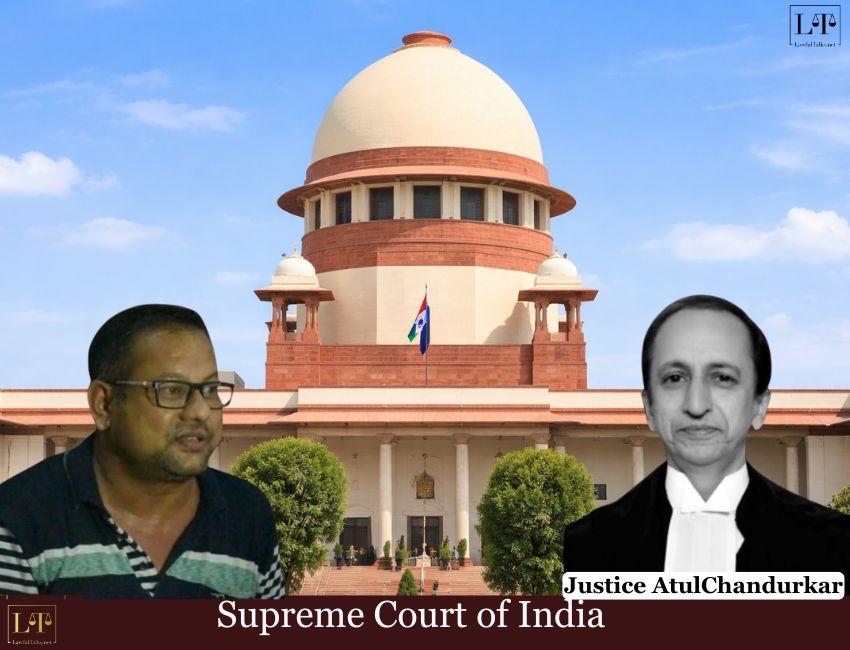
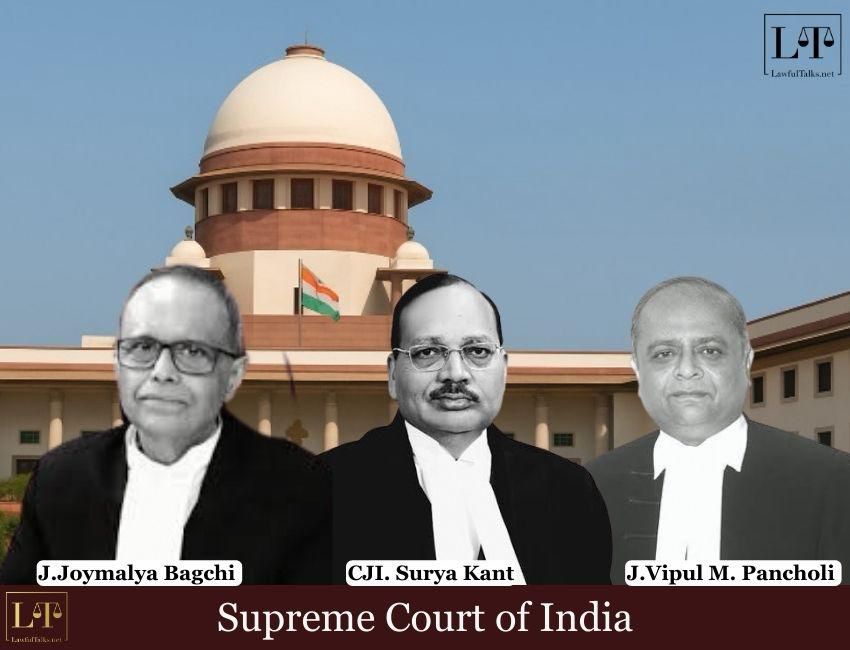
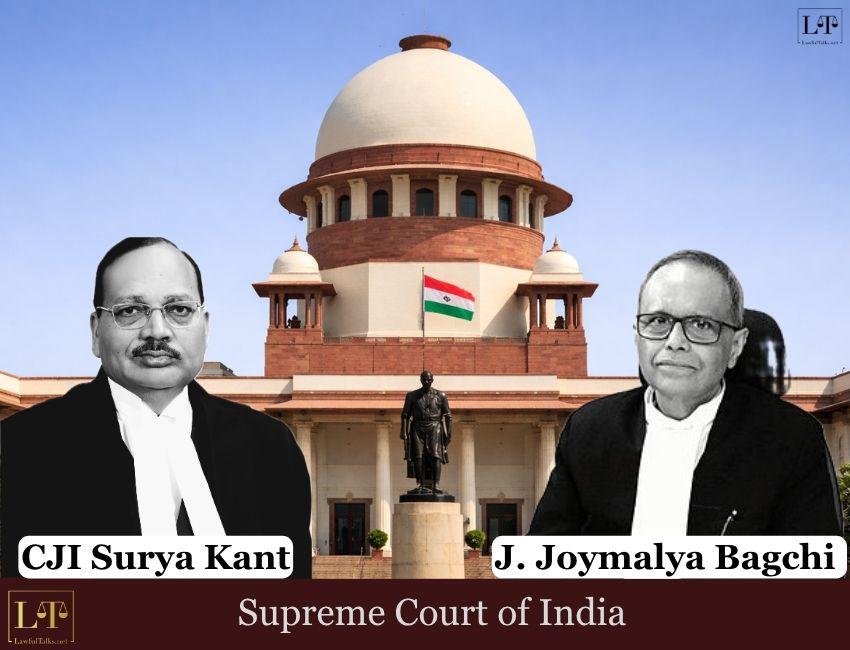
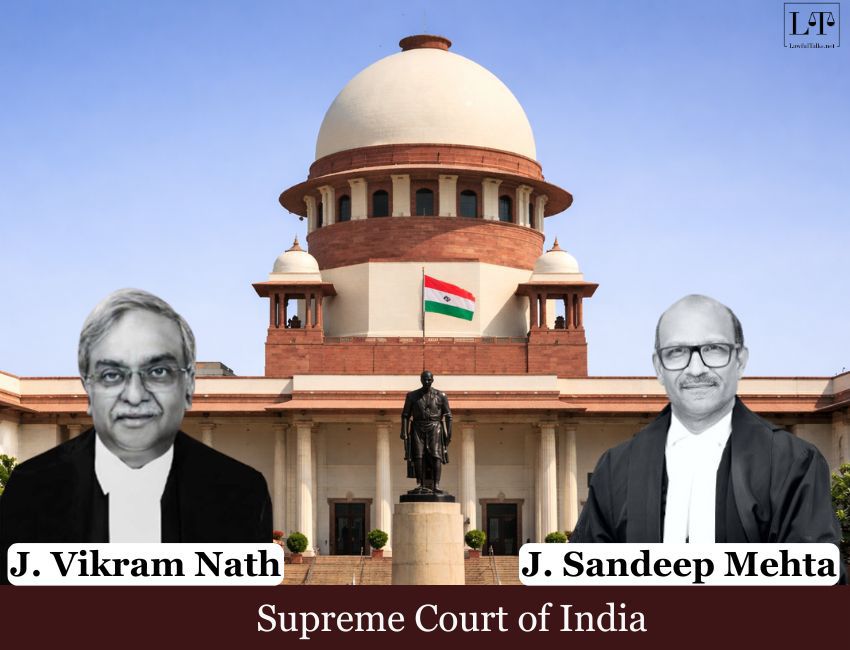
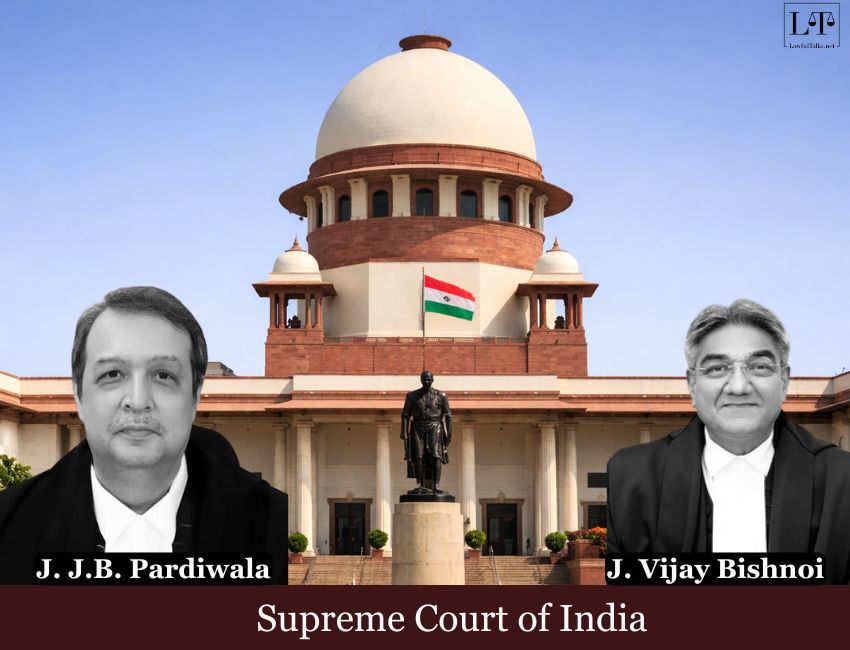
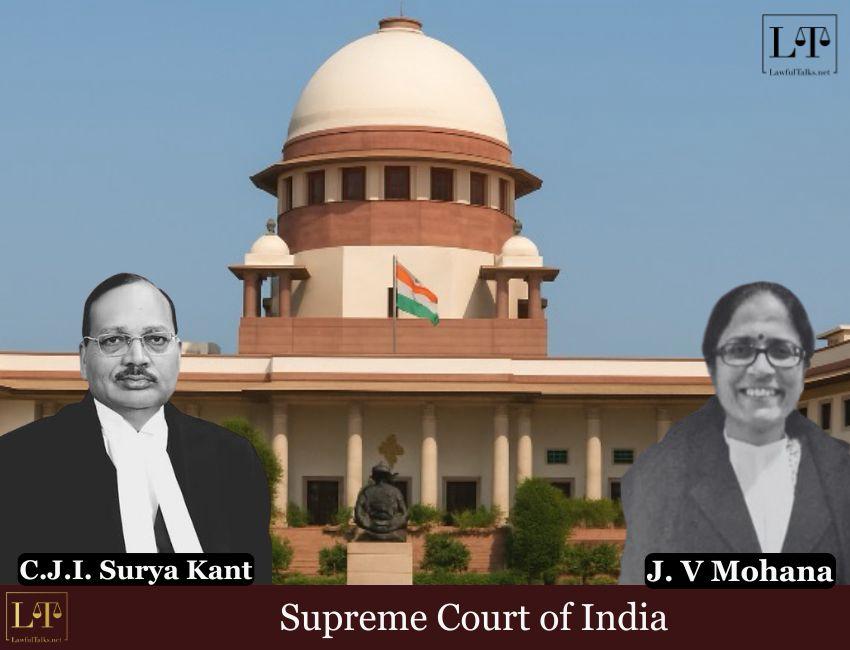
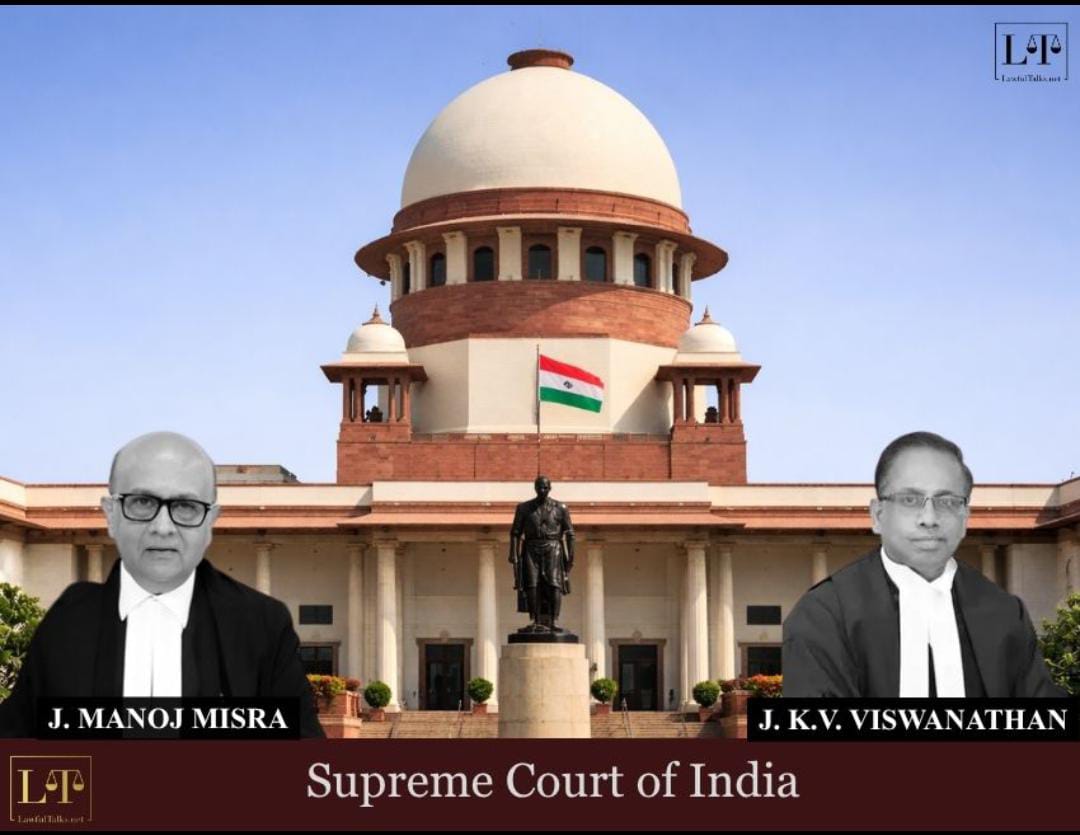
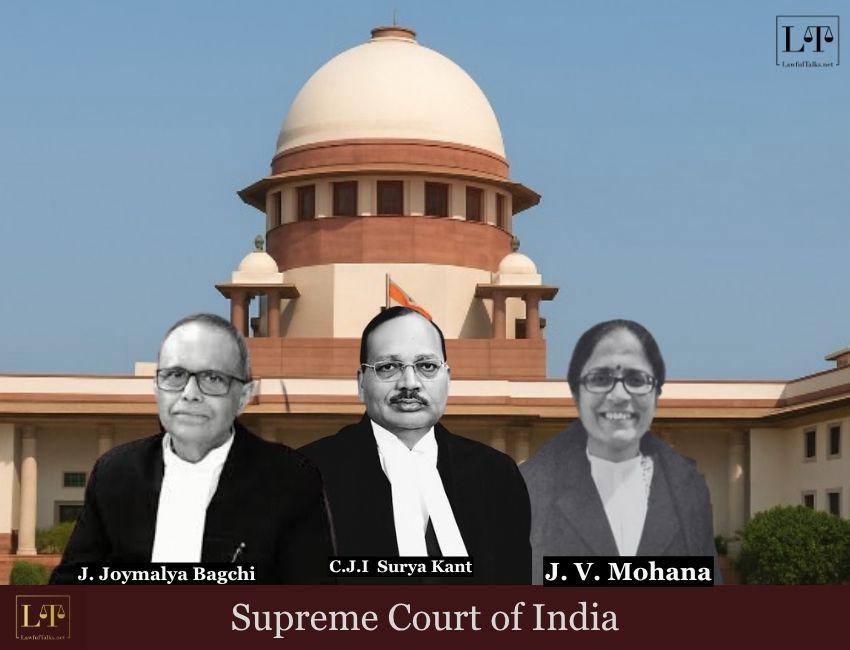
In a significant ruling, a bench of Justice Manoj Misra and Justice Joymalya Bagchi of the Supreme Court clarified that the requirement of giving a seven-day advance notice to a client before withdrawing a vakalatnama, as mandated by the Bombay High Court Appellate Side Rules, 1960, and the Civil Manual, does not apply in cases where an advocate merely files a pursis stating “no instructions” from the client.
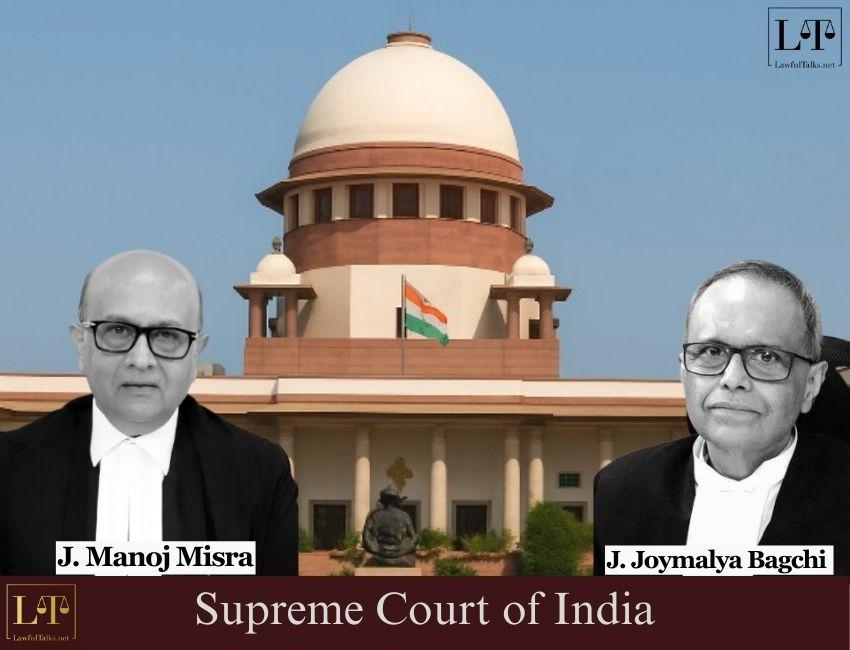
In their detailed and assertive ruling, the court also made a pointed observation that the High Court had acted beyond its Article 227 jurisdiction. “The High Court clearly exceeded its jurisdiction under article 227 of the constitution in interfering with a well reasoned order of the appellate Court.” The power under Article 227 is intended to be used sparingly and only in appropriate cases for the purpose of keeping the subordinate courts and tribunals within the bounds of their authority and not for correcting mere errors.’’
“The power may be exercised in cases occasioning grave injustice or failure of justice such as when (i) the court or tribunal has assumed a jurisdiction which it does not have, (ii) has failed to exercise a jurisdiction which it does have, such failure occasioning a failure of justice, and (iii) the jurisdiction though available is being exercised in a manner which tantamounts to overstepping the limits of jurisdiction.”, observed the bench.
Facts:
The case arose from a landlord–tenant dispute in which the appellant-landlord filed a civil suit for eviction under Sections 16(1)(g) and 16(1)(n) of the Maharashtra Rent Control Act, 1999. Because the tenants repeatedly failed to appear, the trial court first proceeded ex parte. This order was later set aside after the tenants asked for a recall and filed their written statements.
As the proceedings continued, the tenants’ advocate filed a pursis stating that he had “no instructions” from his clients and enclosed a copy of the notice he had sent them. However, he did not formally withdraw his vakalatnama. The trial went on, and since the tenants did not participate further, the plaintiff’s evidence went unchallenged. This eventually led to an eviction decree on 4 March 2015.
When the matter reached the District Judge (First Appellate Court) under Section 34 of the Maharashtra Rent Control Act, the tenants argued that they had been deprived of a fair hearing because their counsel had not issued a seven-day prior notice as required by the procedural rules.
The Appellate Court rejected their argument, pointing out that the pursis did not amount to a formal withdrawal of appearance and that the tenants had not proved they failed to receive their lawyer’s notice. It also noted that their behaviour showed “casualness and inaction,” and held that they could not use their own negligence to challenge the decree.
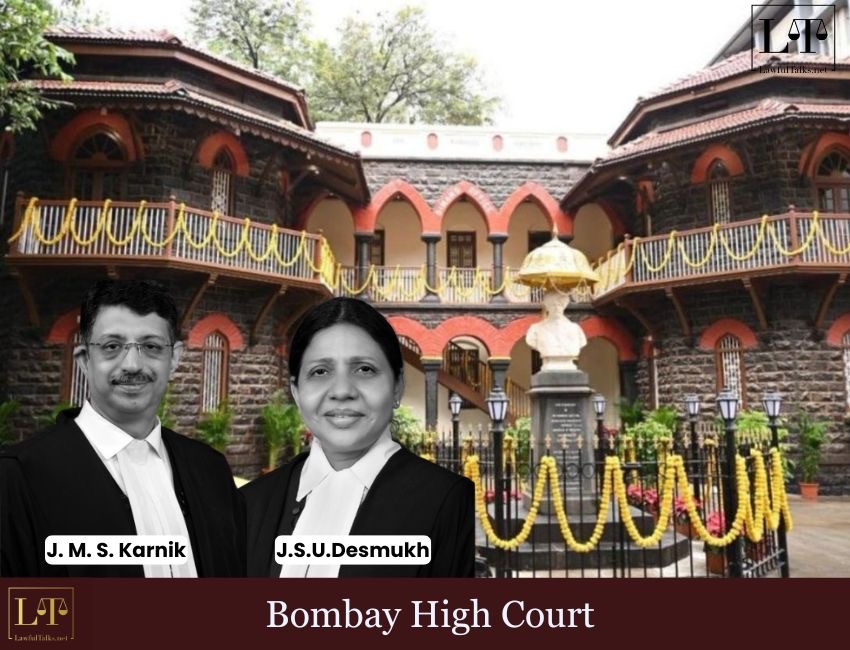
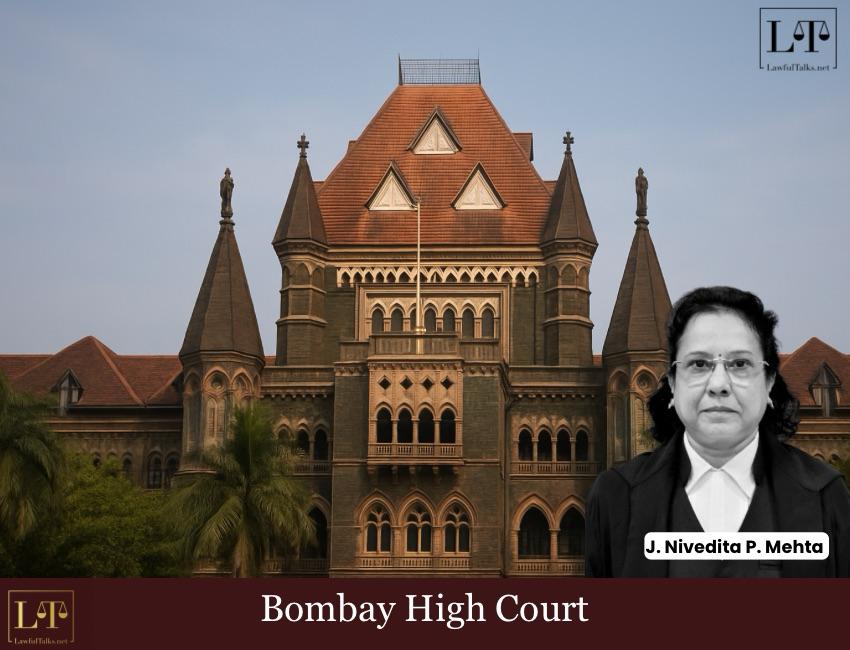
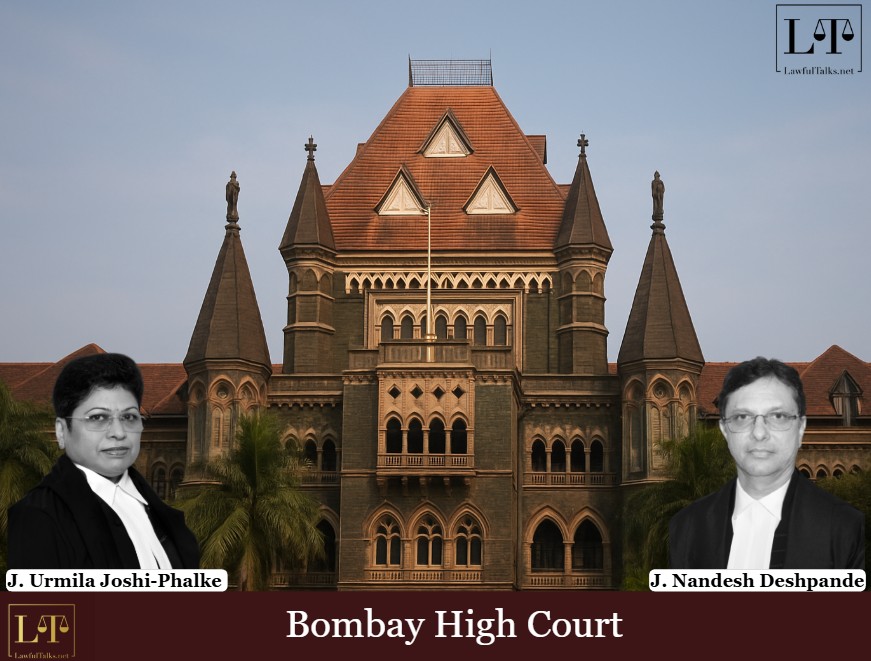
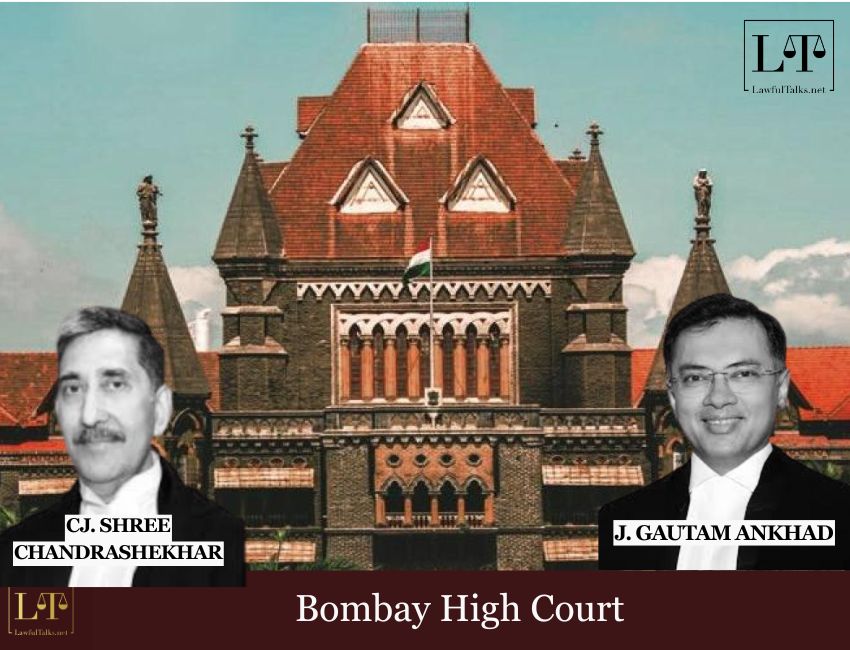
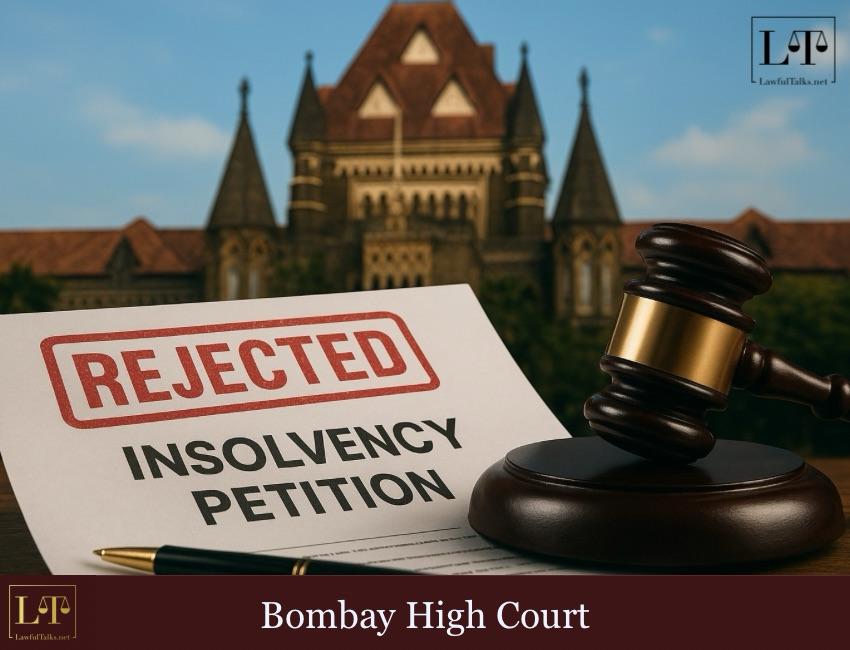
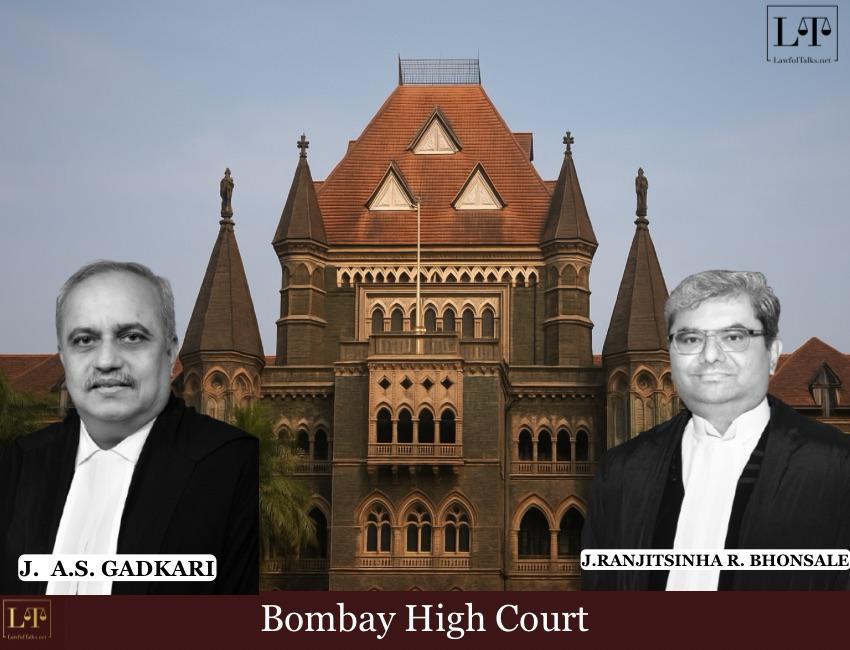
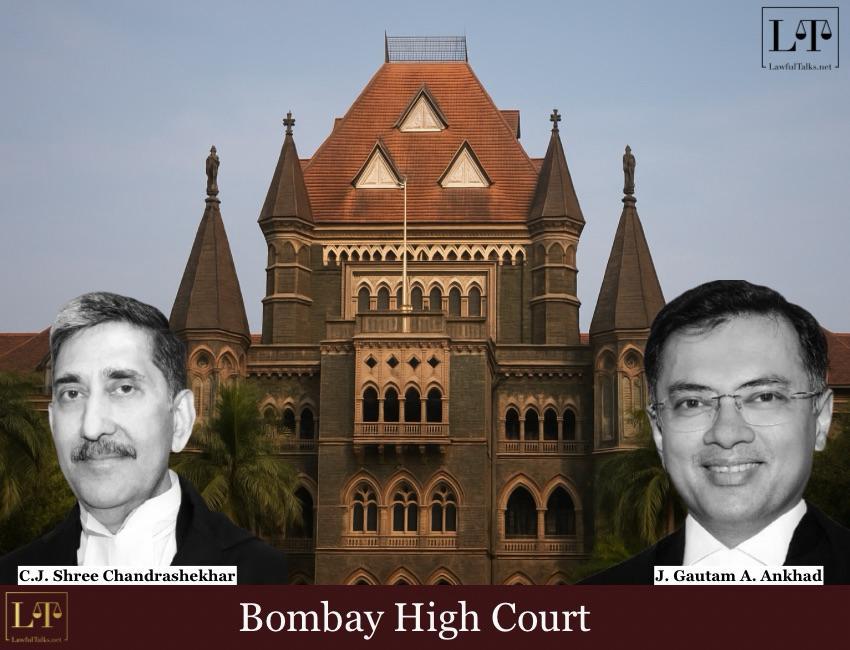
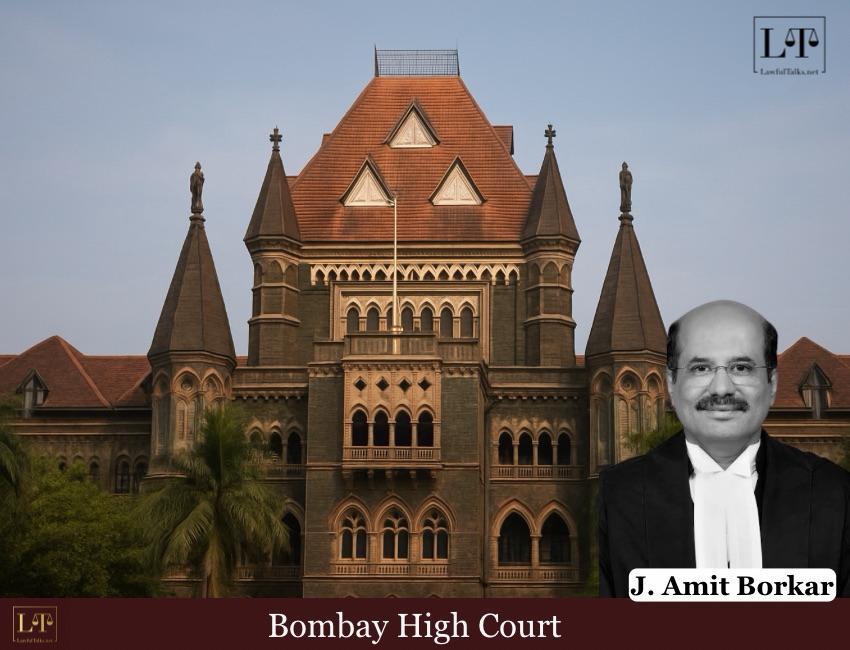
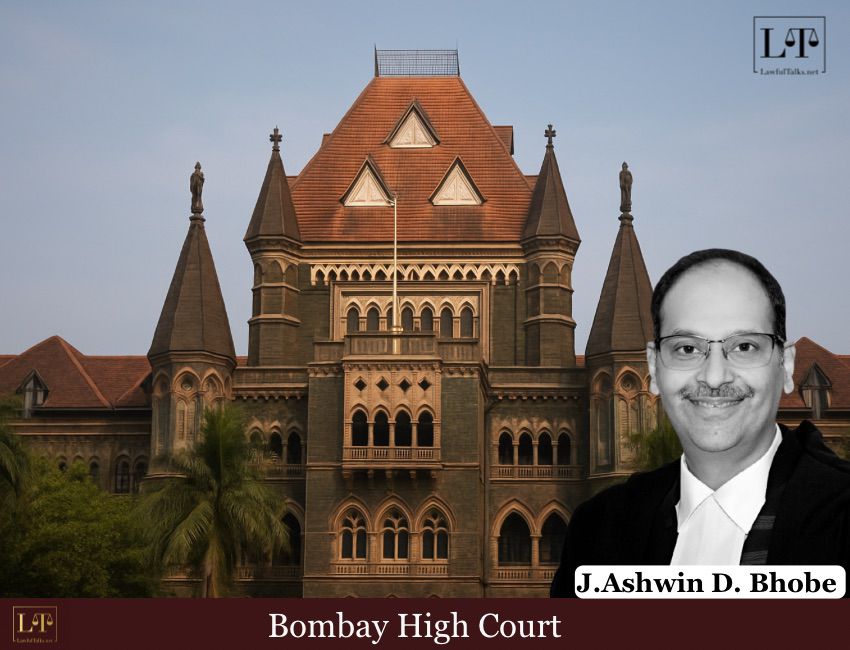
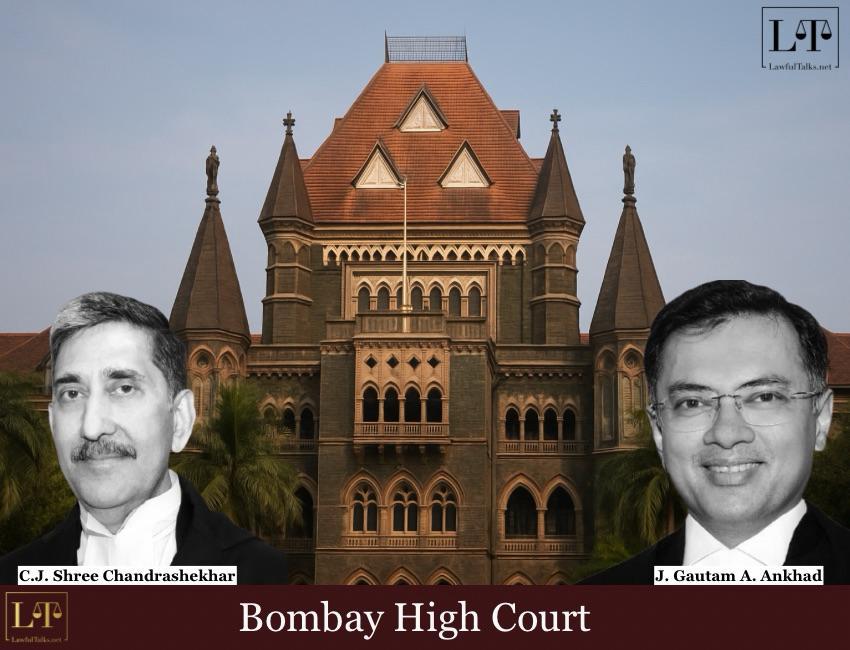
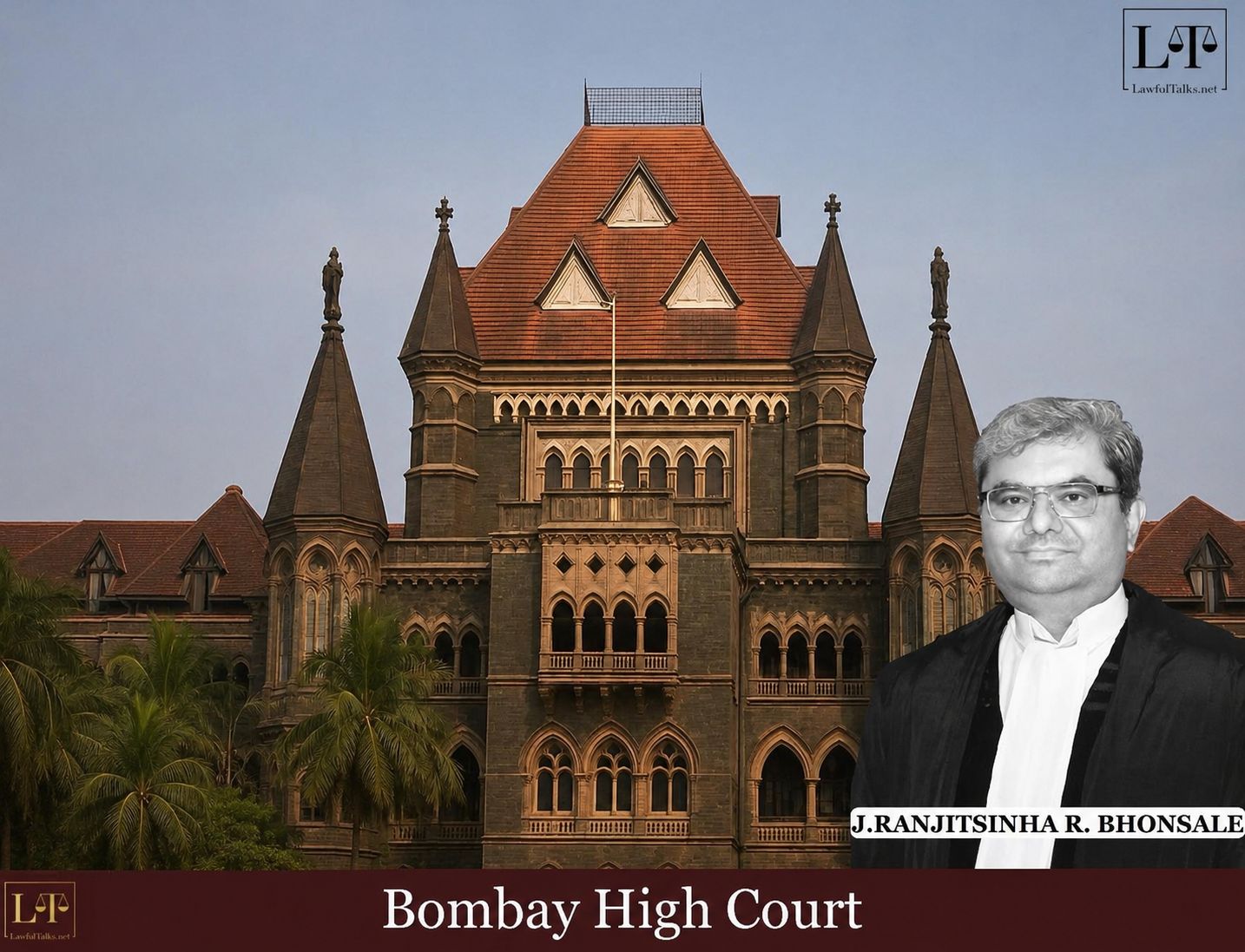
The tenants then invoked Article 227 jurisdiction before the Bombay High Court, which took a different view. It held that the Trial Court failed to follow the mandatory procedural requirements under Clause 660(4) of the Civil Manual and Rule 8(4) of the Bombay High Court Appellate Side Rules.
The High Court noted that the pursis was filed right after the advocate sent the notice to his clients and held that, in these circumstances, the tenants had been denied a fair chance to be heard. On this basis, it set aside the orders of both the trial court and the appellate court and sent the case back for fresh consideration.
Challenging this decision, the landlord approached the Supreme Court. The apex court found that the High Court’s interference was unwarranted since the advocate had not applied for withdrawal of his vakalatnama, nor had the trial court granted such permission.
The Apex Court also observed that after filing the pursis, the case lingered for over three months, yet the defendants made no attempt to appear or appoint a new lawyer. Furthermore, they never claimed that the letter from their advocate was not received. When seen along with their earlier delays and defaults, this showed that the tenants were simply not interested in pursuing the case, rather than being treated unfairly.
The Court firmly held that since the Appellate Court had looked at all the issues and reasonably found no procedural mistake or jurisdictional error, the High Court should not have interfered under Article 227.
“Once the appellate court took into consideration all relevant aspects including the fact that pursis (Exh.42) did not seek withdrawal of the Vakalatnama, and withdrawal was not even permitted, there was no such jurisdictional error which warranted exercise of powers under Article 227 of the Constitution of India. The High Court without any justification went on to consider the procedure prescribed for withdrawal of Vakalatnama when neither withdrawal of Vakalatnama was permitted by the Trial Court nor the pursis prayed for its withdrawal. In such circumstances, the entire exercise of the High Court was misconceived.”
The bench further added that, “the appellate court's order was not amenable to interference in exercise of jurisdiction under Articles 226/227 of the Constitution of India. The High Court clearly exceeded its jurisdiction under Article 227 of the Constitution in interfering with a well-reasoned order of the appellate court.”
Accordingly, the Supreme Court allowed the landlord’s appeal, setting aside the High Court’s order and clarified that when an advocate only files a “no instructions” pursis and does not formally withdraw the vakalatnama, the rule requiring advance notice under the 1960 Rules does not apply.
Case Details: SHRI DIGANT VERSUS M/S. P.D.T. TRADING CO. & ORS.

























































































































































































































Sign up for free and be the first to get notified about curated content just for you.