SC Flags ‘Profound Misuse’ of Rape Law, Throws Out Case Against Advocate

- November 26, 2025


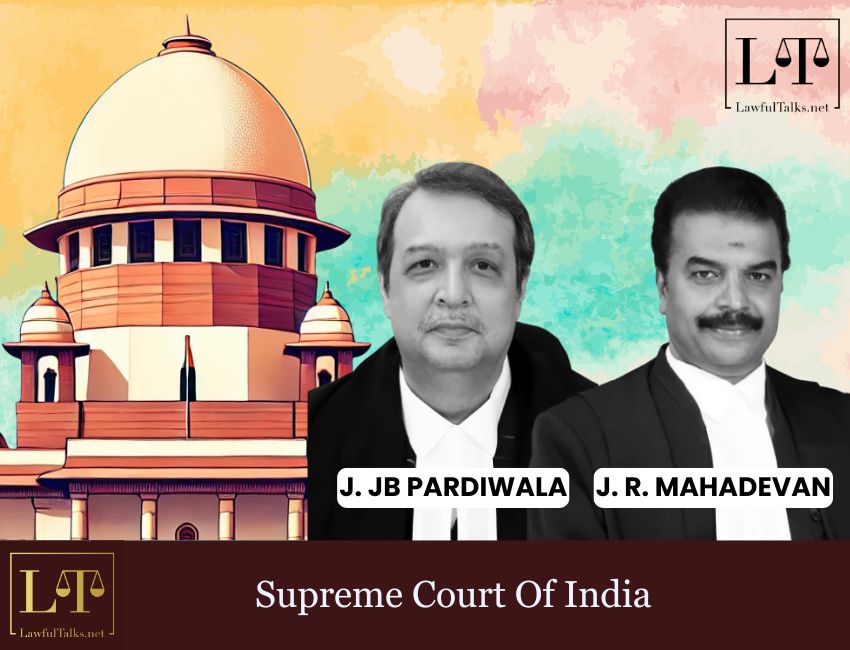
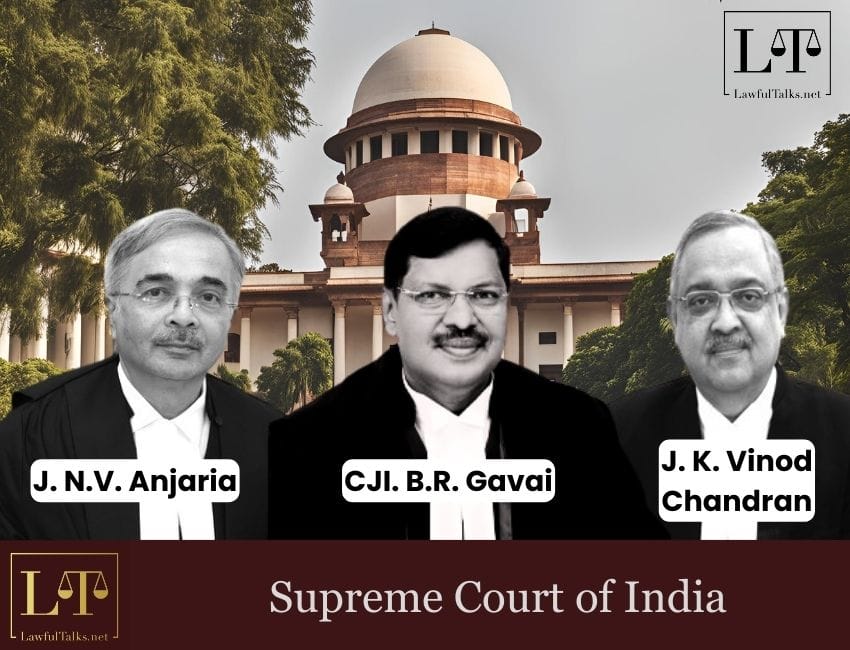
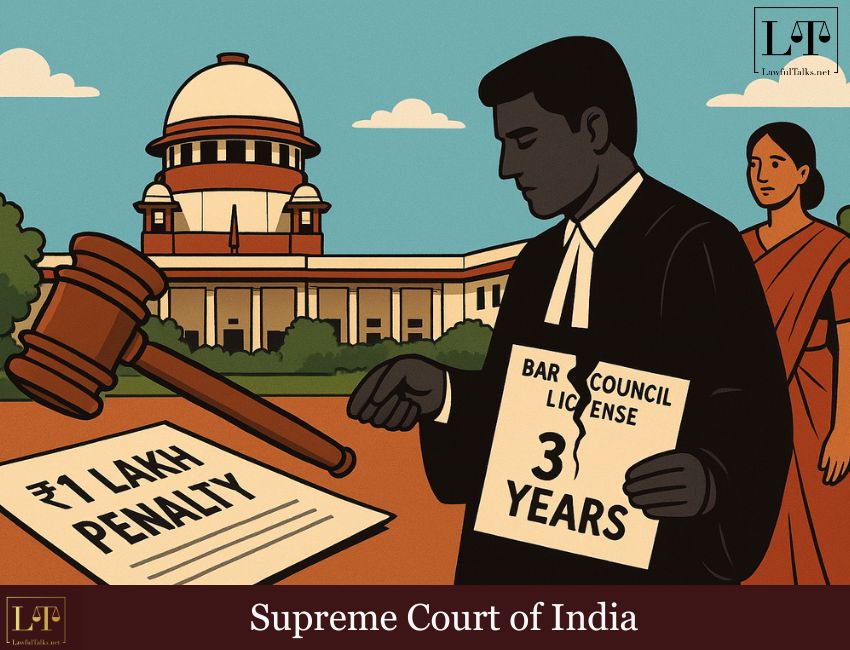
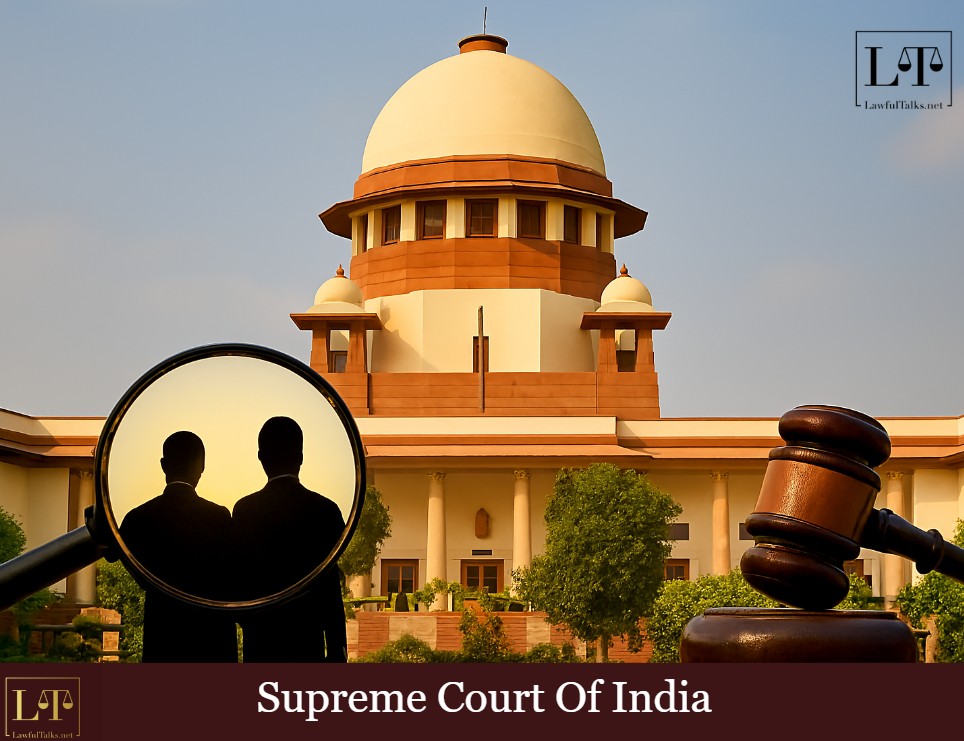
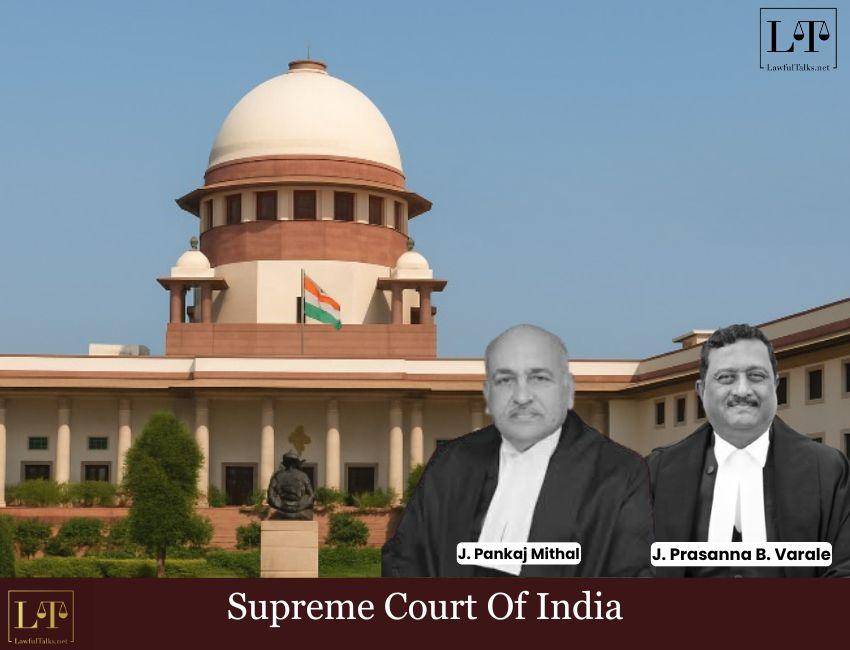
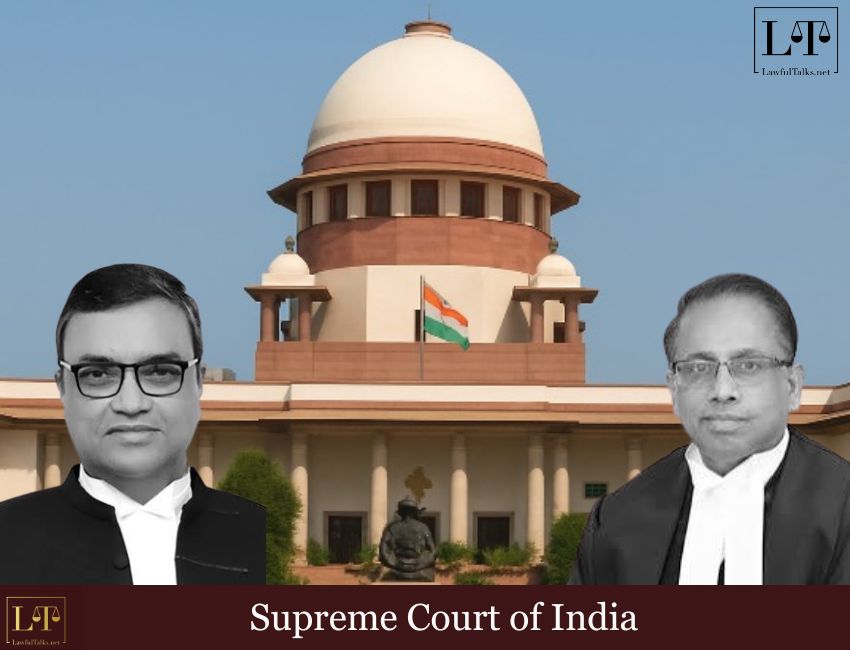
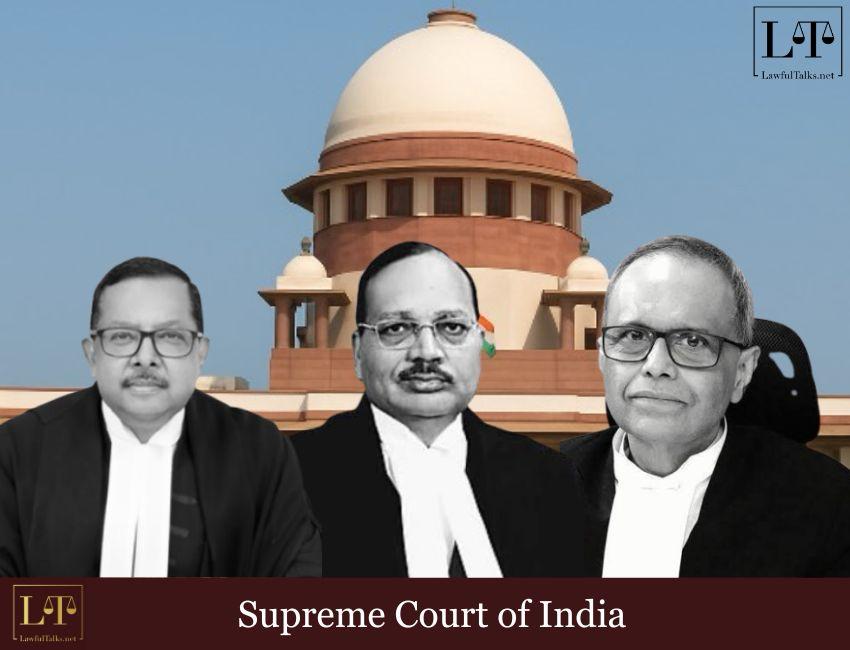
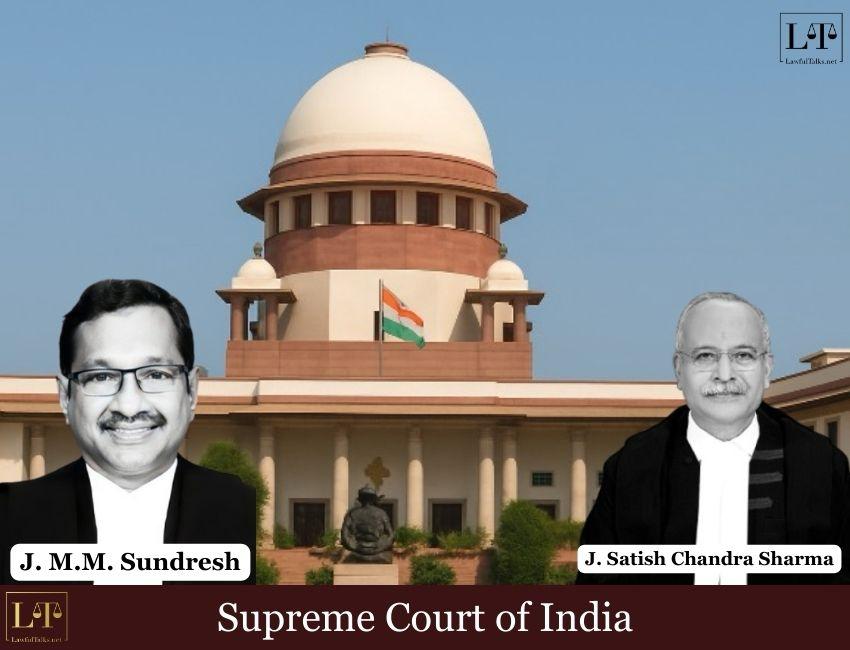
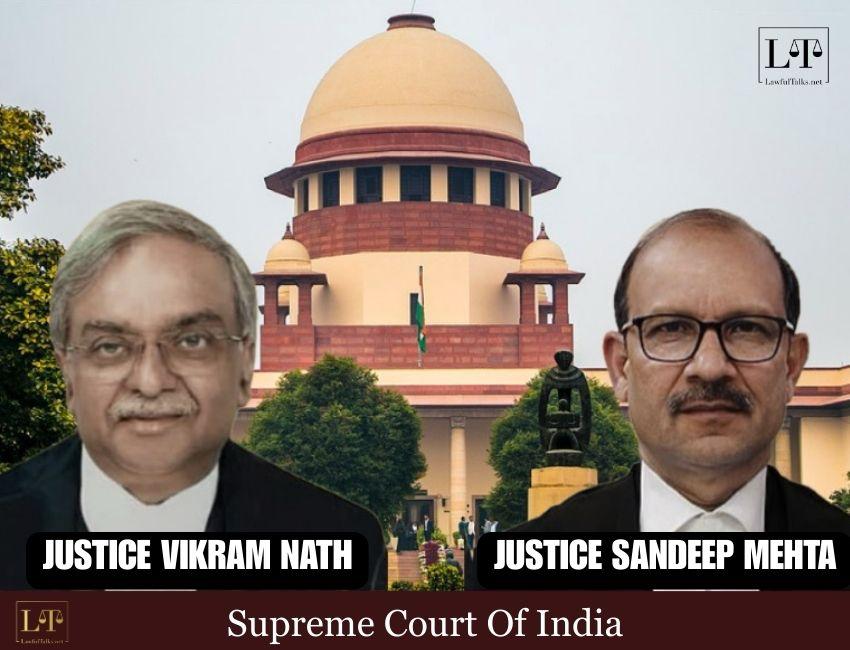
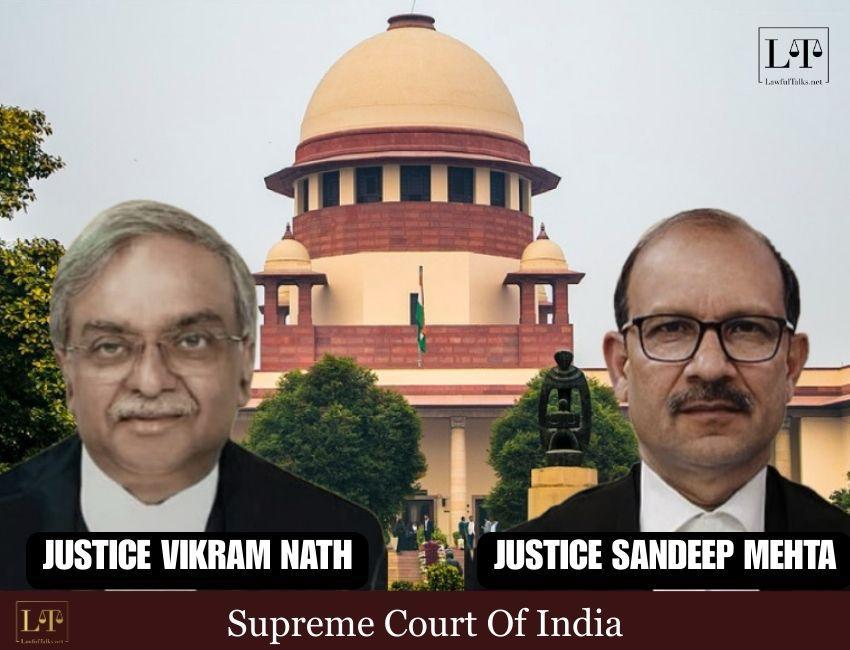
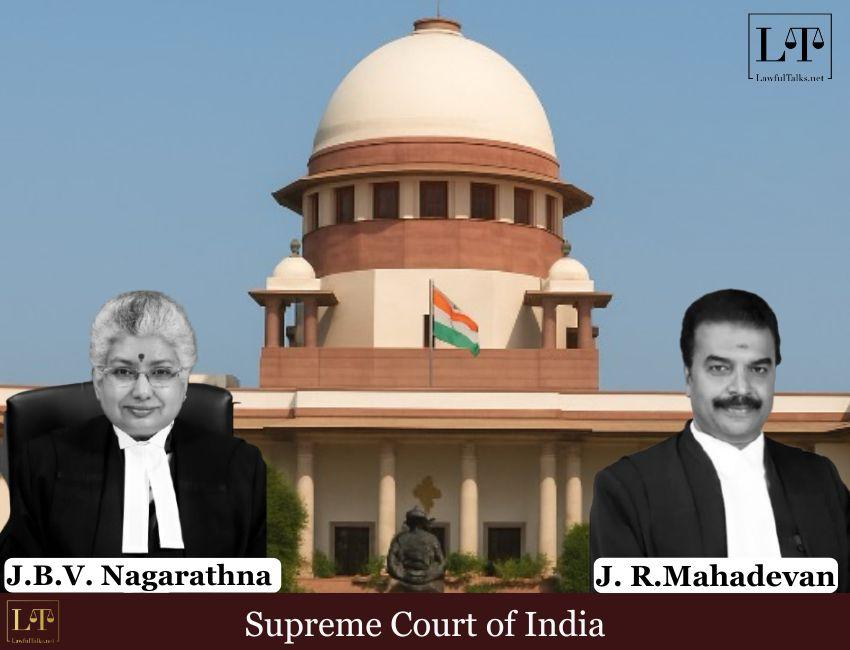
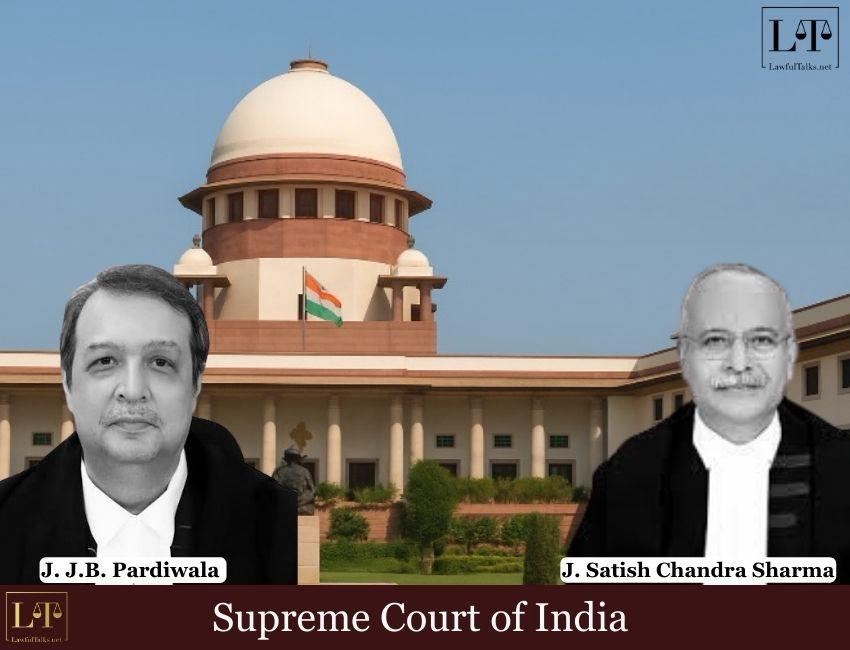
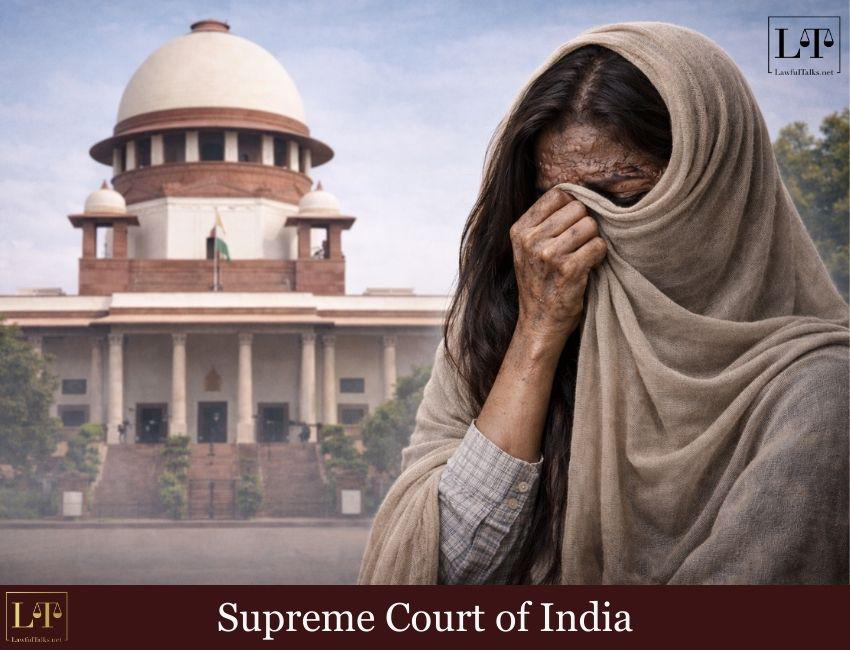
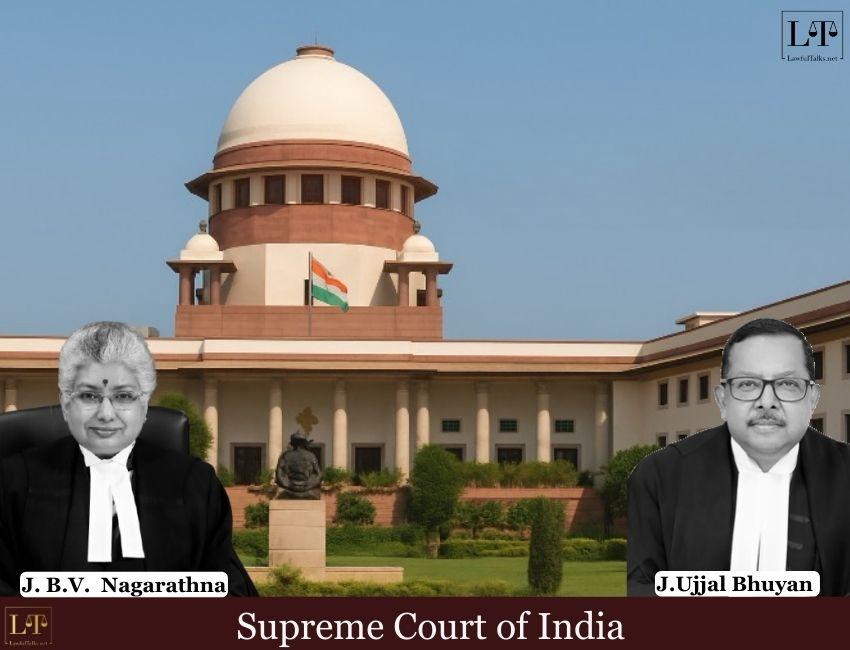
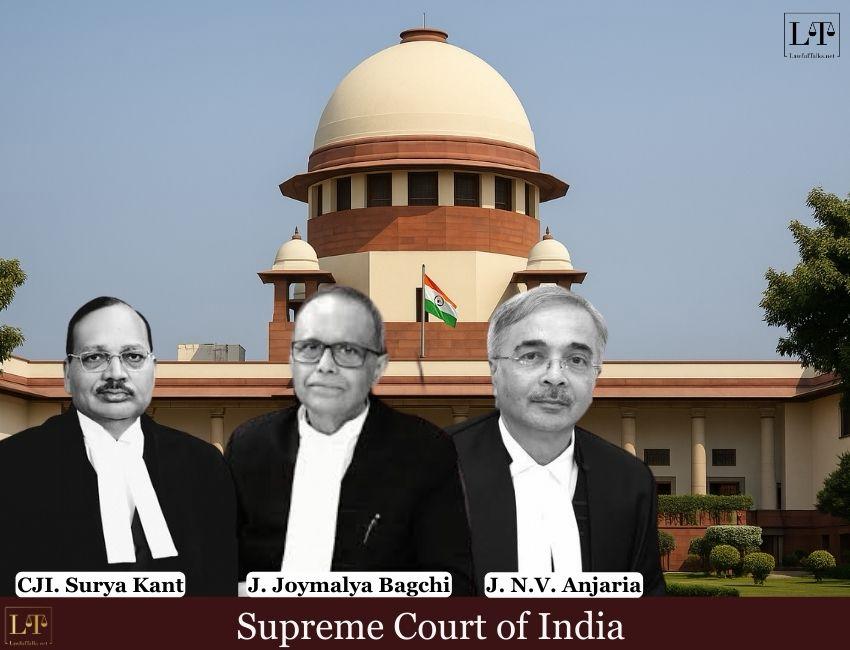
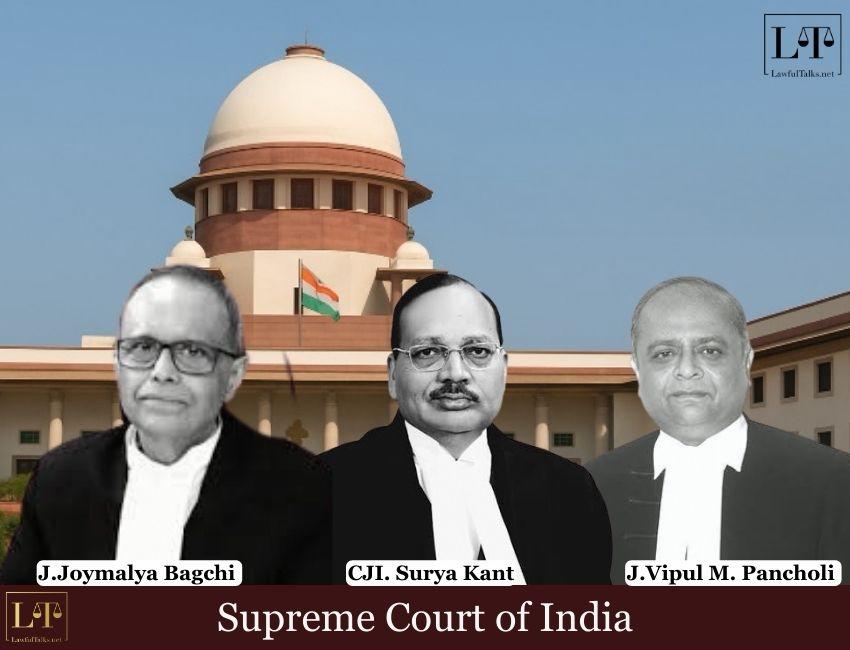
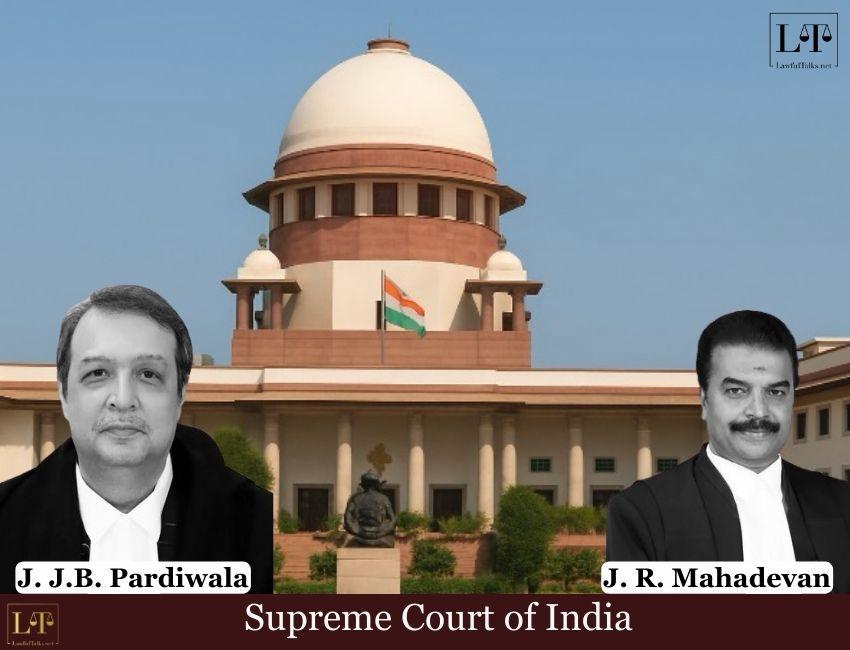
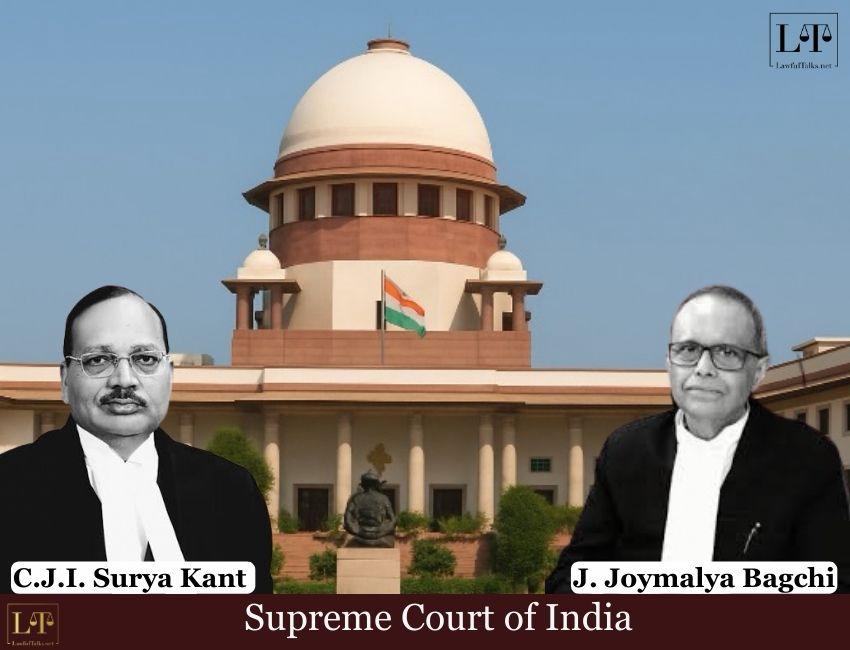
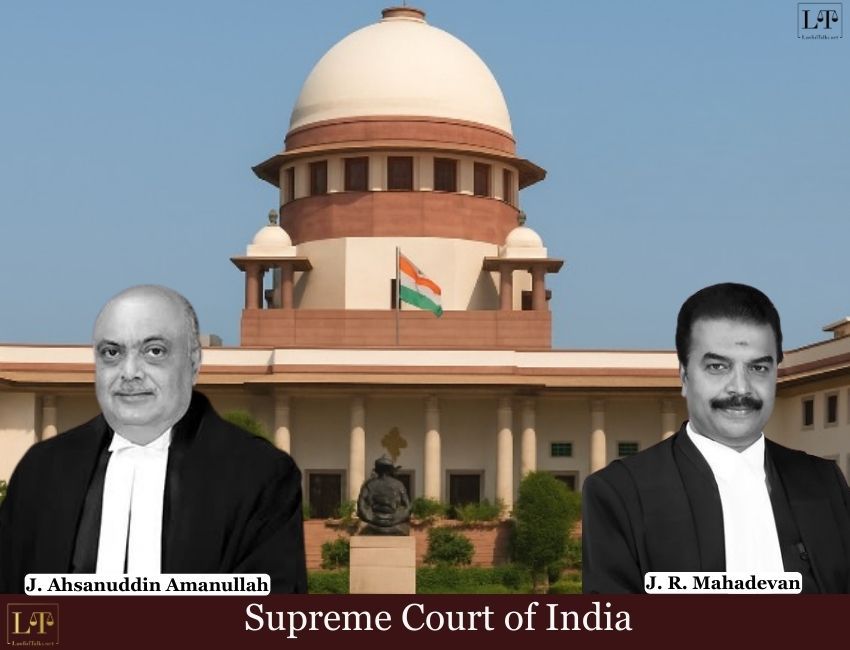
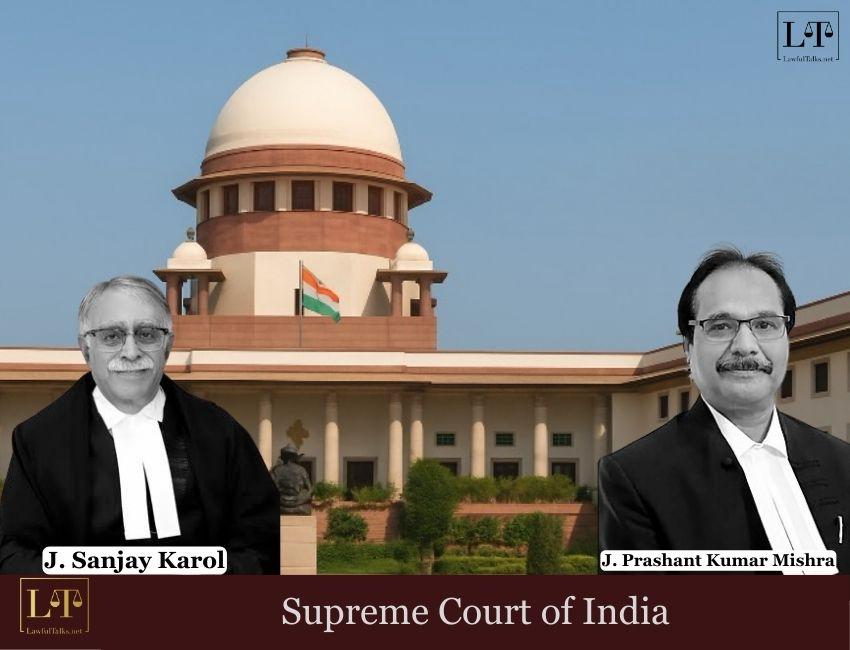
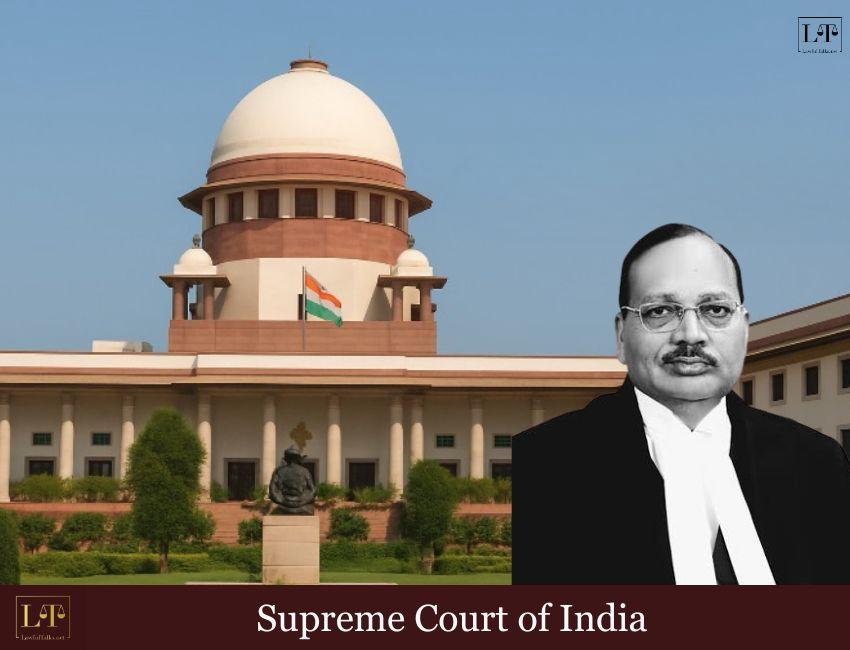
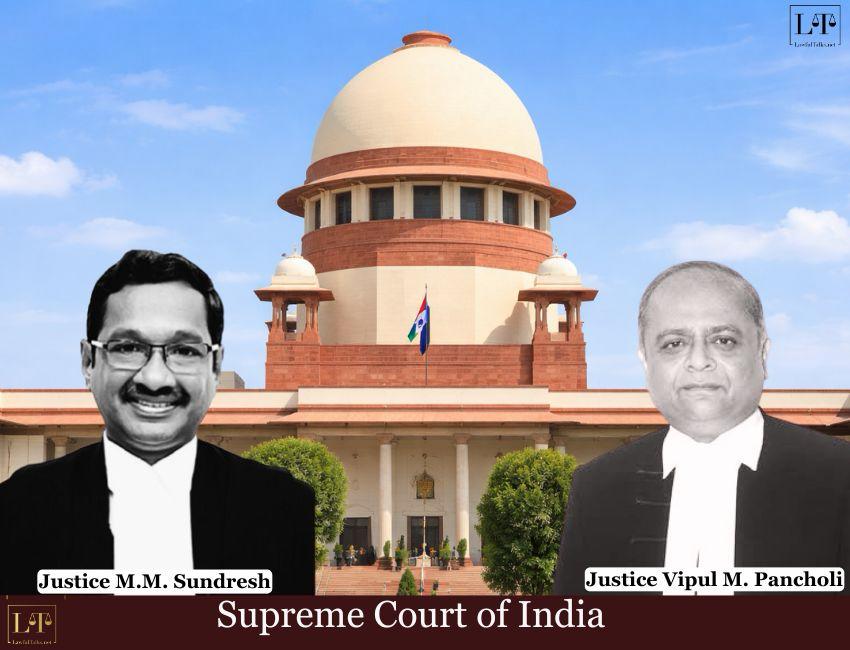
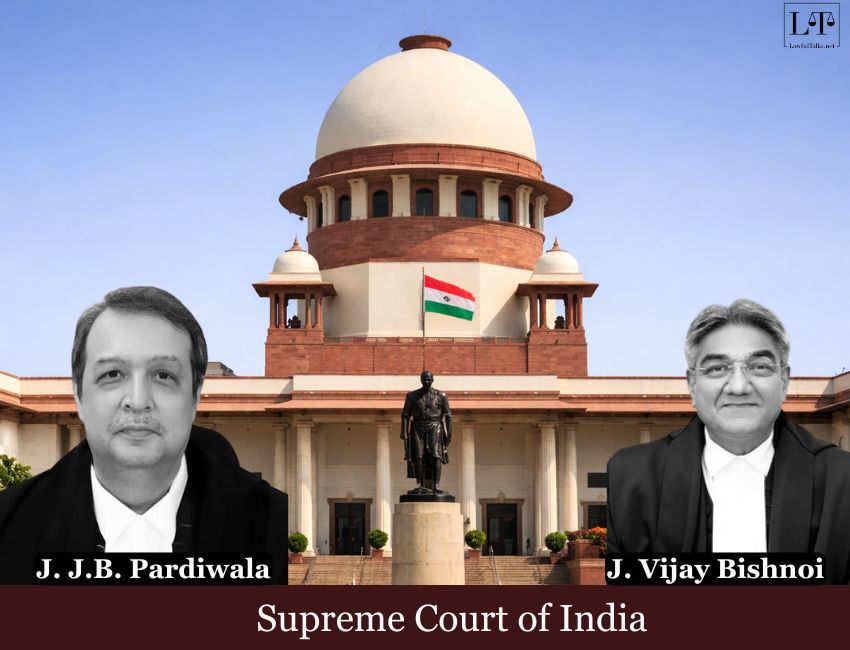
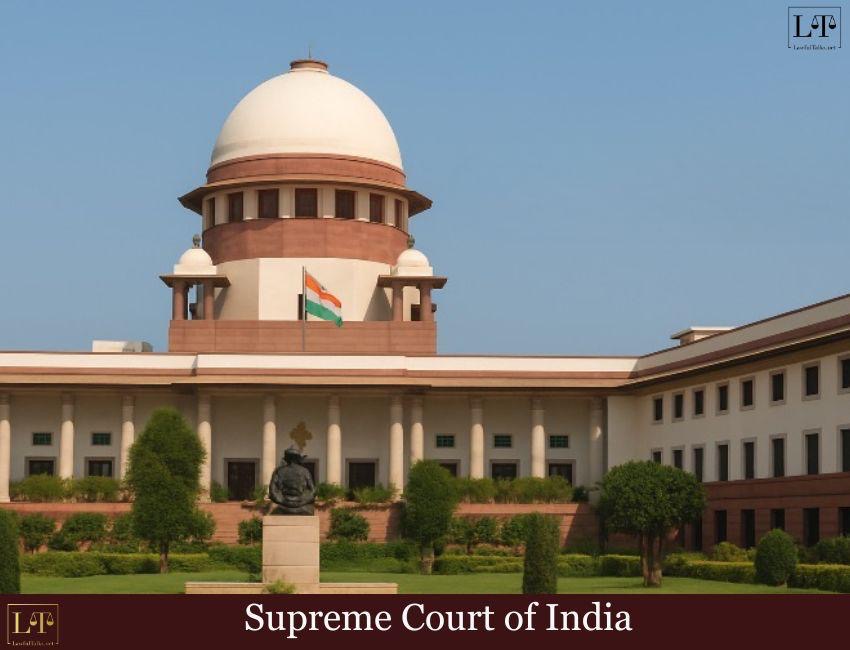
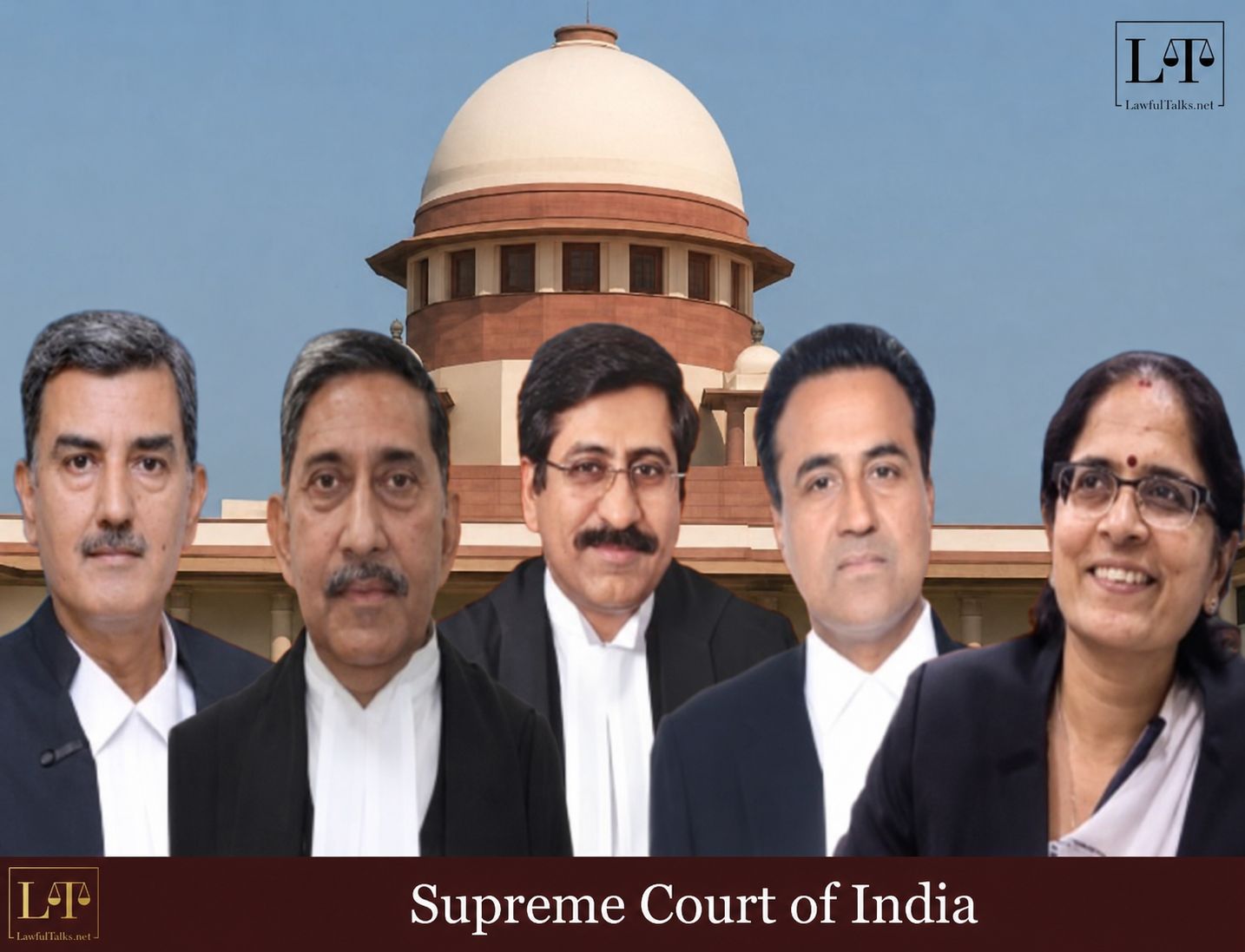
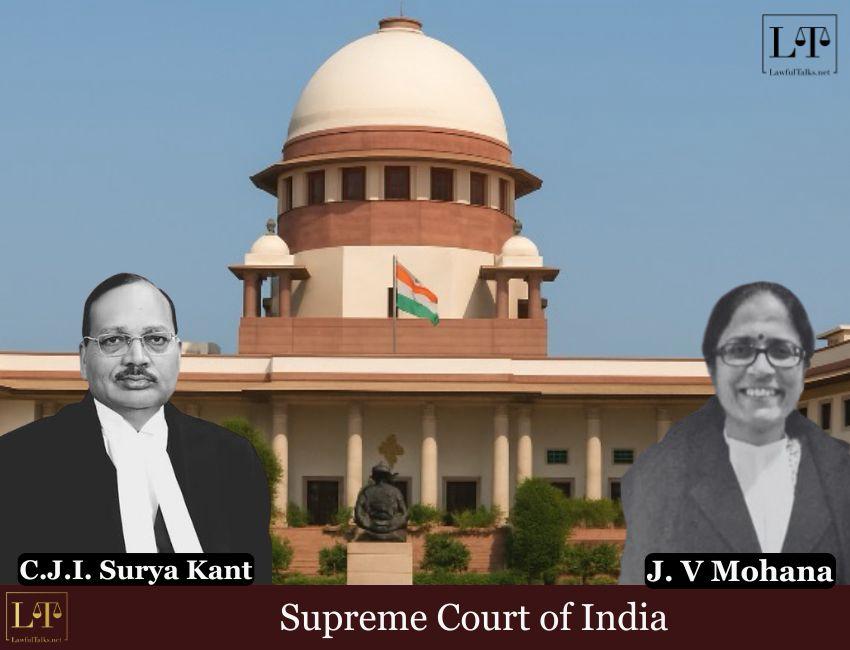
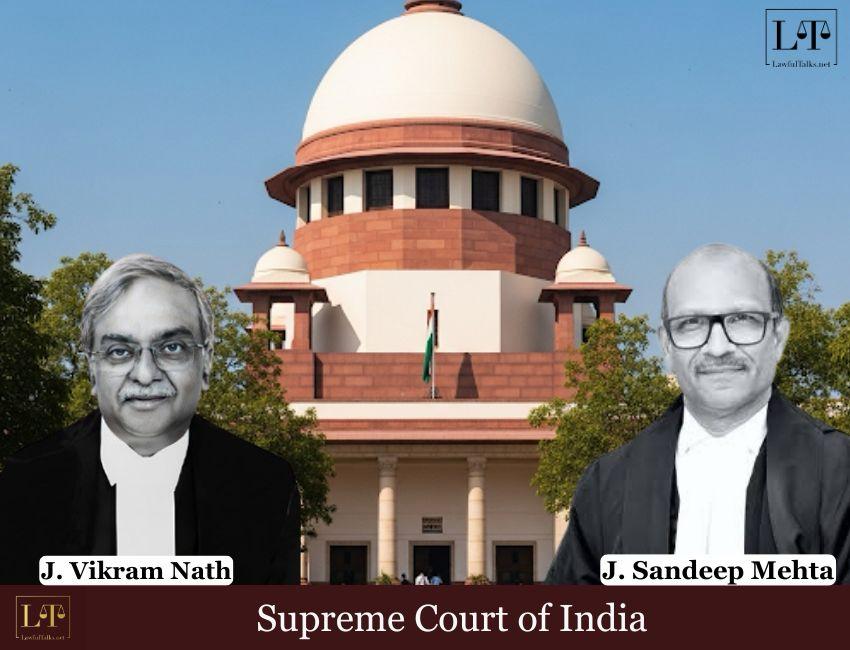
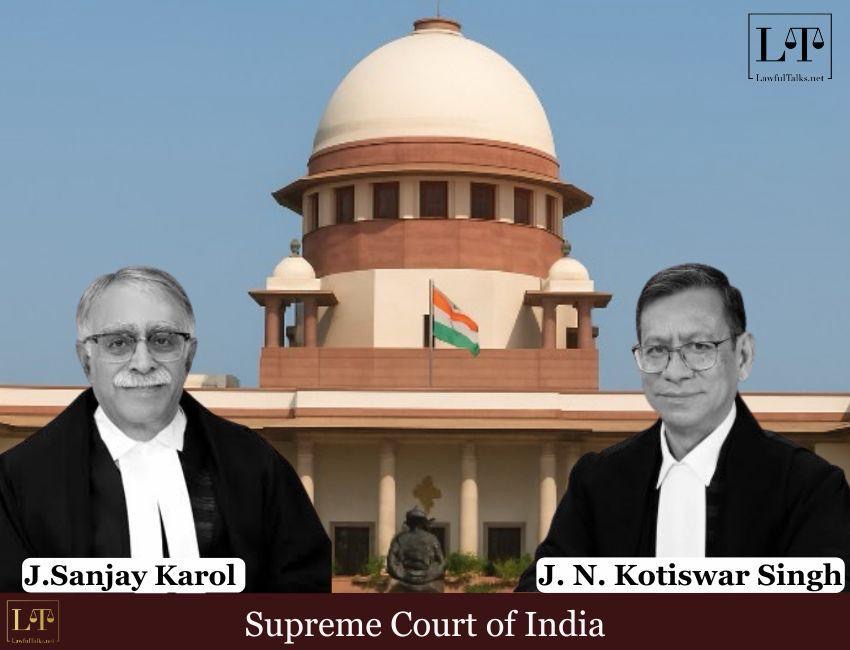
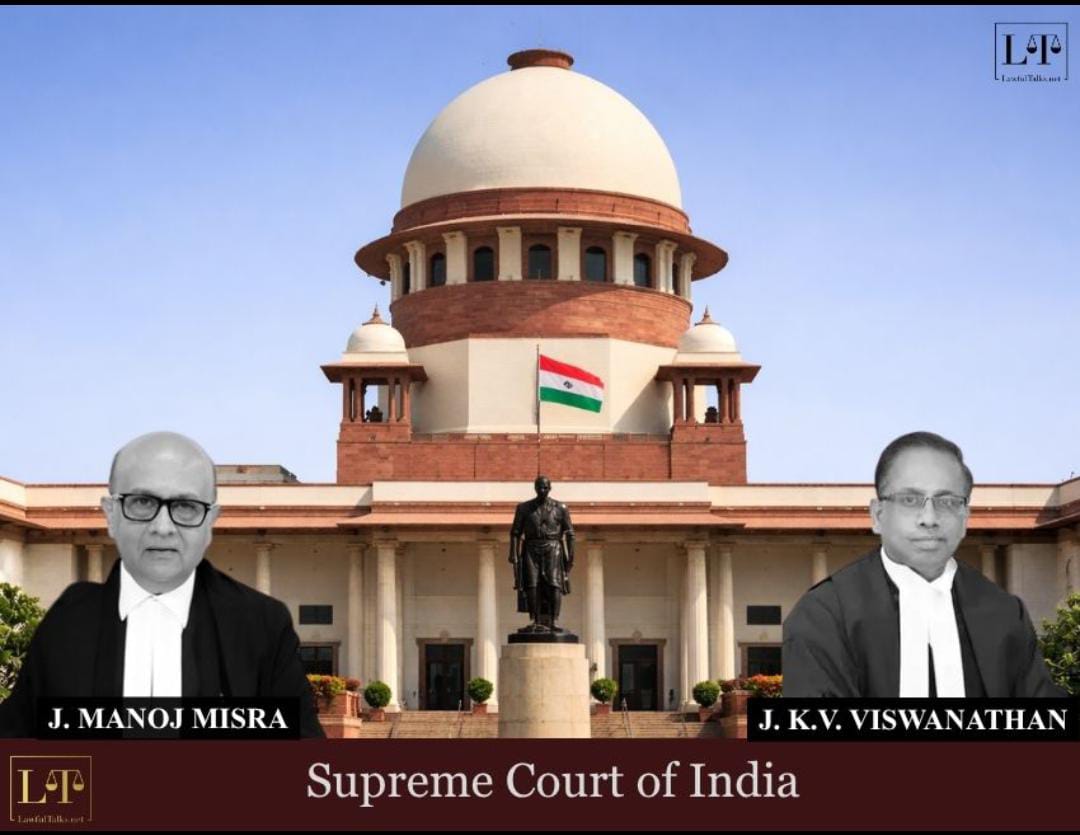
The Supreme Court in its recent judgement quashed a rape case against an advocate accused of committing repeated rape on a woman on the false pretext of marriage, with Justice BV Nagarathna and Justice R Mahadevan annulling the rape proceedings initiated against him.
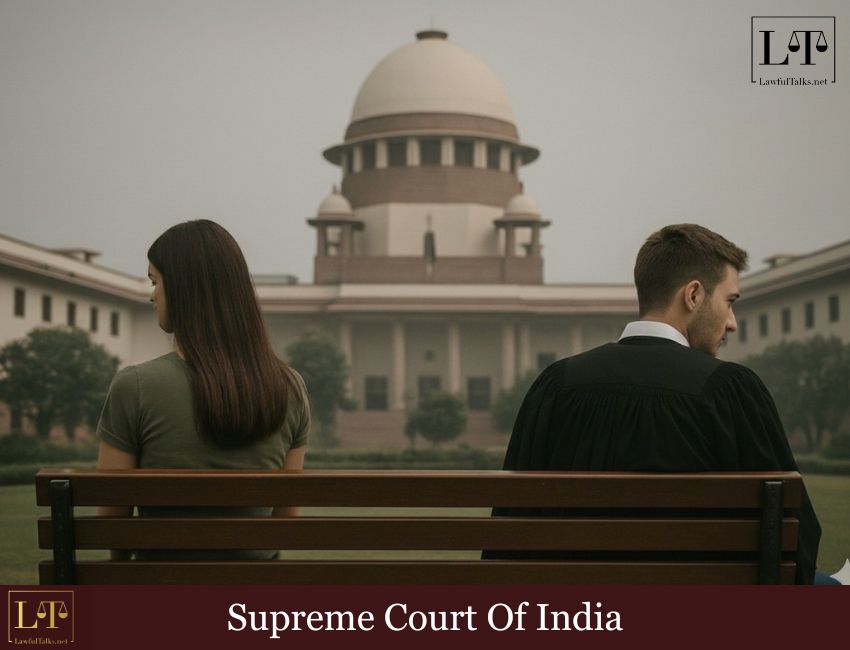
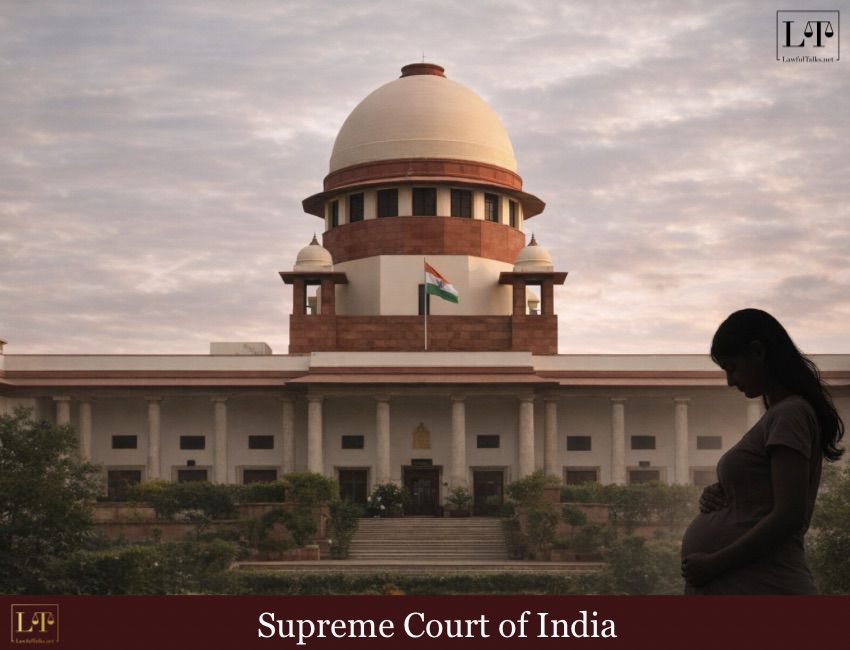
The Court concluded that the allegations of sexual intercourse under a misleading promise of marriage were not substantiated by the evidence on record. It noted that the relationship between the parties was voluntary and mutually consensual, and that the criminal complaint appeared to stem from a personal fallout rather than any act of deception or coercion amounting to rape.
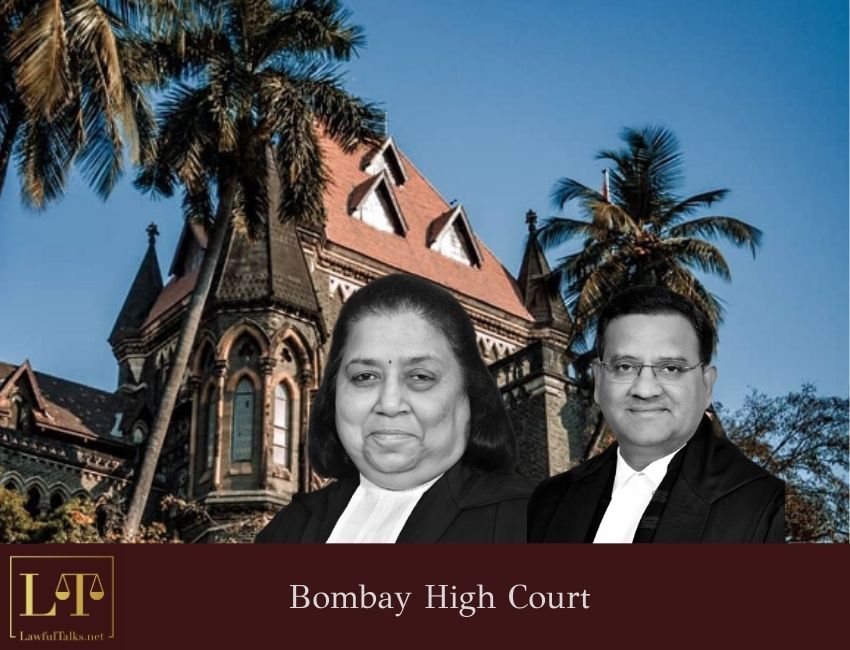
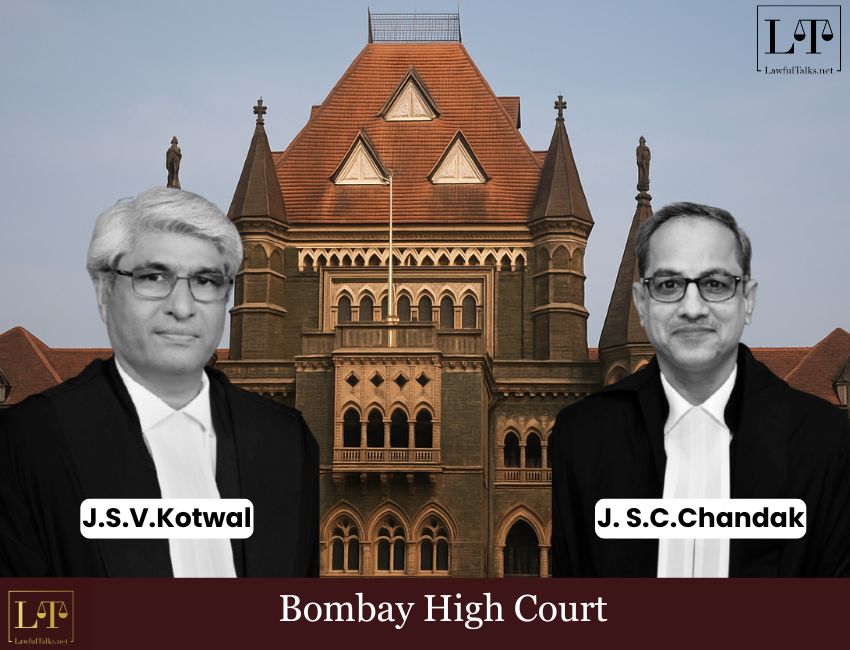
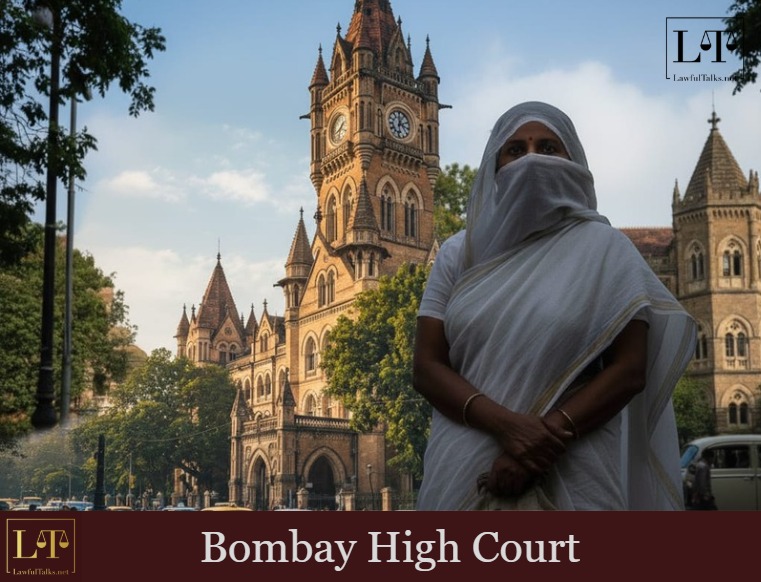
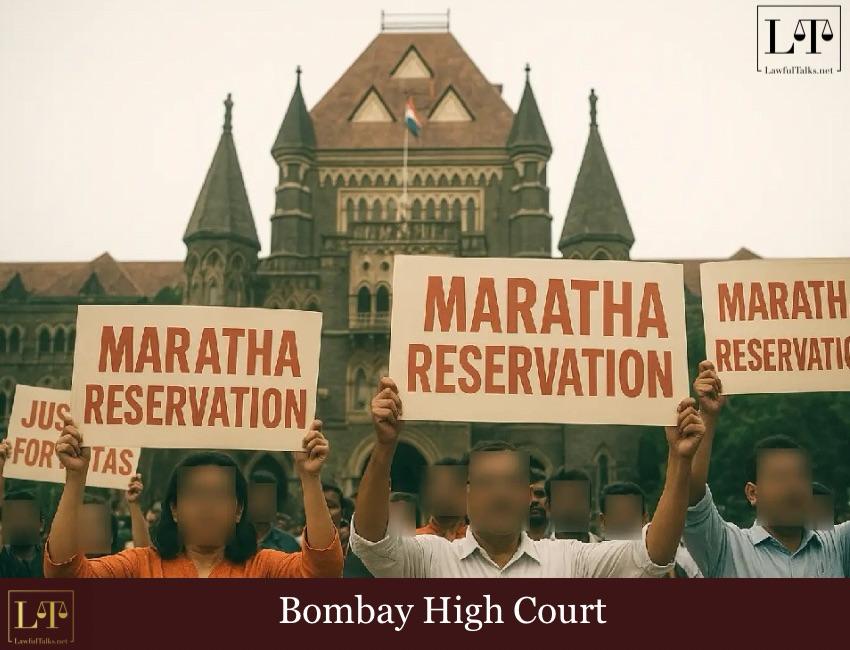
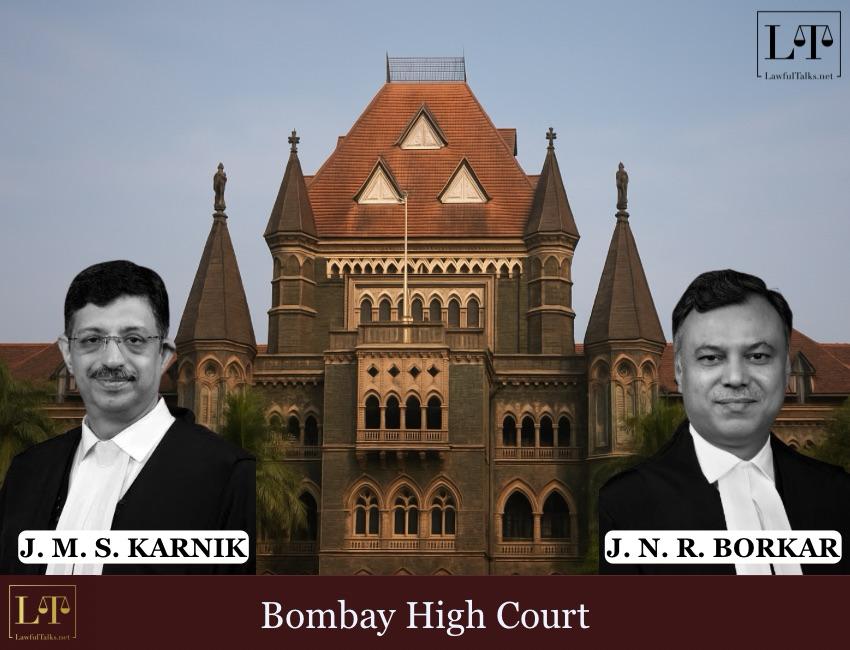
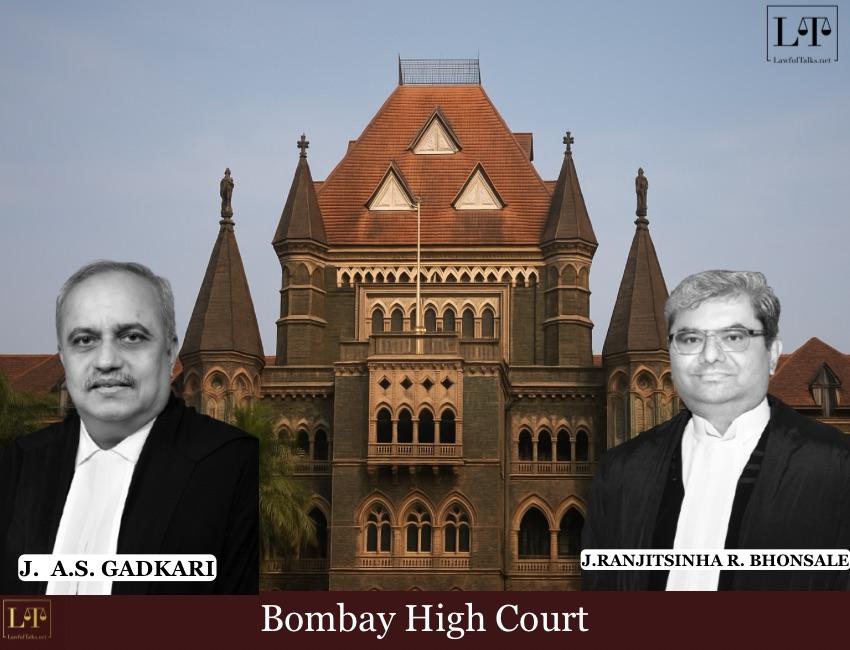
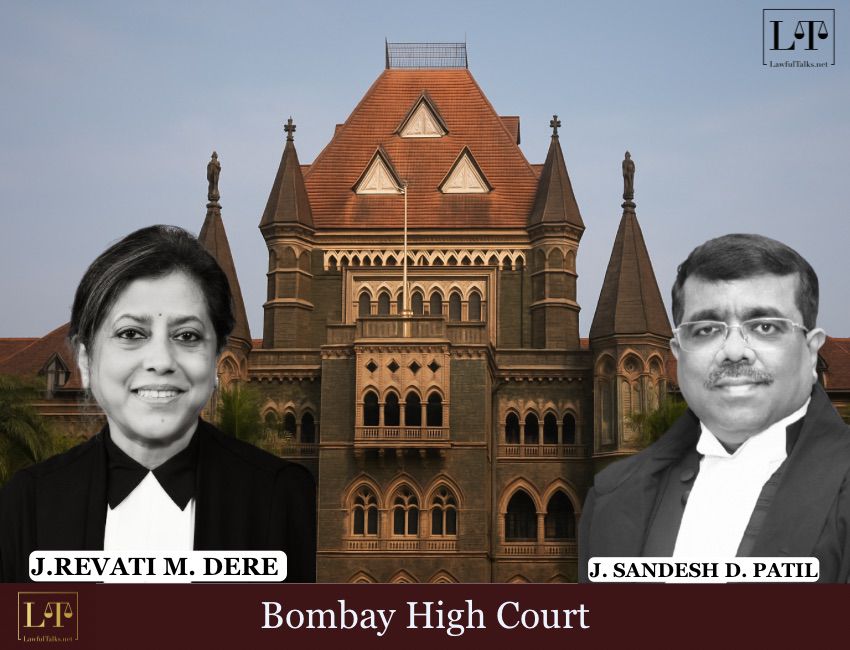
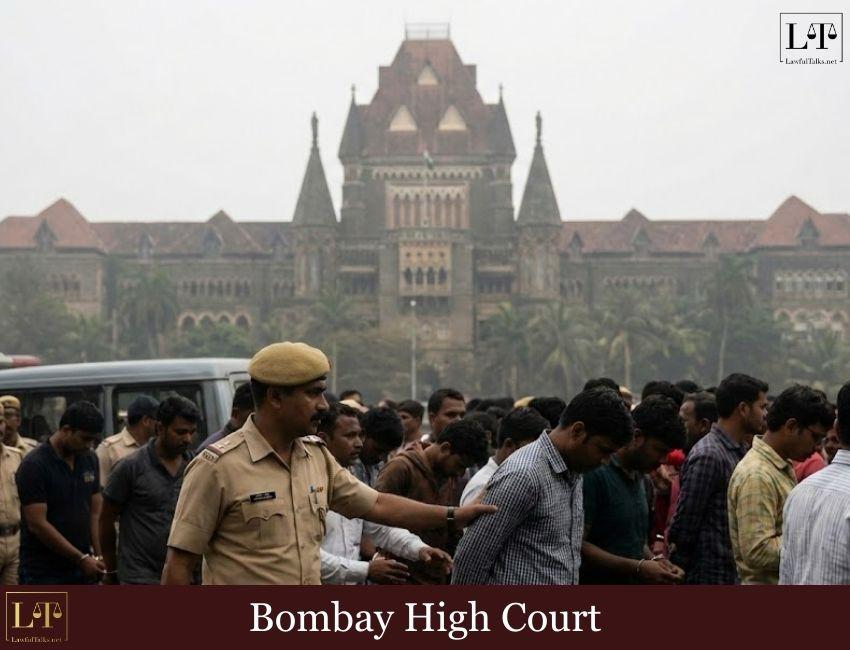
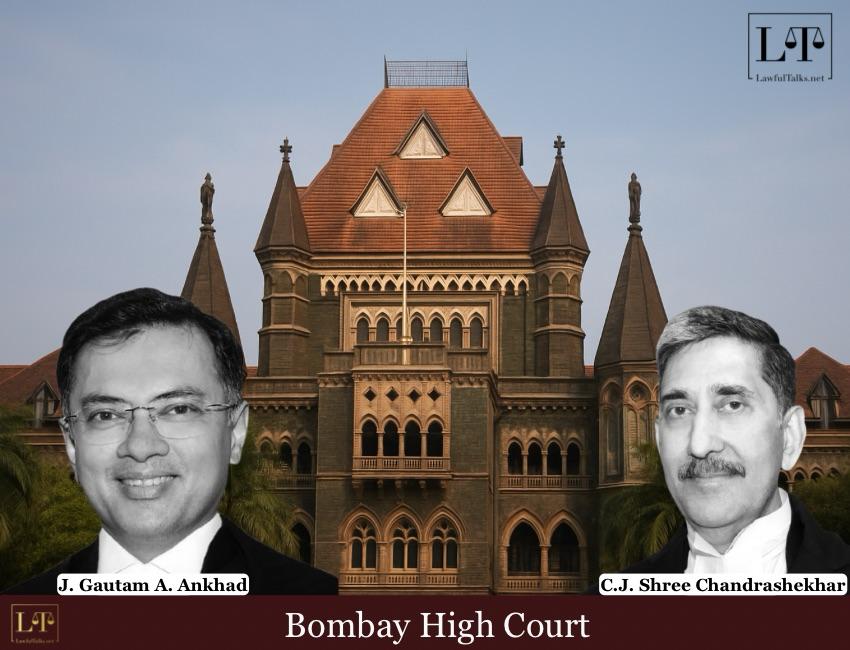
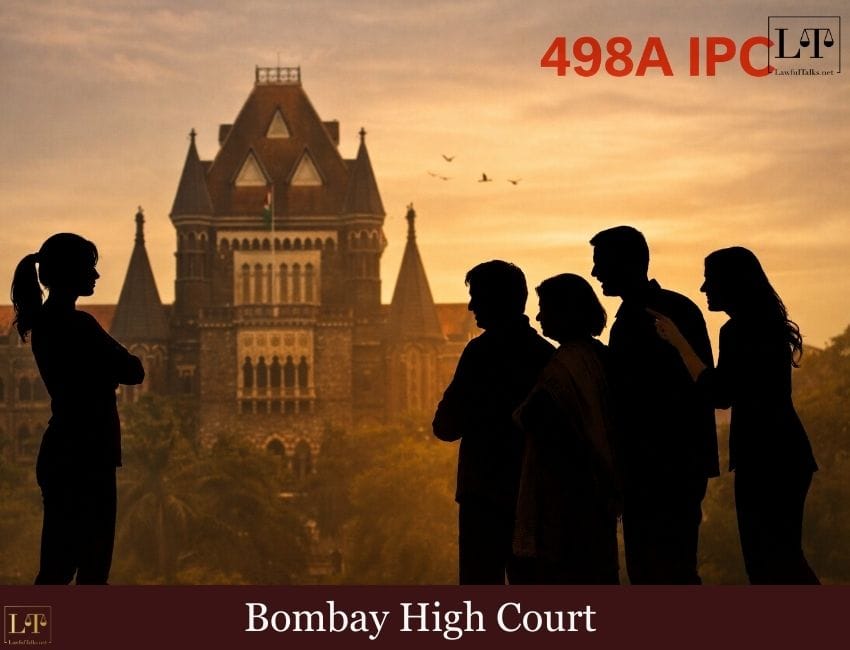
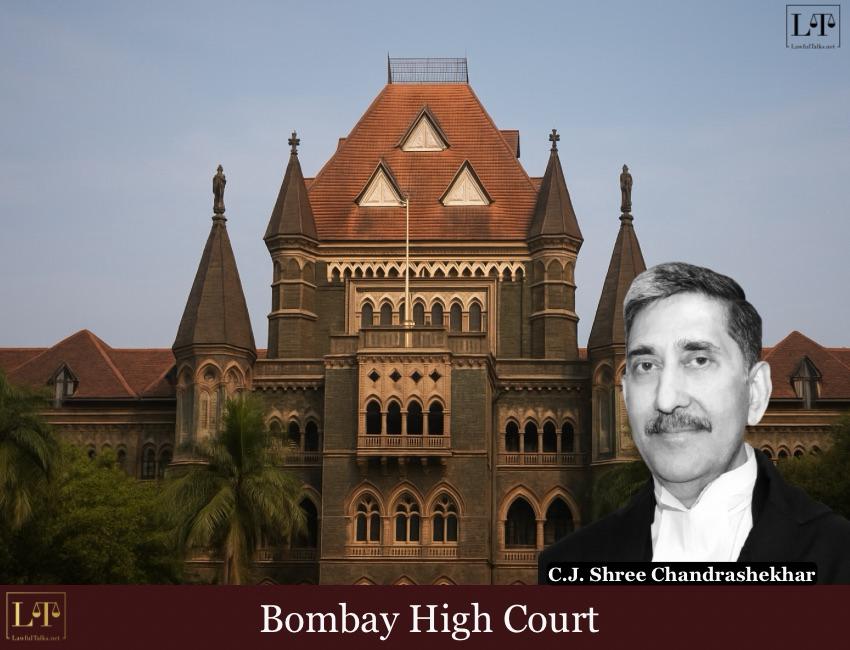
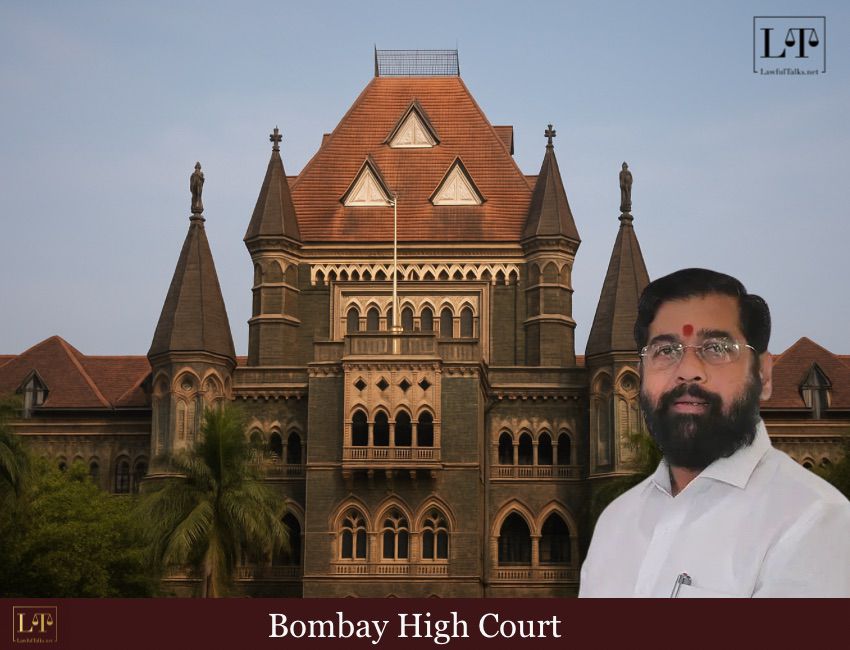
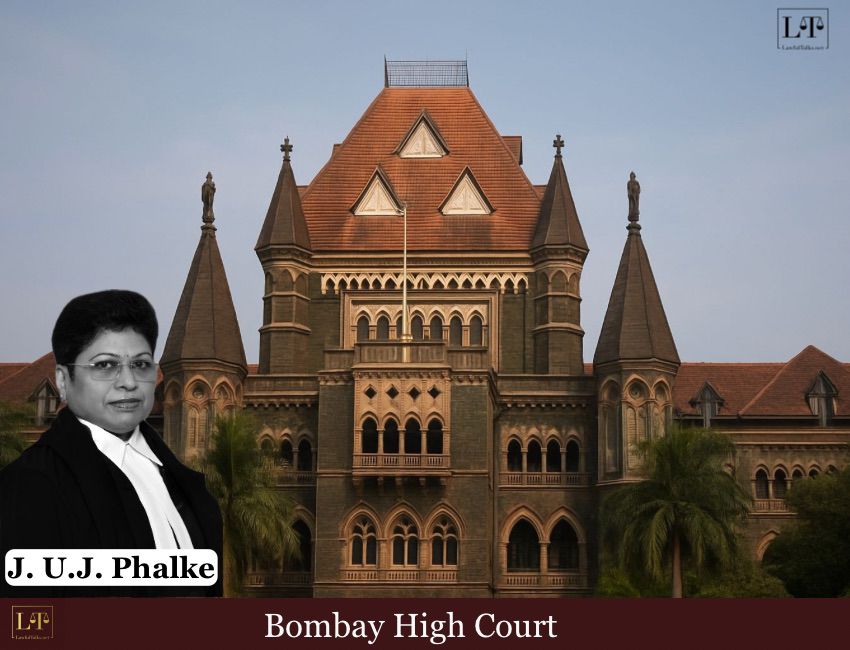
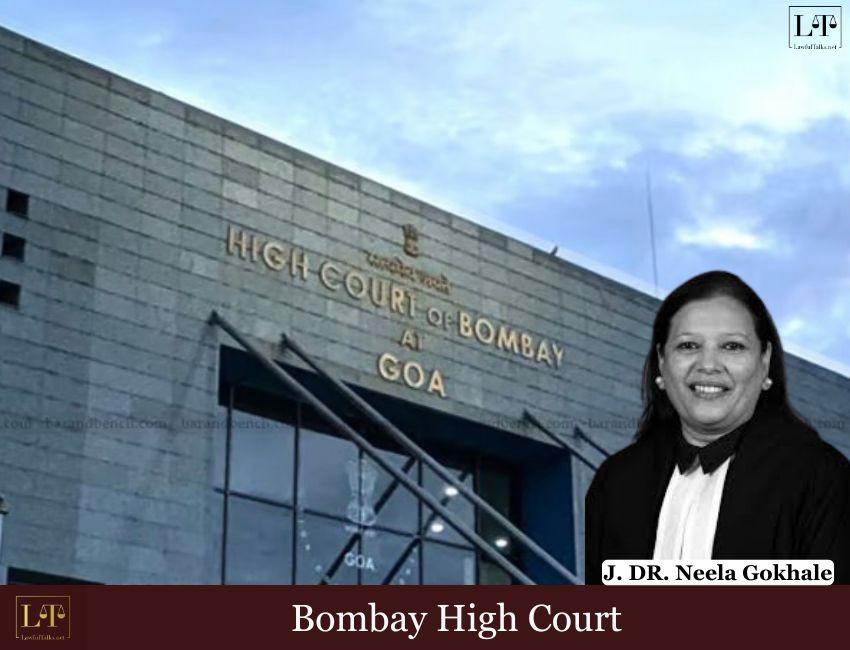
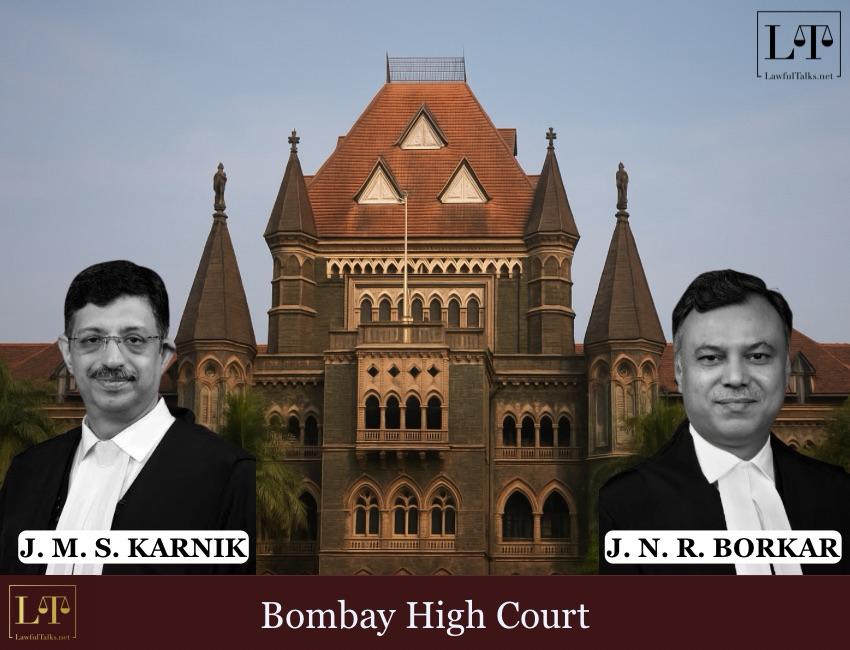
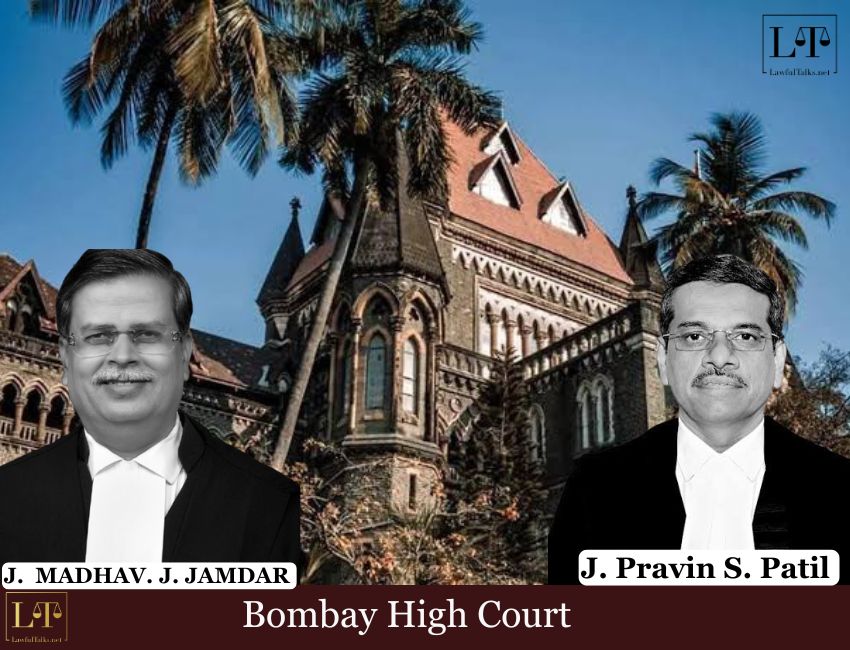
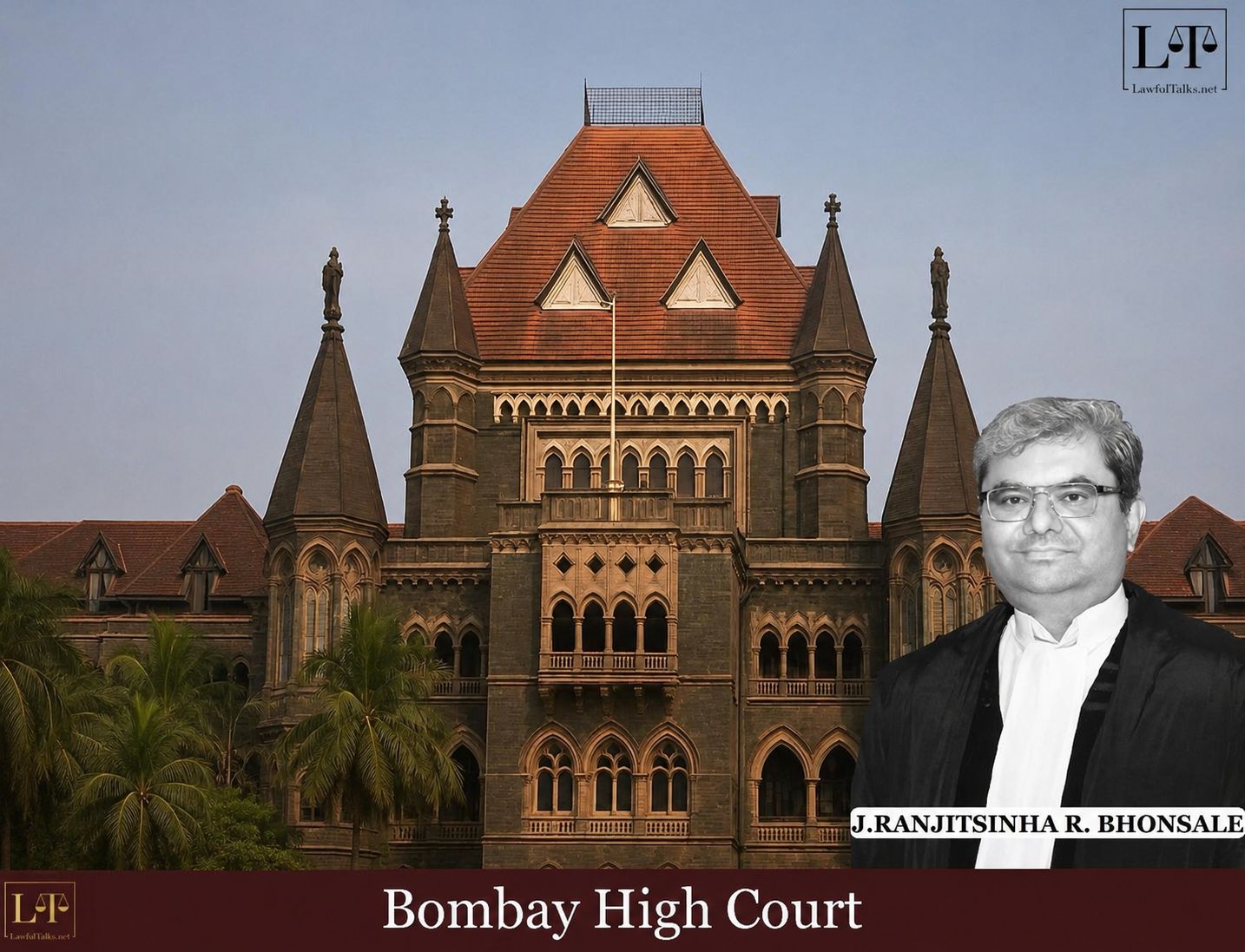
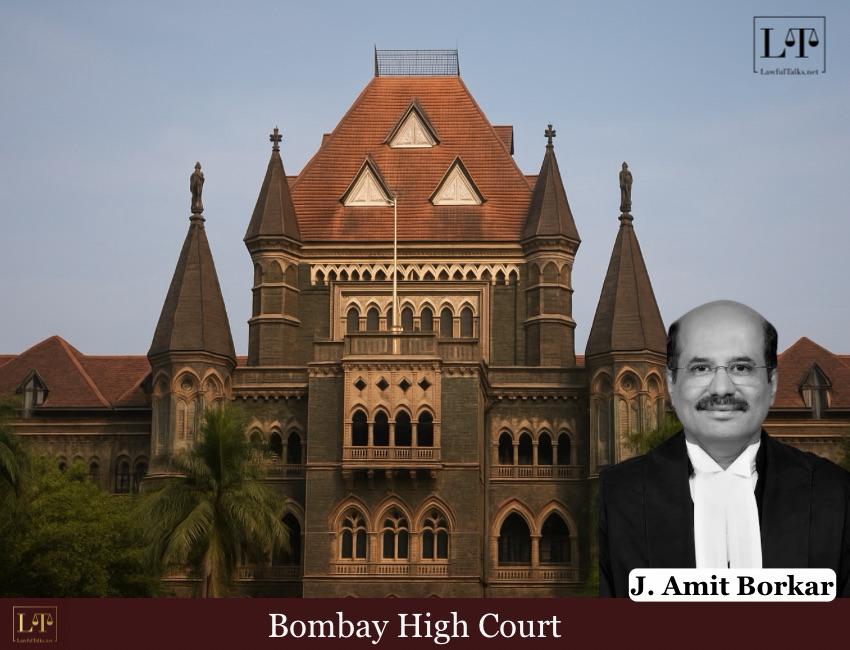
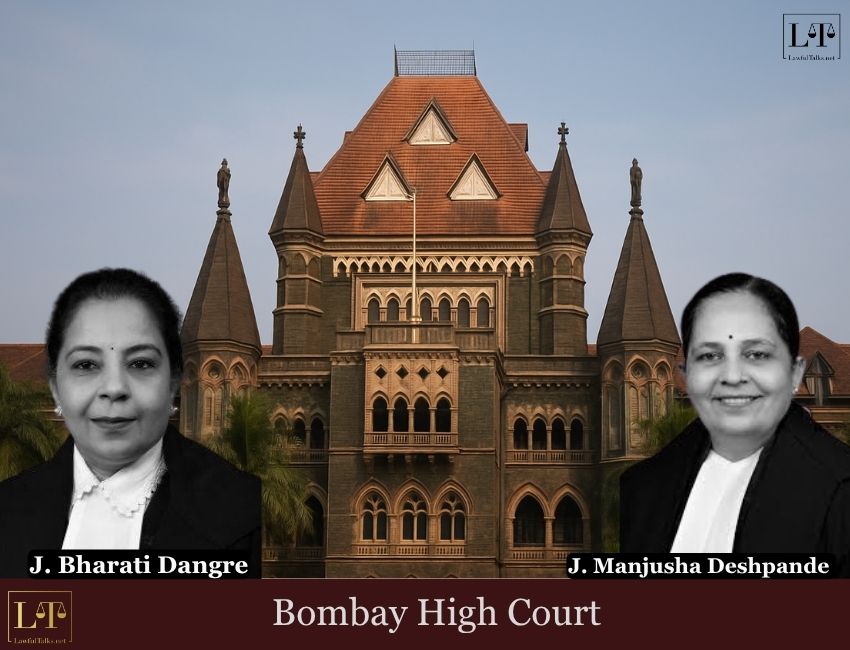
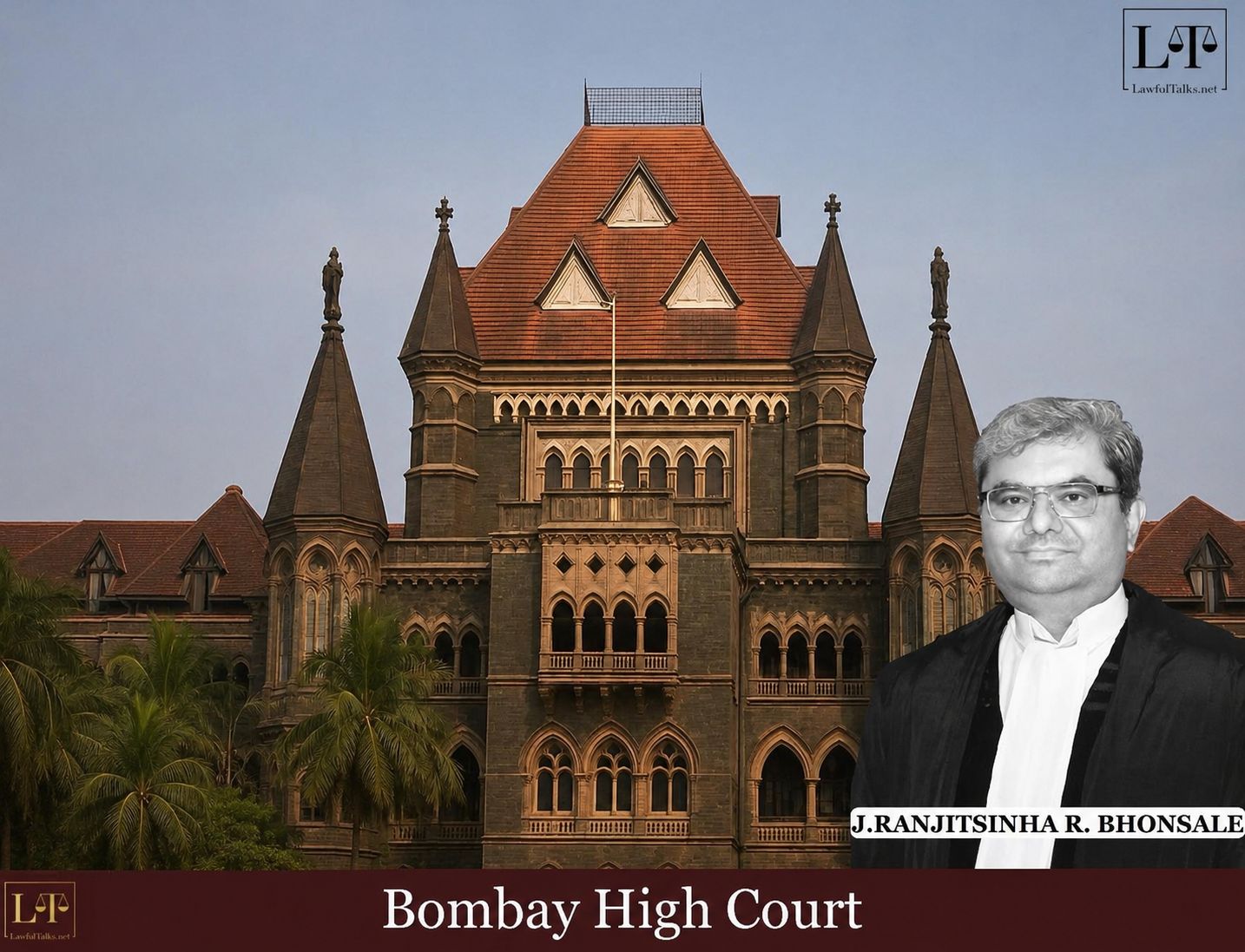
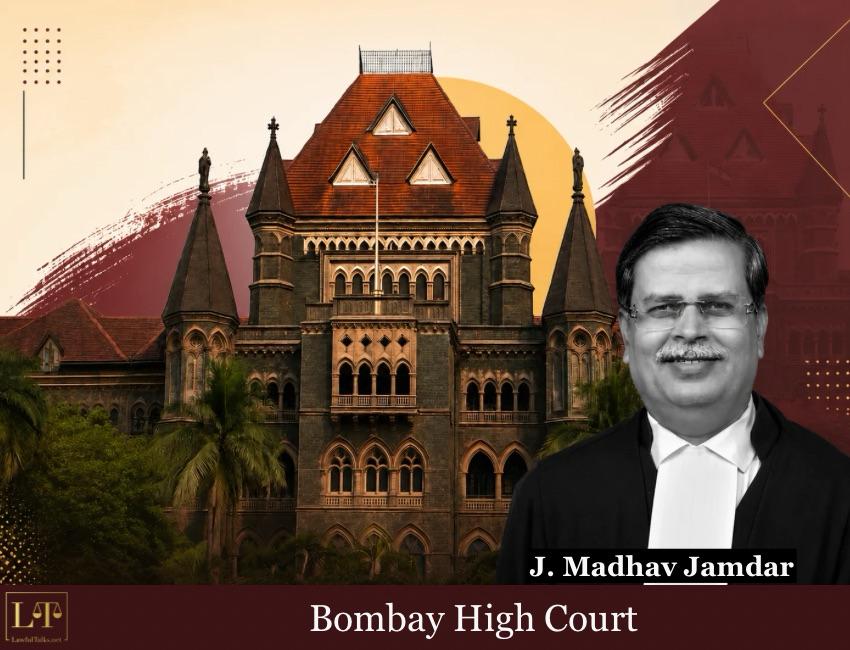
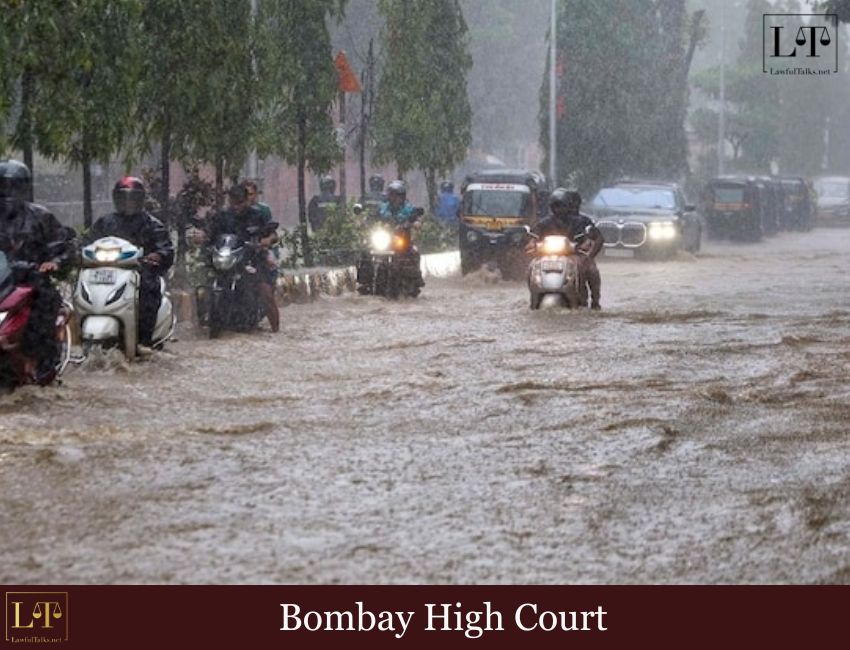
“The offence of rape, being of the gravest kind, must be invoked only in cases where there exists genuine sexual violence, coercion, or absence of free consent. To convert every sour relationship into an offence of rape not only trivialises the seriousness of the offence but also inflicts upon the accused indelible stigma and grave injustice. Such instances transcend the realm of mere personal discord. The misuse of the criminal justice machinery in this regard is a matter of profound concern and calls for condemnation.”, the bench stated overruling the Bombay High Court ( Aurangabad Bench) order which refused to quash the criminal proceedings pending against the appellant .
Background:
The complainant, a married woman living separately from her husband since 2020, came into contact with the appellant—an advocate—during proceedings relating to maintenance against her spouse. Over time, the two developed a personal relationship and remained in contact through calls and messages.
According to the complainant, the appellant expressed an intention to marry her and, relying on this assurance, she engaged in a physical relationship with him.
The relationship continued between 2022 and 2024, during which the complainant became pregnant on multiple occasions and underwent abortions allegedly with the appellant’s consent. She stated that the appellant repeatedly reiterated his promise of marriage during this period but later withdrew and threatened her when she insisted on formalising the relationship.
Based on these allegations, FIR No. 294 of 2024 was registered against the appellant for offences under Sections 376, 376(2)(n) and 507 of the IPC.
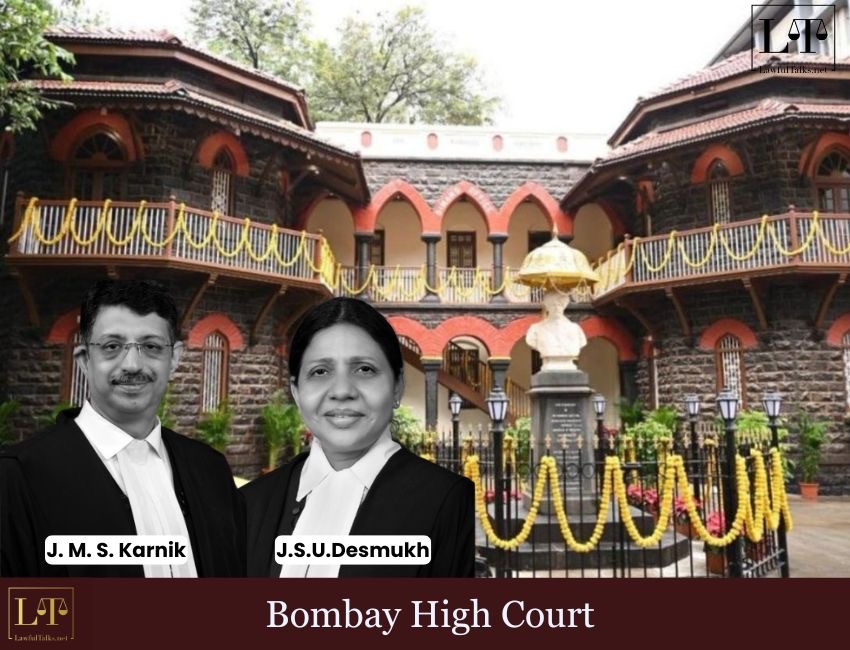
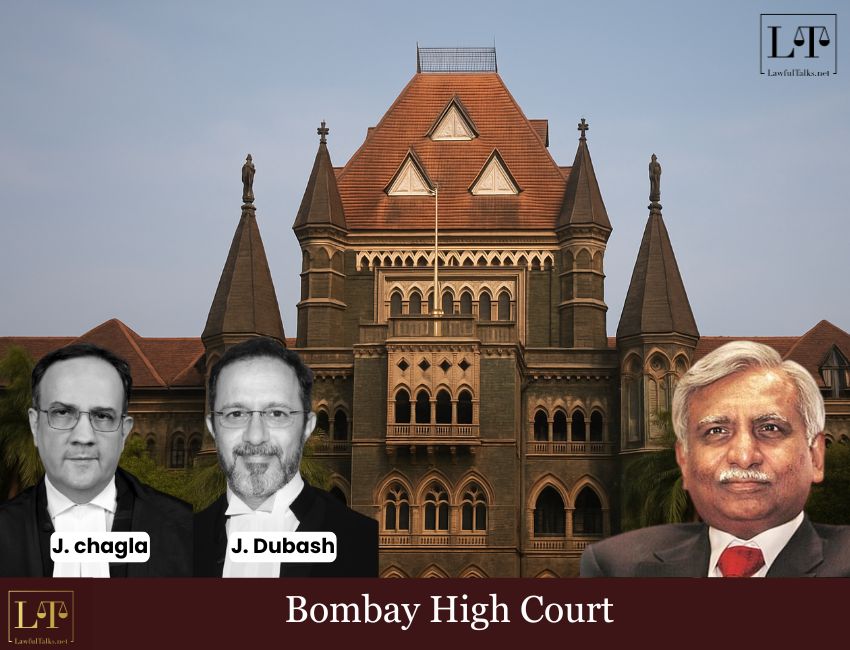
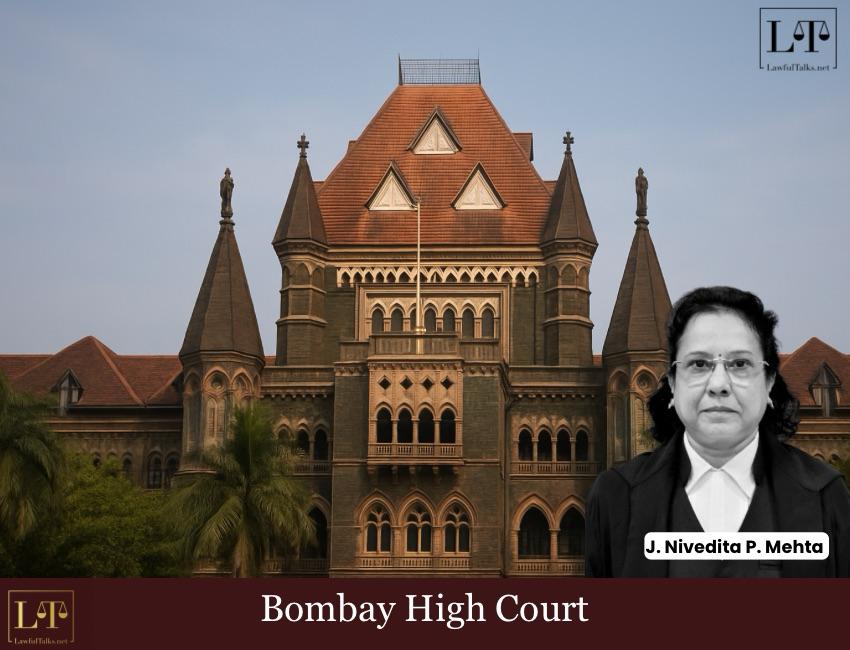
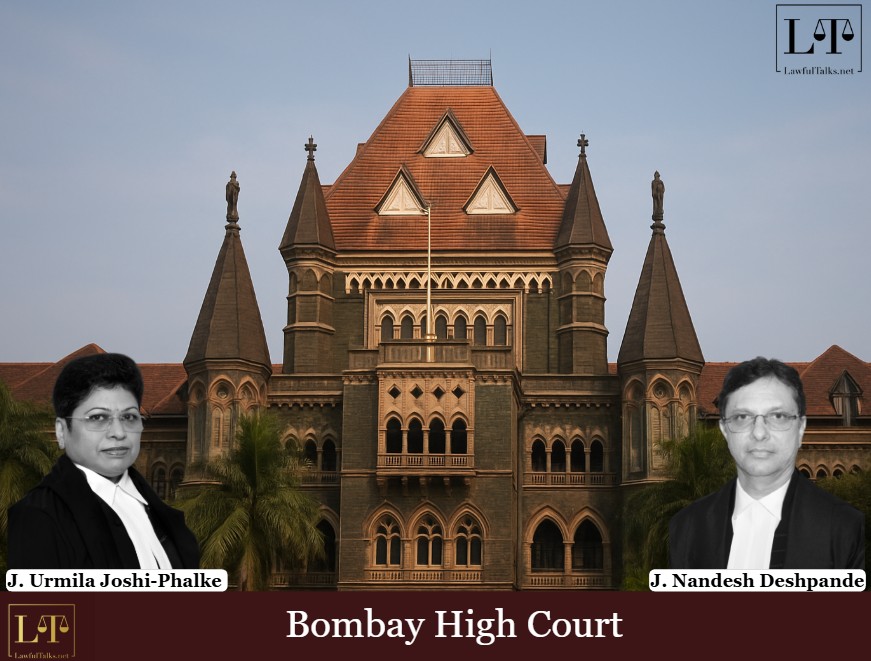
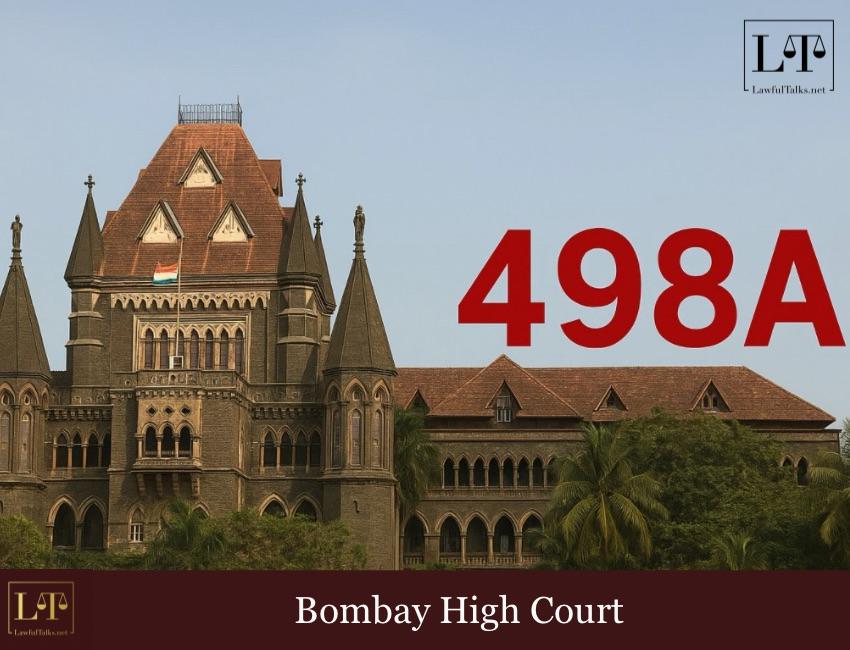
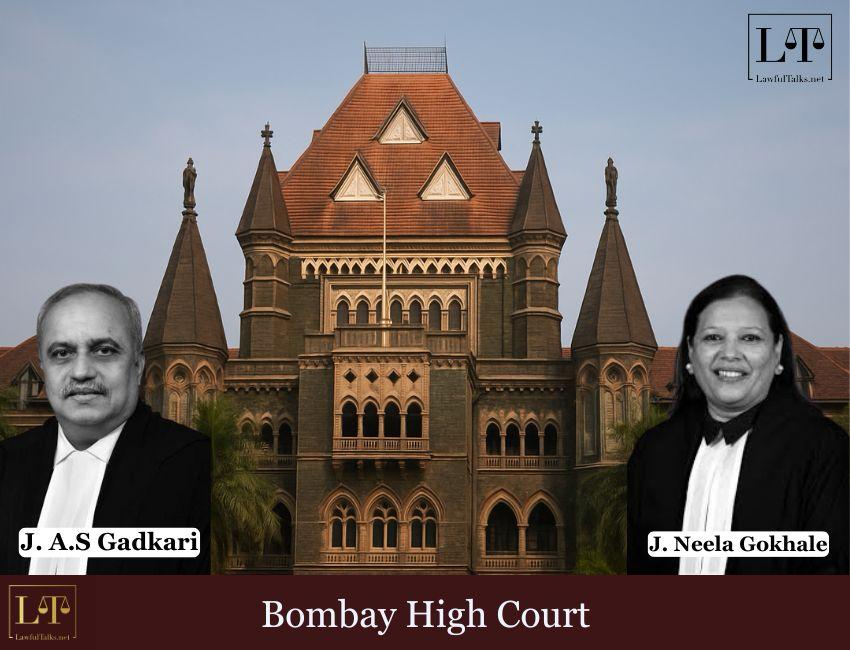
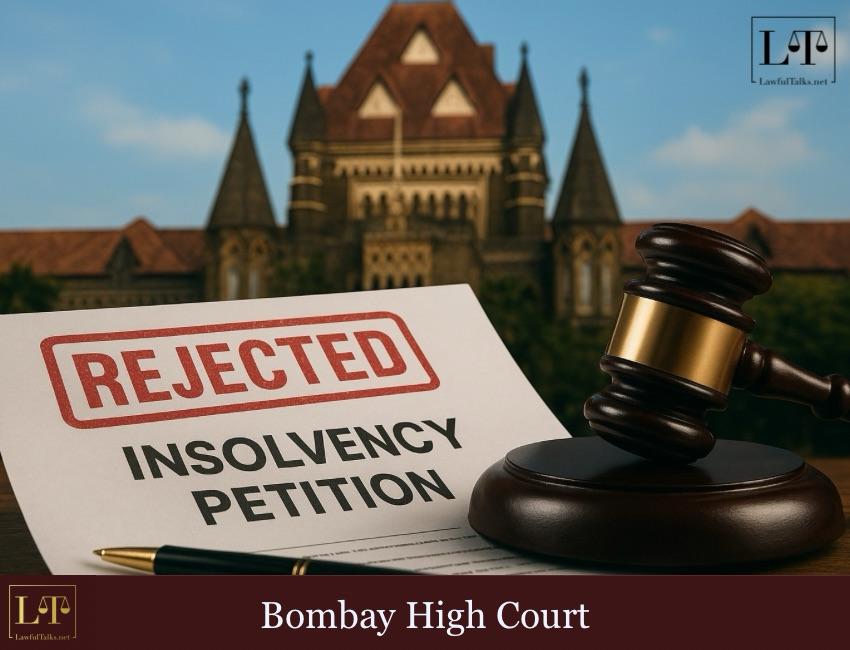
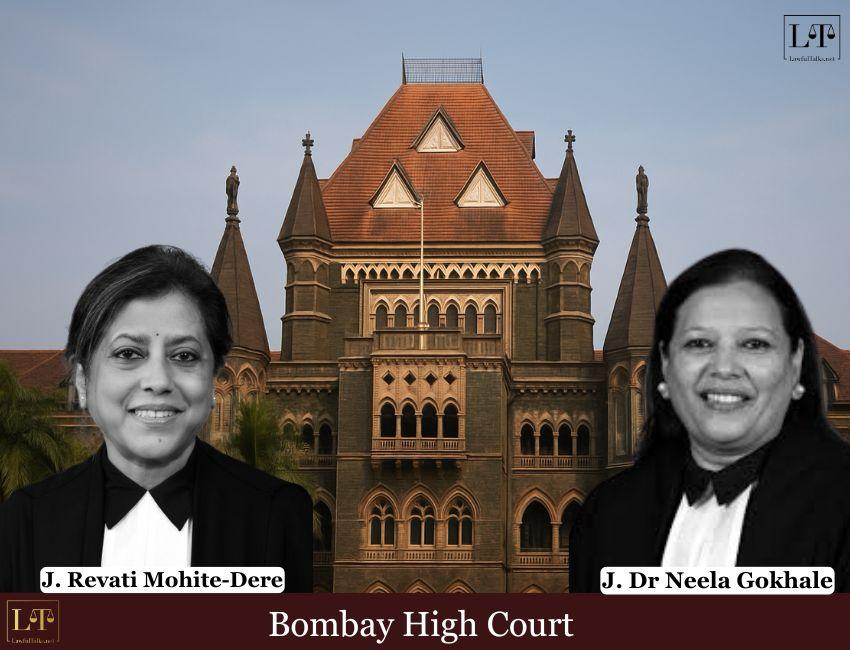
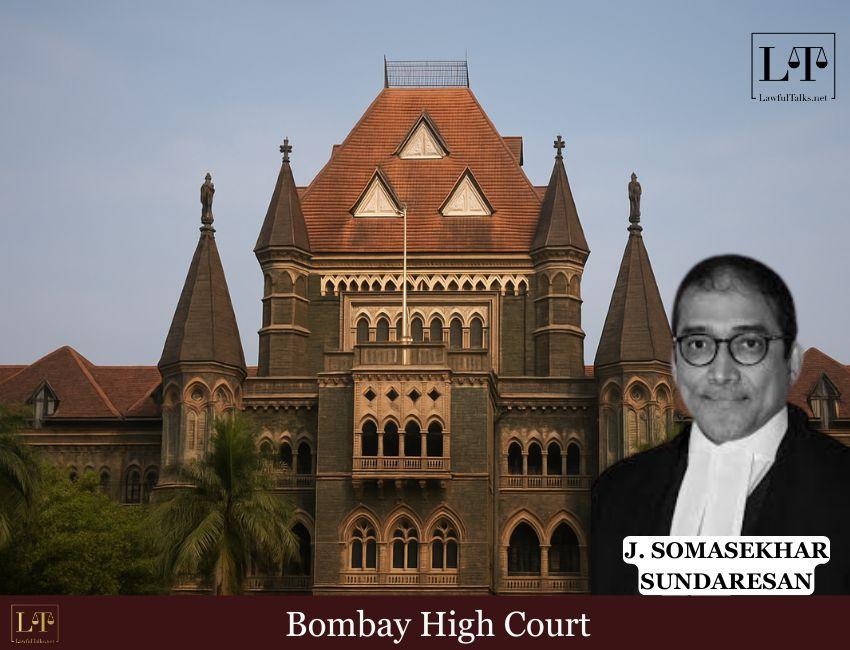
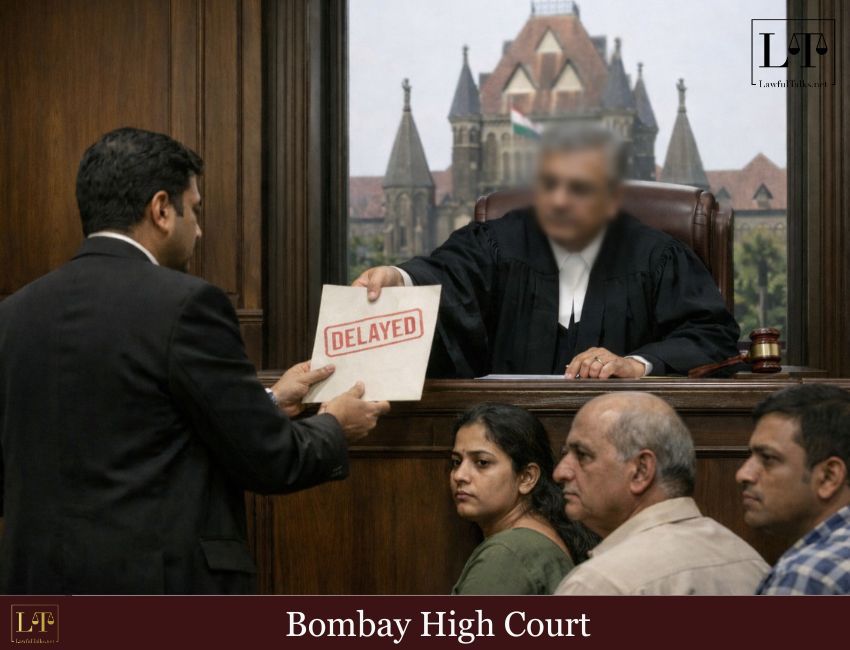
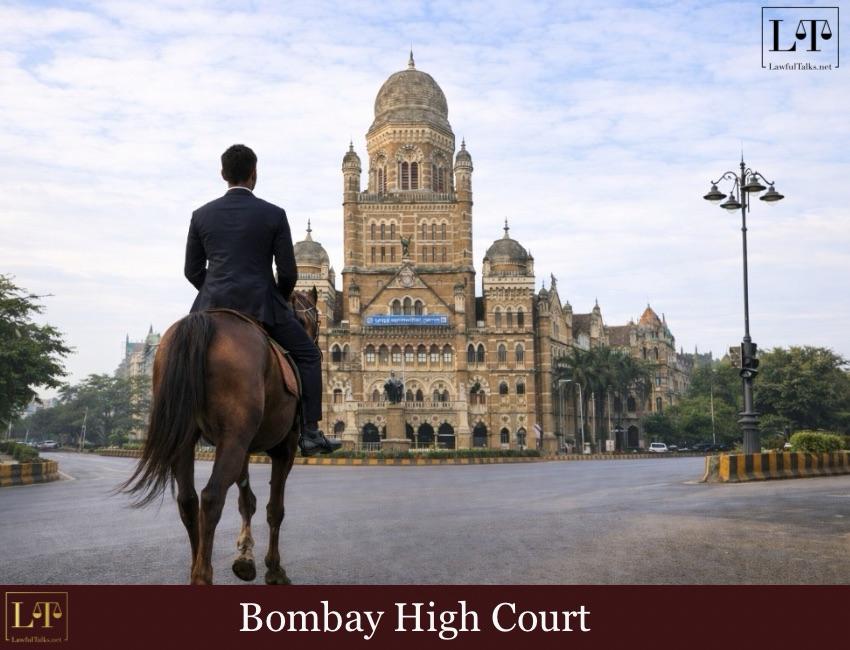
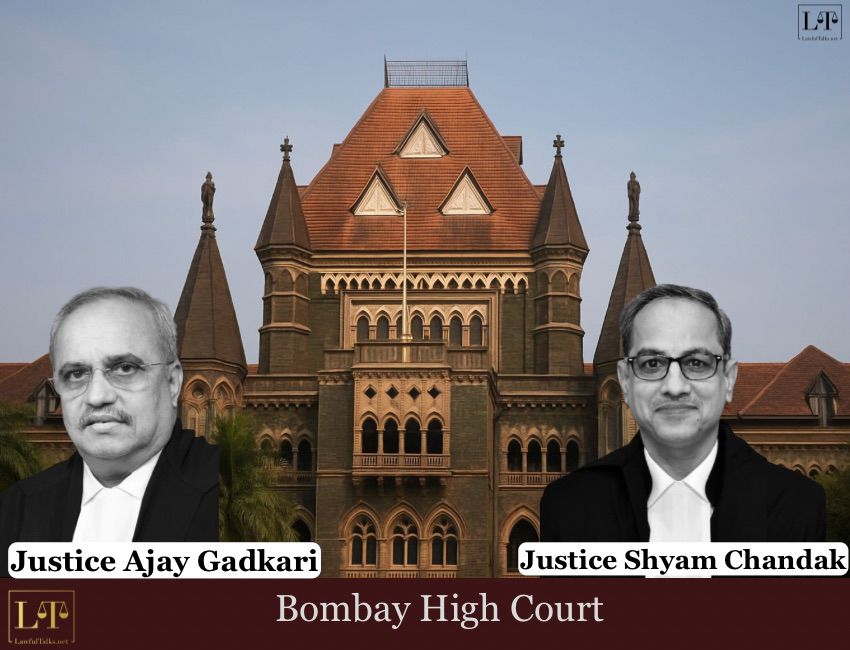
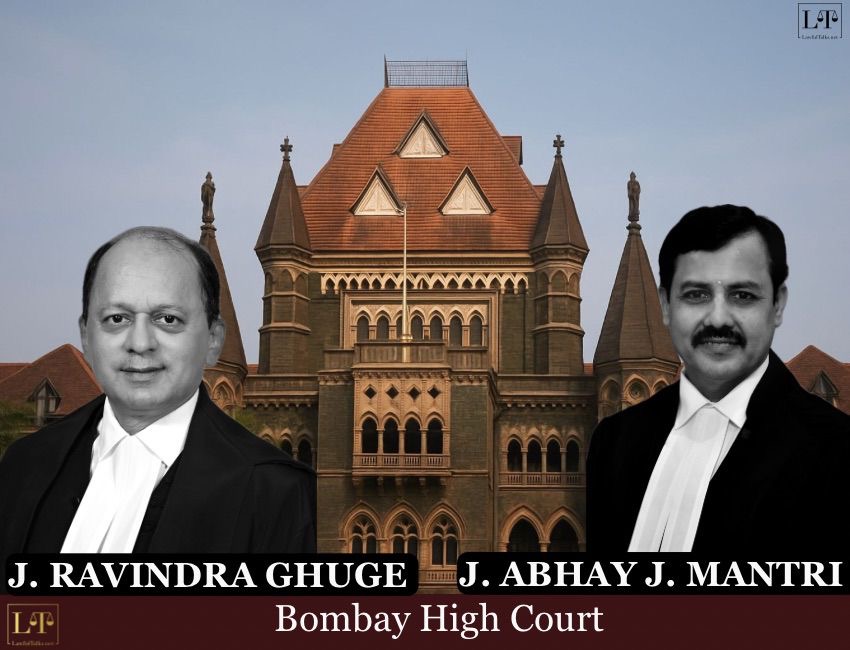
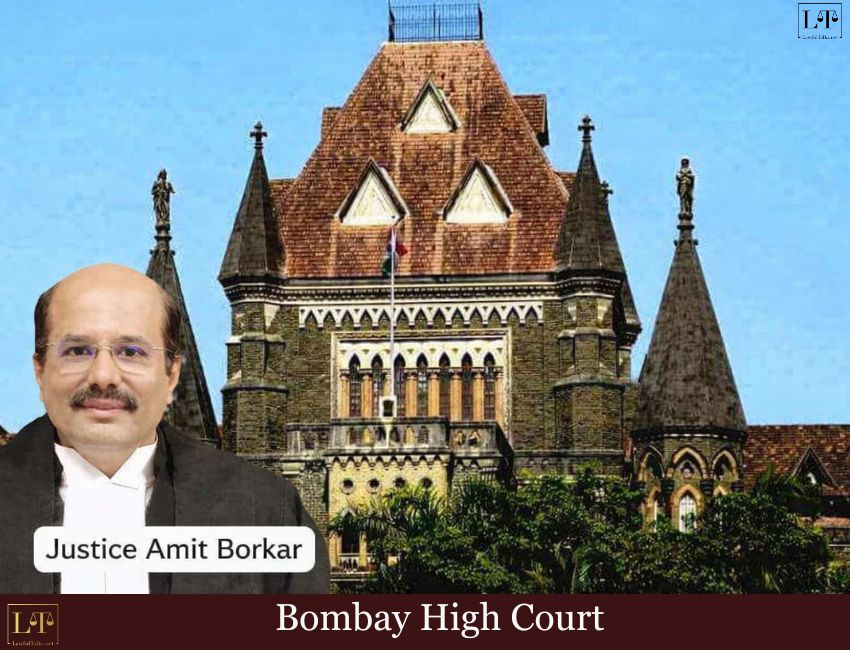
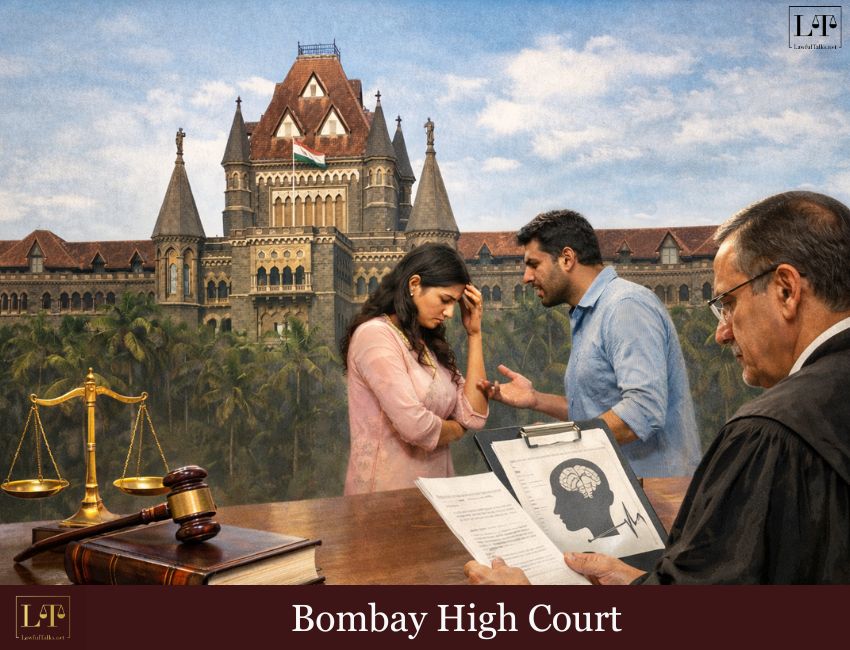
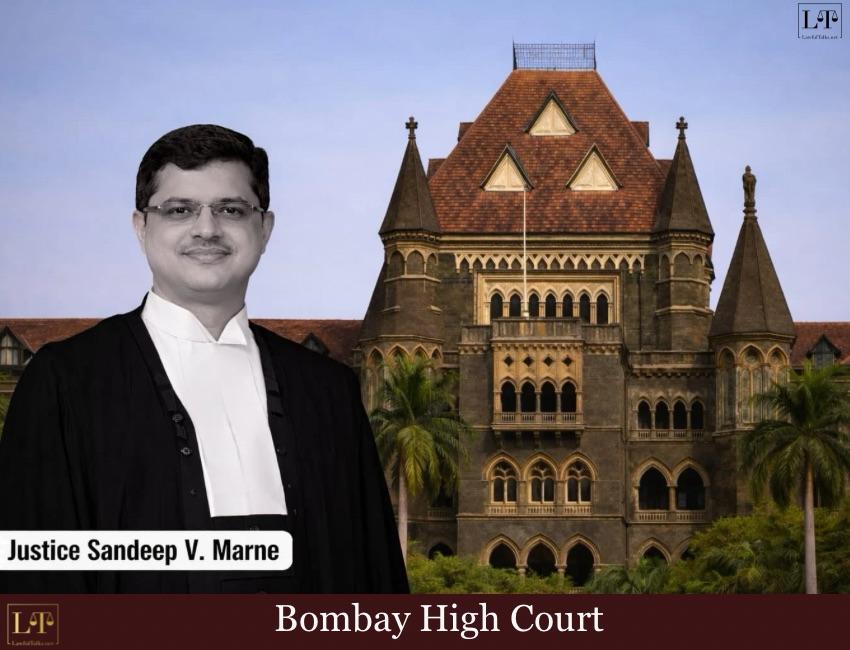
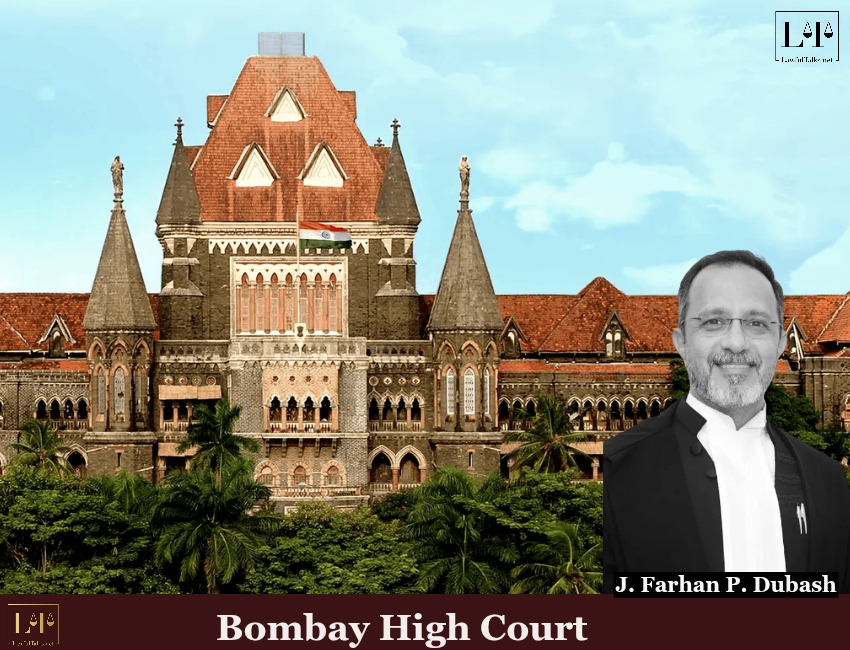
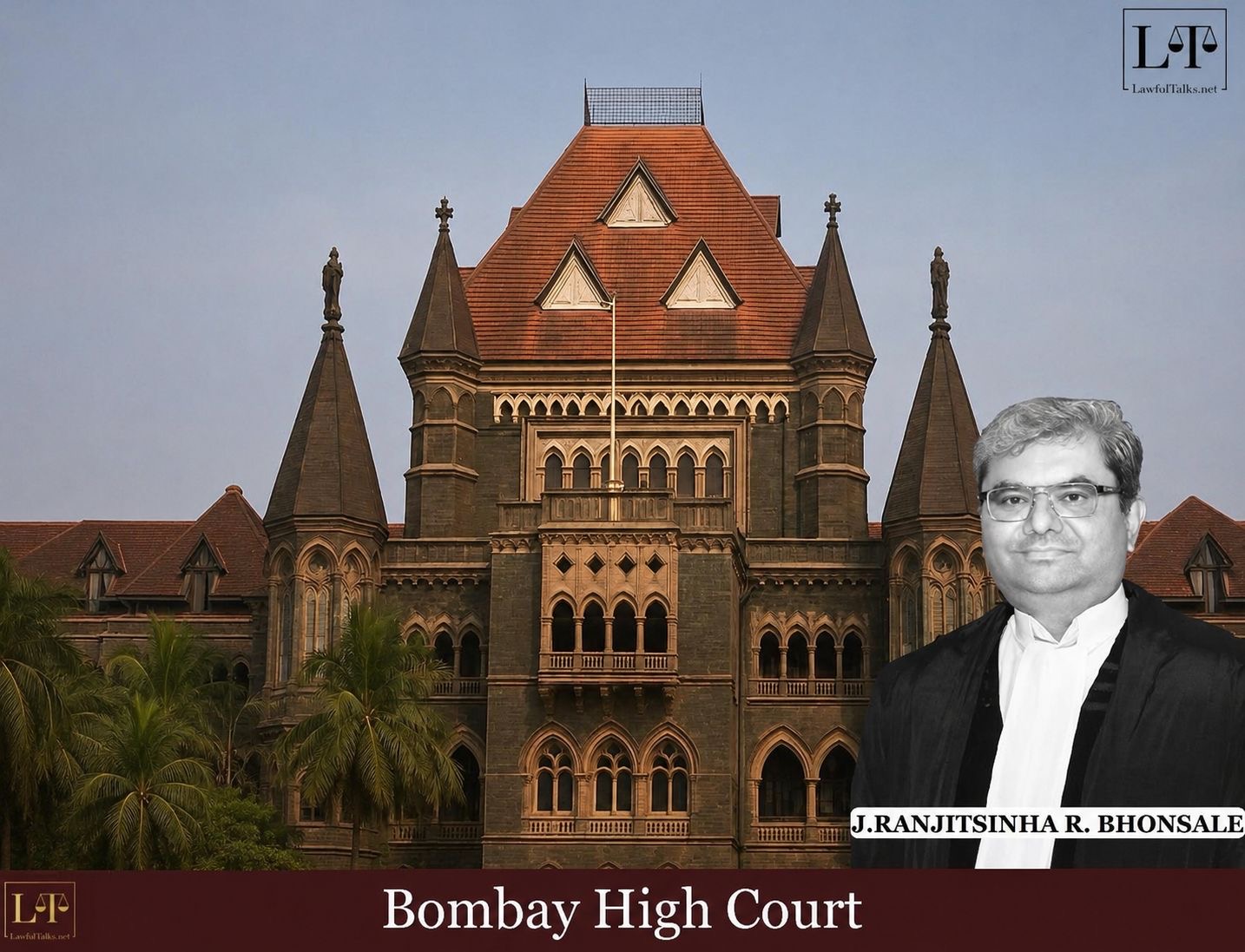
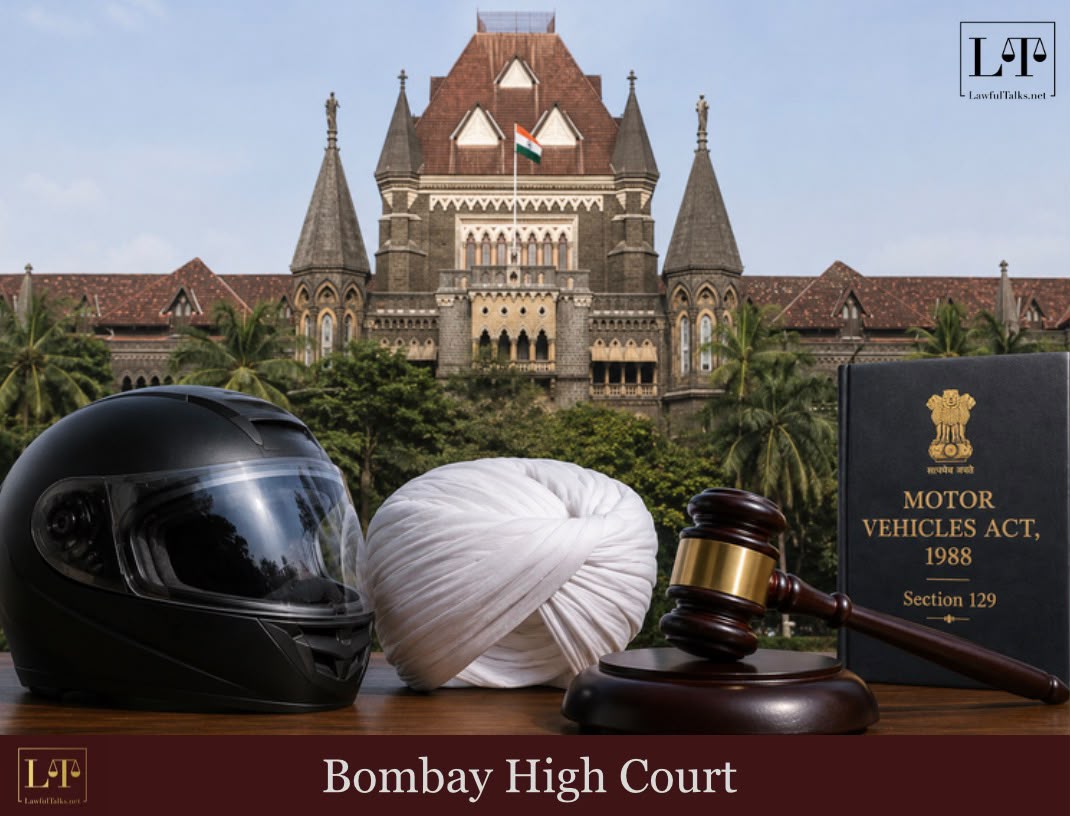
The appellant sought anticipatory bail, which was granted, and subsequently filed an application before the Bombay High Court for quashing of the FIR under Section 528 BNSS. The High Court refused to quash the proceedings on the ground that the charge sheet had already been filed and the matter required trial.
The appellant then approached the Supreme Court challenging the High Court’s decision. The Supreme Court held that the allegations did not meet the stringent requirement for the offence of “repeated rape” under Section 376(2)(n) of the IPC. The Court noted that the two were in a long, emotionally involved relationship, and intimacy in such a relationship cannot later be reclassified as rape.
The Court questioned why, despite being opposed to the idea of marriage, “respondent No.2 continued to meet the appellant and indulged in physical relations with him even though she was already married.” It held that Respondent No. 2 chose to engage in physical relations not solely because of the appellant’s alleged promise of marriage.
In support of its reasoning, the Bench referred to the judgment in Mahesh Damu Khare vs. State of Maharashtra, wherein it was observed, “unless it can be shown that the physical relationship was purely because of the promise of marriage, thereby having a direct nexus with the physical relationship without being influenced by any other consideration, it cannot be said that there was vitiation of consent under misconception of fact.”
The Bench observed, “The FIR is conspicuously silent as to any specific allegation that the appellant had either forcibly taken or compelled respondent No.2 to accompany him to the hotel, nor does it Page 17 of 24 disclose any circumstance suggesting deceit or inducement on the part of the appellant to procure her presence there. Therefore, the only logical inference that emerges is that respondent No.2, of her own volition, visited and met the appellant on each occasion. It is also borne out from the record that whenever the appellant brought up the subject of marriage, respondent No.2 herself opposed the proposal. In such circumstances, the contention of respondent No.2 that the physical relationship between the parties was premised upon any assurance of marriage by the appellant is devoid of merit and stands unsustainable.” The Court reiterated the observation made in Rajnish Singh vs. State of Uttar Pradesh that “when a woman who willingly engages in a long-term sexual relationship with a man, fully aware of its nature and without any cogent evidence to show that such relationship was induced by misconception of fact or false promise of marriage made in bad faith from the inception, the man cannot be held guilty of rape under Section 376 of the IPC.”
Conclusively, the Supreme Court allowed the appeal and set aside the impugned judgment and order of the High Court dated 06.03.2025 in application under Section 528 BNSS bearing Criminal Application No. 601 of 2025.
Case Title: SAMADHAN VERSUS STATE OF MAHARASTHRA & ANOTHER
Appearance:
For Petitioner(s) : Ms. Sneha Sanjay Botwe, AOR Mr. Siddharth S. Chapalgaonkar, Adv. Mr. Bharat Doifode, Adv. Mr. Ashraf Patel, Adv. Mr. Akash Tripathi, Adv.
For Respondent(s) : Mr. Aaditya Aniruddha Pande, AOR Mr. Siddharth Dharmadhikari, Adv. Mr. Shrirang B. Varma, Adv. Mr. Bharat Bagla, Adv. Mr. Sourav Singh, Adv. Mr. Aditya Krishna, Adv. Mr. Adarsh Dubey, Adv. Ms. Chitransha Singh Sikarwar.











































































Sign up for free and be the first to get notified about curated content just for you.