Fake Section Used in Divorce?! HC Hits Reset; Sends Judge for Mandatory Retraining
- December 02, 2025


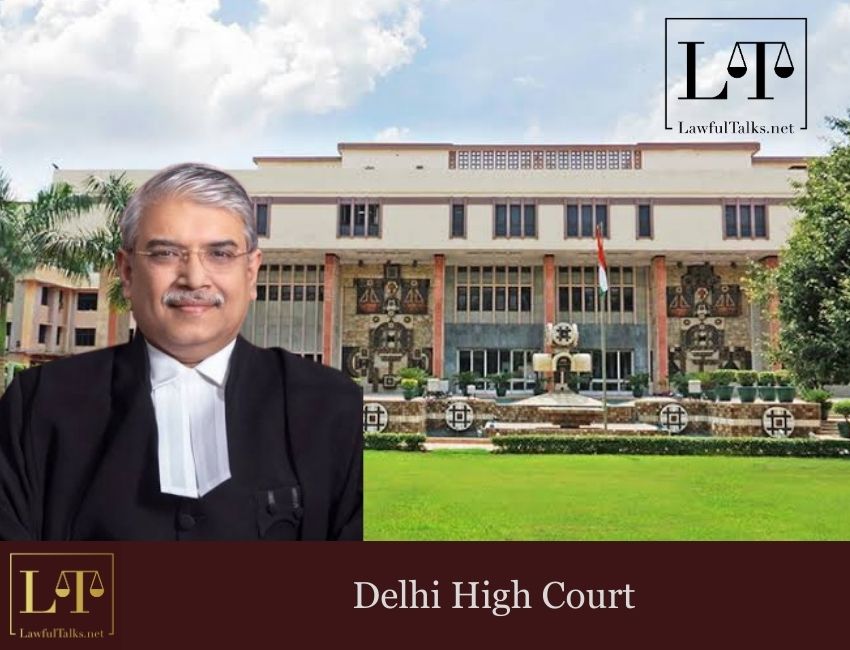
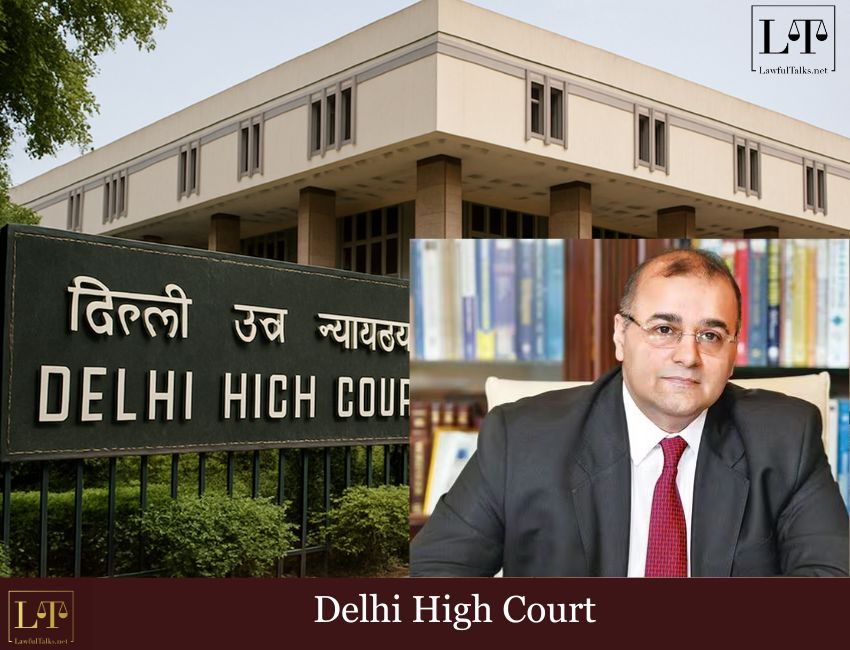
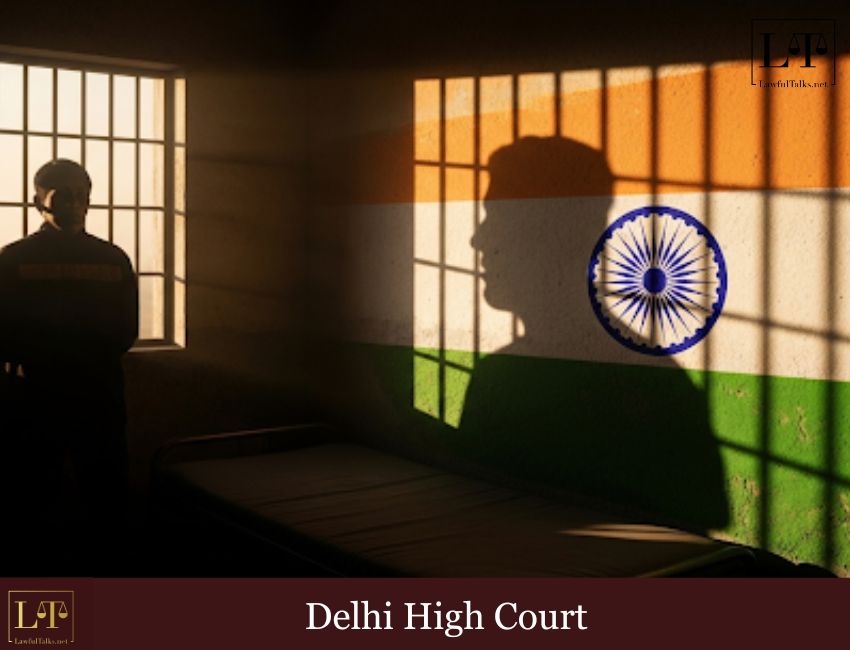
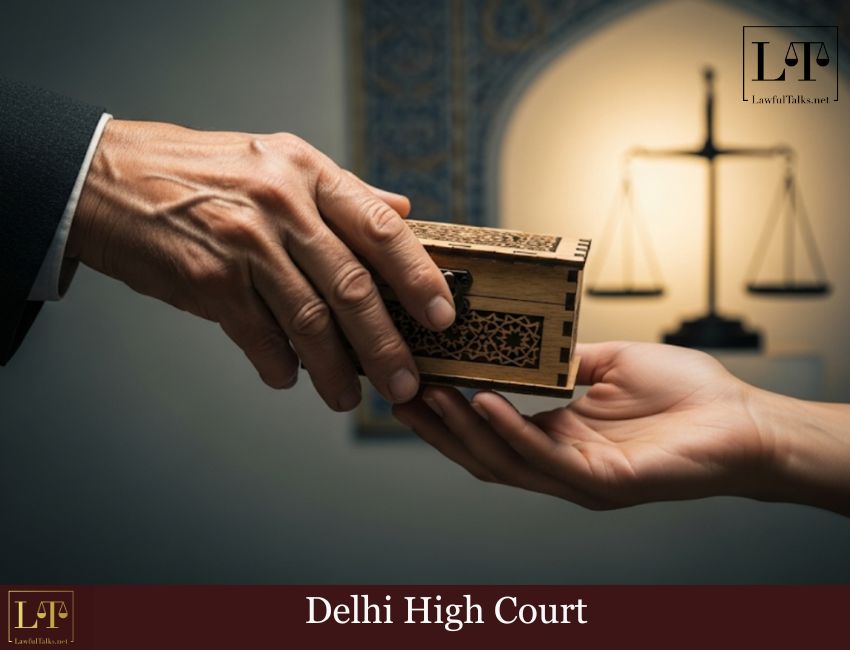
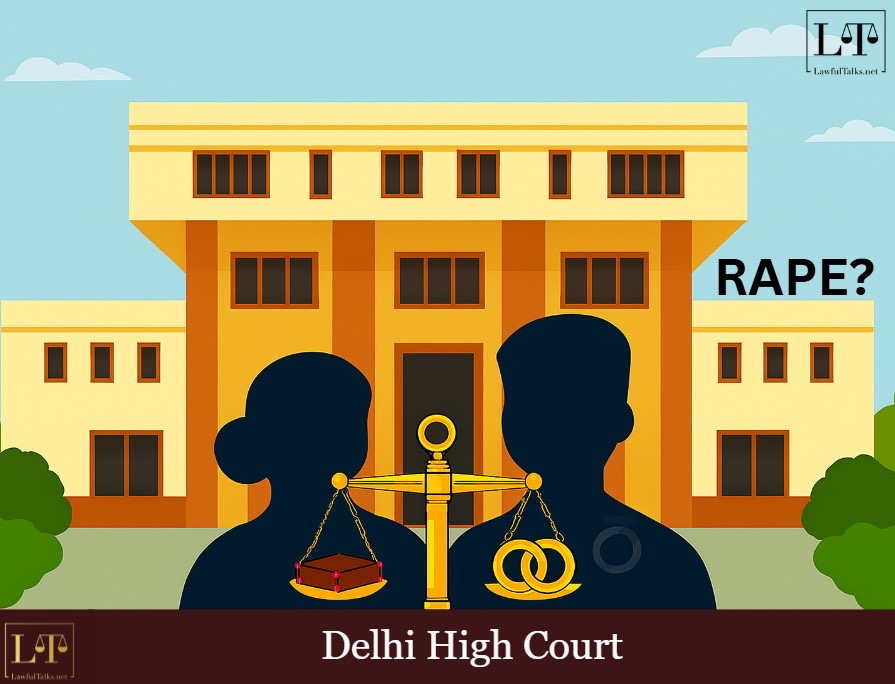
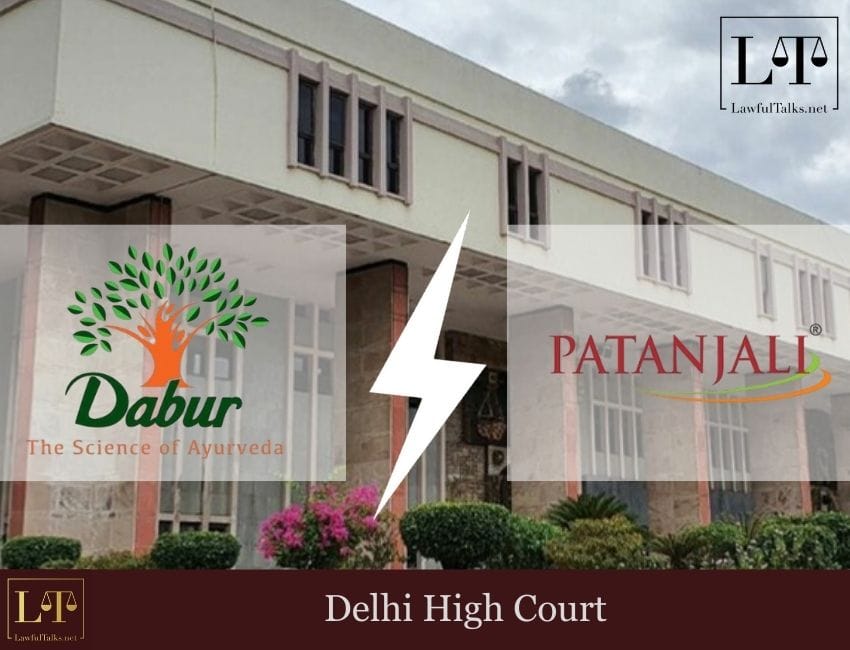
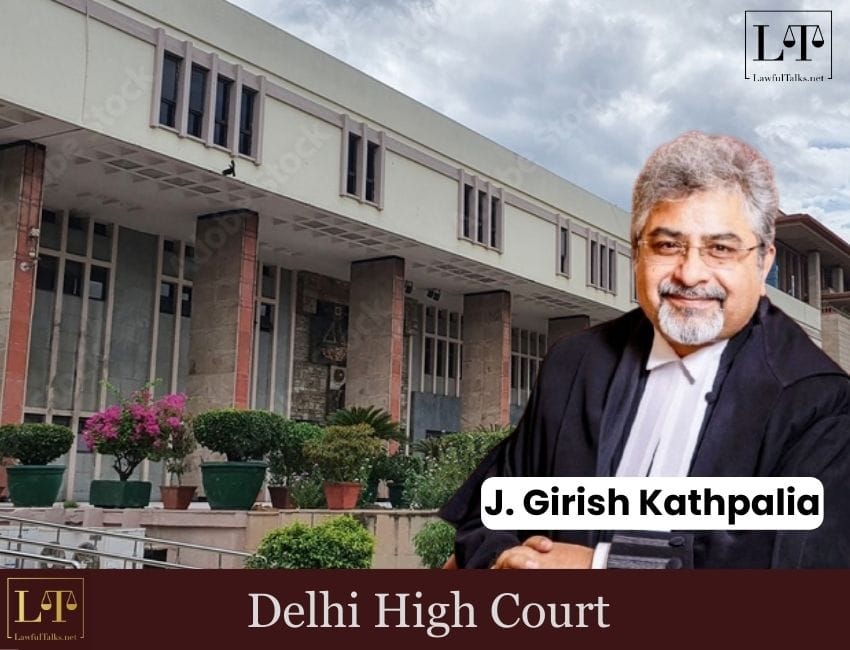
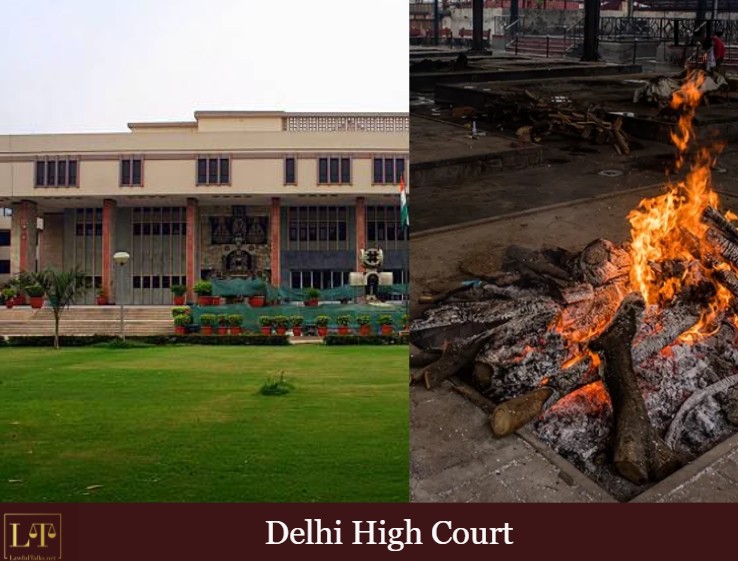
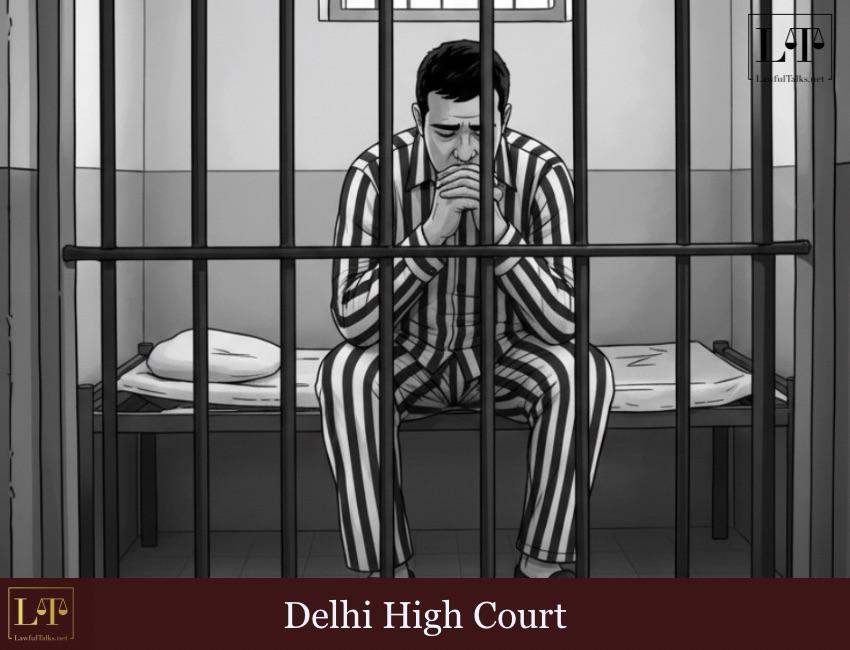
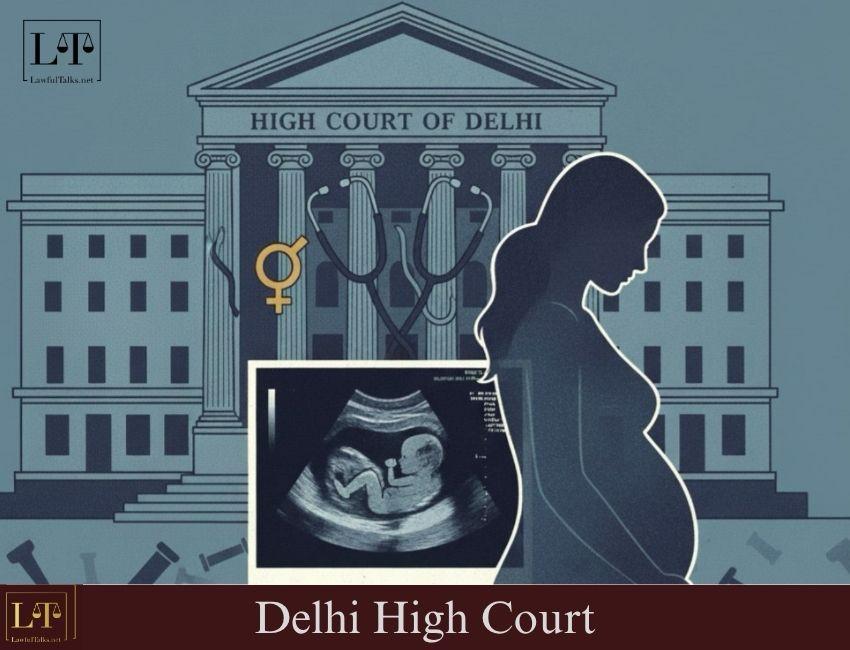
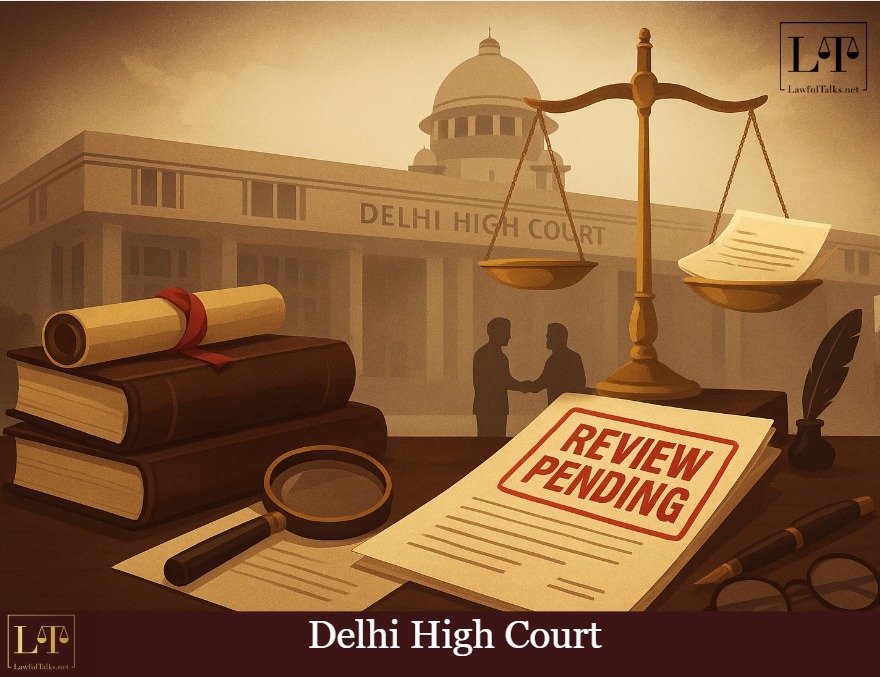
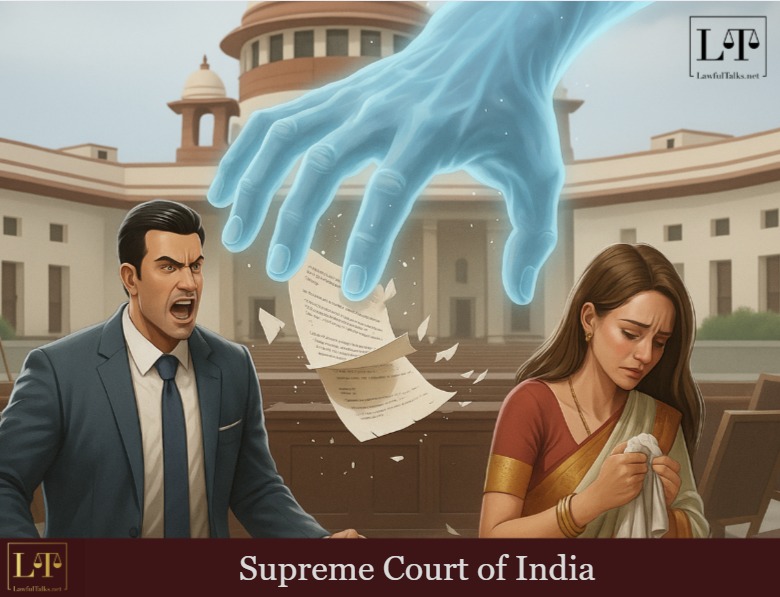
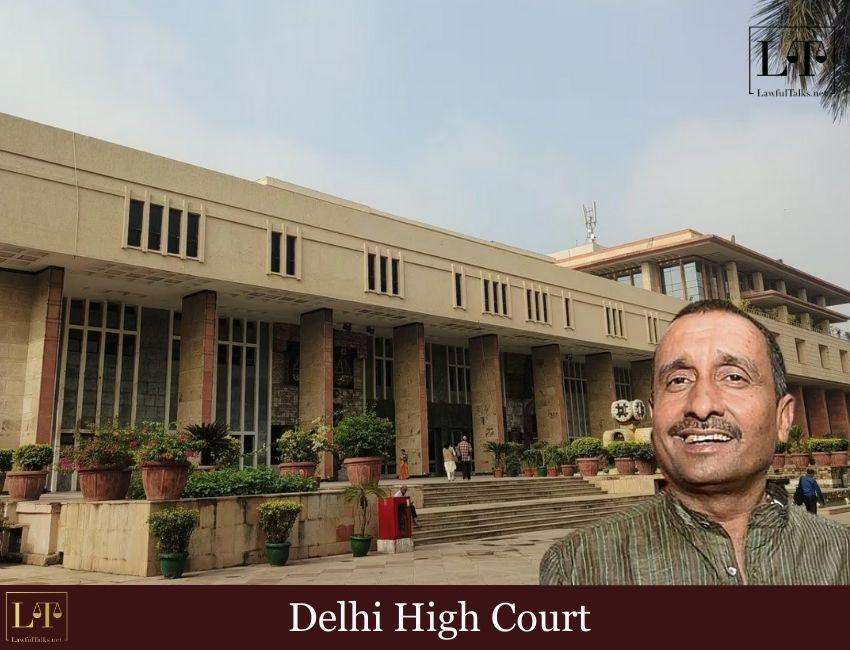
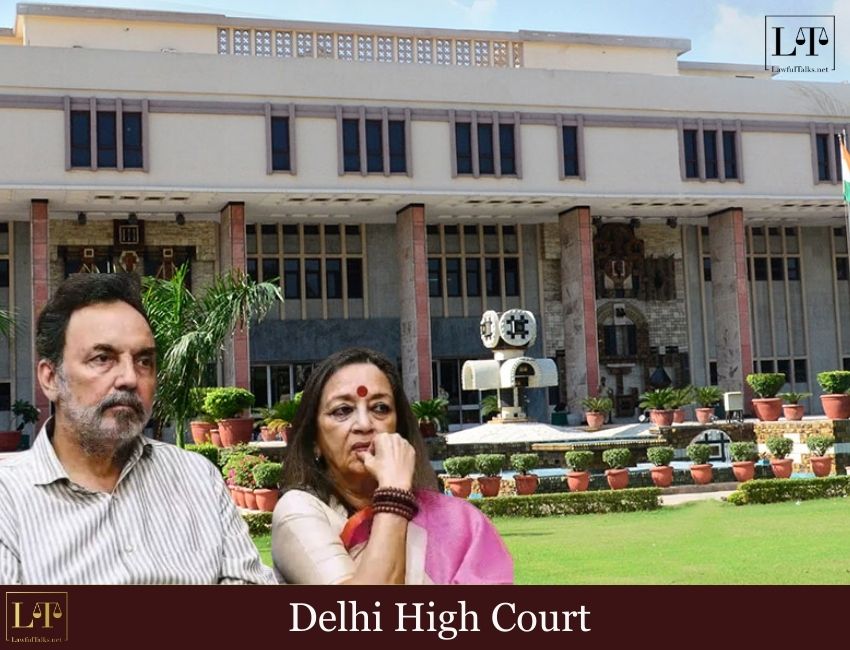
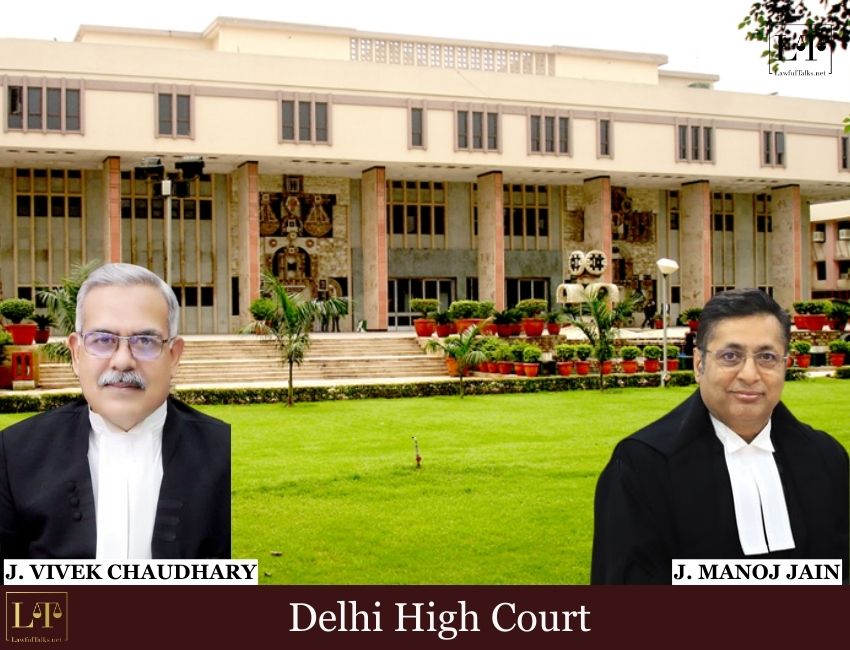
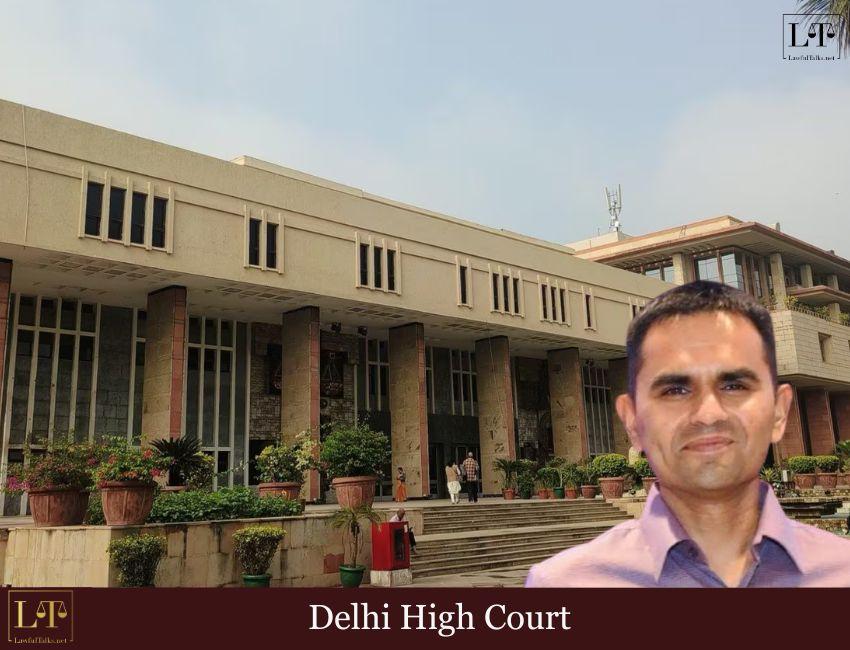
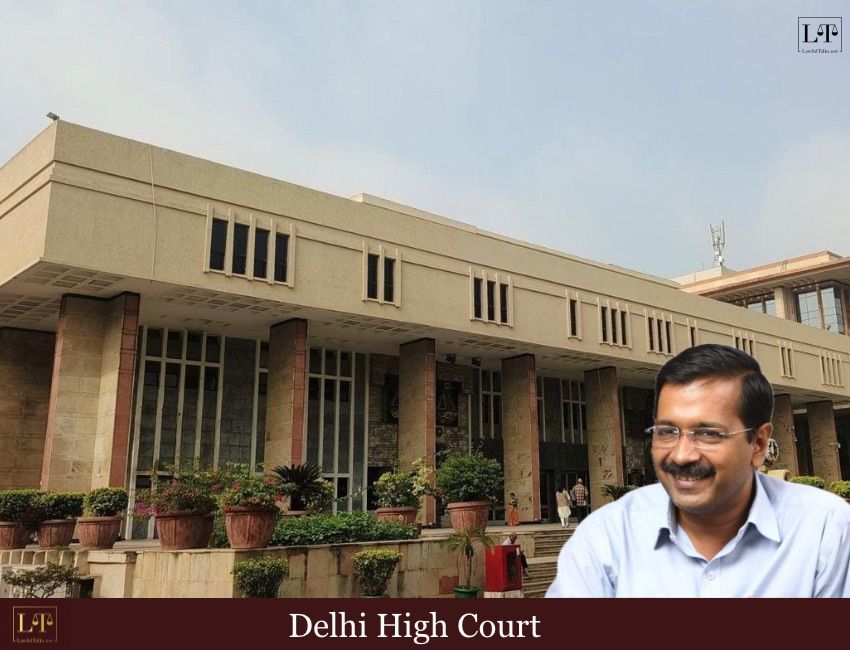
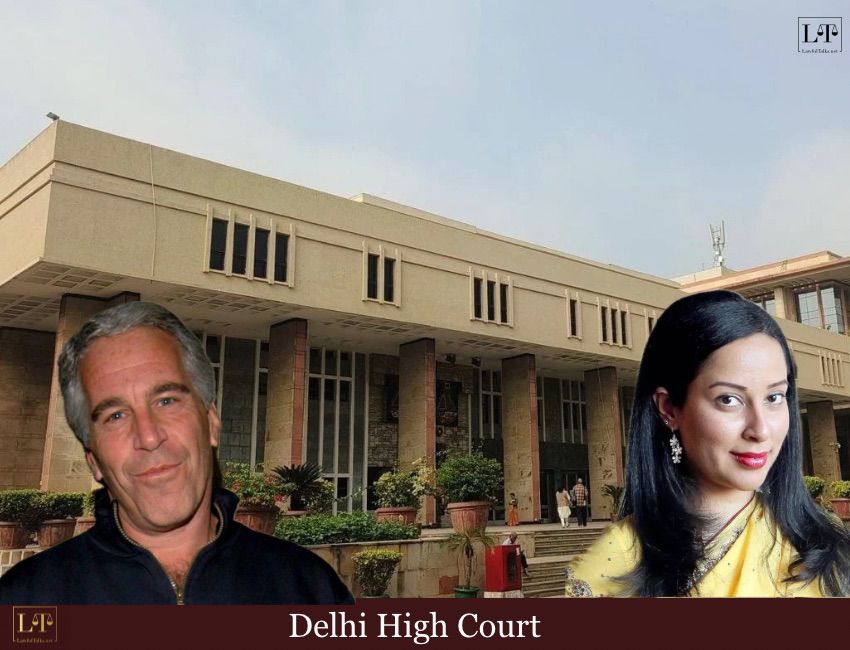
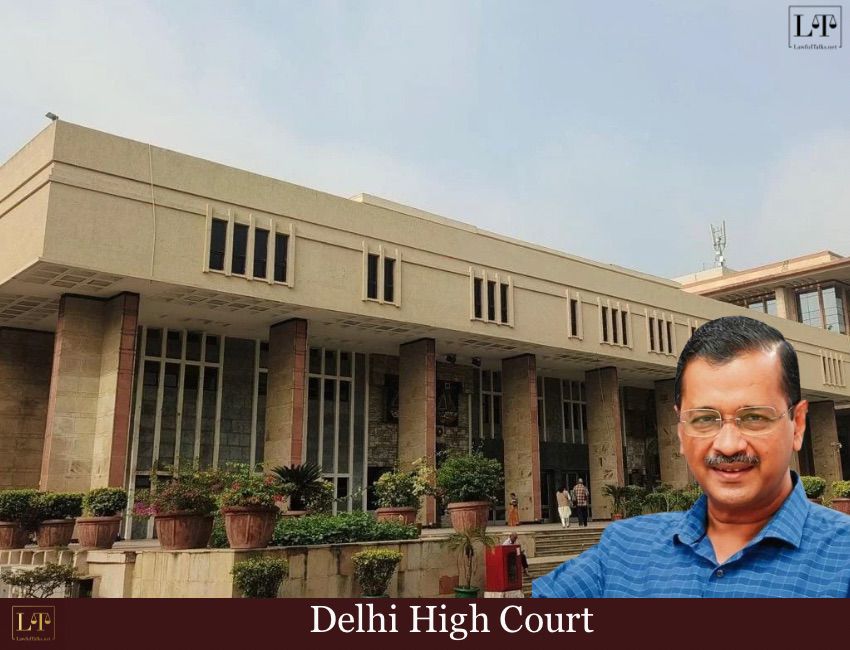
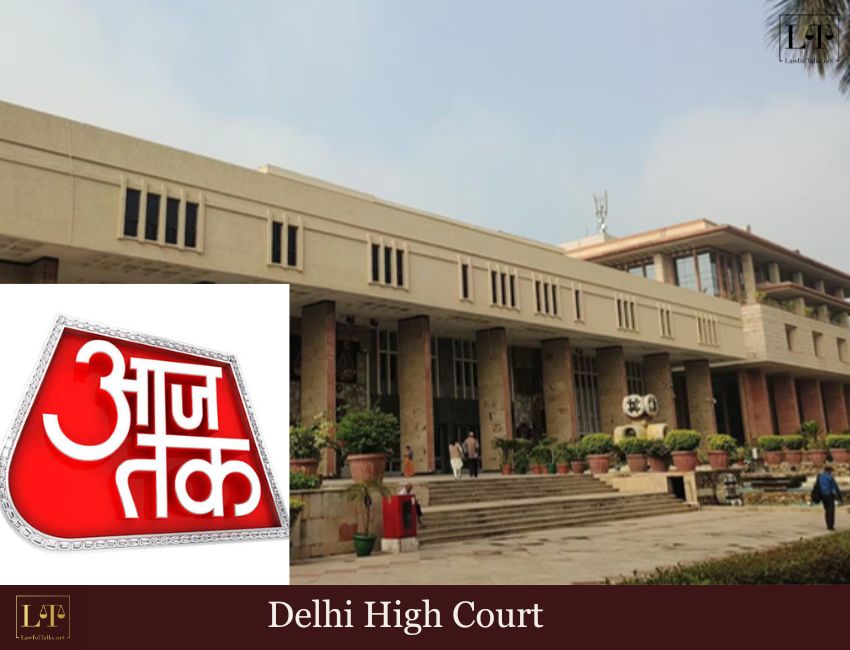
The Delhi High Court has overturned a divorce order issued by a Patiala House family court after finding that the judge relied on non-existent/fictitious legal provisions and passed the judgment without recording any evidence.
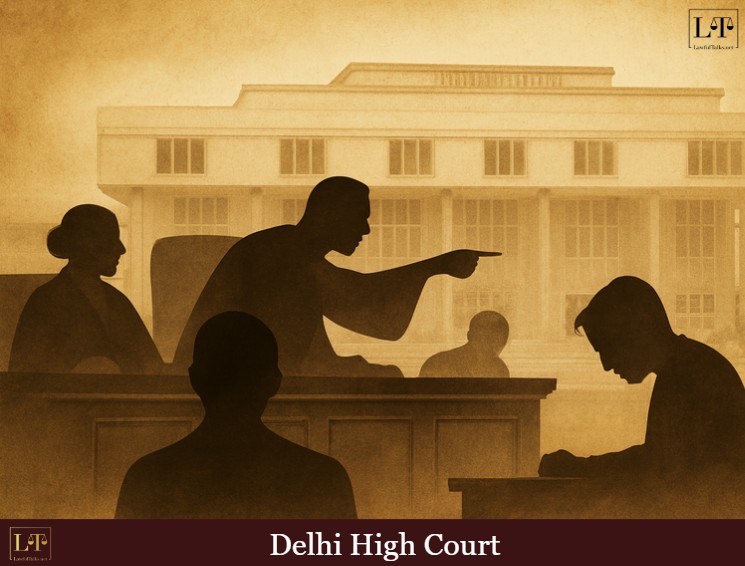
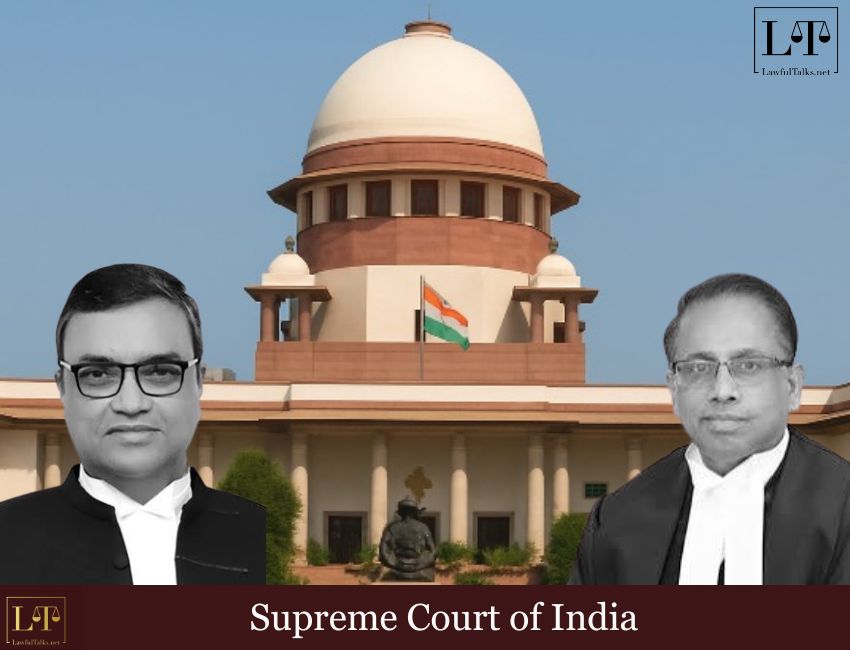
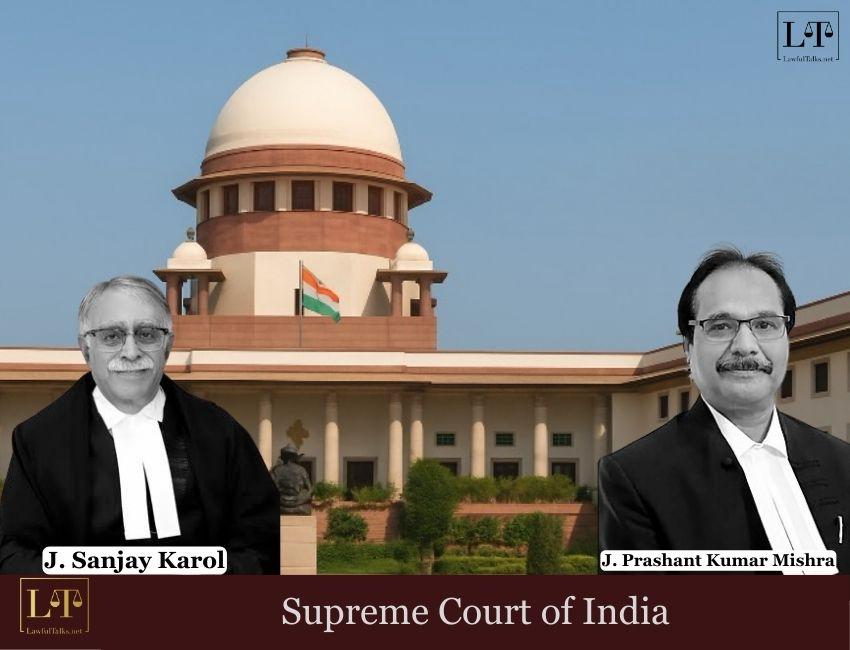
A Bench of Justice Anil Kshetarpal and Justice Harish Vaidyanathan Shankar noted that Judge Harish Kumar had repeatedly made serious procedural and legal mistakes in handling matrimonial cases.
Because of these concerns, the High Court has directed the Delhi Judicial Academy to give Judge Kumar comprehensive refresher training in matrimonial law. He will be required to complete this training before he is allowed to handle any future matrimonial matters.
"While we are conscious that Family Courts are heavily burdened, owing to the increasing frequency with which parties separate, often on exceedingly trivial grounds, and the general erosion of the sanctity of marriage, this cannot be treated as a licence for any Court to indulge in what can only be described as statutory reengineering. The statutory scheme must be followed, irrespective of caseload pressures."
Facts:
The case involved a matrimonial dispute resulting in separation, with multiple civil and criminal cases filed in different states. The divorce petition was filed in 2021 under Section 13(1)(ia) of the Hindu Marriage Act (HMA) for cruelty.
The Supreme Court, while disposing of Transfer Petitions, directed that Matrimonial Suit be transferred to the Family Court, Patiala House Courts, New Delhi, to expedite adjudication, as certain other proceedings inter se parties were being transferred to Delhi on the plea of the Respondent-Wife.
In the present case, although the divorce petition was filed under Section 13(1)(ia) of the HMA seeking dissolution of marriage on the ground of cruelty, the Family Court Judge proceeded to apply provisions of the SMA, particularly Section 28A, which does not exist in the statute, and extended this supposed provision on the ground that doing so would “save precious judicial time and spare the parties another round of litigation”. On this basis, the learned Judge granted a decree of divorce.
High Court’s Critical Observations:
The Court noted this was not an isolated issue and cited multiple instances where Judge Kumar ignored clear statutory mandates in dissolving marriages without applying the law correctly.
"The same learned Judge has, in several matters coming before this roster, repeatedly ignored clear statutory mandates. Although appellate courts exist to correct errors of subordinate courts, they cannot permit a situation where proceedings are conducted in disregard of the law or judgments are rendered on the basis of provisions that do not exist."
The Bench highlighted Judge Kumar’s remarks that Hindu marriages are “holy unions” whereas marriages under the Special Marriage Act (SMA) lack this character.
"Whether a marriage is viewed as a sacrament or as a civil contract under different personal laws has no bearing whatsoever on the sanctity, legitimacy, or legal force of a marriage solemnised under the Special Marriage Act. The Special Marriage Act is a secular code intended to provide a neutral and uniform legal framework for couples who choose to marry under it, and it in no manner diminishes the dignity, solemnity, or seriousness of such marriages. To characterise marriages under the Special Marriage Act as not being a “holy union” is, therefore, neither appropriate nor appreciable."
While acknowledging the Supreme Court’s caution against making personal remarks on judicial officers, the High Court stated that the mistakes in this case were so serious that criticism was warranted.
"The manner in which the learned Family Court Judge has repeatedly conducted proceedings not only disturbs judicial conscience but also threatens the integrity of the administration of justice."
Consequently, the Decree of Divorce was set aside, and a fresh trial was ordered before the Principal Judge, Family Court, Patiala House, allowing both parties to lead oral and documentary evidence anew.
Case Title: SUMAN SANKAR BHUNIA VS. DEBARATI BHUNIA CHAKRABORTY
Appearance:
For Appellant: Advocates Prosenjeet Banerjee, Shreya Singhal, Mhasilenuo Keditsu, Kushagra, Anshika, Vijayrajeshwari, and Sarthak.
For Respondent: Advocates Padma Priya, Chitrangda Rastrauara, Abhijeet Singh, Anirudh Singh, Aishwaray Mishra, Dhananjay Shekhawat, Sakshi Aggarwal, Yuvraj Singh, Pearl Pundir, and Bhumika.









































Sign up for free and be the first to get notified about curated content just for you.