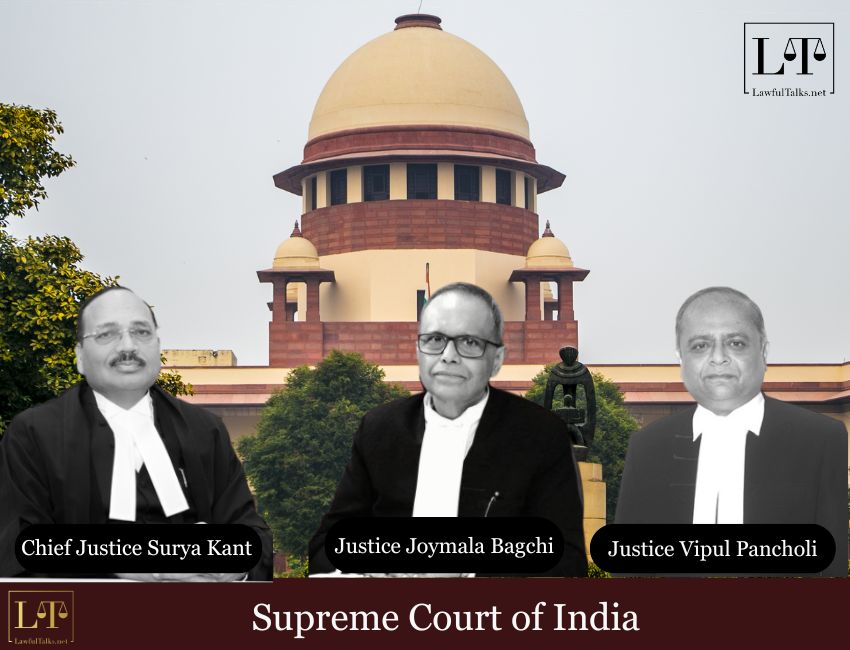
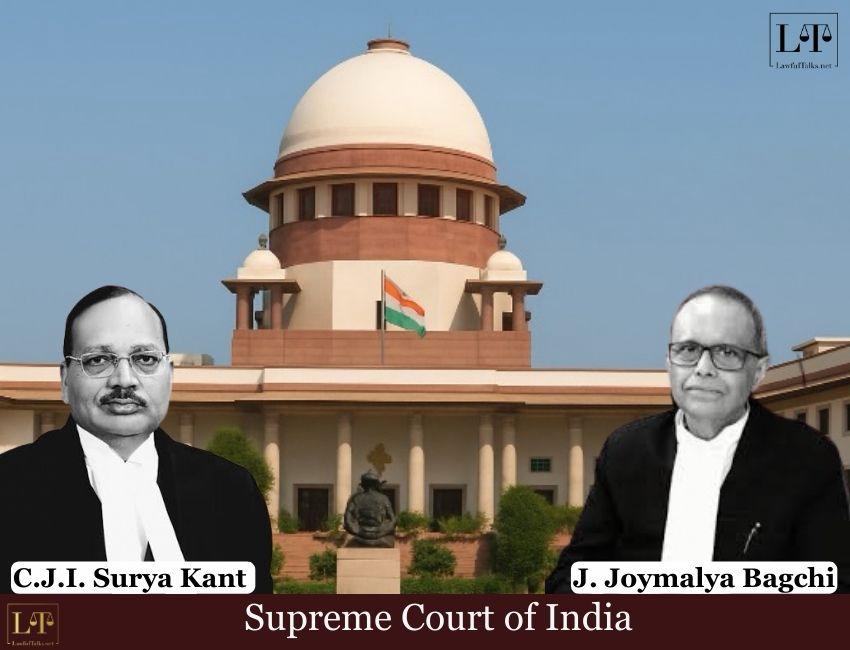
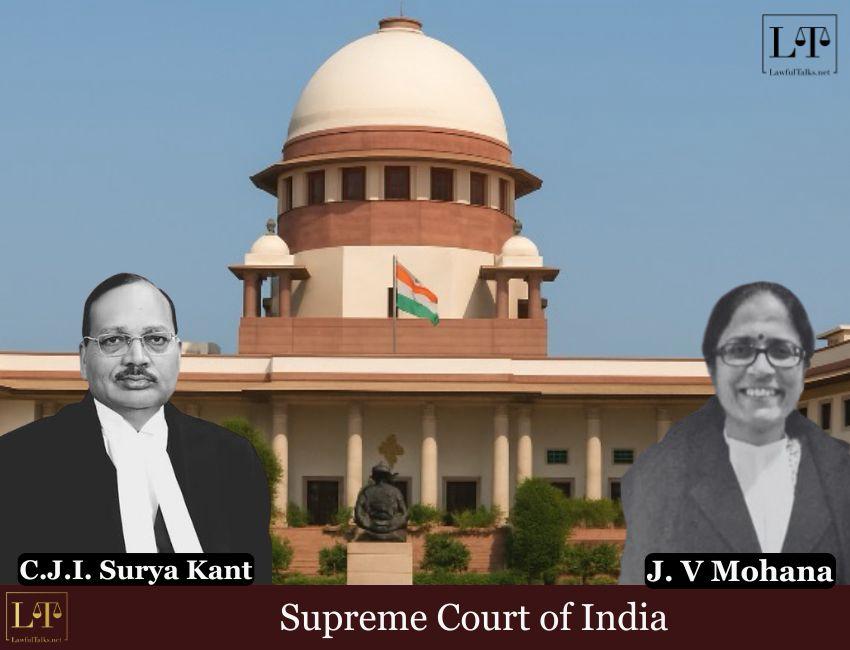
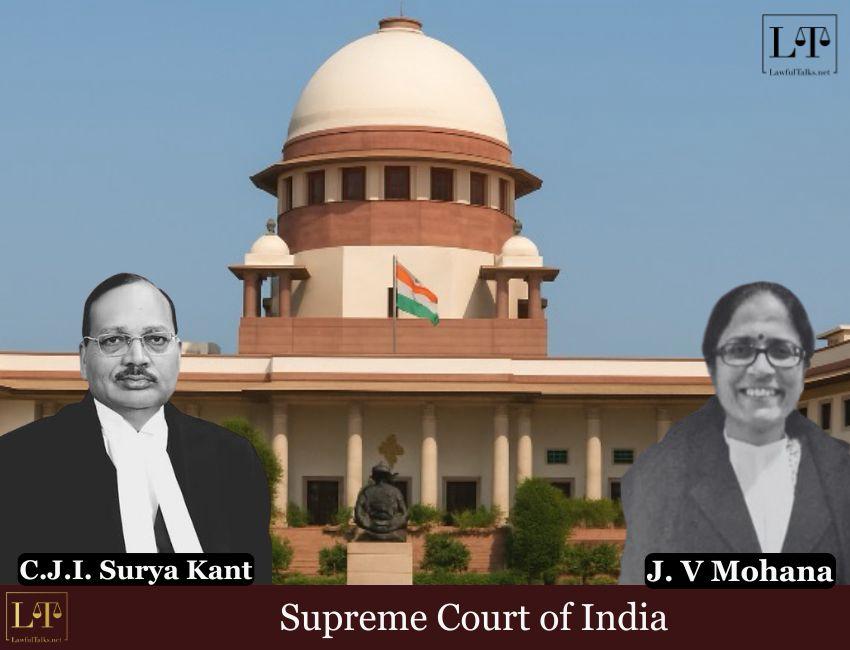
From Hisar To The Highest Bench: Justice Surya Kant Becomes India’s 53rd CJI

- November 24, 2025


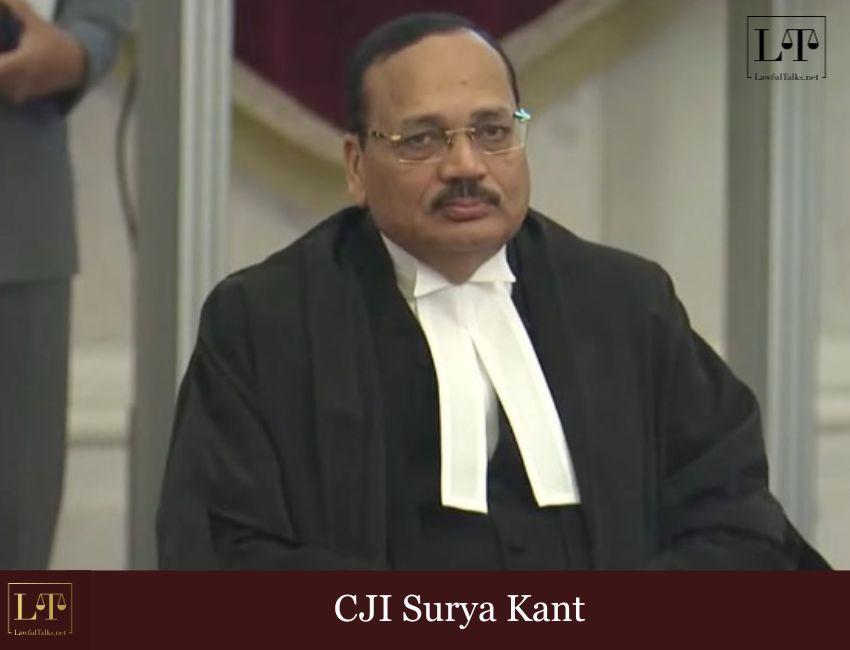
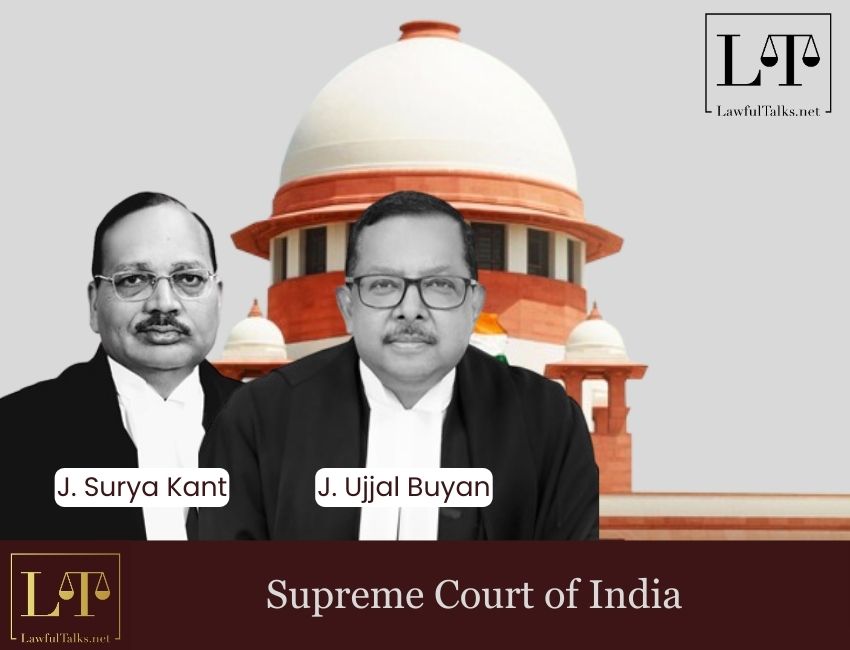
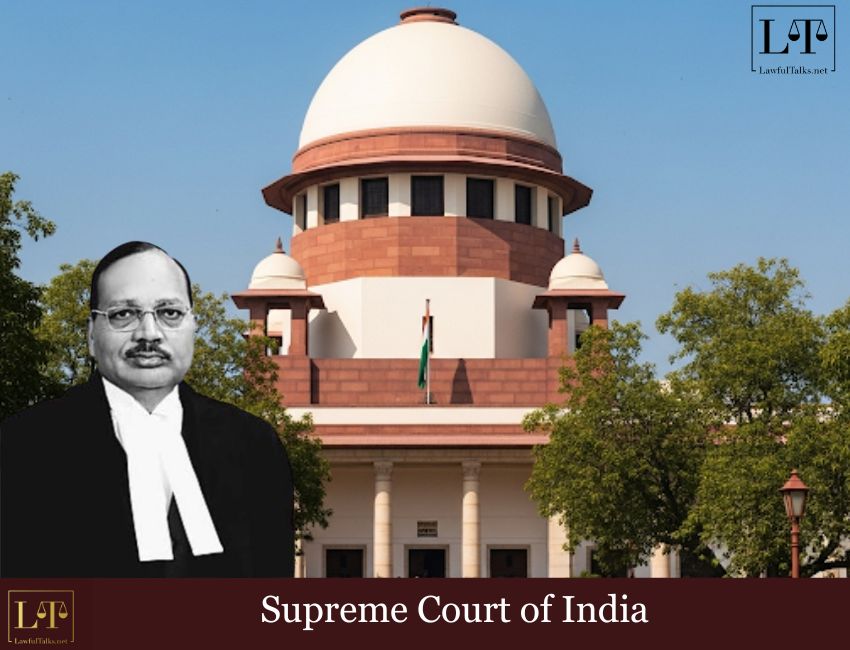
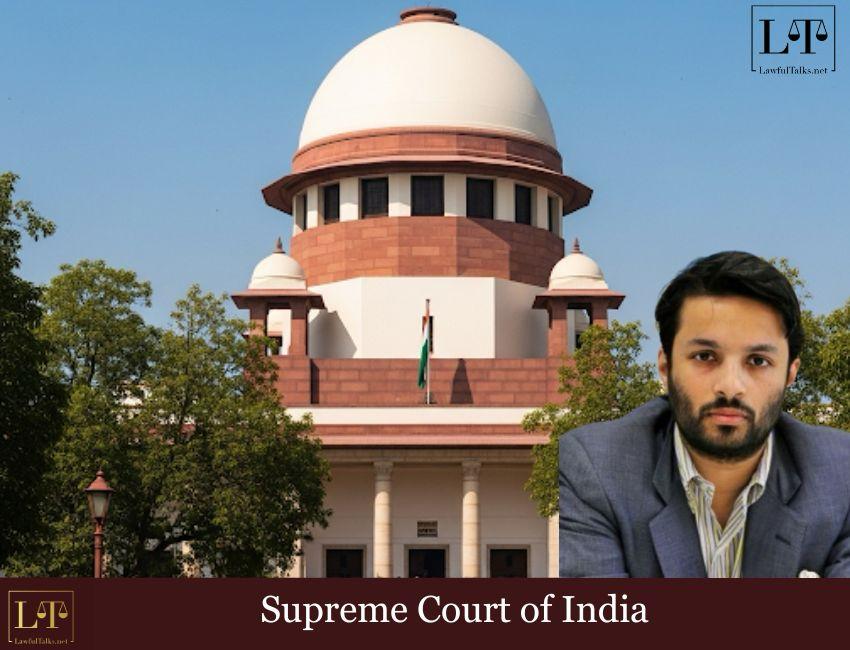
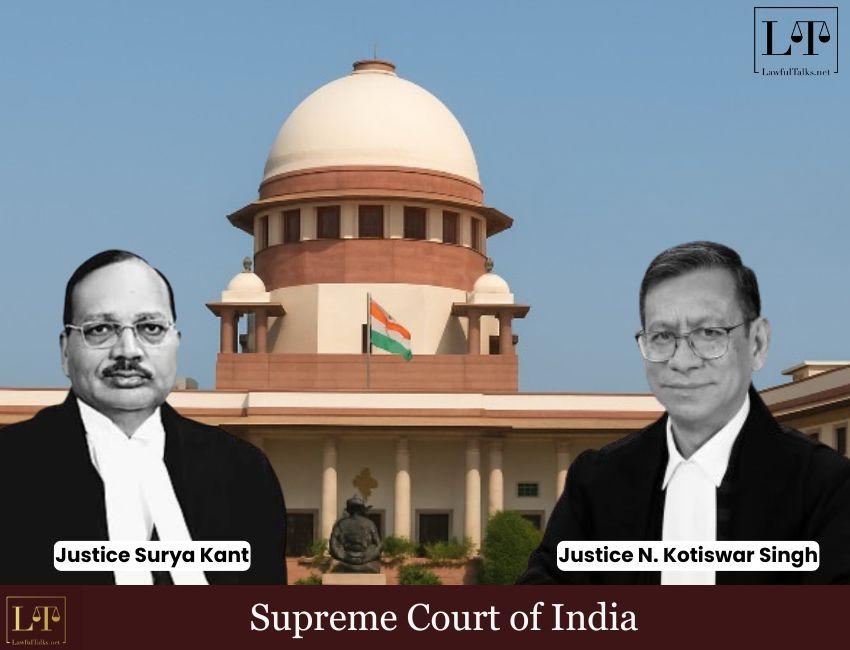
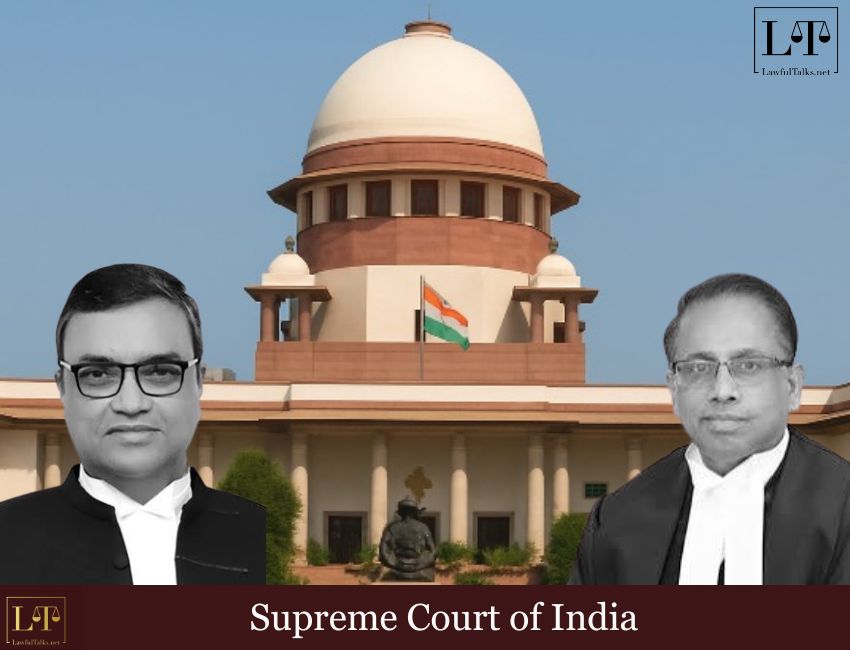
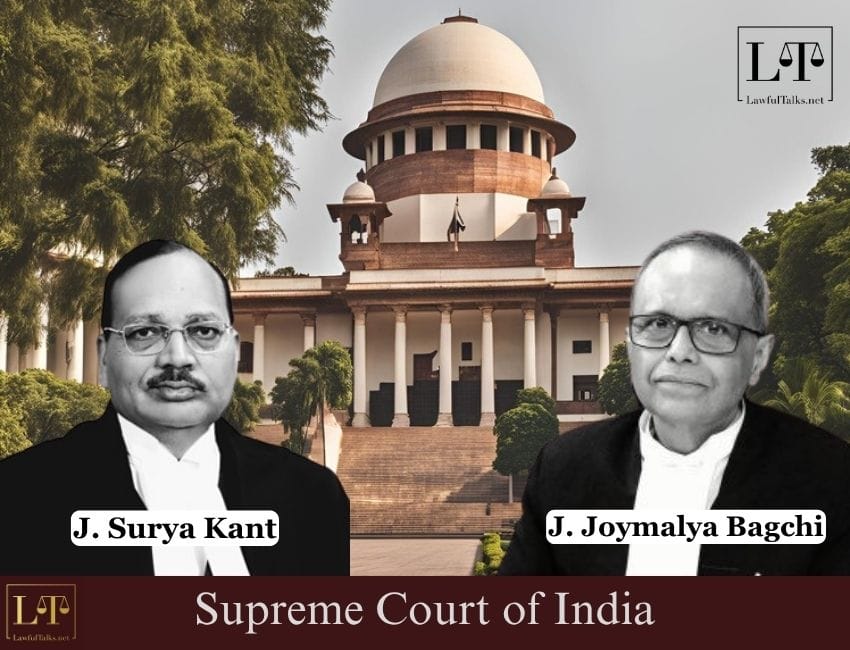
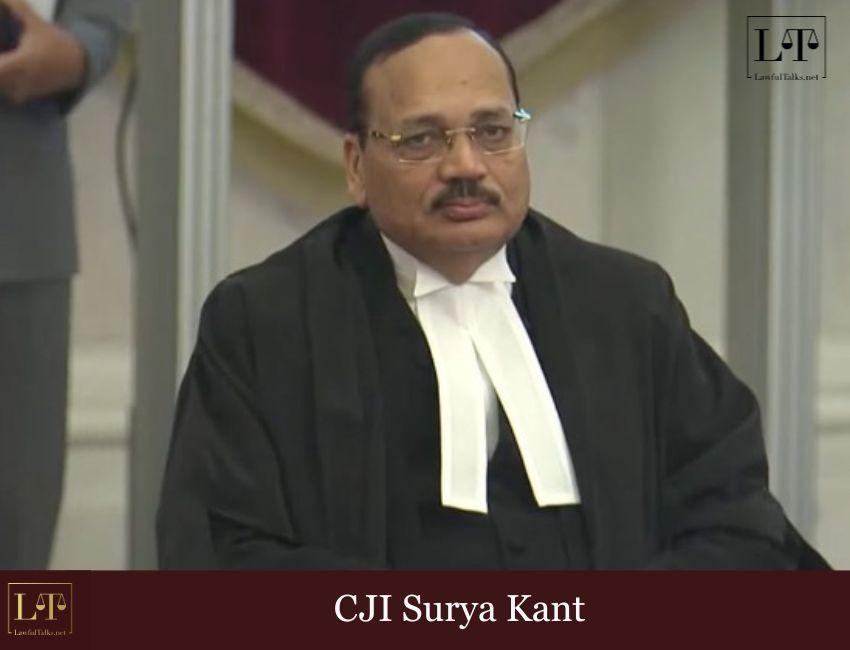
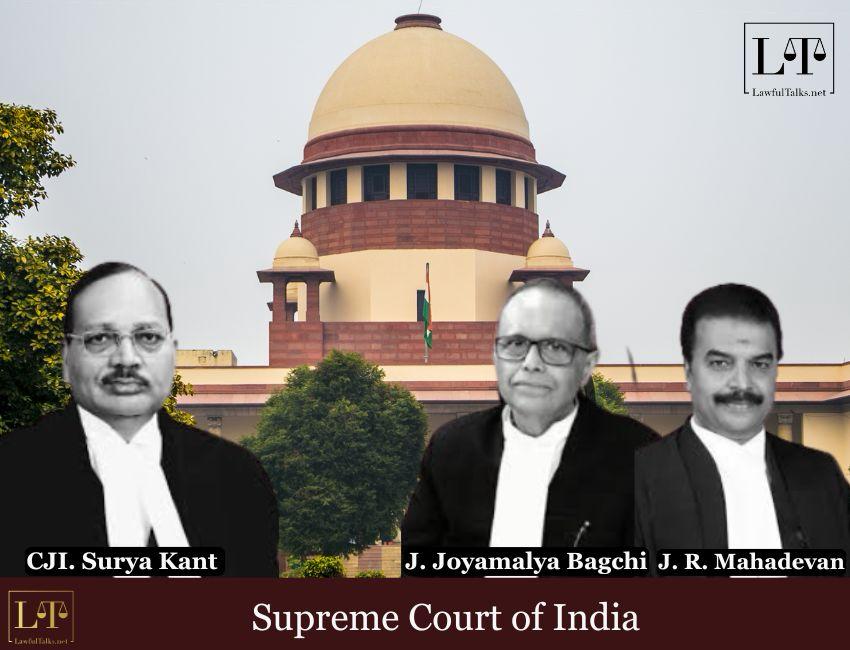
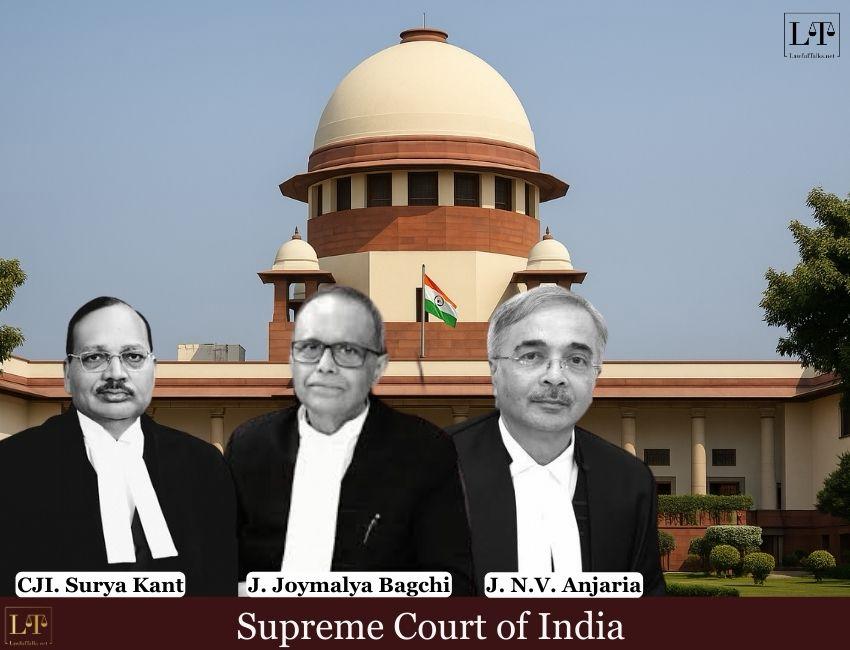
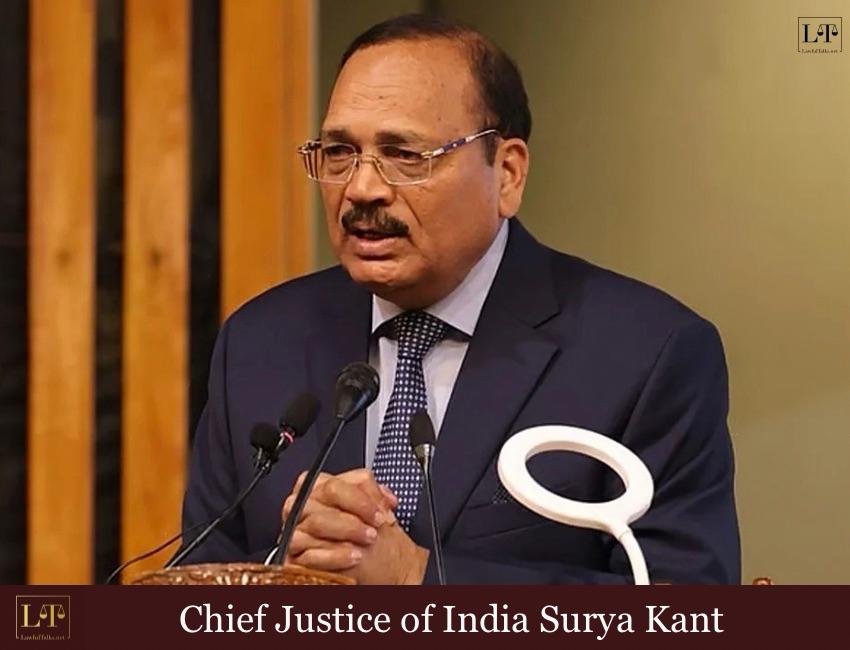
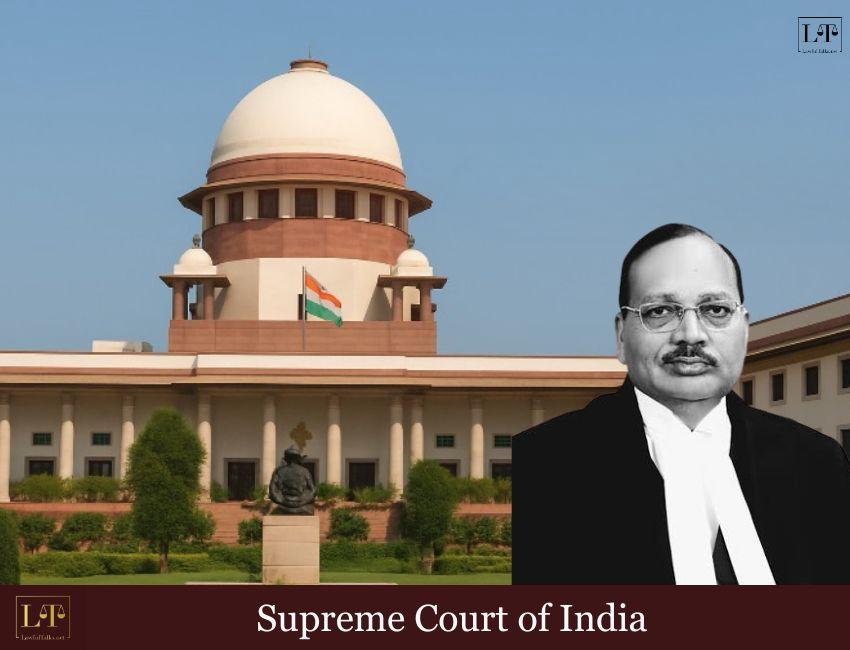
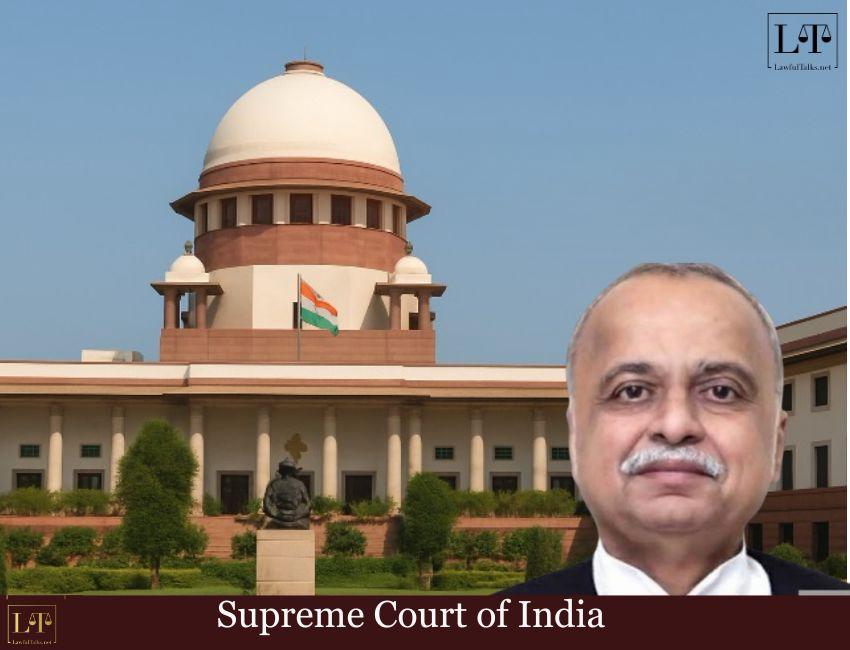
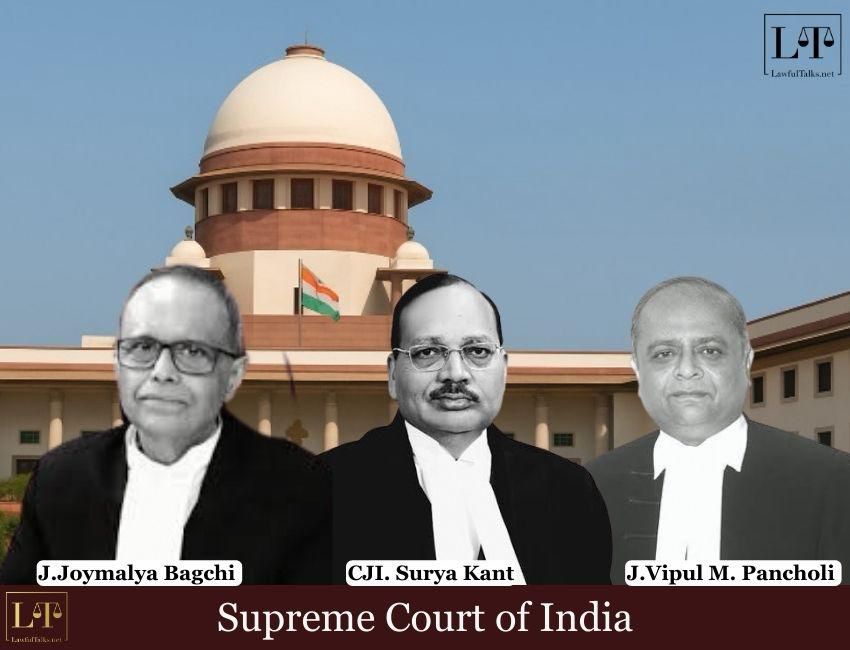
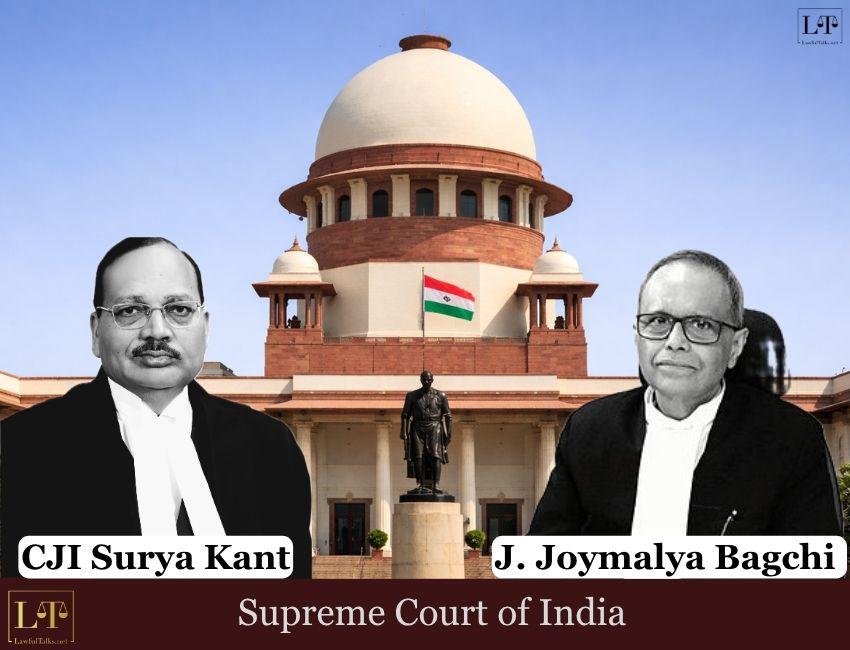
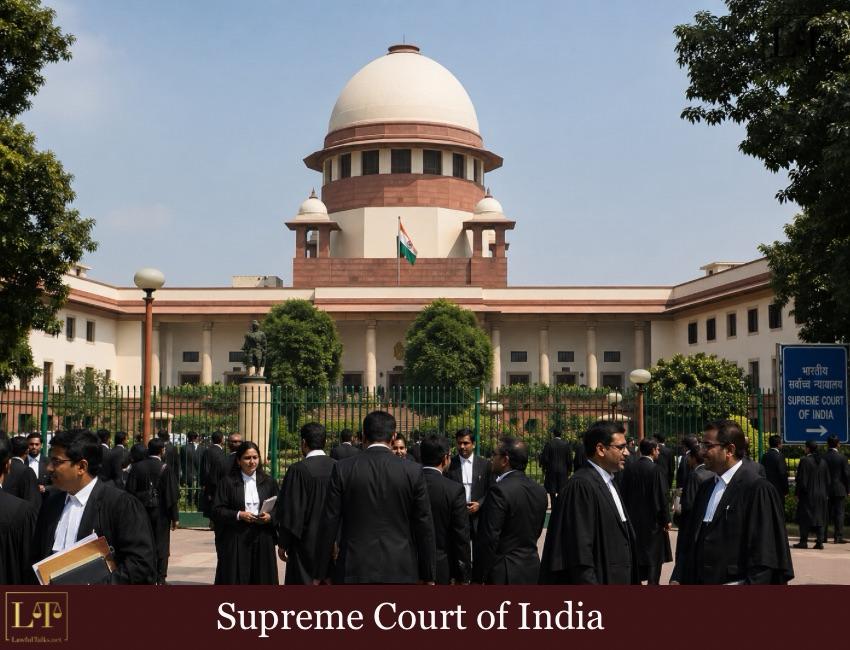
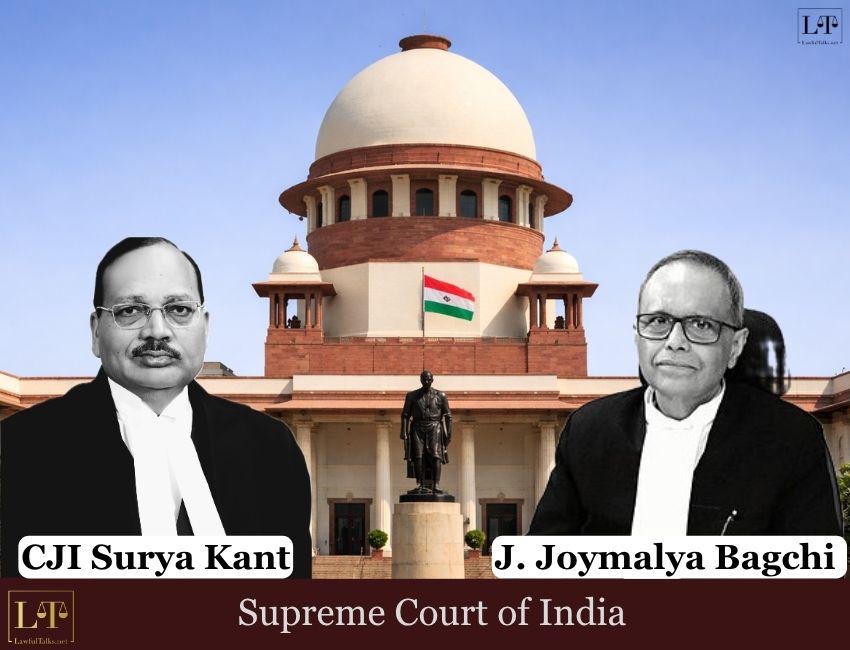
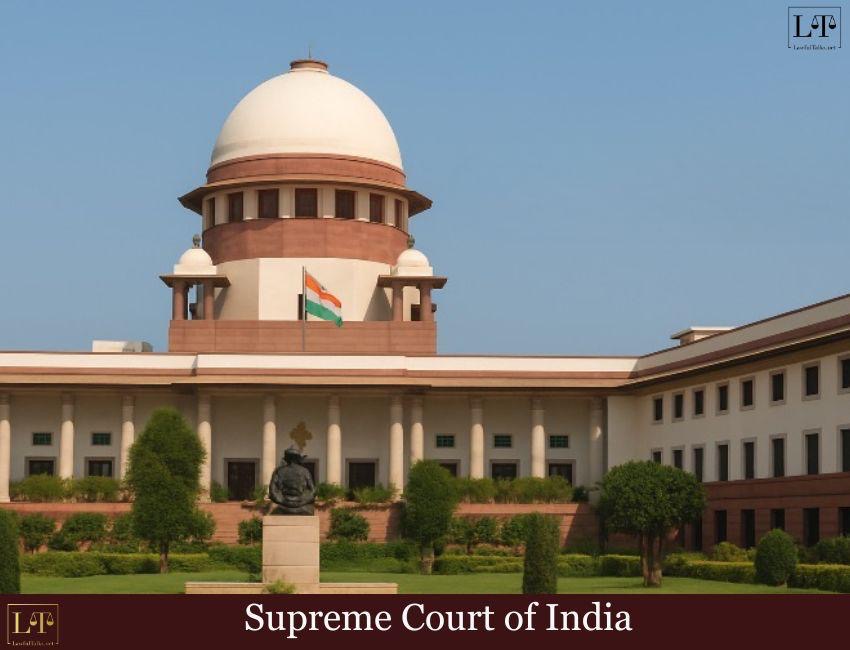
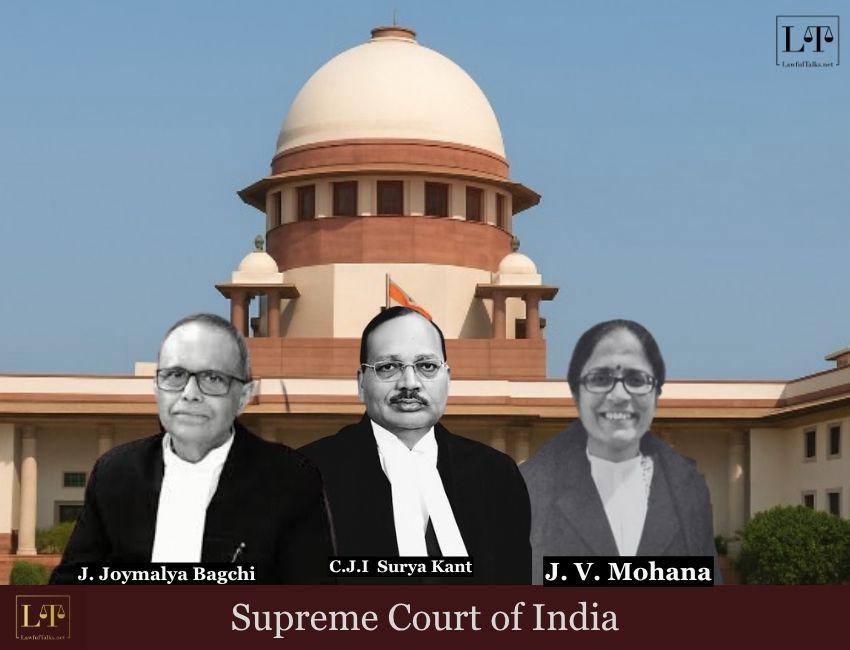
When a young Surya Kant walked into the Hisar district courts in 1984, fresh out of law school, there was little to suggest he would one day lead the Indian judiciary. Decades later, that journey has come full circle. Today, he is sworn in as the 53rd Chief Justice of India, the highest honour in the country’s judicial hierarchy- marking a remarkable rise from Petwar in Hisar to the nation’s top court.
Early Life and Legal Career
Justice Surya Kant was born on 10/02/1962 in Petwar (Hisar district, Haryana) to a middle-class family. He graduated from Government Post Graduate College, Hisar and earned his law degree from Maharishi Dayanand University, Rohtak in 1984. He began practicing that year in the Hisar district courts before moving to the Punjab and Haryana High Court in 1985, specializing in constitutional, service and civil law. His legal acumen led to rapid advancement: at age 38 he became the youngest Advocate General of Haryana on 07/07/2000, and was designated a Senior Advocate in 2001. He held the Advocate General post until his elevation as a permanent judge of the Punjab & Haryana High Court on 09/01/2004. During this period, he also served two terms (2007–2011) on the governing body of the National Legal Services Authority (NALSA). Academically, Justice Kant earned a Master of Laws (first class, first place) in 2011 from Kurukshetra University.
Judicial Appointments and Service
Justice Kant’s judicial career spans nearly two decades. After 14 years on the Punjab & Haryana High Court bench, he took oath as Chief Justice of the Himachal Pradesh High Court on 05/10/2018. Less than a year later, on 24/05/2019, he was elevated to the Supreme Court of India. At the Supreme Court he has sat on numerous constitution and full benches. He also remained active in public service: for example, he has served on committees of the Indian Law Institute, chaired the Supreme Court Legal Services Committee (from 12/11/2024), and in May 2025 became Executive Chairman of NALSA.Justice Kant is due to retire on 09/02/2027, and will take charge as Chief Justice of India on 24/11/2025, becoming the first person from Haryana to hold the office.
Jurisprudence and Legal Philosophy
Judges and commentators note that Justice Kant’s judgments and speeches depict a humanistic, principled outlook. In interviews, he has stressed that law and justice must be “humane” and empathetic. He famously stated “A law that cannot feel, cannot heal,” describing justice as a “whisper of understanding from a conscience awake”. He sees the Constitution not as a static document but “the moral compass of the Republic,” a “living covenant” that must evolve through “every act of fairness”. He urges judges to listen with humility, calling the judicial robe a reminder “that [a judge] must listen to the people… with a conscience awake to suffering”. In a speech on constitutionalism, he emphasized that courts deepen democracy when they “act to empower the powerless, grounded in constitutional text and moral clarity”.
In short, Justice Kant’s legal philosophy marries rigorous constitutionalism with compassion. He has argued that judicial reform must be proactive (“every institution must reform…because the world it serves keeps changing”) and that fairness divorced from empathy “becomes hollow”. Commentators also note his scholarly bent e.g., he has drawn on India’s ancient legal heritage by citing Kautilya’s Arthashastra in discussing legal realism and constitutional morality. His style of writing, whether in judgments or speeches, is described as measured and principled with clear legal reasoning and moral and social context. As he recently put it, “the measure of a legal system…is not how swiftly it resolves complex disputes, but how deeply it touches the lives of ordinary people.”.
Notable Judgments
Justice Kant has been part of many high‑profile cases of national import. Key Supreme Court rulings with his participation include:
• Pegasus Spyware Case (2021) – In Manohar Lal Sharma v. Union of India, AIR 2021 SC 5396, he served on a three‑judge bench that ordered an independent expert committee to probe allegations of illegal surveillance using the Pegasus software. The bench held that “indiscriminate spying of citizens cannot be allowed except in accordance with law,” and warned that the state “cannot get a free pass” from judicial scrutiny simply by invoking national security.
• Sedition law (2022) – In SG Vombatkere v. Union of India, Justice Kant was on the bench that kept the colonial-era sedition provision (Section 124A IPC) in abeyance pending government review. The court directed that no new FIRs be registered under 124A until it is reconsidered, effectively halting sedition prosecutions.
• Article 370 (2023) – He was a member of the five-judge Constitution Bench in In Re: Article 370 of the Constitution of India, which upheld the 2019 abrogation of Jammu & Kashmir’s special status. The court ruled that Jammu & Kashmir had no separate sovereignty and that Article 370 was a “temporary provision.” It also approved the bifurcation of the state into two Union Territories.
• Aligarh Muslim University (2024) – On a seven-judge bench in Aligarh Muslim University v. Naresh Agarwal, Justice Kant joined a 4–3 majority overruling a 1967 precedent to revisit AMU’s minority status. In a partial dissent, he argued that the old decision should be modified rather than entirely overruled, emphasizing the need to examine legislative intent in determining an institution’s minority identity.
• Citizenship (Assam Accord) (2024) – In In Re: Section 6A, Citizenship Act 1955, he authored the majority judgment upholding the constitutionality of Section 6A (an element of the Assam Accord). Justice Kant applied Article 14 tests (reasonable classification and absence of arbitrariness) and highlighted humanitarian and historical factors, concluding that the law did not violate equality
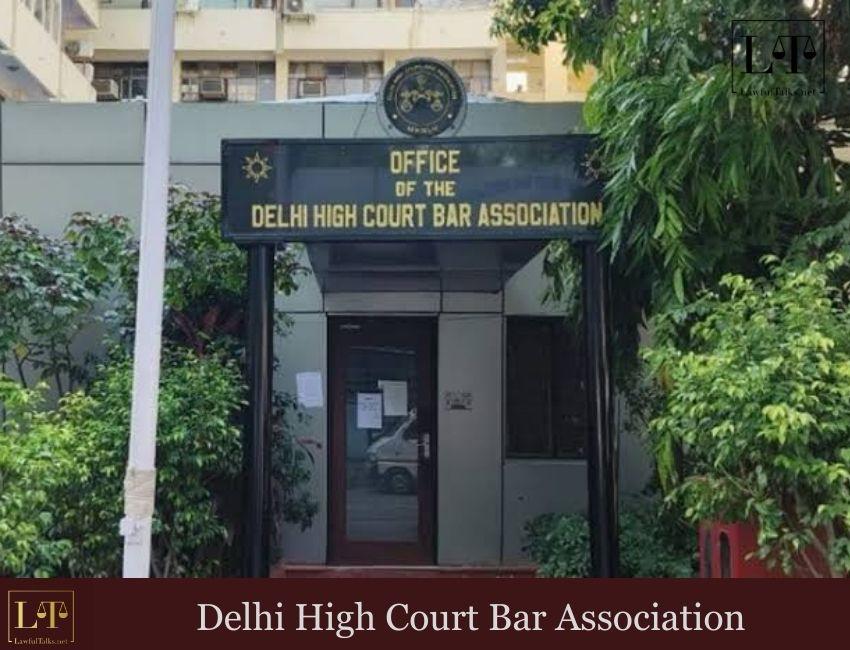
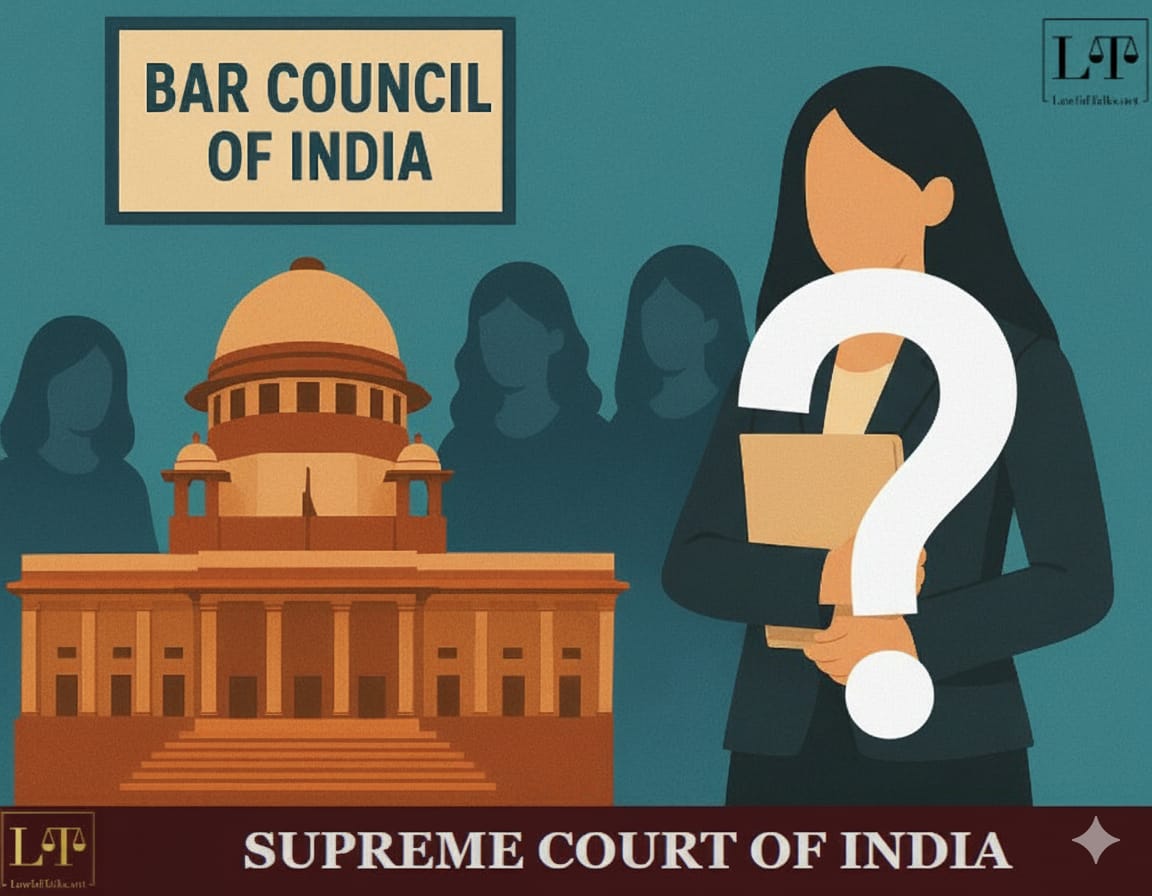
• Gender justice in the legal profession (2024) – Leading a bench in Fozia Rahman v. Bar Council of Delhi, he directed reservation of one‑third of seats for women in the Supreme Court Bar Association and other major bar bodies (including some High Court bar associations) on an experimental basis. During the hearing he lamented that no woman had ever led the DHC Bar Association since 1962, underscoring the need for gender inclusion.
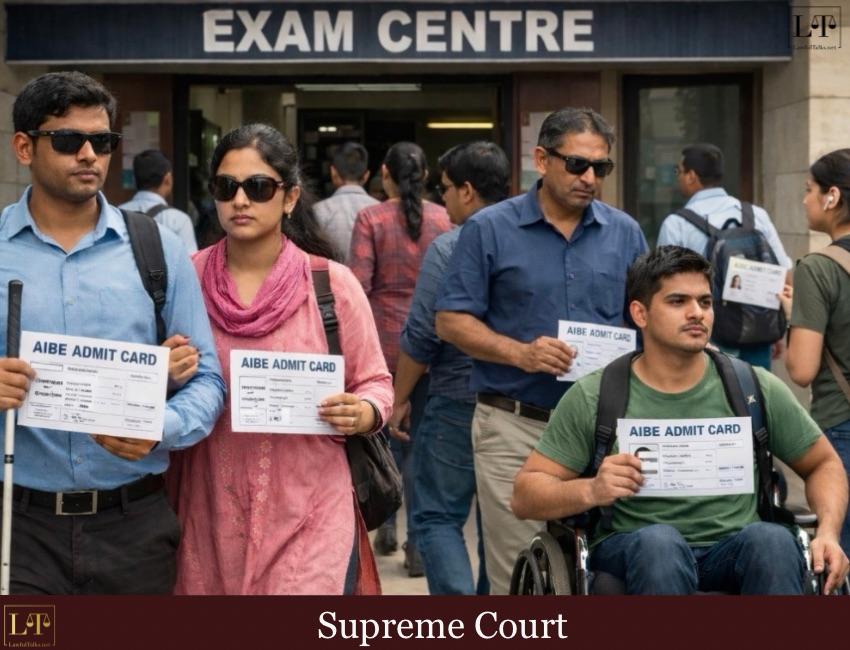
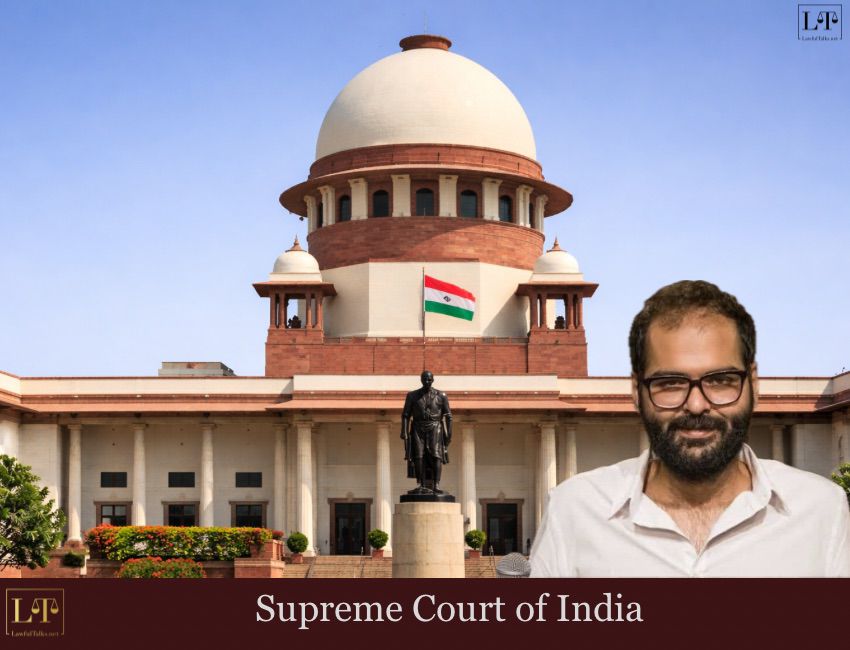
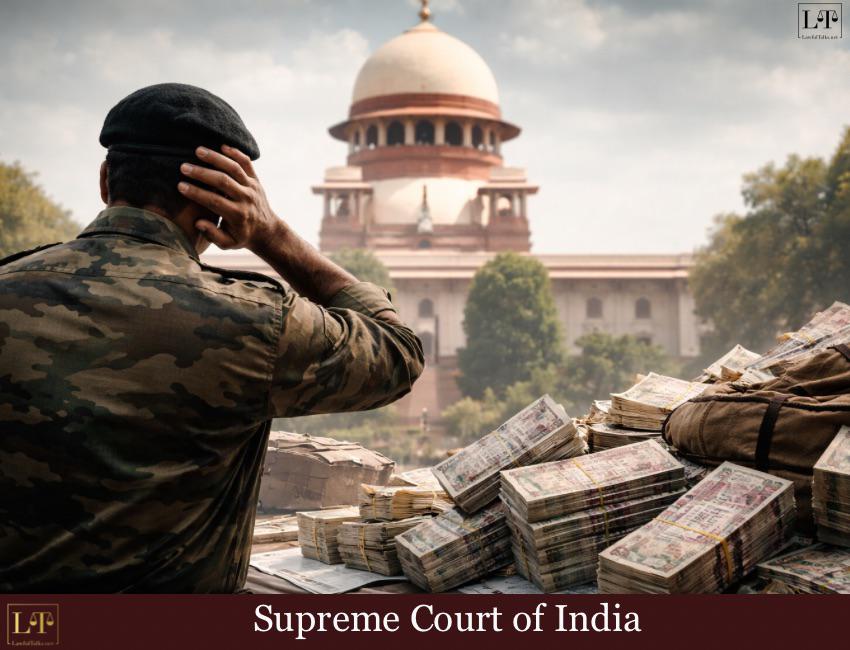
Justice Kant has been on over 300 Supreme Court benches and authored dozens of opinions, including landmark ones on electoral reform, human rights, environmental law and corporate-criminal malfeasance. For example, he has directed disclosure of voter-roll revisions in Bihar, upheld the One Rank One Pension scheme for veterans, probed a major home‑buyers/builder fraud, and in 2025 rebuked stand-up comedians for insulting people with disabilities – warning that “freedom of speech is not a licence to flout societal norms”.
Expected Priorities as Chief Justice
Observers and his own remarks suggest Justice Kant will emphasize access, inclusion and reform during his tenure as CJI. In recent addresses (often as NALSA chairman) he has called for modernizing legal aid and making justice “genuinely affordable and accessible to all.” He said the justice system should respond with “speed, clarity and compassion” and harness technology but “guided by human understanding” so that legal help is easy to obtain even in remote areas. He stresses that access to justice is not an abstract ideal but a “sapient right” to be continually nurtured through institutional strength and empathy. In particular, he has vowed that “every woman must have the confidence that the justice system stands firmly with her” and has supported tools like AI-based legal aid chatbots to reach marginalized groups.
A consistent theme in Justice Kant’s public comments is that the judiciary must lead gentle reforms to keep the Constitution “alive.” He believes courts should “empower the powerless” under the Constitution and that reforming institutions is a duty of leadership to renew public trust.
As Chief Justice of India (CJI) Justice Suryakant, he is expected to combine his reputation for hard work and legal acumen with a focus on judicial empathy and outreach. Experts note that his long record on NALSA and gender justice suggests priorities of strengthening legal aid, promoting efficiency and transparency e.g., in electoral roll revision and anti-corruption cases, and making sure that “the robe of a judge” symbolizes humility and service. Senior colleagues have praised his perseverance and balanced judgment, and his stated goal is clear to make the courts more compassionate, accountable and people-centered, fulfilling the Constitution’s promise to the least empowered.





























































































































Sign up for free and be the first to get notified about curated content just for you.