‘Her Voice Will Be Heard’: SC Brings Back Accused In-Laws In Chilling Attempt-To-Murder Turned Homicide Case

- December 11, 2025


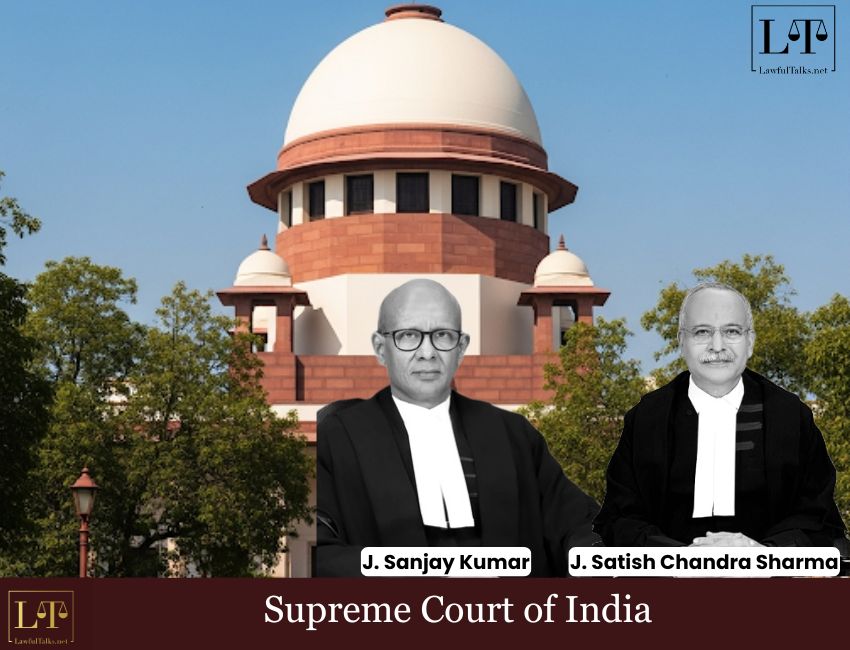
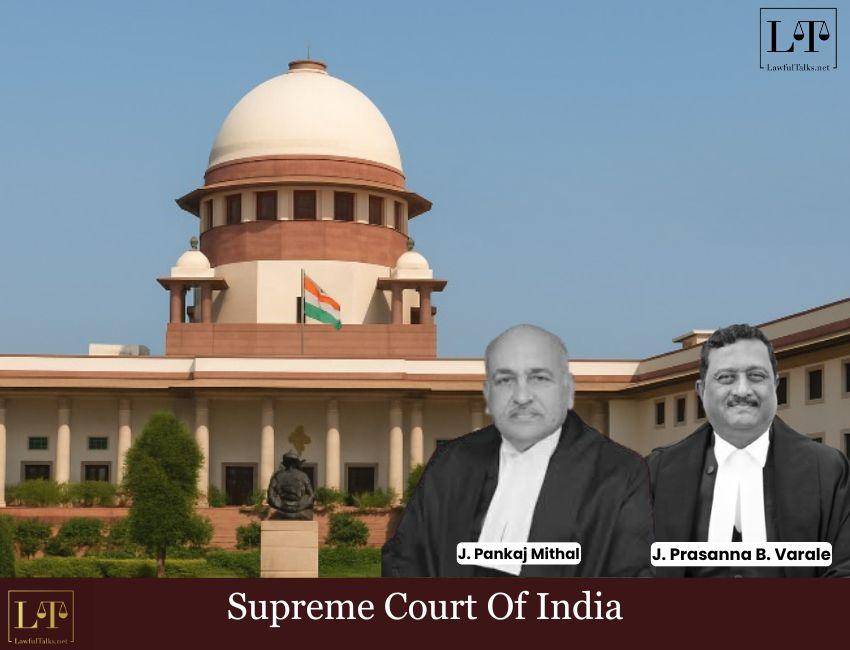
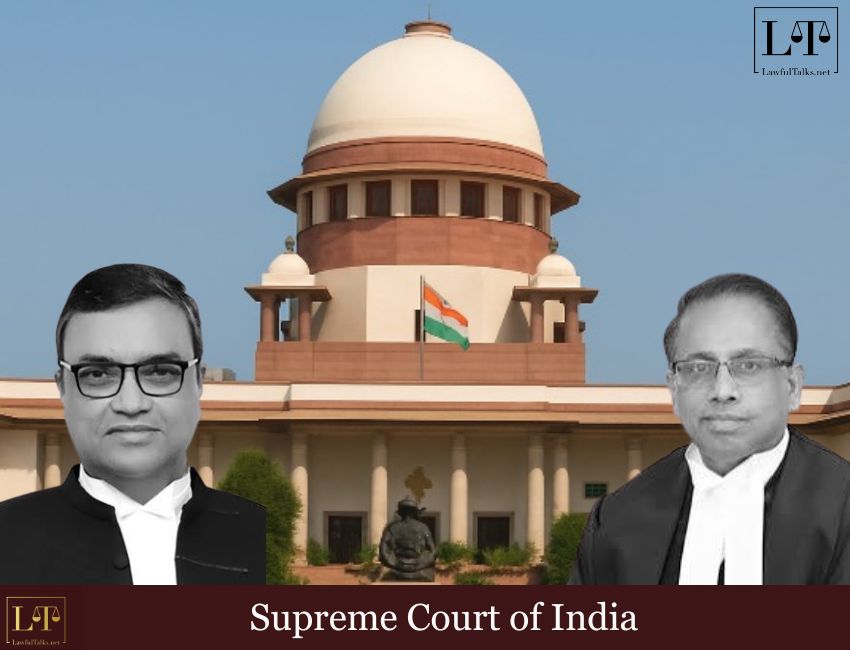
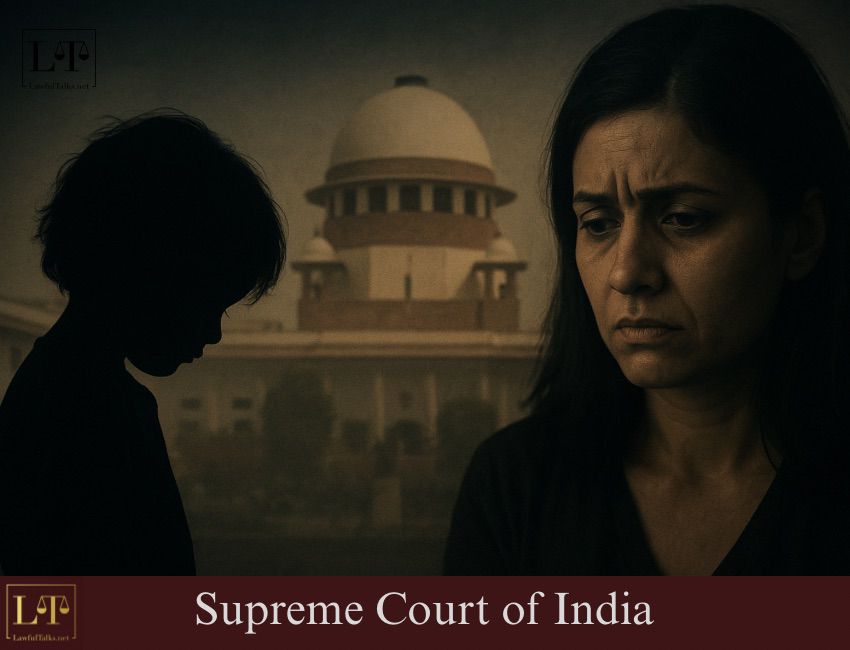
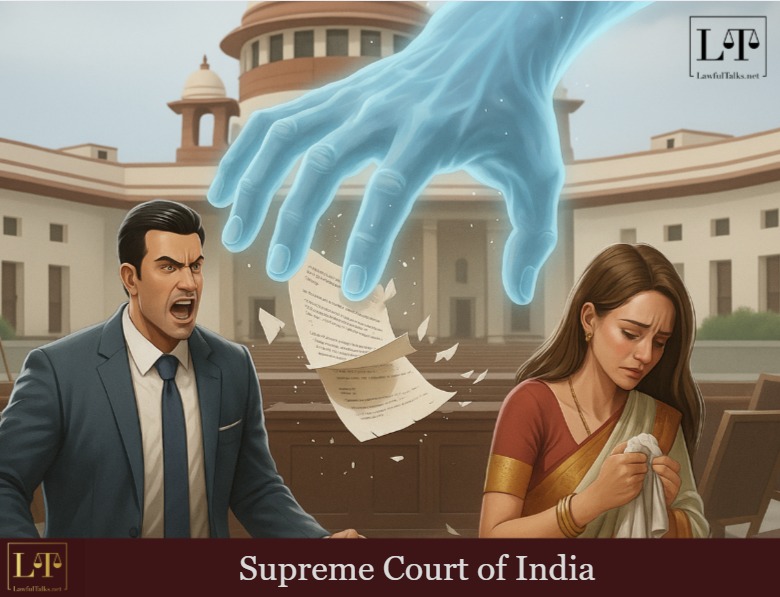
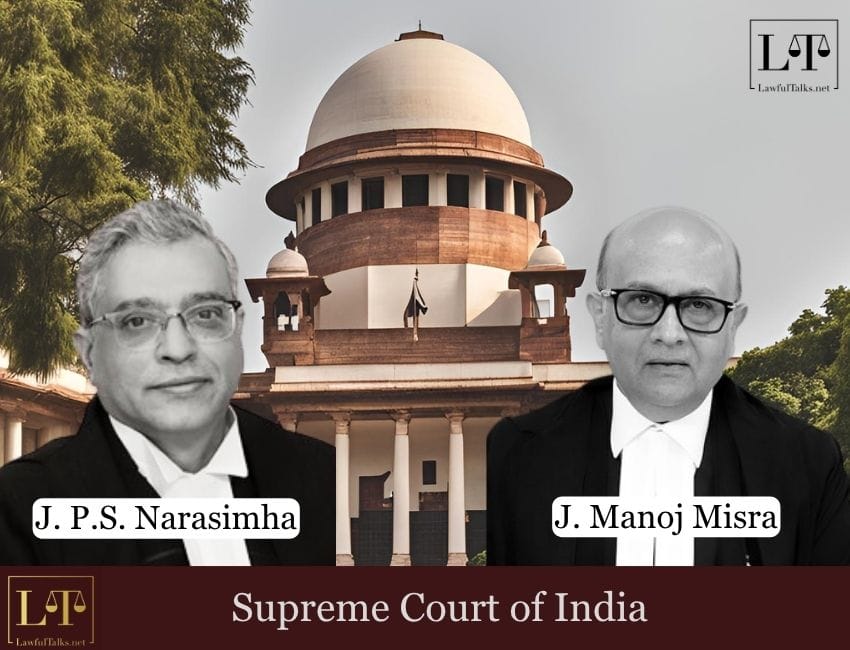
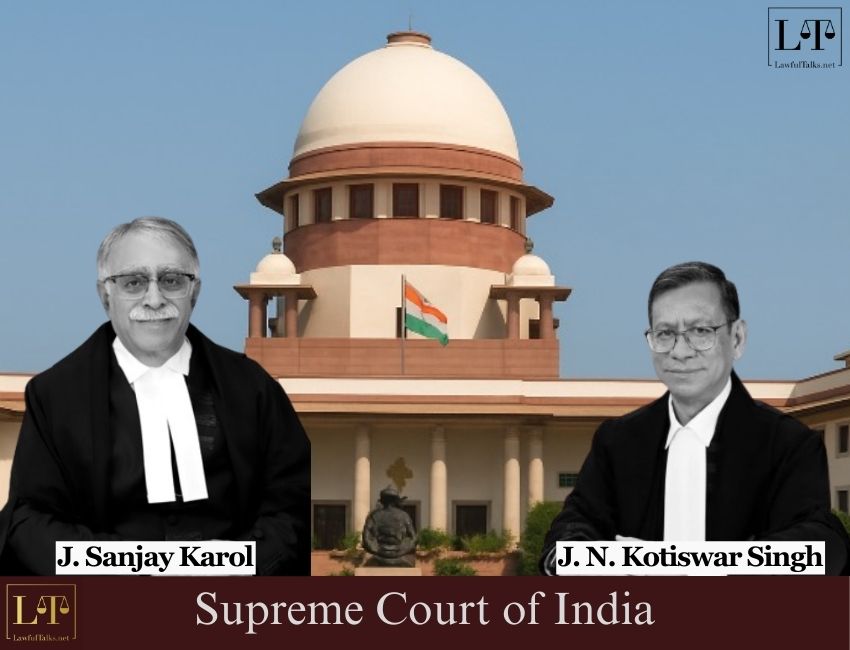
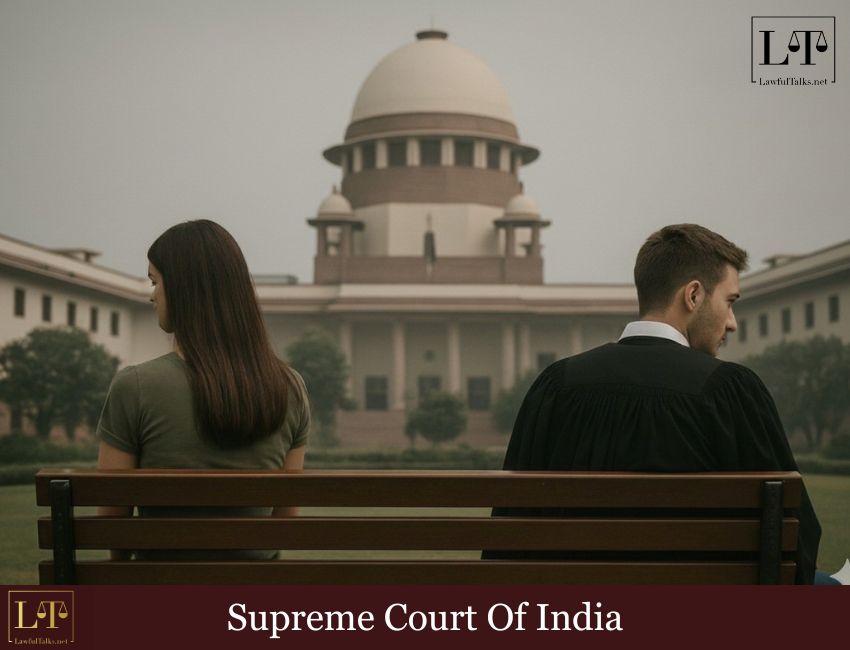
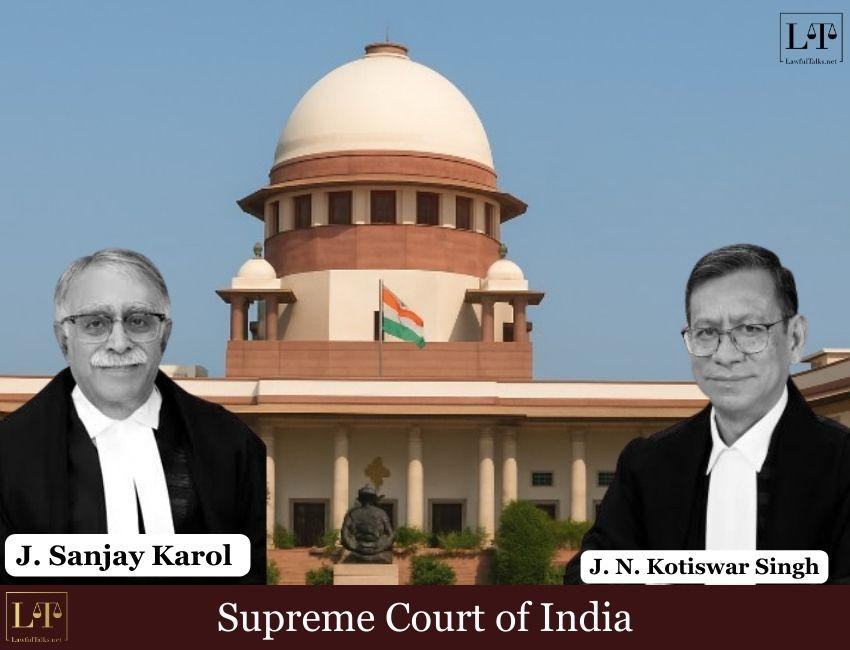
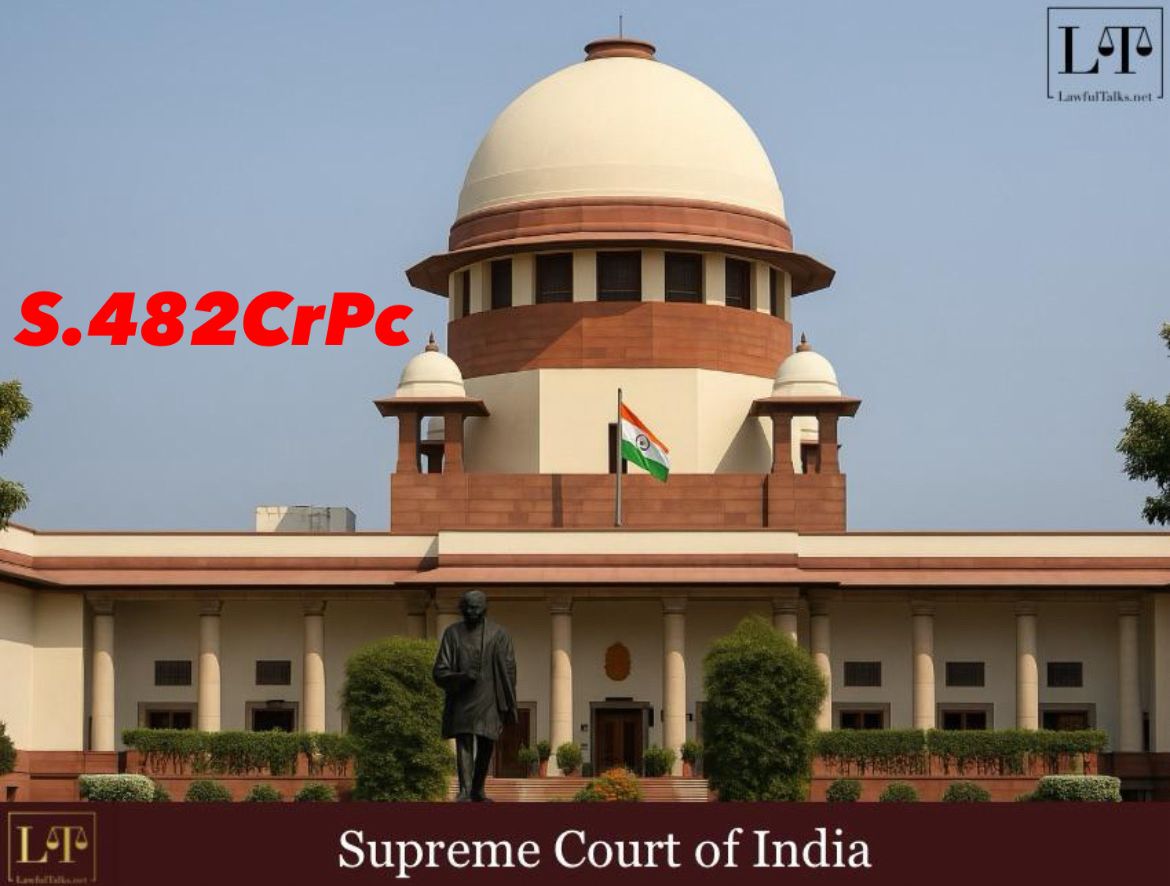
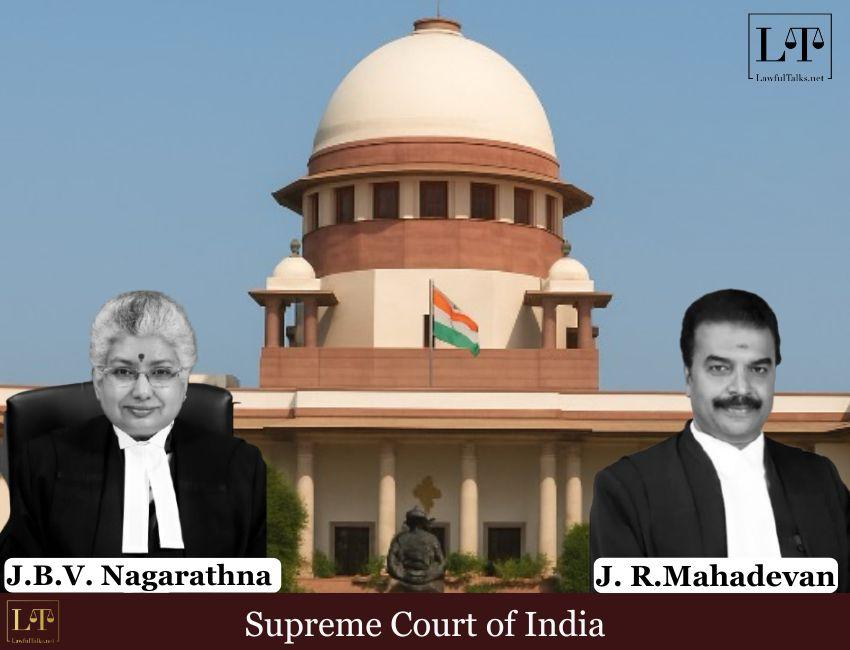
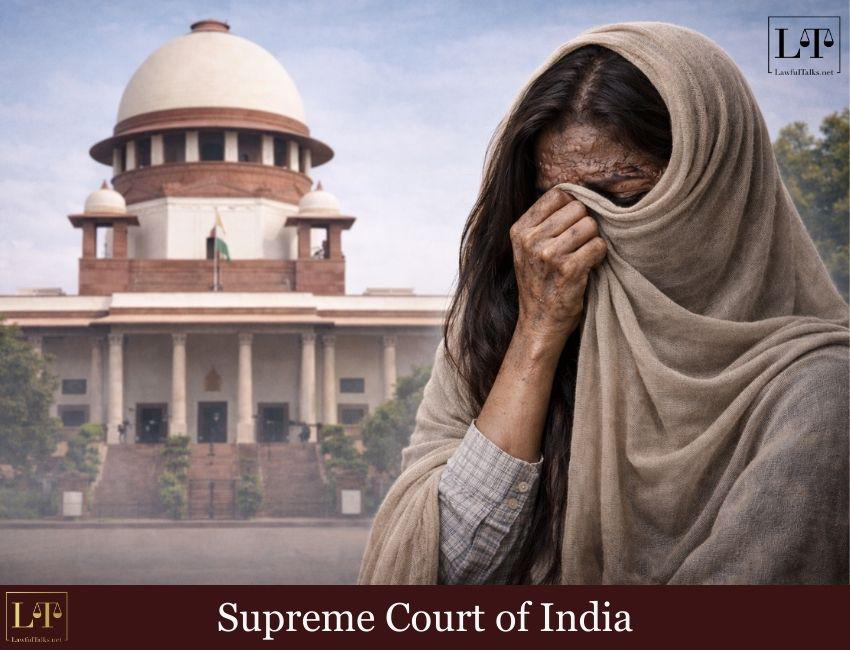
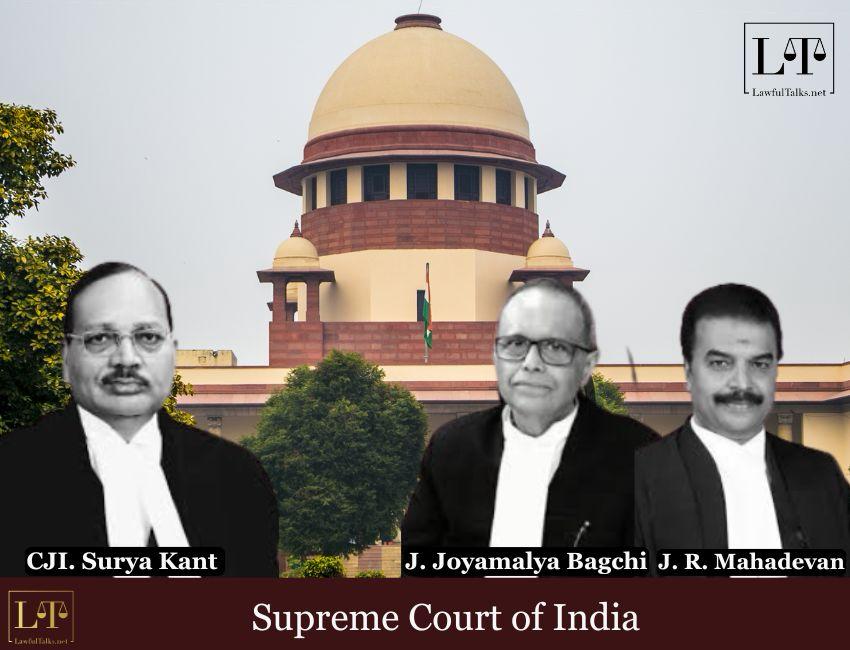
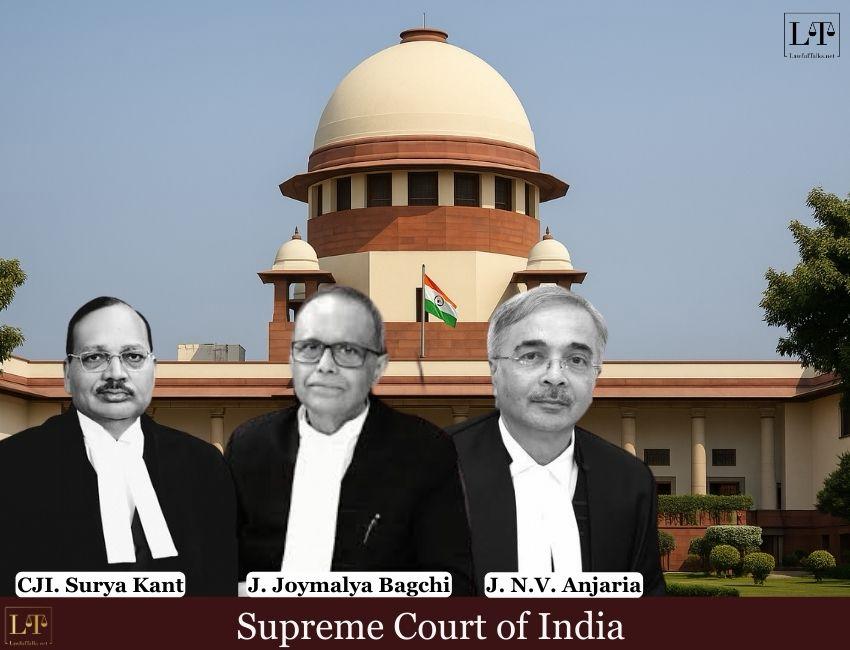
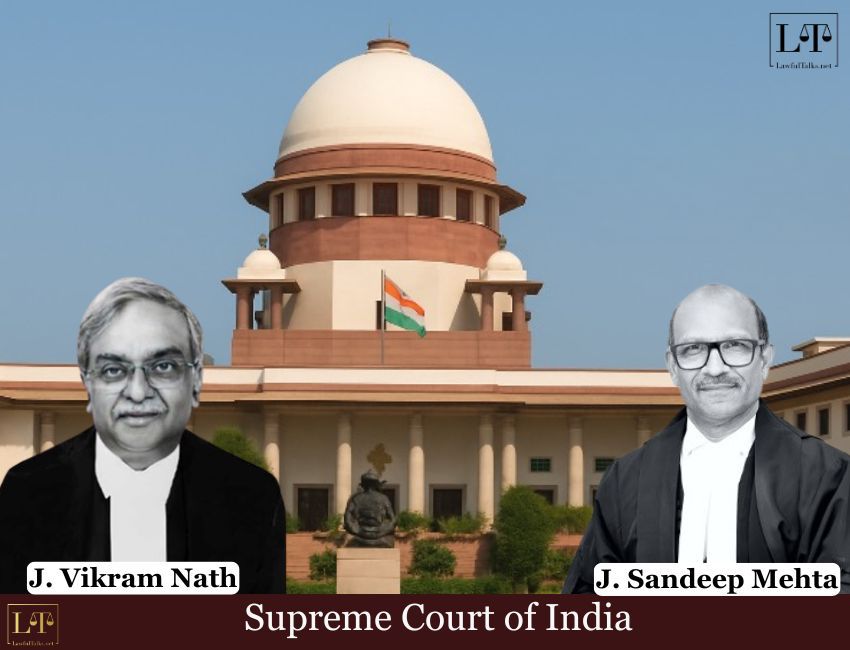
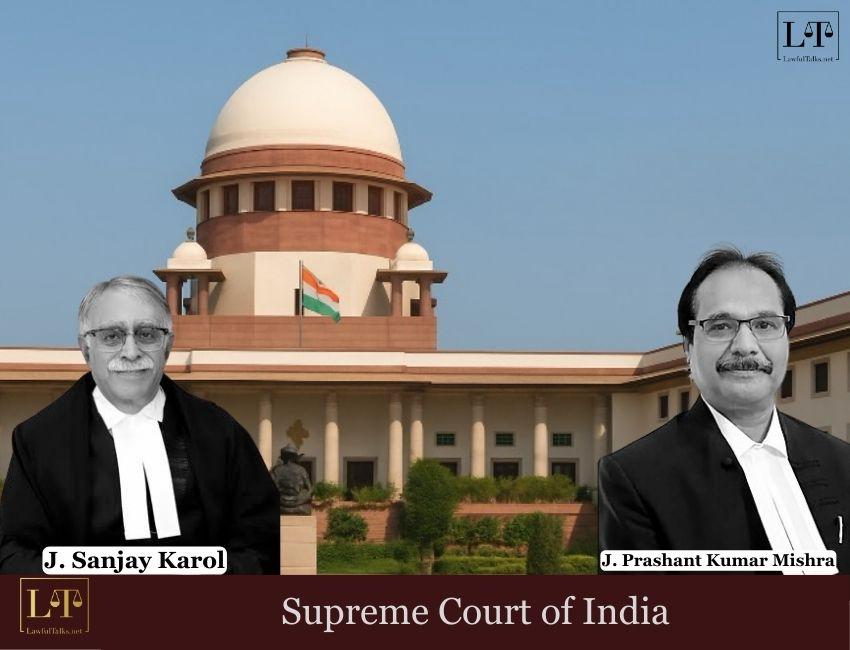
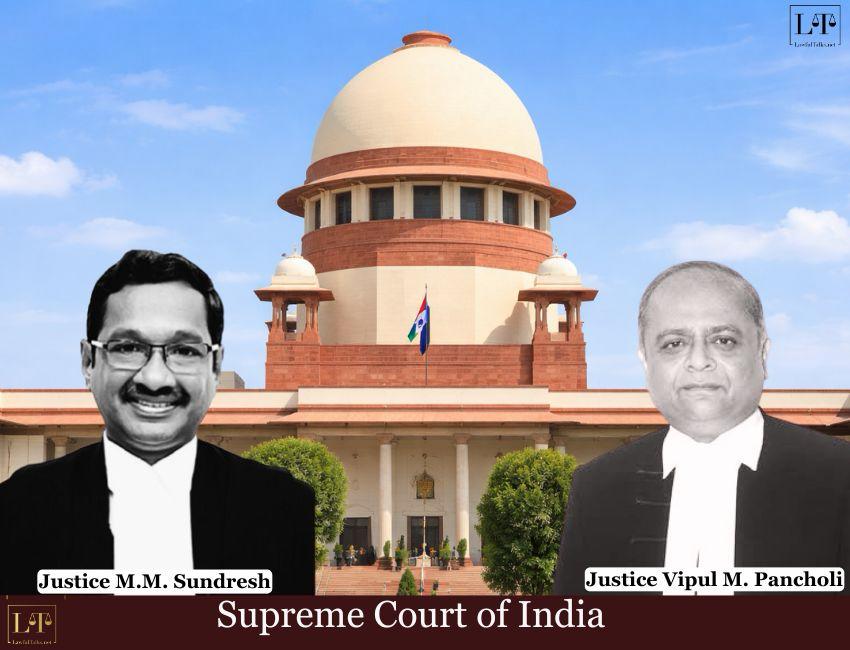
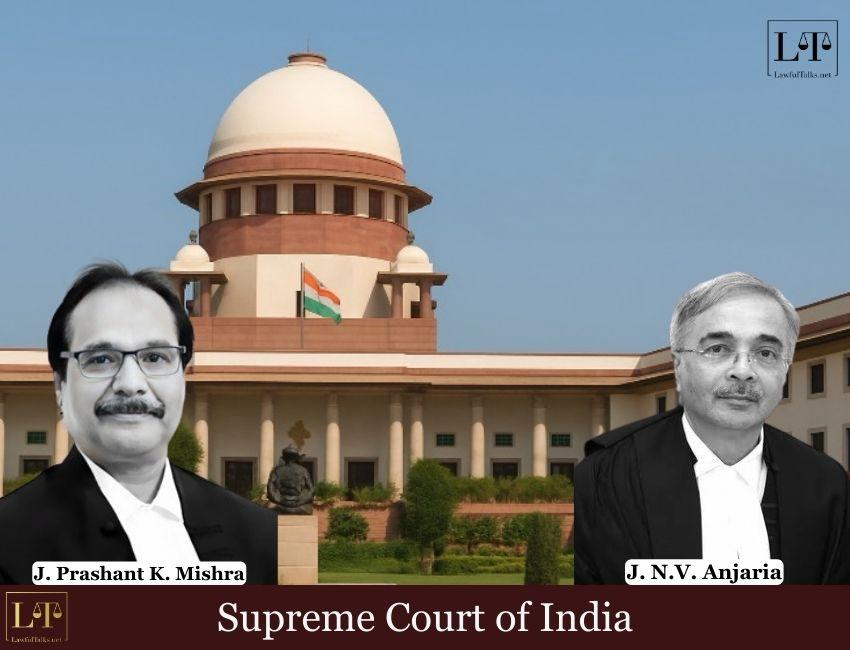
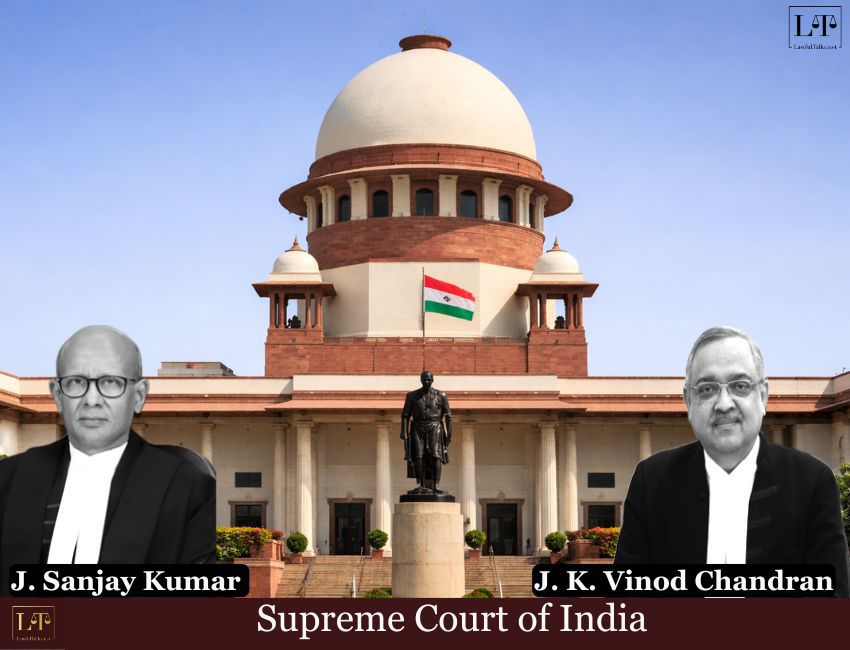
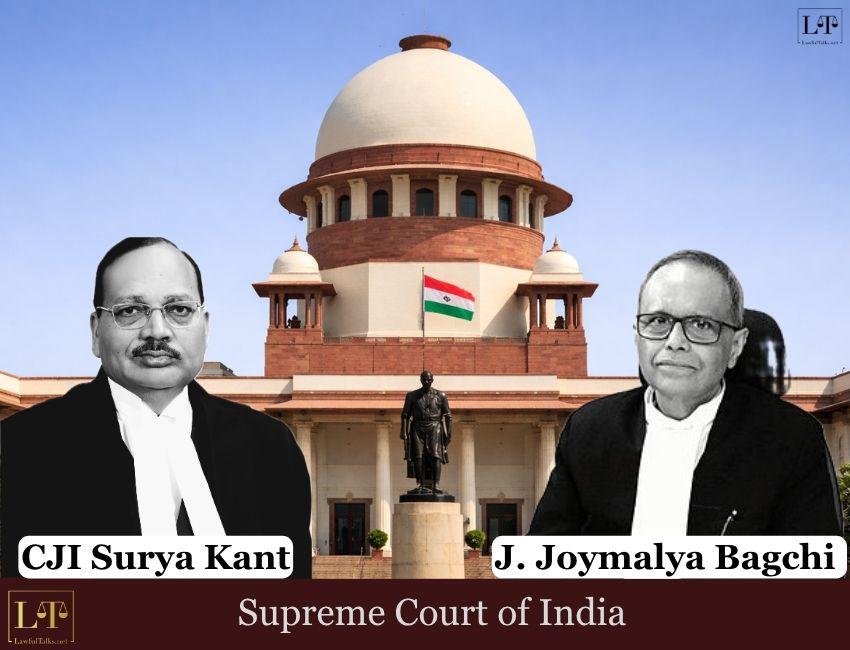
The Supreme Court has overturned a decision of the Allahabad High Court, which had refused to summon additional accused under Section 319 CrPC in a murder case. The judgment was delivered by a Division Bench of Justice Sanjay Karol and Justice N Kotiswar Singh.
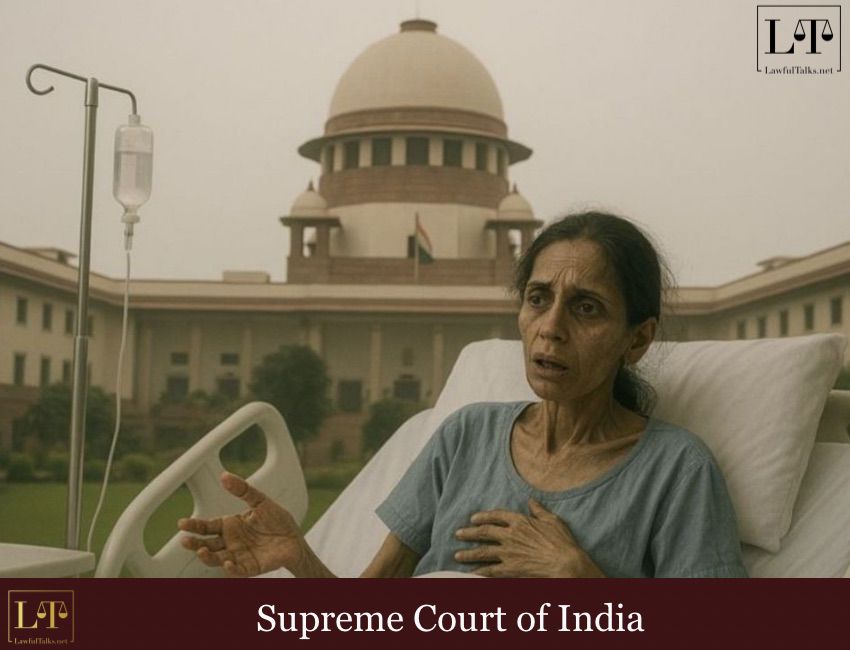
The case began when the High Court upheld an order of the Additional District and Sessions Judge, Bulandshahar, who had rejected the prosecution’s request to summon the deceased woman’s husband’s family members as additional accused. The High Court had ruled that the statements made by the deceased on two different days could not be treated as dying declarations because there was a long gap between when the statements were recorded and when she actually died.
The Supreme Court disagreed, calling this reasoning incorrect. It held that “such approach is untenable since the law does not require that a declarant, at the time of making the statement, to be under the shadow of death or the expectation that death is imminent.”
The Court clarified that statements recorded under Section 161 CrPC, if they relate to the cause or circumstances of a person’s death, are admissible as dying declarations under Section 32(1) of the Evidence Act—even if the person dies much later.
Background:
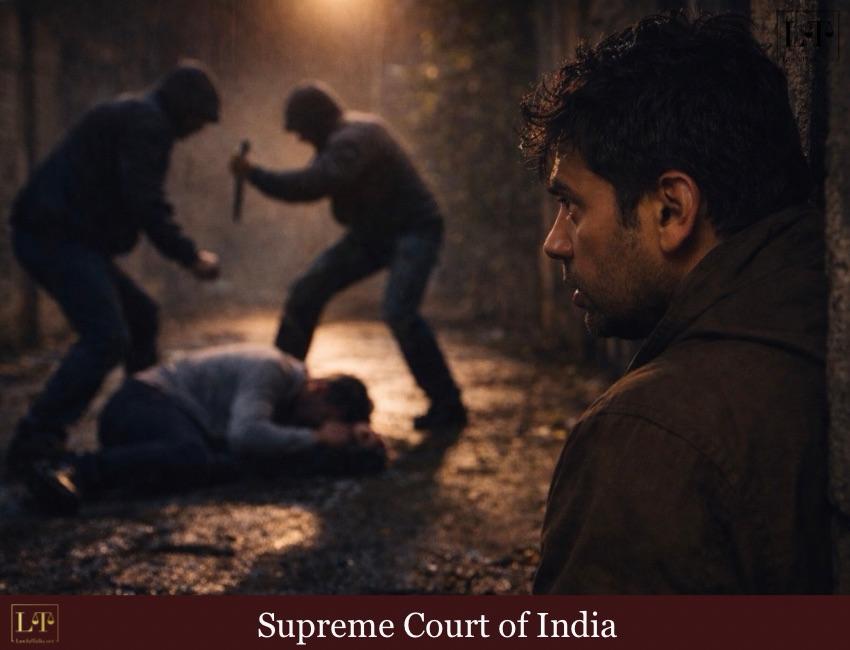
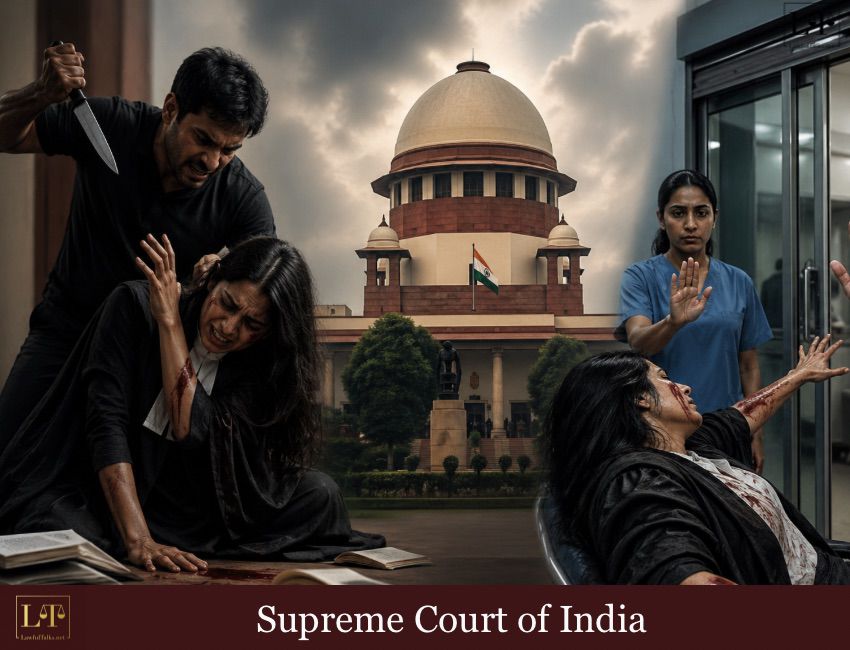
The background involves a tragic incident where the appellant lodged an FIR under Section 307 IPC, reporting that his sister had been shot by her husband, with the initial information coming from a nine-year-old niece. The deceased made two statements during her treatment, first on 25 March 2021 and later on 18 April 2021.
In the initial statement, she accused her husband of shooting her, while the second implicated the husband's mother, brother, and brother-in-law as instigators. Despite the deceased succumbing to injuries on 15 May 2021, the charge sheet was filed only against the husband under Sections 302 and 316 IPC, excluding the other respondents.
The prosecution subsequently sought to add these respondents as accused persons during trial under Section 319 CrPC, but the Trial Court rejected this, finding the evidence insufficient.
The High Court upheld the dismissal of the application because it wrongly interpreted the dying declarations. It also made an incorrect assumption about when those statements were recorded in relation to the woman’s death. This misunderstanding led the Court to reach an incorrect conclusion.
Supreme Court’s Observations:
The Supreme Court explained that Section 319 CrPC is an important tool that allows a court to add more accused persons during an inquiry or trial if the evidence shows reasonable grounds to believe they were involved in the crime. This ensures that every offender is brought to justice and that the trial is fair and complete.
The Court pointed out that the appellant’s testimony showed that the deceased had been harassed for a long time by the respondents because of gender bias, including pressure to abort the pregnancy when a girl child was expected. The niece’s testimony also directly stated that the respondents encouraged the husband to shoot the deceased.
The Supreme Court said the High Court was wrong to reject the niece’s statement simply because she did not witness the actual firing. It emphasized that deciding whether a witness is believable or how strong their evidence is should not happen at this stage. Doing so would amount to a mini-trial, which is not allowed when considering whether to summon someone under Section 319 CrPC.
The Supreme Court explained that, at this stage, the court only has to see whether the evidence on record suggests that the proposed accused might be involved. The court is not supposed to judge how credible or reliable the evidence is.
The Court also confirmed that the deceased’s statements recorded under Section 161 CrPC can be treated as dying declarations under Section 32(1) of the Evidence Act, even if the person making the statement was not on the verge of death at that moment.
It further rejected the claim that the deceased’s statements were invalid because there was no medical certificate confirming her mental fitness. After considering the testimonies of the appellant and the niece, along with the deceased’s statements, the Supreme Court found enough material to make a prima facie case. Therefore, it held that the respondents should be summoned as accused to face trial.
Consequently, the Supreme Court allowed the appeal, setting aside both the Trial Court’s and High Court’s orders, and directed the parties to appear before the Trial Court on 8 January 2026. On the critical question of "whether the Courts below, in the attending facts and circumstances, were justified in dismissing the application for summoning the respondents as additional accused?" The court’s answer was clearly a no, given the sufficiency of evidence indicating the respondents' complicity at this stage.
Case details: Neeraj Kumar v. State of U.P., Crl.A. No. 5229/2025

















































































































Sign up for free and be the first to get notified about curated content just for you.