‘India’s Got Latent’ Row Explodes in SC : CJI Rips Into ‘Lack of Online Accountability,’ Pulls Up YouTubers

- November 27, 2025


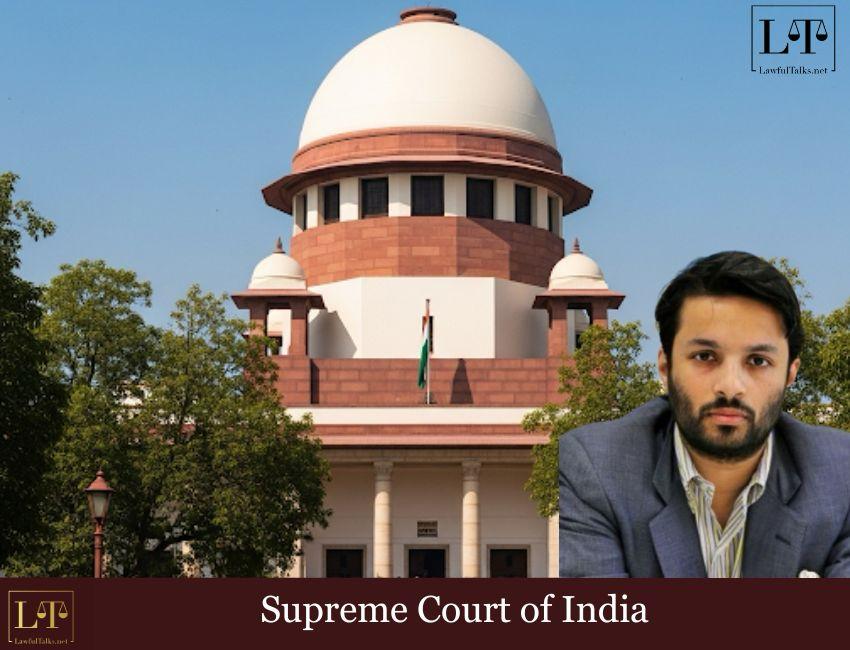
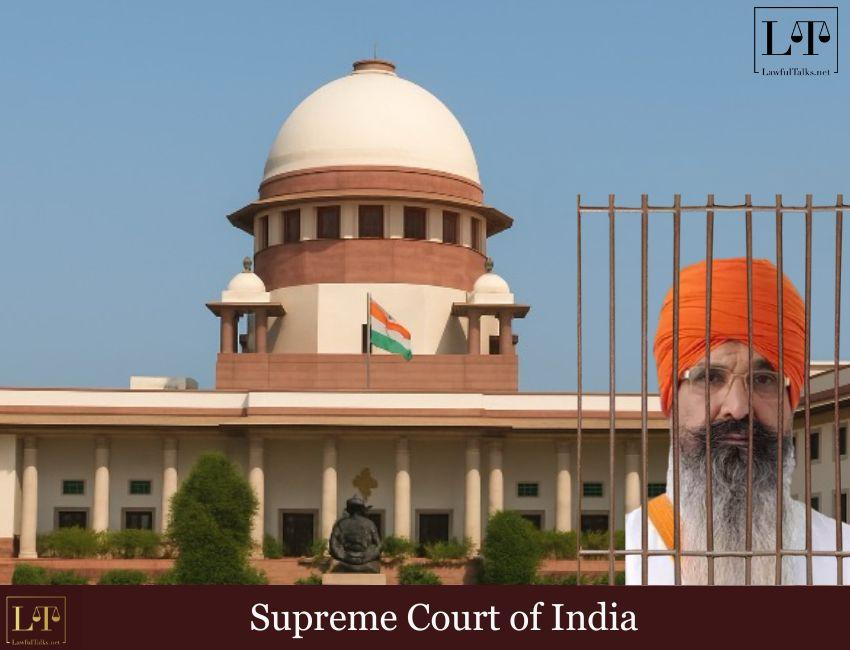
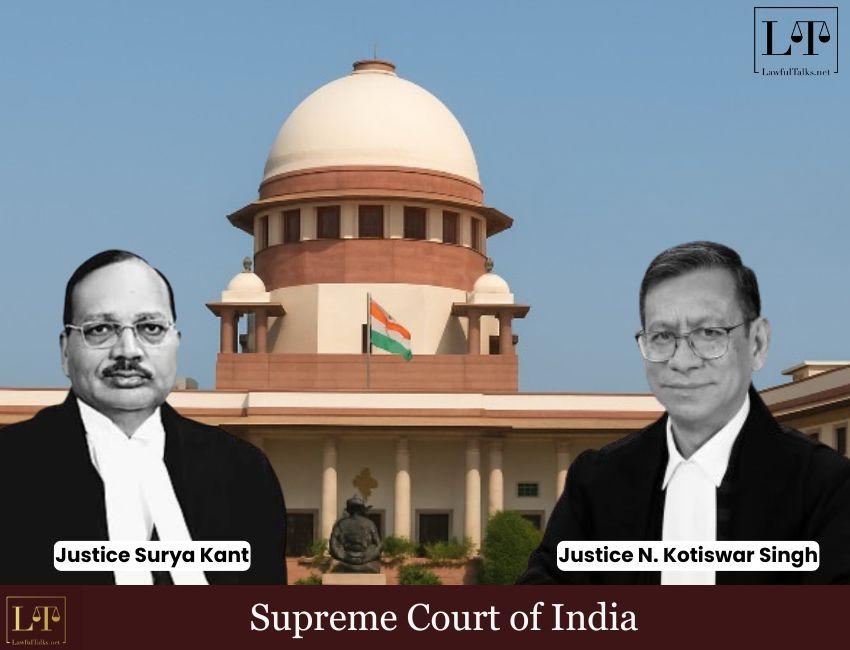
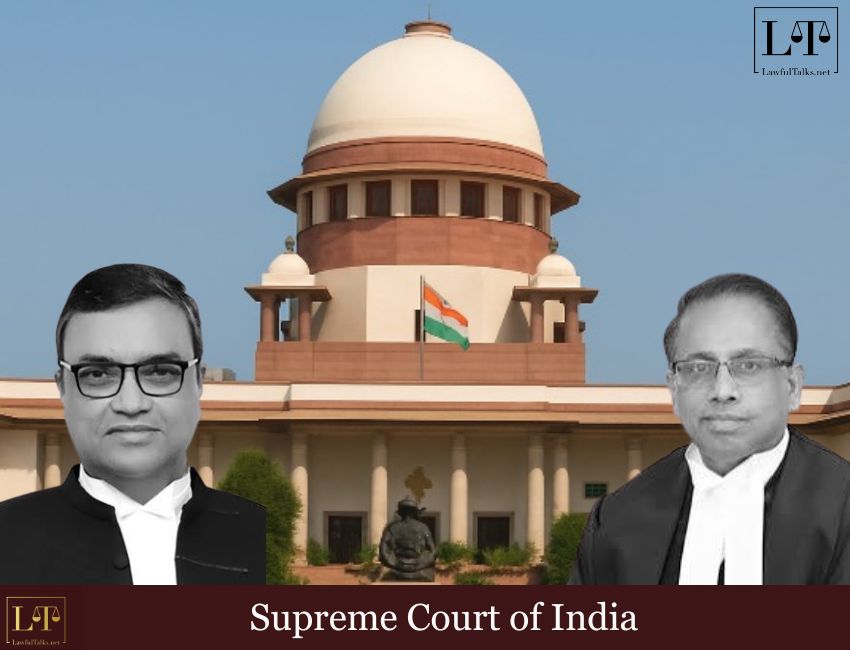
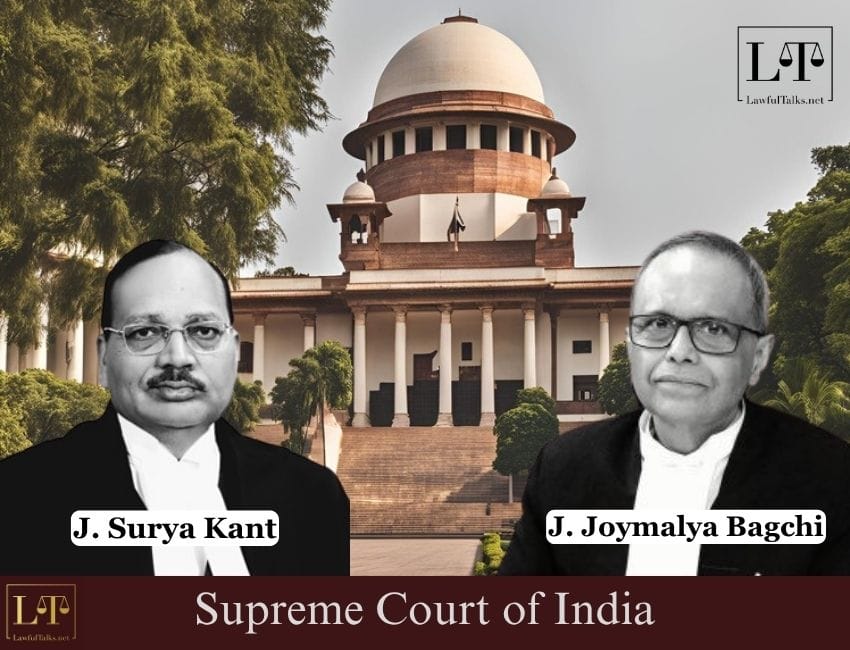
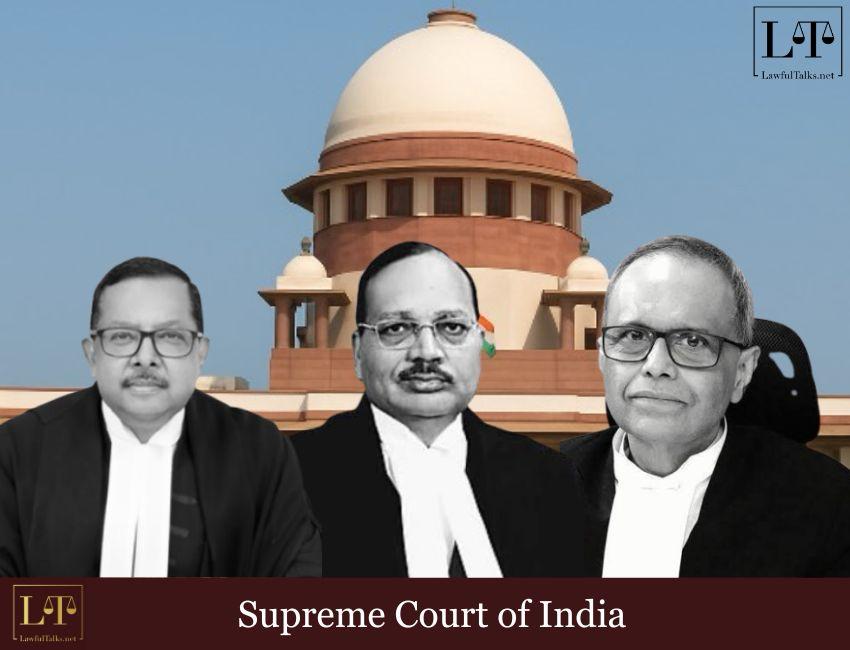
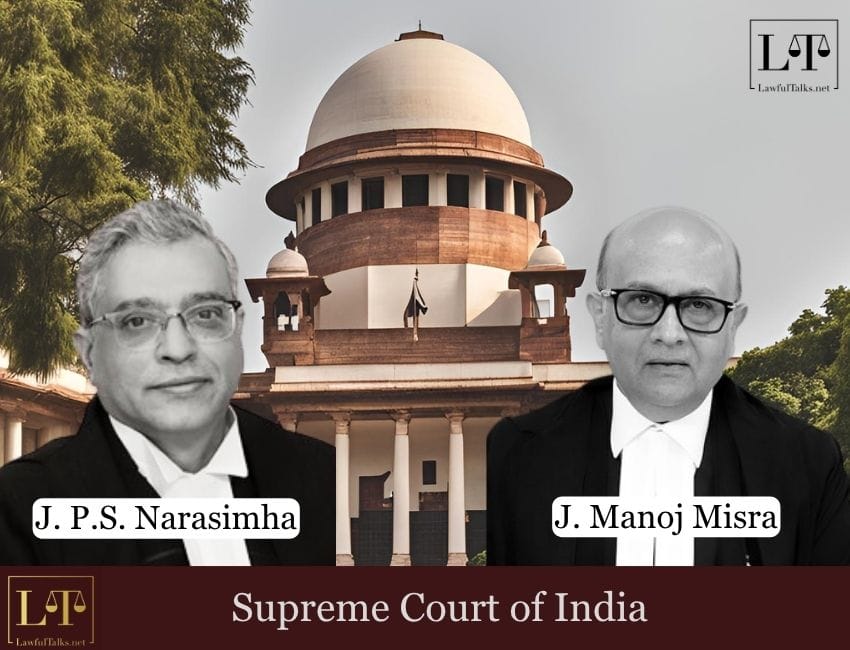
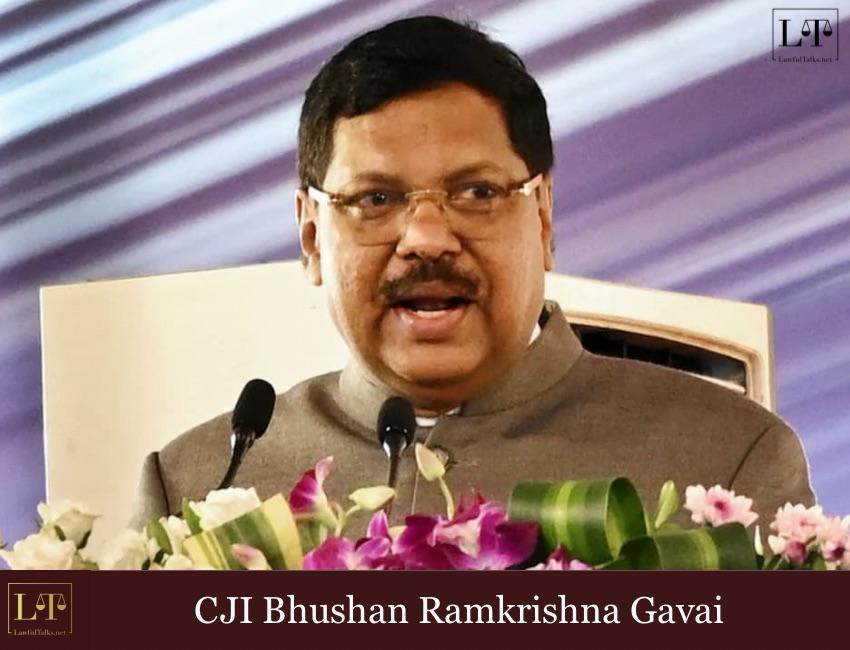
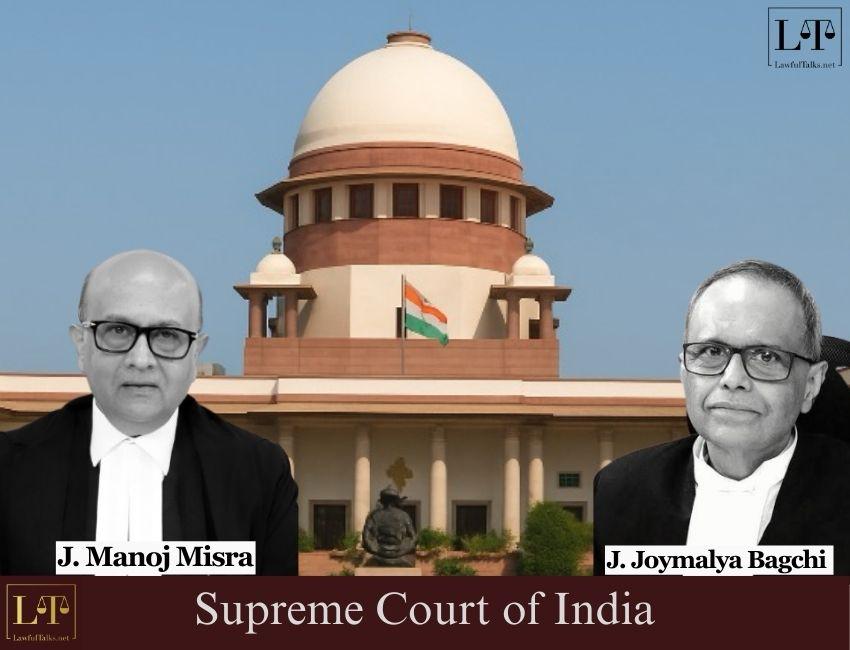
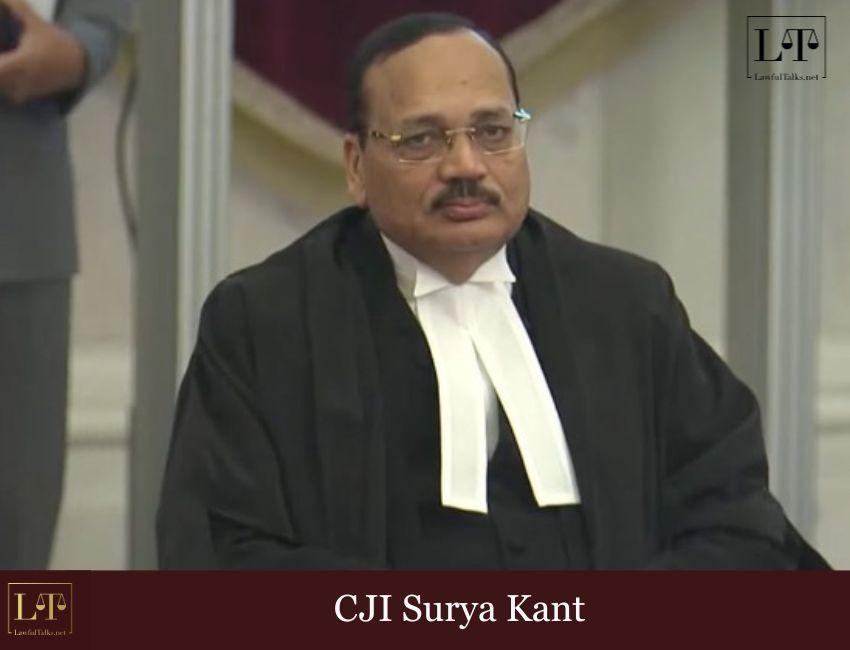
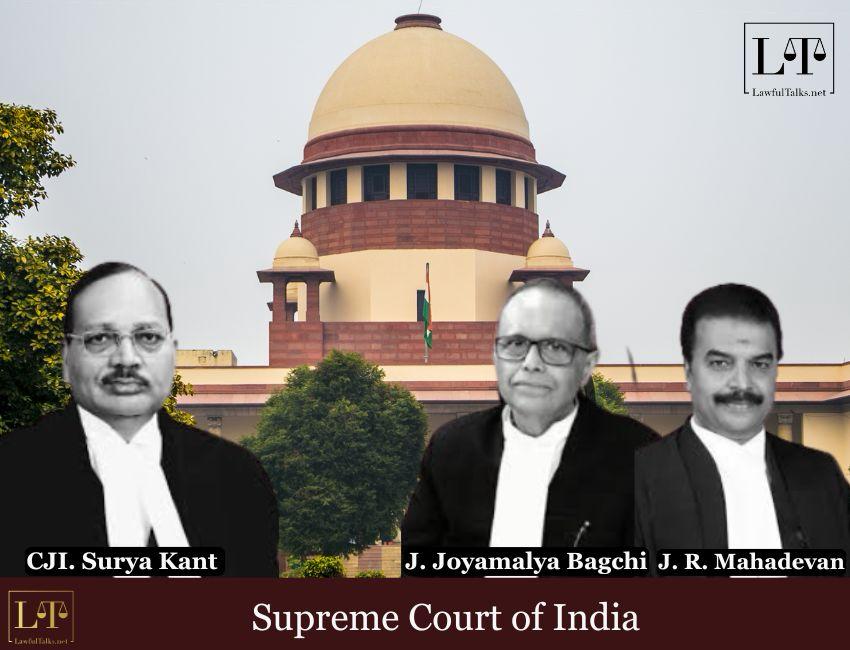
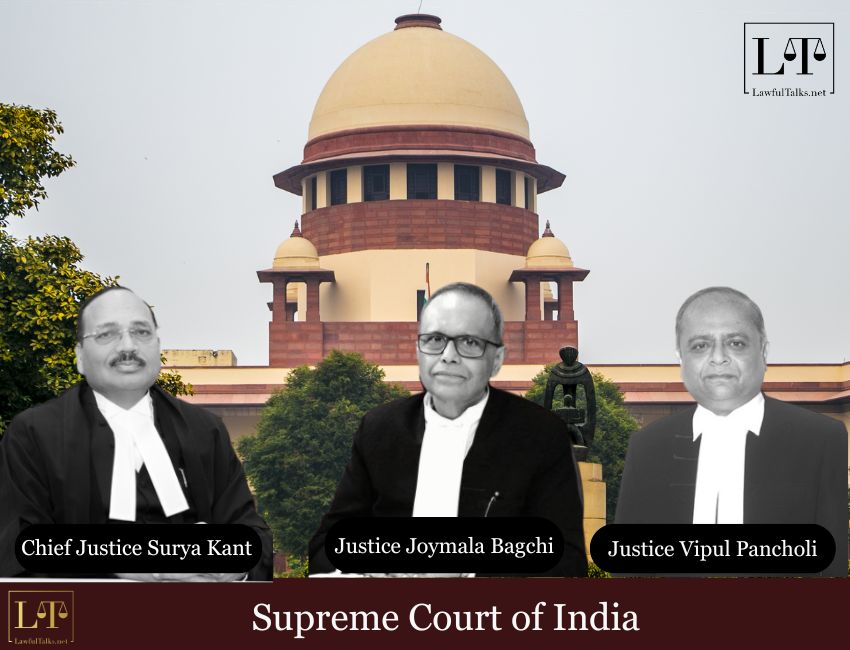
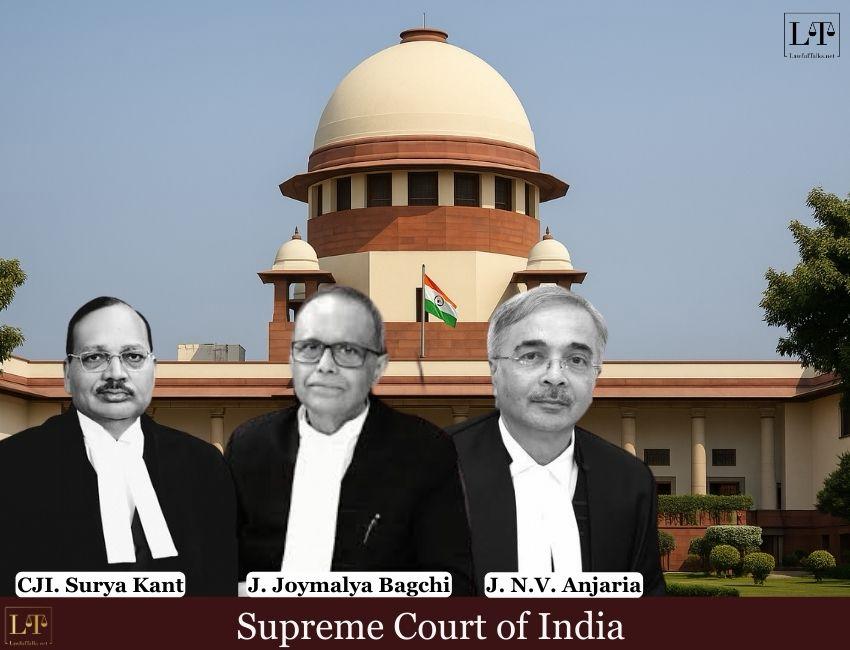
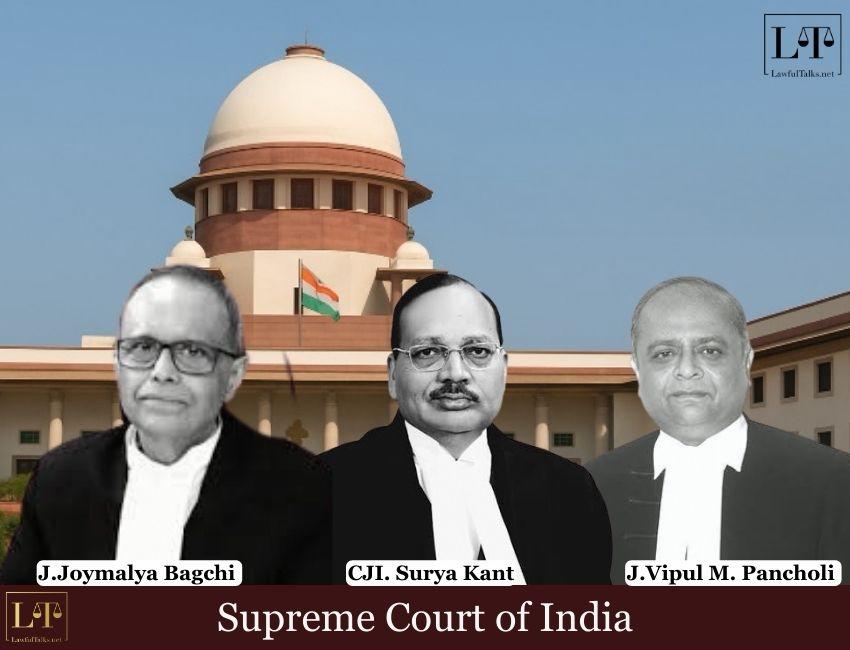
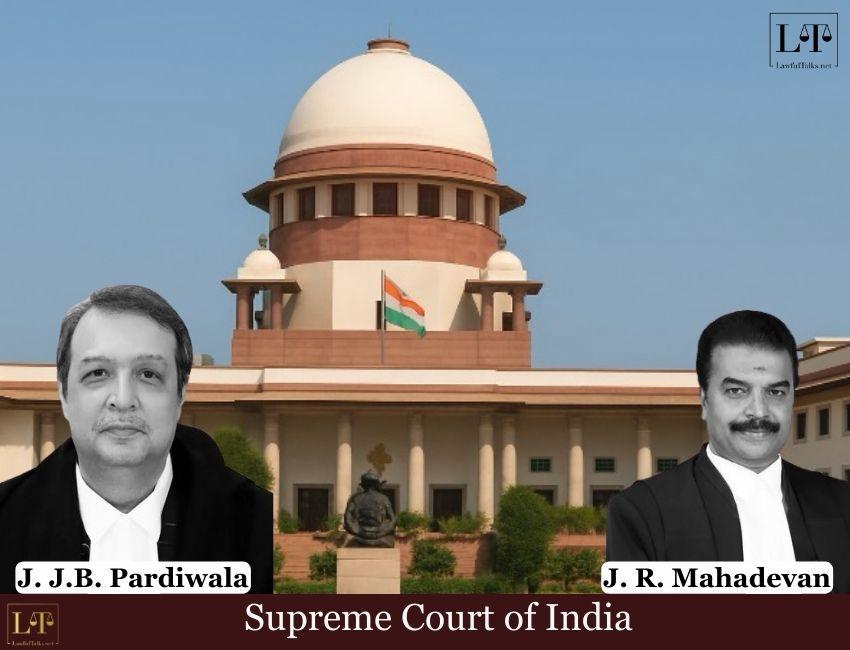
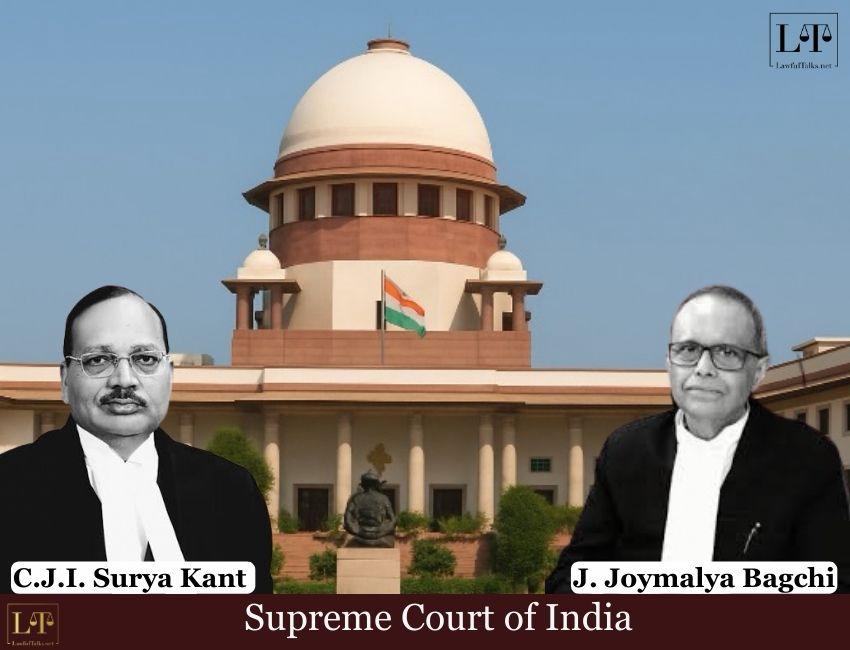
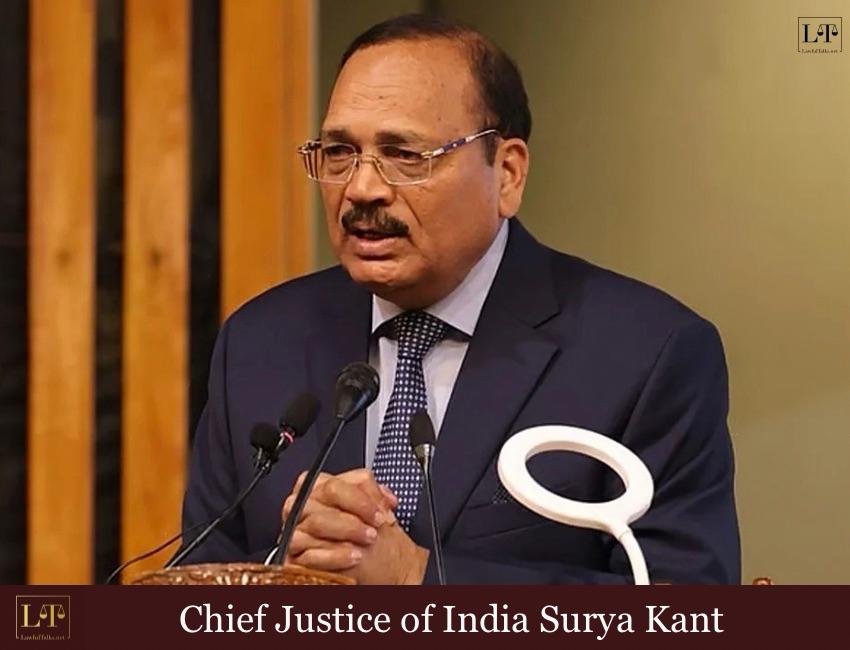
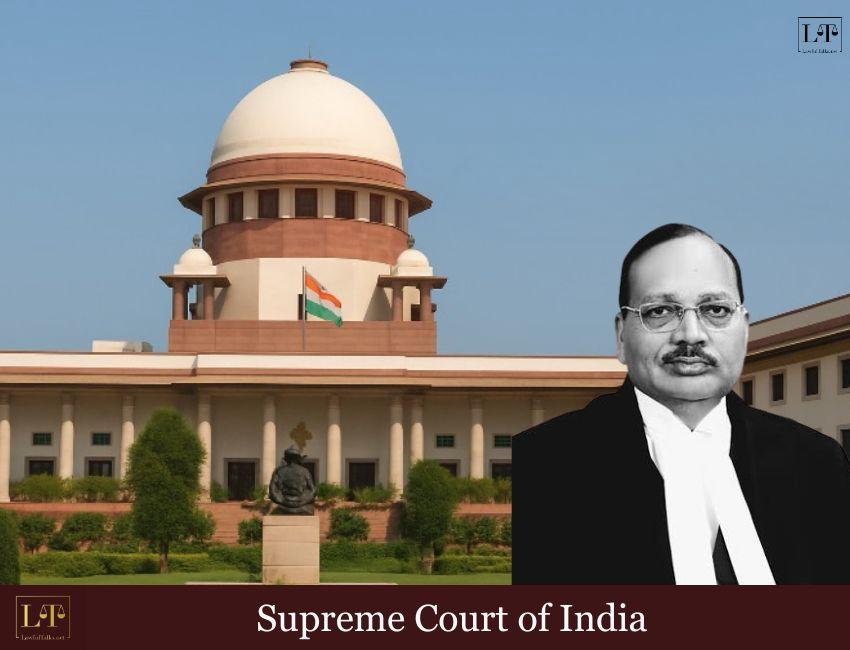
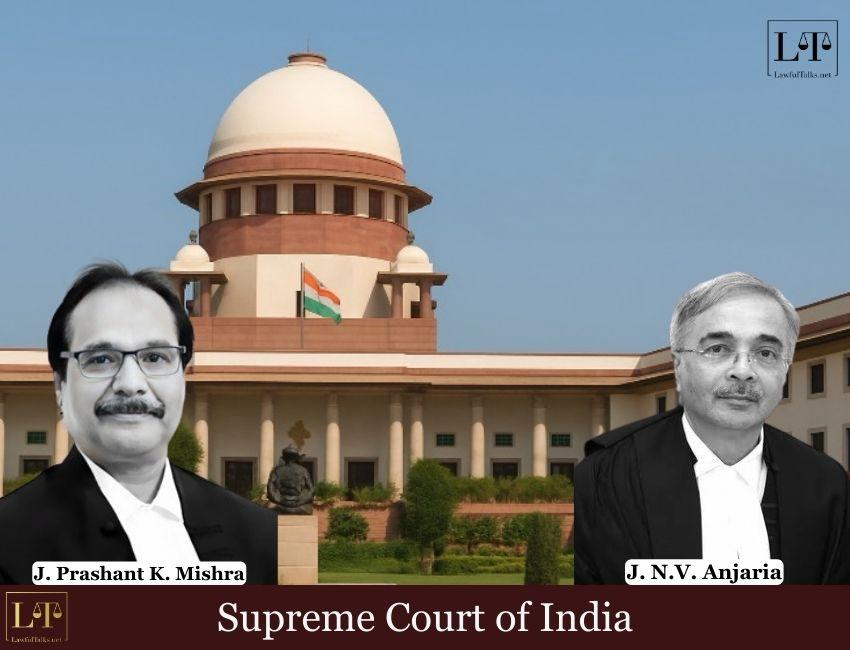
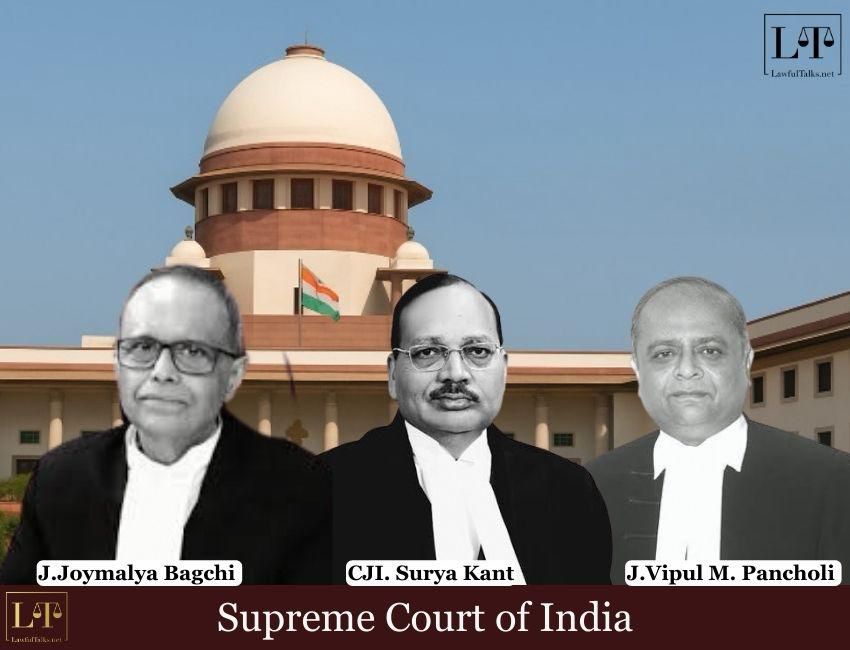
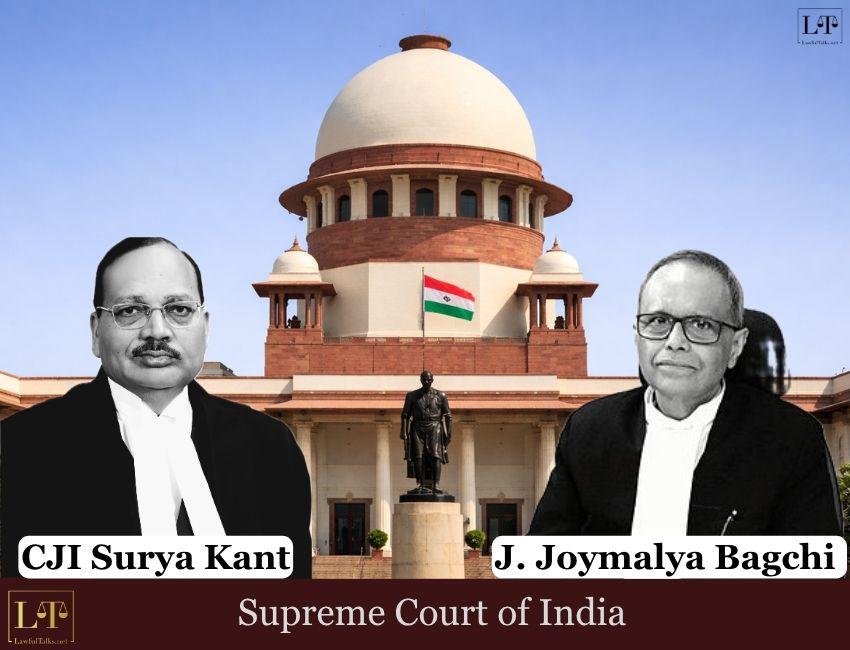
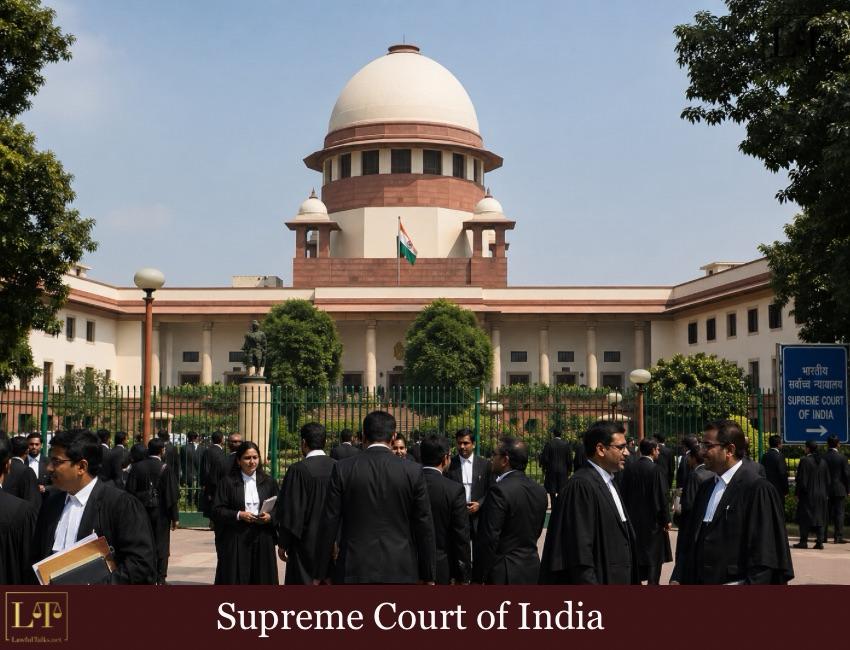
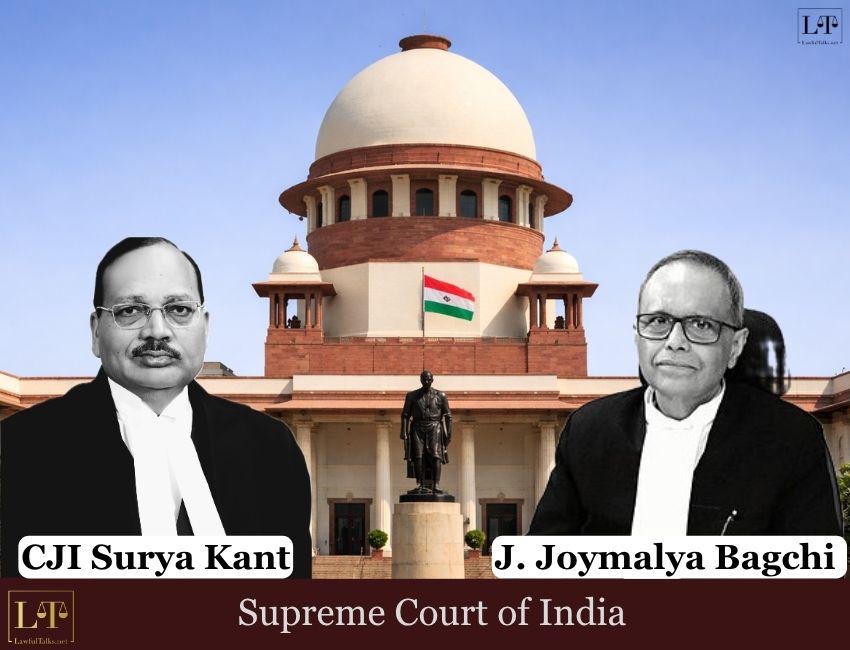
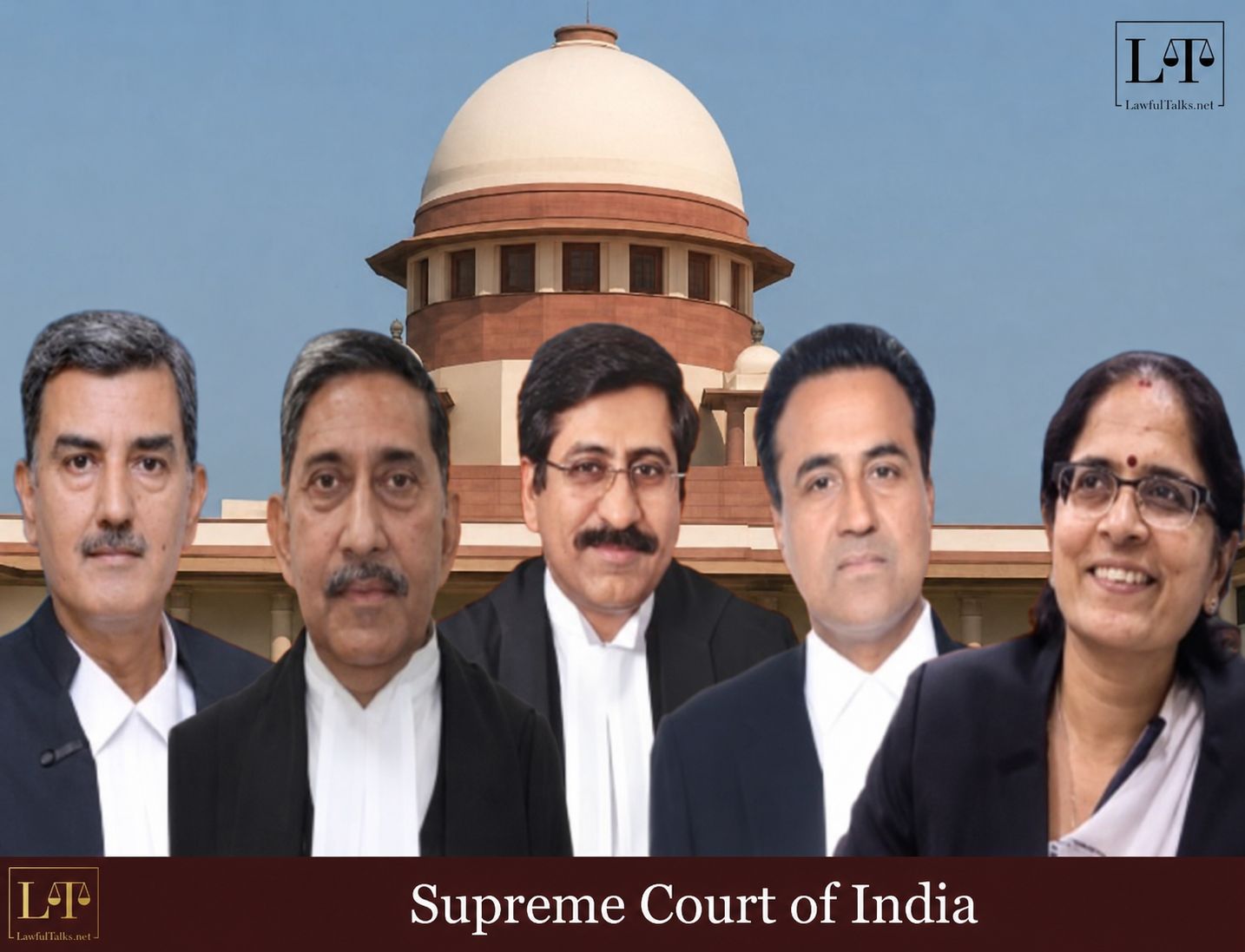
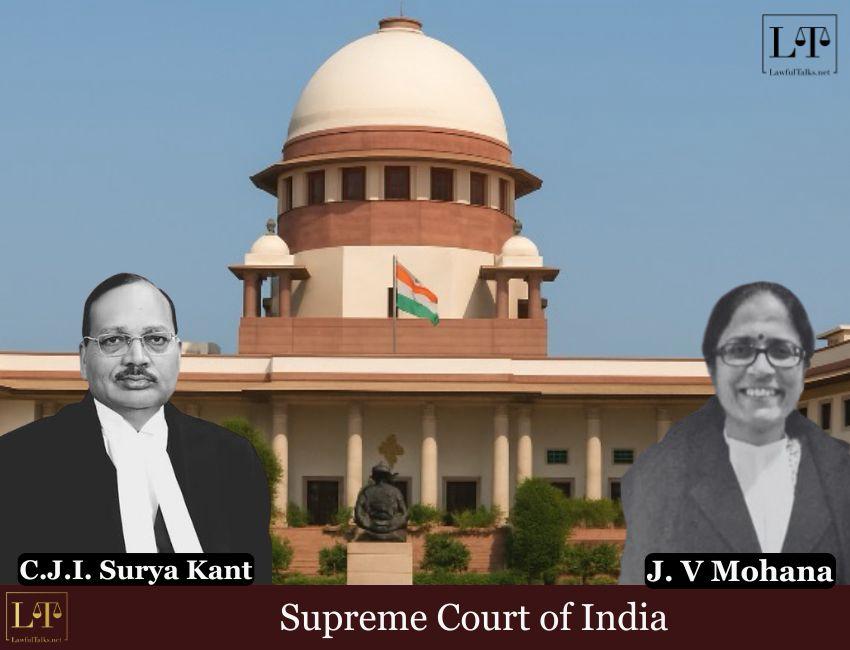
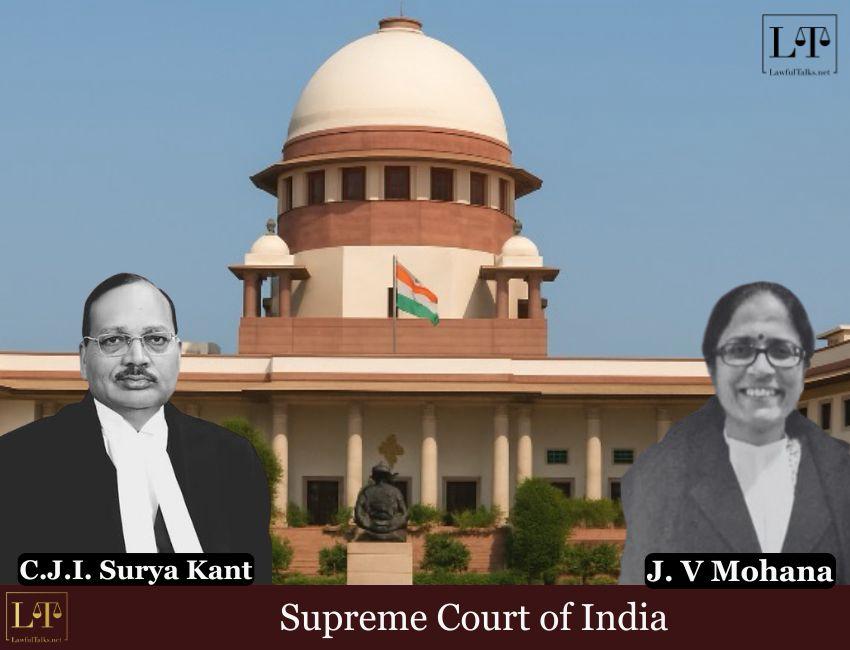
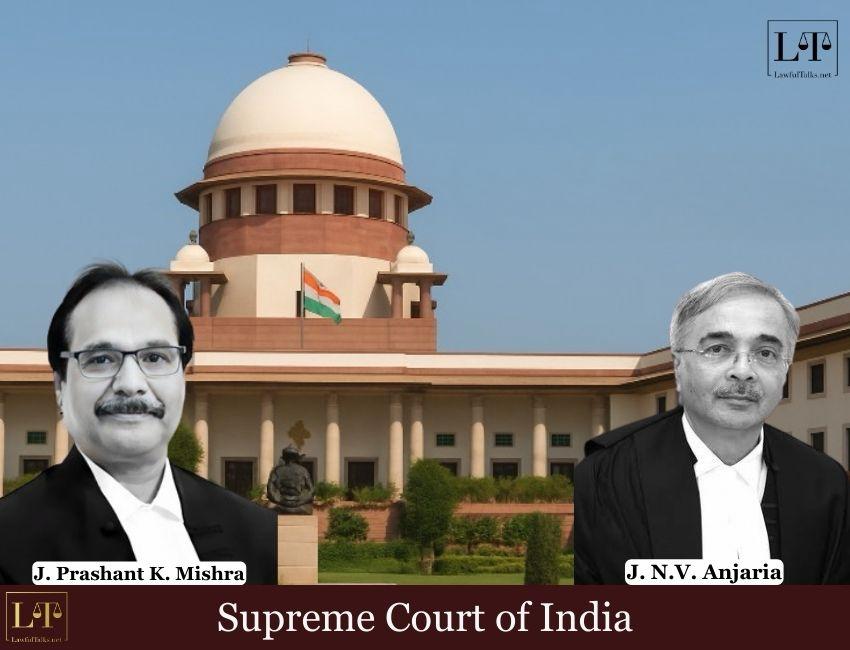
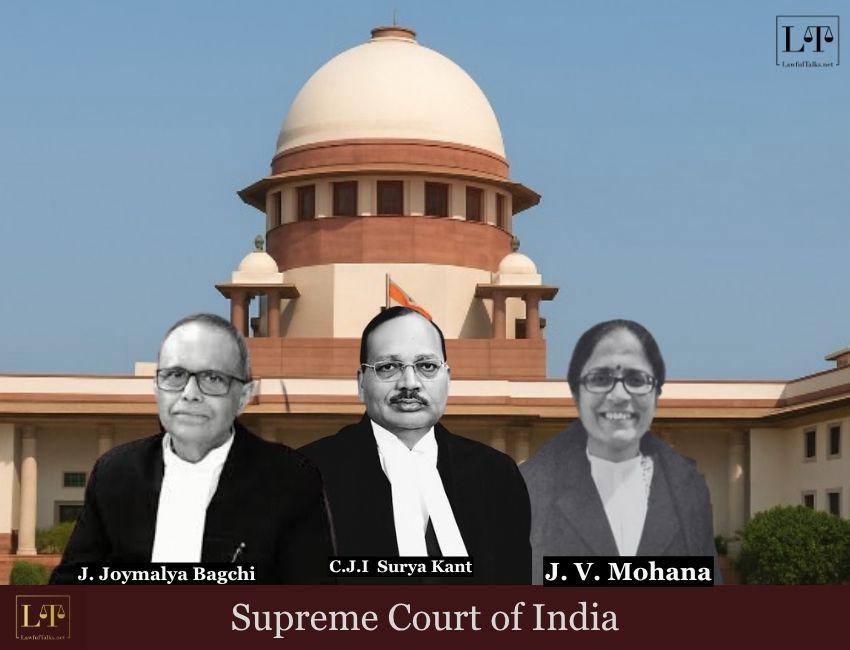
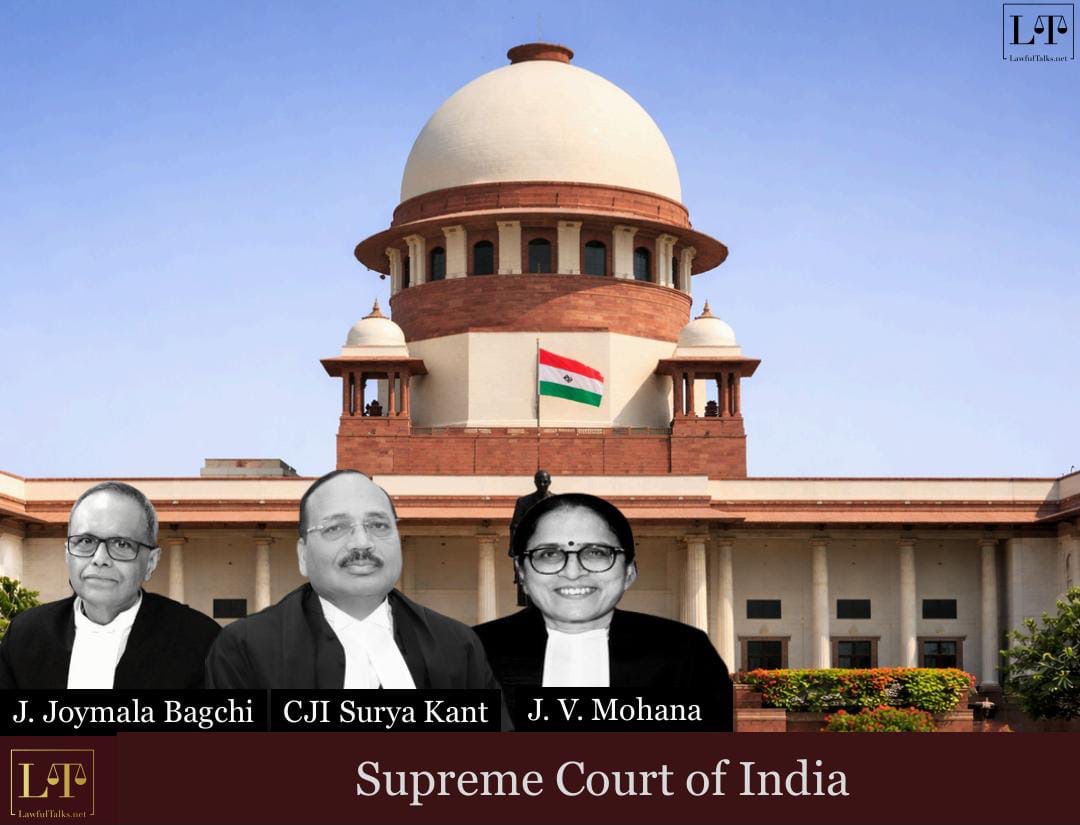
The Supreme Court has questioned how online content is regulated in India, saying the current system of self-regulation used by media houses, OTT platforms, and content creators is no longer enough. A Bench led by Chief Justice of India (CJI) Surya Kant and Justice Joymalya Bagchi was hearing petitions by content creators — including Ranveer Allahabadia, who are facing FIRs for allegedly obscene or offensive content in the show India’s Got Latent.
Background:
Podcaster Ranveer Allahabadia and others are challenging the FIRs filed against them for allegedly obscene content in the show India’s Got Latent. Earlier, the same bench had widened the scope of the case to examine the larger issue of creating guidelines to curb online obscenity.
During the hearing, the CJI made some critical remarks about the lack of accountability in online content. He said he found it strange that anyone can start an online channel without any responsibility.
The Supreme Court emphasised that there is a strong need for a “neutral, independent and autonomous” authority to oversee obscene, offensive, or illegal content on online platforms. The Court also voiced its disappointment with the current system of self-regulation used by media organisations, noting that it has not been effective.
At the hearing, Attorney General R. Venkataramani (AG) and Solicitor General Tushar Mehta(SG), told the bench that the Union Government has drafted new guidelines and is currently consulting stakeholders. The SG added that the problem isn’t limited to “obscenity” alone — it also includes what he described as “perversity” in user-generated content published by individuals on their own YouTube channels and other online platforms.
CJI Kant expressed surprise that such content creators have no regulation. He remarked,“So I created my own channel, I am not accountable to anyone… somebody has to be accountable!” He added, “Freedom of speech is an invaluable right but it cannot lead to perversity.” The CJI further stressed that the “Right to speech has to be respected”, but if a programme contains adult content, “some warning in advance must be there.”
He voiced concerns that offensive content could violate the rights of the poor and marginalized. "Freedom of speech is an invaluable right but it cannot lead to perversity," he said.
"Self styled bodies will not help,some neutral autonomous bodies which are free from the influence of those who exploit all of this and the state also is needed as a regulatory measure," CJI Kant expressed. If the self-regulation mechanism was so effective, why were instances of violations repeating, CJI asked.
Joining the CJI, Justice Bagchi said, "Where the content is perceived as anti-national or disruptive of society's norms, will the creator take responsibility for it? Will self-regulation be sufficient? The difficulty we are facing is the response time. Once the scurrilious material is uploaded, by the time the authorities react, it has gone viral, to millions of viewers, so how do you control that?"
Advocate Prashant Bhushan, representing a disability rights activist who has intervened in the case, voiced concerns about the use of the term “anti-national.” He argued that the phrase is vague and could easily be misused to target people who criticise the government.
Justice Bagchi then posed a hypothetical question to explore the issue further: “Forget the idea of something being anti-national—what if there’s a video claiming that a certain region is not part of India? How should that be dealt with?”
The Chief Justice of India also remarked that warnings and disclaimers shown before programs are not effective, emphasising the need for proper age-verification systems on online platforms.
The Solicitor General added that some of the remarks made in the ‘India’s Got Latent’ show were so disgusting and gross that he couldn’t even repeat them in court.
The counsel for the News Broadcasters and Digital Association asked that they, too, be included in the consultations on the new guidelines. In response, the bench suggested that the Government publish a draft of the proposed rules, invite public comments, and then form an expert committee—including domain specialists and individuals with judicial experience—to examine the issue in detail.
The Court has now scheduled the matter to be heard again in four weeks.
The bench is currently dealing with three related cases: two petitions filed by YouTubers Ranveer Allahabadia and Ashish Chanchlani seeking to club multiple FIRs filed against them over the India’s Got Latent controversy, and one petition filed by M/s SMA Cure Foundation.
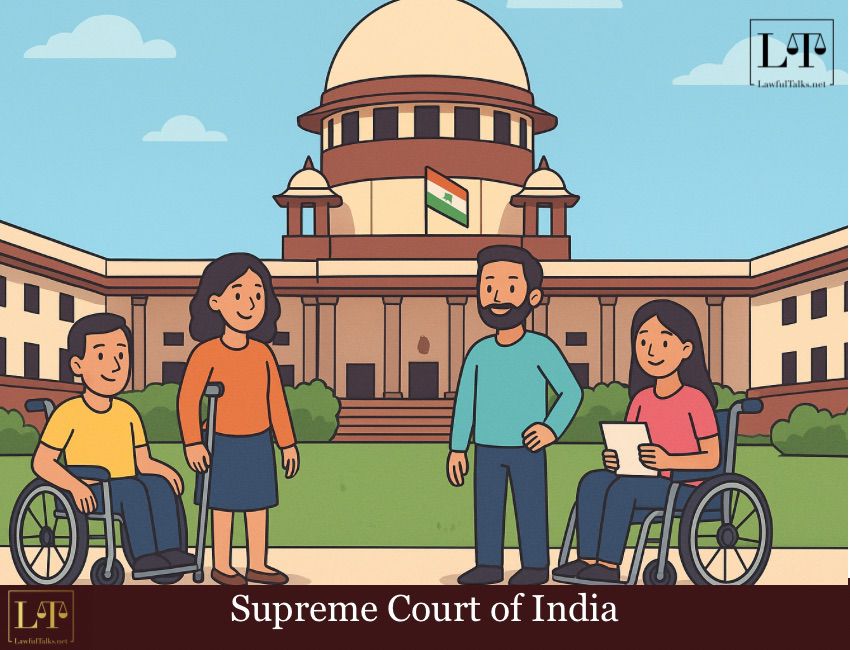
Earlier, the Court directed five comedians, including Samay Raina, to issue public apologies on their YouTube channels and social media accounts for making insensitive jokes about persons with disabilities.
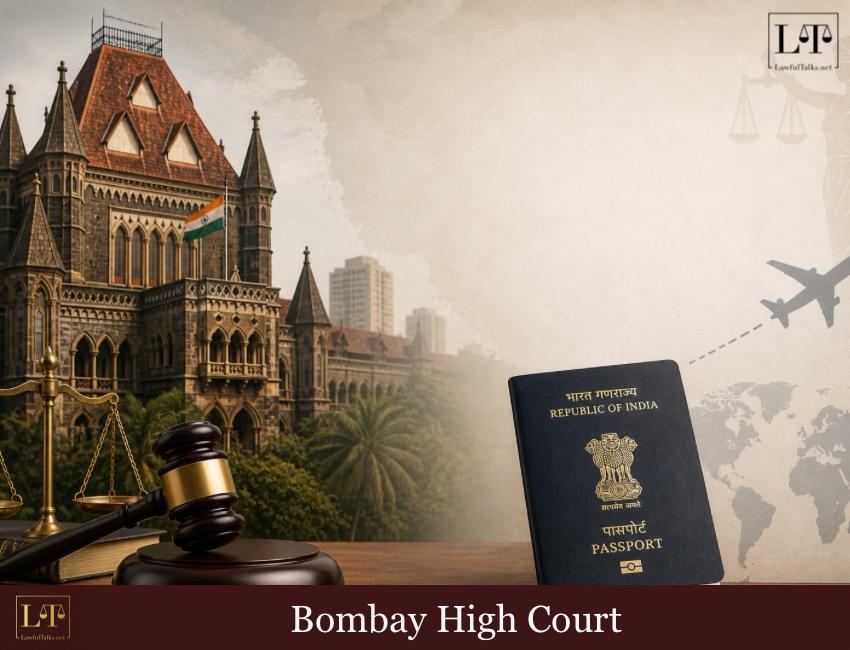
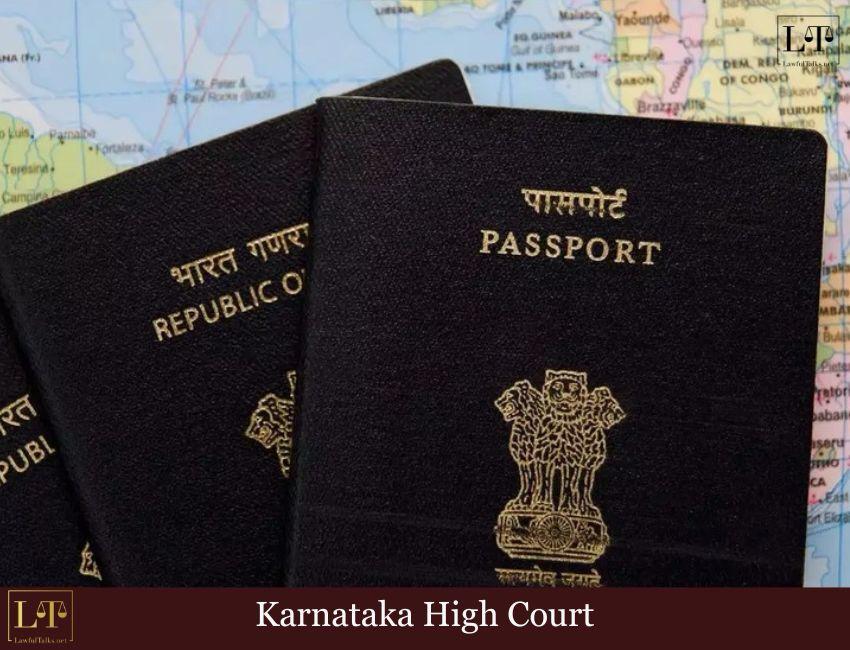
The Court has also granted interim protection to Allahabadia and ordered the return of his passport, while Ashish Chanchlani—though protected by an interim order from the Gauhati High Court—has received a notice from the Supreme Court regarding his request to combine the FIRs against him.
Case Details:
(1) RANVEER GAUTAM ALLAHABADIA Versus UNION OF INDIA AND ORS., W.P.(Crl.) No. 83/2025
(2)ASHISH ANIL CHANCHLANI Versus STATE OF GUWAHATI AND ANR., W.P.(Crl.) No. 85/2025
(3) M/S. CURE SMA FOUNDATION OF INDIA Versus UNION OF INDIA AND ORS., W.P.(C) No. 460/2025
























































































Sign up for free and be the first to get notified about curated content just for you.