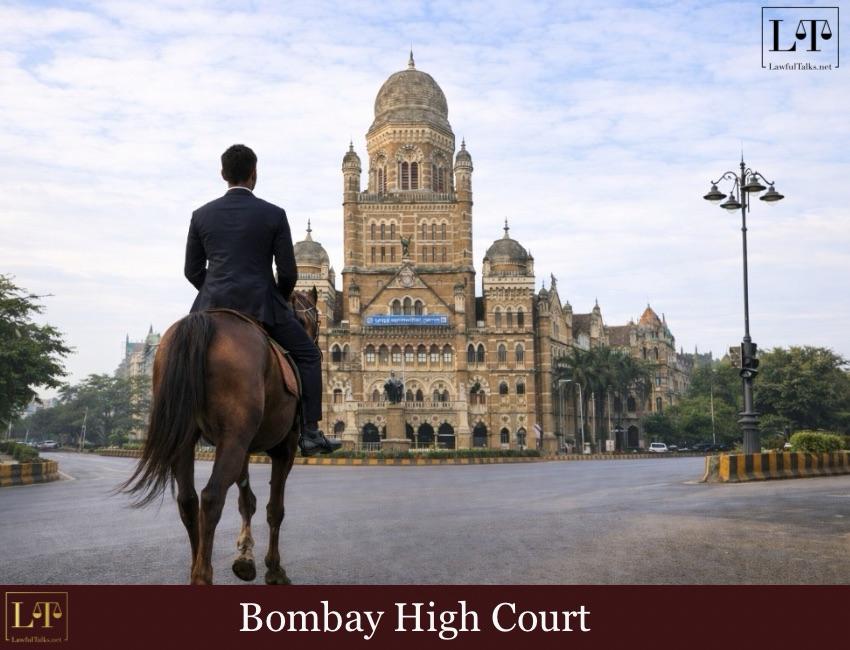
Bombay HC Slams Police Overreach: Debit-Freezing Is ‘Attachment’, Not Allowed Under Section 106

- November 25, 2025


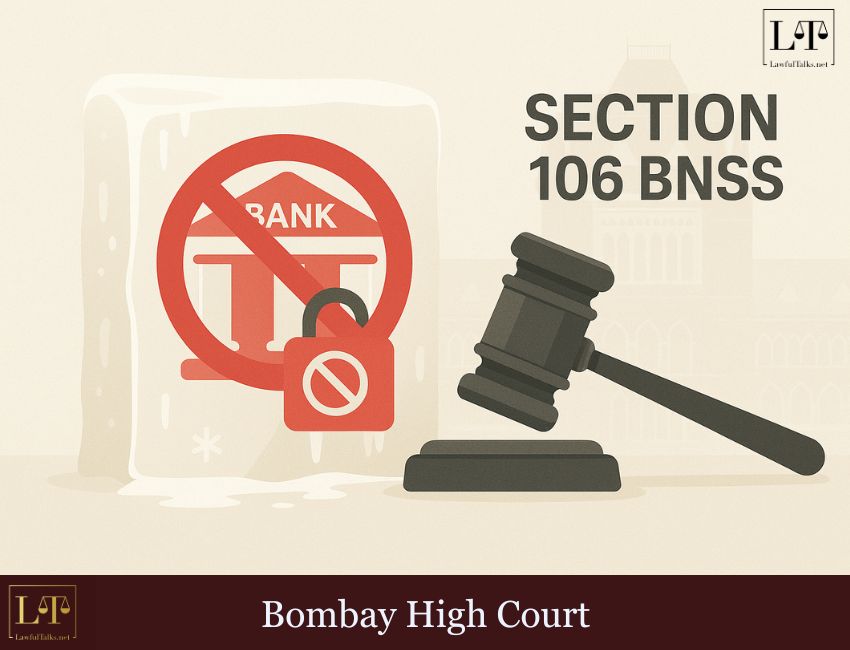
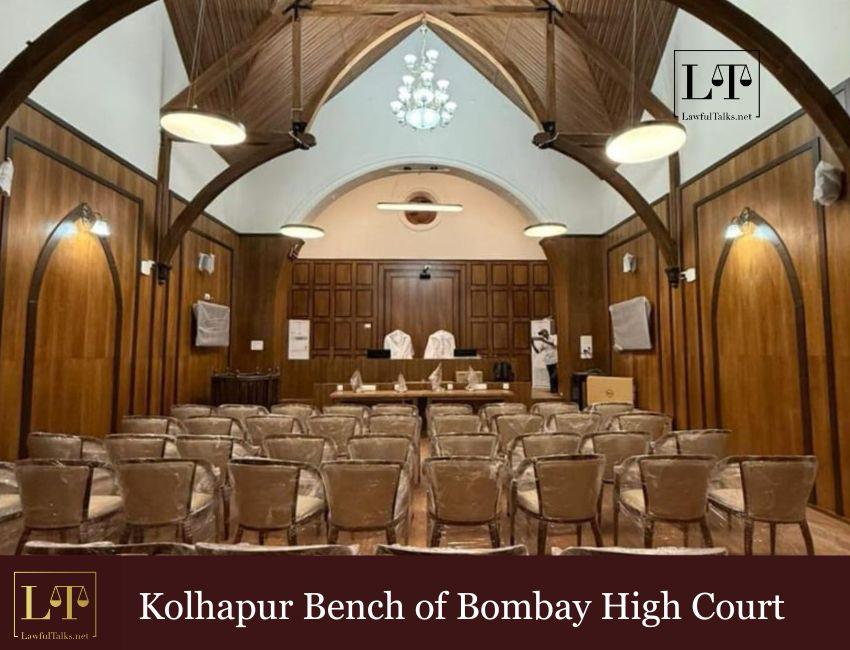
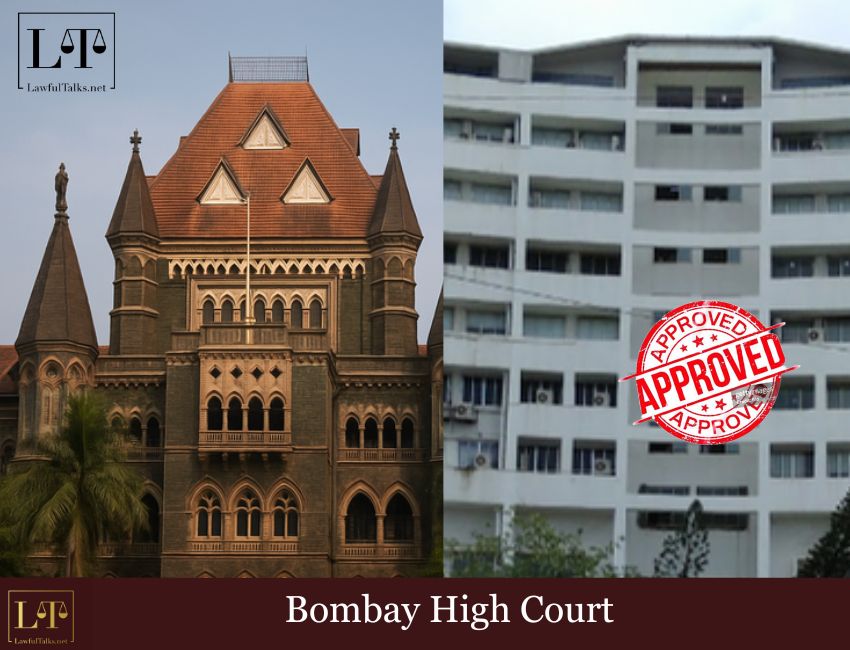
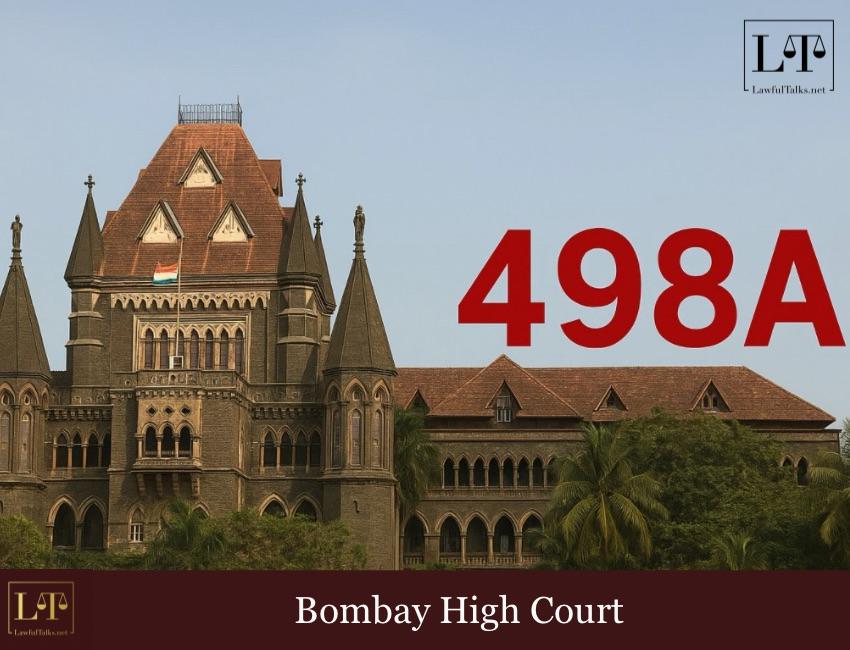
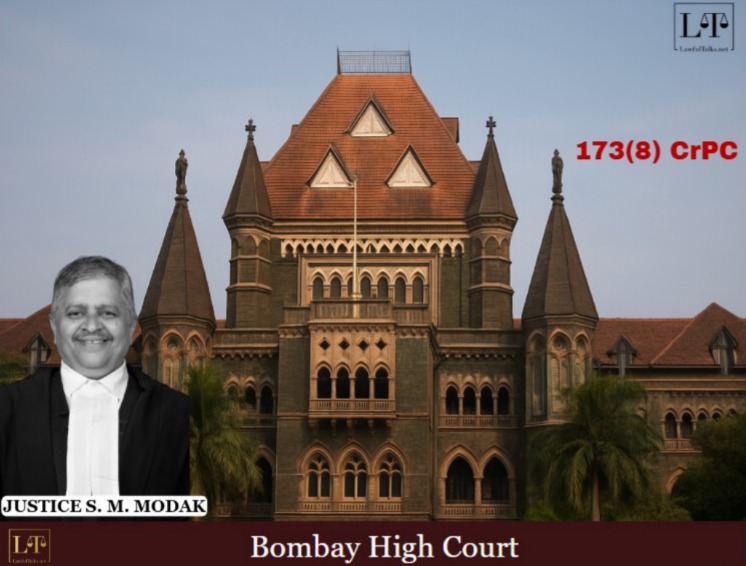
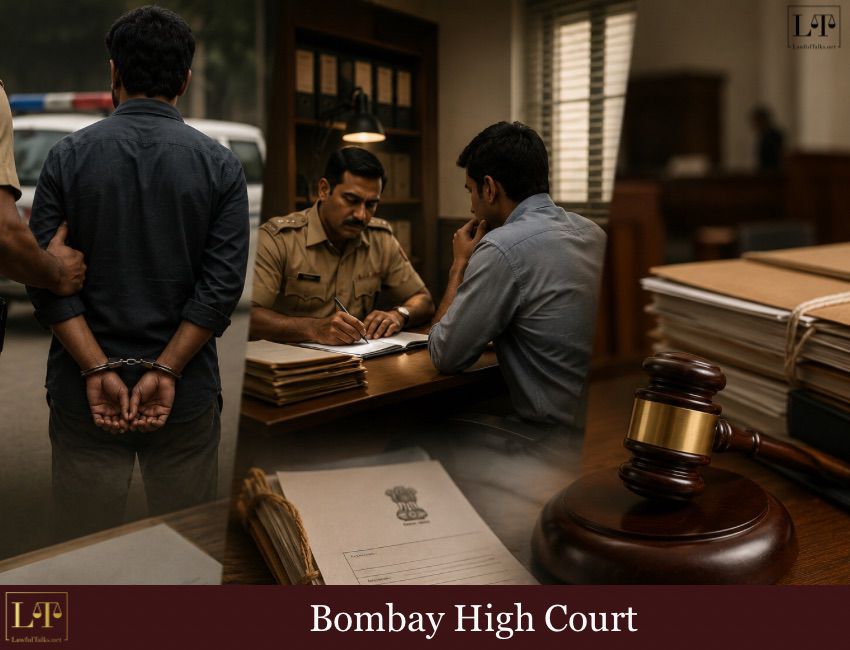
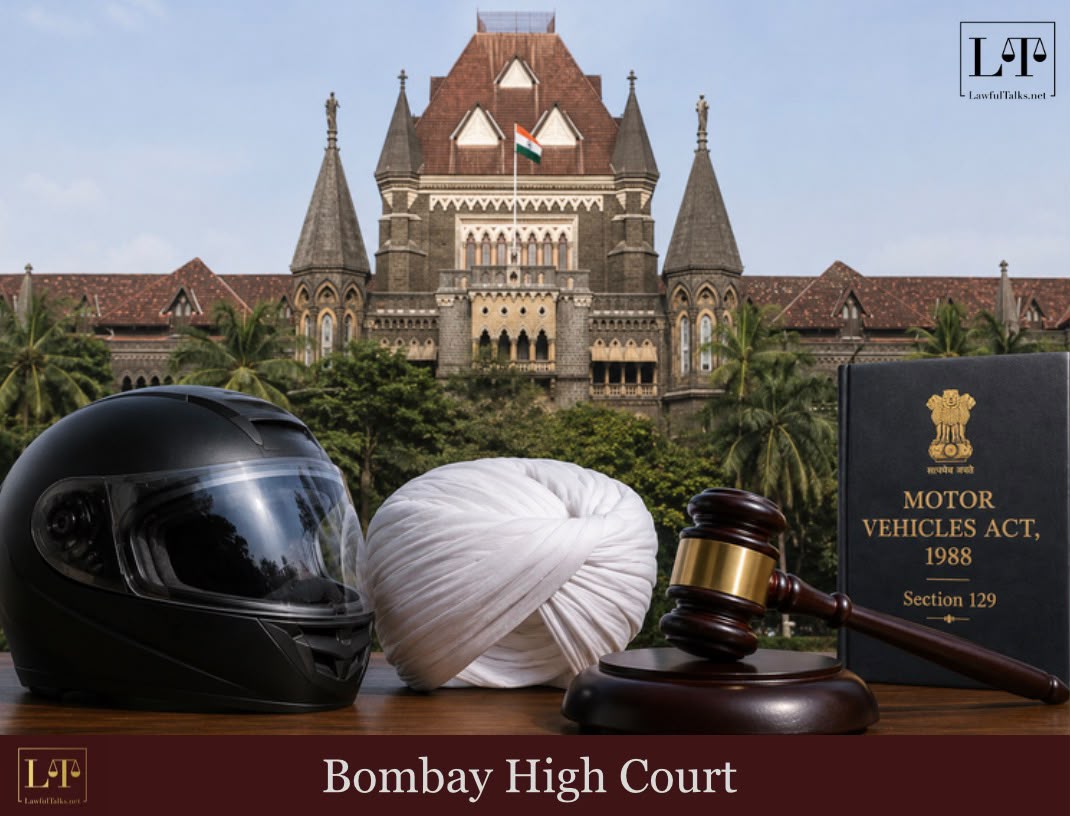
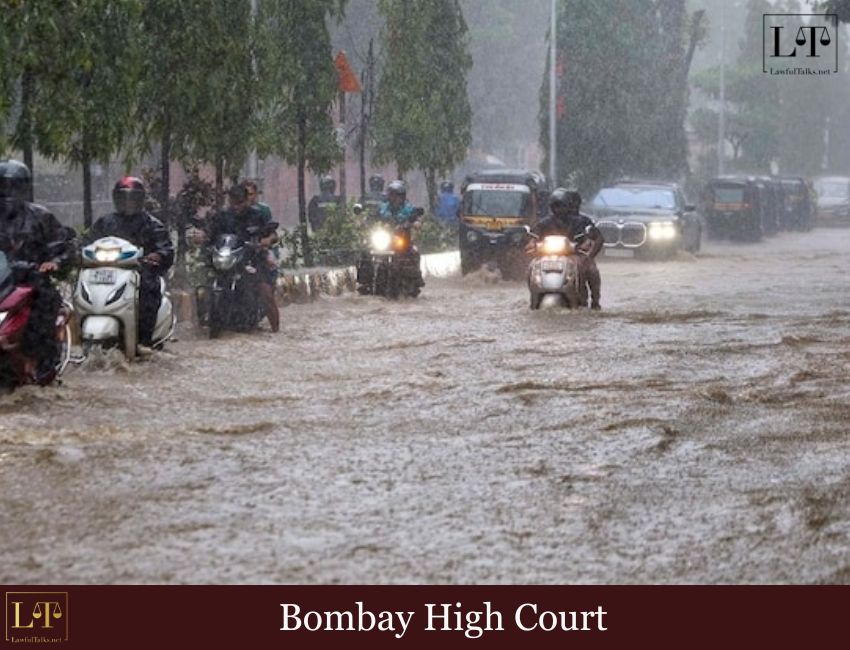
The Bombay High Court has held that investigating agencies do not have the power to freeze or attach bank accounts under Section 106 of the Bharatiya Nagarik Suraksha Sanhita, 2023 (BNSS). The Court explained that Section 106 only allows police to seize property for investigation, but attachment of proceeds of crime can be done only under Section 107, and only after a Magistrate passes an order.
Facts:
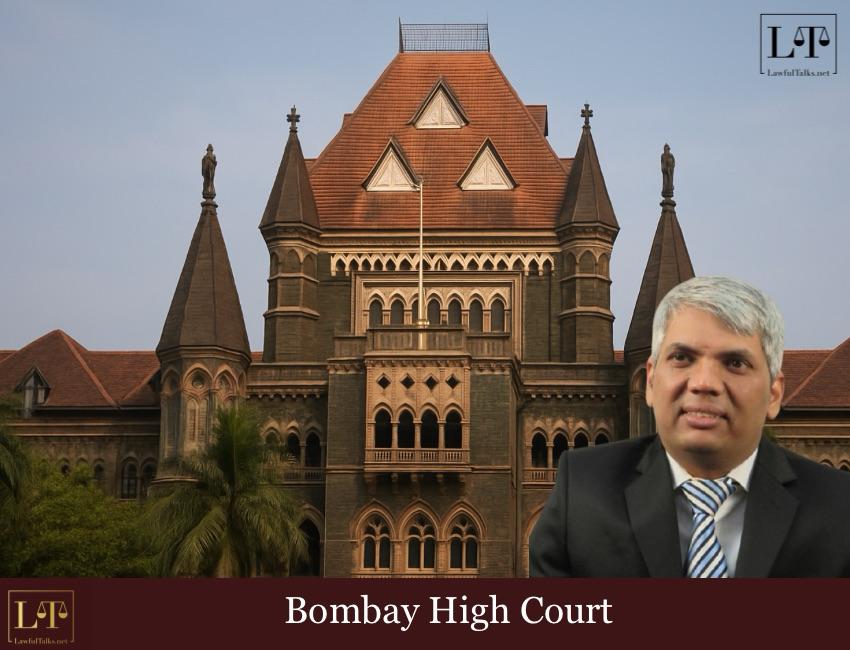
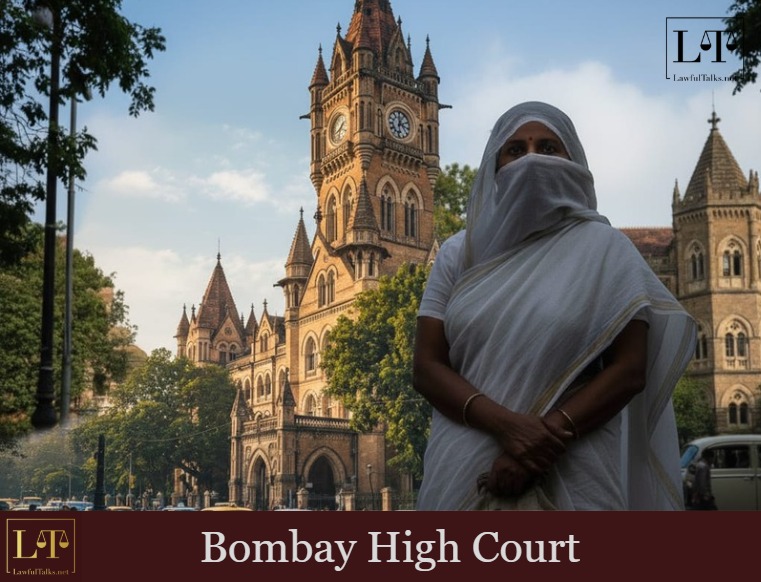
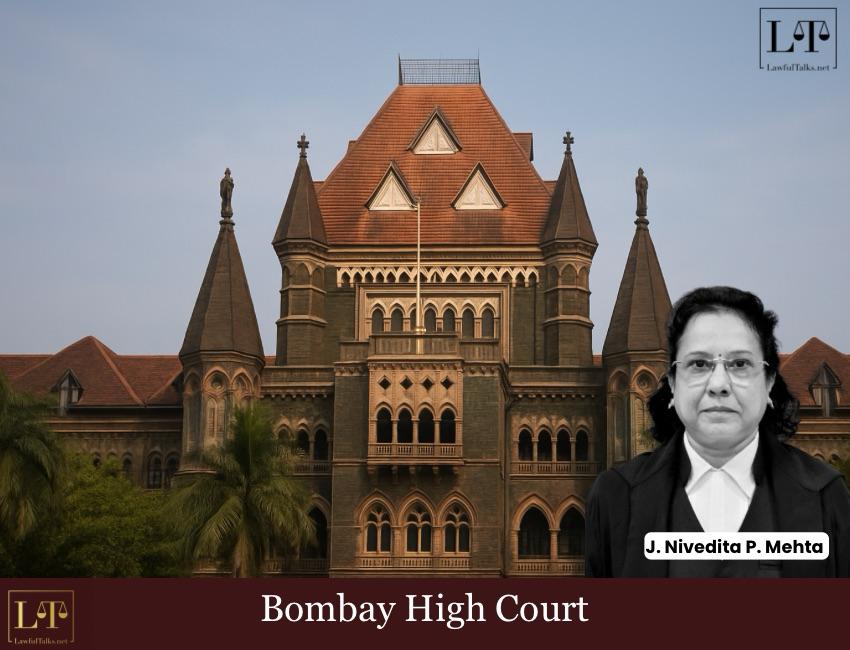
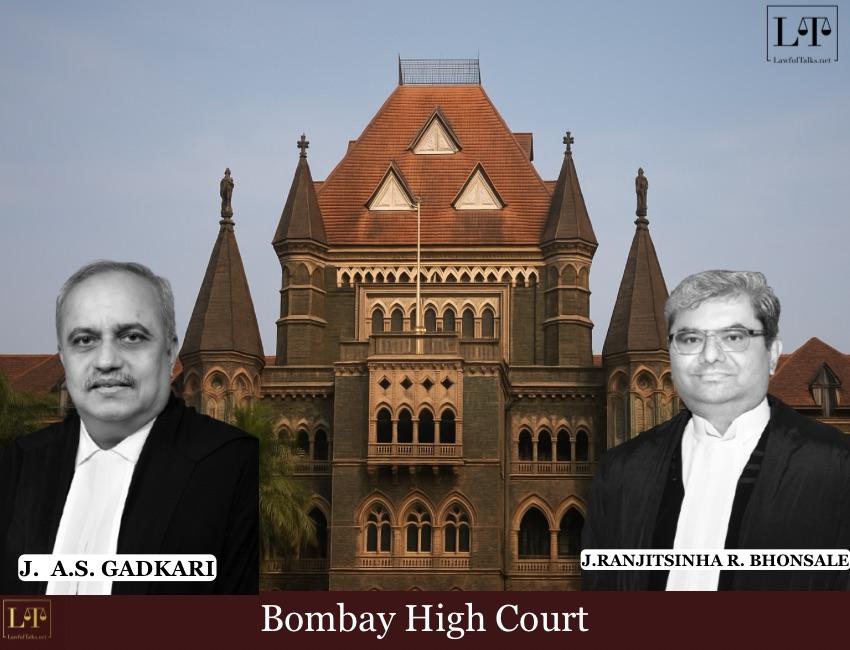
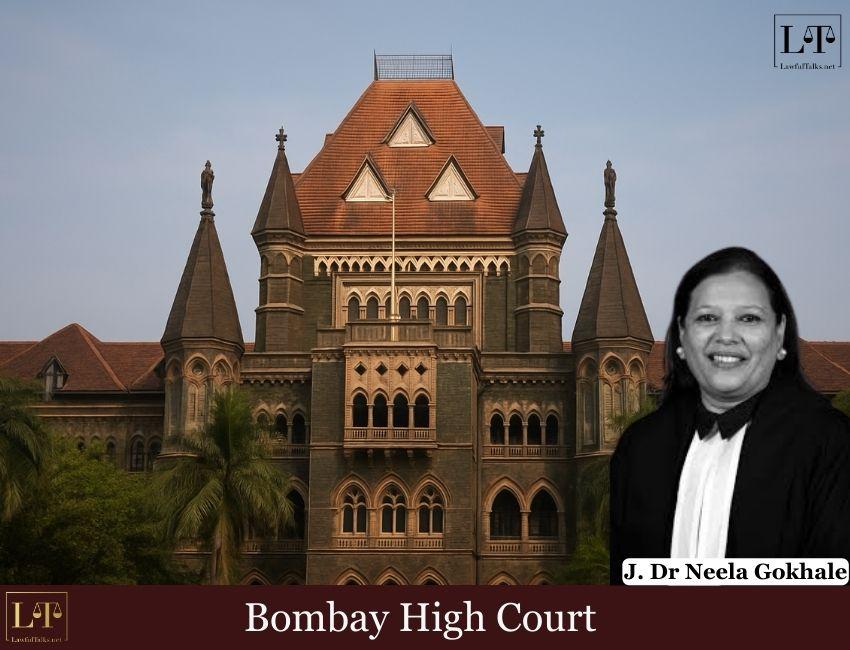
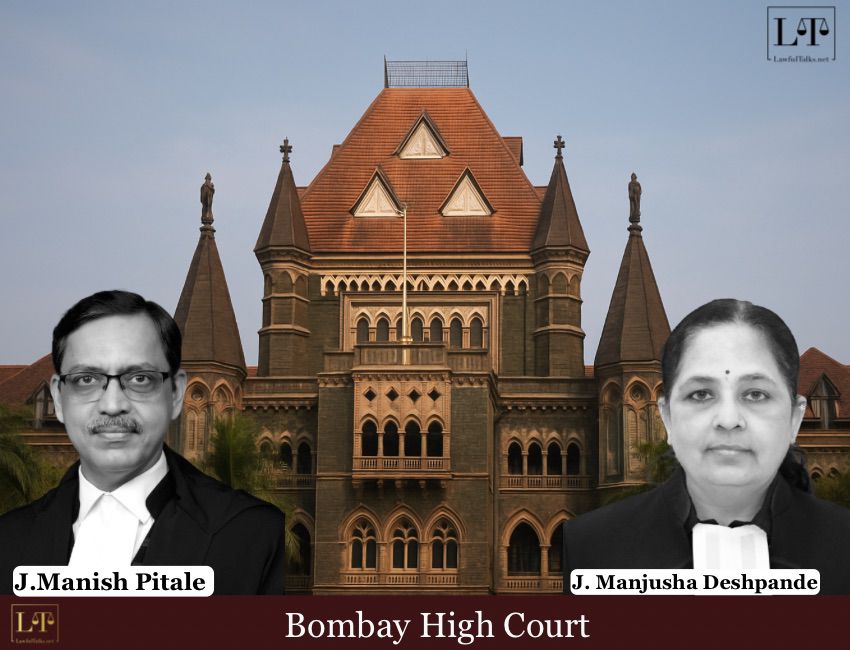
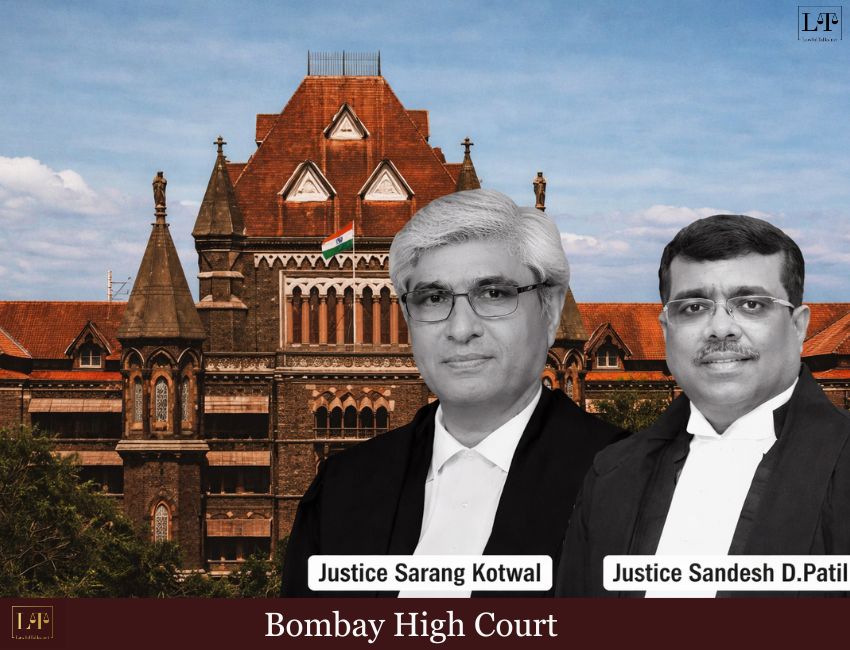
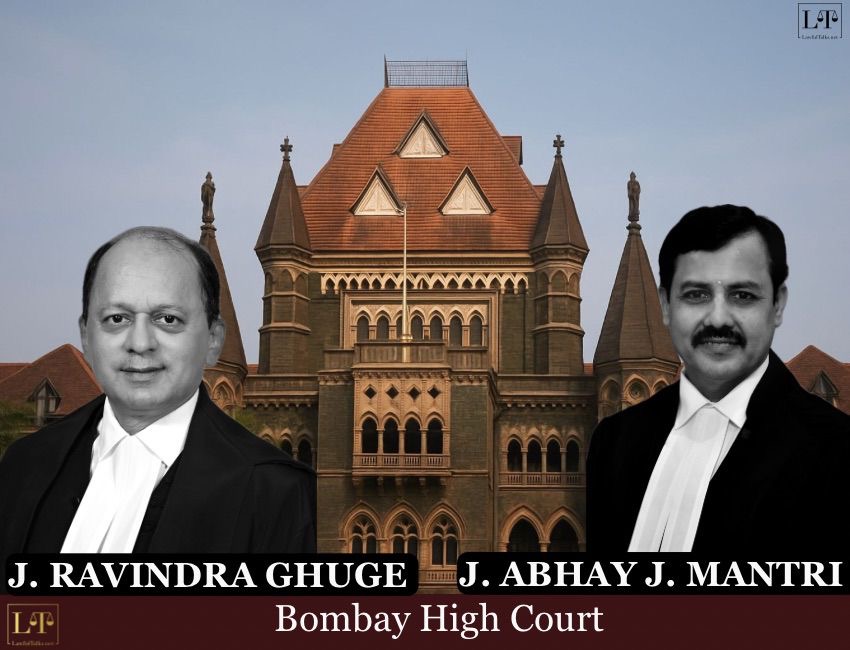
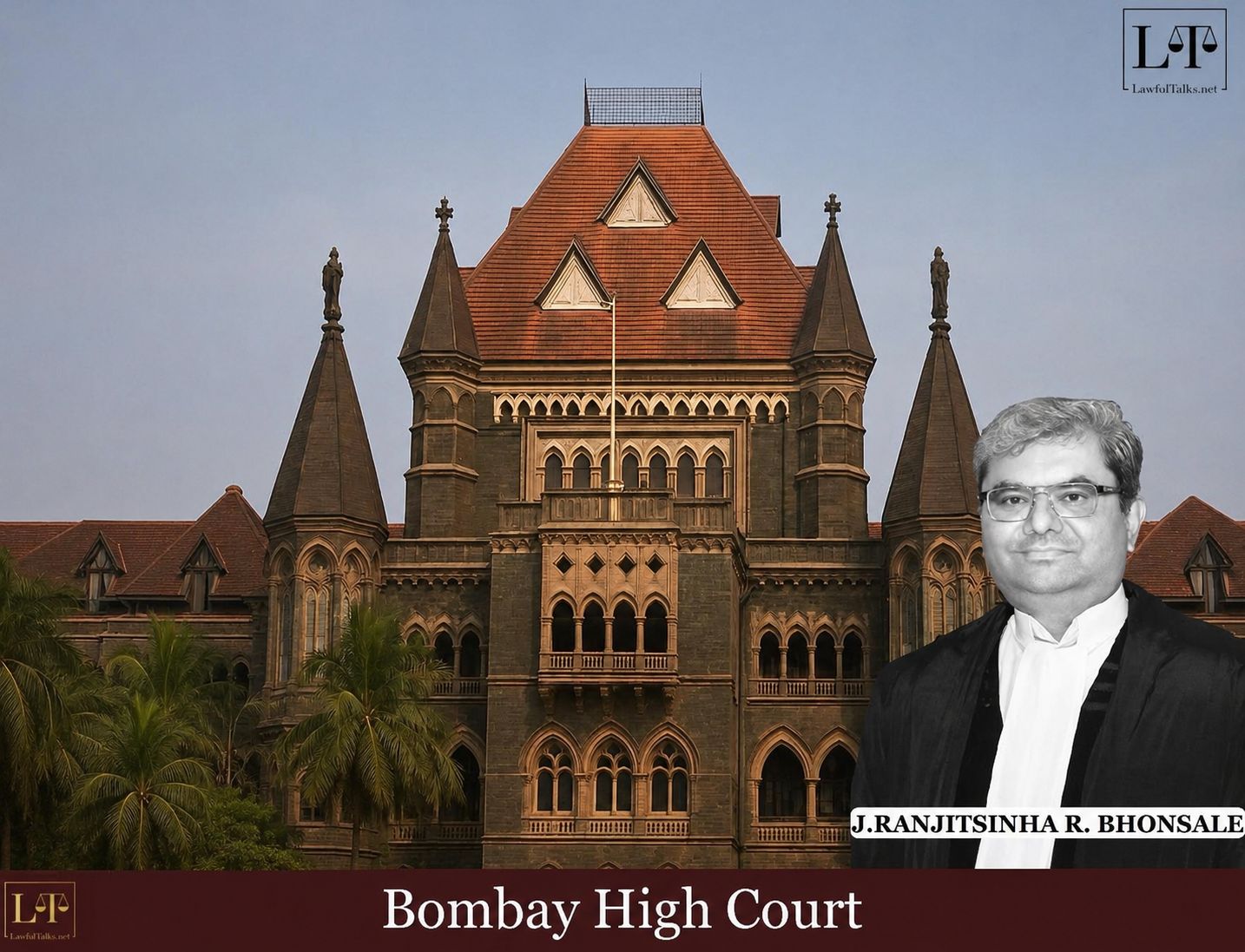
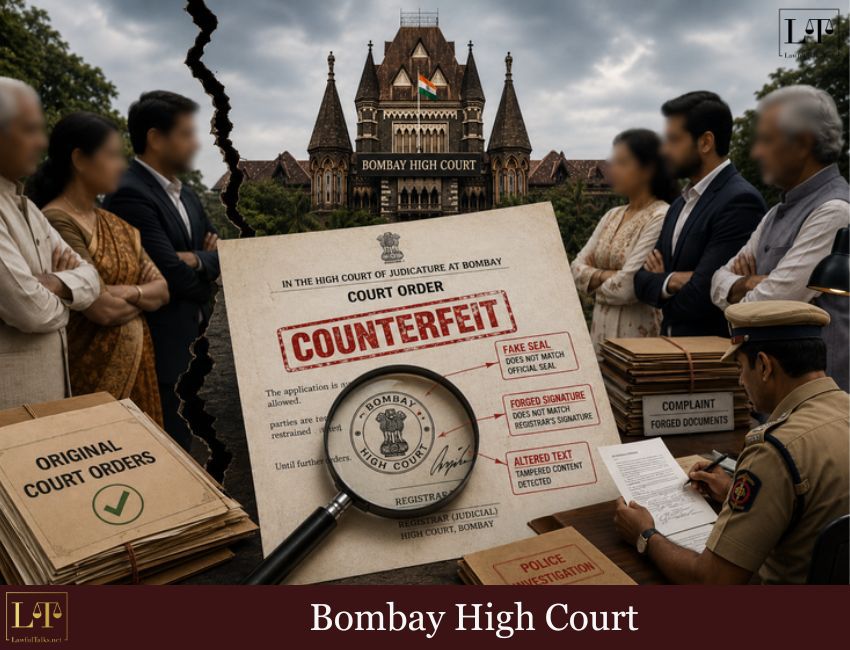
A division bench of Justice Anil L. Pansare and Justice Raj D. Wakode delivered the ruling while hearing several petitions related to cyber-fraud cases, in which the petitioners’ bank accounts had been debit-frozen because fraudulent funds had been credited to them.
The Court pointed out that in multiple instances, the investigating agency failed to place the communication sent to banks on record.
“The Investigating Agency has issued a communication to the Bank to debit freeze the accounts of the respective petitioners, however, in many cases, even such communication is not issued to the Bank, at least, the communication is not placed before us by the concerned Bank. It is, thus, a mystery as to how the Bank chose to debit freeze the accounts of their own. “
Relying significantly on the Kerala High Court’s ruling in Headstar Global Pvt. Limited Vs. State of Kerala & Ors. [CRL. MC NO. 3740/2025] the Court examined Sections 106 and 107 of BNSS along with earlier precedents such as State of Maharashtra v. Tapas D. Neogy [(1999) 7 SCC 685].
The Kerala High Court had made it clear that Section 106 of the BNSS (similar to old Section 102 CrPC) allows the police to seize property only for evidentiary purposes. It does not give them the authority to attach or freeze bank accounts. If an attachment is required, it must be done under Section 107, which requires the investigating officer to approach the Magistrate and obtain permission after giving the affected parties an opportunity to be heard.
The Court reiterated, “… the Kerala High Court, in clear terms, held that a police officer investigating a crime has to approach jurisdictional Magistrate under Section 107 of the BNSS to seek attachment of any property believed to be derived directly or indirectly from a criminal activity or commission of an offence. Subsequent course will have to be adopted in terms of order passed by the Magistrate.”
It highlighted that the Supreme Court’s refusal to interfere with the Kerala High Court decision confirmed this legal position. It also noted that the Ministry of Home Affairs’ “Citizen Financial Cyber Frauds Reporting and Management System” permits banks to place the disputed amount on lien, but does not allow them to debit-freeze accounts.
Applying these principles, the Court held that debit-freezing a bank account amounts to attachment, which cannot be done under Section 106. Under Section 106, the police may only seize property and then submit an ex post facto report to the Magistrate.
Consequently, the High Court quashed all debit-freezing orders under Section 106 in the petitions and ruled that any bank account attachment must strictly follow Section 107 of the BNSS. The petitions were disposed of accordingly.
Case Title: Kartik Yogeshwar Chatur v. Union of India & Ors. [CRIMINAL WRIT PETITION NO. 321 OF 2025]

































































































































































Sign up for free and be the first to get notified about curated content just for you.