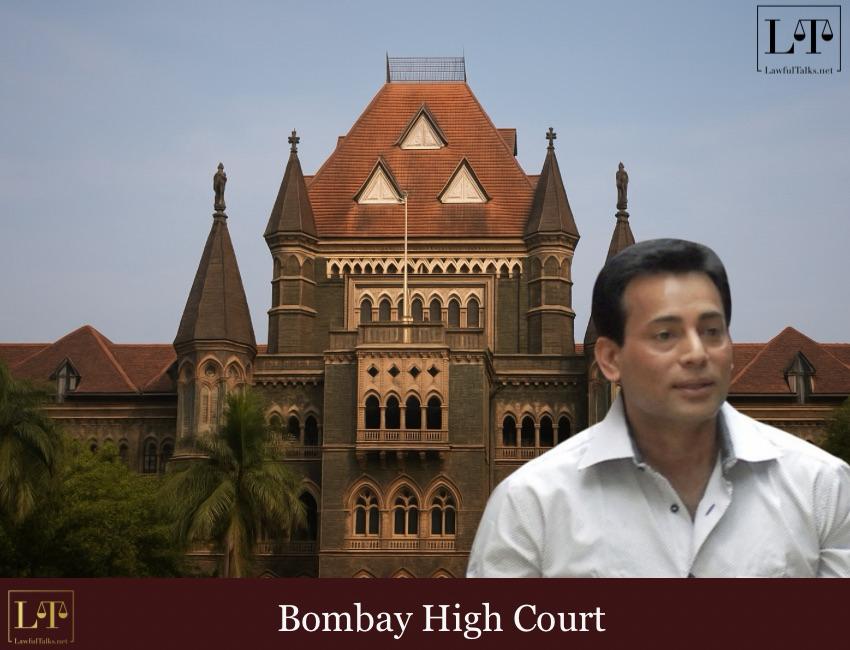
Deepfake Case Twist : Bombay HC Rips Into Police For Blanket Arrest Logic, Executive Walks Free

- December 08, 2025


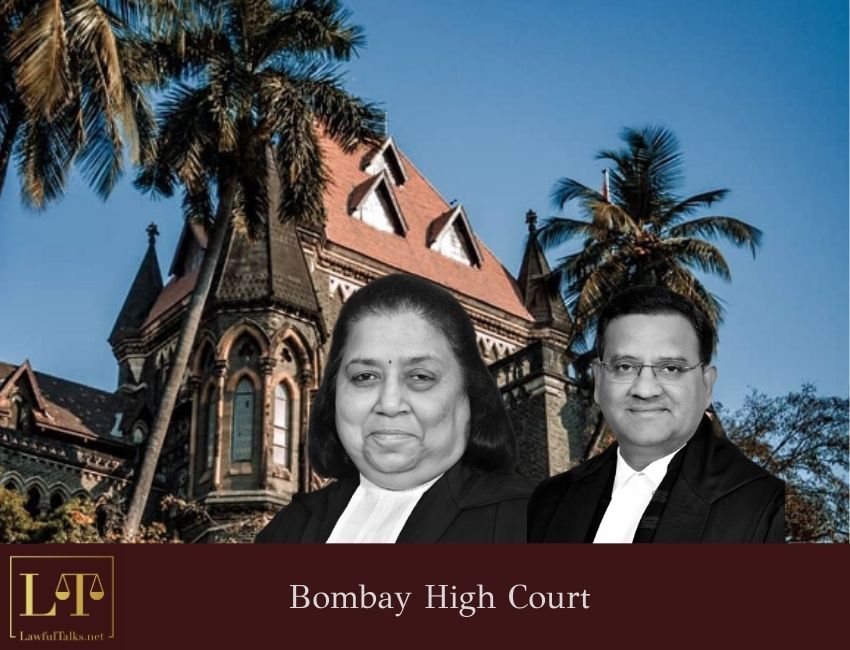
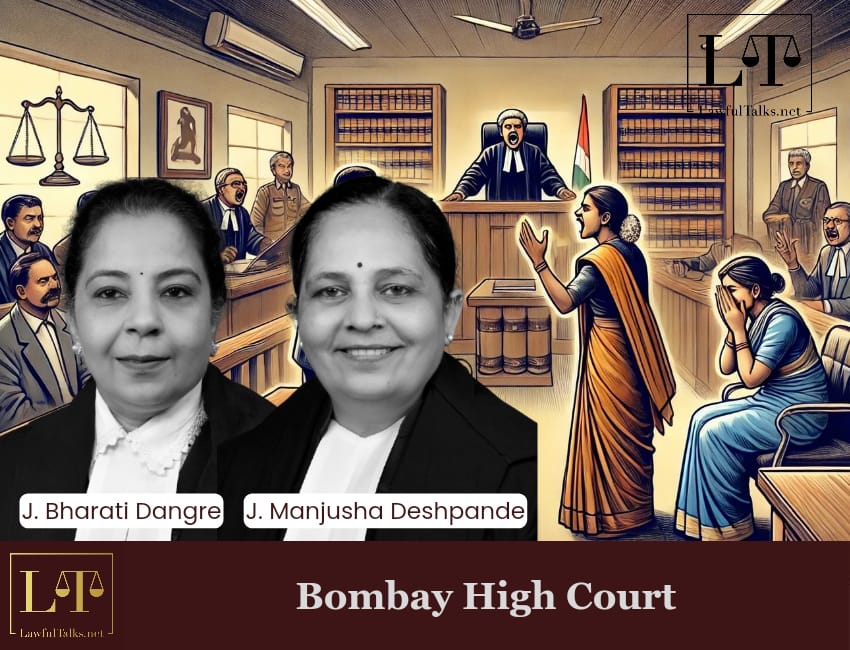
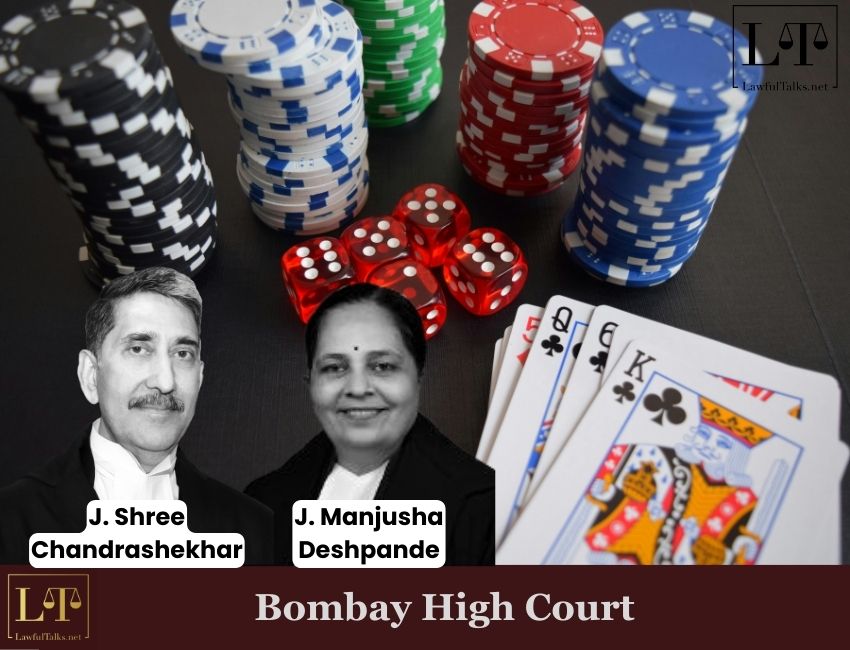
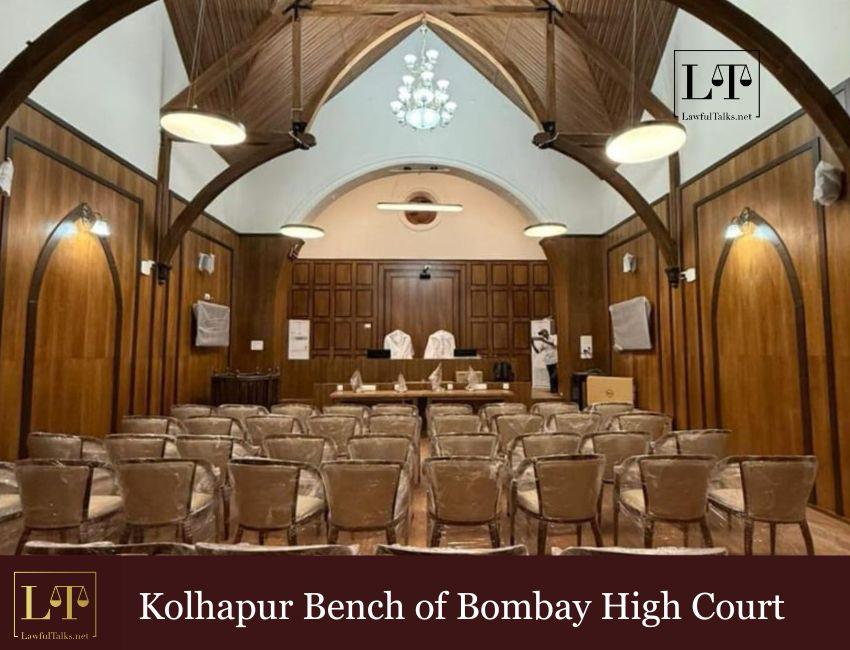
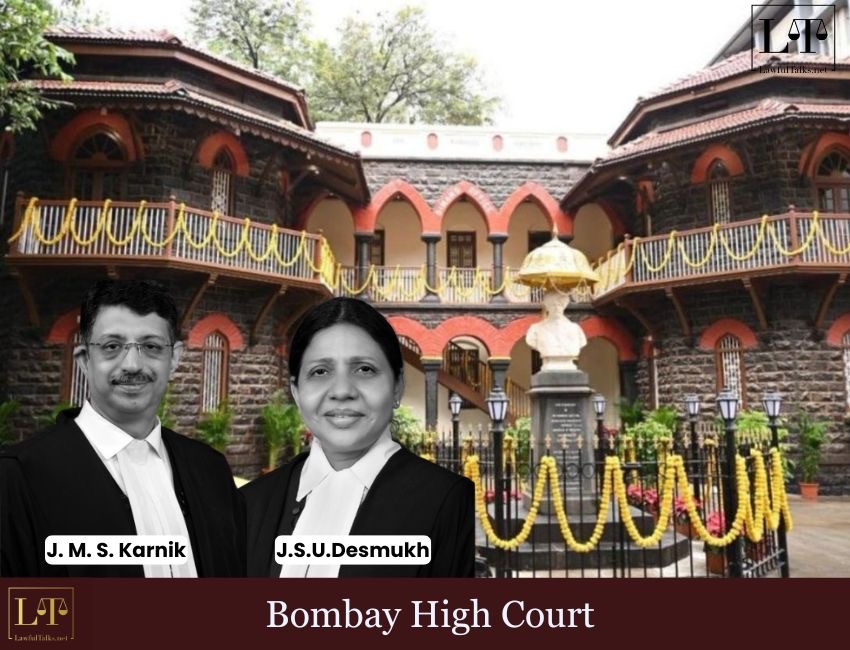
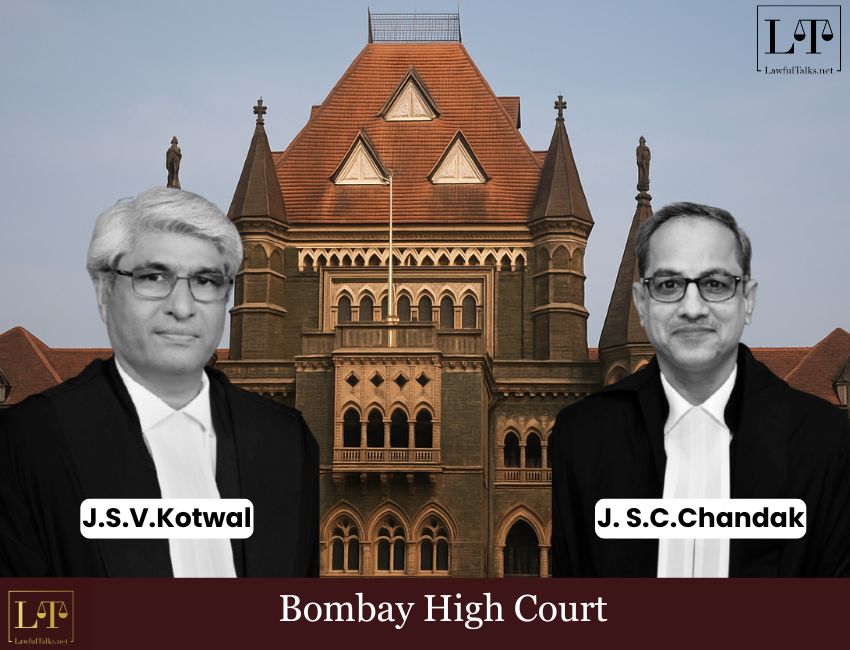
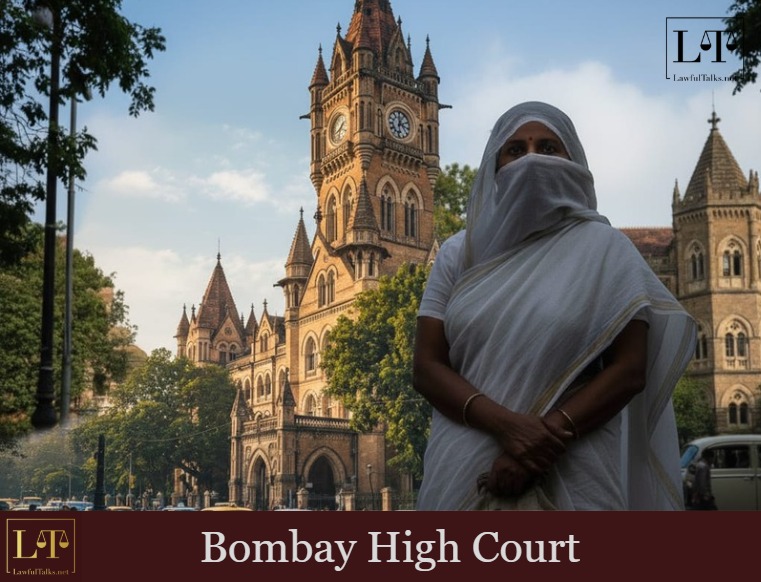
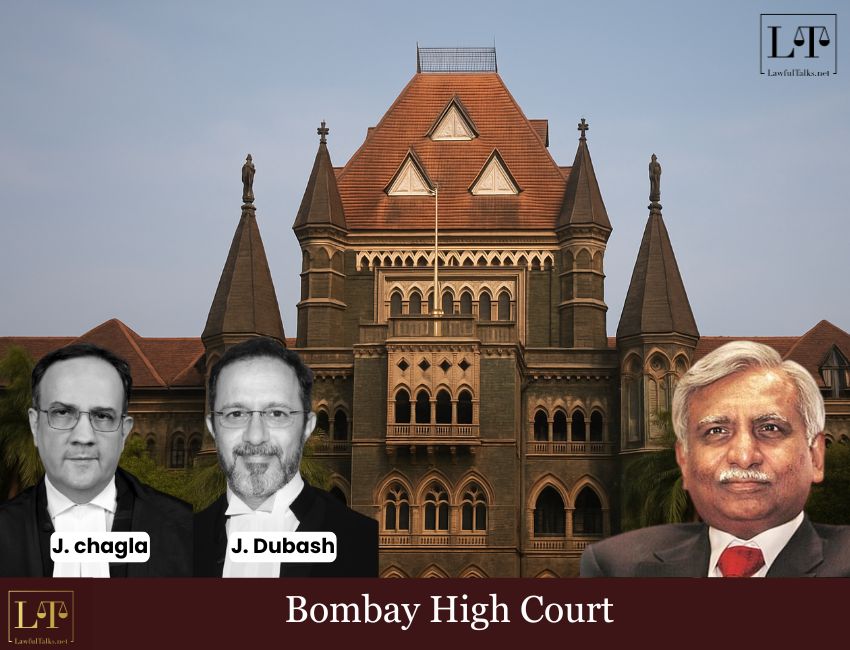
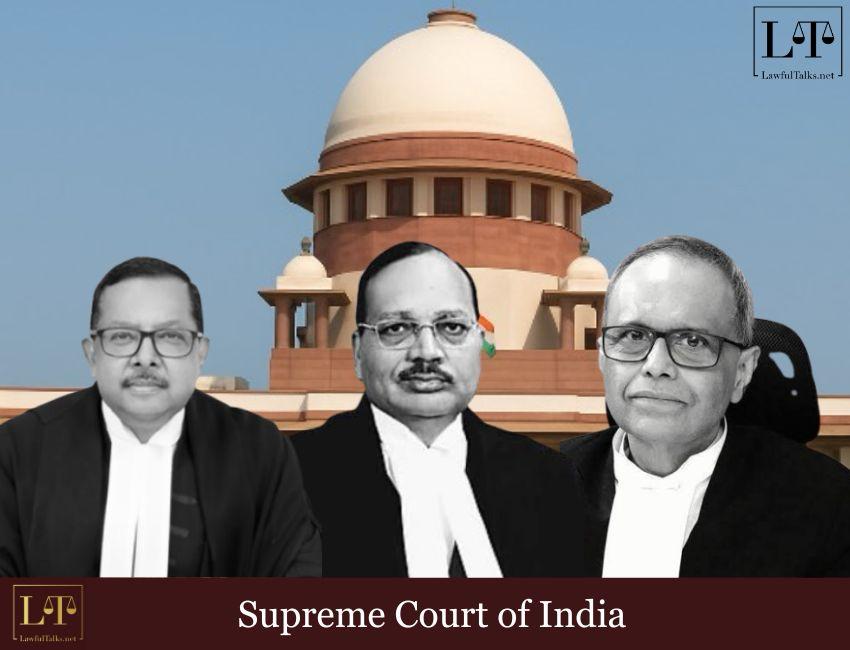
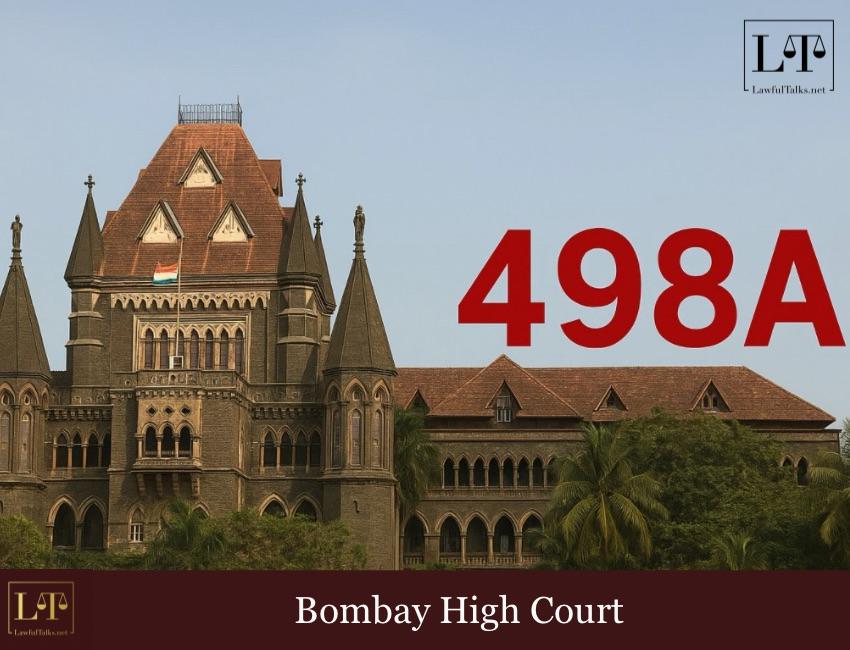
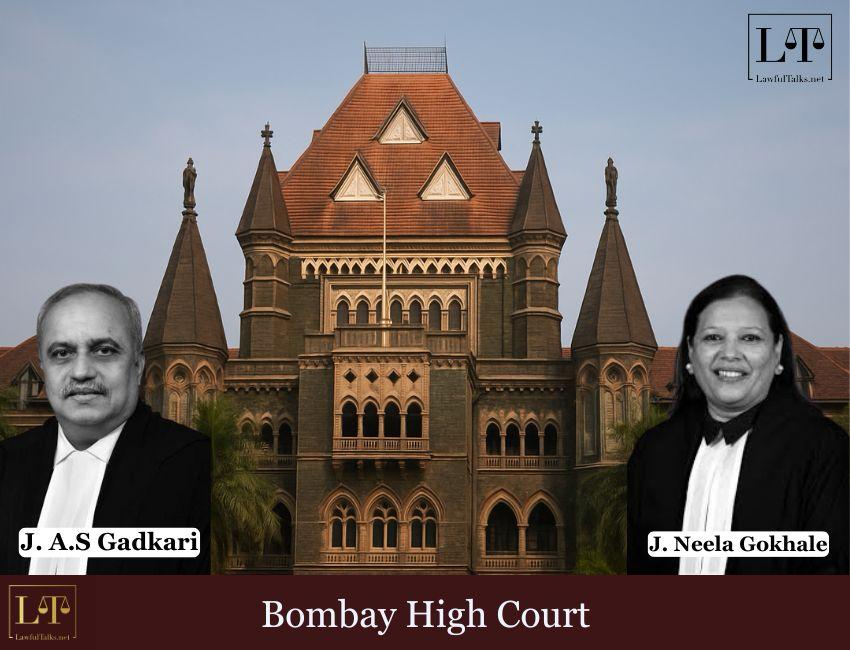
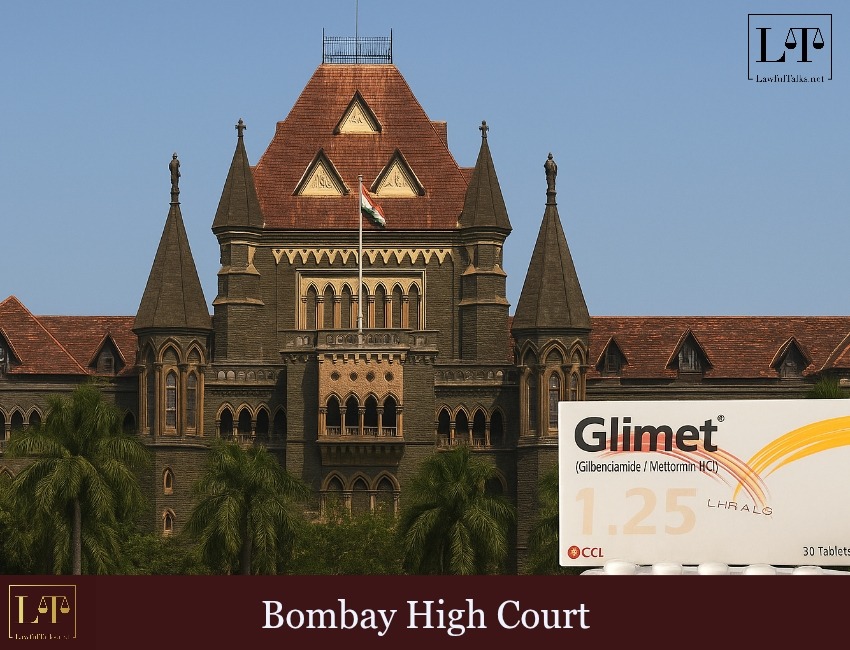
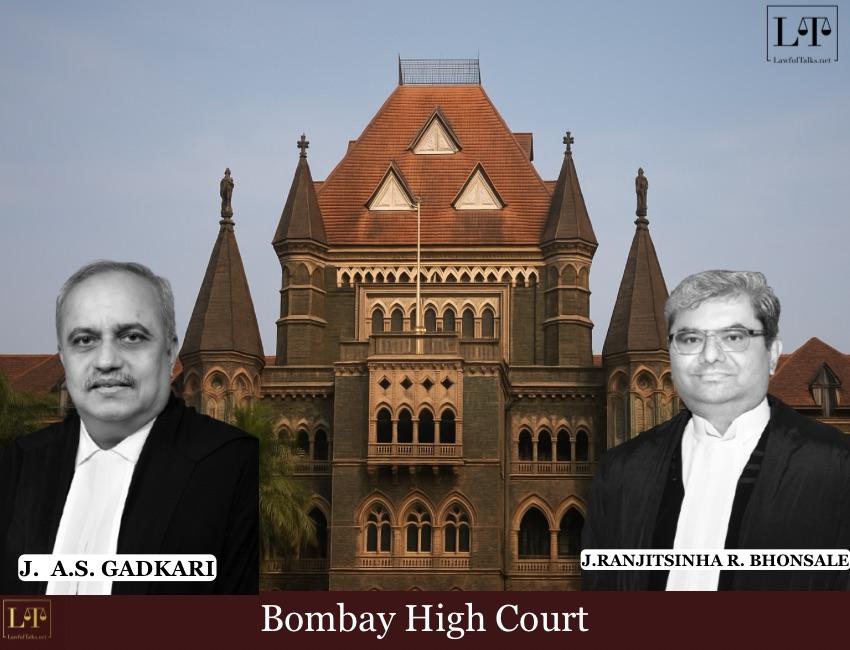
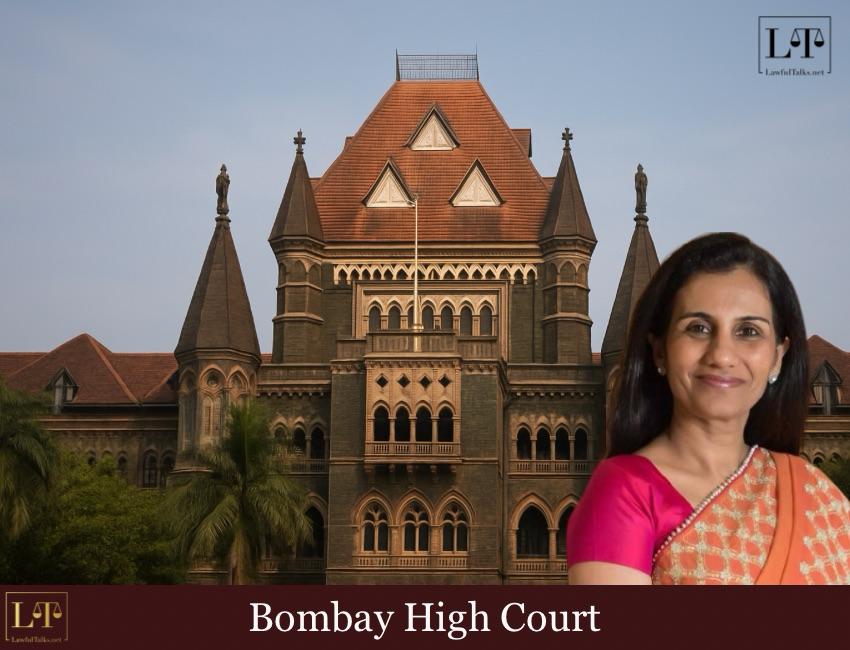
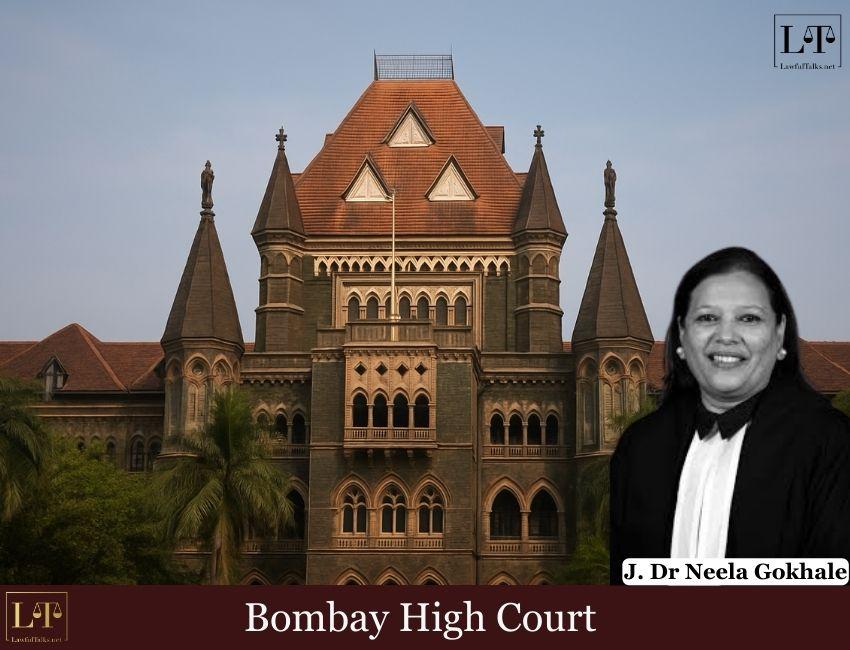
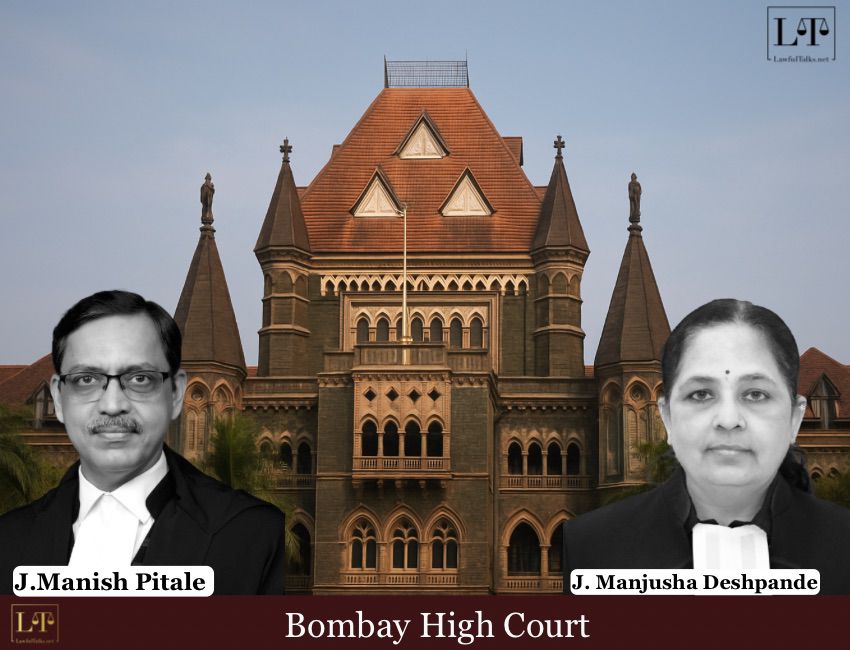
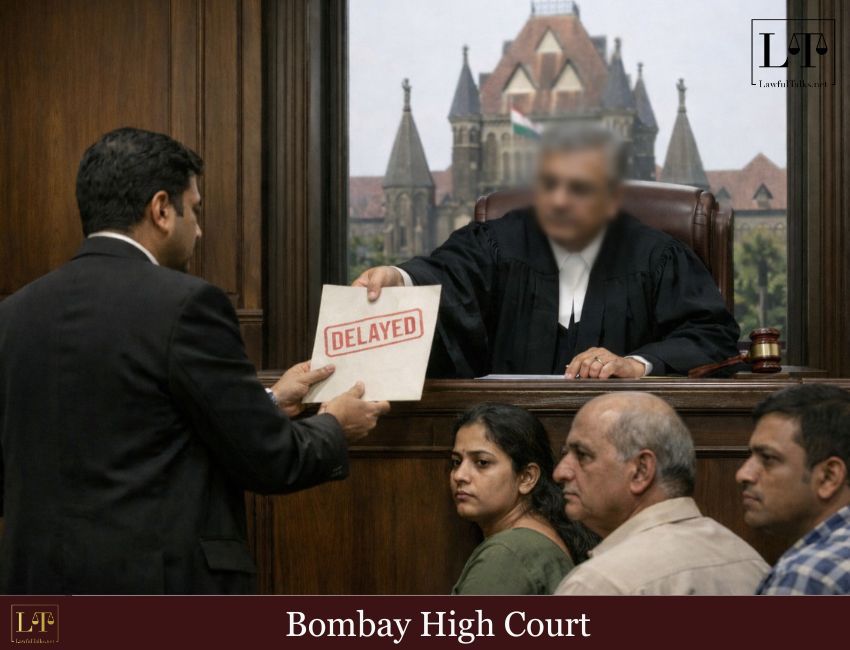
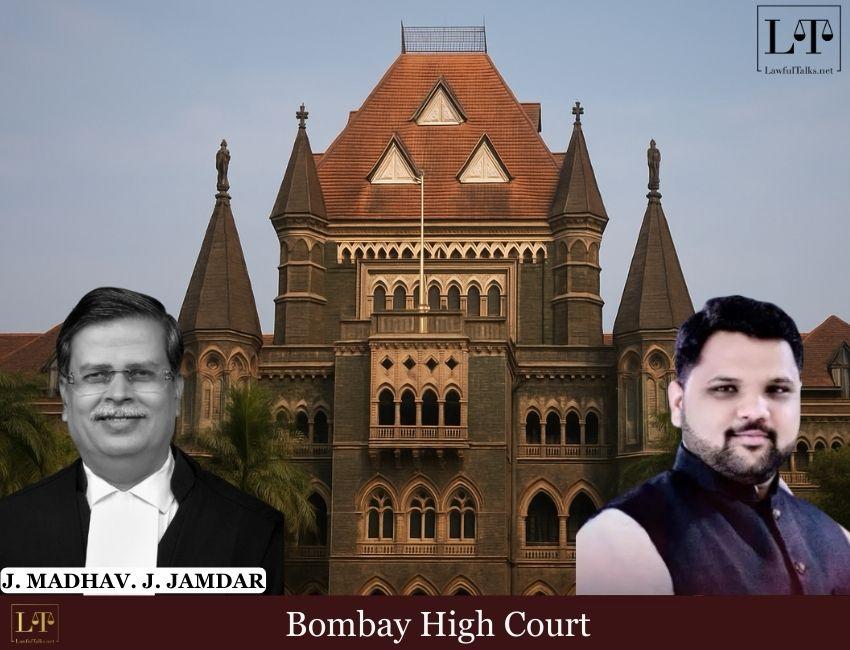
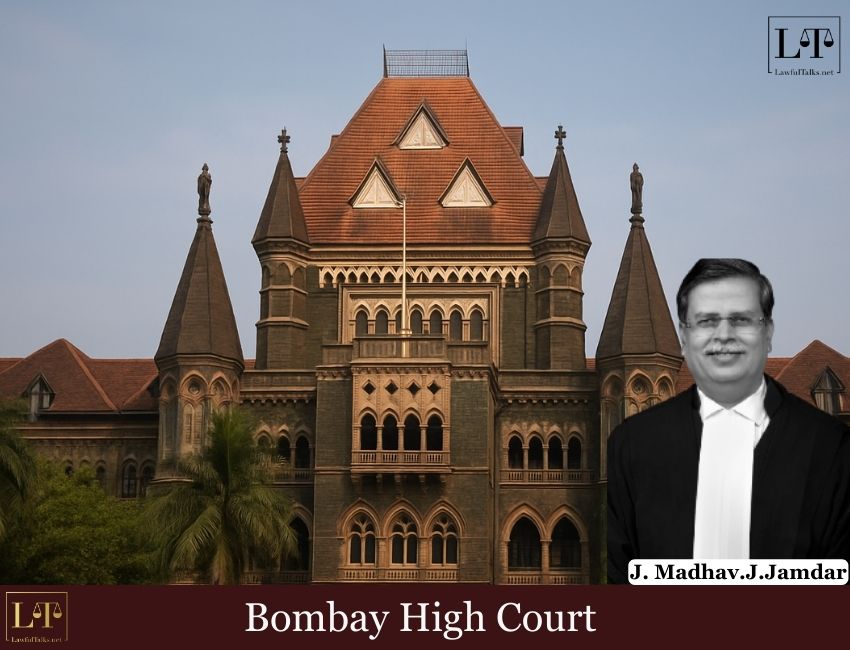
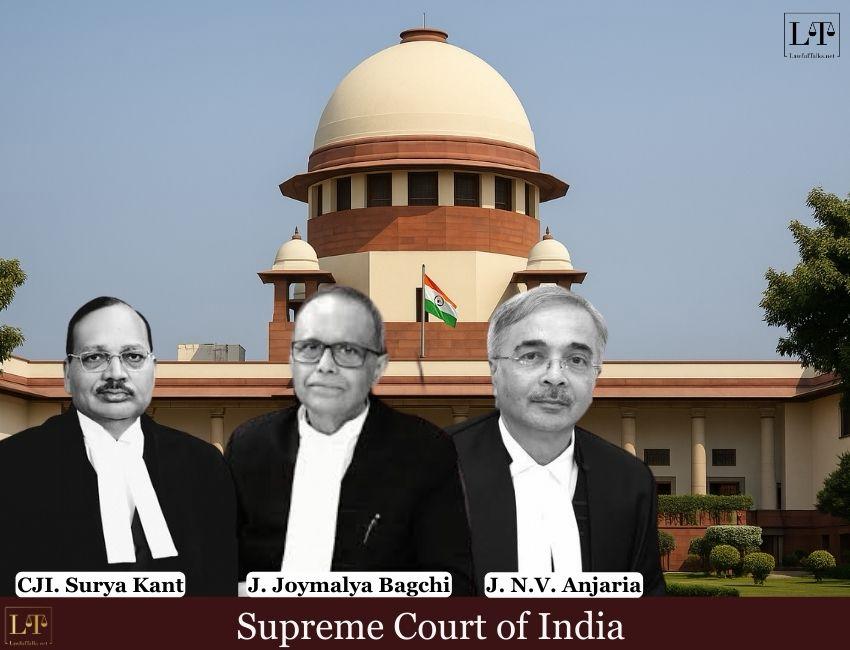
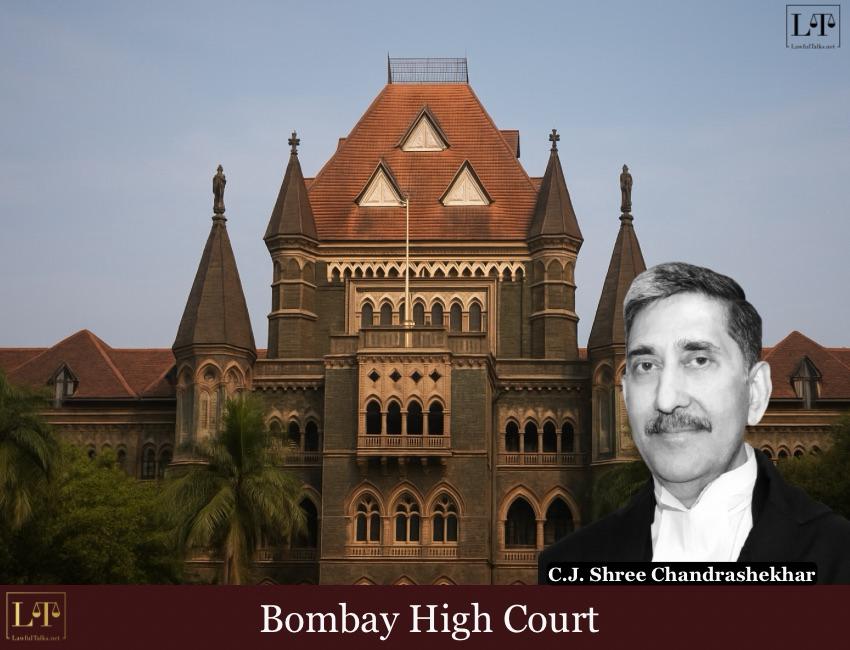
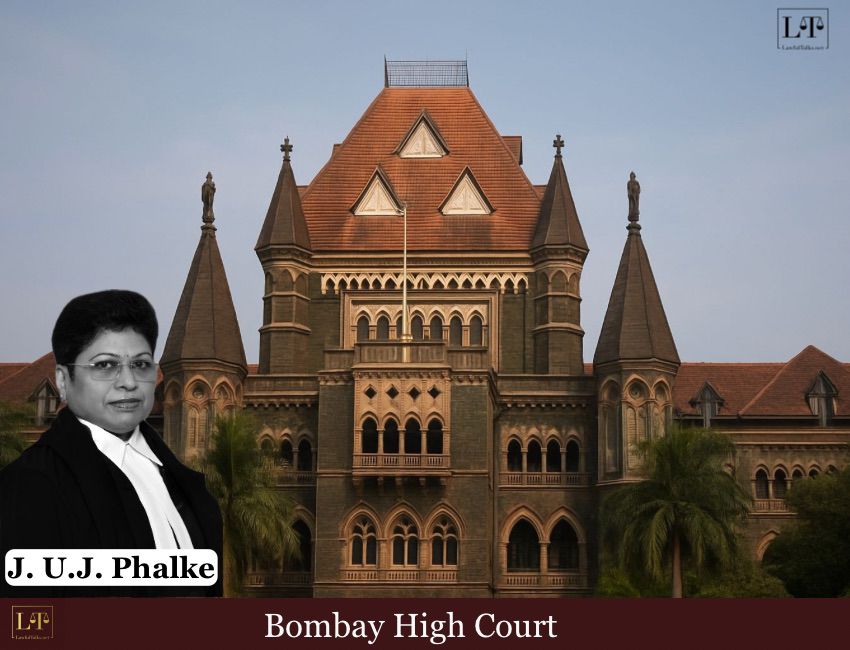
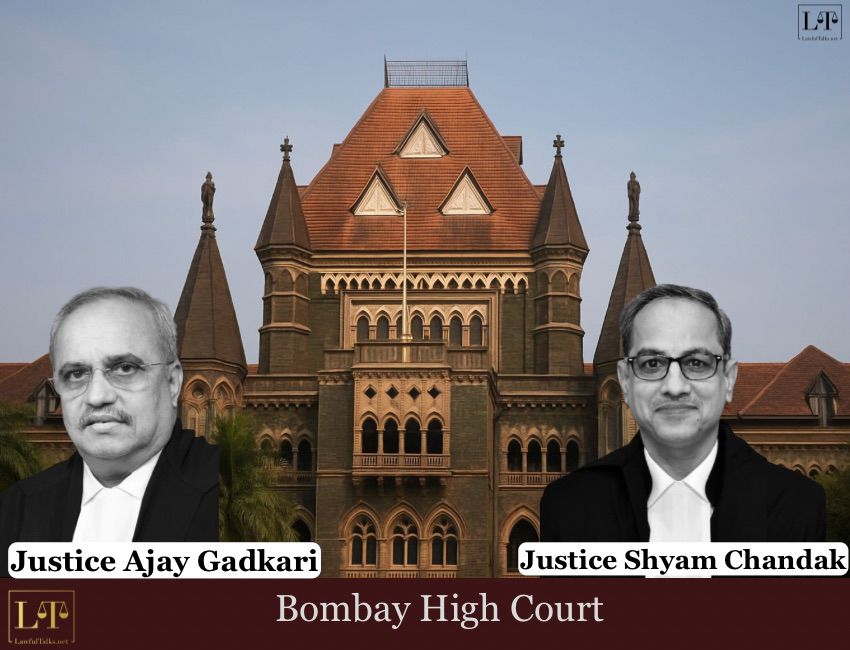
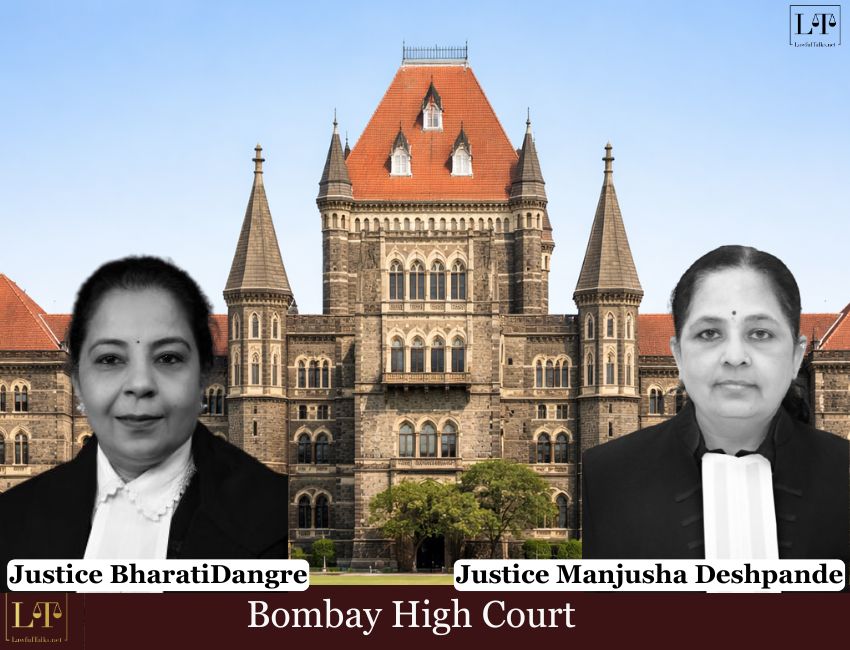
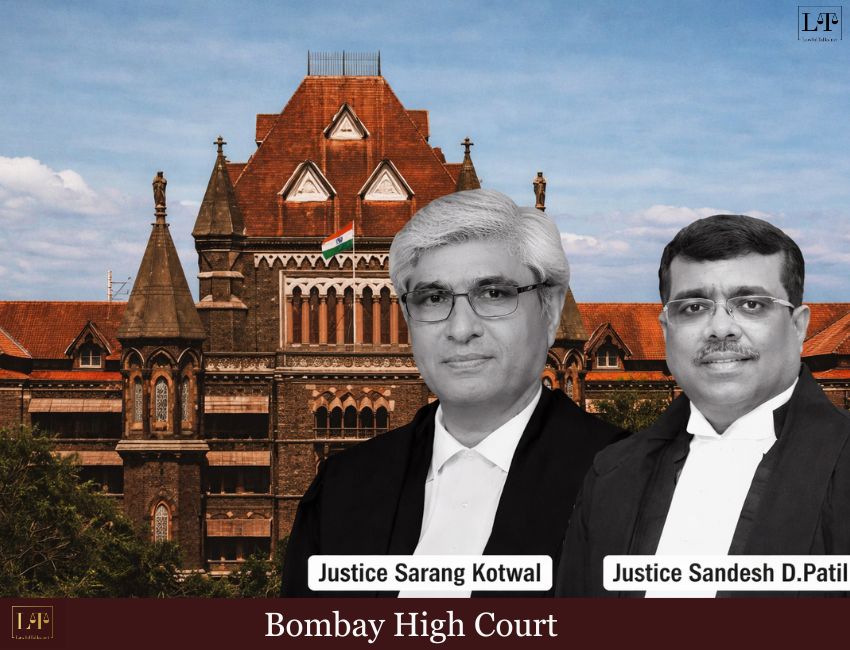
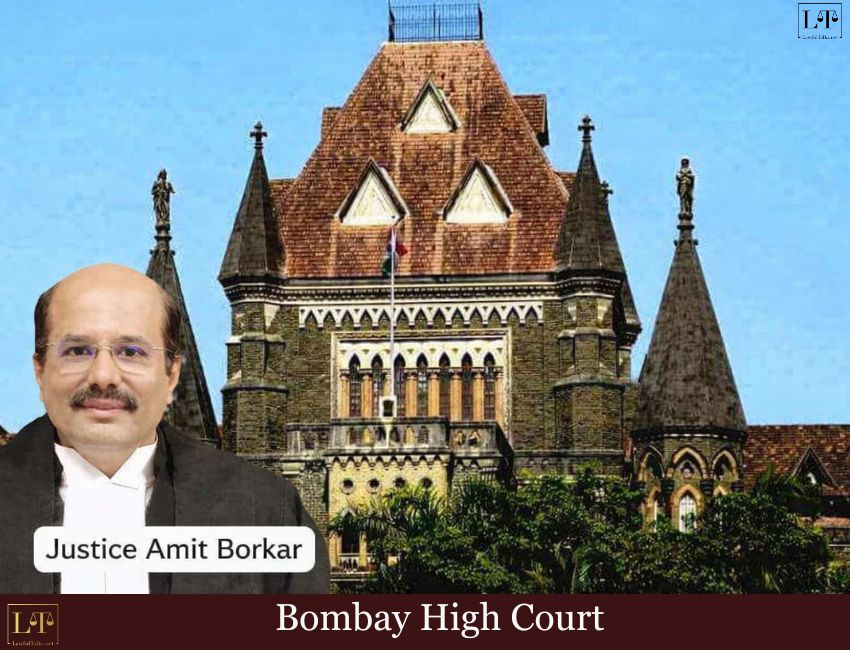
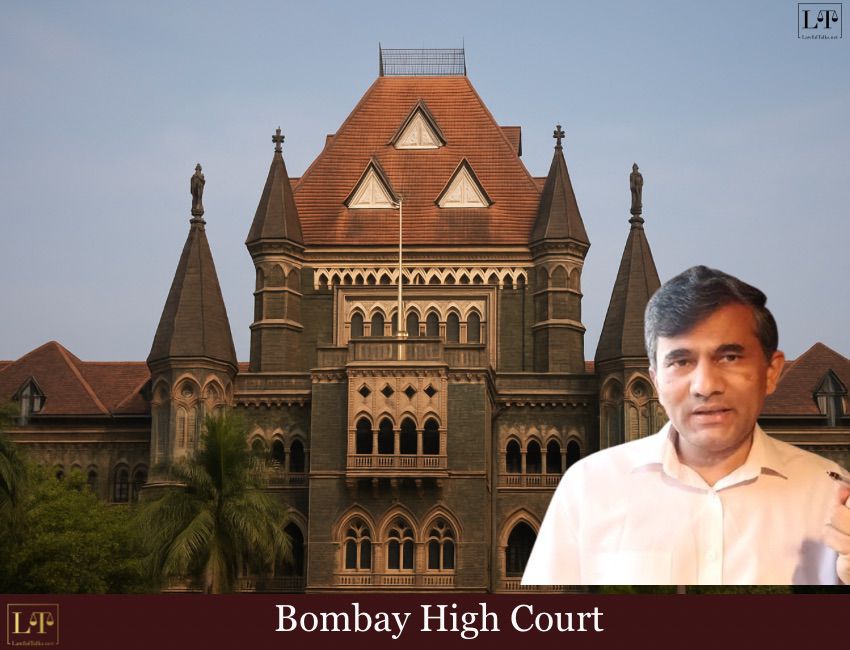
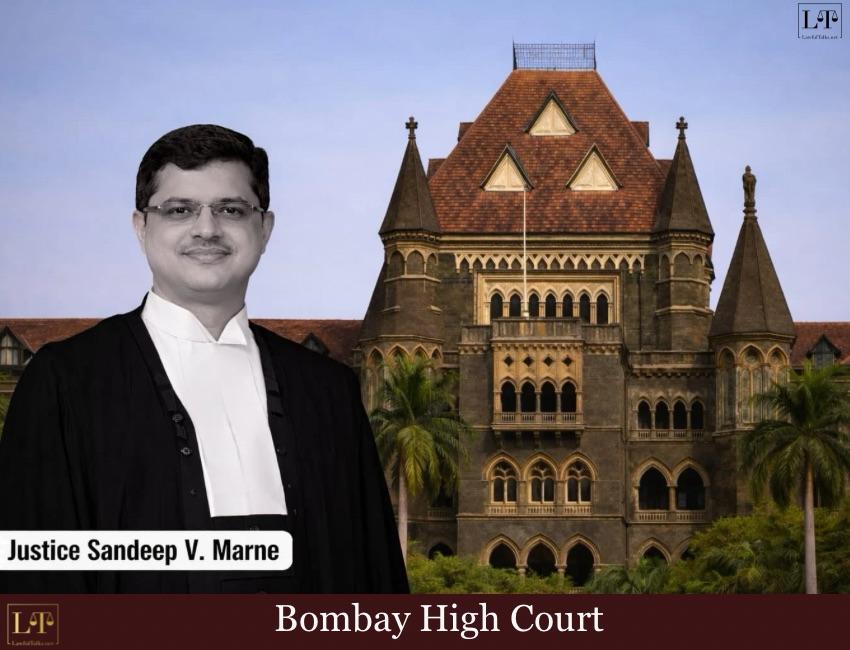
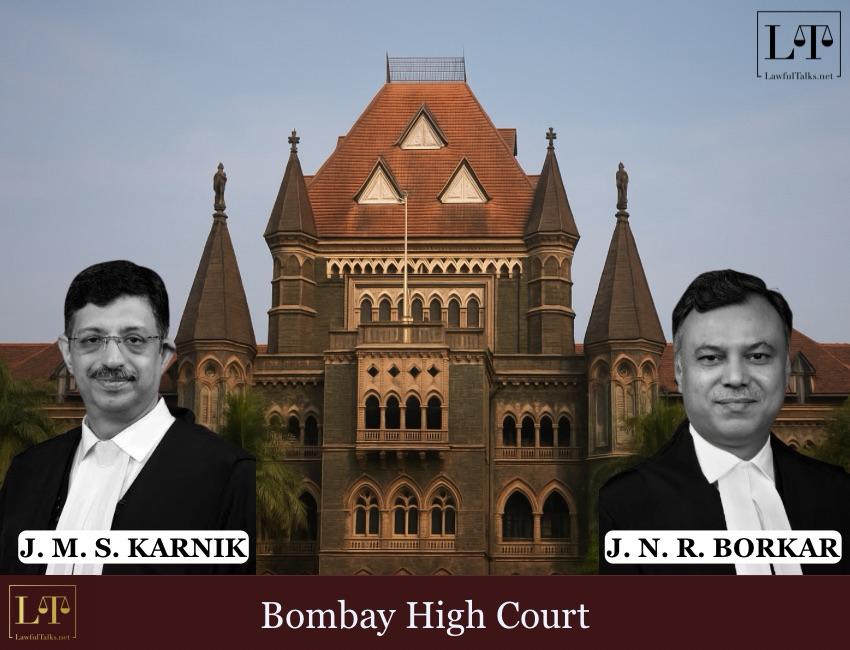
In a notable ruling, the Bombay High Court held that police cannot use the same reason to arrest several people in a case. Delivering the crucial judgment, Justice Bharati Dangre and Justice Shyam C. Chandak said an arrest must always be based on individual reasons specific to each accused.
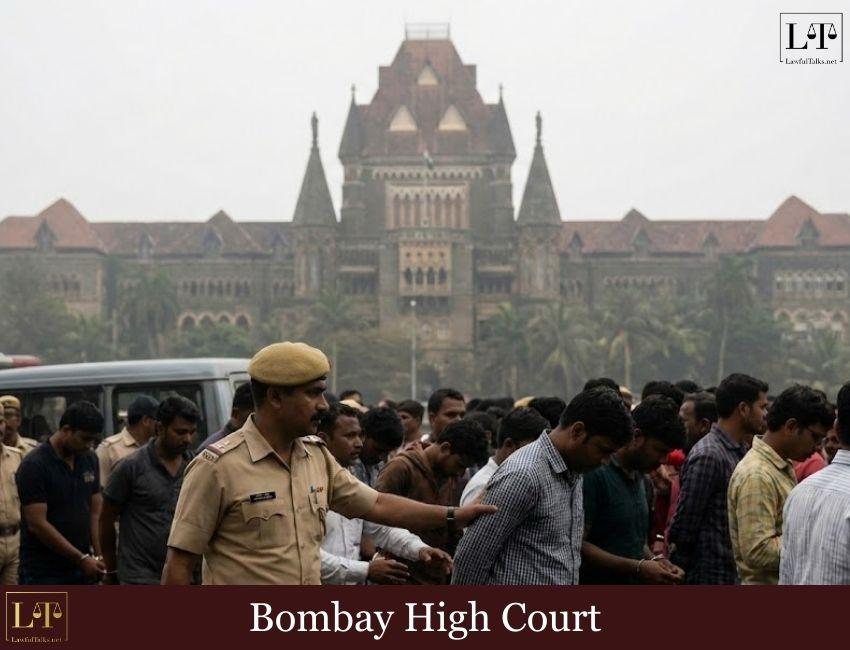
The Court explained that under Section 35 of the BNSS, the police must give concrete, case-specific reasons for every arrest. Simply repeating the wording of the law or offering a common justification for multiple suspects is not acceptable.
Applying this principle, the bench declared the arrest of a corporate executive in a deepfake advertisement FIR illegal. The judges stressed that just because several names appear in one FIR, the police cannot automatically arrest all of them using a blanket rationale.
Facts:
The case arose from a Writ Petition filed by Chandrashekhar Bhimsen Naik, a Senior Vice President at a Bengaluru digital technology company, challenging his arrest in an FIR related to a sophisticated fraud involving AI-generated deepfake videos.
The FIR, lodged by SEBI-registered analyst Prakash Gaba, alleged use of fake videos to mislead investors in a stock market scam. Although Naik was not named in the initial FIR, he was arrested after his colleagues were detained and questioned. The police failed to issue the mandatory prior notice under Section 35(3) of BNSS despite his cooperation during searches.
To justify the arrest, the authorities submitted a remand checklist that gave only general reasons—such as needing to preserve and collect computer data and claiming that the offence had a serious international angle.
Naik’s counsel argued that the police had used a standard, copied-and-pasted reason for the arrest, simply repeating the wording of Section 35(1)(b)(ii) BNSS without relating it to Naik’s specific situation. The lawyer also pointed out that the reasons given for Naik were the same as those used for other accused persons, even though they had different roles in the case.
He further submitted that the magistrate wrongly approved the detention because the order was based only on the investigating officer’s general satisfaction, instead of a careful assessment of the individual reasons required by law for each arrest.
Court’s Observations:
Rejecting the police’s collective and generic reasoning, Justice Bharati Dangre’s bench said that statutory grounds for arrest—such as the risk of fleeing or tampering with evidence—must be shown separately for each accused, not assumed to apply to everyone. The Court called the group-based justification a clear case of “non-application of mind” and held that arresting officers must record specific reasons connected to each person’s role, supported by real facts.
The bench stated, “In the present case, by referring to the collective reasons for arrest, we find that in absence of individual reasons… the arrest has become illegal.” The Court also criticised the magistrate for simply approving the remand without proper independent examination. It reminded magistrates of the Supreme Court’s ruling in Arnesh Kumar, which says that judges must demand concrete, individualized reasons before allowing detention.
Finding the arrest to violate both Article 21 of the Constitution and the procedural safeguards under the BNSS, the bench declared it illegal and ordered Naik’s immediate release.
In its 36-page judgment, the bench also relied on the Supreme Court’s decision in Jogindar Kumar v. State of UP. “The quality of a nation’s civilisation can be largely measured by the methods it used in the enforcement of the criminal law.” stated the court.
Case details: Chandrashekhar Bhimsen Naik vs. State of Maharashtra & Ors.

































































































































































Sign up for free and be the first to get notified about curated content just for you.