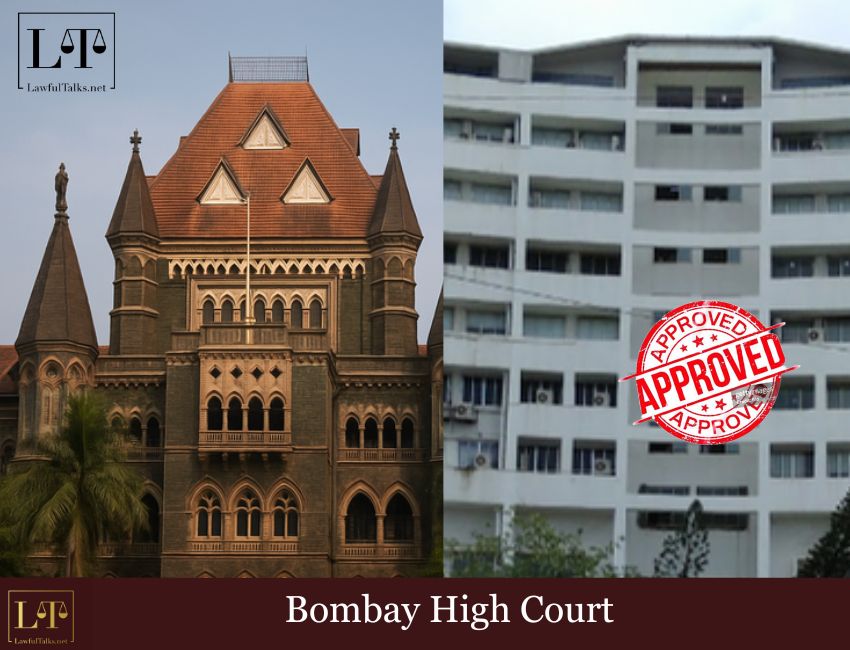
IPO Already Listed? Court Says Challenge Is ‘Pointless’ — Bombay HC Tosses Out Petitions

- December 02, 2025


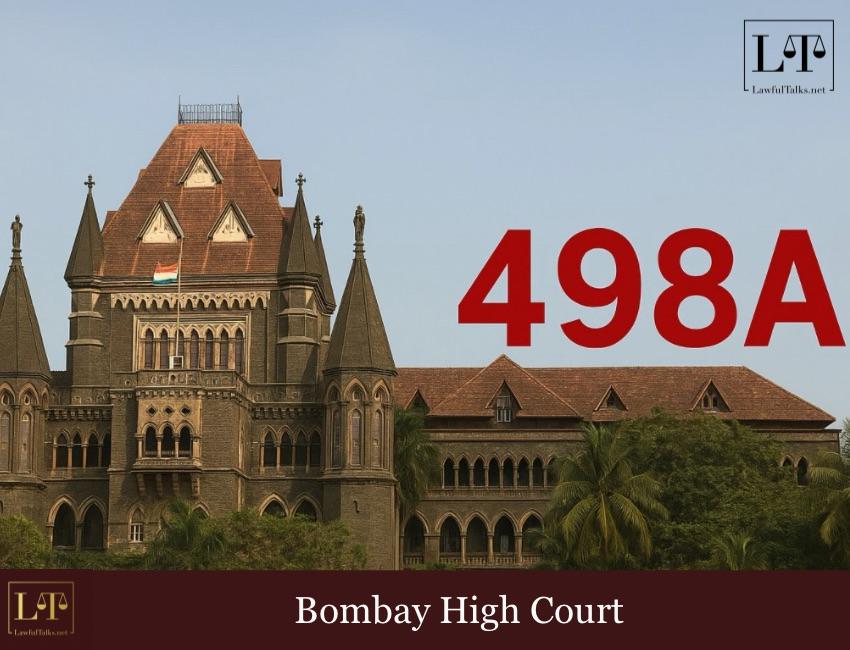
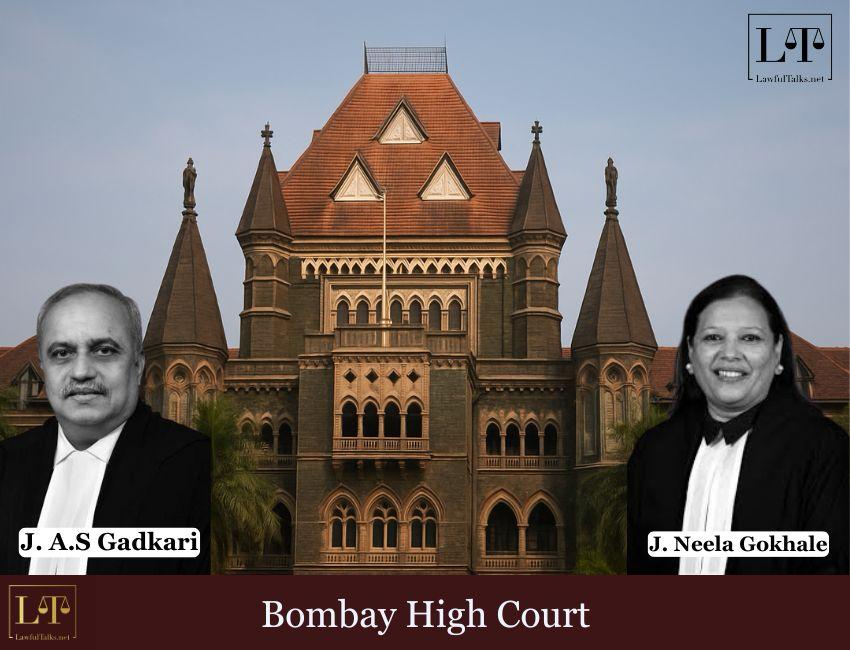
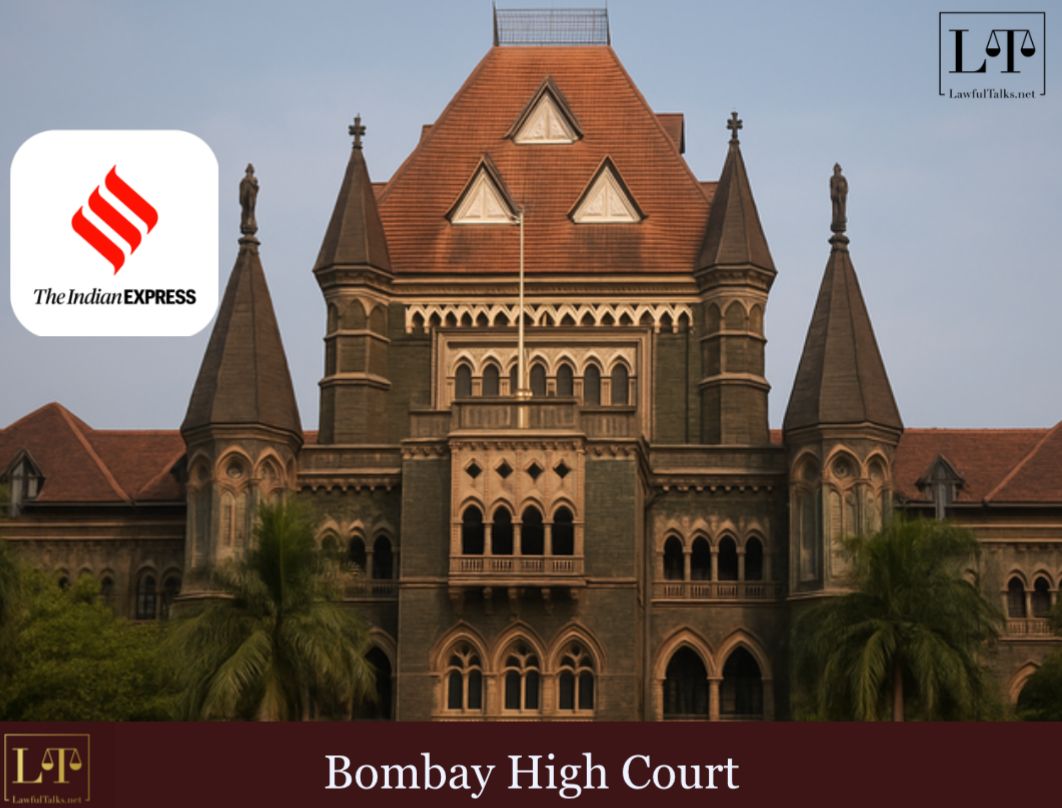
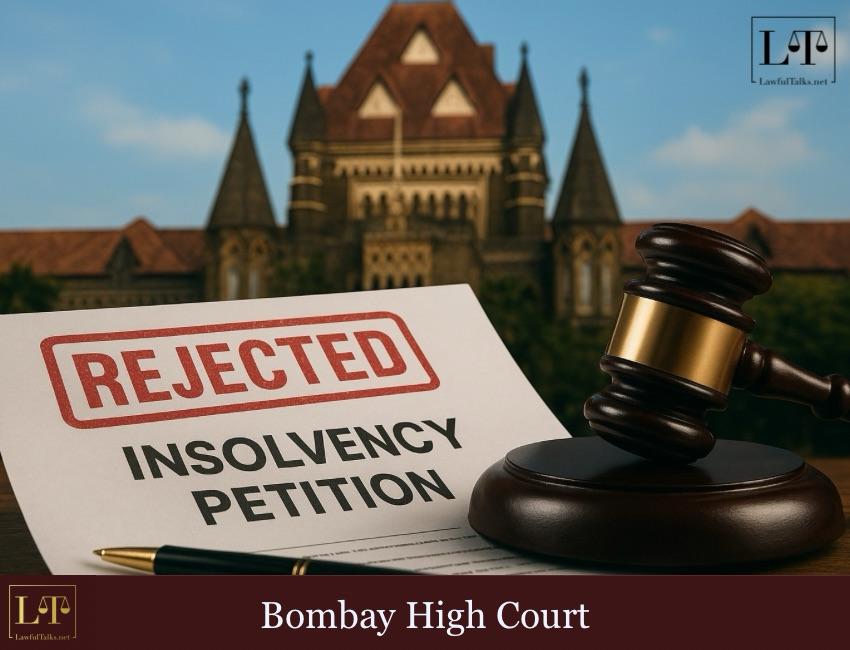
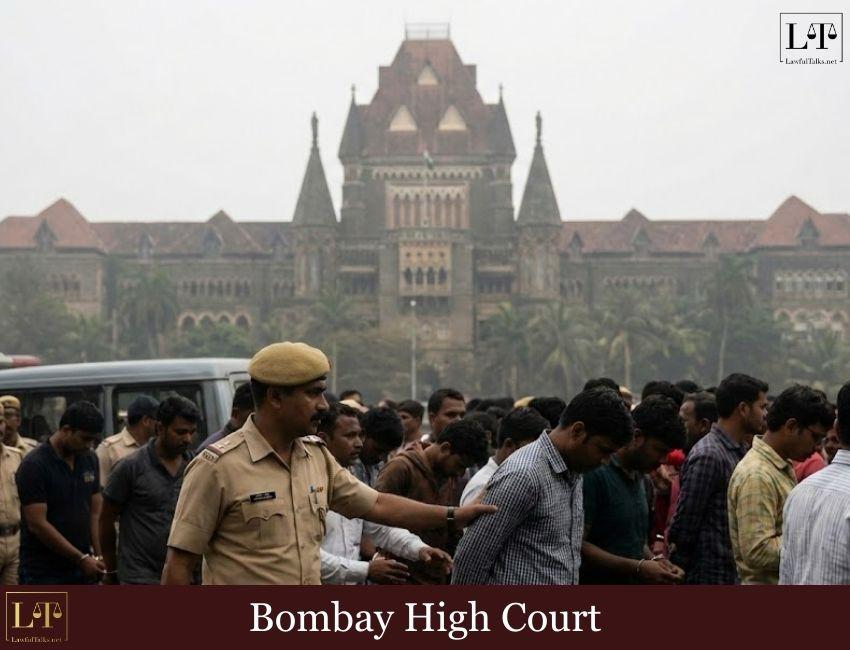
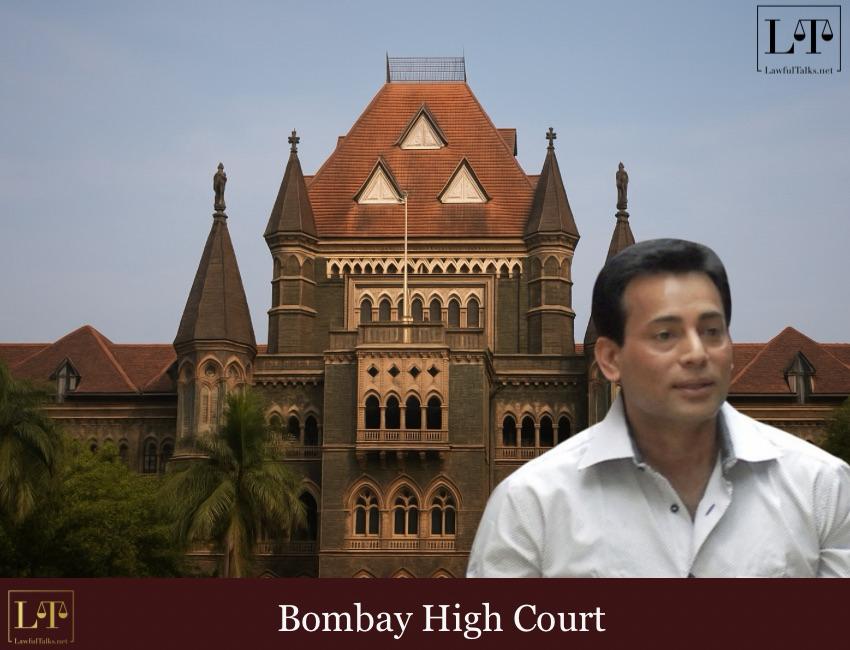
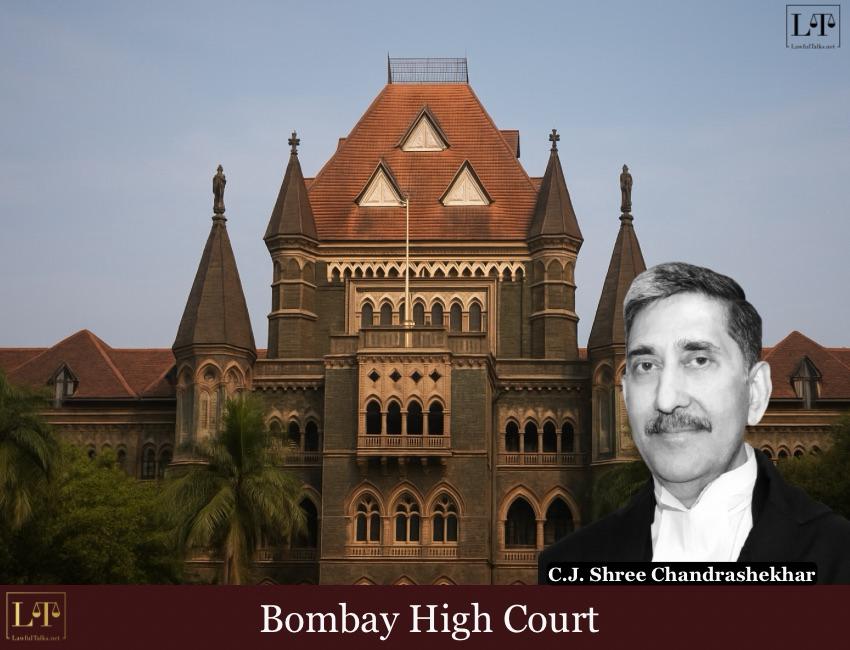
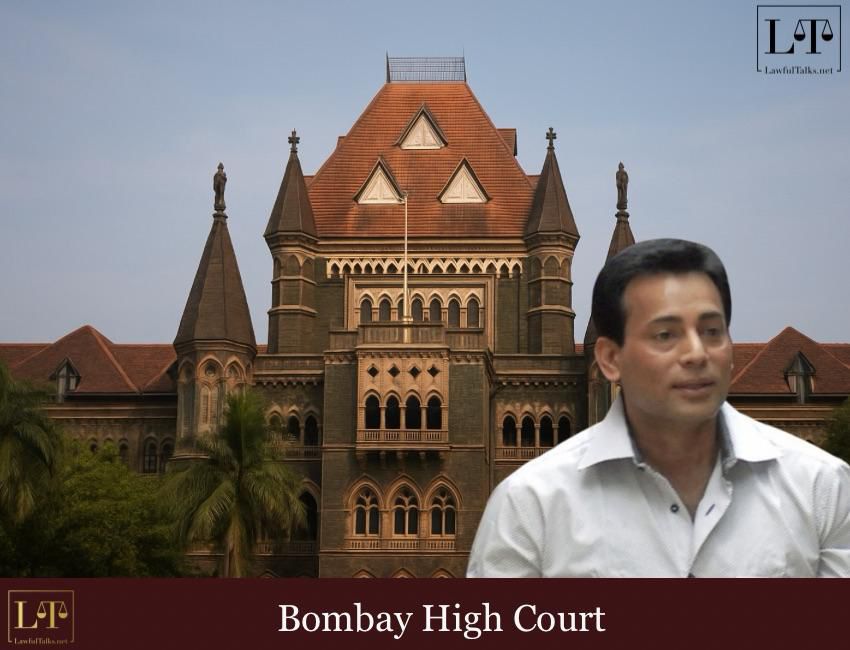
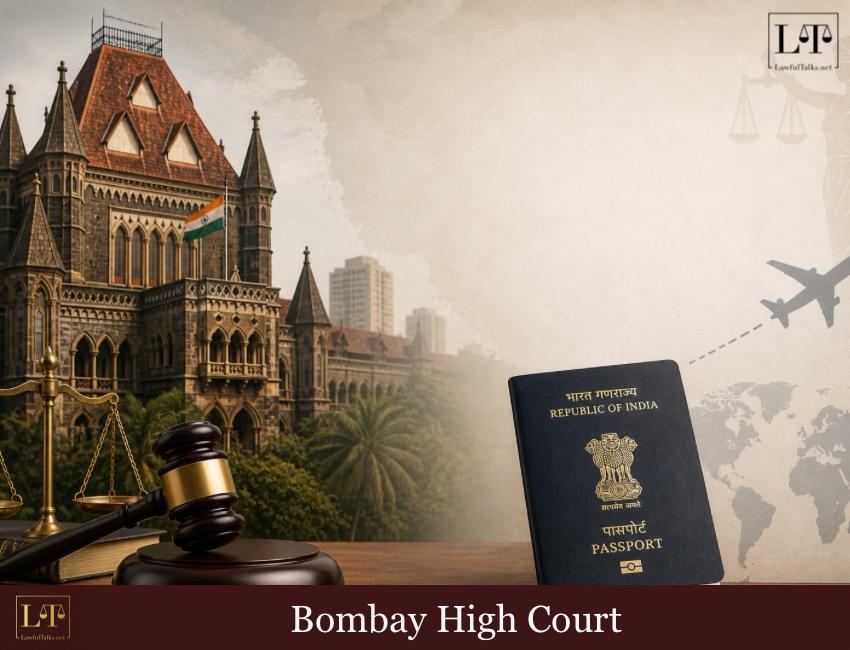
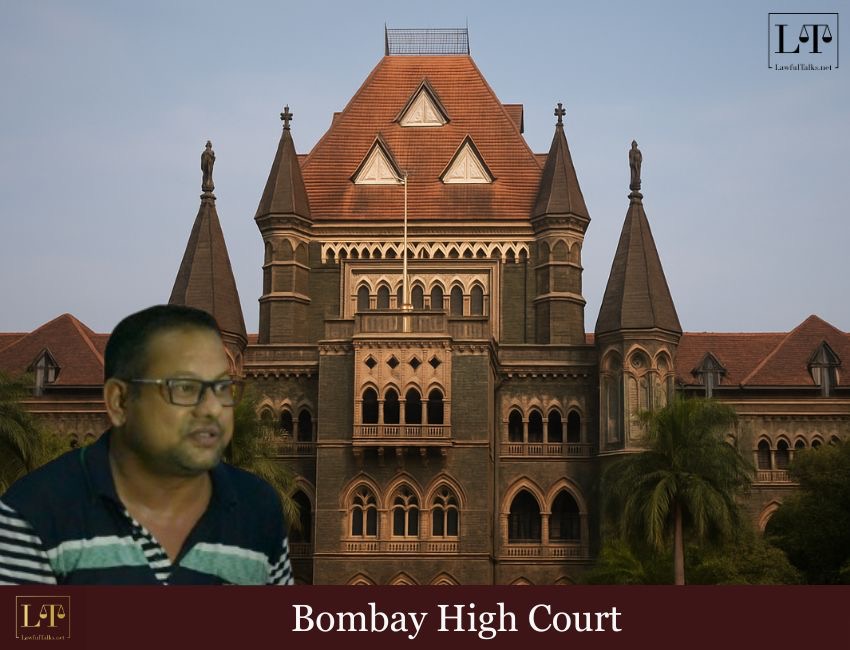
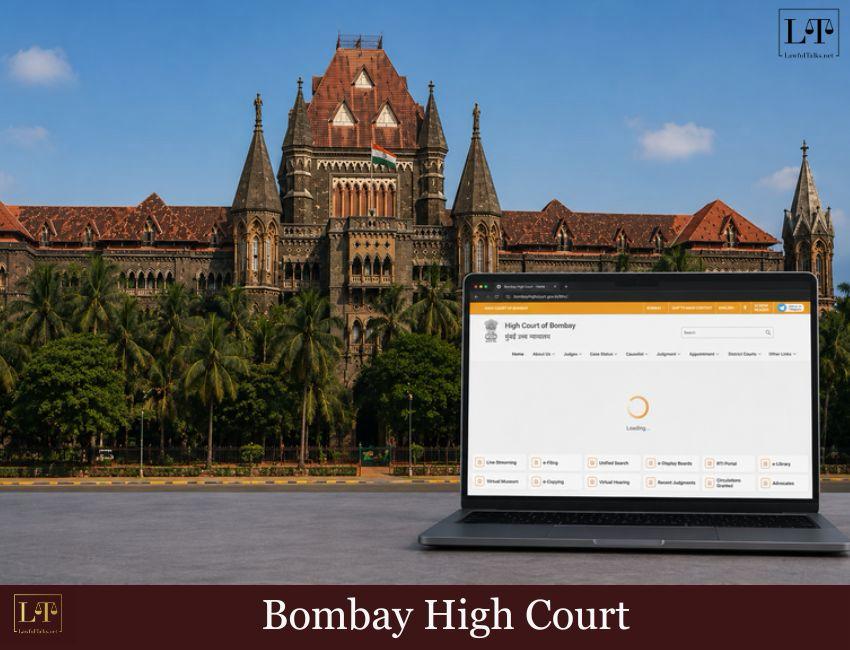
The Bombay High Court has dismissed two writ petitions that tried to challenge WeWork India’s initial public offering (IPO). The petitions were filed by two individual investors who argued that the company had not made enough disclosures in its IPO documents.
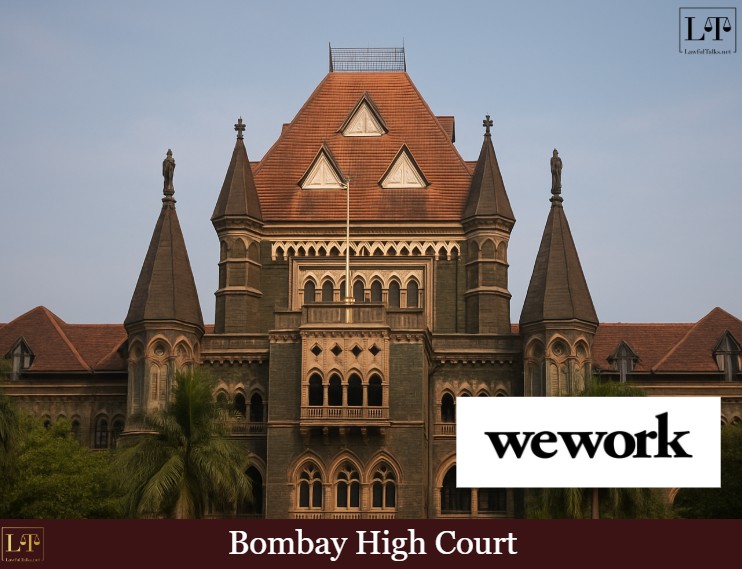
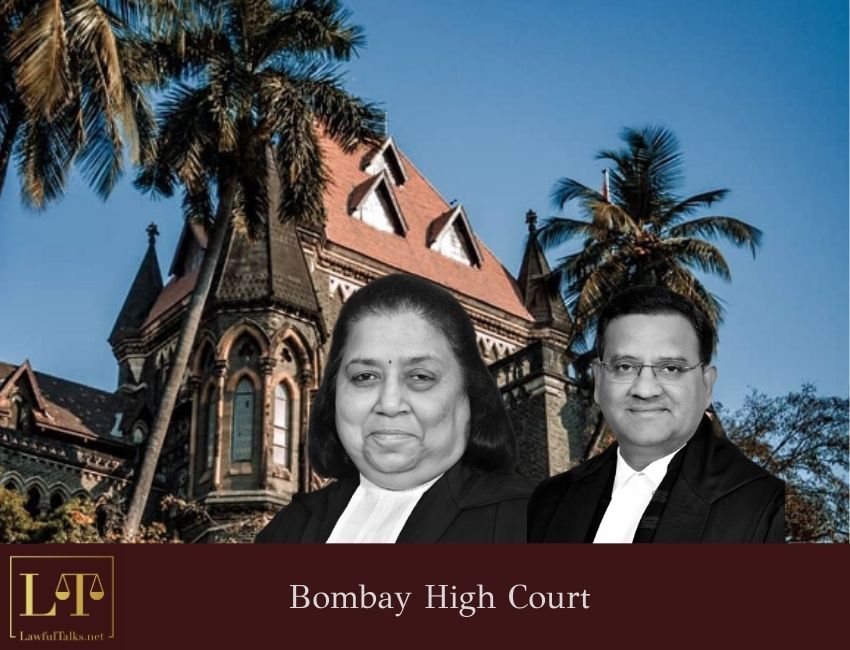
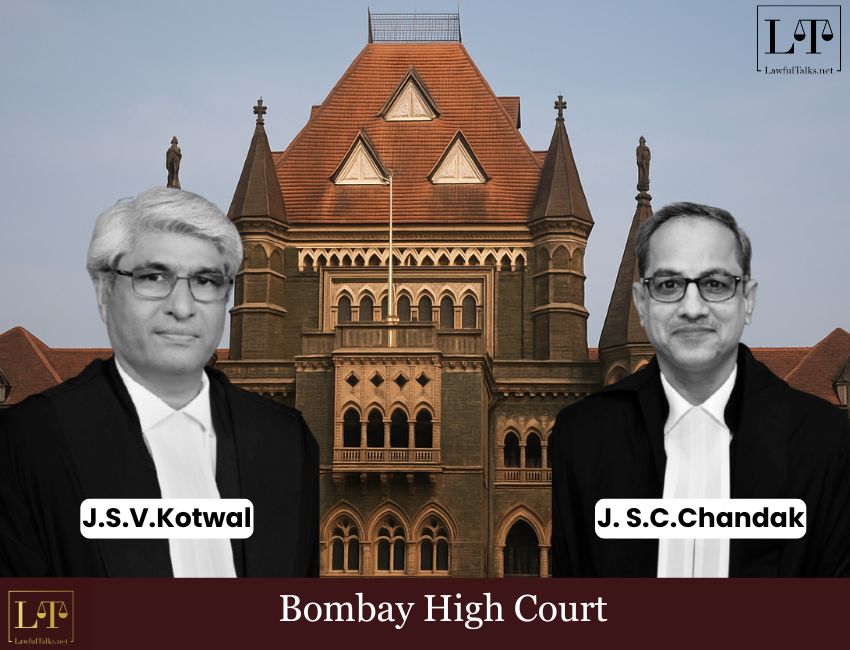
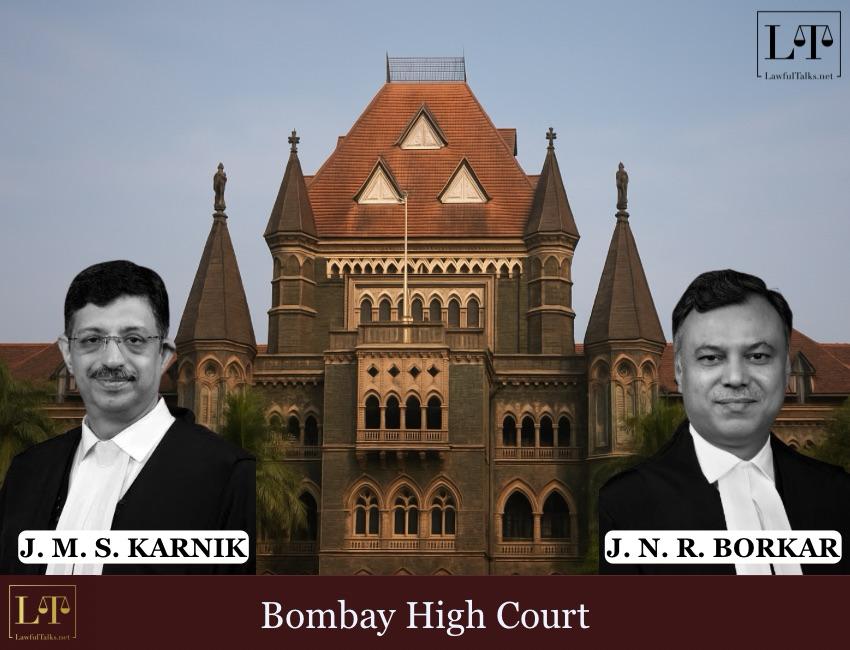
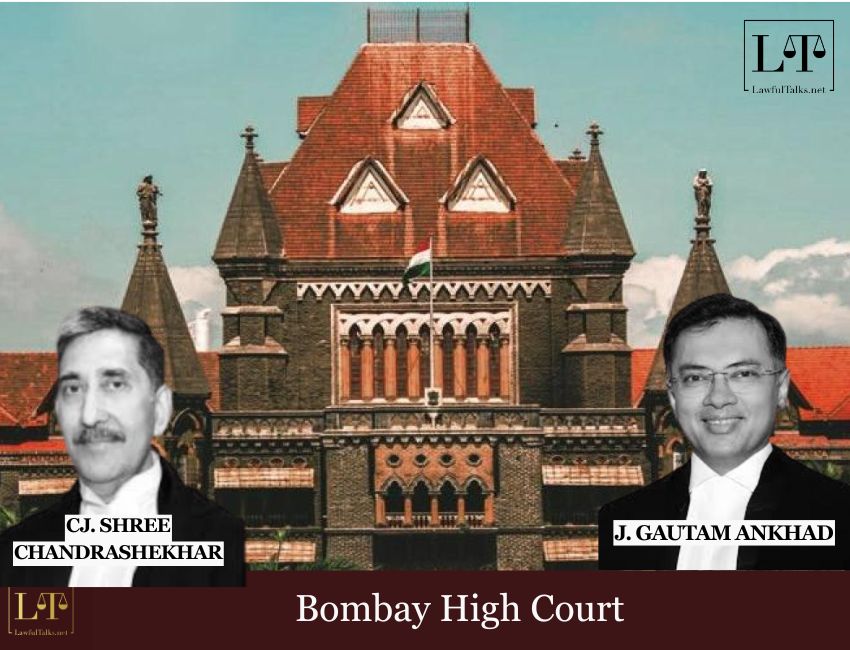
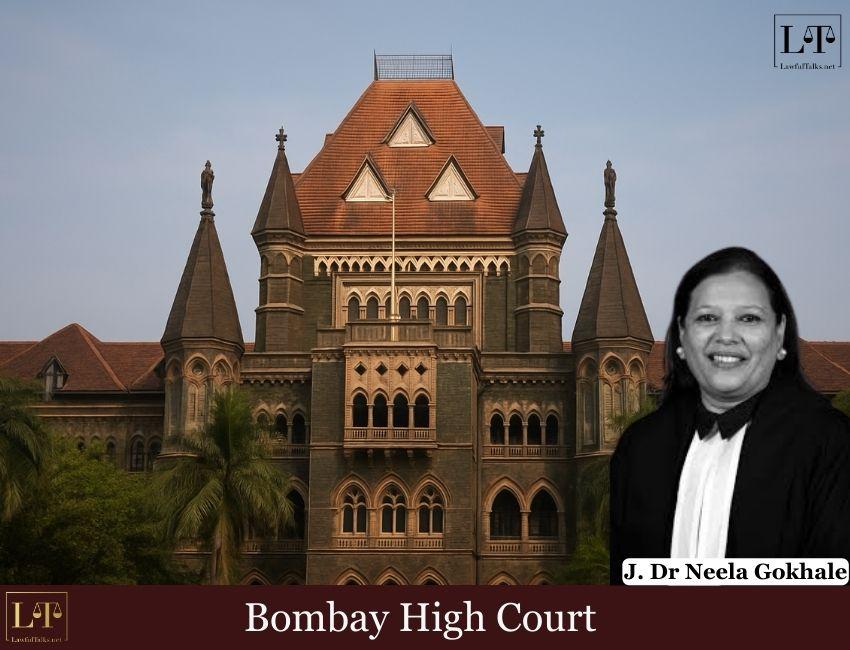
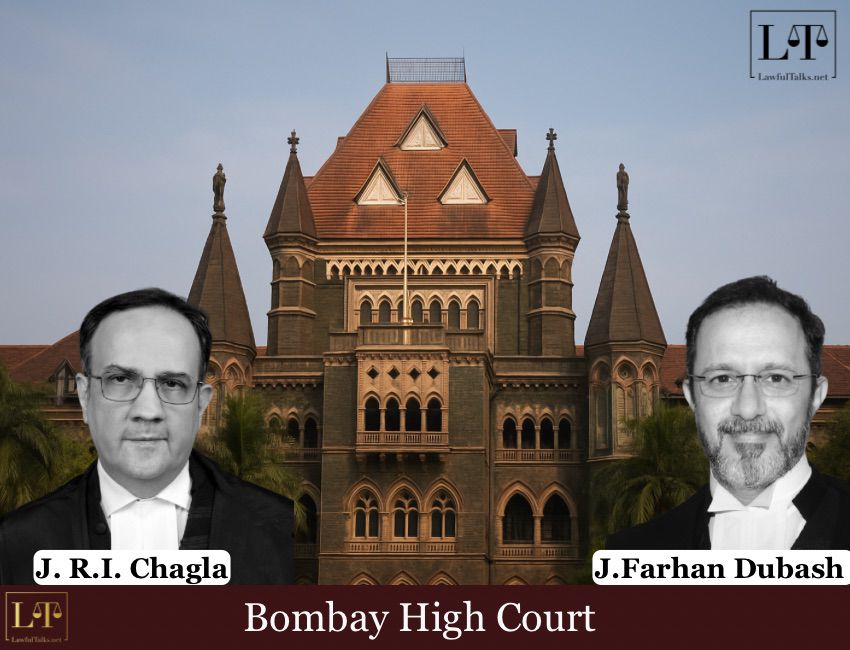
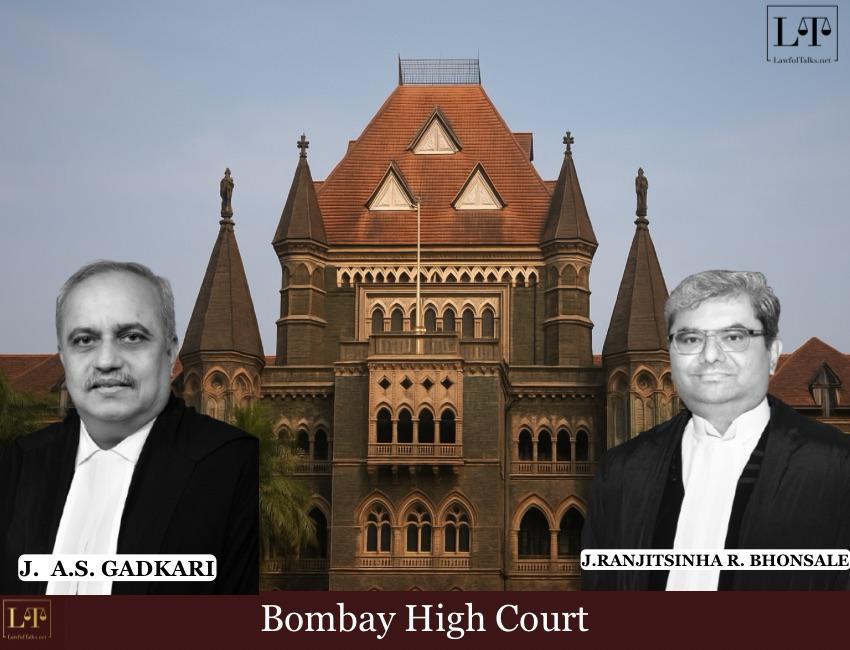
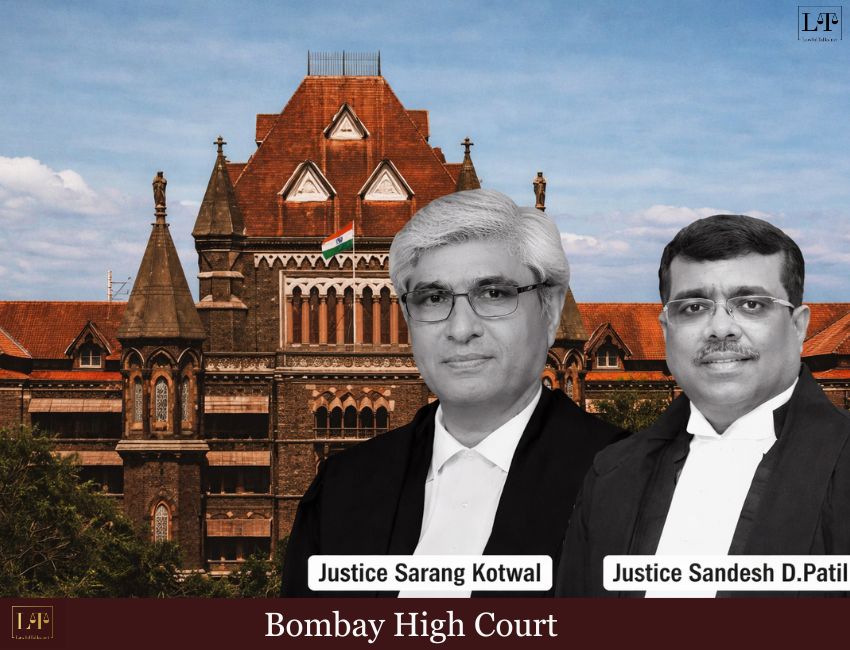
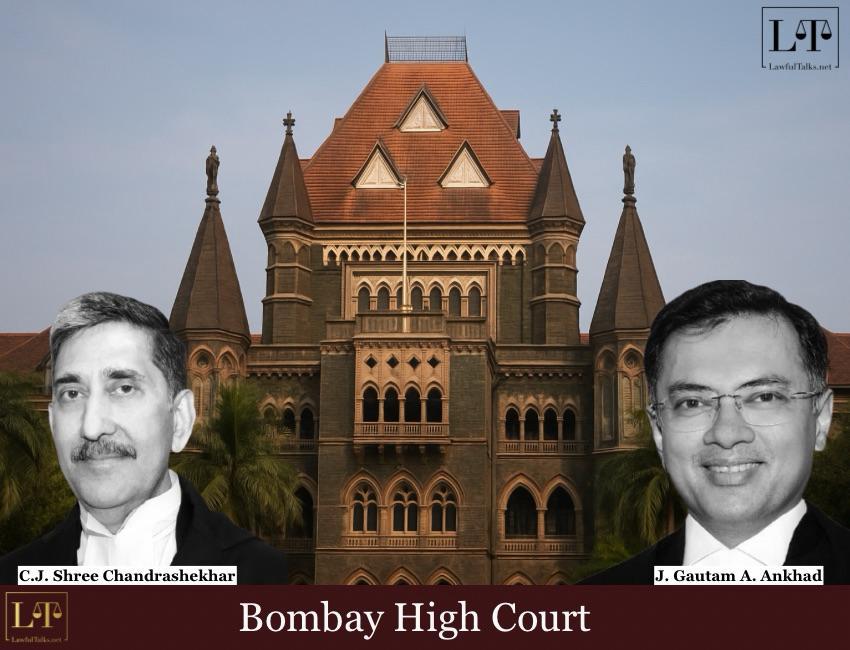
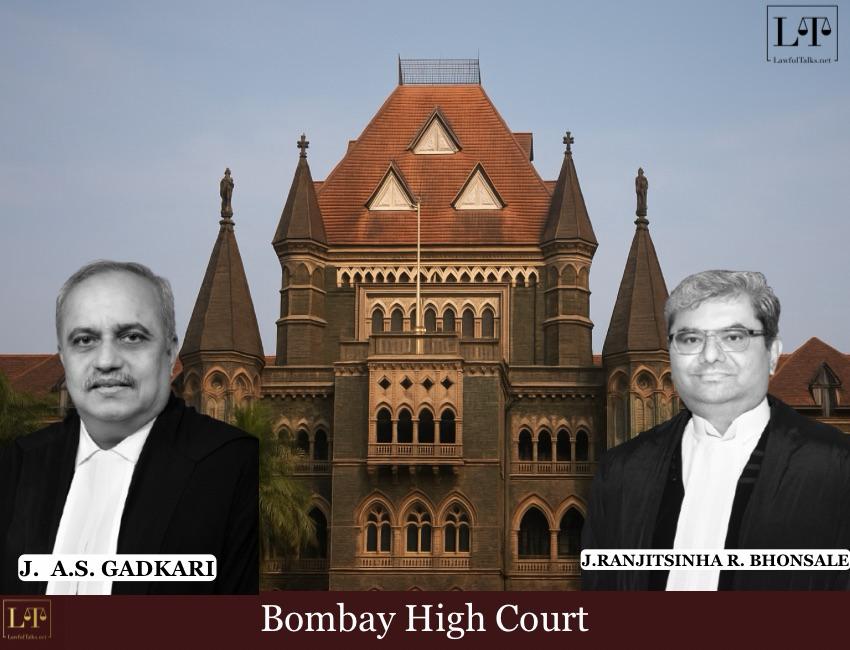
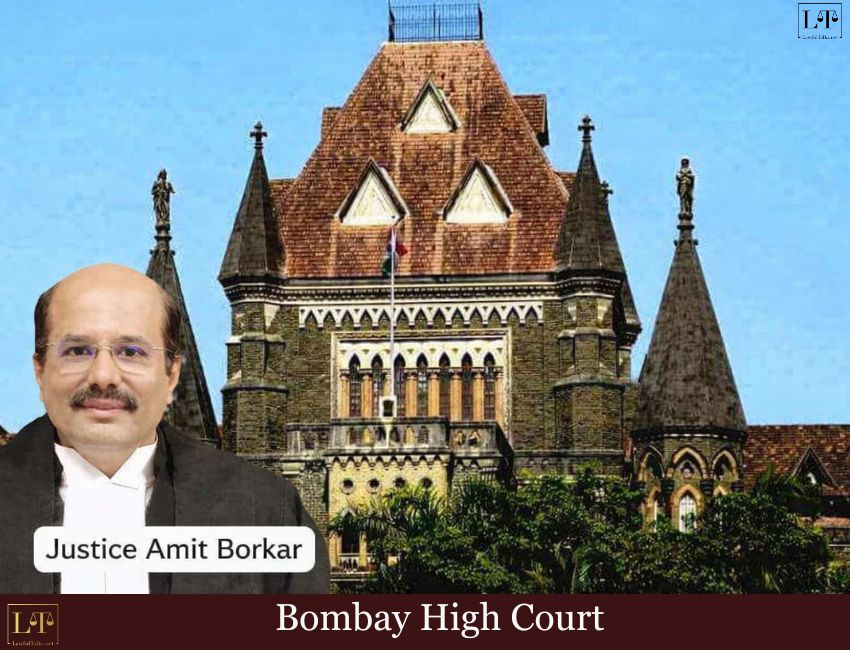
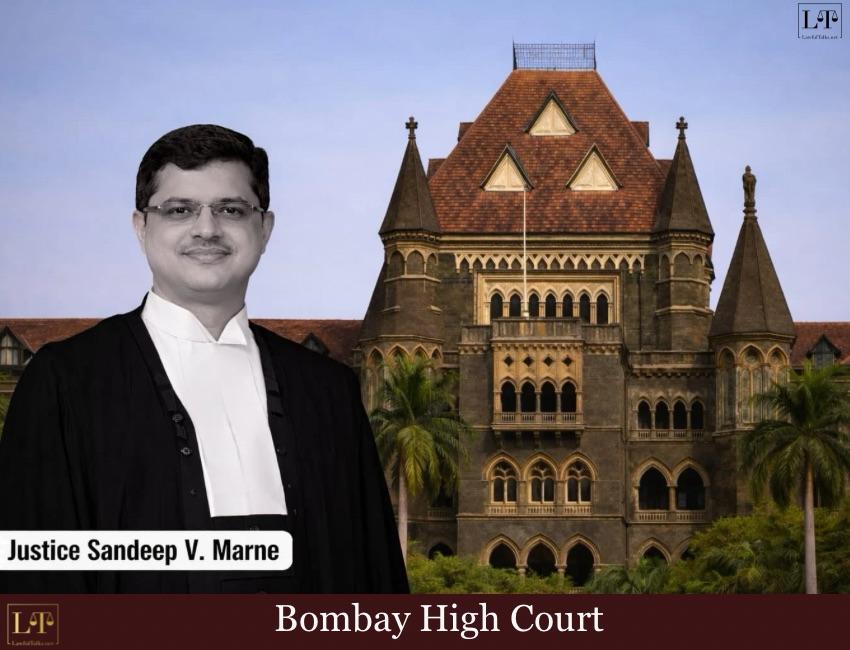
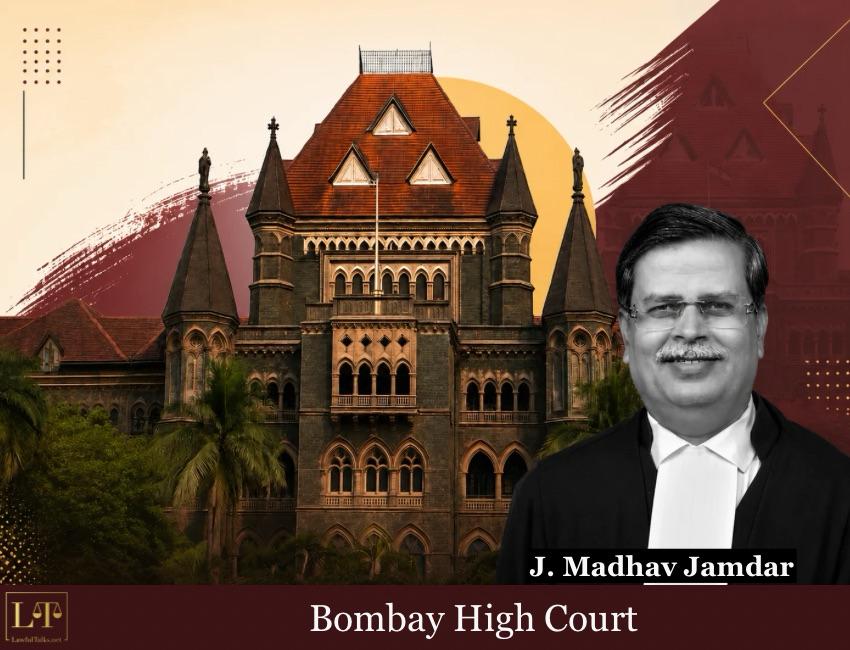
A division bench of Justice R.I. Chagla and Justice Farhan A. Dubash rejected both petitions.
Investor Hemant Kulshreshtha’s petition was dismissed without any costs.
Investor Vinay Bansal’s petition was dismissed with a ₹1 lakh cost, which he must pay to the Maharashtra State Legal Services Authority within two weeks.
WeWork India’s shares have already been listed on Indian stock exchanges since October 10.
Background:
The petitions filed by retail investors Vinay Bansal and Hemant Kulshreshtha claimed that WeWork India’s IPO documents left out important information. They also argued that SEBI did not act on a detailed complaint they had submitted on August 25, 2025.
Bansal pointed out that SEBI had initially paused the IPO for over three months, but later allowed it to proceed without addressing concerns about the company’s finances, operations, and legal issues involving its promoters. According to the offer documents, WeWork India had a negative net worth of ₹437 crore as of March 2024, and had reported losses of ₹1,357 million in FY24, ₹21,468 million in FY23, and ₹6,429 million in FY22.
The IPO was purely an Offer for Sale (OFS) of more than 4.3 crore shares, meaning the company itself did not receive any fresh funds. As stated in the offer document, “our company will not receive any proceeds from the Offer.” Instead, the OFS allowed promoter Embassy Buildcon LLP to sell part of its stake without creating any new assets or business opportunities for the company.
The petition argued that WeWork India uses the “WeWork” brand under a licence that remains valid only as long as the company’s promoters keep their voting and management control. It claimed that WeWork India’s entire business identity depends on this brand name and said investors should be clearly warned about the risks if the licence is ever revoked.
The petition also pointed to three pending cases involving the promoters that, it claimed, were not fully disclosed in the original Draft Red Herring Prospectus (DRHP) filed in January 2025. These cases include:
a 2014 CBI chargesheet for alleged corruption and conspiracy,
an Enforcement Directorate complaint under the Prevention of Money Laundering Act, and
an Economic Offences Wing chargesheet dated November 7, 2024.
According to the petitioners, these cases were missing from the January 2025 DRHP and were added only later through an addendum issued in August 2025.
SEBI’s counsel said the petitioners had changed their argument—from non-disclosure of prosecutions to chargesheets—and insisted SEBI followed the rules. He said, “To suggest that we have not provided reasons is completely untenable,” explaining that SEBI had asked the company to clearly disclose the ED case as a risk, which led to changes in the RHP.
Counsel for Kulshreshtha said companies must disclose any prosecution, saying, “The requirement is that the issuer has to disclose the prosecution launched against him,” and warned that not sharing such information could harm investors. Another counsel said the company had disclosed a “lesser offence but not a higher offence,” and defended the right to raise the issue: “I have a right under the regulations to expect the regulator to act in accordance with law.”
Court’s Query:
Since the IPO had already closed, the bench asked what interim relief was still possible. When Kulshreshtha’s counsel suggested issuing corrective disclosures without reversing the IPO, the court asked whether this was basically final relief or whether it would let the information be hidden.
Counsel for Bansal criticised SEBI’s process, saying, “Nothing has been produced to show this,” and argued that SEBI must show it considered the matter properly, especially when there are “serious criminal charges against promoters offloading shares.”
Counsel for WeWork India said many loss-making companies, like Swiggy, Zomato and Paytm, have done IPOs, adding, “There is not a single law that prohibits it,” and said SEBI’s supervisory role does not require detailed orders for every IPO complaint.
Case Title: Vinay Bansal v SEBI and Anr [WP(L) 31301 OF 2025]
For Petitioners: Senior Advocate Navroz Seervai along with Advocates Prasad Shenoy and Chinmay Babhulkar instructed by Advocate Akash Menon for Vinay Bansal;
Senior Advocates Amit Desai, Venkatesh Dhond, Ashish Kamat, with Advocates Gopal Krishna Shenoy, Aditya Mithe, Shashwat Rai and Mrinali Dave instructed by Keystone Partners for Hemant Kulshreshtha.
For Respondents: Senior Advocate Shiraz Rustomjee along with Advocates Prateek Pai, Ravishekhar Pandey and Ankit Ujjwal instructed by Agama Law for SEBI;
Senior Advocate Gaurav Joshi, Advocates Shruthi Sabharwal, Avinash Das, Anant Mishra, Ayan Tandon and Prachi Gupta instructed by Shardul Amarchand Mangaldas & Co for WeWork India; Senior Advocate Janak Dwarkadas along with Advocates Ravitej Chilumuri, Aishwarya Singh and Sanya Gandhi instructed by Khaitan & Co for Other respondents; Senior Advocate Ravi Kadam, Senior Advocate a/w Mr Ravitej Chilumuri, Aishwarya Singh and Ms Sanya Gandhi instructed by Khaitan & Co for other respondents.









































































































































































































Sign up for free and be the first to get notified about curated content just for you.