SC Explodes At Prosecutors’ ‘Abandoned Justice’ —Chandan Pasi Murder Trial Collapses, Retrial Ordered”

- December 03, 2025


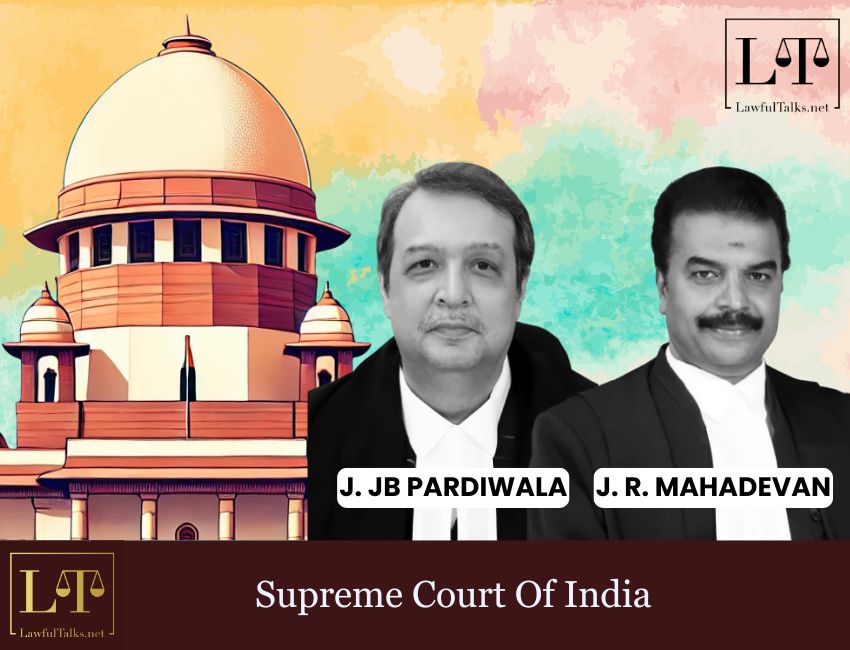
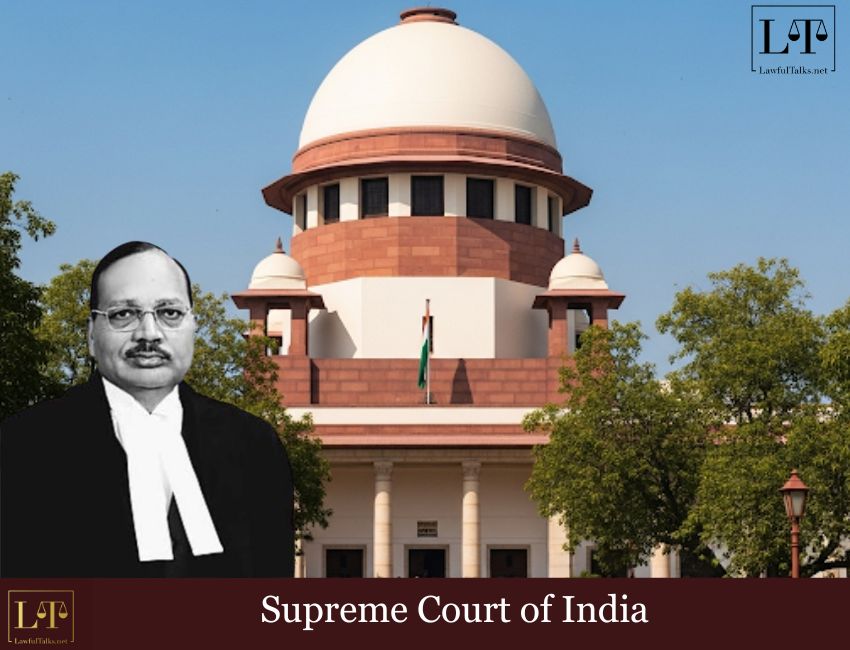
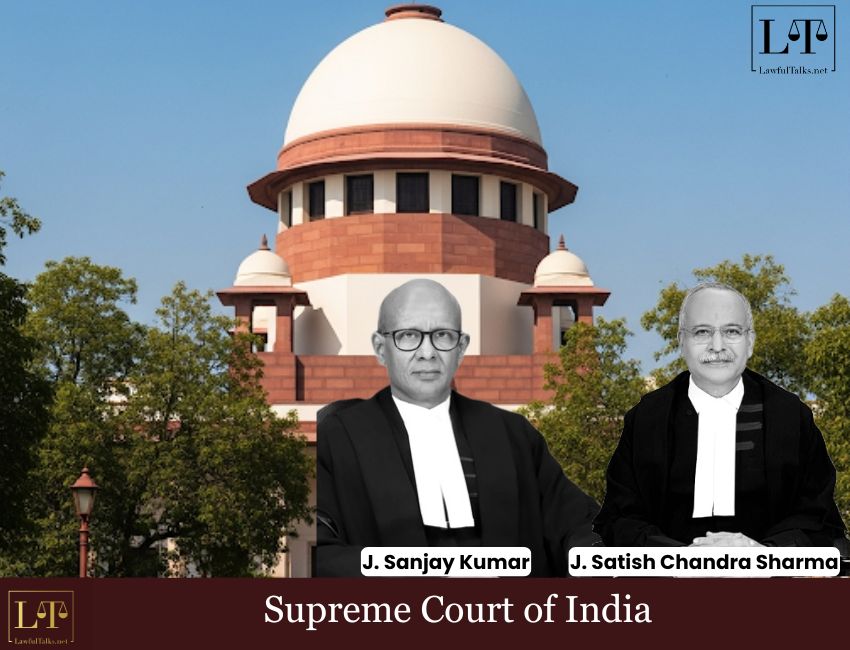
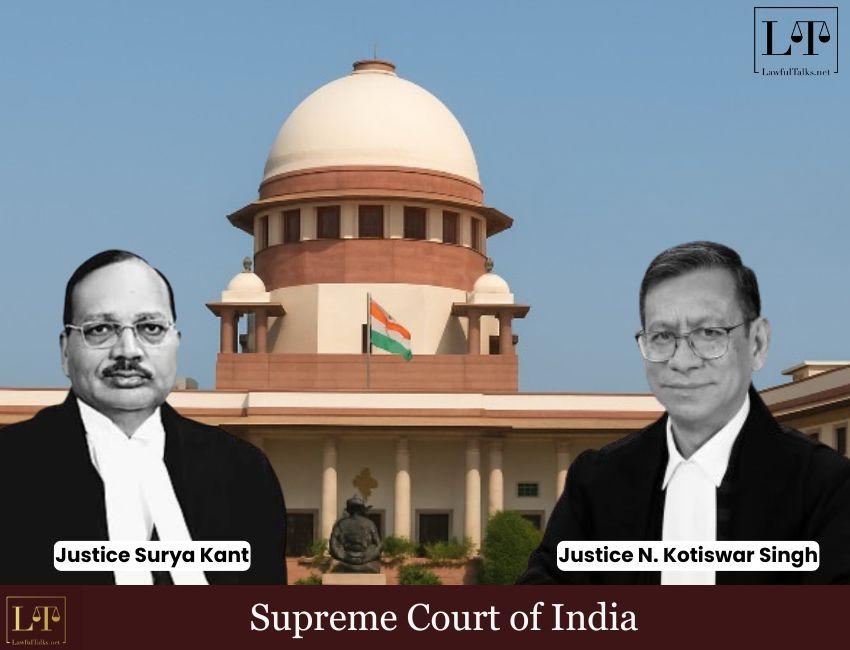
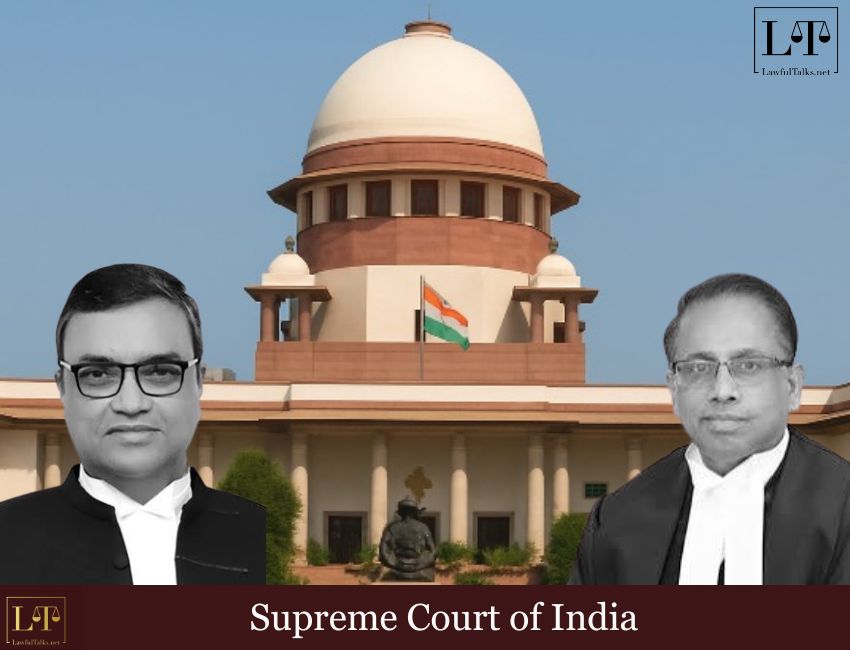
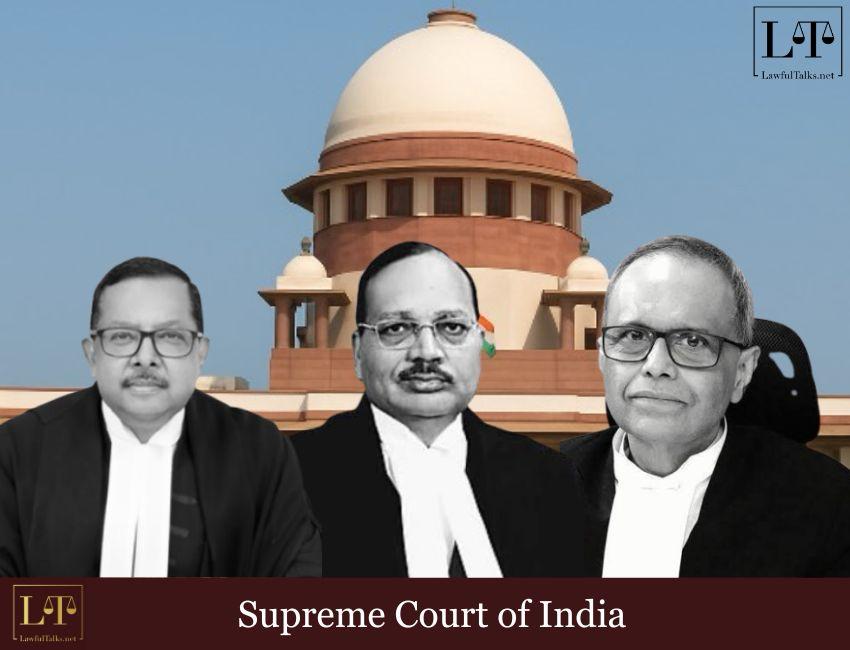
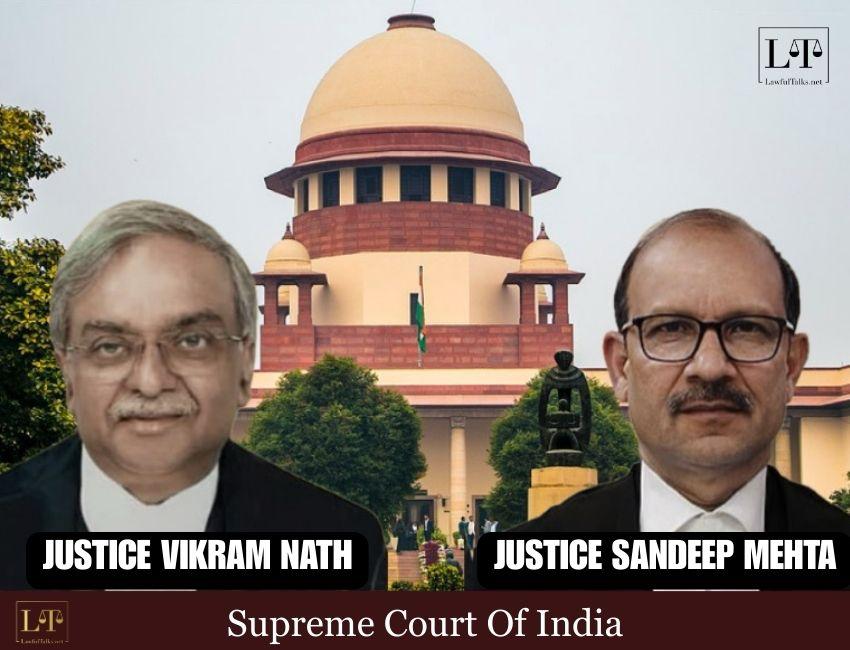
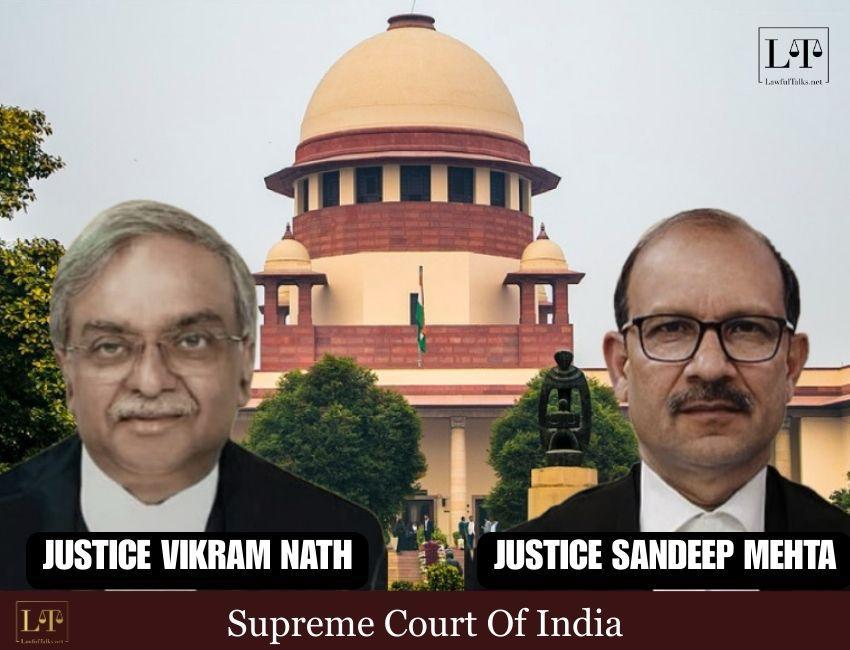
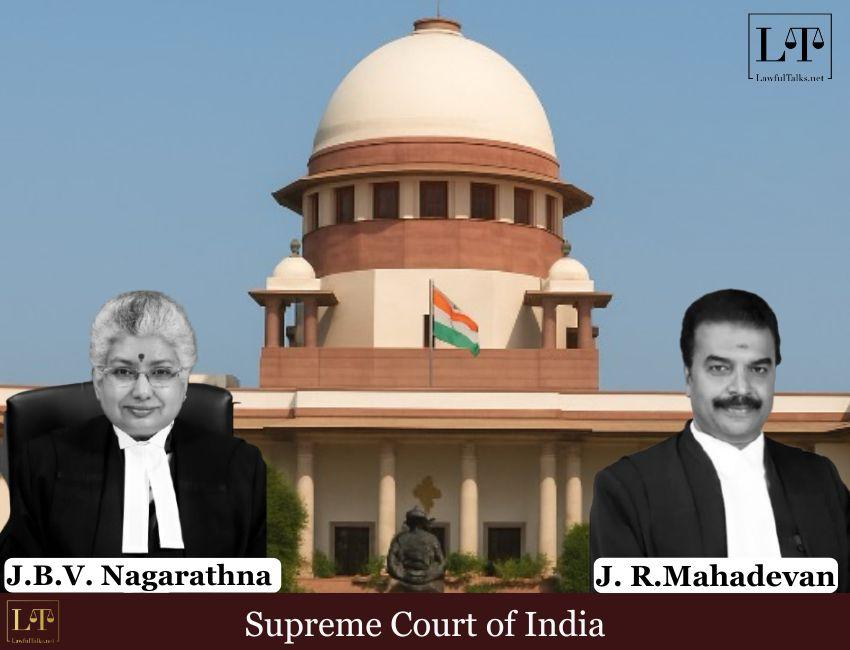
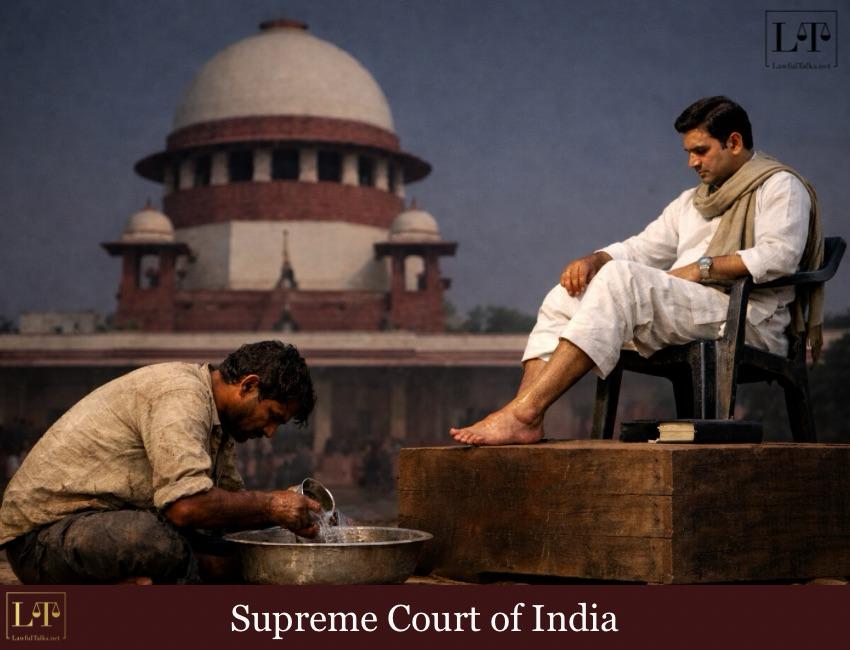
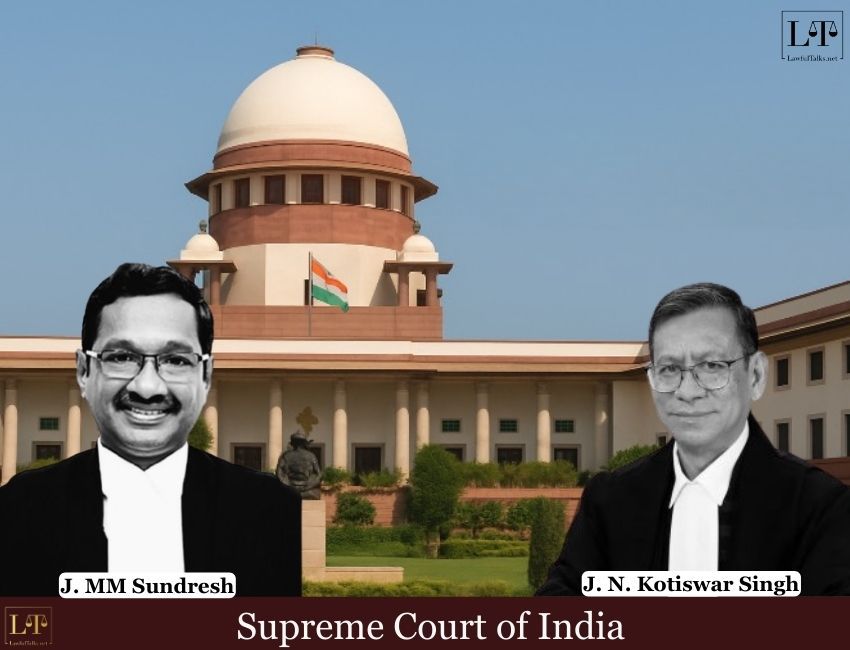
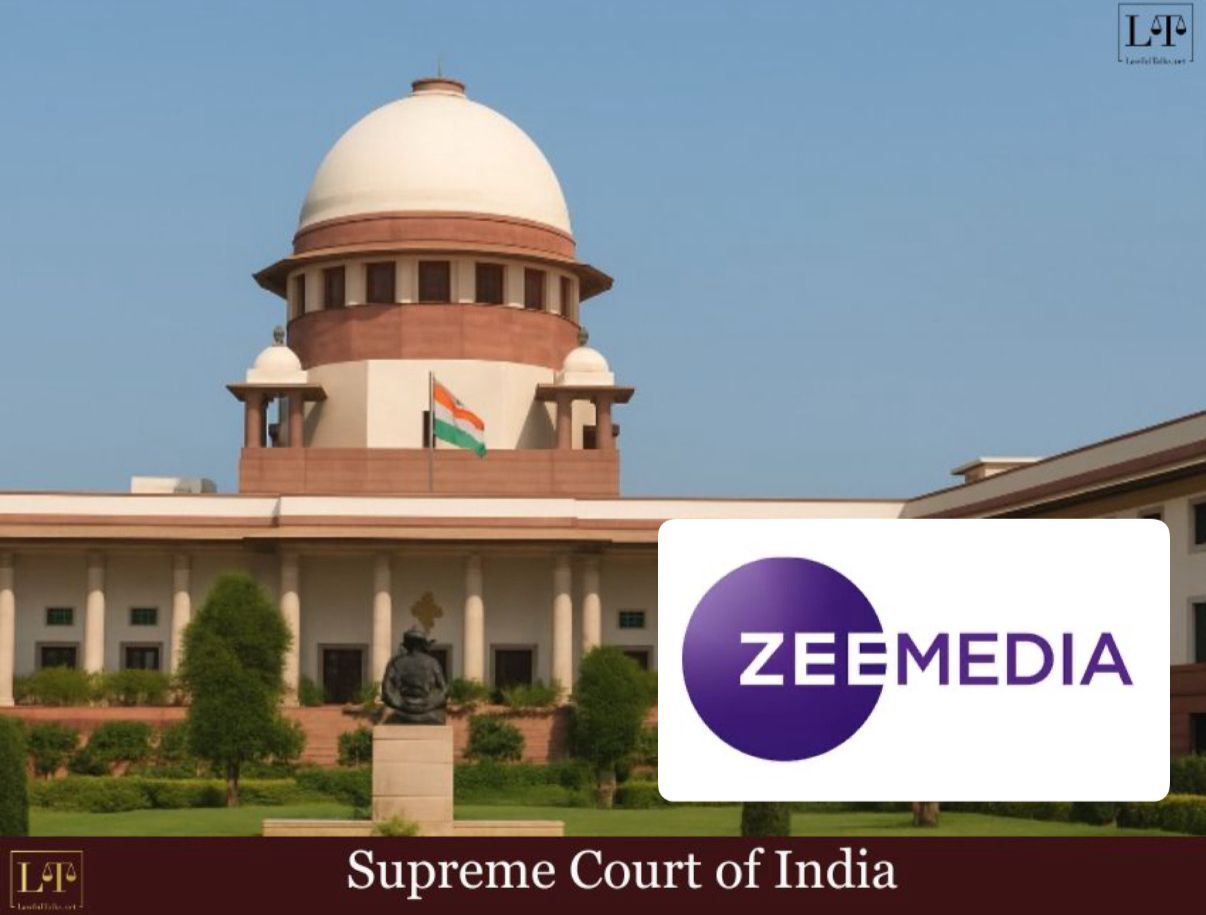
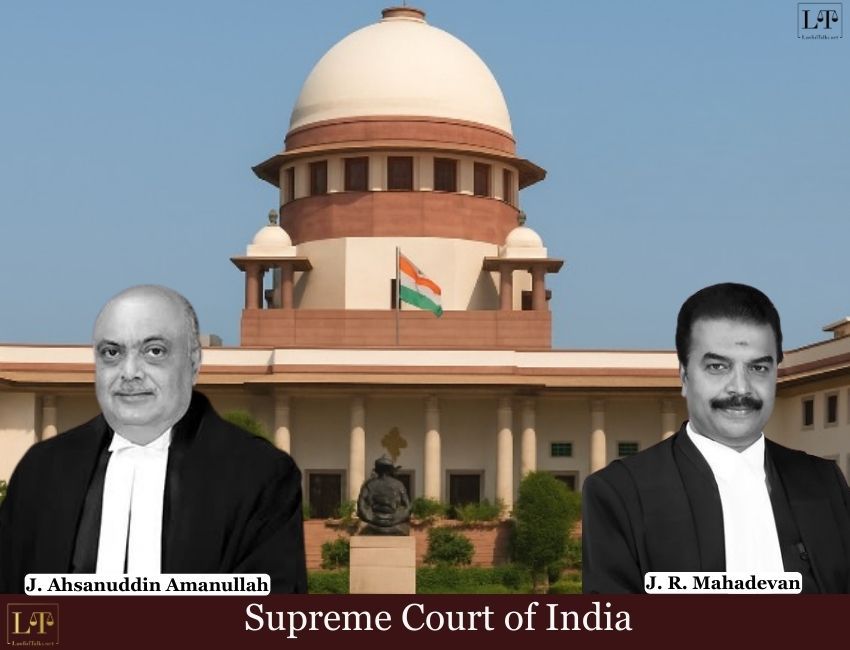
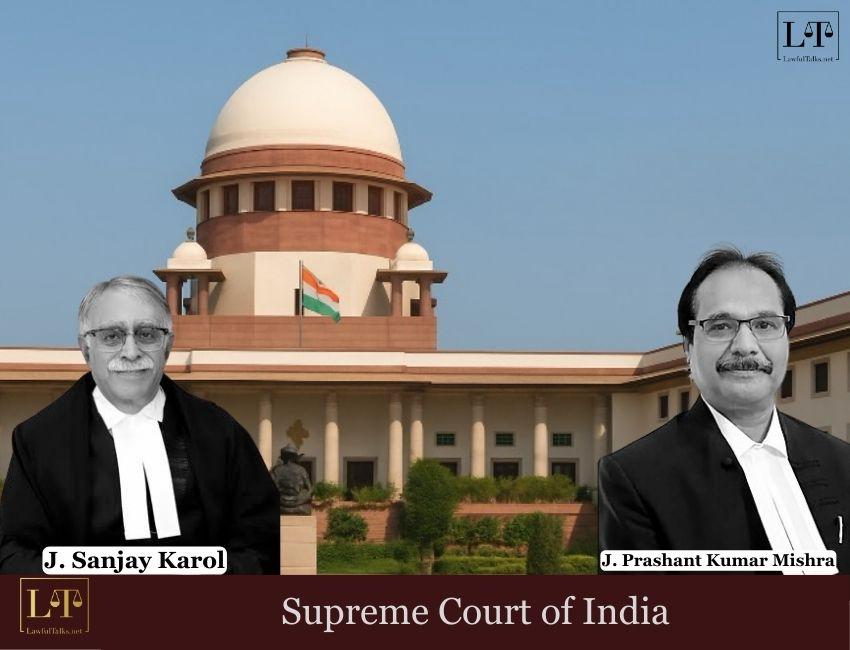
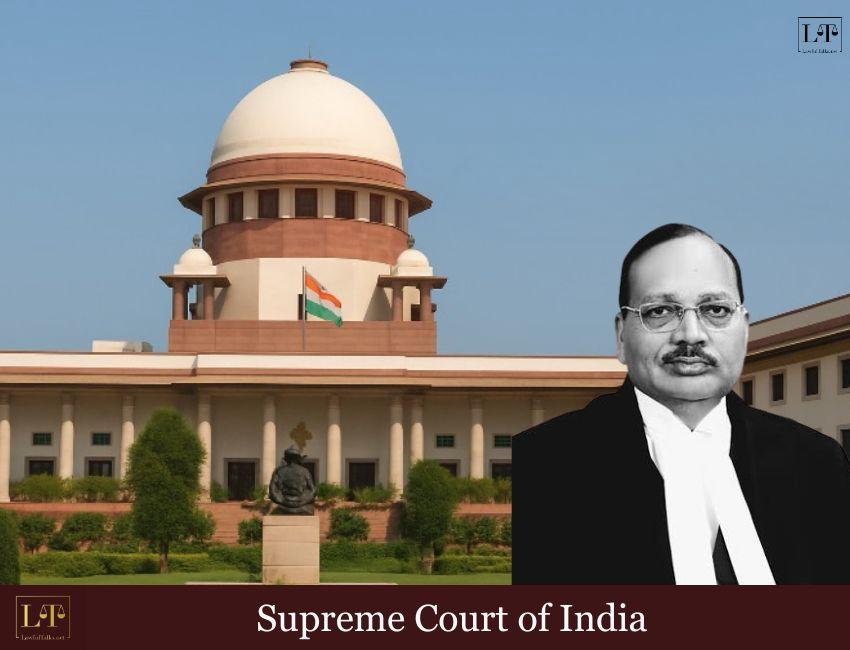
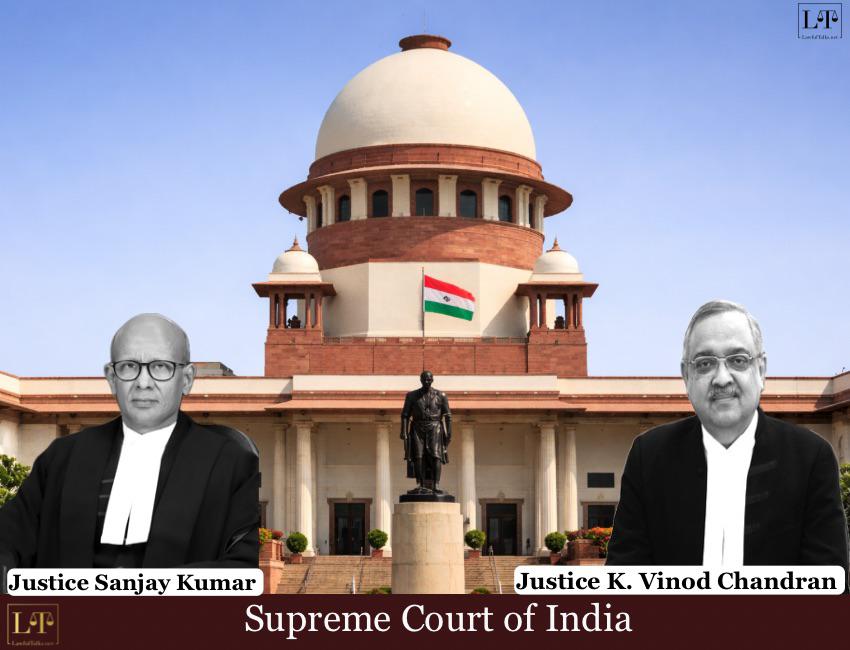
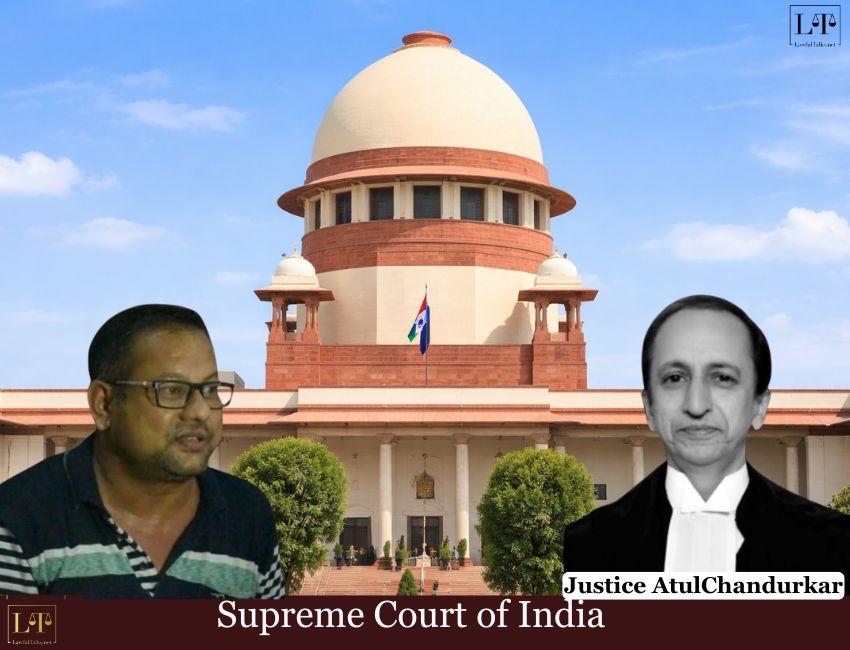
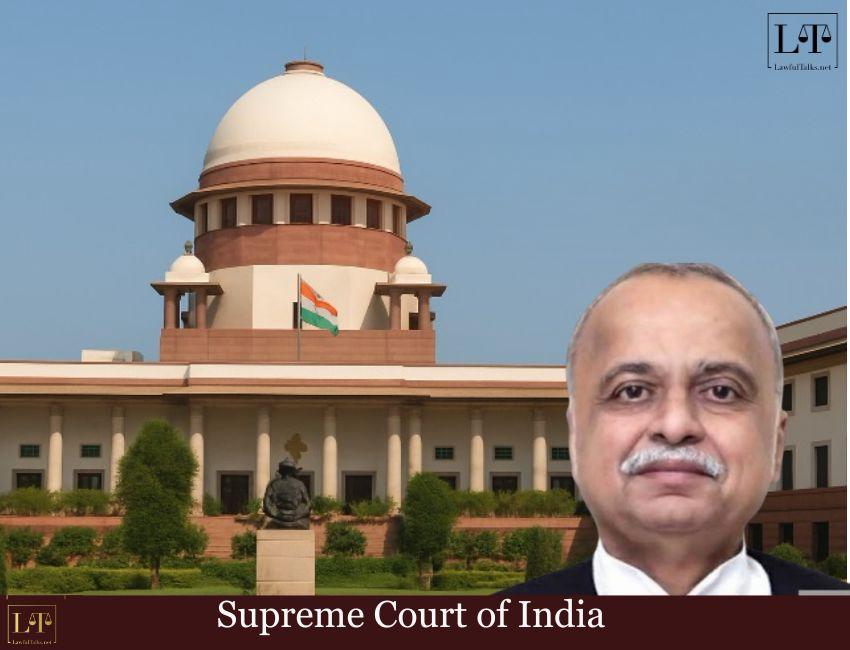
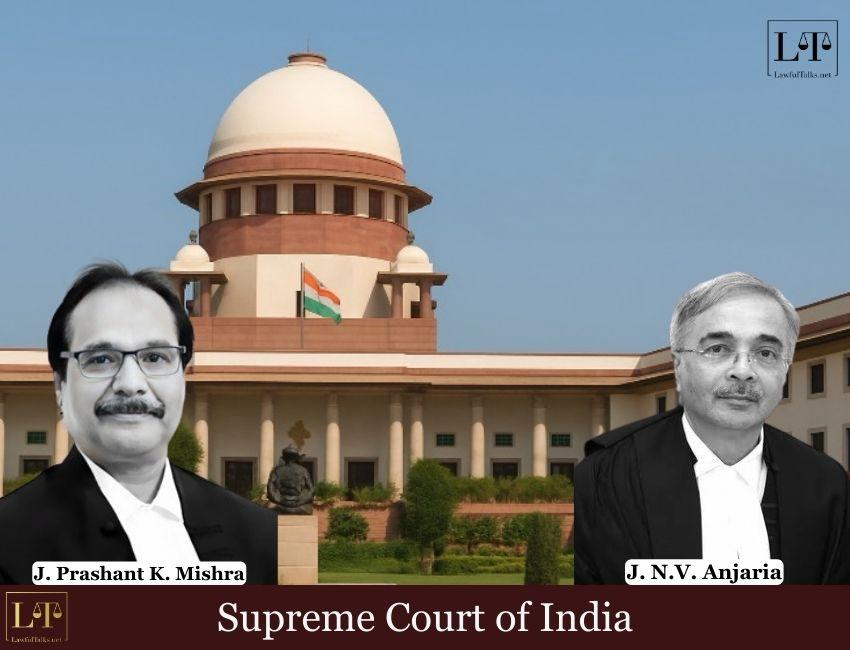
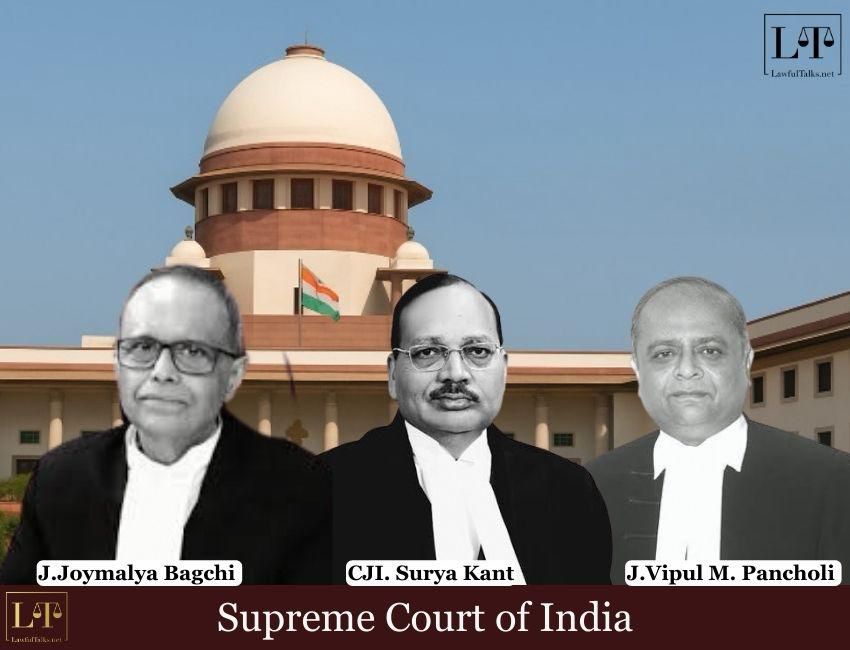
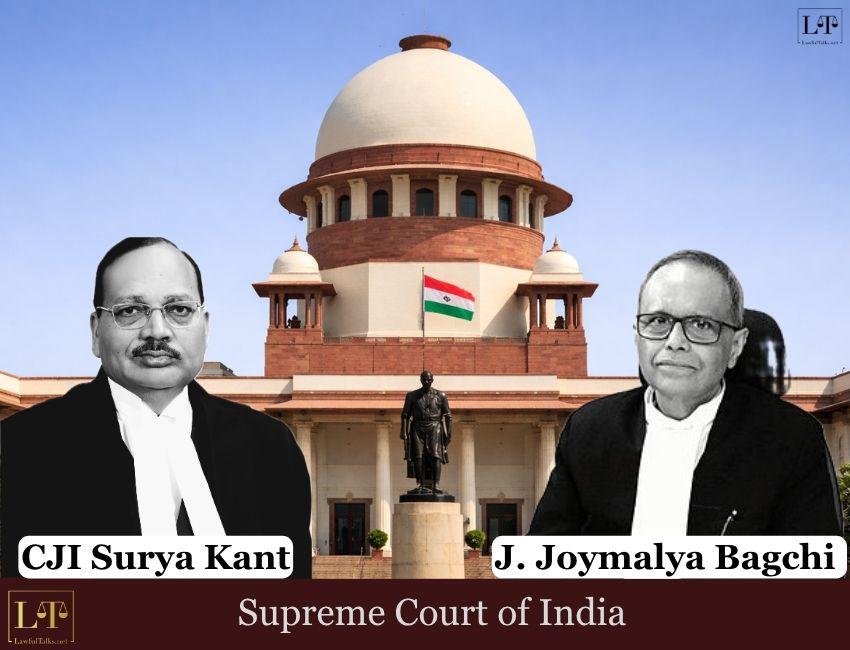
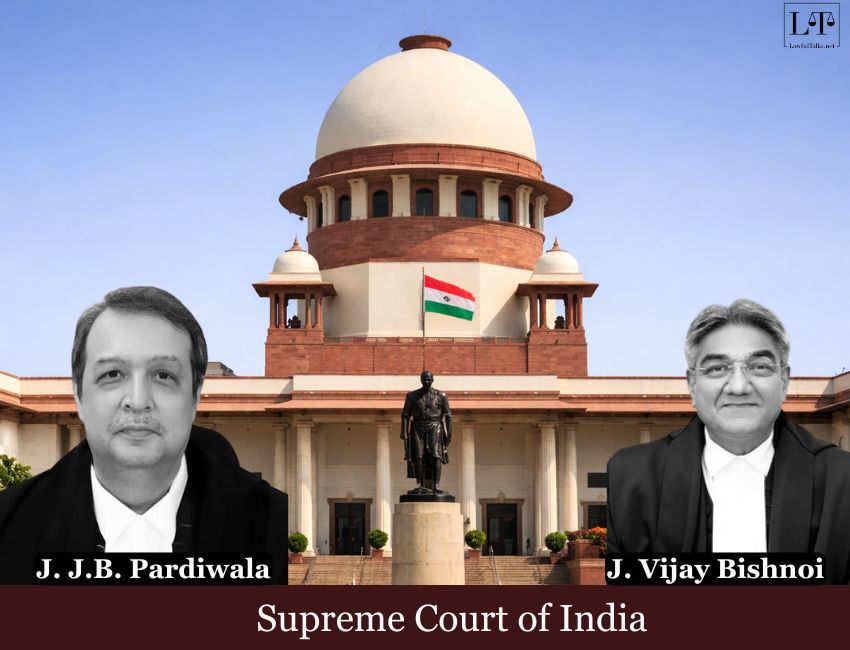
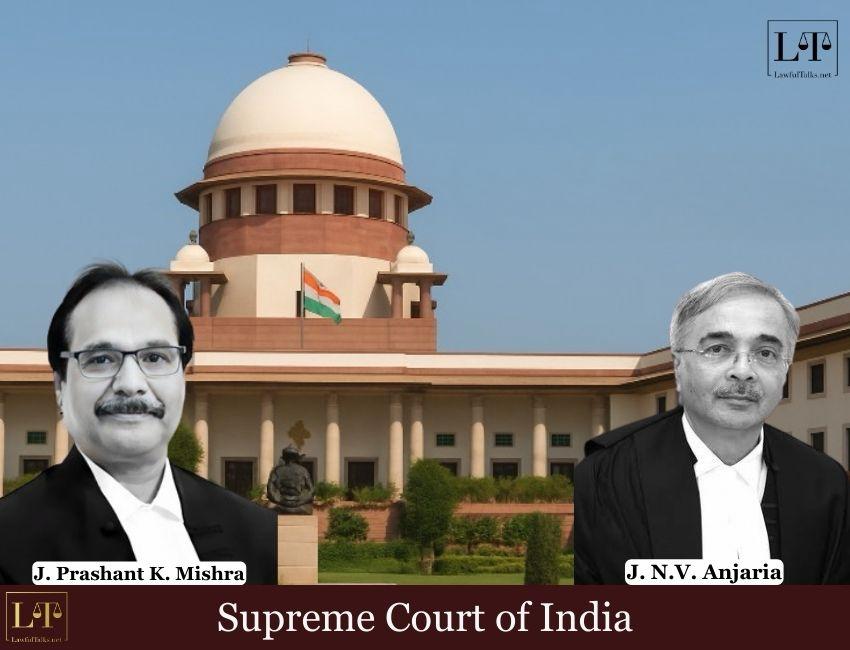
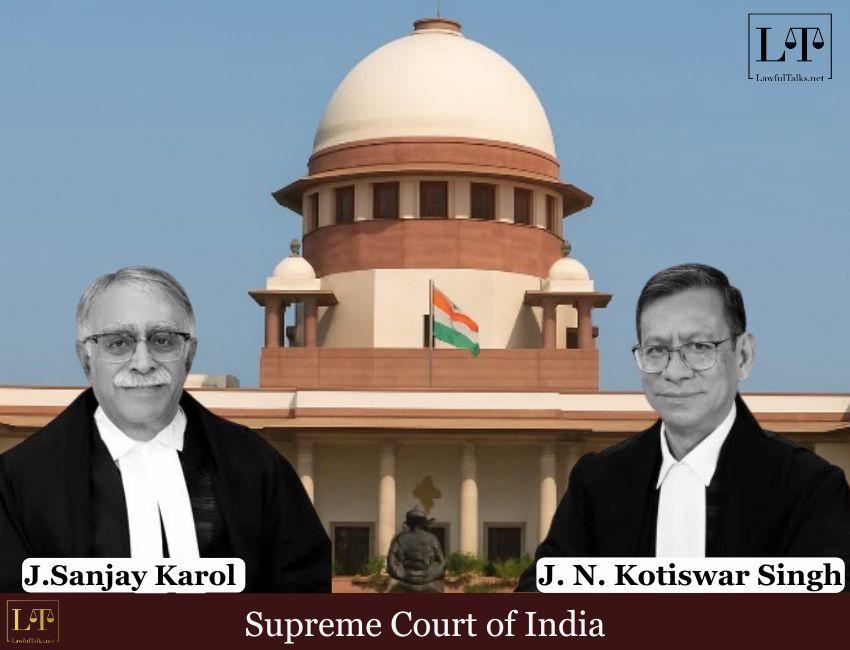
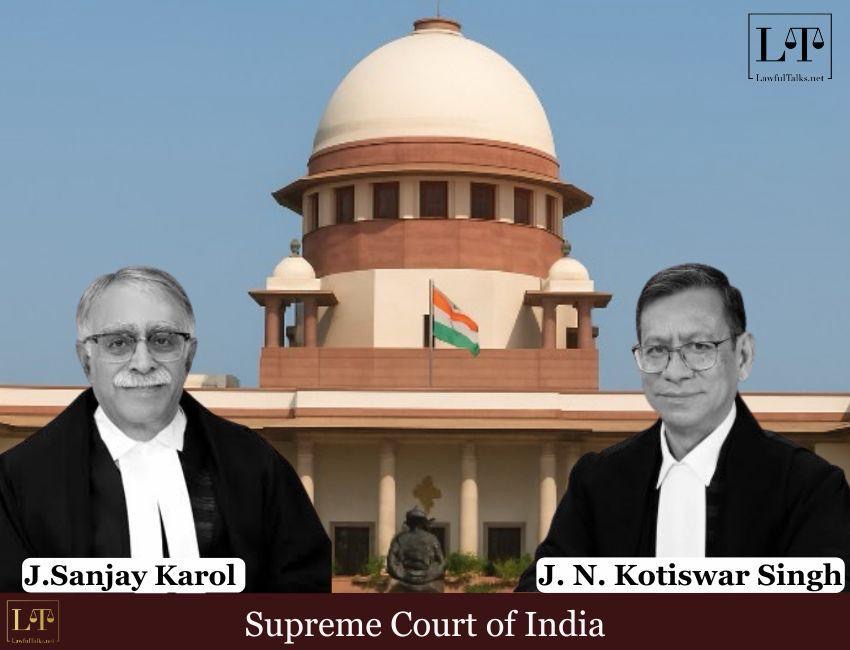
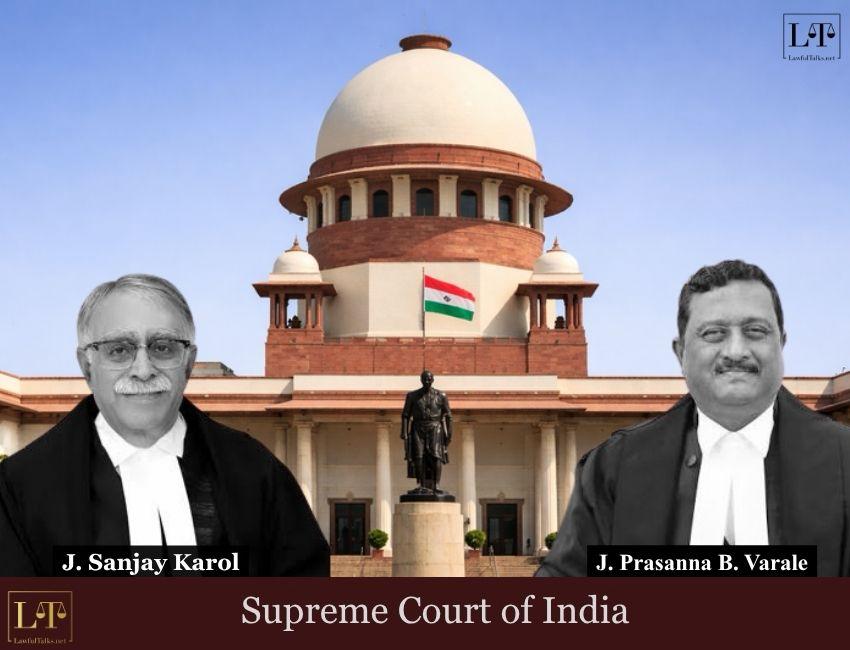
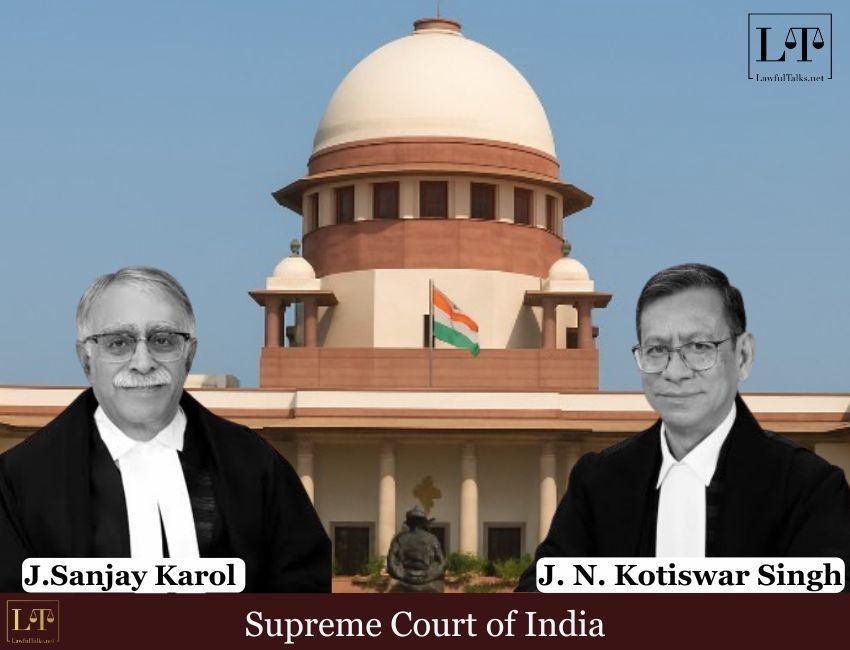
A bench of Justice Sanjay Karol and Justice N. Kotiswar Singh of the Supreme Court delivered an important ruling on December 1, 2025. The Court set aside the convictions of three people in a murder case after finding major procedural mistakes in how their statements were recorded under Section 313 of the Criminal Procedure Code (CrPC).
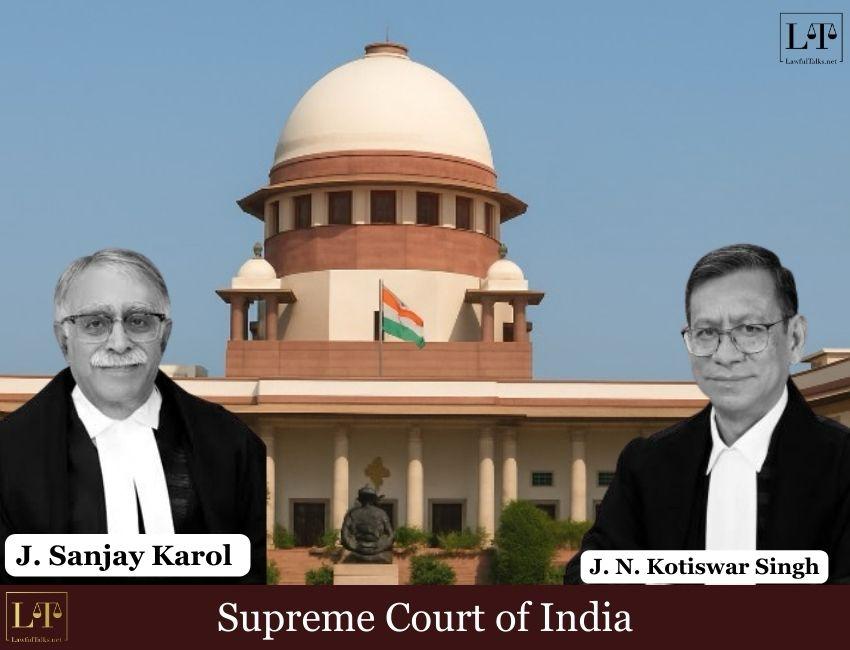
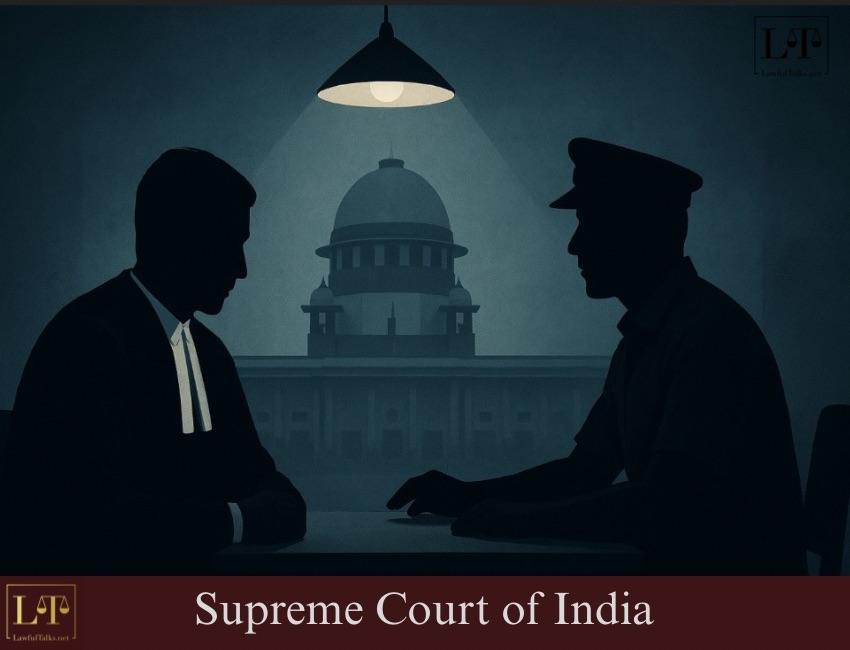
The Supreme Court stressed that public prosecutors have a duty that goes beyond trying to secure convictions. They must assist the trial court conscientiously, rather than acting solely as the State’s advocate for conviction.
Background:
In this case, the Court found that the accused were not properly questioned during their Section 313 examinations. They were confronted with the allegations only in a superficial manner. Their answers were generic, mechanical, and almost identical, which showed that they had not been asked about each important piece of evidence separately, as required.
The Court held that this was a serious violation of fair trial rights. Because of this defect, it set aside the convictions and sentences, and ordered that the case be sent back for a fresh trial, starting again from the stage of recording the Section 313 statements.
The bench critically highlighted that the prosecution has an important responsibility during a trial. It said that the public prosecutor must make sure that no procedural mistake harms the accused, and must help the trial court by ensuring that all the correct and relevant questions are put to the accused during their Section 313 examination.
“It is equally disturbing for us to see that in the desire to secure a conviction for the accused persons, the prosecutor also let their duty of assisting the Court in conducting the examination of the accused under this section fall by the wayside. The prosecutor is an officer of the Court and holds a solemn duty to act in the interest of justice. They cannot act as a defence lawyer, but for the State, with the sole aim of making the gauntlet of punishment fall on the accused,” the Court stated, quoting the reference of Sovaran Singh Prajapati v. State of U.P.
The judgment also reiterated that a fair trial means the accused must get a complete chance to respond to every allegation,whether through their lawyer, by calling witnesses, or by personally answering the charges under Section 313 CrPC. The Court stressed that this is a “non-negotiable requirement of a fair trial.”
The Court further said that the prosecution must actively inform the court if anything is missed during the accused’s Section 313 examination so that no unfair mistakes occur.
This view is consistent with the Supreme Court’s earlier decision in Ashok v. State of Uttar Pradesh (2024), where the Court had similarly said that the Public Prosecutor must help the court in properly recording the accused’s statement and ensure that no material circumstance is left out during questioning.
Ultimately, the Court set aside the sentences due to non-compliance with Section 313 CrPC and ordered the trial court to commence fresh proceedings at the examination stage.
Case Detail: CHANDAN PASI & ORS. VERSUS THE STATE OF BIHAR

























































































































































Sign up for free and be the first to get notified about curated content just for you.