‘When the FIR Doesn’t Speak, Court Can’t Convict’: SC Tears Down Murder Conviction

- December 09, 2025


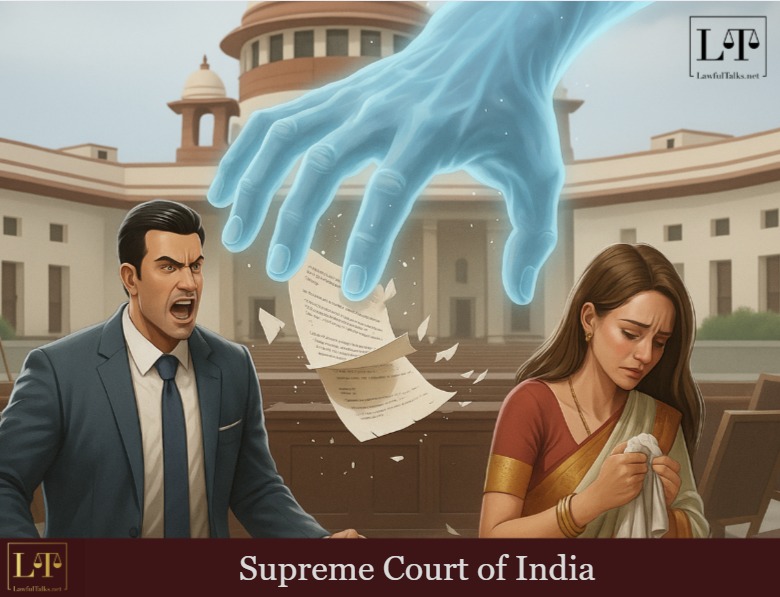
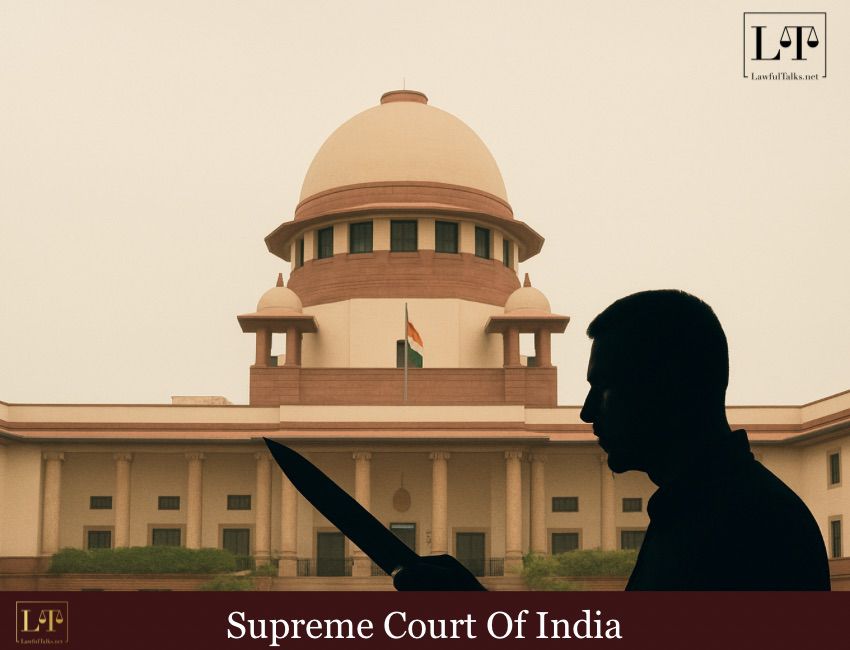
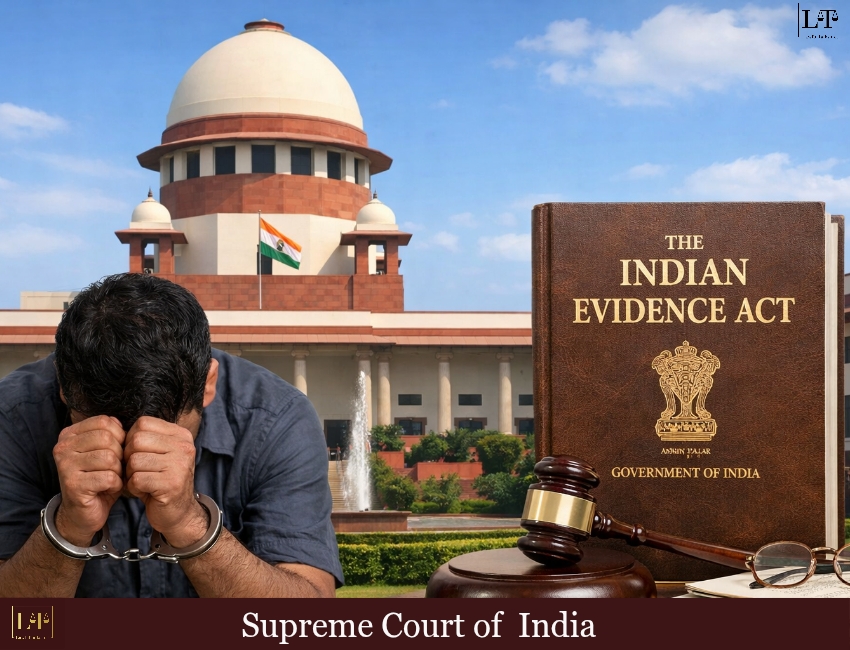
The Supreme Court in a crucial ruling has set aside the conviction of a man accused of murdering his brother-in-law, holding that the prosecution failed to prove guilt beyond reasonable doubt due to a crucial omission in the FIR, where the accused’s name was not disclosed despite alleged prior knowledge. The Court found this lapse “fatal” and held that the subsequent identification could not be safely relied upon.
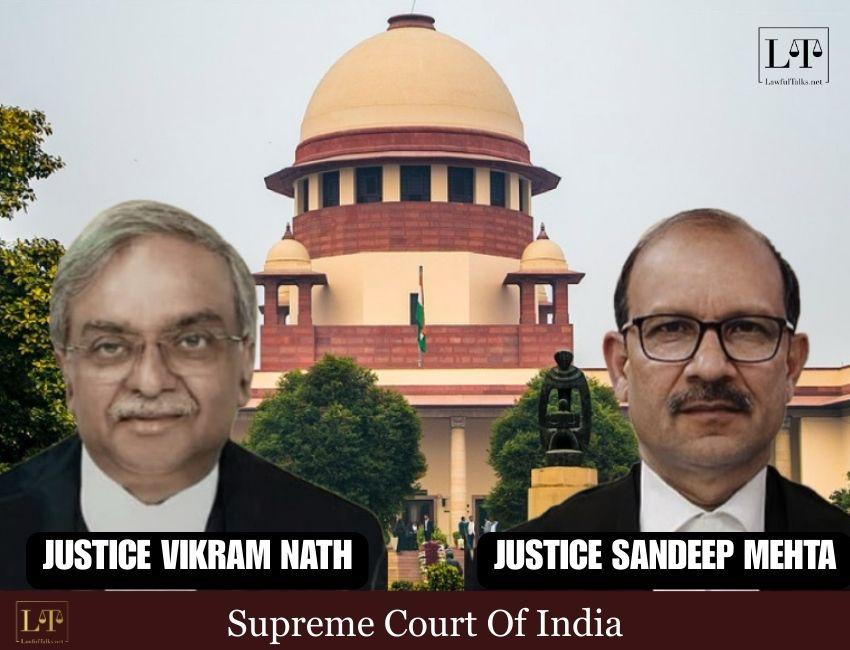
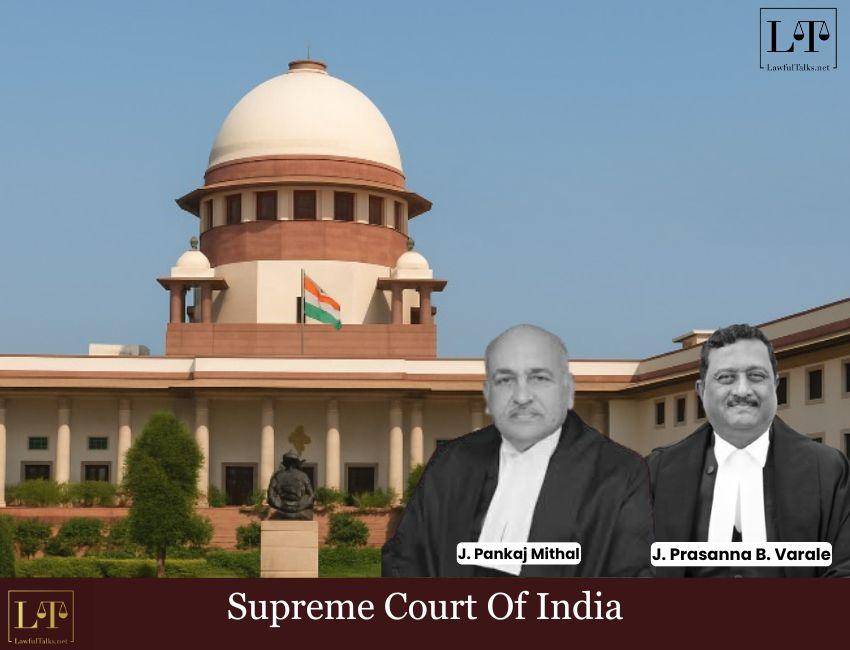
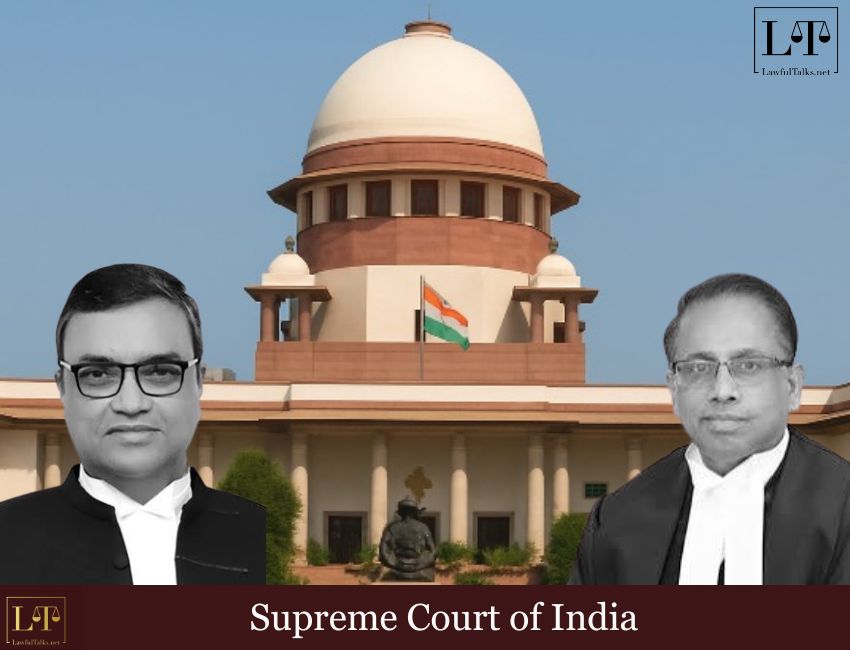
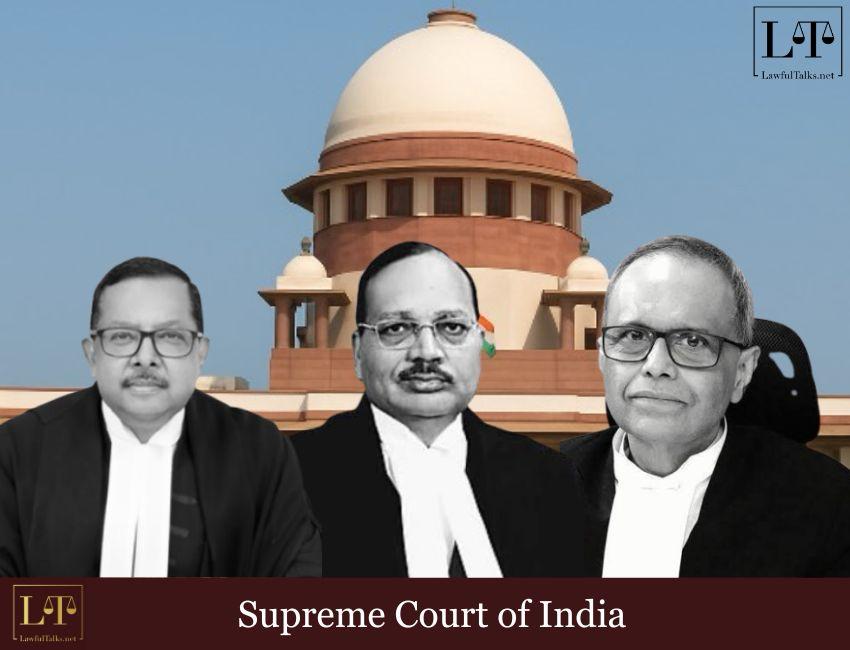
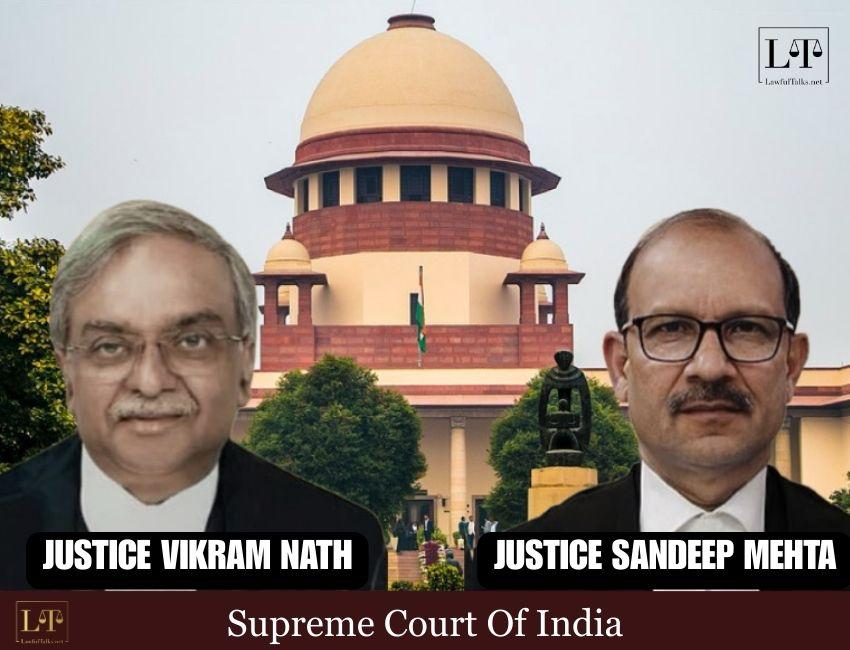
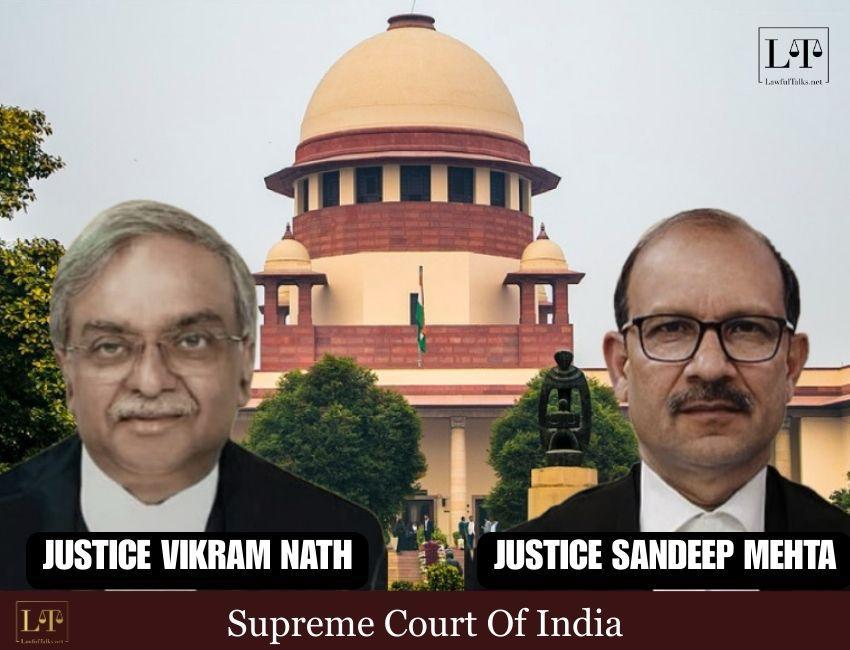
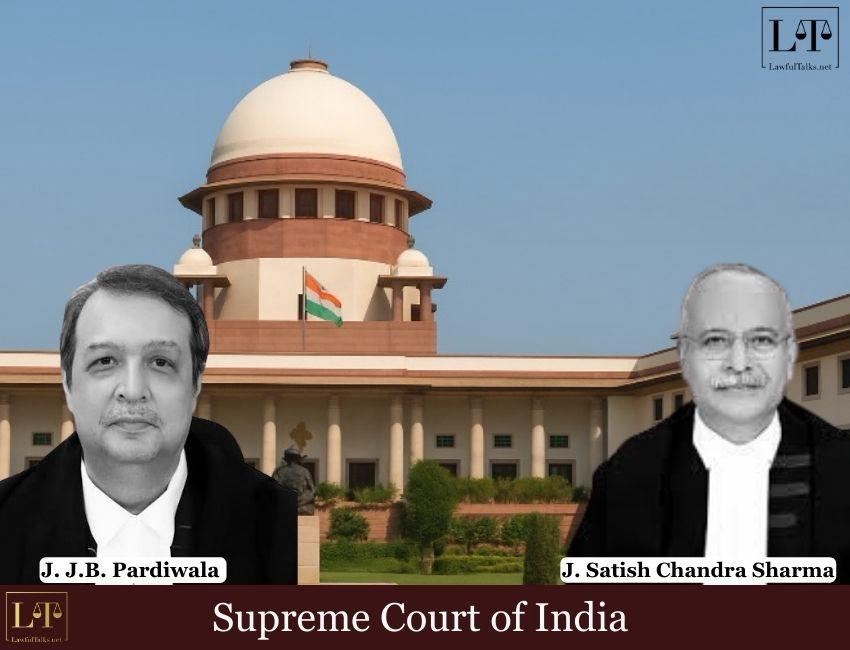
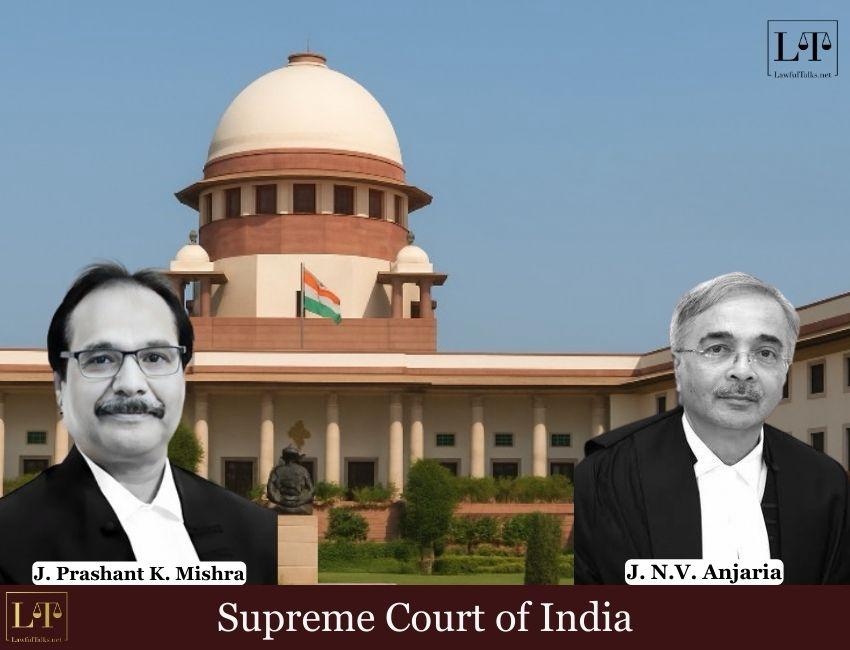
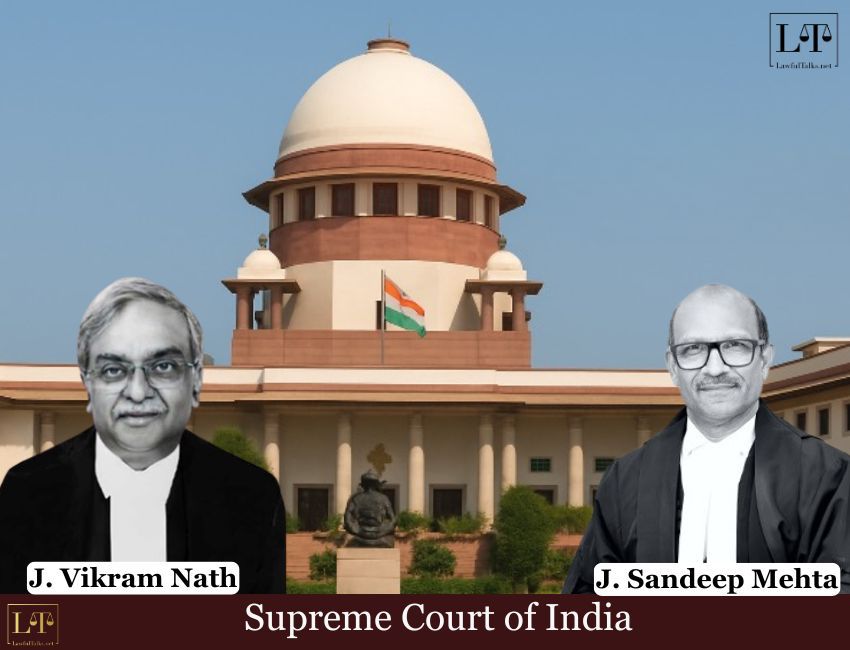
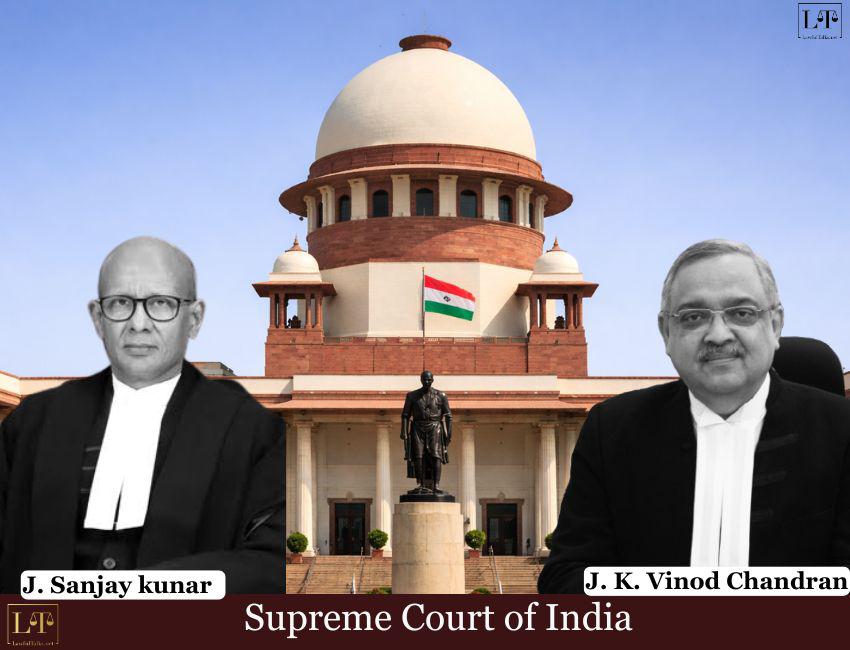
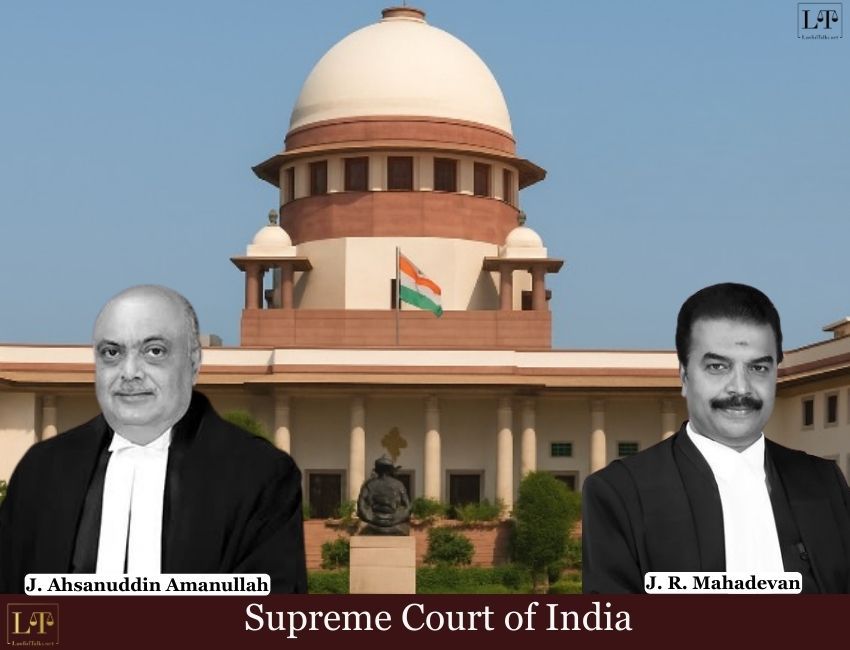
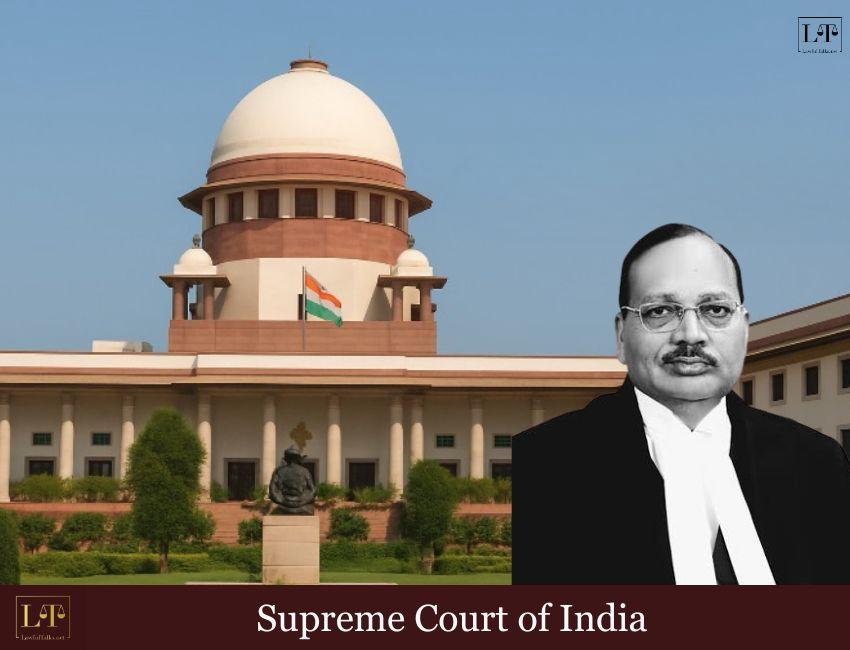
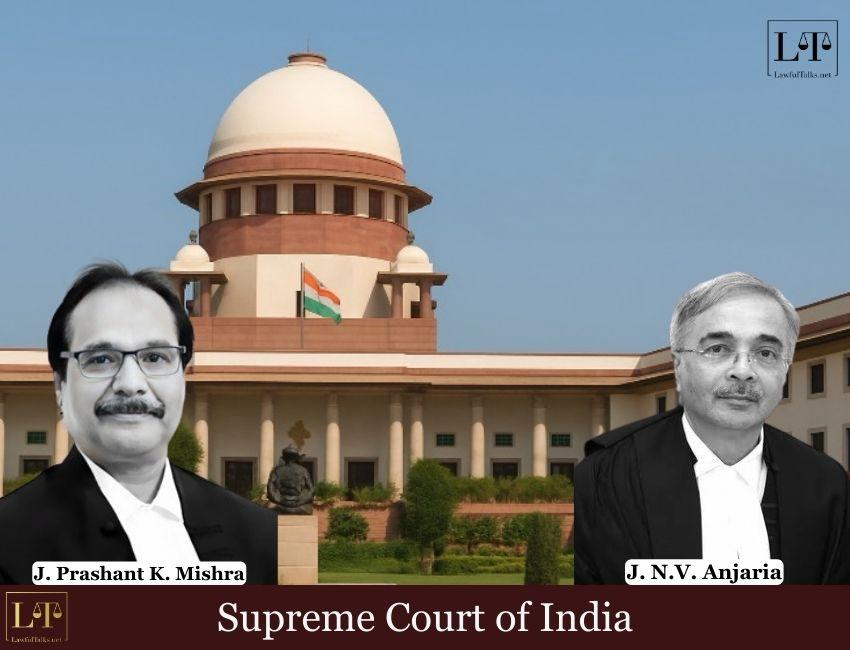
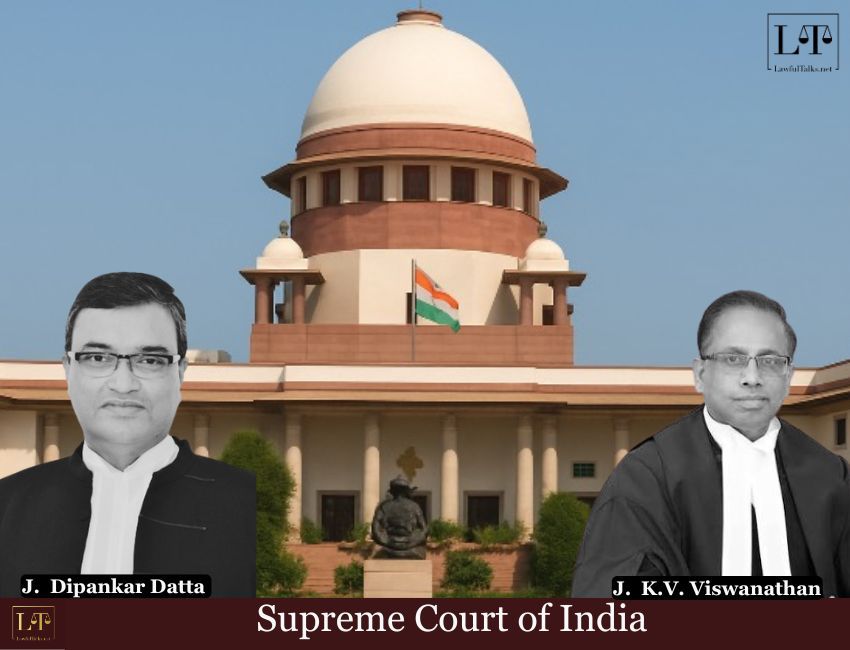
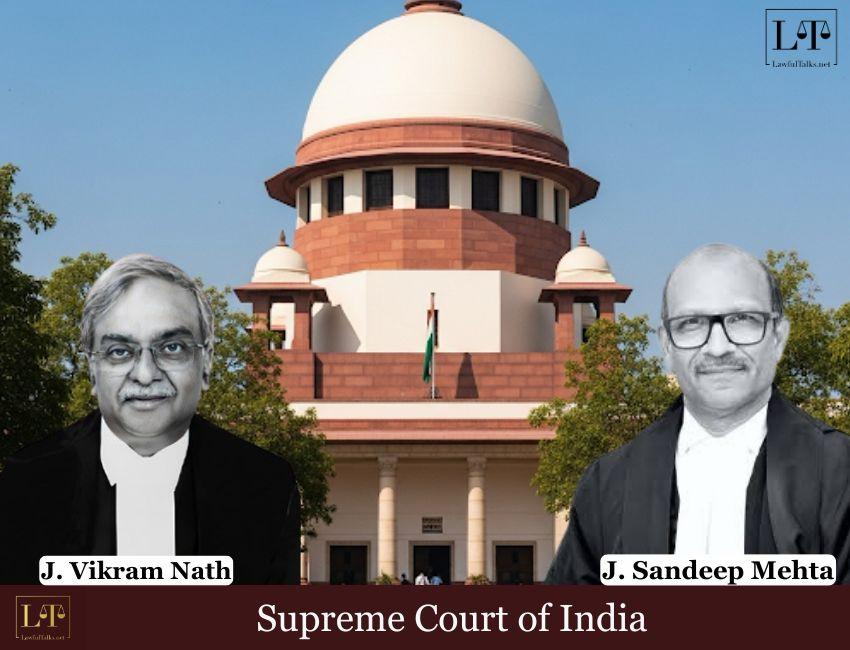
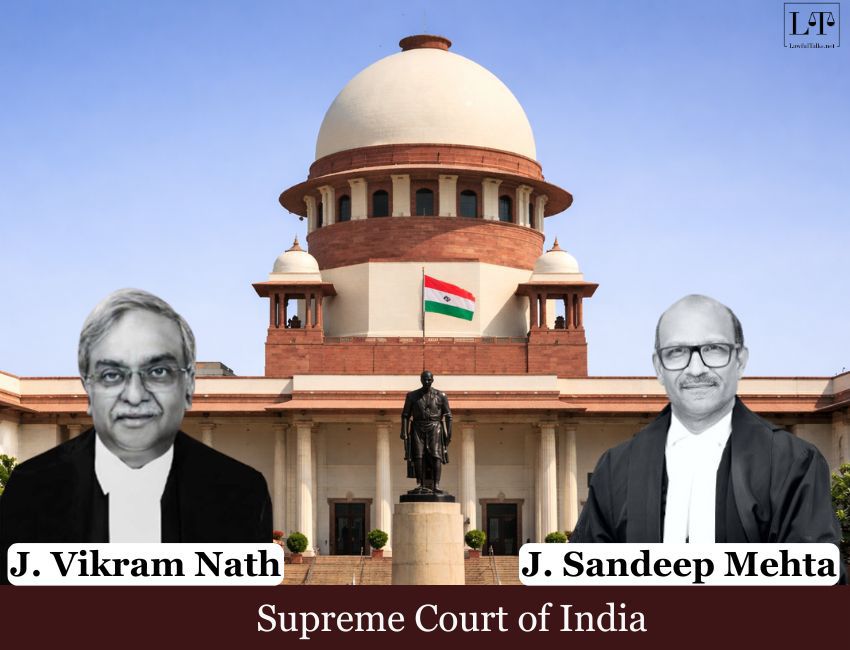
The matter was heard by the Bench of Justice Vikram Nath and Justice Sandeep Mehta. The Bench noted that the informant, the deceased’s father (PW-1), lodged the FIR based on information provided by his daughter-in-law (PW-2), the sole eyewitness to the incident. Although PW-2 later claimed to have identified one of the assailants as the appellant, the FIR remained silent on this point. The Court held that this omission weakened the prosecution’s entire case.
Background
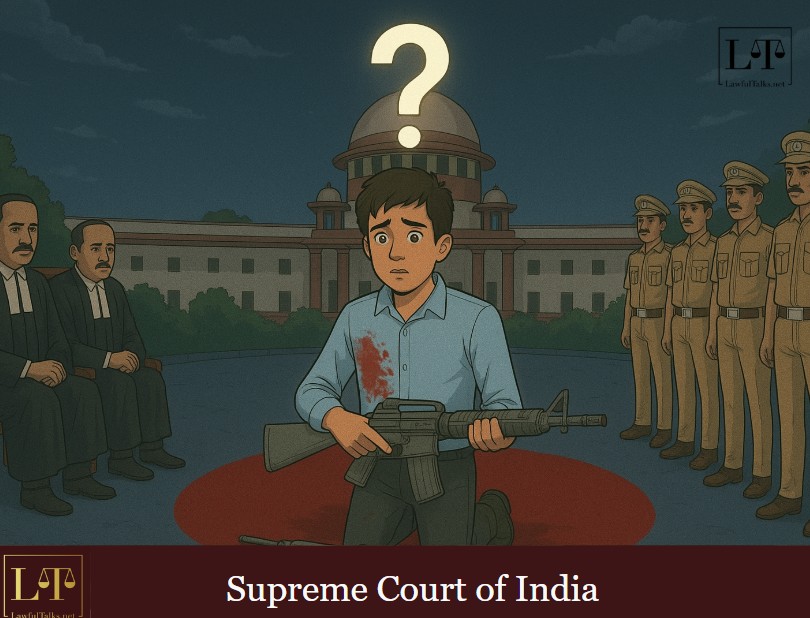
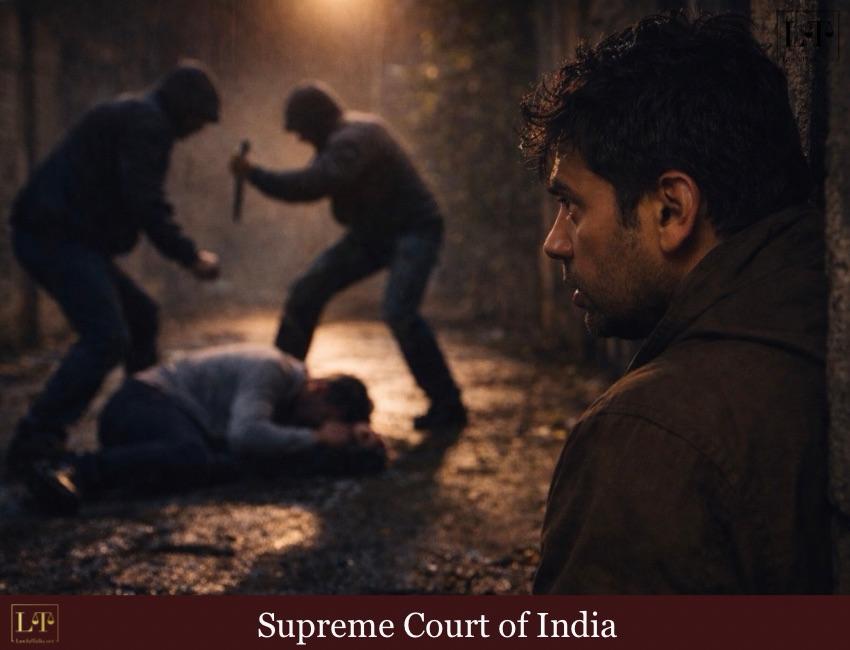
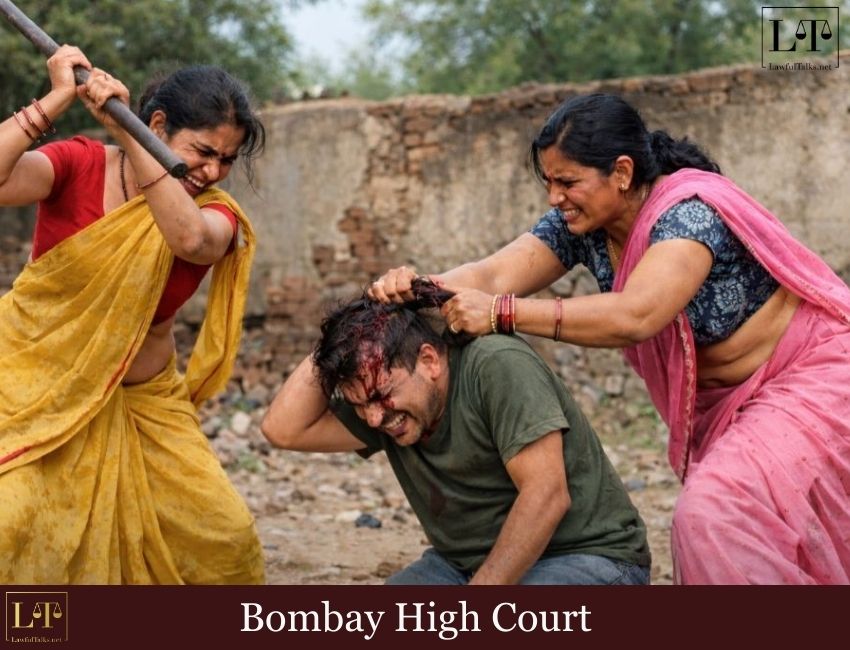
The case arose from a night-time murder in a village in Chhattisgarh, where two masked men allegedly took the victim from his farm hut and assaulted him. The FIR was lodged by the deceased’s father, PW-1, based only on the account of the deceased’s wife, PW-2, the sole eyewitness.
In the FIR, PW-2 stated only that the assailants were masked and unidentified. However, four days later, in her Section 161 CrPC statement, she claimed that one attacker’s mask slipped and she recognized him as the appellant, her brother-in-law, by voice and appearance. She later repeated this version in her Section 164 CrPC statement and in a Test Identification Parade.
The prosecution explained the omission in the FIR on the ground that PW-2 was in shock and unwell following the incident.
The Trial Court convicted the appellant and a co-accused under Sections 302/34 and 460 IPC. Later, the High Court acquitted the co-accused but confirmed the appellant’s conviction. It mainly relied on PW-2’s identification, the alleged family enmity as the motive, and the recovery of weapons and clothes said to have blood traces.
On appeal, the Supreme Court re-evaluated the entire evidence, including forensic reports, recoveries and the identification process, and found that the omission in the FIR seriously weakened the prosecution’s case.
The Court held that the failure to name the accused in the FIR, despite the witness allegedly knowing his identity, “strikes at the very foundation of the prosecution’s case”. Noting that the PW-2 gave detailed information about everything else that happened, the Bench rejected the claim that she was too ill to name the accused.
In its judgment authored by Justice Vikram Nath, the Court highlighted the inconsistency in the prosecution’s narrative, observing:
“It is clear that the witness Smt. Sukmai Hidko (PW-2) described every other minute aspect such as the arrival of the masked men, the time at which they came, their physical features (one tall, one short and lean), the weapons they carried, the manner in which they awakened her husband, took him away from the farm hut, and the cries she heard thereafter. It is therefore completely unbelievable that she would have omitted to mention the name of the accused to her father-inlaw on the ground that she was unwell. This omission strikes at the very foundation of the prosecution's case, and it appears that, to overcome the same, a story was subsequently cooked up and introduced in the belated police statement of Smt. Sukmai Hidko (PW-2) suggesting that she had fallen ill and was therefore prevented from disclosing the name of Govind Mandavi to her father-in-law even though she had identified him by his voice and as his mask had fallen off.”
The Bench observed: “we are of the firm view that the omission of the names of the accused in the FIR (Exh. P/2), which was lodged on the basis of the information provided by Smt. Sukmai Hidko (PW-2) to Heeralal Hidko (PW-1) is fatal as it goes to the very root of the matter. The said omission completely impeaches the credibility of the prosecution's case.”
The Bench also looked at the recoveries (the axe, clothes, and shoes), the forensic reports, and the test identification parade, but held that these were not enough to link the appellant to the crime once PW-2’s identification was set aside. The forensic report also did not clearly show that the blood found on the recovered items belonged to the deceased.
The Court further noted that the first report was based on information given by PW-1, not on PW-2’s own account, which made the omission even more important.
Referring to Ram Kumar Pandey v. State of M.P., AIR 1975 SC 1026, the Court reiterated that if the FIR leaves out an important fact about identifying the accused, even when the witness knew it, this becomes a relevant fact under Section 11 of the Evidence Act because it affects how believable the prosecution’s case is.
After rejecting PW-2’s late identification, the Bench concluded: “There remains no credible evidence on record to connect the appellant with the crime.”
Finding that the prosecution failed to establish guilt beyond reasonable doubt, the Supreme Court allowed the appeal and set aside the conviction.
Case title: Govind Mandavi v. State of Chhattisgarh














































































































































































































Sign up for free and be the first to get notified about curated content just for you.