‘You Can’t Shut the Internet!’ Justice Jamadar Of Bombay HC Blasts Magistrate Over YouTube Orders

- December 12, 2025


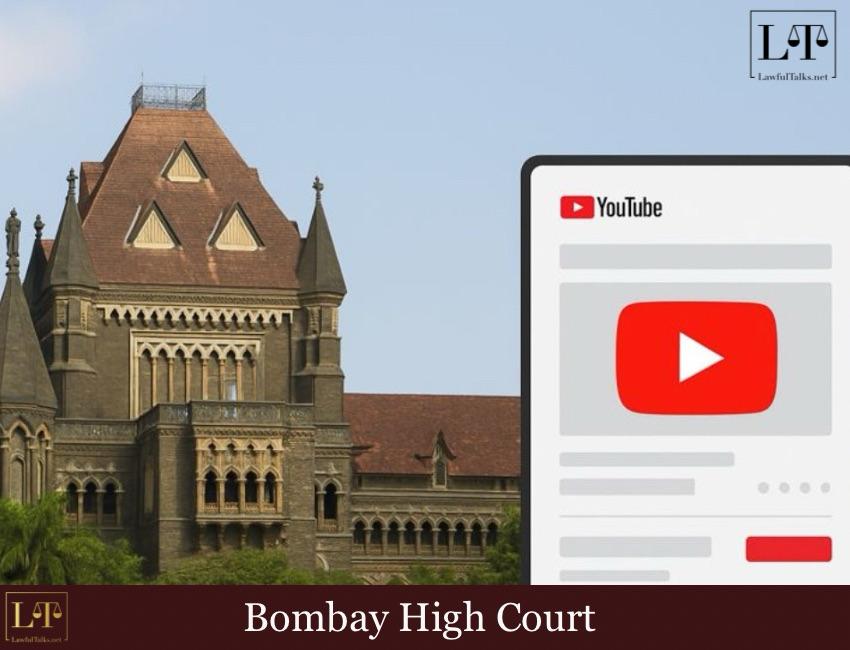
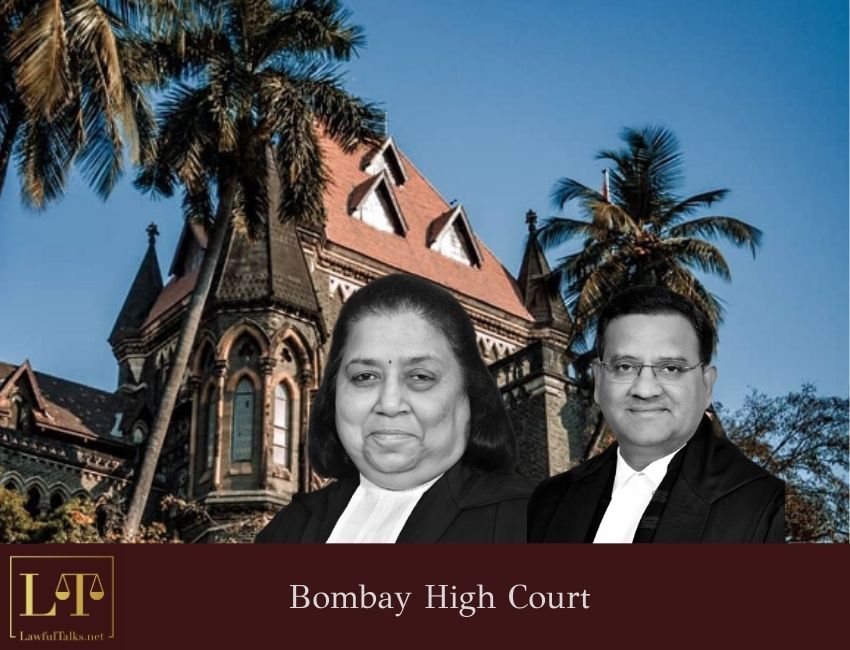
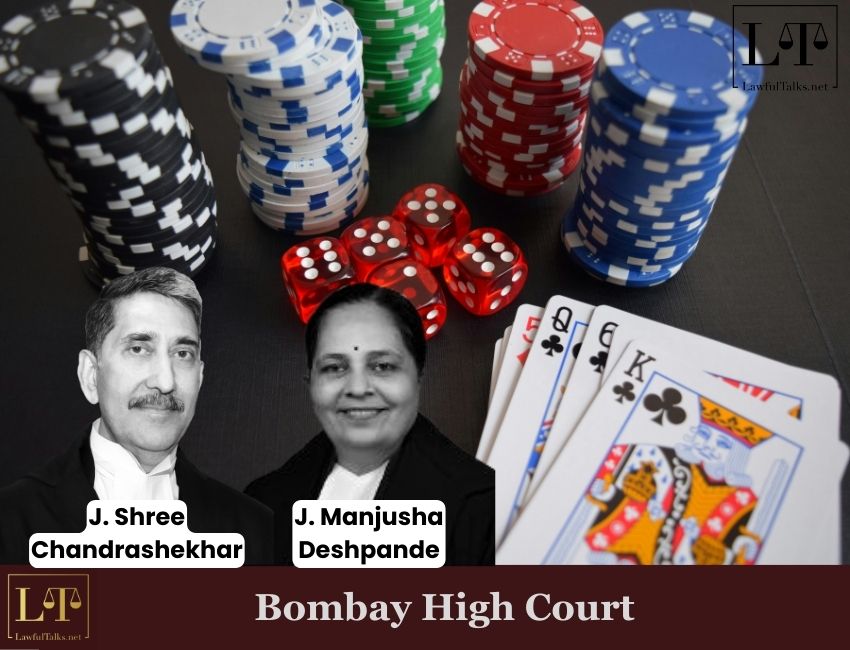
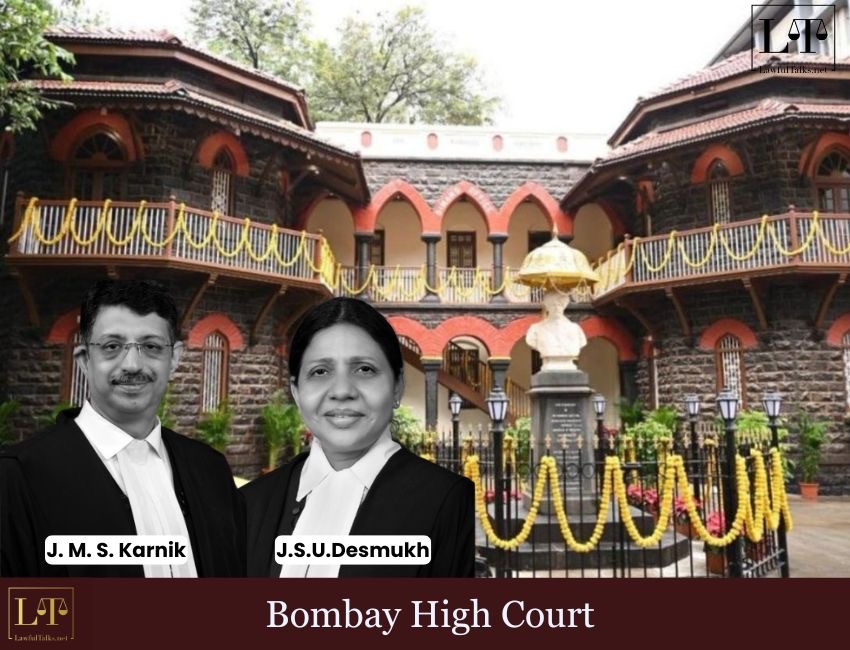
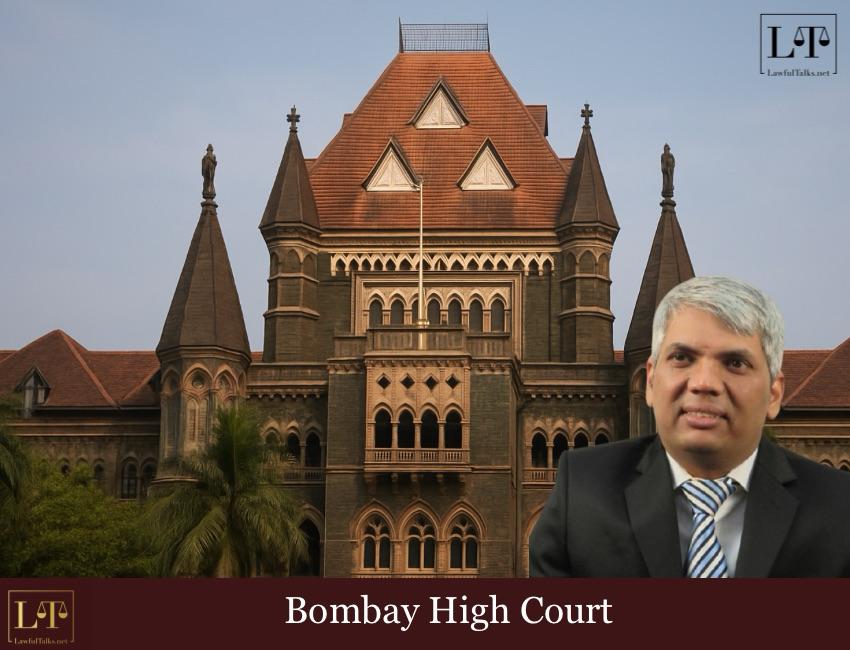
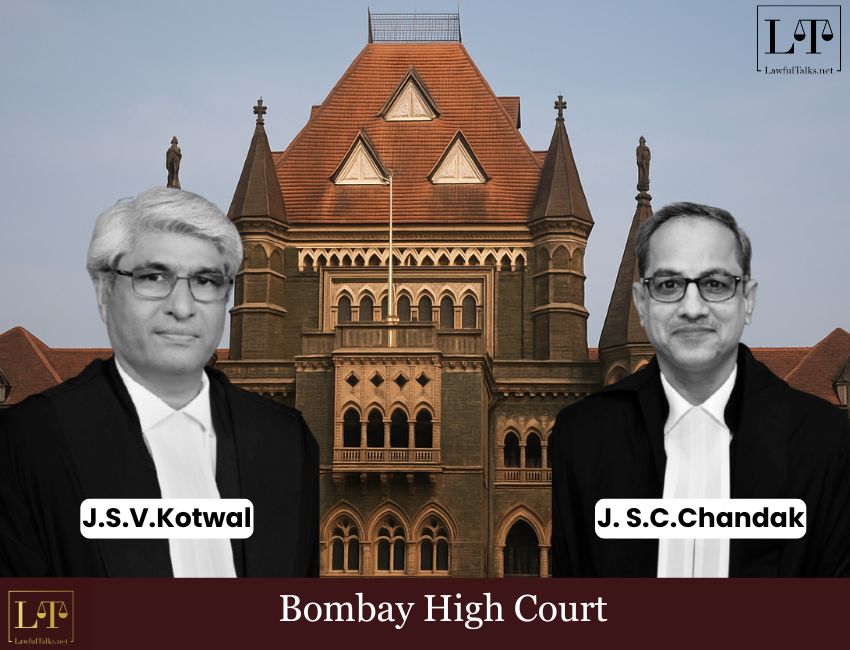
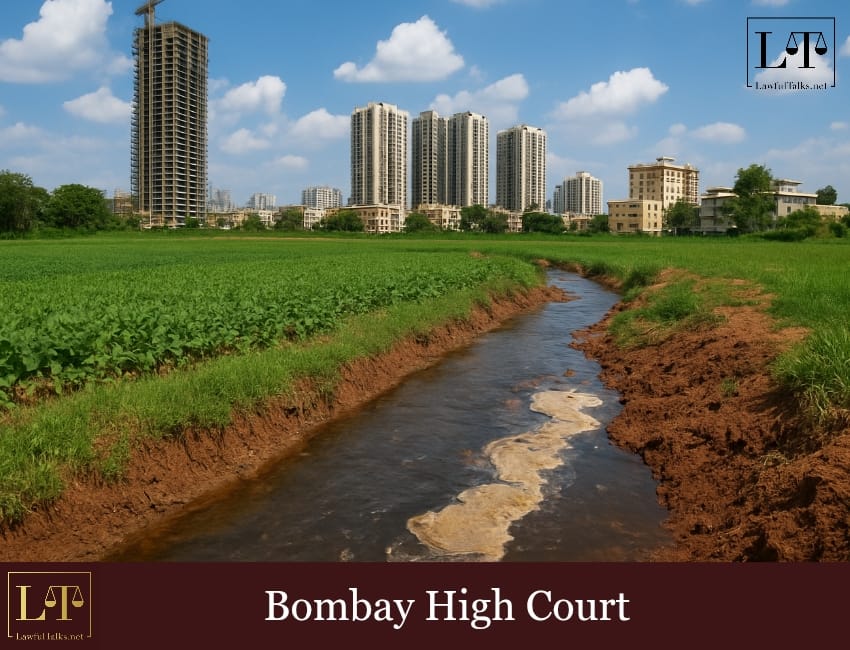
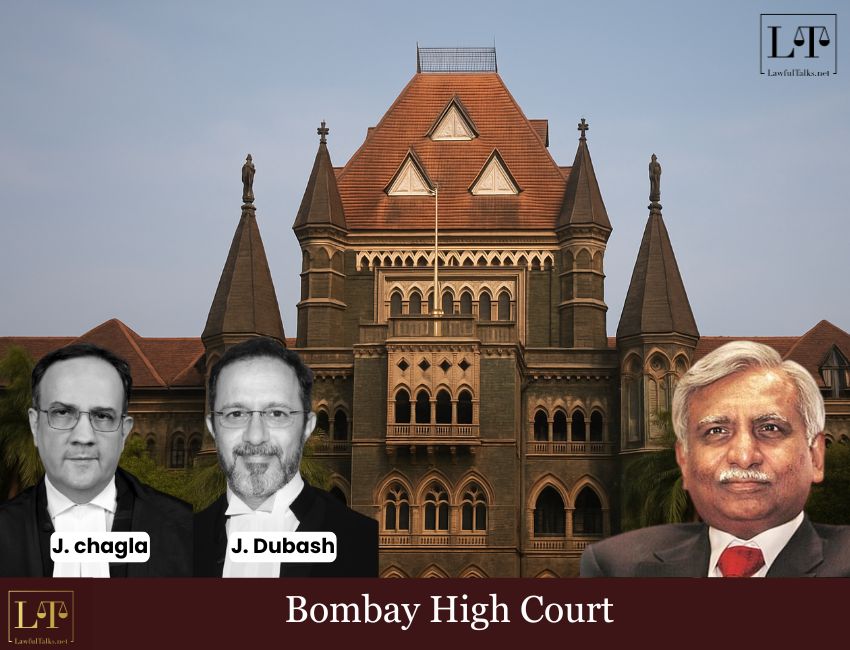
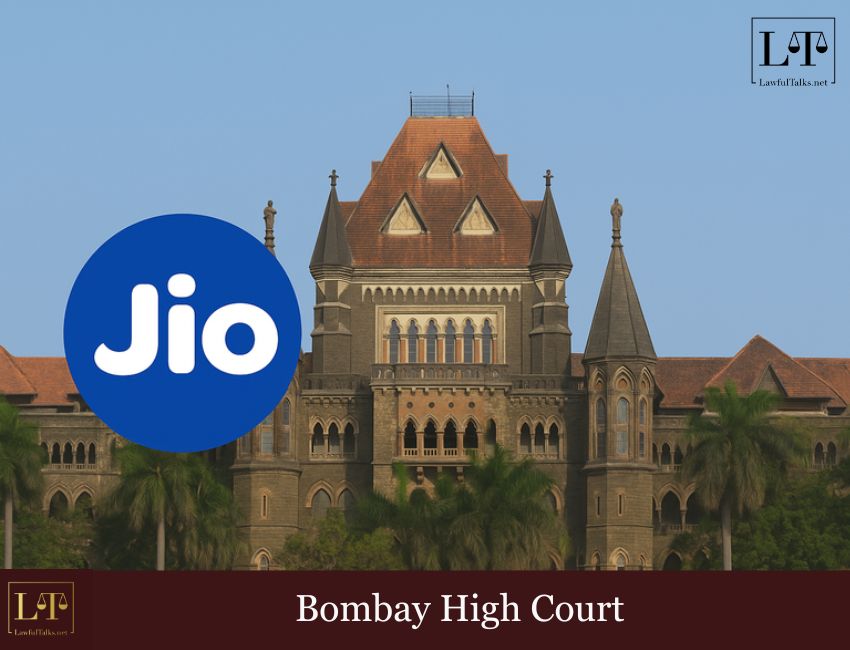
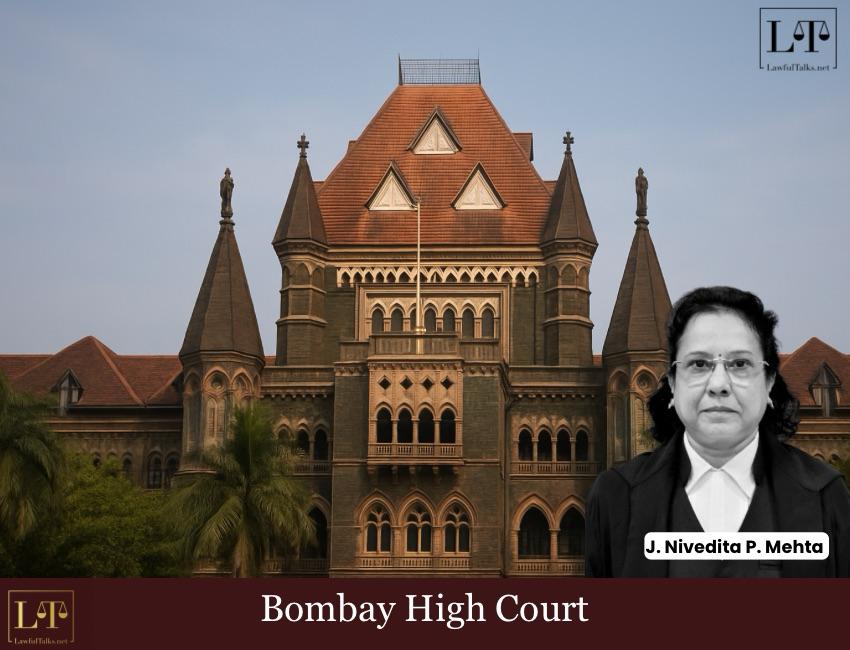
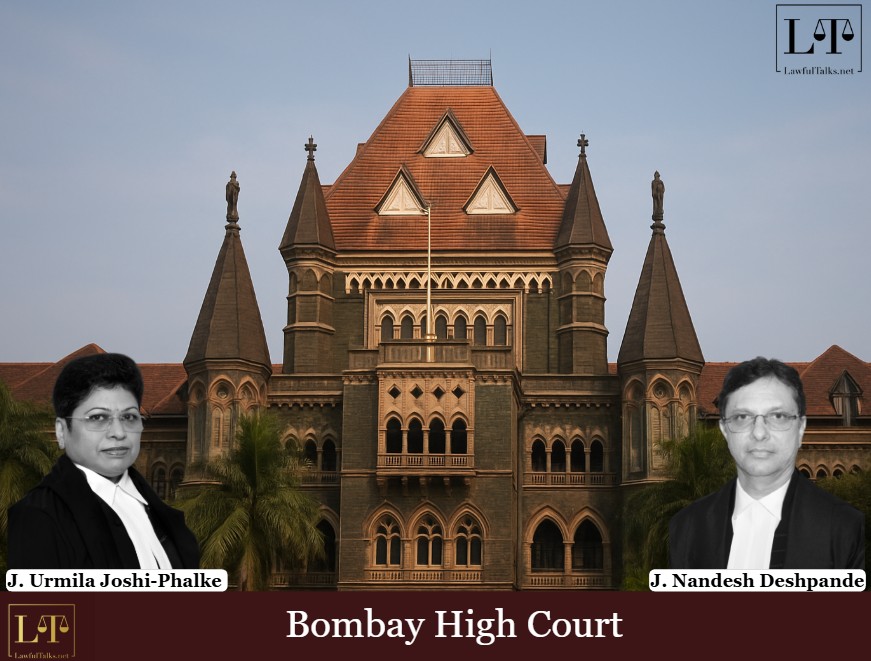
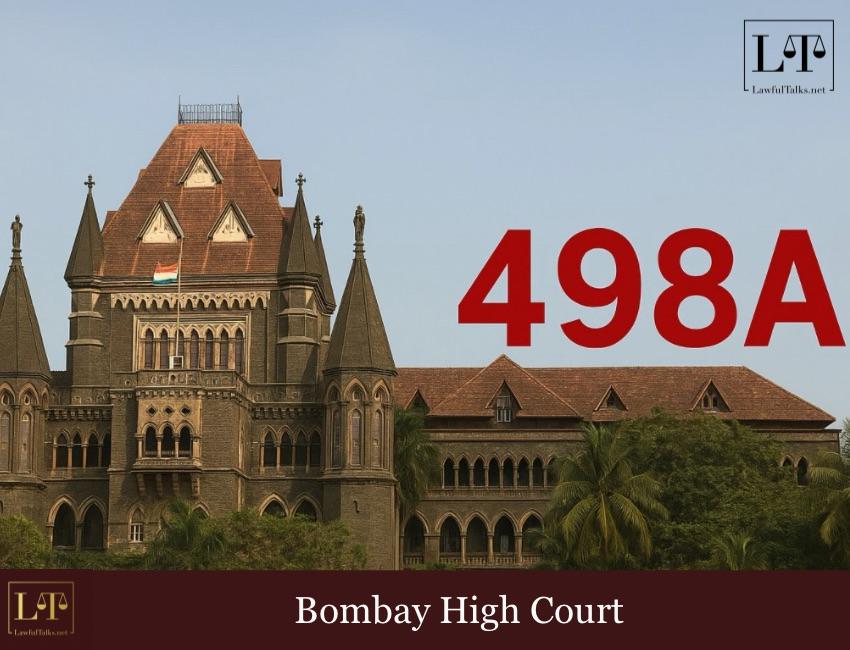
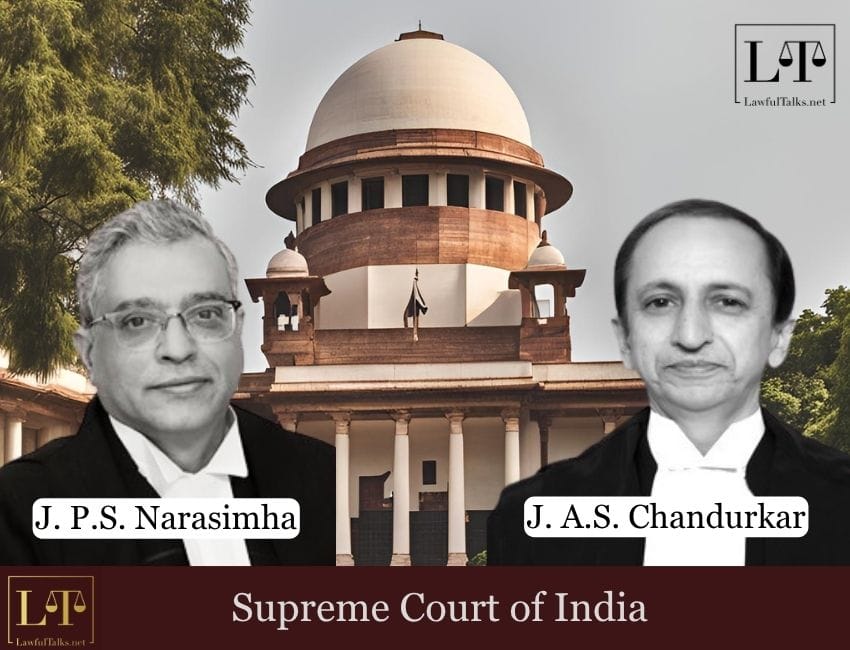
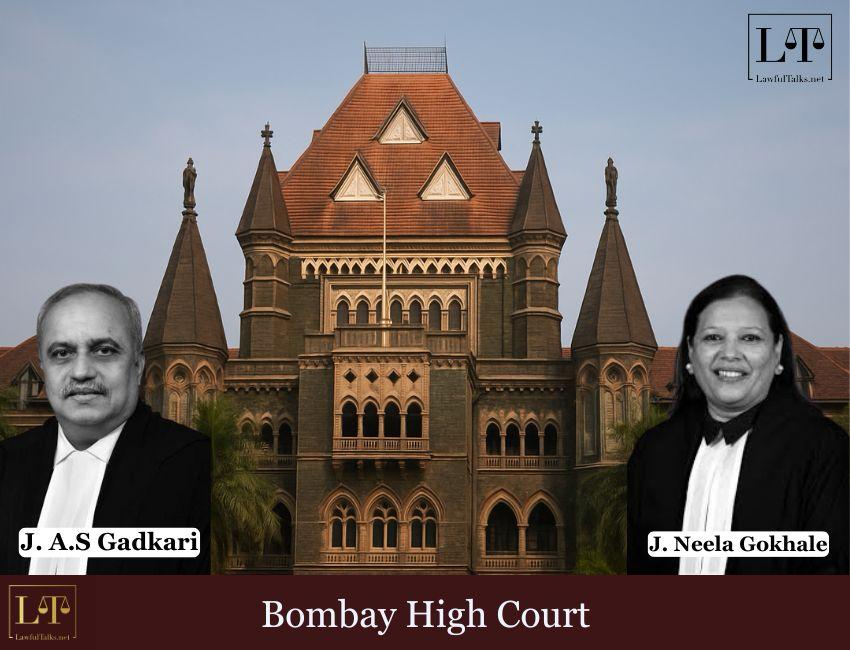
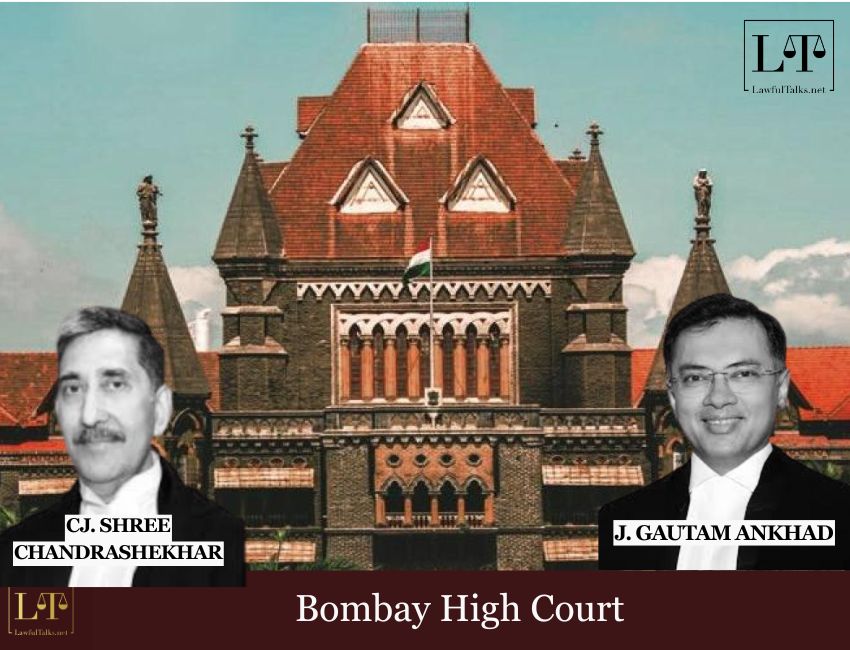
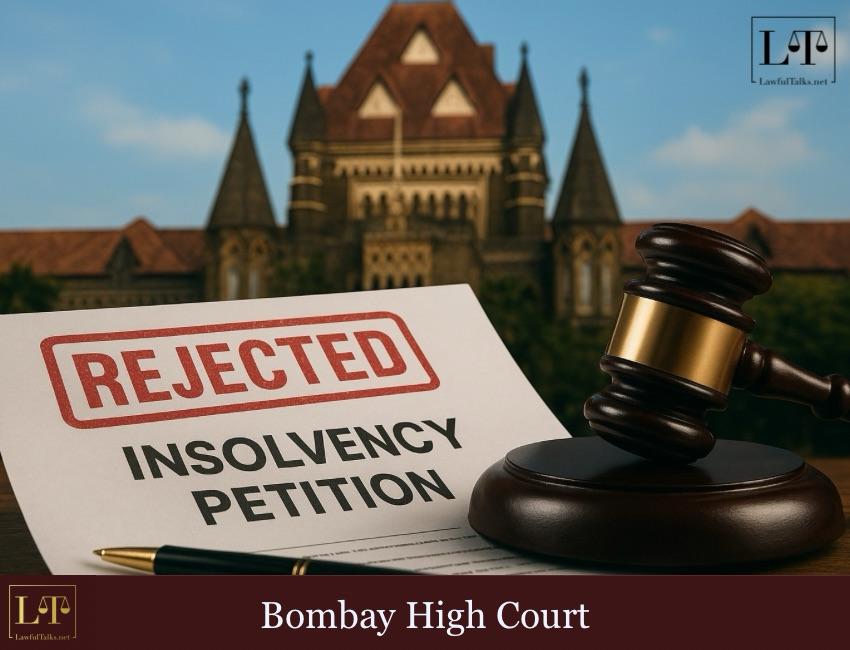
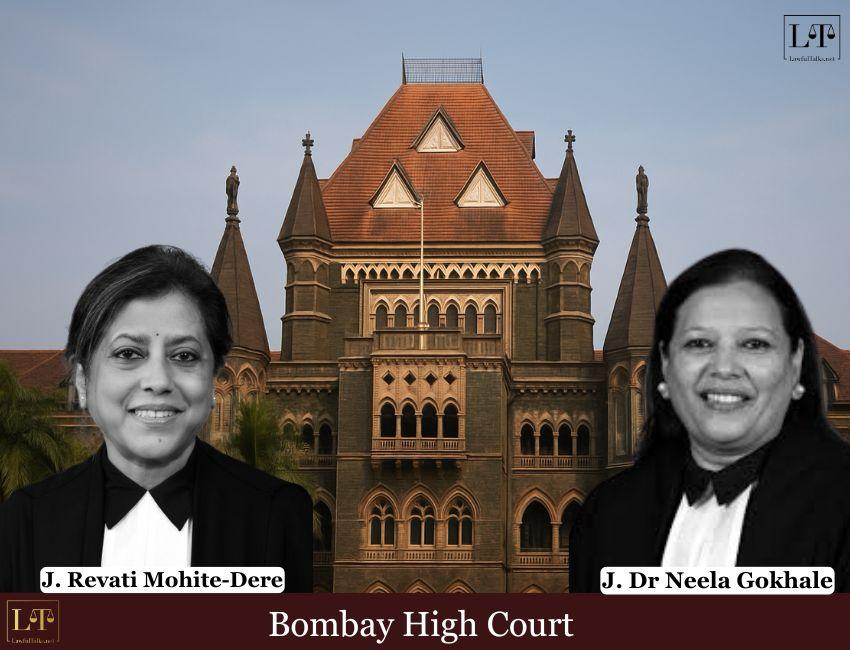
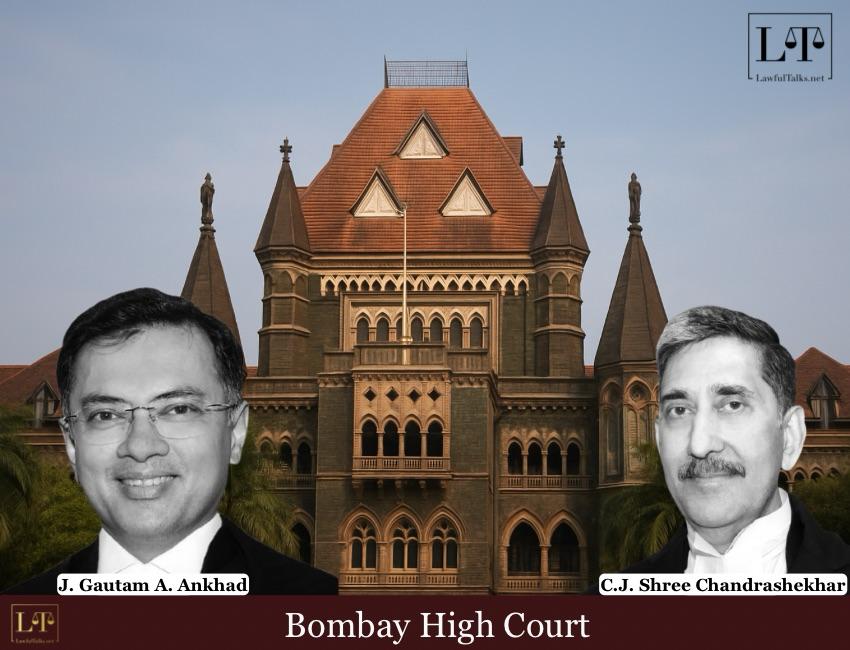
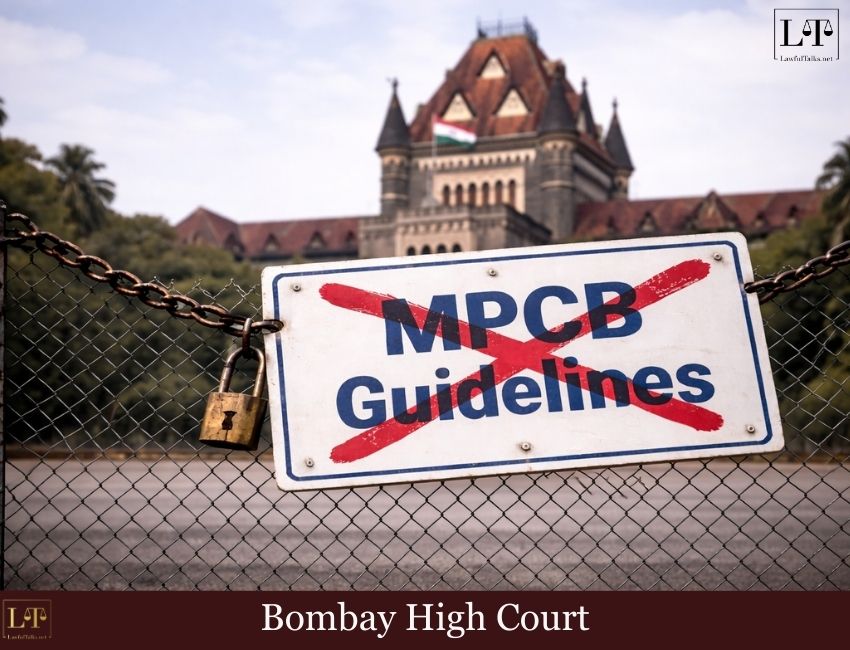
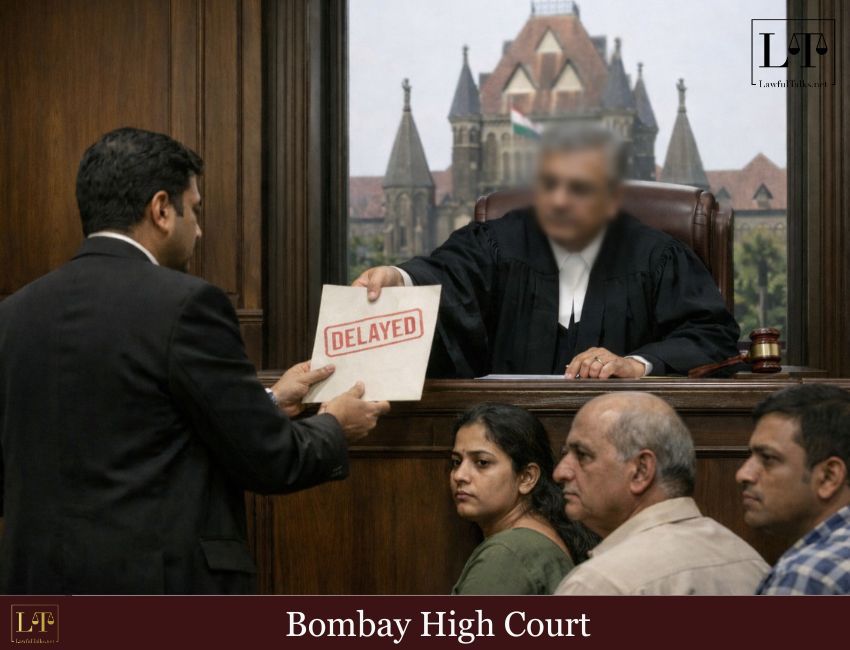
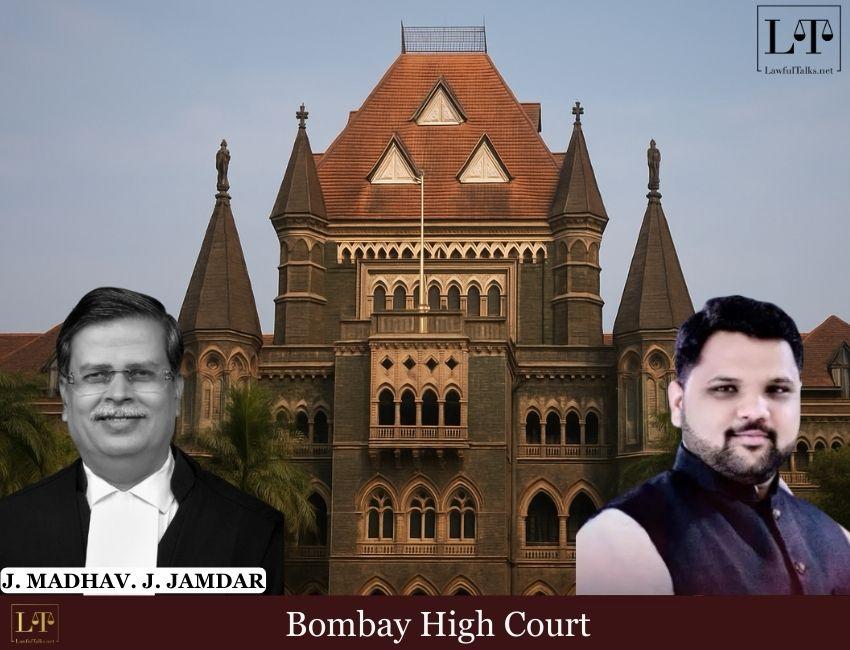
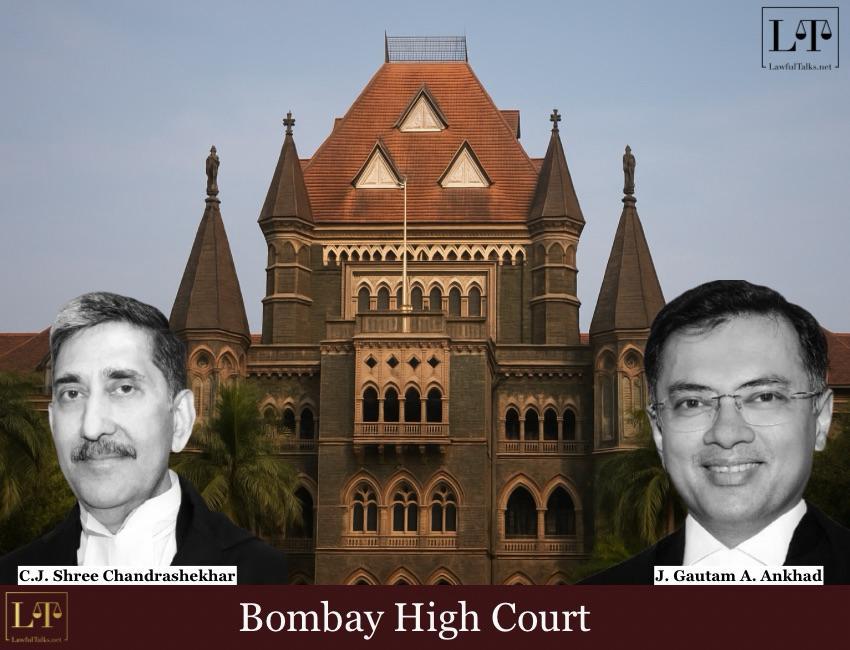
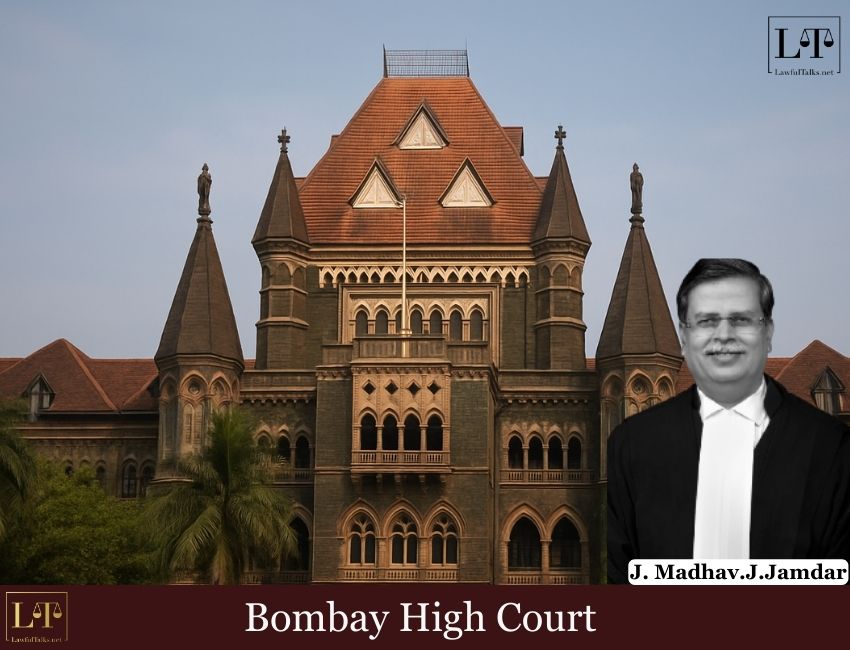
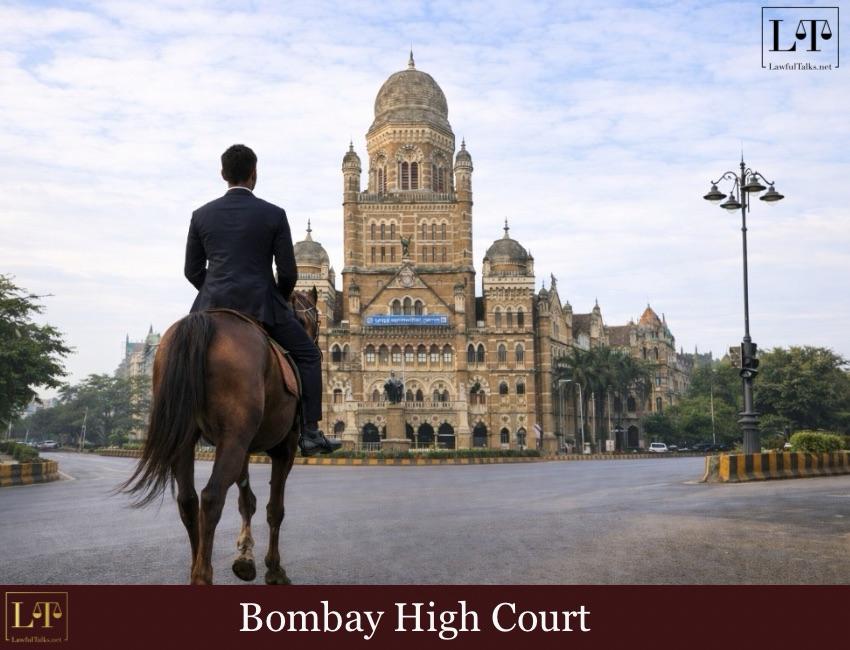
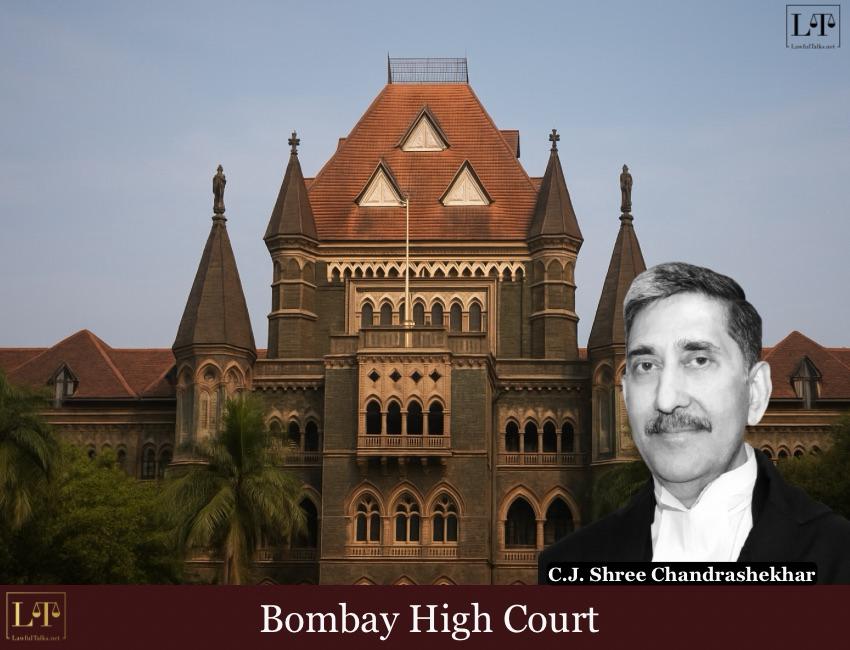
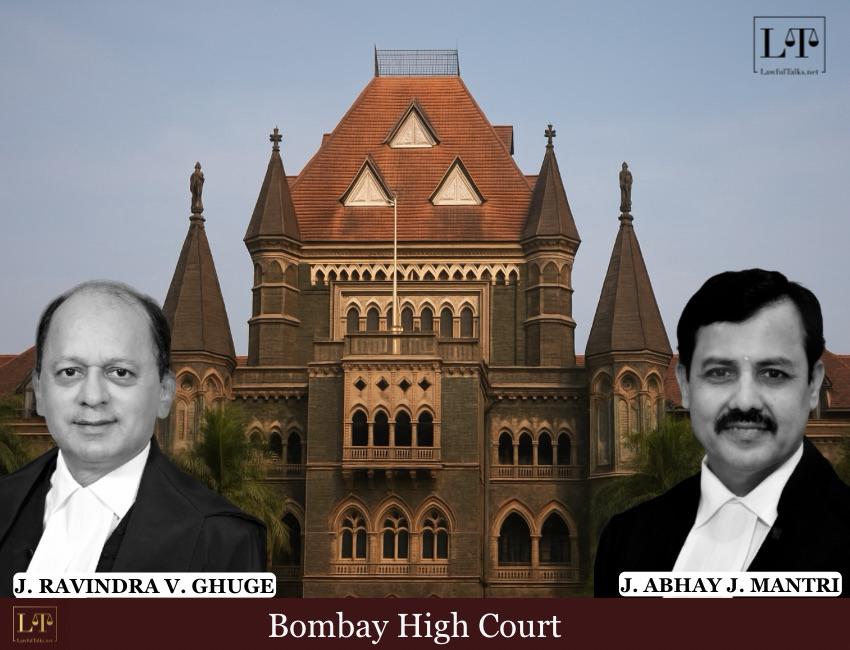
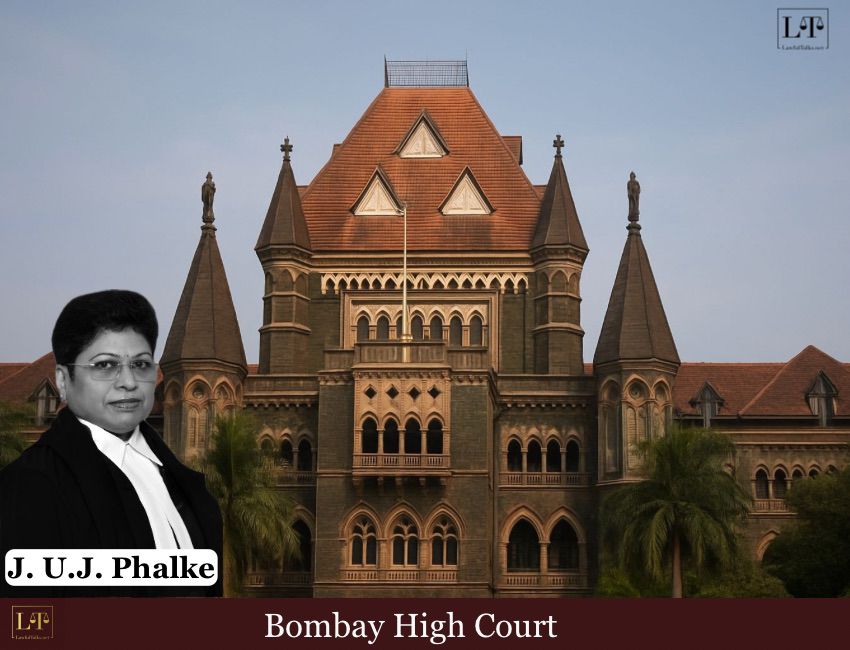
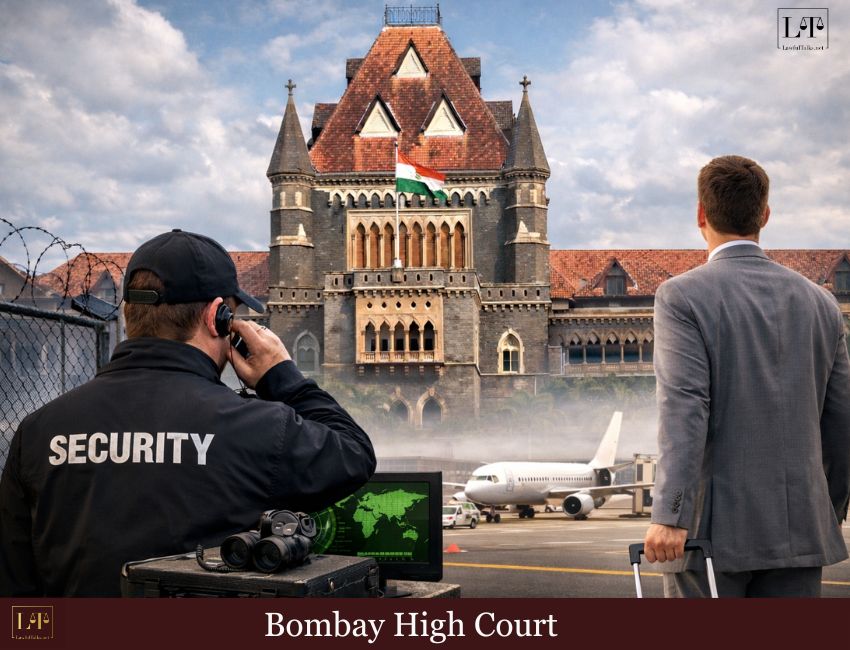
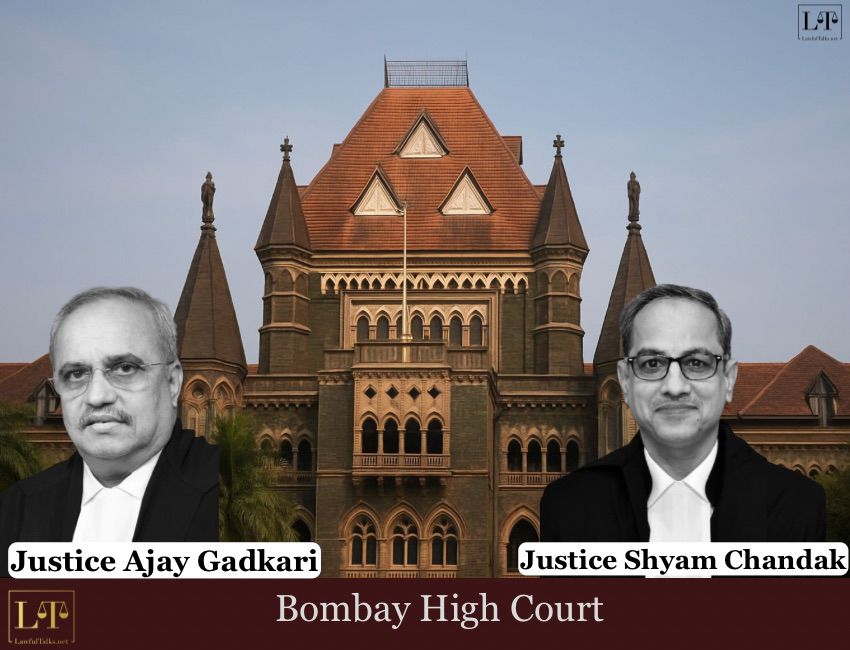
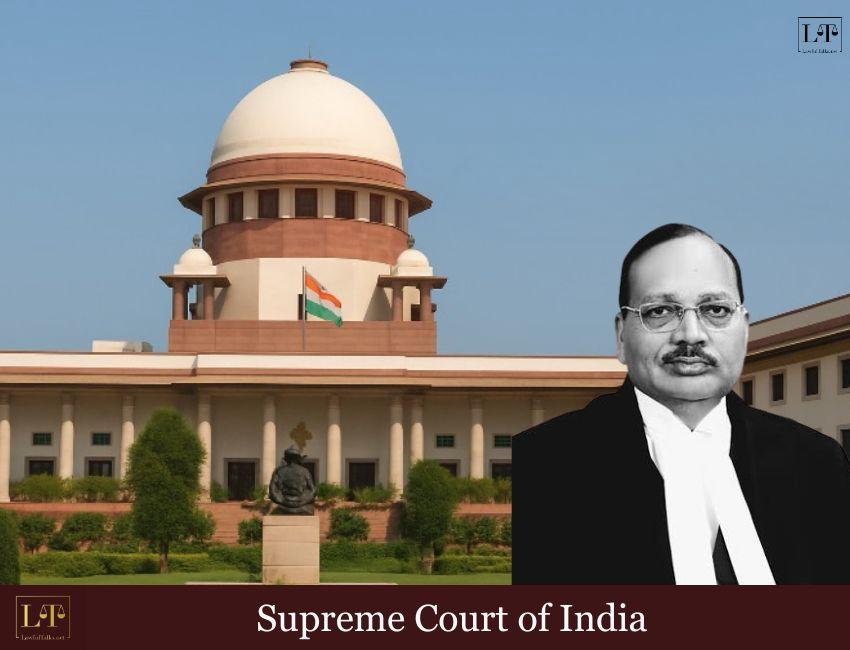
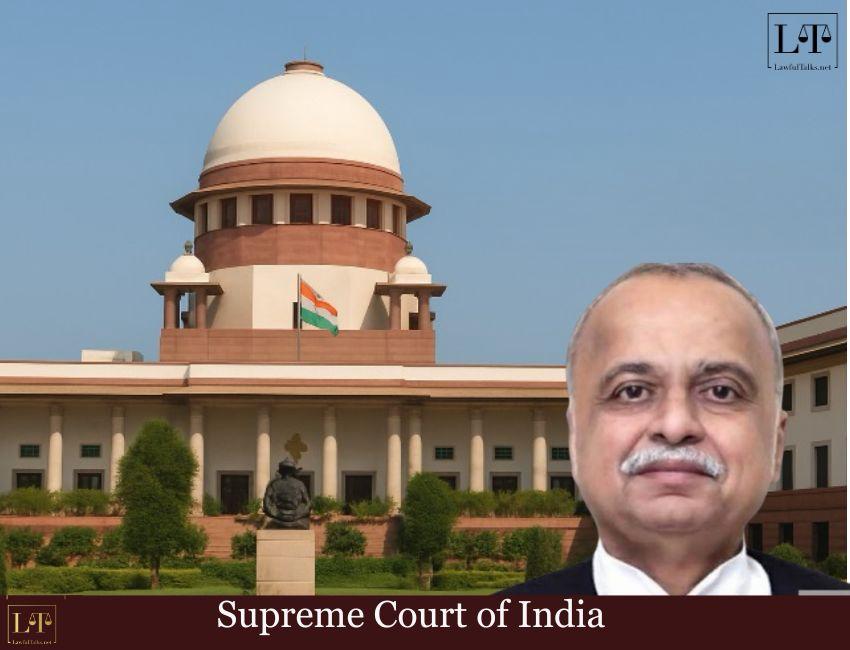
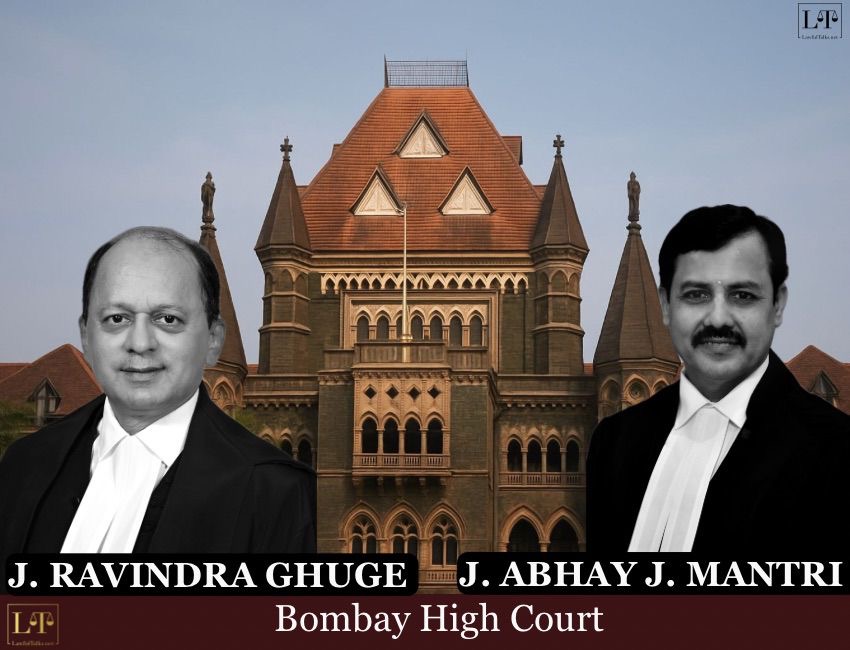
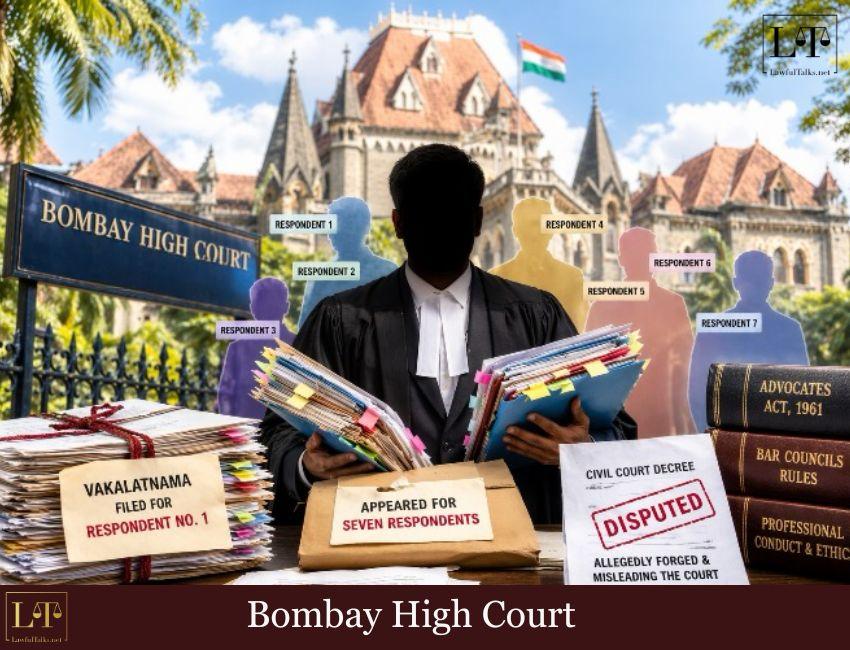
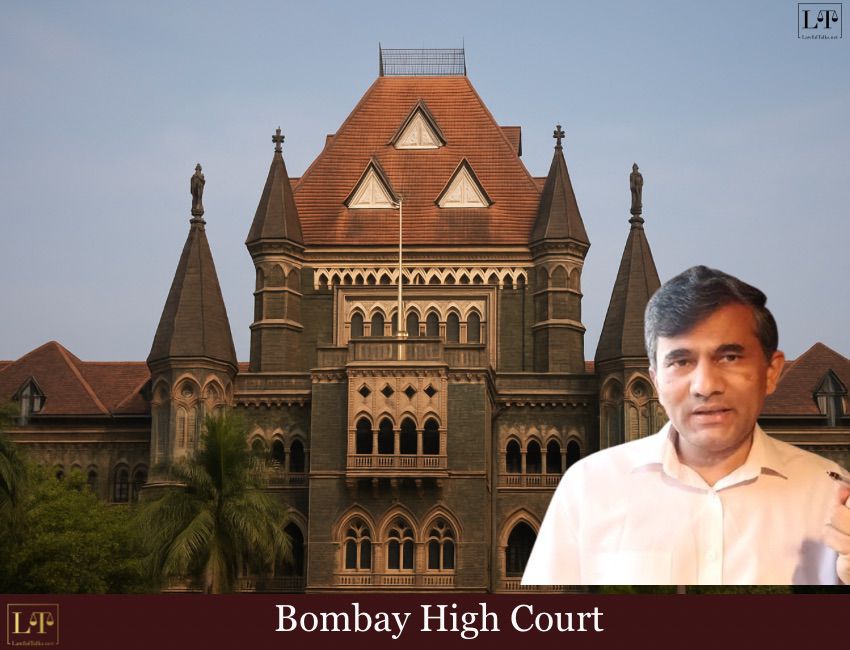
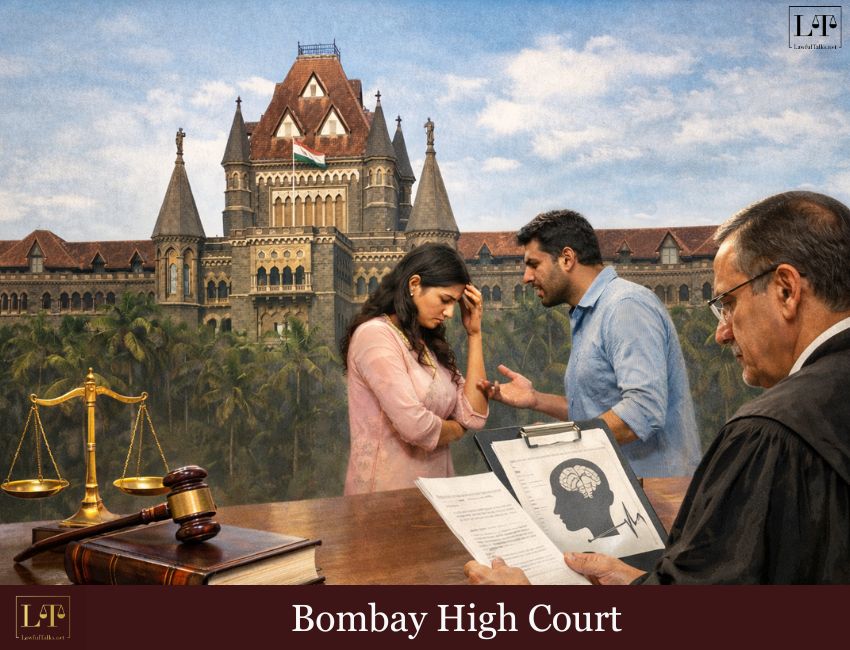
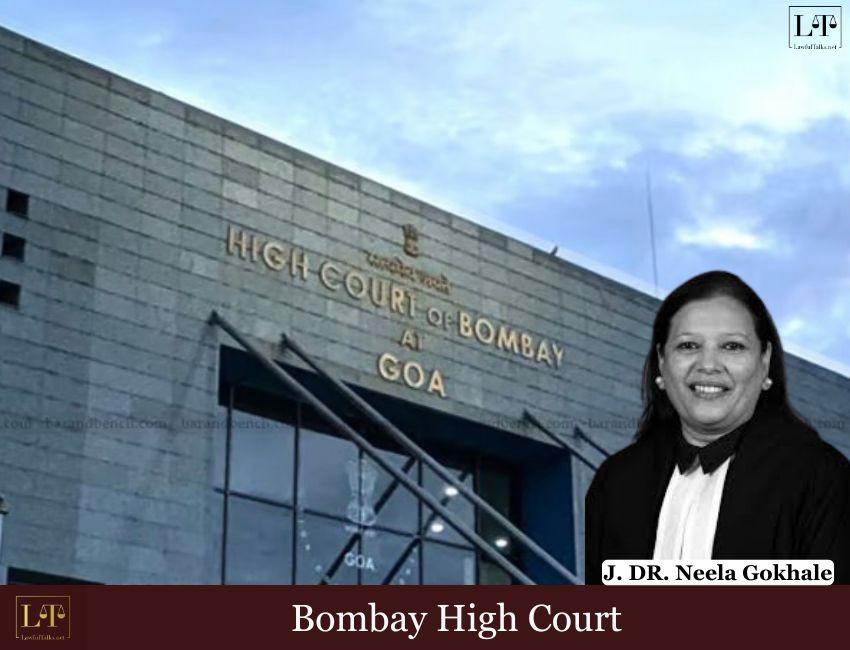
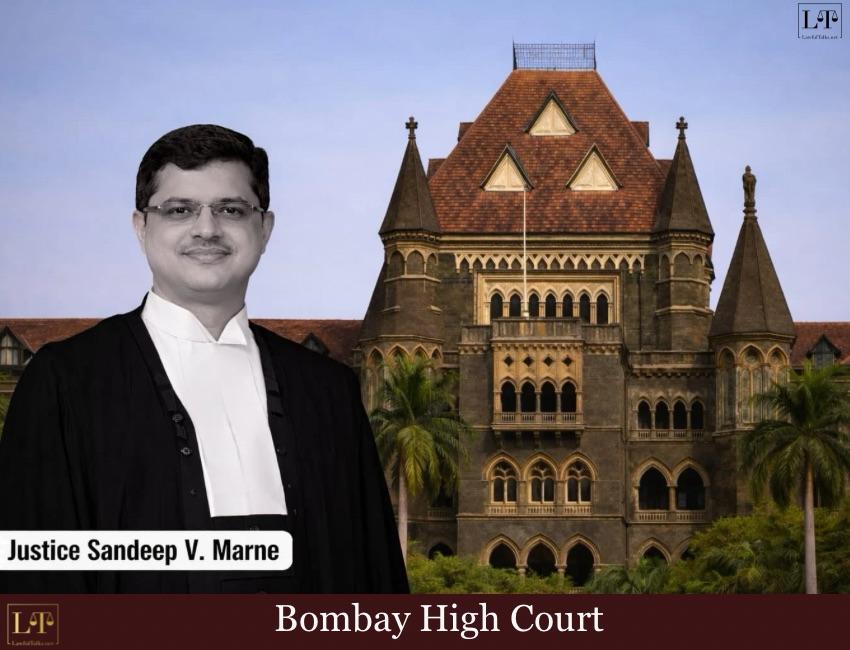
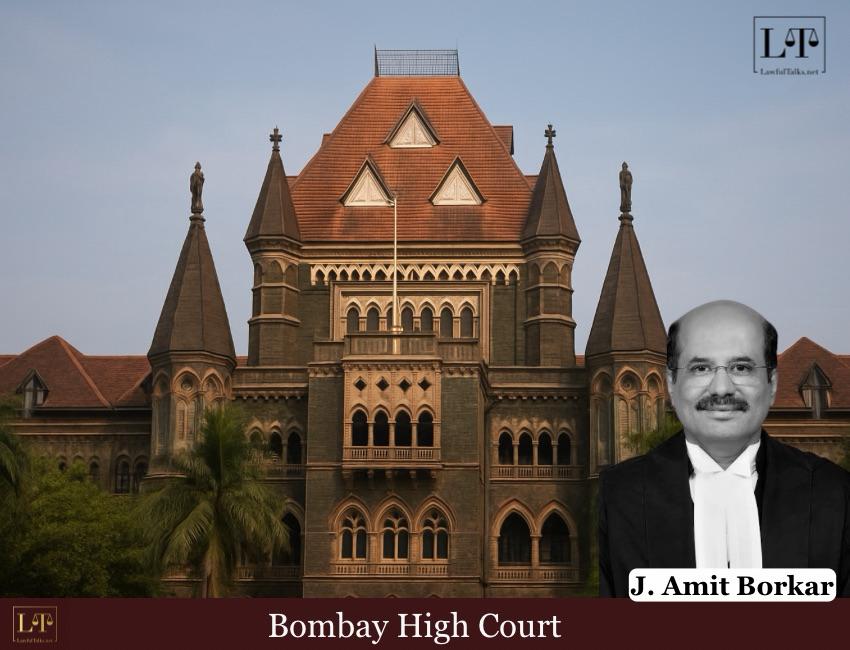
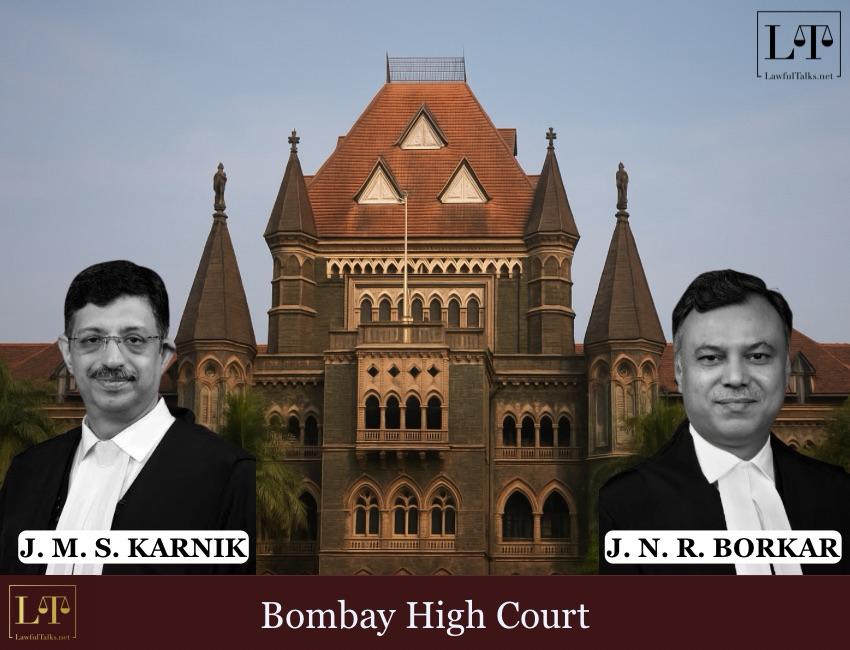
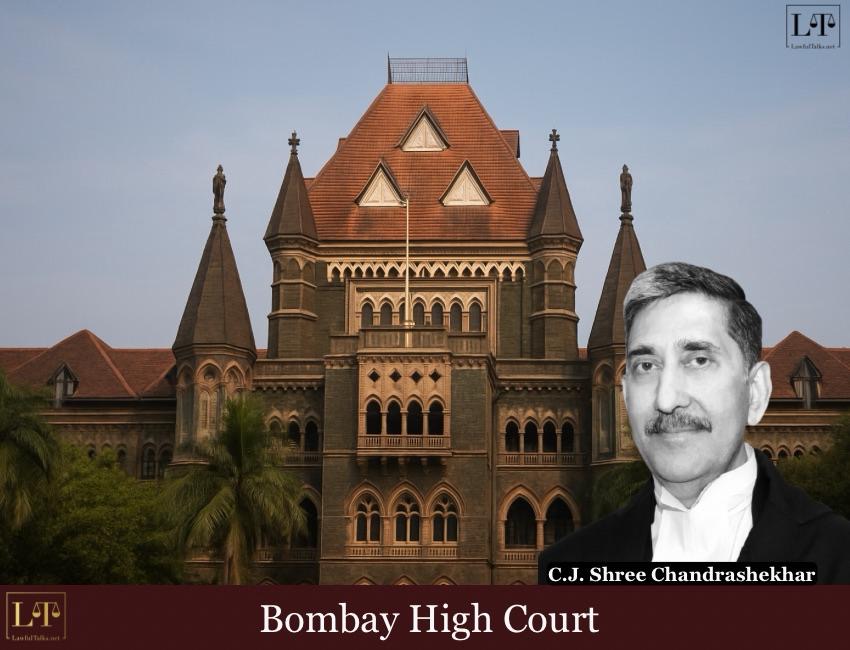
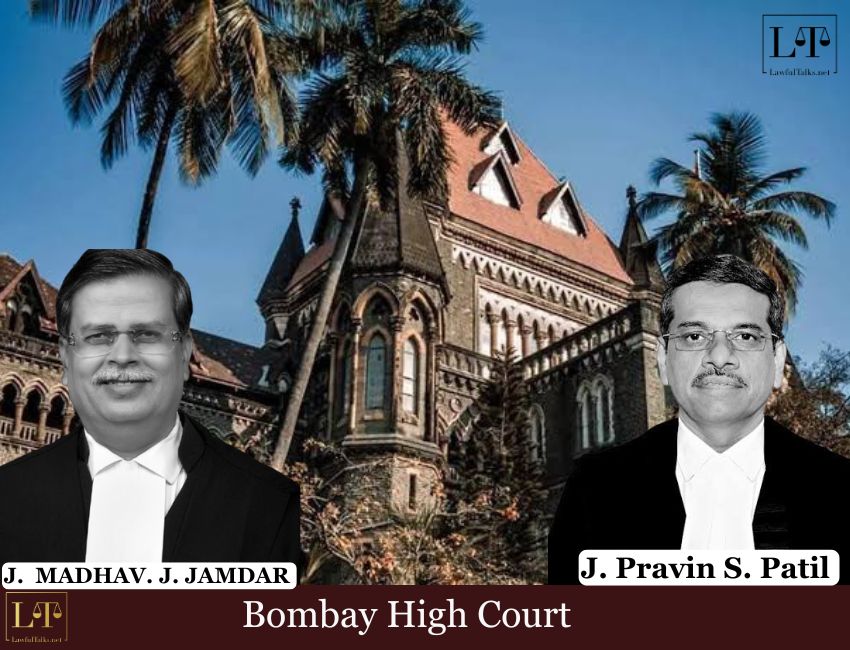
The Bombay High Court has issued an important ruling on the limits of judicial power over online content. The Court made it clear that Rule 10 of the Information Technology Rules, 2009 does not give Magistrates the authority to order the blocking of content on the internet. Justice N.J. Jamadar made these observations while hearing two petitions filed by Dhyan Foundation, an animal welfare NGO.
Background:
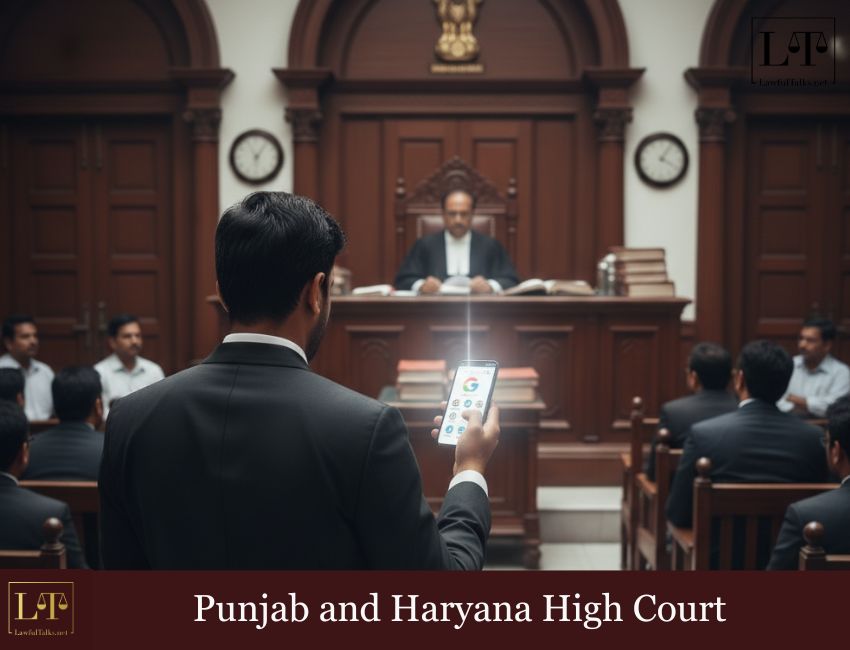
The NGO had approached the Court over five allegedly defamatory YouTube videos uploaded on platforms operated by Google LLC. Upset by the videos, Dhyan Foundation had earlier obtained an order from a Mumbai Metropolitan Magistrate’s Court directing that the videos should not be circulated further. When Google did not comply, the Magistrate initiated contempt proceedings.
Google challenged this before the Sessions Court, along with a request to condone a 116-day delay in filing its plea. The Sessions Court granted the delay request and also stayed the contempt proceedings.
Unhappy with these outcomes, Dhyan Foundation filed two separate petitions before the Bombay High Court, questioning both the condonation of delay and the stay.
Google argued that only Section 69A of the Information Technology Act allows the Central government or its officers to block online content, especially to protect India’s sovereignty, integrity, and security.
Justice Jamadar pointed out that, preliminarily, it seemed the Magistrate had exceeded their authority. The Court emphasized that removing material from public access affects both the creator’s free speech and the public’s right to information. Restrictions on content should happen only through clear laws with strong safeguards.
The Court said:
“Blocking circulation of any information sought to be put in the public domain by someone would be curtailing his right to freedom of speech and expression and a corresponding limitation on the right of the public to access information. Power to curtail free speech cannot be recognised without specific statutory provision with proper safeguards.”
The High Court supported the Sessions Court’s decision to pause contempt proceedings against Google, agreeing that there were valid questions about which court had jurisdiction. Regarding the delay in the case, the NGO argued that corporate red tape was not a sufficient reason, but the Court rejected this, focusing on resolving the main issues rather than procedural details.
Justice Jamadar observed that Google’s account showed no bad intentions and chose not to overrule the lower court’s decision.
Appearance:
Advocates Harish Pandya, Raju Gupta and Mavali Jadhav appeared for the NGO.
Senior advocates Aabad Ponda with advocates C Keswani, Tanmay Bhave, Chandrama Raje briefed by Economic Laws Practice appeared for Google.
Additional public prosecutor AD Kamkhedkar appeared for the State.
Case Details: Dhyan Foundation v. Google LLC & Anr.










































































Sign up for free and be the first to get notified about curated content just for you.