Bombay HC Breaks The Deadlock: Child Denied A Nation No More; 7-Year Old Declared An Indian Citizen

- December 15, 2025


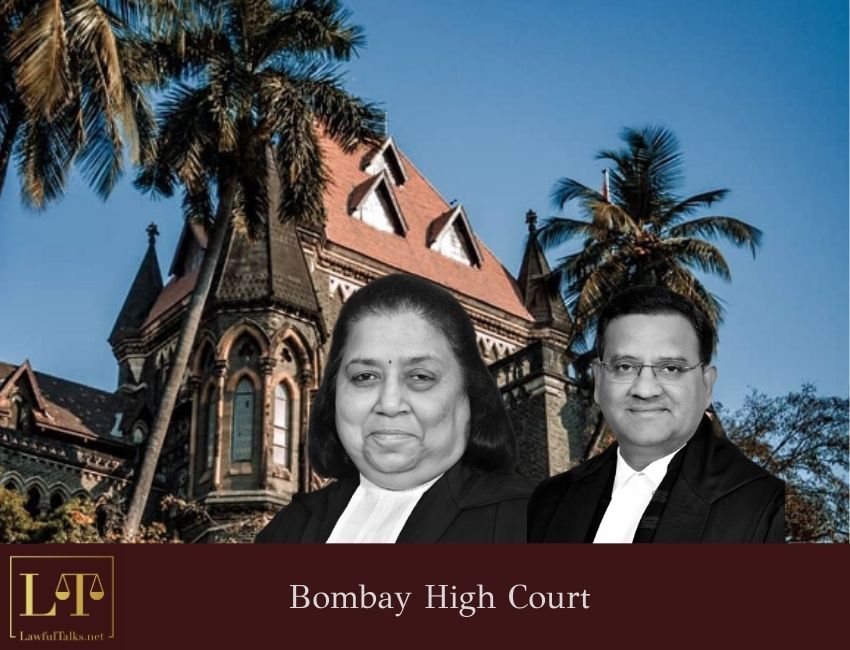
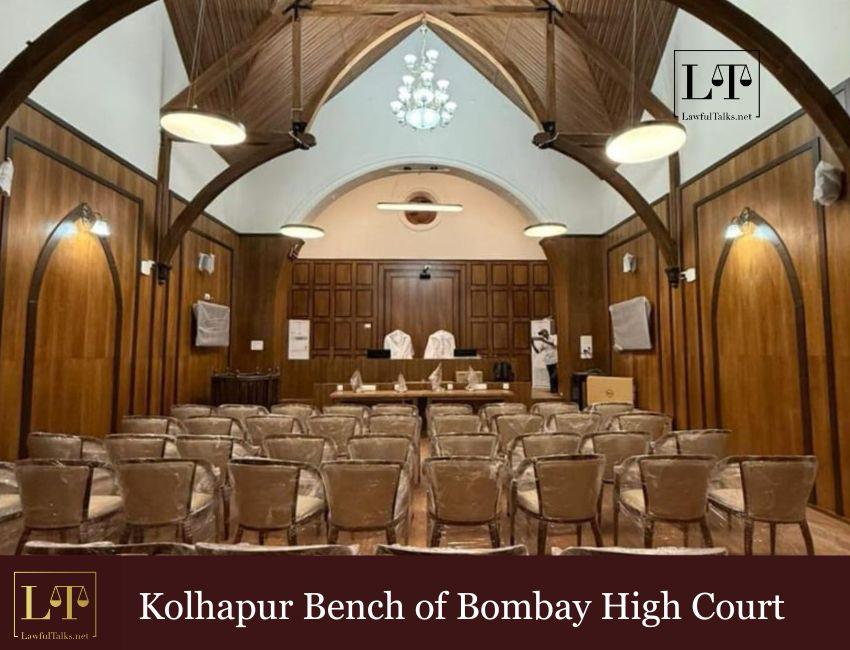
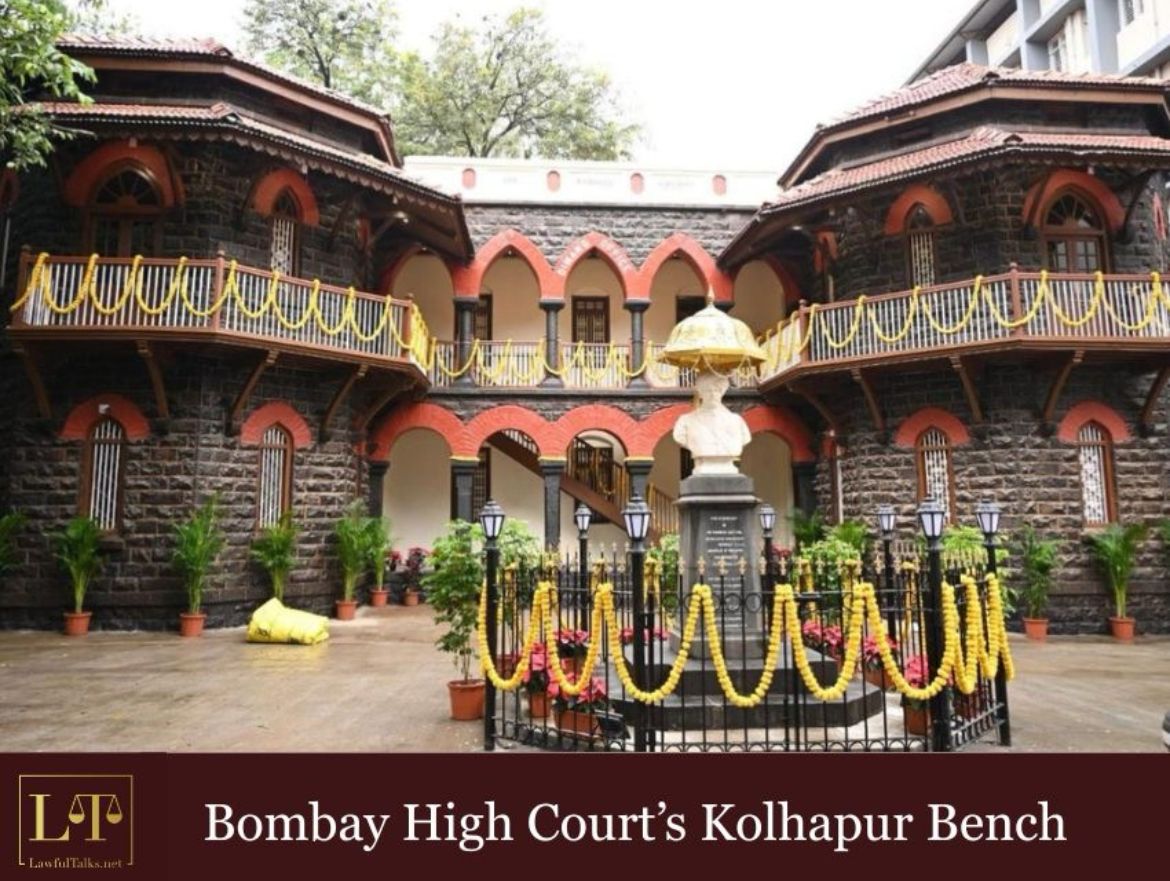
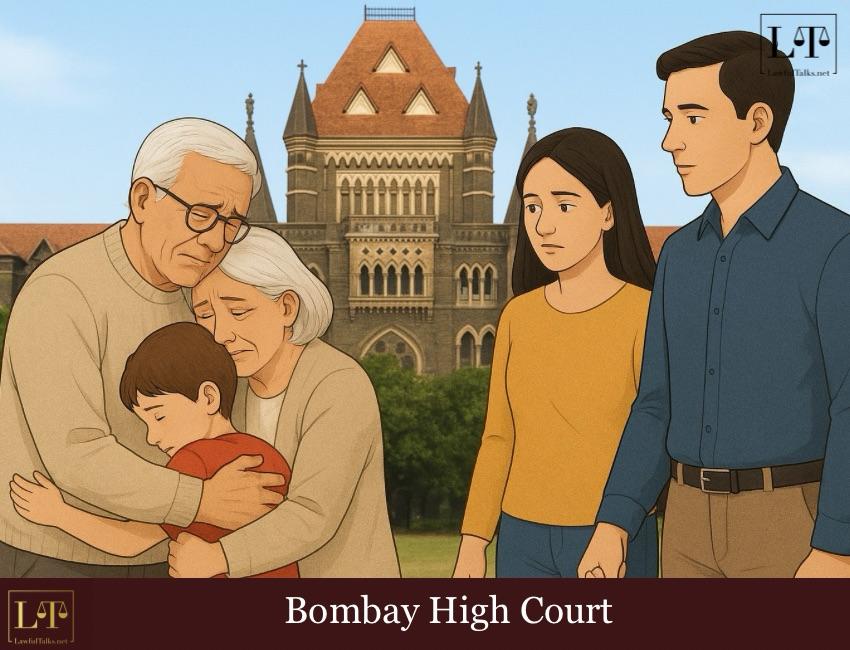
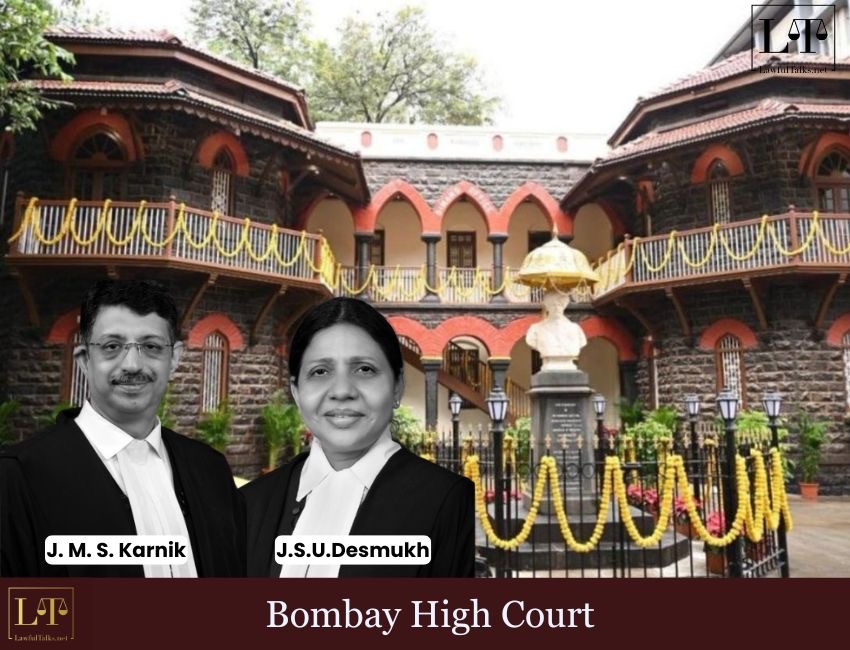
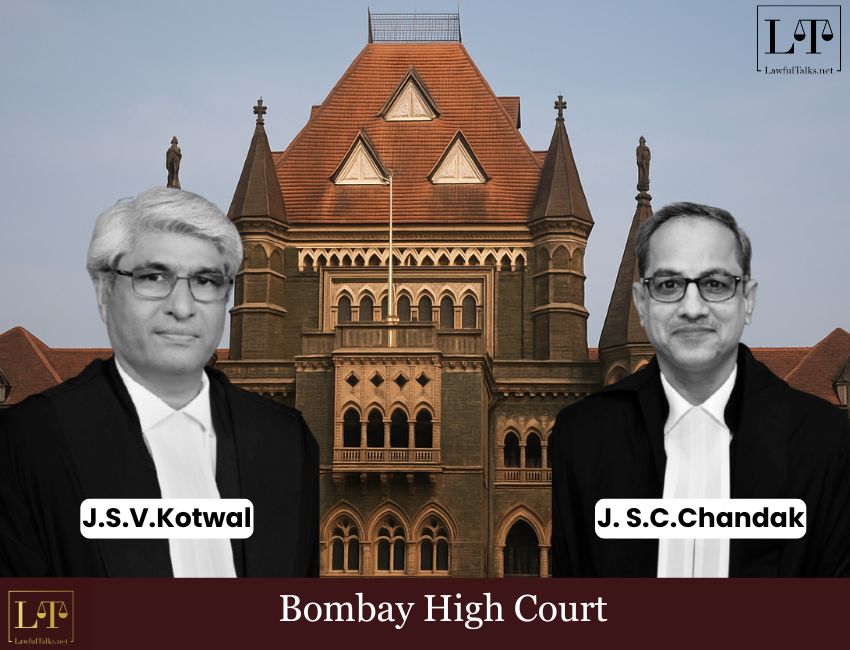
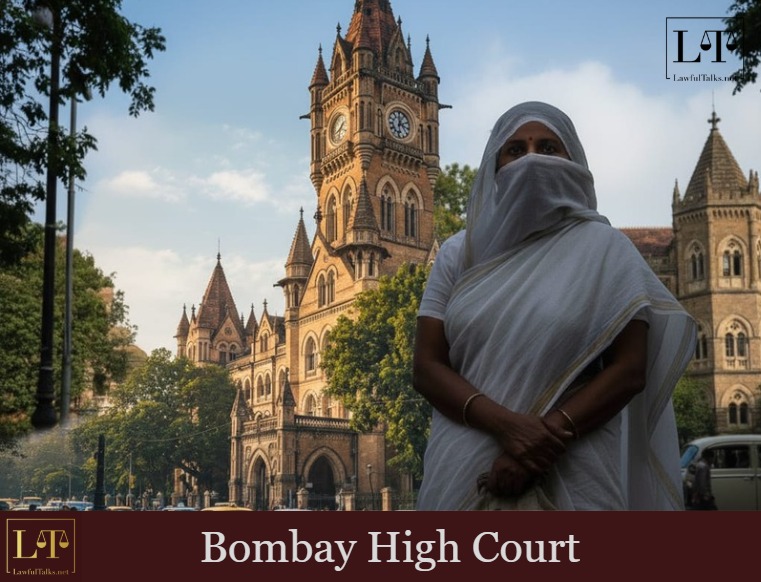
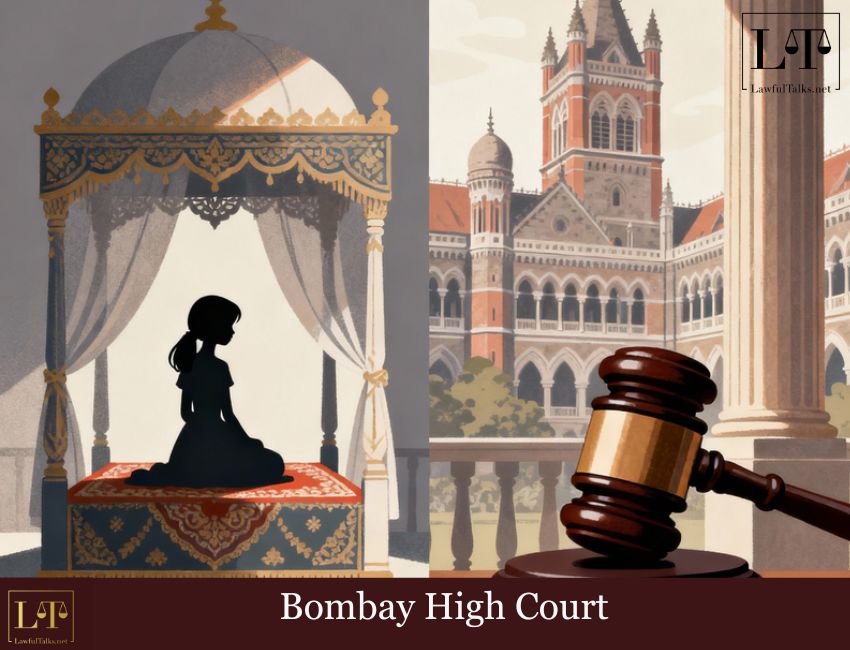
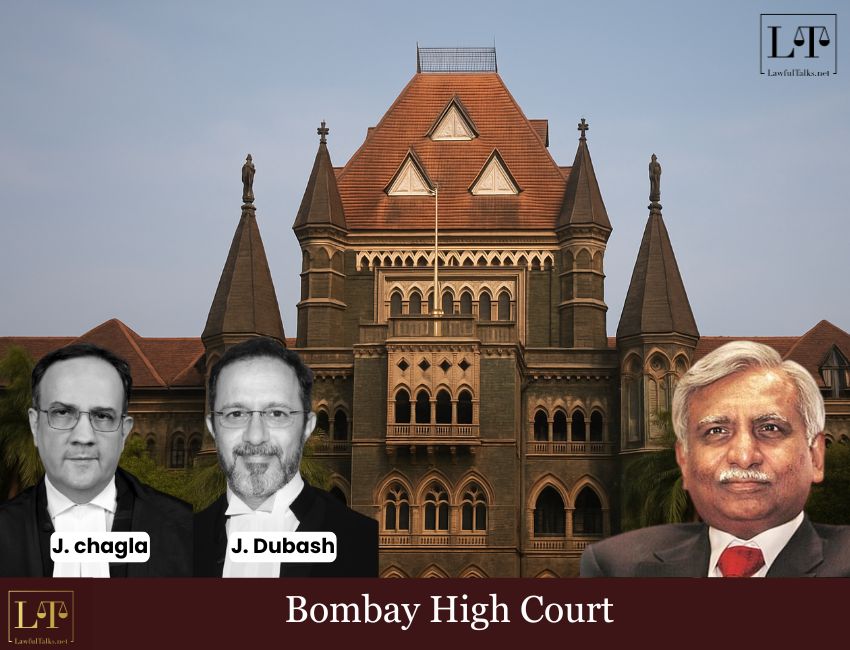
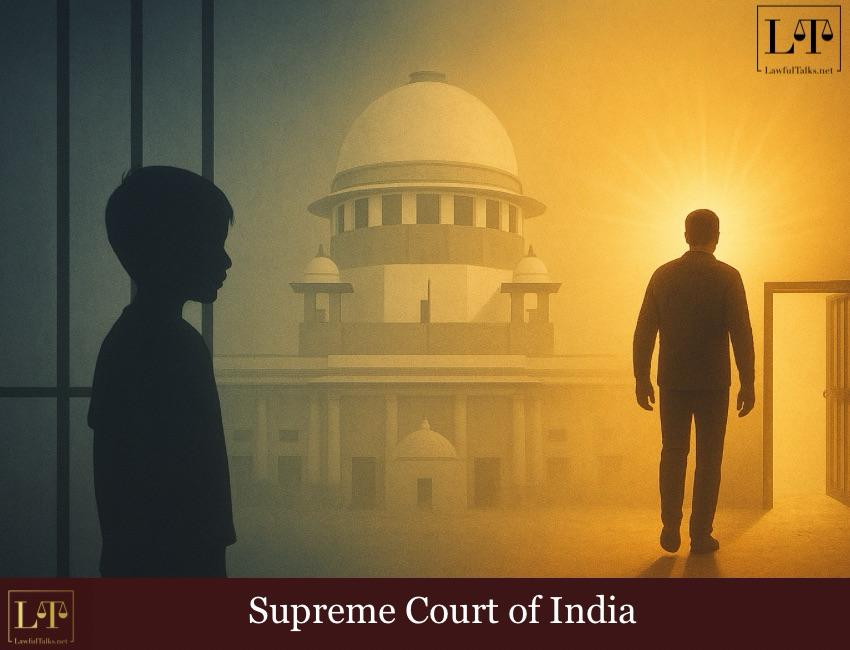
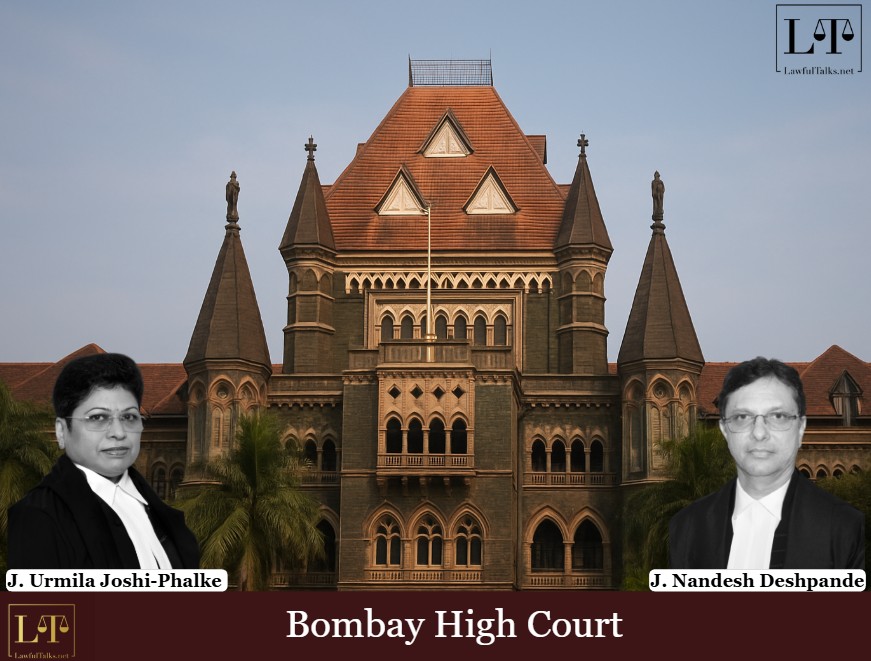
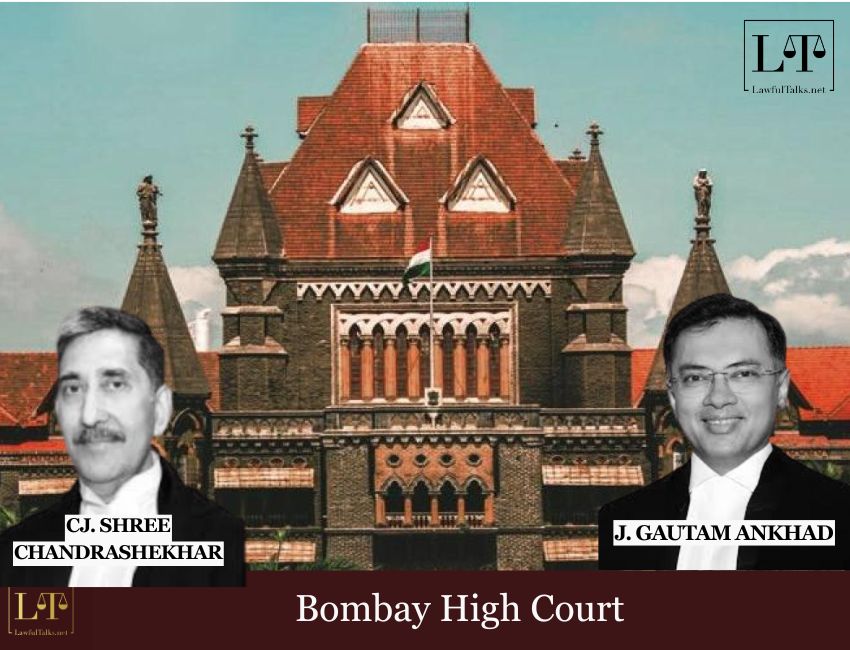
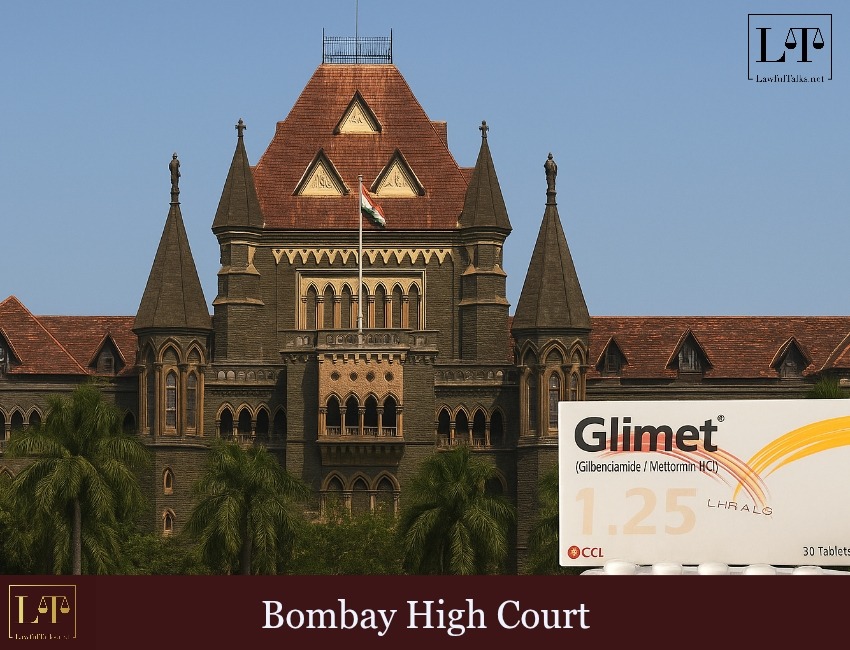
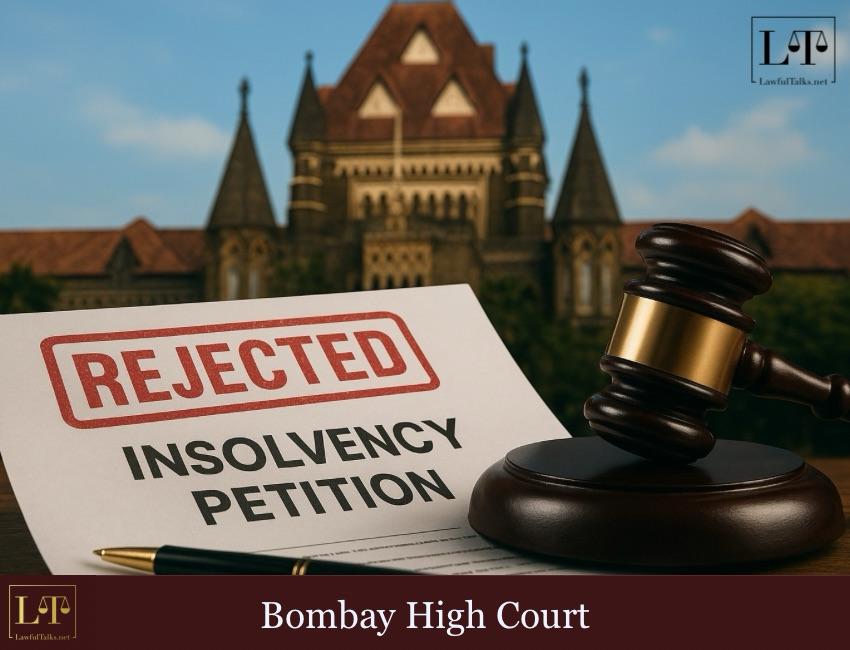
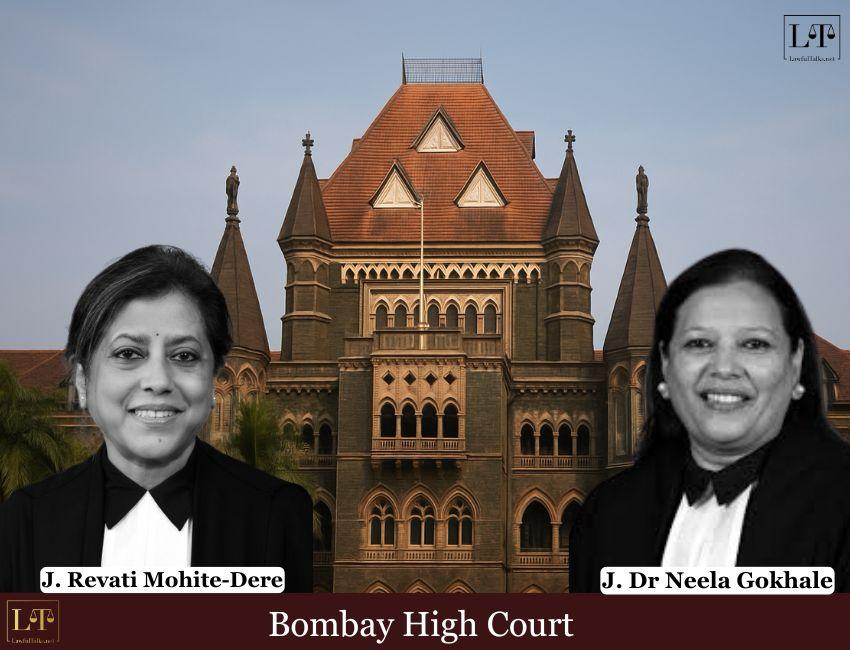
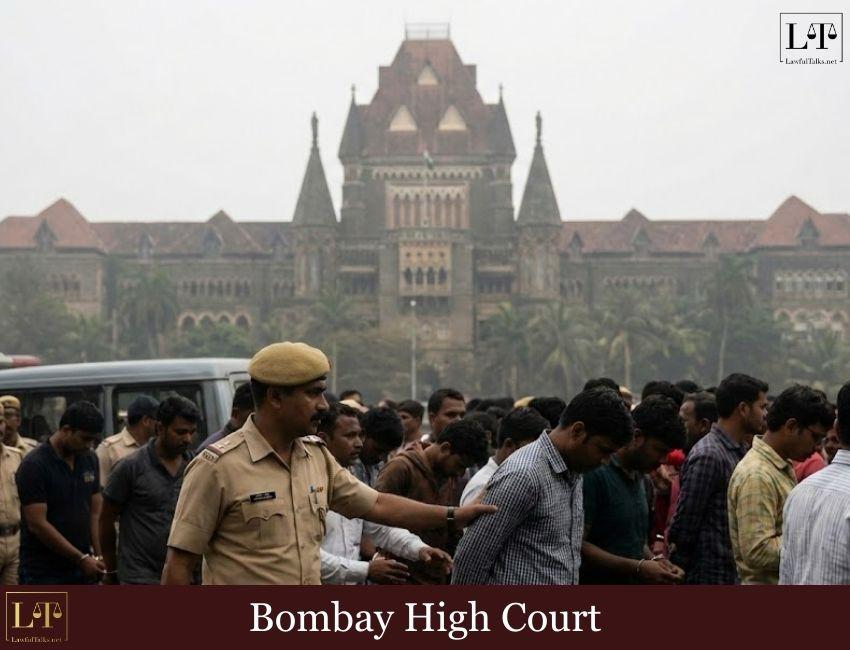
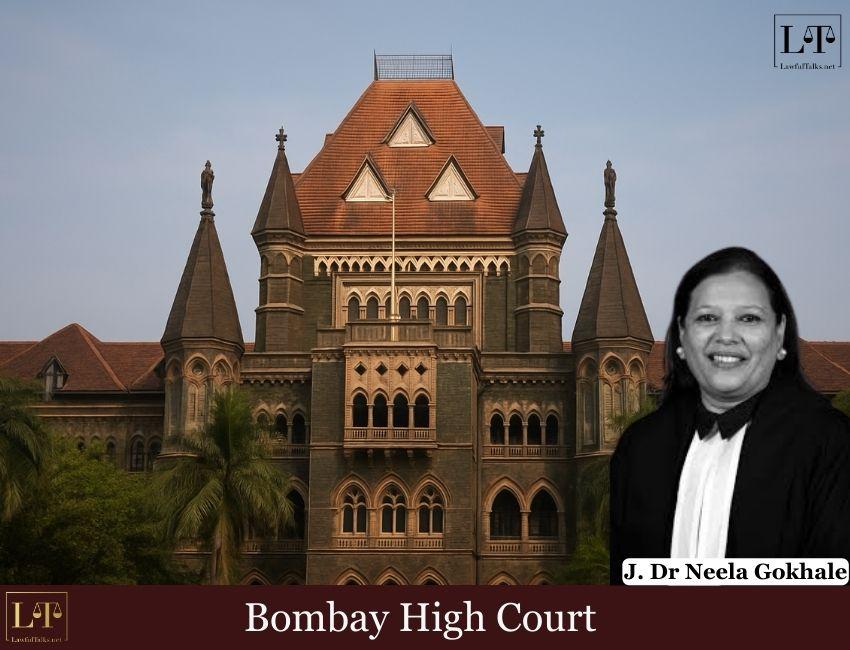
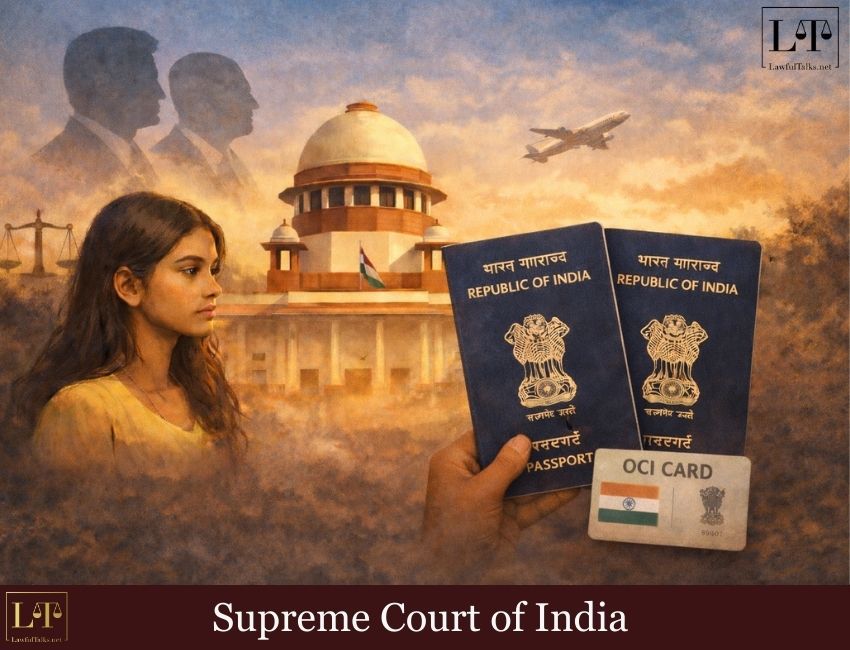
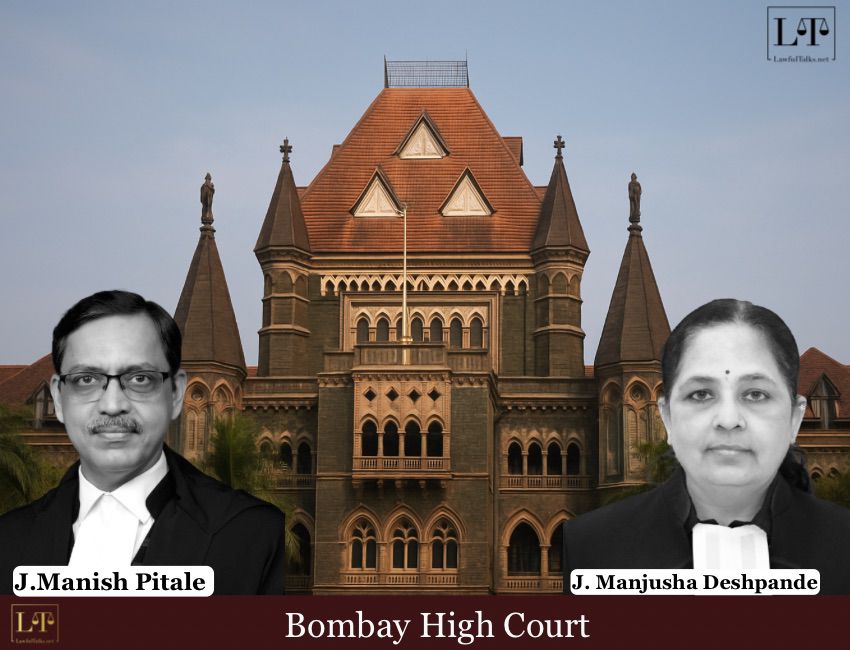
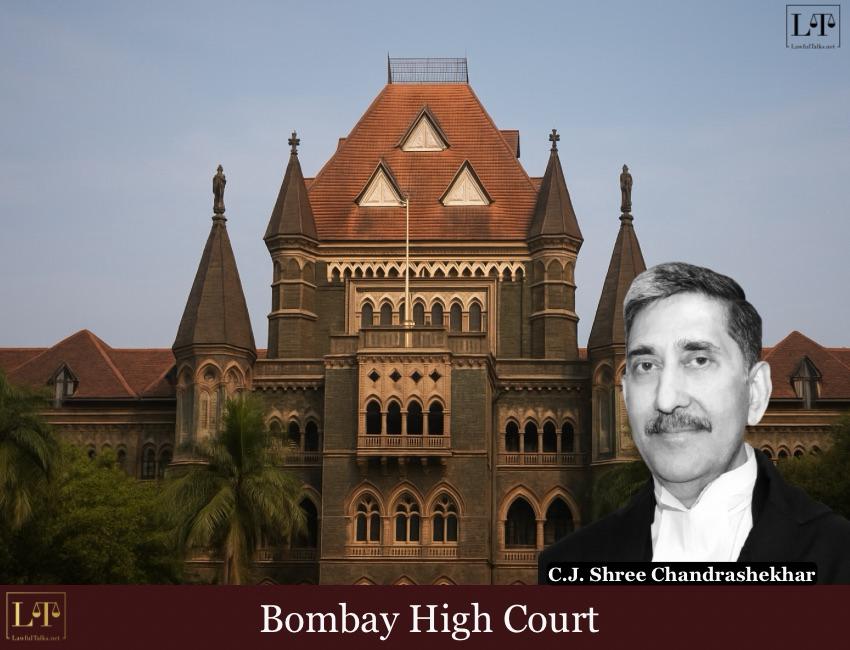
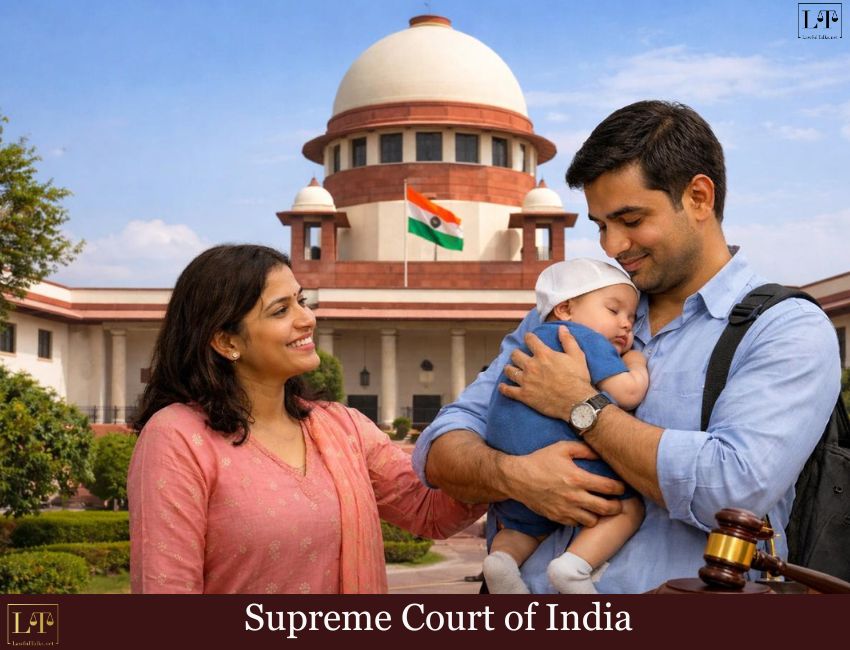
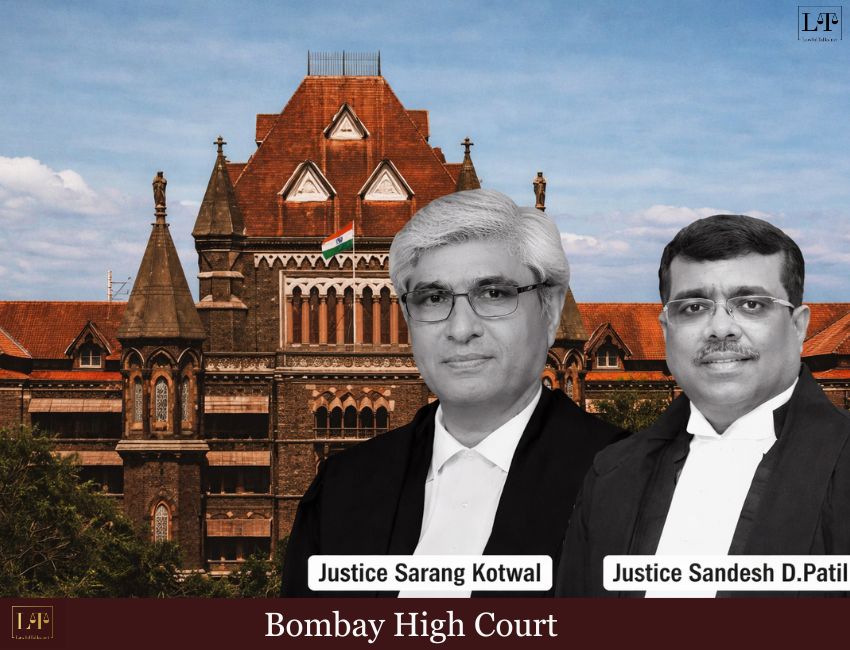
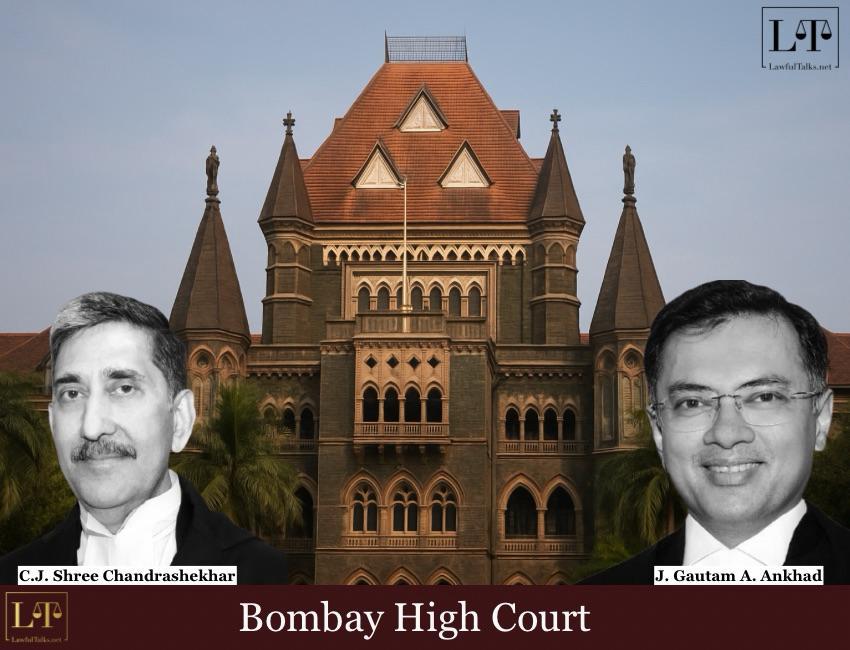
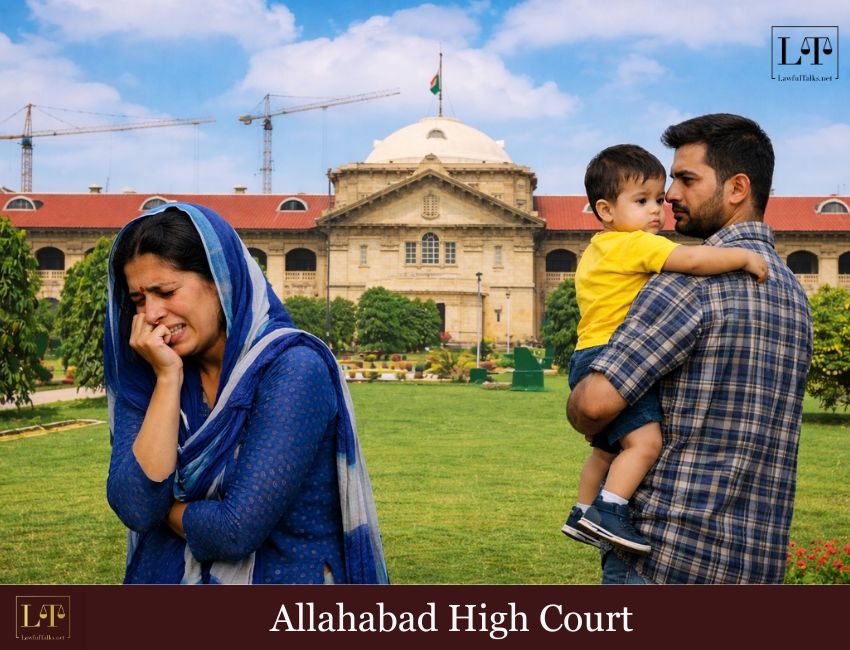
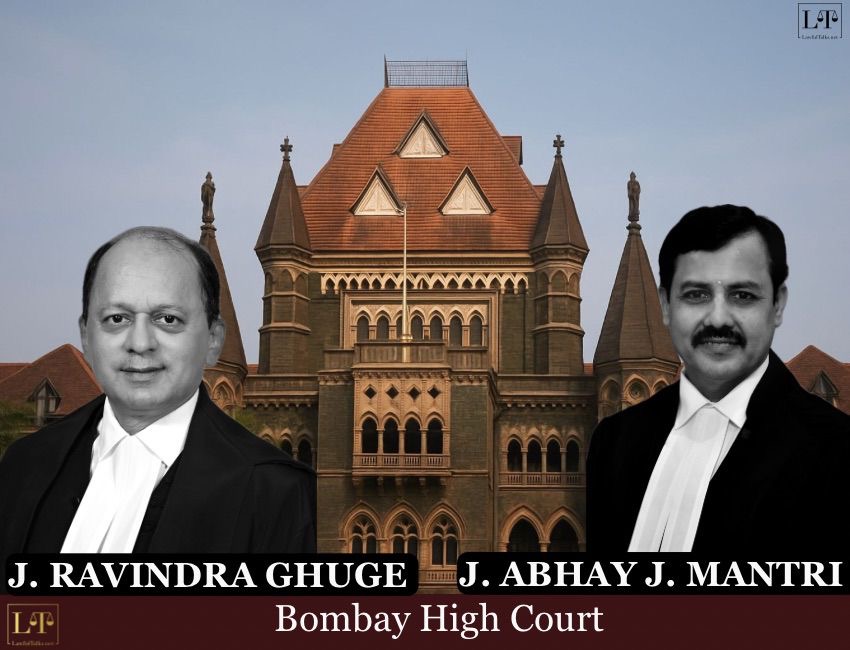
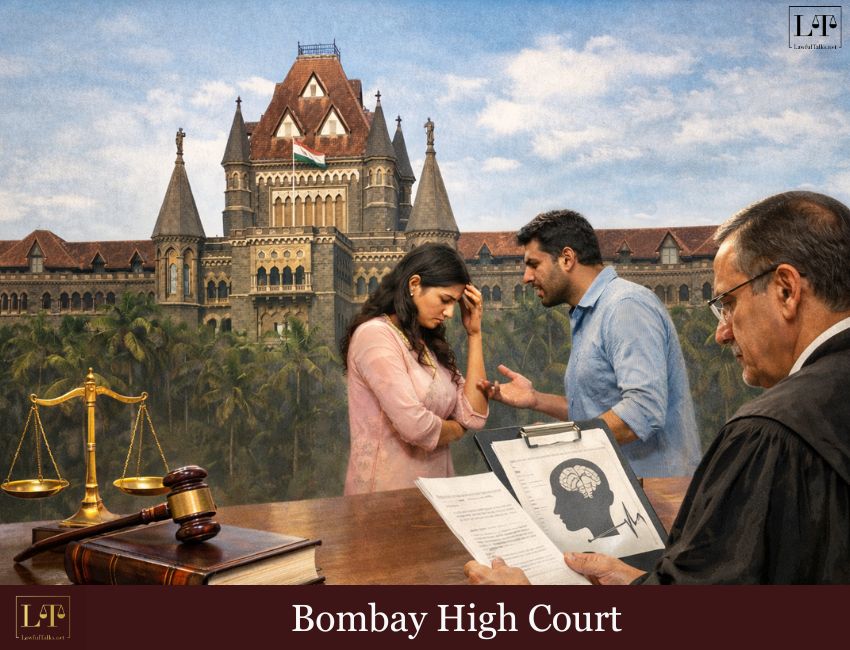
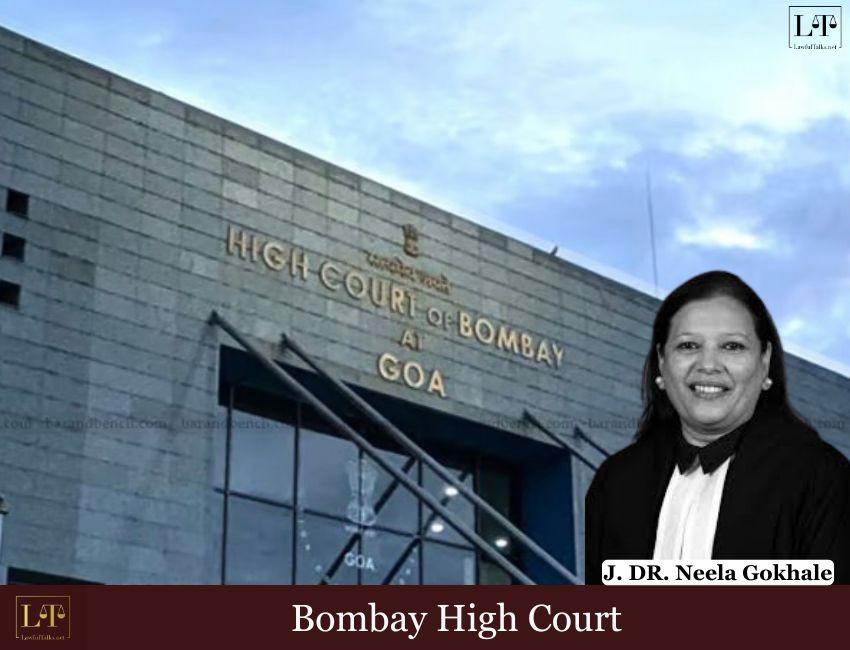
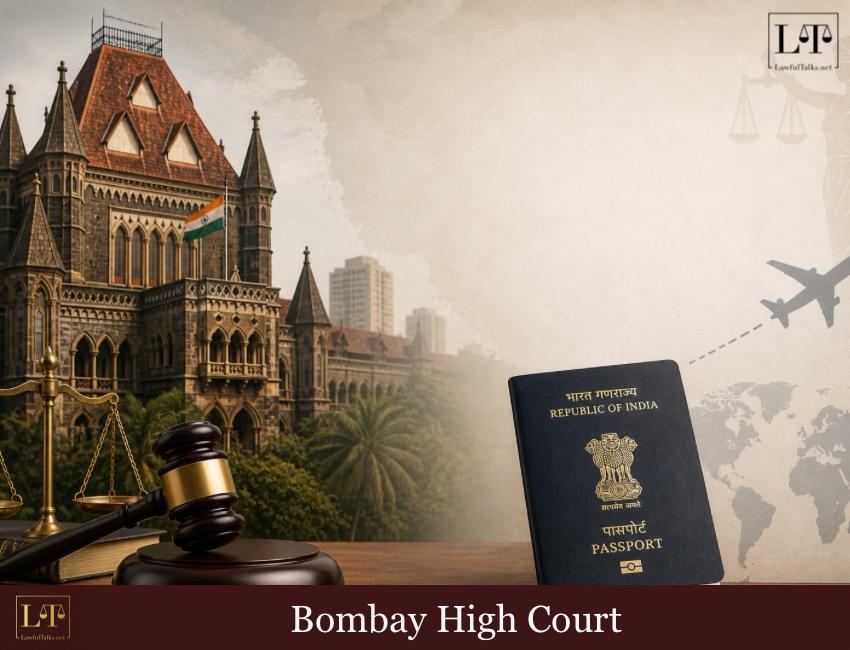
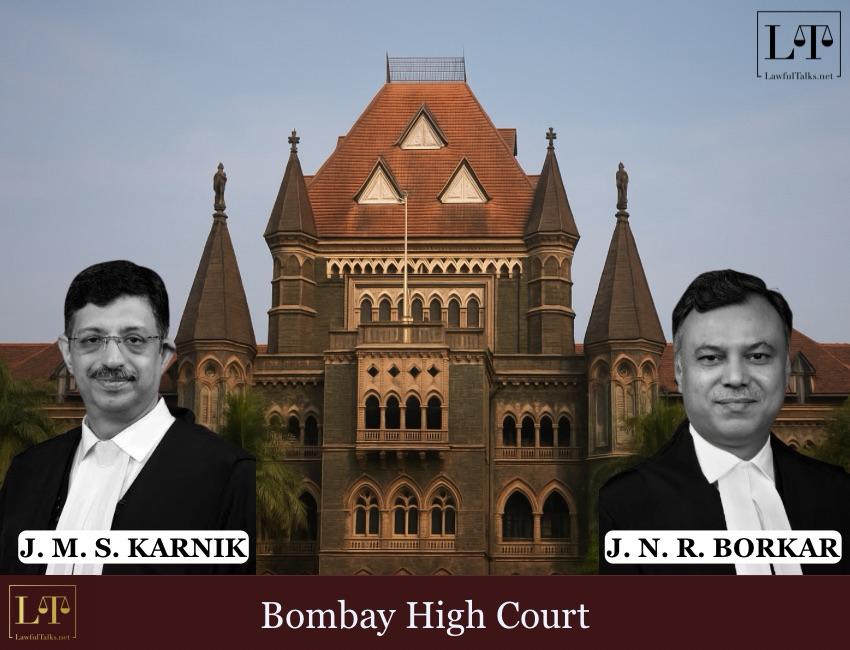
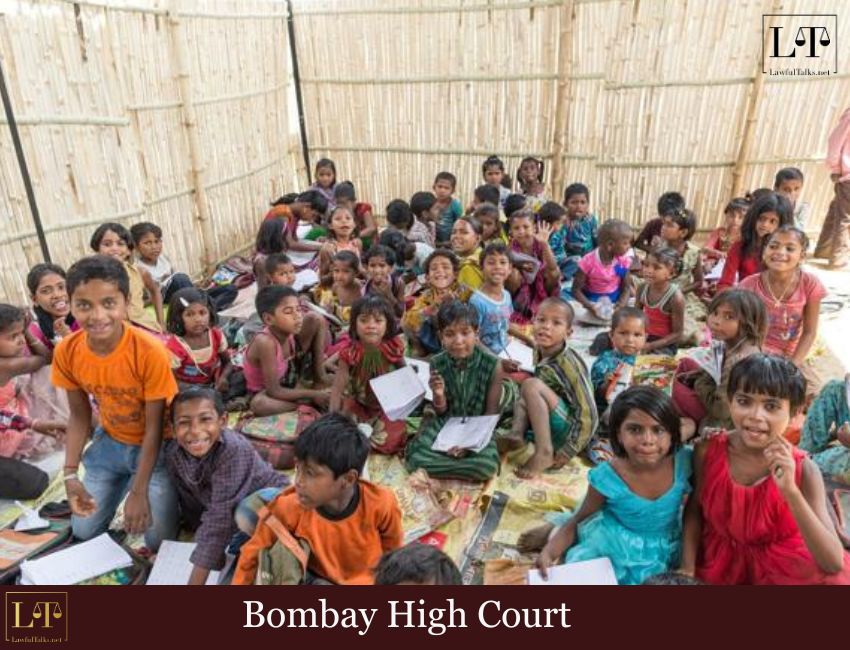
In a significant order safeguarding a child’s fundamental rights, the Bombay High Court has directed the passport authorities to recognise a seven-year old girl as an Indian citizen and to issue her an Indian passport in accordance with the citizenship Act, 1955. A Division Bench of Justice Sarang Kotwal and Justice Ashish Chavan, passed the direction while hearing a petition before the Goa bench of the Bombay High Court.
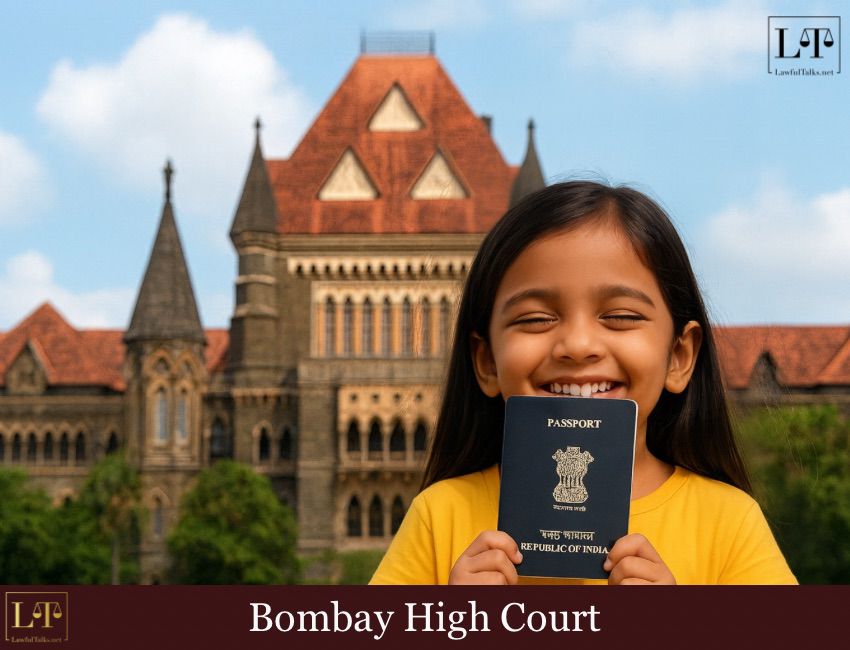
The bench examined the claim of the minor petitioner, Xami Dha Tirakita Kaye,who had approached the court seeking protection of her citizenship rights.
Background:
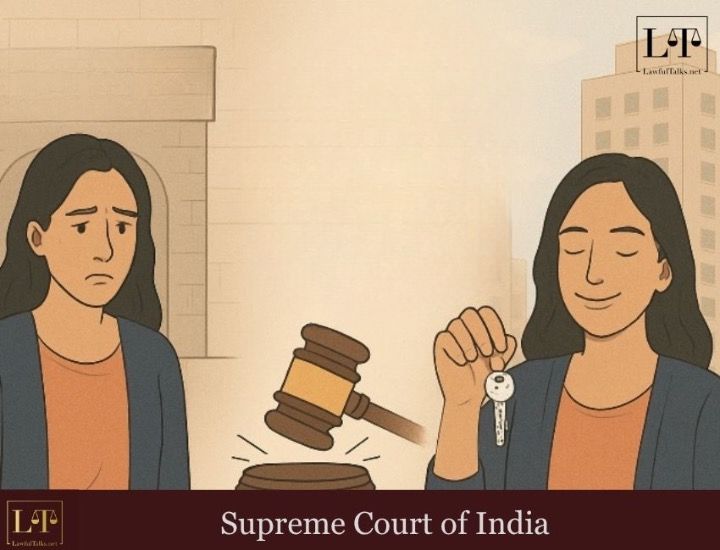
The petitioner was born in India on January 24, 2018, to an Indian mother and a British national father. The father had entered India on an employment visa, which later expired, leading to his arrest and conviction under the Foreigners Act, 1946 for overstaying.
However, pursuant to an order passed by the Delhi High Court, his deportation was stayed and he was granted a stay visa valid from November 3, 2017 to March 31, 2018.
After the family shifted to Goa, the petitioner’s application for an Indian passport was rejected by the passport authorities on the ground that her father was an illegal migrant at the time of his daughter’s birth, thereby disentitling her from citizenship under Section 3(1)(c)(ii) of the Citizenship Act.
Dismissing this contention, the Bombay High Court held that the relevant date for determining citizenship was the date of the child’s birth. The Court observed that on January 24, 2018, the petitioner’s father was residing in India on the basis of a valid stay visa issued by the Ministry of Home Affairs, Foreign Division, and therefore he could not be treated as an illegal migrant on that date.
The court held that, “We have already referred to the definition of ‘illegal migrant’. From that context, it is quite clear that he was permitted to stay in India based on a valid document issued by a competent authority. Therefore, there is no doubt in our mind that on 24.01.2018, the petitioner’s father was not an illegal migrant. In this view of the matter, in our opinion, the Petitioner satisfies the requirement of Section 3(1)(c)(ii) of the Citizenship Act, 1955, and hence she is entitled to get citizenship of India.”
Accordingly, the Bench held that the petitioner satisfied the statutory requirements under the Citizenship Act and was entitled to Indian citizenship. The Court thus directed the concerned authorities to issue a fresh Indian passport to the minor child.
Case Details: Xami Dha Tirakita Kaye vs Union of India (Writ Petition No. 2901/2025)






























































Sign up for free and be the first to get notified about curated content just for you.