Why Usufructuary Mortgages Don’t Die With Time: Supreme Court Explains

- January 05, 2026


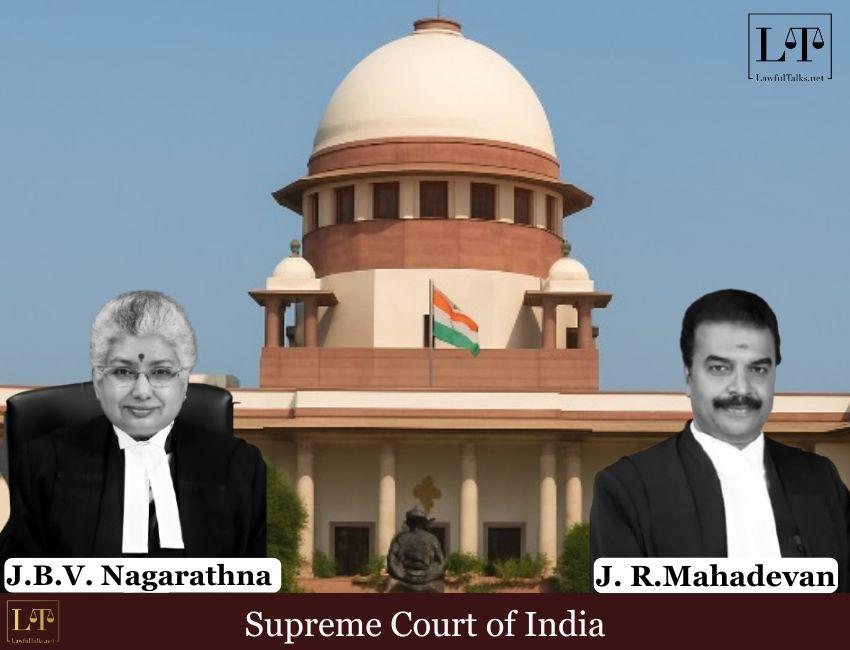
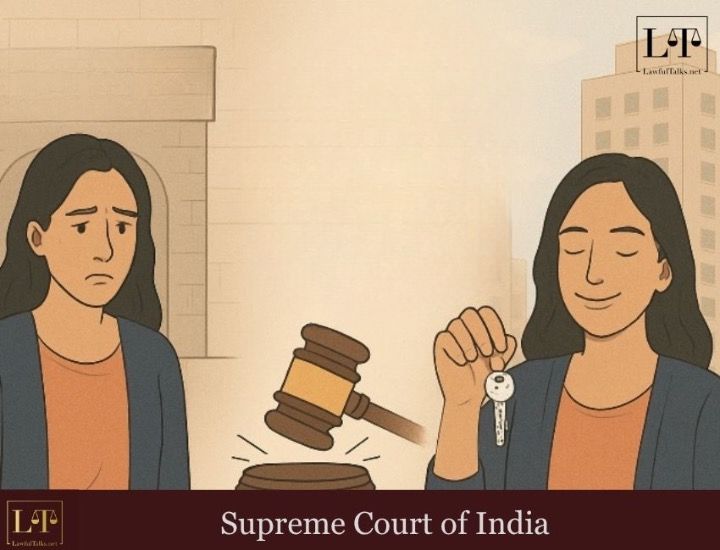
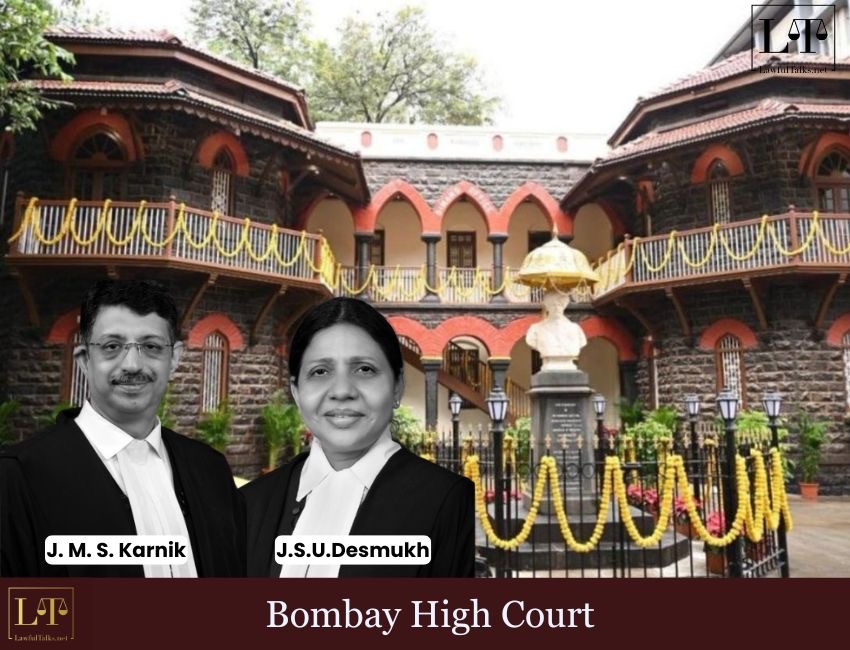
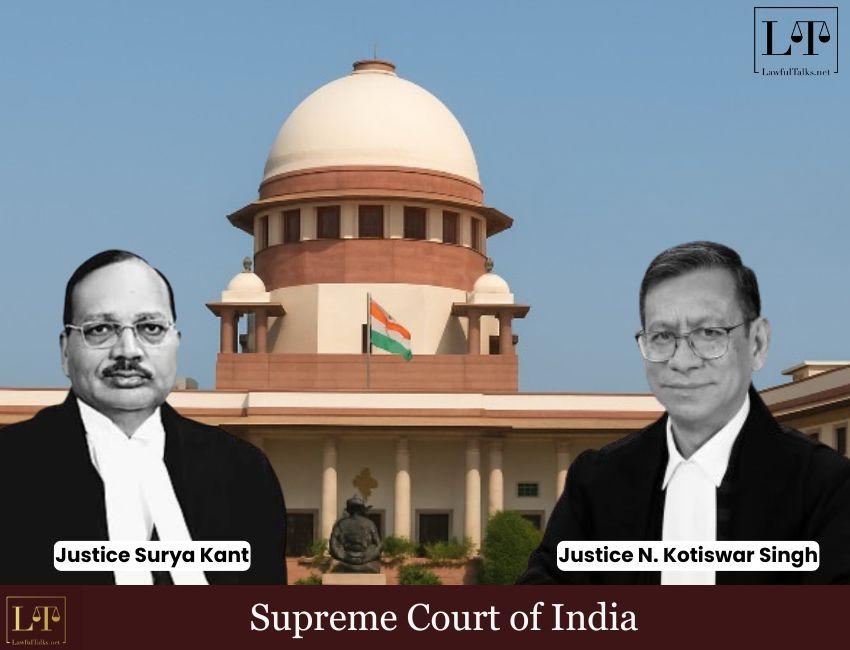
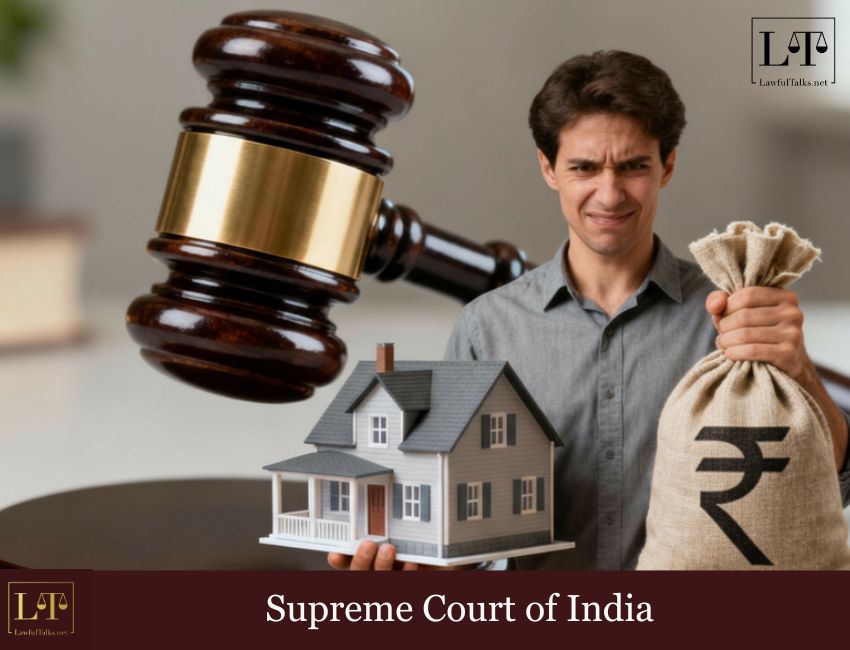
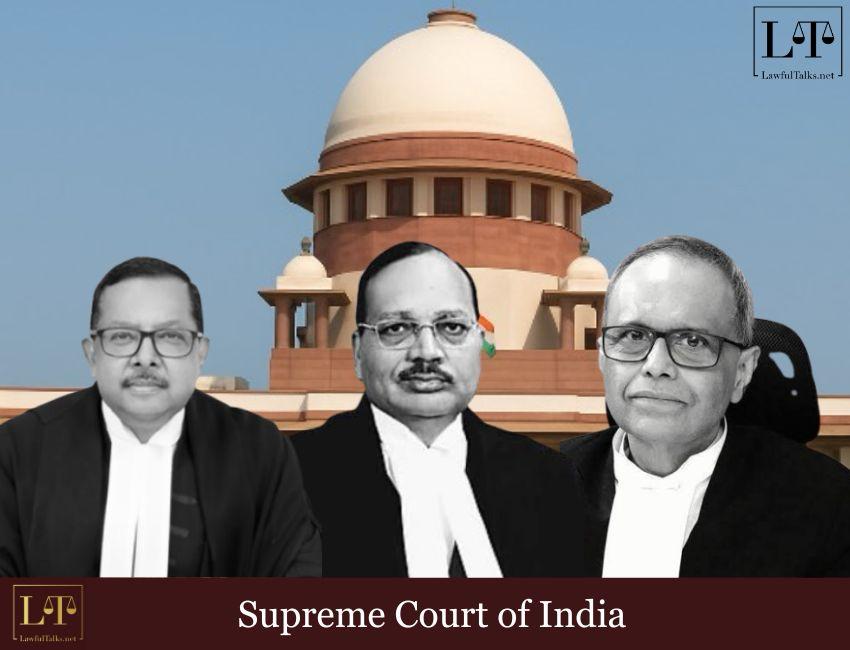
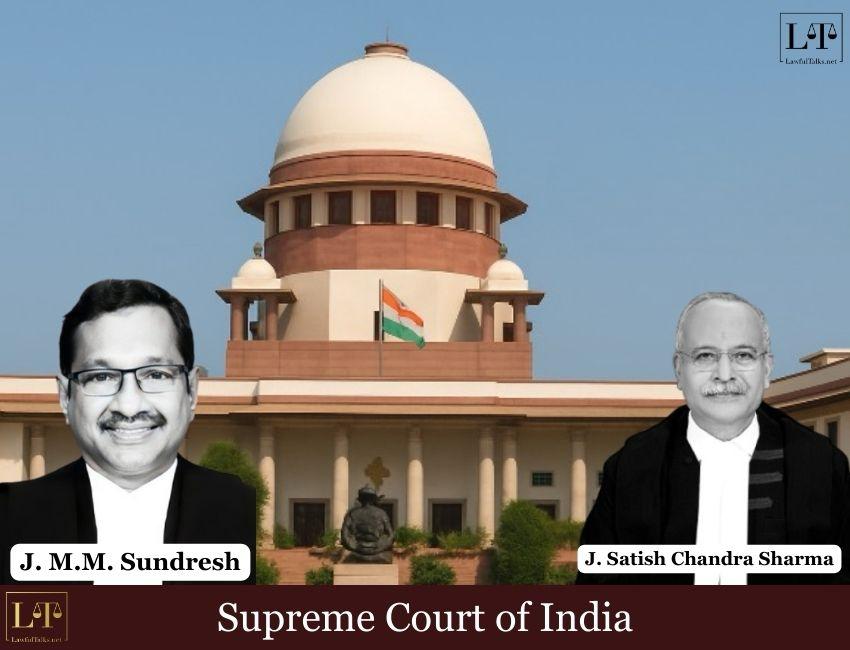
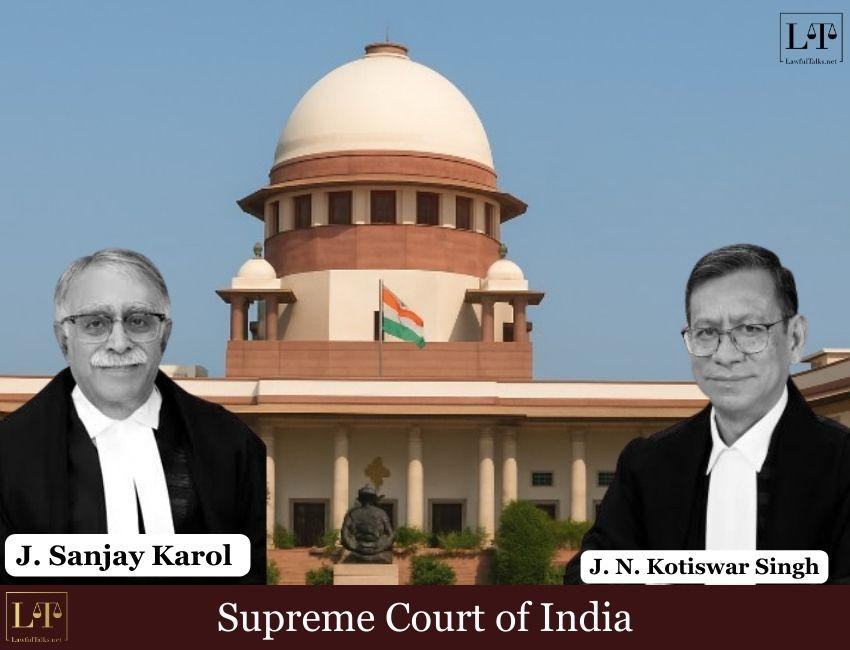
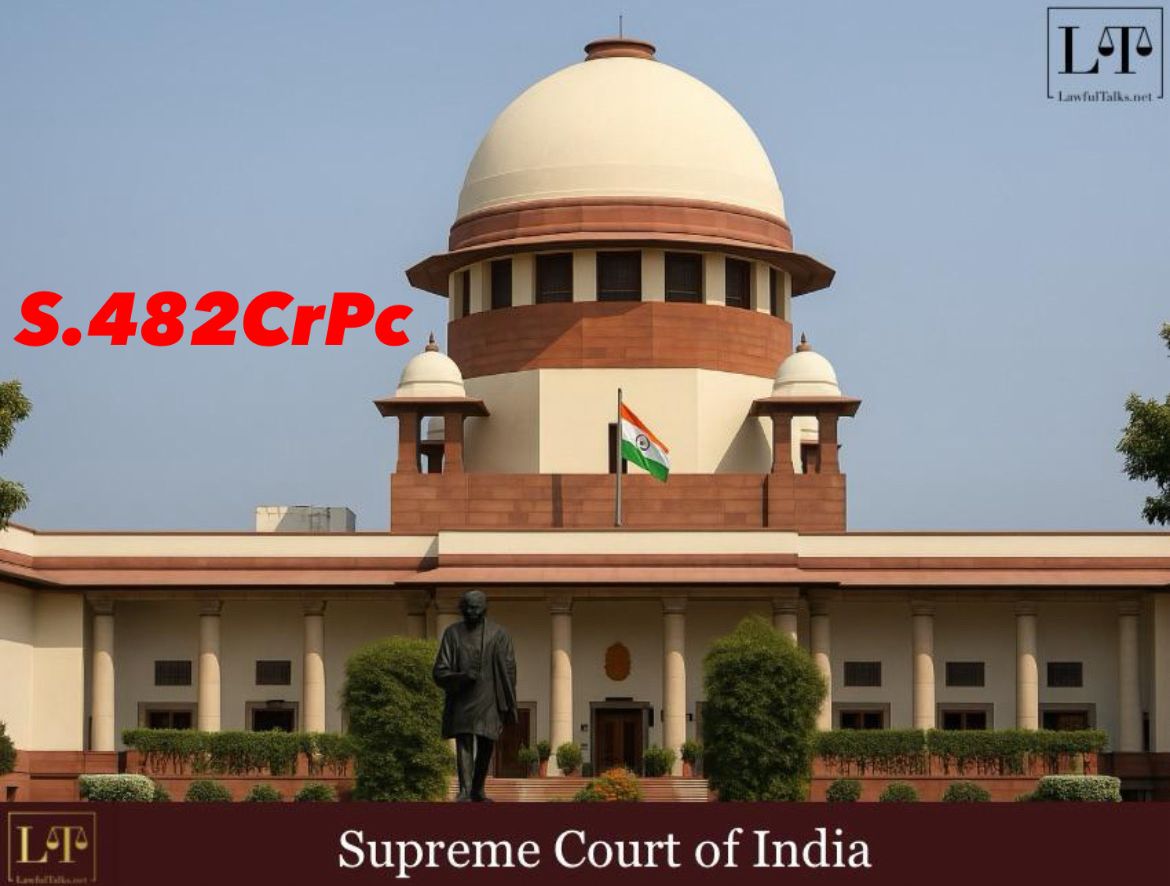
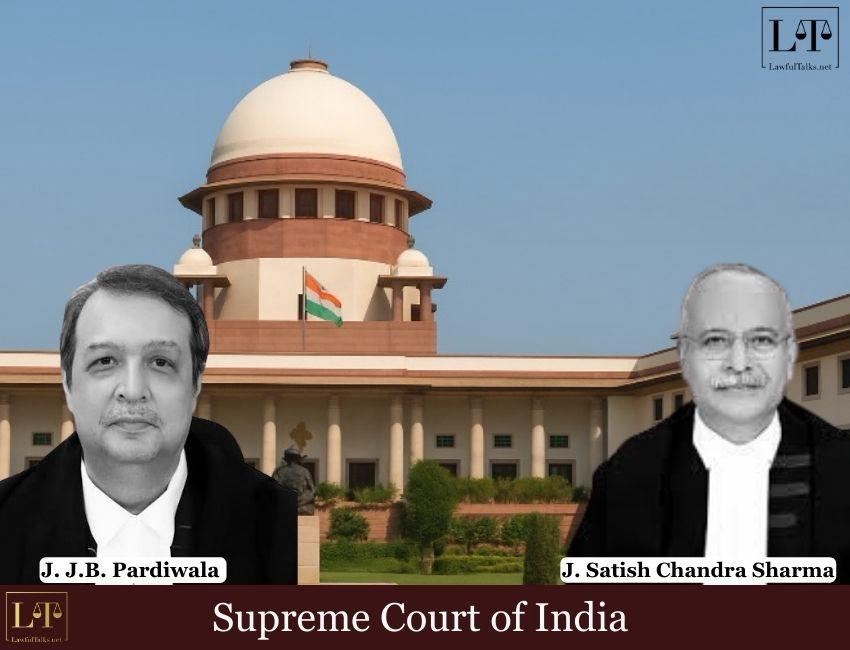
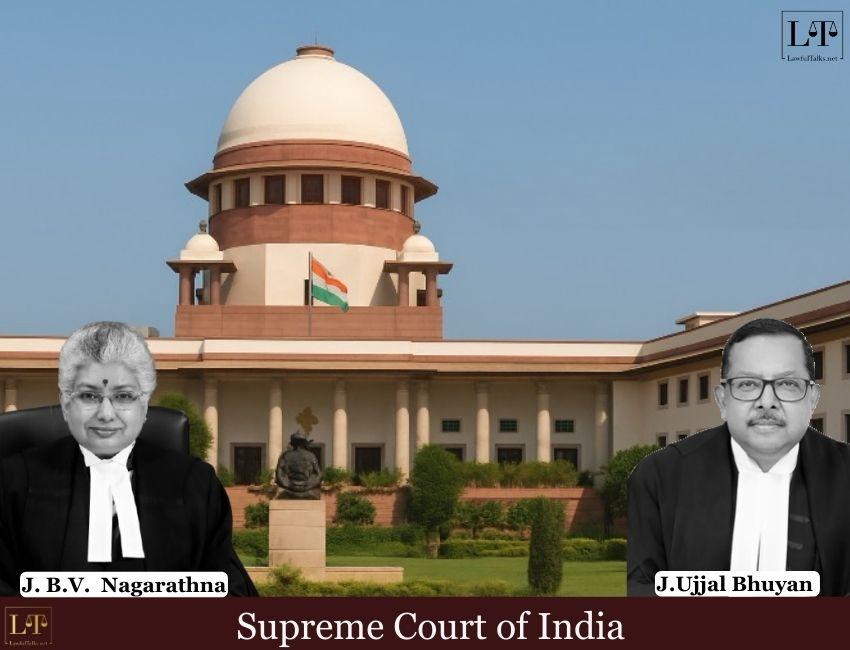
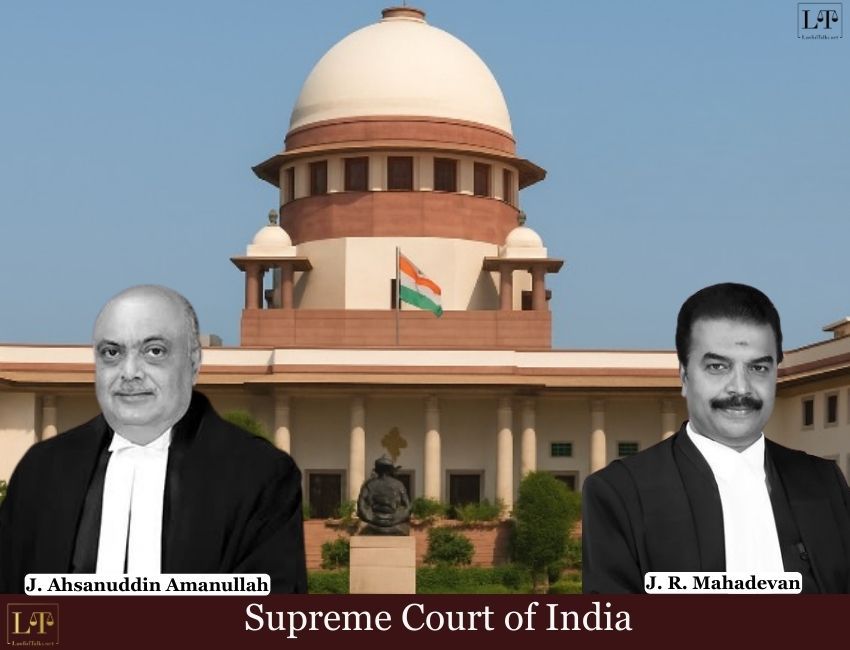
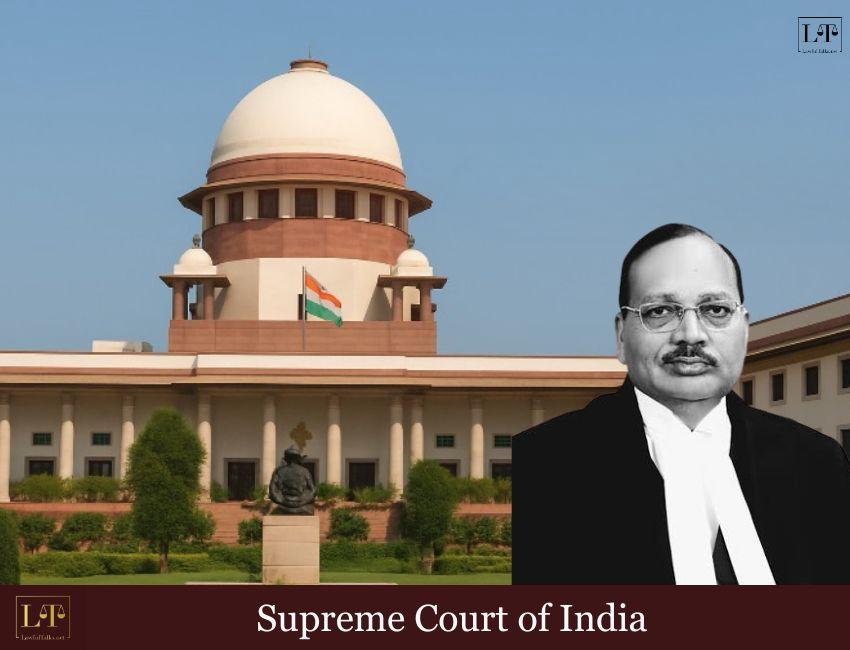
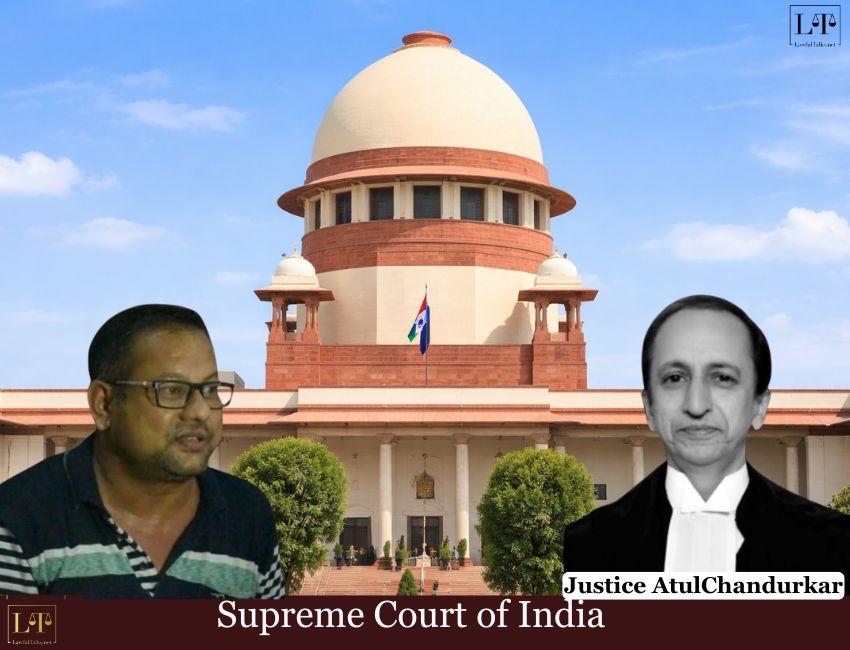
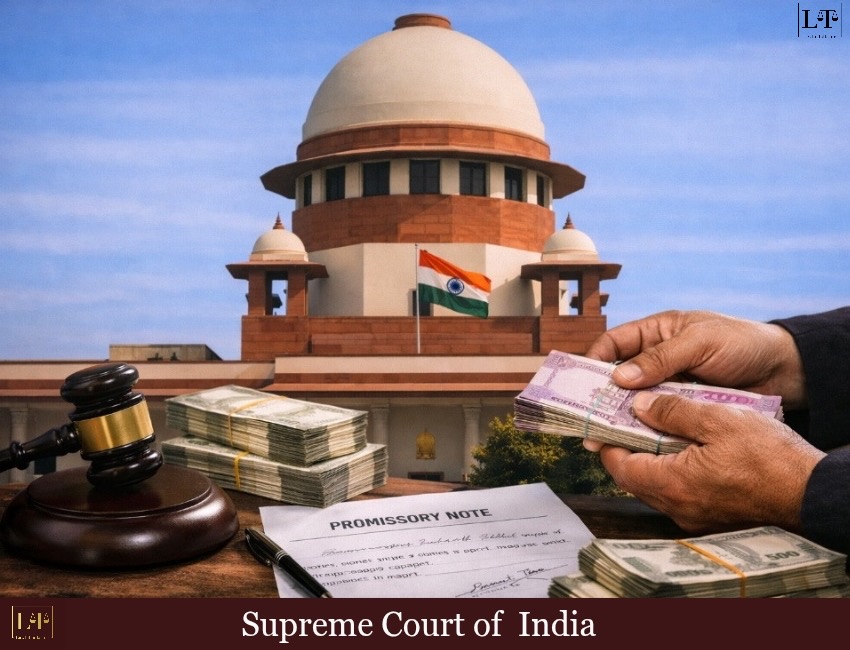
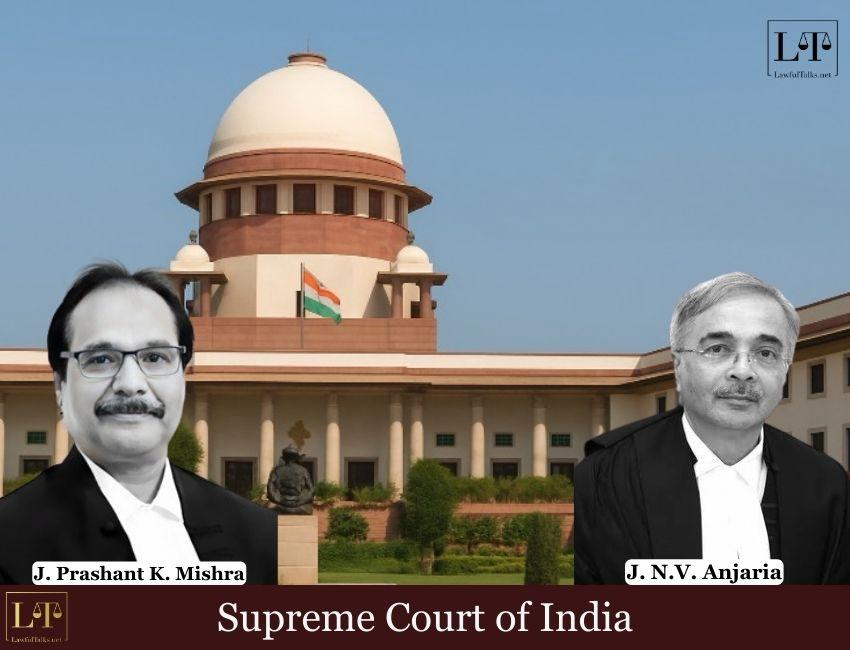
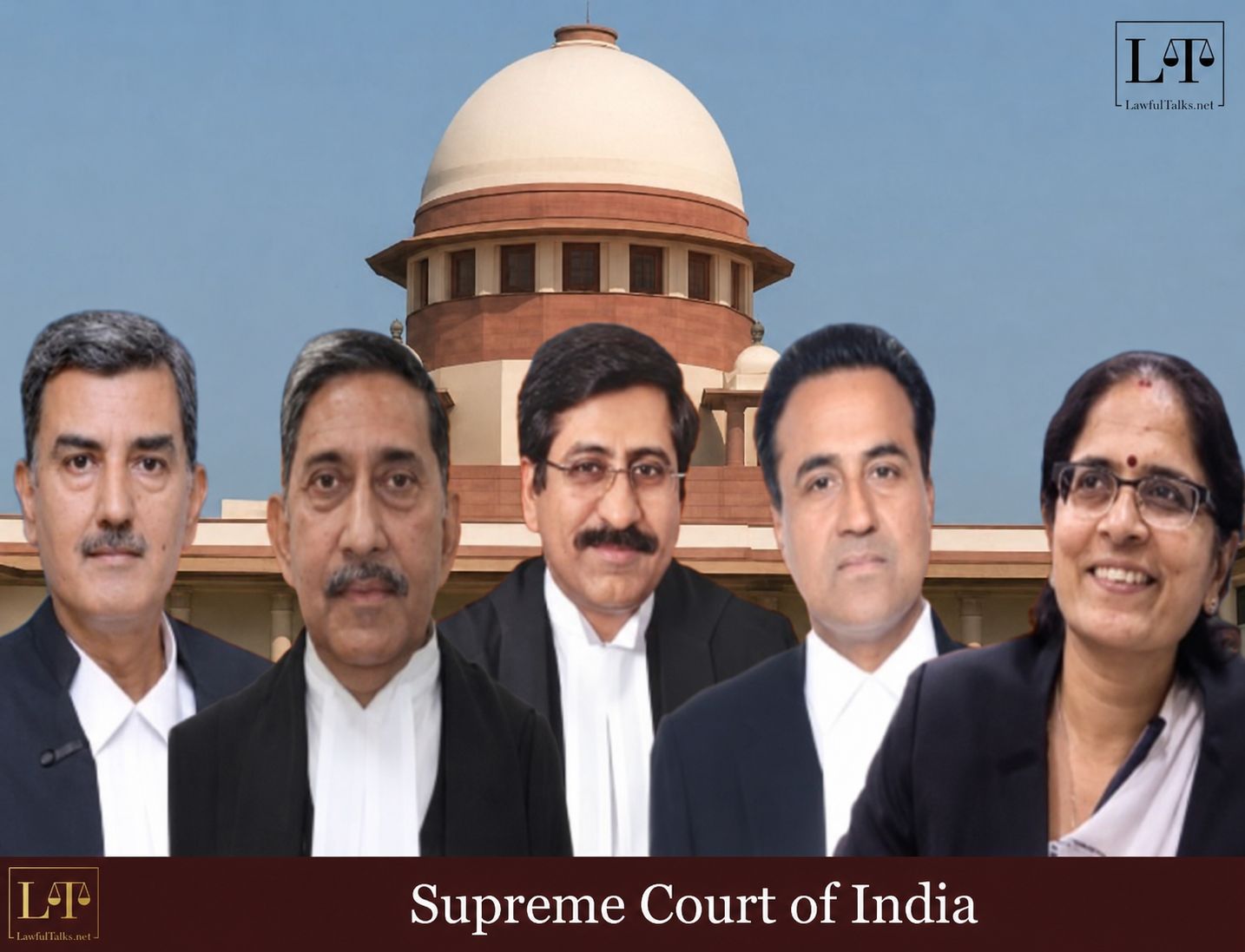
The Supreme Court, in a clear ruling to protect the rights of mortgagors, has held that in cases of usufructuary mortgages, the time limit for seeking redemption does not begin when the mortgage is created. Instead, it starts only when the mortgage amount is fully paid or legally adjusted. The Court rejected the argument of mortgagees that they become owners of the property merely because a long period has passed.The judgment was delivered by Justices BV Nagarathna and R Mahadevan in a dispute relating to agricultural land in Punjab.
Background:
In this case, the ancestors of the respondents had created a usufructuary mortgage. When the Collector allowed redemption of the land, the mortgagees challenged the order, claiming that the limitation period had expired and that they had therefore acquired ownership of the property.
This argument was accepted by the trial court and the first appellate court. However, the Punjab and Haryana High Court set aside those findings and restored the Collector’s order allowing redemption. The Supreme Court upheld the High Court’s view, confirming that the mortgagors’ right to redeem the property had not been lost.
Relying on its earlier decision in Singh Ram (Dead) through LRs v. Sheo Ram & Ors. (2014) 9 SCC 185, the Supreme Court held that when a usufructuary mortgage does not specify a fixed time for redemption, the mortgagor’s right to redeem the property continues. This right remains alive until the mortgage amount is repaid, whether through enjoyment of the usufruct, partial usufruct, or by making deposits as permitted under Section 52 of the Transfer of Property Act, 1882.
The bench highlighted:"when there is a usufructuary mortgage, the period of limitation does not run from the date of creation of the mortgage but from the date of payment of mortgage- either out of the usufructuary or partly out of the usufructuary or partly on payment of deposit by mortgager as provided under Section 52 of Transfer of Property Act, 1882. Till then the period of limitation would not start under Section 61 (a) of the Schedule to the Limitation Act. As such mere expiry of the period prescribed thereunder could not extinguish the mortgager's right of redemption and thereby the right of mortgagee to seek declaration of title and ownership over the mortgage property stands untouched."
Agreeing with the High Court’s view under Section 61(a) of the Schedule to the Limitation Act, the Supreme Court held that the mortgagees’ objection to the redemption was not valid. The Court dismissed their appeal and clearly stated that mere passage of time cannot take away a mortgagor’s right to redeem the property or give the mortgagee absolute ownership.
Case Detail: Dalip Singh (D) through LRs v. Sawan Singh (D) through LRs


























































































































































































Sign up for free and be the first to get notified about curated content just for you.