“Married, Burnt, Betrayed by Law—Until SC Steps In: ‘Groom Price’ Dowry Evil Across Faiths Laid Bare’

- December 17, 2025


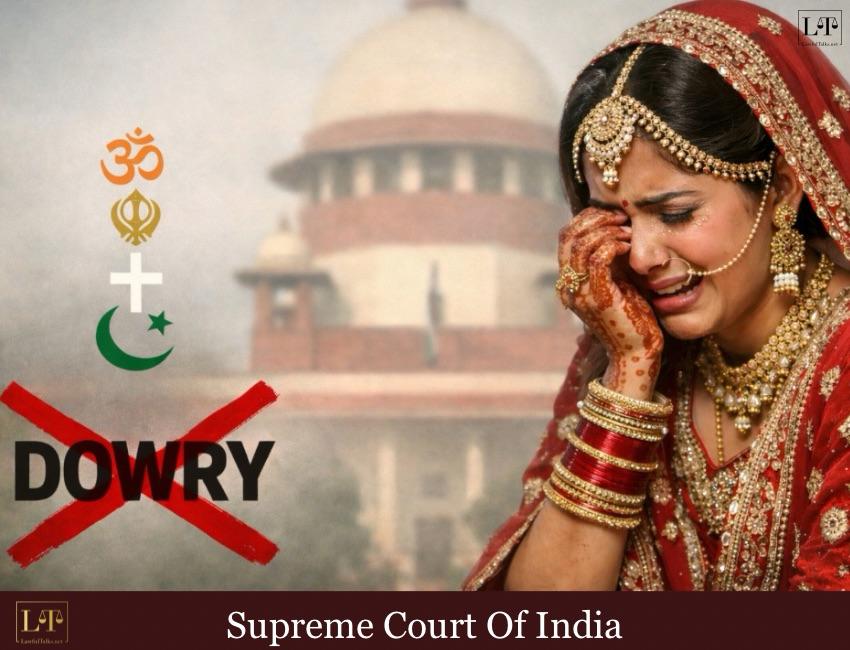
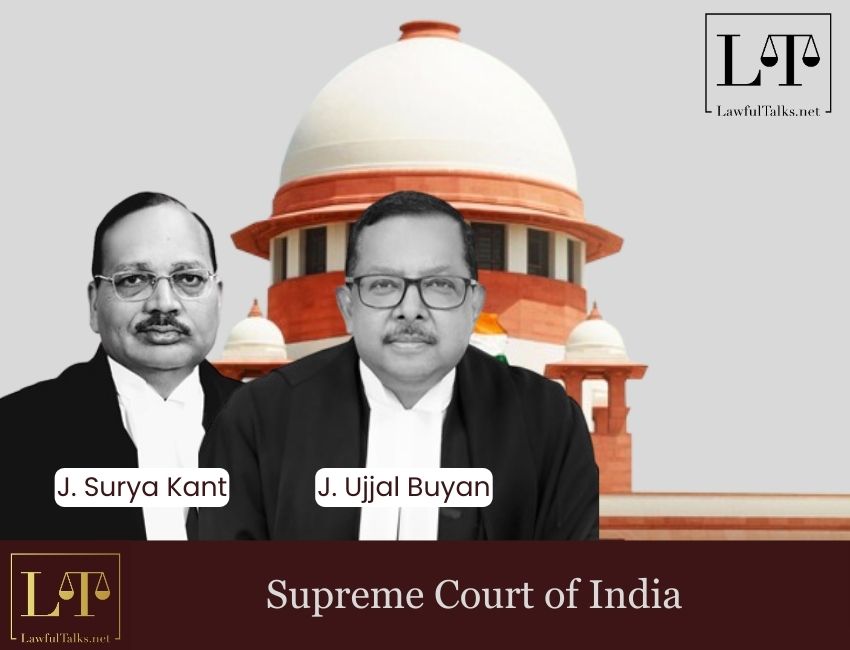
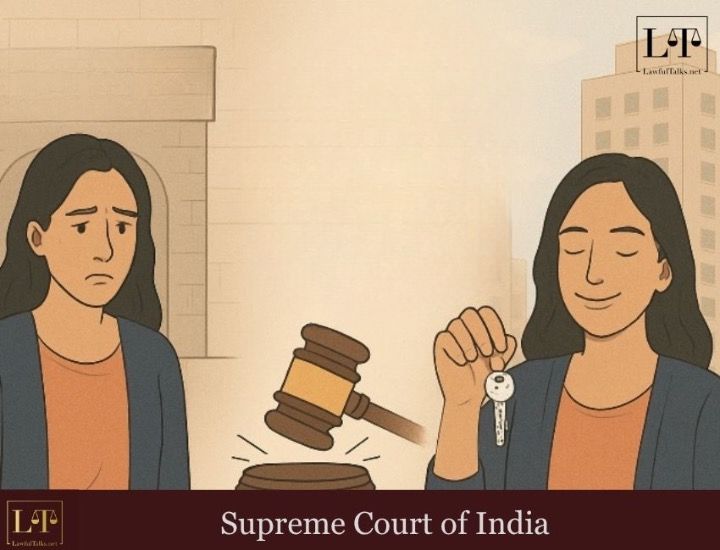
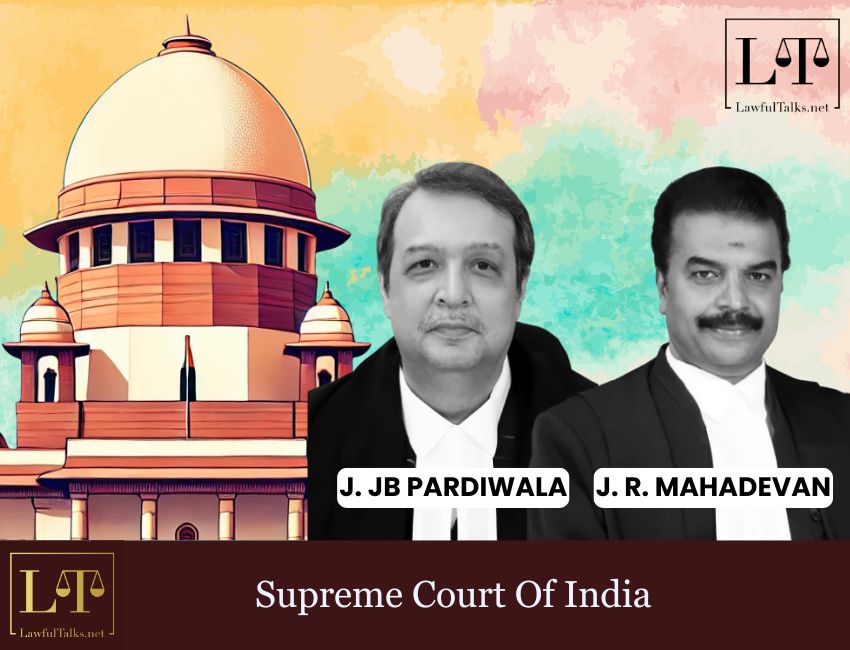
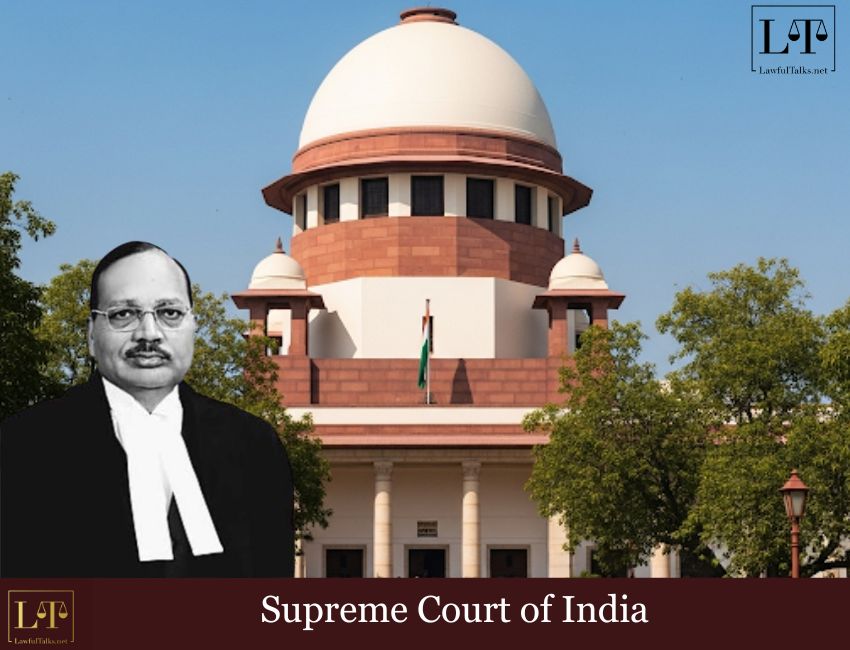
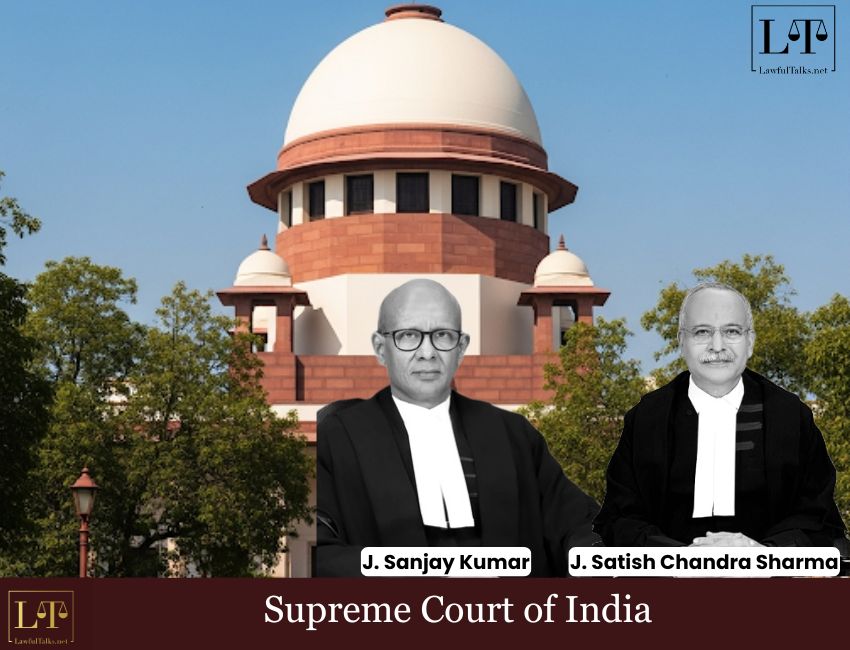
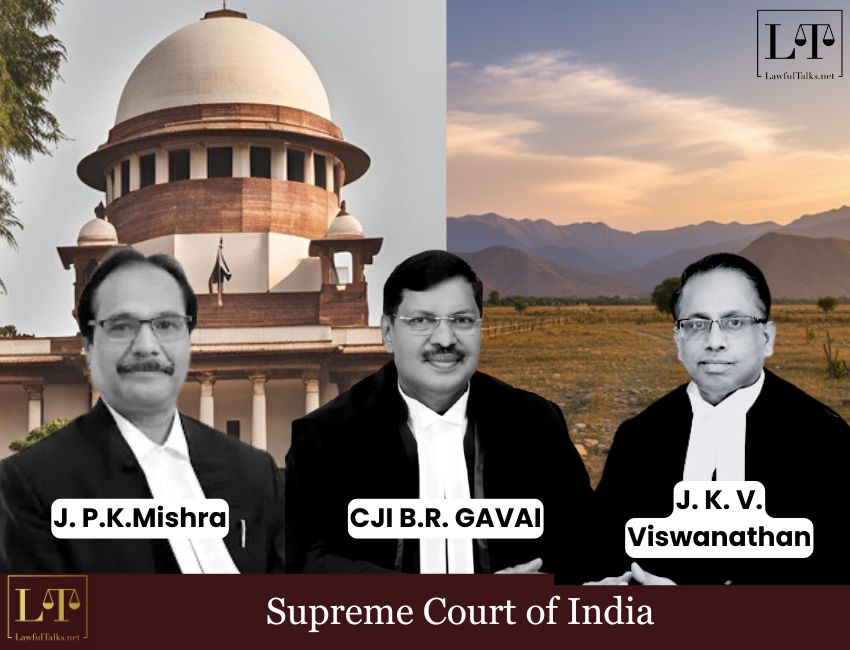
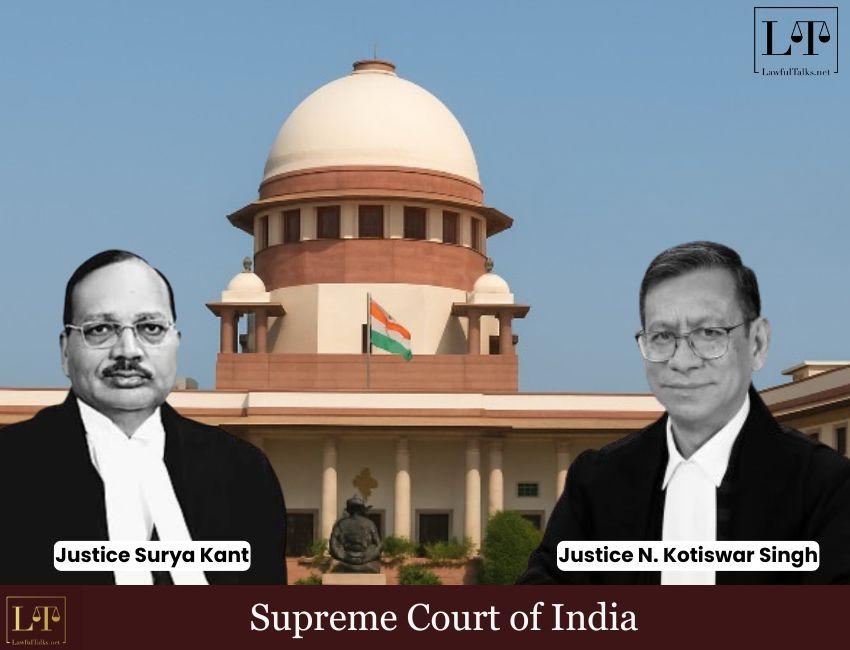
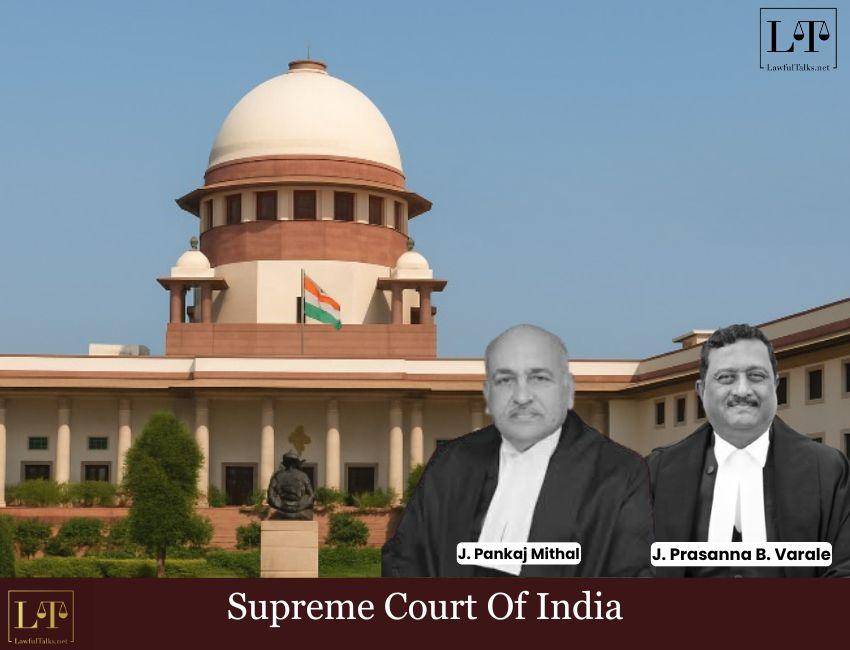
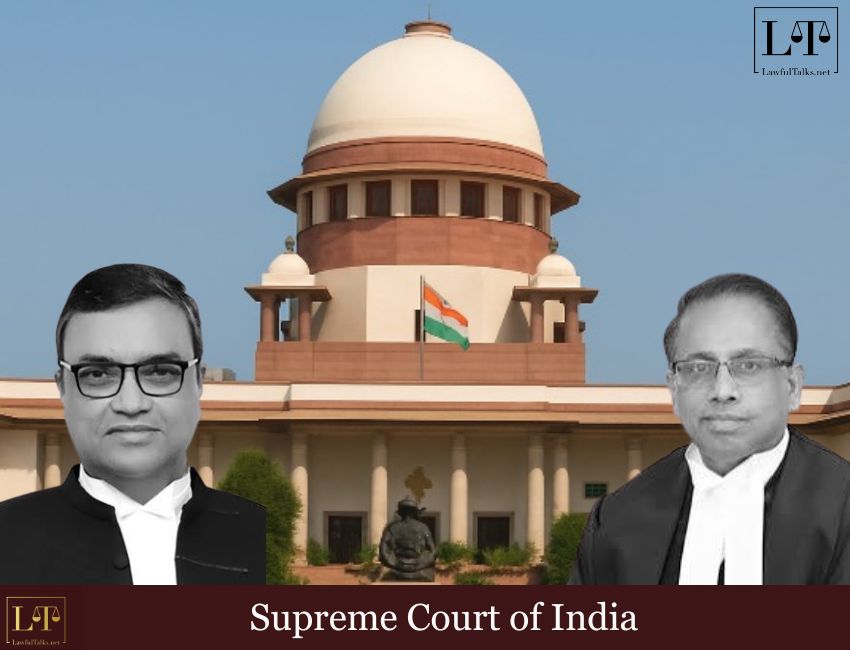
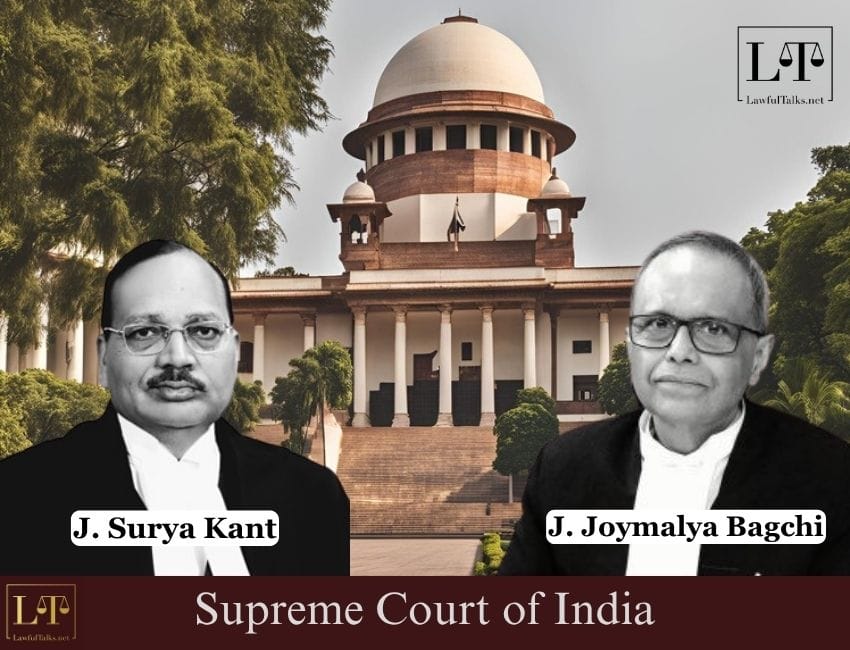
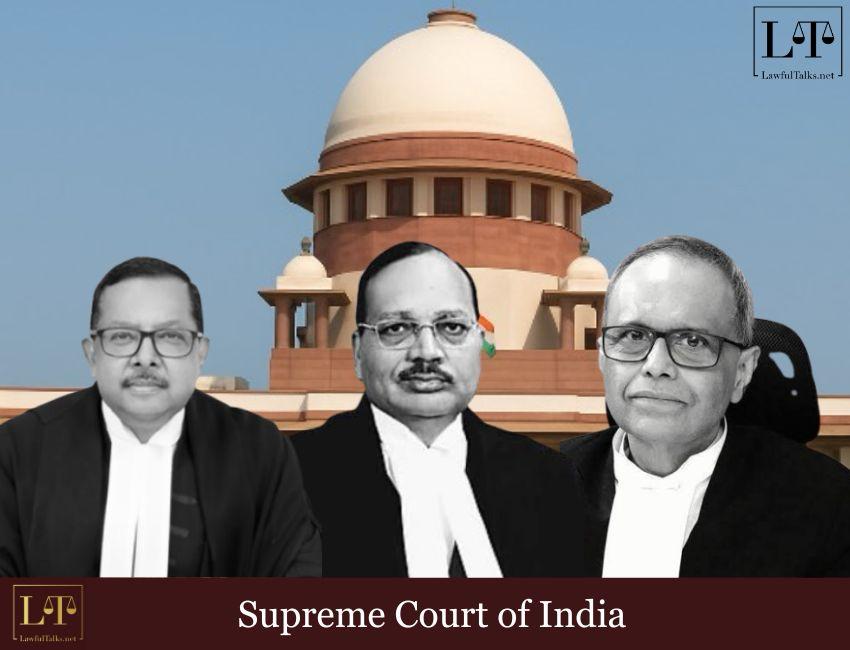
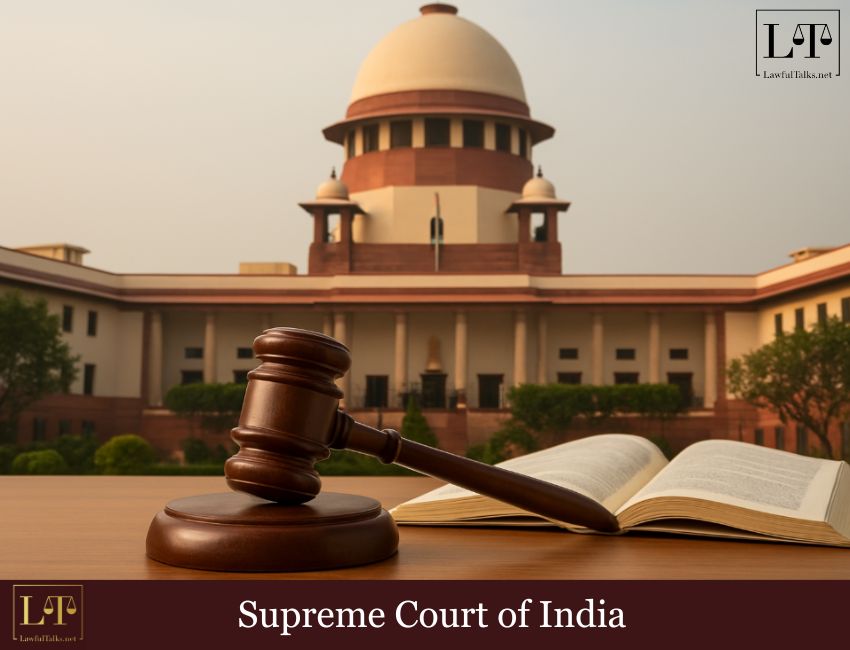
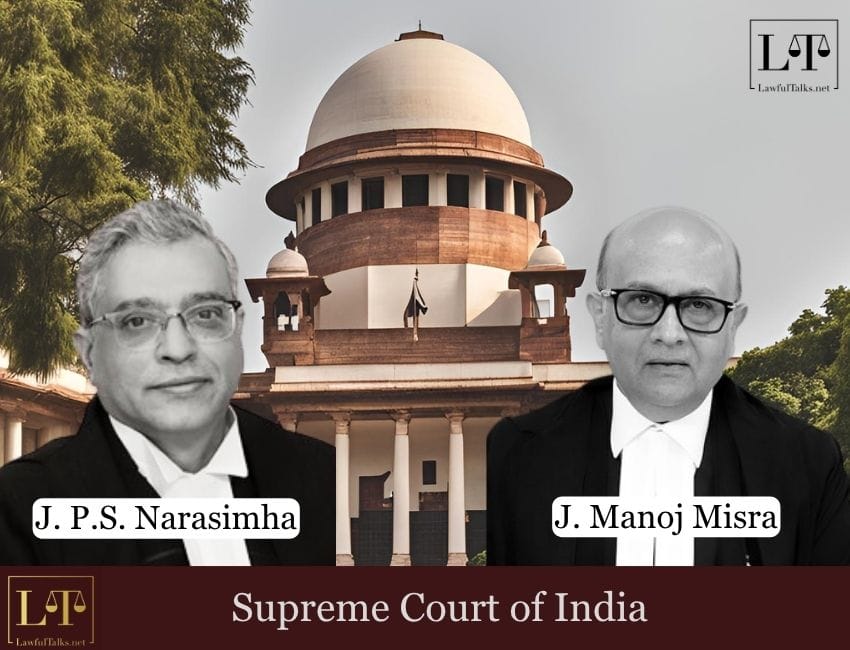
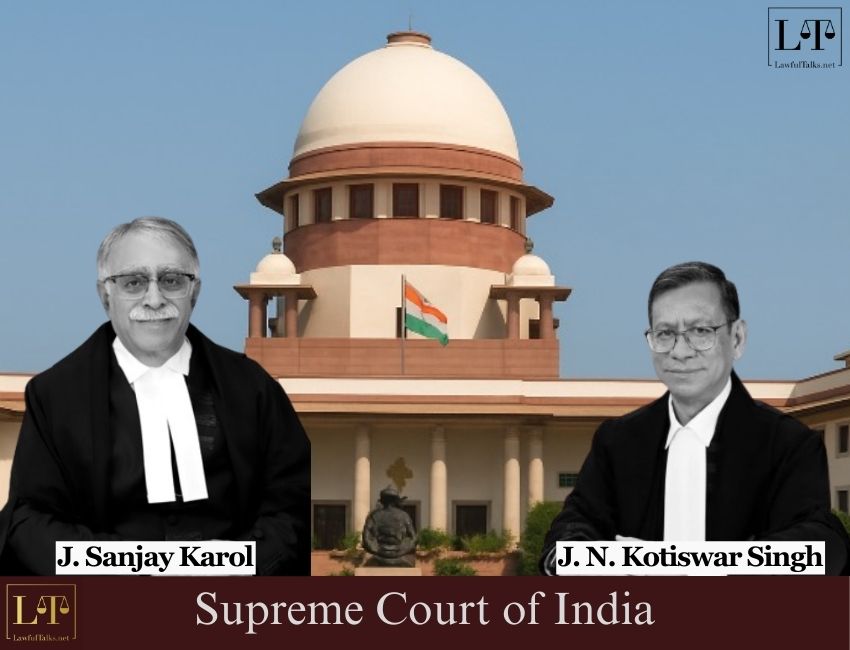
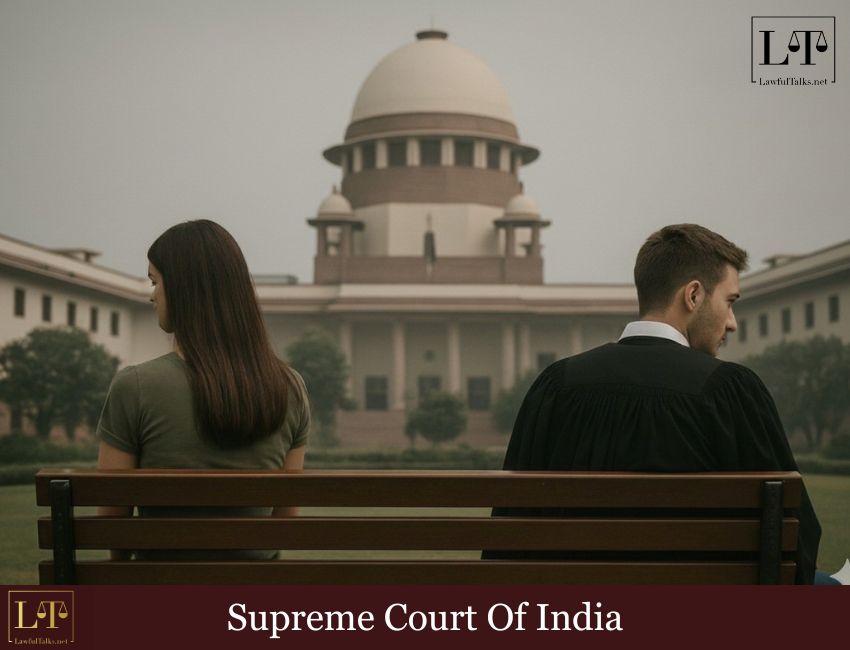
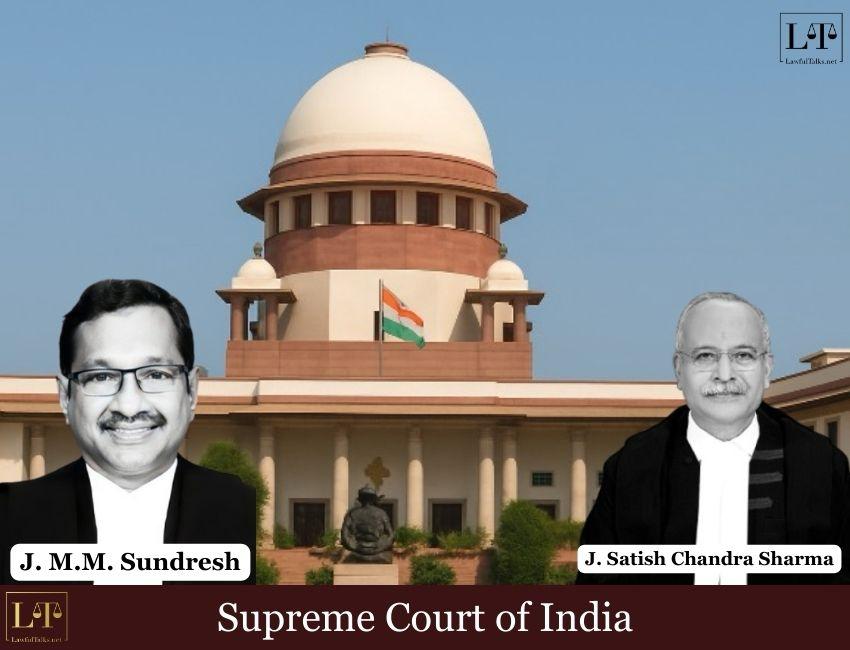
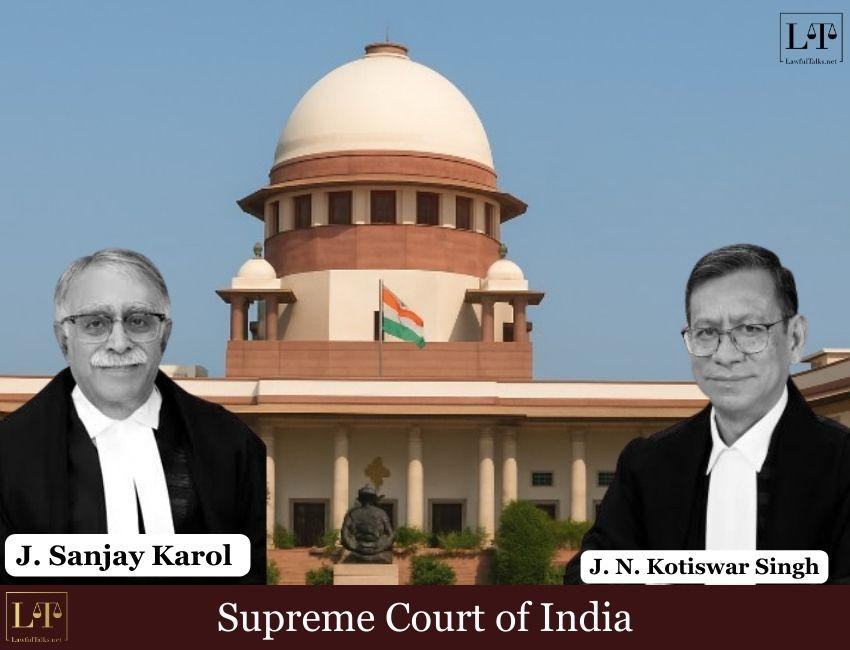
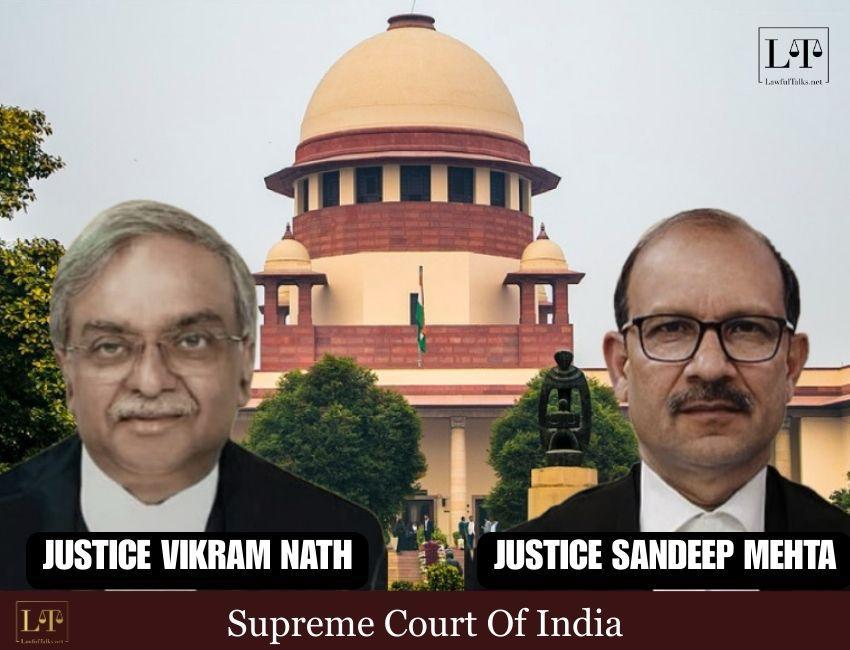
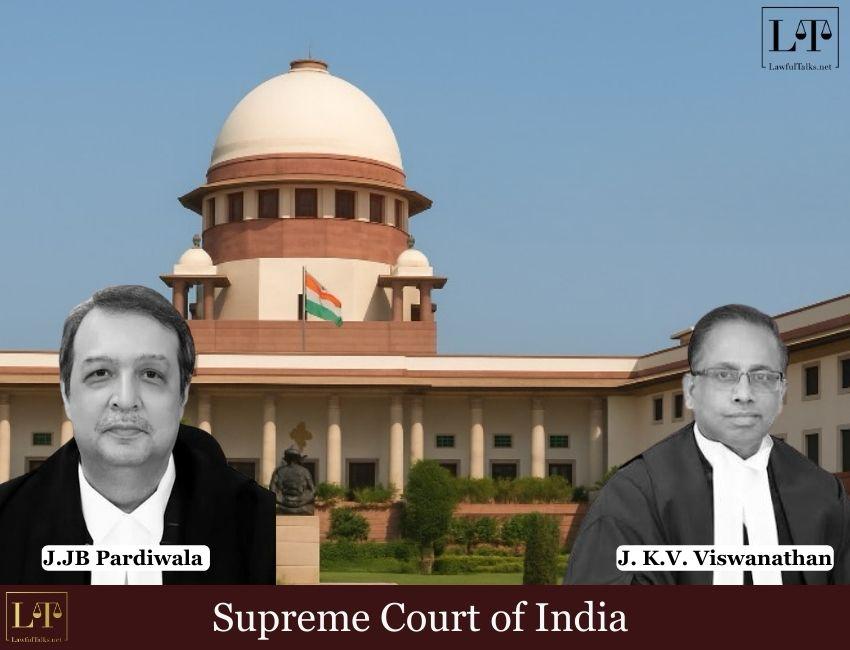
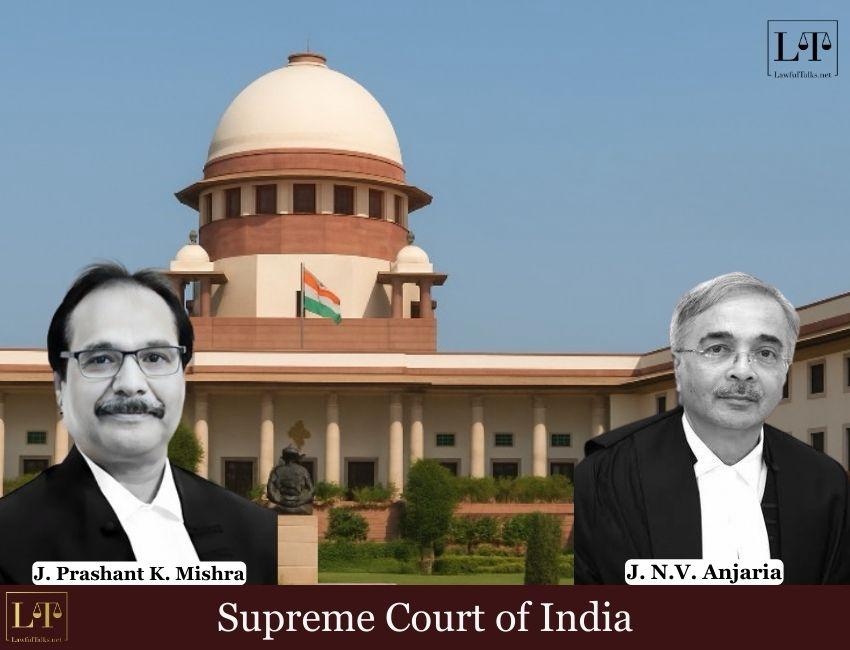
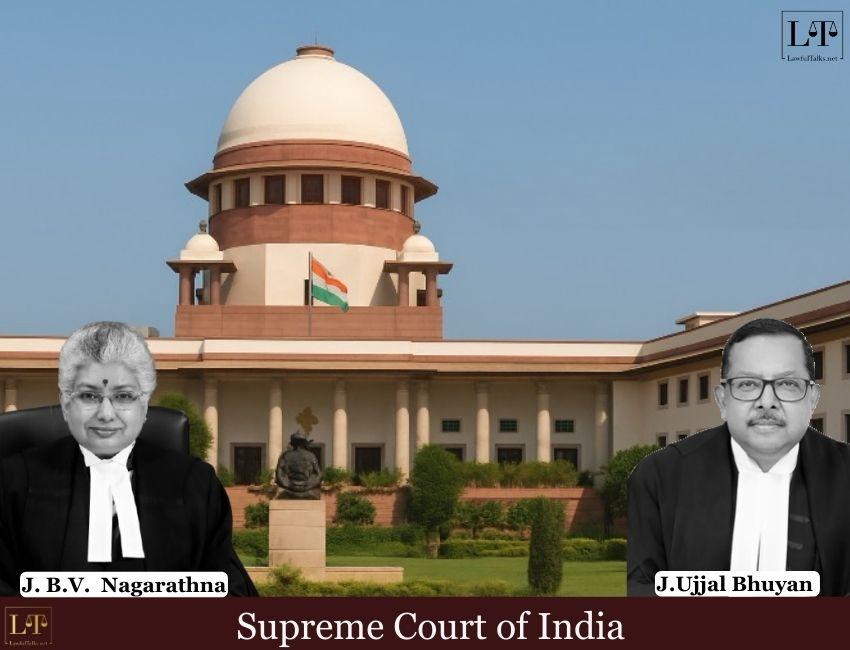
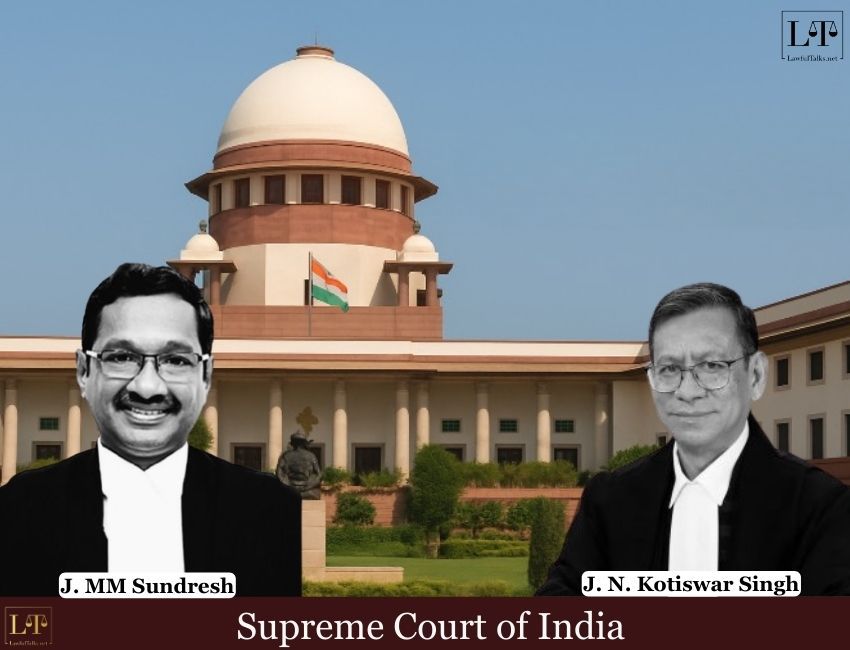
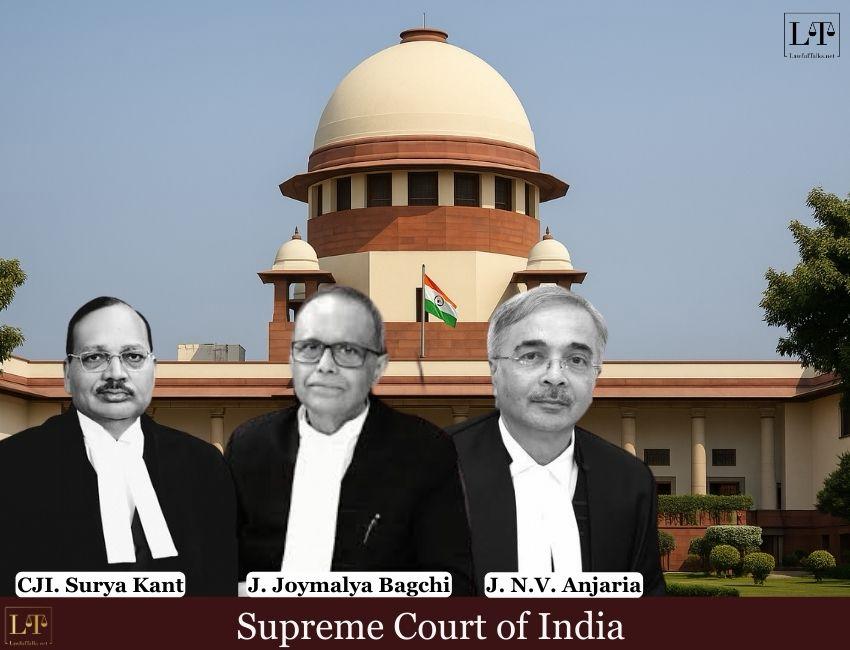
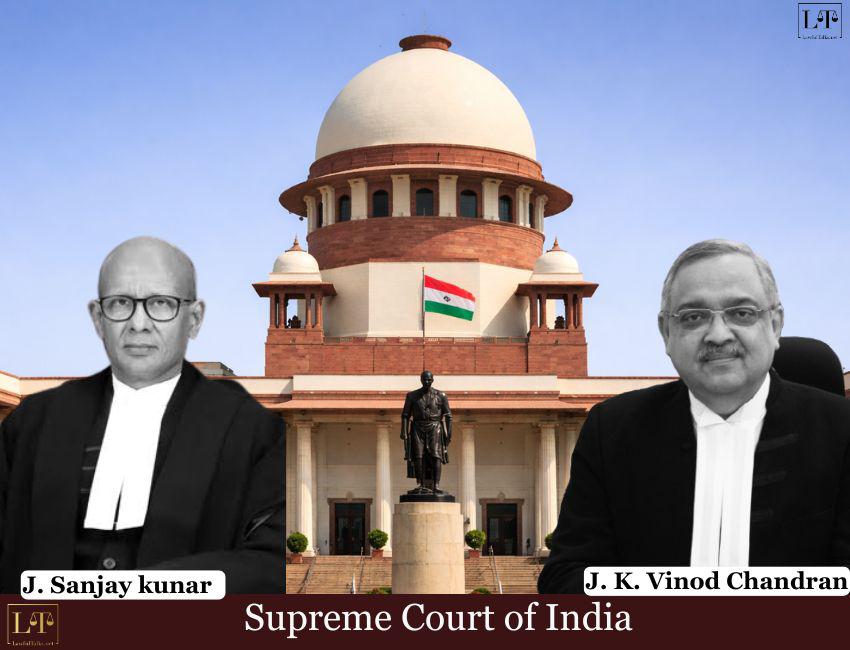
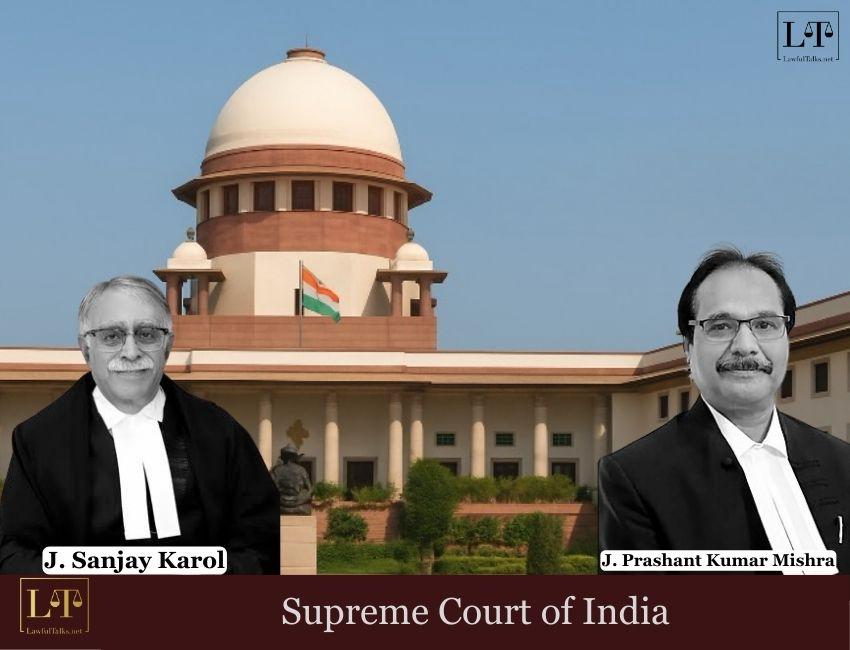
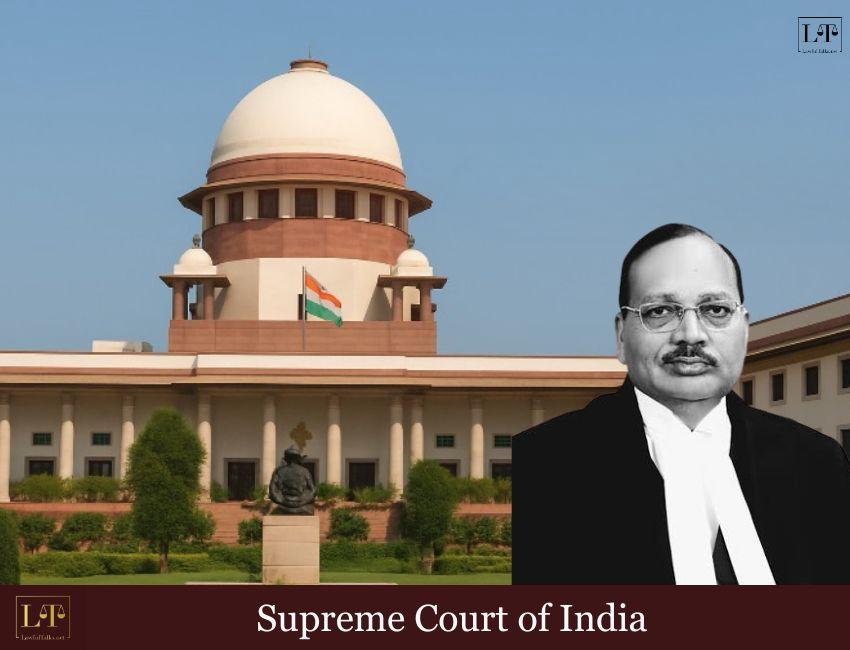
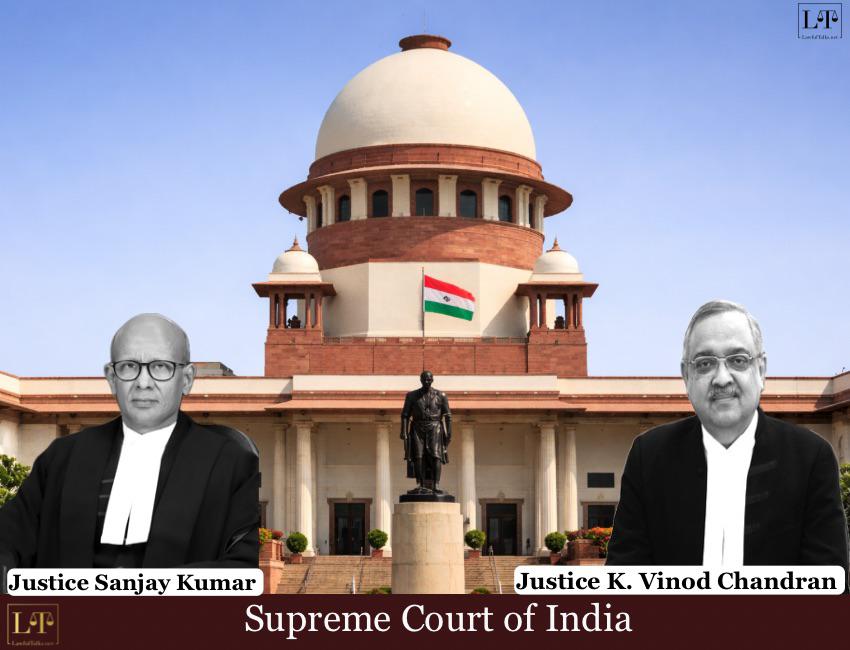
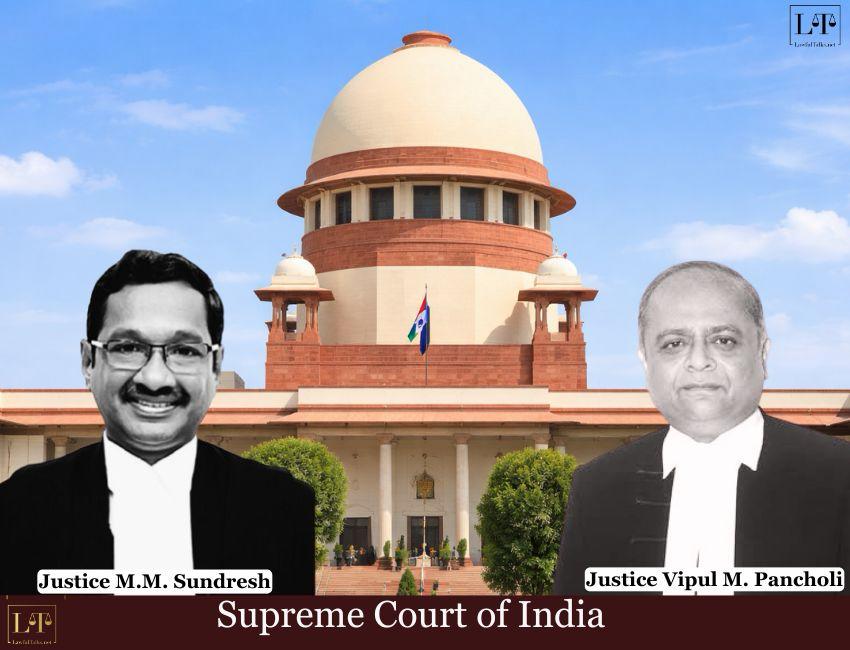
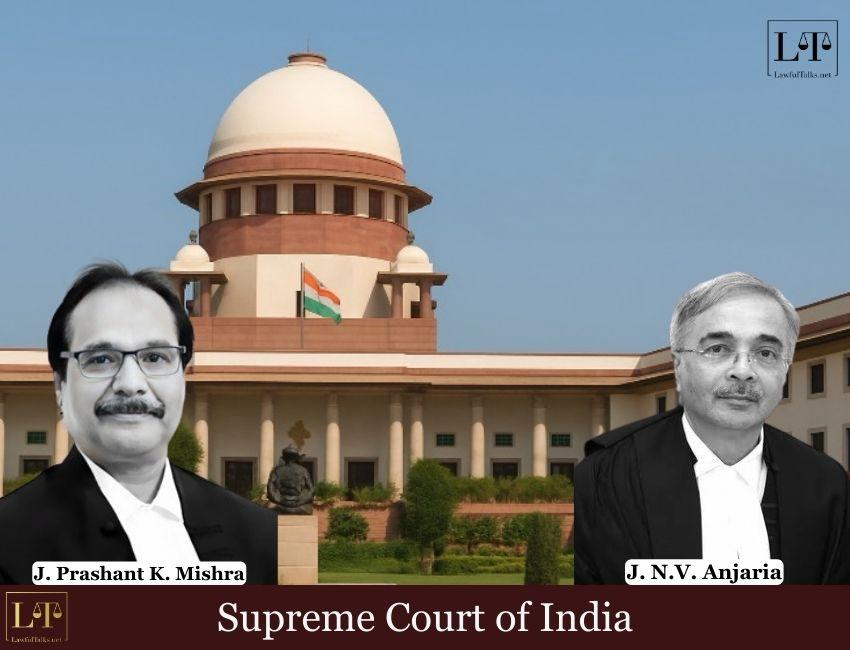
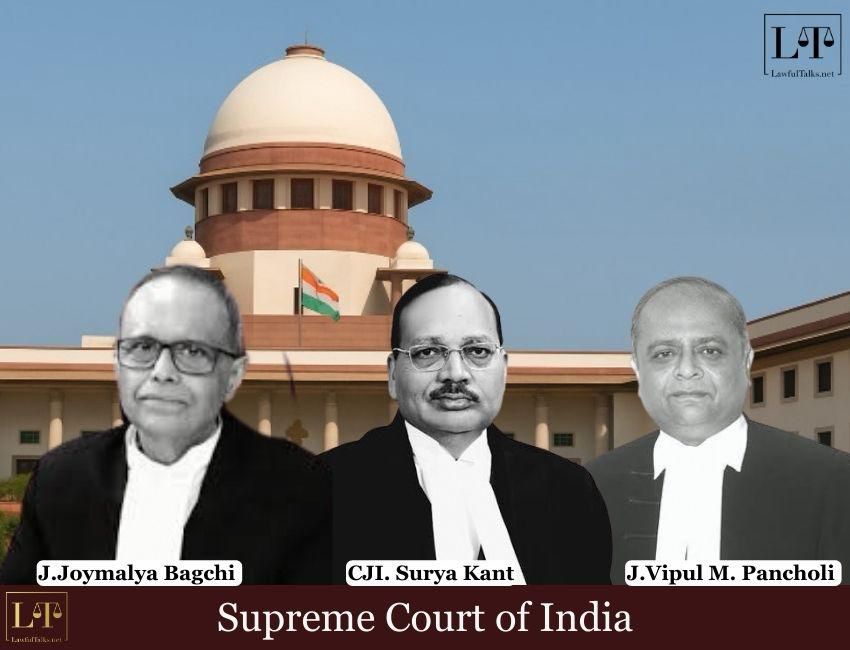
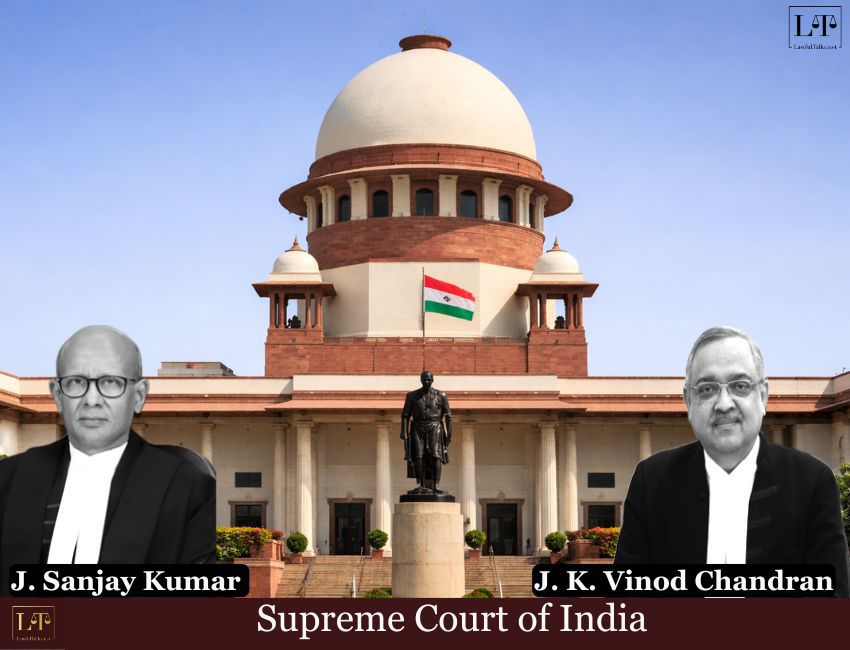
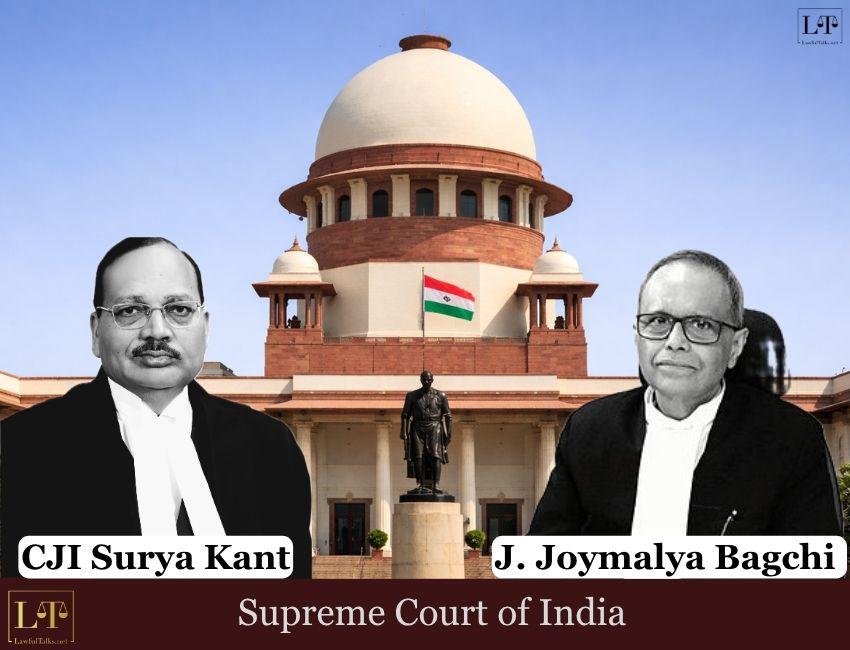
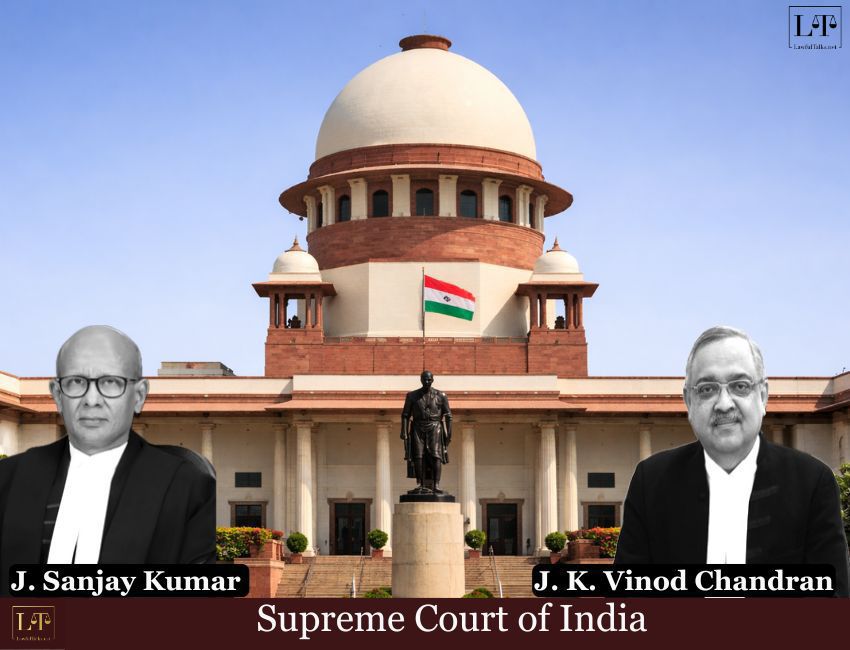
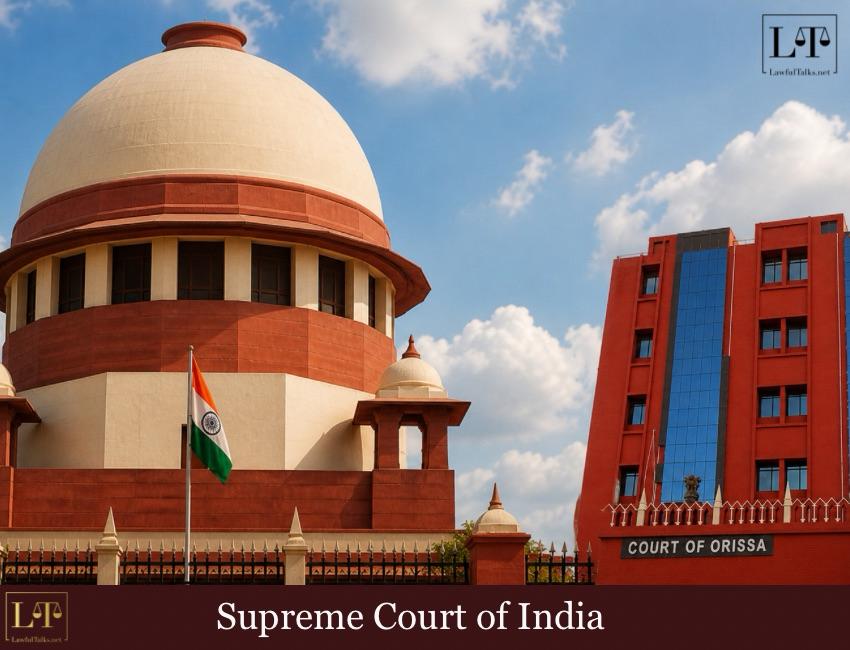
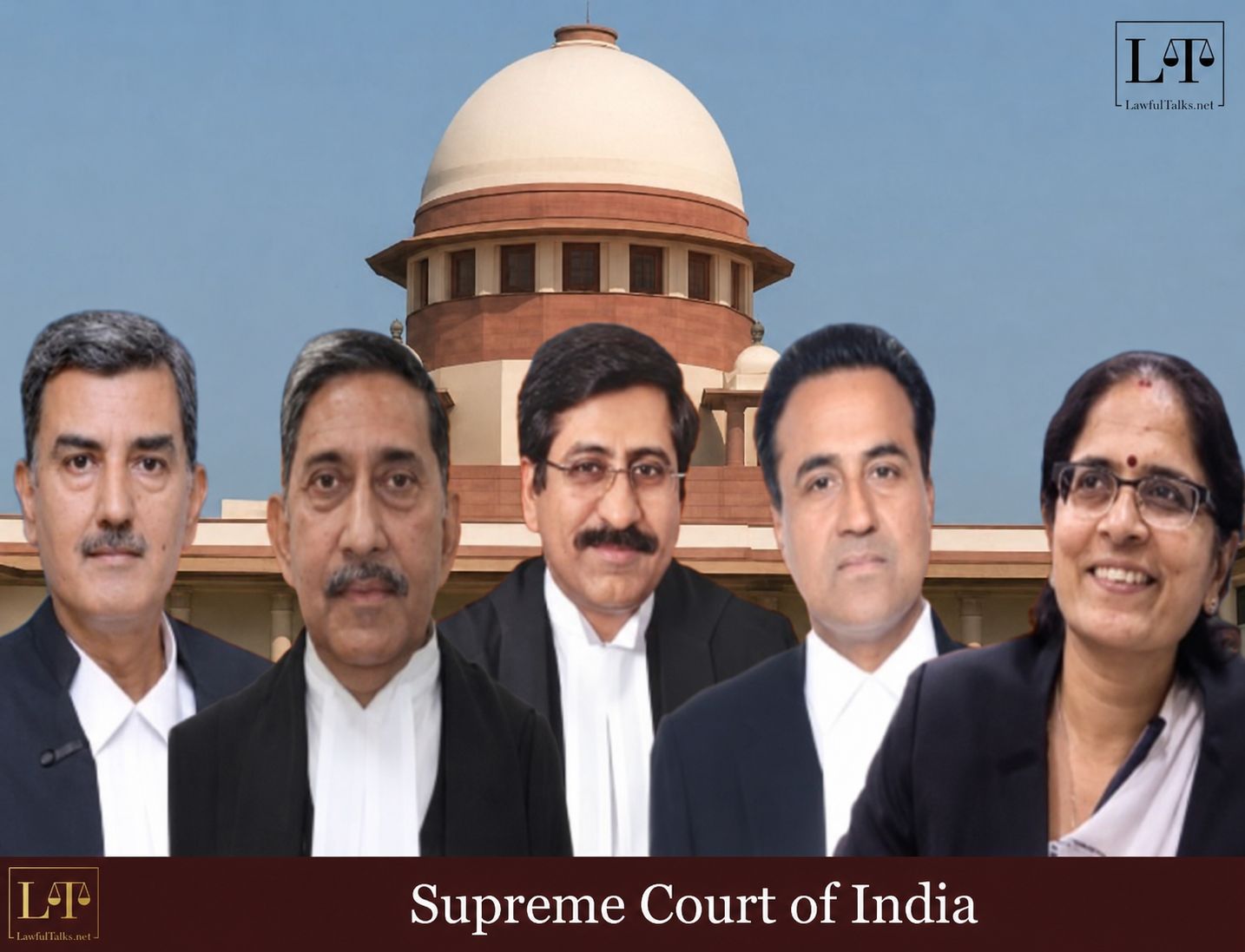
In a landmark judgment delivered by Justice Sanjay Karol alongside Justice N Kotiswar Singh, the Supreme Court of India restored the conviction of Ajmal Beg and his mother Jamila Beg for their roles in the dowry death of Nasrin, a young bride barely 20 years old, underscoring the persistent menace of dowry demands across communities.
Facts:
Nasrin, married to Ajmal Beg for just over a year, endured relentless harassment from her husband, mother-in-law Jamila, and other family members who repeatedly demanded a colour television, a motorcycle, and Rs. 15,000 in cash from her and her father Taslim Beg. On June 4, 2001, Ajmal personally reiterated these demands at Taslim's home, but Taslim expressed his inability to comply due to financial constraints and his responsibility toward other daughters' marriages.
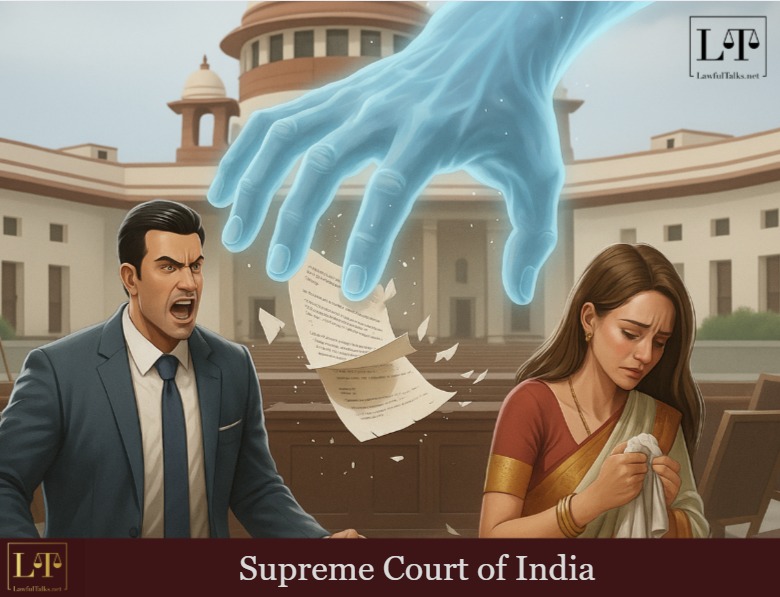
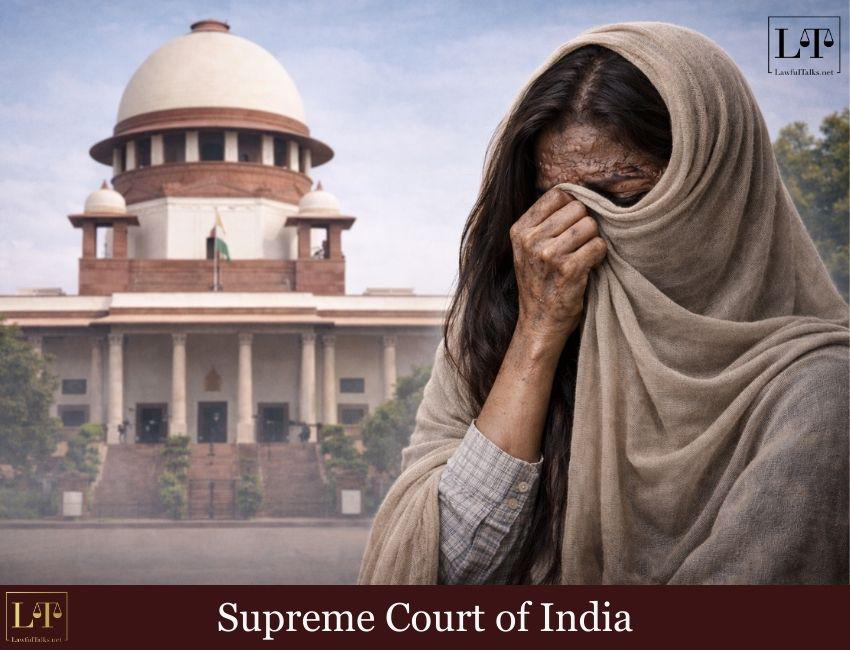
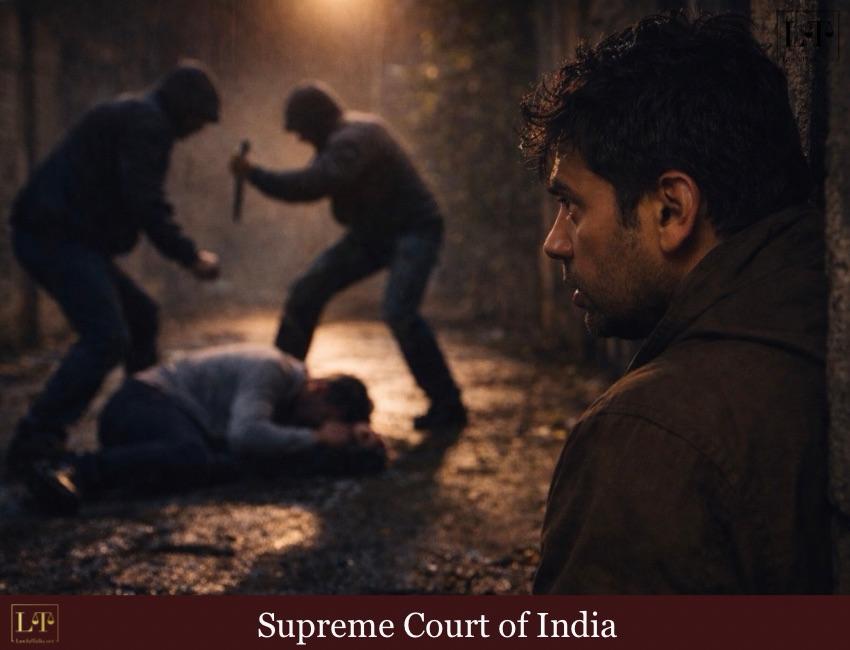
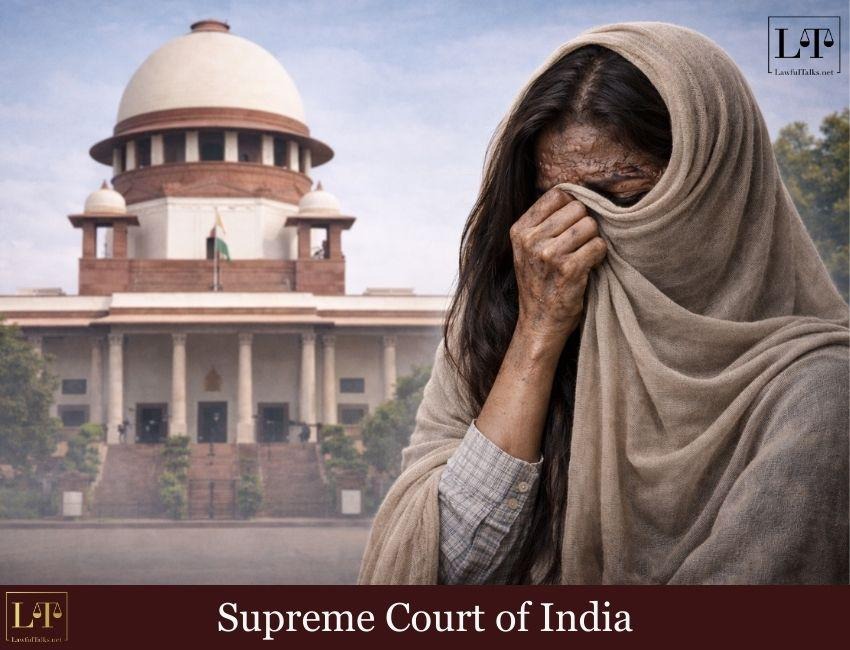
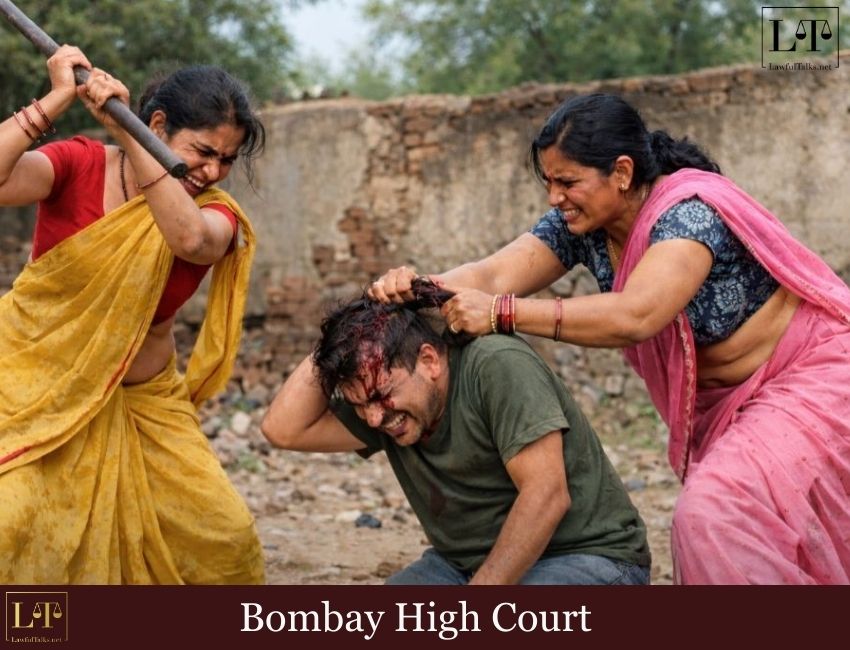
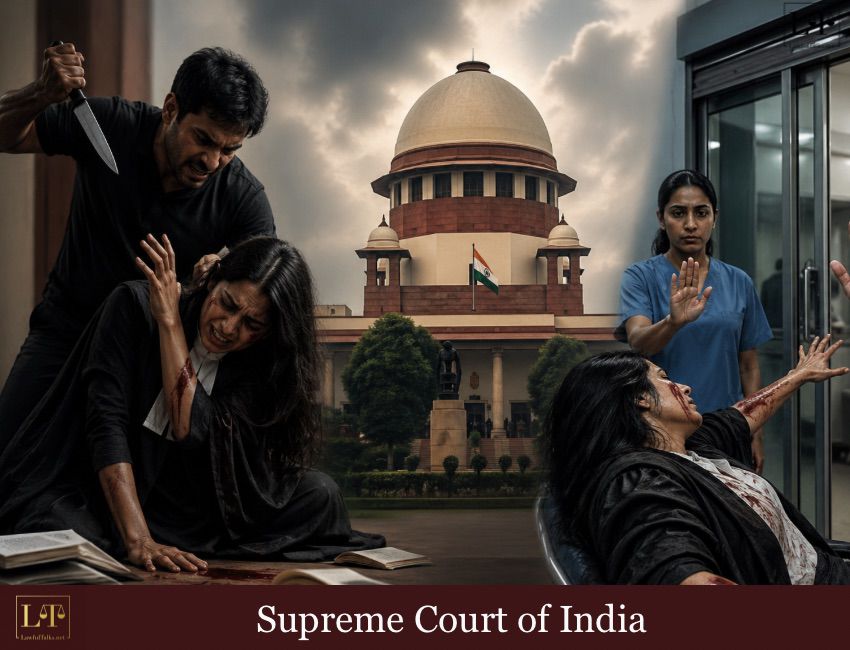
The very next day, June 5, 2001, the accused allegedly assaulted Nasrin, threatened to kill her if demands remained unmet, and poured kerosene on her before setting her ablaze. She cried for help, but neighbors like Khaliq Beg (her maternal uncle) and Fahmid Beg arrived too late to save her, finding her body with 100% burns.
The postmortem confirmed that her death was caused by asphyxia and shock from extreme burns, with the quilt and thatched roof also charred, ruling out suicide. Taslim rushed to the scene upon Khaliq's information, leading to an FIR that triggered investigation and trial.
After examining eight prosecution witnesses—including Nasrin’s father Taslim (PW1), uncle Khaliq (PW2), and mother Zahida (PW6)—the Trial Court convicted Ajmal and Jamila under Sections 304-B (dowry death) and 498-A (cruelty) of the IPC, as well as Sections 4/34 of the Dowry Prohibition Act, 1961. Ajmal was sentenced to life imprisonment, while both were awarded lesser sentences on the remaining counts. Other accused, such as the married sisters who were living separately, were acquitted.
The conviction rested heavily on PW1’s testimony that Nasrin had visited her parental home 10–12 times and, on each occasion, complained of dowry harassment and death threats. PW1 stated that the final dowry demand was made just a day before her death. PW2 corroborated this by testifying that he saw the accused fleeing the scene. The Trial Court rejected the theory of suicide, noting that no one made any attempt to save Nasrin and emphasizing the quantity of kerosene used.
High Court’s Acquittal:
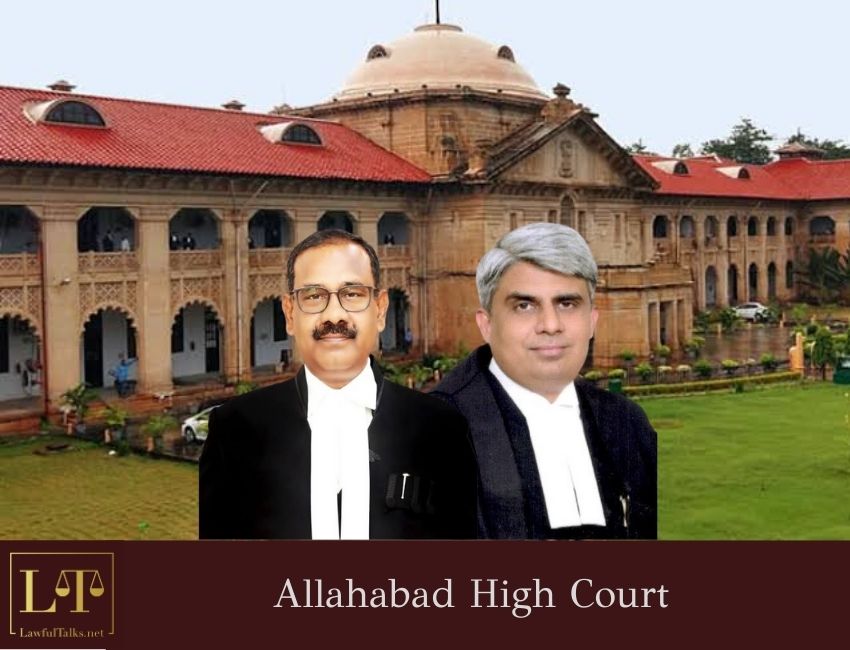
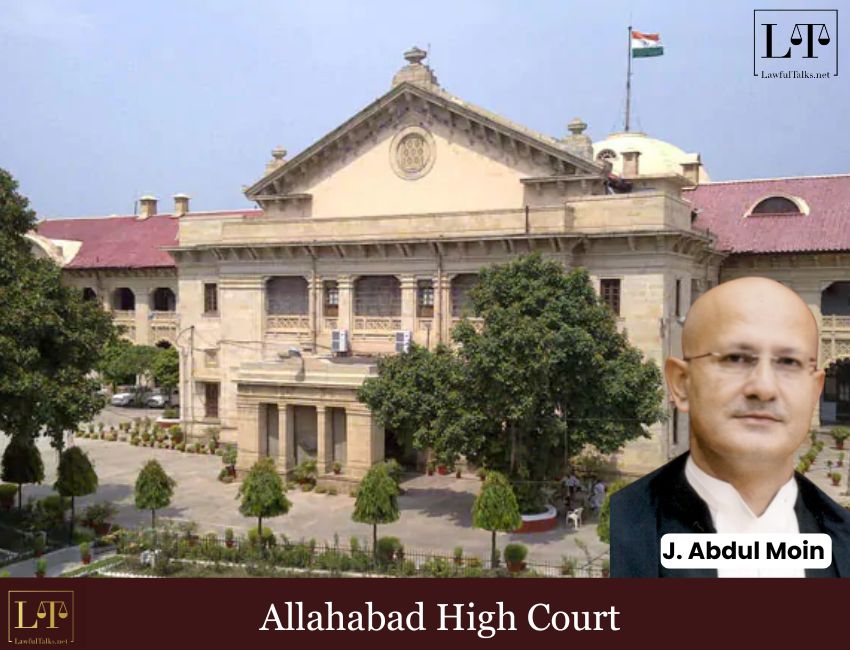
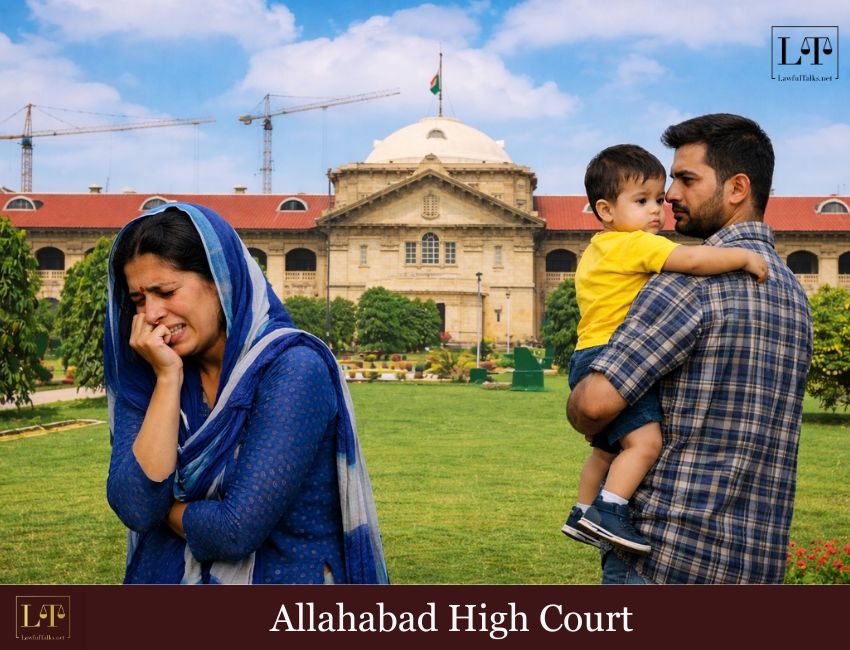
However, the Allahabad High Court acquitted the accused. It found PW2 unreliable due to minor inconsistencies, such as not precisely naming Fahmid and the absence of a prior police statement. The High Court also relied on PW6’s cross-examination, where she stated that Nasrin had lived “happily.” Further, it considered it improbable that “poor” accused persons would demand lavish dowry items they could not maintain, and suggested that the allegations may have stemmed from parental frustration over a “poor” match.
Supreme Court’s Rejection & Reasoning:
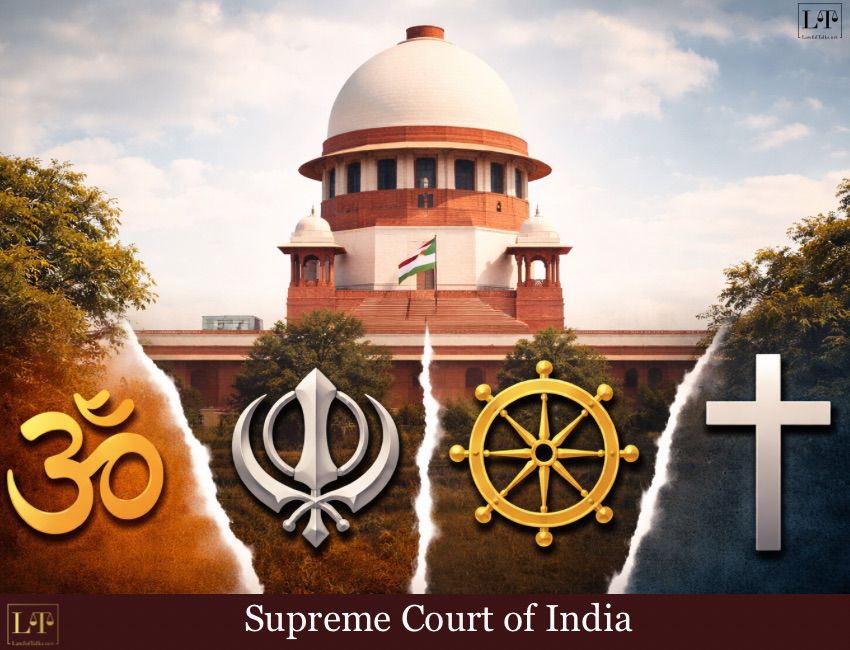
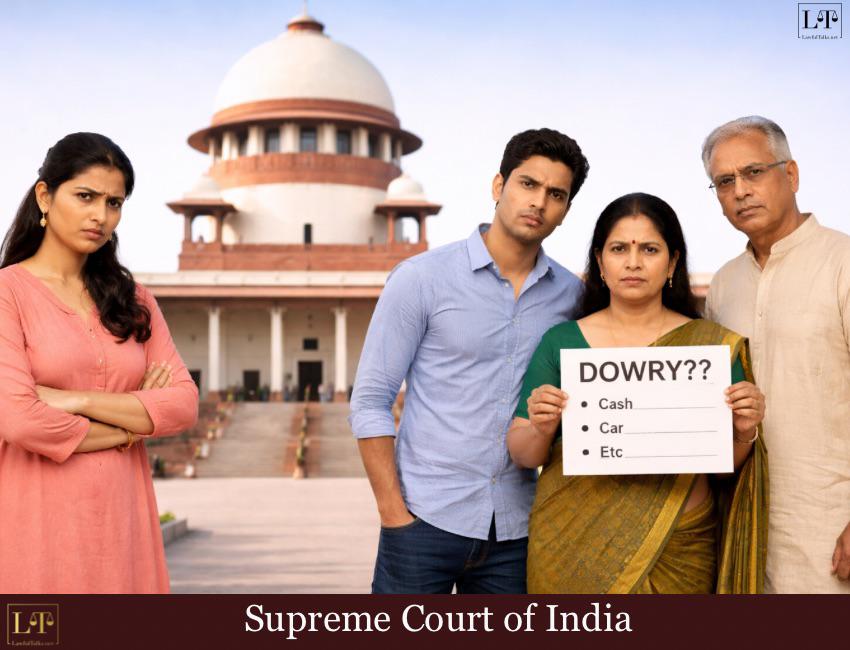
Justice Sanjay Karol carefully dismantled the High Court’s reasoning. He first placed the issue of dowry in context, describing it as a “cross-cultural evil” that began as voluntary gifts meant to support women’s independence, but later turned into the “groom price theory,” driven by hypergamy, caste, and wealth.
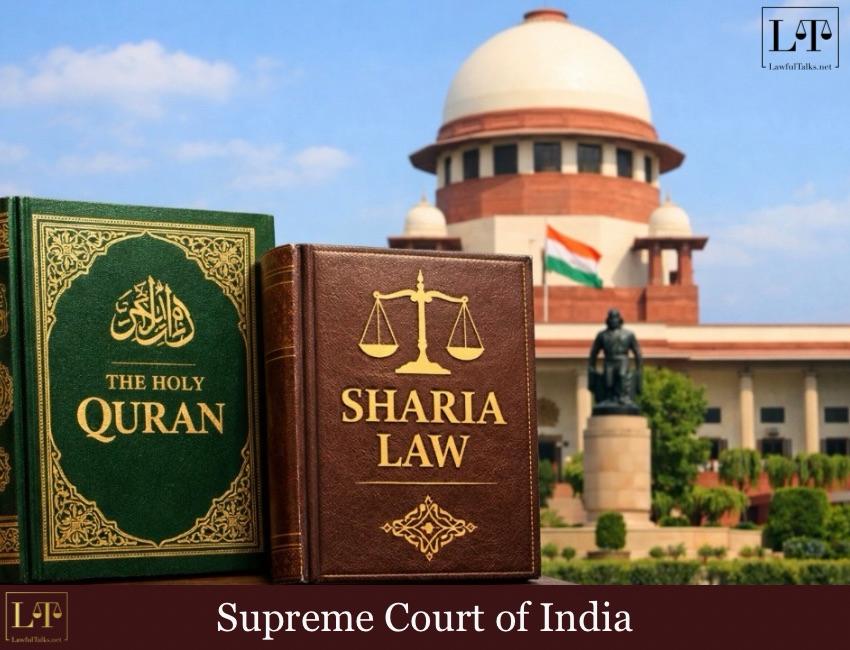
He noted that this practice has entered even Muslim communities, despite the Islamic concept of mehr—the groom’s obligatory gift to the bride—as stated in the Quran, Surah An-Nisa 4: “And give the women upon marriage their bridal gifts graciously.”
The Court then clarified the legal requirements of Section 304-B of the IPC: the woman’s death must be caused by burns or similar circumstances within seven years of marriage, and there must be cruelty or harassment “soon before” the death that is connected to dowry demands.
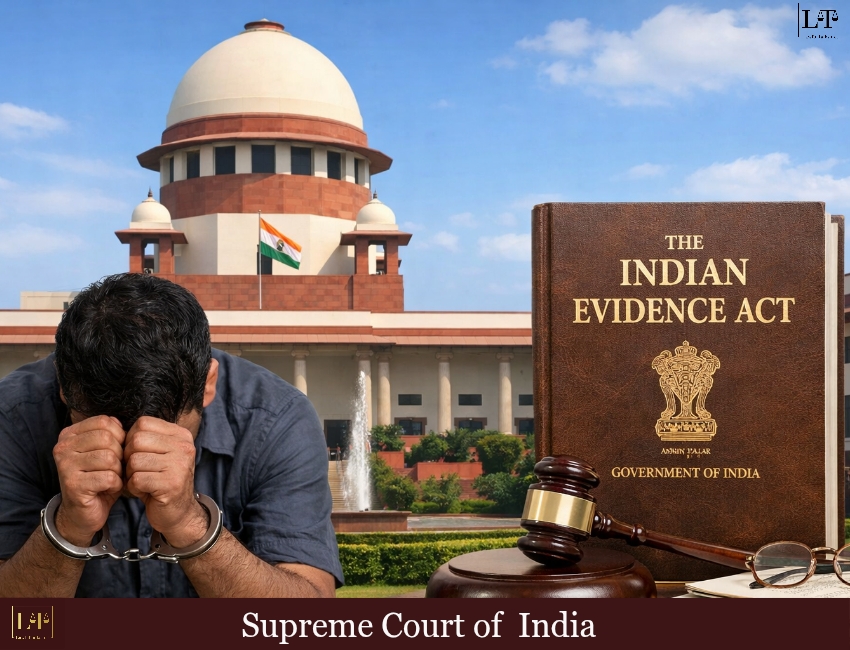
Once the prosecution proves such harassment, a presumption arises under Section 113B of the Evidence Act. In this case, that presumption remained unrebutted because the defence led no evidence.
Referring to Pawan Kumar v. State of Haryana, the Court held that all ingredients of the offence were clearly satisfied: Nasrin died an unnatural death due to burns within the marital period, and the death was linked to repeated dowry demands, including one made just a day before the incident. On the meaning of “soon before,” the Court relied on Ashok Kumar v. State of Haryana, which held that it refers to a “reasonable time” having a proximate nexus with the death. This requirement was met through the immediate prior demand and the continuous torture spoken to by PW1 and PW2.
While dealing with alleged inconsistencies, the Court invoked Sohrab v. State of M.P., holding that minor discrepancies cannot discard the entire prosecution case if the core facts remain intact. Here, the consistent facts across testimonies were the specific dowry demands for a TV, a motorcycle, and Rs. 15,000, the harassment, and the accused fleeing the scene.
PW6’s statement that Nasrin lived “happily” was treated as a stray remark and was outweighed by the overall evidence on record. PW1 clarified that Nasrin returned to her matrimonial home only after being “persuaded,” even though she had suffered assaults.
The High Court’s view that dowry demands were unlikely because the accused were “poor” was termed “fallacious,” since Section 2 of the Dowry Prohibition Act covers post-marital dowry demands irrespective of timing or financial status. PW2’s evidence was also accepted, as he never claimed to be an eyewitness to Nasrin being set on fire, but only stated that he saw the accused fleeing the scene.
Final Ruling:
Restoring the Trial Court’s conviction, the Court directed Ajmal to surrender and serve his life sentence. However, 94-year-old Jamila was spared incarceration on humanitarian grounds, with the Court recognising that extreme age and frailty have a direct bearing on dignity.
Going beyond the facts of the case, Justice Sanjay Karol and Justice NK Singh issued pan-India directions to tackle dowry, describing it as having “deep roots” in society. Referring to NCRB data, they noted that dowry deaths continue in large numbers, with 6,156 cases reported in 2023, and cruelty cases under Section 498A numbering 133,676 in 2023, showing that existing laws remain both ineffective and, at times, misused.
The Court directed that school and college curricula be updated to teach marital equality, that Dowry Prohibition Officers be effectively appointed and their public contact details widely displayed, and that police and judicial officers receive regular training to deal sensitively with such cases.
High Courts were asked to prioritise long-pending cases under Sections 304B and 498A, many of which, like the present matter, have dragged on for decades in this 24-year-long saga. The Court also called for grassroots awareness through District Legal Services Authorities and social activists.
The judgment was ordered to be circulated to all High Courts and State governments. Emphasising the urgency of reform, the Bench observed, “Evil, unless eradicated, can never be contained,” and underlined that these measures are essential to fulfil Article 14 of the Constitution by treating women as equals, and not as financial burdens.
Case Details: State of Uttar Pradesh Vs. Ajmal beg etc. (Criminal Appeal No. 132-133/2017)















































Sign up for free and be the first to get notified about curated content just for you.