“Towers, Antennas, Clubhouses… Still Not a Business, Rules Bombay HC”

- January 06, 2026


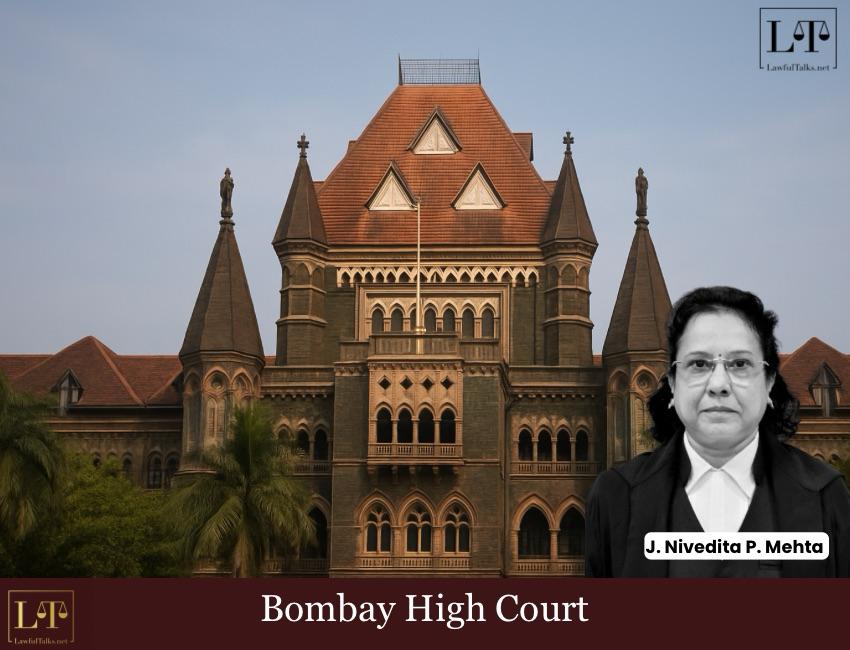
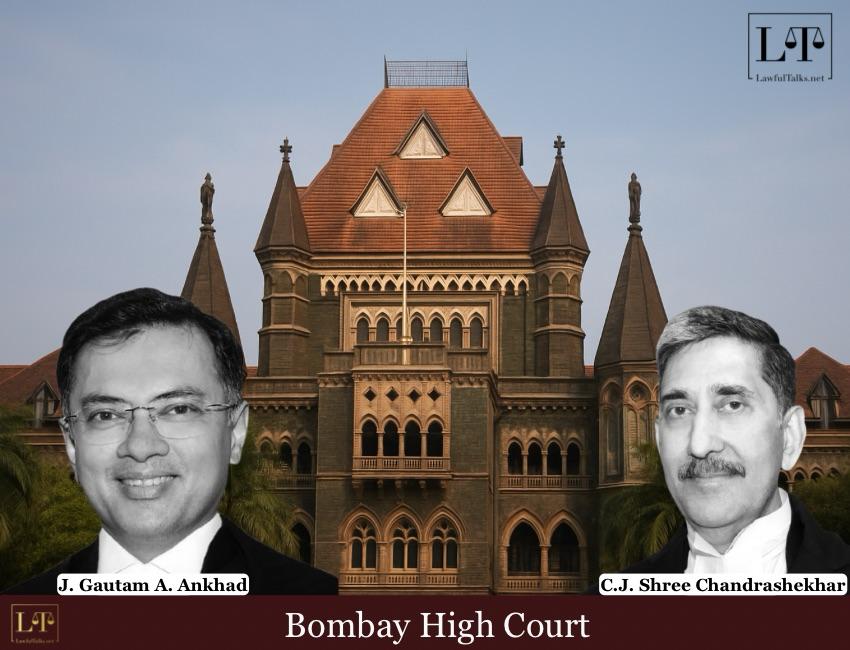
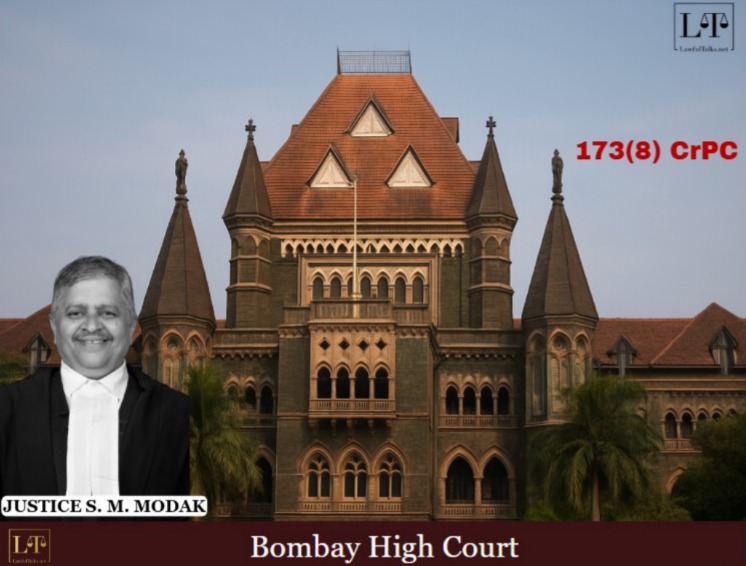
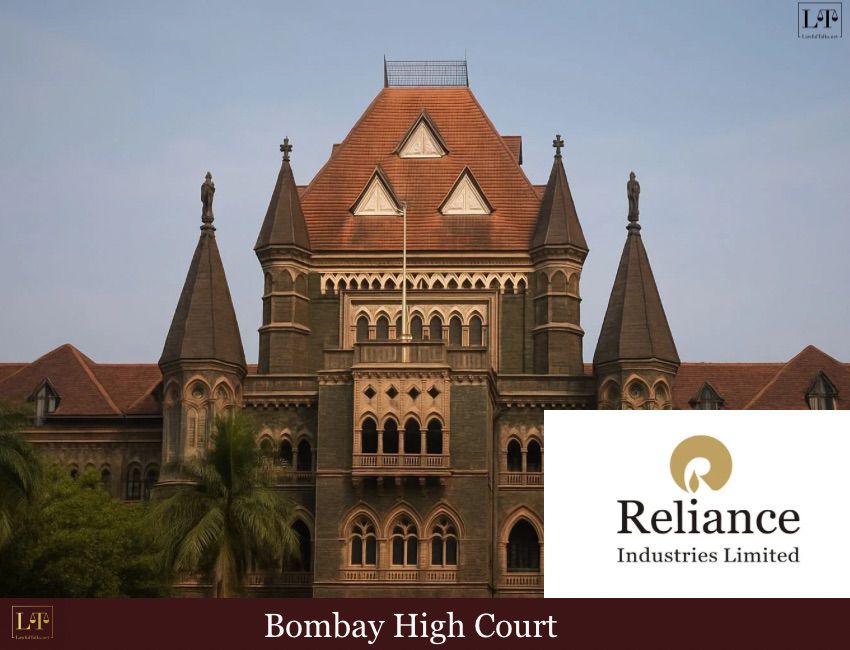
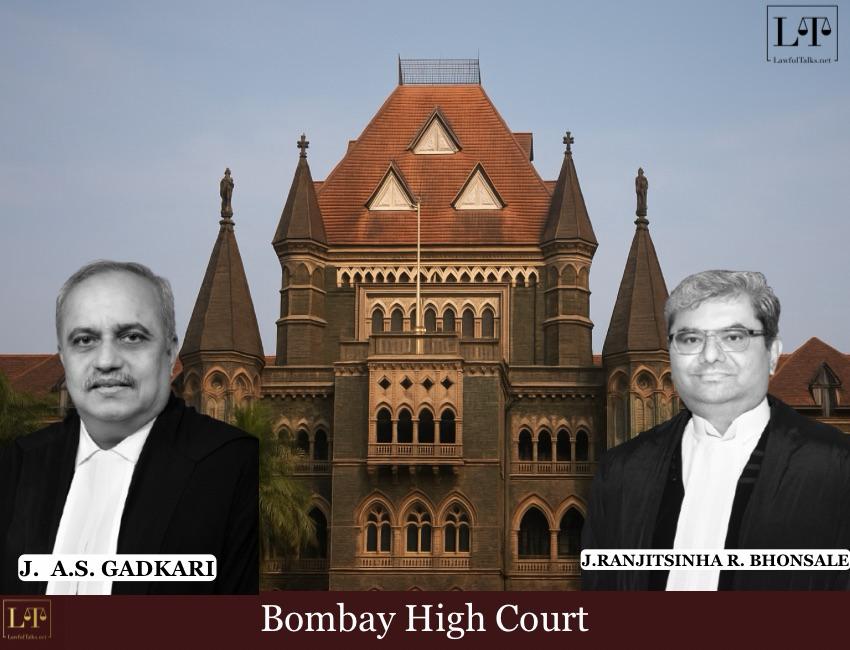
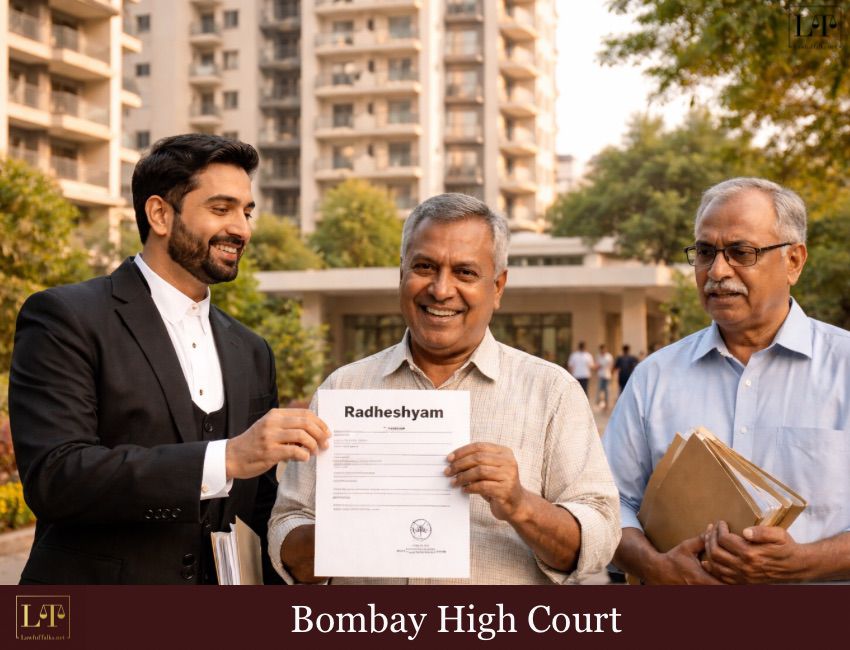
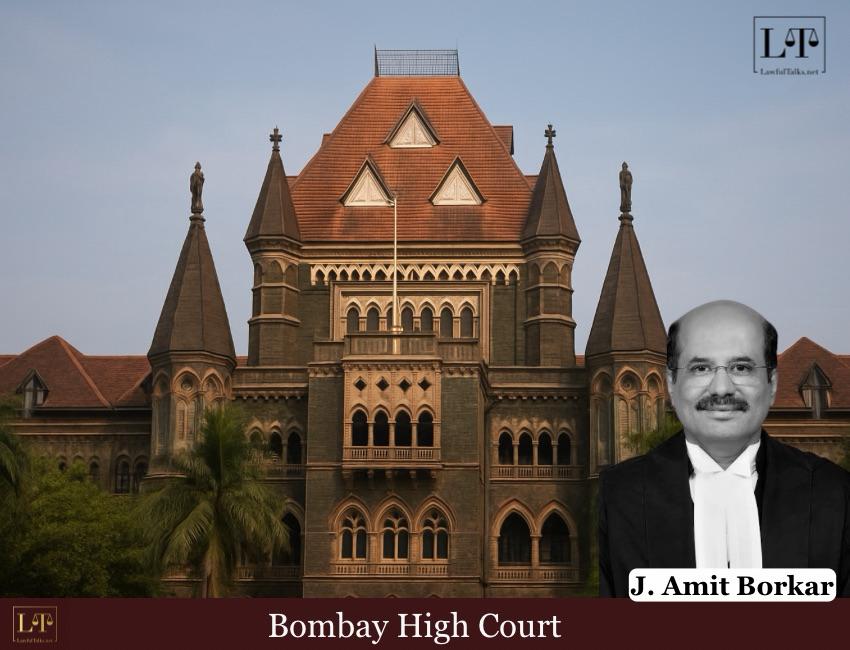
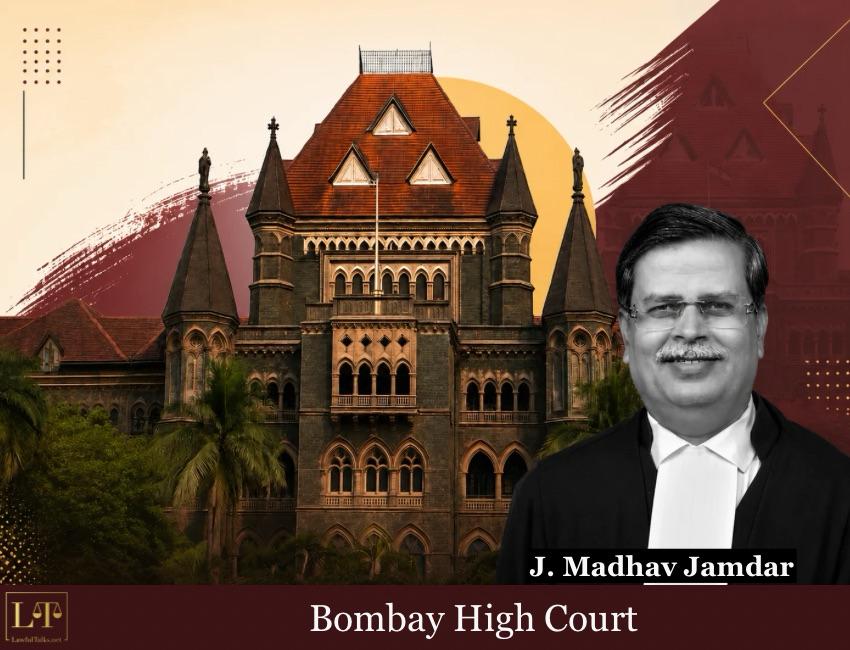
The Bombay High Court has delivered a significant ruling, holding that a cooperative housing society does not become an “industry” under the Industrial Disputes Act or an “establishment” under the Maharashtra Shops and Establishments Act merely because it allows telecommunication antennas on its terrace or employs staff to manage day-to-day society work.
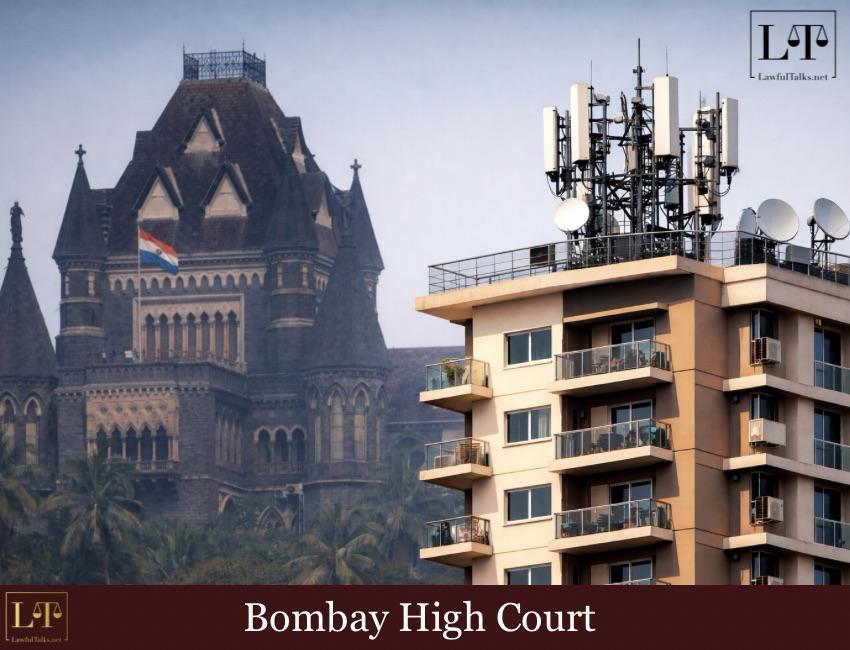
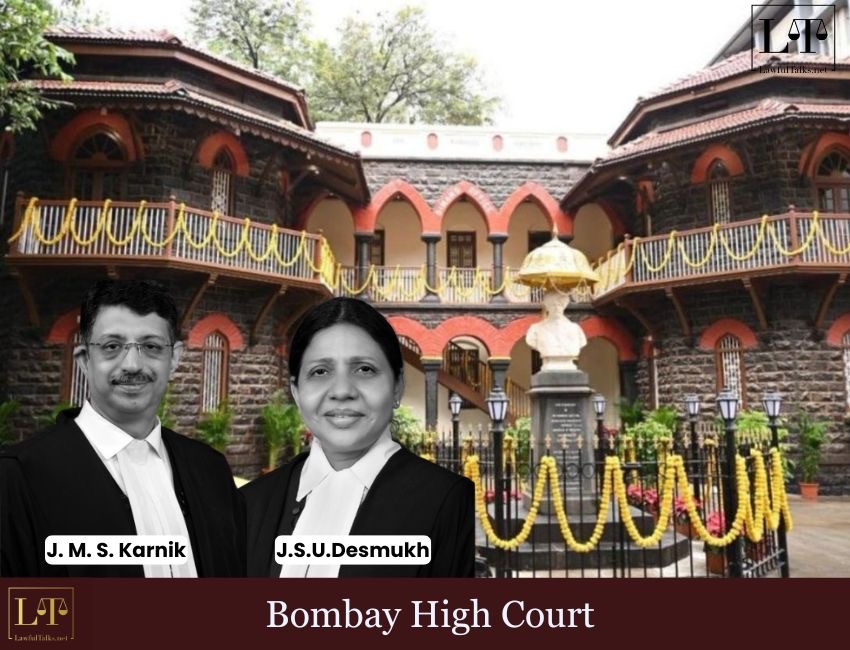
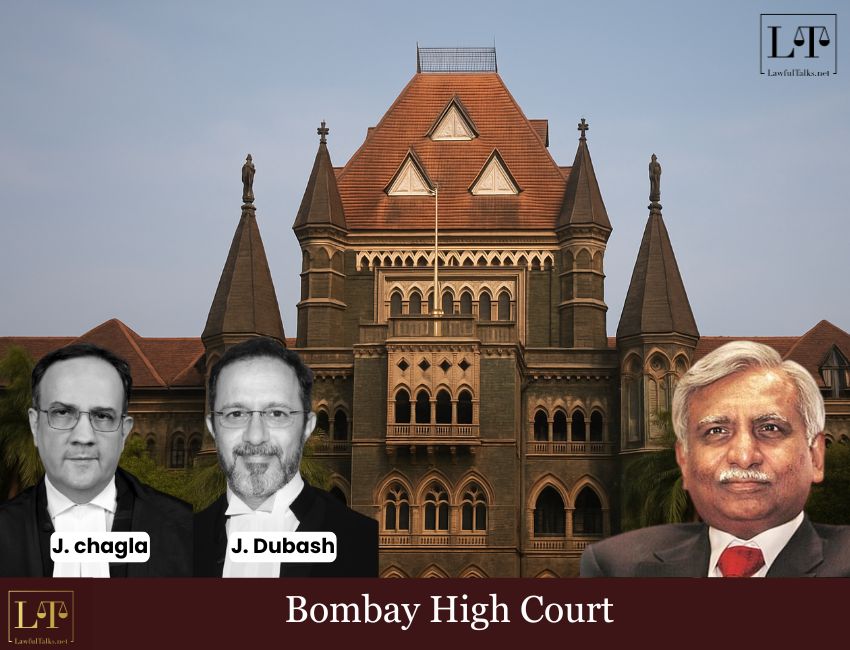
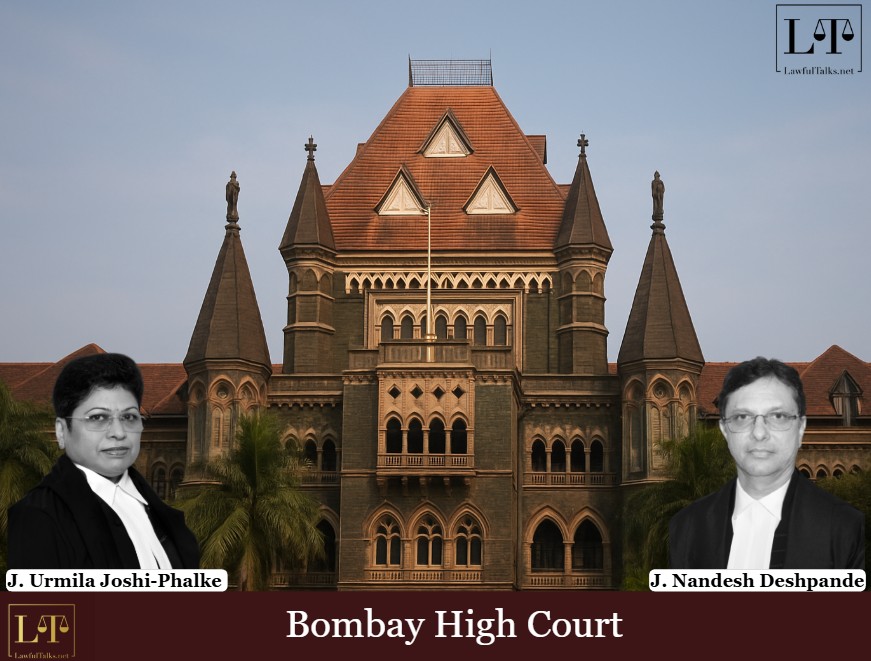
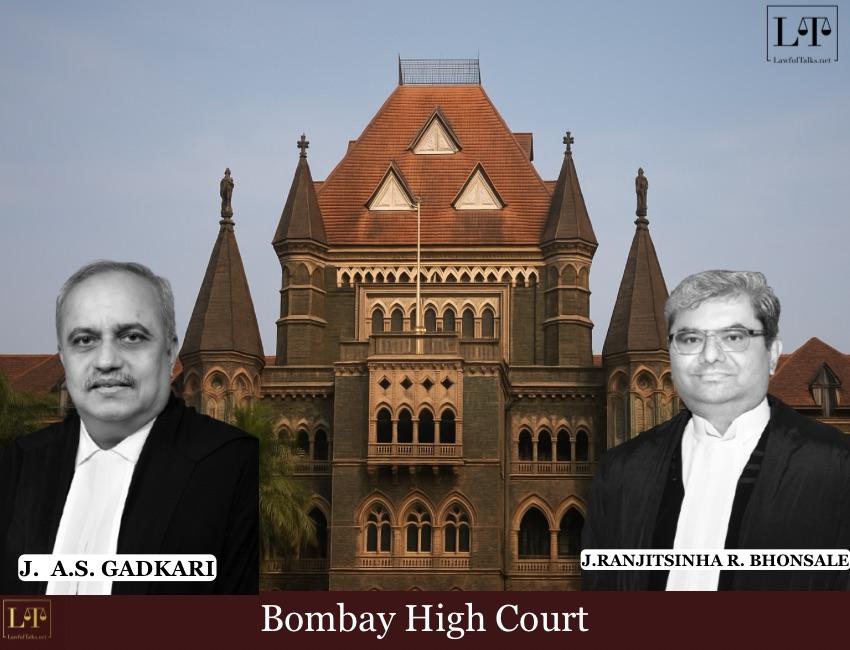
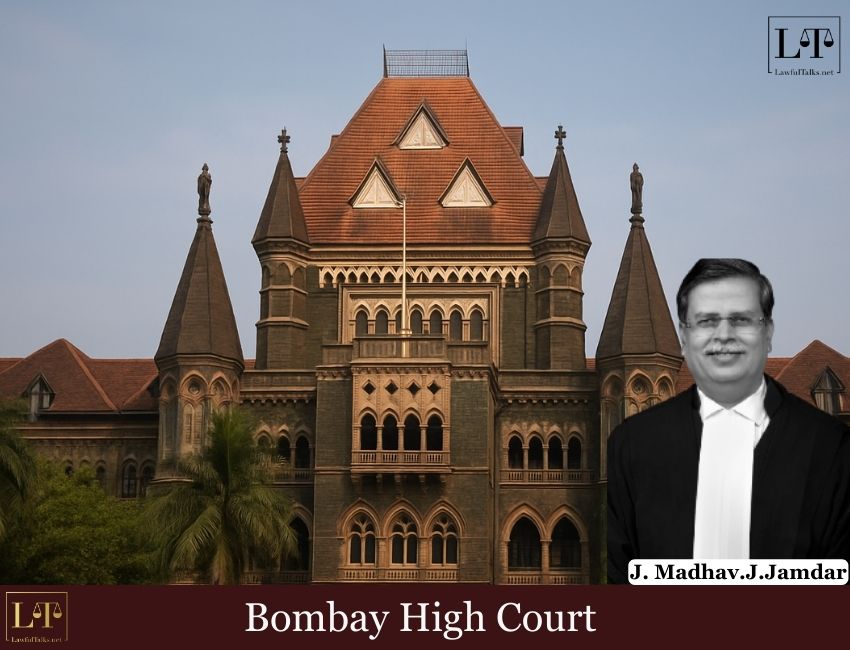
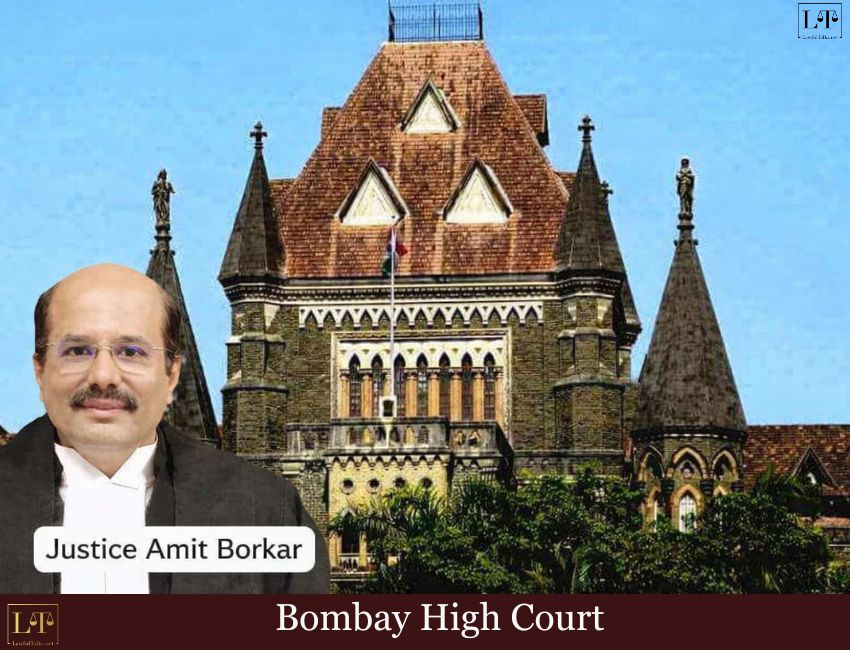
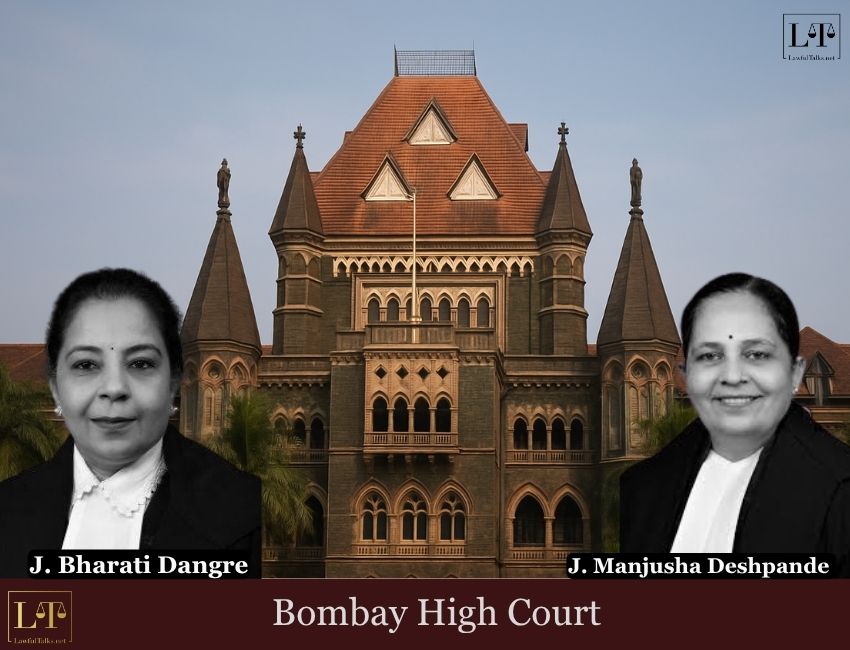
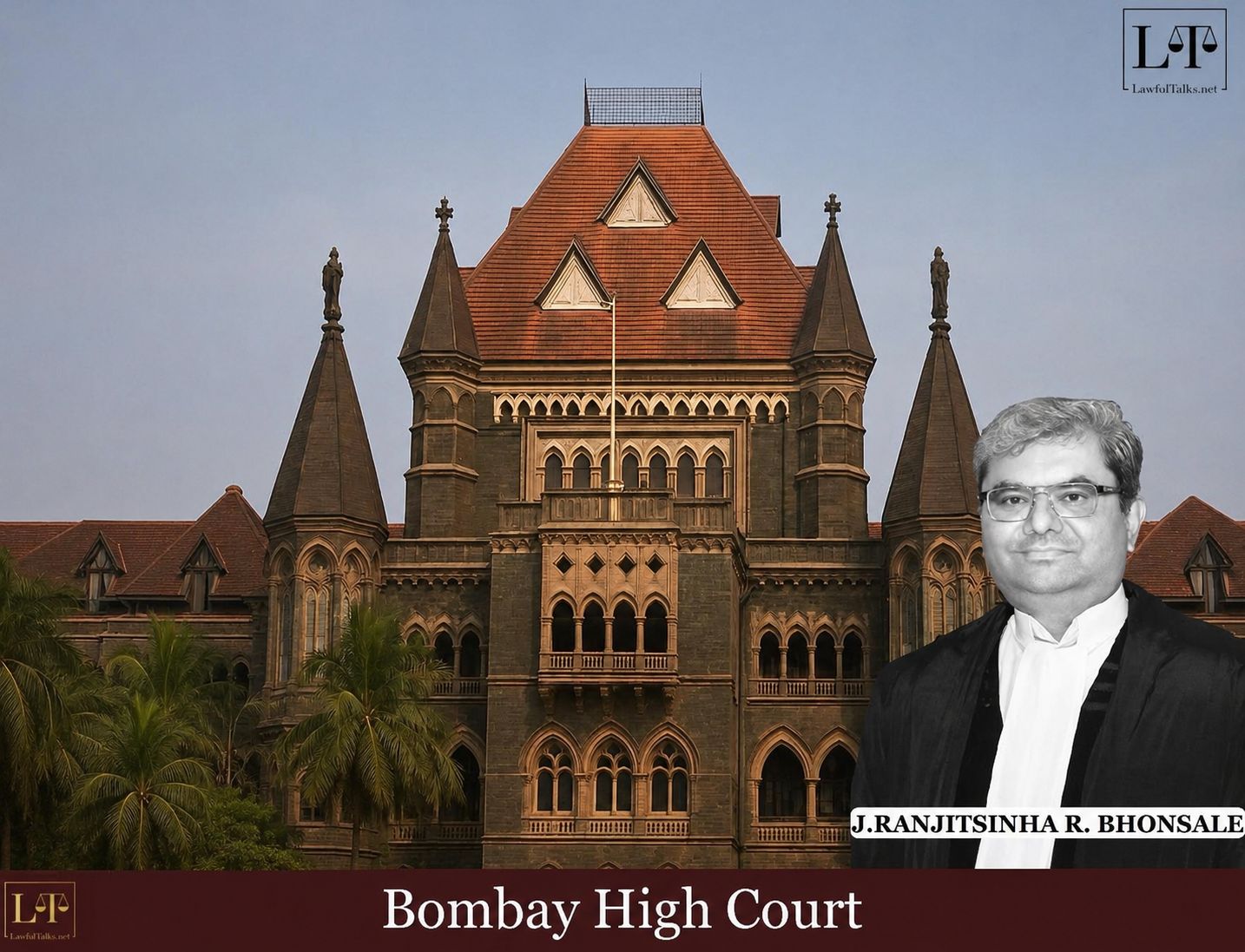
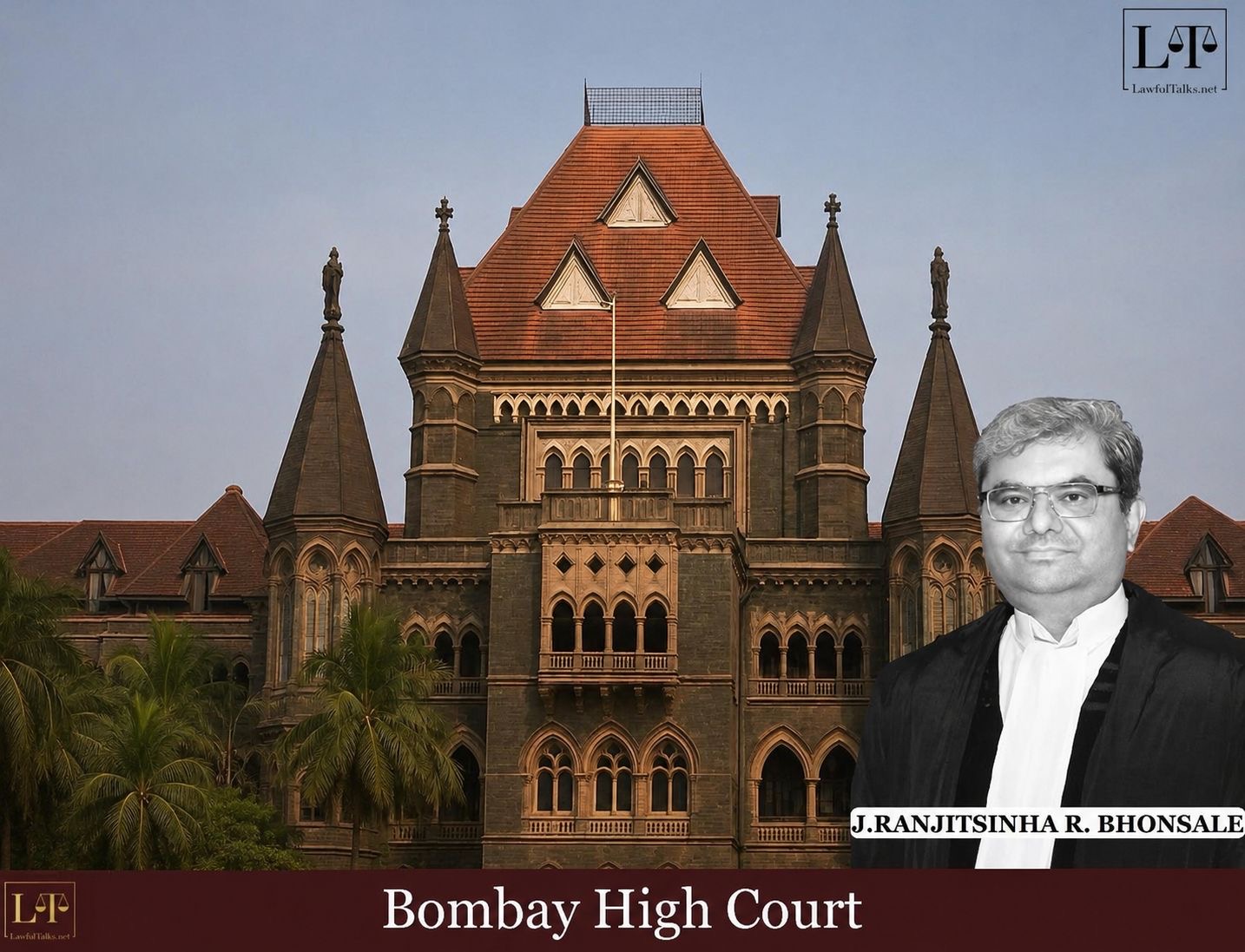
Justice Sandeep Marne, sitting as a single judge, set aside an order of the Mumbai Labour Court that had ruled in favour of a former society manager. The Labour Court had directed payment of nearly ₹4.6 lakh towards pending dues and gratuity under the Industrial Disputes Act and the Payment of Gratuity Act, 1971, following the manager’s sudden termination. The manager was drawing a monthly salary of ₹90,000 at the time.
Facts:
The manager had claimed that the cooperative housing society should be treated as an industry because it earned income from telecom towers installed on its premises and also had a club within the society, which according to him amounted to commercial or trade activity.
Justice Marne rejected this argument outright. He emphasised that for an organisation to be classified as an industry, it must be engaged in genuine trade or business. A cooperative housing society, the judge said, is formed only for the collective ownership and management of land and buildings, and does not carry on any trade or commercial activity.
The judge also explained the legal framework in Maharashtra. He noted that earlier, activities such as construction of flats, their sale, management and transfer were governed by the Maharashtra Ownership Flats Act, 1963 (MOFA). This law has now been replaced by the central Real Estate (Regulation and Development) Act, 2016 (RERA), under which promoters are required to transfer ownership and title to bodies such as cooperative housing societies.
"Thus one of the objectives behind formation of such collective body like a society is to secure title in the land and building, which is collectively owned by all the flat purchasers. Once such collective body like a society is formed, it also looks after maintenance of the building. Thus the collective body of flat purchasers is not formed with the objective of carrying on any trade or business," the judge observed.
With urban India's boom in high-rise apartments demanding professional oversight, modern complexes now rely on staff for essentials like cleanliness, waste management, elevators, parking, utilities, clubhouse upkeep, and sports facilities—all tailored for residents' personal benefit.
"Gone are the days where smaller buildings were used to be managed through a watchman or caretaker or a security guard. Today's modern commercial and housing complexes require efficient management in various areas such as maintaining cleanliness, garbage collection, lift operations, parking management, electricity/plumbing maintenance, club house maintenance, managing sporting activities, etc. All these facilities are provided in a building for personal use by members". Since members can't handle these alone, hiring help is practical, but Justice Marne clarified this isn't commercial in nature. Most societies fund operations via member contributions, though some offset costs through minor ventures like tower rentals or hoardings.
"It therefore cannot be contended that the activity of maintaining those facilities is a commercial activity. Usually a cooperative housing society or co-operative commercial premises society do not have income generation sources and are largely dependent on monthly contribution by members. However, few buildings do have some commercial exploitation opportunities such as renting out some of the premises in the building for putting up hoardings or for telecommunication towers, etc. Though some income may be generated through these activities, it does not mean that the activity of earning remuneration through such exploitation acquires a characteristic of a systematic trading or commercial activity for such society. Such activities help reduce monthly contributions by the members and are not aimed at or performed with the objective of running a systematic trade or business activity as an industry," Justice Marne explained.
He clarified that this is different from societies that run businesses for outsiders, such as stores, restaurants, or banquet halls. In those cases, having dedicated staff could make the society qualify as an “industry” under Section 2(j) of the Industrial Disputes Act.
"Mere employment of employees by cooperative housing society or association of apartments for offering services to the members would not bring activities of such society into the definition of the term 'industry' within the meaning of Section 2(j) of the ID Act."
The judge noted that the society’s telecom antennas and members-only clubhouse do not count as regular trade or business, even if they involve significant expenses. Regarding the question of being an “establishment” under Section 2(4) of the Maharashtra Shops and Establishments Act, he explained that individual homes are not establishments, and therefore, a cooperative body managing them collectively is not one either.
"Merely because house owners come together and decide to manage their houses and building collectively and for that purpose, employ workers/employees, association of house owners would not be an 'establishment' within the meaning of Section 2(4) of the Maharashtra Shops Act. In my view, therefore, provisions of PG Act would not apply to co-operative society or co-operative commercial premises/ societies," the judge held.
This reasoning paved the way for the court to uphold the society's appeal against the Labour Court's earlier ruling.
Case Details: Apsara Co-operative Housing Society Ltd. vs Vijay Shankar Singh (Writ Petition No 3908 of 2025)
Appearance:
Advocate for petitioner: Adv. Mahesh Shukla, Adv. Udaybhan Tiwari and Adv.Niraj Prajapati
Advocate for Respondent: Adv. Ashish Nagwekar







































































































































































































































































































































































































Sign up for free and be the first to get notified about curated content just for you.