“From Temple Foot-Washing To Preventive Detention: Supreme Court Draws the Line”

- January 07, 2026


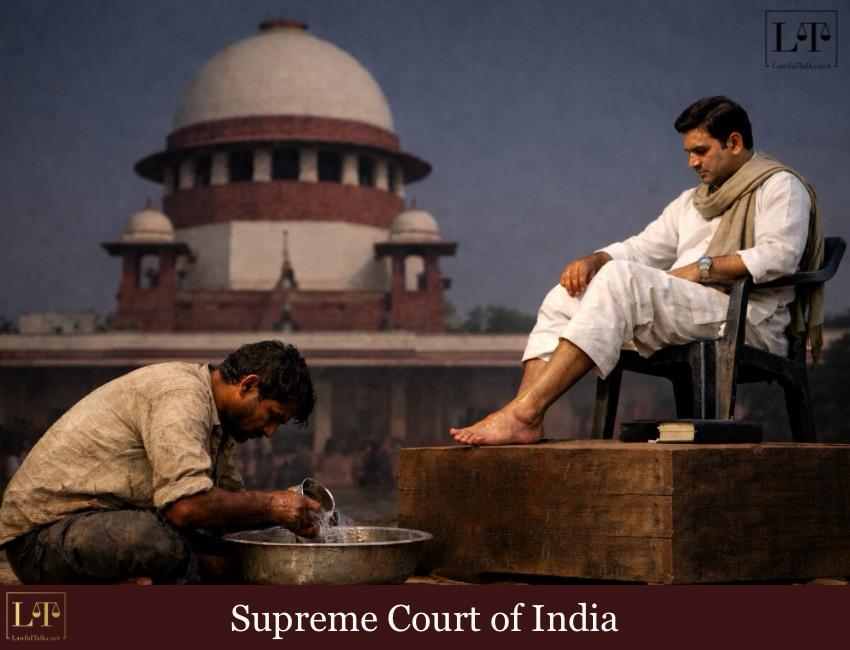
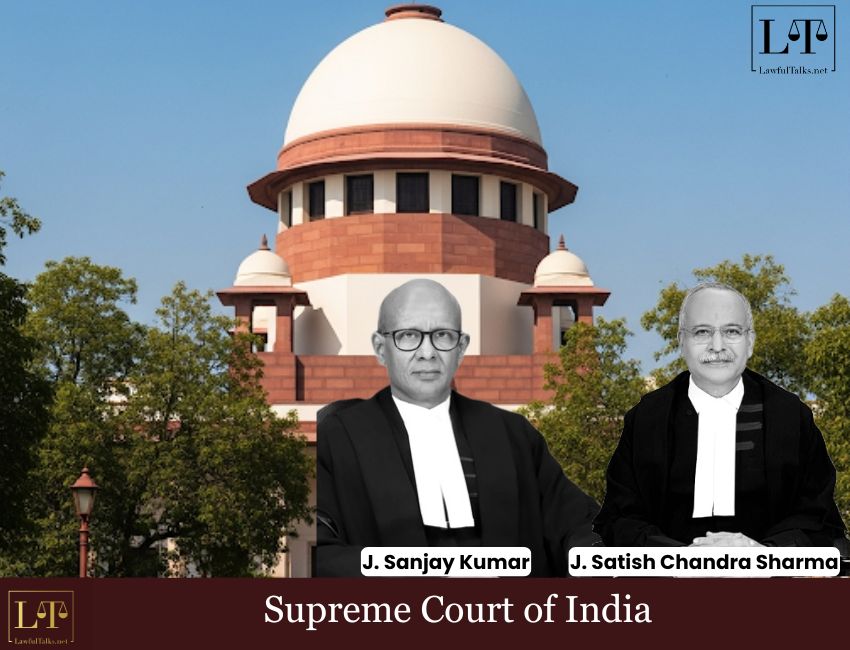
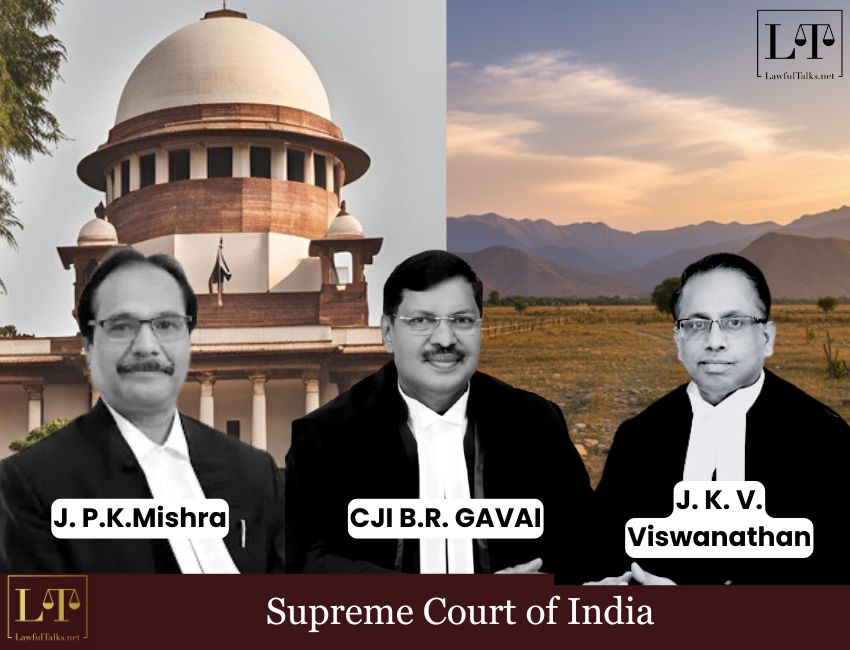
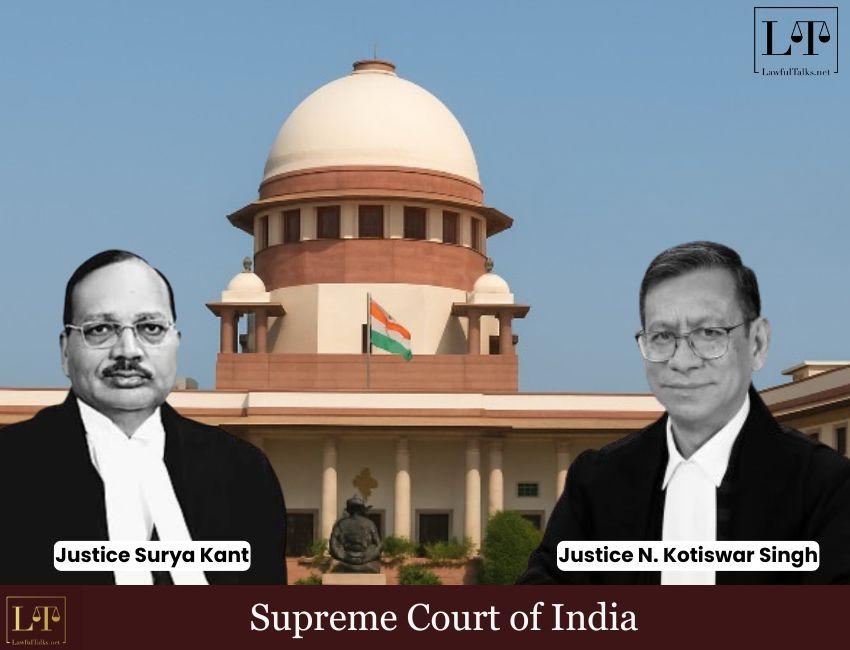
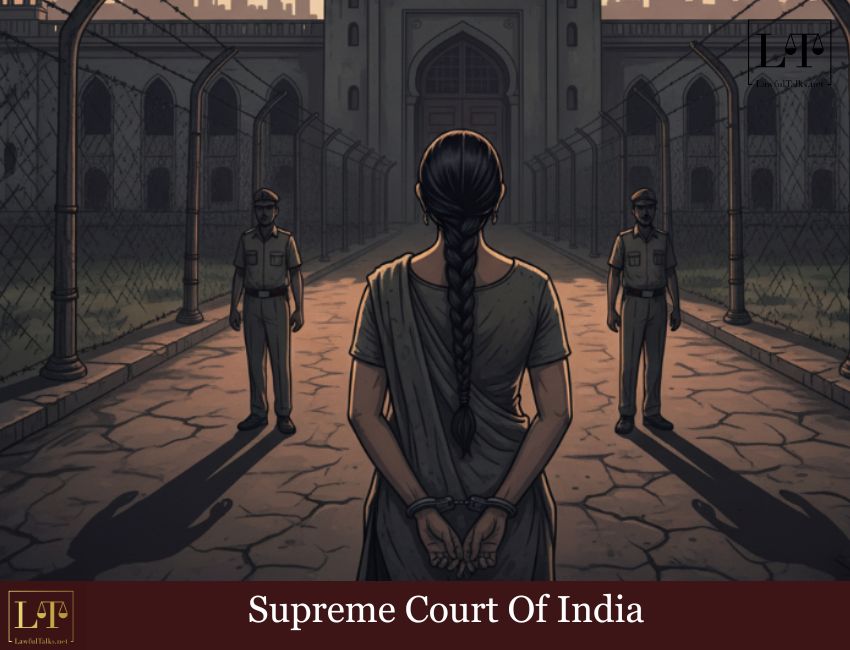
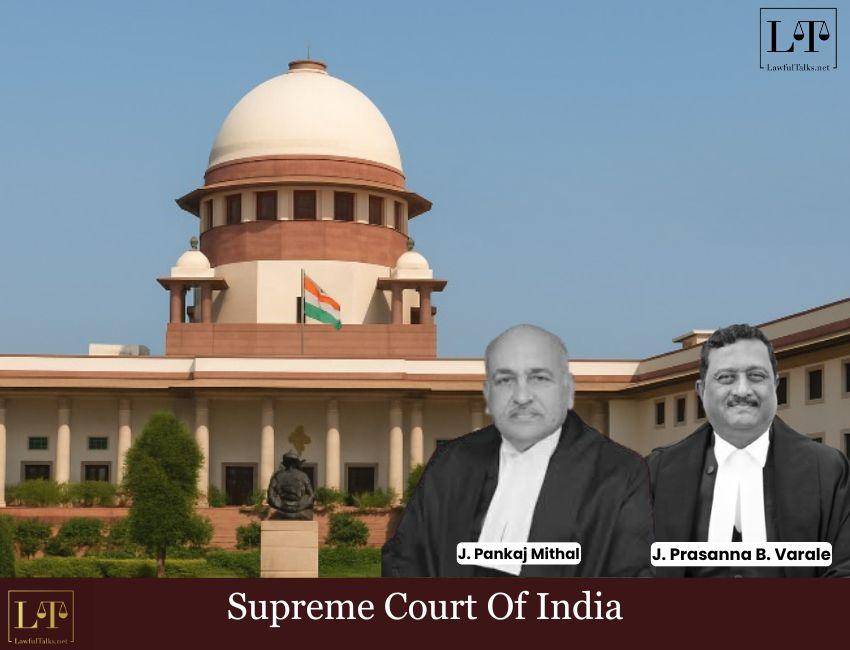
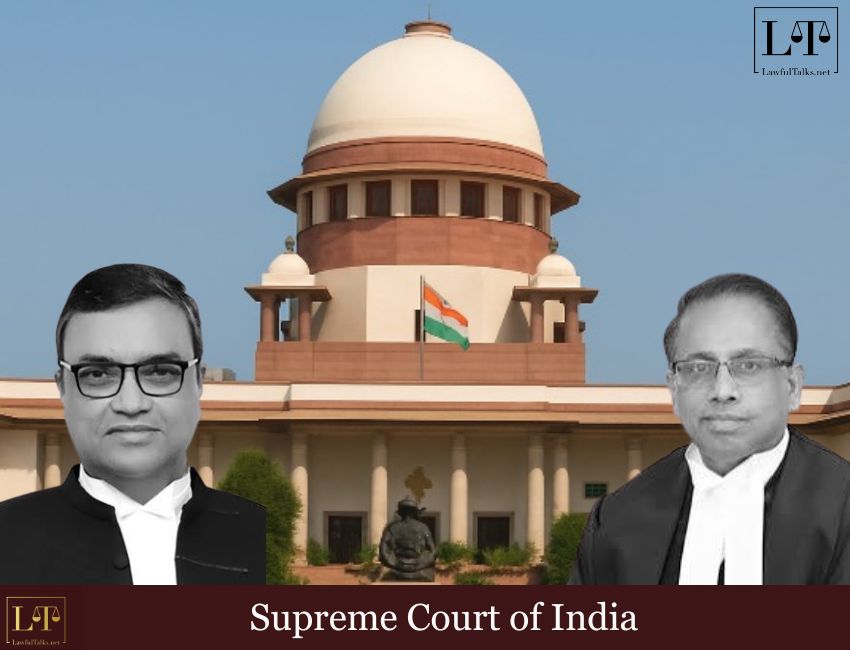
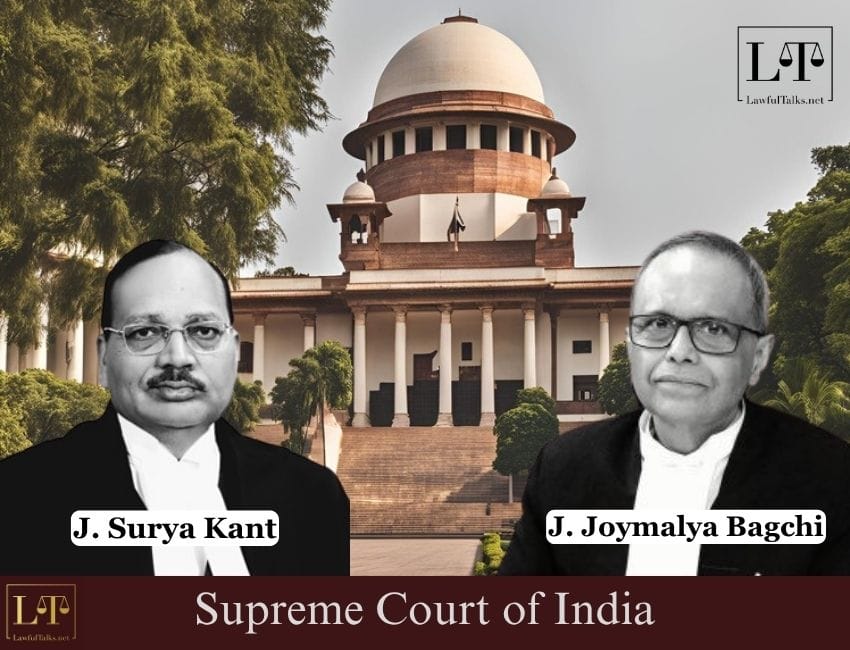
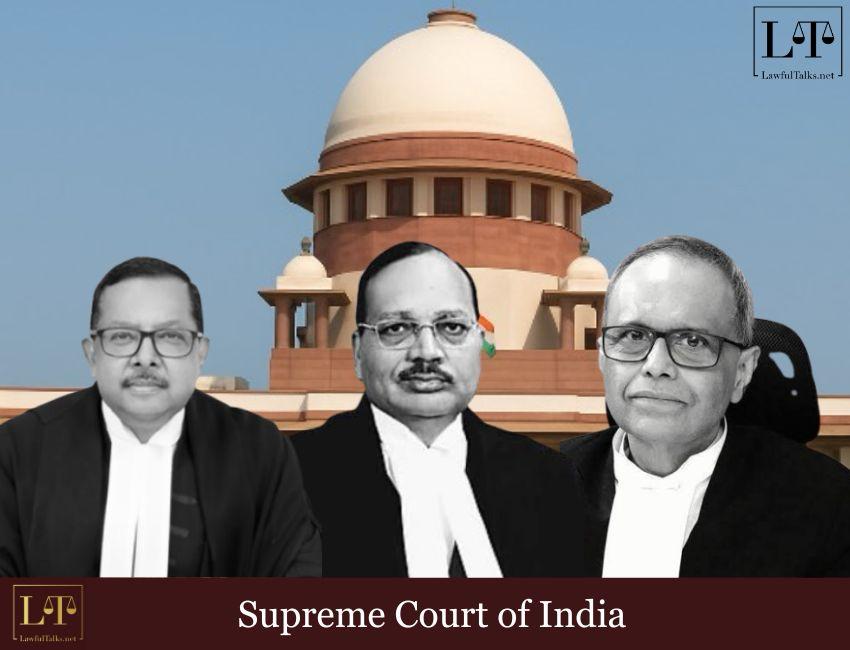
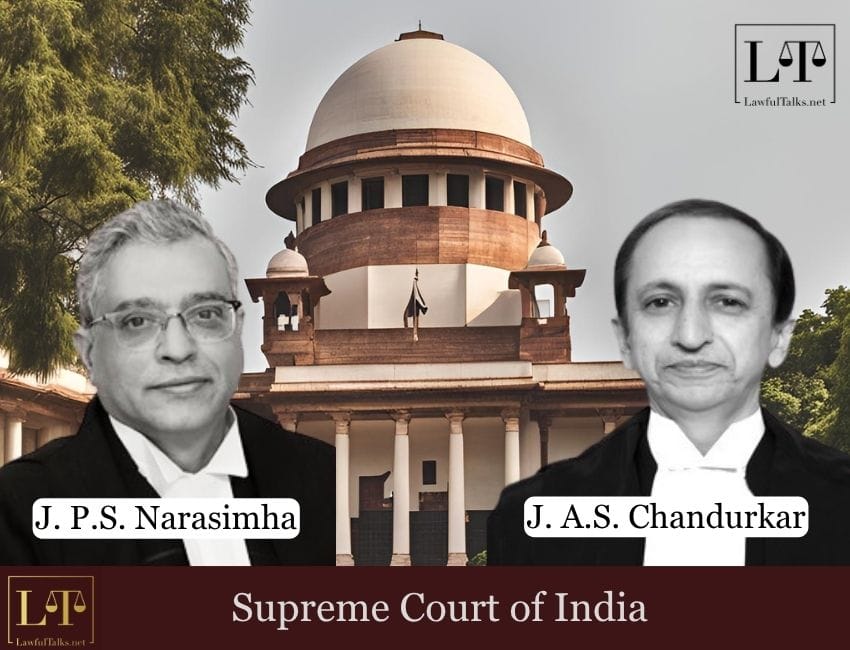
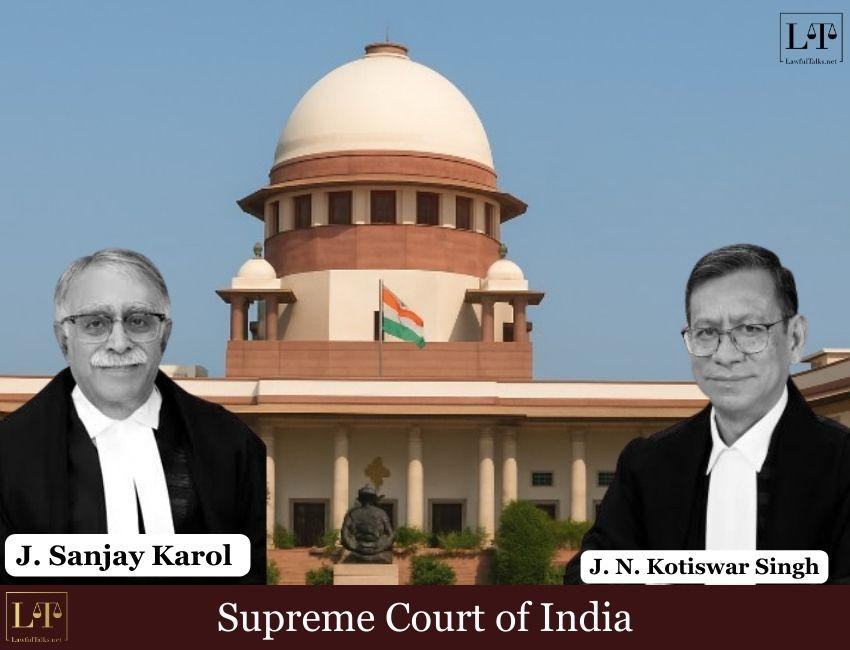
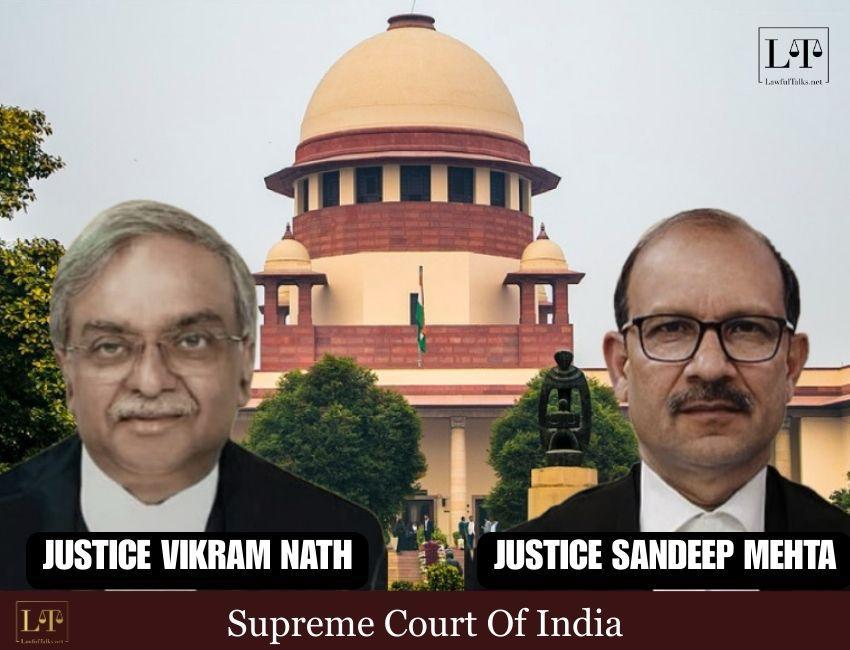
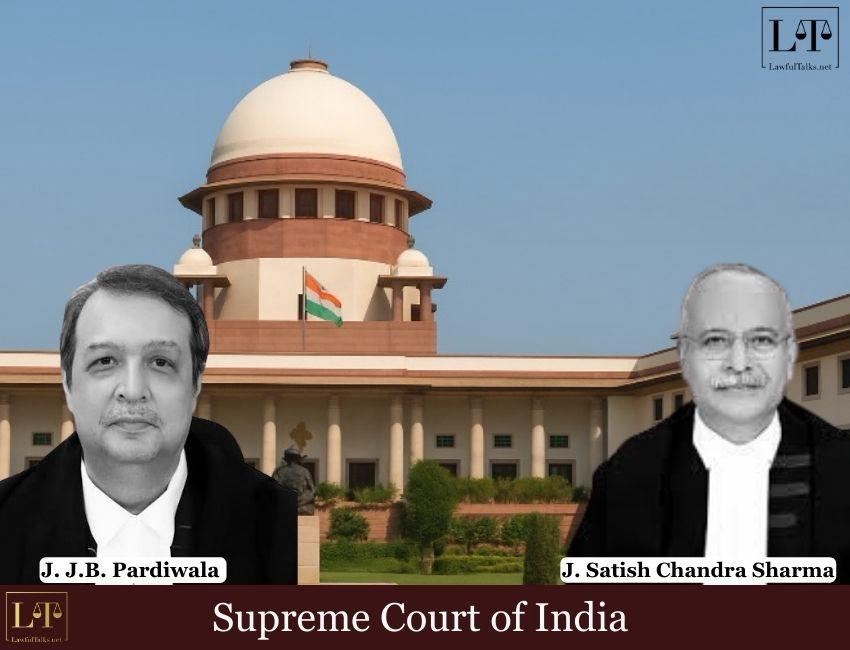
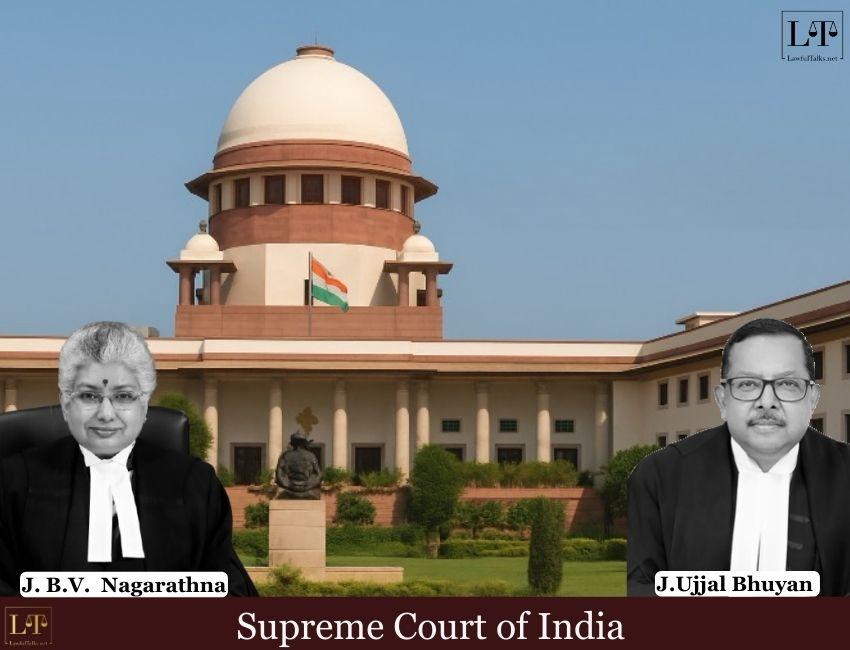
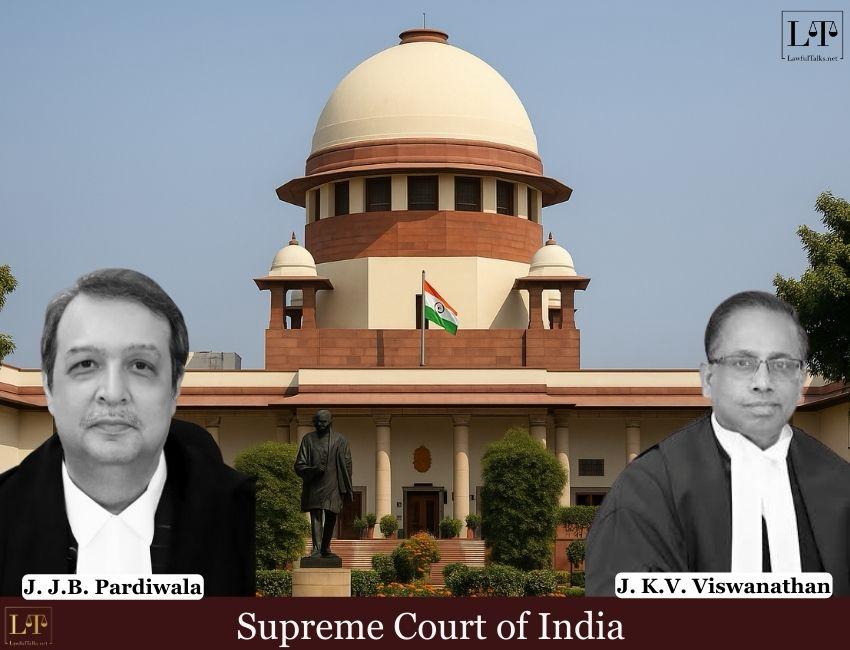
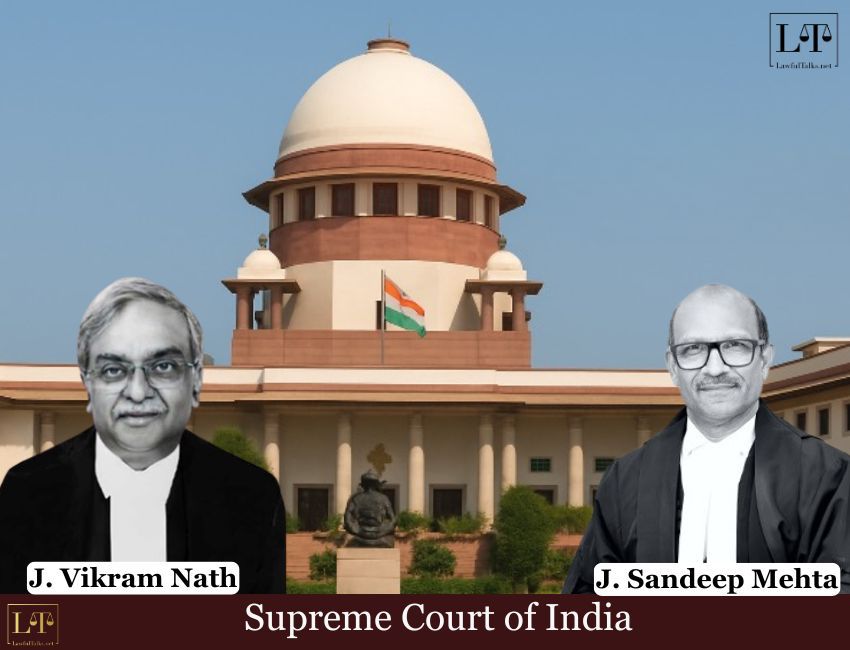
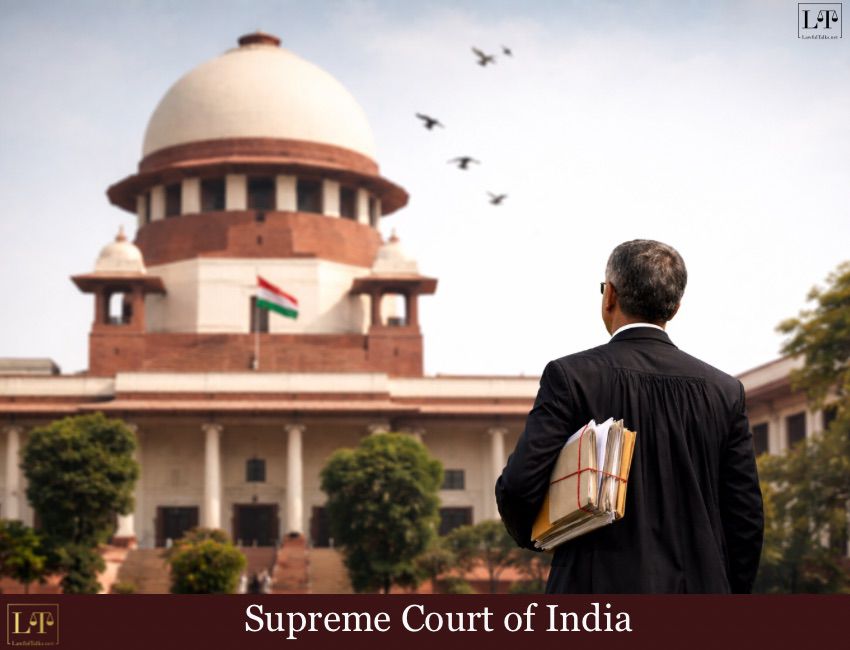
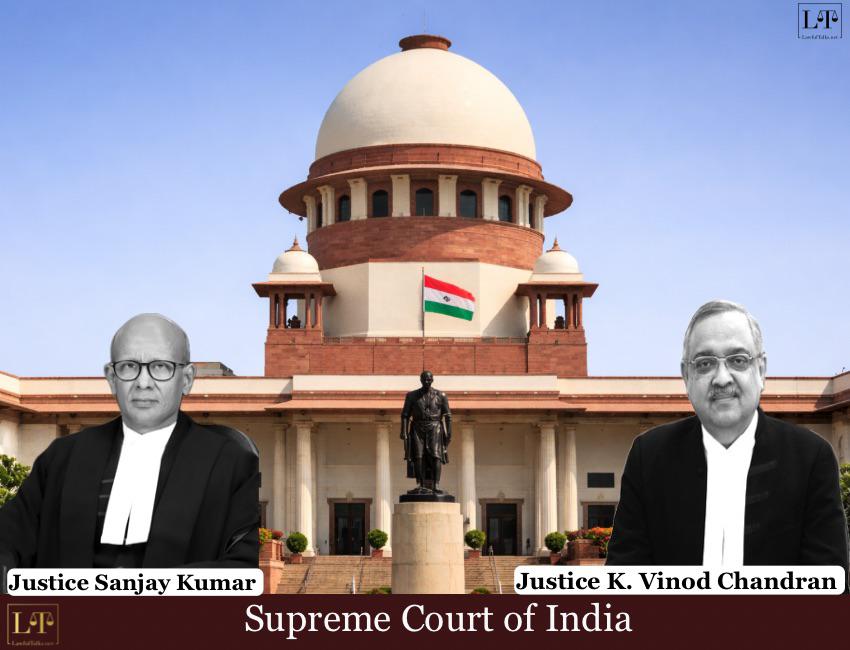
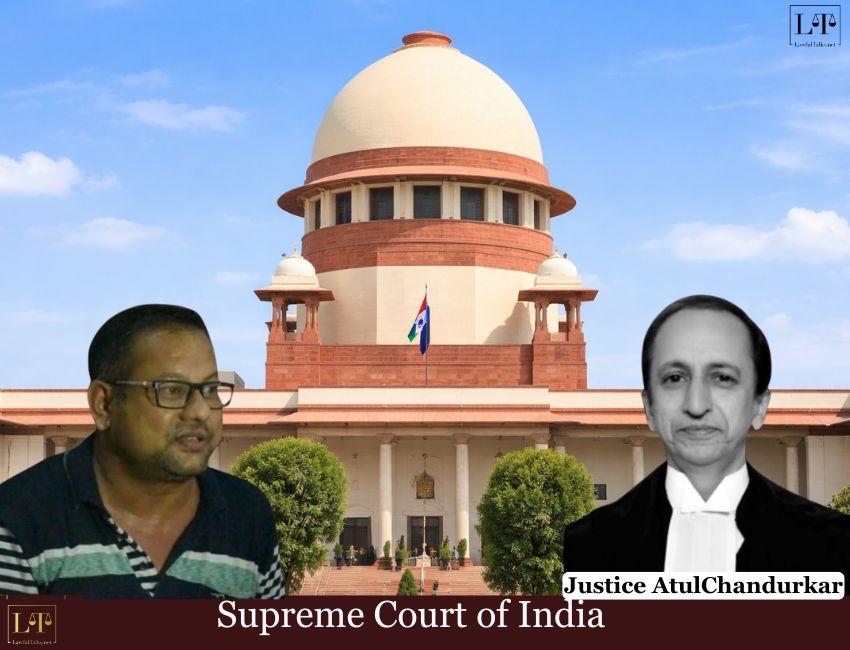
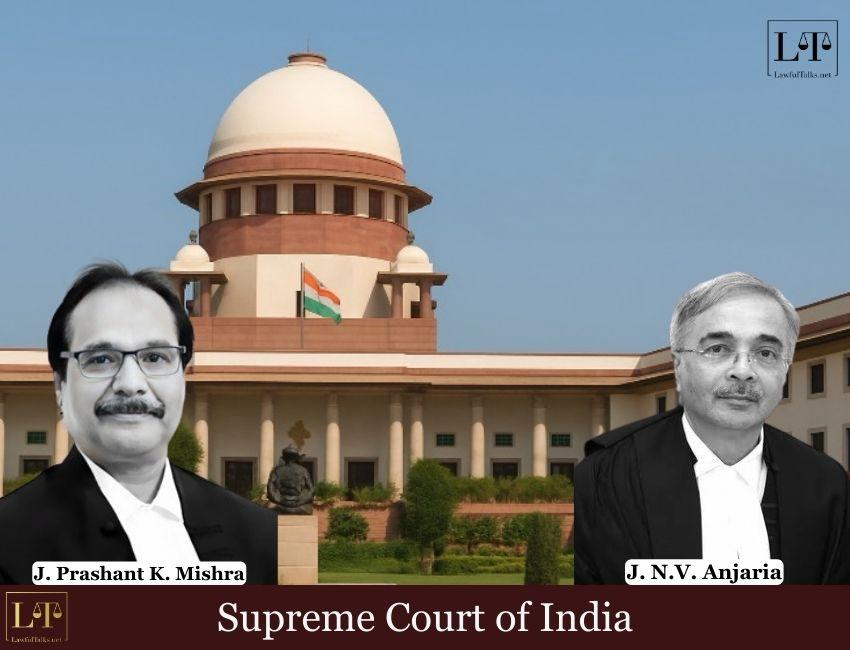
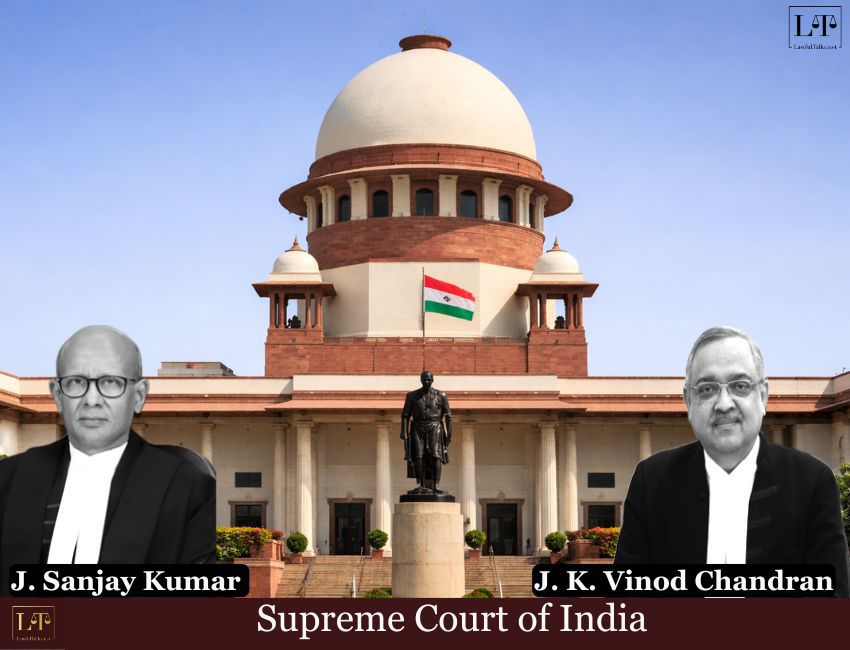
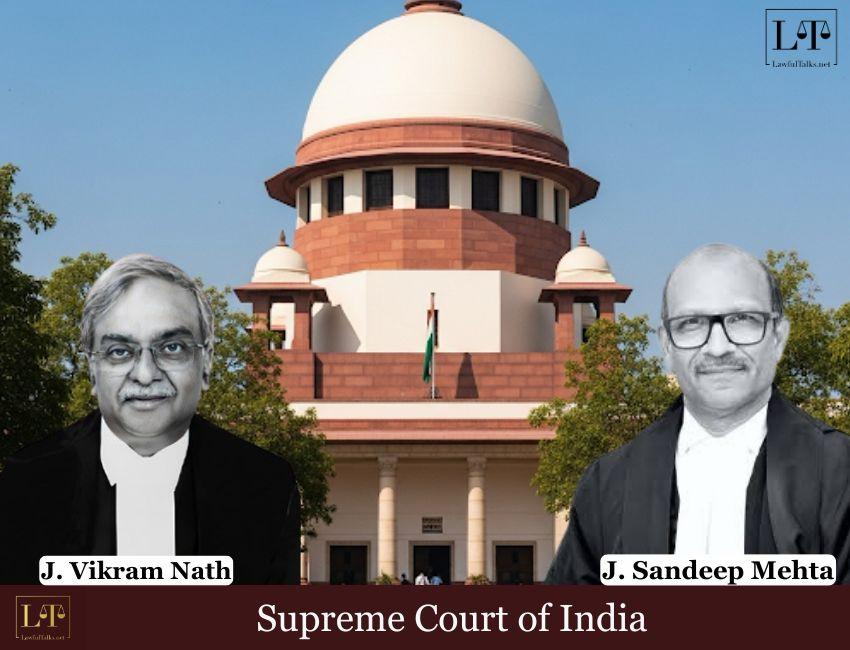
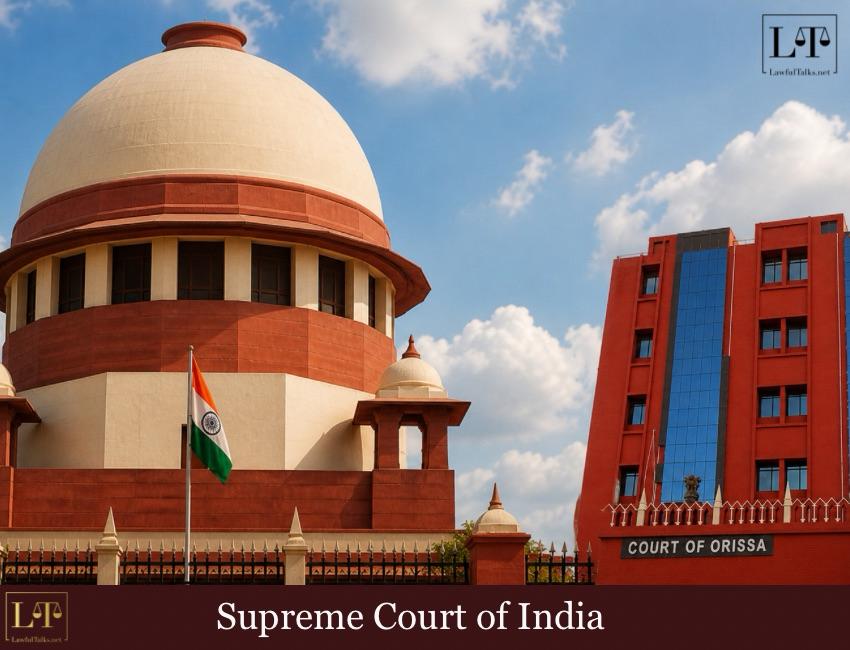
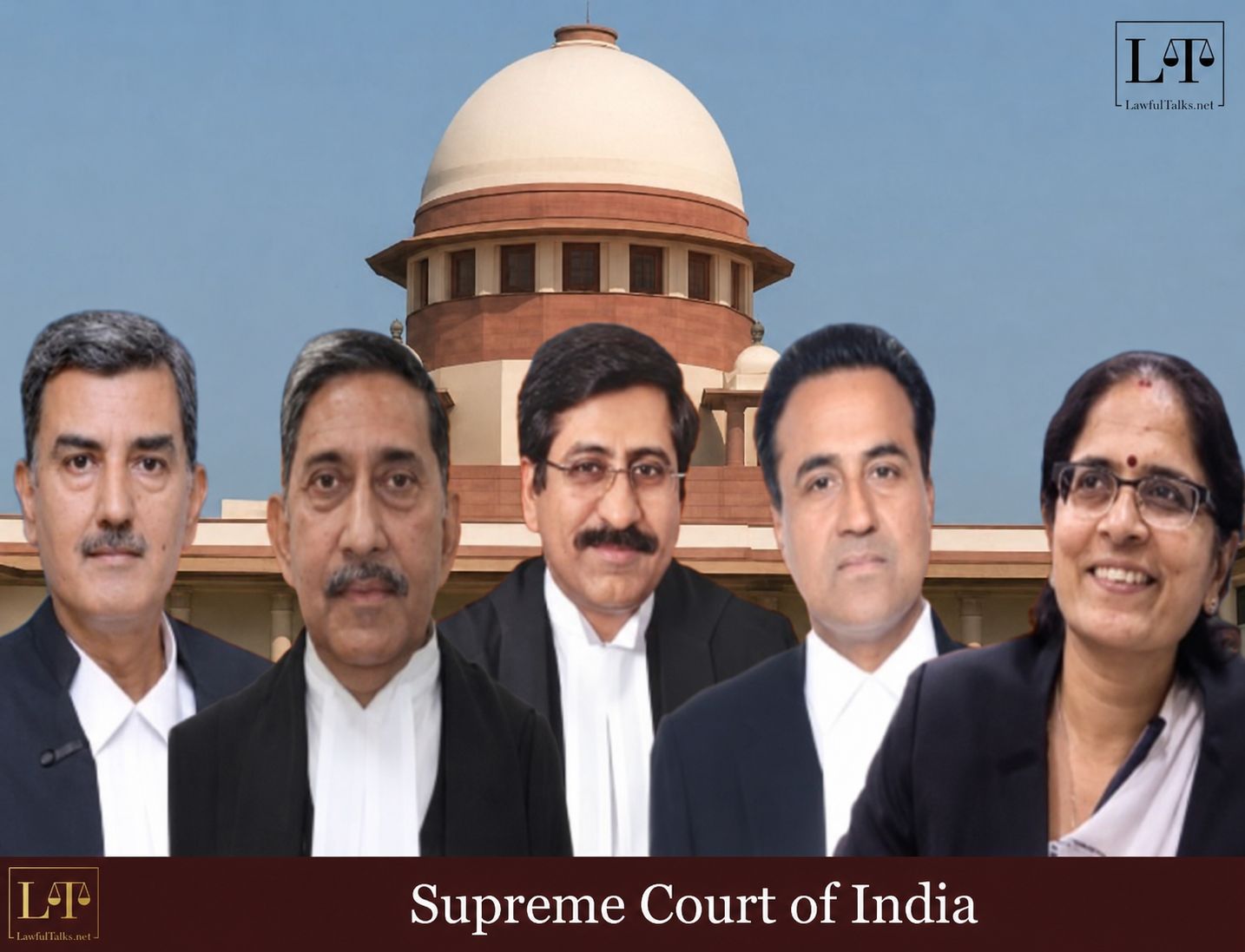
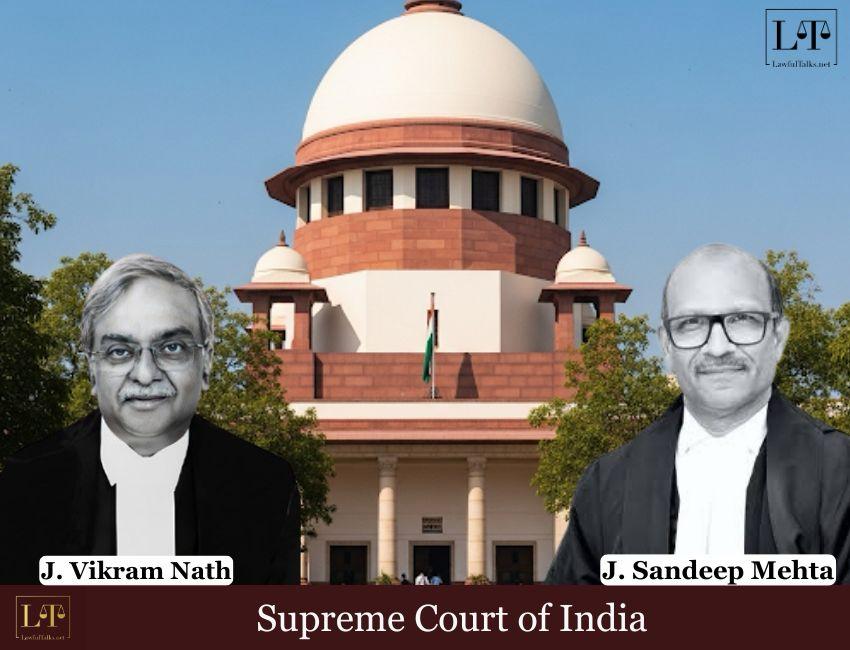
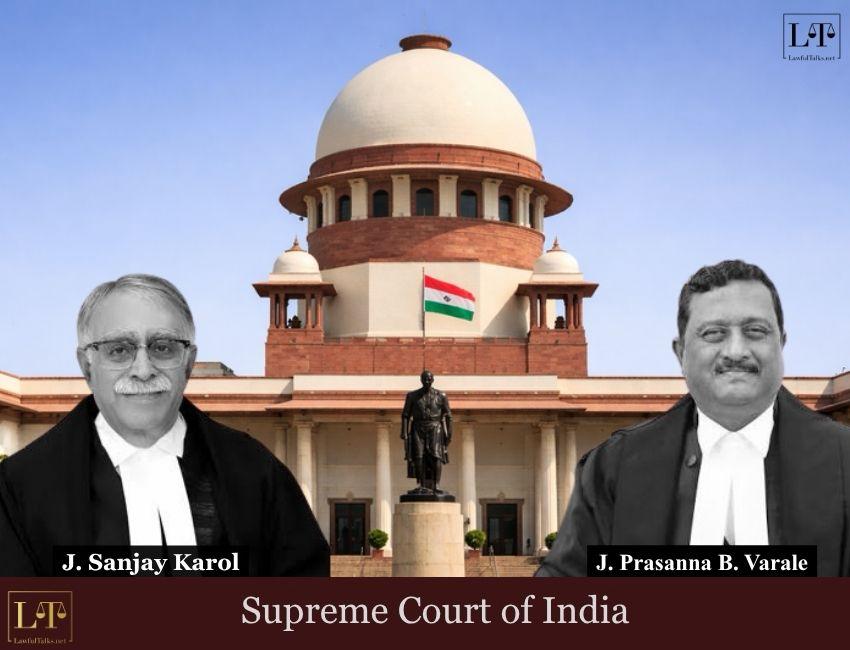
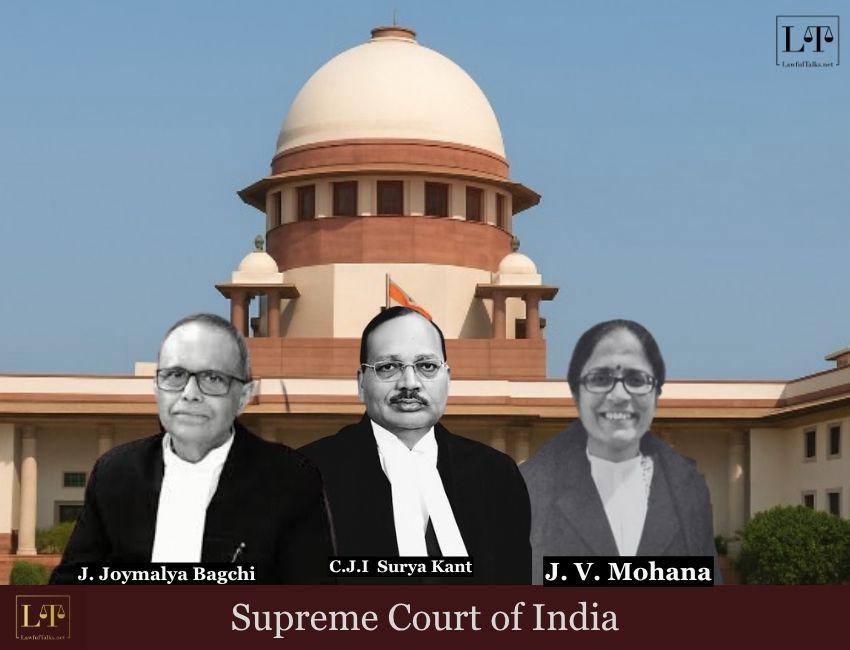
In a significant turnaround in a caste-related village dispute, the Supreme Court, headed by Justices Vikram Nath and Sandeep Mehta, ordered the immediate release of an accused who had been detained under the National Security Act (NSA). The case arose from an incident in which an Other Backward Caste (OBC) youth was allegedly forced to wash another man’s feet.
The Case:
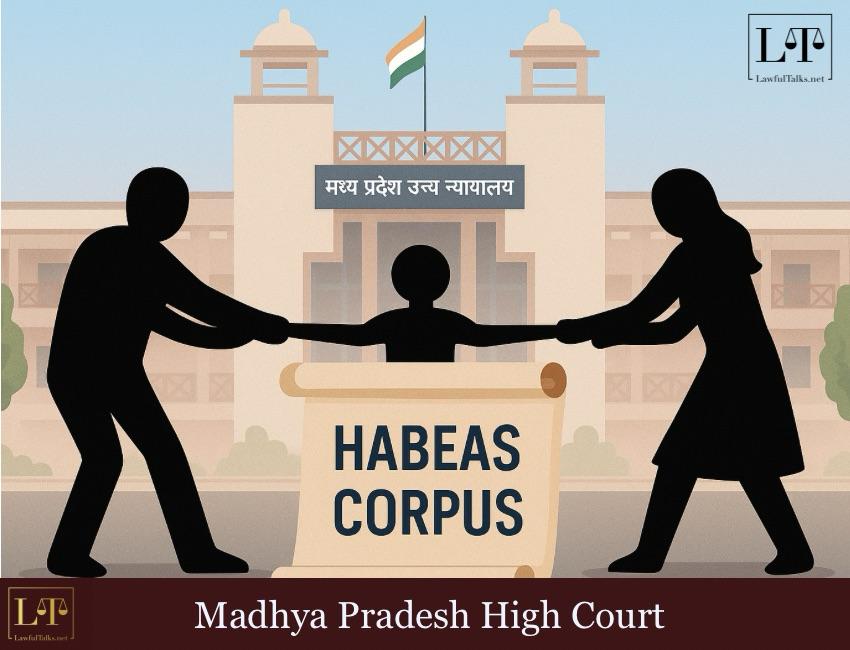
The petitioner challenged a suo motu order of the Madhya Pradesh High Court that had asked the police to apply the NSA against all persons seen in a viral video of the incident. The petitioner argued that the conditions under Section 3 of the NSA were not met, and pointed out that the detention took place even before the High Court’s directions were uploaded and made public online.
The bench, appearing puzzled, issued notice in the case, stayed the order, and examined the unusual sequence of events from Gram Satariya. According to the record, the petitioner was accused of violating a local self-imposed prohibition by selling alcohol. He later became drunk and was fined by the panchayat.
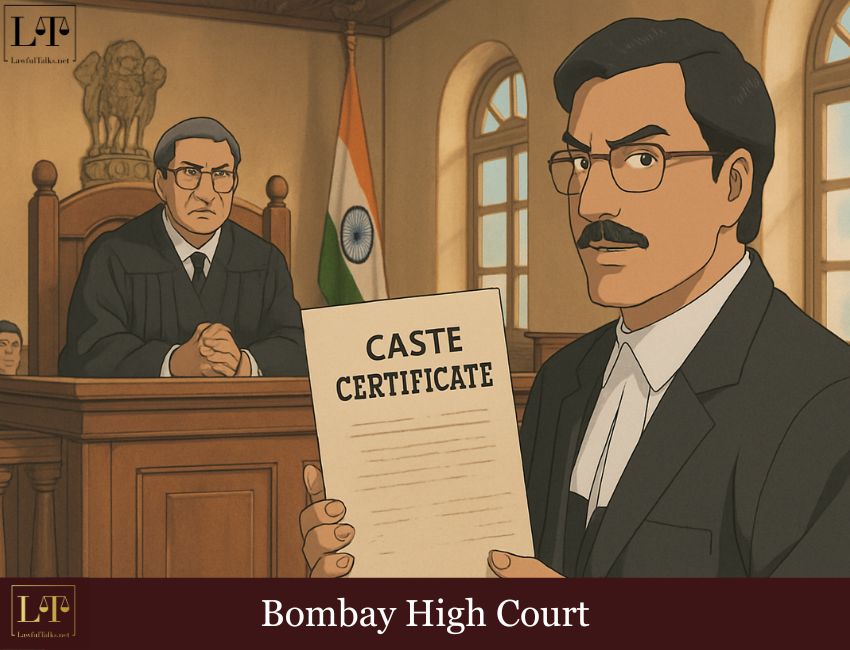
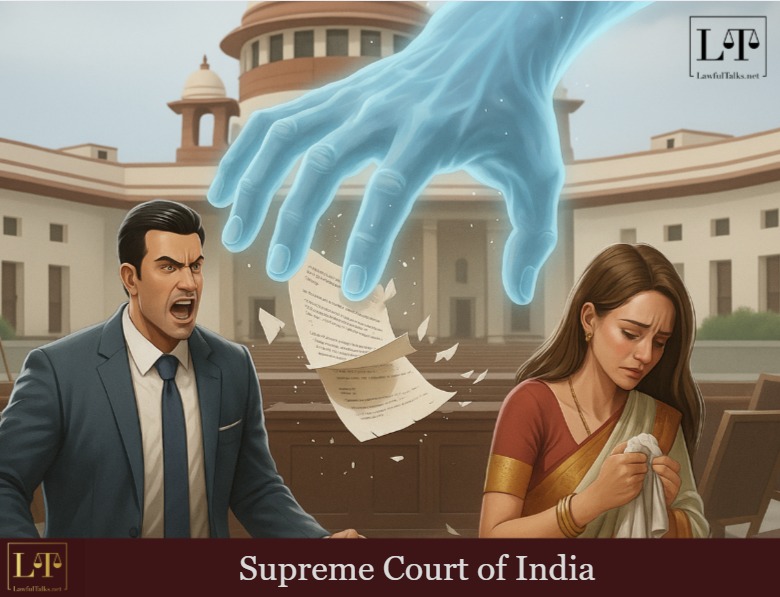
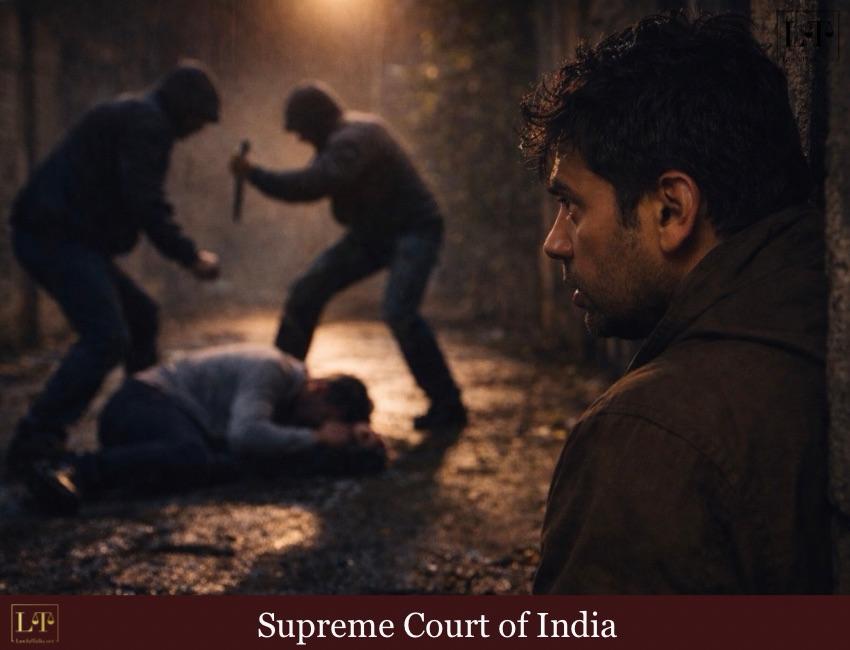
In response, the OBC youth involved in the incident allegedly created an AI-generated meme showing the petitioner being garlanded with shoes. This angered members of the upper-caste group, after which the panchayat summoned the youth to a temple. There, a gathering allegedly forced him to wash the petitioner’s feet and drink the water, and one person was said to have told him to promise lifelong service to the upper caste.
Subsequently, YouTube videos surfaced in which the youth appeared to play down the incident. He claimed that the person whose feet he washed was his long-time guru and said that the controversy was being exaggerated by “interested parties”.
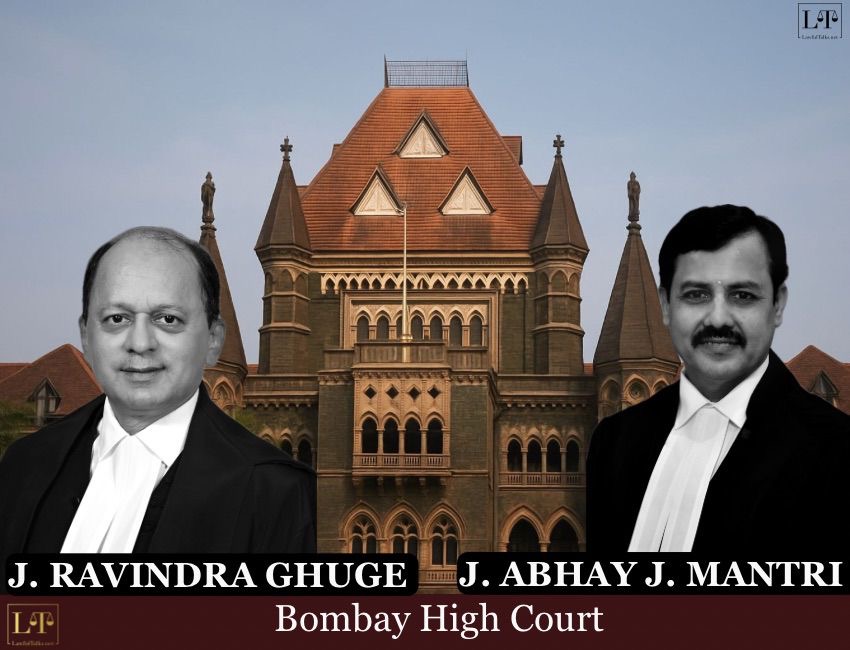
The Madhya Pradesh High Court took suo motu notice of the video footage and held that, even though there were no clear verbal threats, the victim was surrounded by a mob and had no way to escape. On a prima facie view, the Court said this could attract offences such as criminal intimidation under Section 351 and assault by use of criminal force under Section 133 of the Bharatiya Nyaya Sanhita (BNS).
Rejecting the victim’s later video as being made under influence, the High Court examined the first FIR registered by the Damoh Police. The FIR had invoked Section 296 for public obscenity and Section 196(1)(b) for acts prejudicial to communal harmony. The Court questioned whether Section 296 was appropriate and suggested that Section 196(2) would be more suitable because the incident took place inside a temple.
The Court strongly criticised the rise in caste-based atrocities in Madhya Pradesh, observing:
“The repeated instances of caste-related violence and discriminative actions in the State of Madhya Pradesh is shocking. This is the same State, where a person of the general category urinated on the head of a tribal person and to placate whom, the then Chief Minister washed the feet of the victim. Caste identities are on the rise.”
The bench further remarked that communities “frequently and shamelessly flaunts” their caste identity and have become “vociferous and ultra-sensitive,” leading to conflicts ranging from shoes being thrown at the Chief Justice of India to the suicide of a senior Haryana police officer.
To prevent this “evil symphony of caste acrimony and discrimination from reaching its crescendo,” the Court directed strict action under the FIR and also ordered invocation of the NSA against those seen in the video as part of the mob. Acting on this, the District Magistrate of Damoh detained five persons under the NSA on October 14.
Case Detail: ANUJ PANDEY Versus HIGH COURT OF MADHYA PRADESH AND ORS., SLP(Crl) No. 20650/2025








































































































































Sign up for free and be the first to get notified about curated content just for you.