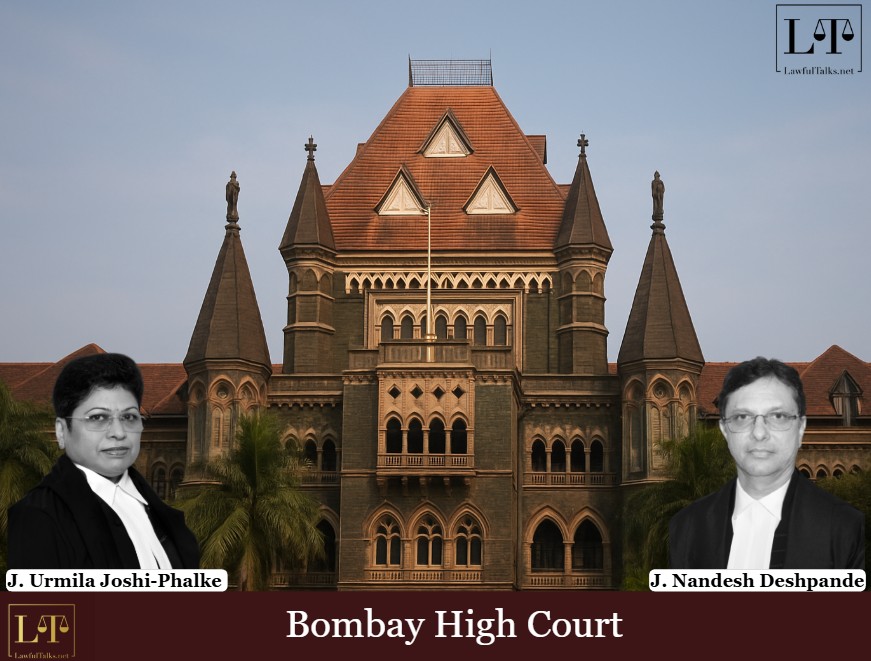
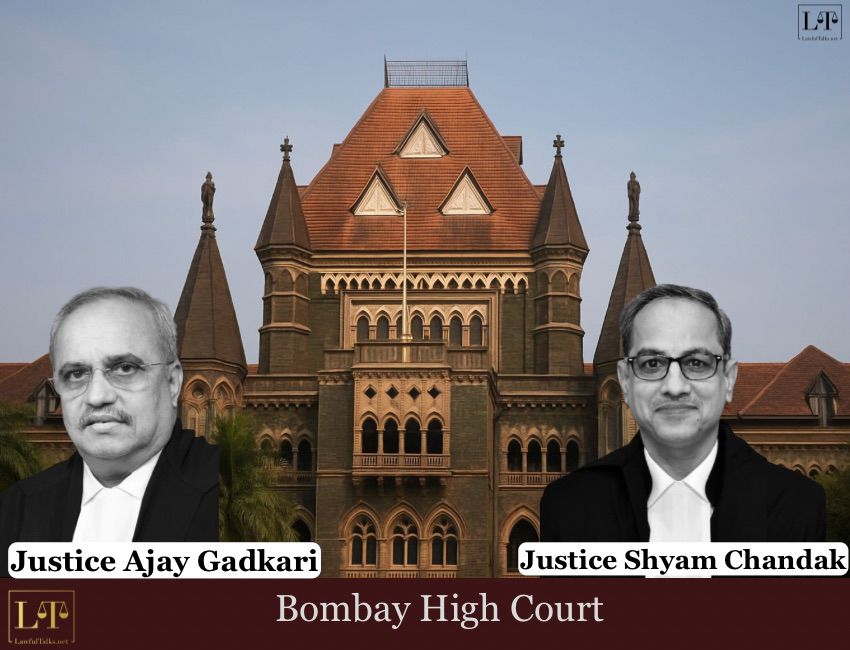
“They Used Money to Interfere With Justice’’: Blood, Bribes and Betrayal Exposed As Bombay HC’s Justice Chandak Slams Bail Door In Pune Porsche Case
- December 17, 2025


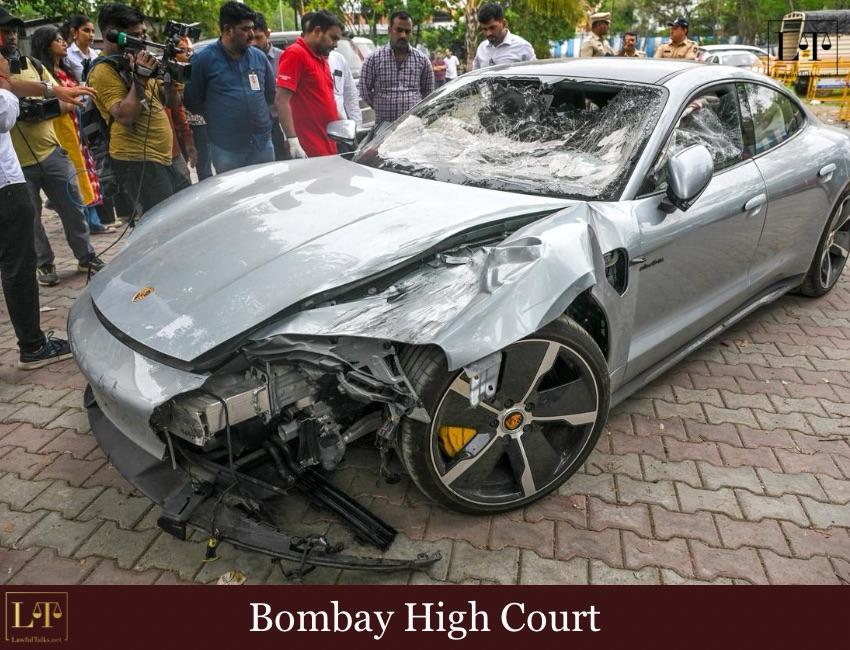
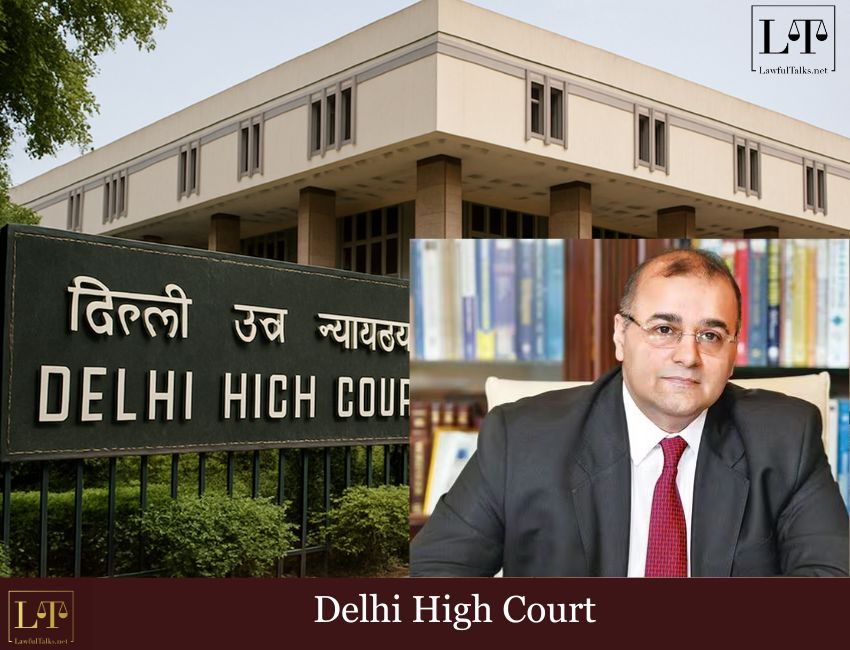
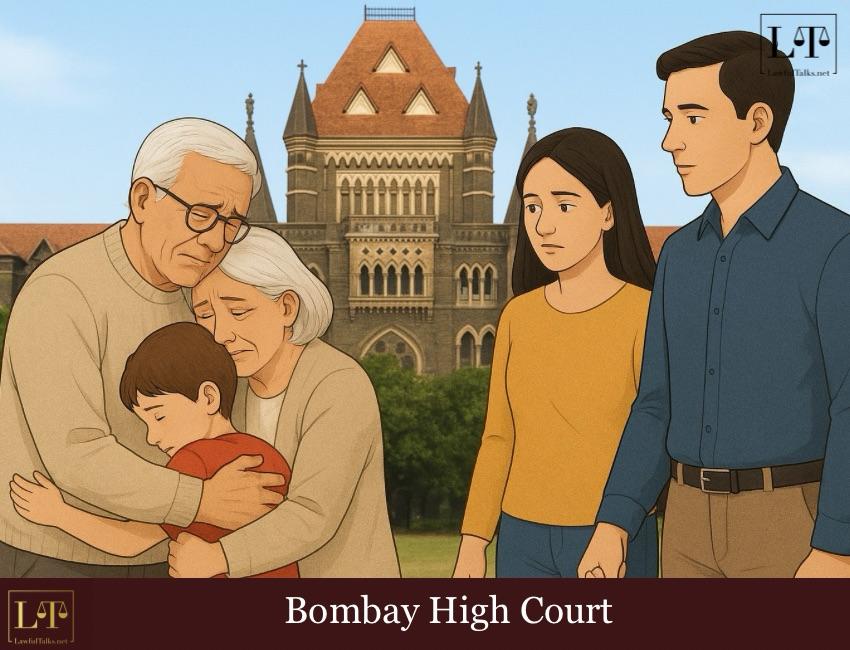
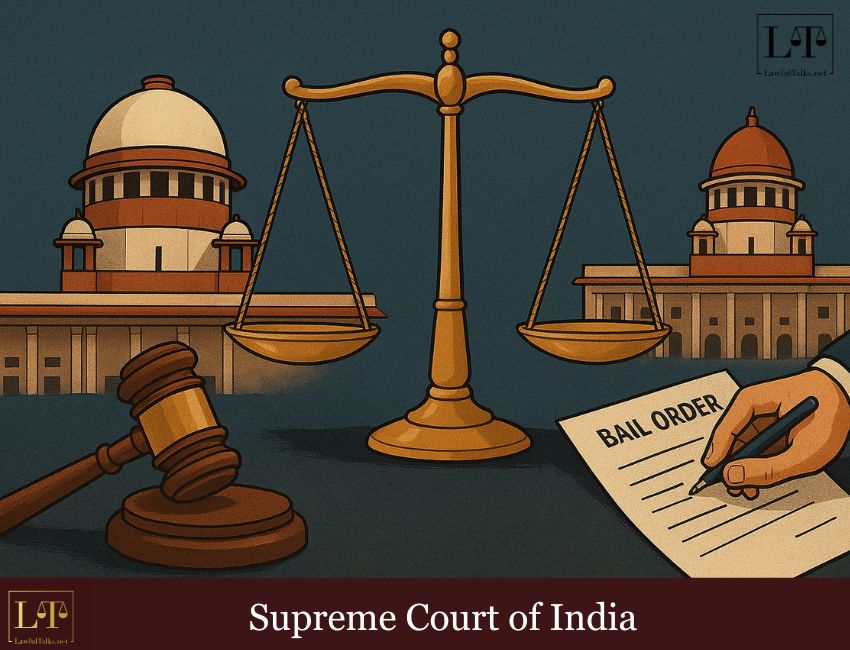
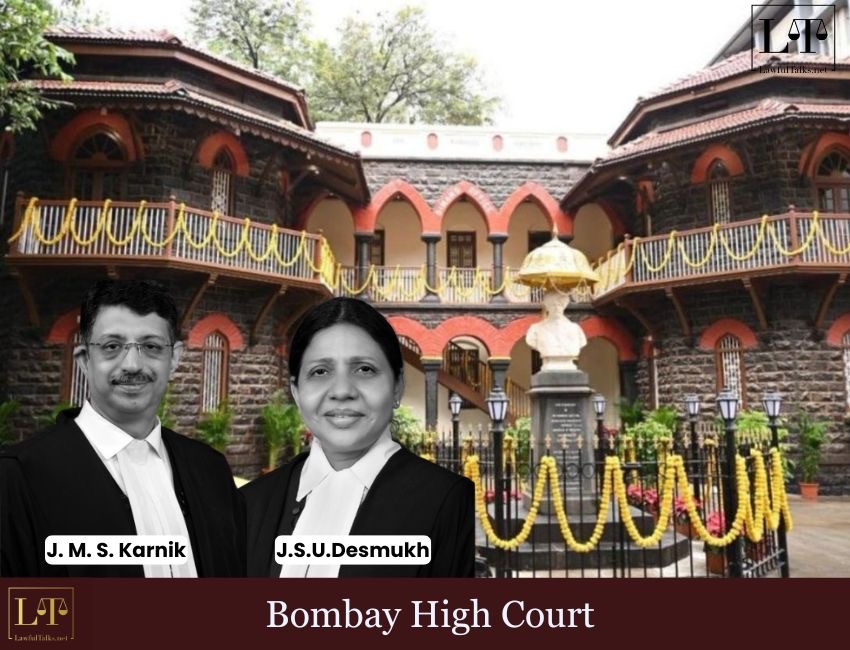
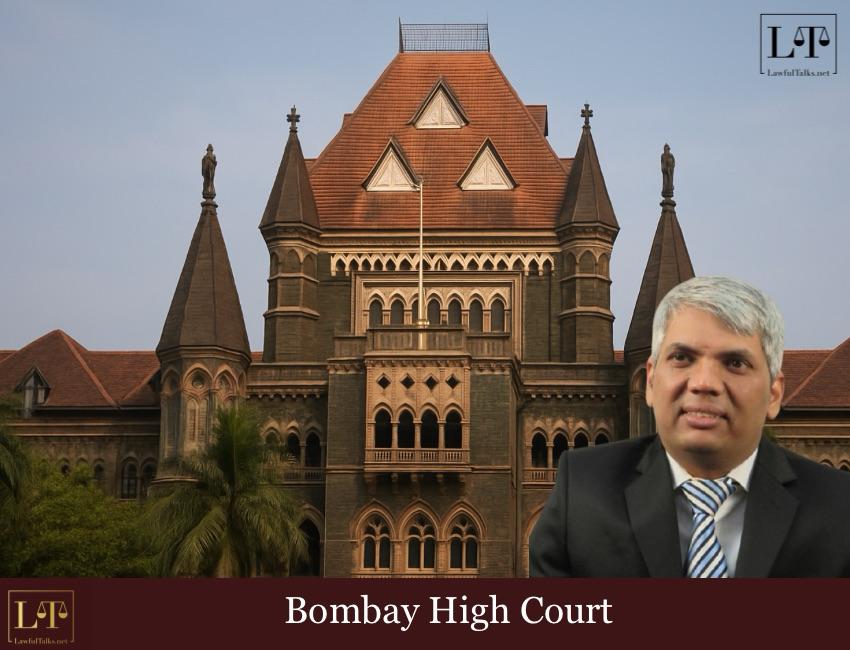
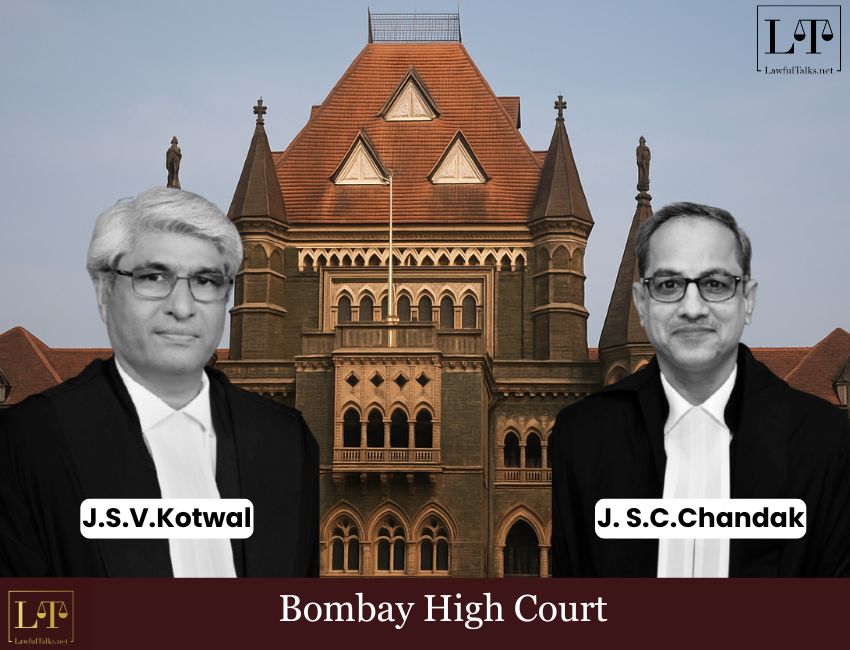
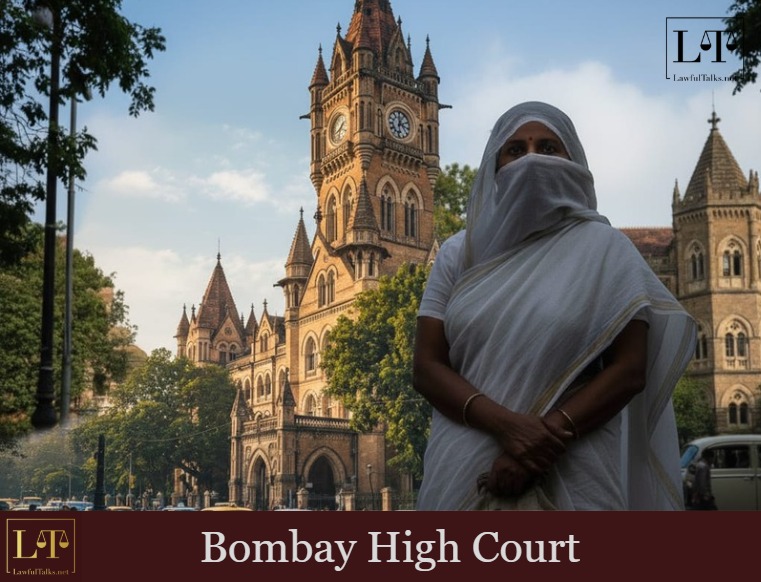
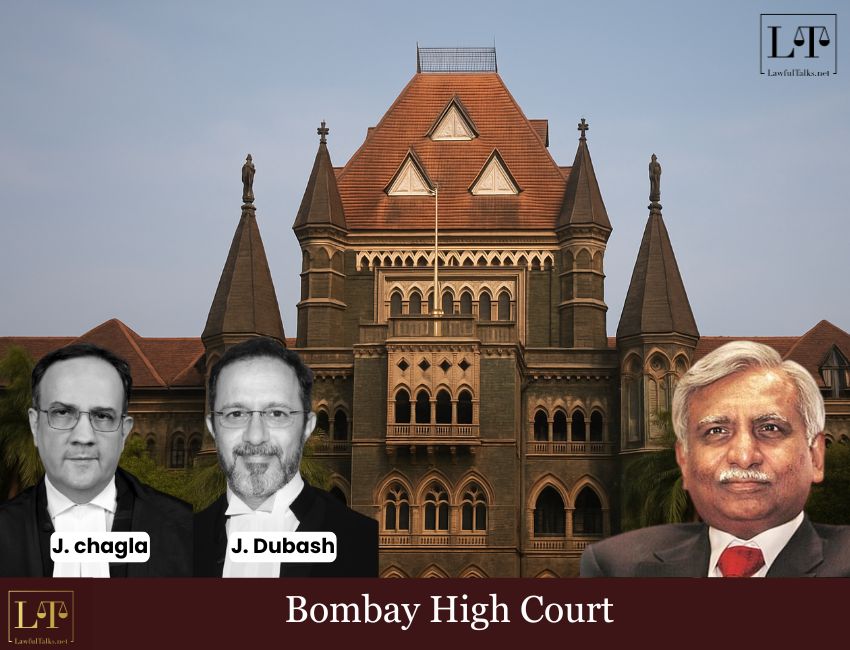
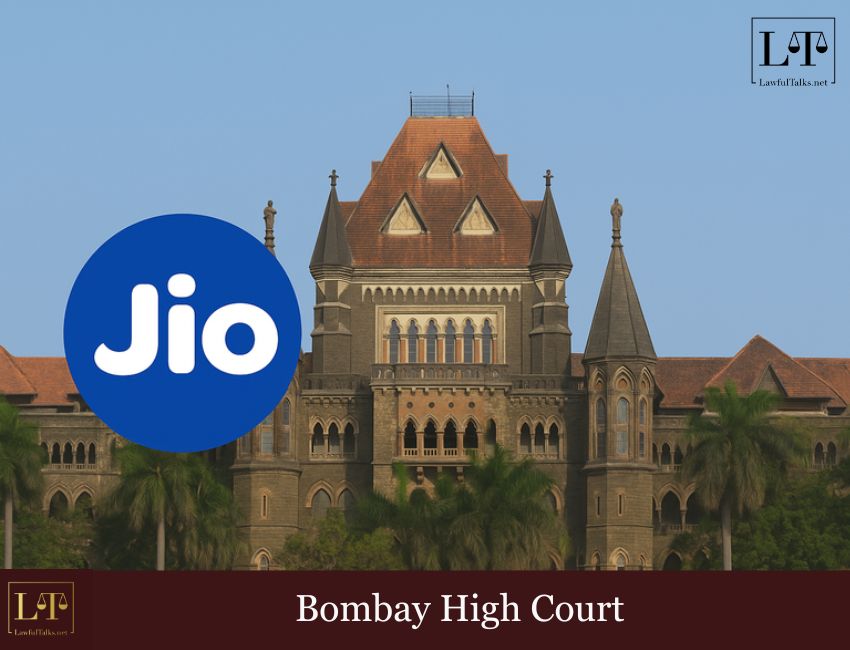
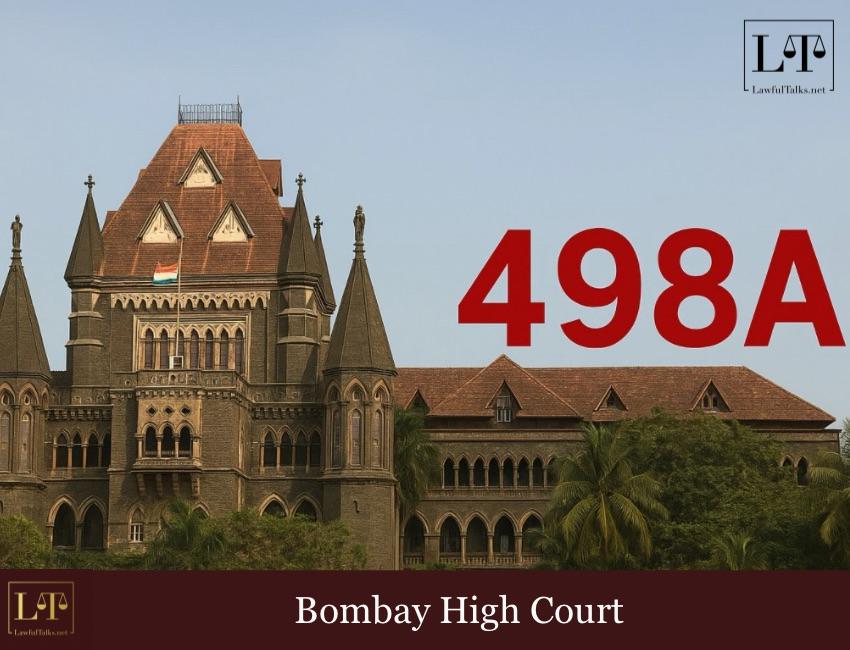
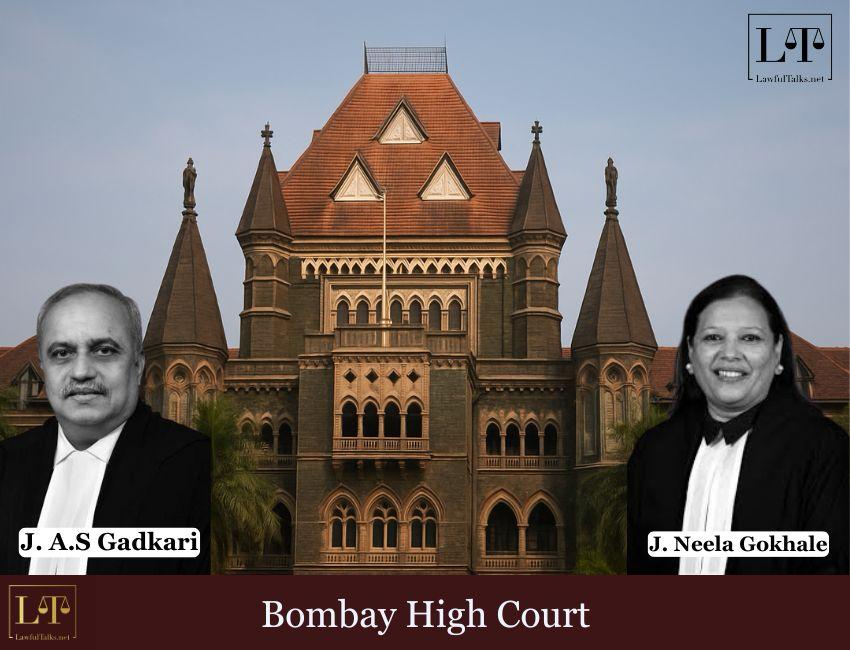
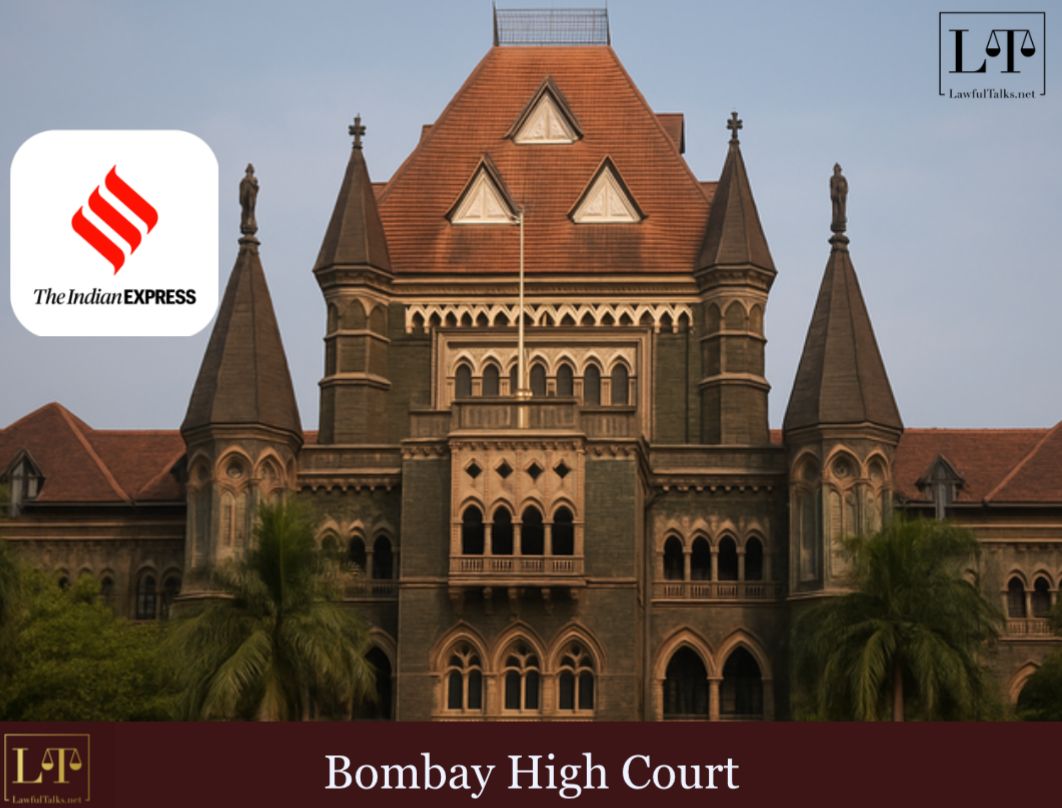
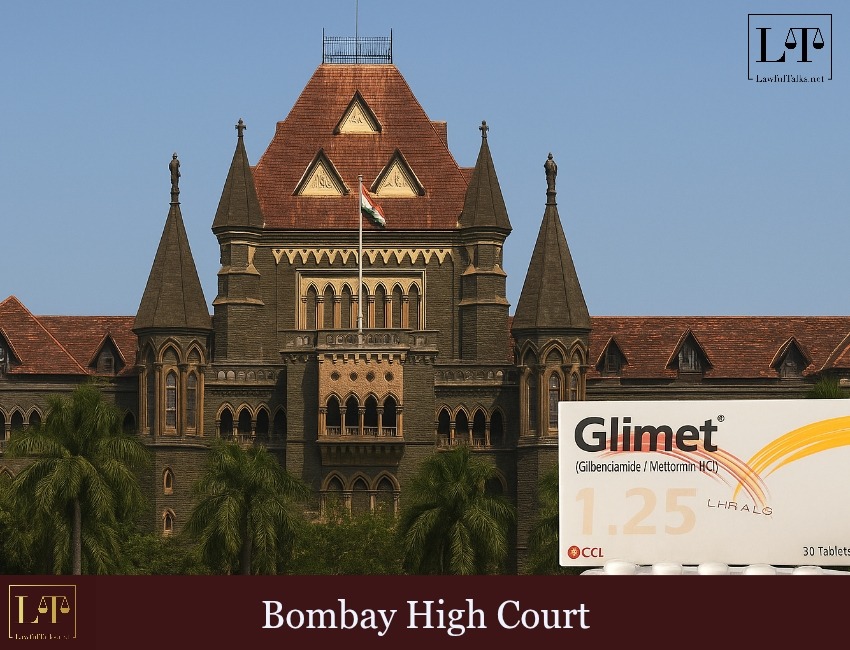
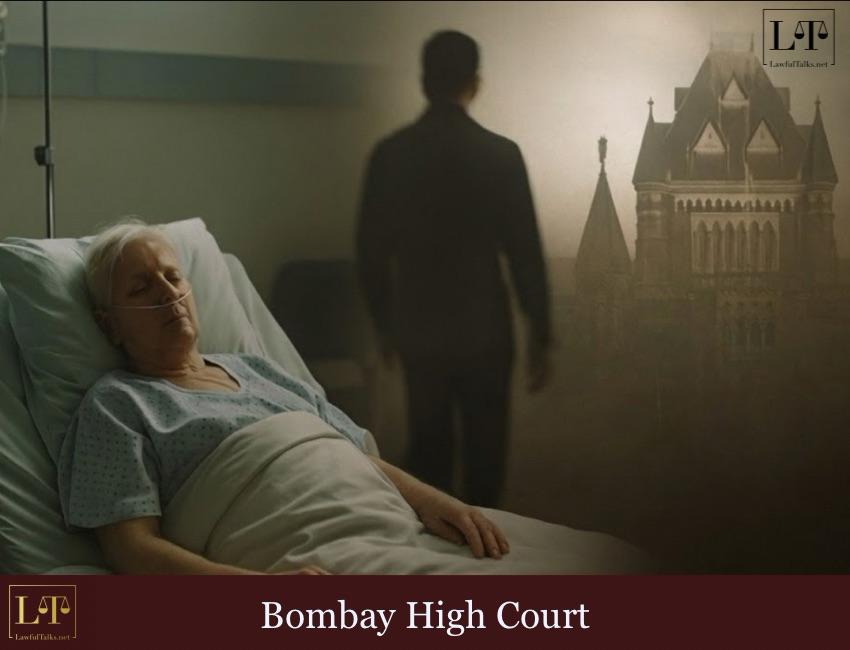
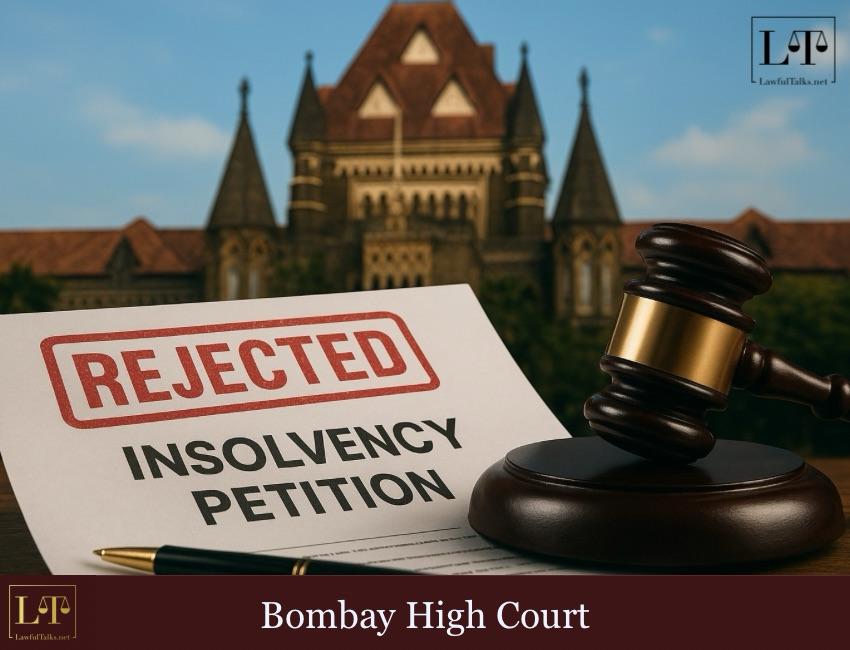
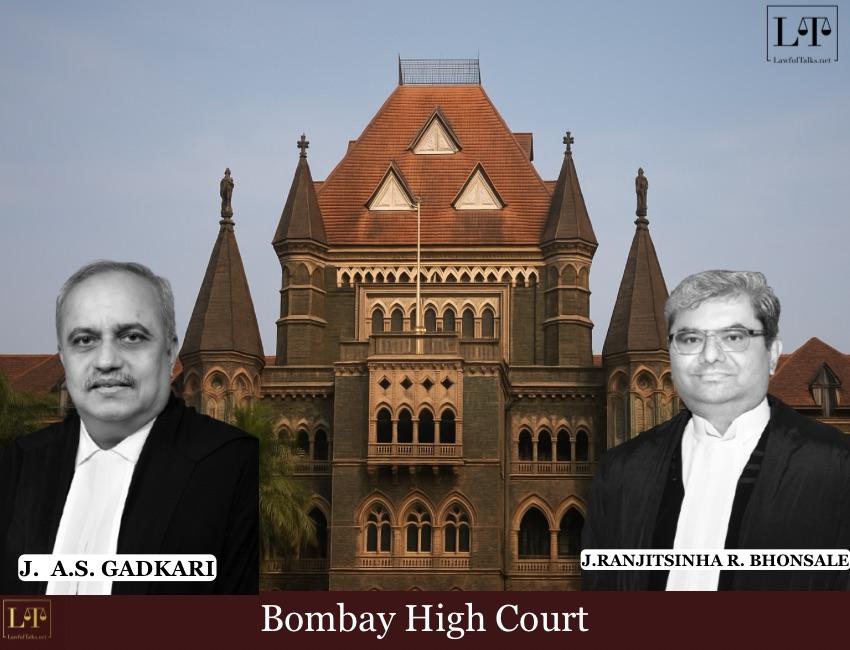
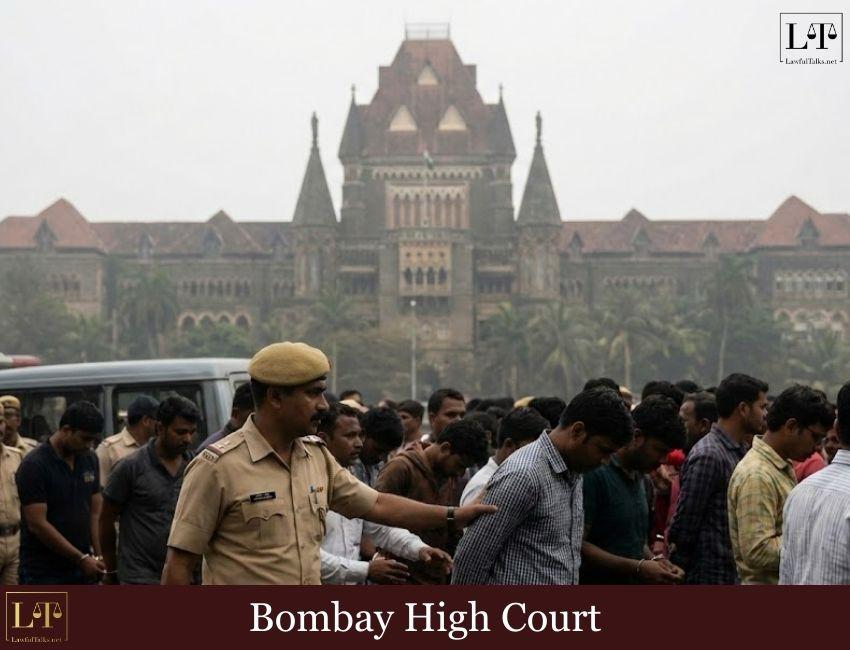
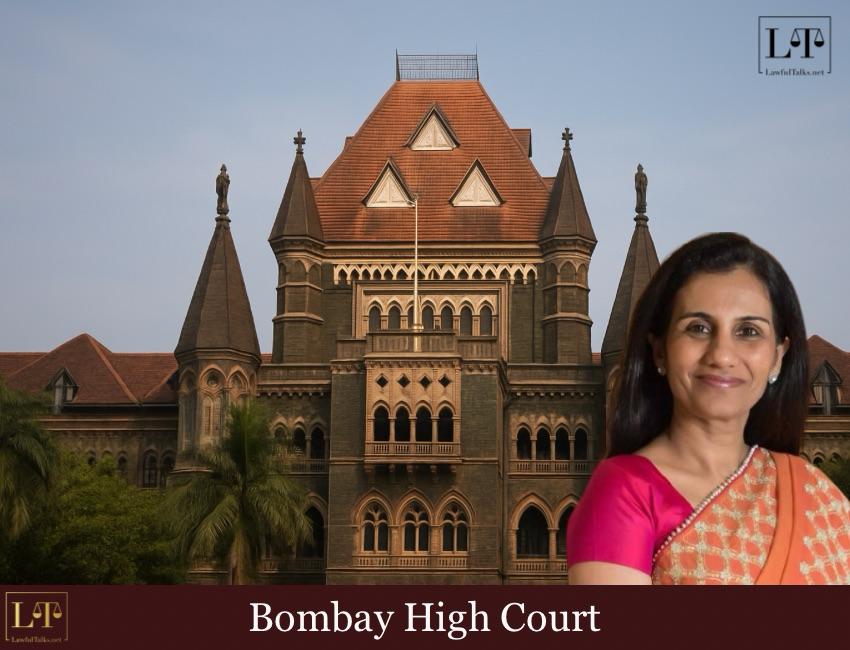
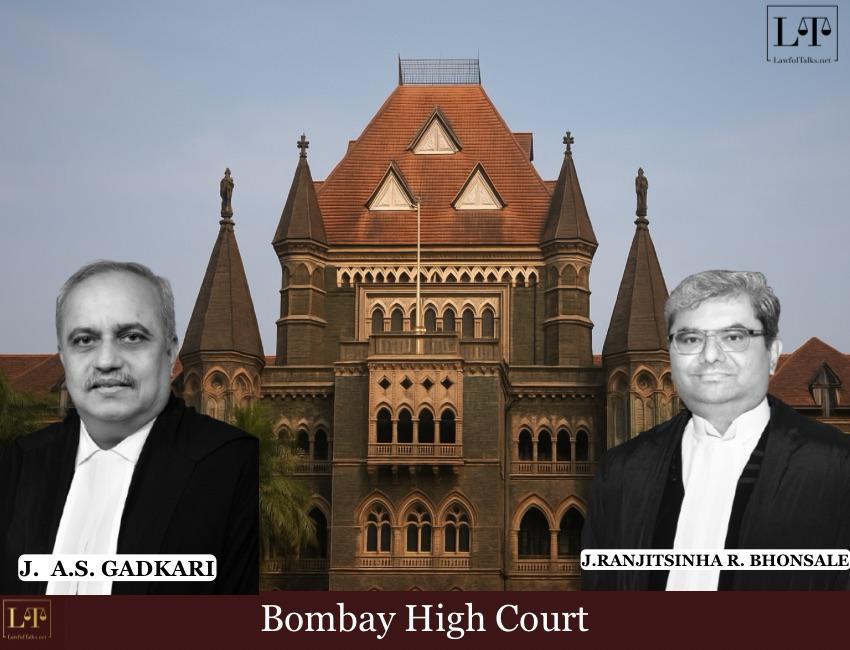
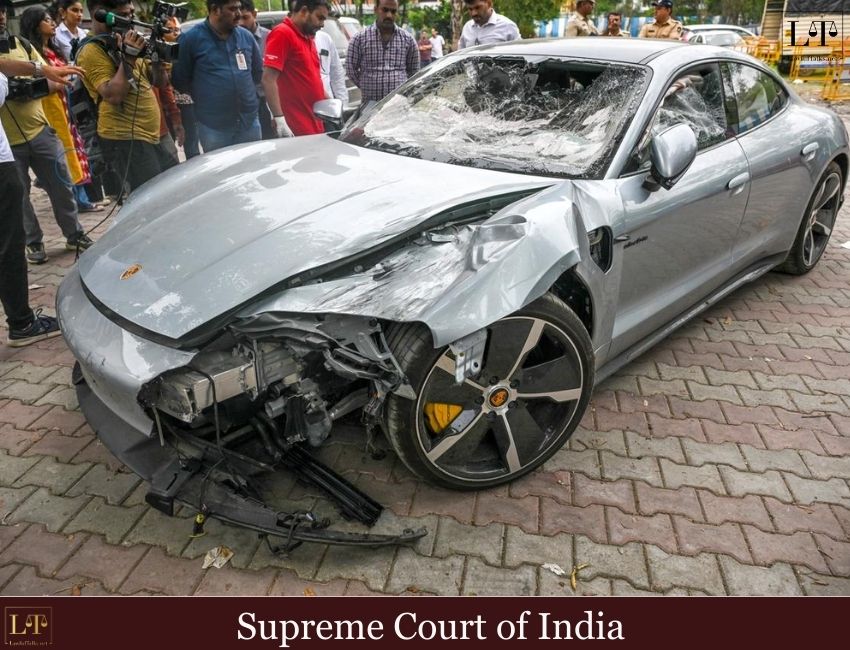
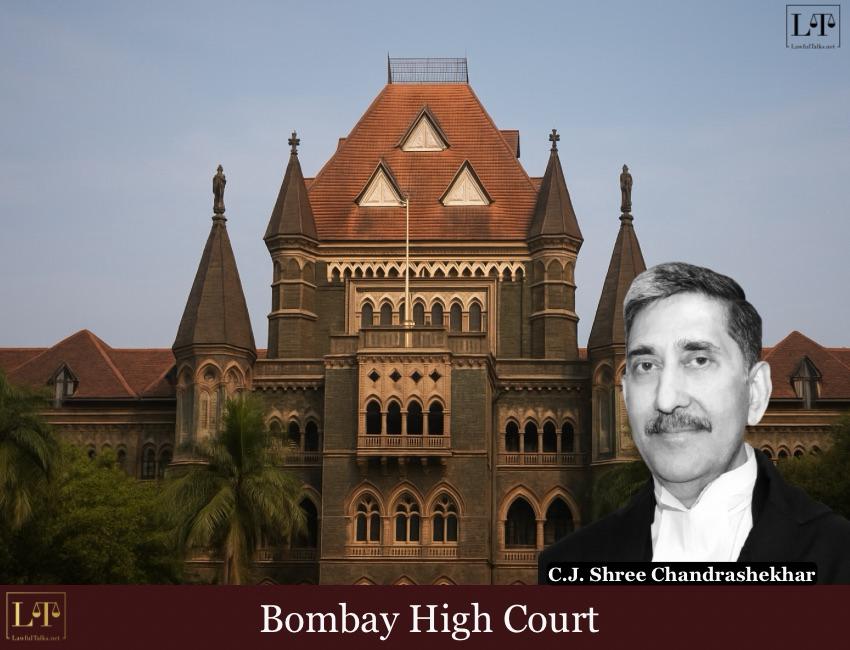
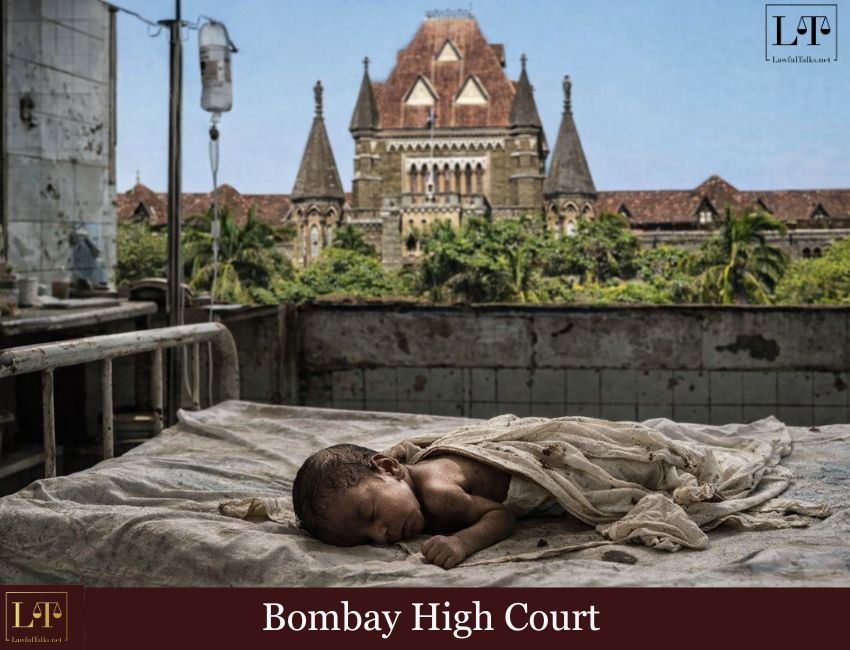
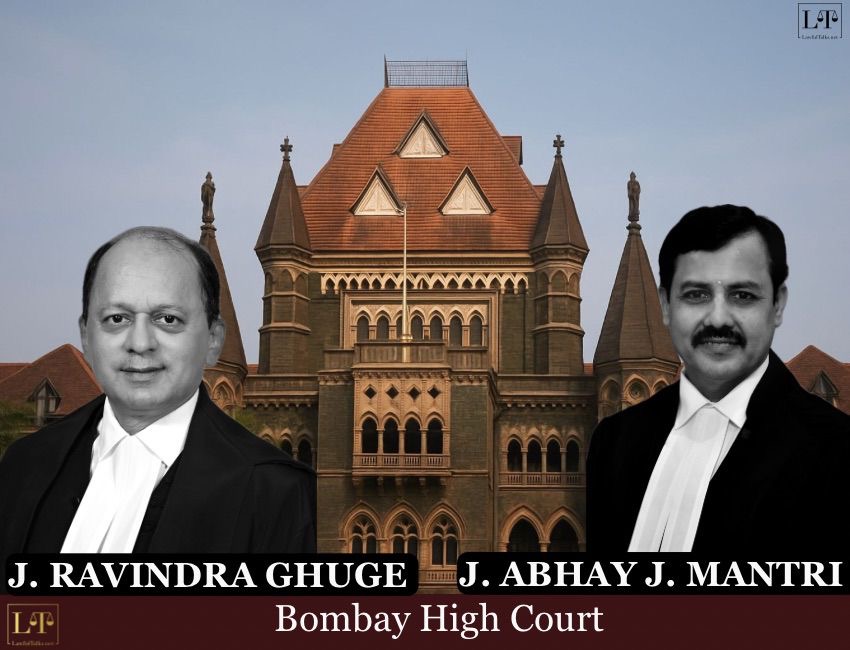
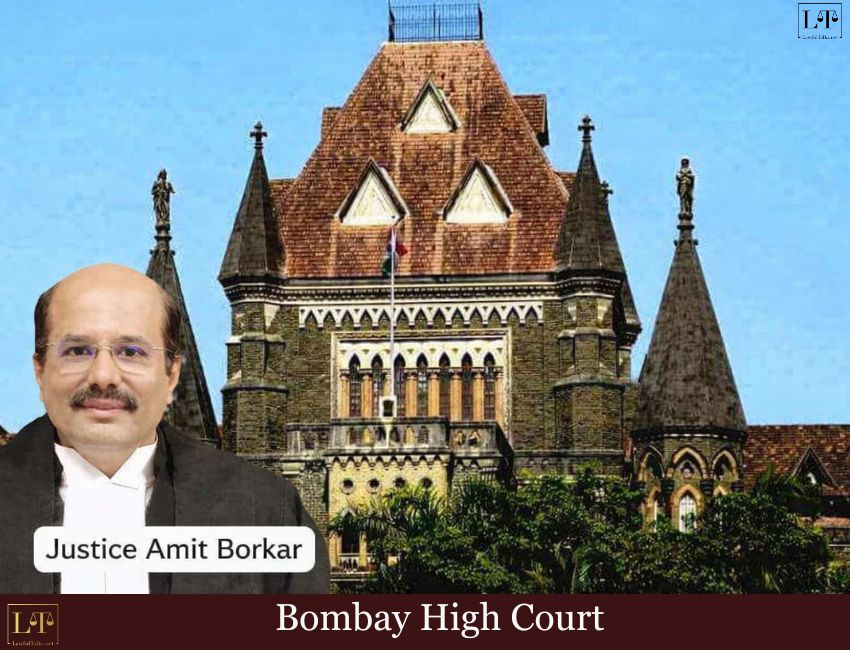
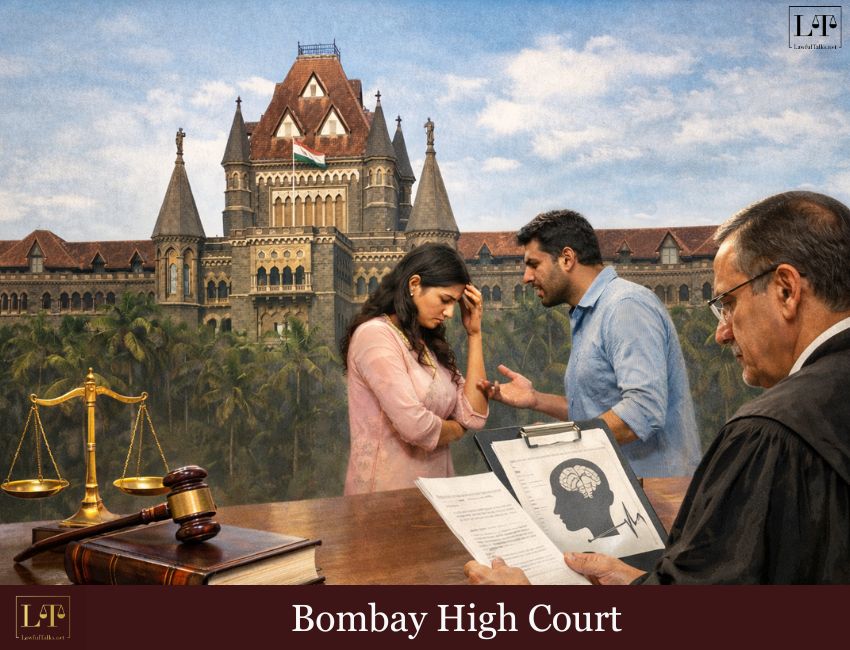
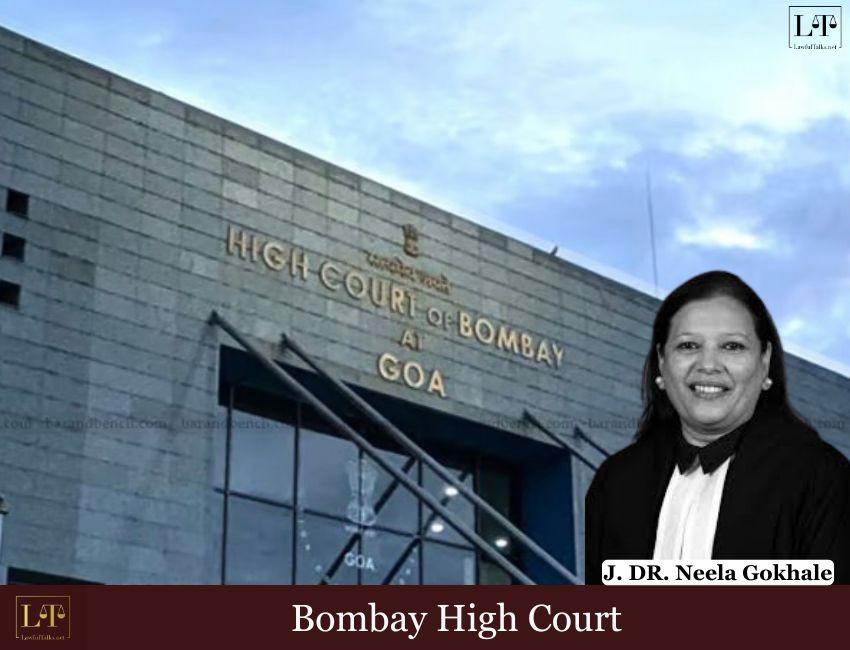
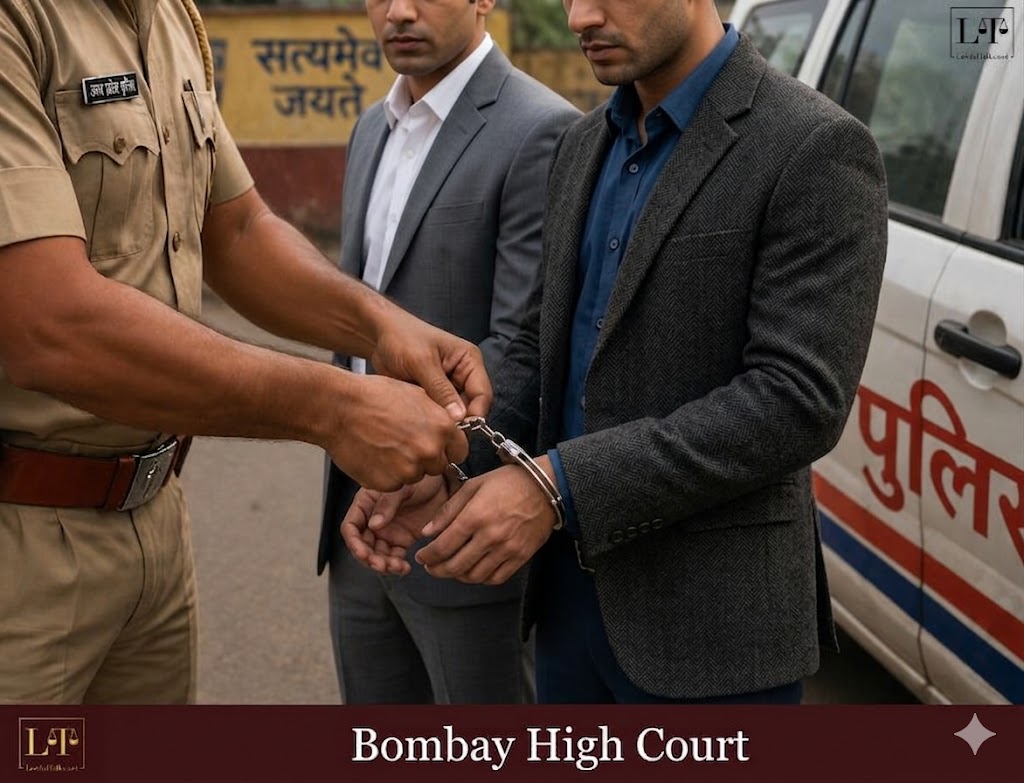
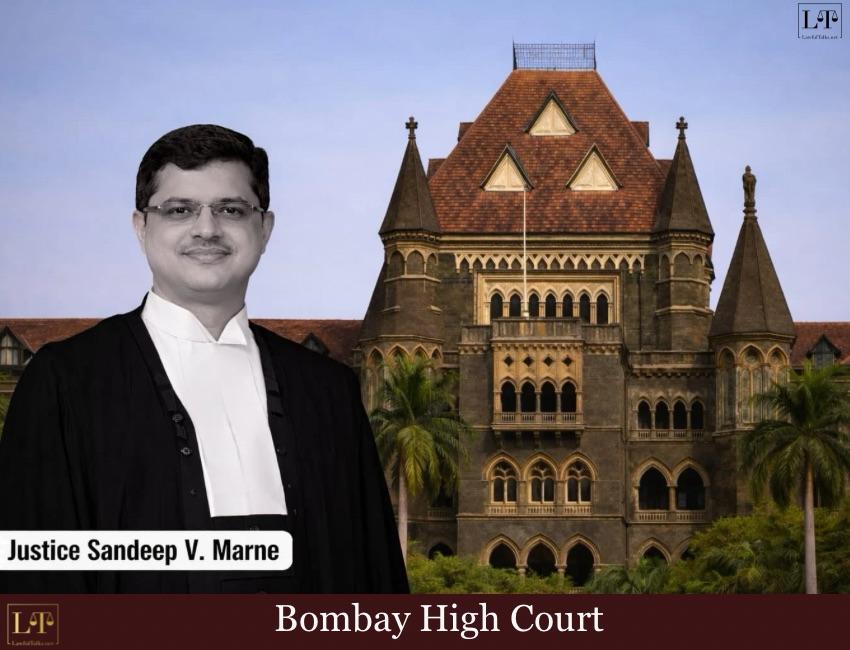
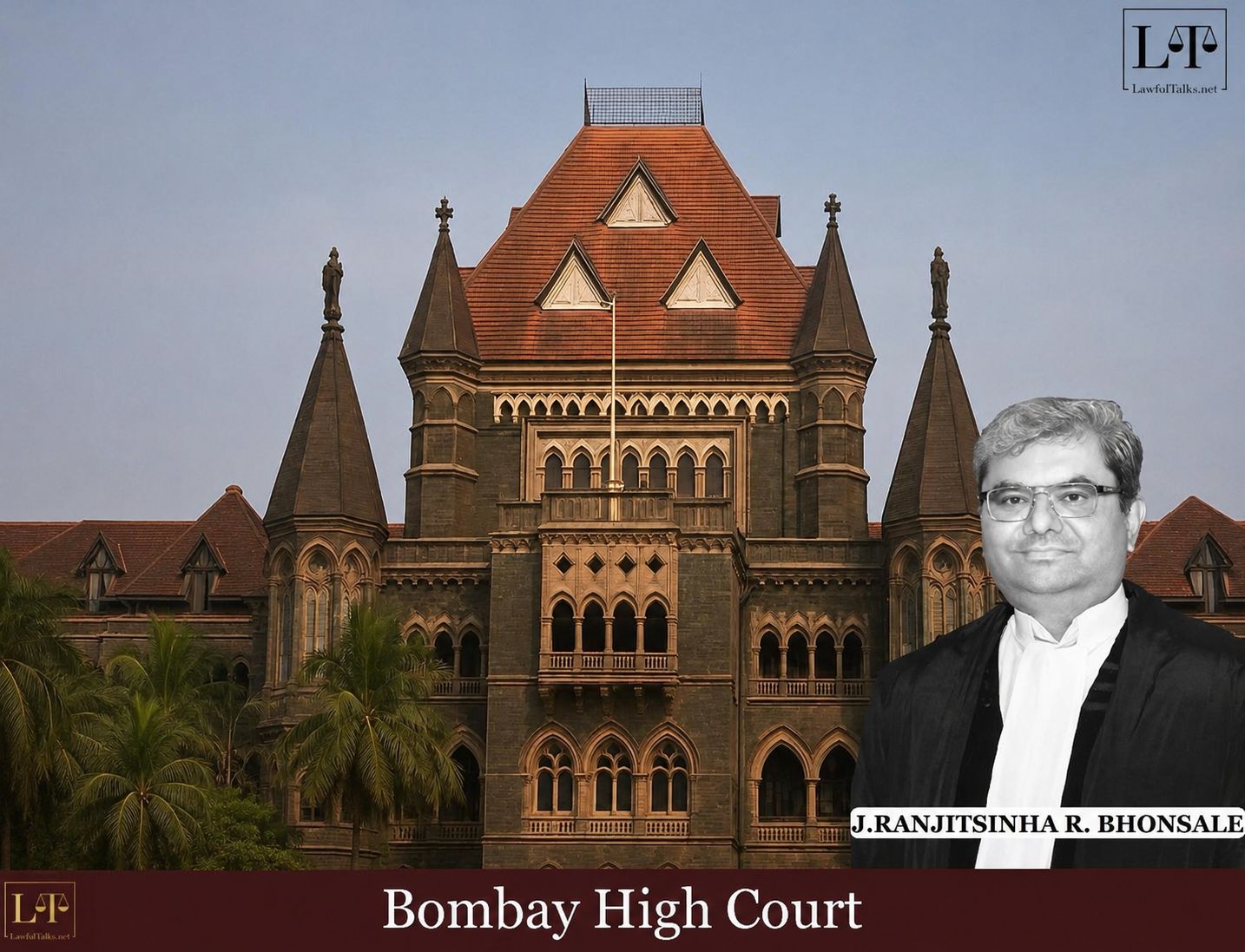
The Bombay High Court slammed the door on bail pleas from businessman Vishal Agarwal and seven co-accused in the tragic Pune Porsche crash case, where two young software engineers lost their lives to a speeding luxury car driven by Agarwal's underage son.
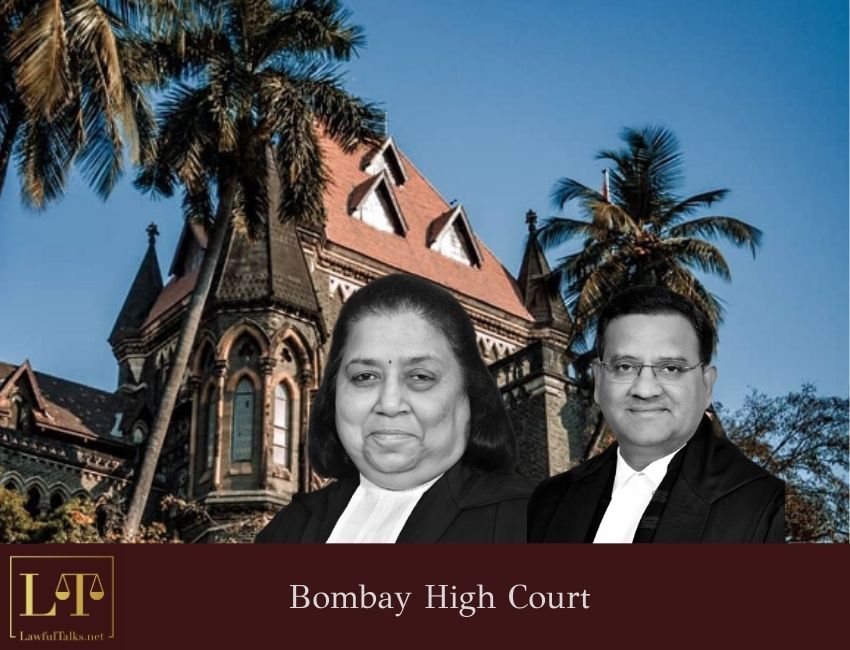
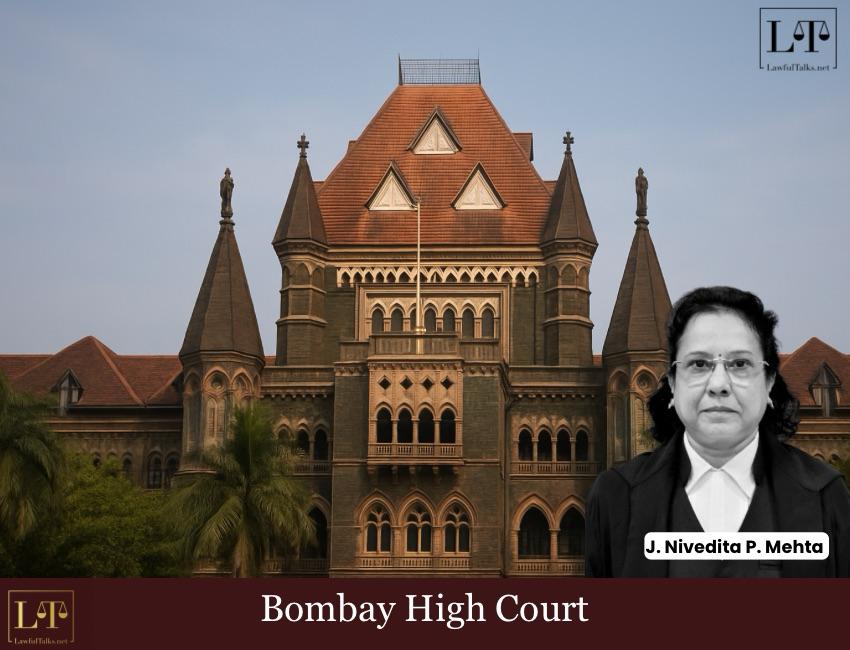
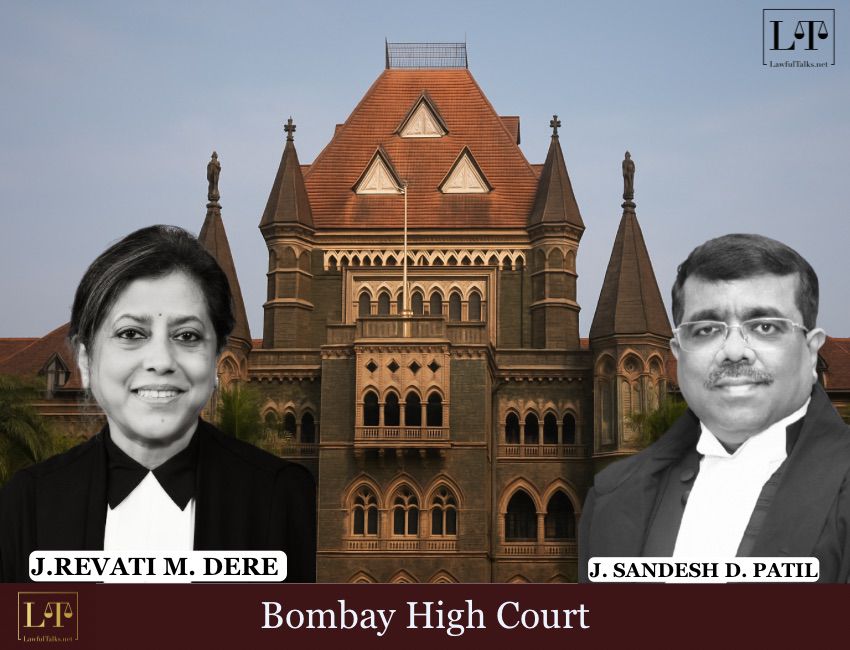
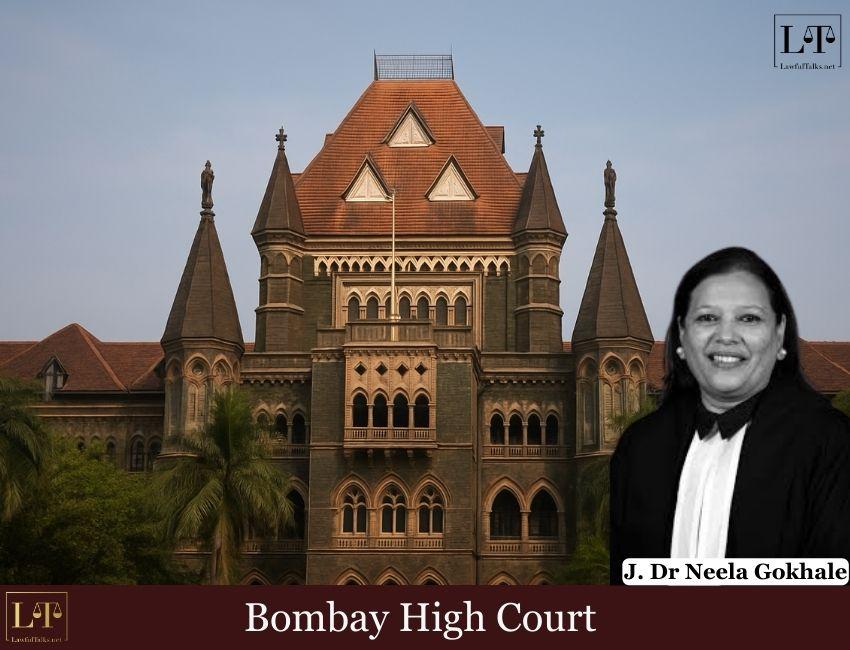
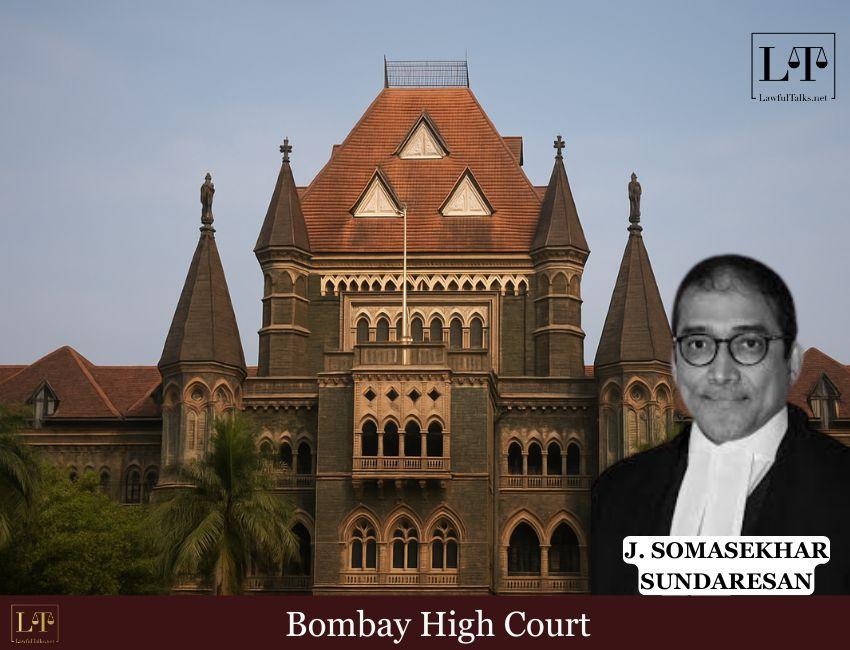
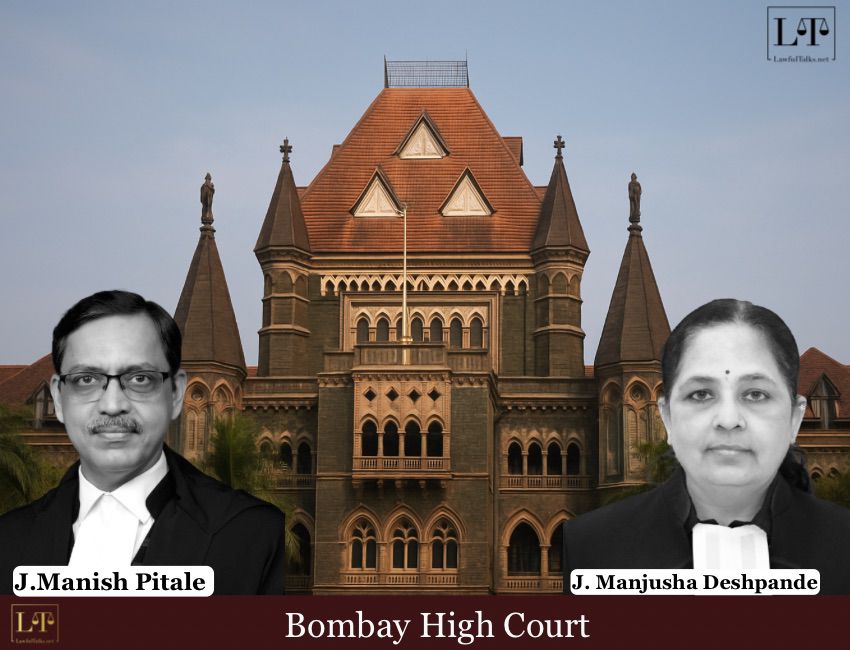
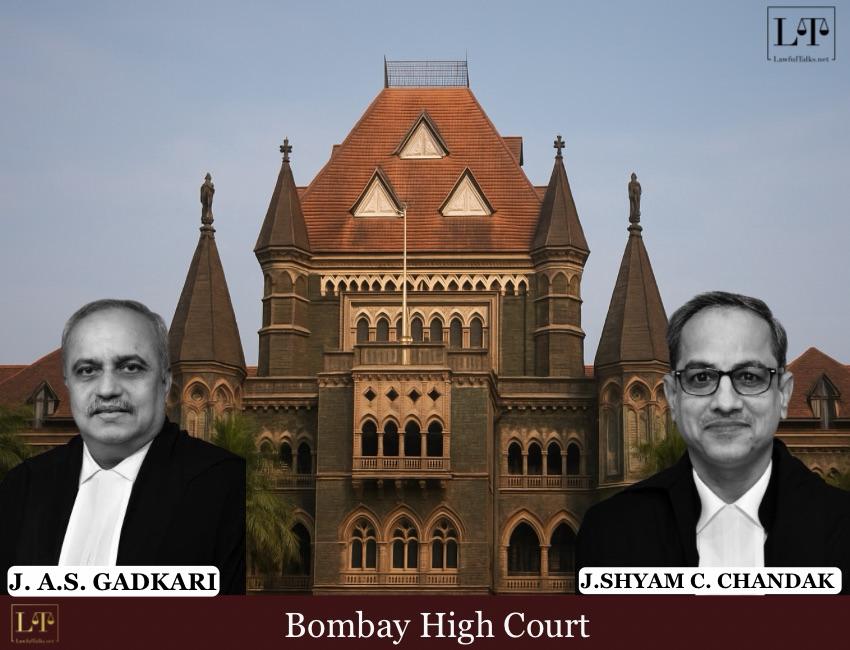
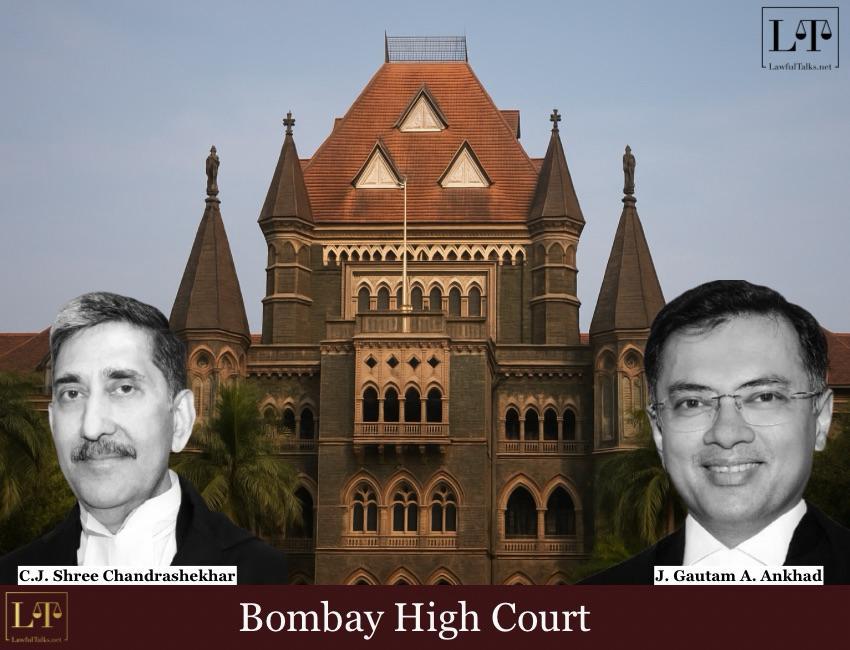
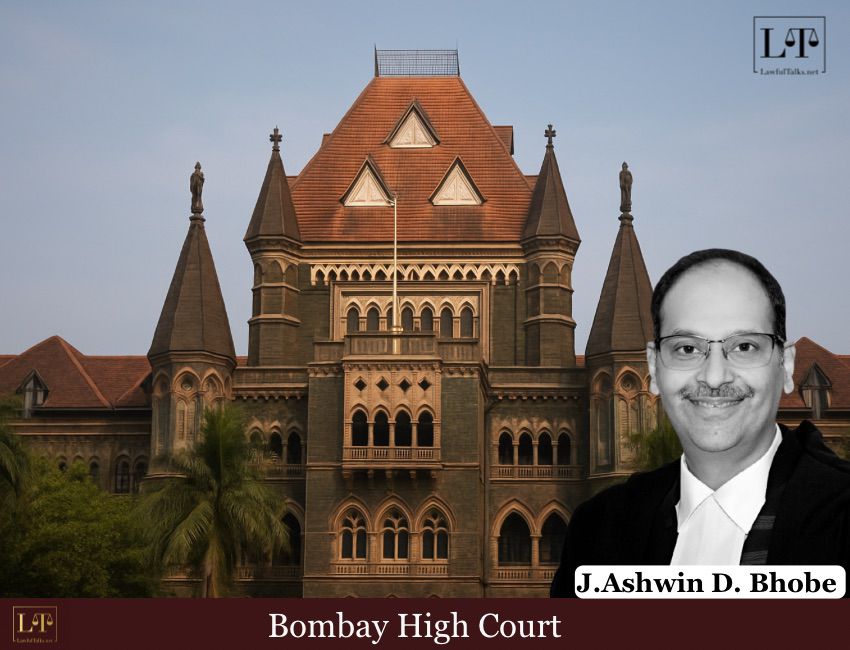
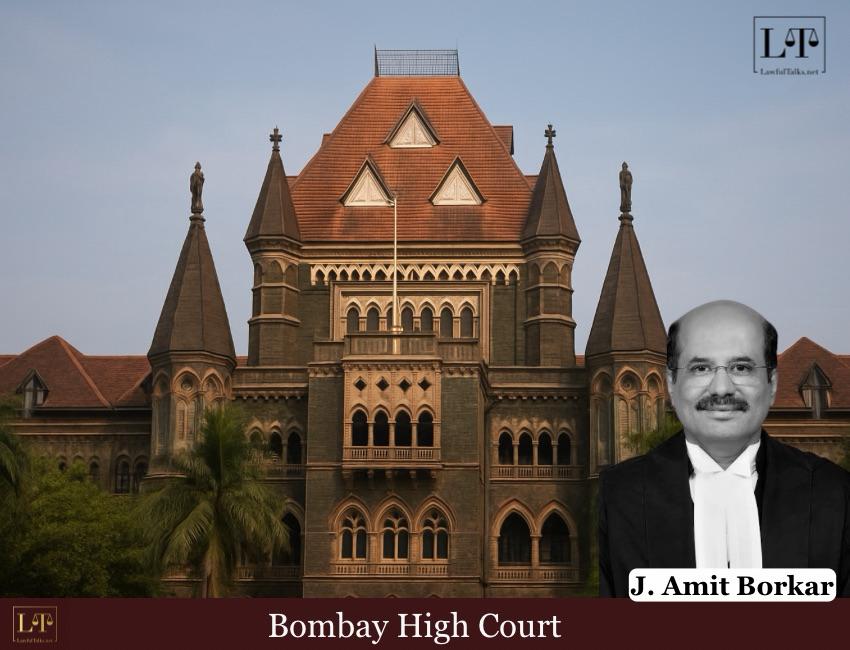
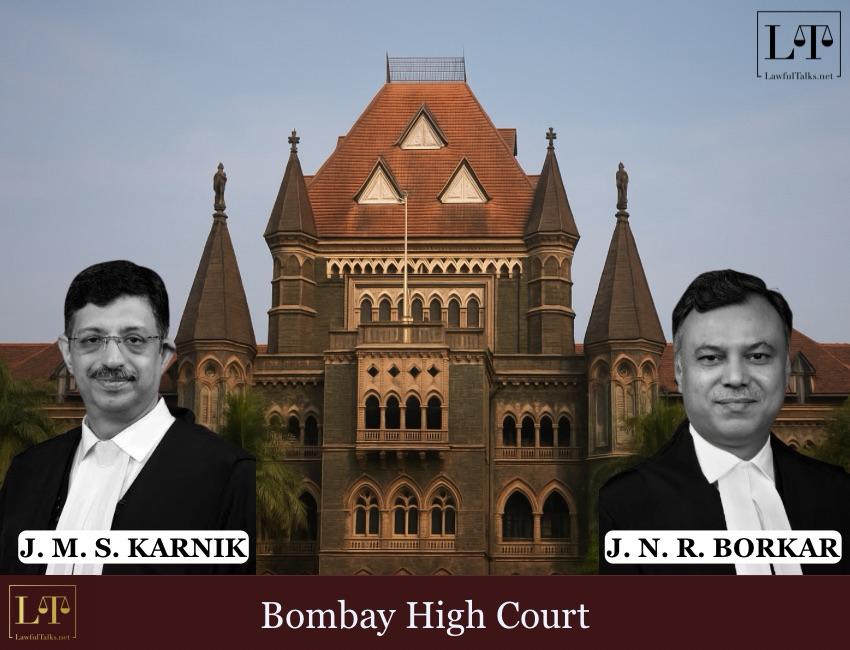
Justice Shyam C Chandak lambasted the group's alleged plot to manipulate blood samples, shielding the minor and undermining justice for the victims.
Delivering a firm rebuke, the court rejected the plea for release, holding that this was not an appropriate time to grant it and agreeing with the prosecution's concern that witnesses could be influenced.
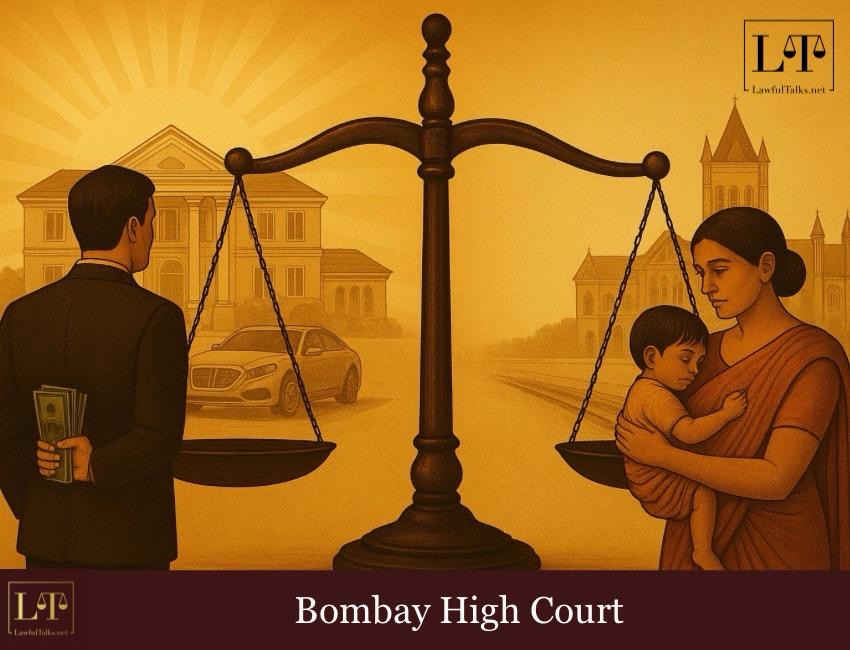
In its order, the court observed, “Some of the applicants are financially well placed. If bail is granted, even subject to stringent conditions, there is every possibility of their tampering with the prosecution evidence using their money power and superior dominance.”
Background:
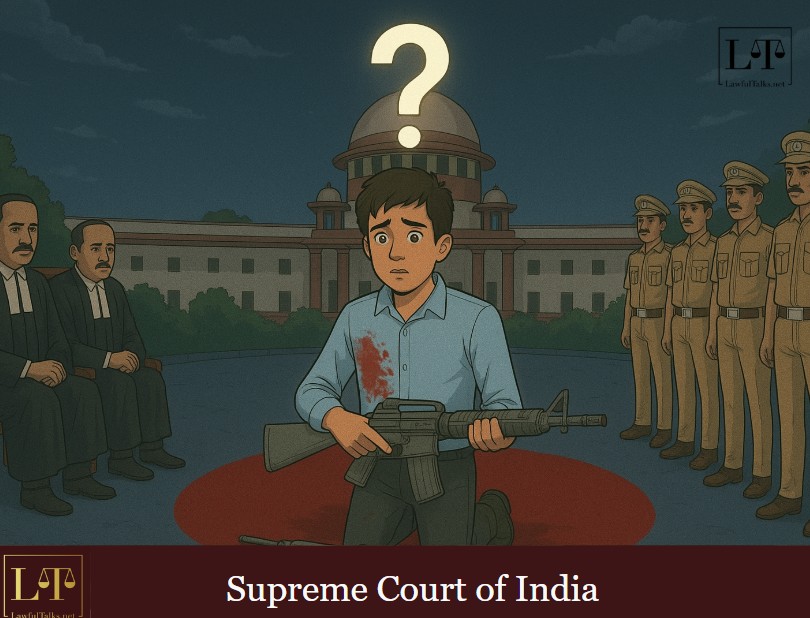
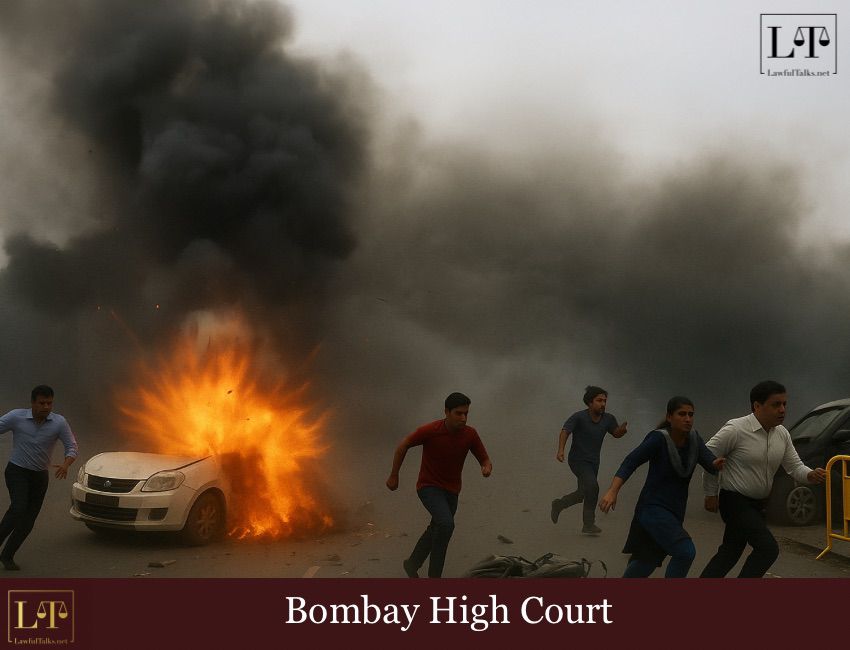
The fatal collision unfolded around 2:30 AM on May 19, 2024, in Pune’s bustling Kalyani Nagar, when the inebriated minor behind the wheel of the Porsche smashed into a motorcycle, claiming the lives of 24-year-old Aneesh Awadhiya and Ashwini Koshta, both from Madhya Pradesh.
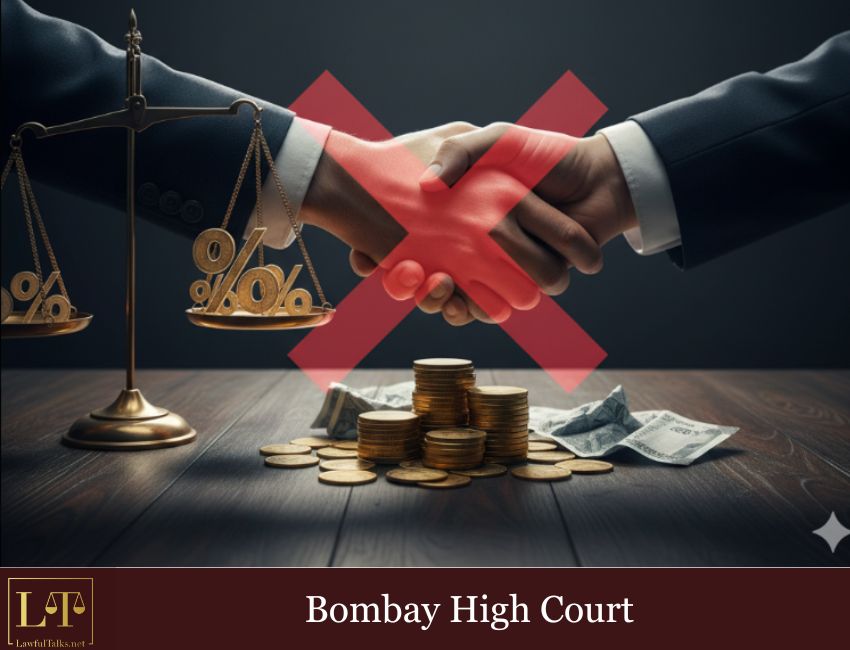
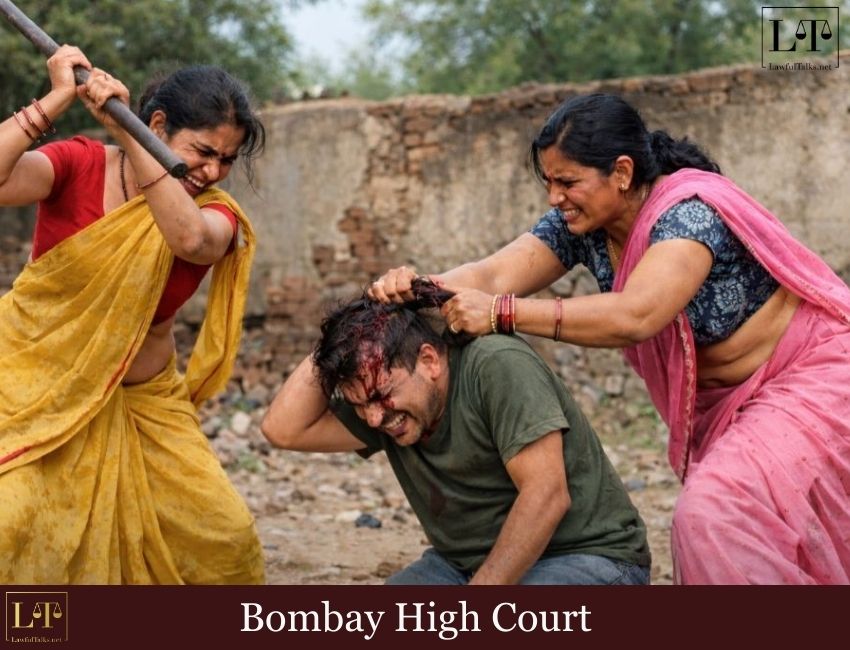
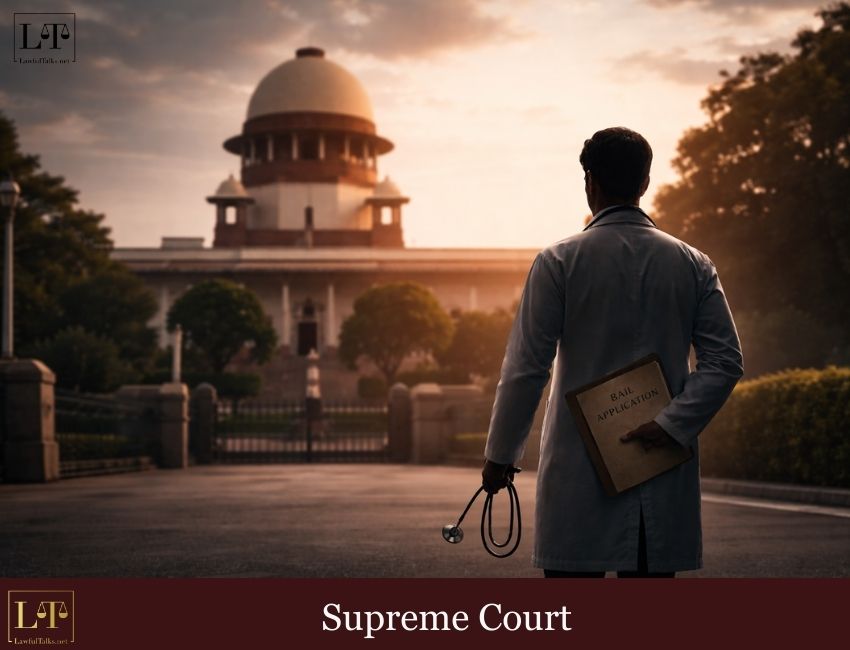
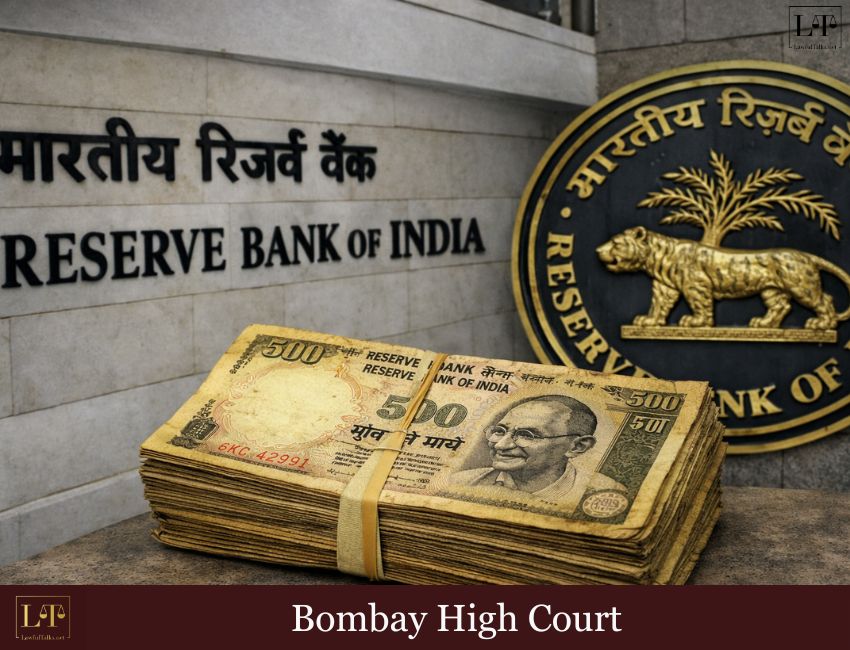
Prosecutors allege Vishal Agarwal, alongside wife Shivani Agarwal, orchestrated a scheme to produce 'nil alcohol' results by swapping the blood samples of their son—the child in conflict with law (CCL)—and his friends ‘A’, ‘N’, and ‘S’. They reportedly funneled ₹3 lakh in bribes to Sassoon Hospital’s casualty medical officer Dr Shrihari Halnor via middlemen Ashpak Basha Makandar and Amar Santosh Gaikwad, with ₹50,000 reaching hospital staffer Atul Ghatkambale to smooth the operation.
Dr Halnor, who was responsible for examining the CCL and his companions and collecting their samples, allegedly worked with then forensic department head Dr Ajay Taware to carry out the sample swap. In a separate incident, Arunkumar Singh is accused of paying ₹2 lakh to businessman Ashish Mittal to arrange a substitute sample for his own minor son ‘N’. Makandar and Gaikwad allegedly ensured that the fake samples and forged documents were successfully inserted into official records.
Justice Chandak noted several suspicious factors, including delays in the boys’ medical examinations, the financial strength and influence of the accused, and the vulnerability of key witnesses such as drivers, watchmen, domestic staff, and hospital employees who were connected to them.
The court observed that granting bail, even with strict conditions, could lead to threats to witnesses and further tampering with evidence, which would seriously obstruct the course of justice.
The accused argued that the evidence of bribery was weak, the investigation was complete, and continued custody served no purpose. However, the court responded that they had chosen to misuse money and influence to interfere with the investigation instead of allowing a fair probe.
Taking note of their 18 months in custody and the trial court’s view that bail should not be considered until a crucial witness is examined, Justice Chandak directed the lower court to proceed expeditiously with framing of charges.
Case Details: Aditya Avinash Sood v. State of Maharashtra & connected matters
Appearance:
Senior Advocates Ashok Mundargi, Shirish Gupte, Aabad Ponda with advocates Vijay Upadhyay, Dhvani Shah, Niranjan Mundargi, Abid Mulani, Ashish P Agarkar, Prashant Patil, Raj Mulani, Harshada Parbhane, Adesh Agarkar, Mandar Shinde, Shraddha Kulkarni, Swapnil Ambure, Harshada Parbhane, Nida Khan, Gagandeep Singh, Aniket Nikam, Ranjit Ade, Rajendra Nemane, Gagandeep Singh, Anant Charkhe, Nilesh Rathod, Keral Mehta, Yash Naik and Vaibhav Gaikwad appeared for the accused.
Special public prosecutor Shishir Hiray with advocates Shubham Joshi, Sanjay Kokane, Tanveer Khan and Supriya Kak appeared for the State.
Advocates Ankit Patil, Yash Shrivas and Iraa Dube Patil briefed by Jay and Co. appeared for the intervenor, the father of one of the victims.















































Sign up for free and be the first to get notified about curated content just for you.