“Why the Supreme Court Says High Courts Can’t Grant Arrest Protection Without Quashing FIRs”

- December 24, 2025


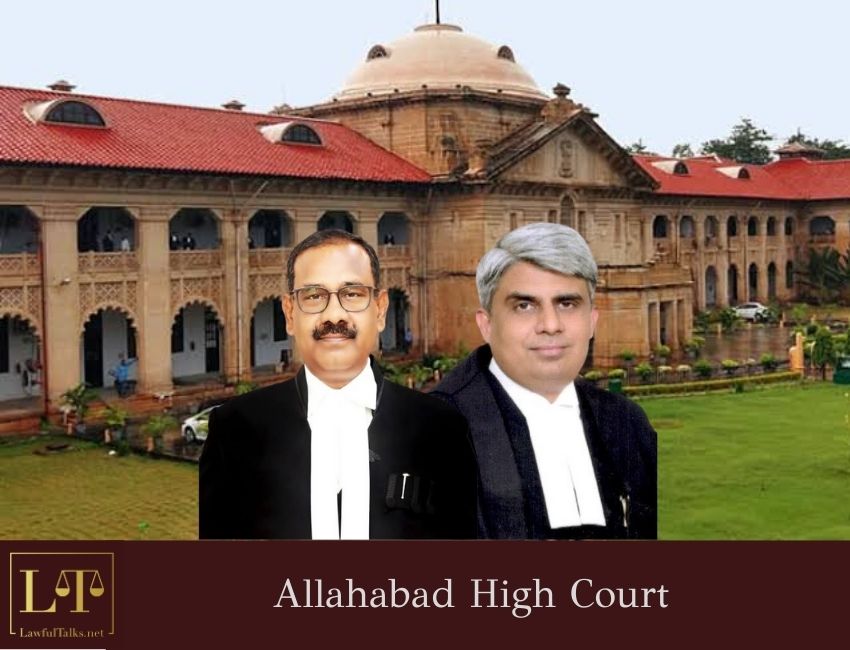
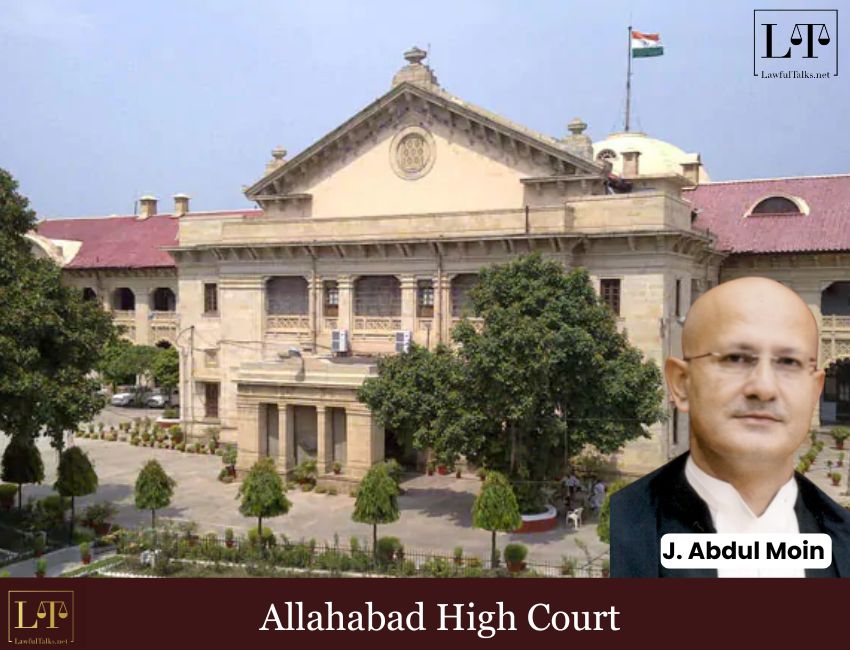
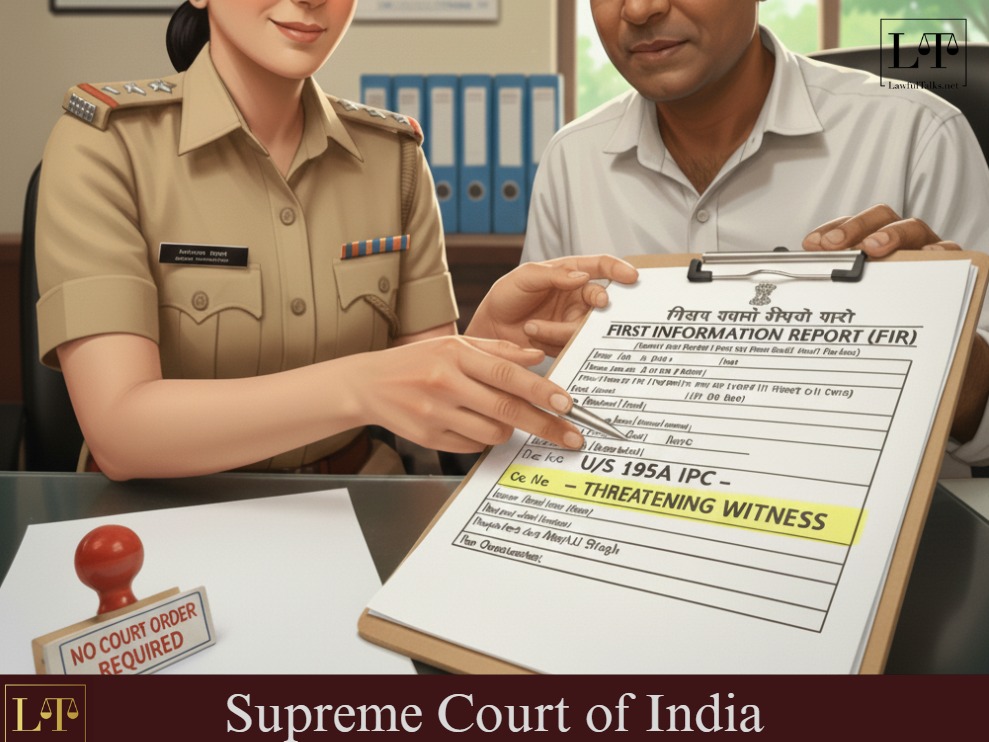
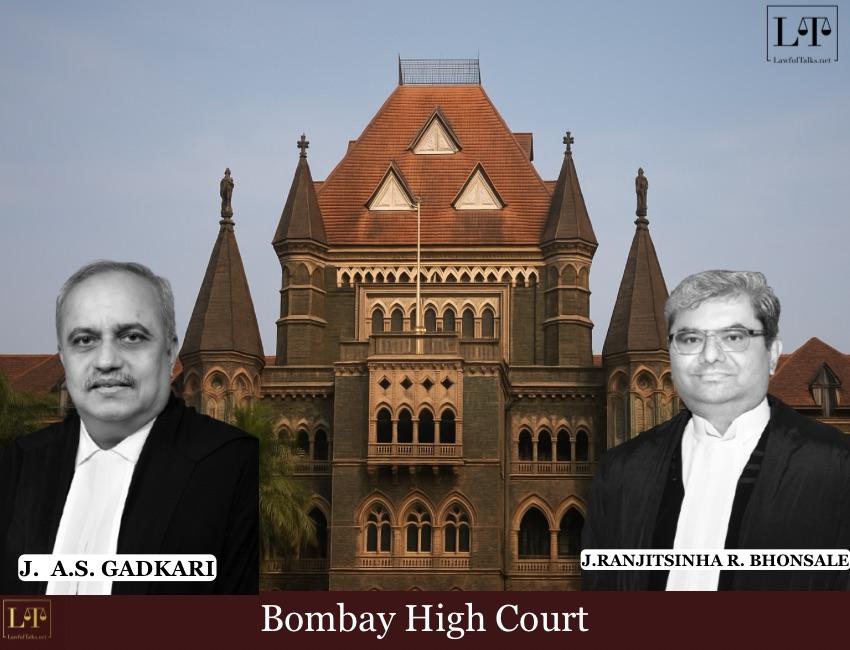
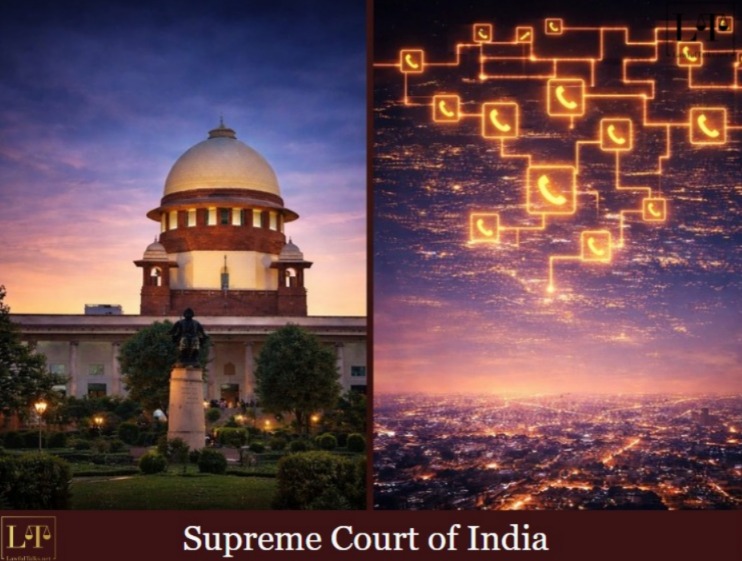
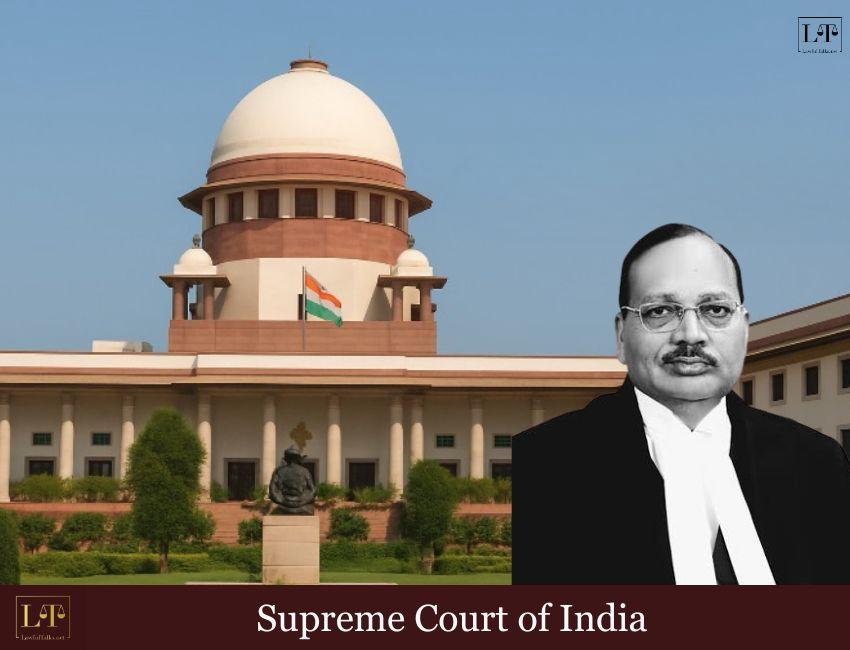
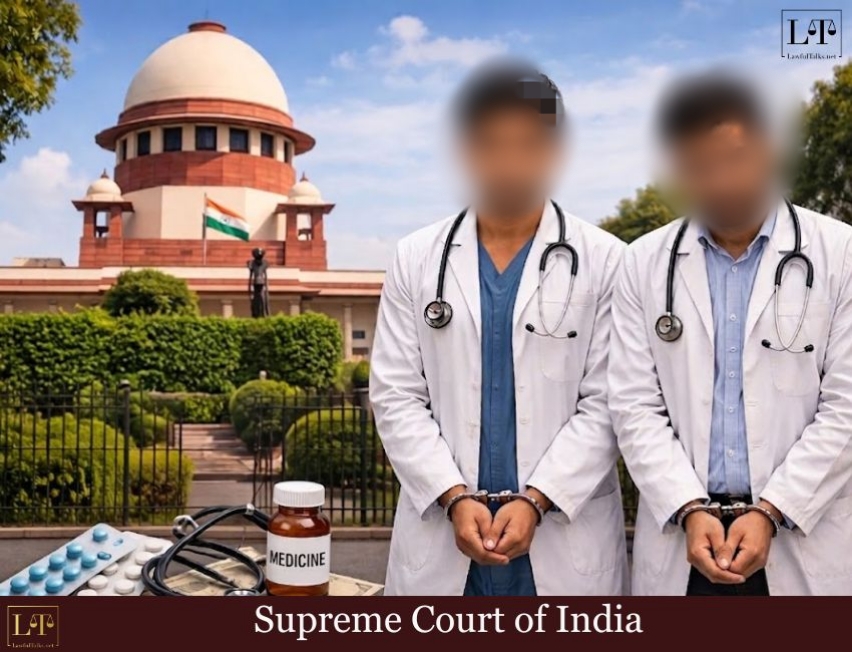
A significant order was recently passed by the Supreme Court, which set aside an Allahabad High Court order that had refused to quash a FIR. While doing so, the High Court had directed the police to complete the investigation within a fixed time and had granted protection from arrest “till the concerned court takes cognizance of the matters”.
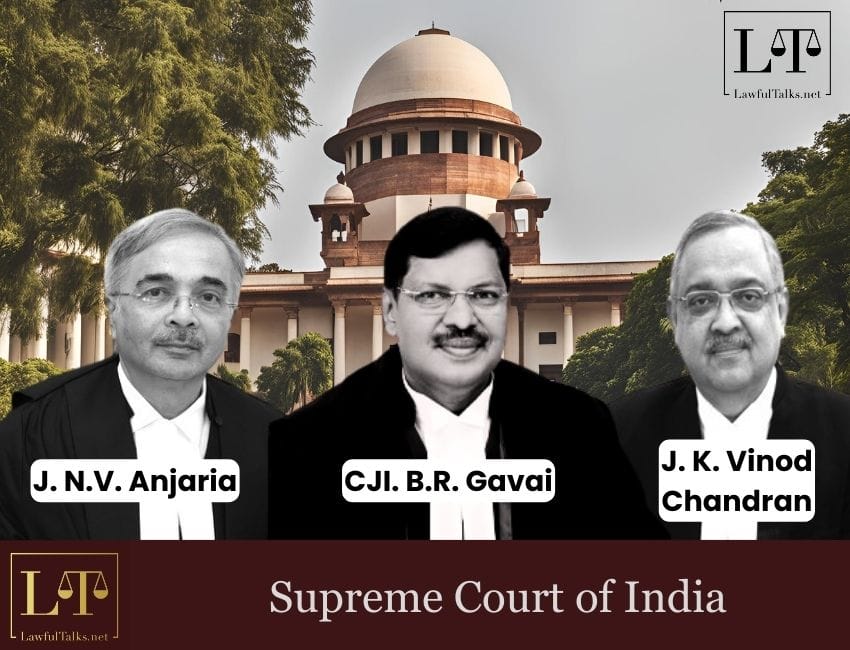
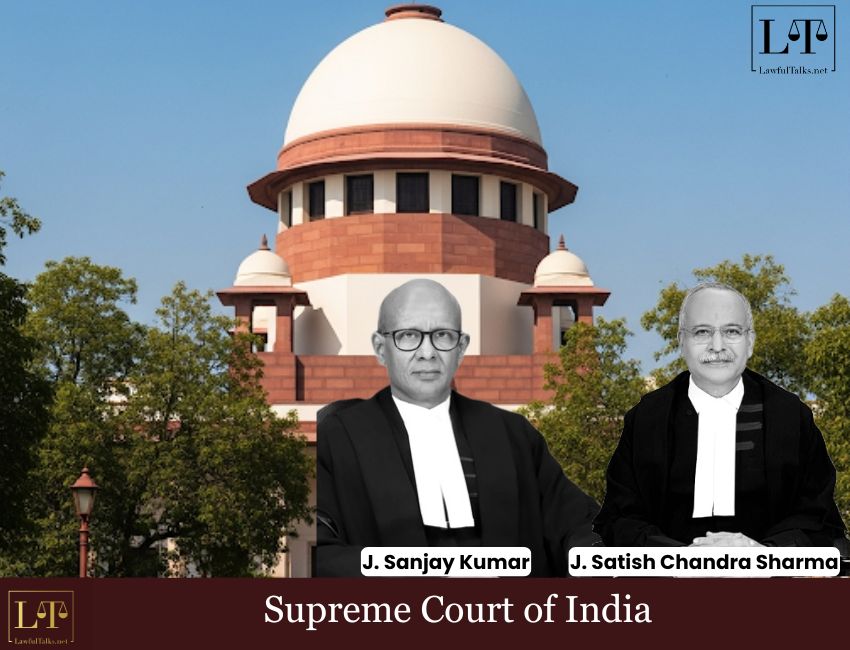
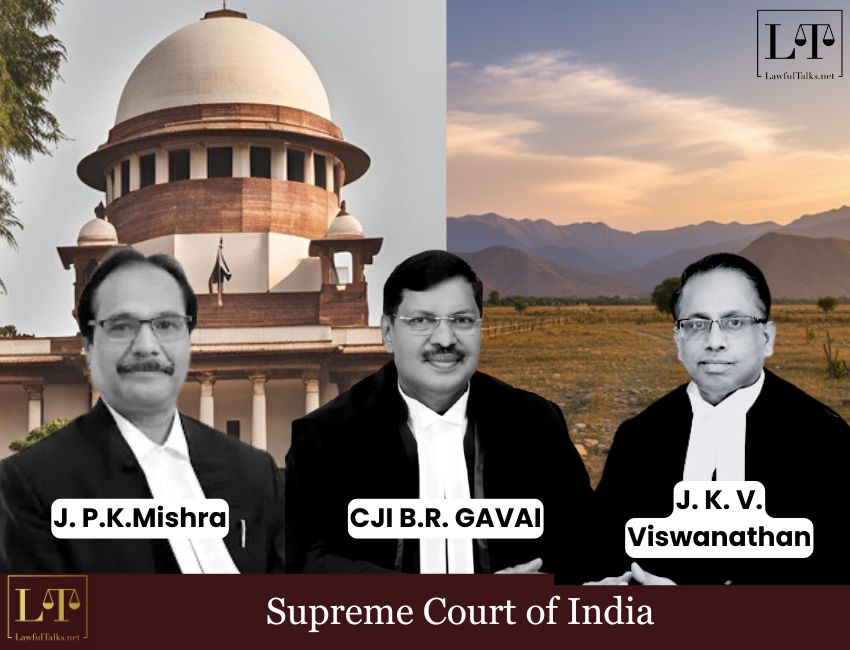
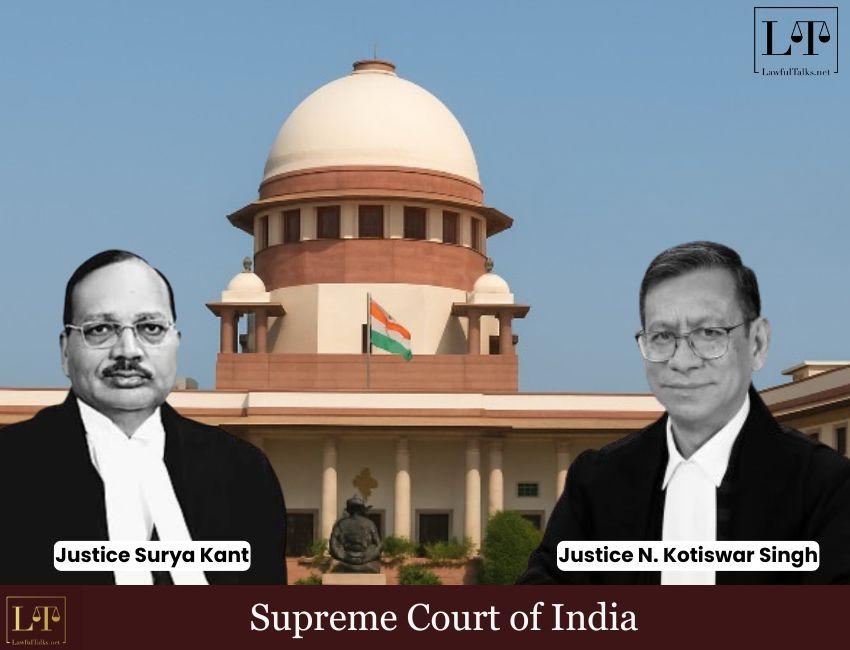
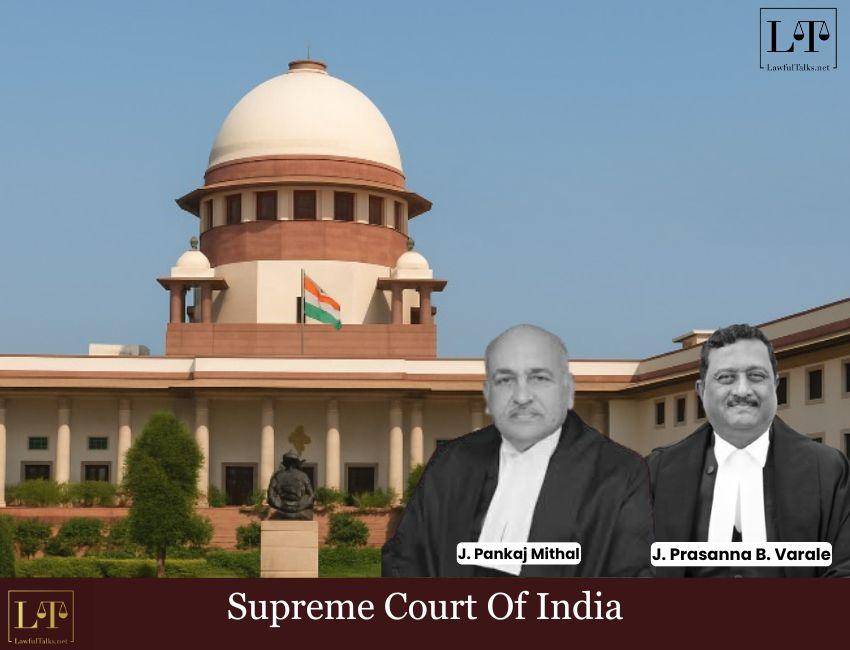
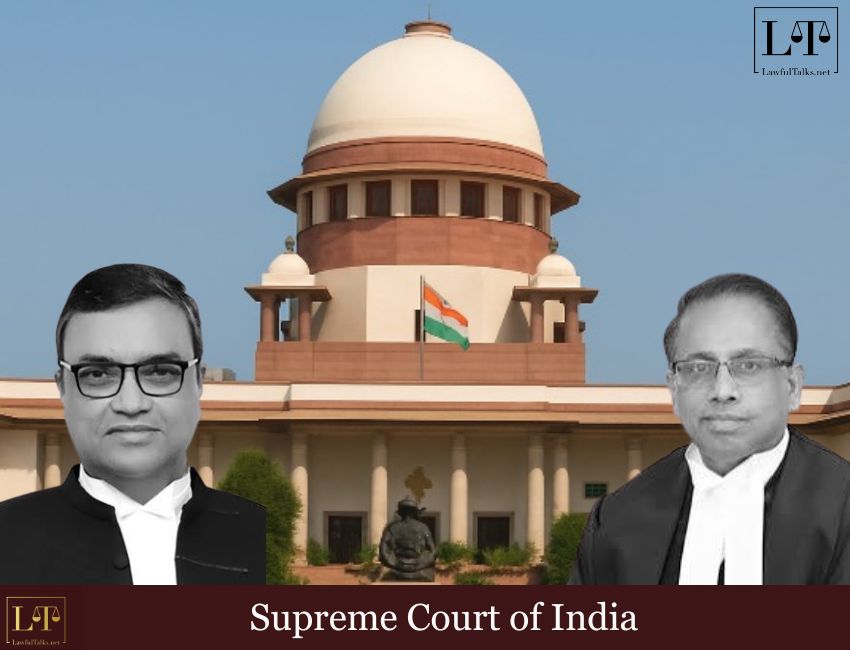
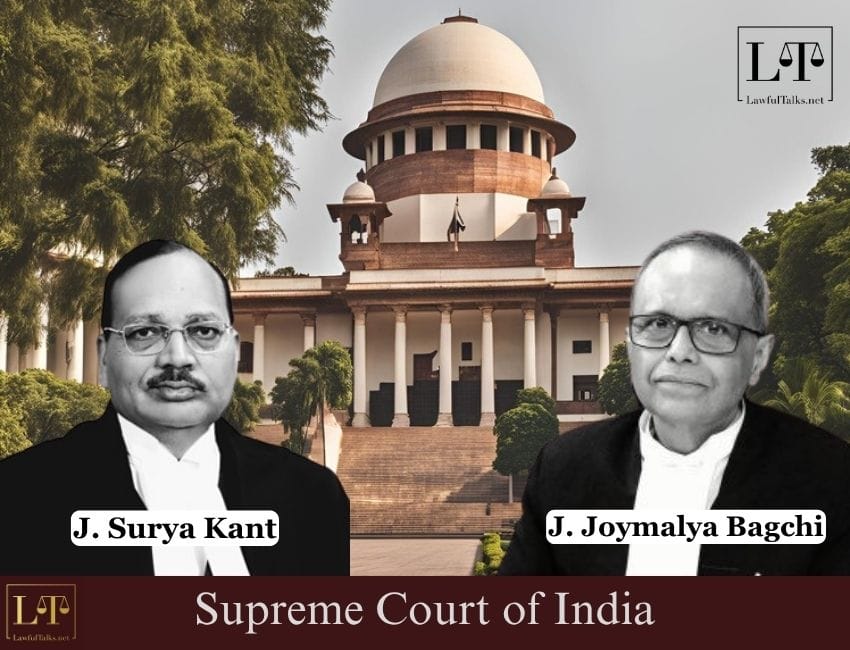
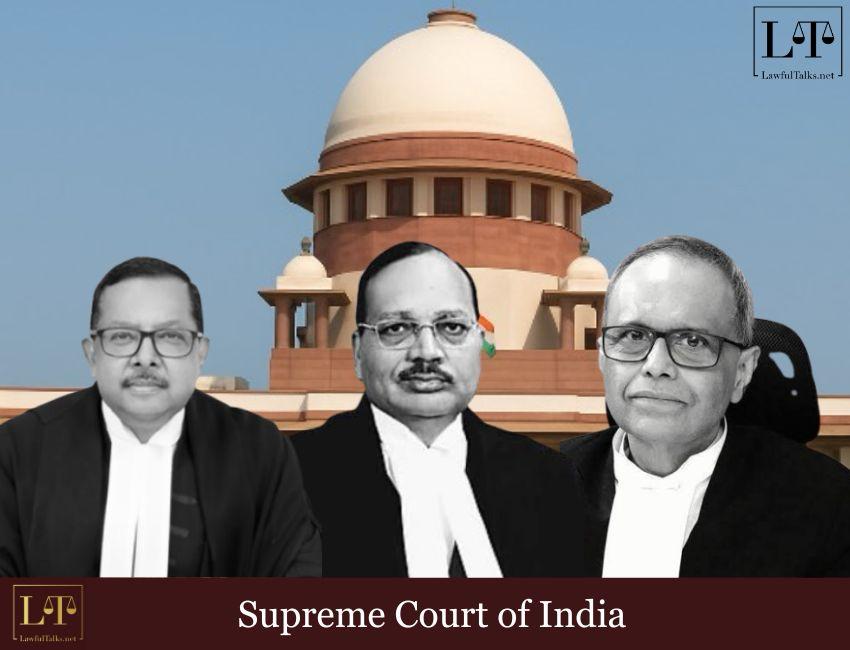
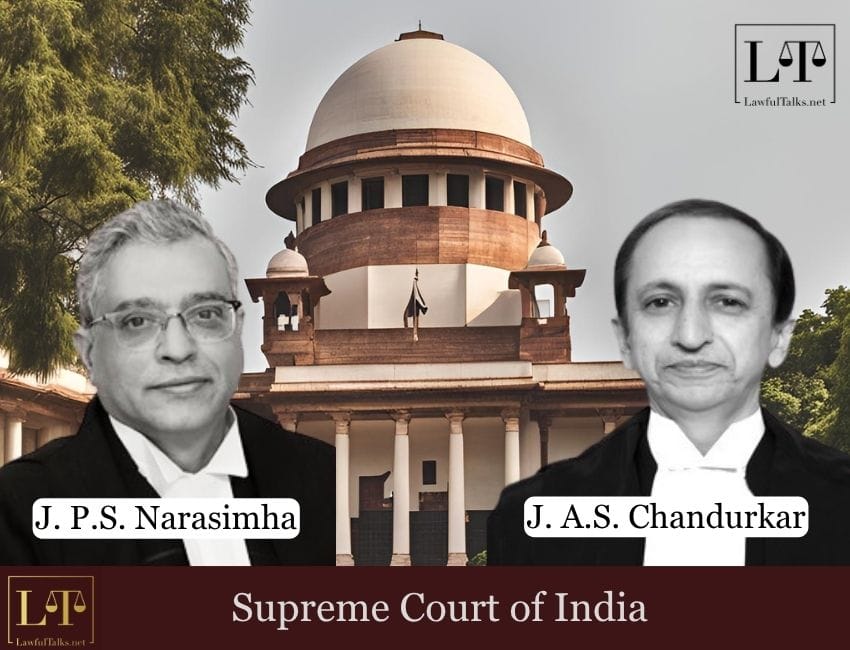
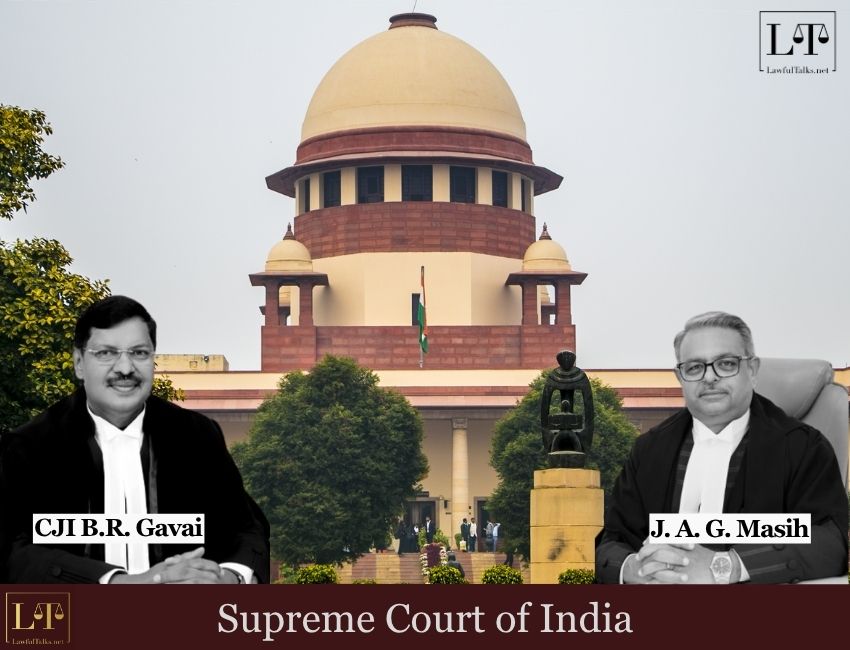
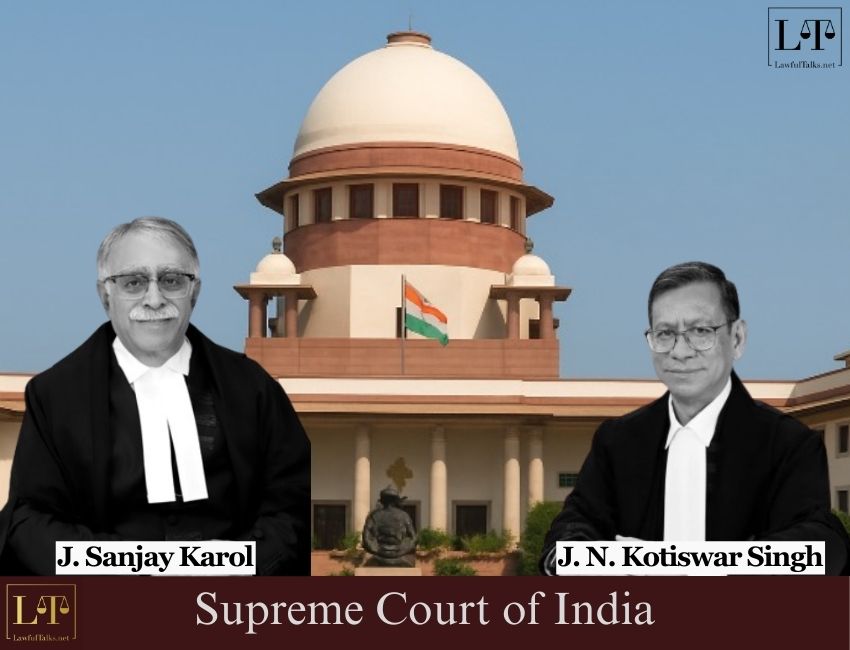
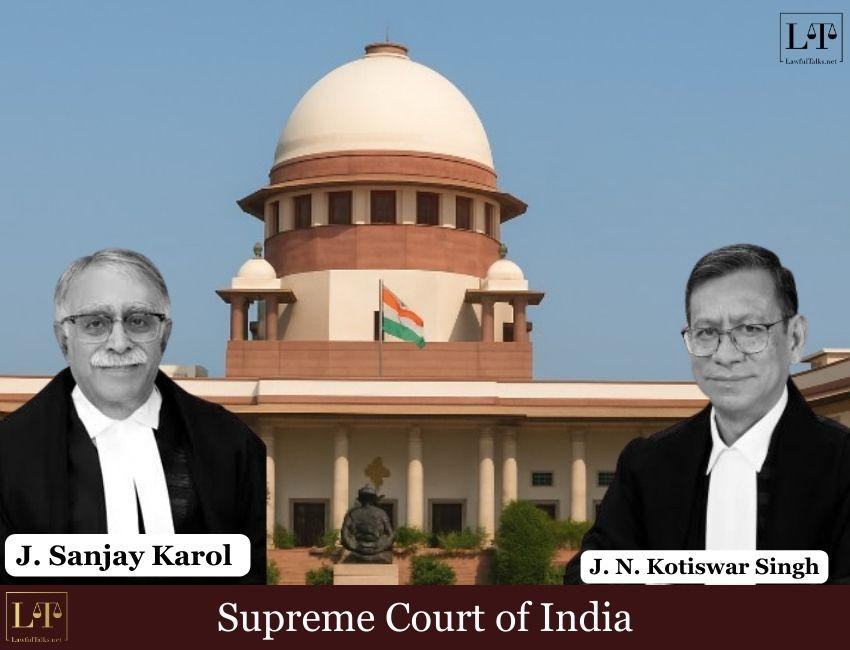
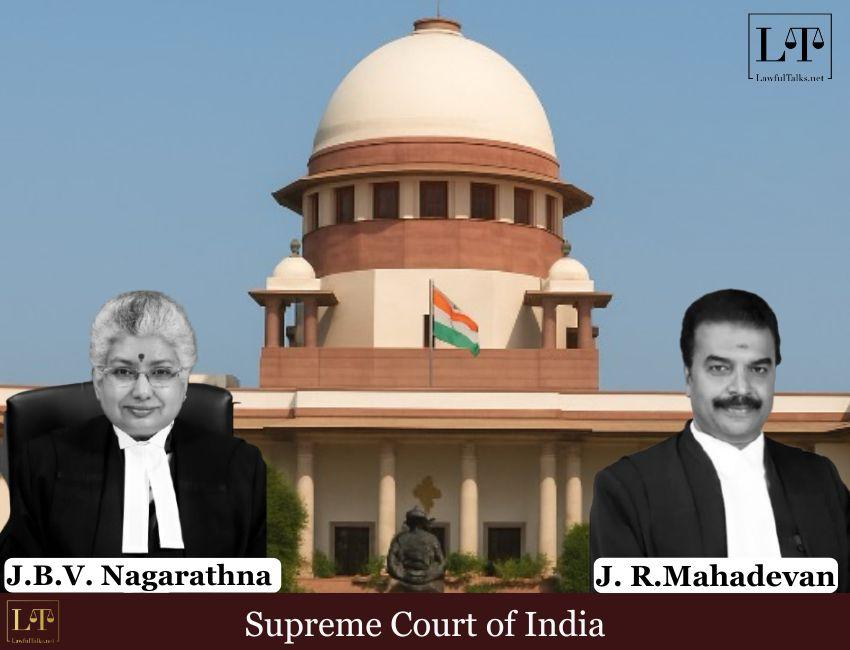
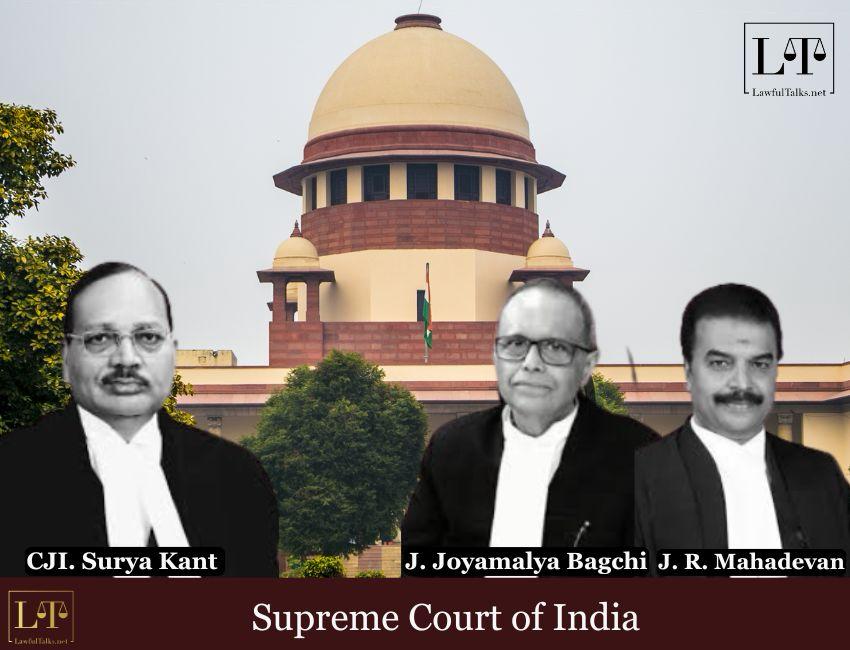
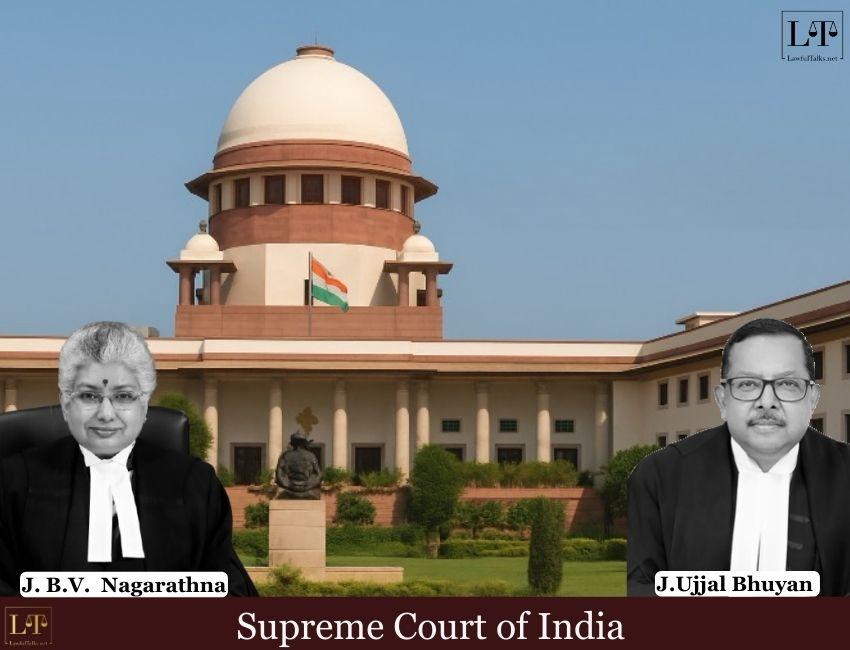
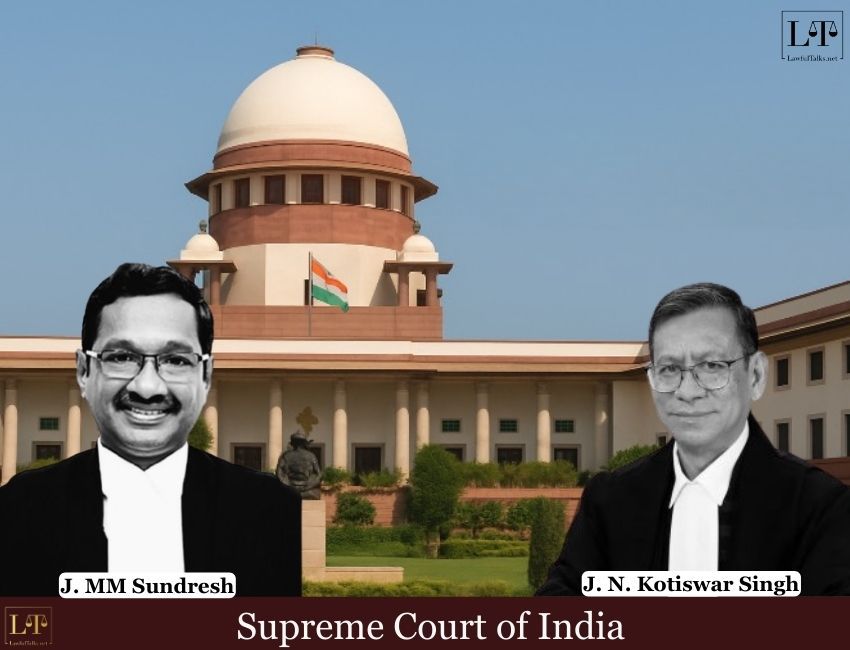
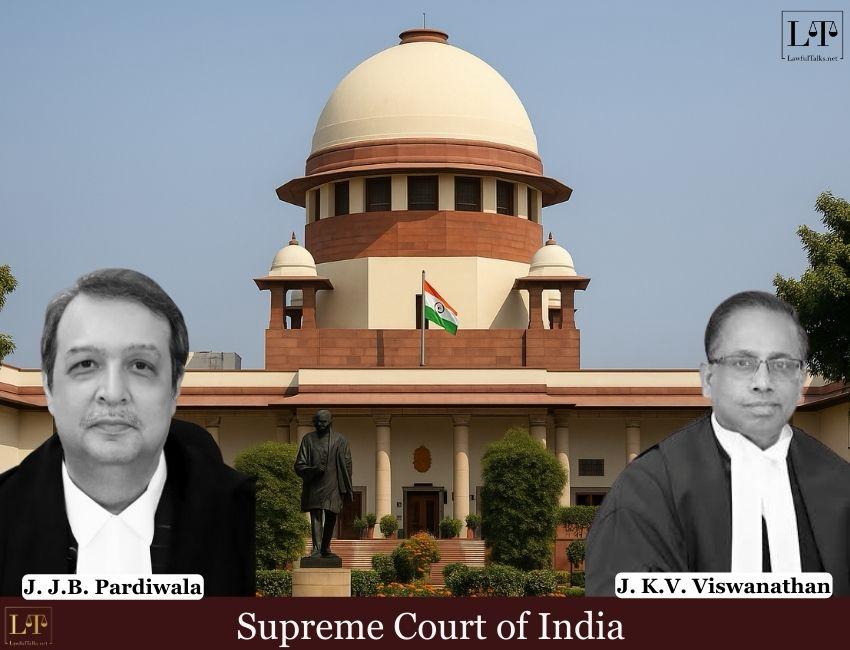
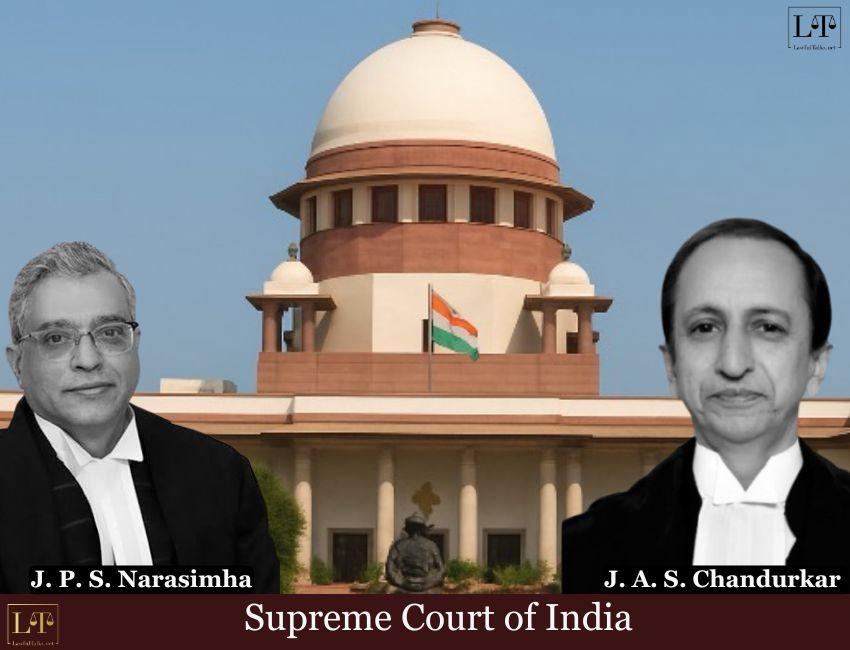
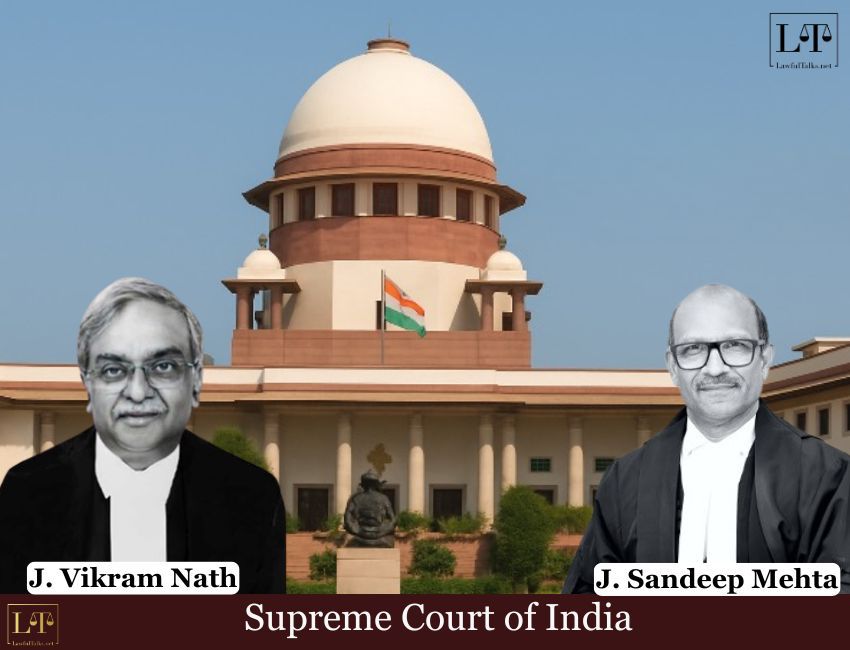
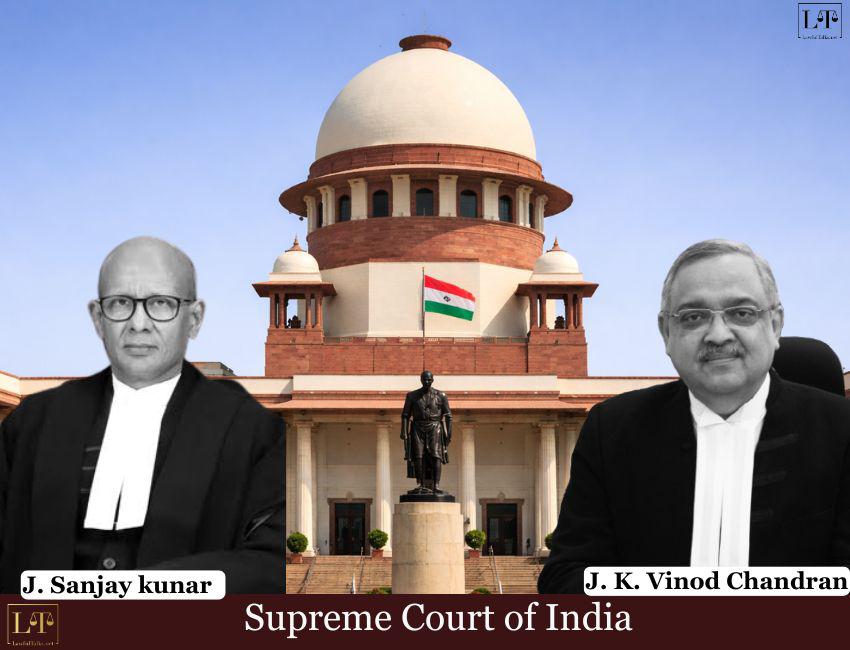
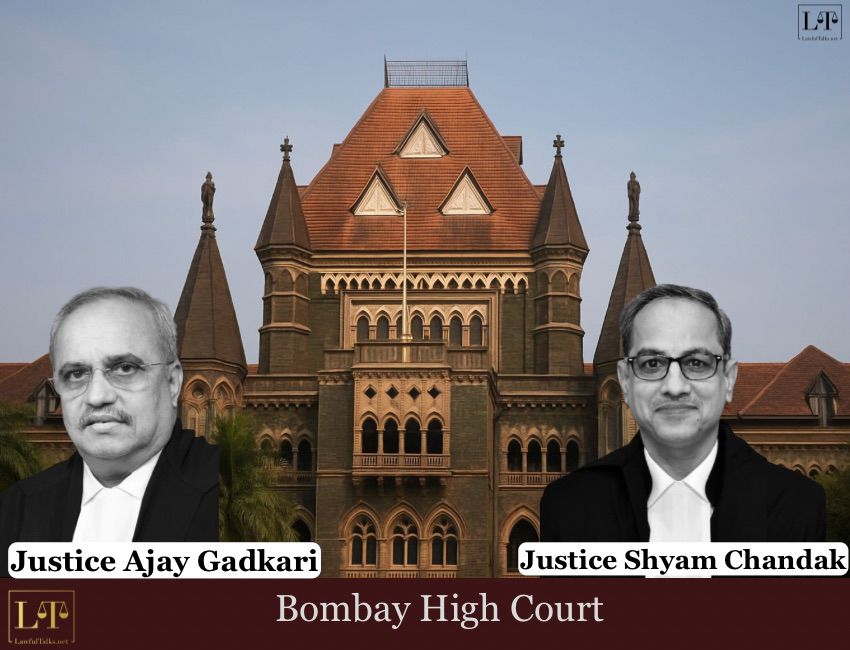
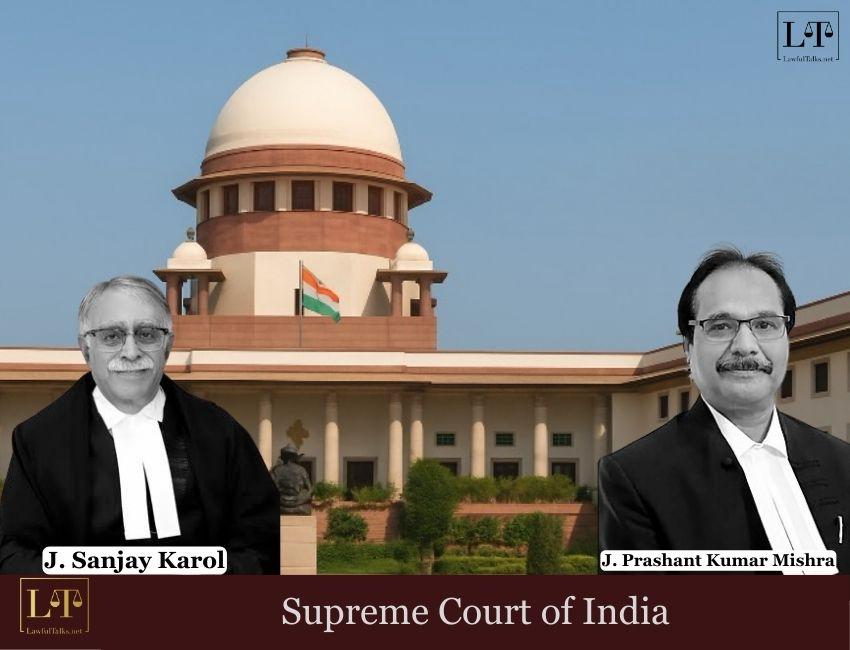
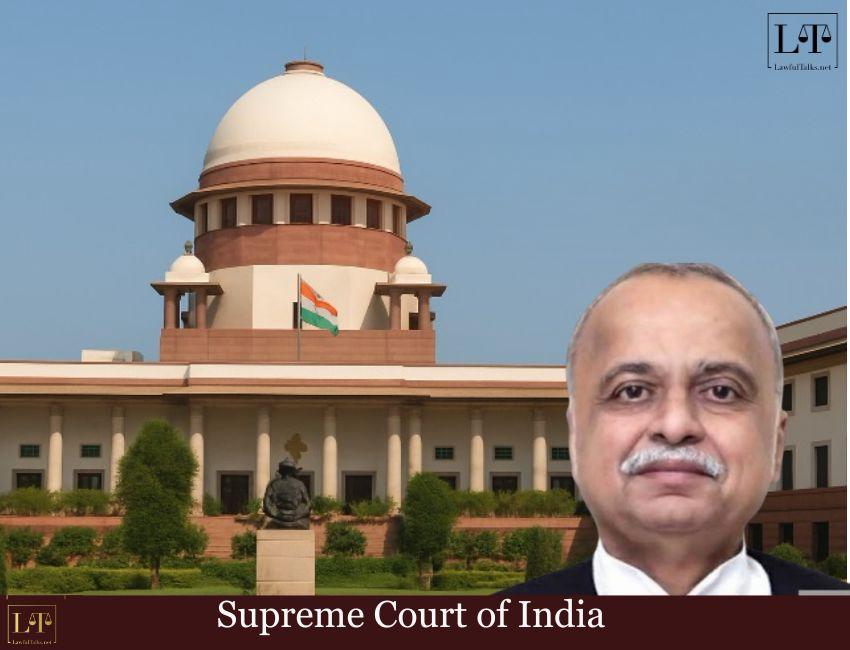
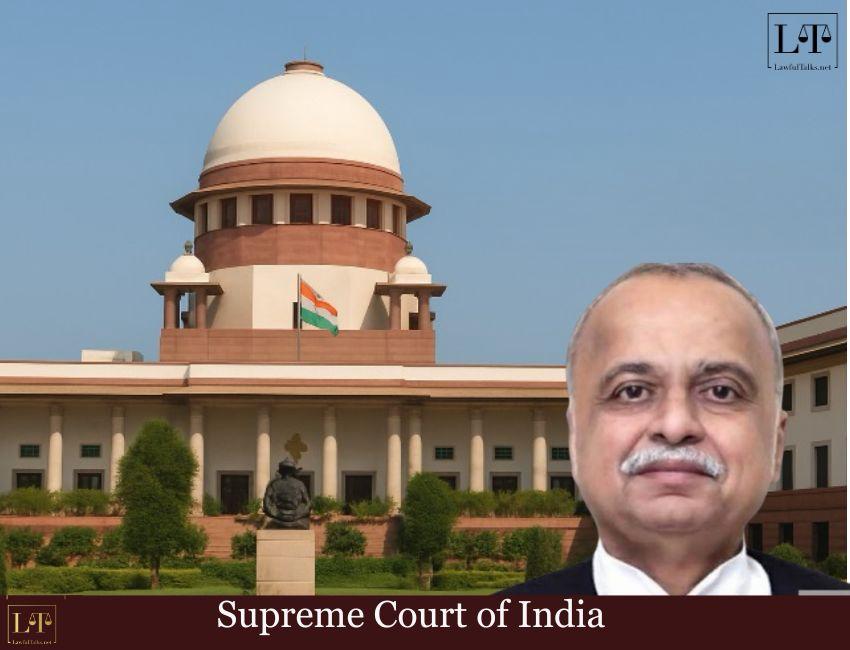
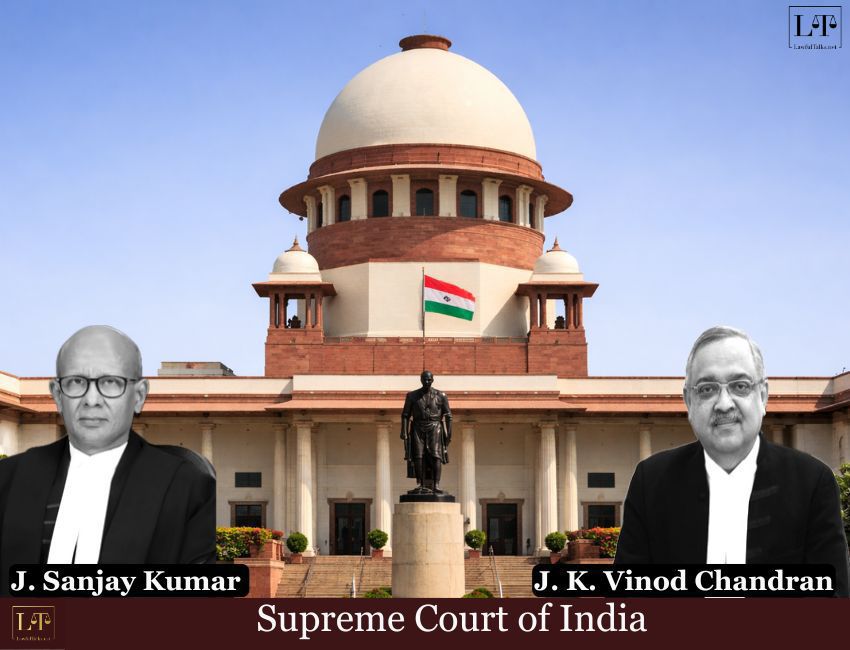
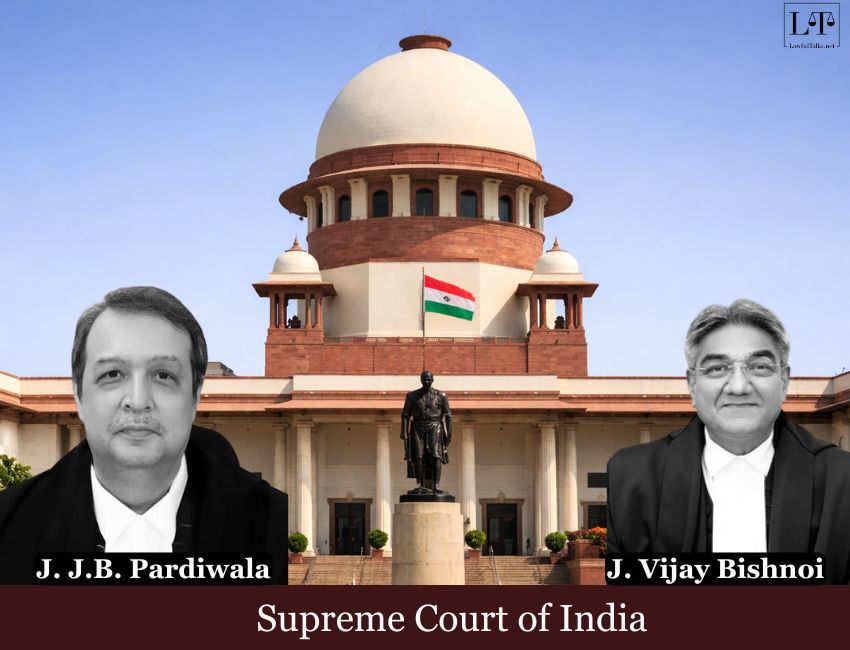
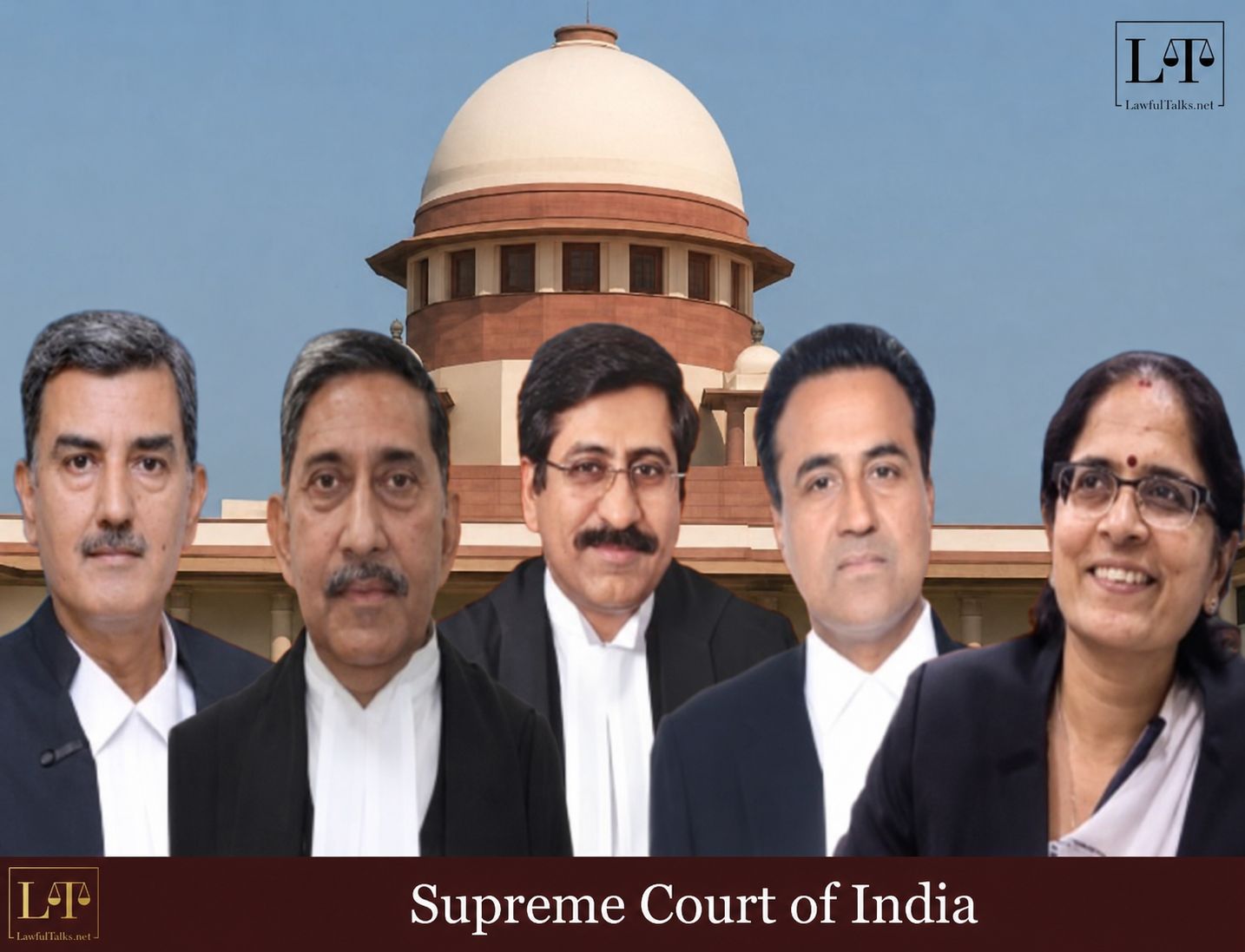
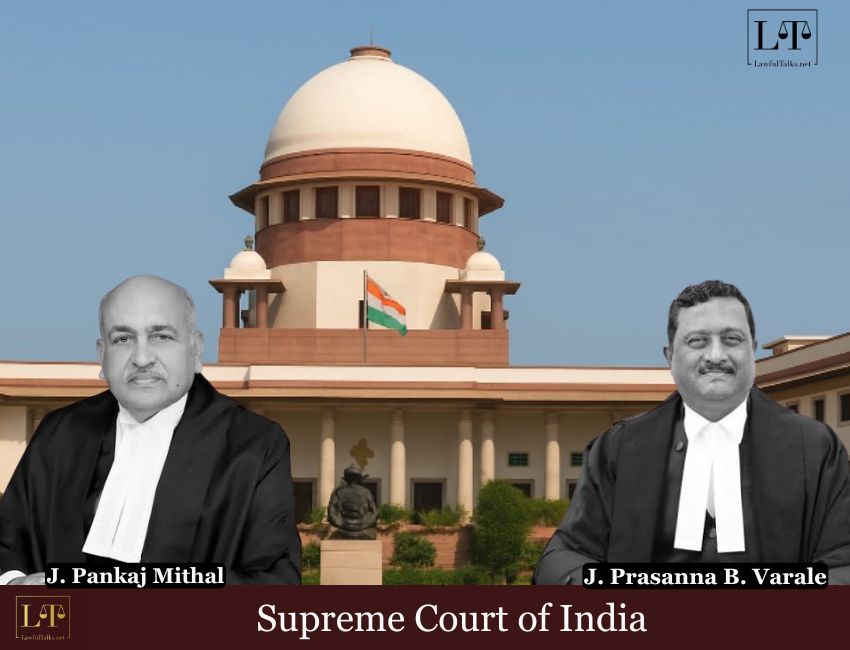
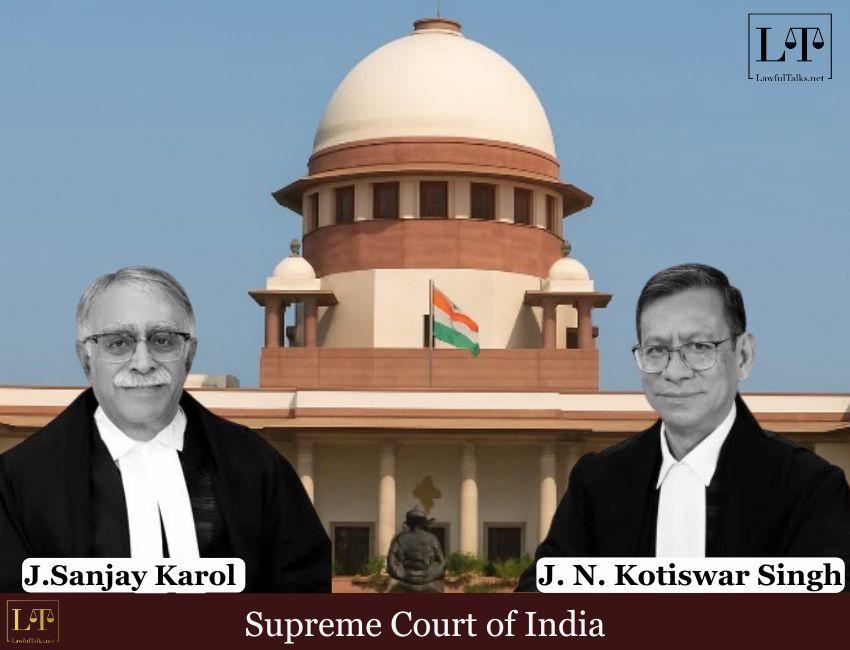
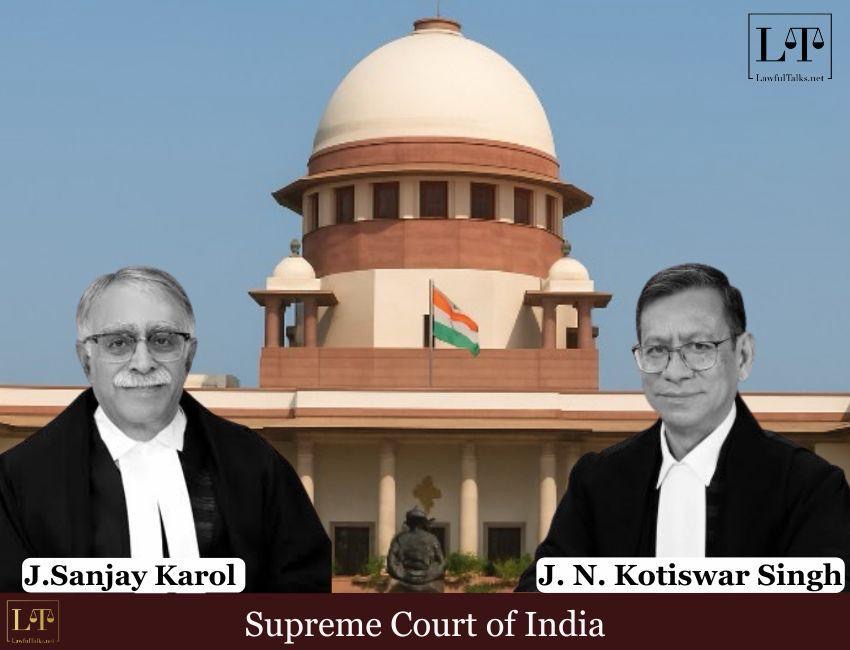
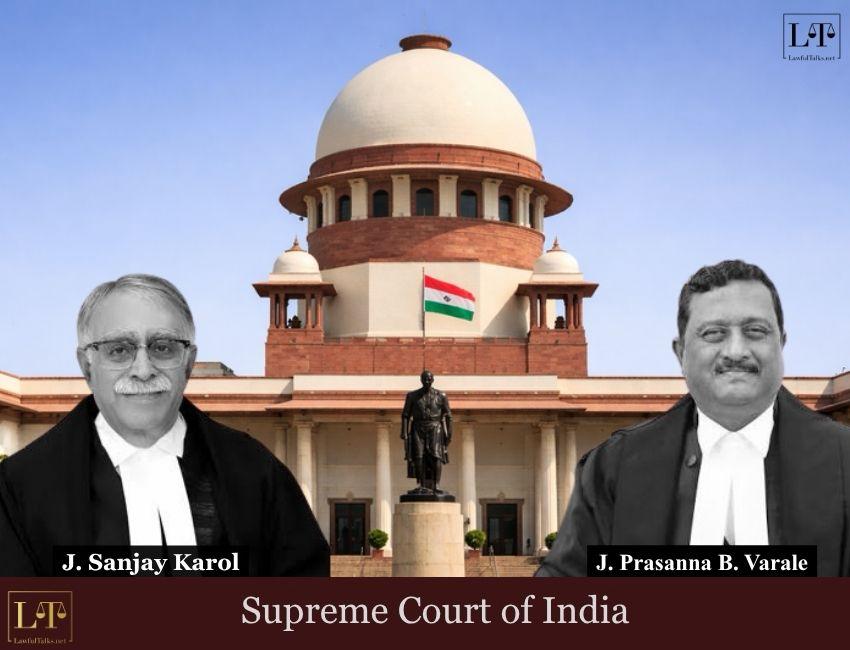
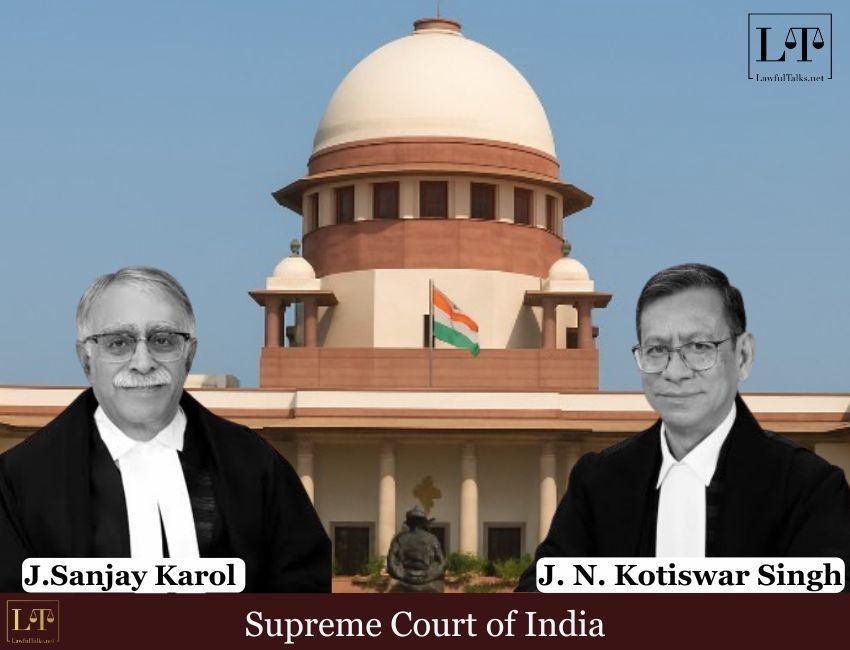
The Supreme Court bench of Justice Sanjay Karol and Justice N Kotiswar Singh held that such protection was not justified. The bench observed: “The text of the order in no way provides or attempts to provide, as in Shobhit Nehra (supra), any justification for granting protection from arrest despite the position of law laid down in Neeharika (supra). Without going further into the issue, we set aside the condition.”
Facts:
The case arose from an appeal filed by the State of Uttar Pradesh against orders passed by the Allahabad High Court. The case relates to a FIR registered at Police Station Nai Ki Mandi, District Agra, under Sections 420, 467, 468 and 471 of the Indian Penal Code (IPC), along with Sections 3, 25 and 30 of the Arms Act, 1959. The FIR was lodged following a Special Task Force (STF) inquiry, which revealed serious irregularities in the procurement and use of arms licences. The investigation found that forged documents and false affidavits had been used, with the assistance of a former arms clerk from the Agra Police Station.
The Allahabad High Court relied on its earlier judgment in Shobhit Nehra v. State of U.P. to grant protection from arrest. Shobhit Nehra was a case before the High Court, where, in a manner similar to the present case, the High Court had, a) refused quashing; b) directed time bound completion of investigation; and c) granted protection from arrest till the taking of cognizance by the concerned court. The background of the said case was a long-standing family dispute over property.
Aggrieved by the High Court’s ruling , the State approached the Supreme Court, arguing that such an order was contrary to law and would hamper the investigation.
The Supreme Court allowed the appeal, holding that the High Court cannot, while refusing to quash an FIR, grant protection from arrest or fix a timeline for the investigation. The Court relied on the principles laid down in Neeharika Infrastructure, which clarified the legal position on this issue.
On the issue of fixing a deadline for investigation, the Supreme court made the following observations:
“Courts have consistently recognized that directing a timebound investigation must remain the exception rather than the norm.”
“The Supreme Court has long held that the right to a speedy trial, which necessarily includes a timely and diligent investigation, forms an essential part of Article 21, as first recognized by a Constitution Bench in Hussainara Khatoon (1) v. State of Bihar15, and later elaborated by another Constitution Bench in Abdul Rehman Antulay v. R.S. Nayak”
Addressing concerns about interference with the investigative process, the Court further clarified:
“The necessary conclusion to be drawn from the above discussion is that timelines are not drawn by the Court to be followed by the investigators/the executive right from the beginning, for that would clearly amount to stepping on the toes of the latter.”
In conclusion, the court ordered that interim protection would continue for the accused, for a period of two weeks, after which all permissible actions in law will follow.
Case details: STATE OF U.P. & ANR. Versus MOHD ARSHAD KHAN & ANR,

















































































































































































































































































Sign up for free and be the first to get notified about curated content just for you.