Memory, Time, And Justice Collide: SC Refuses Late Recall of Child Witness, Curtails Section 311 Powers

- December 22, 2025


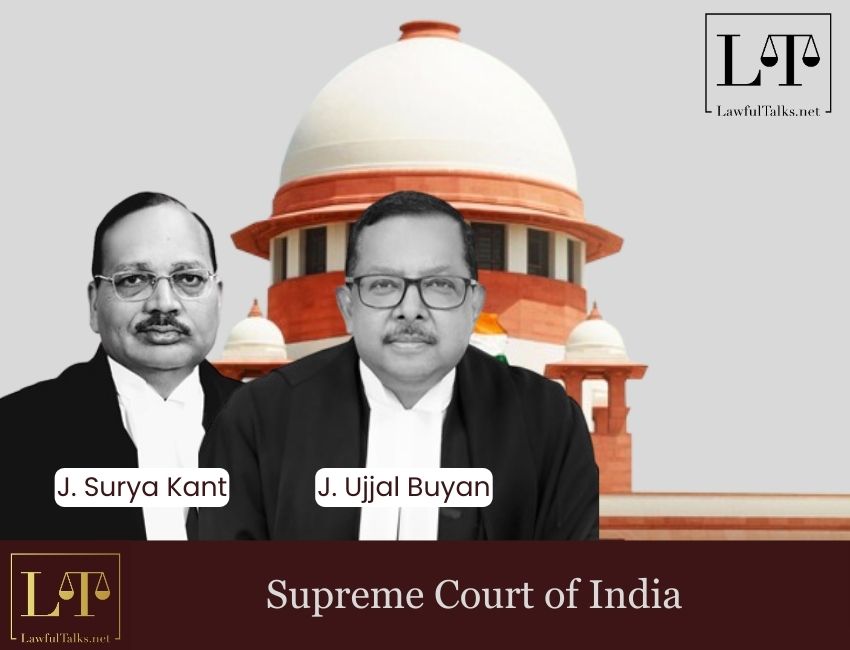
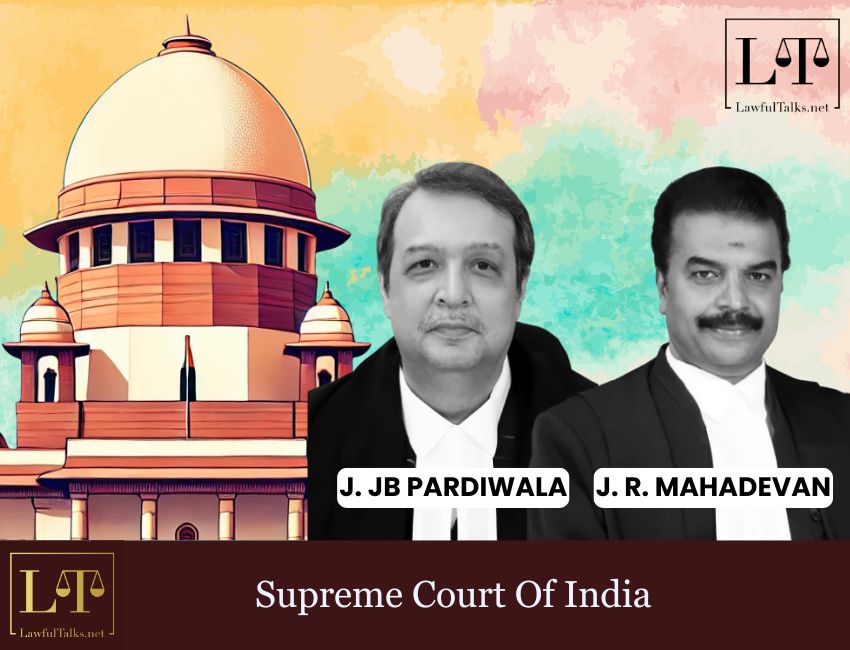
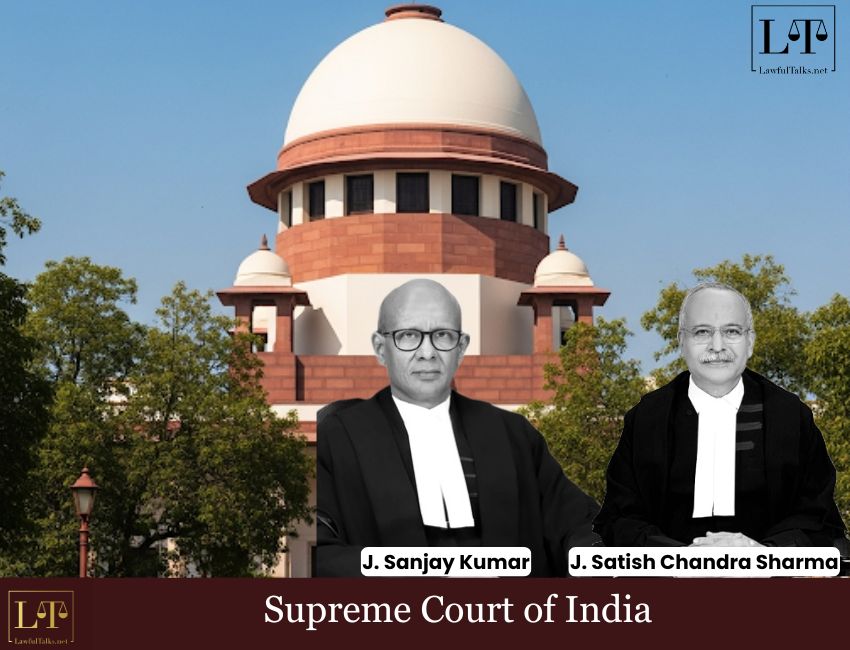
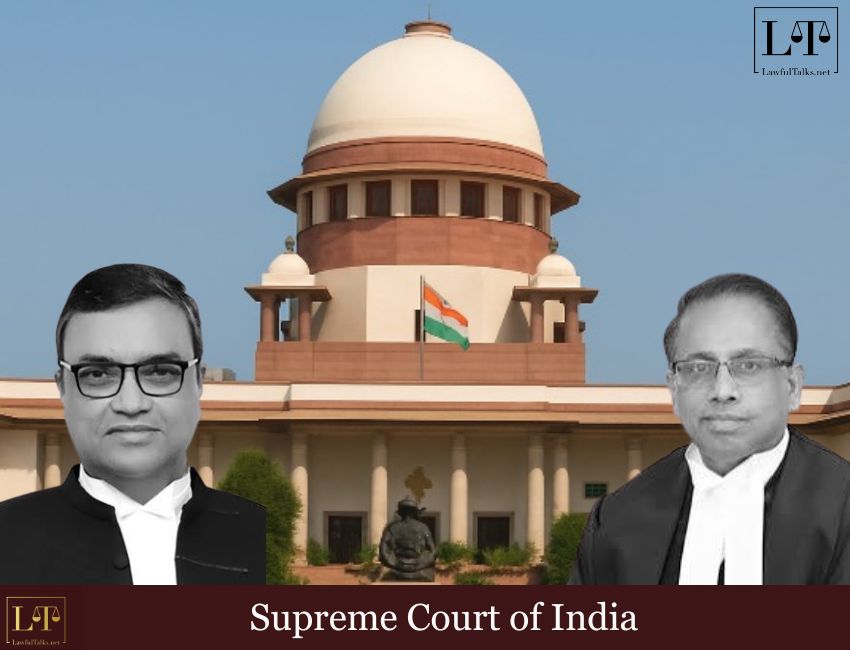
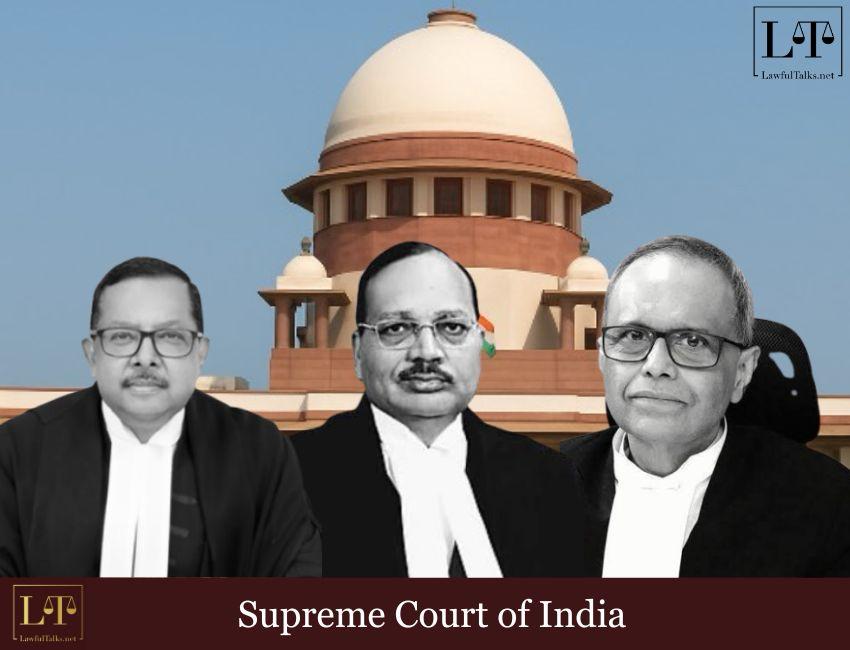
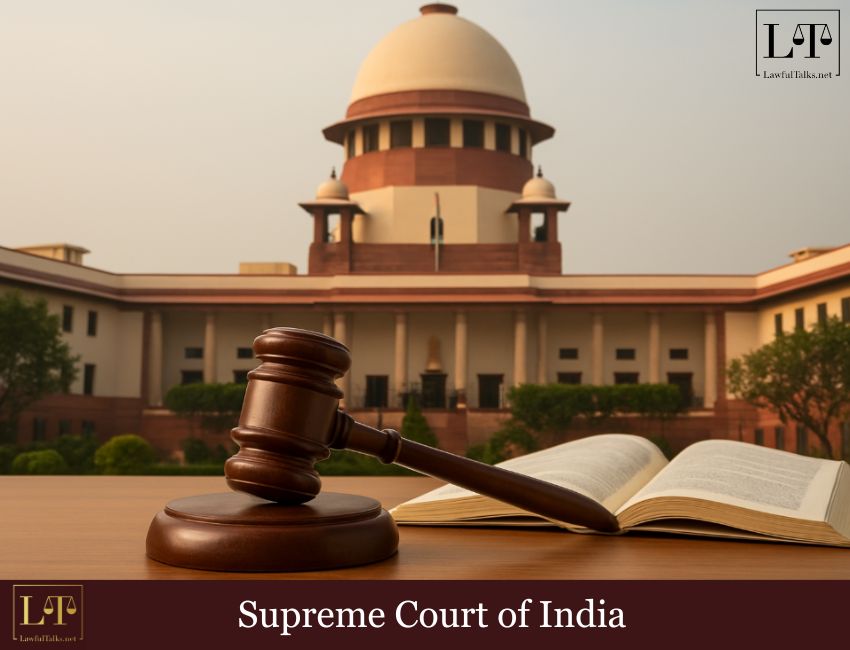
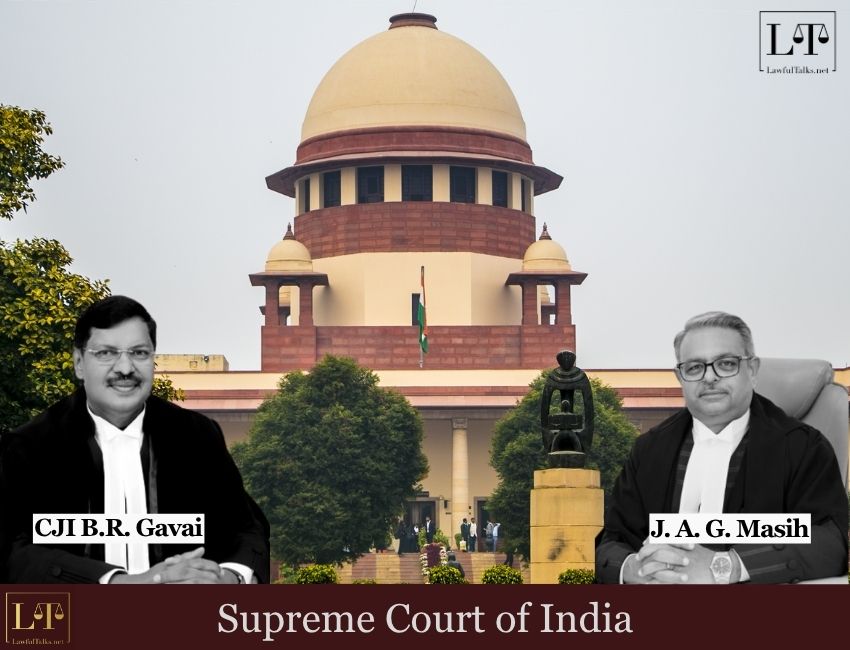
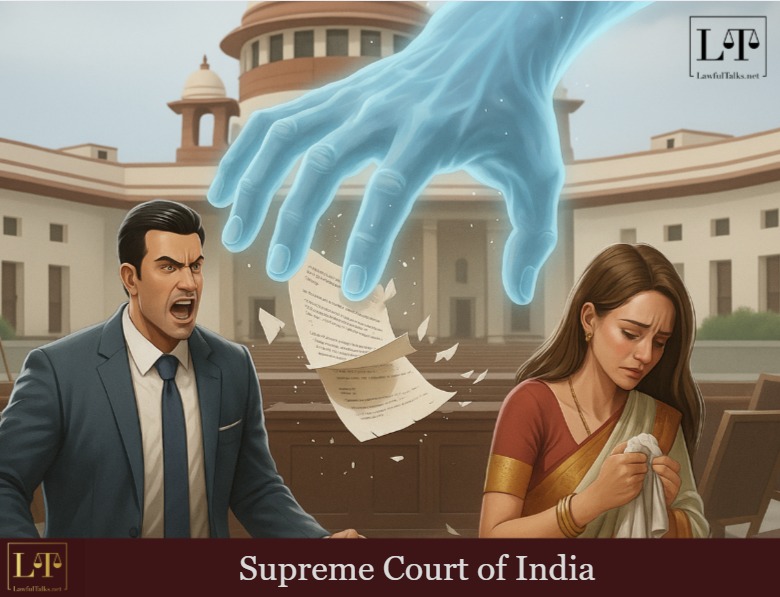
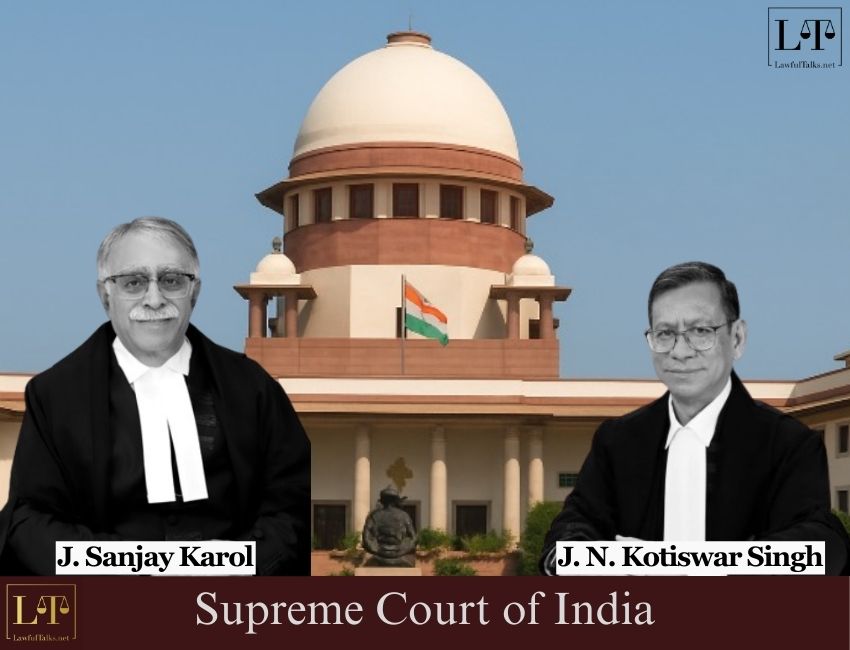
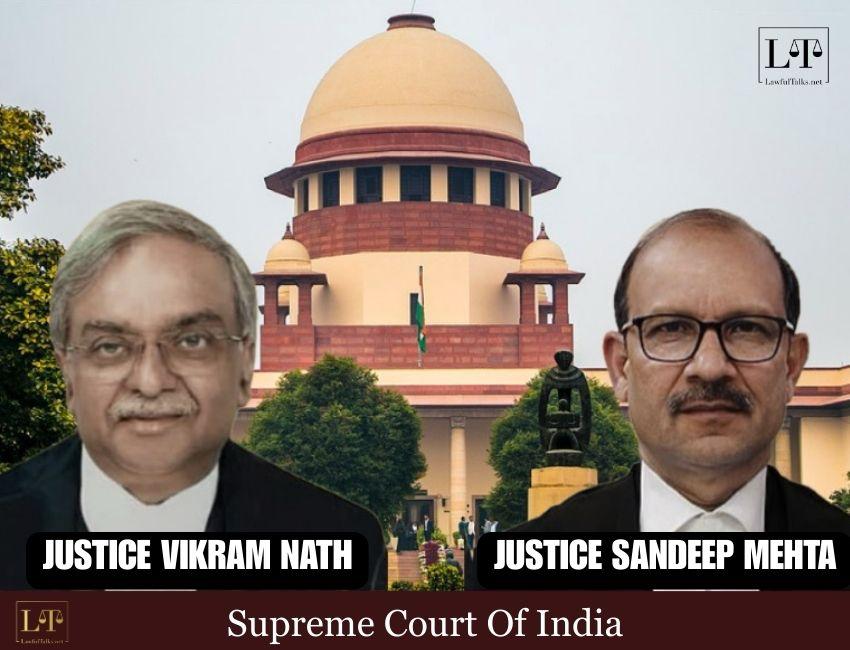
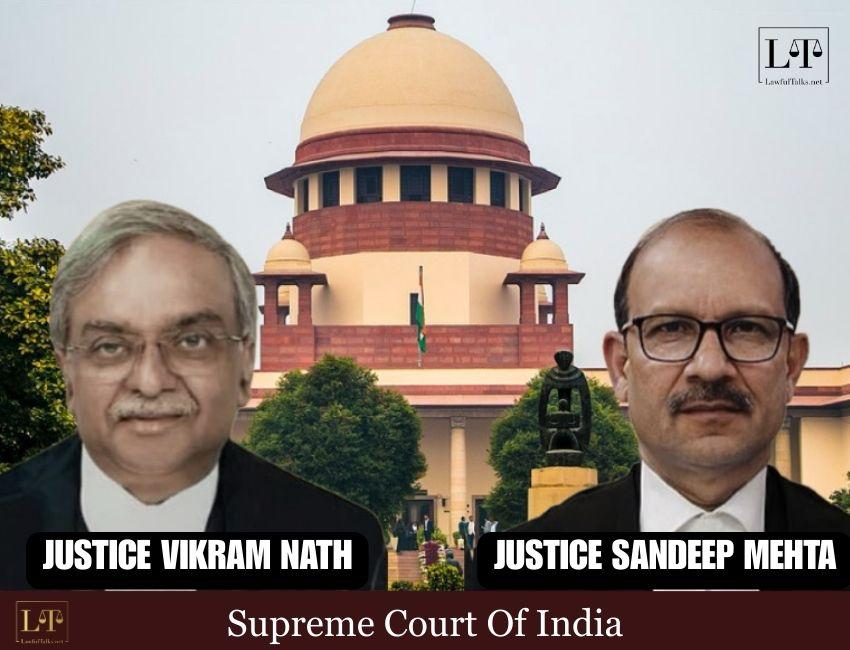
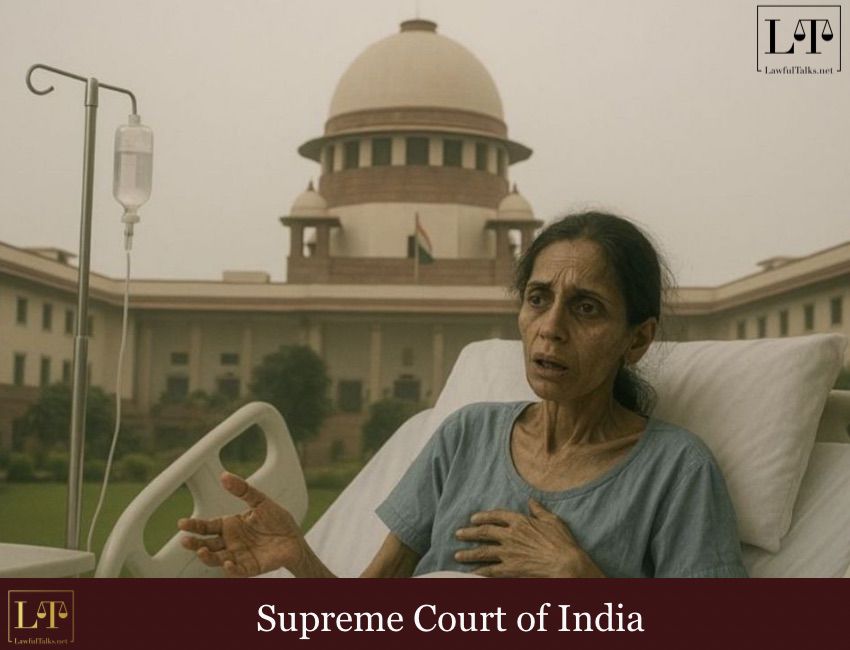
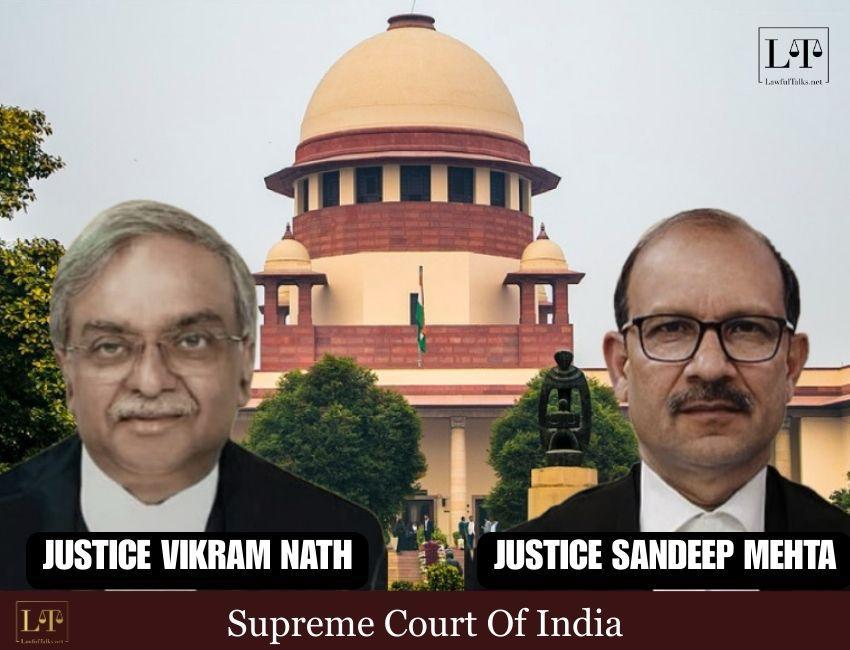
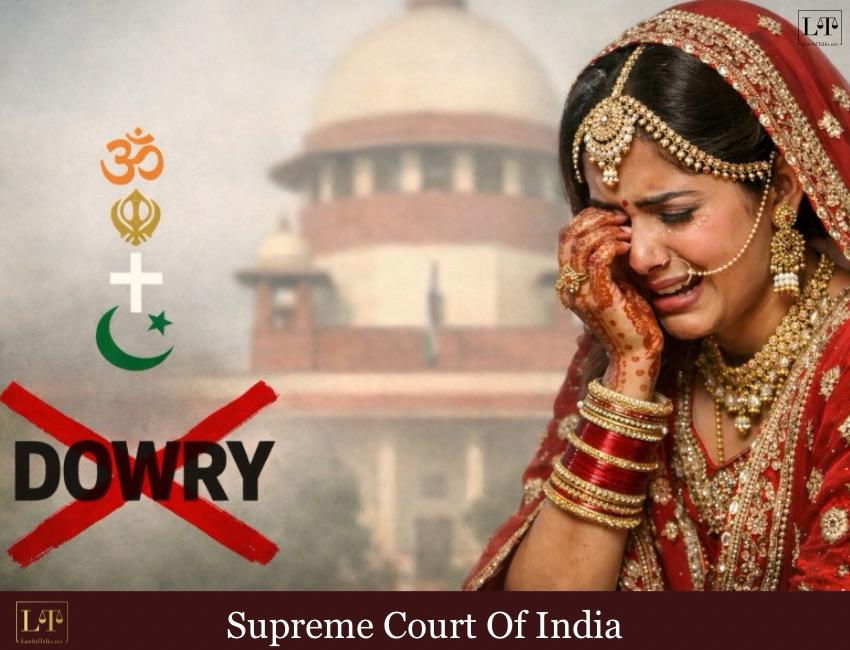
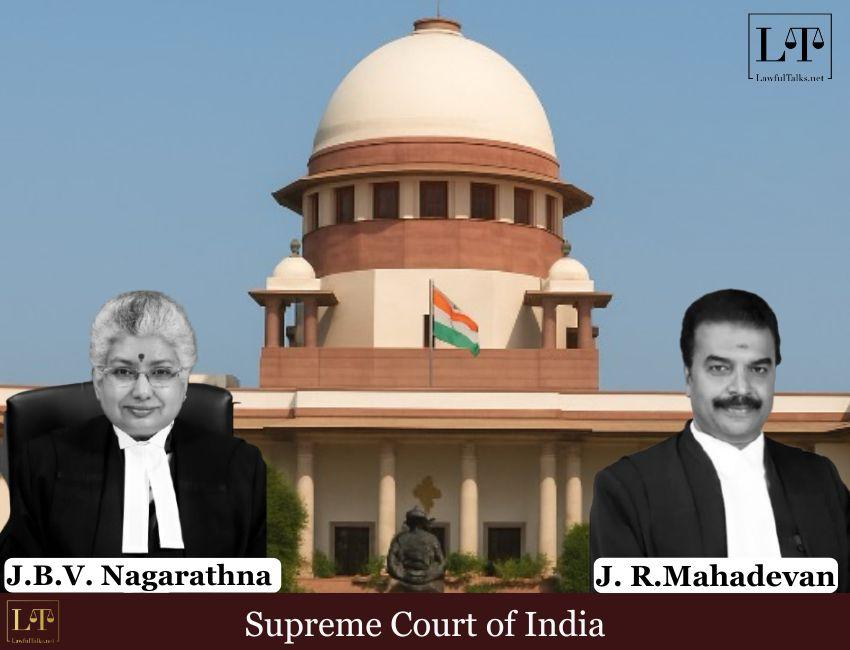
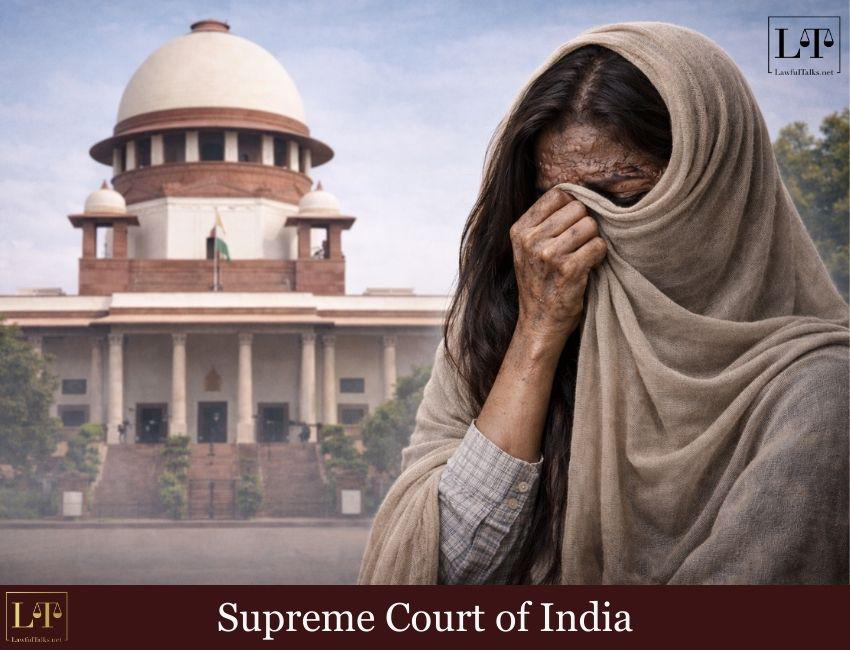
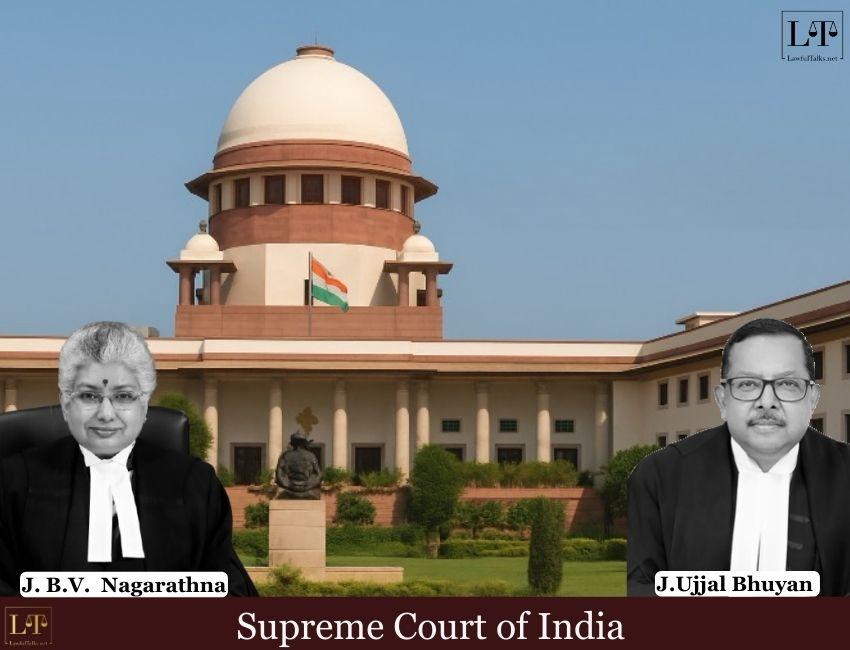
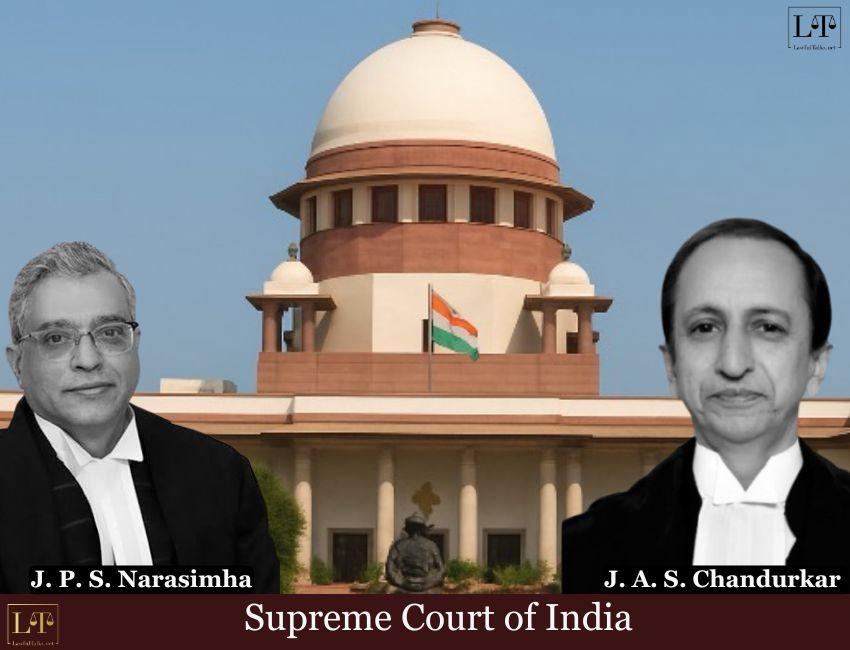
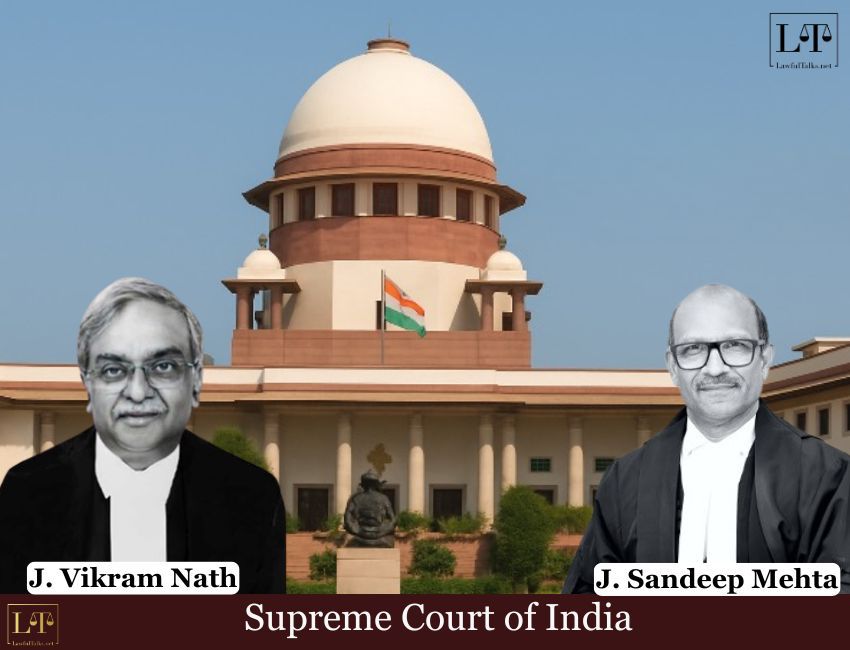
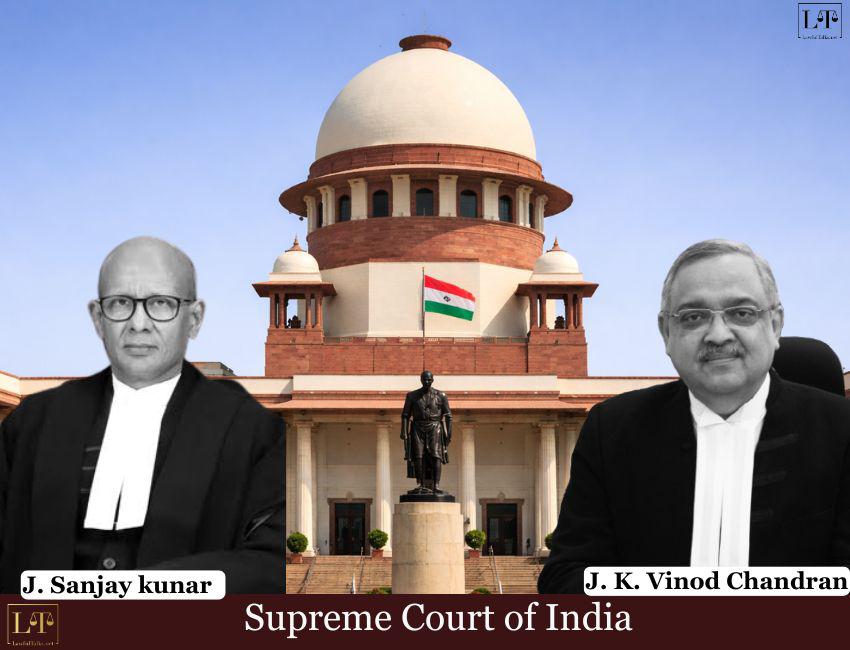
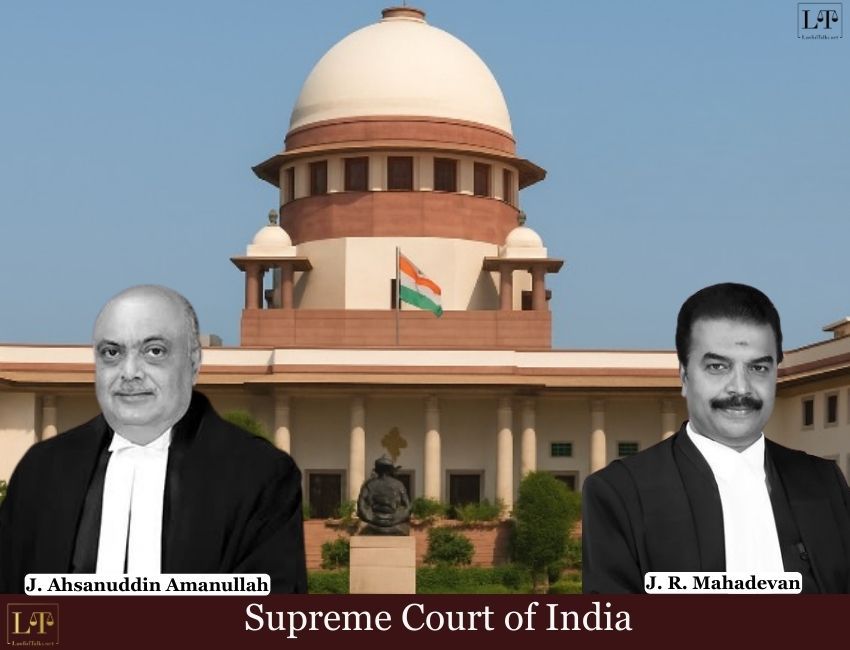
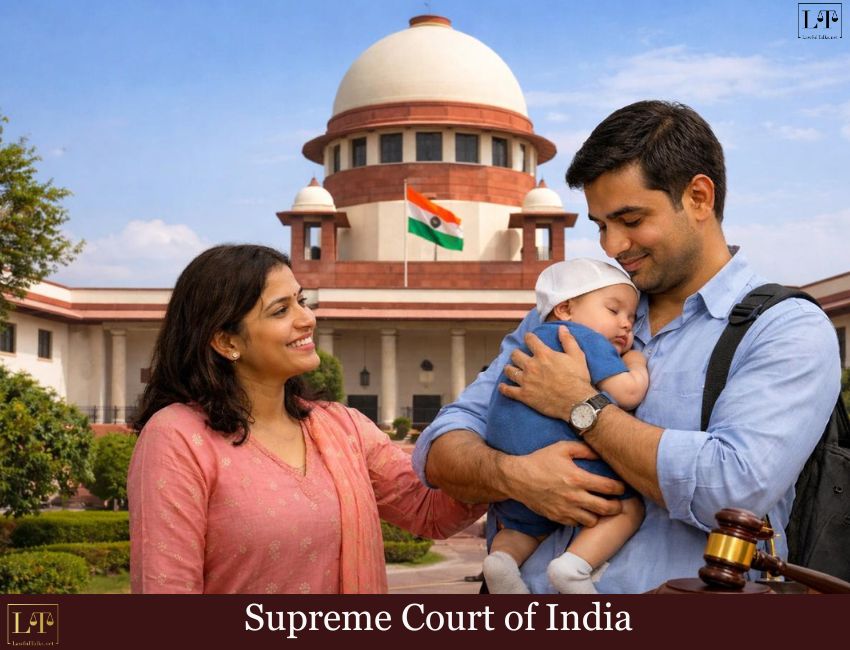
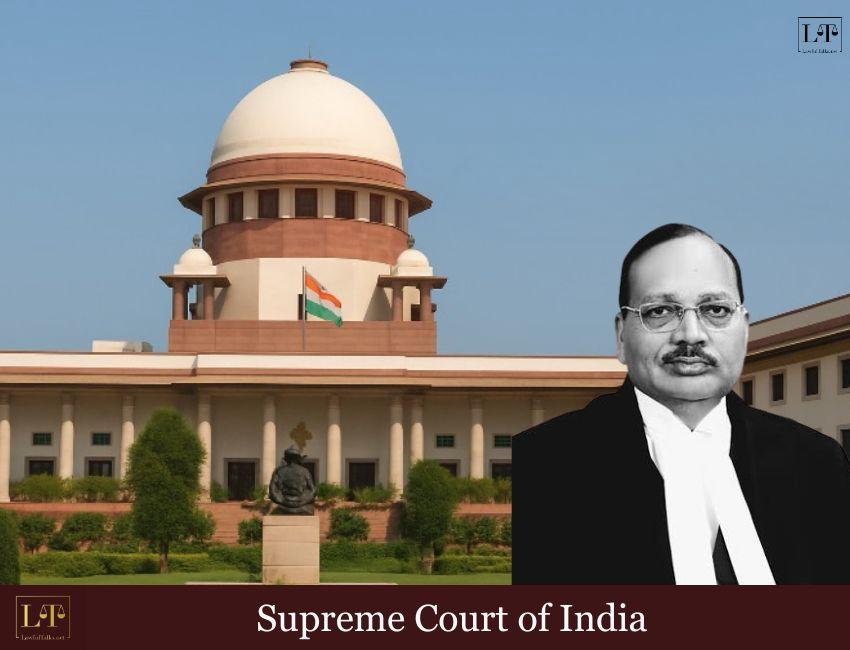
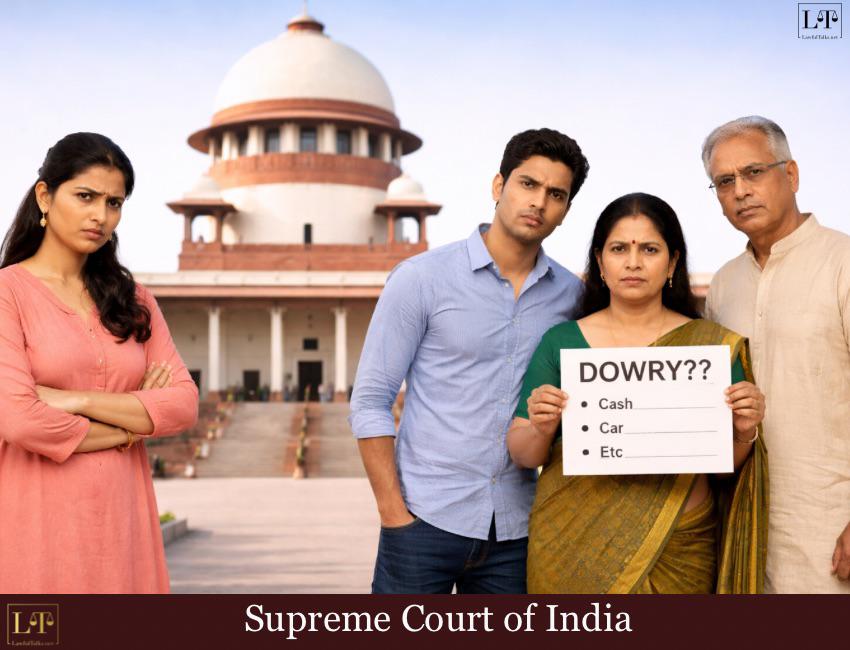
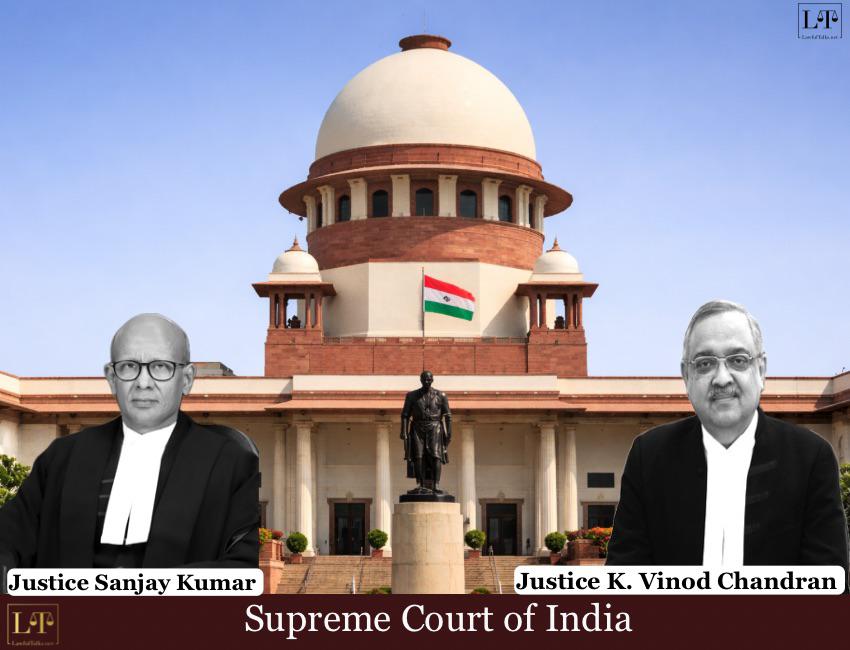
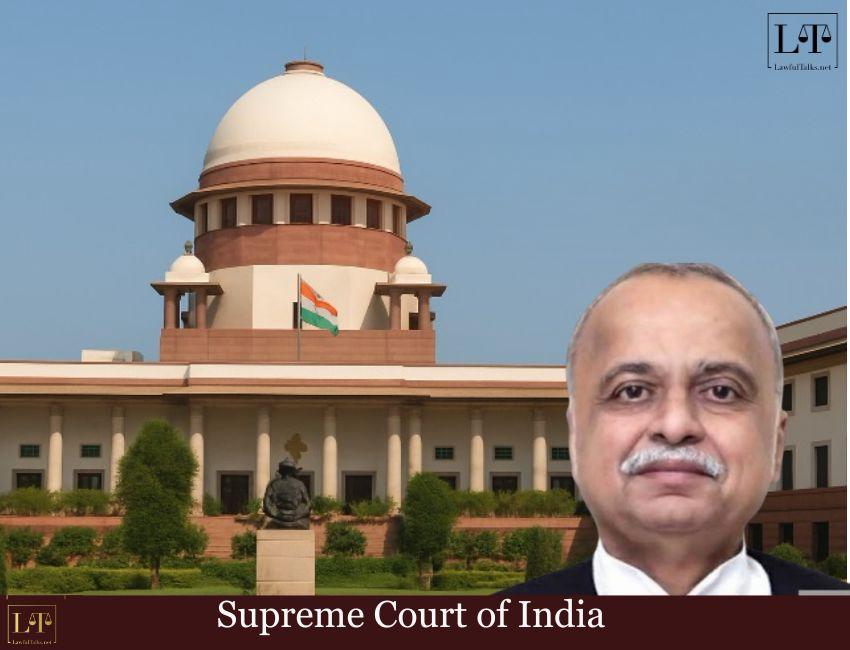
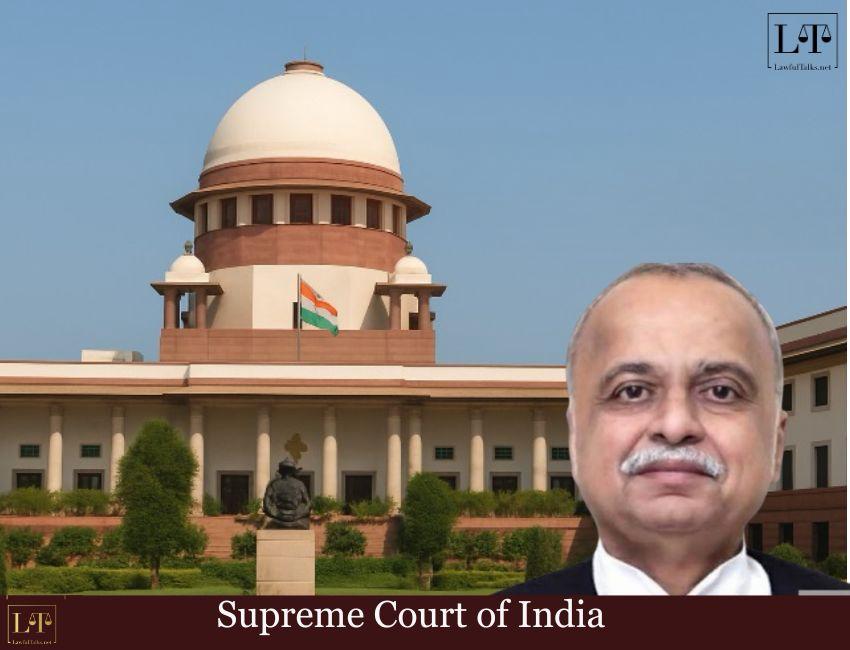
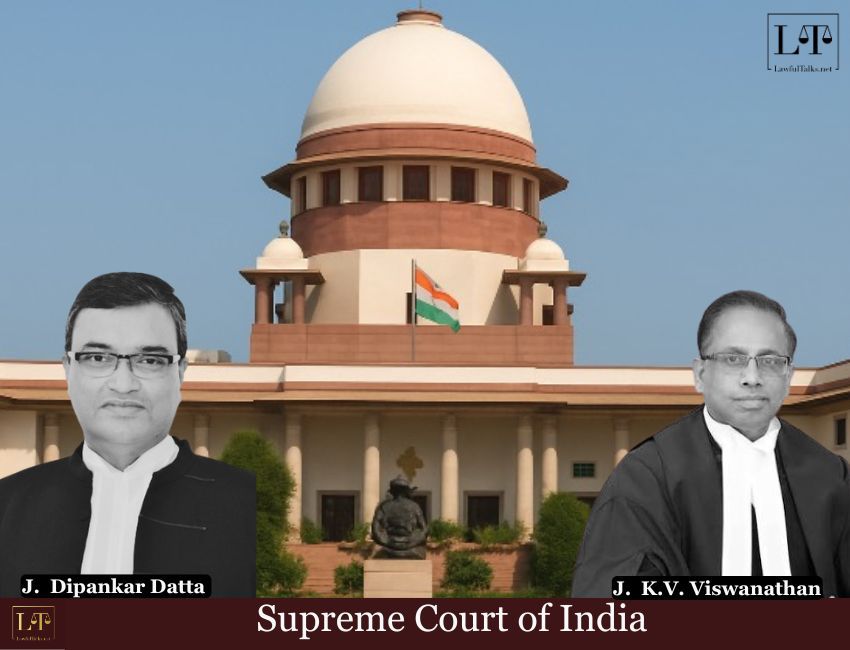
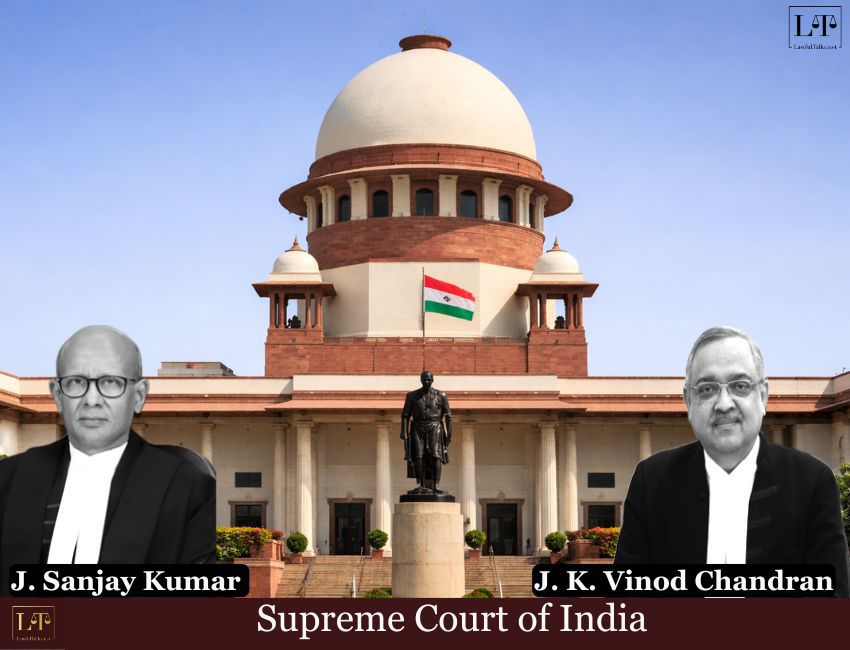
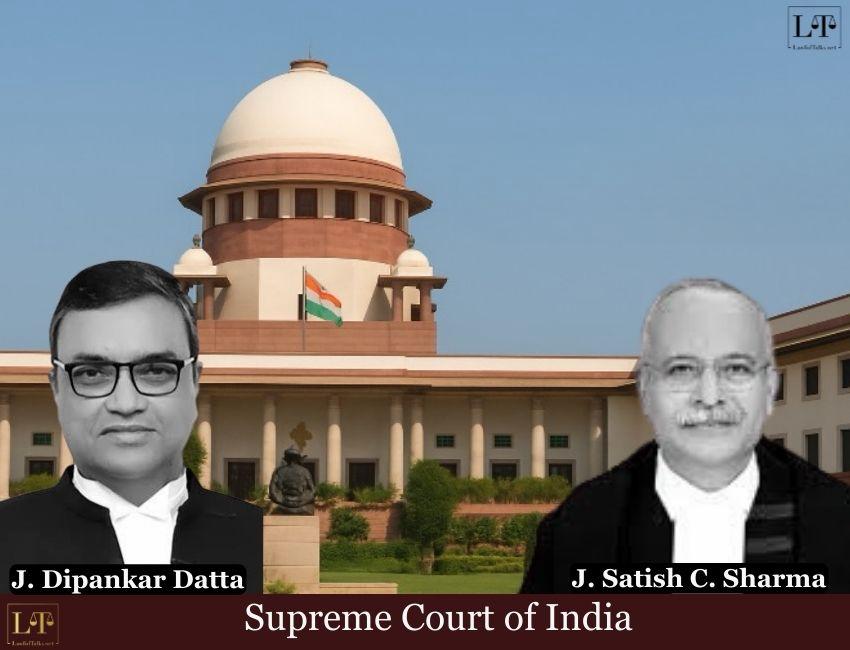
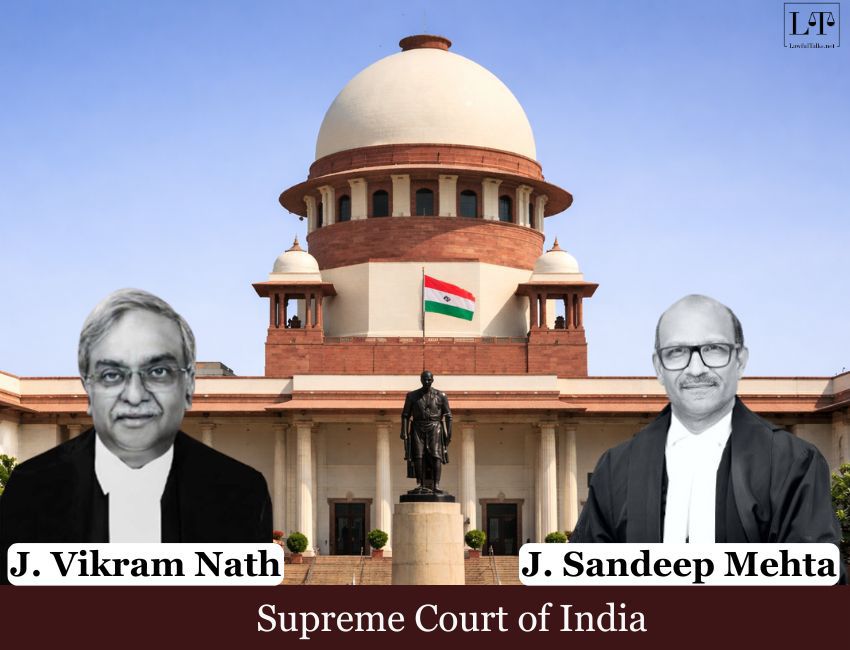
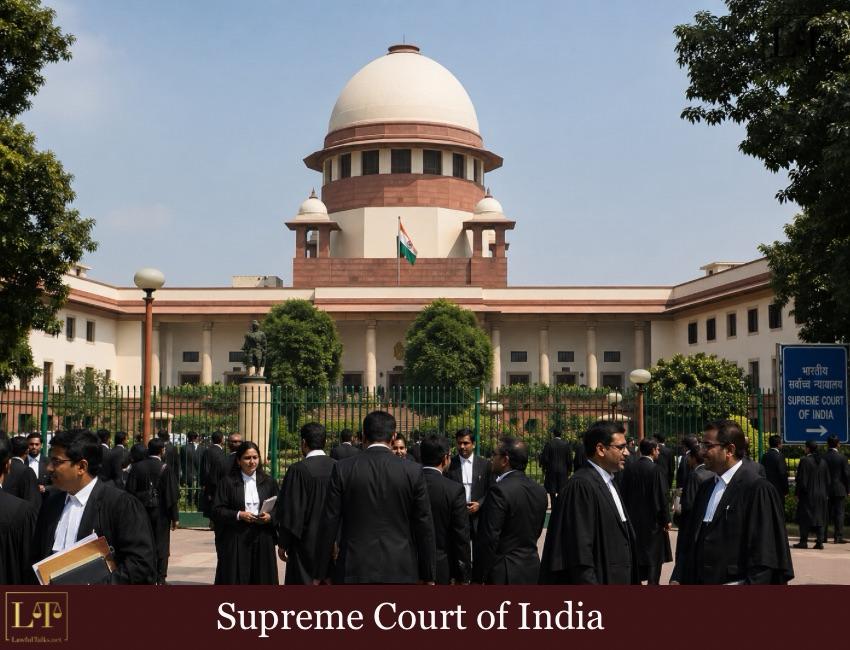
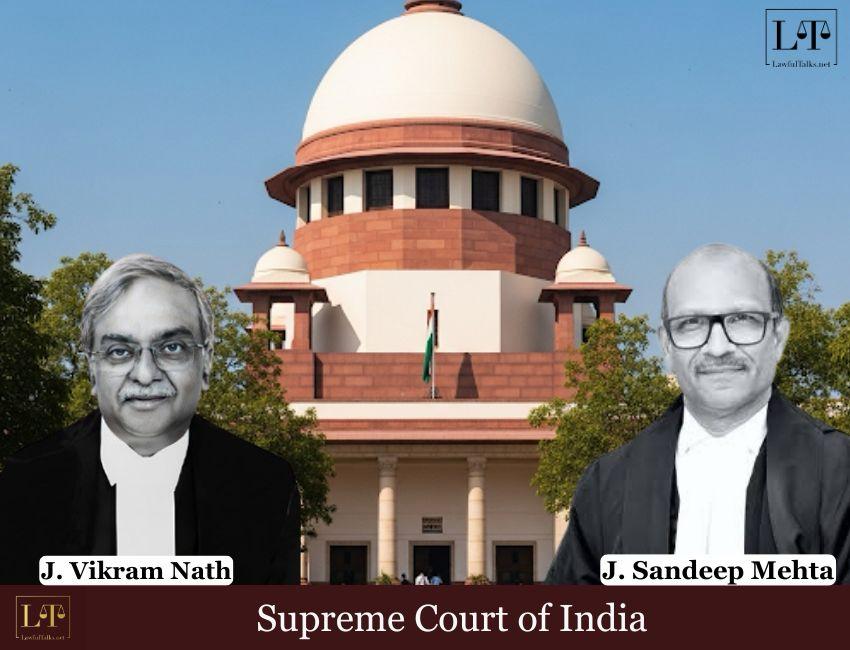
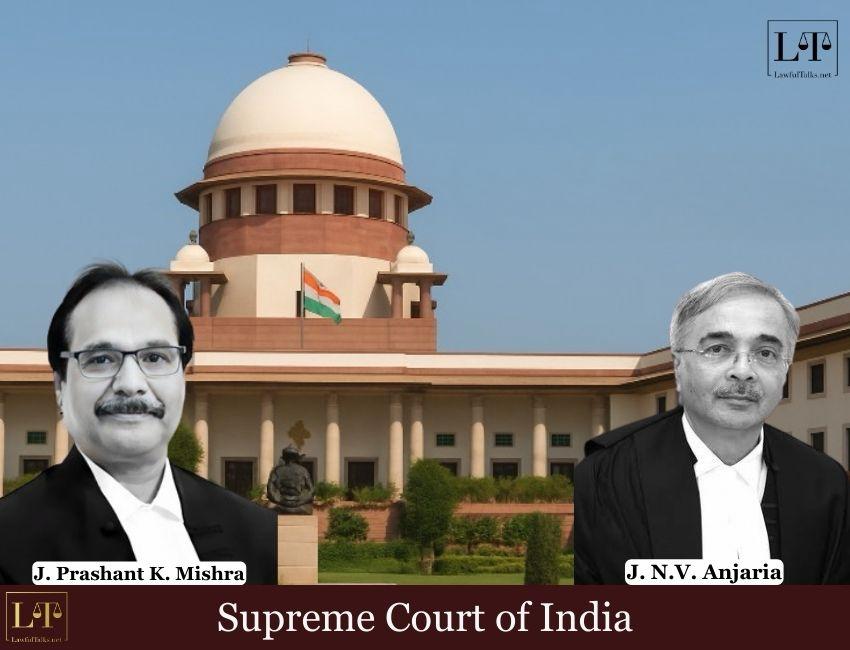
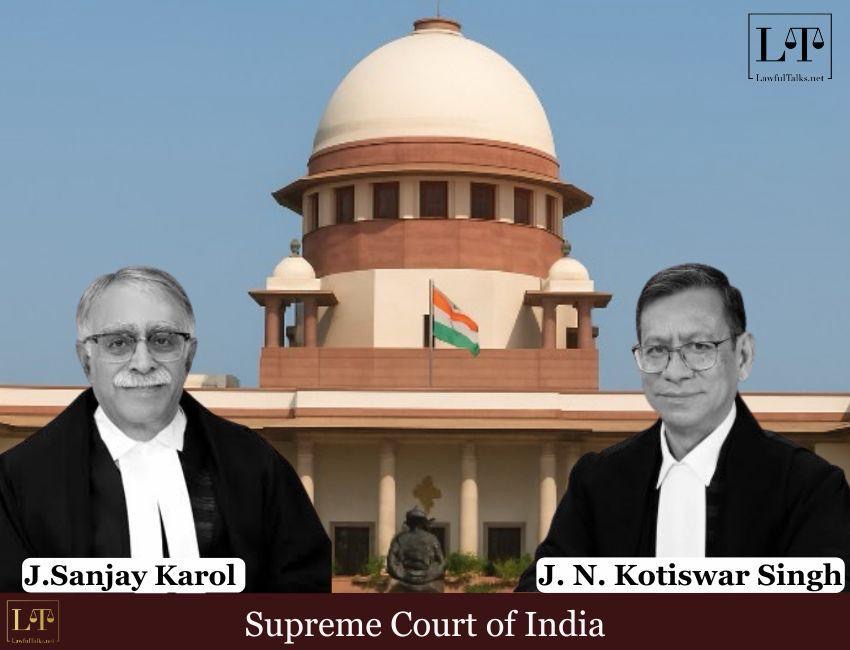
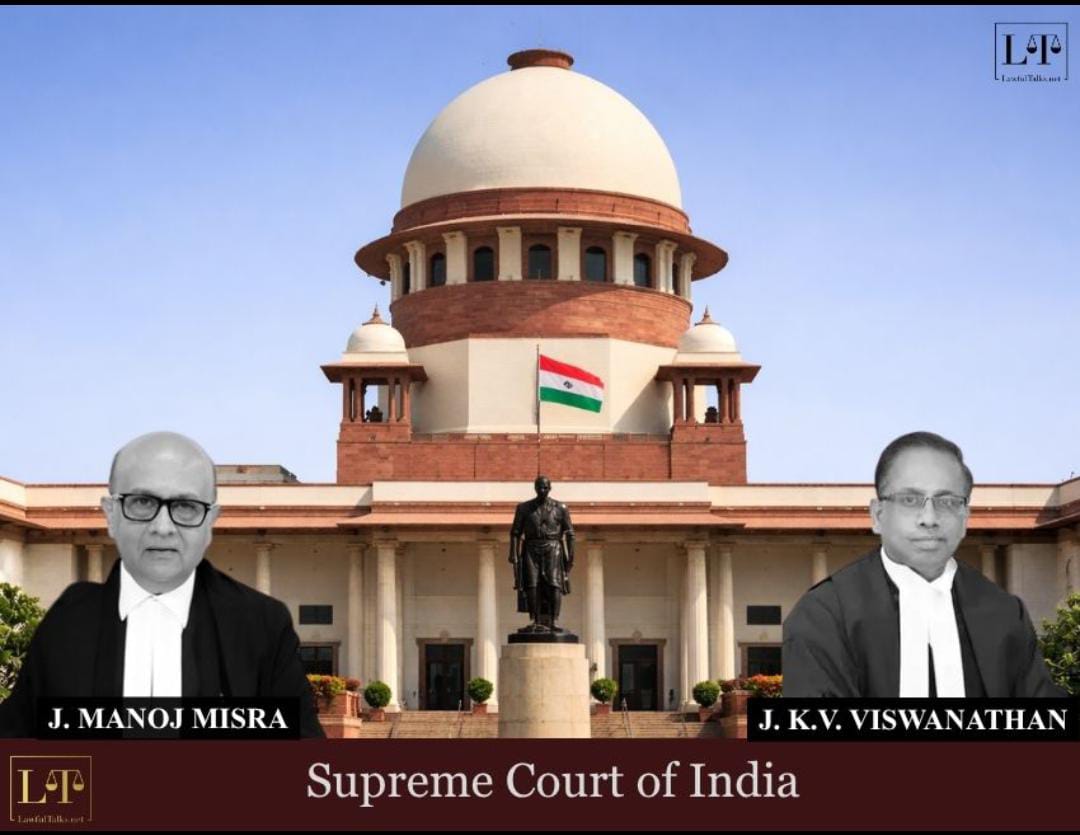
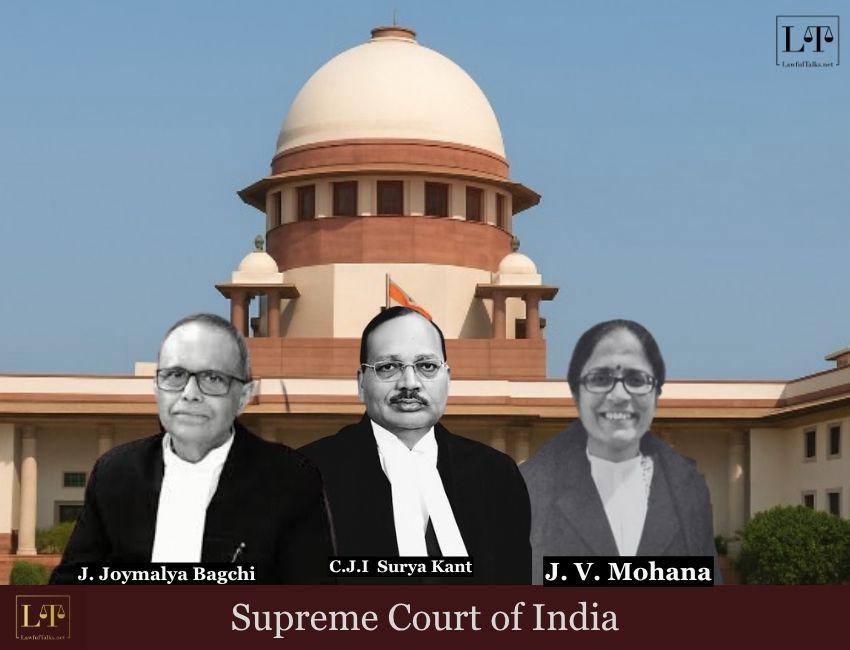
In a significant ruling by the Supreme Court of India, Justice Vikram Nath and Justice Augustine George Masih addressed a contentious issue surrounding the examination of a minor witness in a dowry death case. The case arose from the suicide of a young woman in 2017, which was allegedly caused by cruelty and dowry demands by her husband and in-laws. Nearly a month after her death, her father lodged an FIR invoking provisions relating to abetment of suicide, cruelty, and offences under the Dowry Prohibition Act.
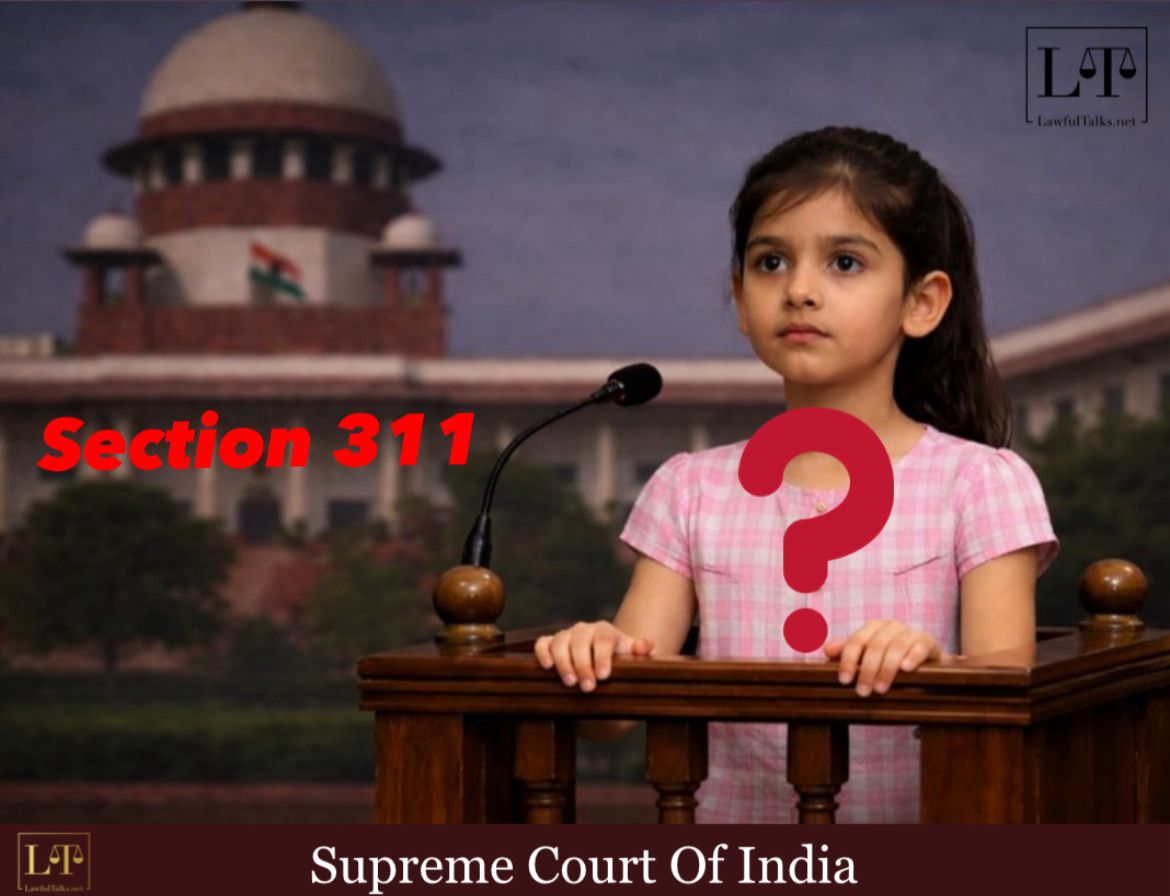
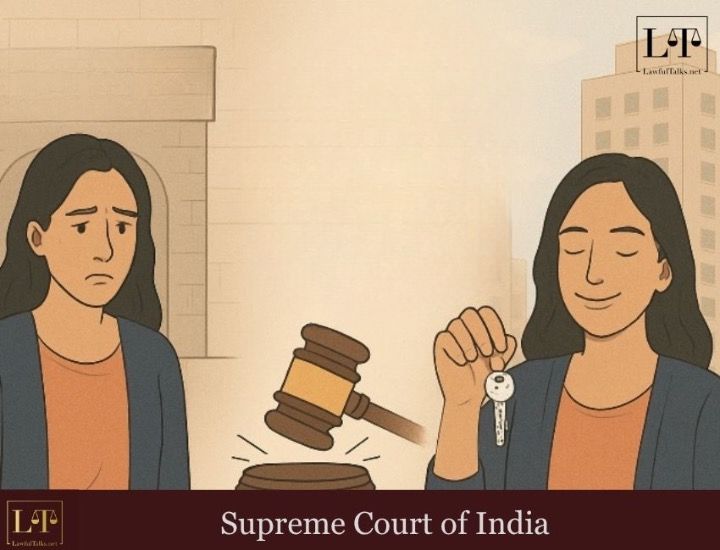
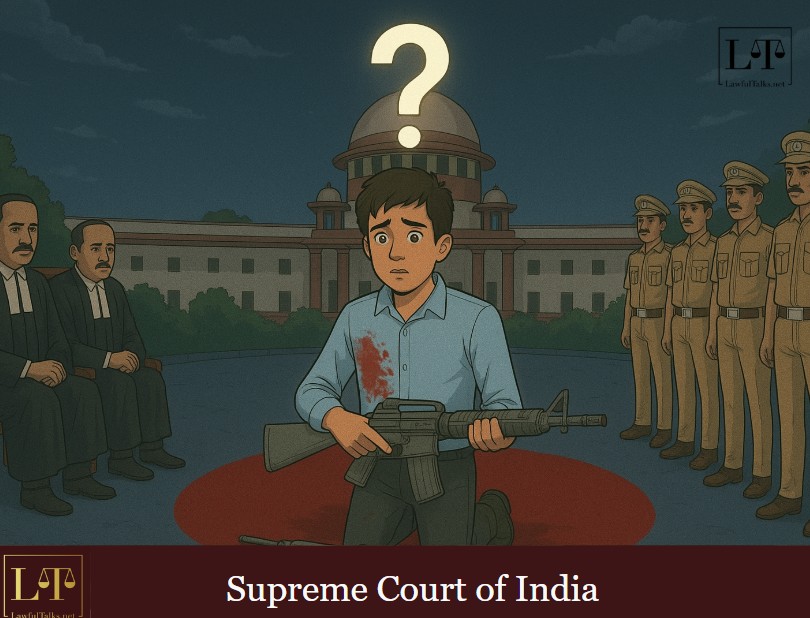
The appellants—the husband and another family member—challenged a High Court order that set aside the trial court’s decision. The trial court had earlier refused the prosecution’s request to recall the couple’s minor daughter as a witness. The child was about four years and nine months old at the time of the incident, and the request to recall her was made after 21 prosecution witnesses had already been examined.
Background:
The incident occurred on November 5, 2017, when the deceased—who had been married to appellant No. 1 since 2010 and was the mother of their daughter Aashvi, born in 2013—was found hanging with a dupatta.
In the FIR, the complainant alleged that the appellants had subjected her to mental and physical cruelty. The allegations included demands for money to buy a car, a house, and a motorcycle, as well as claims that the husband had an extra-marital affair, used abusive language, and issued threats that drove her to despair. After investigation, a chargesheet was filed in February 2018. Charges were framed, and the trial continued.
In September 2023, the prosecution applied under Section 311 of the CrPC to examine Aashvi as a witness, stating that she was present in the house at the time of the incident but that the police had earlier ignored efforts to record her statement.
The trial court rejected the request, pointing out that the child’s presence was not mentioned earlier in the FIR, the investigation records, or the complainant’s testimony. The court also noted the delay in filing the FIR and the child’s very young age, and held that examining her at this stage would be unreliable and prejudicial.
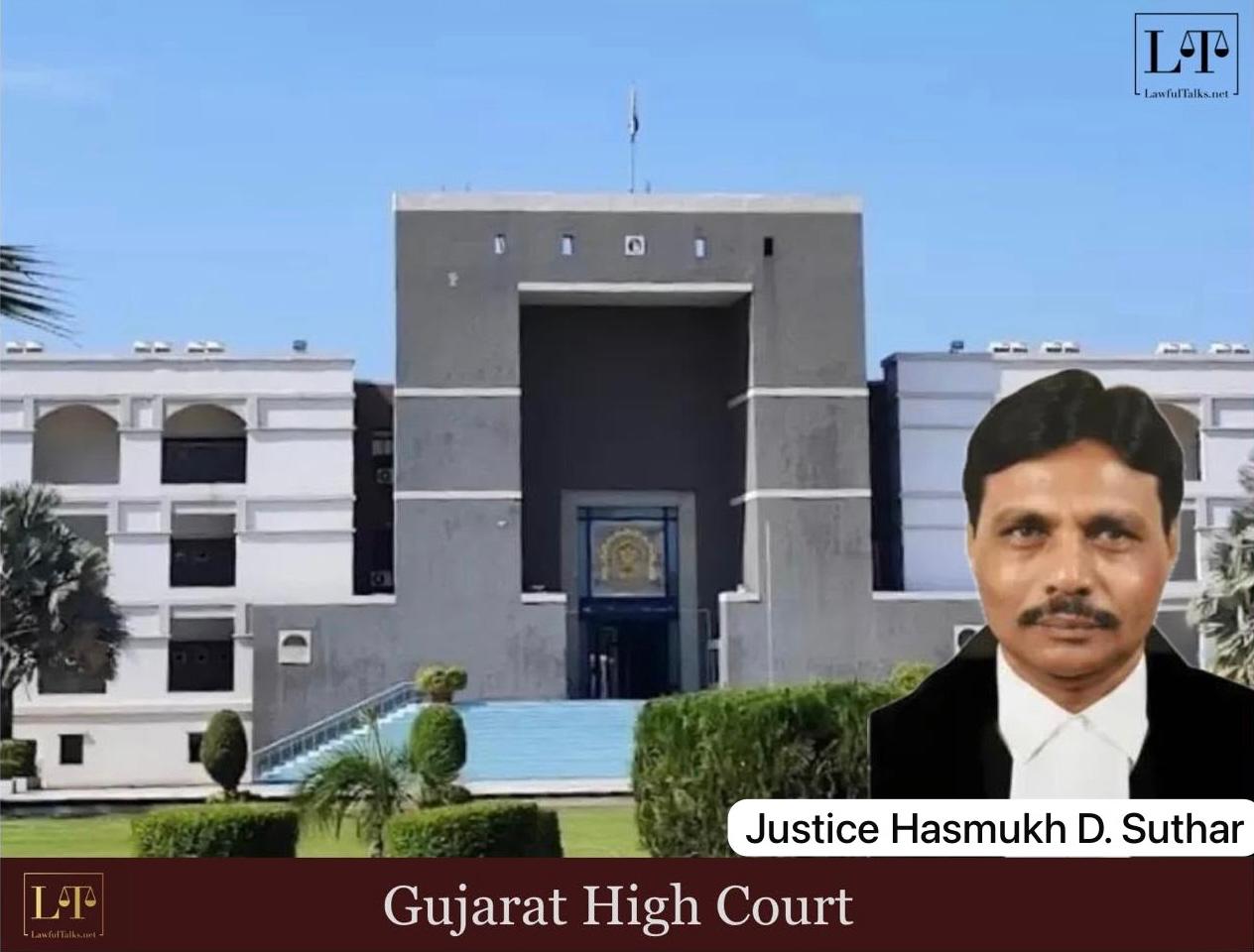
In November 2024, the Gujarat High Court set aside the trial court’s order and allowed Aashvi to be examined as a witness. The High Court treated her as a possible material or eyewitness under Section 118 of the Indian Evidence Act and directed that safeguards be put in place for her well-being, while also protecting the right to cross-examine her.
Supreme Court’s Observations:
However, Justice Vikram Nath and Justice Augustine Masih held that this interference was not justified, pointing out that there was no record to support the claim that the child was present at the scene of the incident.
“There is no material on record to substantiate the claim that the minor child was present at the time of the incident. The FIR, statements recorded during investigation, and the testimony of the complainant do not disclose such presence,” the Supreme Court bench observed, stating that treating the child as an eyewitness was only an assumption, since she was said to be in the house and not in the room where the incident occurred.
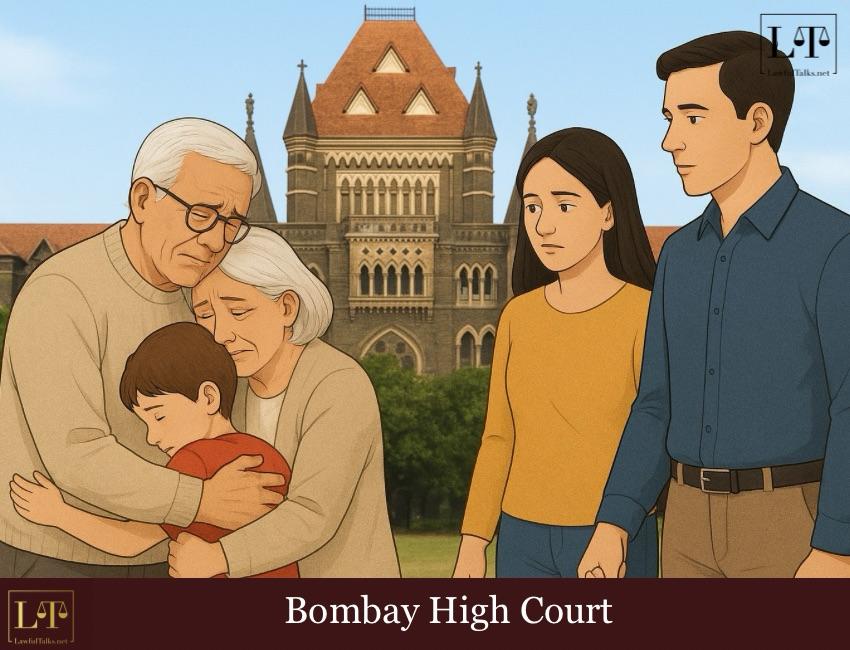
The judges also raised concerns about the reliability of the child’s testimony. They noted that more than seven years had passed since the incident, that Aashvi is now about 11 years old, and that she has been living with her maternal grandparents. This, they said, creates a “reasonable apprehension of tutoring,” especially since she was only four years old at the time, when memory is fragile.
“Memory at such a young age is vulnerable to distortion and external influence,” the bench observed. The judges also pointed out that her statement was not recorded at the relevant time and that the application to examine her was made at a very late stage, after 21 prosecution witnesses had already been examined, which would further delay the trial.
Explaining the limits of Section 311 of the CrPC, the bench clarified that the power must be used cautiously. “Though the power under Section 311 is wide, it is to be exercised sparingly and only when the evidence sought is indispensable for arriving at the truth. The present case does not satisfy this requirement,” noted the bench.
Final Ruling:
In a firm reversal, the Supreme Court allowed the appeals on December 19, 2025, restoring the trial court's order and directing expeditious proceedings.
“The respondents have failed to establish that examination of the minor witness, at this belated stage, is essential for the just decision of the case,” the judges concluded.
Case Details:MAYANKKUMAR NATWARLAL KANKANA PATEL & ANR. VERSUS STATE OF GUJARAT AND ANR.
Appearance:
Advocate For Petitioner(s) : Mr. Mayank Kshirsagar, AOR Ms. Pavani Verma, Adv. Ms. Anumita Verma, Adv Mr. Jaydeep Sindhi, Adv.
Advocate For Respondent(s) : Ms. Swati Ghildiyal, AOR Mr. Rishi Yadav, Adv. Mr. Pradhuman Gohil, Adv. Mrs. Taruna Singh Gohil, AOR Mr. Alapati Sahithya Krishna, Adv. Ms. Hetvi Ketan Patel, Adv. Mr. Rushabh N. Kapadia, Adv. Ms. Taniya Bansal, Adv. Ms. Kawalpreet Kaur, Adv. Mr. Pulkit Khanduja, Adv.



































































Sign up for free and be the first to get notified about curated content just for you.