“Why Proving A Will Isn’t Always Enough: Bombay HC Explains”

- January 07, 2026


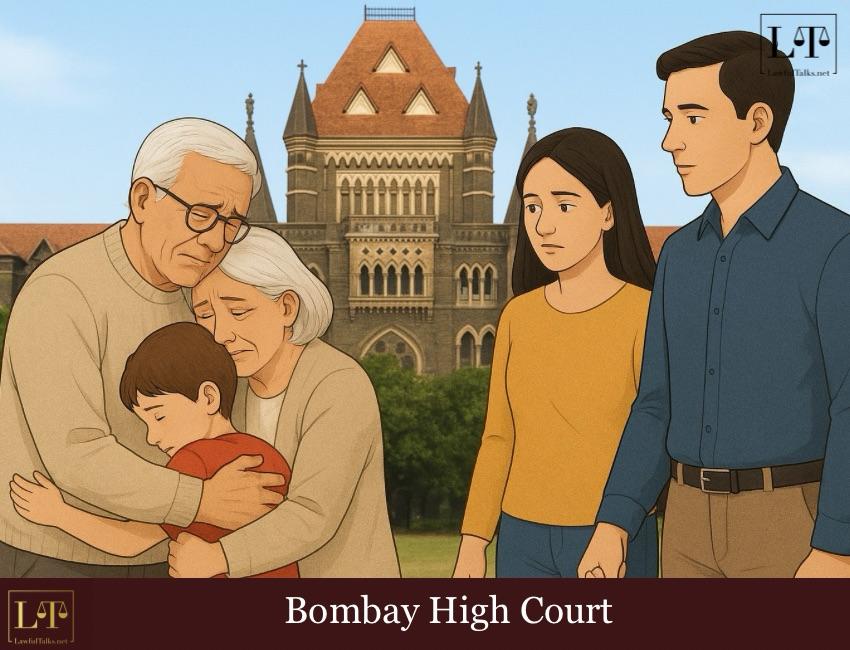
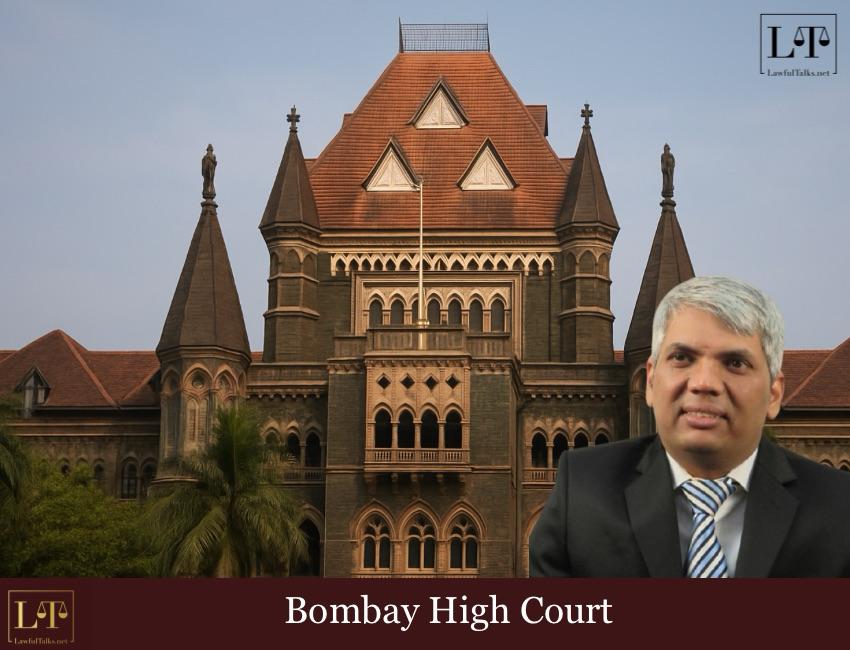
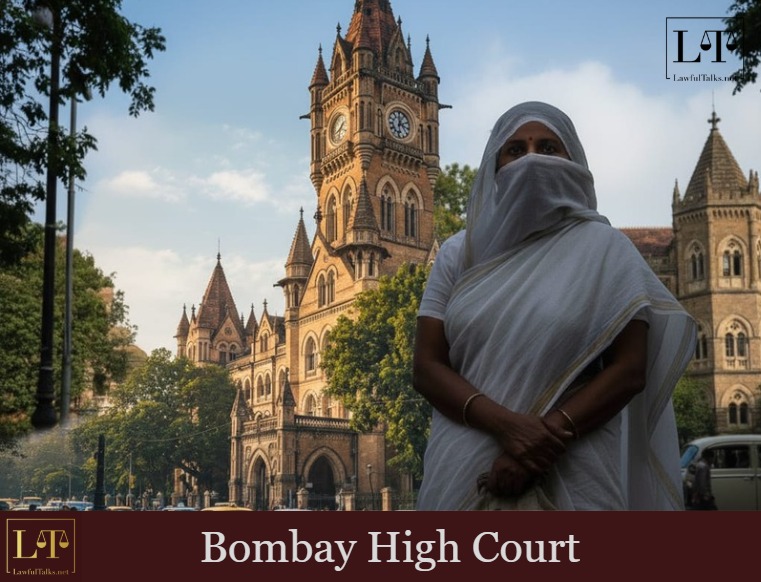
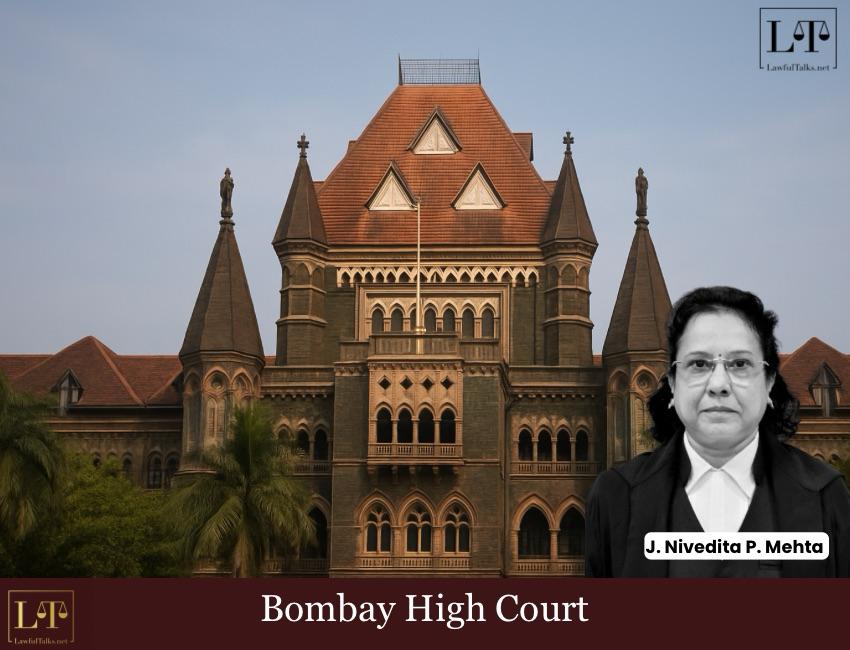
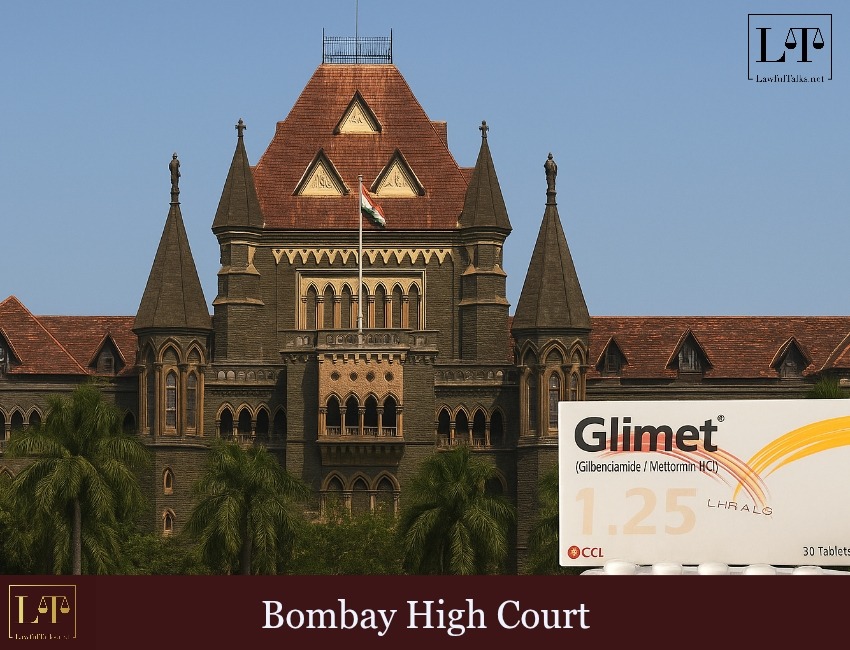
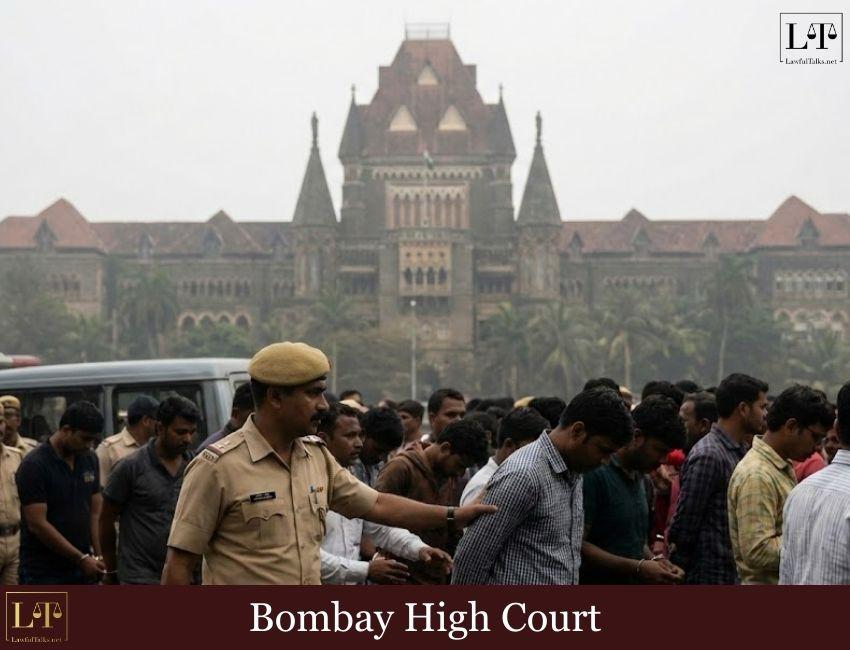
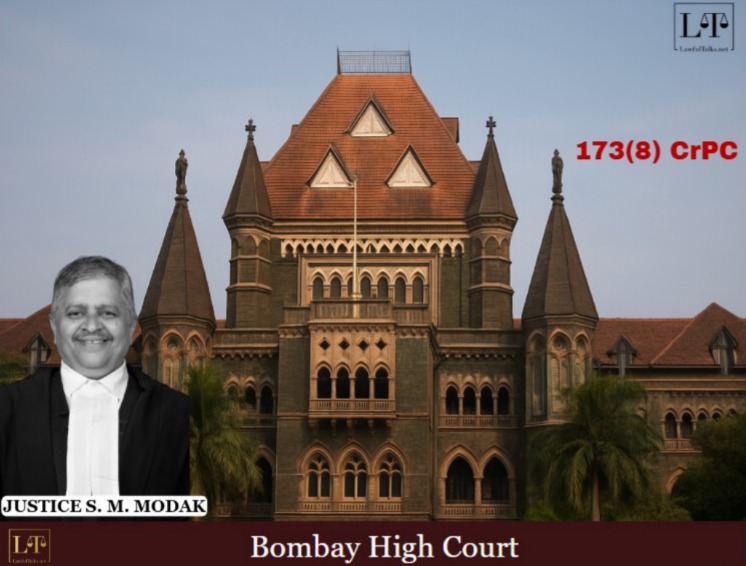
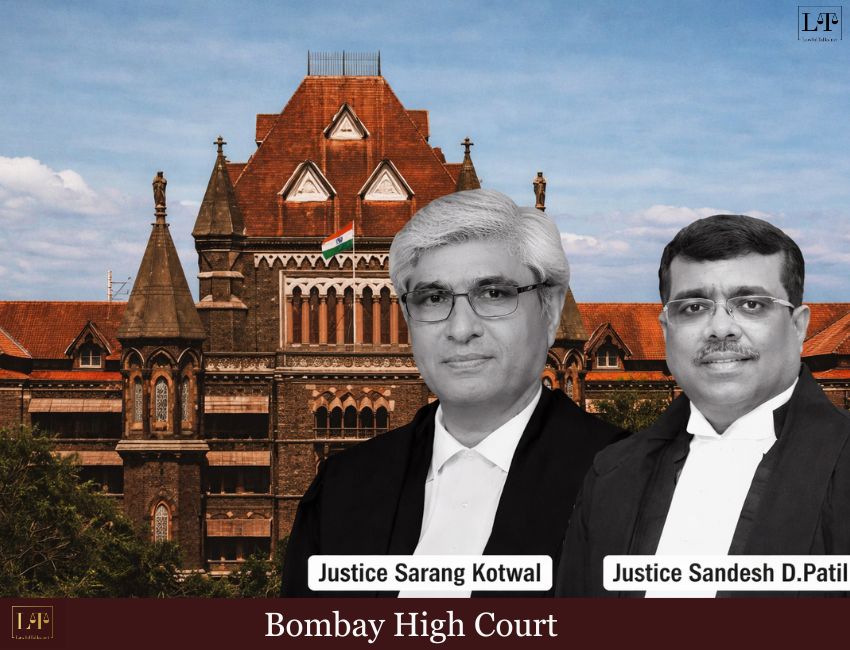
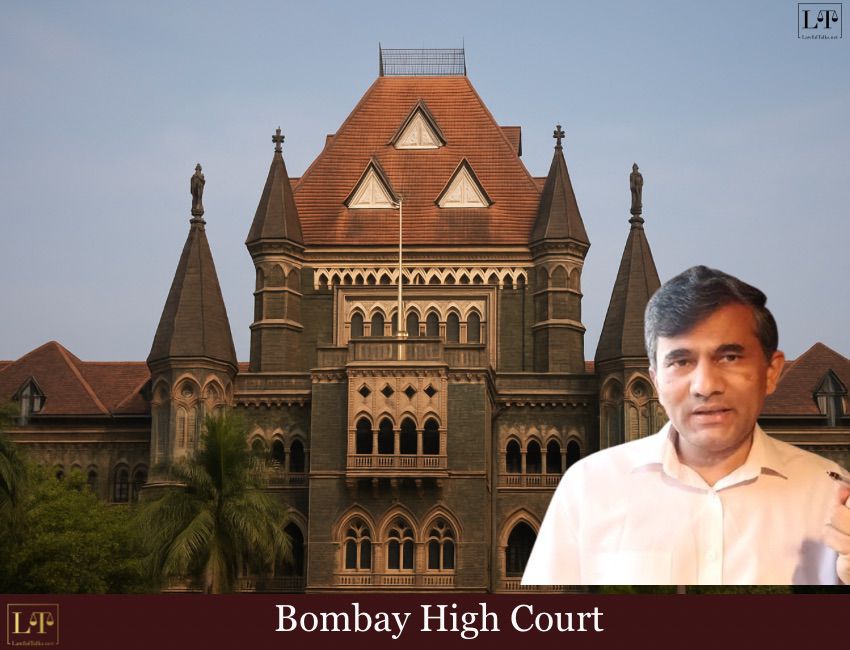
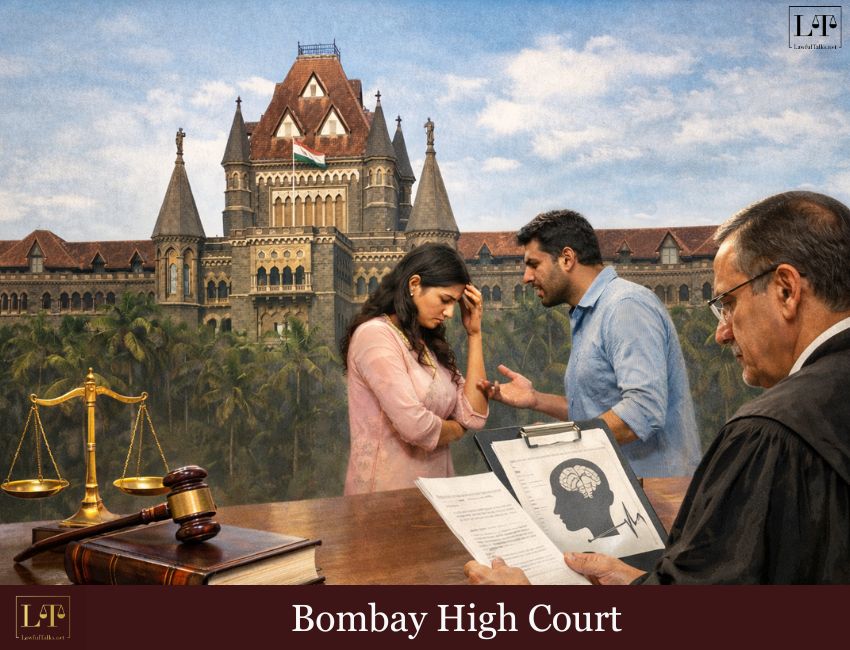
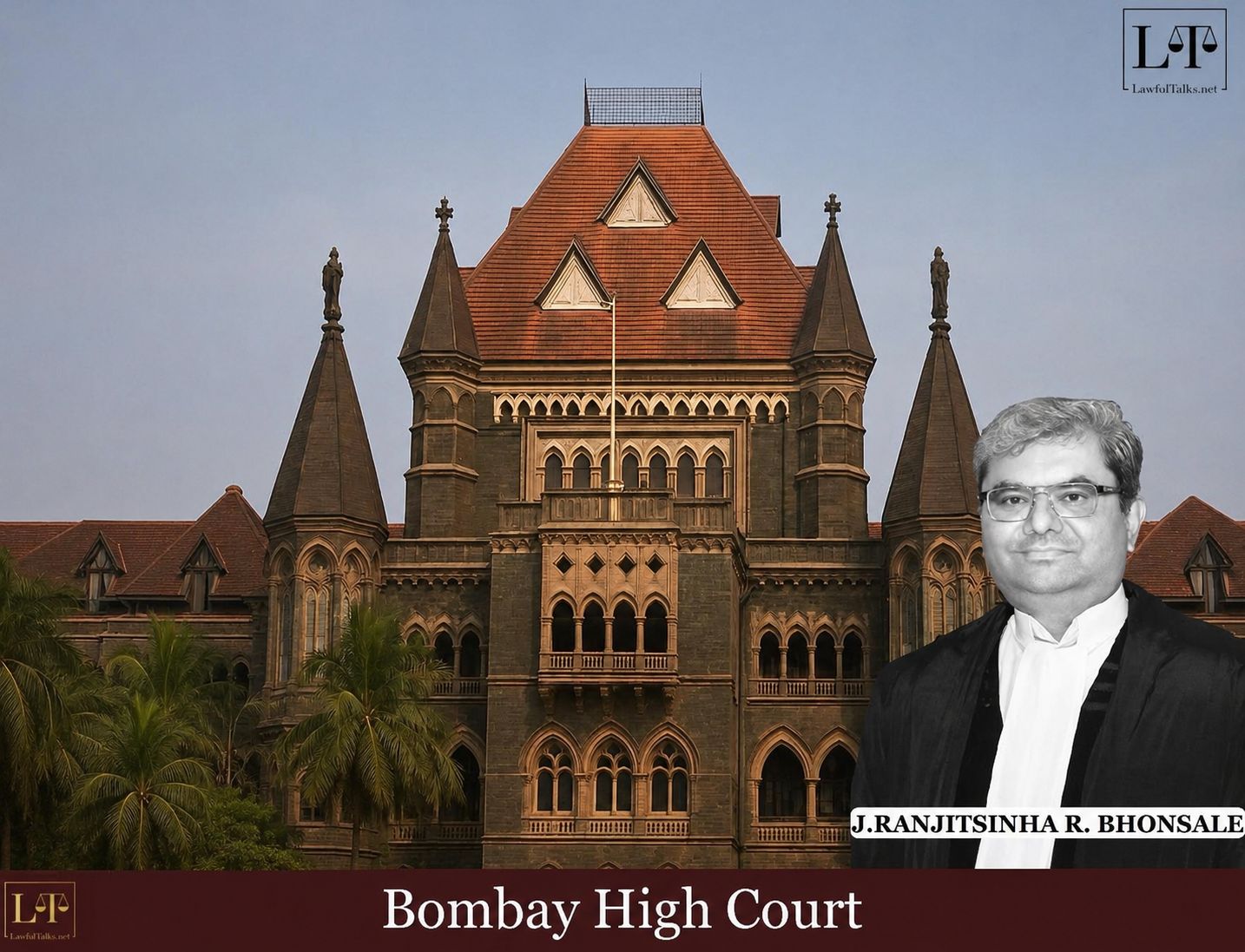
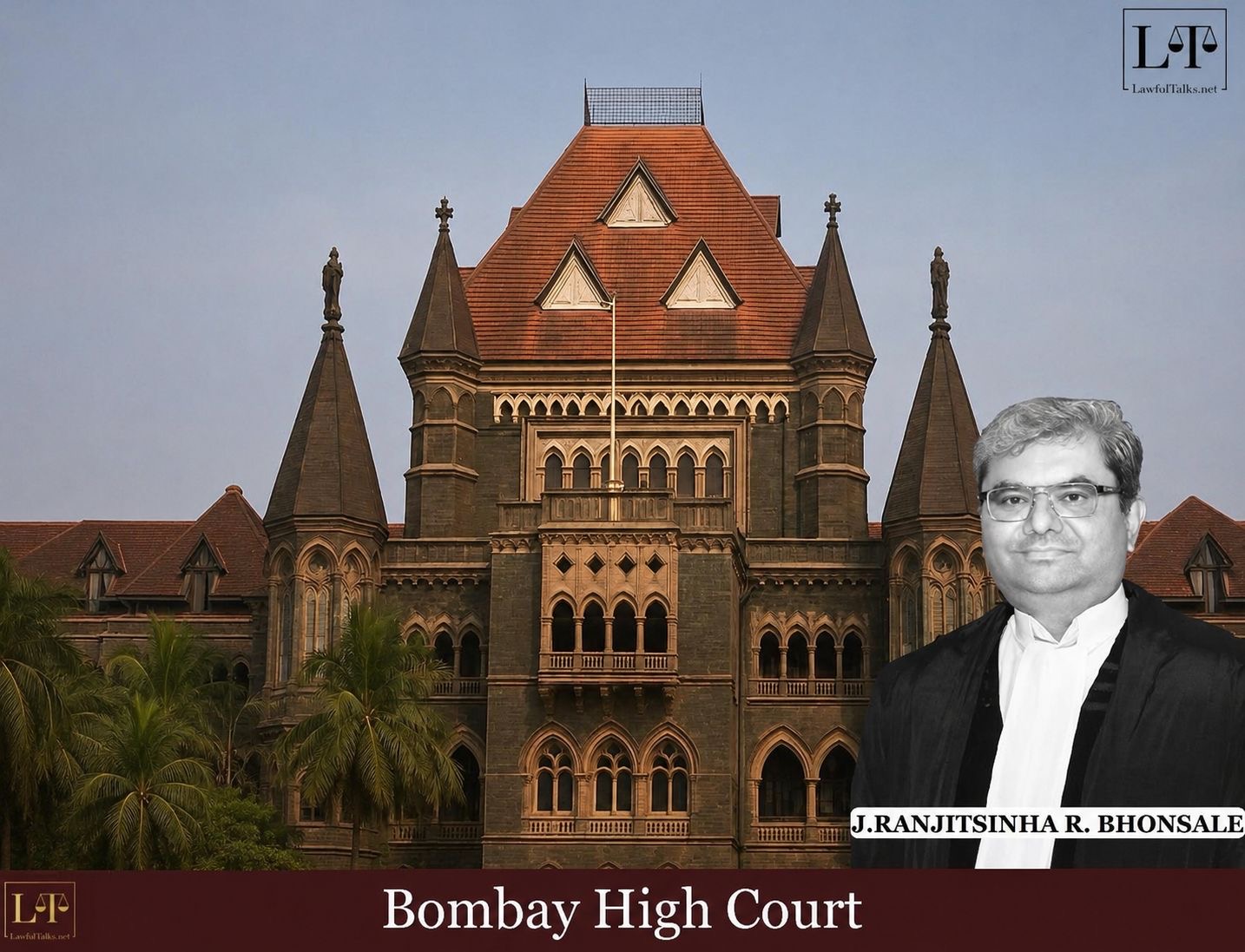
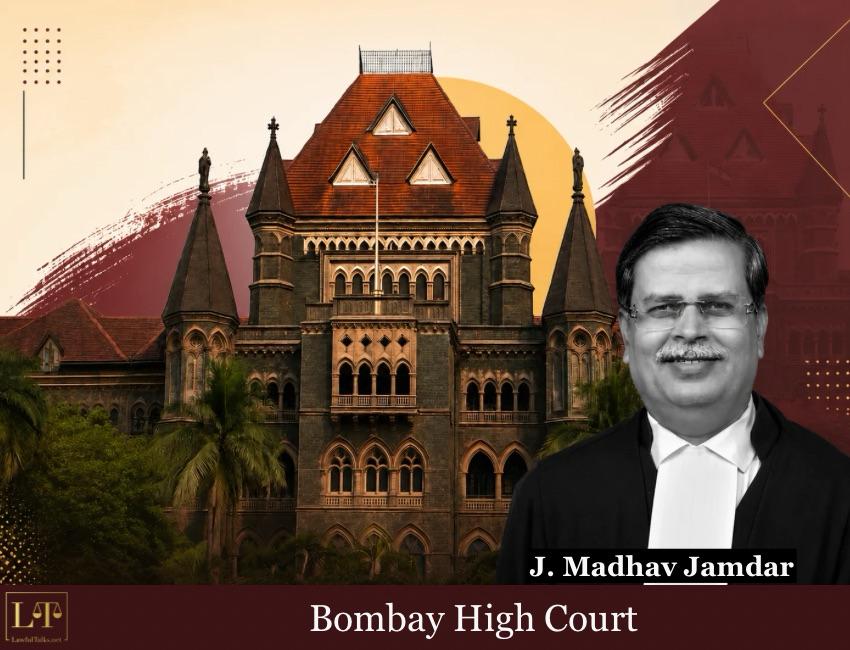
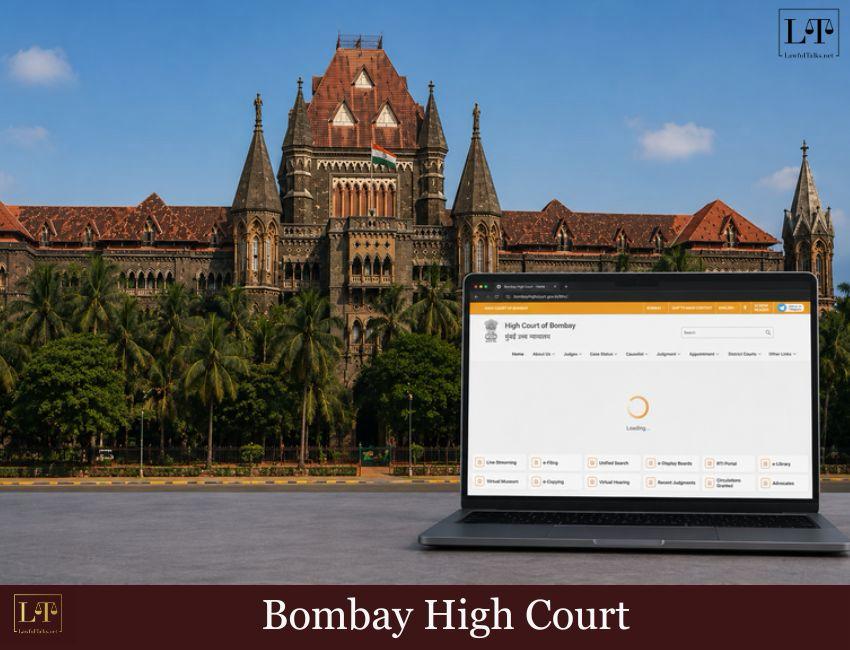
A Division Bench of the Bombay High Court dismissed an appeal arising from a long-standing family dispute concerned with the conflicting wills of two deceased parents. The question before the High Court was of the validity of the mother’s will; while a Single Judge of the Bombay High Court had initially dismissed the suit, it made its way to a Division Bench and the Supreme Court through appeal, where it was remanded for fresh consideration.
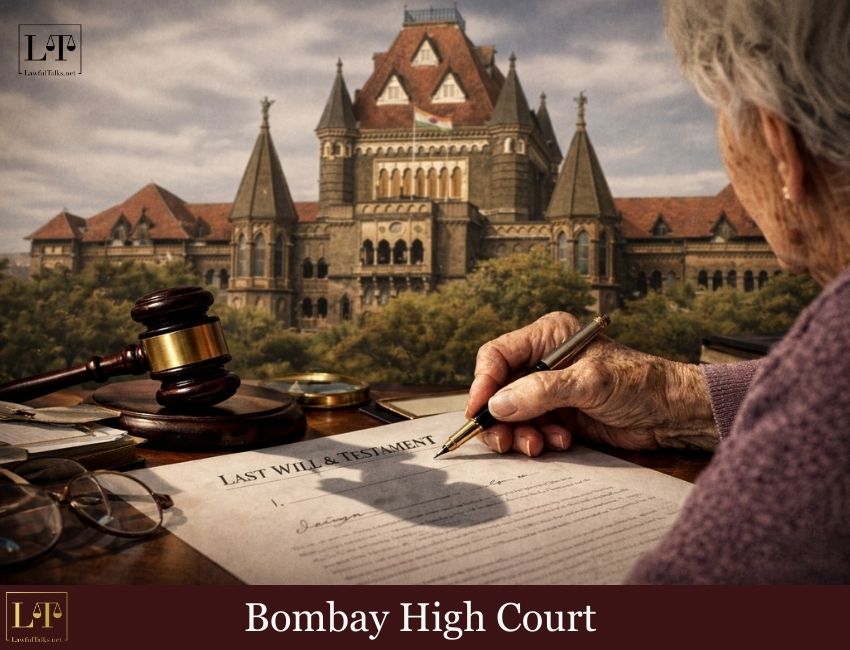
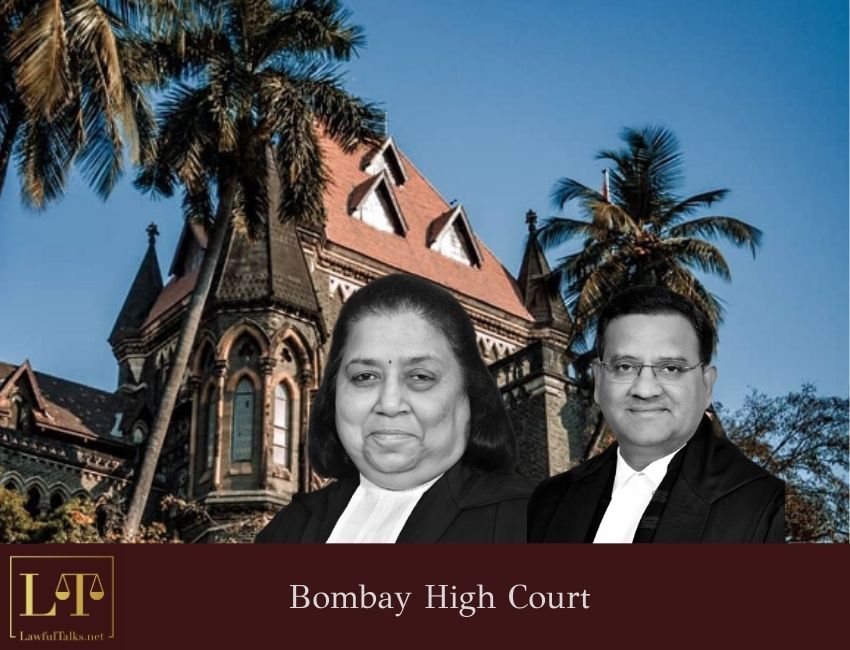
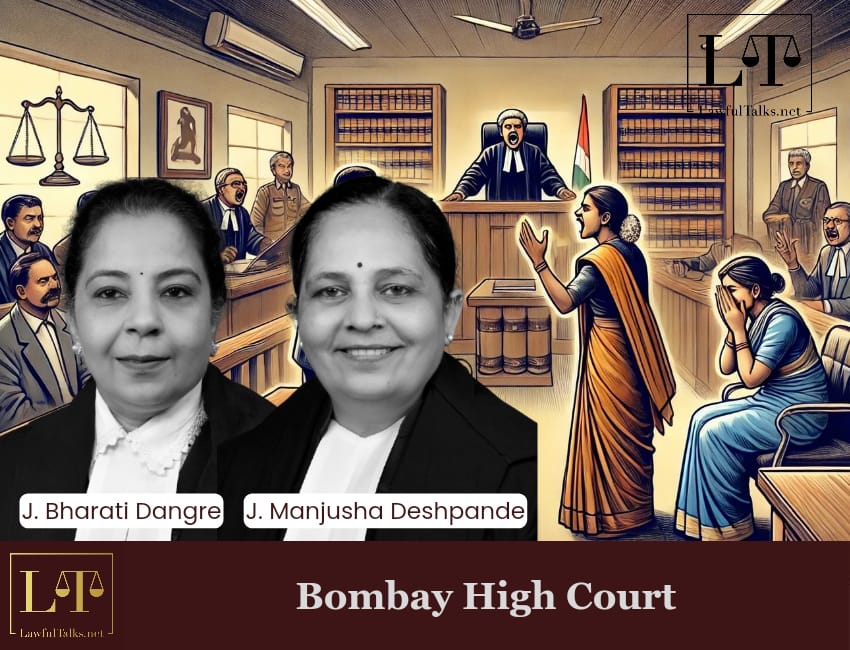
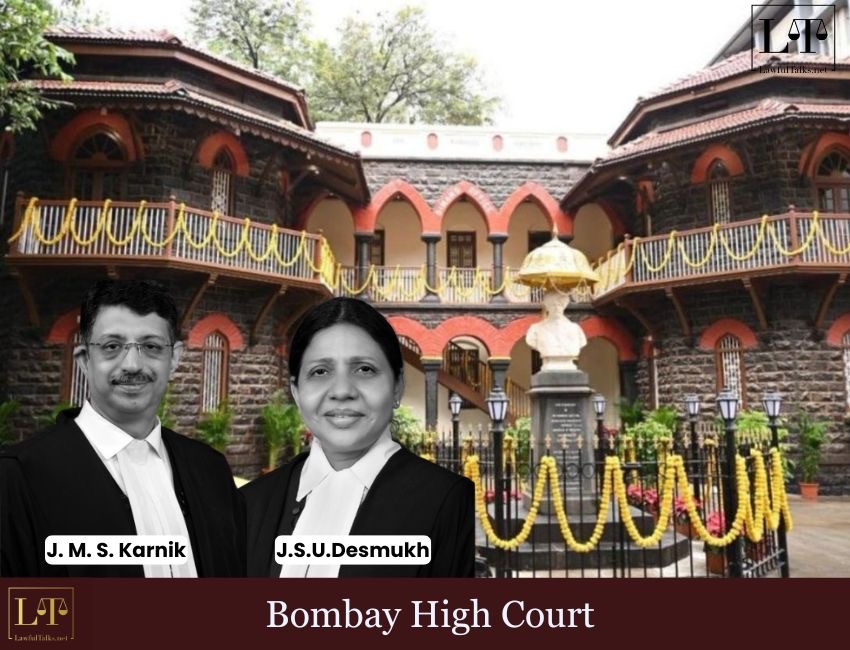
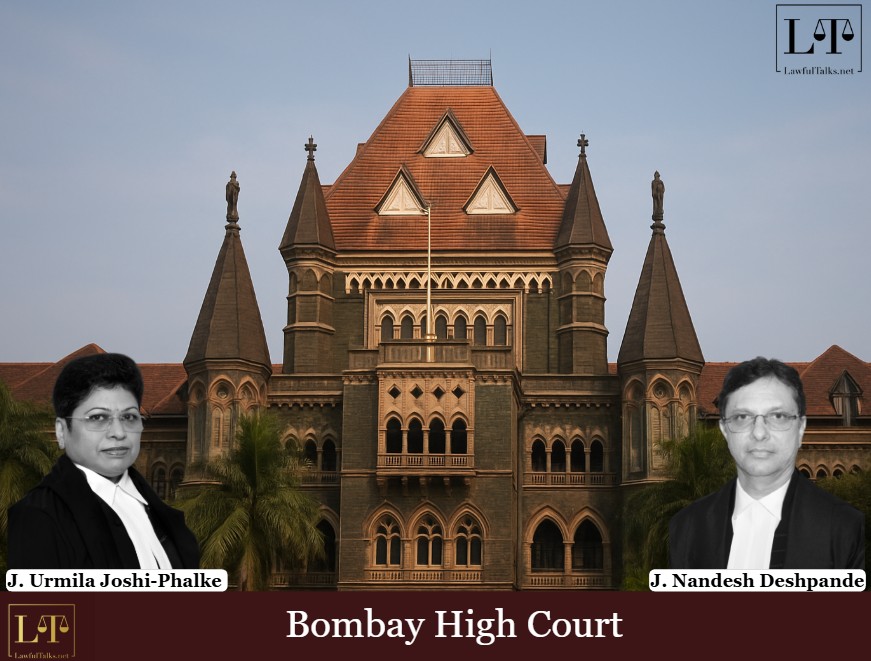
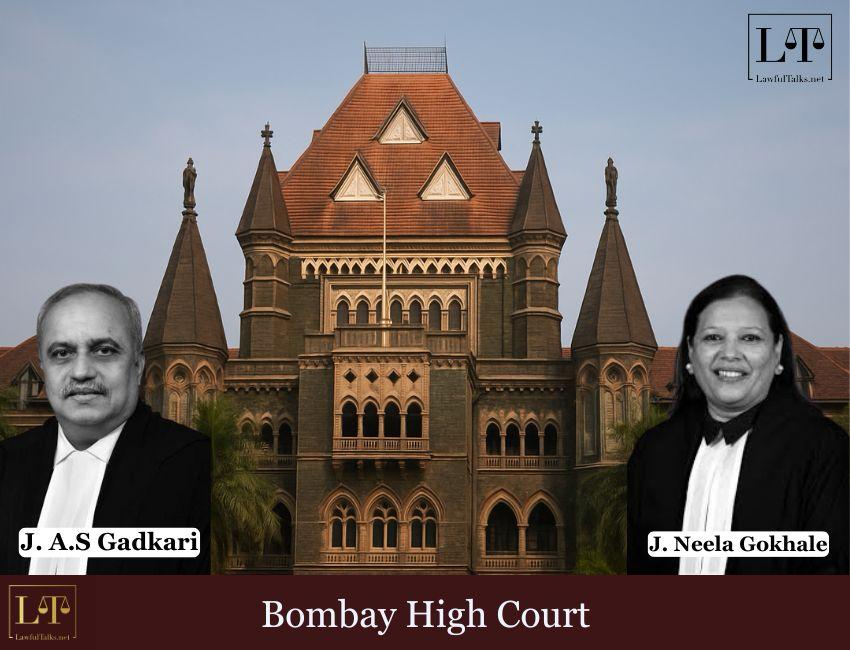
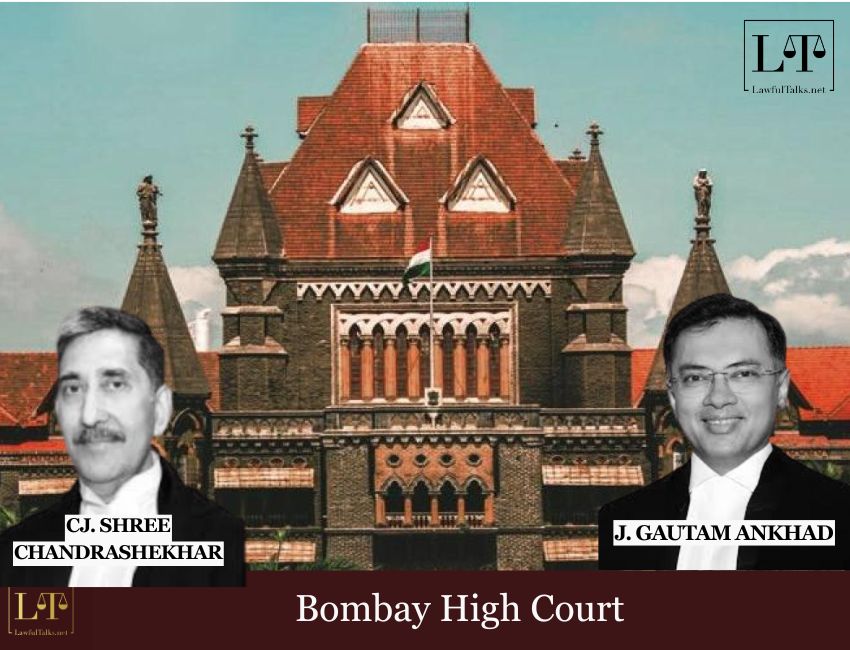
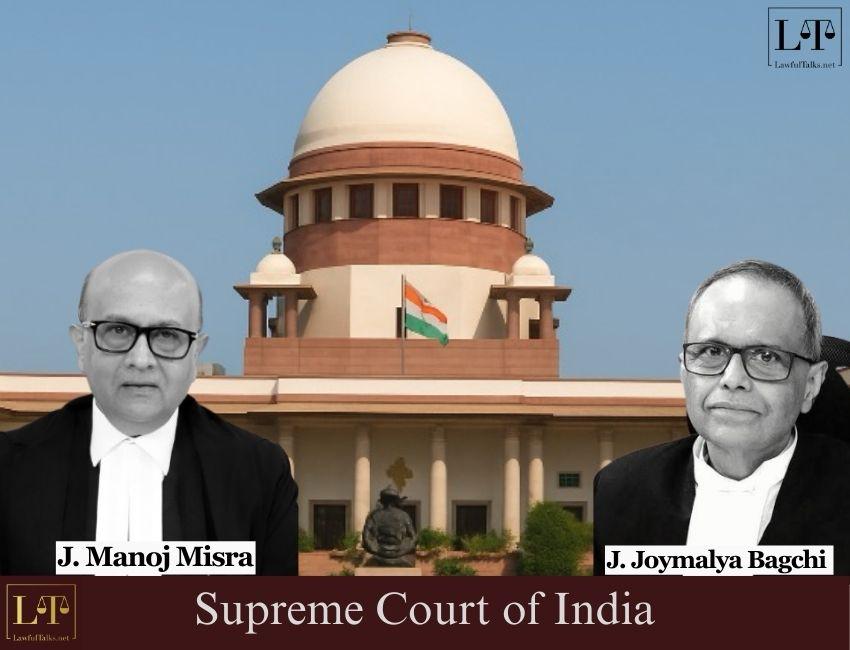
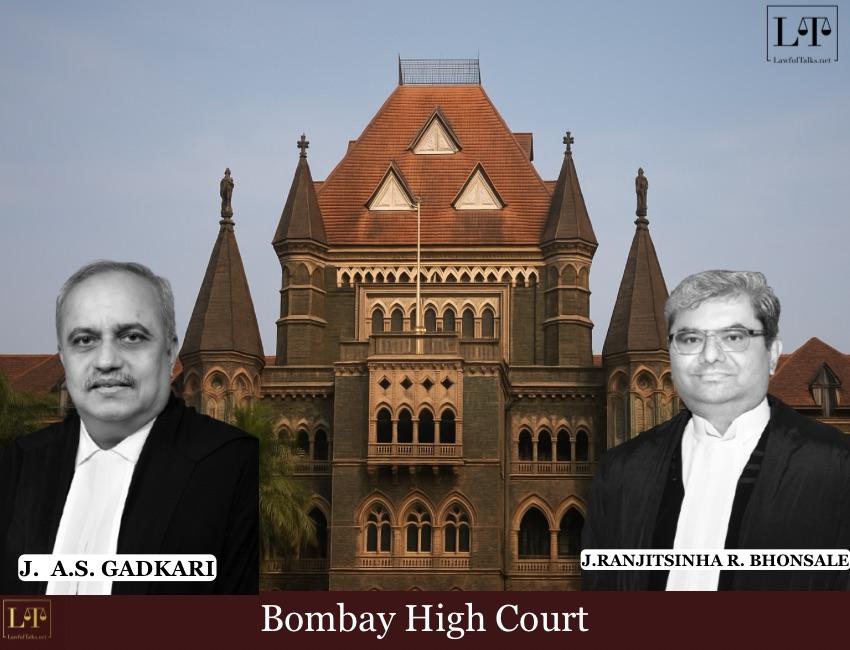
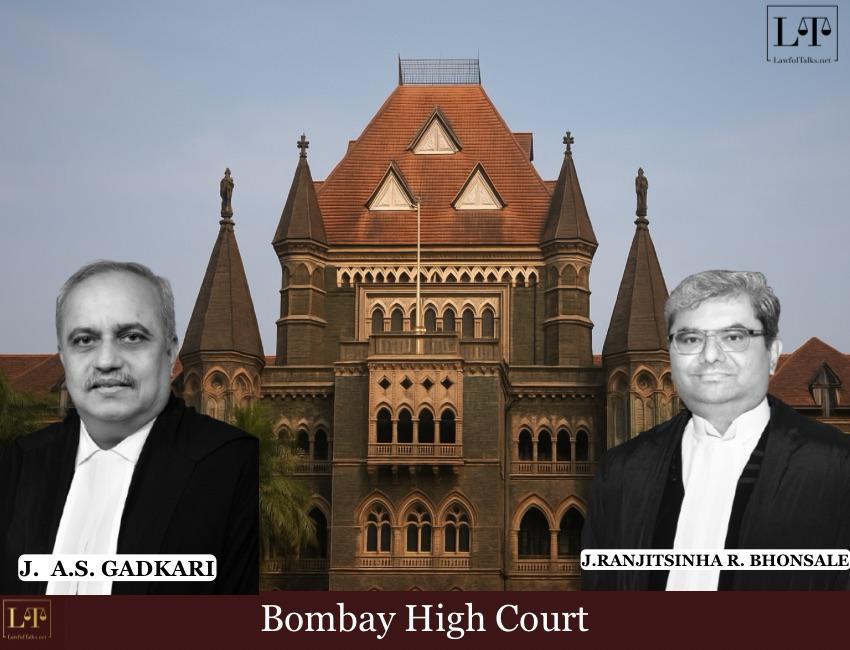
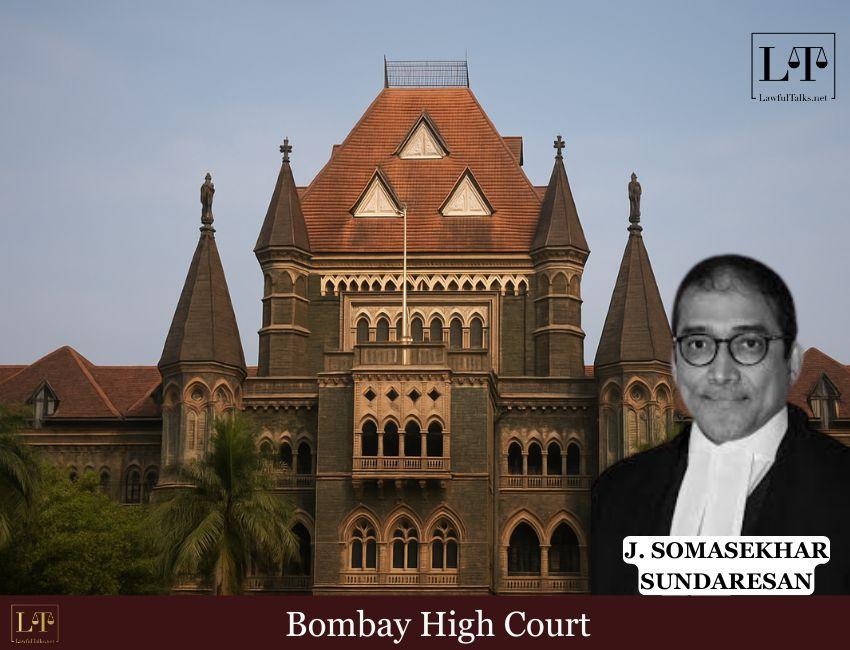
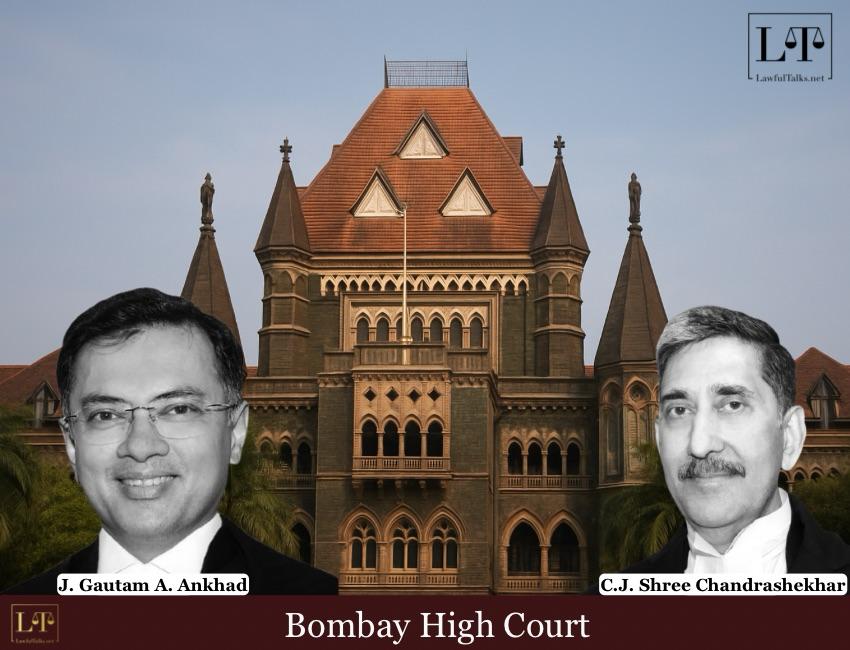
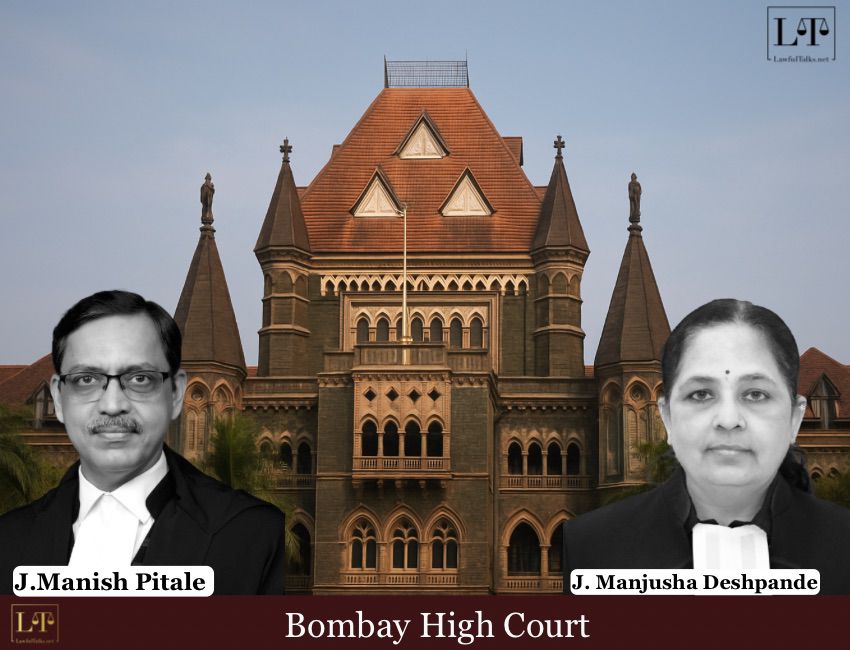
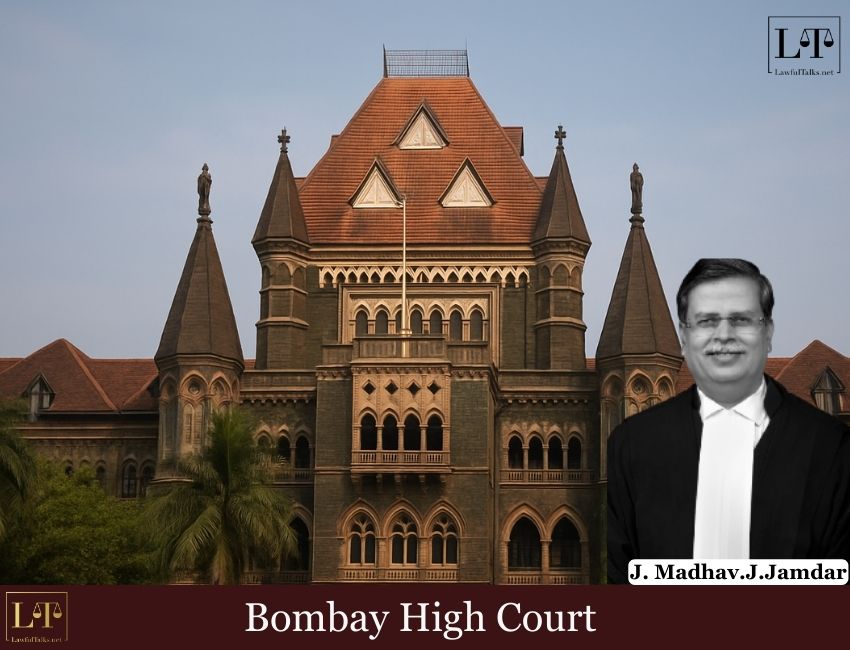
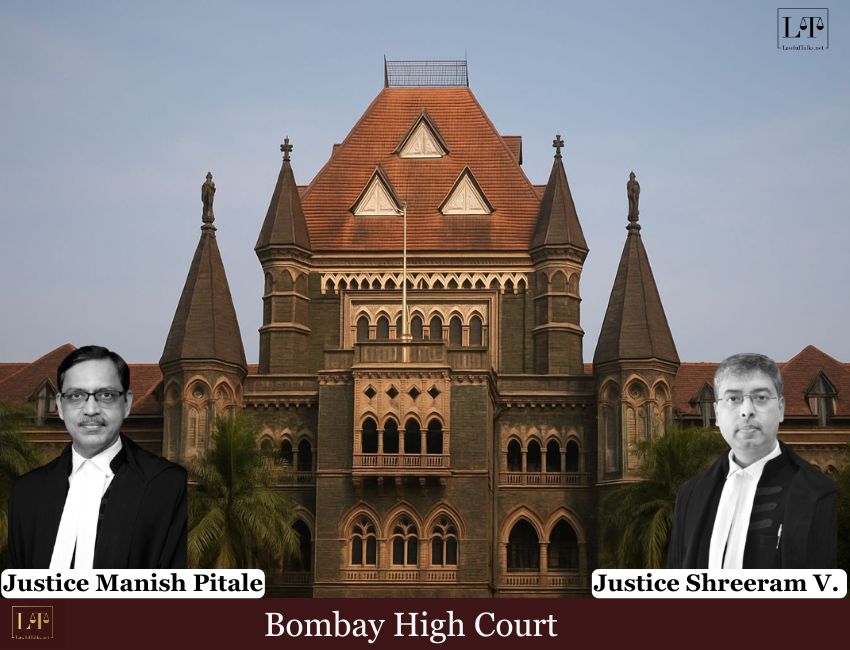
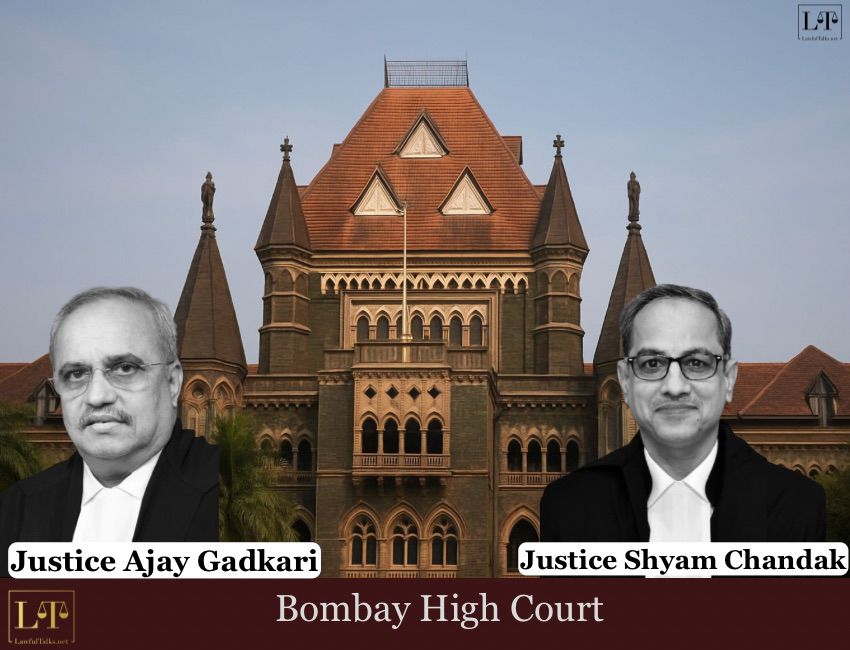
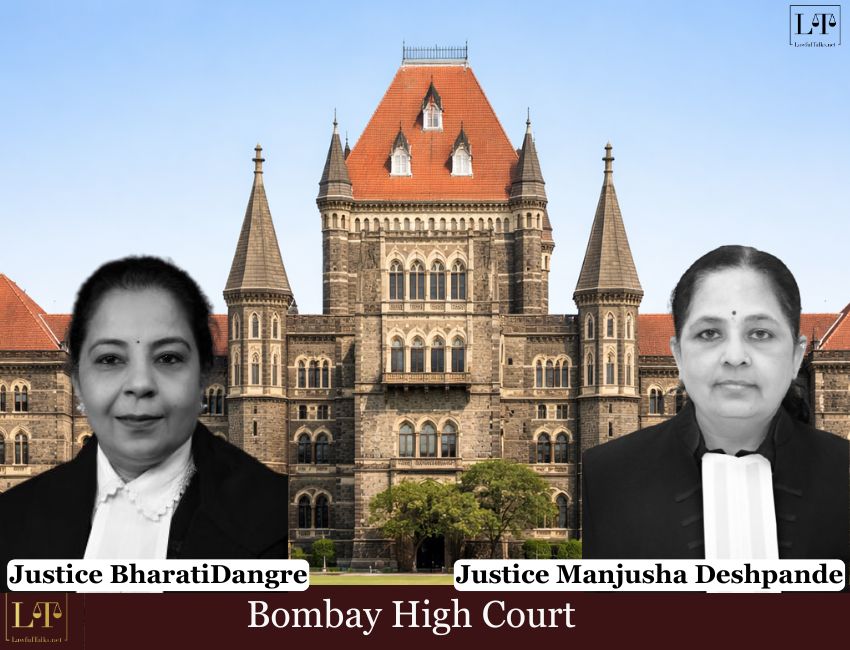
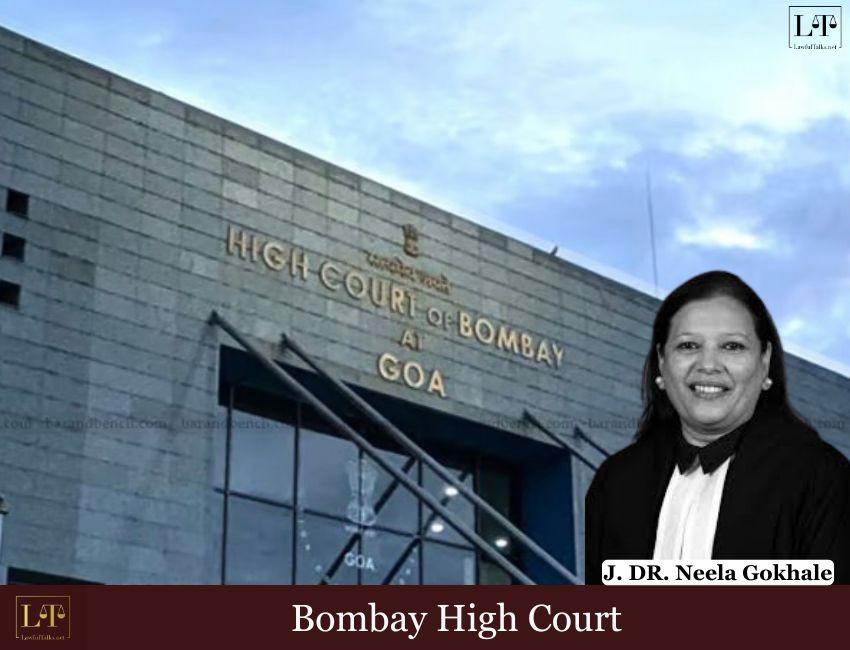
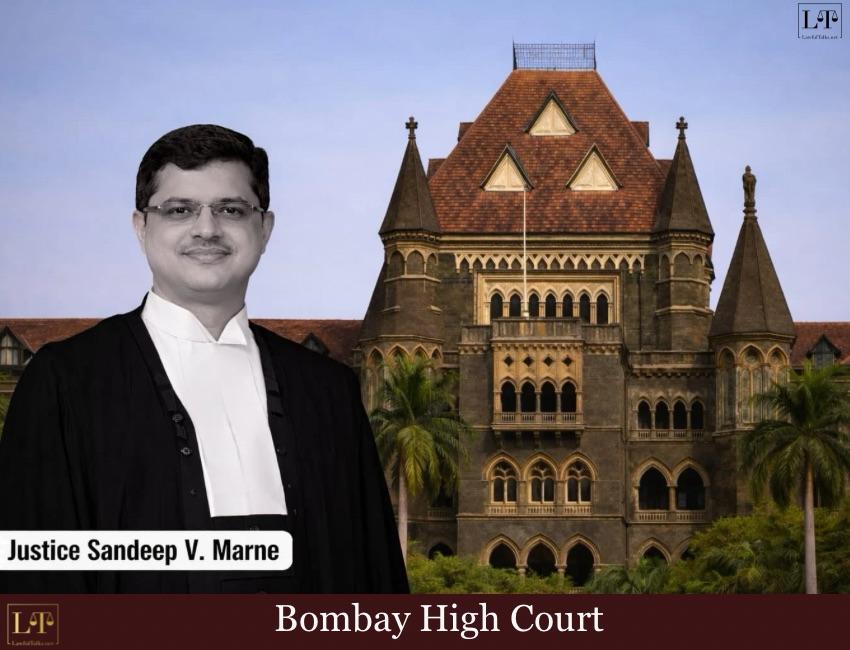
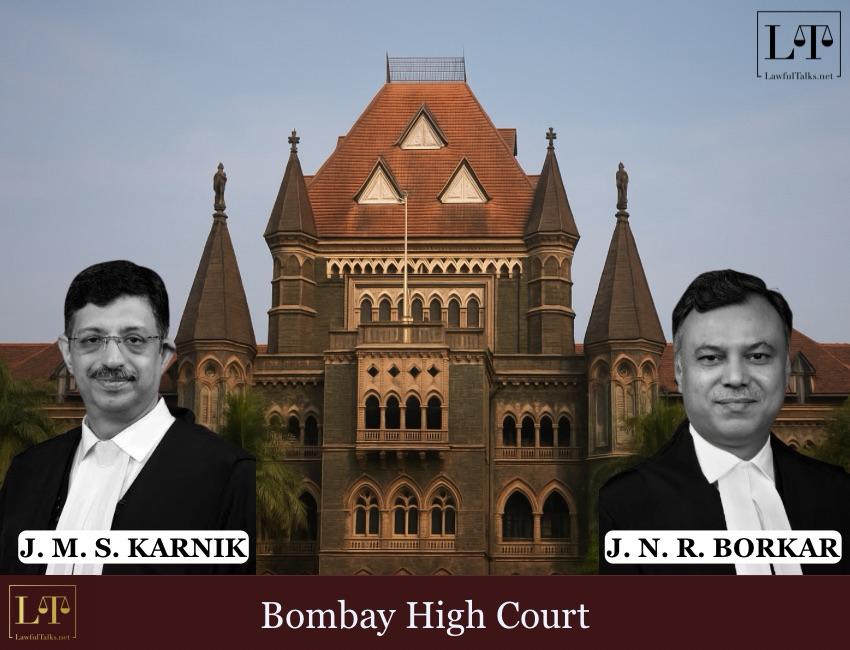
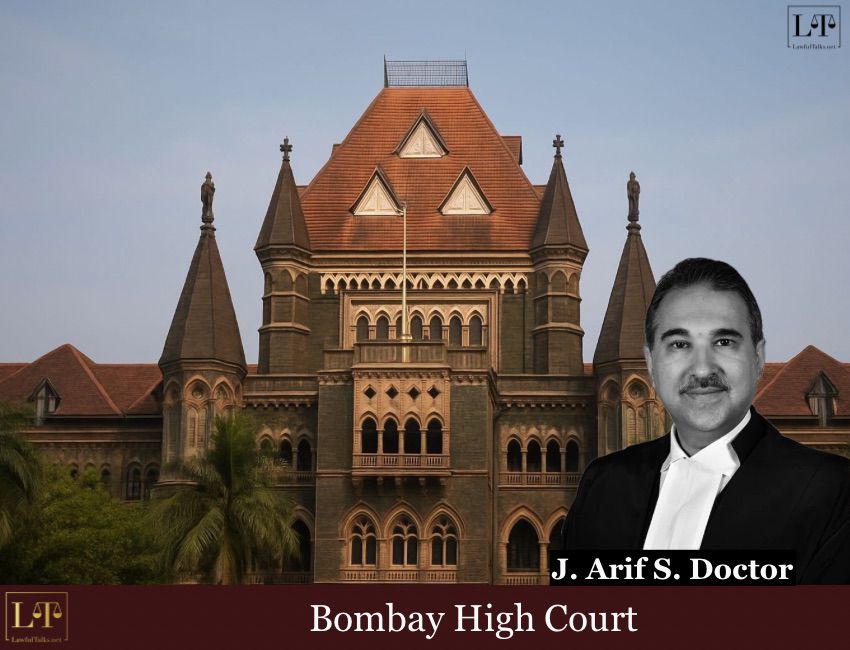
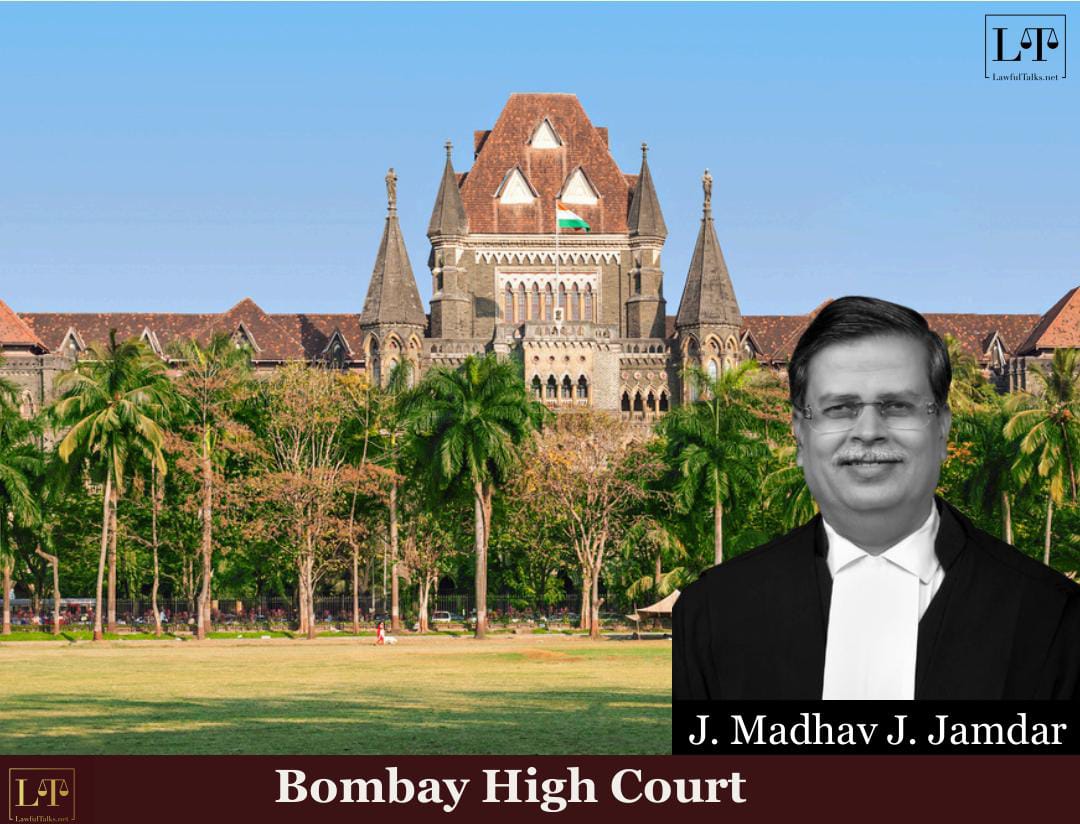
The Division Bench of Justice M.S. Sonak and Justice Advait M. Sethna ultimately held that although the mother’s will was formally proved, the suspicious circumstances surrounding its execution were not satisfactorily explained by the propounder. As a result, she was not entitled to be granted Letters of Administration needed to enforce the will.
Background:
The Appellant is one of six children and the only daughter borne to the parents. Upon her father’s death in 1971, he left behind a will appointing his wife and two sons as executors and trustees. Conferring life interest upon his wife, he directed that the house and plot would devolve to his two sons as tenants in common- subject to payments of Rs. 5,000 to each of the Appellant, the other two sons, and the fifth son (provided that he would stop consuming alcohol). This will was probated in 1980; in 1982, the mother executed her own will which bequeathed all her property to three children equally, and filed an affidavit stating that she believed her husband’s will to be made ‘in a fit of temper’. She passed away in 1985.
Subsequently, the Appellant (‘propounder’) filed a suit against her four brothers for administration of the estate; this was contested by one of the brothers, who claimed that the mother did not leave behind a will on account of its lack of being probated. The propounder then filed a testamentary petition with the mother’s will annexed, seeking Letters of Administration; a caveat opposing grant of the same was filed by the widow and children of the above mentioned brother.
A Single Judge of the Bombay High Court dismissed the appellant’s suit on the basis of three suspicious circumstances surrounding the mother’s will, citing them as follows: ‘(a) the Will is cryptic and it does not mention the property of the deceased; (b) the Plaintiff (Appellant) took prominent part in the execution of the Will; (c) the Will does not contain any explanation as to why the other two sons of the deceased.’
Upon reaching the Supreme Court through appeal, the Supreme Court remanded the matter to the Division Bench of the Bombay High Court, stating that the reasoned order of a Single Judge cannot be interfered with without deep consideration.
Analysis and Judgement:
The bench of Justice M.S. Sonak and Justice Advait M. Sethna acknowledged that the propounder had formally proven the will under Sec. 68 of the Evidence Act, 1872; however, it also addressed the suspicious circumstances surrounding the will.
The Division Bench in its judgement relied upon the three suspicious circumstances established by the Single Judge in their judgement. Firstly, it held that the omission of property details from the mother’s will was conspicuous. Considering that she had only been conferred with life interest in the property, specification of the property she meant to pass down to her children should have been natural, especially after conferring with an advocate for the same. The bench observed that, “the fact that Will was drafted/made by a lawyer engaged for this purpose gives rise to a reasonable expectation that the Will would bear the necessary particulars regarding the property sought to be bequeathed thereunder.”
Secondly, the bench noted the significant involvement of the propounder in the creation of the will and her refusal to become a witness and offer herself for examination and cross-examination, noting that it was “trite that as the propounder of her deceased mother’s Will, it was the bounden duty of the Appellant to remove all suspected features”. The bench held that since the description of the property in the will was unclear, it could not be explained or corrected using outside evidence given by the propounder. Doing so would go beyond the intention expressed by the testator in the will. The bench noted that, “In the context of Section 81 of the Succession Act we may add that this is not a case, where the extrinsic evidence can be read into unoccupied interstices of the statute when there are none”.
Thirdly, the bench noted that the exclusion of two sons from the will was left unexplained, and this coupled with the other circumstances of the will created doubts about the will. The bench observed that ‘in a given case, when there are allegations of the existence of suspicious or unusual circumstances, peculiar and unique to the factual complexion, the same ought to be examined and taken to its logical conclusion.’
The Court observed that while the execution of the will was proved, the suspicious circumstances surrounding the creation of the will were left unresolved.
Consequently it dismissed the appeal, holding that there was no irregularity in the Single Judge’s order and upholding the same.
Case title: Myra Philomena Collaco v. Lilian Coelho (2025)
Appearance:
Advocate for the Appellant: Mr. Karl Tamboly, a/w Mr. Bhavin Shah, Ms. Alisha Lambay i/by Lambay & Co.
Advocate for the Respondent: Mr. Nigel Quraishy, a/w Mr. Dushyant Krishnan, Snehil Rai, Ms. Shruti Dubey i/by Susmit Phatale, for Respondent Nos. 1 and 2.














































































































































Sign up for free and be the first to get notified about curated content just for you.