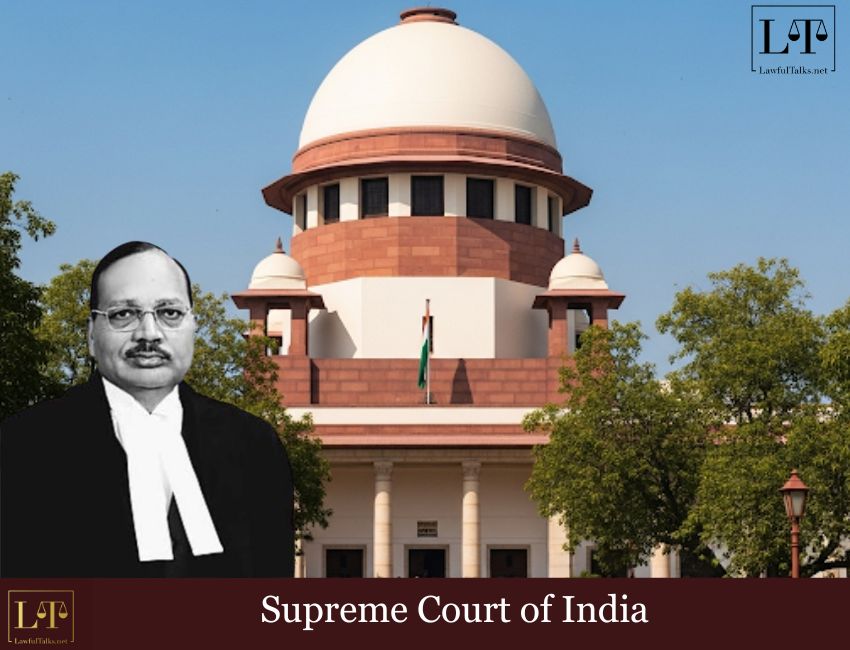
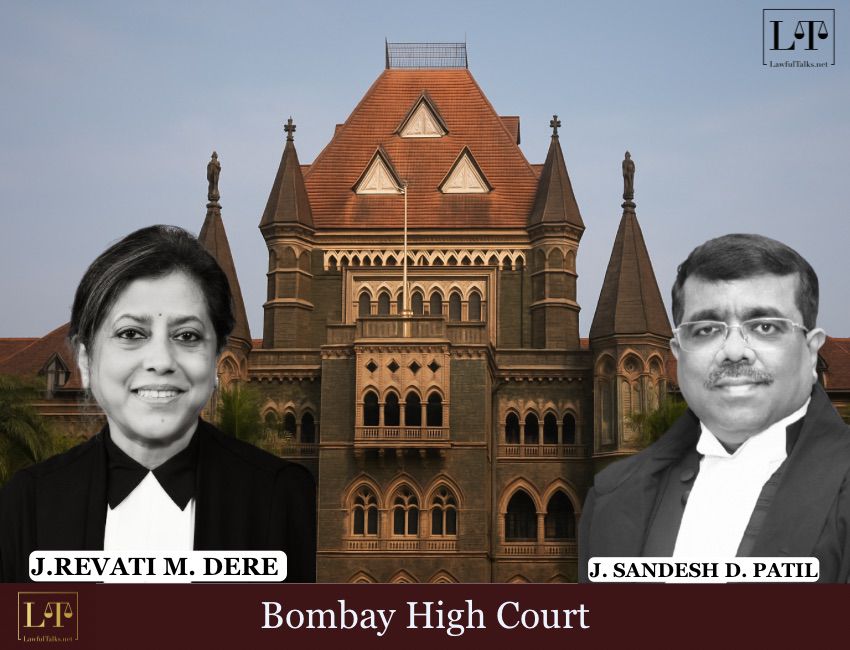
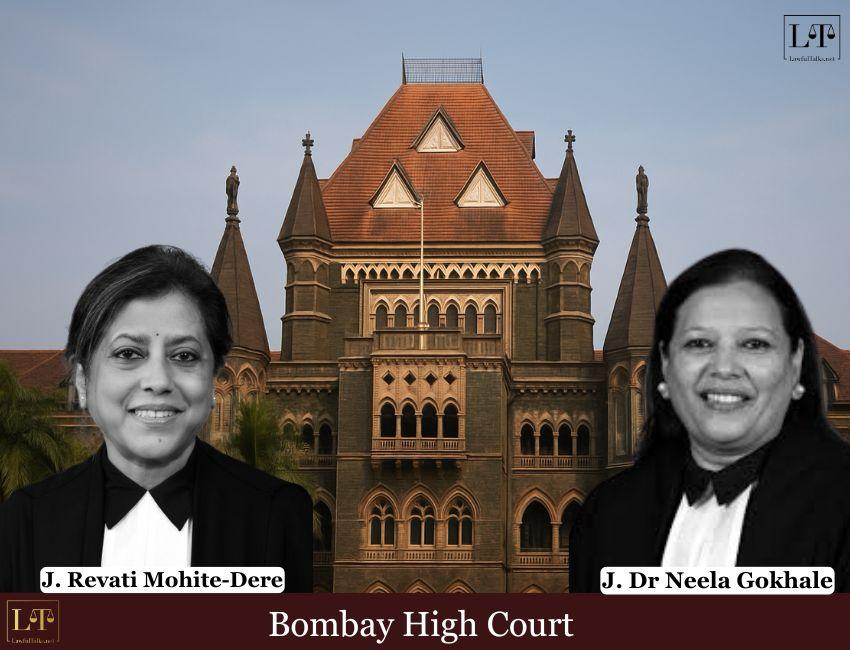
Justice Revati Mohite Dere: When The Law Spoke Softly-And Stood Firm

- January 03, 2026


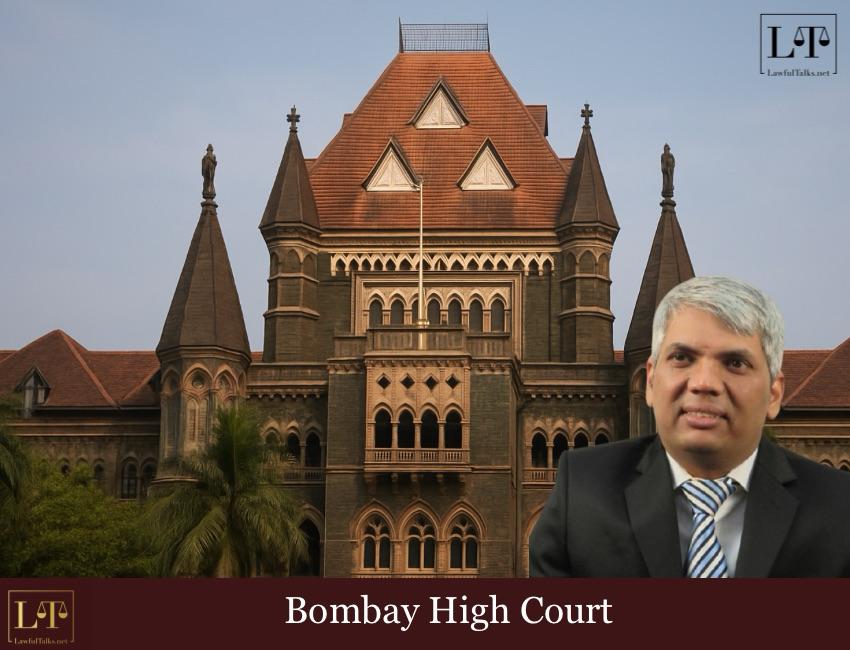
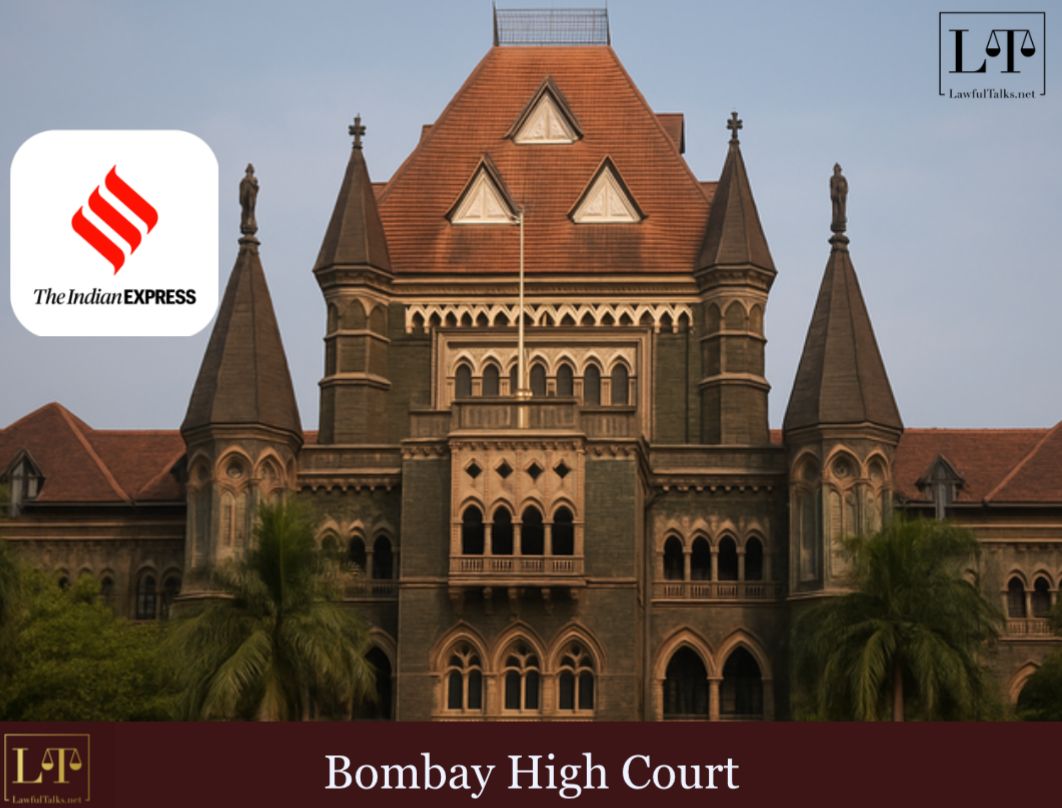
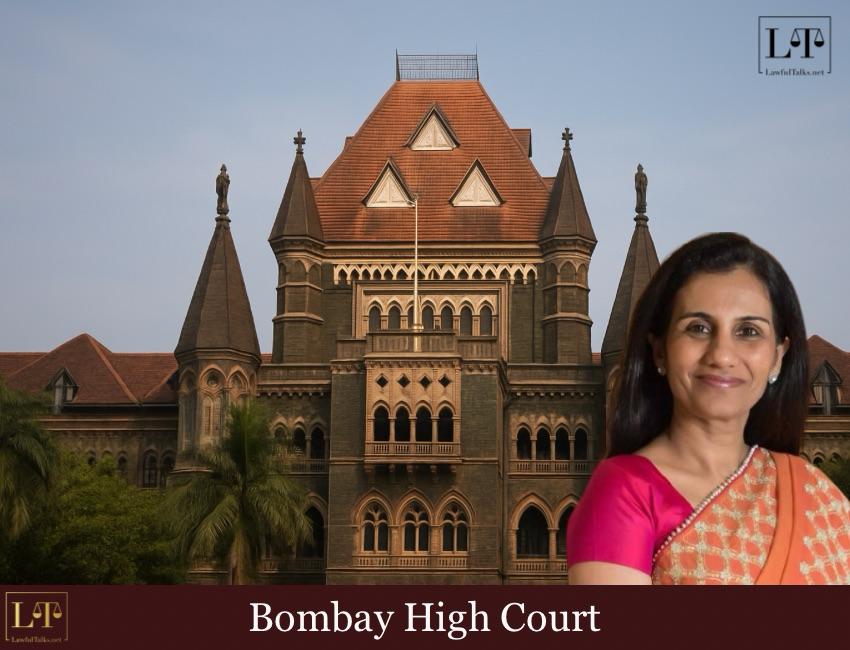
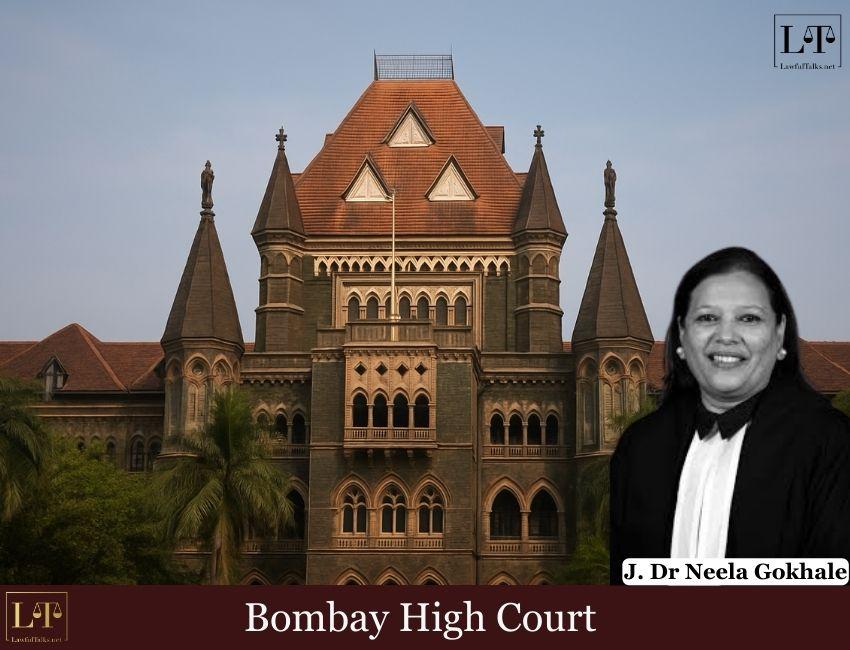
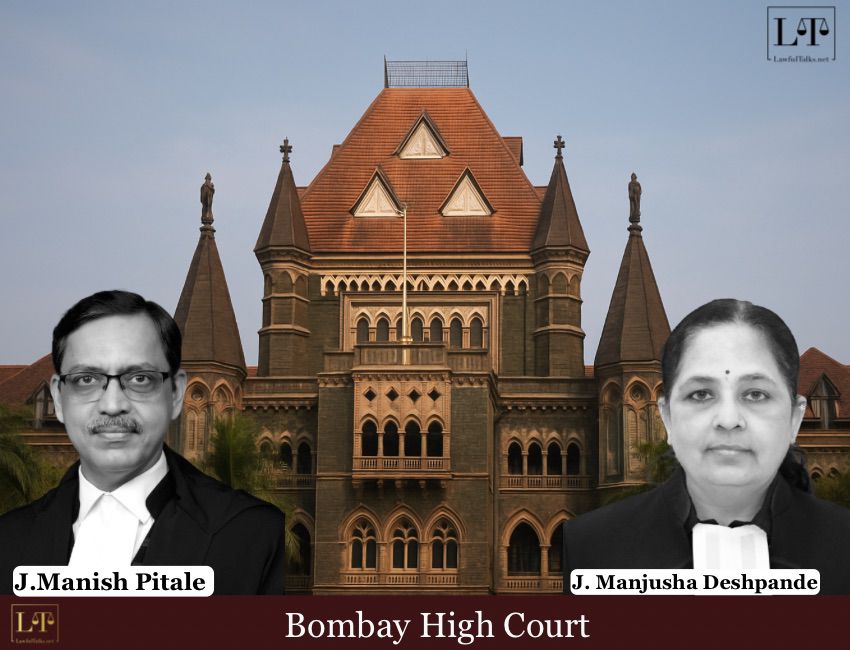
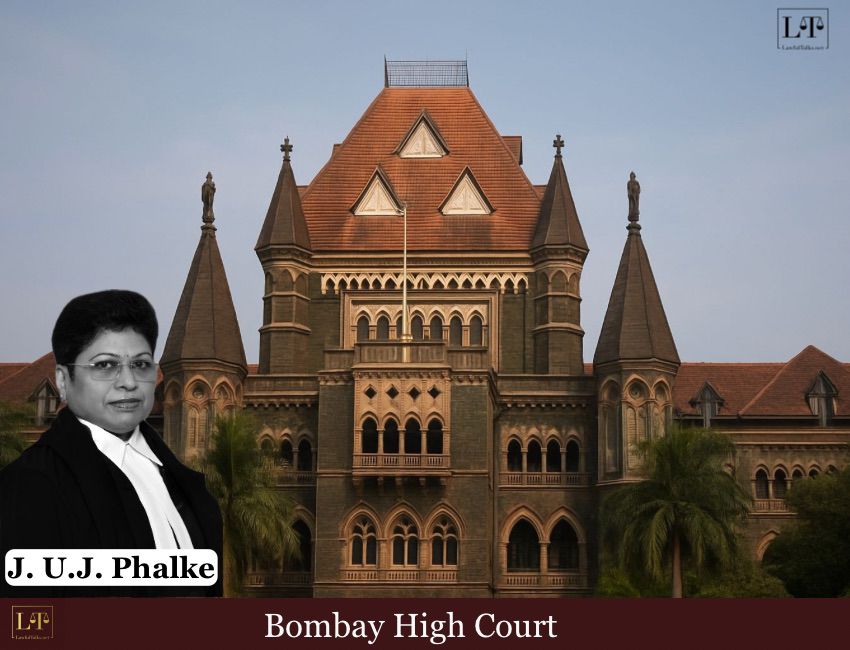
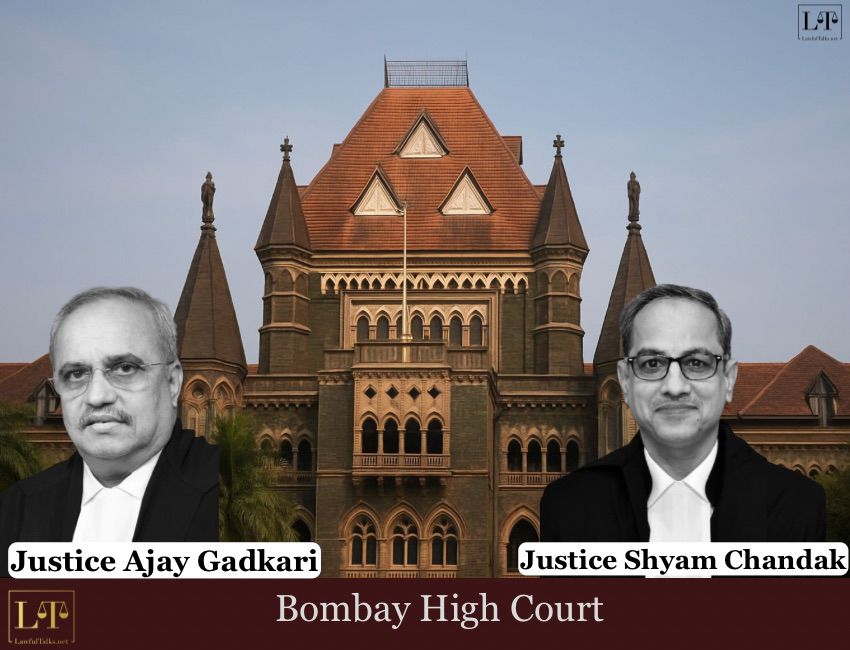
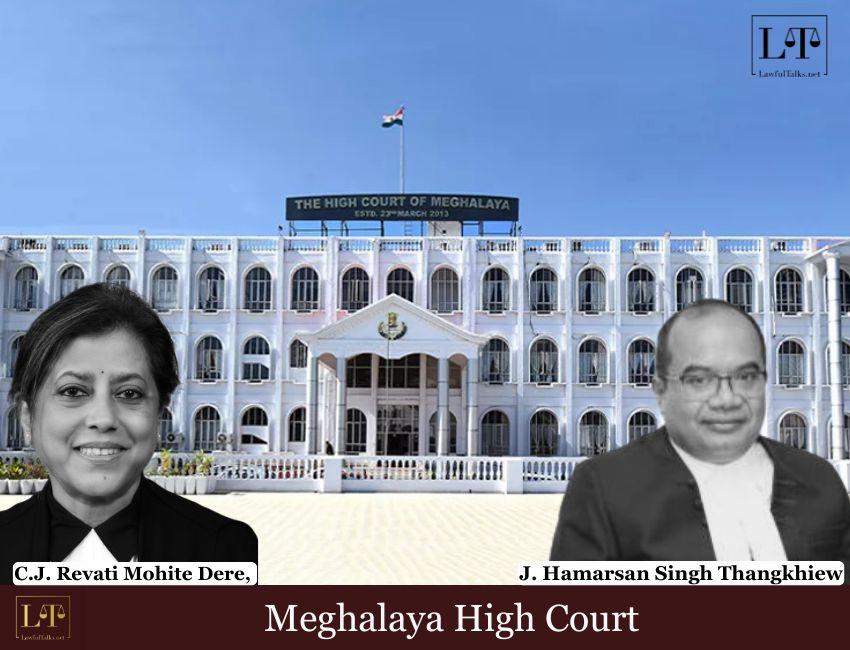
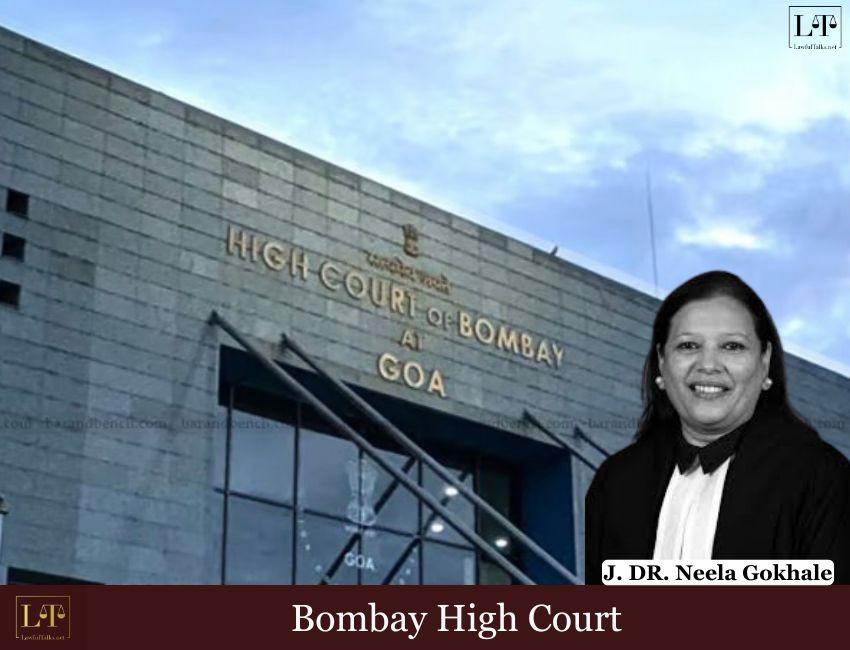
As Justice Revati Mohite Dere prepares to take charge as Chief Justice of the Meghalaya High Court, it is a moment to reflect not just on her judgments or achievements, but also on the values she brings to the courtroom. I had the privilege of interning under her, and this piece is written from that space of learning and gratitude - shaped by close observation of the law in practice, marked by patience, clarity, and a deep sense of responsibility.
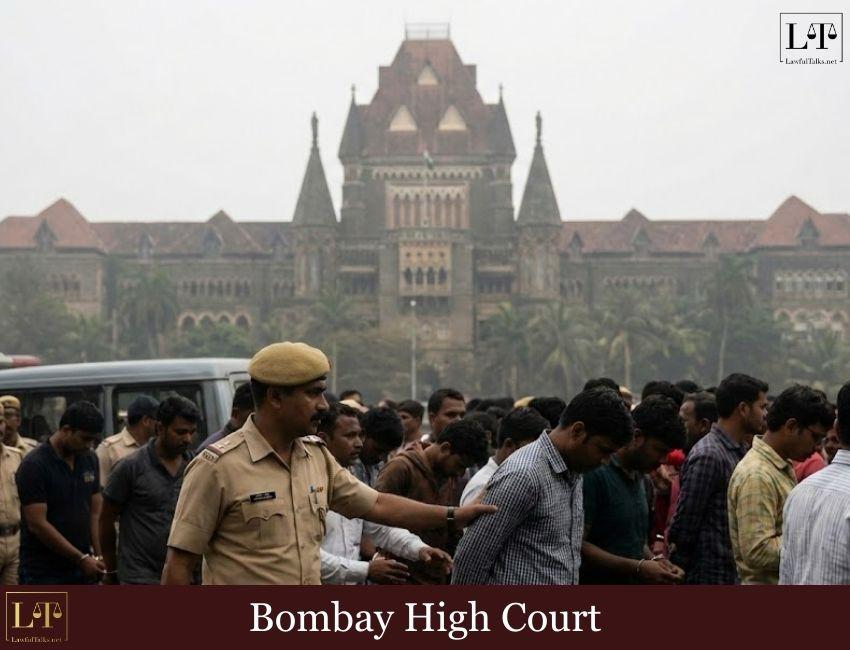
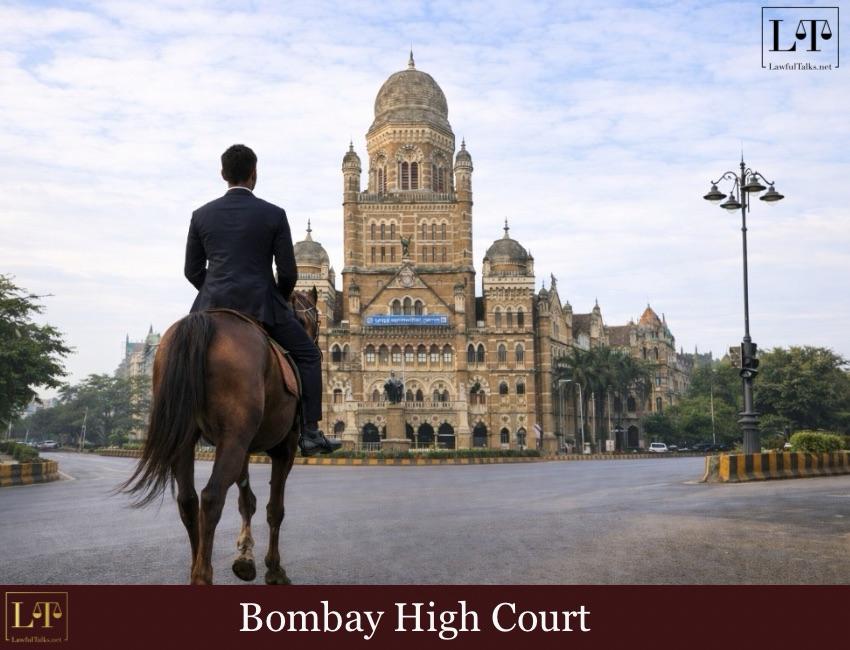
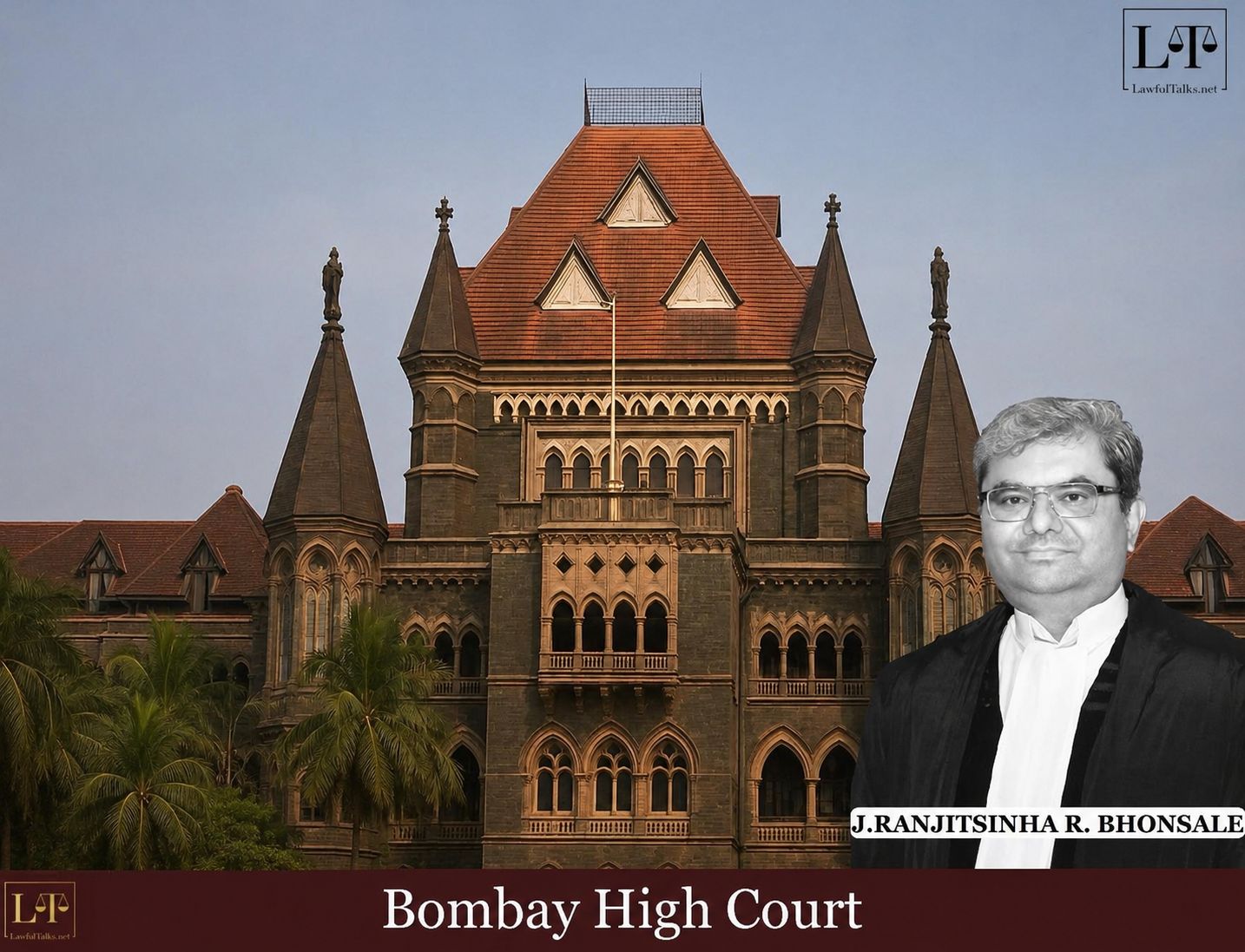
Born in Pune, Justice Dere’s journey is marked by consistent excellence, achieved quietly and without excess display. From her schooling and early academic distinction, to graduating with distinction in law and later pursuing her LL.M. at the University of Cambridge as a Cambridge Commonwealth Trust Scholar, her path was marked by discipline and depth. Her practice across criminal, civil, and constitutional law, followed by her roles as Assistant Government Pleader, Additional Public Prosecutor, Senior Counsel for the Union of India, and Government Pleader and Public Prosecutor for the State of Maharashtra, placed her at the heart of public law and public duty. Her elevation to the Bombay High Court in 2013, and as a permanent judge in 2016, felt less like an appointment and more like a natural progression of merit meeting temperament.
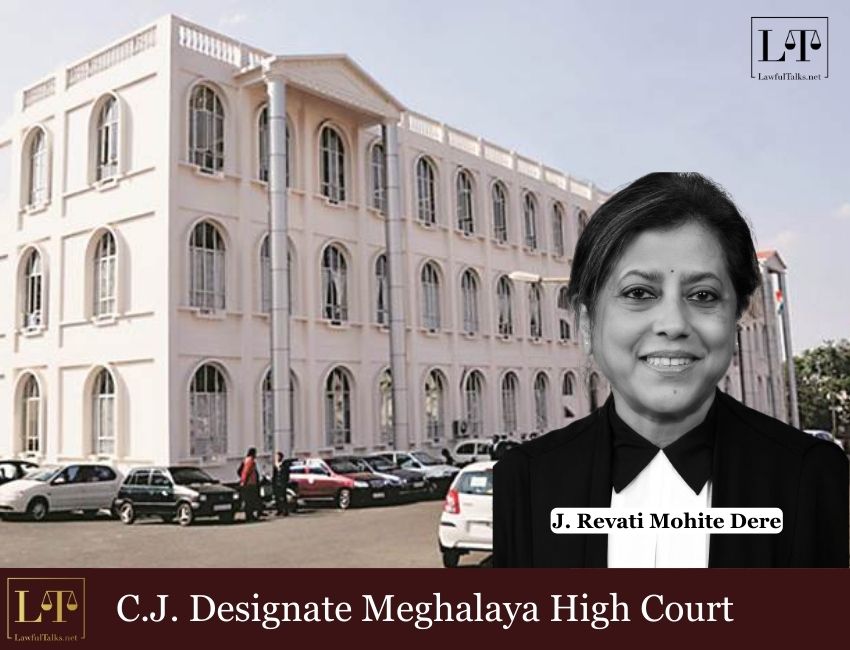
Justice Dere’s presence on the Bench was never one that demanded attention. It commanded it without asking. She spoke to everyone: seniors, juniors, staff, interns with the same measured regard, never once looking down on anyone. It is this rare balance of authority and warmth that will make her absence so deeply felt.
Justice Dere’s approach to judging was never about display. It was calm, balanced, and firmly rooted in the law. In her courtroom, procedure had real meaning and accountability was always essential. She heard with patience, letting every argument find its voice. When she spoke, it was thoughtful and to the point.
She consistently encouraged junior advocates to argue, even when they were merely holding for seniors, turning moments of hesitation into opportunities for growth. When they faltered, she did not embarrass them; she guided them.
During my internship, she once asked me to independently think through a point of law. The emphasis was not on arriving at a particular answer, but on explaining the reasoning behind it. What mattered was the process: how the conclusion was reached, what considerations were weighed, and whether the reasoning held together. Her engagement was quiet but exacting.
It was also during this period that I observed the hearing of the Lakhan Bhaiya fake encounter case. The Division Bench of Justice Revati Mohite Dere and Justice Gauri Godse were examining the Sessions Court’s acquittal of former Mumbai police officer Pradeep Sharma. The acquittal was set aside, the Court holding that overwhelming evidence had been overlooked and that the chain of circumstances clearly established involvement. The acquittal was described as perverse and unsustainable. The judgment, running into over 800 pages, reflected a painstaking re-appreciation of the record. What stayed with me was not its length, but its tone — firm yet restrained, careful and precise — speaking to institutional power only through the law.
Her work across other matters bore the same imprint. In X v. Y, the Court recognised that denial of physical intimacy, false allegations of infidelity, and sustained humiliation amount to cruelty, acknowledging that emotional harm carries legal consequences in matrimonial disputes. In High Court on Its Own Motion v. State of Maharashtra, a suo motu public interest litigation, the Court located the right to safe roads within the right to life under Article 21, ensuring that constitutional guarantees translated into accountability. In the suo motu proceedings arising from the Badlapur school sexual assault incident, the Court emphasised that investigations involving children must be careful and complete, resisting haste driven by public pressure.
Across these matters, a pattern emerged. Her decisions were guided by evidence, carefully structured, and mindful of their impact beyond the courtroom. These judgments form only a small part of a much larger body of work, the depth and influence of which cannot be truly summed up.
Justice Dere’s presence on the Bench carried authority without effort. It was calm, confident, and natural. In a profession that is still largely male-dominated, she never felt the need to assert herself louder or differently. She simply owned her authority. She never raised her voice in court, nor did she show impatience. That steady presence shaped not just the proceedings, but also the people around her—encouraging advocates to act with greater respect, care, and self-awareness.
On the last day of my internship, I asked her for one piece of advice to carry with me. Her answer was simple and direct: there is no substitute for hard work. It reflected her—no grand words, no lecture, just a truth meant to be followed, not praised.
That simplicity and clarity were not something I felt alone. Others who worked alongside her—on the Bench, at the Bar, or within the institution—speak of the same steadiness, discipline, and quiet influence that marked her presence.
A few such reflections follow:
“During my tenure as an intern under Her Ladyship Justice Smt. Revati Mohite Dere at the Bombay High Court, I had the privilege of witnessing first-hand her exceptional clarity of thought, profound command over the law, and unwavering commitment to fairness. Her approach to adjudication exemplifies not only rigorous legal reasoning but also a rare sensitivity to the practical and human dimensions of justice.
This experience proved formative in shaping my understanding of constitutional values, courtroom discipline, and the grave responsibility that accompanies judicial office. As Her Ladyship now embarks upon her new role as the Hon’ble Chief Justice of the Meghalaya High Court, it is fair to say that the Bombay High Court will feel her absence, her presence having left an indelible mark on the institution and on those who had the opportunity to learn under her.”
— Adv. Esha Joshi, Ex-Intern of Justice Dere
“From the measured hush of Court Room Forty-Nine to higher hills where new oaths await, your gavel’s echo does not fade—it travels.
You taught us that justice does not live in loud roars, but in quiet resolve… We watched you listen longer than you spoke, and when you spoke, the law stood straighter.
Meghalaya gains a Chief Justice; the Bar salutes a conscience; and those who once stood behind your chair carry forward the discipline you demanded and the integrity you embodied.
I had the privilege of working as a clerk to Justice Revati Mohite Dere, and it is difficult to put into words what that meant. Watching her on the Bench taught me that justice is not about authority, but about balance—listening carefully, asking the right questions, and never losing sight of fairness, even in the hardest cases.
She brought clarity to complexity and calm to charged courtrooms. What stayed with me most was her resolve to fairness: the insistence on truth and equity that never yielded to noise or haste. She expected the same seriousness from those who worked with her, and in doing so, quietly shaped us as lawyers.
As she assumes office as the Chief Justice of the Meghalaya High Court, it feels like a moment of pride not just for the institution, but for everyone who has learned under her. I remain grateful for the opportunity to have learned from her, and I wish her the very best in this next chapter.”
— Adv. Sanskruti Harode, Ex-Law Clerk of Justice Dere
“You have been a great mentor and guide for many in the legal profession. Your judgments were never just about the 'letter' of the statute, but always about the 'spirit' of justice. Whether dealing with complex criminal matters or sensitive issues, your courtroom was always a place where logic met empathy.
I still remember the last day of my judicial internship when you told us that in this profession, hard work matters above all else. It is moments like these that define a legacy. You treated every litigant who walked through those doors with dignity.
We will miss your sharp wit during arguments and your unwavering patience with young advocates. You have set a standard of judicial conduct that we will strive to uphold. We wish you the very best in your new assignment”
— Adv. Abhishek Waghdhare, Ex-Intern of Justice Dere
“Justice Revati Dere’s elevation as Chief Justice of the Meghalaya High Court evokes mixed emotions in me. While I am truly happy to see her take charge of a High Court—an honour she richly deserves—the Bombay High Court will surely feel the void left by a truly remarkable judge.
Her composure, poise, and quiet elegance have always stood out. On a personal note, every interaction with her carried a rare sense of ease—an assurance that I could engage without being judged. Her warmth and grace have always stayed with me, and they will be deeply missed.
While Meghalaya gains an exceptional Chief Justice, those of us who have had the privilege of knowing her will deeply feel her absence.”
— Shalini Chavan, Managing Editor, Lawfultalks.net
As Justice Revati Mohite Dere assumes office as the Chief Justice of the Meghalaya High Court, this moment reads not as a farewell, but as a continuation. What she leaves behind at the Bombay High Court is not merely memory, but standard — of reasoning, of restraint, of dignity. Those who appeared before her, worked under her, or learned simply by watching carry forward an understanding of how the law can be practised with seriousness and grace.
My admiration as she moves forward is not sentimental; it comes from learning, and learning stays with you. As she takes on the responsibilities and challenges that accompany this new chapter, I wish her every success in carrying forward the same discipline, clarity, and balance that have defined her journey thus far.
Some judges leave courtrooms.
Some leave precedents.
A rare few leave a method.
She leaves one that will endure.




































































































Sign up for free and be the first to get notified about curated content just for you.