Recoveries From Pocket Don’t Count—Why Does The SC Say Not Every Recovery Is A ‘Discovery’ Under Section 27?

- December 19, 2025


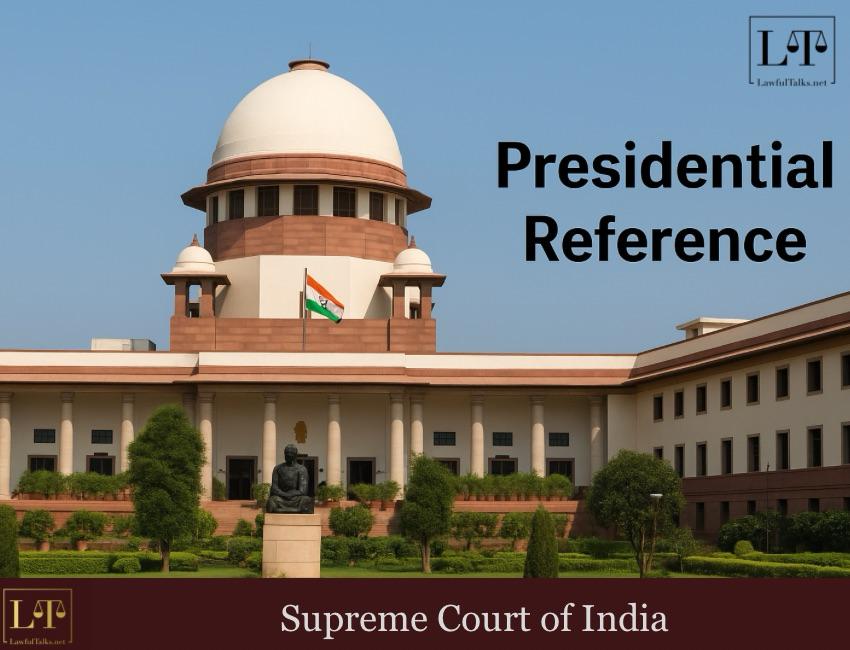
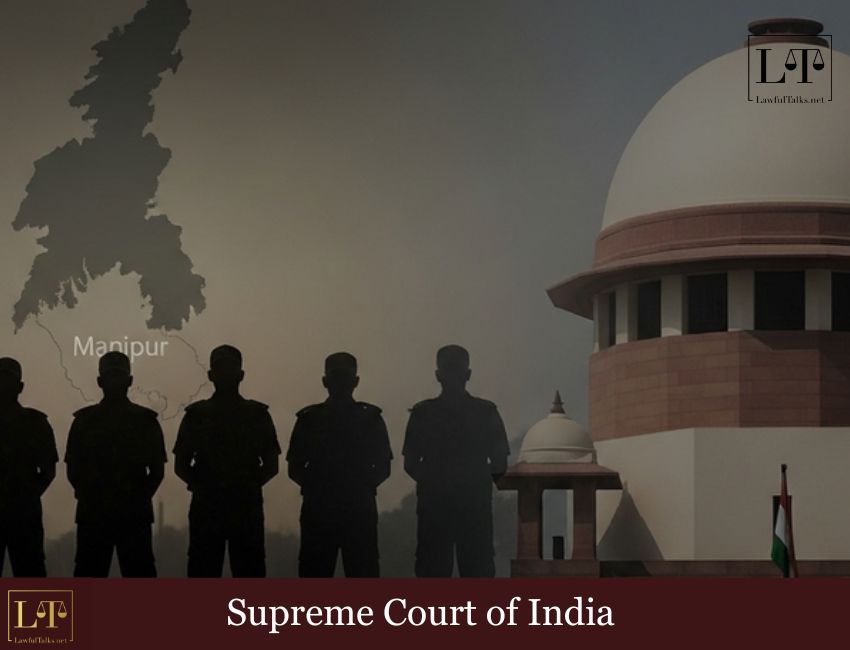
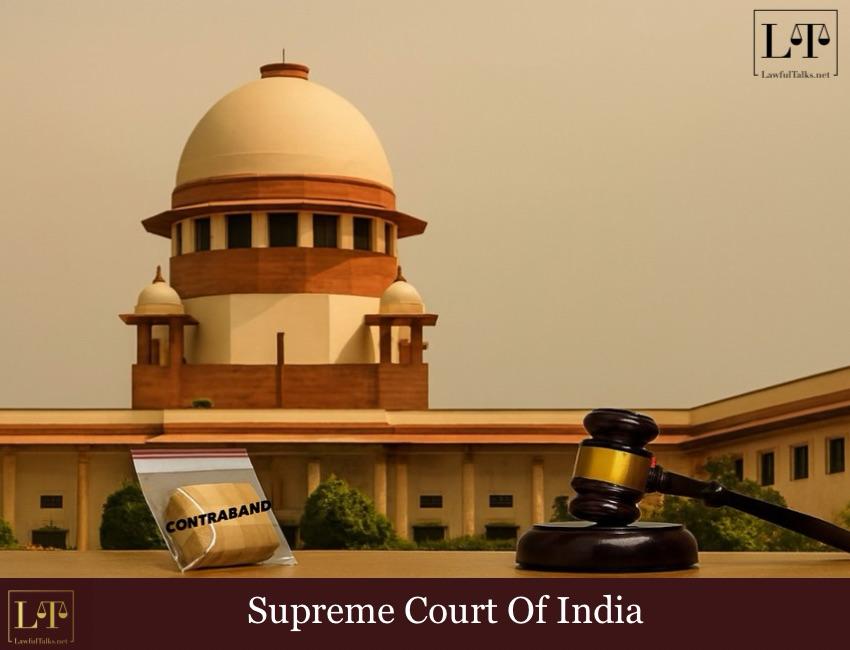
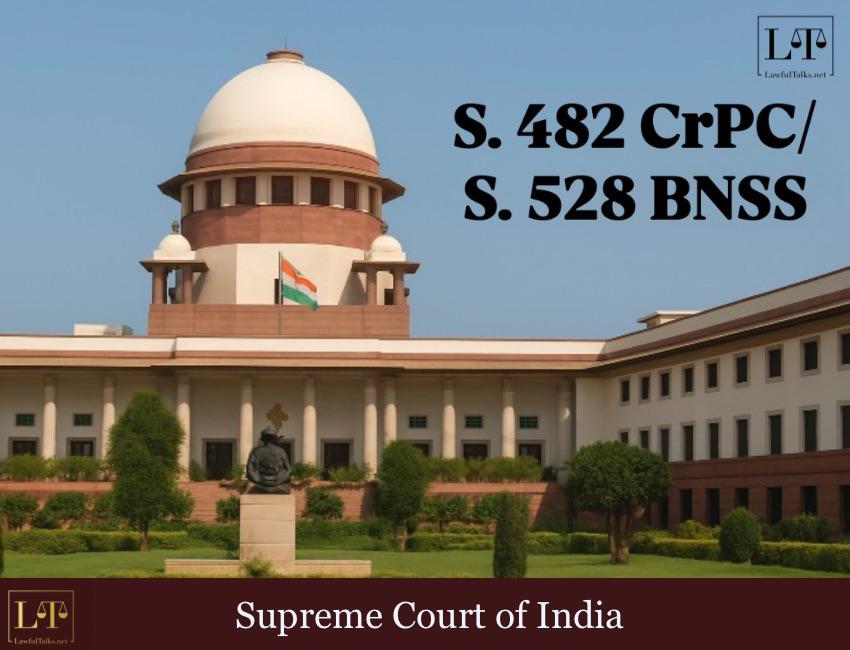
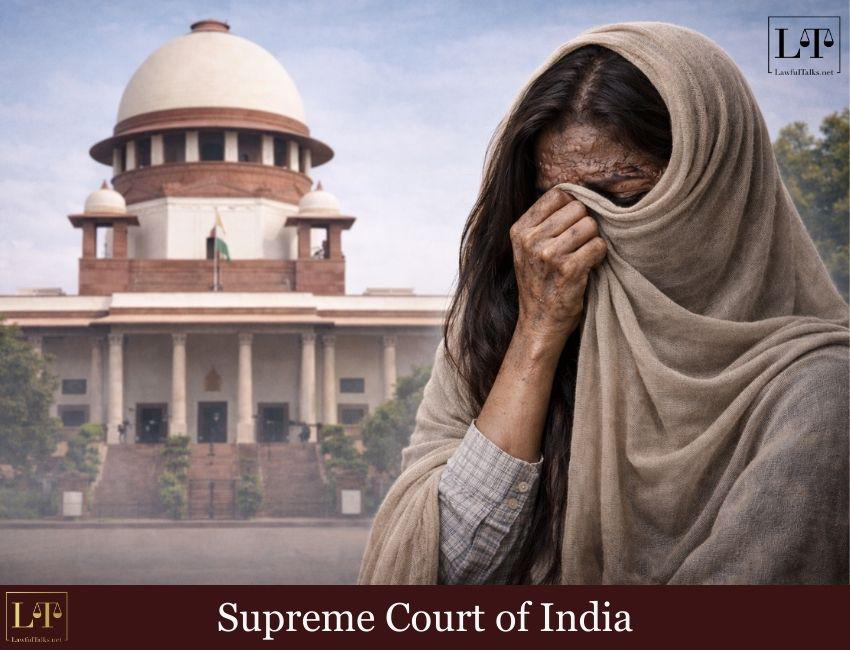
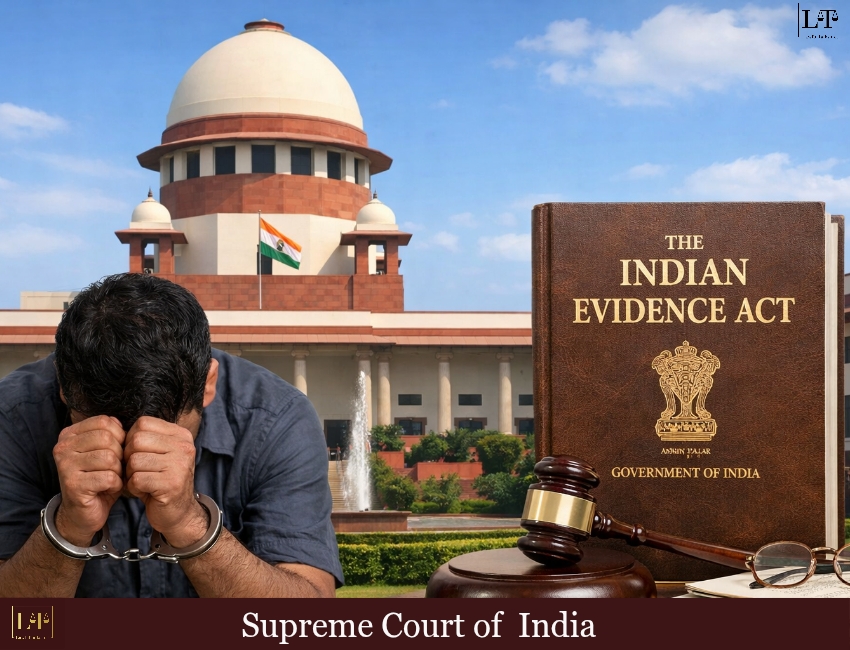
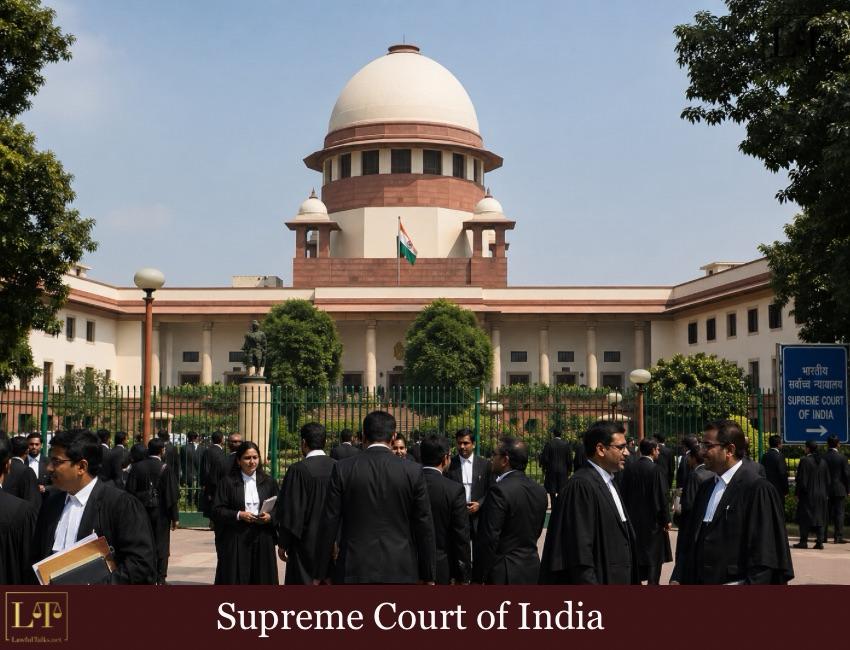
The Supreme court has clarified the scope of Section 27 of the Indian Evidence Act, ruling that merely recovering incriminating articles from the custody of an accused person does not amount to “discovery’’based on a disclosure statement.
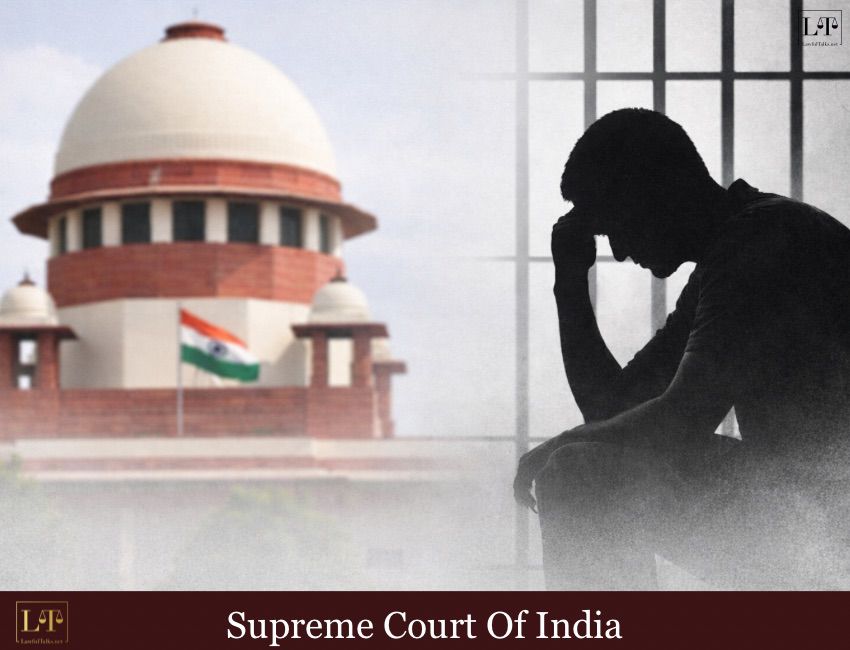
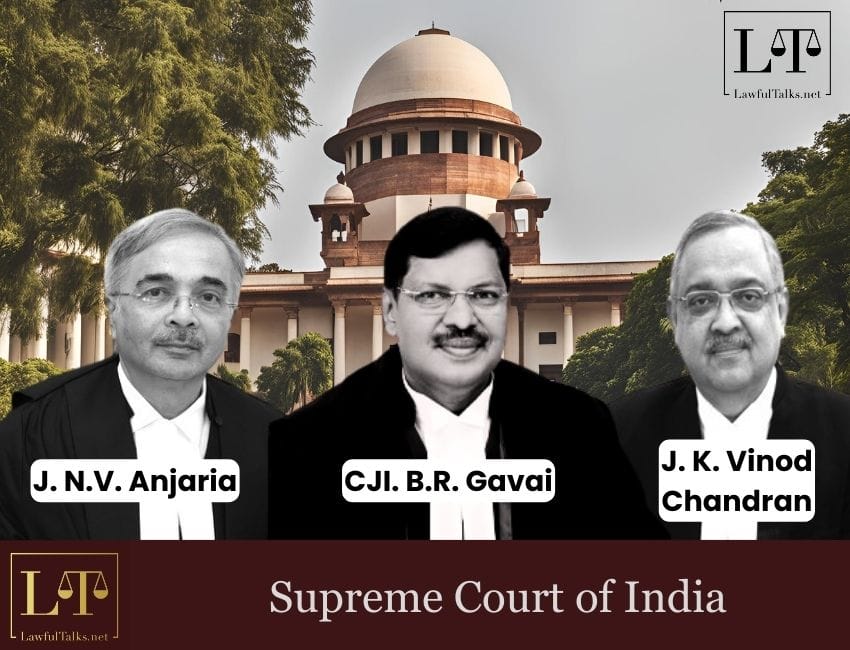
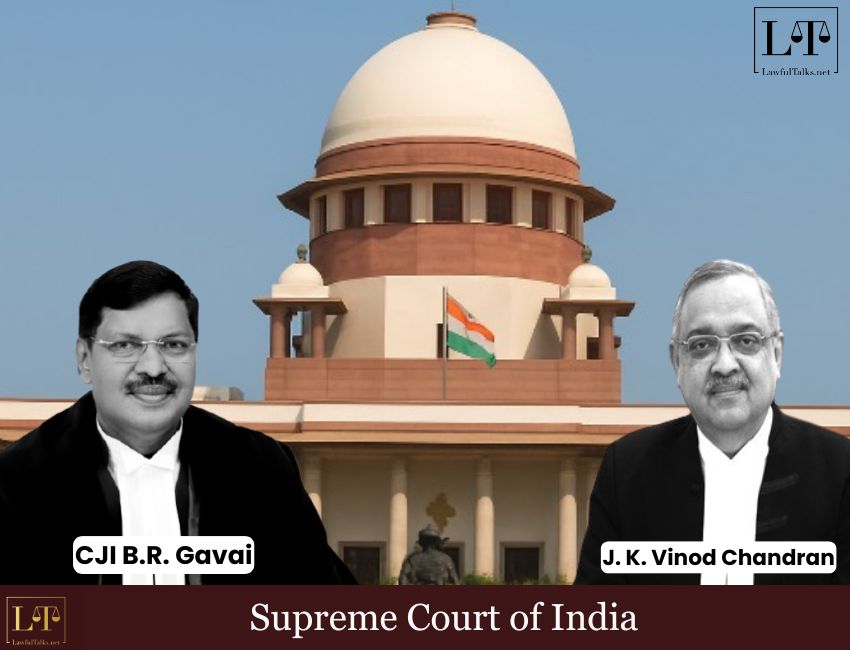
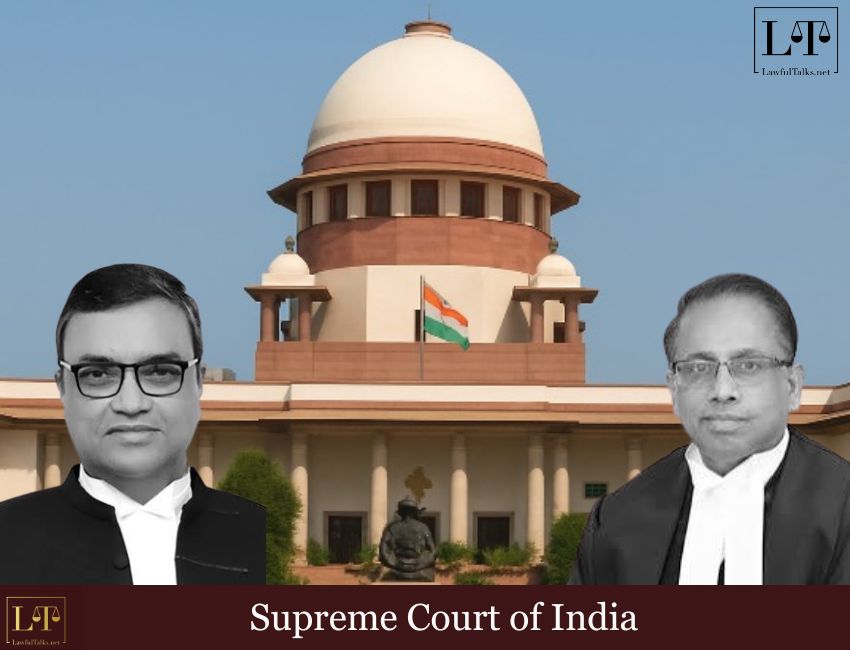
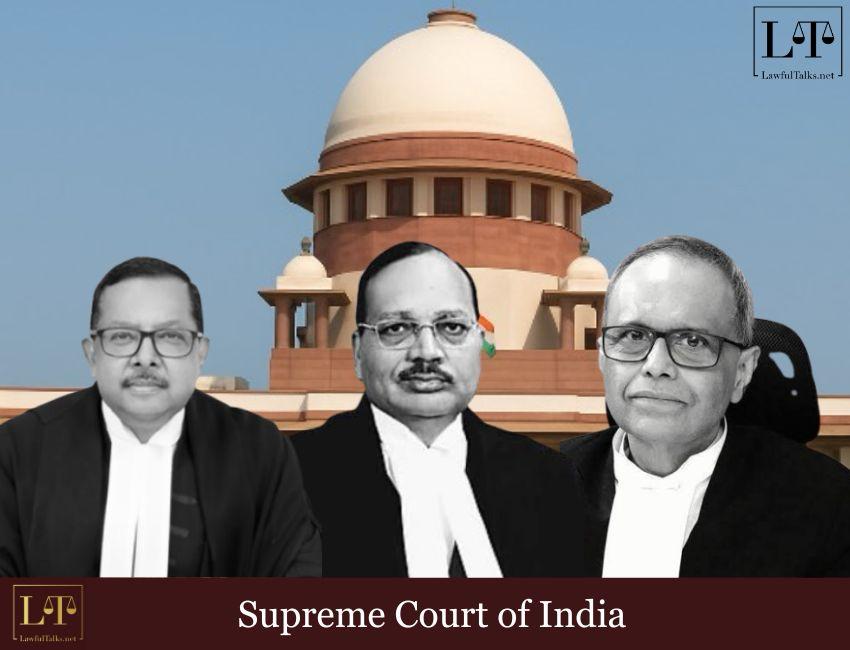
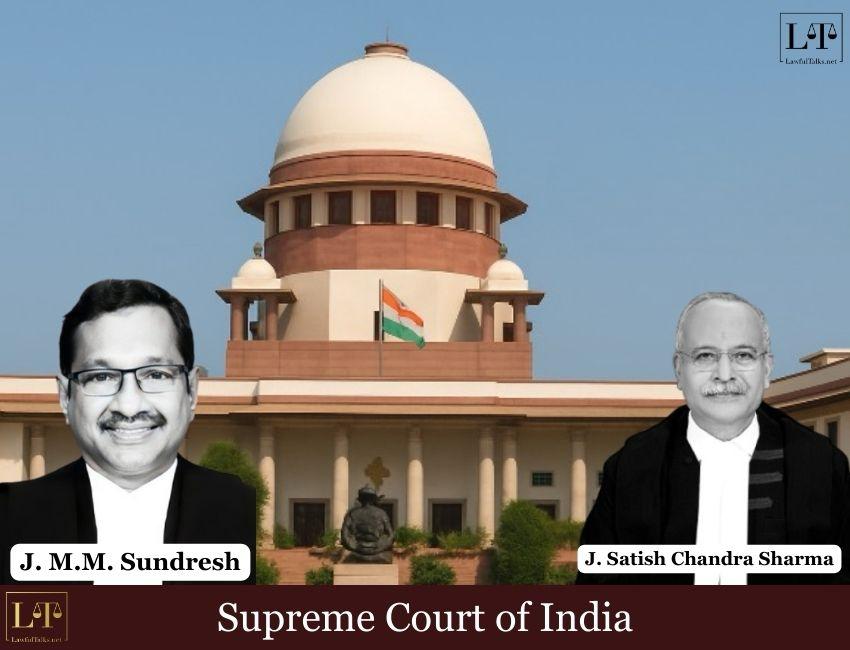
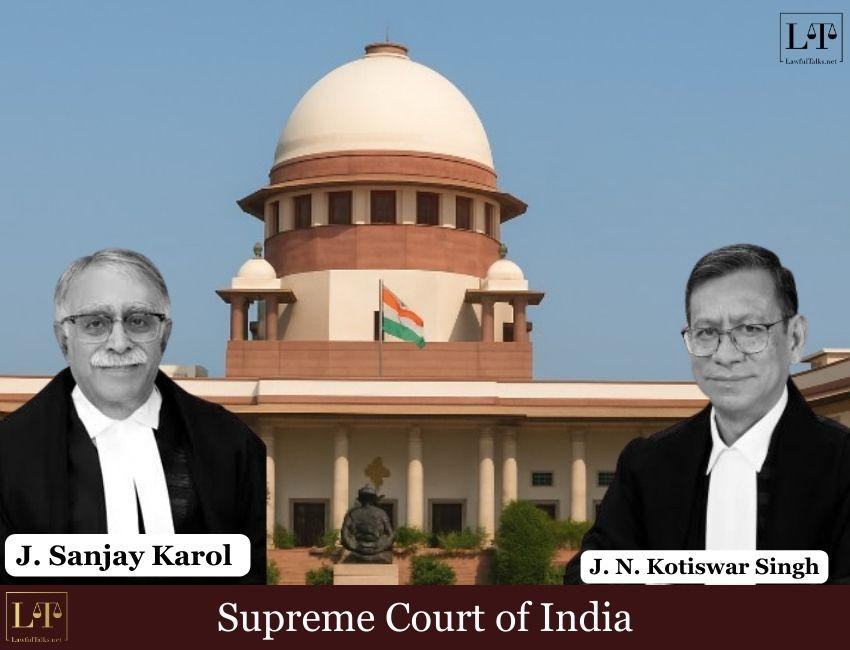
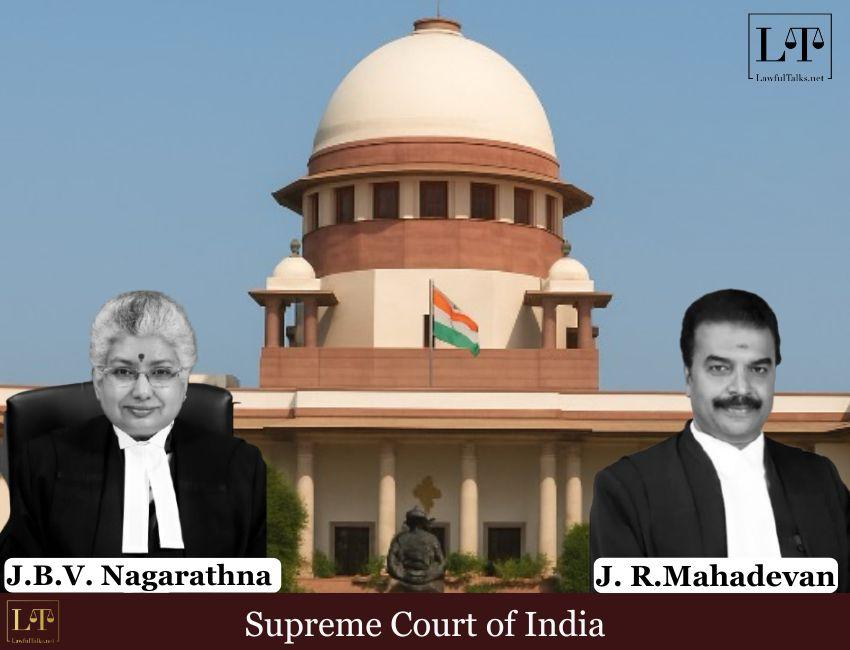
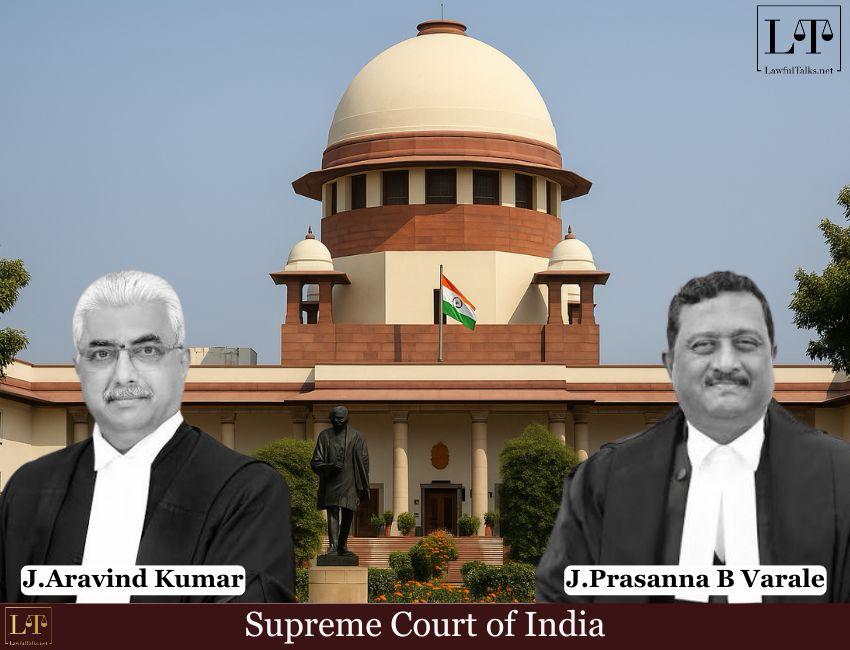
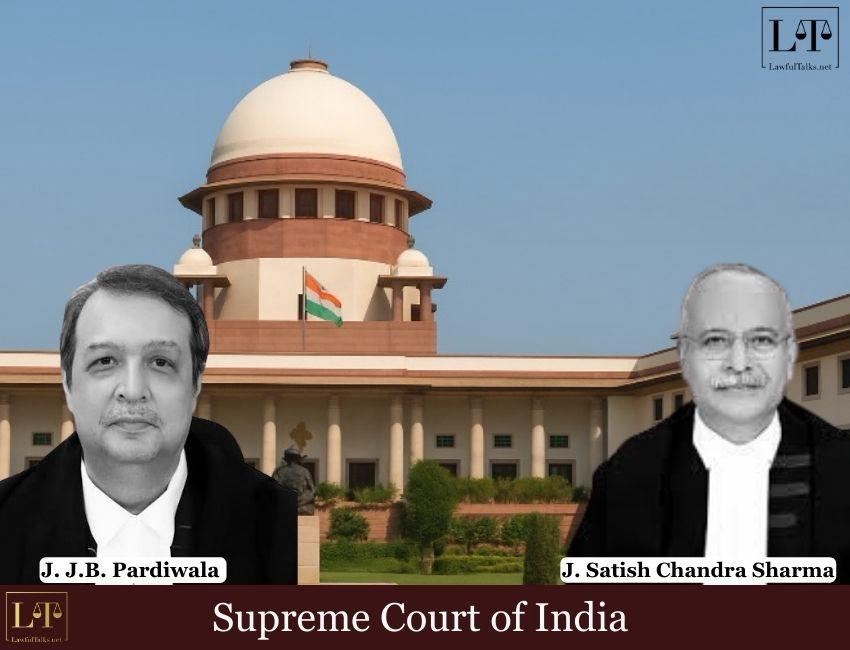
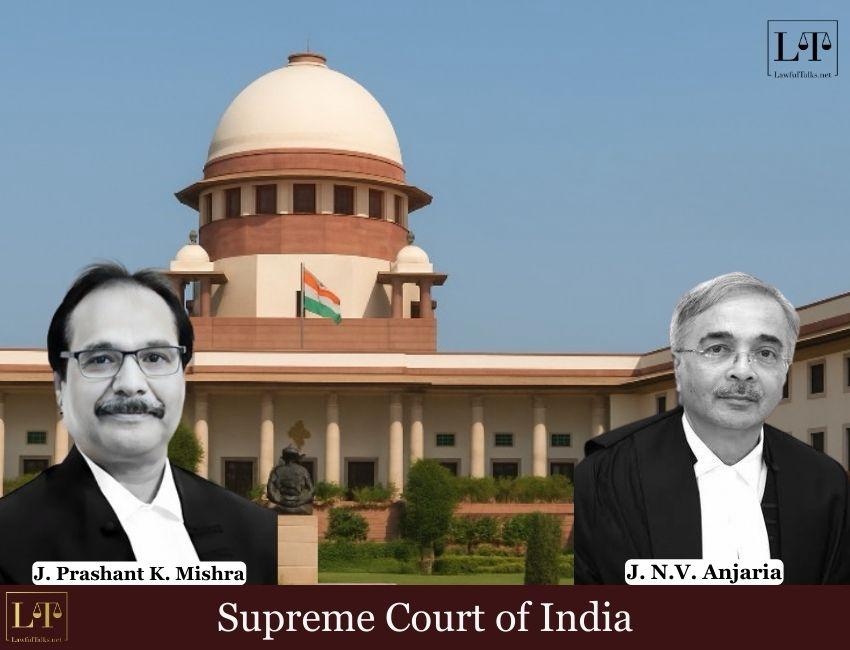
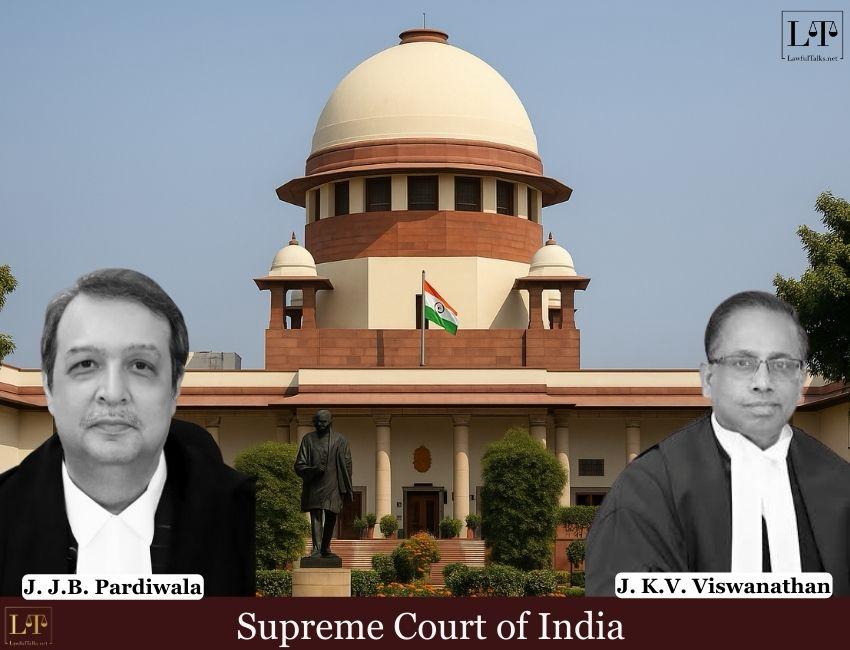
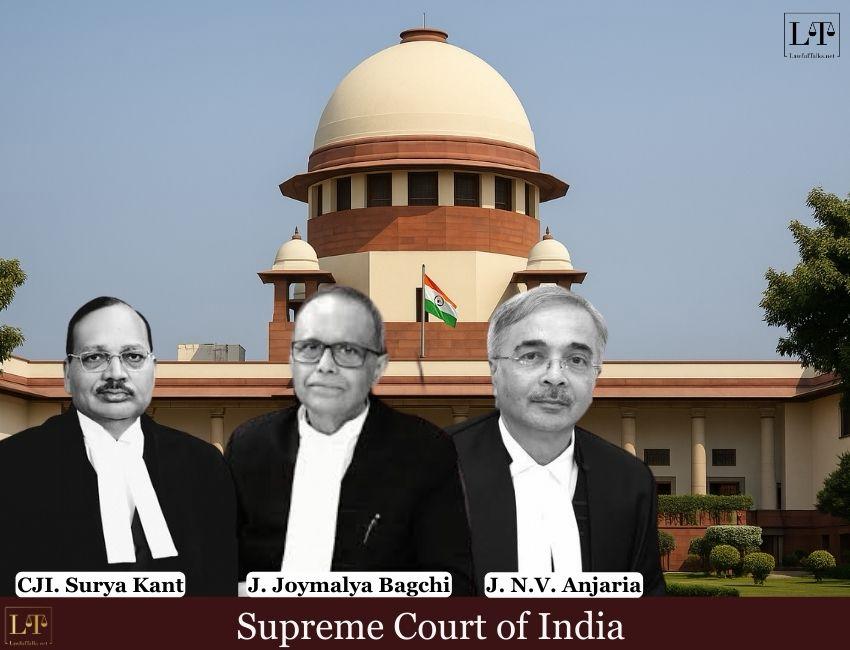
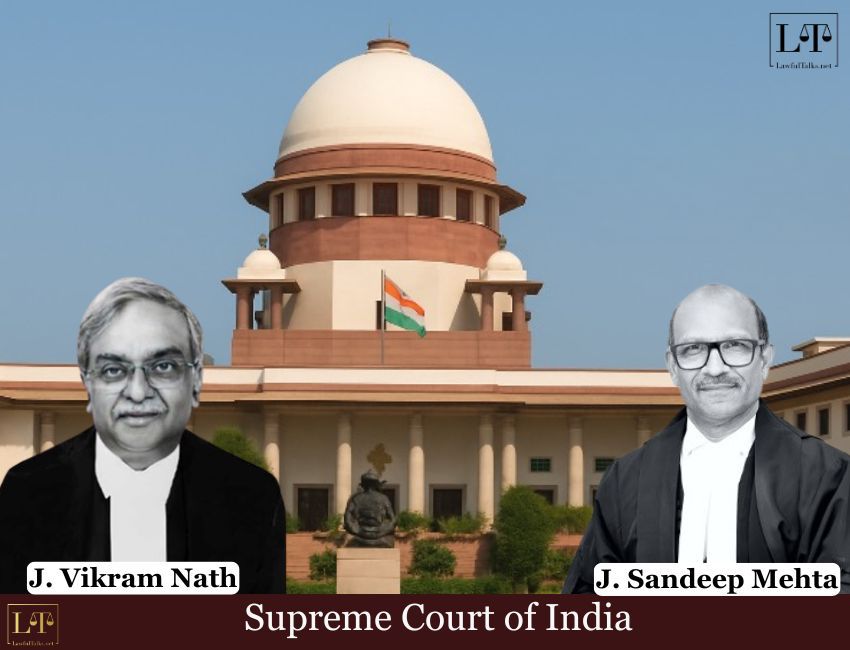
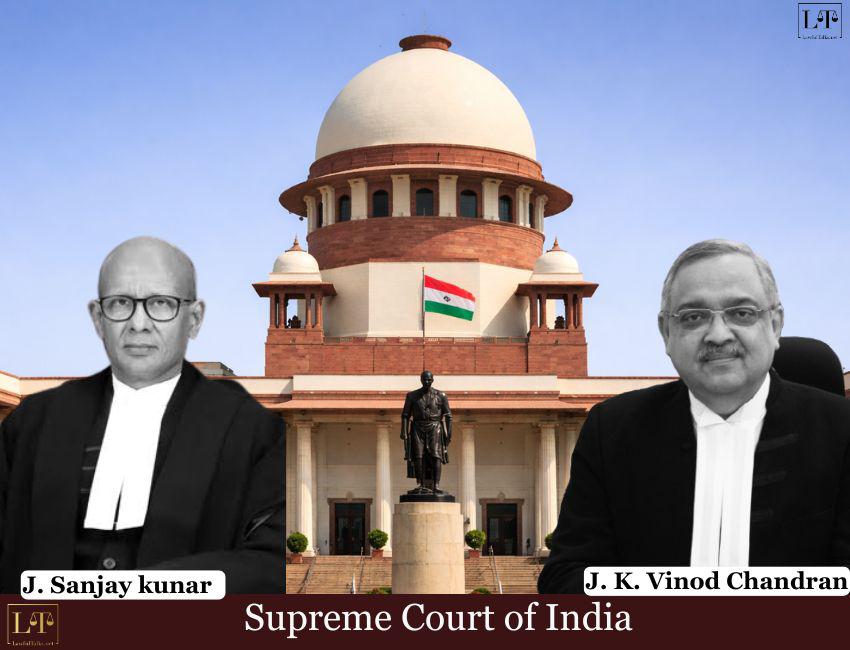
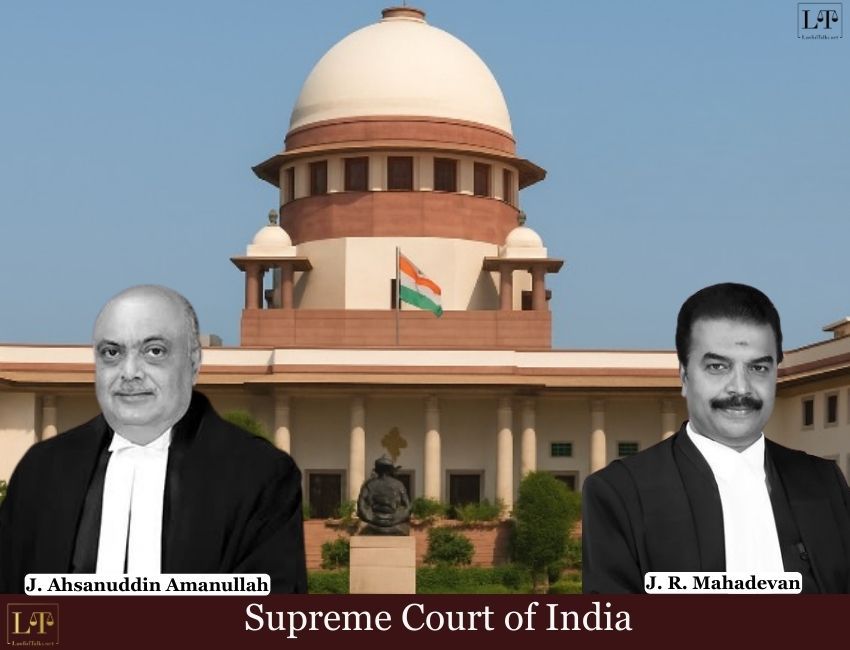
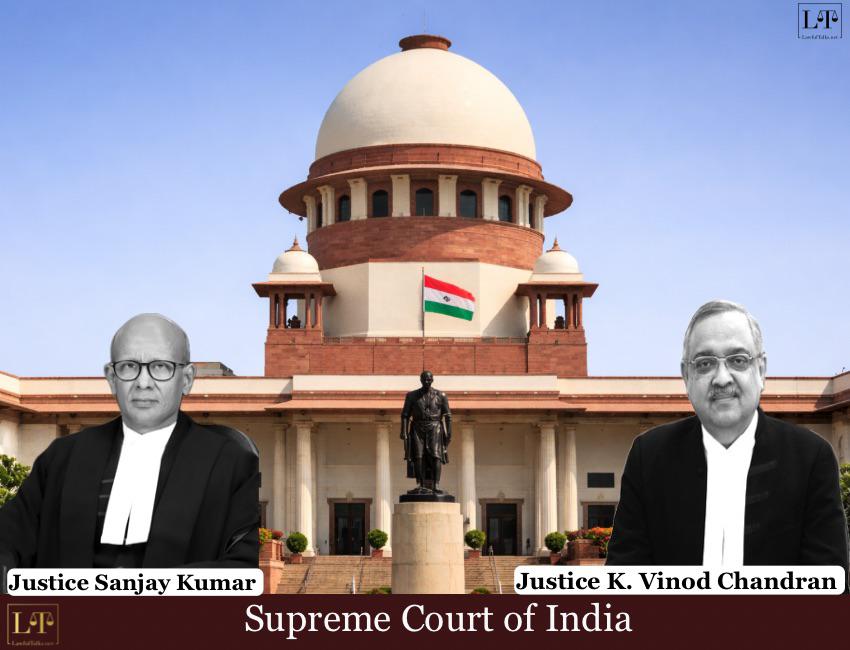
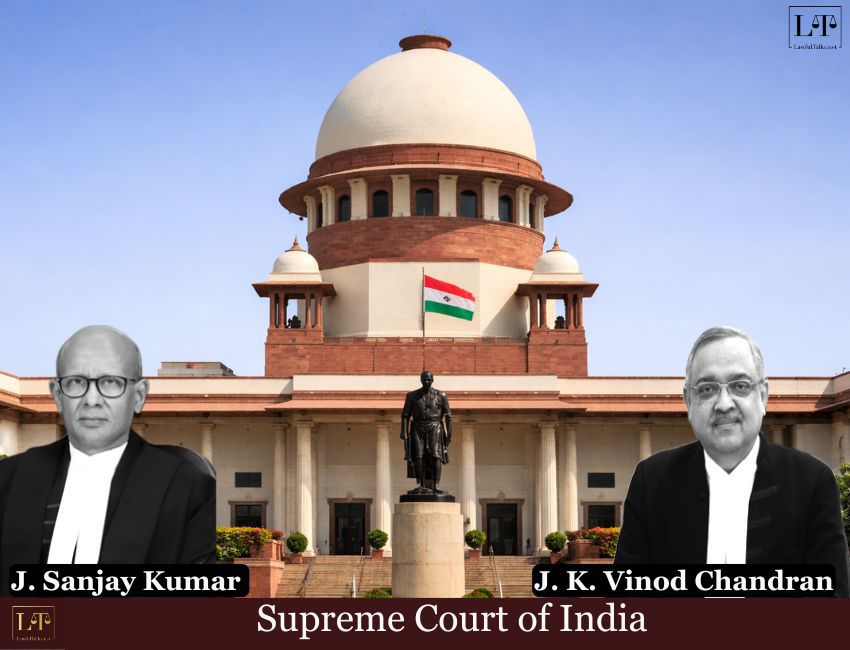
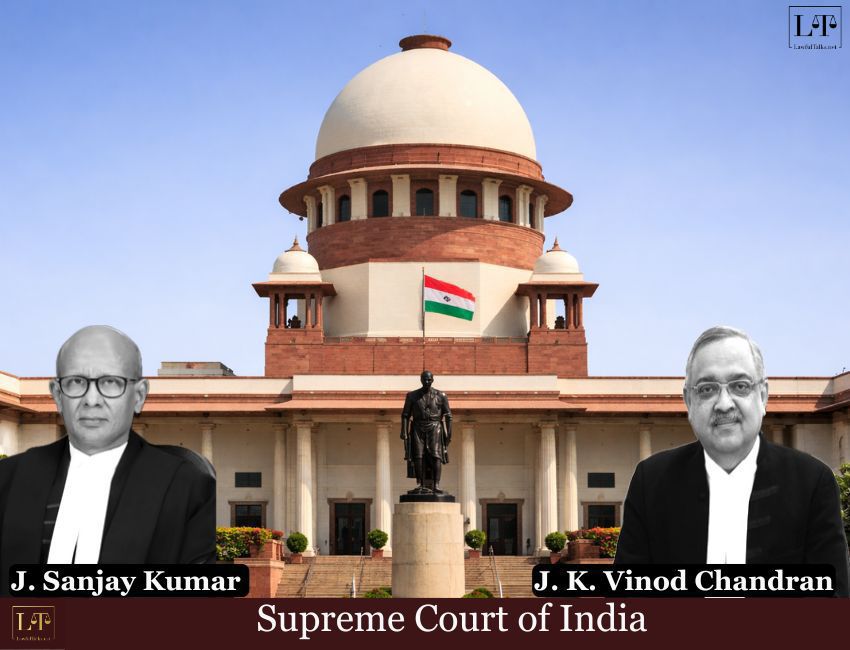
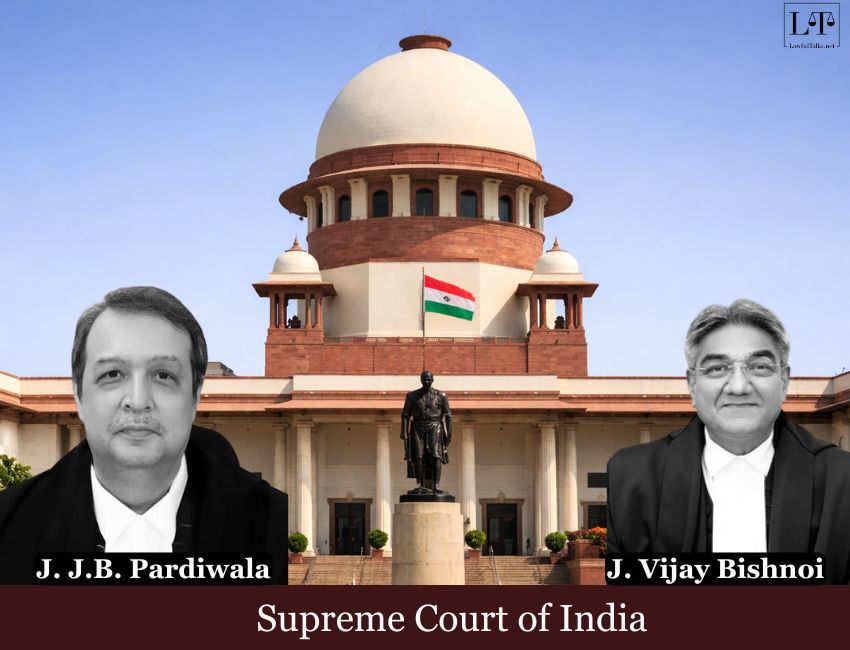
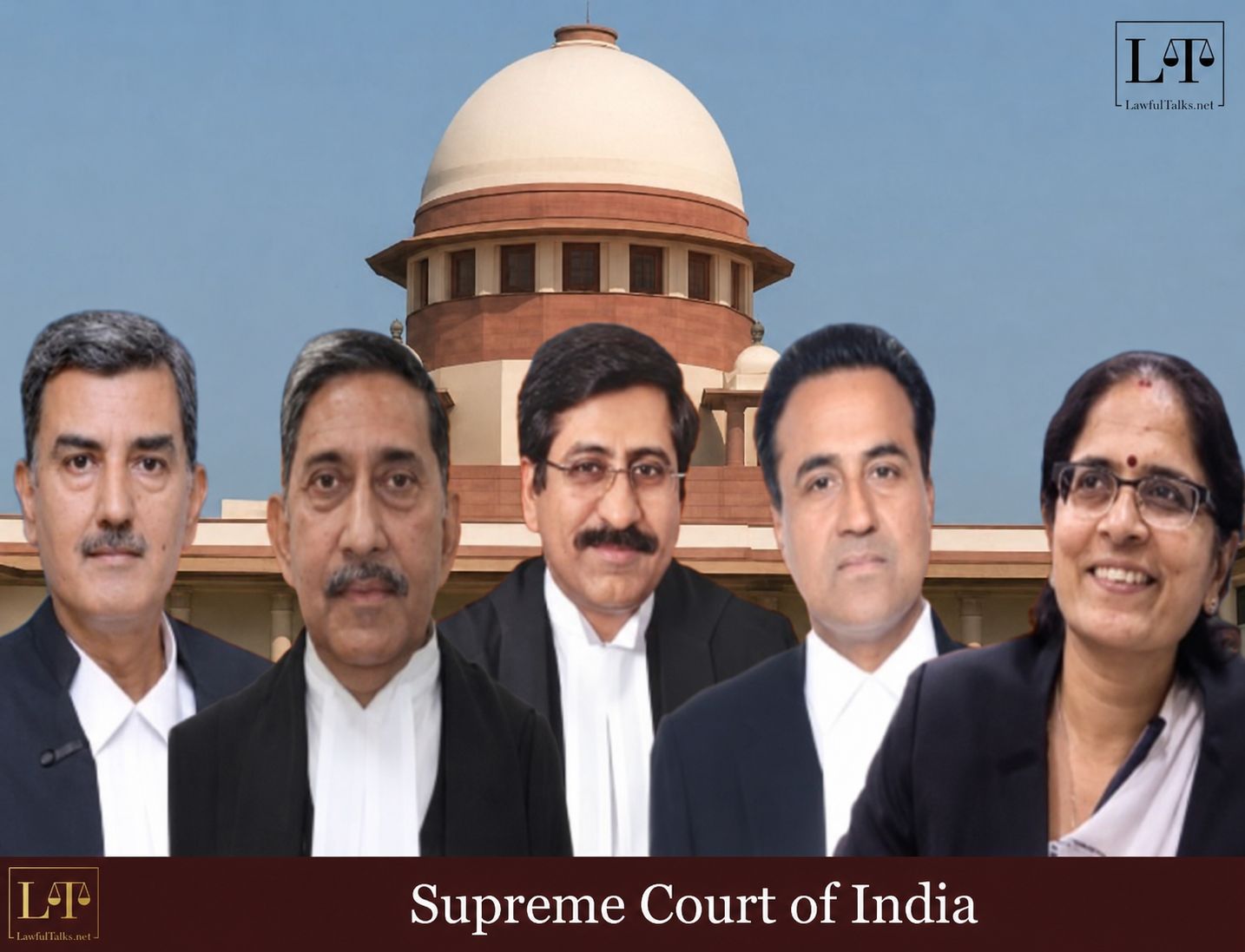
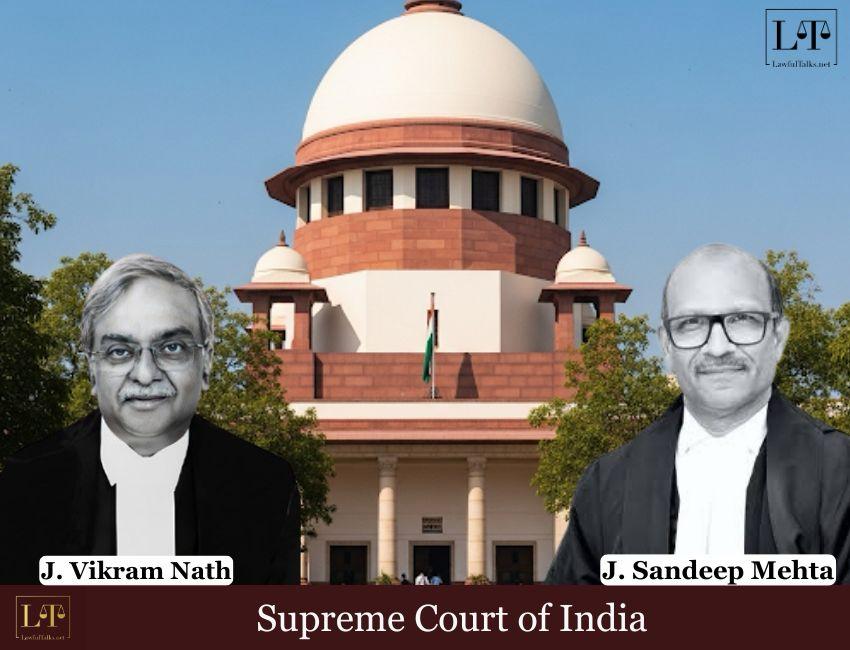
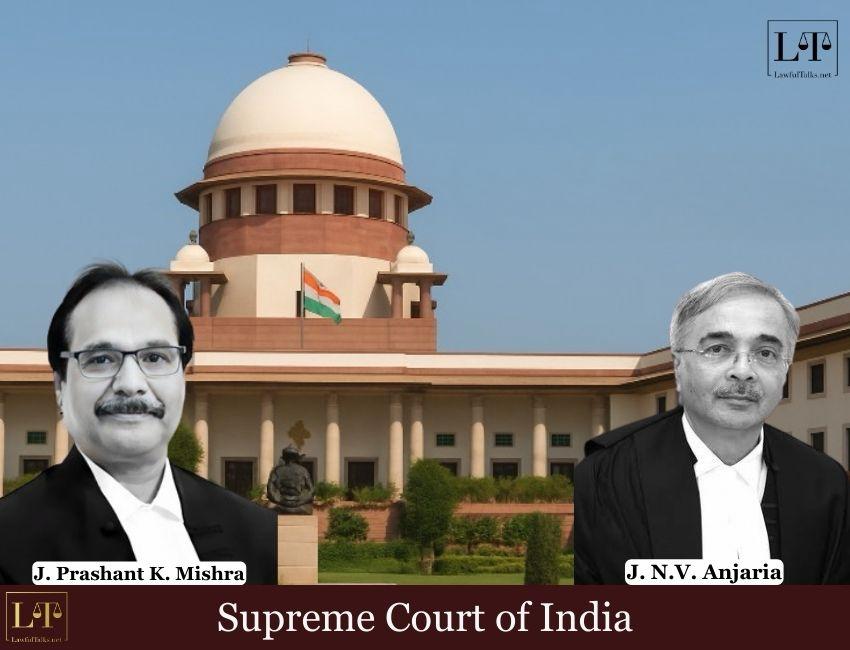
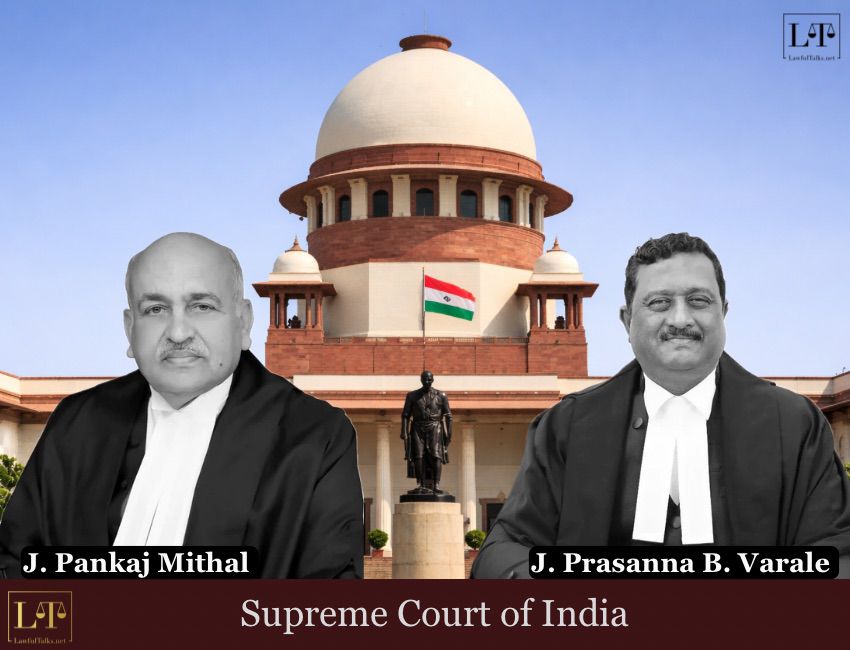
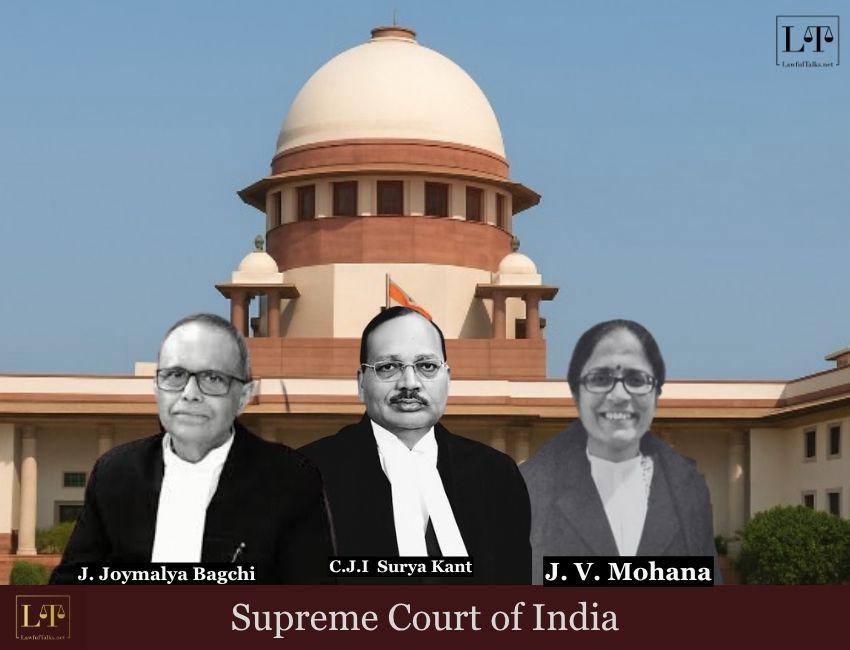
The bench of Justice Ahsanuddin Amanullah and Justice K. Vinod Chandran held that for Section 27 to apply, the accused must have earlier concealed a fact or object, and the police must discover it solely because of the specific information provided by the accused.
If there is no such prior concealment and no clear connection showing that the discovery was made because of the accused’s disclosure, Section 27 cannot be applied.
Facts
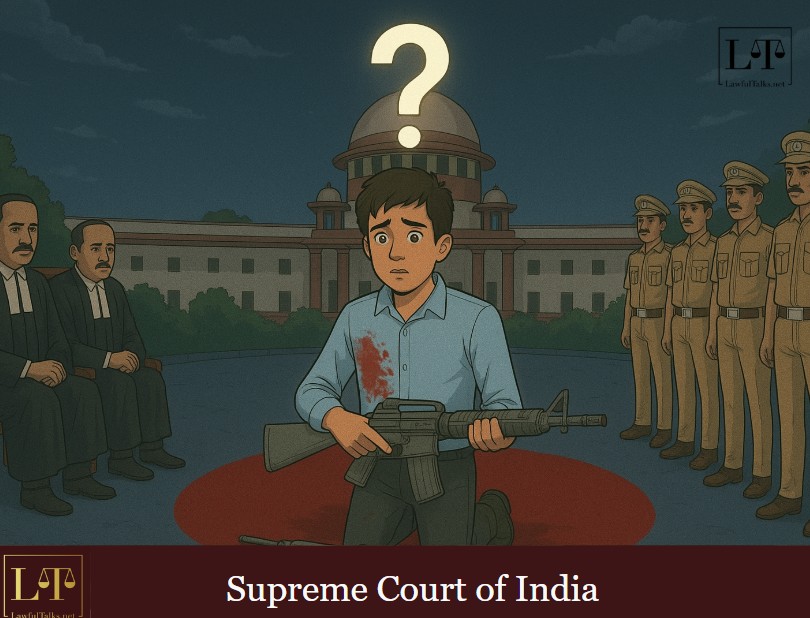
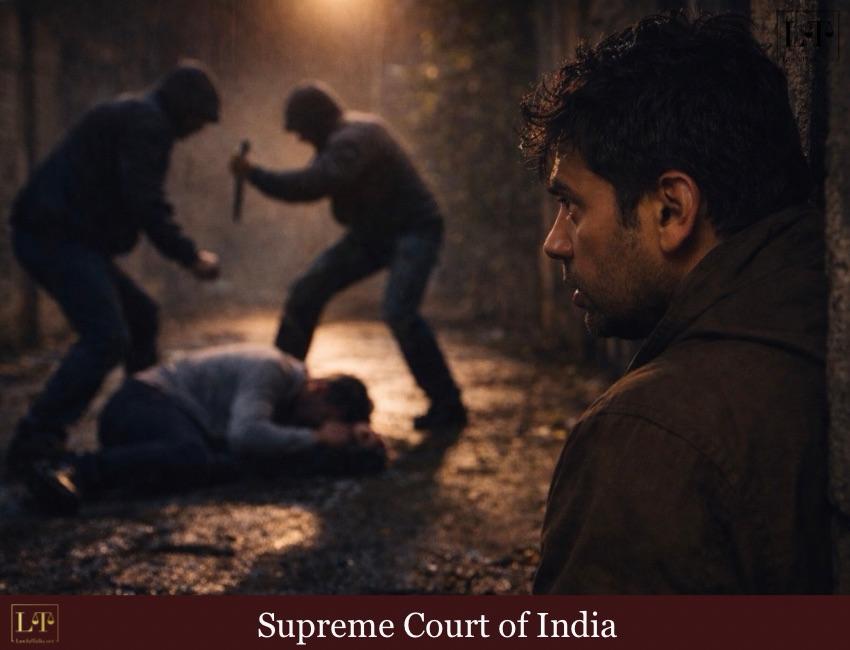
The case arose from the murder of a woman who was dropped near a village by her husband one morning on 24.11. 2019. After that, she went missing and could not be contacted. Her body was found the next day in the bushes along a nearby road.
According to the prosecution, three accused followed the woman, raped her in an isolated place, and slit her throat to destroy evidence. They were charged under Sections 302 and 376D read with Section 34 of the IPC, along with provisions of the SC/ST Act.
The trial court awarded the death penalty. On appeal, the High Court commuted the sentence to life imprisonment without remission. The High Court relied, among other things, on alleged confessions and recoveries under Section 27 of the Evidence Act.
The Supreme Court upheld the conviction but found fault with the High Court’s reliance on the alleged Section 27 recoveries. The Court held that the police recoveries could not be treated as discoveries under Section 27 because the articles were already in the accused’s possession at the time of arrest.
The Court noted that the recoveries were made after the accused handed over the articles to the police during a routine personal search. Since there was no concealment of the articles, Section 27 was not attracted.
As recorded by the Court:
“Even as per the prosecution story, the same were handed over along with the confession, to PW15, which material objects were said to be in the possession of the accused at the time of arrest.”
The Court further observed:
“there was no concealment as such and in any event, on an arrest, when the material objects could have been seized from the body of the accused on a mere search by the police, the attempt to convert it as a recovery under Section 27 cannot at all accepted.”
The Supreme Court emphasized that such an approach violates the basic principle of Section 27. It stated:
“It goes against the very principle of Section 27, insofar as the disclosure relied upon can only relate to the concealment and the recovery of material objects on such disclosure made, which recovery has to be made in the persons of witnesses. We find absolutely no reason to accept the circumstances as hereinabove stated, relied on by the High Court, to convict the accused.”
The Court warned the police not to try to make inadmissible confessions look valid by creating false recoveries.
Additionally, the bench also acquitted accused No.2 (A2), of the offences alleged under Sections 3(1)(w)(i) & 3(2)(v) of the SC/ST Act as there was nothing to indicate the accused knew the caste of the victim. The bench stated:
“Though the prosecution has proved the caste of the victim/deceased, there is nothing to indicate that the accused knew the caste of the victim or even that they were in any manner acquainted with the victim, to be aware of her caste status. The offence hence cannot be said to have been committed with the knowledge of the caste status of the victim; which is an essential ingredient under both the provisions charged under the SC/ST Act.”
While affirming the conviction of the accused under Sections 302 and 376D read with Section 34 of the IPC, the court took note of the mitigating circumstances surrounding Accused No.2. It observed that at the time of the offence, the accused was around 40 years of age and was the sole earning member of a family comprising his wife, four children and aged parents.
In view of these factors among others, and considering that the case did not fall within the “rarest of rare” category, the Supreme Court held that a sentence of imprisonment for the remainder of the accused’s natural life was unwarranted.
Accordingly, the Court modified the sentence to rigorous imprisonment for a fixed term of 25 years without remission, while maintaining the conviction and directing that the sentences run concurrently.
Case Details: Shaik Shabuddin vs State of Telengana (SLP (Crl No.) 6850 of 2024)




































































































































































Sign up for free and be the first to get notified about curated content just for you.