“Justice Verma On The Edge: Supreme Court Takes On Parliamentary Inquiry”

- January 08, 2026


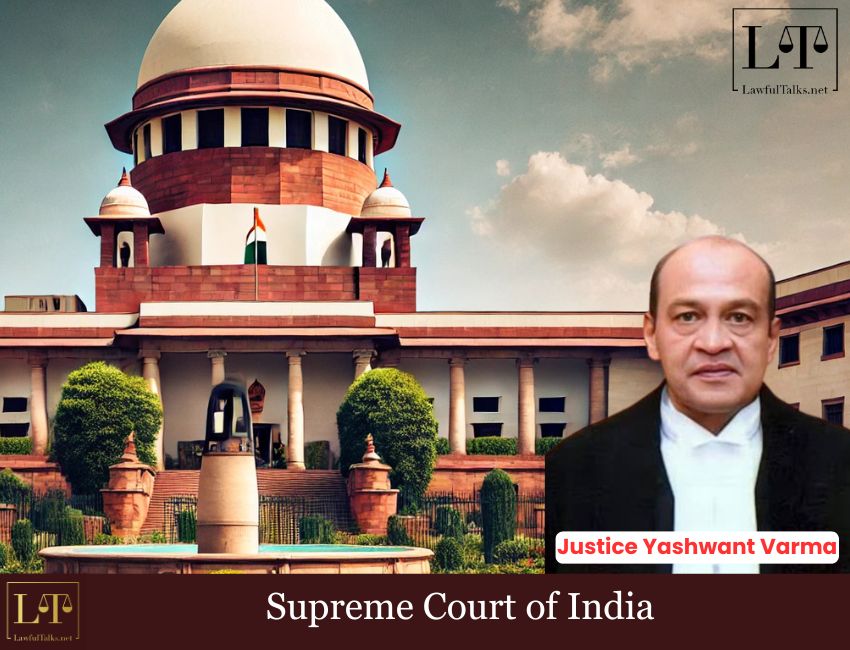
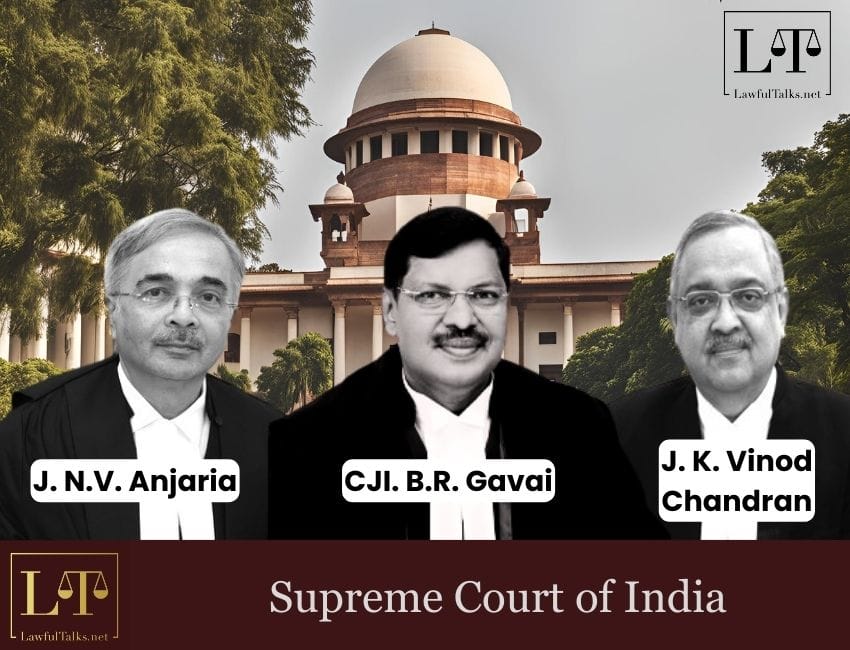
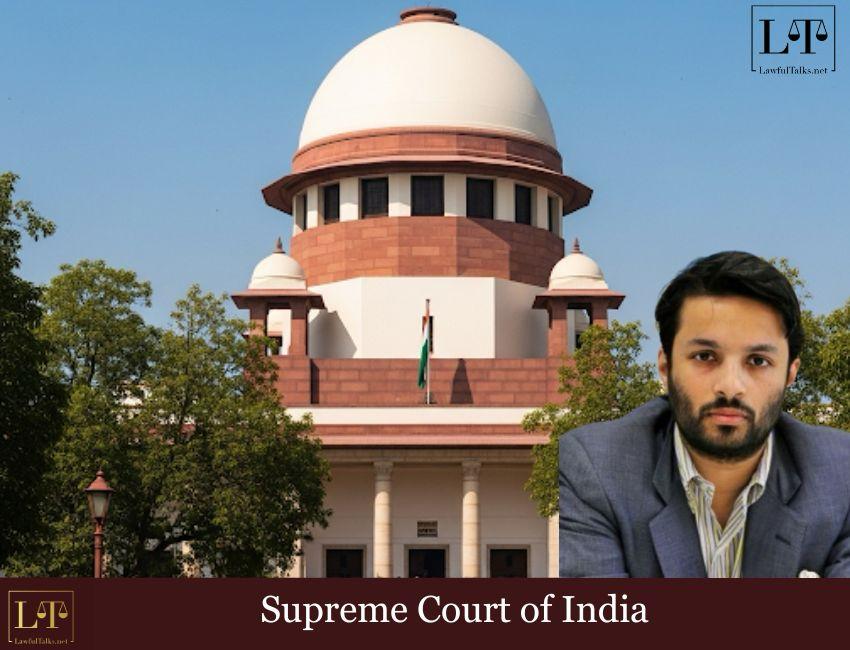
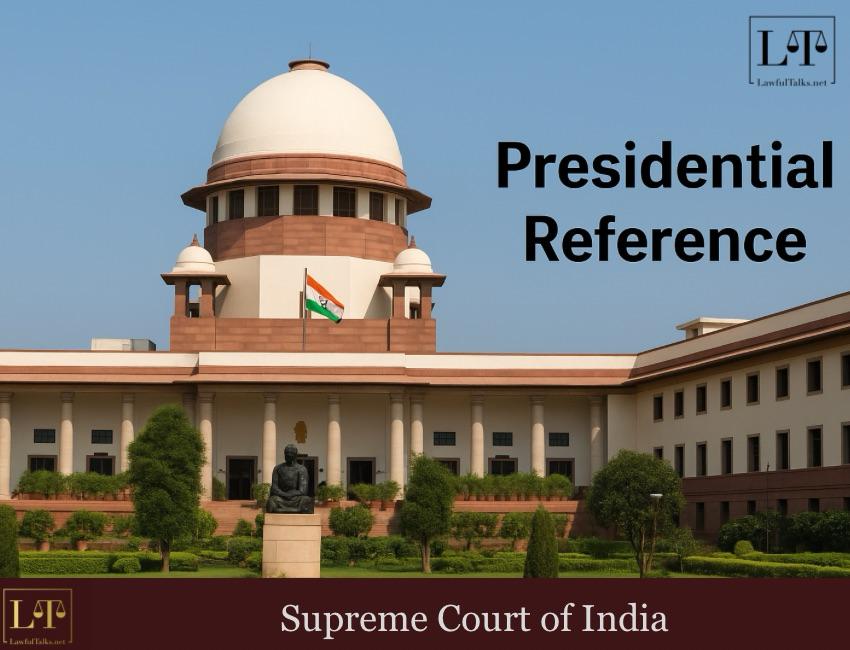
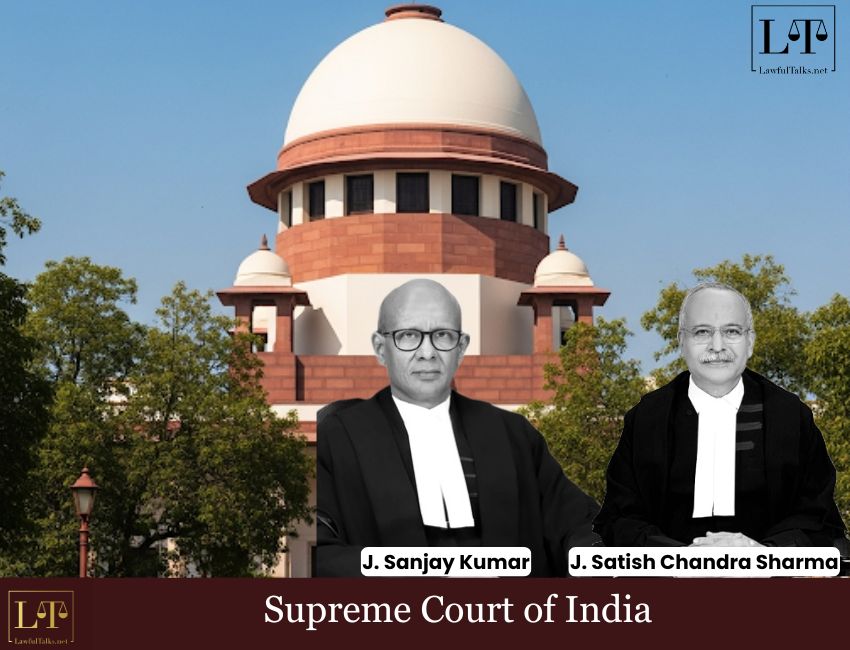
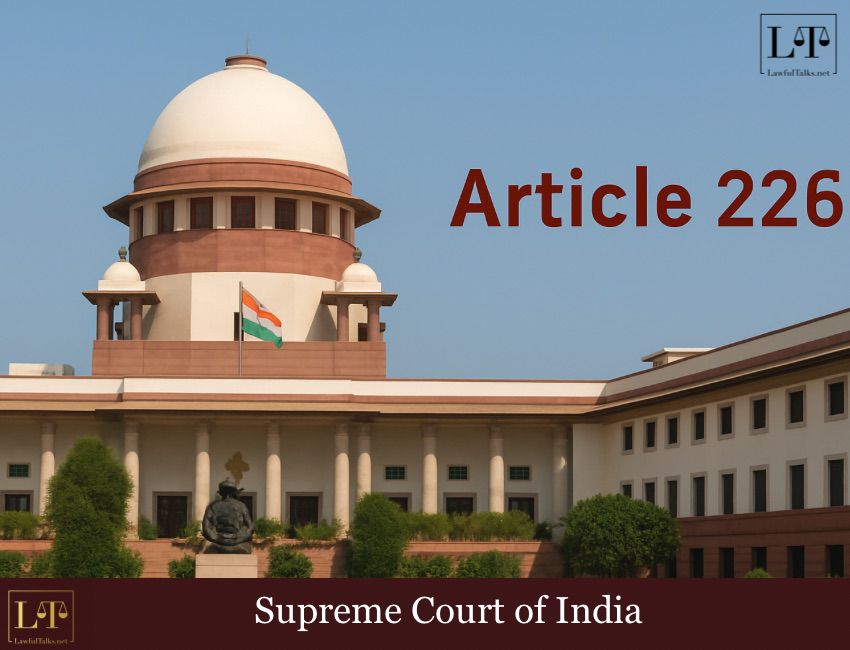
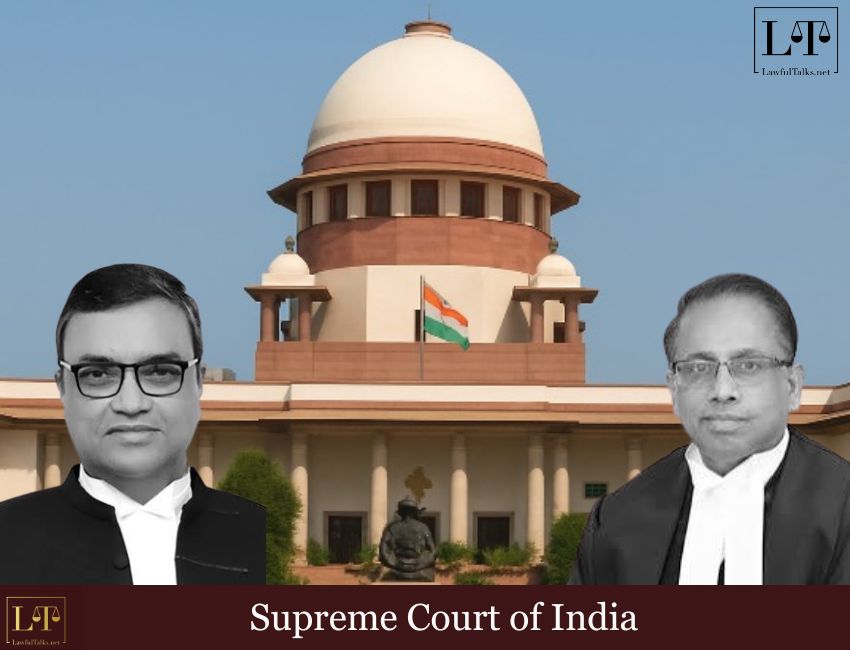
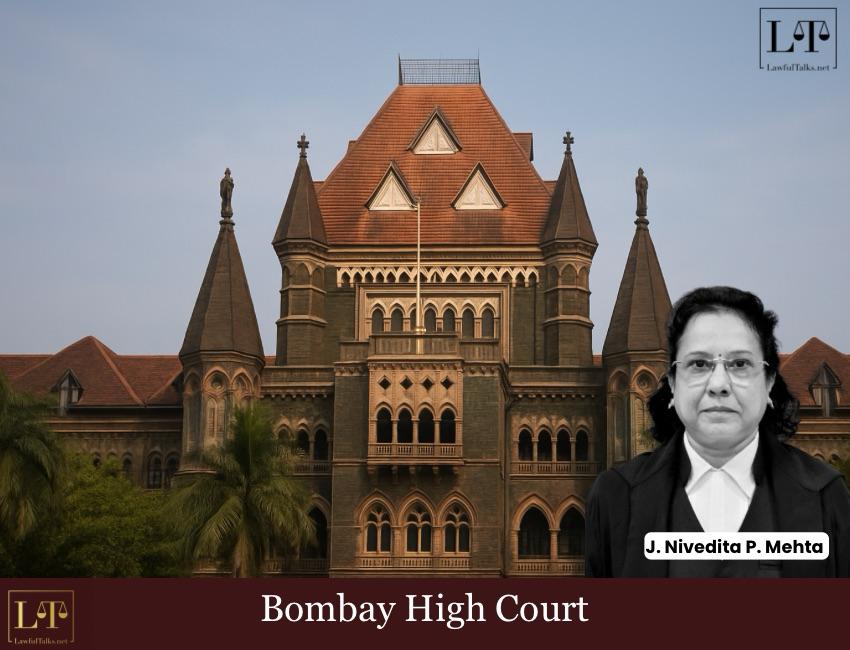
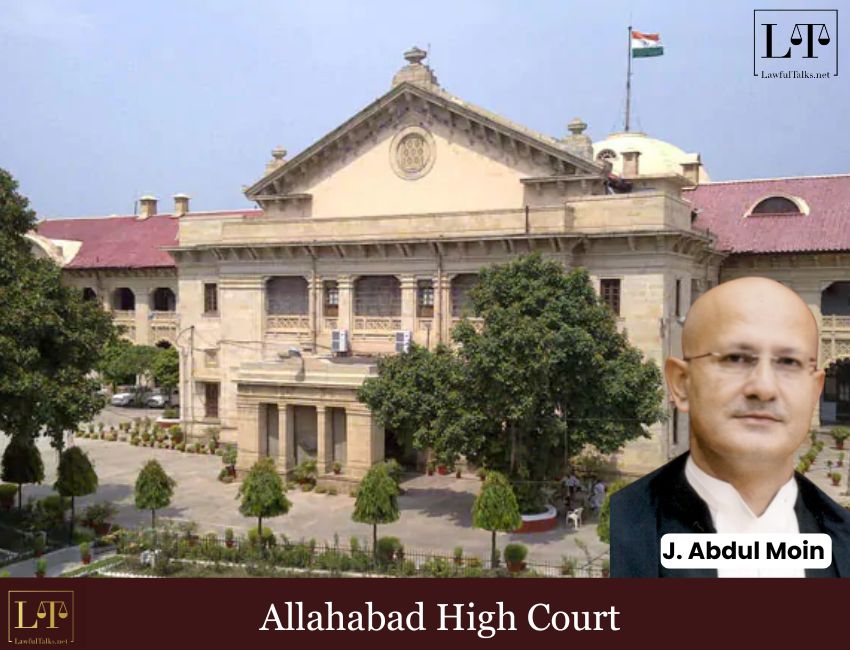
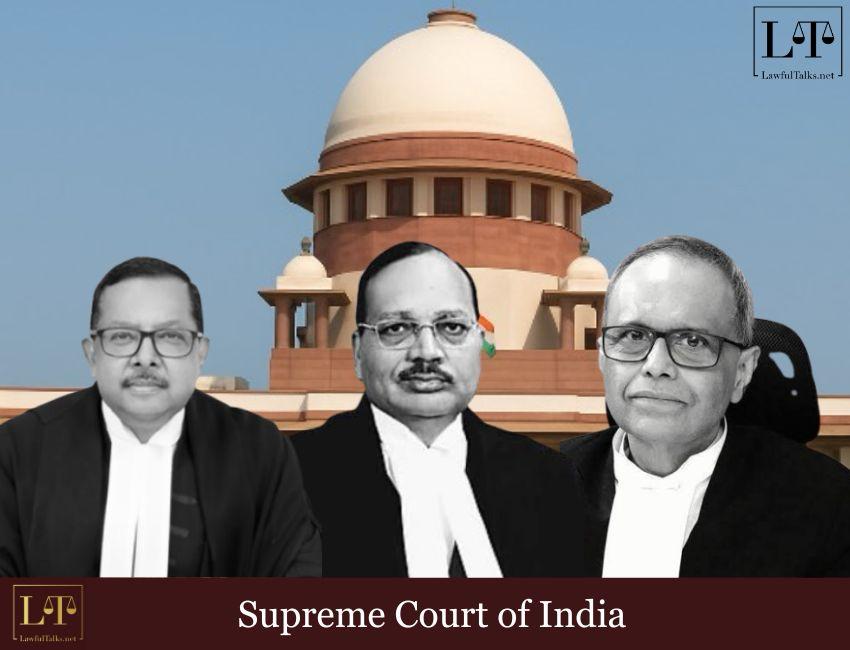
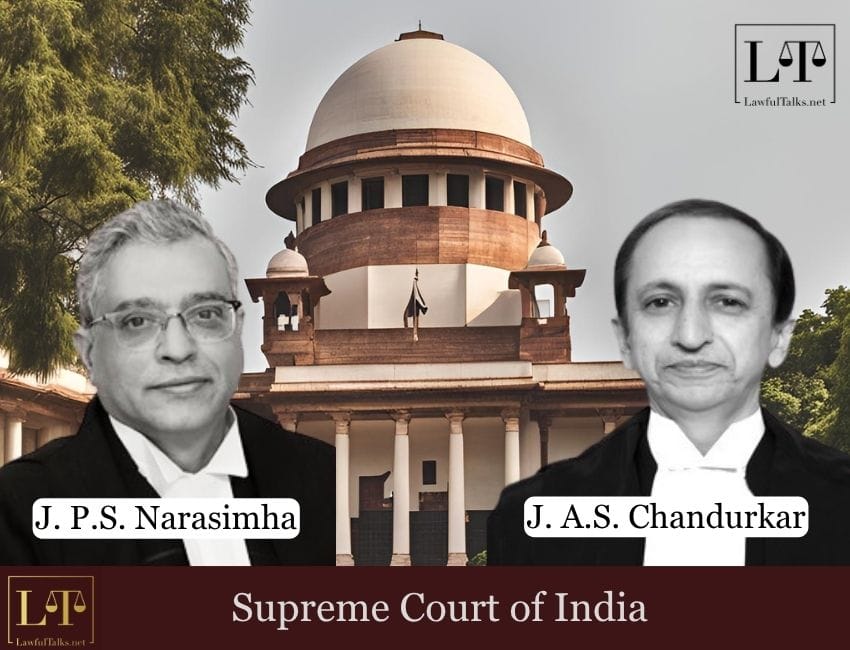
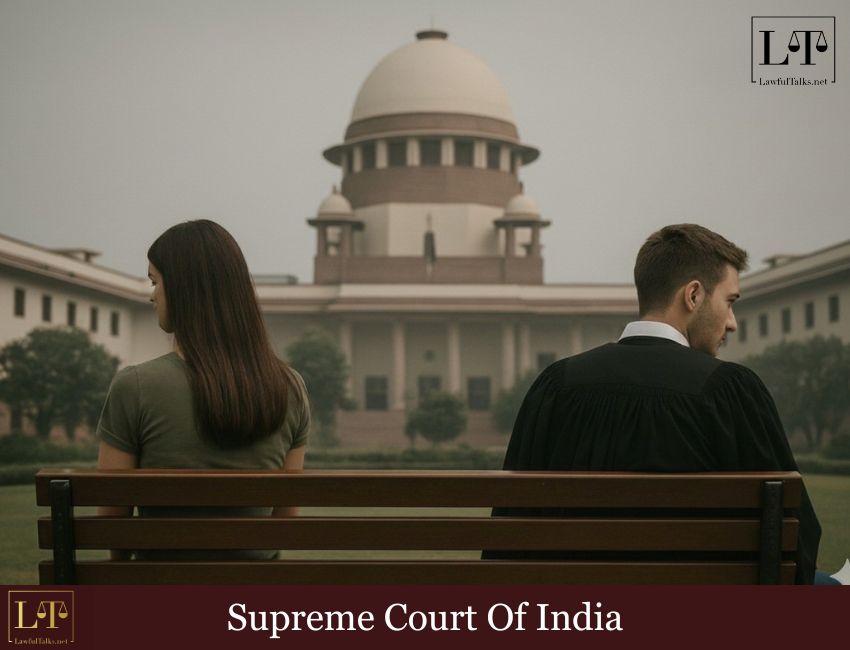
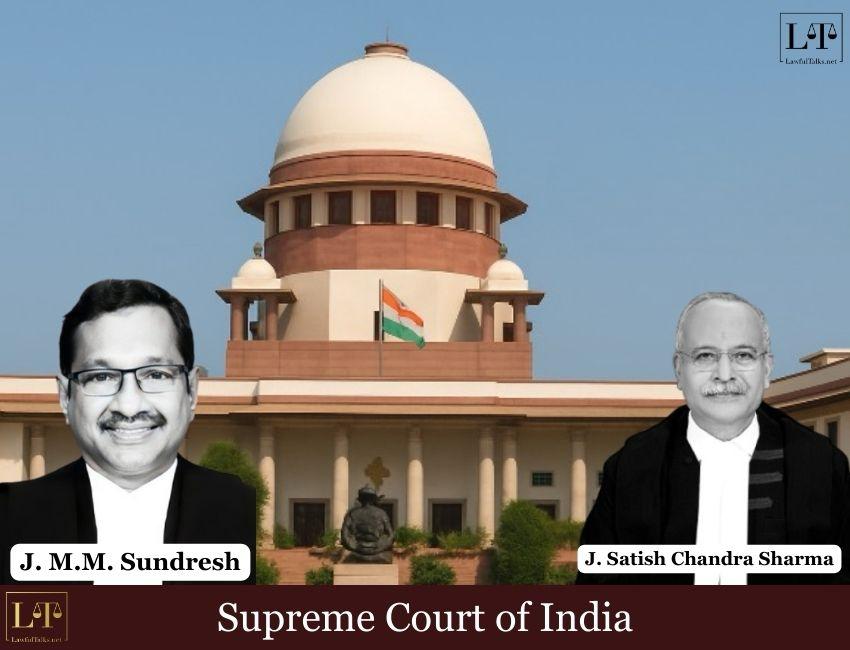
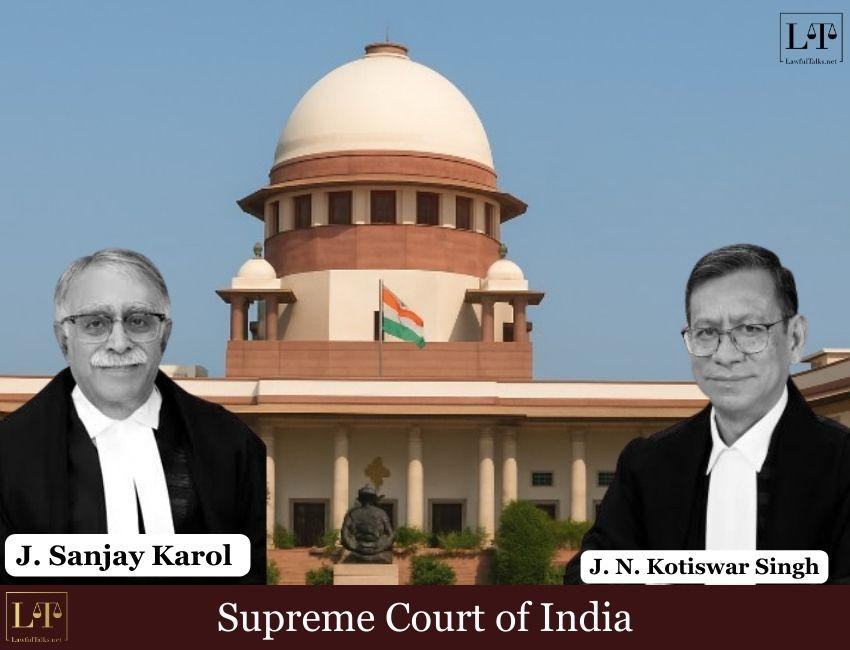
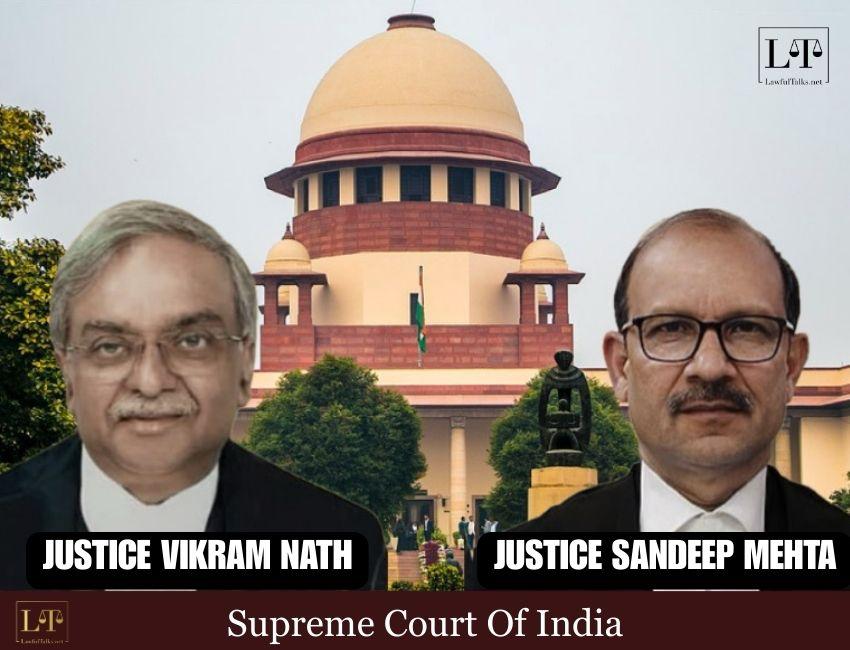
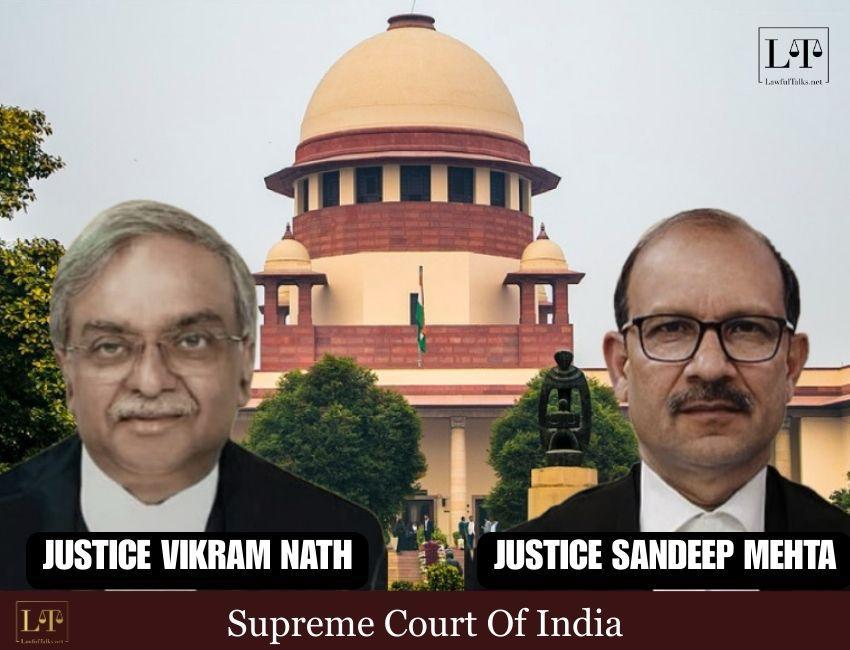
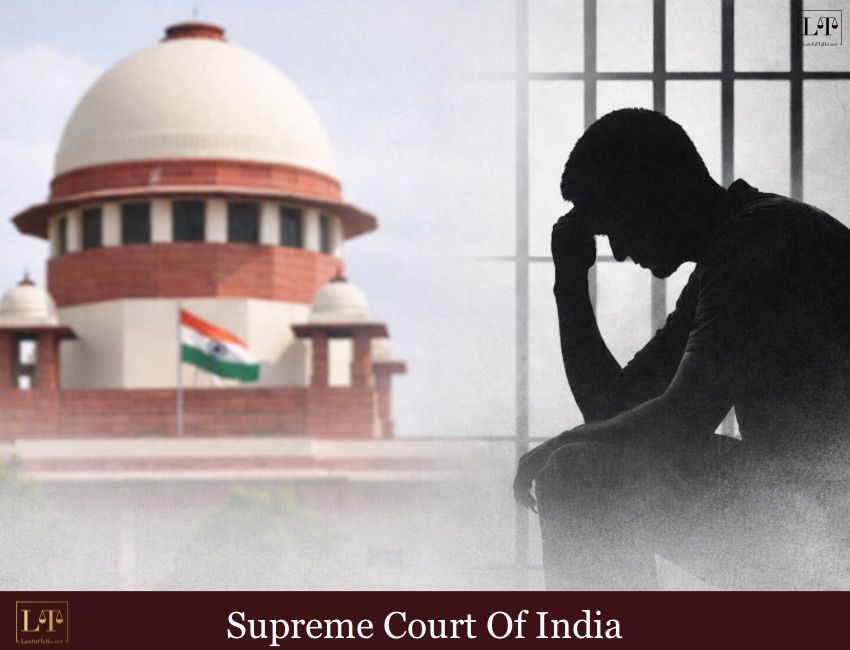
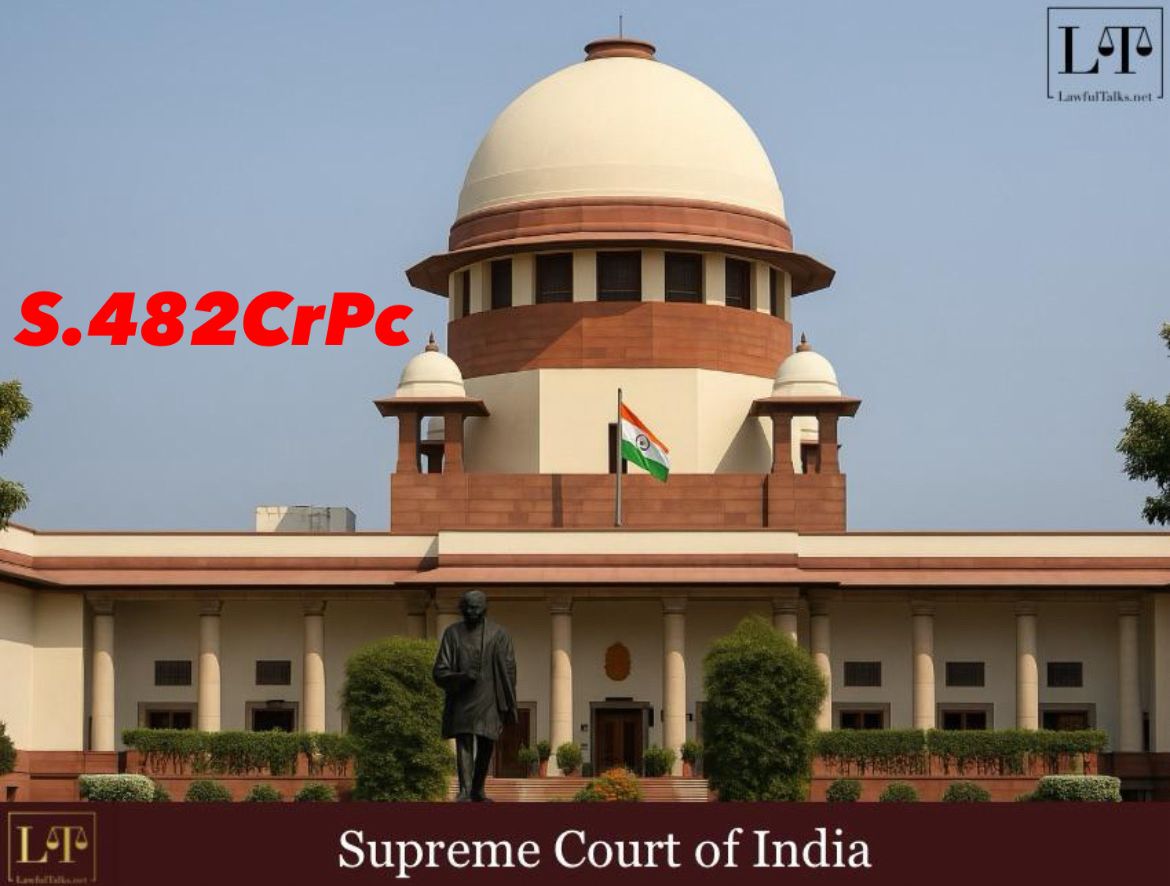
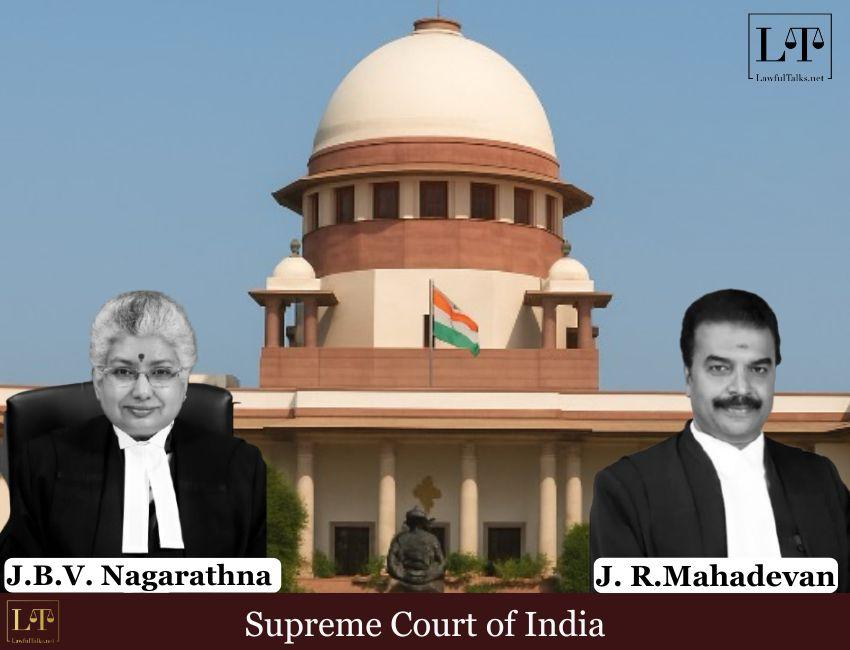
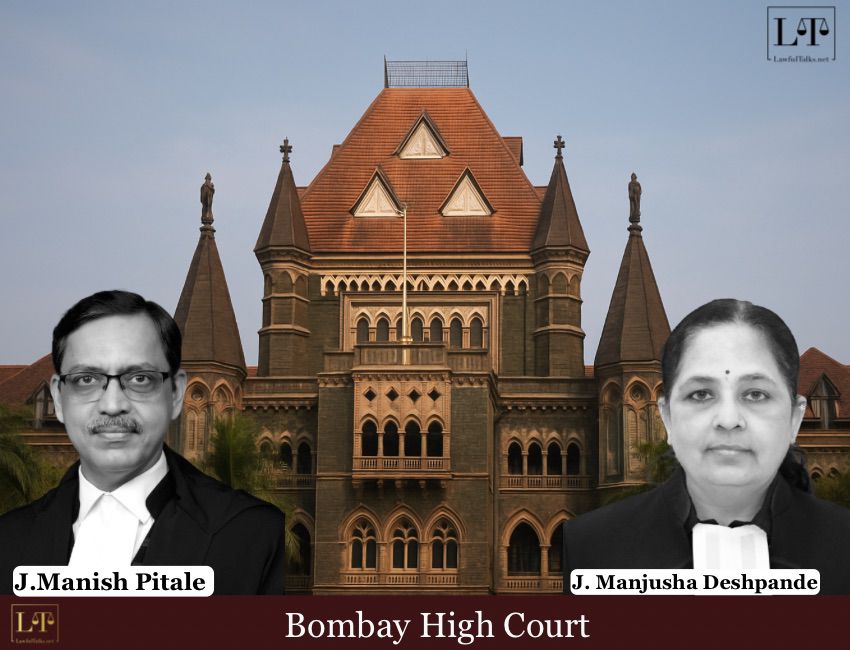
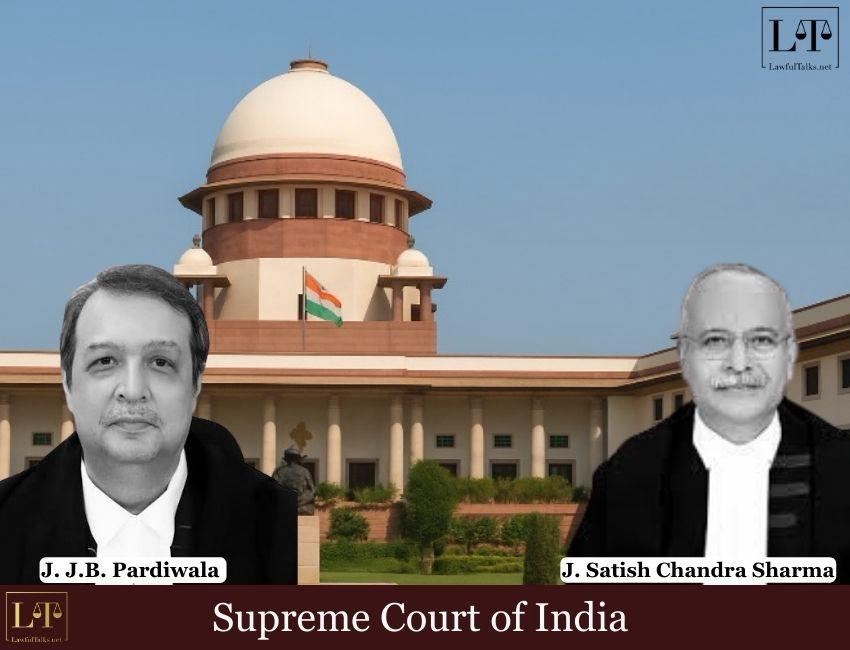
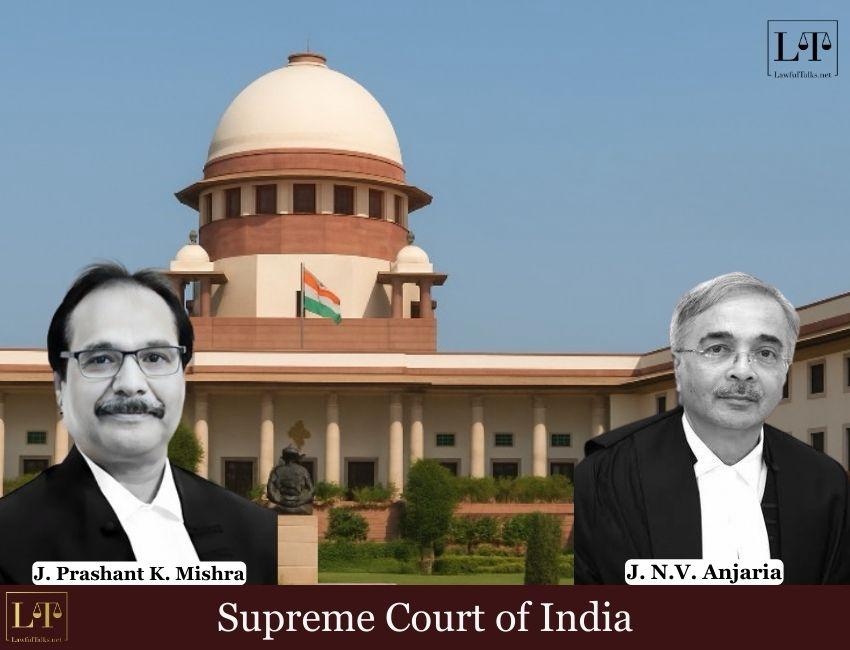
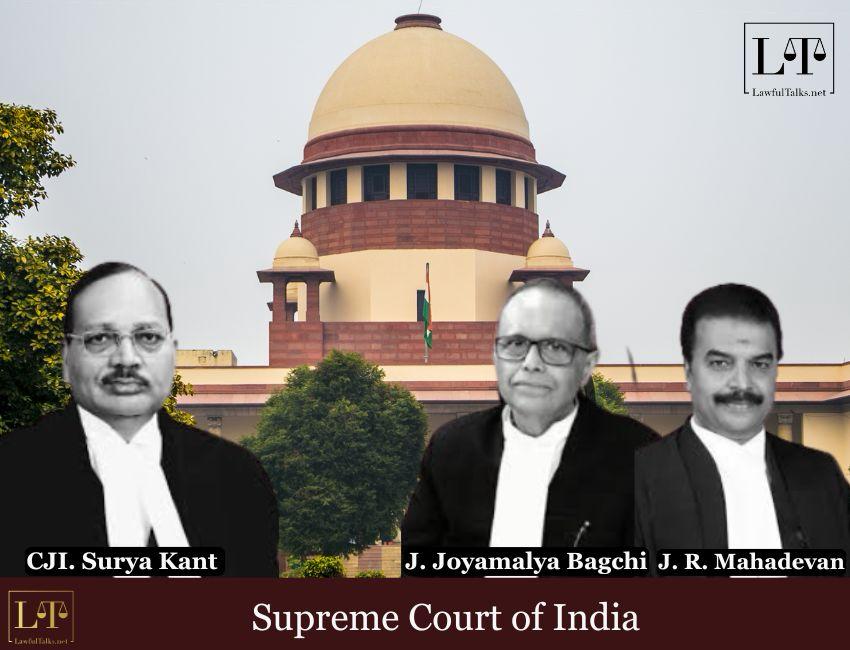
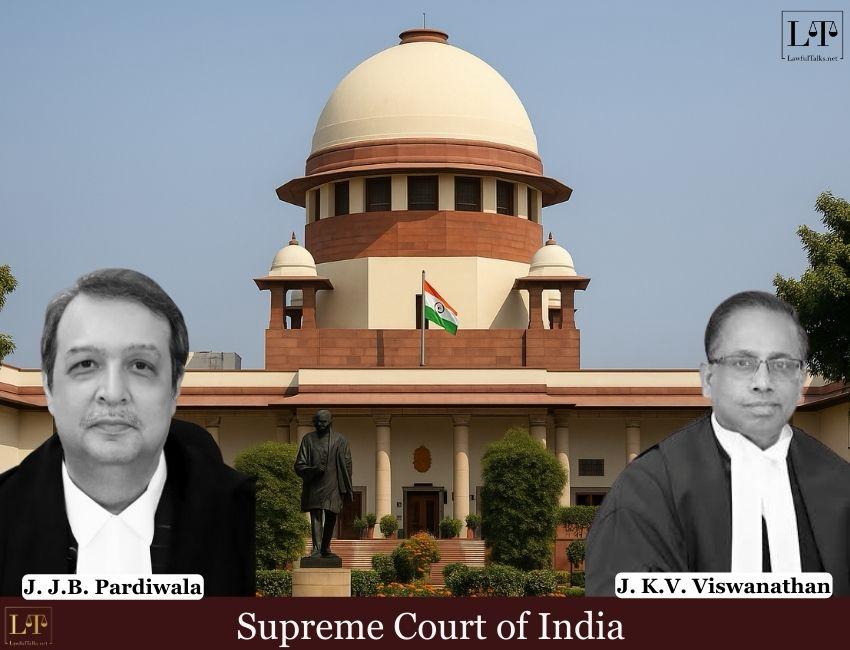
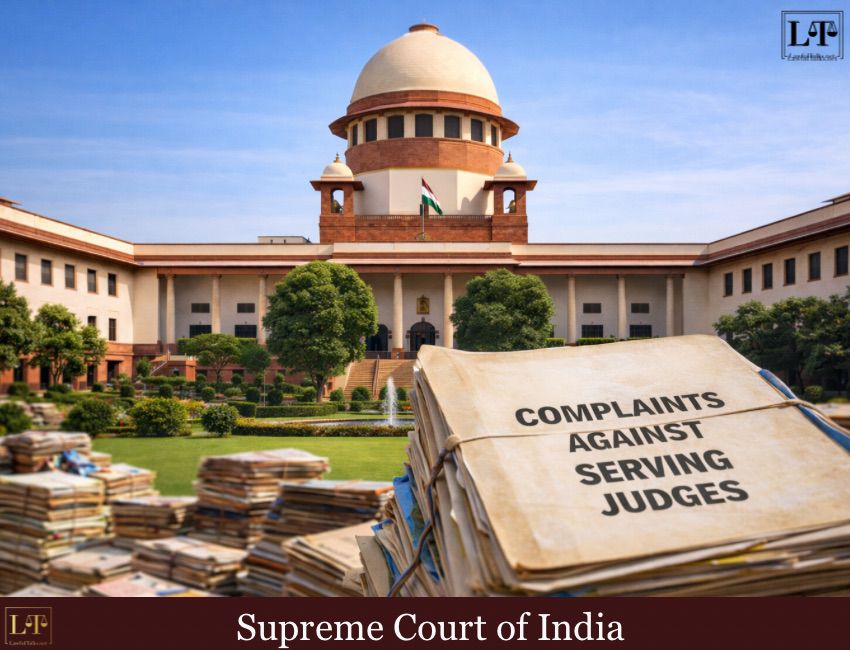
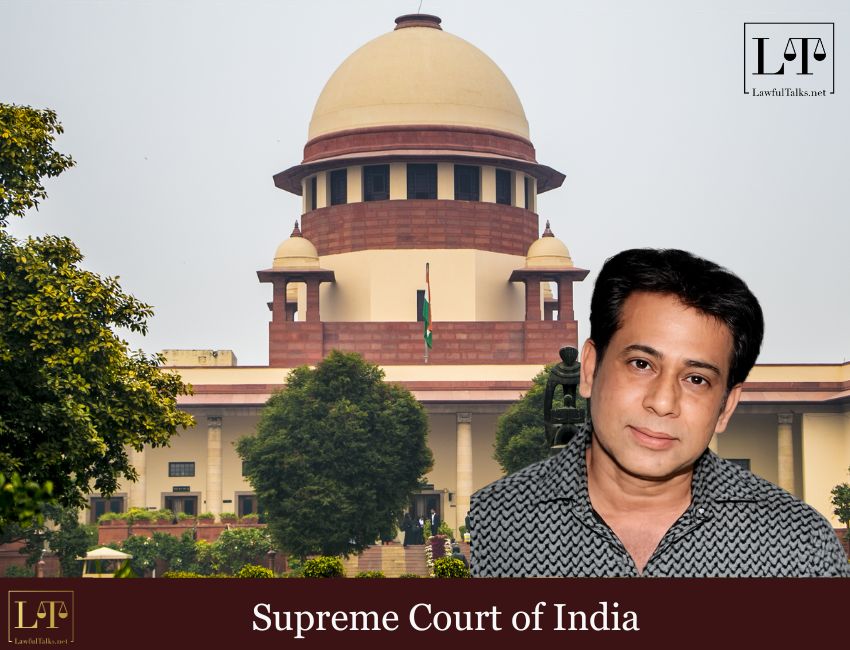
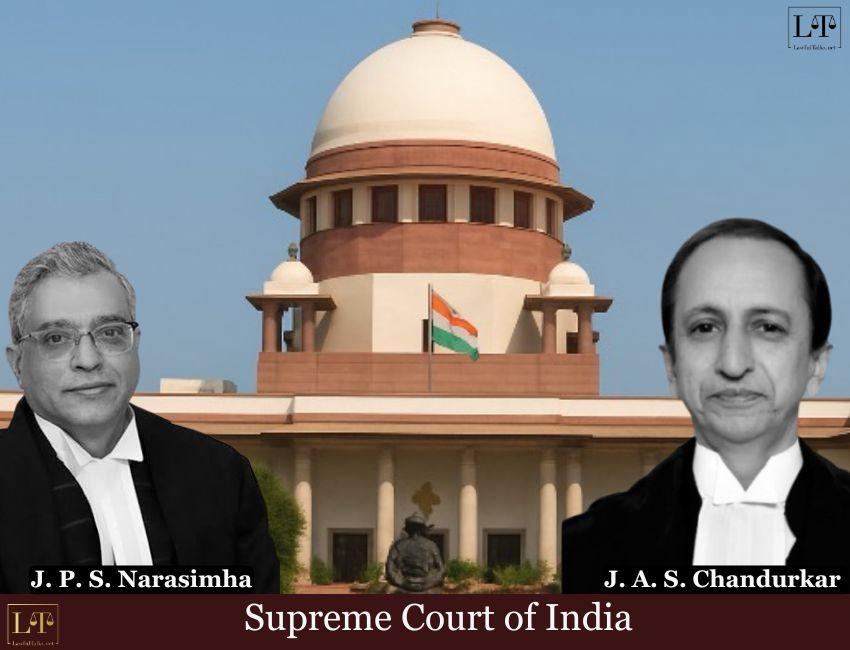
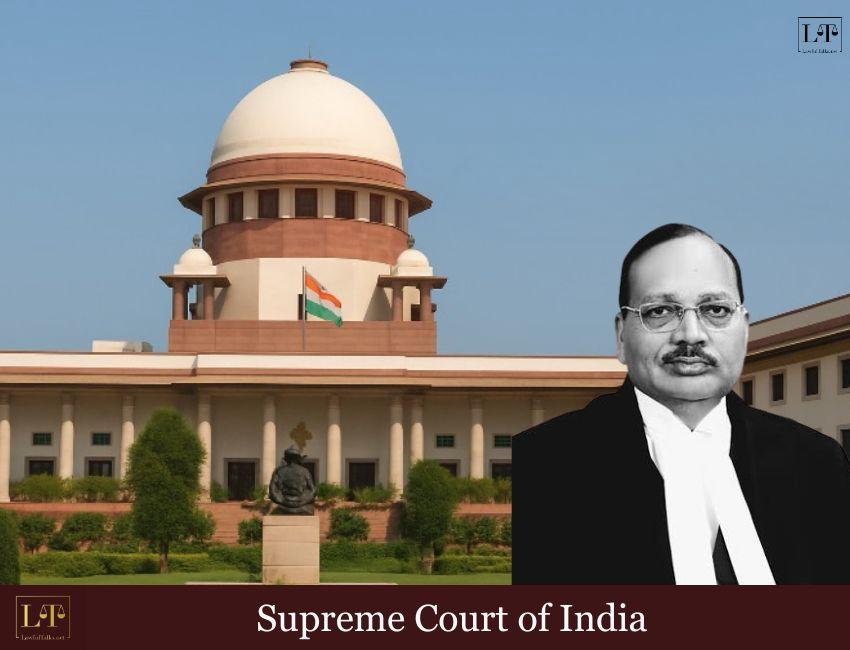
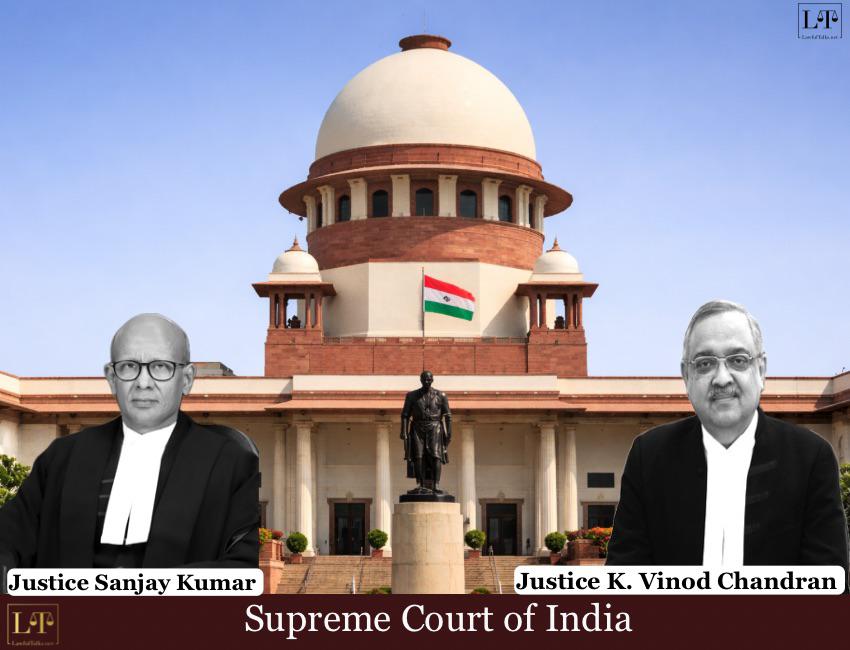
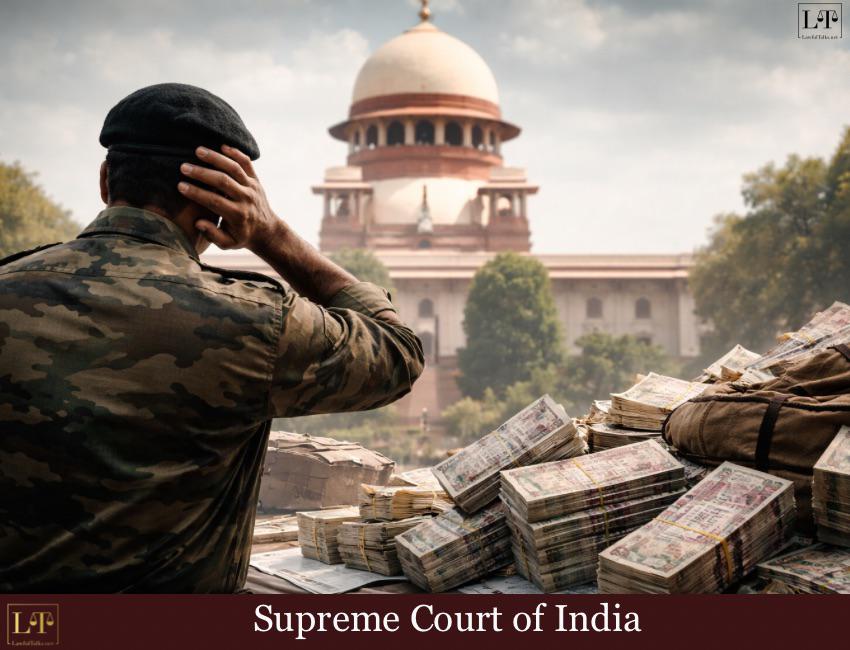
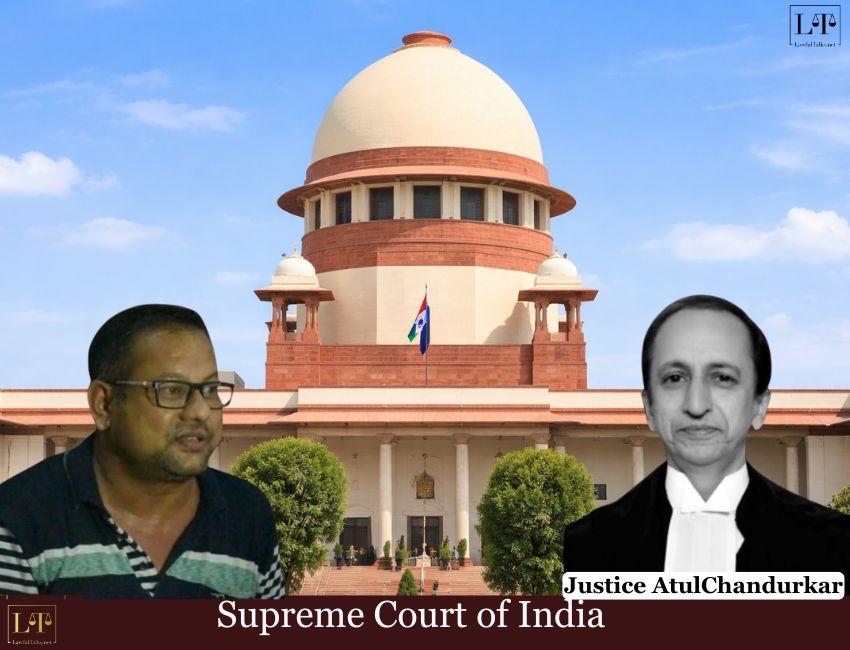
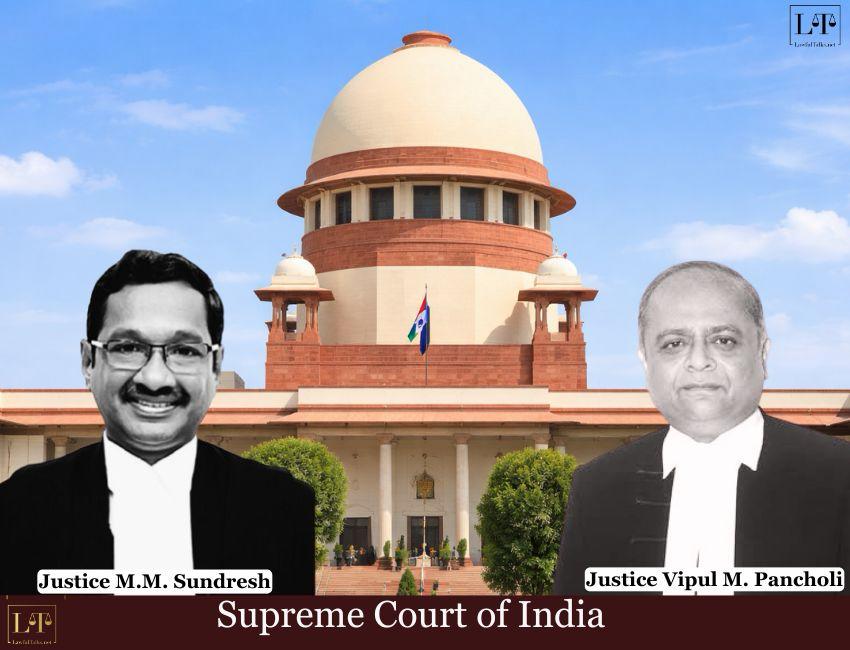
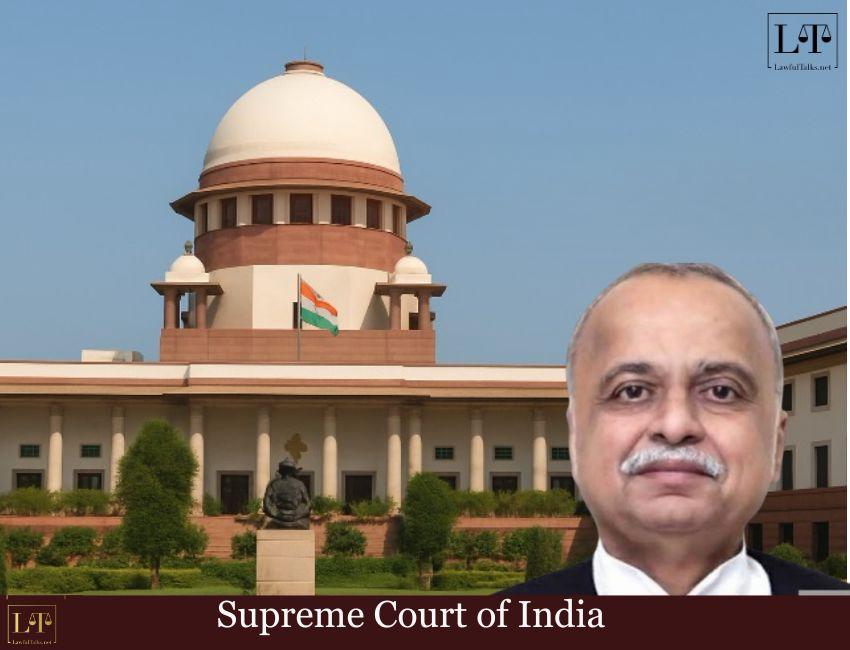
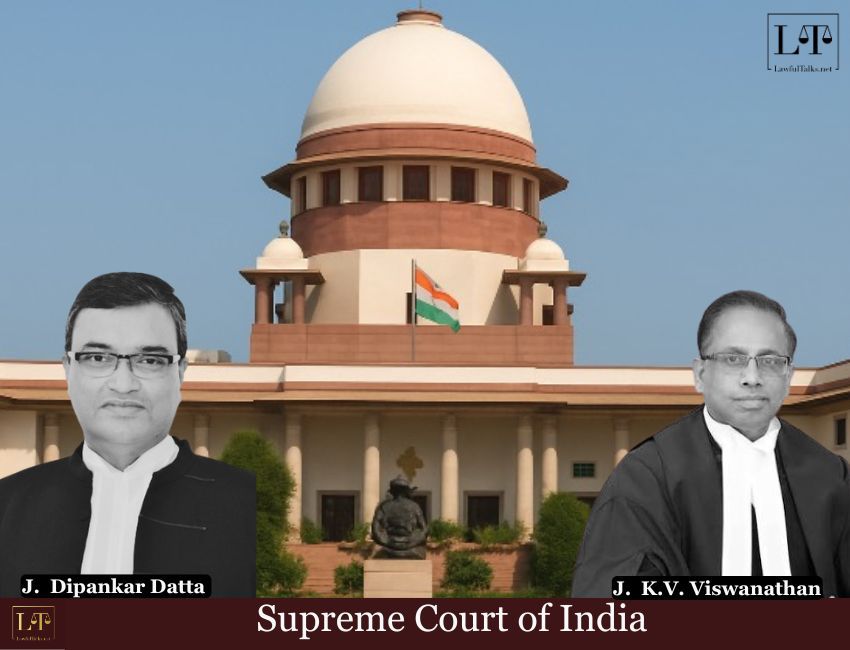
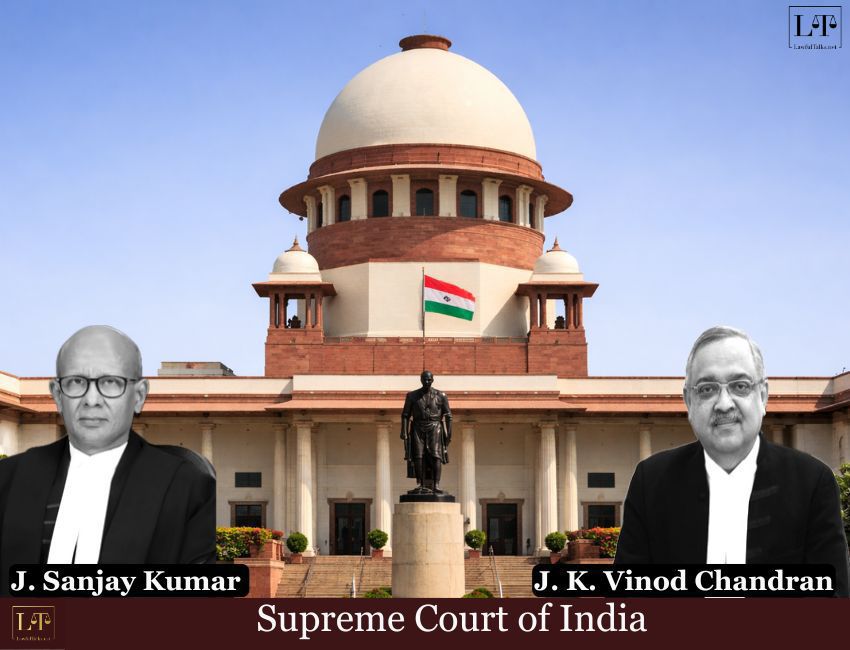
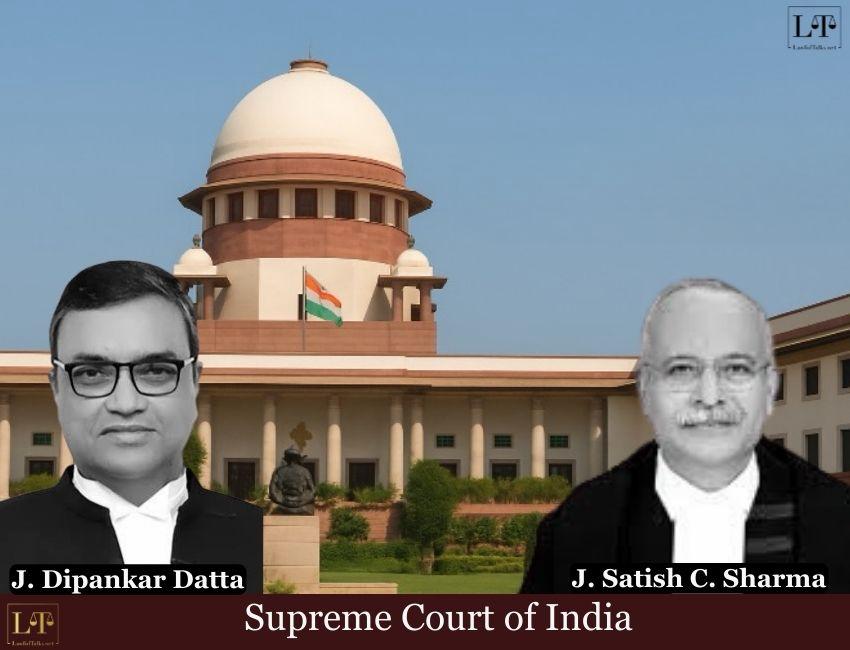
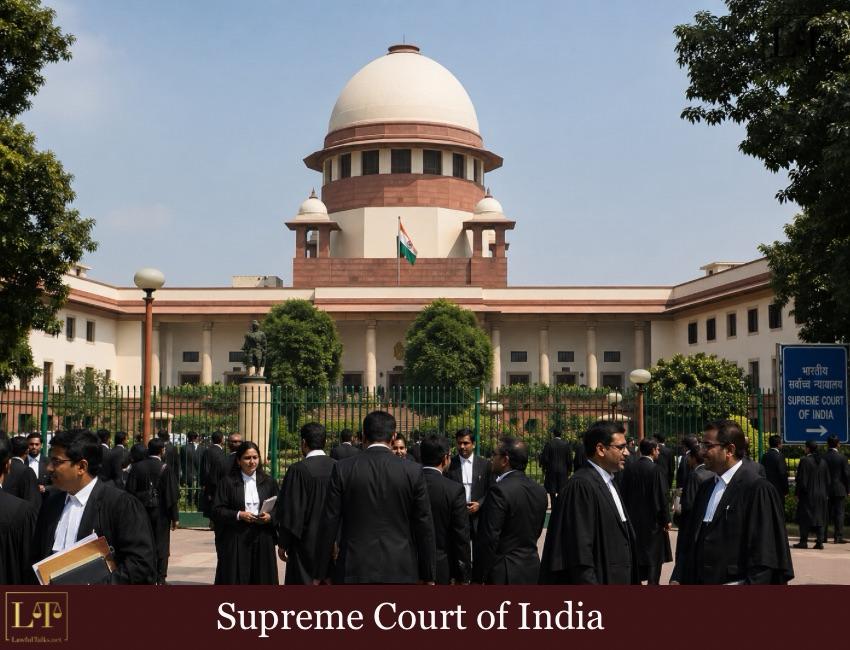
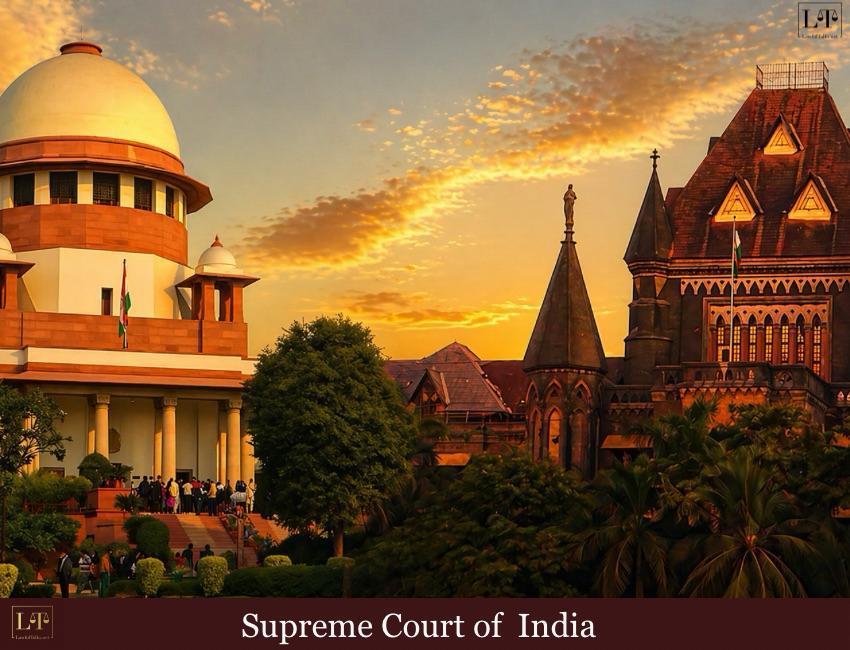
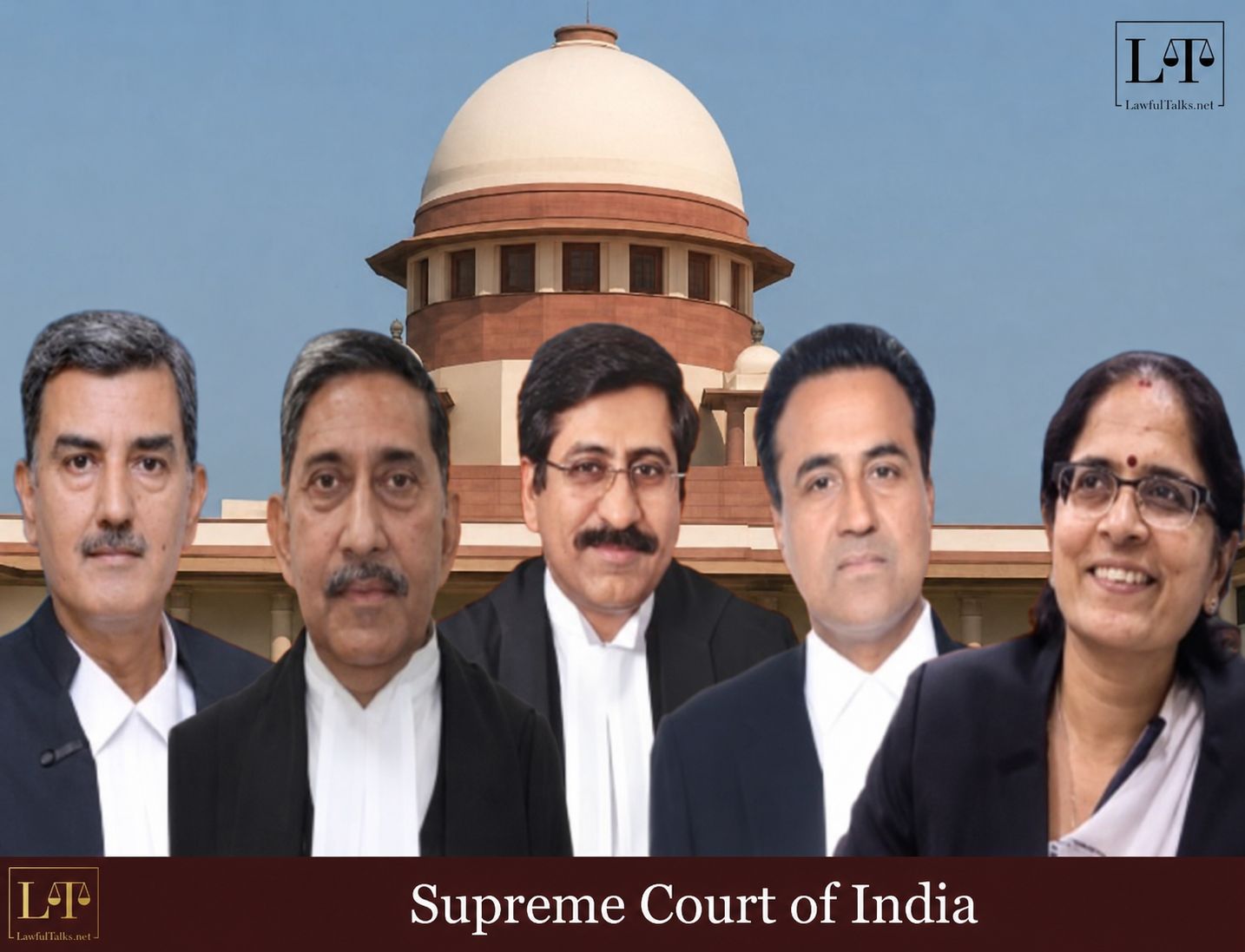
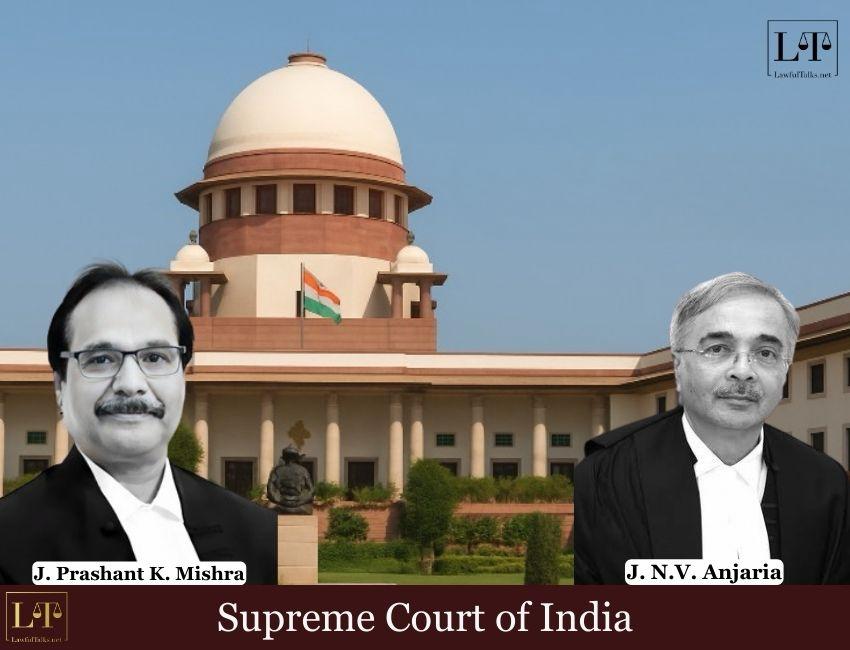
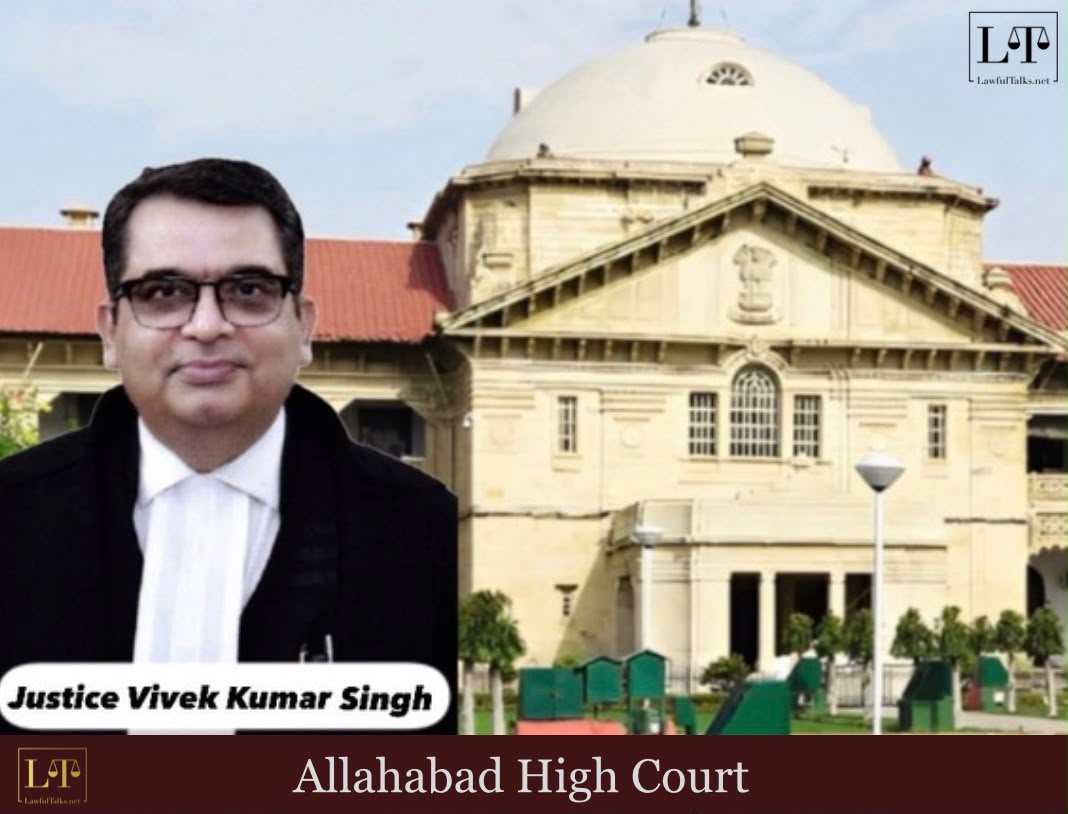
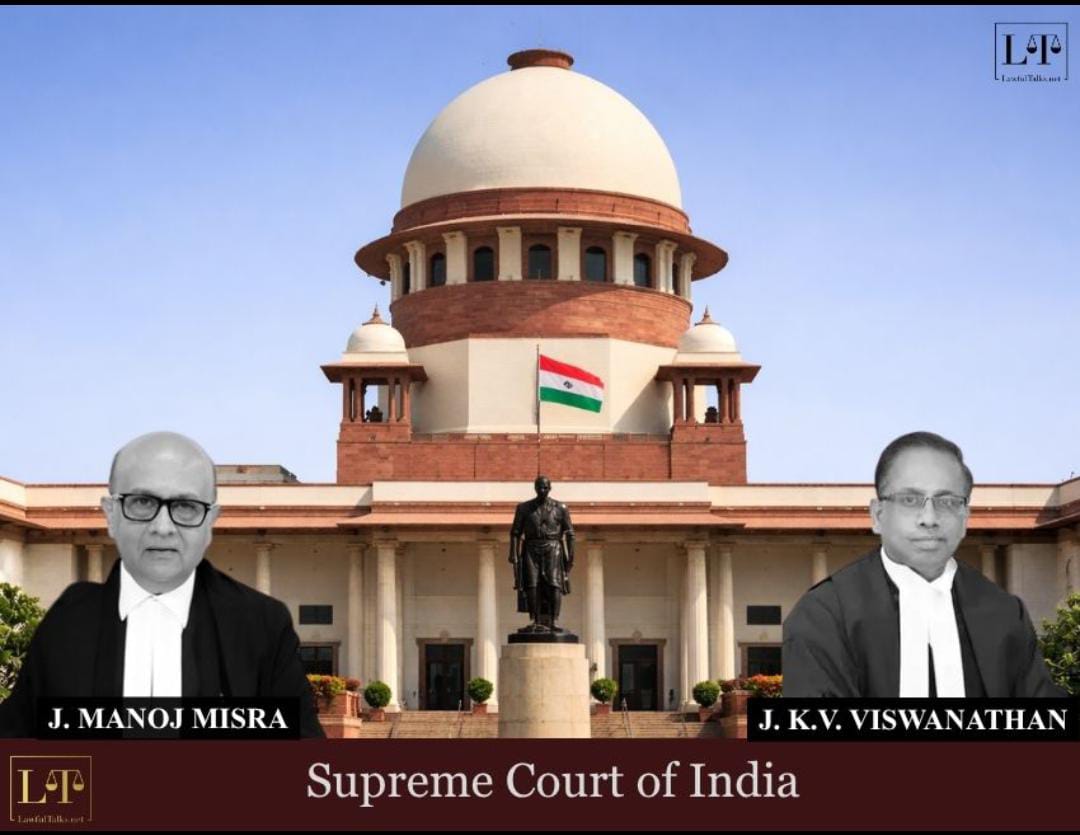
On January 8, 2026, the Supreme Court of India, comprising Justice Dipankar Datta and Justice Satish Chandra Sharma, reserved its verdict on a writ petition filed by Allahabad High Court Judge Yashwant Varma. Justice Varma has challenged the decision of Lok Sabha Speaker Om Birla to constitute an inquiry committee under the Judges (Inquiry) Act, 1968, following a move to initiate impeachment proceedings against him over allegations linked to unaccounted cash found at his official residence.
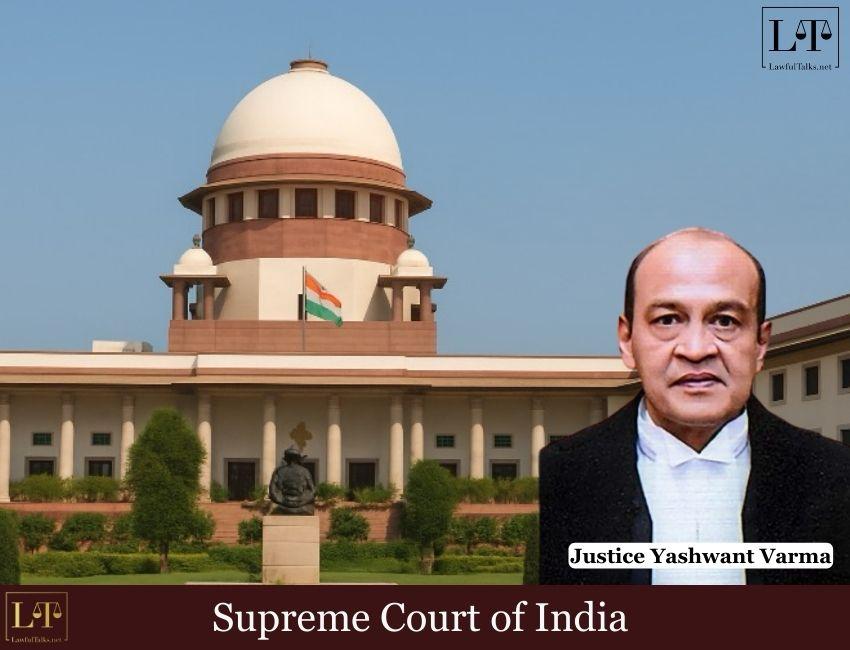
Background:
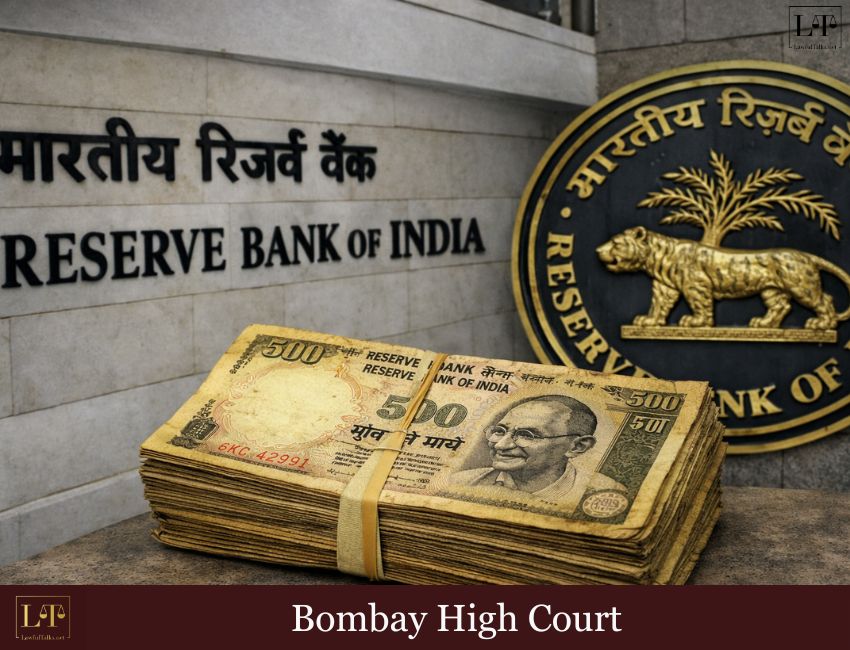
The controversy began after a fire broke out on March 14 at an outhouse of Justice Varma’s official residence in Delhi, during which unaccounted cash was discovered. The incident caused public outrage and led to an in-house inquiry by a three-judge committee comprising Chief Justice Sheel Nagu of the Punjab and Haryana High Court, Chief Justice G.S. Sandhawalia of the Himachal Pradesh High Court, and Justice Anu Sivaraman of the Karnataka High Court.
The committee’s report made a prima facie finding against Justice Varma, after which the then Chief Justice of India, Sanjiv Khanna, asked him to resign and forwarded the matter to the President and the Prime Minister. Justice Varma was subsequently transferred to the Allahabad High Court, where his judicial work has been kept in abeyance. He had earlier approached the Supreme Court to stop the inquiry and to challenge the CJI’s recommendation for his removal, but that attempt was unsuccessful.
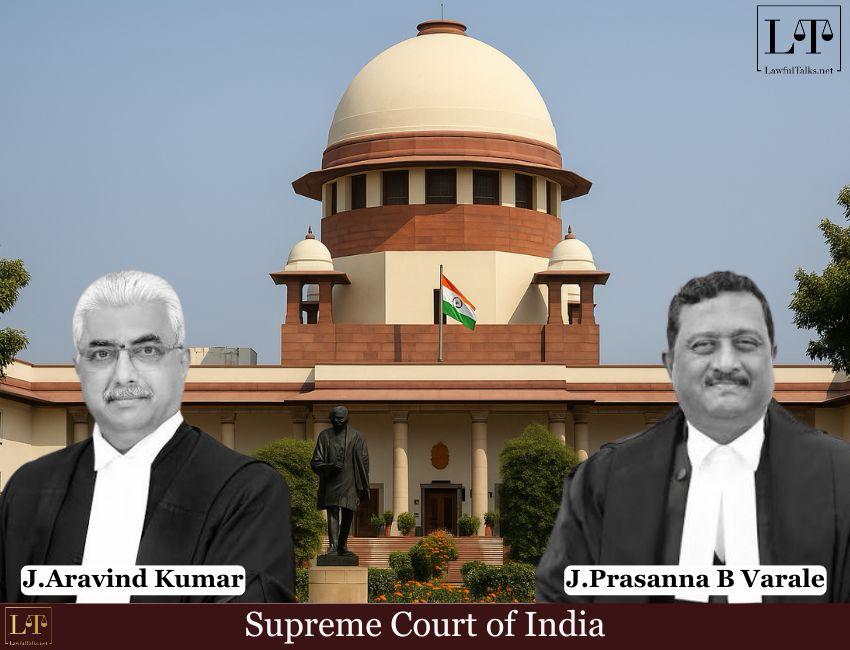
Justice Varma's main complaint in his petition is about a procedural error. On July 21, impeachment notices were submitted in both the Lok Sabha, supported by 145 MPs, and the Rajya Sabha, supported by 63 MPs. However, Speaker Om Birla went ahead and set up an inquiry committee on his own, without consulting the Rajya Sabha Chairman. The committee included Supreme Court Justice Arvind Kumar, Madras High Court Chief Justice M.M. Shrivastava, and senior advocate Vasudeva Acharya of the Karnataka High Court. According to Varma, this violated Section 3(2) of the Judges (Inquiry) Act, 1968.
Justice Varma’s petition also relies on the proviso to Section 3(2) of the Judges (Inquiry) Act, which says:
“If notices for a motion are submitted on the same day in both Houses of Parliament, a committee cannot be formed unless the motion is admitted in both Houses. If it is admitted in both, the committee must be set up jointly by the Speaker and the Chairman.”
The case became more complicated when the court learned that the Rajya Sabha Deputy Chairman rejected the motion on August 11, after which Speaker Birla acted on August 12 to form the committee. Varma’s team argued that the Deputy Chairman did not have the authority to reject the motion—especially since the original Chairman, Jagdeep Dhankhar, had already admitted it—and maintained that the committee should have been formed jointly by the Speaker and the Chairman.
Tensions were high in Thursday’s hearing as Senior Advocates Siddharth Luthra and Mukul Rohatgi argued that Article 124 provides the framework for judicial impeachments, and under Article 91, the Rajya Sabha Deputy Chairman cannot exercise the discretionary powers of the Chairman under the Judges (Inquiry) Act while Jagdeep Dhankhar’s position was vacant after his resignation.
Luthra suggested waiting for a new Chairman before proceeding. Justice Datta countered by asking that, just as the Vice President can act as President when the President is absent, shouldn’t the Deputy Chairman be able to act as Chairman in the latter’s absence? Rohatgi replied that the Act’s wording is strict and does not include the Deputy Chairman. Justice Datta noted that the Act’s definition clauses allow some flexibility “unless the context otherwise requires.”
Rohatgi argued that judges need strict protections to prevent frivolous inquiries, calling the Deputy Chairman’s rejection “ultra vires,” and added that if one House rejects the motion, the other cannot proceed alone, because the Act requires joint action to avoid absurd outcomes.
The bench expressed concerns, with Justice Datta warning that such an interpretation could make the Act “unworkable” and vulnerable to manipulation—such as a deliberately flawed motion in one House being used to block the other. He said, “We cannot open the Act to misuse.”
When asked about any prejudice caused by the committee’s formation, Rohatgi replied that the “test of prejudice” was irrelevant because statutory rules had been violated. He added, “Both Houses are supposed to consider the motions. Failing to do so has caused me prejudice.”
Solicitor General Tushar Mehta, defending Speaker Birla, argued that the proviso was meant to prevent conflicting committees and contradictory findings. He said, “The purpose is to avoid the constitution of two inquiry committees, so that there are no conflicting opinions on the same materials,” and added there was no “demonstrable prejudice,” while noting that the second proviso ensures only one pending motion at a time.
The day before, the court had noticed a problem in how Birla set up the committee and said it would check whether this mistake was serious enough to stop the whole process, based on the petition filed on December 16.
Case Details: X Vs O/O SPEAKER OF THE HOUSE OF THE PEOPLE|W.P.(C) No. 1233/2025






































Sign up for free and be the first to get notified about curated content just for you.