Adopted Child’s Future Can’t Be ‘In the Dark’: Bombay HC on Caste Status

- February 02, 2026


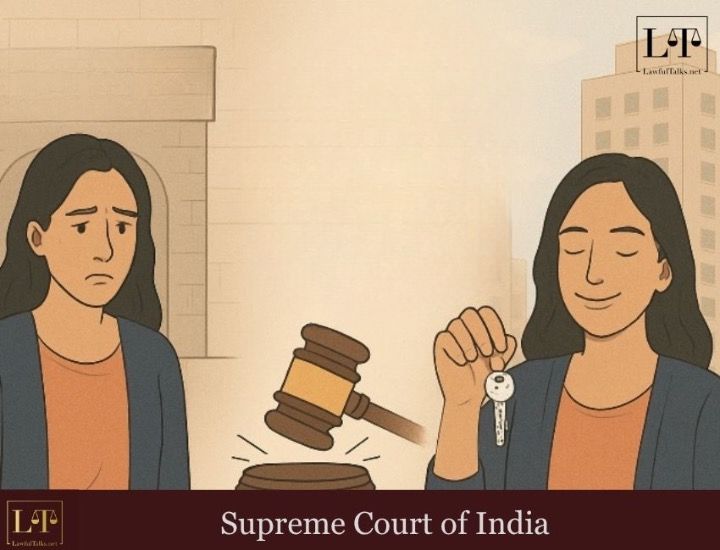
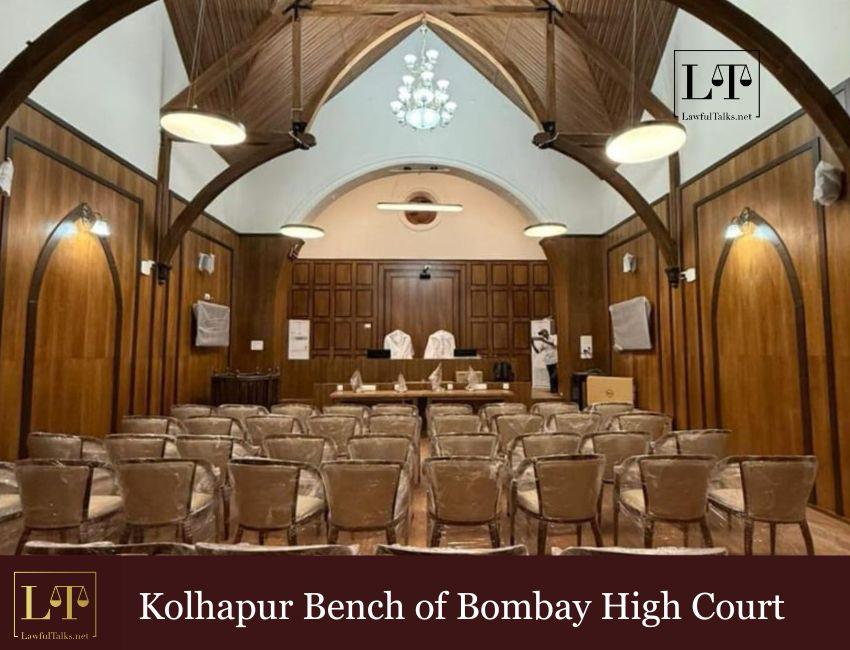
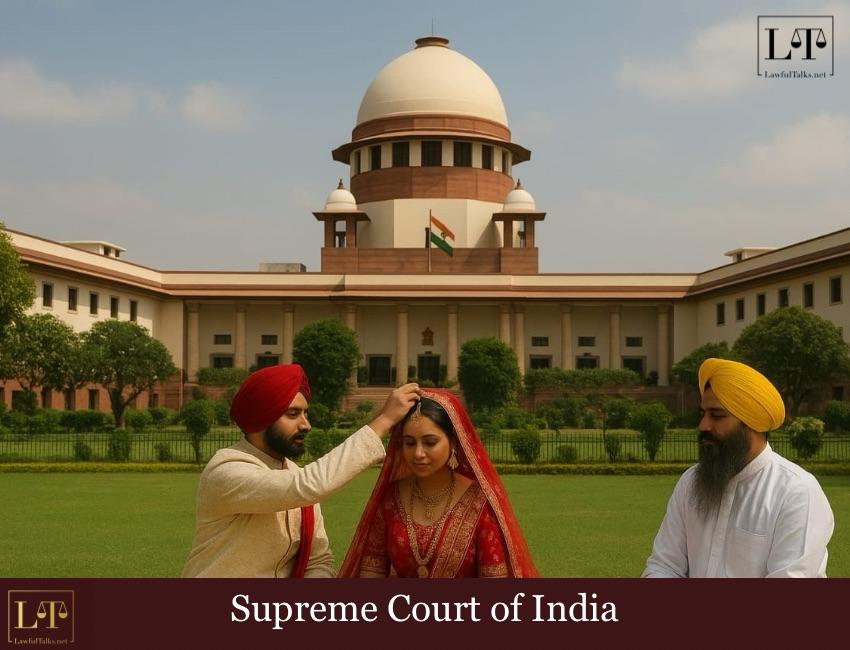
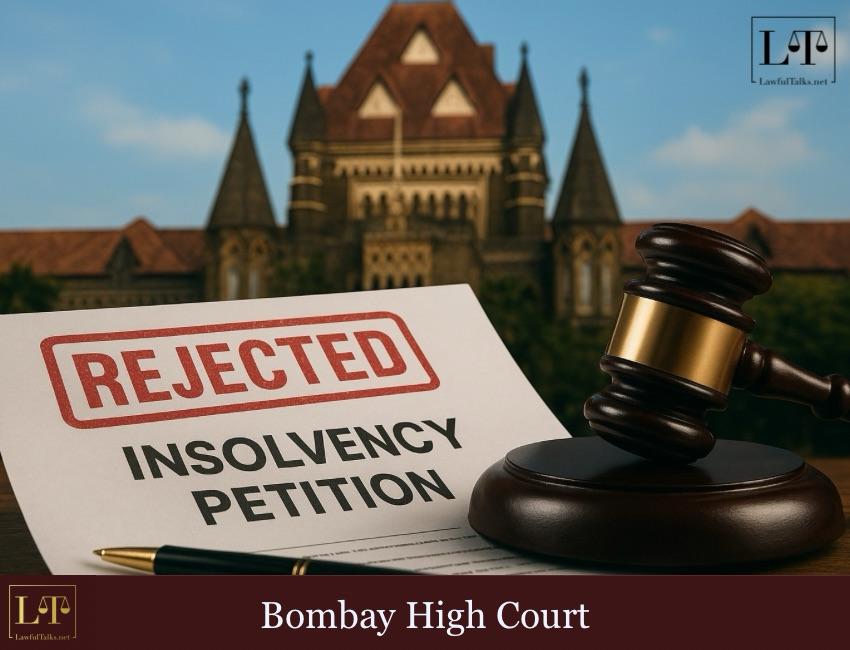
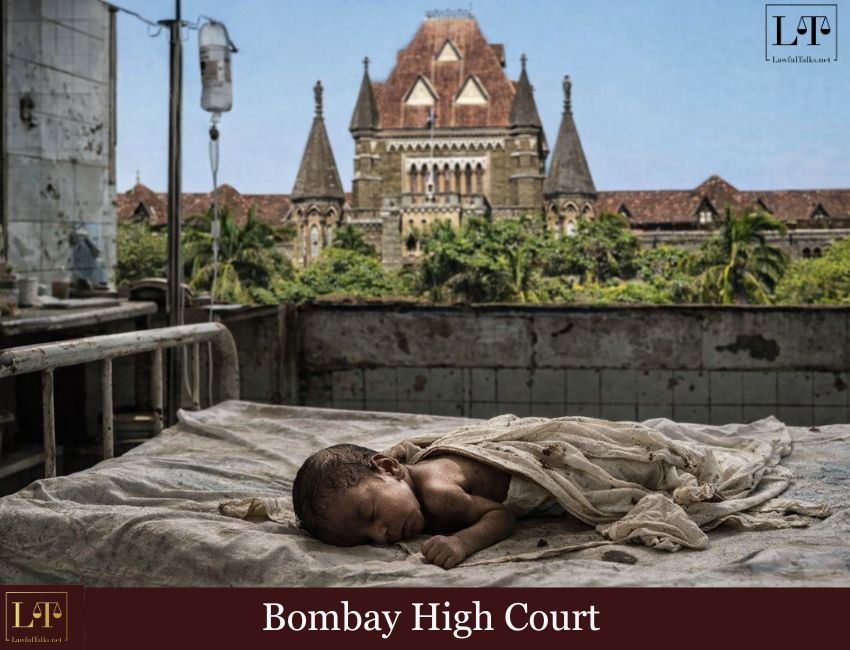
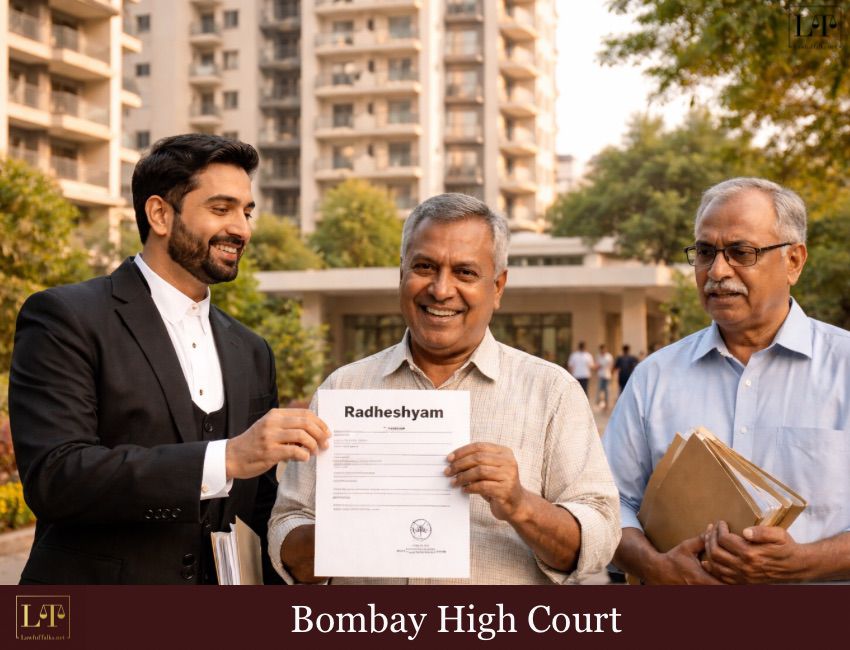
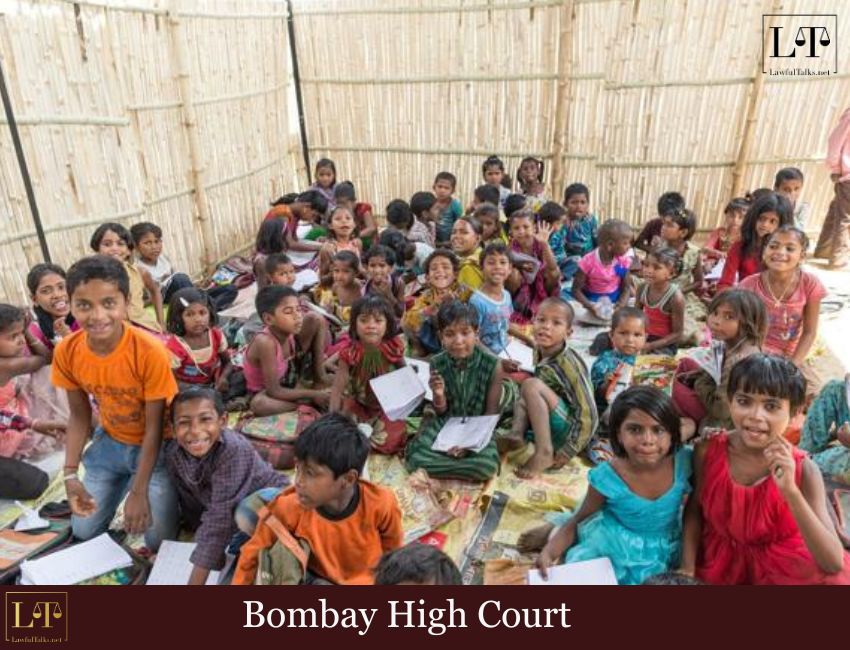
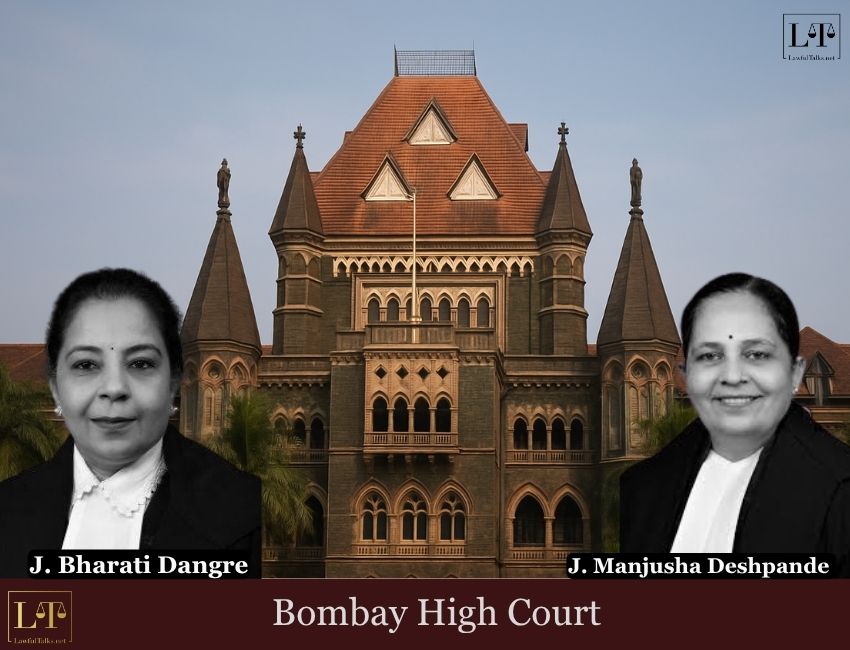
The Bombay High Court, in a significant ruling, held that an adopted child takes the caste of their adoptive parents. The Court set aside a decision of the Deputy Collector in Pune, who had earlier cancelled the child’s caste certificate.
Facts:
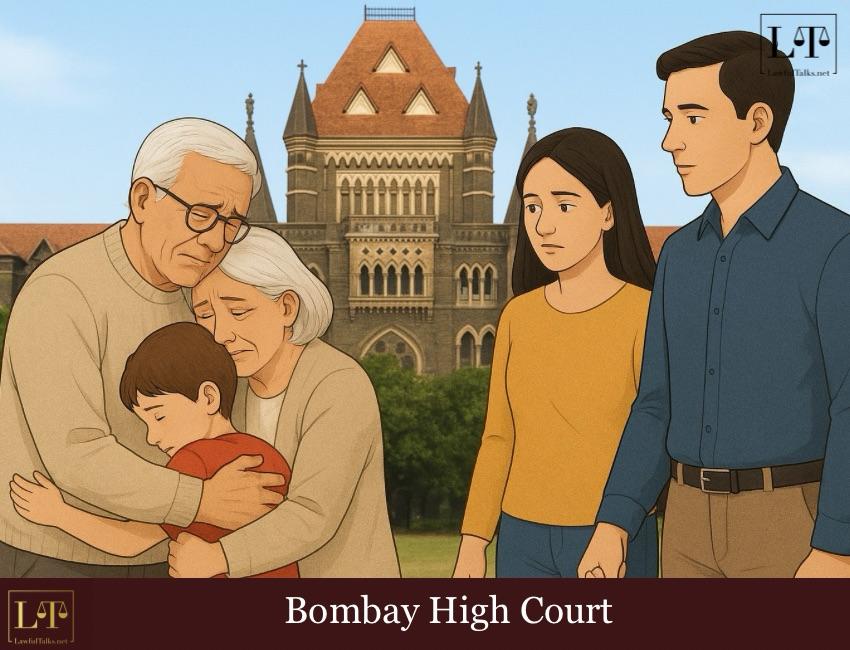
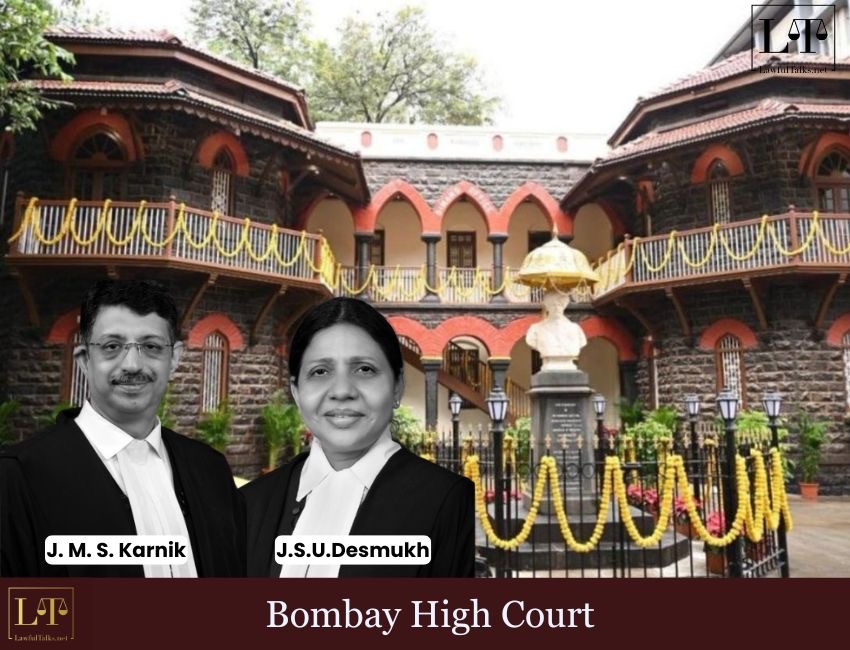
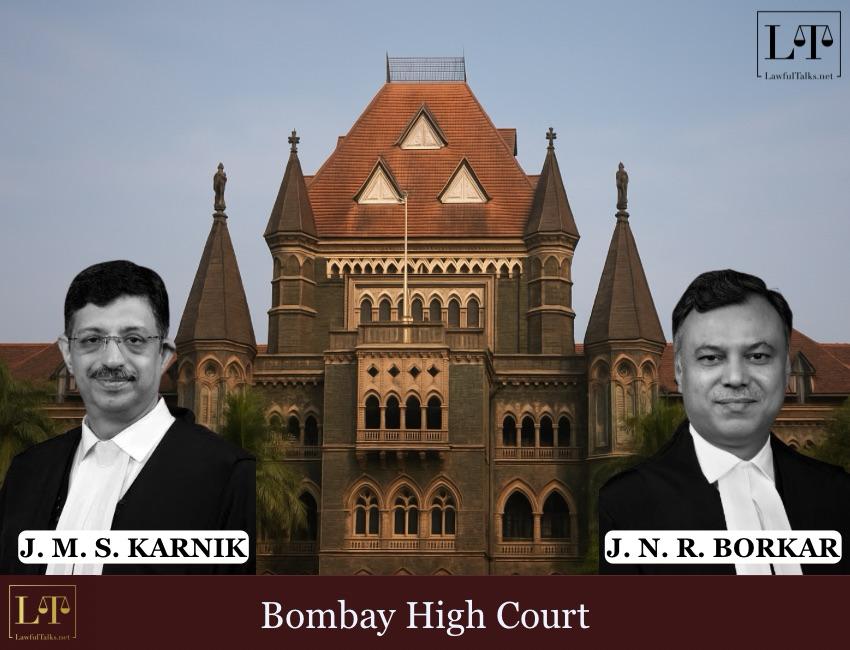
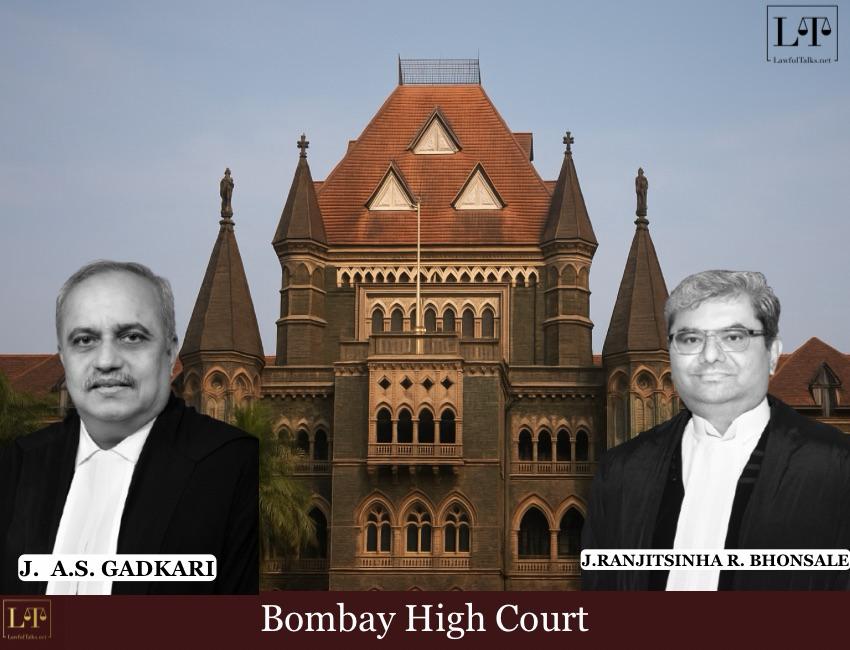
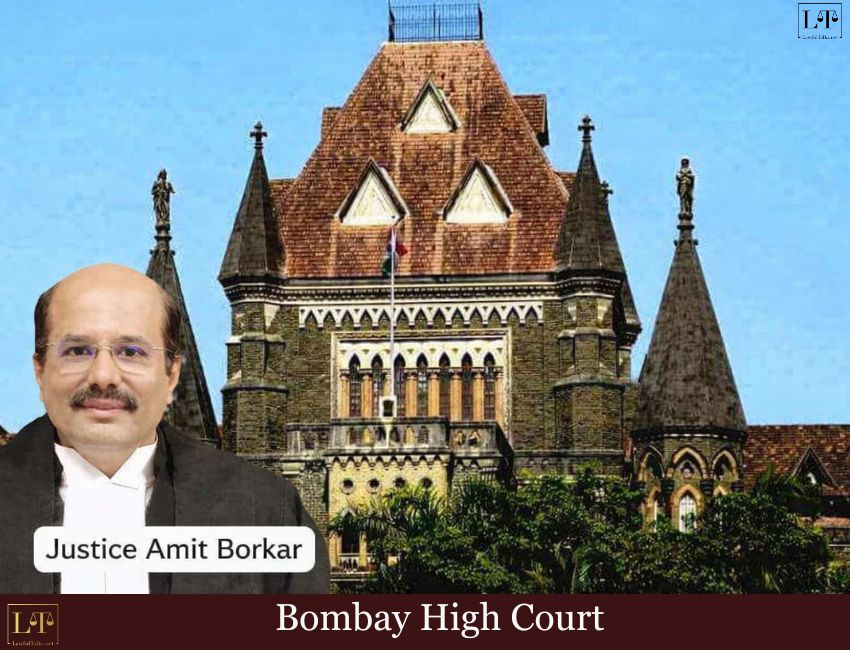
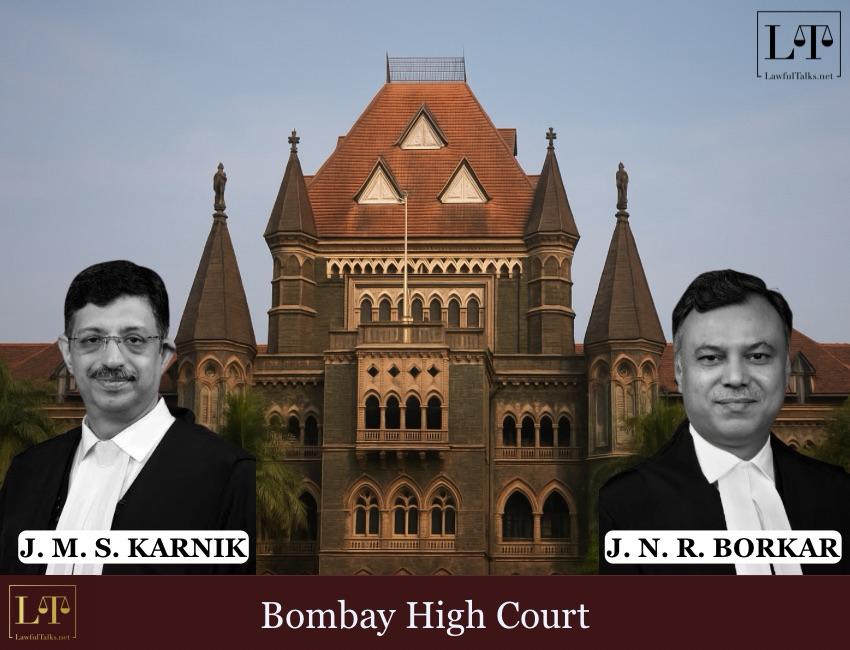
The case was heard by a division bench of Justice Makarand Karnik and Justice Shriram Modak. It was filed by a woman who had legally adopted a boy on August 22, 2014. The adoption had been approved by the Pune District Court under the Juvenile Justice (Care and Protection of Children) Act.
Belonging to the Special Backward Category along with her husband, she secured a caste certificate for her son from the Deputy Collector on June 19, 2017. But following a complaint from an unidentified individual claiming fraudulent documents, a Sub-Divisional Officer investigated and nullified it on February 21, 2018.
The woman argued that because her son’s biological parents are unknown and the adoption is legally valid, his caste should be the same as hers. The State opposed this claim, saying that there is no such provision under the Maharashtra Scheduled Castes, Scheduled Tribes, De-Notified Tribes (Vimukta Jatis), Nomadic Tribes, Other Backward Classes and Special Backward Category (Regulation of Issuance and Verification of Caste) Certificate Act, 2000.
Court’s Reasoning And Ruling:
While deciding the case, the judges relied on the views taken by earlier benches of the High Court and on Supreme Court rulings, and agreed with them. However, they also added their own reasoning by referring to the definitions and legal effects of adoption under the Juvenile Justice Act of 2000 and 2015. The bench emphasized that, “The effect of adoption is severing of ties of such child from his family of natural parents and it is replaced by creating ties with the family of adoptive parents.”
The judges stressed that once an adoption is completed, the child becomes the lawful and legitimate child of the adoptive parents. They observed:
“When the process of adoption is completed, the adopted child becomes legitimate child of the parents and all rights, privileges and responsibilities are bestowed on him which are attached to that relationship. It is by way of deeming fiction. If such right is not bestowed on him, his future will remain in limbo and his future will be in dark. In order to deal with such a situation, legislatures have given the meaning of adoption.”
The bench criticised the Caste Scrutiny Committee and the divisional authorities for failing to consider the legal effects of adoption under the Juvenile Justice Act. From this perspective, the judges said:
“Considering the said perspective the decision of the Committee needs to be set aside. The adopted child needs to be given a legal status as being the child of adoptive parents. The Petitioner’s adoptive parents belong to Special Backward Category. Adopted child has to be given the same status. Ultimately Court has to interpret the provisions of Maharashtra Scheduled Castes, Scheduled Tribes, De-Notified Tribes (Vimukta Jatis), Nomadic Tribes, other Backward Classes and Special Backward Category (Regulation of Issuance and Verification of Caste) Certificate Act, 2000 by considering the provisions of JJ Act. So we are inclined to allow the Petition.”
As a result, the Court allowed the petition and directed the District Caste Scrutiny Committee to issue a fresh caste certificate to the child.
Case Detail: GDA vs State of Maharashtra (Writ Petition 14840 of 2022





















































































































































































































Sign up for free and be the first to get notified about curated content just for you.