“Why Not Seize Everything?”: CJI Floats Harsh New Law For Acid Attacks
- January 28, 2026


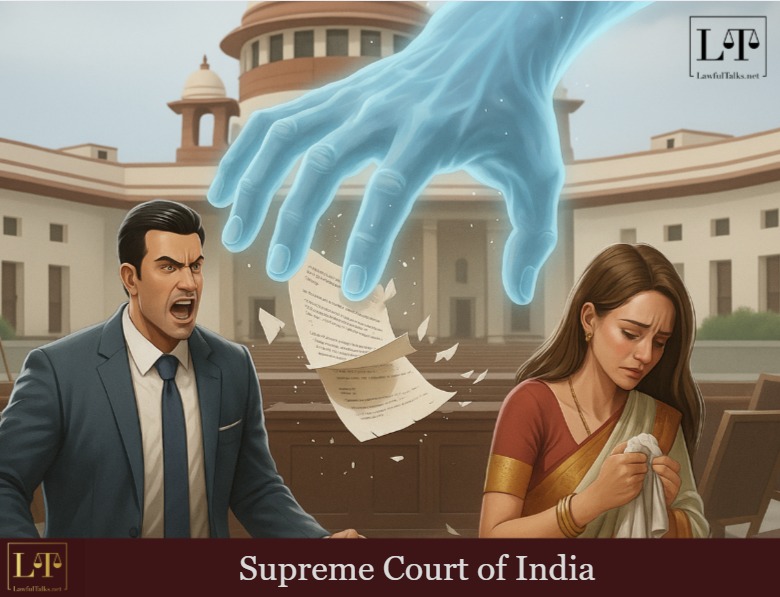
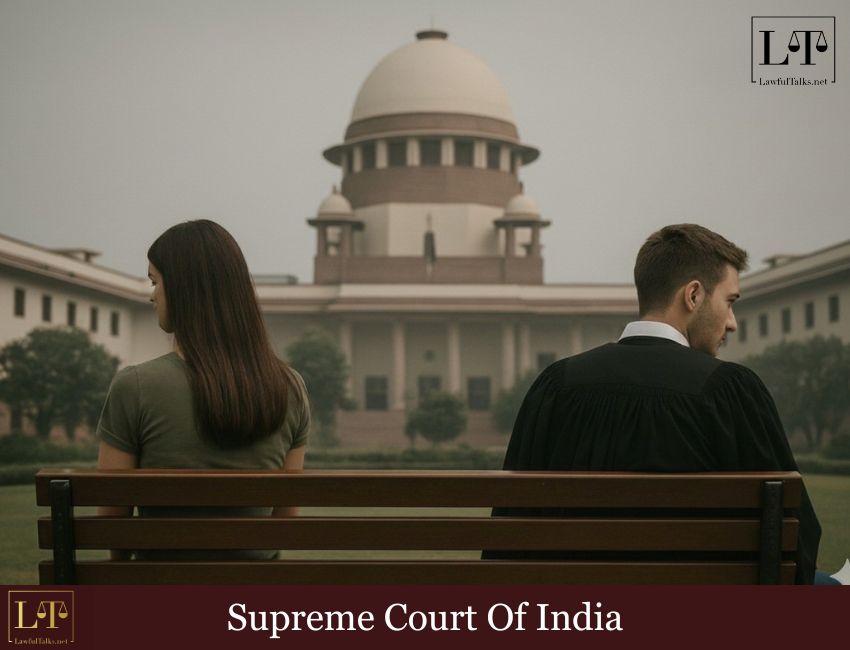
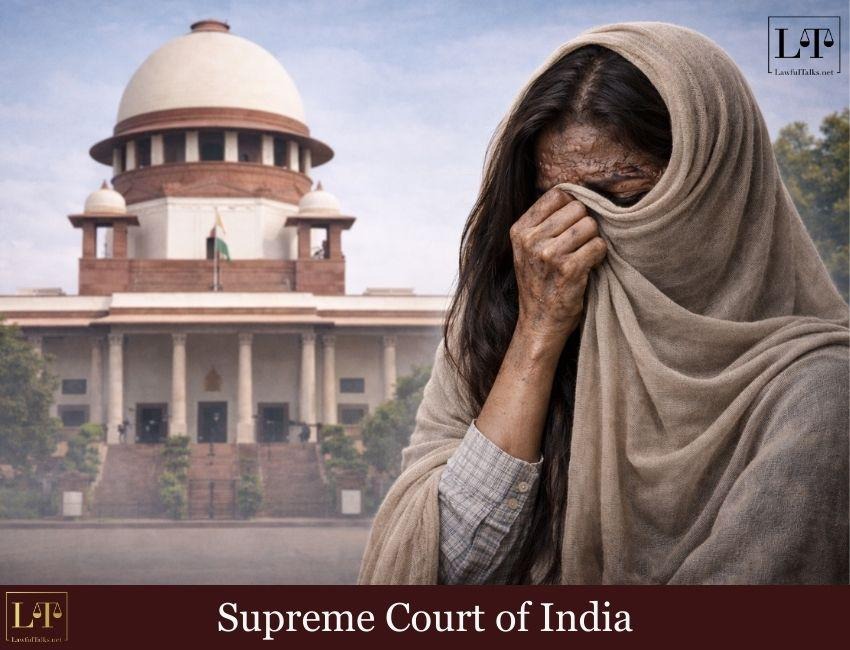
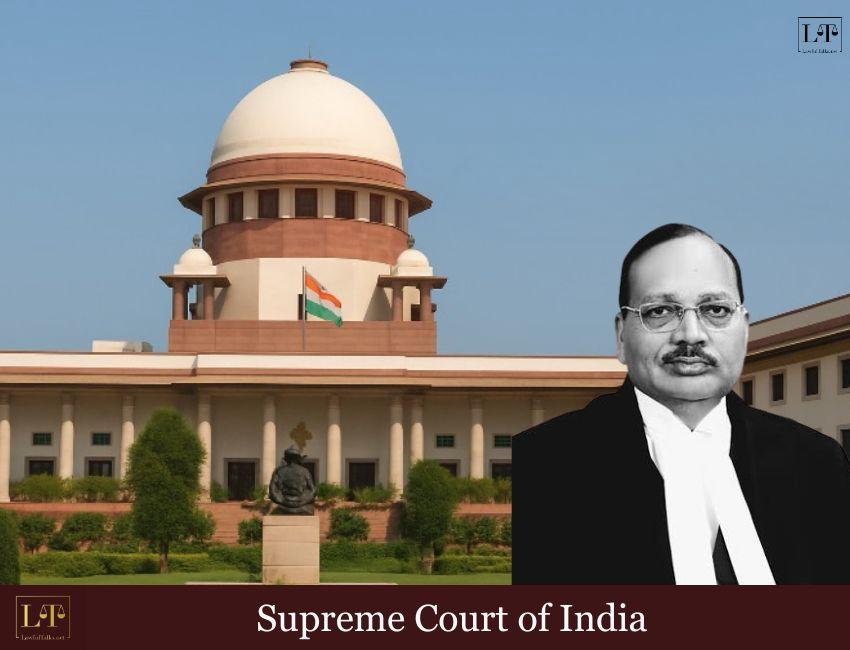
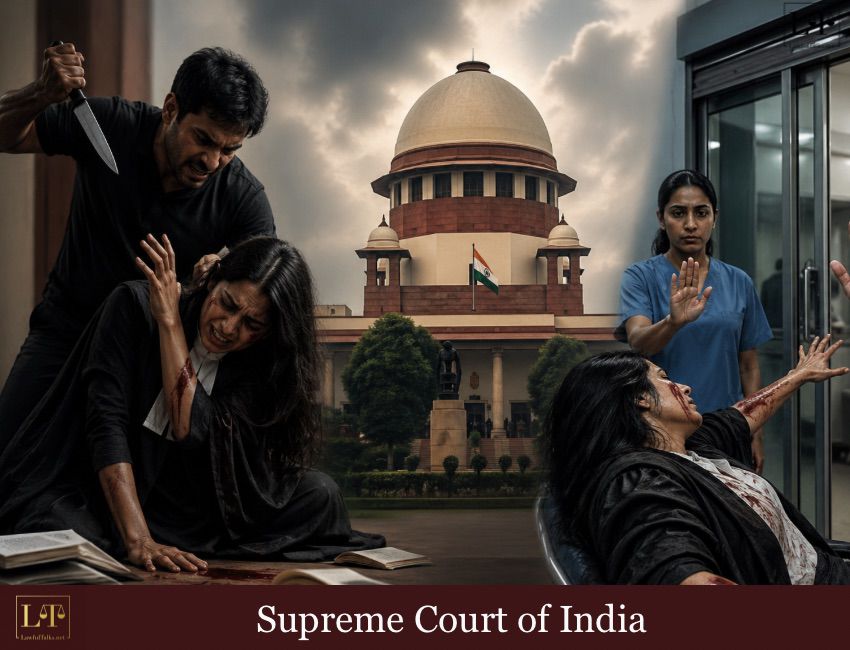
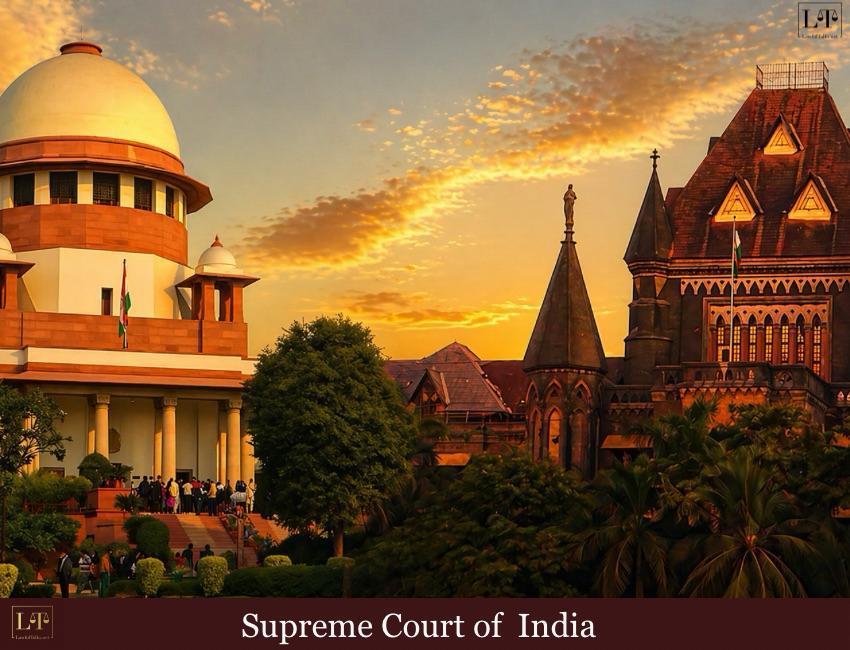
The Supreme Court of India said that the Union Government may need to step in with new legislation to impose stricter punishment in acid attack cases. The Court also suggested that the law could consider reversing the burden of proof, similar to the provisions dealing with dowry deaths under criminal law.
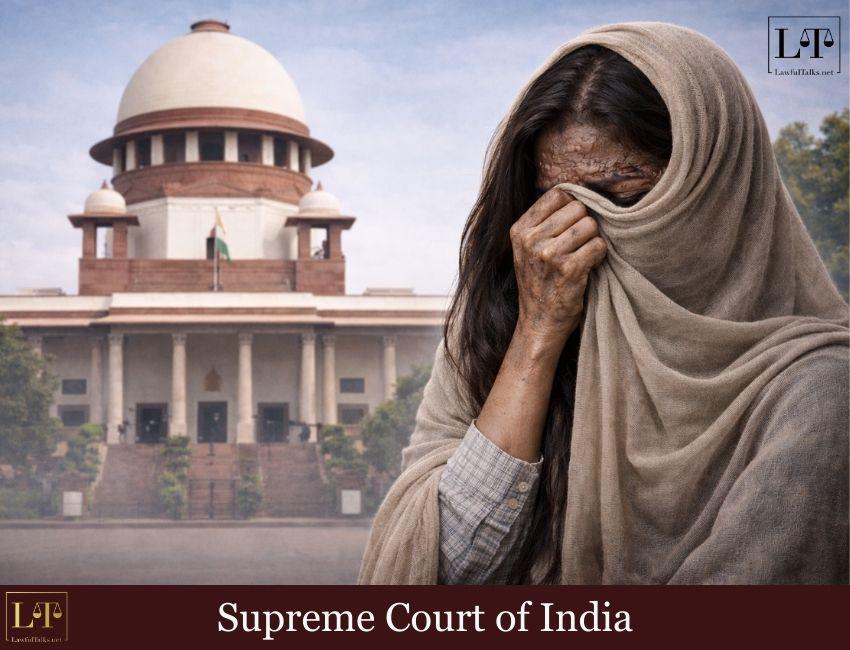
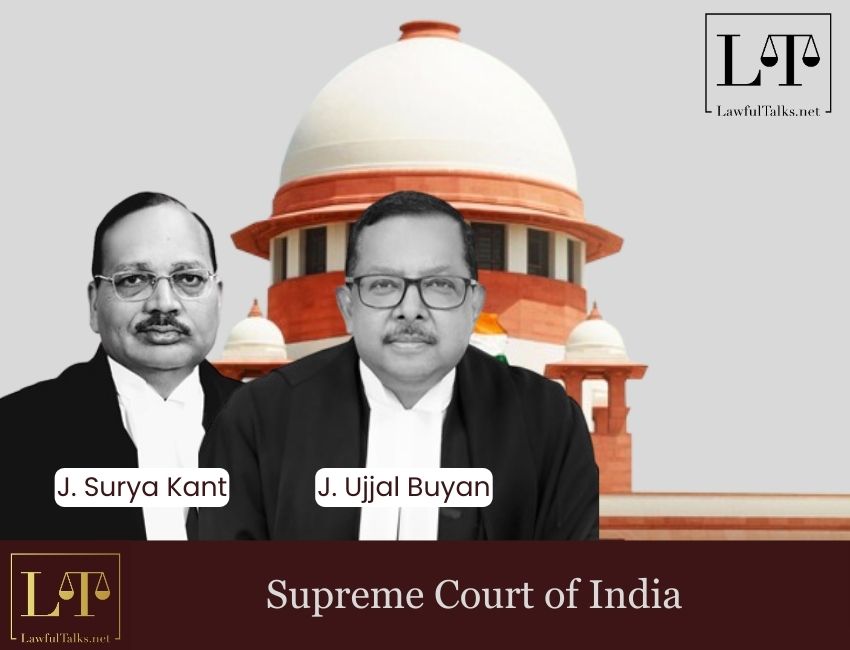
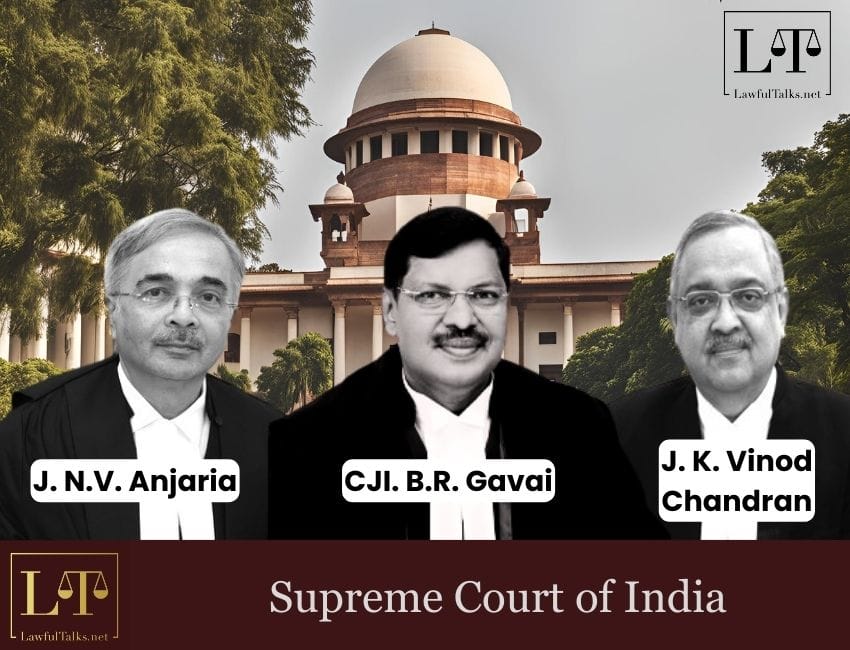
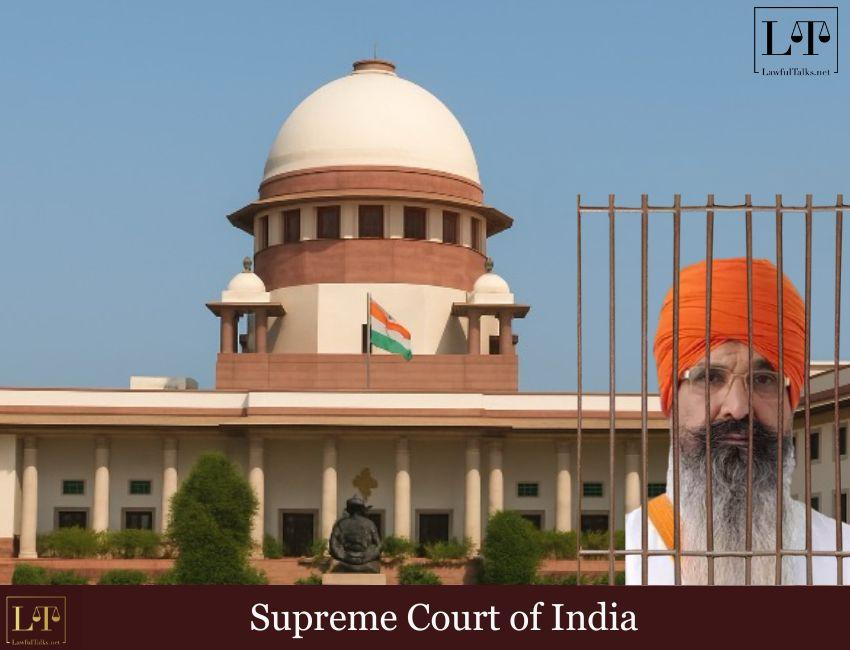
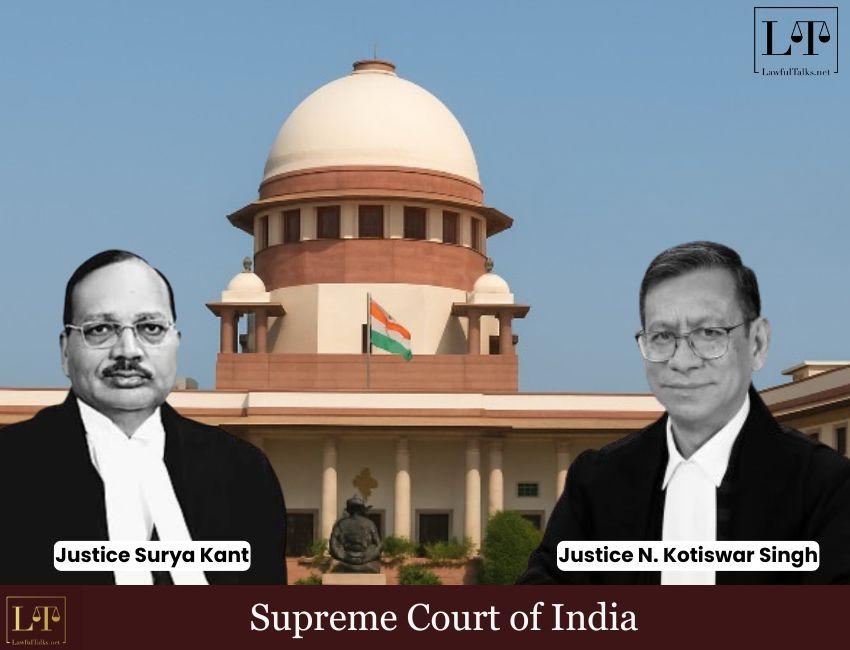
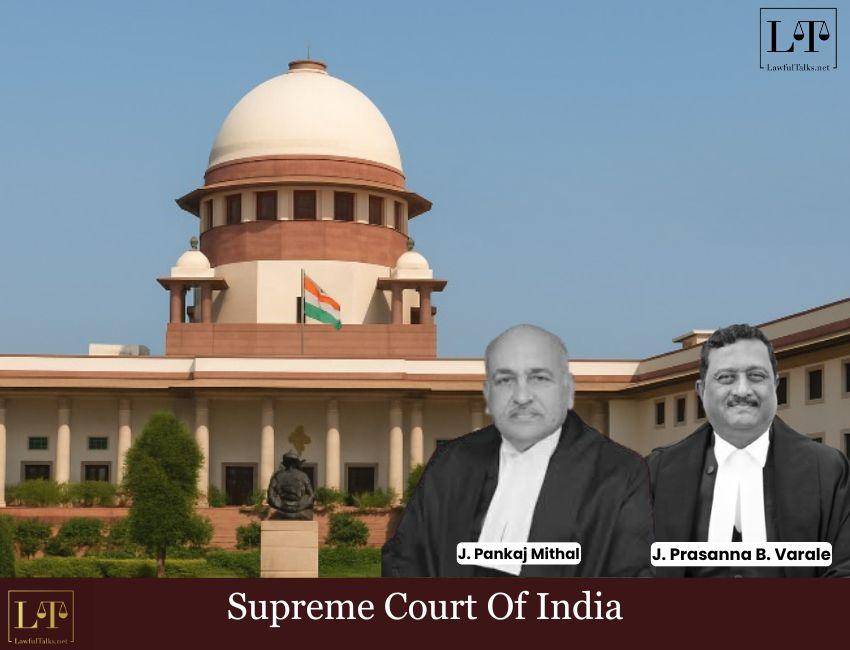
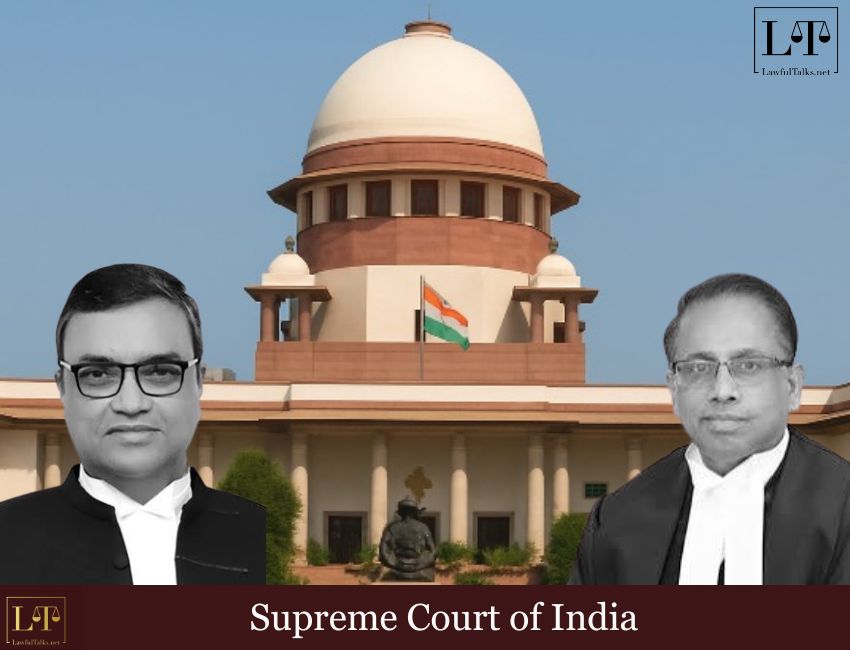
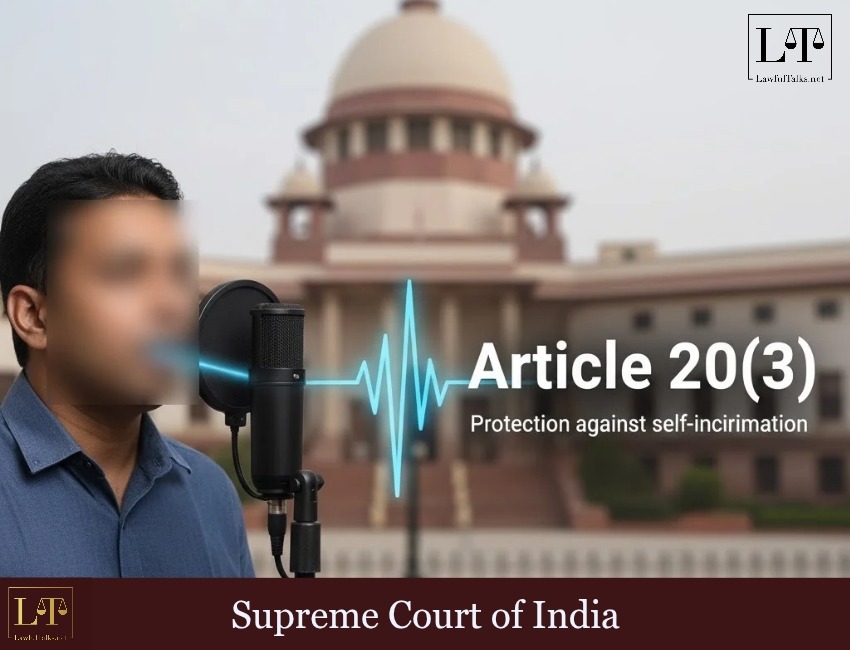
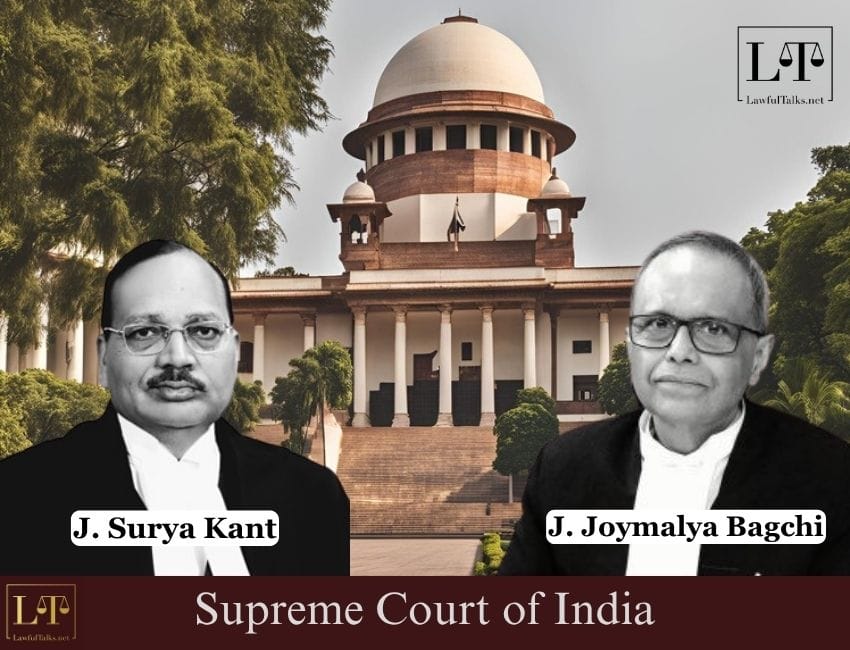
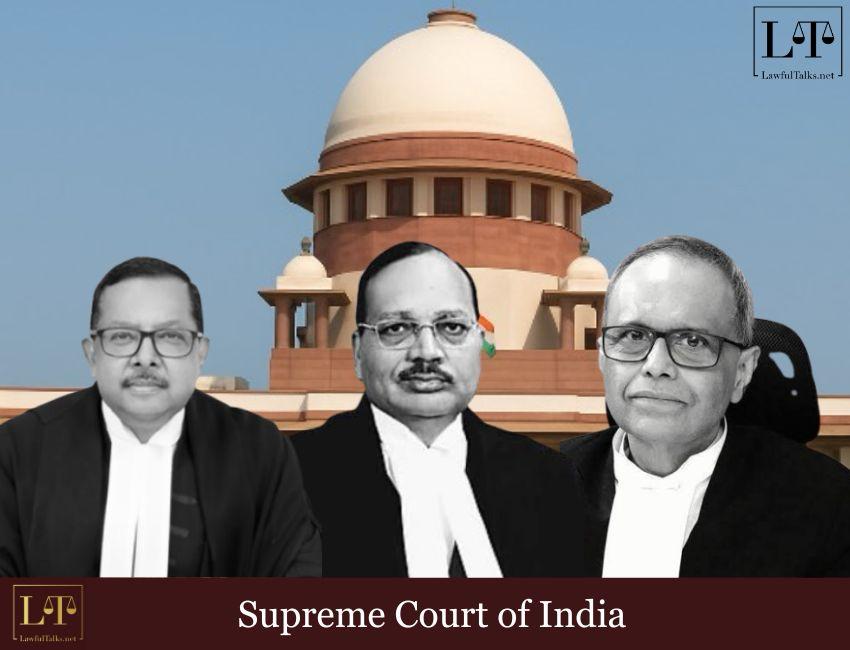
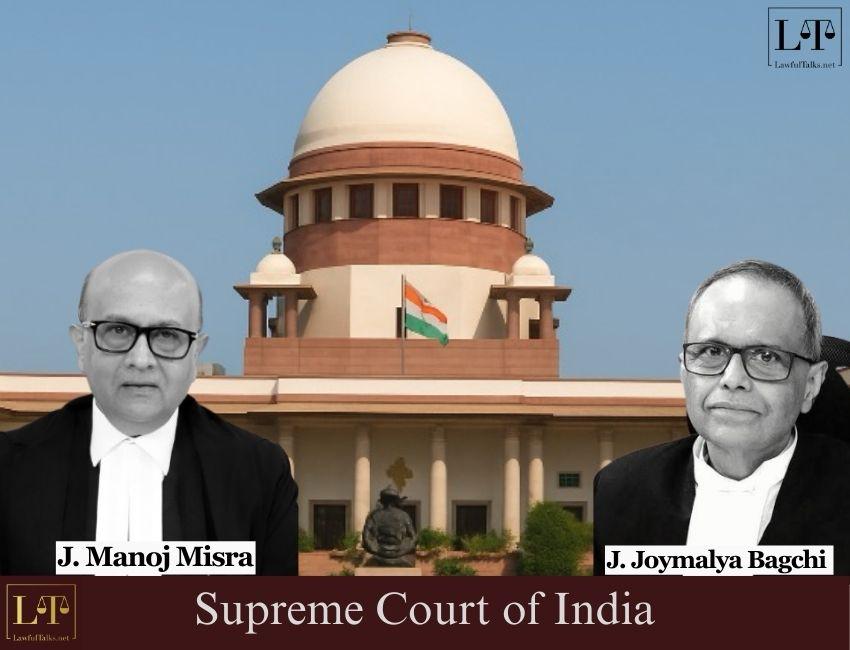
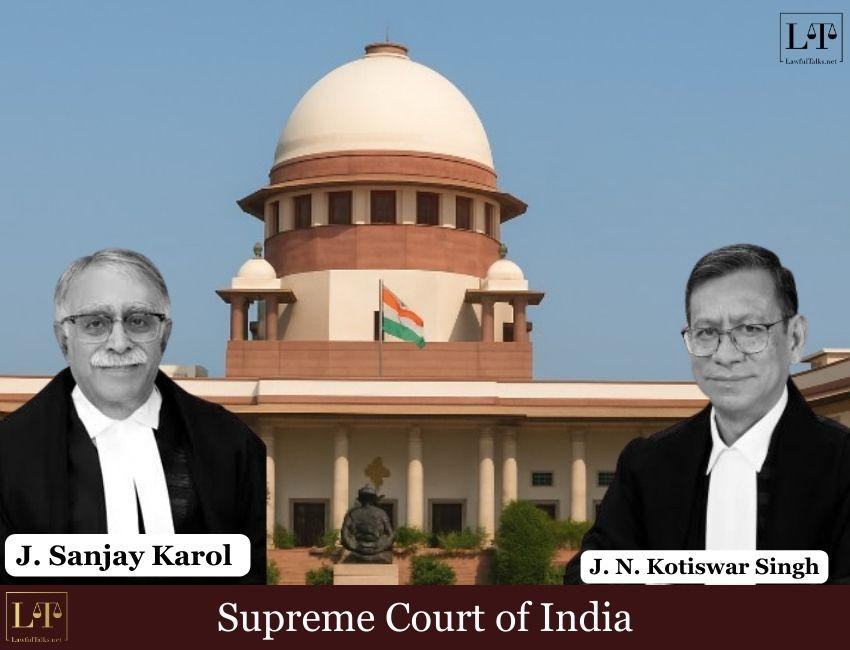
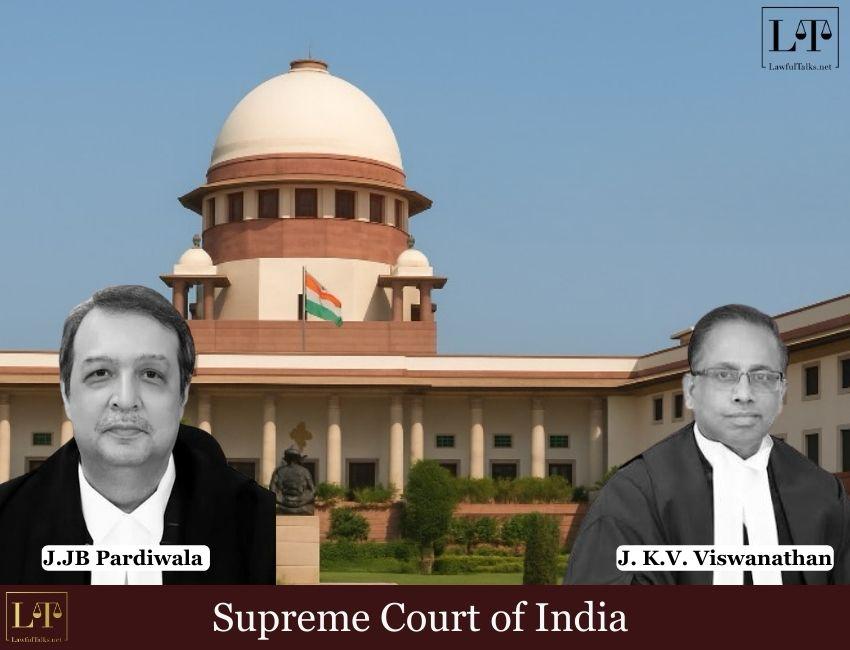
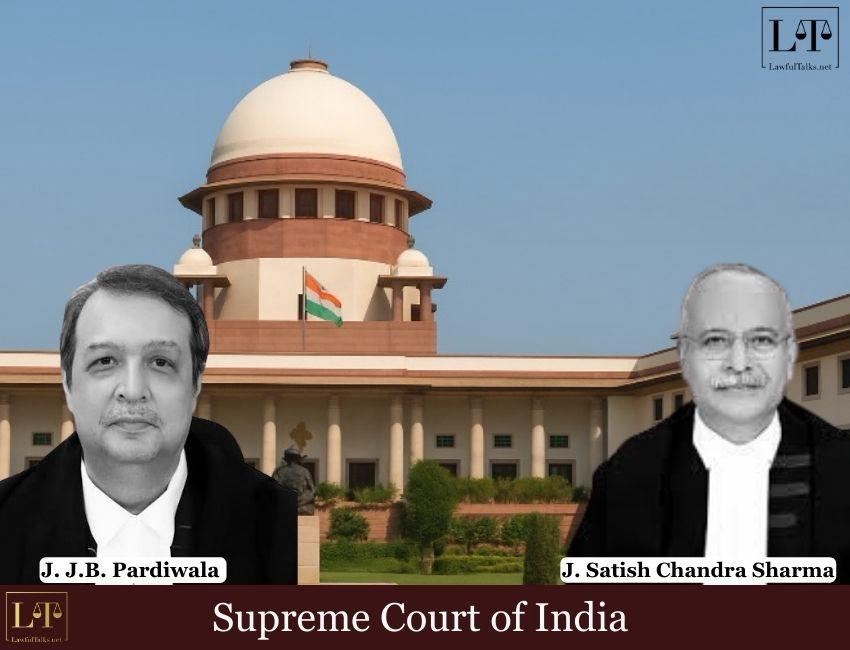
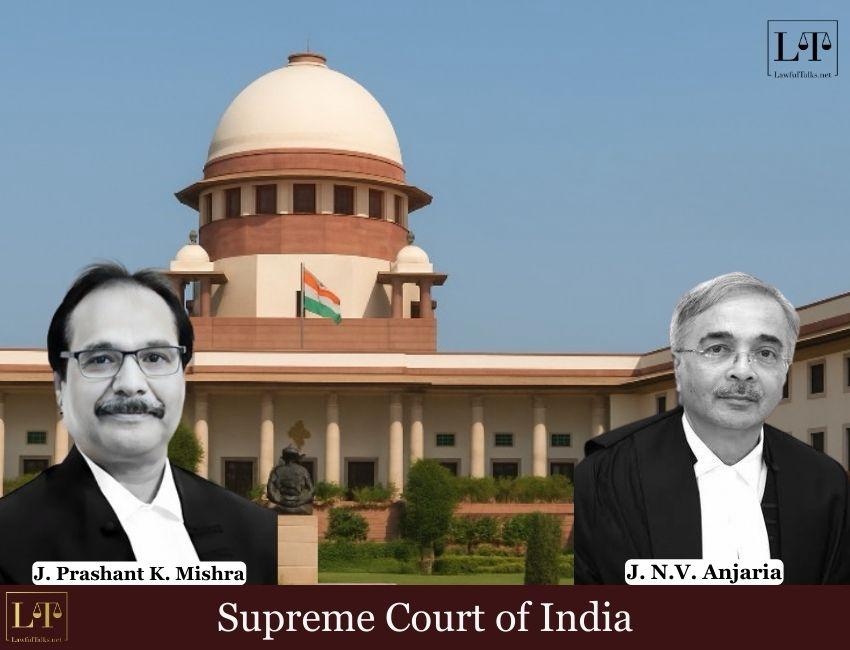
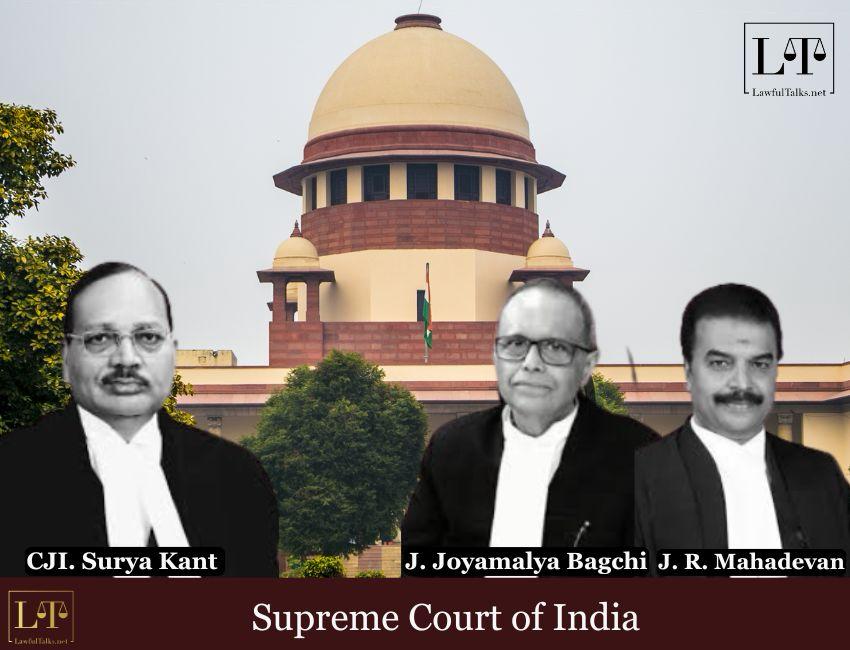
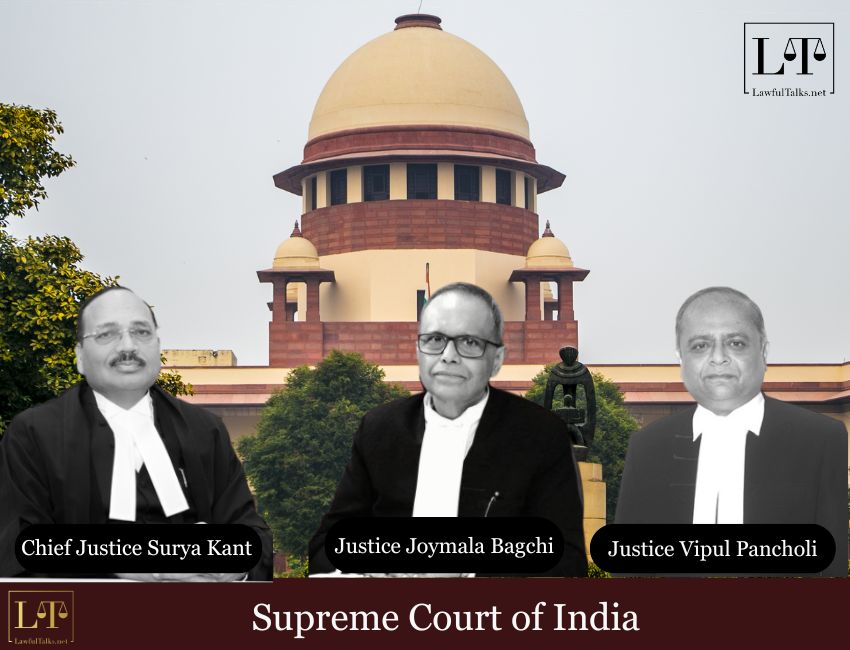
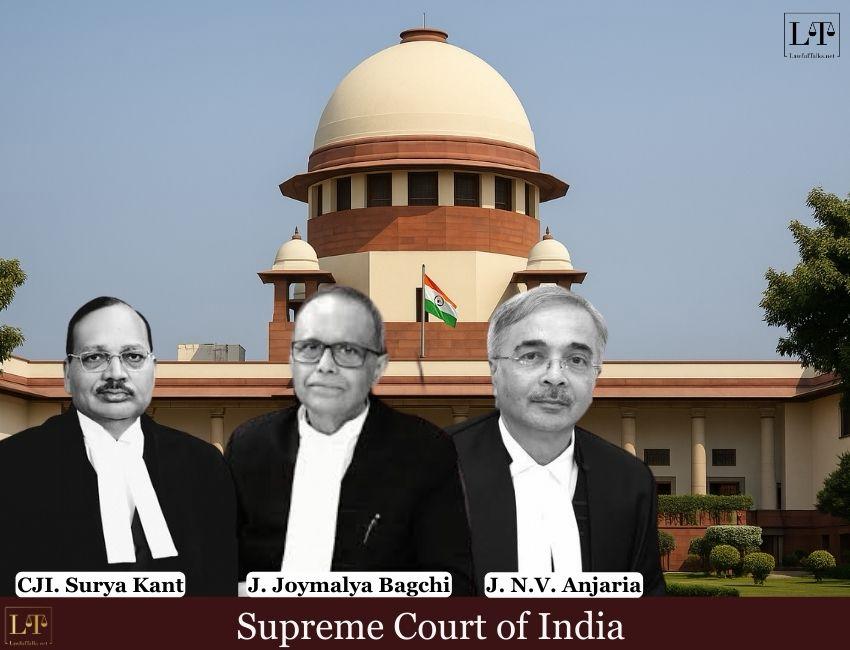
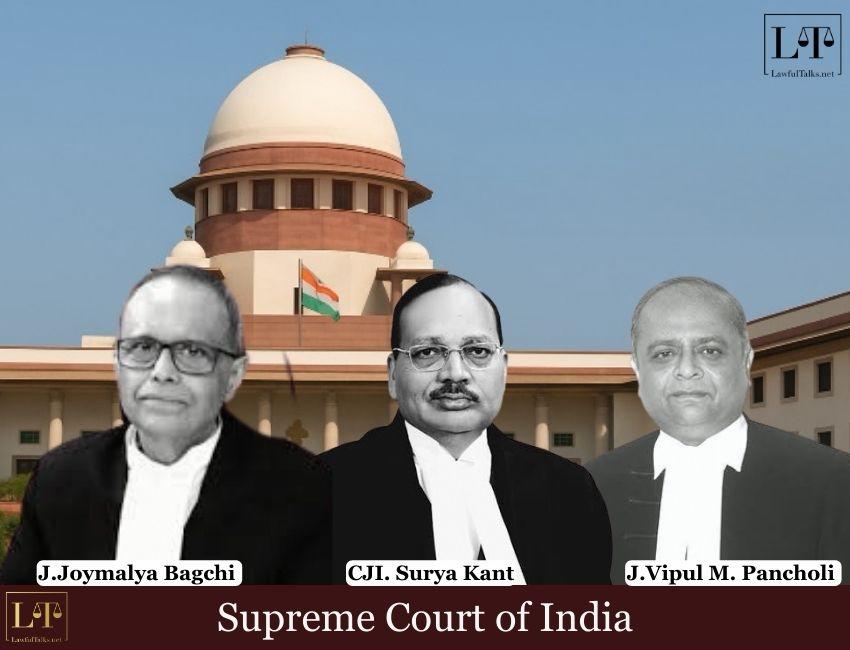
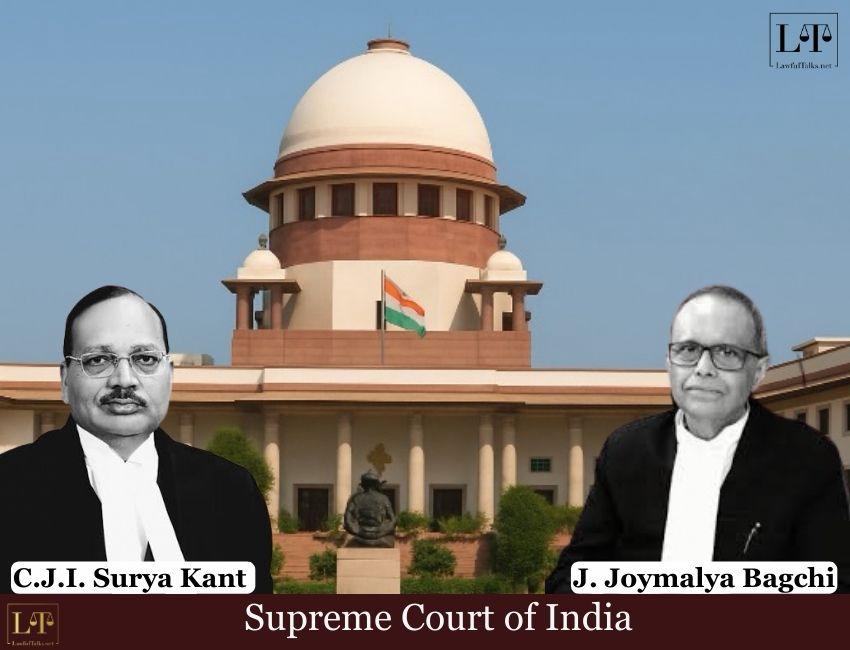
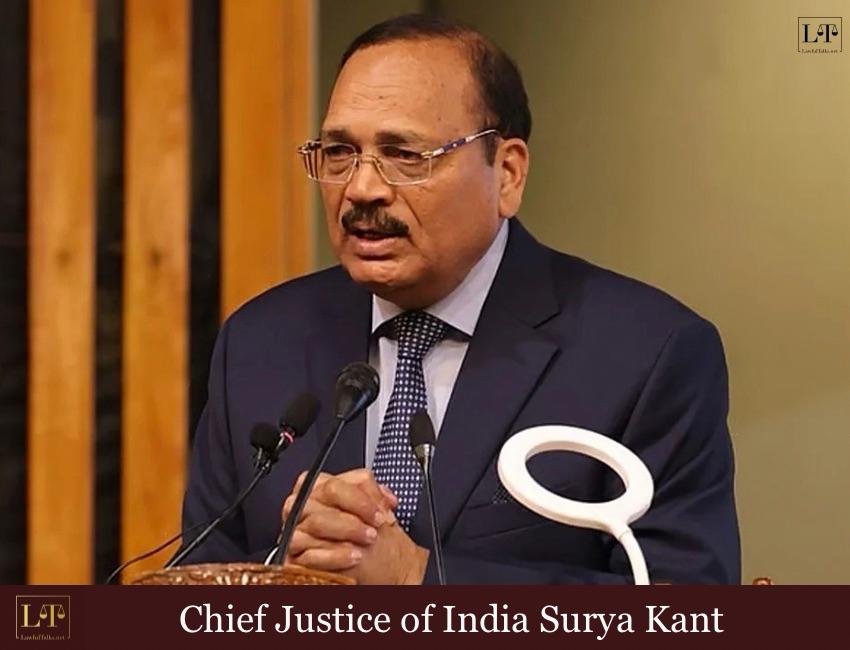
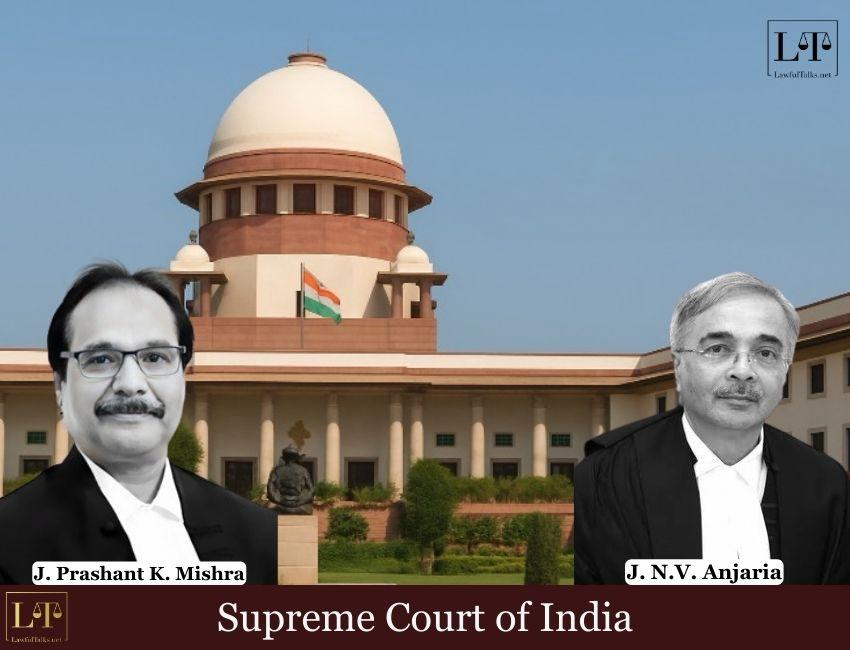
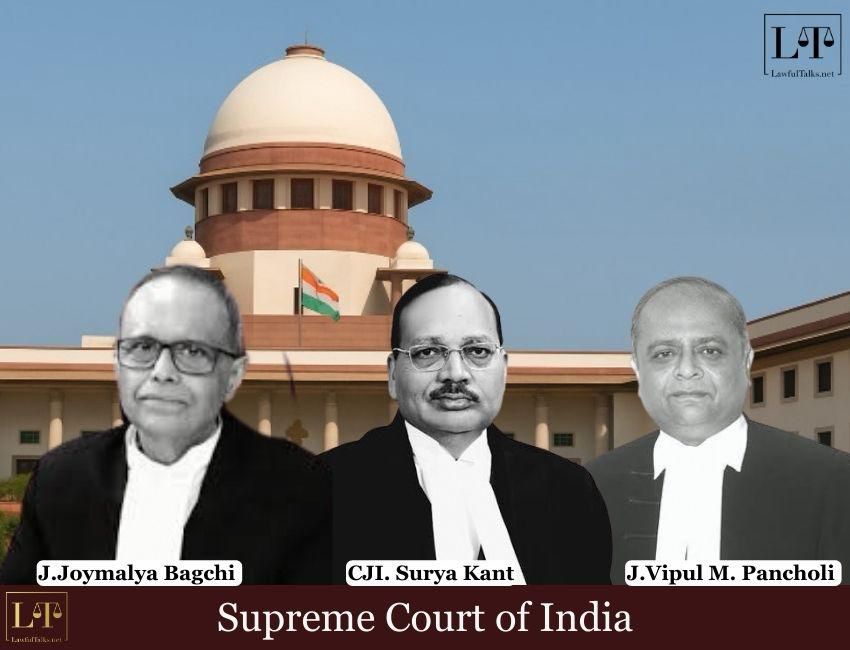
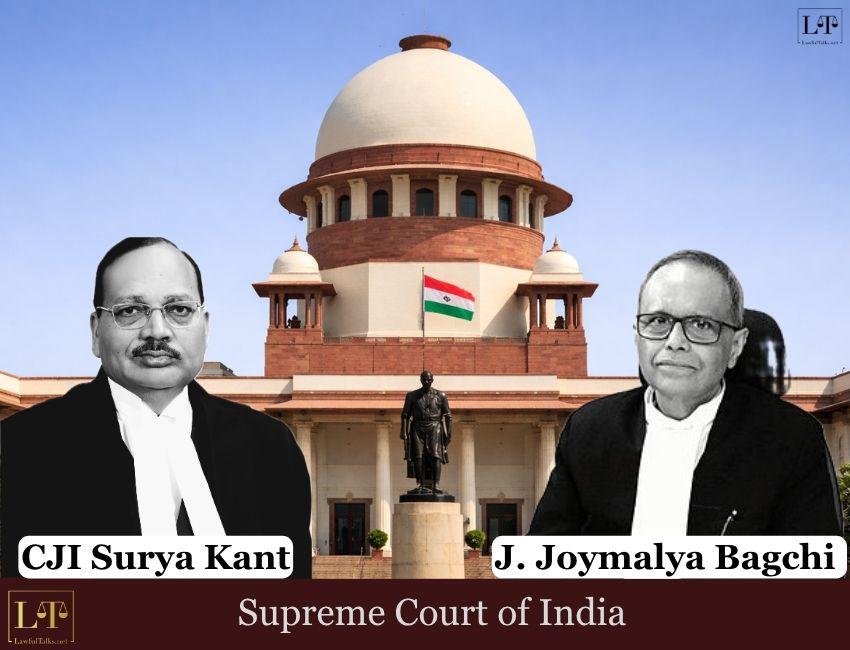
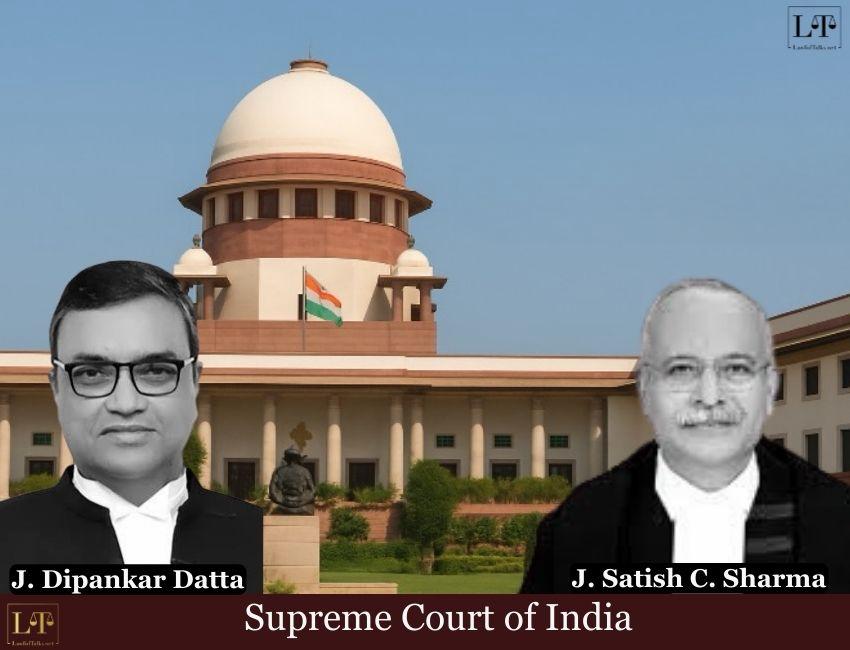
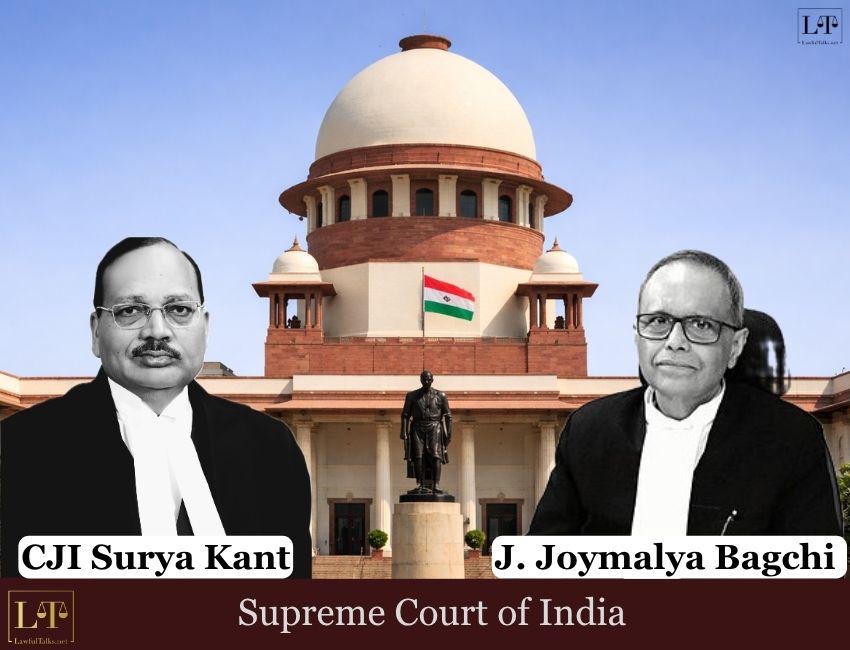
These oral observations were made by a Bench comprising Chief Justice of India Surya Kant and Justice Joymalya Bagchi while hearing a Public Interest Litigation filed by acid attack survivor Shaheen Malik.
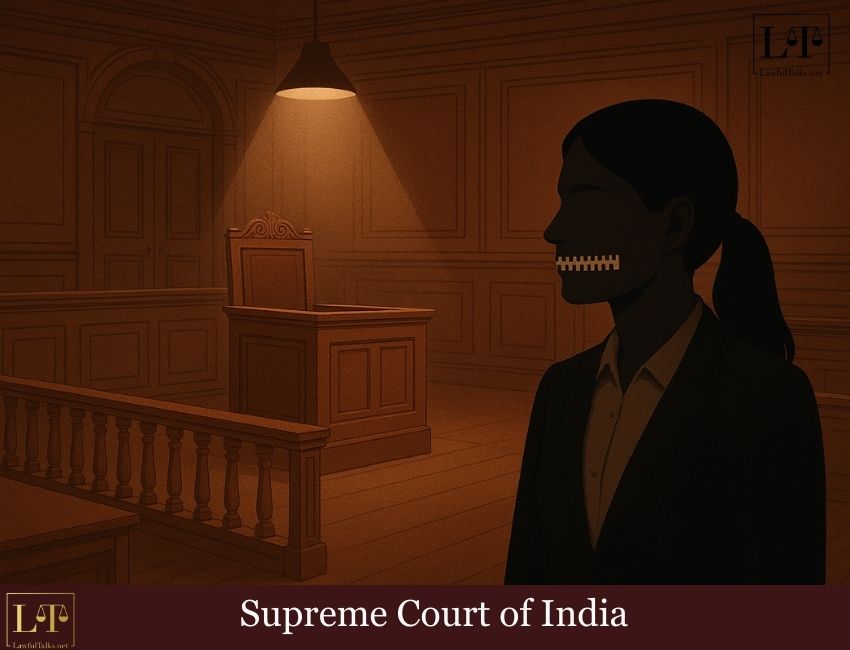
The petition filed by Malik seeks legal recognition and statutory protection for victims who are forced to consume acid. It points out that this category of cases often falls through gaps in investigation and prosecution.
Appearing for the petitioner, the counsel told the Court that all the accused in Malik’s case had been acquitted and that she has filed a criminal appeal challenging the acquittal. Taking note of her circumstances, the Bench offered legal aid assistance to pursue the matter further. Malik was personally present in Court and addressed the Bench, stating that she had spent 16 years fighting the legal battle, only to see the accused walk free. She urged the Court to direct the High Court to expeditiously decide her pending appeal.
The Court noted that it had earlier called for status reports from all High Courts regarding the pendency of acid attack cases. While reports were received from some High Courts, including Calcutta, Allahabad and Gujarat, many High Courts are yet to furnish data.
As per the status placed before the Court, 15 High Courts have so far submitted details of pending acid attack cases. Uttar Pradesh accounts for the highest number with 198 pending cases, followed by Gujarat with 114 cases, Bihar with 68 cases, West Bengal with 60 cases and Maharashtra with 58 cases. The Court observed that status reports from many other High Courts are still awaited.
In its order, the Supreme Court requested all High Courts to prioritise and conclude acid attack cases on a time-bound basis. The Court also directed all State Legal Services Authorities to submit details of schemes, if any, implemented for rehabilitation, compensation and medical aid to acid attack victims.
“We request HCs to consider desirability of taking a decision for expediting and concluding matters concerning acid attacks in a time bound manner on out of turn basis. All State Legal Services Authorities are directed to submit schemes, if any, implemented by them for rehabilitation, compensation or medical aid to the victims of acid attacks,” the Bench observed.
The Court further directed all States and Union Territories to submit comprehensive data within four weeks, including year-wise data on acid attack incidents, the filing of charge sheets, pendency of trials and appeals, as well as comprehensive particulars of each victim. These details were directed to include the victim’s education, employment, marital status, medical treatment undergone, and the expenditure incurred or proposed by the State. Separate information was also sought specifically in relation to victims who were forced to consume acid.
Raising serious concerns about deterrence, the Chief Justice asked why the assets of convicted accused should not be attached and used to compensate victims.
“Why assets of accused should not be attached? If a person is found guilty of acid attack, why all his immoveable assets be not acquired and used to compensate victim? You have to take some extraordinary punitive measures. Unless action is so painful… deterrent theory must be followed here,” CJI Surya Kant observed.
Addressing the Additional Solicitor General (ASG), the Chief Justice said that the existing legal provisions may not be adequate and that Parliament may need to step in with legislative intervention.
“Think of some legislative intervention… this is not less serious than dowry death also,” the CJI said this while also proposing a reversal of the burden of proof, similar to cases under Section 304-B of the Indian Penal Code.
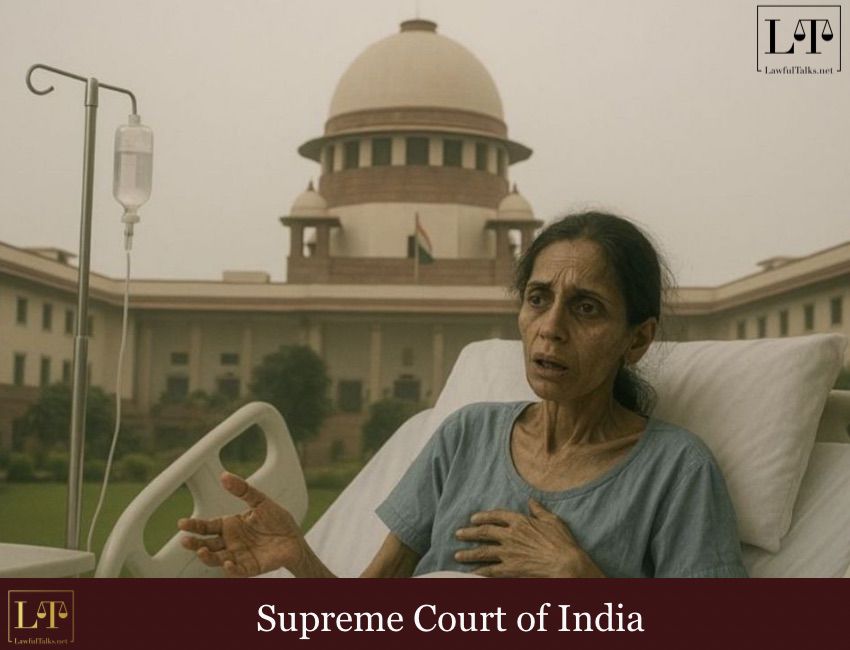
Malik told the Court that acid attacks cause severe physical and psychological trauma and said that she has undergone 25 surgeries. She also pointed out that many survivors have been left completely blind and are still waiting for proper rehabilitation and support from the State.



























































































































































Sign up for free and be the first to get notified about curated content just for you.