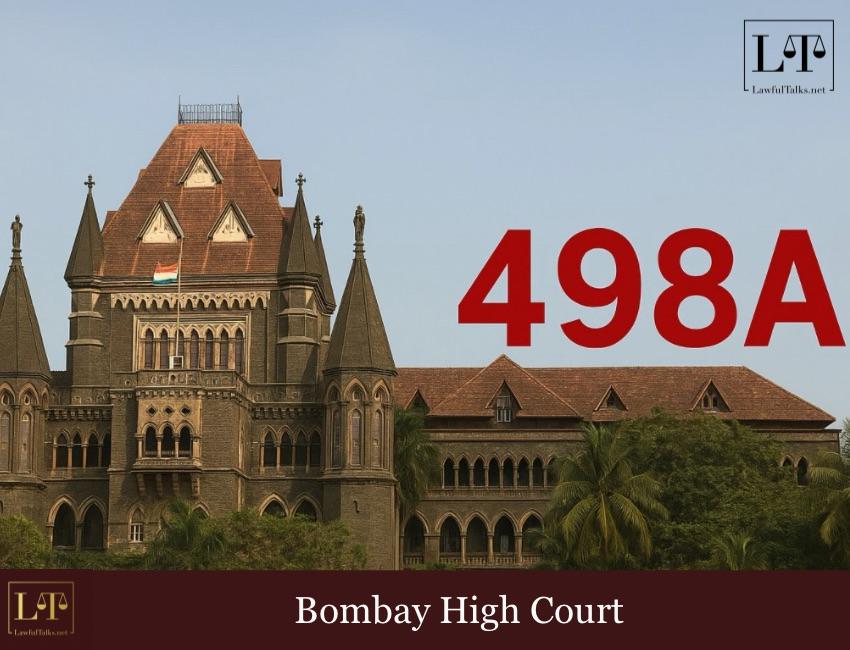
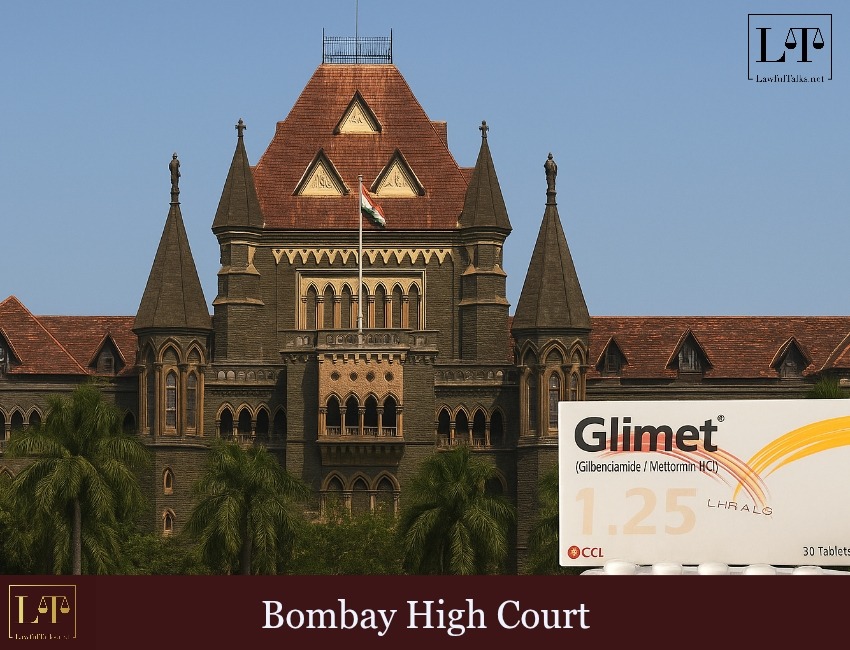
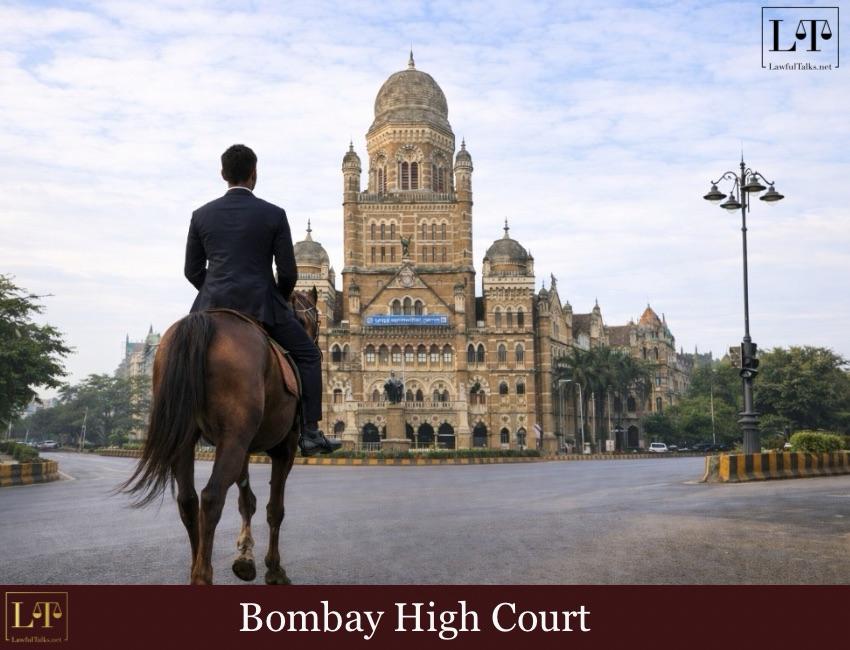
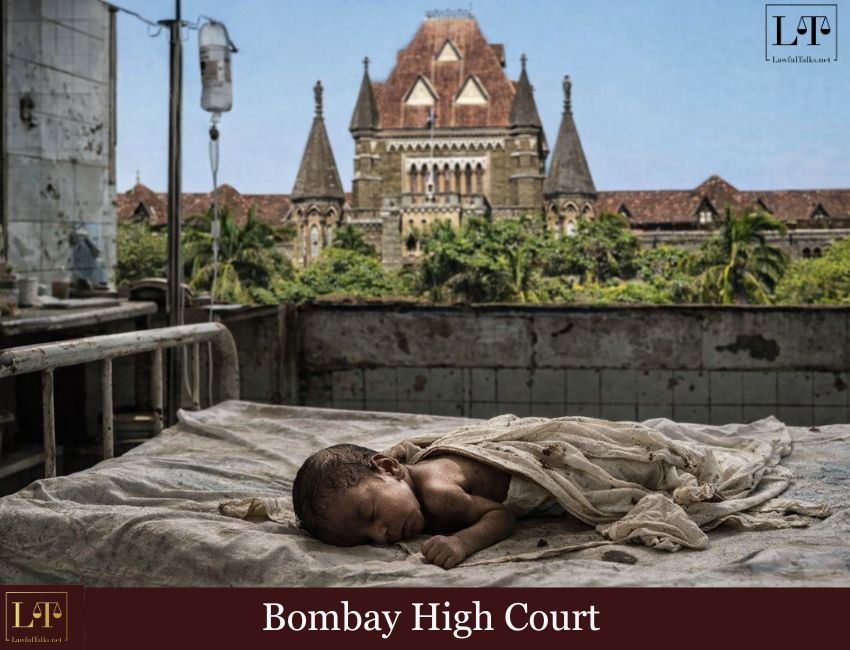
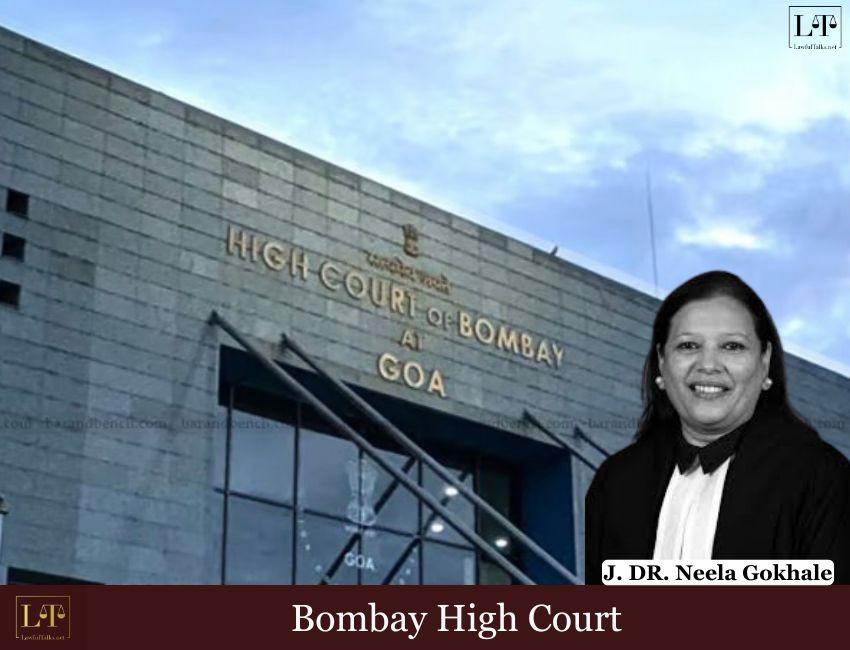
‘A Clear Eyewash’: Bombay HC Slams Detention Based On Unverified In-Camera Statements
- January 23, 2026


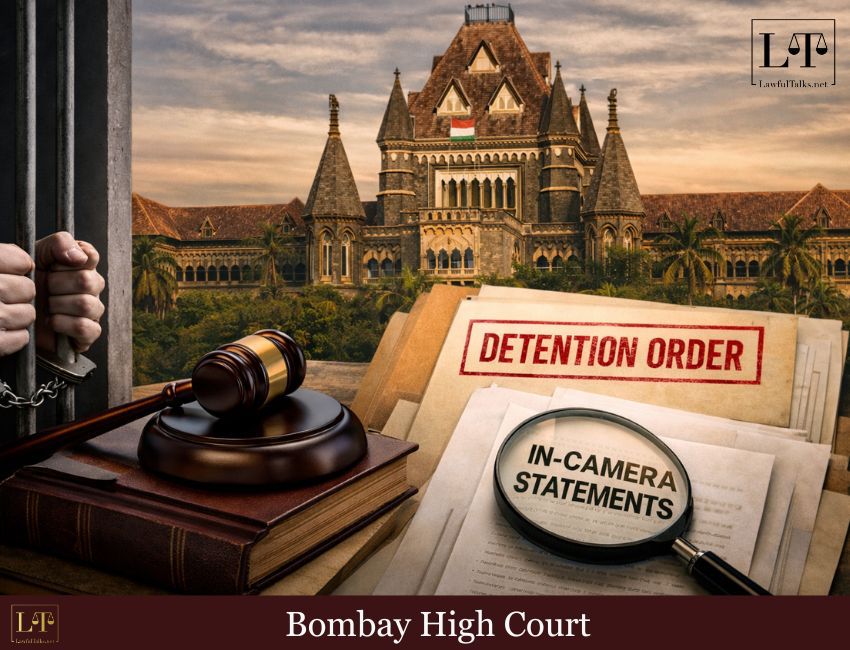
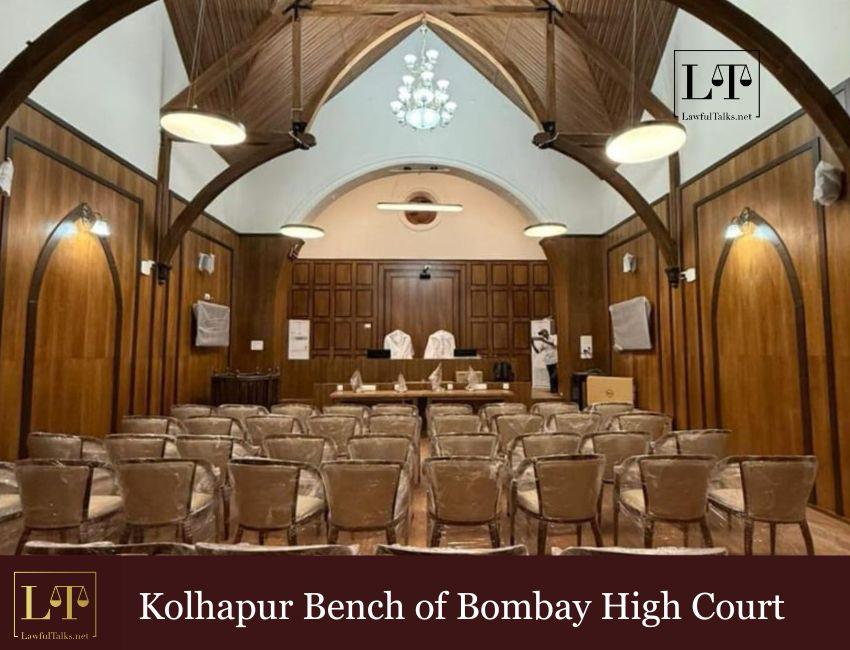
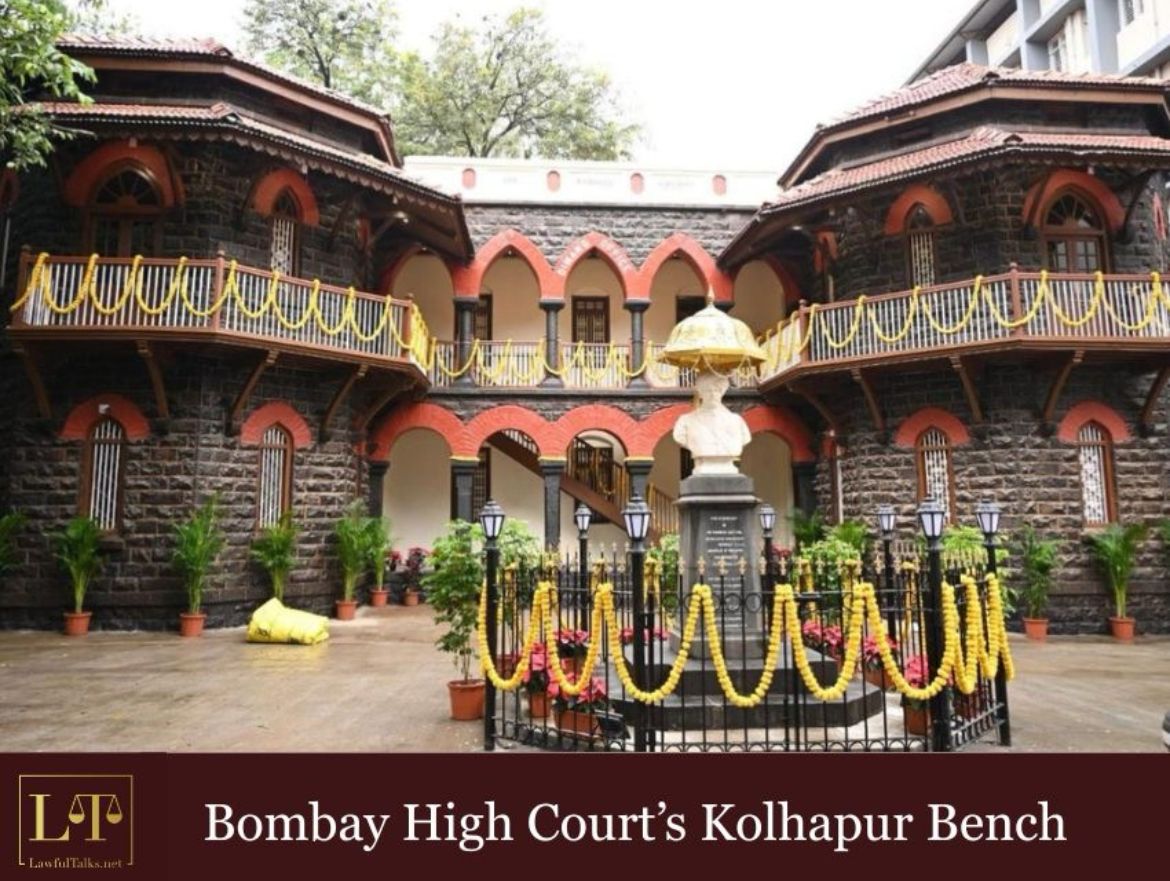
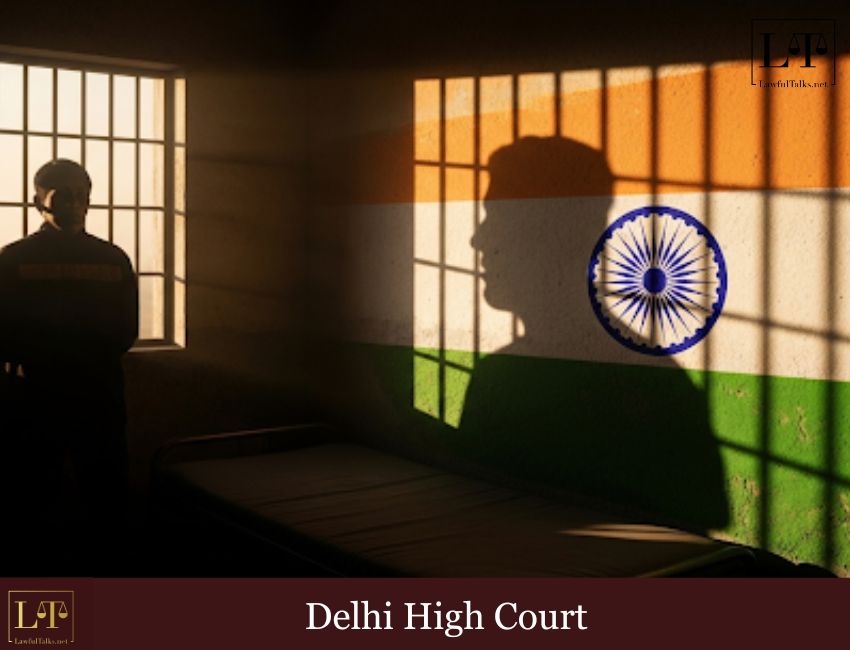
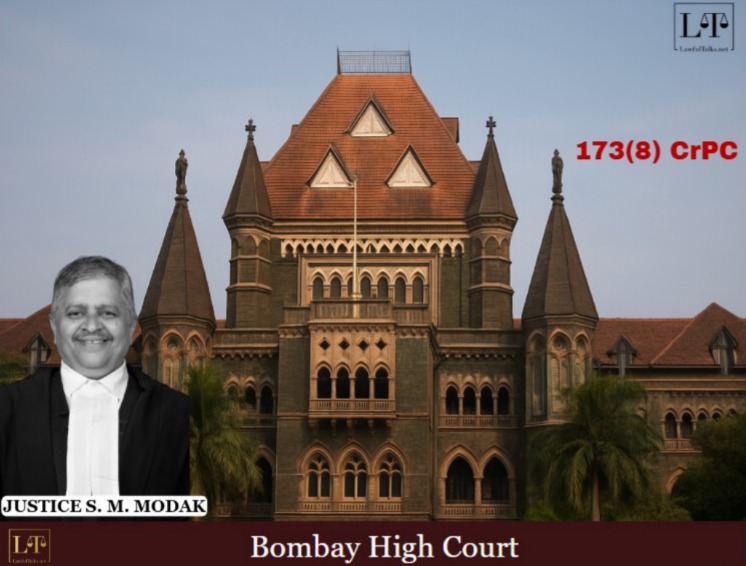
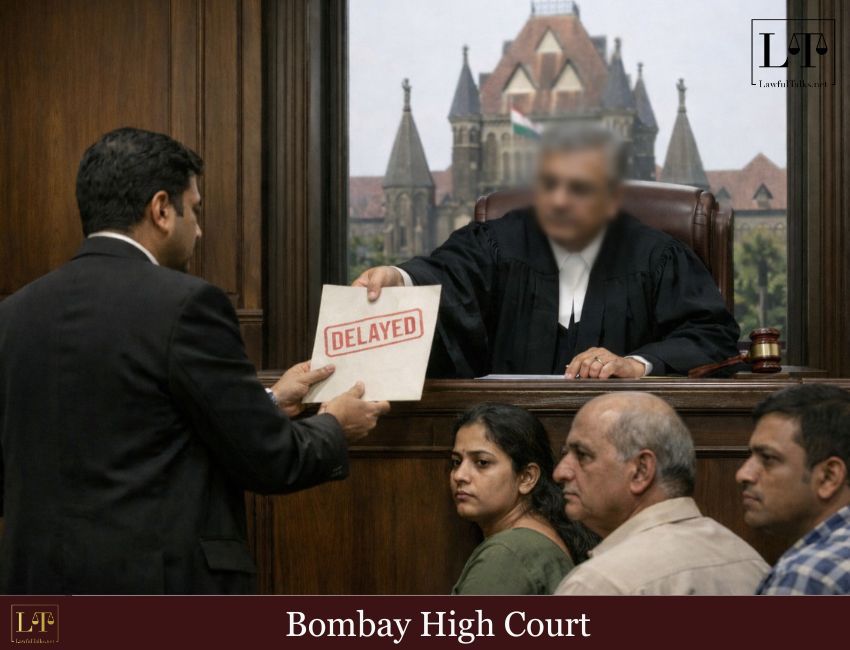
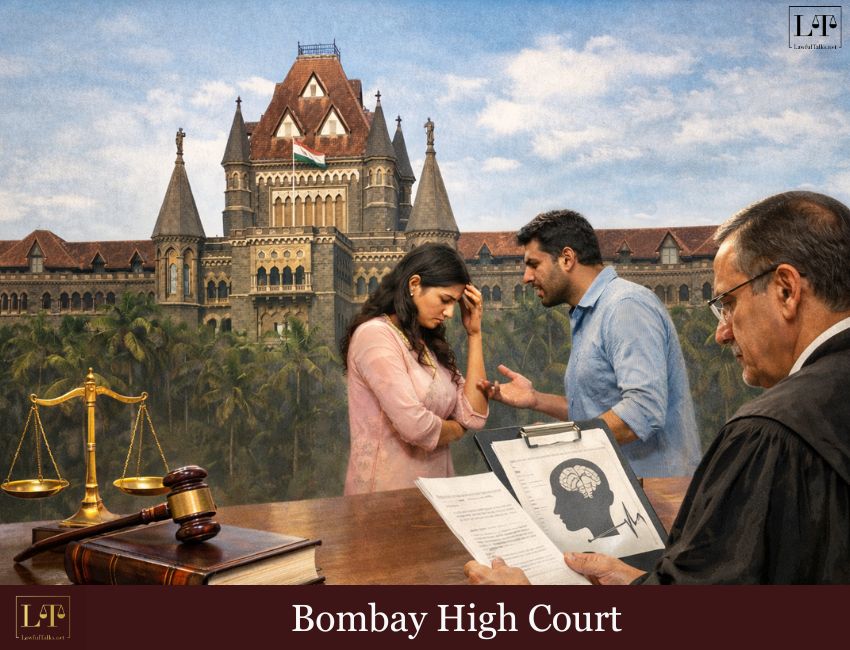
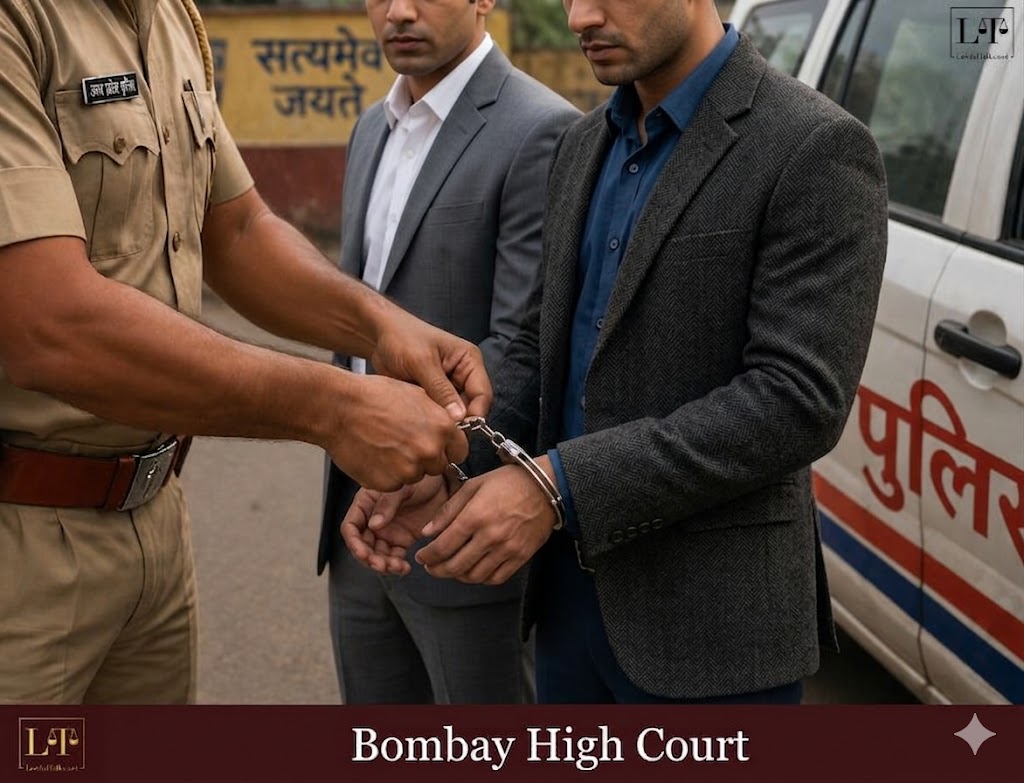
The Bombay High Court has ruled that a preventive detention order cannot stand if it is based on in-camera witness statements that were not properly verified. It said that preventive detention is an extraordinary power and can be used only when all legal procedures are strictly followed. If these requirements are not met, the detention order cannot be upheld by the court.
Background:
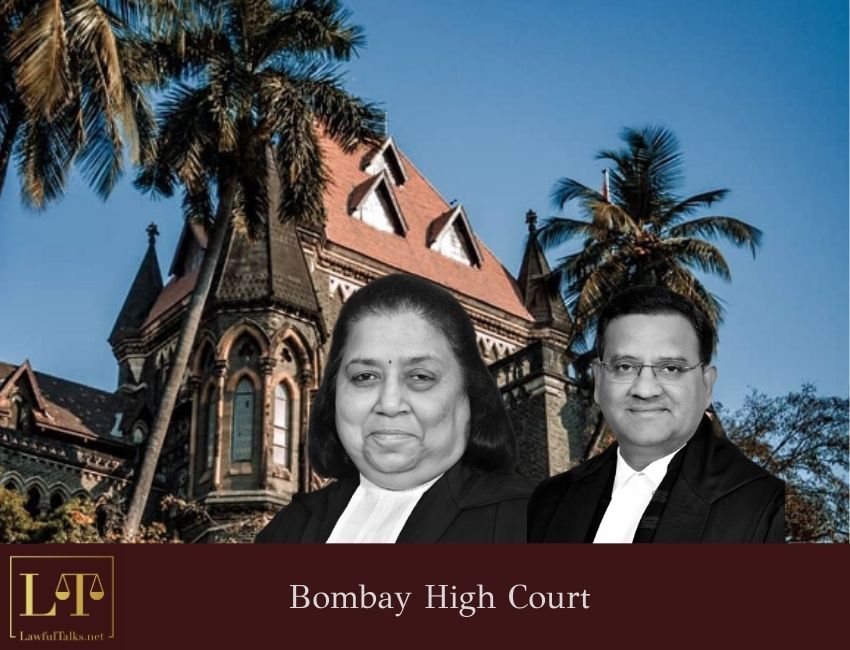
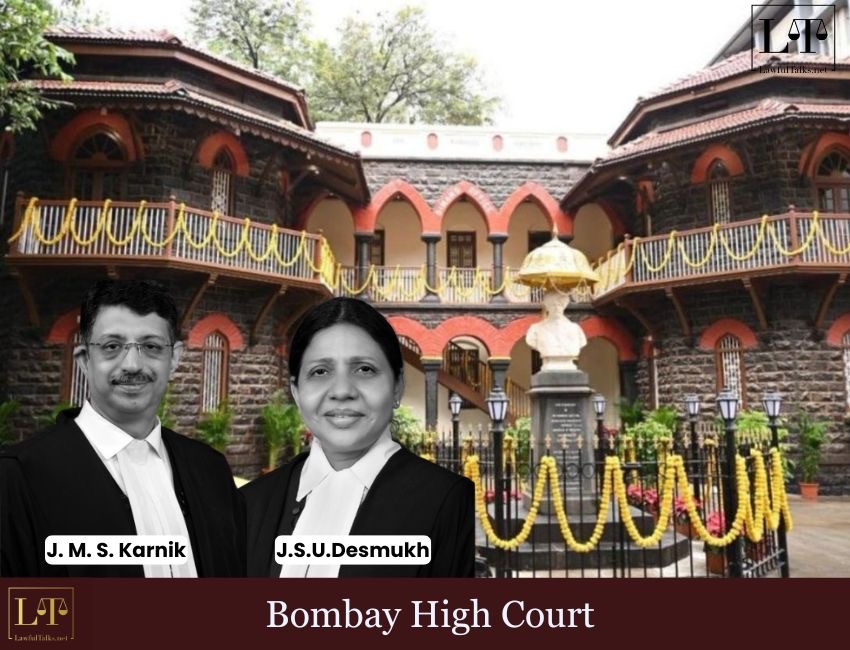
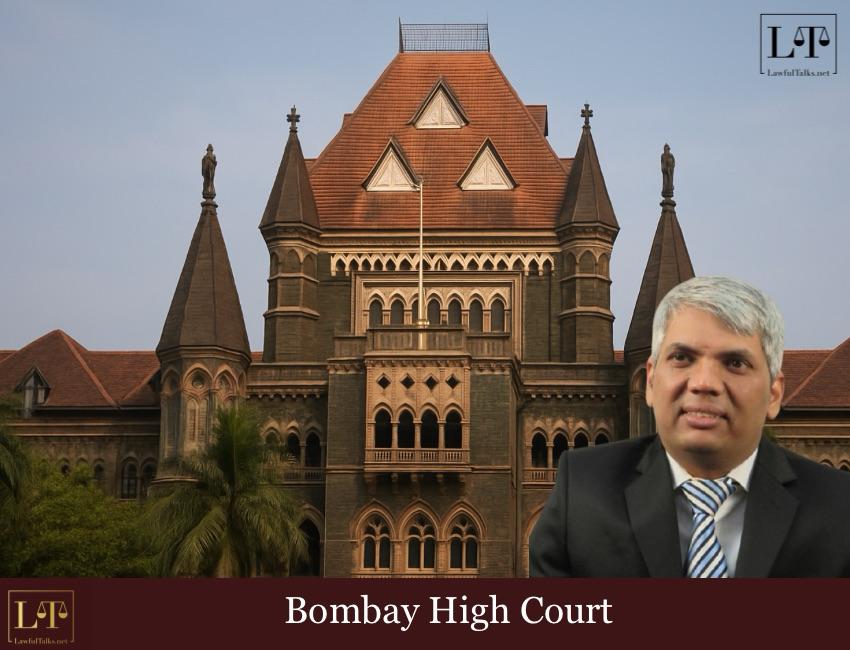
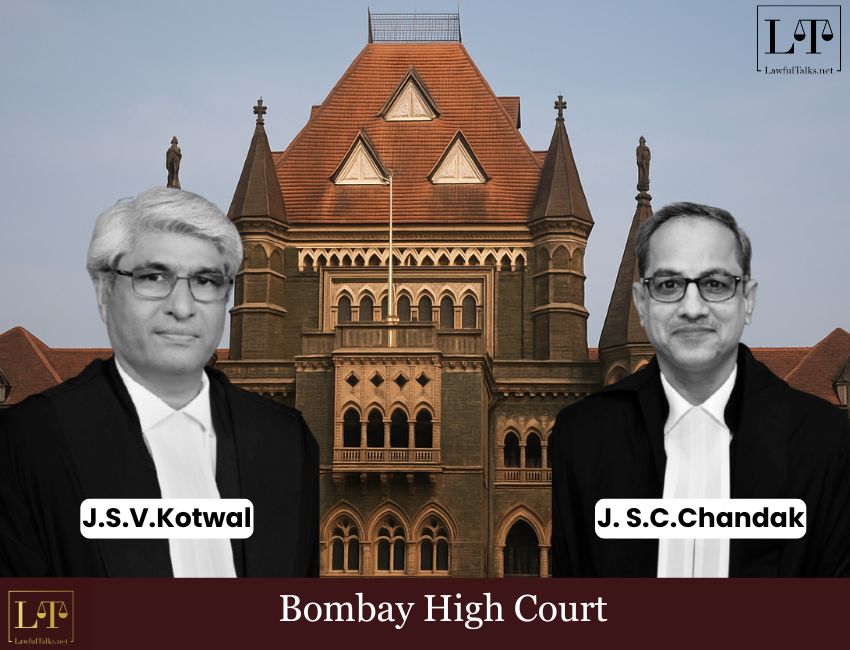
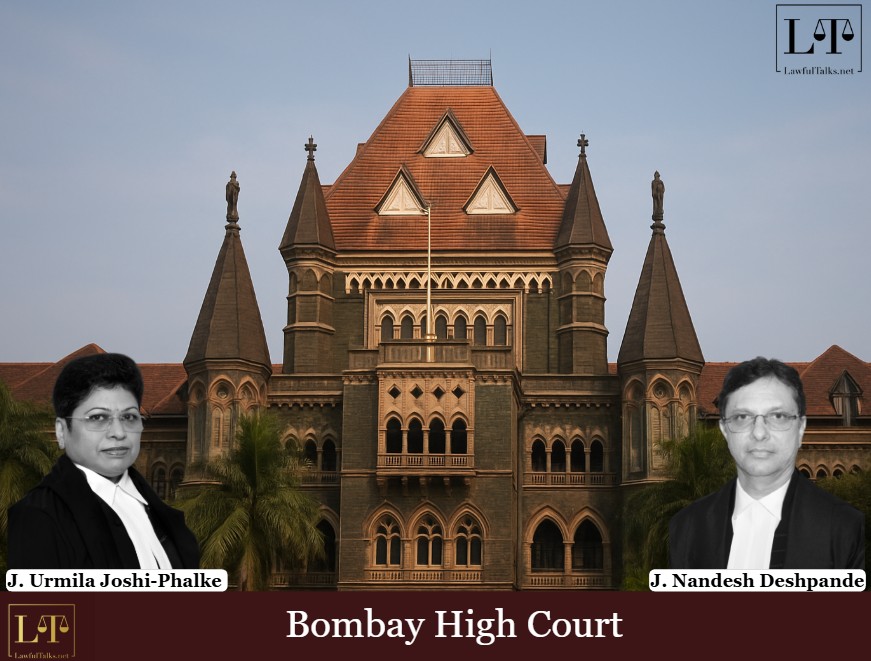
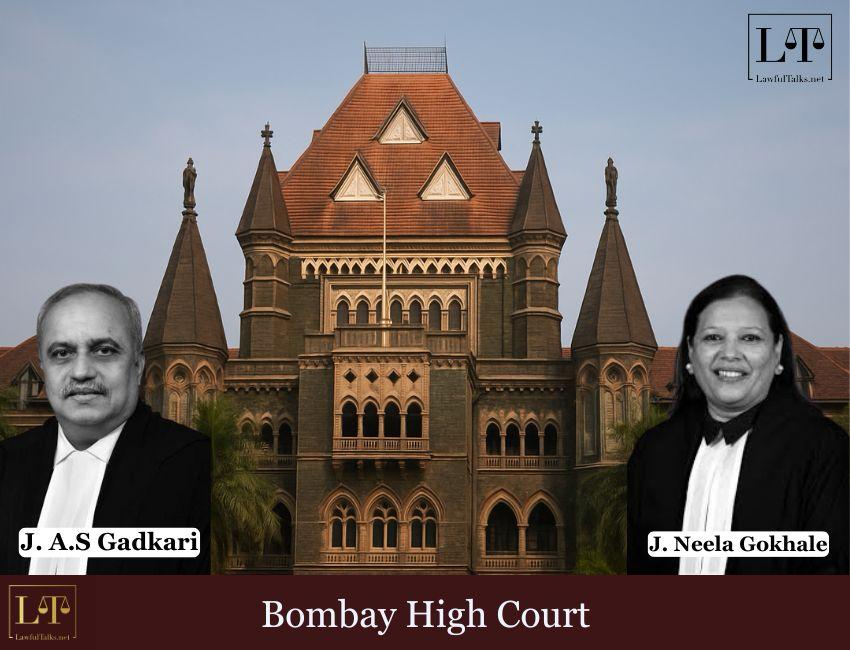
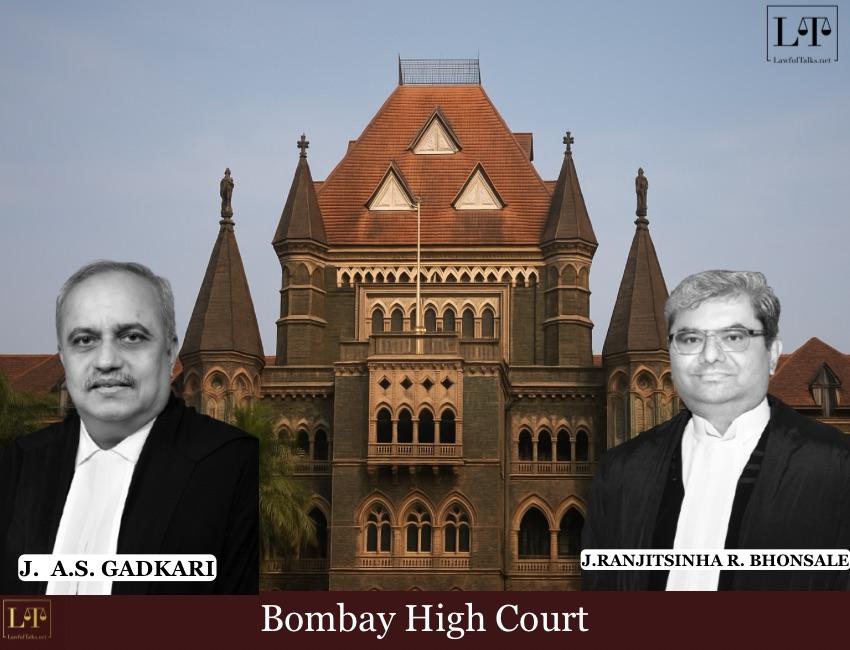
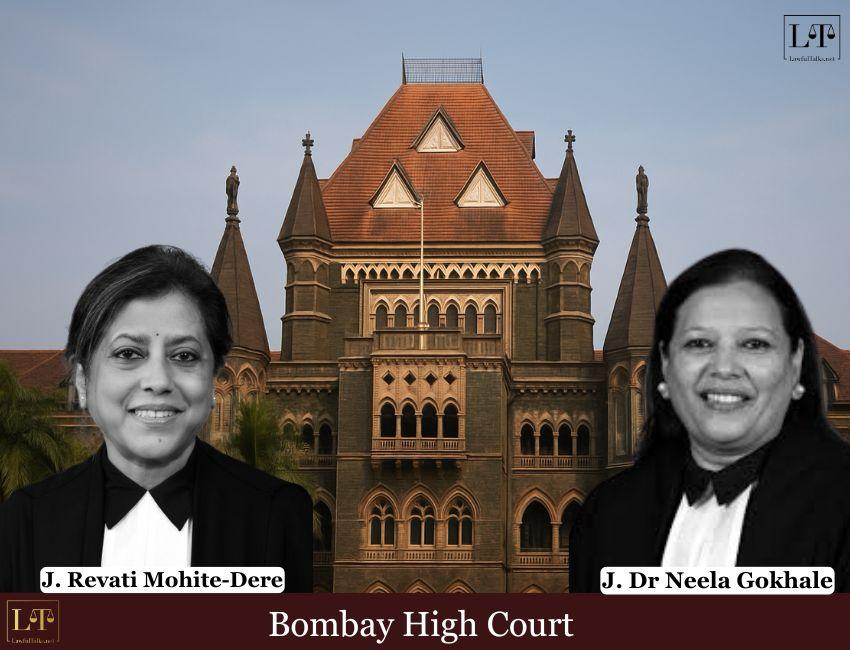
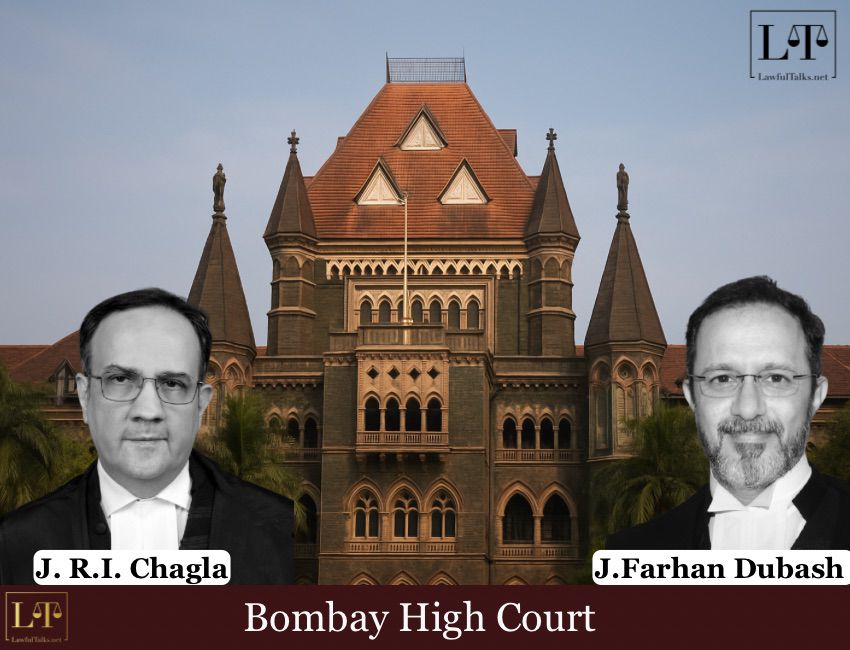
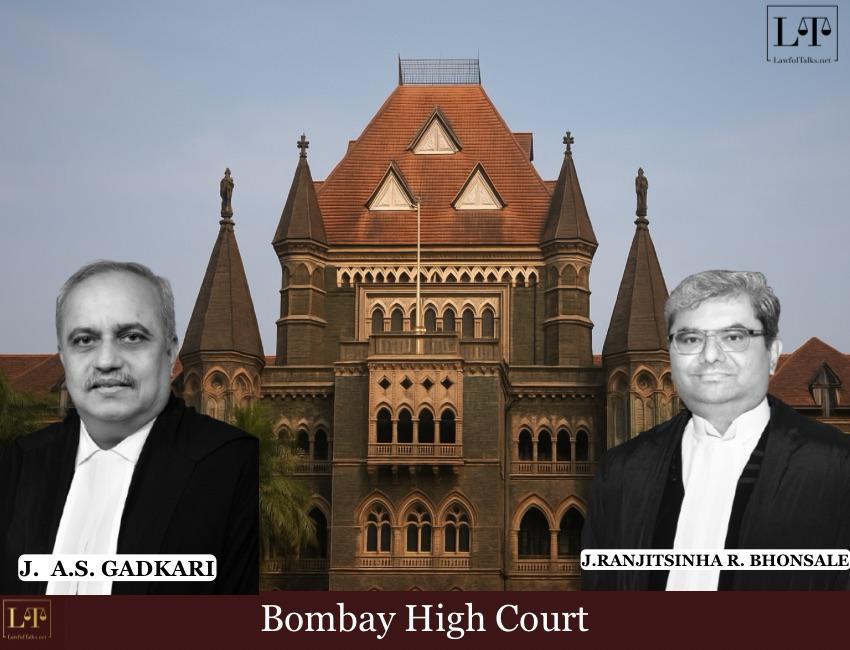
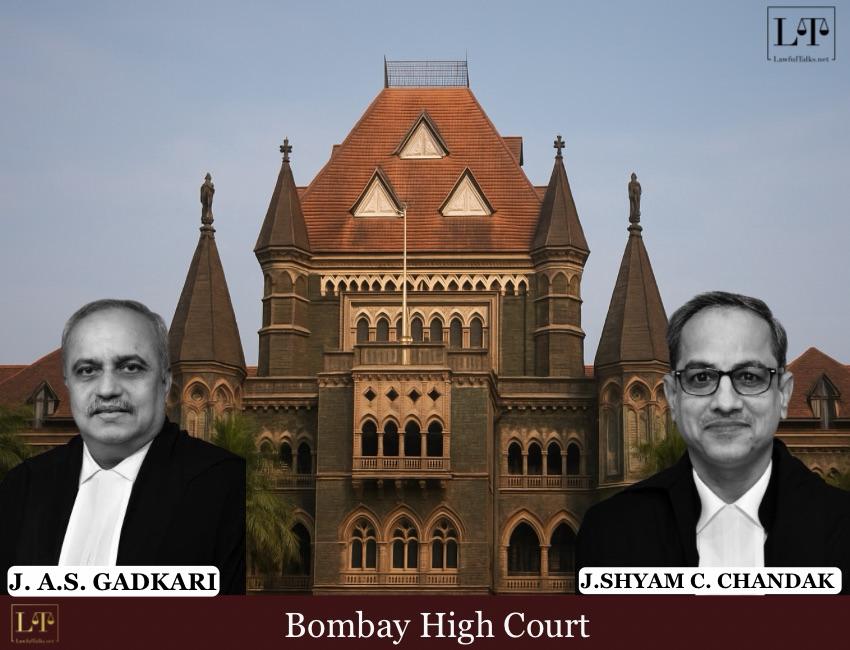
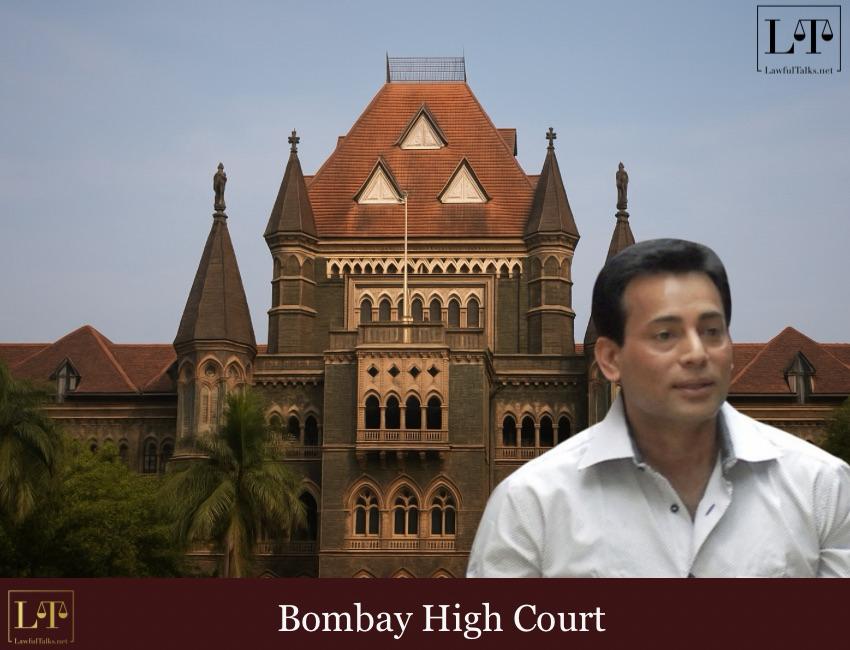
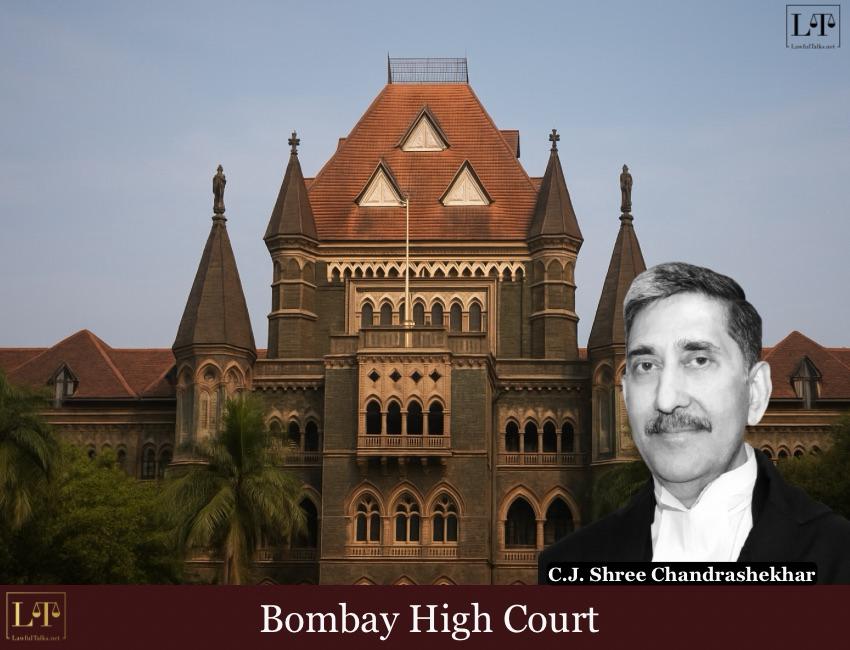
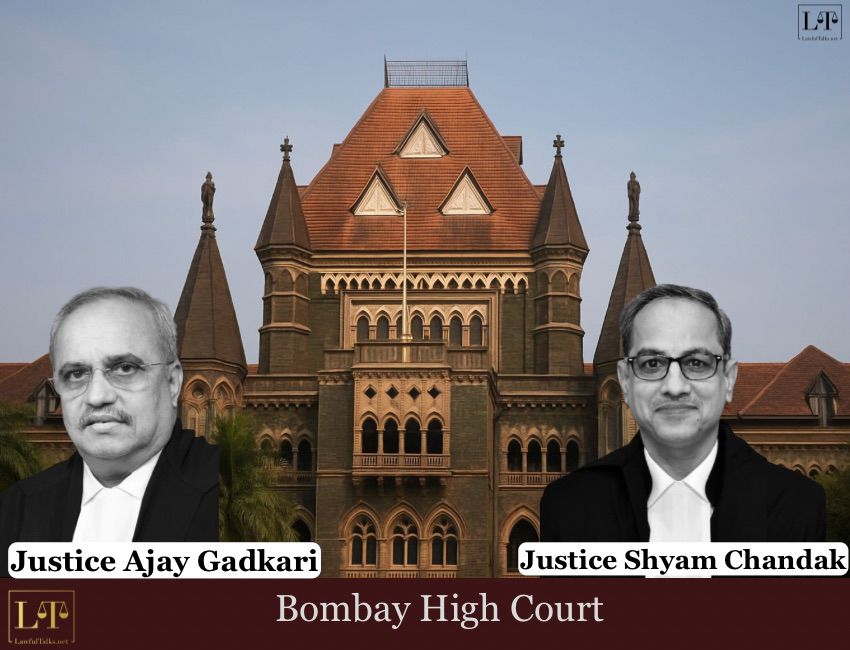
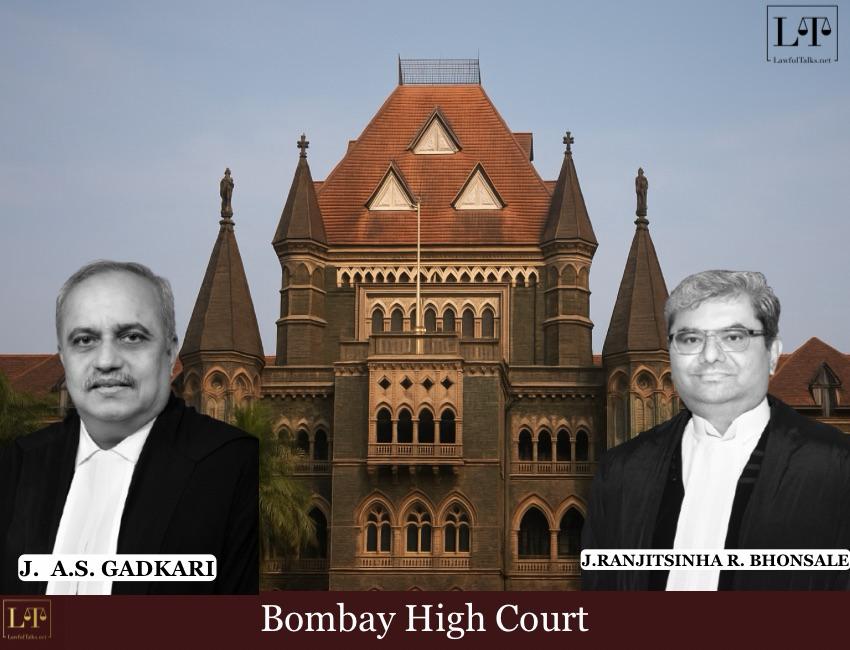
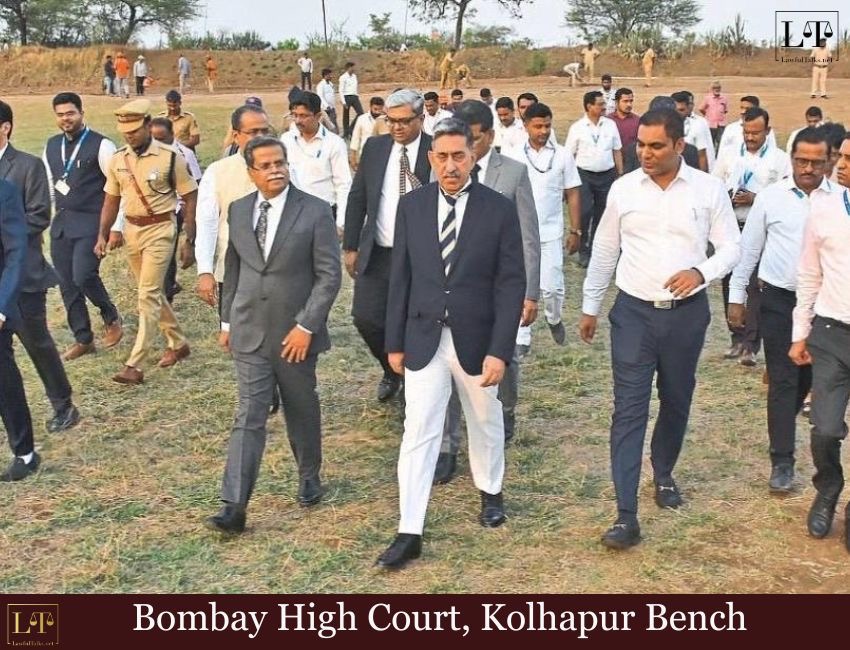
A Division Bench of the Bombay High Court, comprising Justice A.S. Gadkari and Justice Ranjitsinha Raja Bhonsale, was hearing a petition filed by Rushikesh, also known as Monya Shamrao Waghere. He had been detained under Section 3(2) of the Maharashtra Prevention of Dangerous Activities Act, 1981 (MPDA Act).
The detention order, dated 26 February 2025, was passed by the Commissioner of Police, Pimpri-Chinchwad.
In his petition, the detainee challenged the detention order and sought his release. He argued that the sponsoring authority sent the detention proposal without first verifying the in-camera witness statements, even though those statements were later used as the main basis for the detention order.
At the outset, the Bench underscored the nature of preventive detention itself, observing in clear terms:“Preventive Detention is a punishment, without a trial. Under the preventive detention laws it is permissible that, at the first instance, the punishment starts and liberty is curtailed, before an opportunity of being heard is even granted.”
The Court pointed out that, unlike normal criminal cases, preventive detention works as a “jurisdiction of suspicion”, where no offence is proved beyond reasonable doubt and no trial is held. In this system, procedural safeguards become extremely important. The judges stressed that the protection given to a detenue is “more procedural and/or technical than substantive”, which means that strict compliance with procedure is not a choice but a mandatory requirement.
One of the main issues before the Court was the role of the Assistant Commissioner of Police (ACP) in the detention process. The Bench explained that the ACP acts in a dual capacity, administratively scrutinising the proposal and investigatively verifying in-camera statements. However, the Court made it clear that these two roles are separate and must not be mixed up or carried out in a casual manner.
The judgment records that verifying in-camera witness statements is a serious investigative task, done to ensure that the information being used is true, reliable, and genuine.
In strong words, the Court held:“A proposal being moved by the sponsoring authority, with an unverified in-camera statement would be a mockery of the procedural laws. A clear eyewash, in the name of procedural compliances.”
The Bench rejected the State’s argument that the ACP could verify the in-camera statements after the detention proposal had already been sent. The Court said that once the proposal leaves the sponsoring authority, it must be complete in all important aspects, including properly verified in-camera statements.
Explaining why post-facto verification is not allowed, the judges observed:
“An unverified in camera statement would mean and imply that, one of the important material on which reliance is placed, was not verified for its truthfulness, reliability and genuineness when the proposal left the hands of the Sponsoring Authority.”
The Court further clarified that verification cannot be treated as a mere administrative formality or a “by the way” exercise. The judges underscored that, It is an independent exercise, which entails within it an independent application of mind, an independent enquiry and investigation. Considering the Preventive Detention Laws and its serious consequences on personal liberty, the verification exercise cannot be and should not be “conducted along with” and “at the time of checking the entire proposal”.
Emphasising the constitutional importance of this issue, the judges noted that personal liberty and the right to life require extra caution in preventive detention cases. The court held that any serious violation of procedural safeguards must always operate in favour of the detenue.
In the end, the bench ruled:“According to us, a proposal moving out from the hands of the Sponsoring Authority, without verification of the in camera statement is a material defect and illegality… That would make the detention proposal incomplete, therefore defective and unsustainable.”
Accordingly, the Court quashed the detention order and directed that the petitioner be released forthwith, if not required in any other case.
CASE DETAILS : Rushikesh @ Monya Shamrao Waghere vs Commissioner of Police, Pimpri Chinchwad (Criminal Writ Petition 2291 of 2025)





















































































































































Sign up for free and be the first to get notified about curated content just for you.