“‘We Are The Products, Milords’: CCI Tells SC WhatsApp And Meta Make Money From User Data”

- February 03, 2026


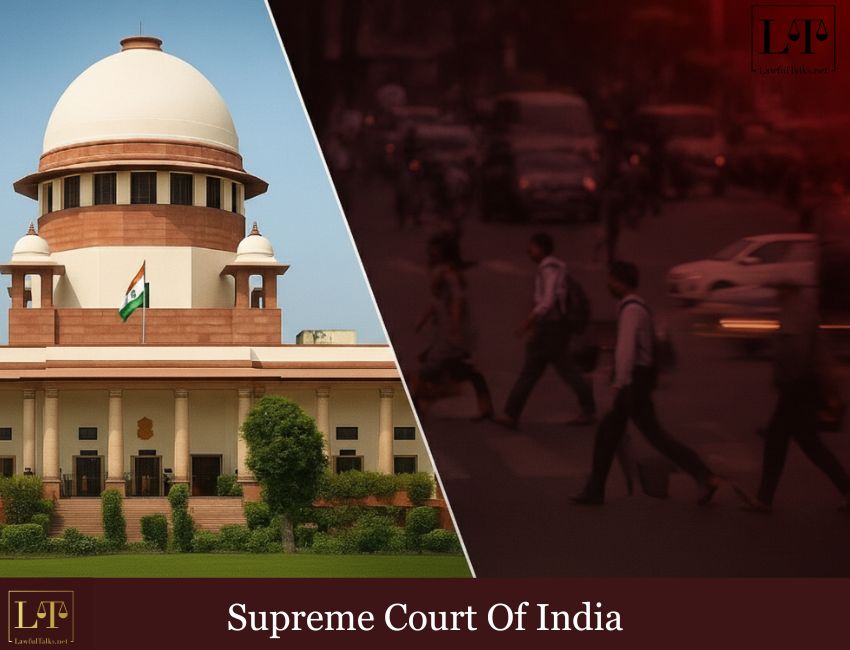
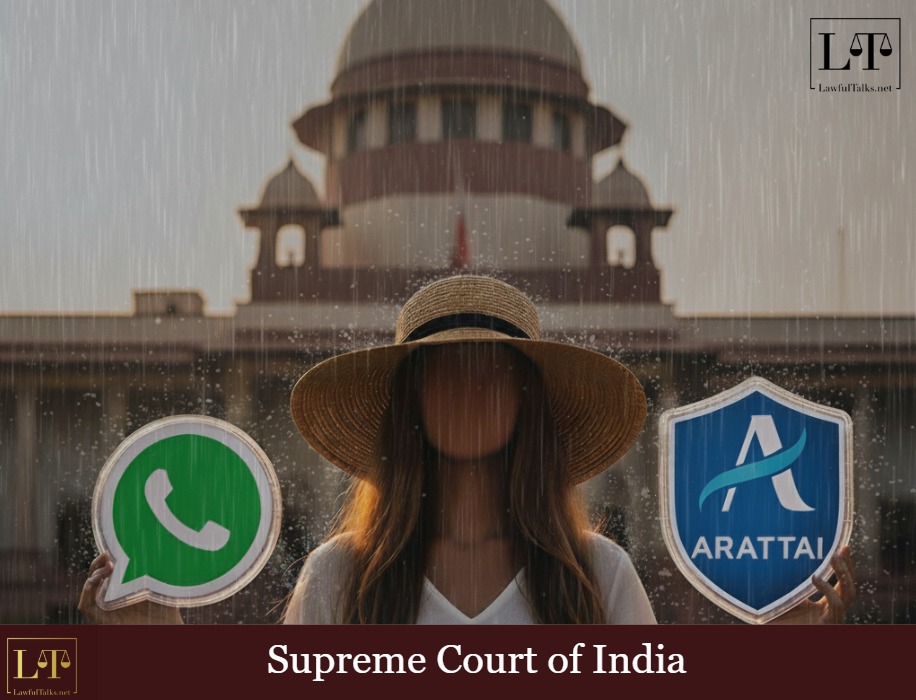
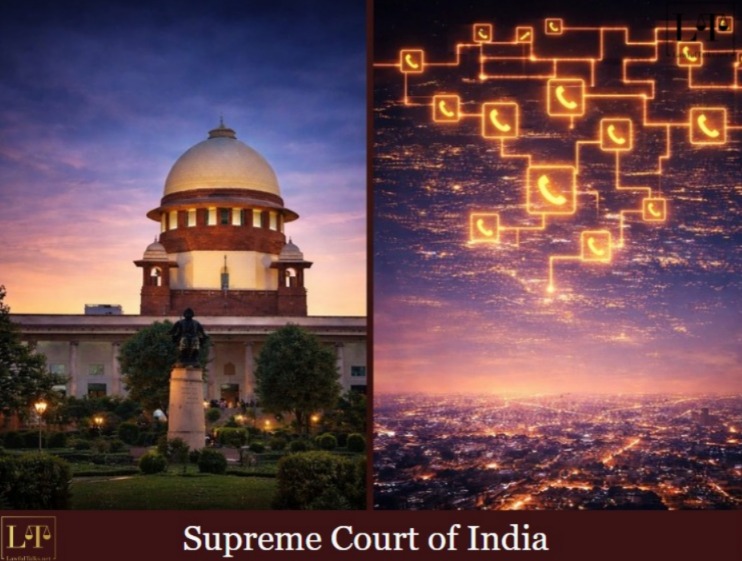
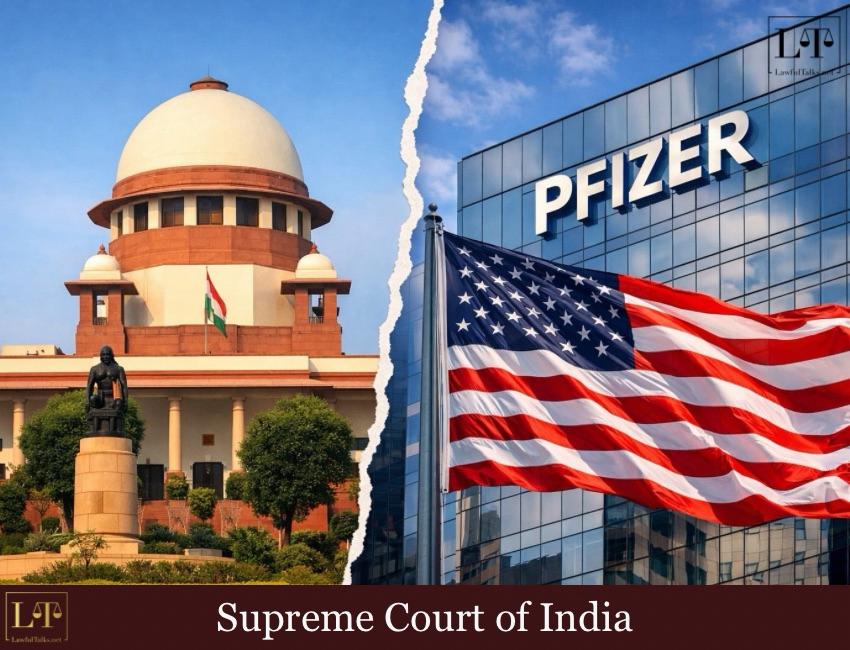
The Supreme Court on Tuesday made strong remarks against Meta Platforms Inc. and WhatsApp LLC over WhatsApp’s 2021 privacy policy, saying it “would not permit the exploitation of Indian users’ personal data.”
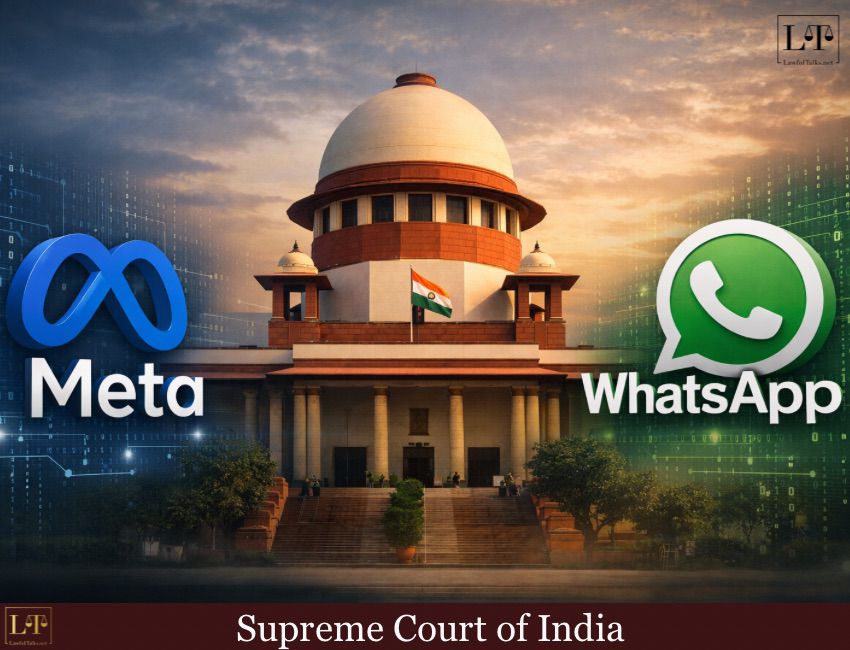
The Court was hearing appeals filed by Meta and WhatsApp against a National Company Law Appellate Tribunal (NCLAT) order that upheld a ₹213.14 crore penalty imposed by the Competition Commission of India (CCI).
Facts:
The CCI had penalised WhatsApp for its 2021 privacy policy, holding that the company abused its dominant position by forcing users to accept wider data sharing with Meta group companies.
While the NCLAT upheld the penalty, it allowed data sharing for advertising purposes. The CCI has challenged this part of the NCLAT ruling through a cross-appeal before the Supreme Court.
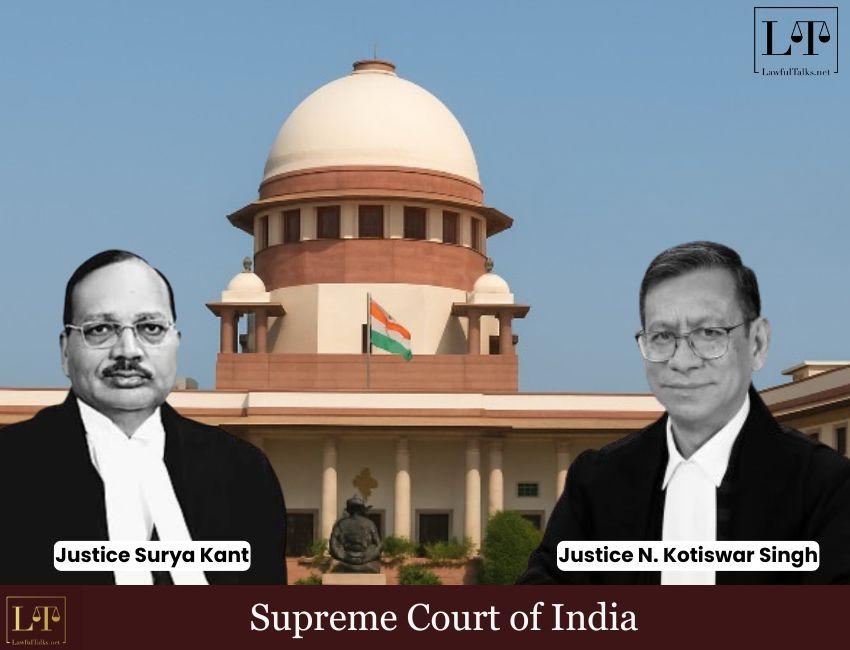
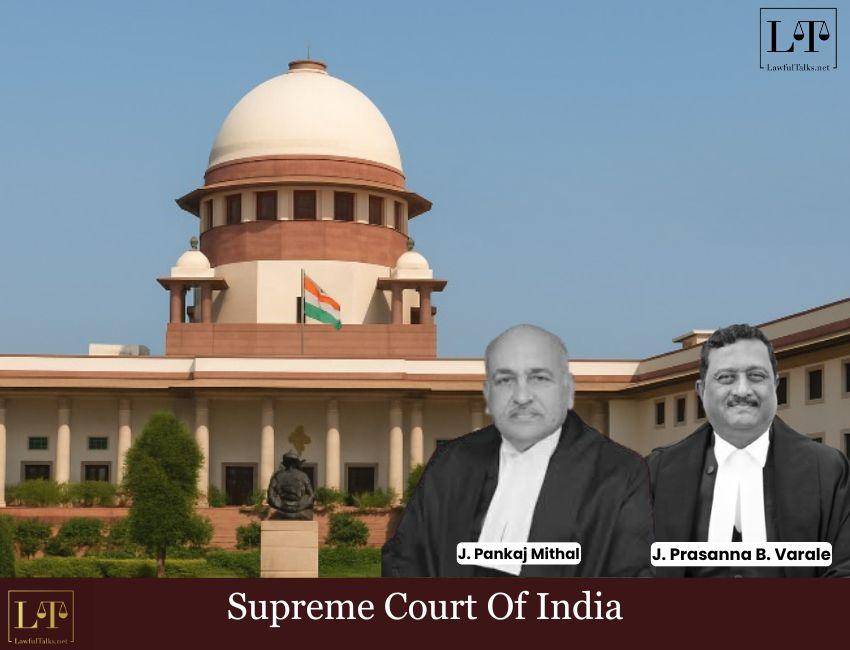
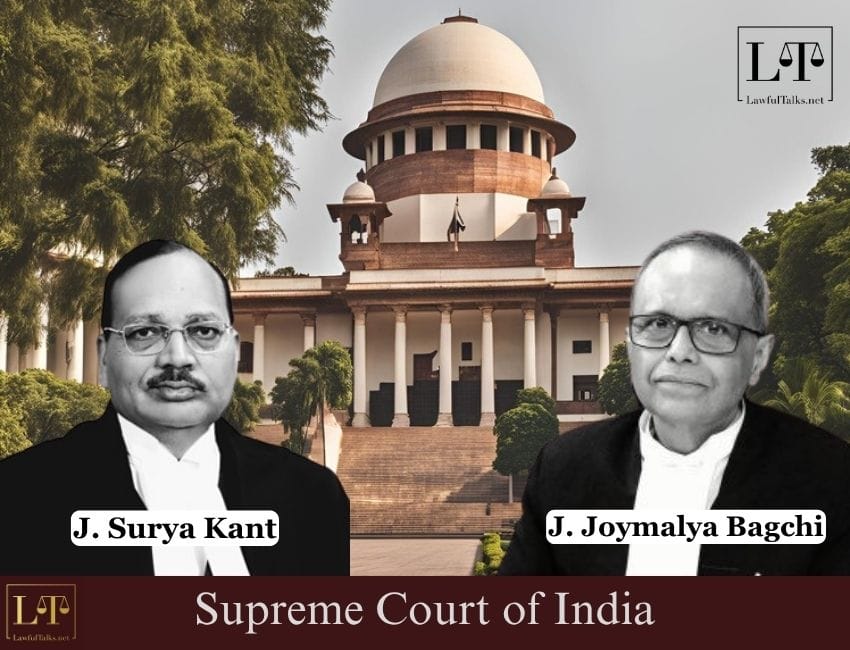
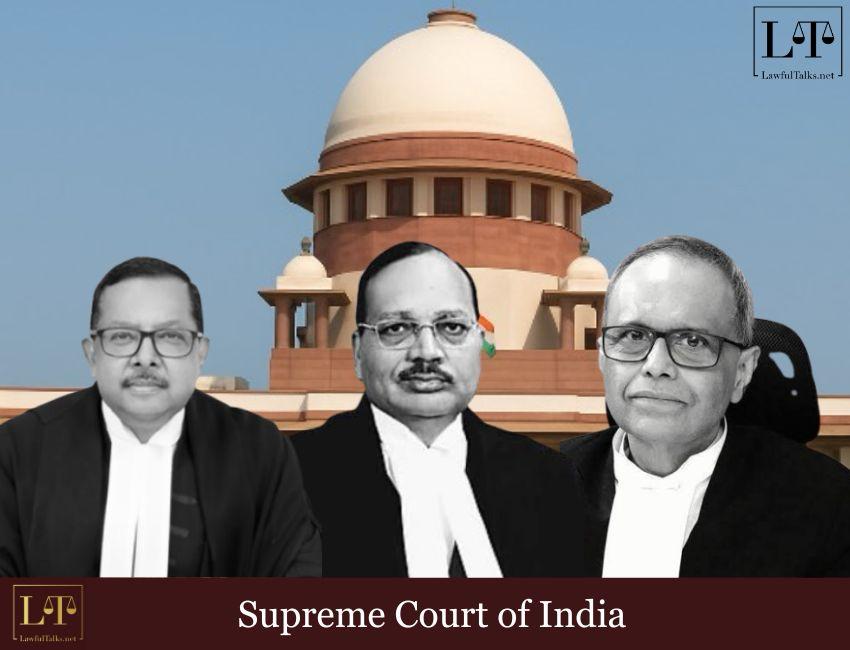
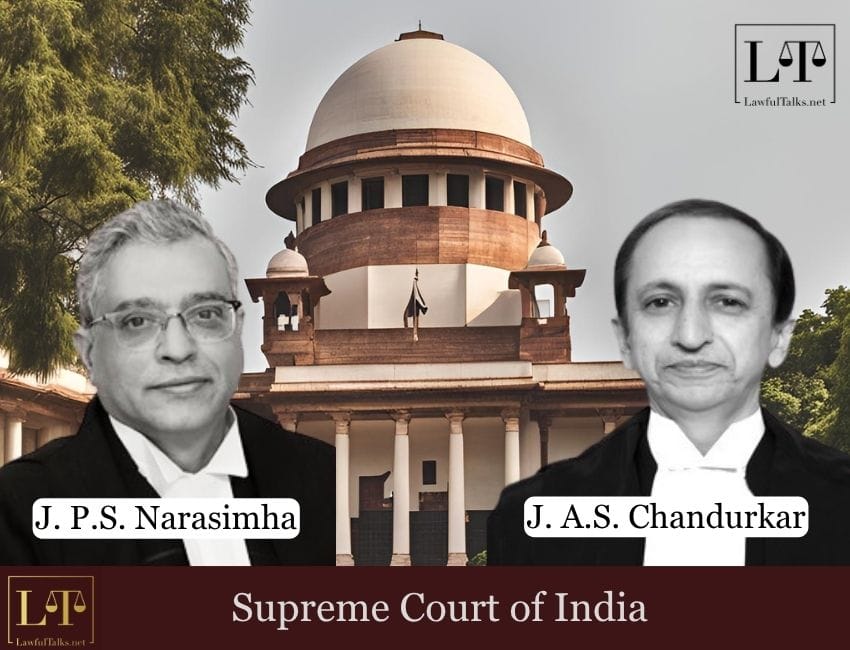
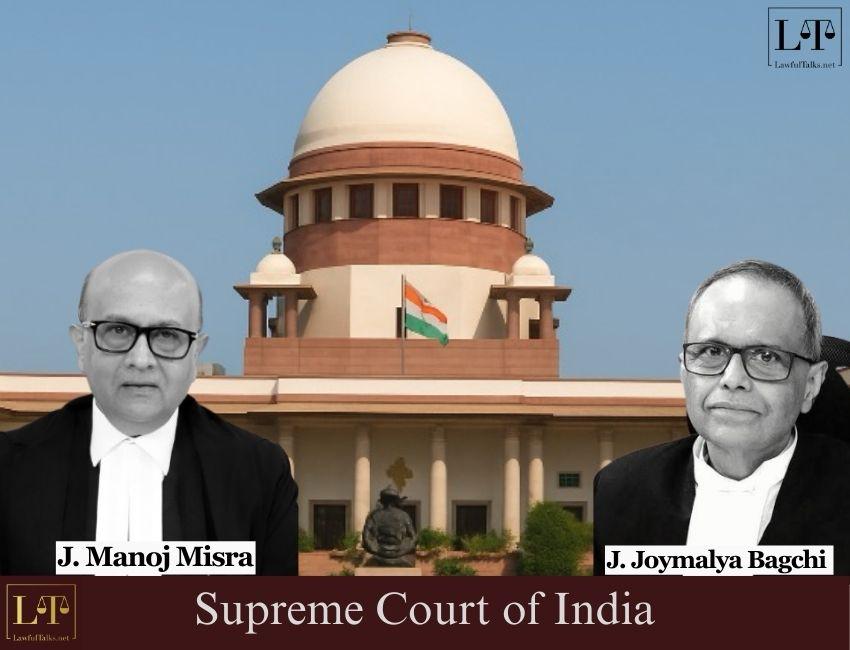
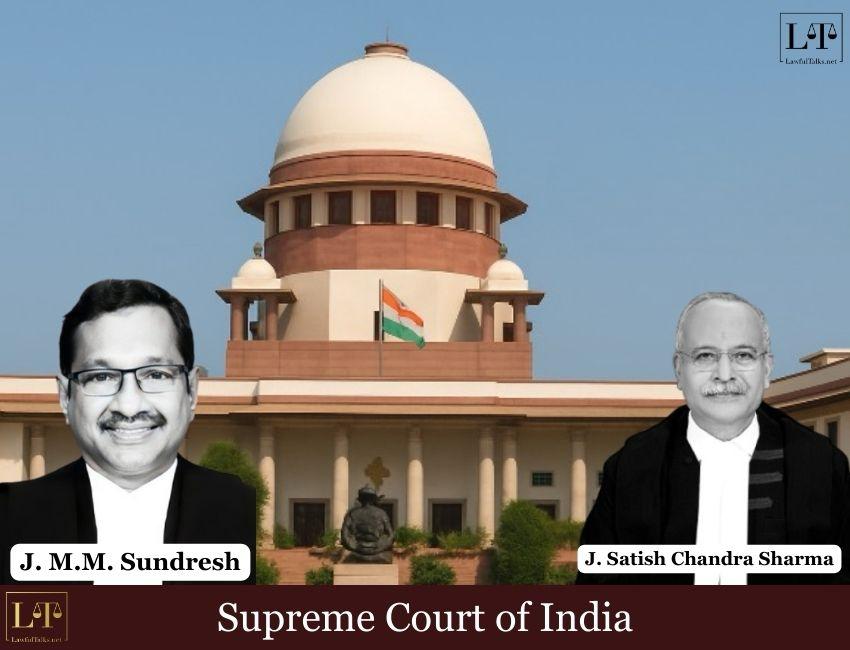
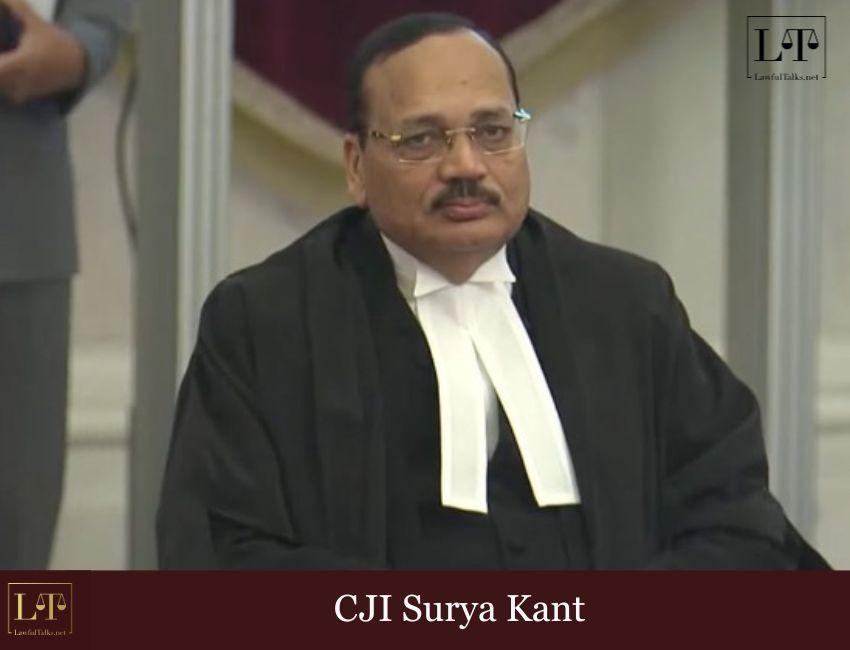
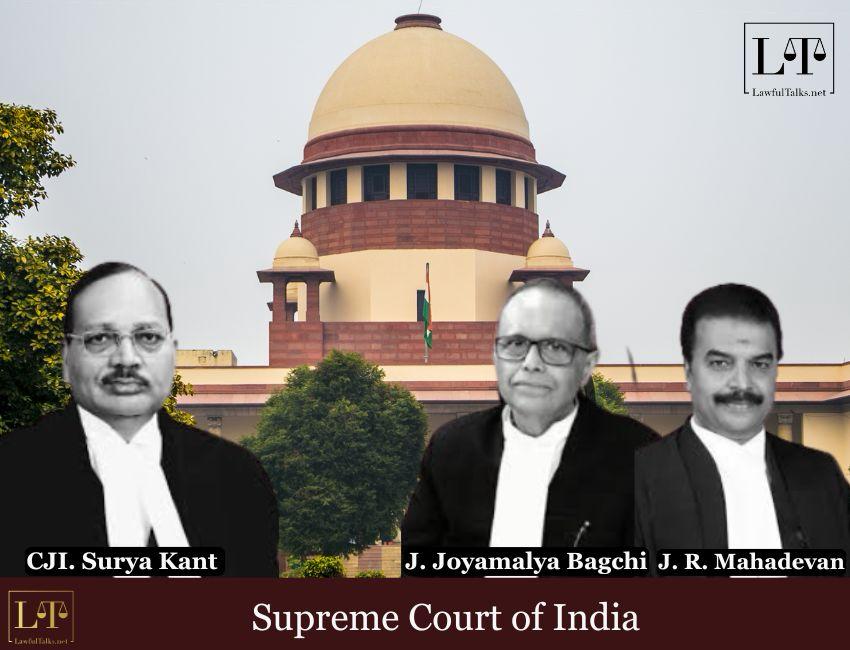
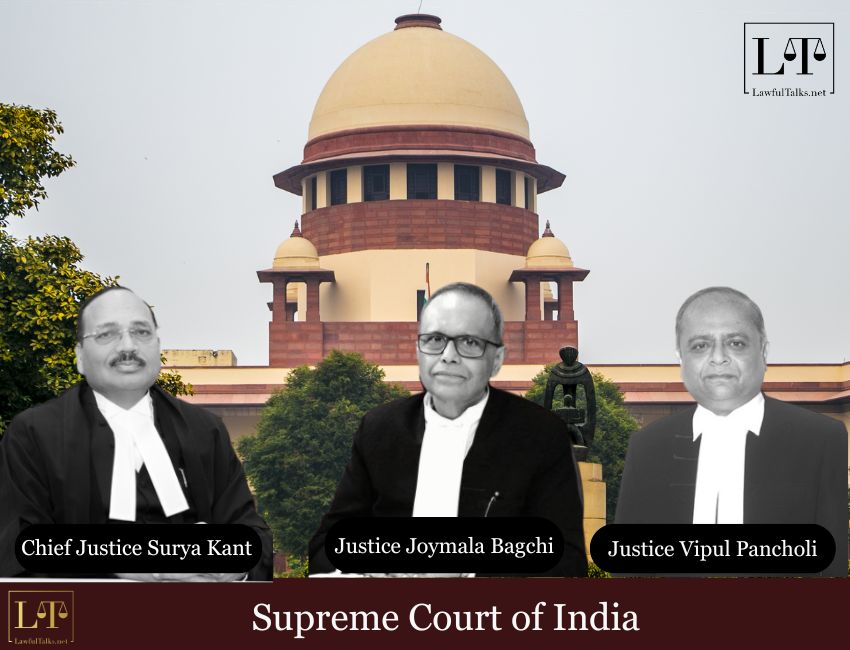
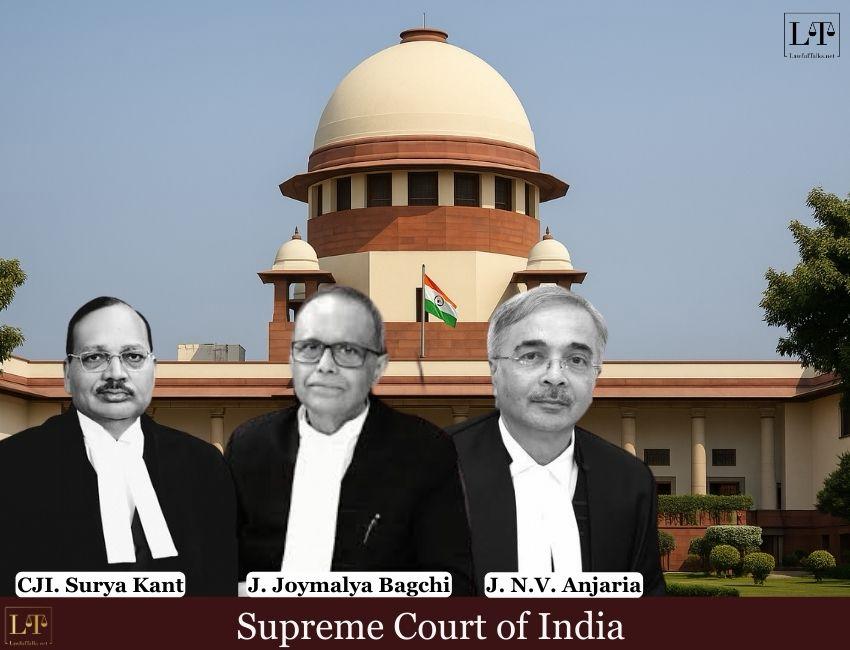
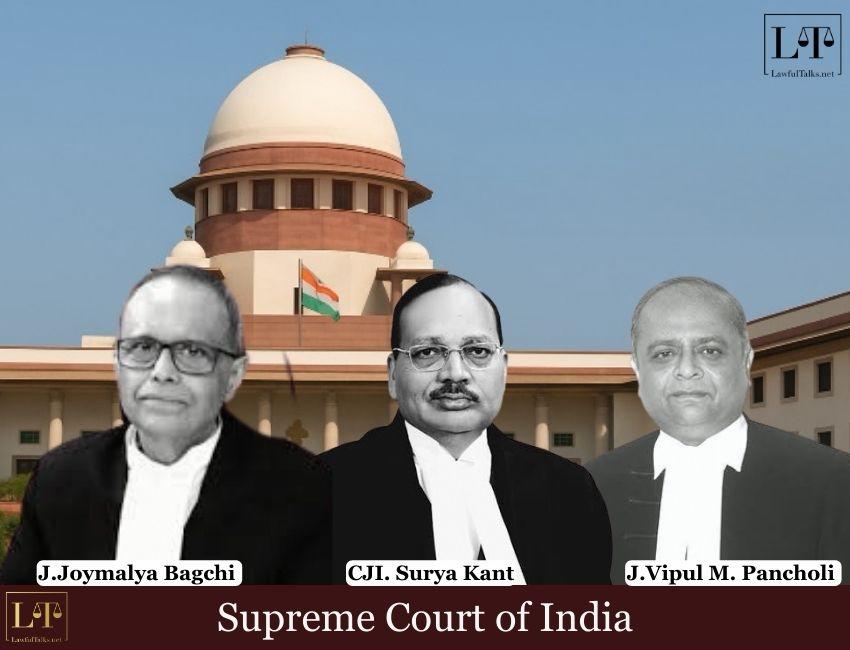
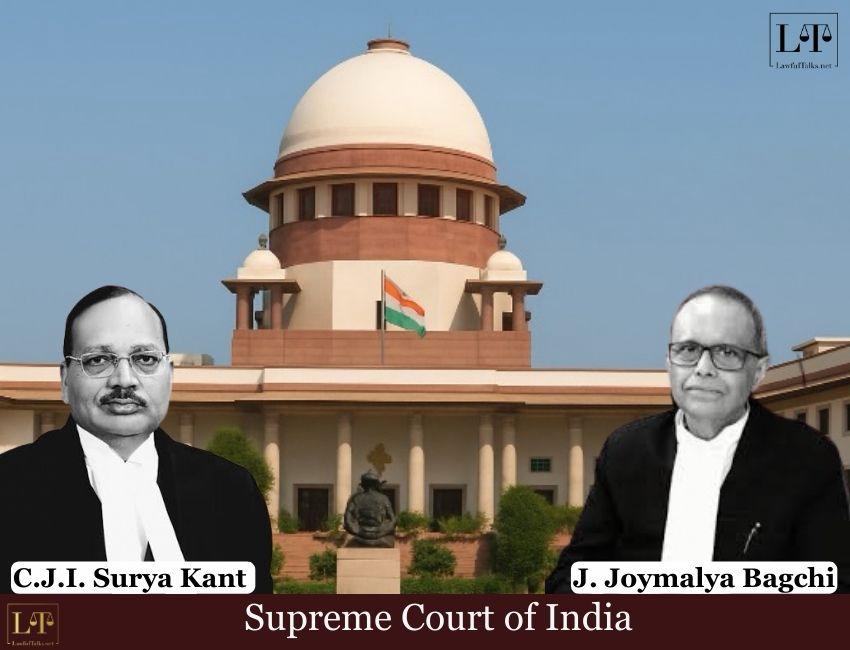
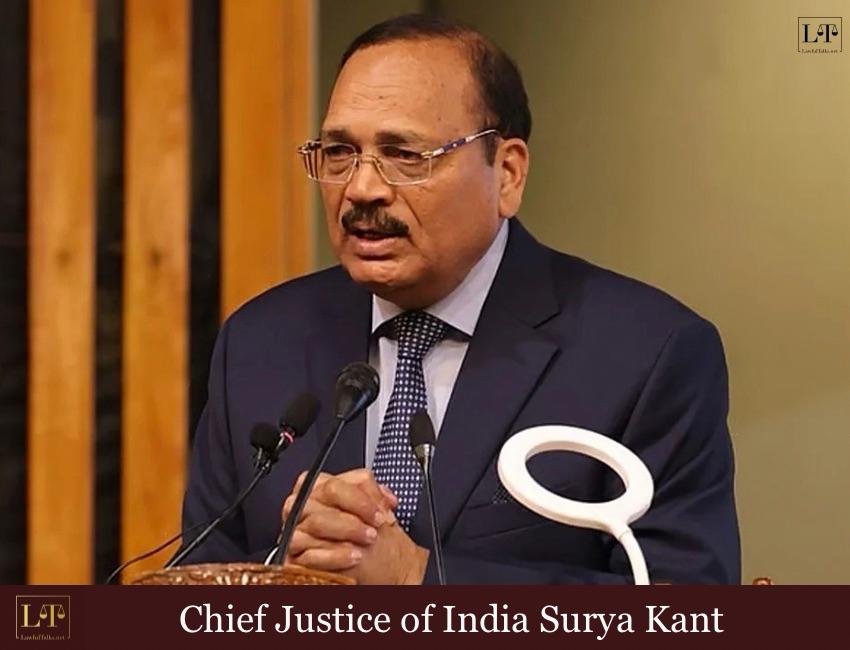
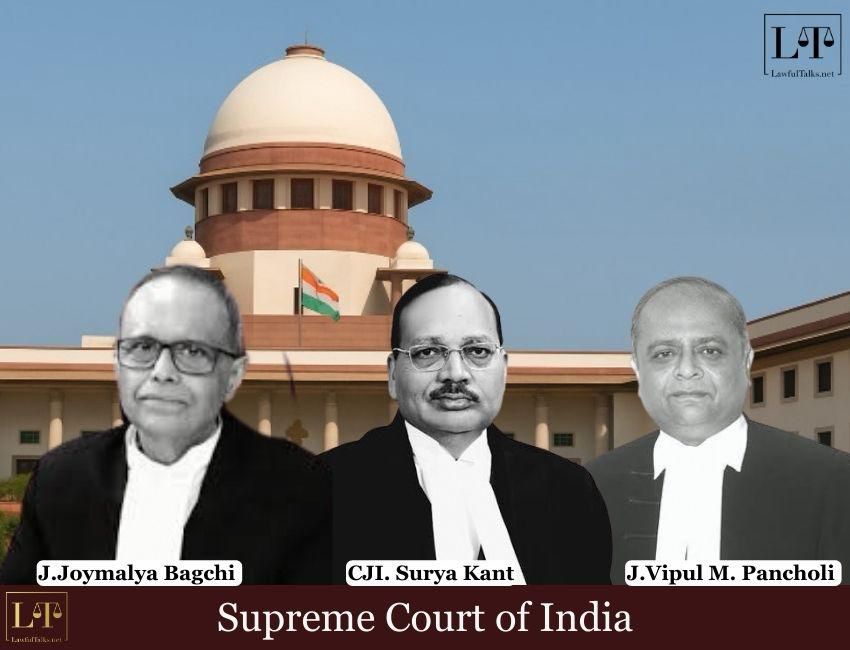
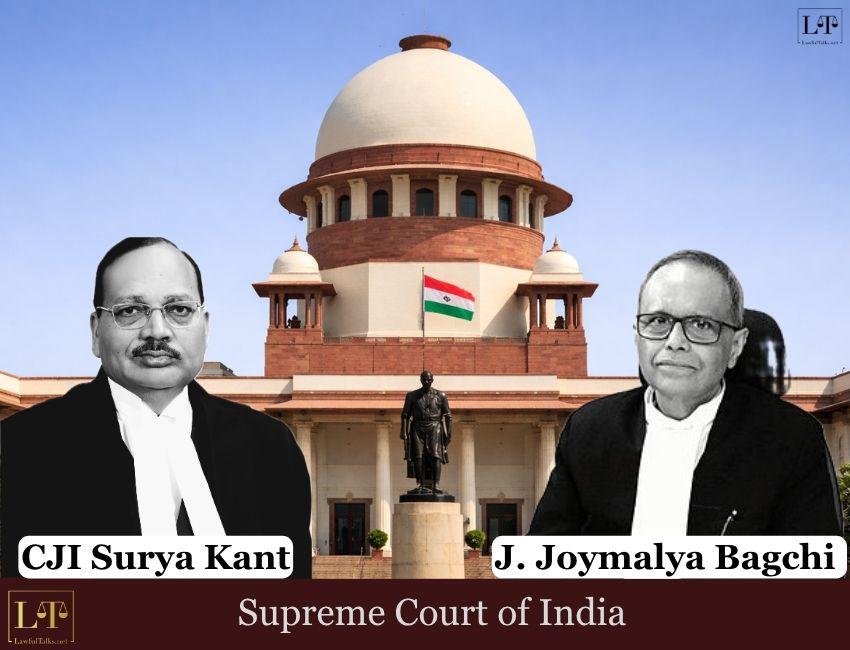
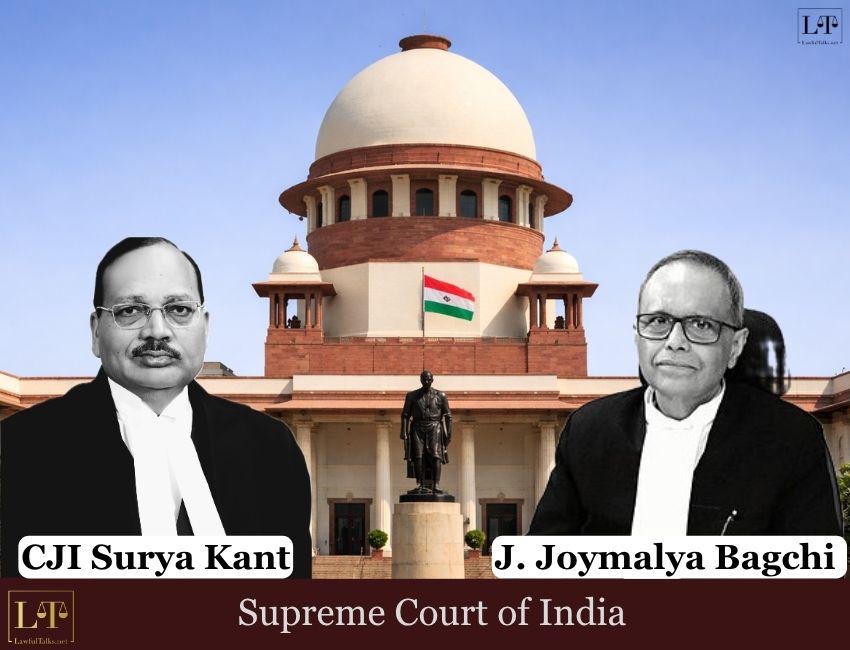
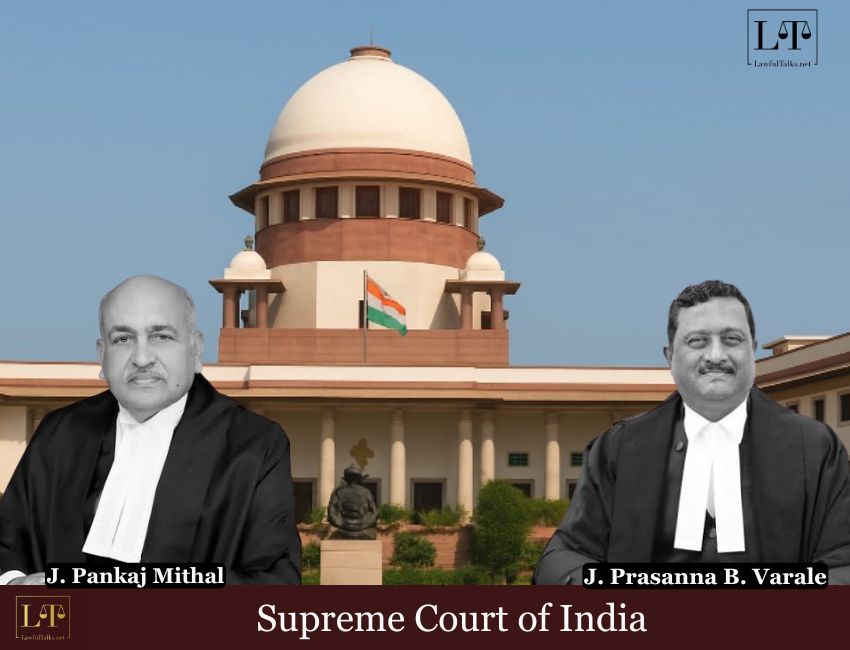
A Bench comprising Chief Justice of India (CJI) Surya Kant, Justice Joymalya Bagchi, and Justice Vipul Pancholi heard the matter. Senior Advocate Mukul Rohatgi appeared for Meta Platforms, while Senior Advocate Akhil Sibal represented WhatsApp.
The Counsel appearing for Meta Platforms and WhatsApp LLC informed the Court that the penalty amount had already been deposited.
While agreeing to admit the appeals, the Chief Justice raised serious concerns about user privacy. “We will not allow you to share even a single information, you cannot play with the rights of this country, let a clear message go…” CJI Surya Kant remarked.
The Chief Justice further observed that users do not really have a choice because WhatsApp holds a monopolistic position in the messaging market. He said:
“You are making a mockery of the constitutionalism of this country. We will dismiss it right away. How can you play with the right of privacy of people like this? Consumer has no choice, you have created monopoly.”
When Senior Advocate Akhil Sibal argued that users have the option to opt out of the policy, the Court questioned how effective that option is in practice.
“A poor woman selling fruits on the streets, will she understand the terms of your policy? Nobody will be available to understand. Will your domestic help understand this? You might have taken the data of millions of persons. This is a decent way of committing theft of private information. We will not allow you to use it,” the Chief Justice said.
CJI Surya Kant said the Court would not hear the case unless Meta and WhatsApp give a clear undertaking that users’ personal data will not be used.
In response, Rohatgi submitted that a Constitution Bench is already looking into WhatsApp's privacy policy and that an undertaking had been given that users would not be denied access to WhatsApp for refusing to accept the 2021 policy. He also pointed to the (DPDP)Digital Personal Data Protection Act, 2023, which allows time for compliance until May 2027.
However, Justice Bagchi noted that the DPDP Act has not yet been brought into force.
During the hearing, Solicitor General of India Tushar Mehta intervened, stating that “our personal data is not only sold, but also commercially exploited.”
Justice Bagchi said that the Court wants to examine how personal data is monetised and “rented out” for targeted advertising. “Every silo of data, irrespective of privacy, has a value, we would like to examine, what is the rent sharing of data…we are concerned about how our behaviour is utlitsed and monetised for trends..You are using the data for the purpose of targeted online advertising,” he said.
The Chief Justice also shared a personal example, stating, “If a message is sent to a doctor on WhatsApp that you are feeling under the weather, and the doctor sends some medicine prescriptions, immediately you start seeing ads.”
In response, Rohatgi and Sibal strongly maintained that WhatsApp messages are end-to-end encrypted and that even WhatsApp itself cannot access user messages. Justice Bagchi acknowledged this submission but pointed out that, unlike European Union regulations, the DPDP Act does not deal with how value is assigned to shared data.
The Solicitor General added that in the European Commission framework, shared data is given a notional value and is taxable. Senior Advocate Samar Bansal, appearing for the CCI, supported this position and submitted that the penalty was imposed after examining this very aspect. “Their entire revenue comes from advertising. We are the products milords. It is free because of that,” he argued.
After facing repeated questions from the Bench, Rohatgi suggested that Meta should file a detailed affidavit explaining its data practices. The Court accepted this and adjourned the case to next Monday, giving Meta and WhatsApp time to file their affidavits.
On the CCI’s request, the Court also added the Ministry of Electronics and Information Technology as a party to the case.
Background:
The dispute originates from a November 2024 order of the Competition Commission of India about WhatsApp’s 2021 privacy policy update. The CCI said that WhatsApp, which holds a dominant position in India’s OTT messaging market, imposed a “take-it-or-leave-it” policy on users, giving them no real choice to refuse data sharing.
The regulator found that WhatsApp made continued access to its messaging services dependent on users agreeing to share more data with other Meta group companies. This was considered an abuse of its dominant position under the Competition Act, 2002. As a result, the CCI imposed a penalty of ₹213.14 crore and gave corrective directions, including stopping WhatsApp from tying service access to data sharing, making opt-in and opt-out choices clear, and explaining clearly how user data is shared.
Meta Platforms and WhatsApp challenged the CCI’s order before the NCLAT in January 2025. In November 2025, the NCLAT set aside the five-year restriction on advertising-related data sharing and rejected the finding that WhatsApp had used its dominance to benefit Meta’s advertising business. However, it kept the ₹213.14 crore penalty imposed by the CCI.
Case Title: META PLATFORMS, INC v. COMPETITION COMMISSION OF INDIA AND ORS.| C.A. No. 301-302/2026 & WHATSAPP LLC v CCI C.A. No. 366-367/2026





















































































































































Sign up for free and be the first to get notified about curated content just for you.