Found Guilty But Released On Probation? SC Says Your Job Is Still At Risk

- January 27, 2026


The Supreme Court clarified that granting probation in a criminal case does not wipe out the consequences of misconduct in departmental proceedings. The Court held that release under the Probation of Offenders Act, 1958 cannot be used as a ground to substitute the punishment imposed on an employee in disciplinary proceedings.
Facts:
The case arose from disciplinary action against a workman who had obtained employment by impersonating his brother and by using a forged educational certificate. After a domestic enquiry was completed, he was dismissed from service.
However, the Labour Court substituted the punishment of dismissal from service to the one of reduction of pay and increment cut for a period of three years ‘which will operate for future increments’.
The appellant challenged this decision by filing a writ petition before the High Court. A Single Judge upheld the Labour Court’s award. However, the Division Bench of the High Court modified the order into compulsory retirement. They mainly relied on the fact that in the criminal case, the workman was granted the benefit of the Probation of Offenders Act and therefore, was not sentenced despite being found guilty.
Supreme Court’s Reasoning And Ruling:
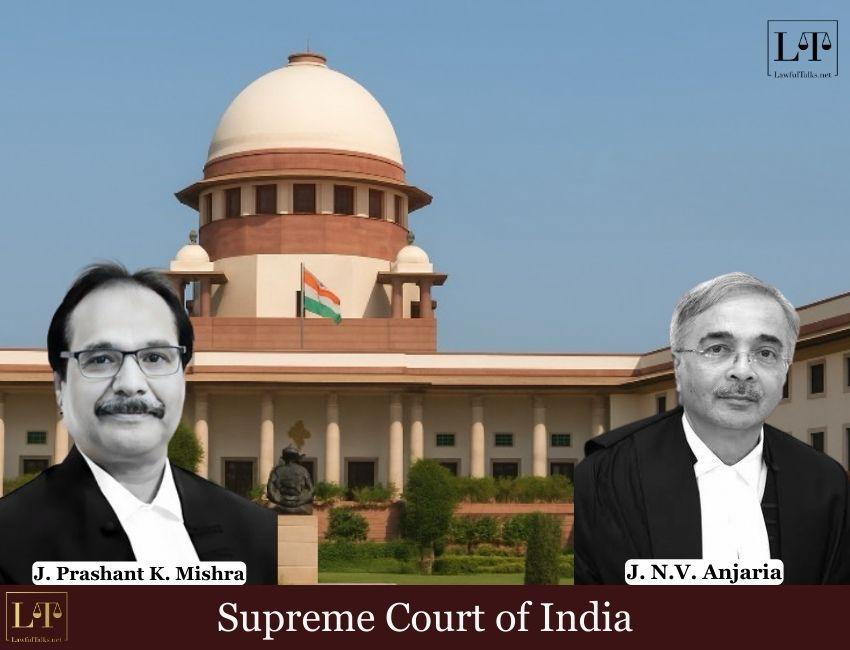
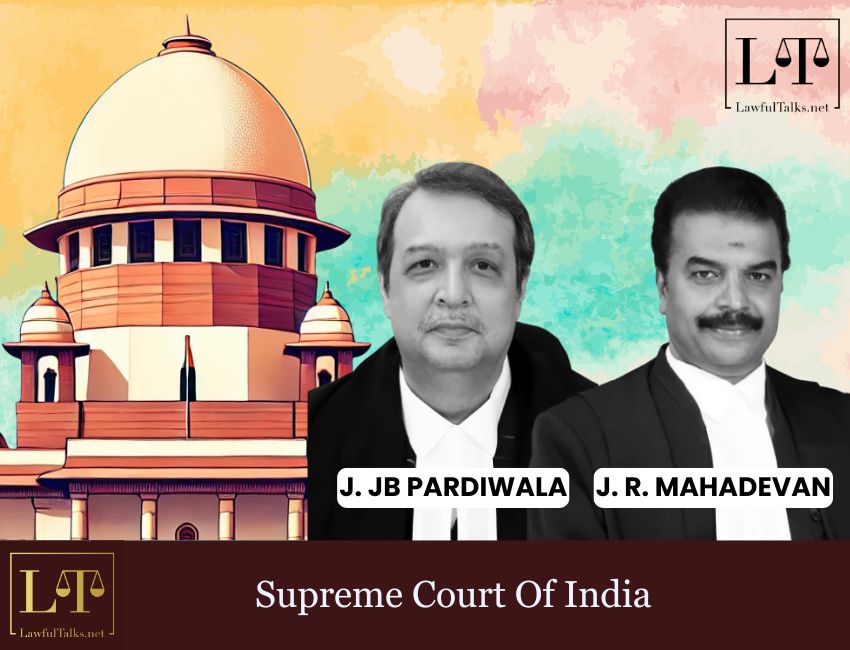
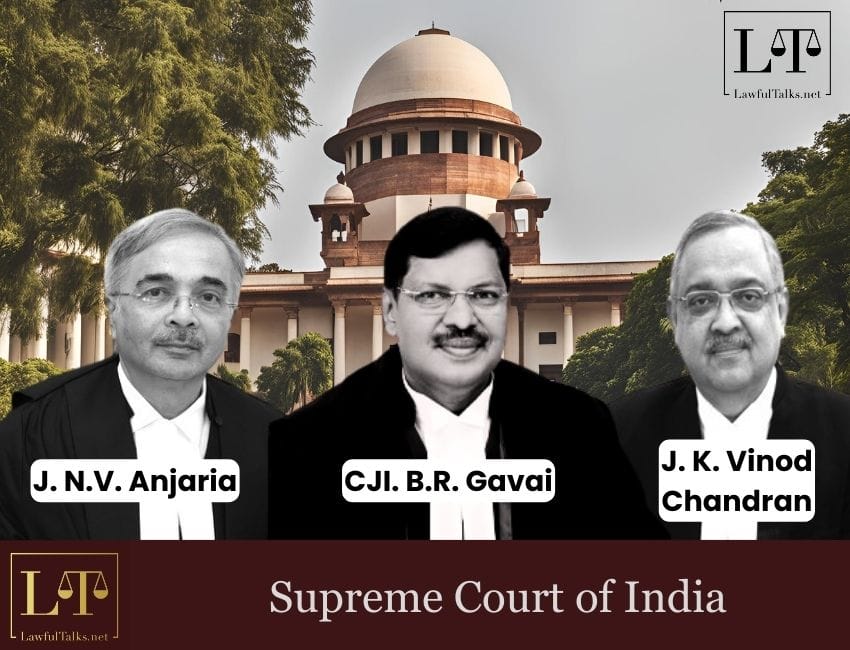
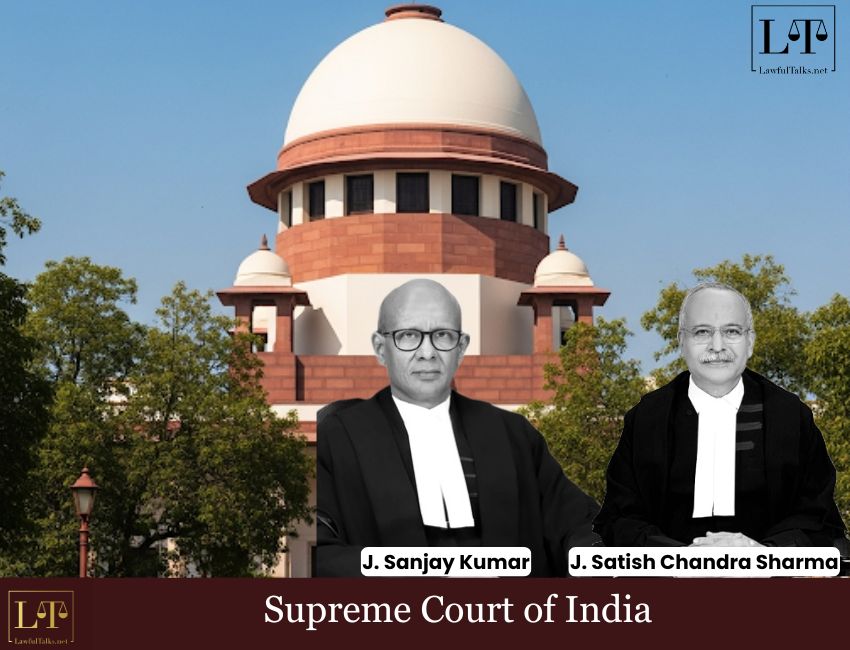
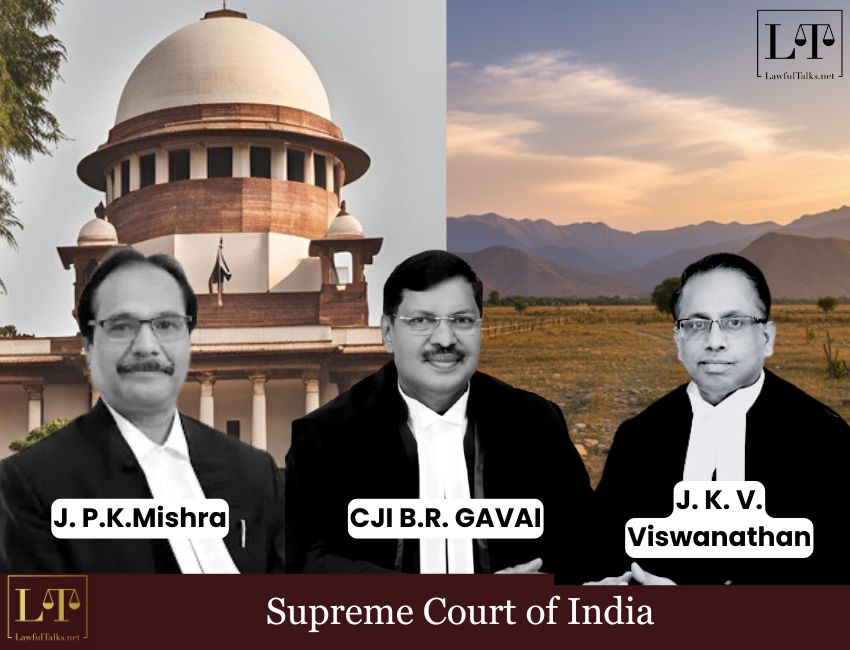
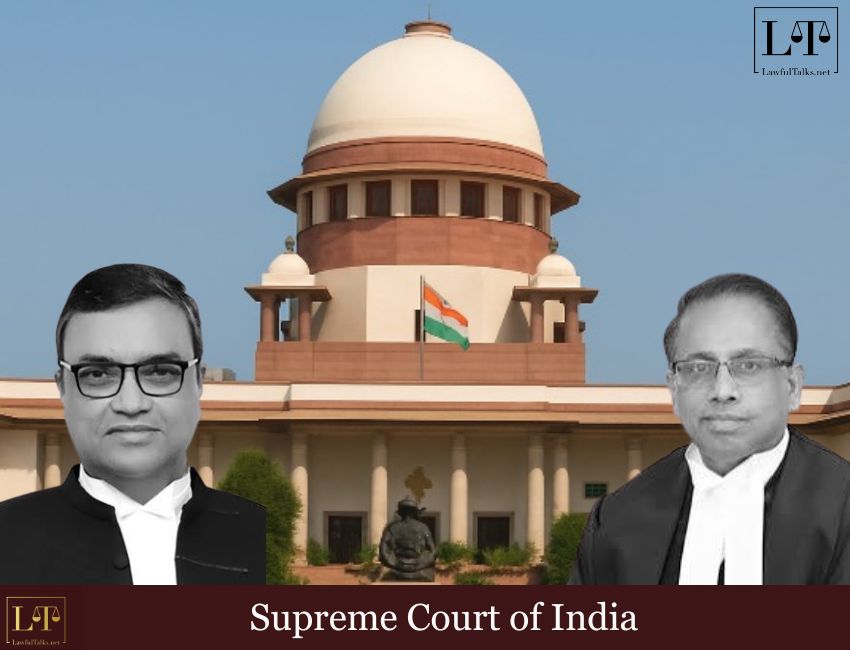
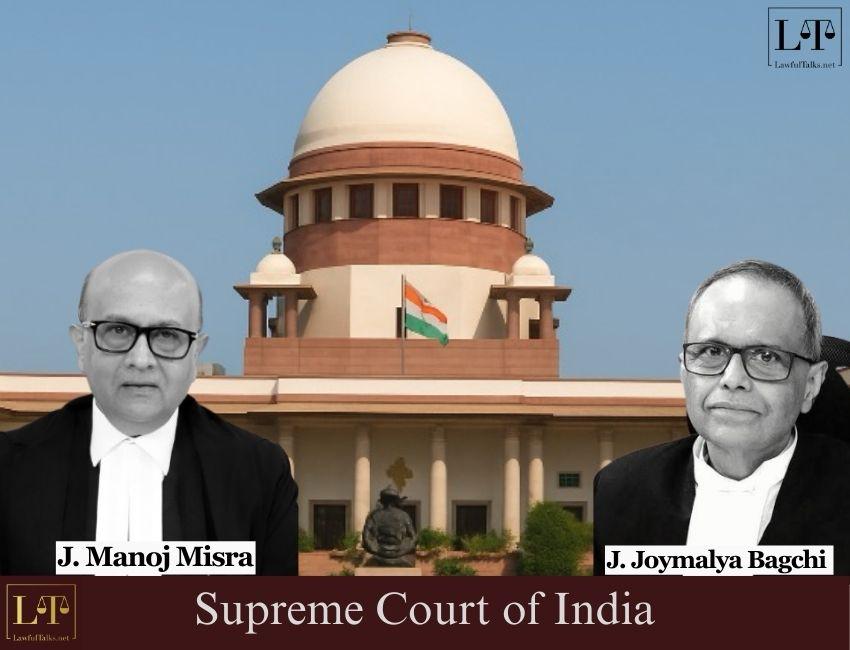
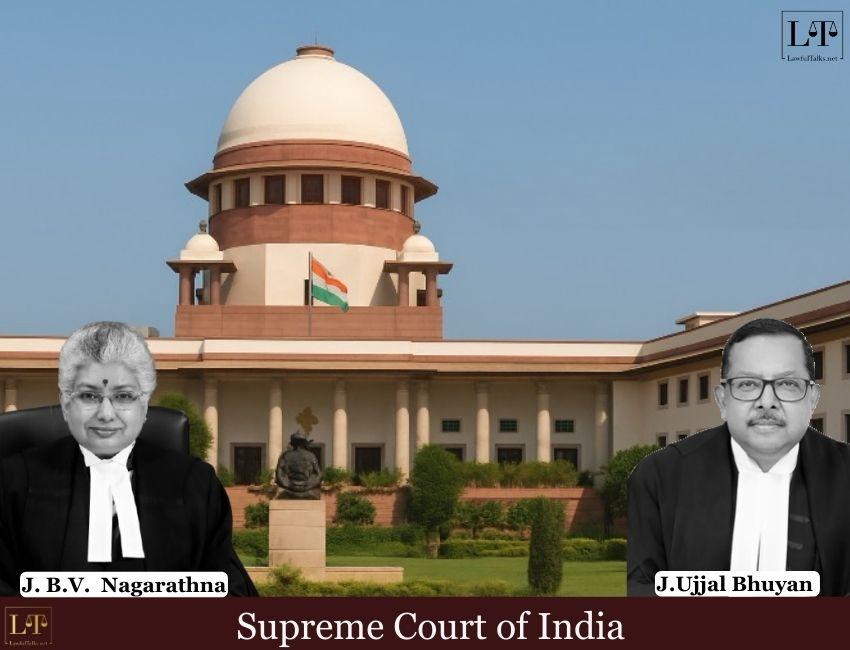
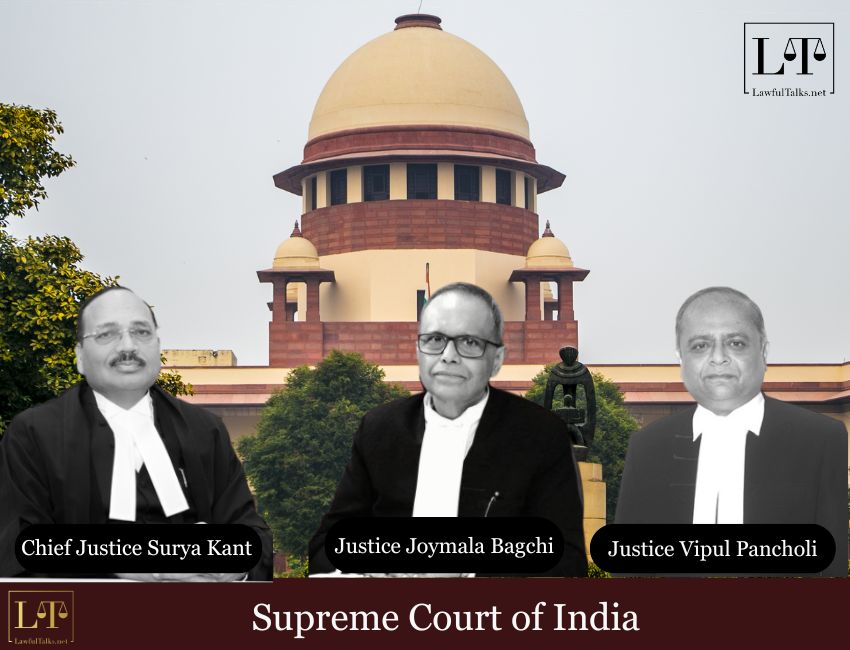
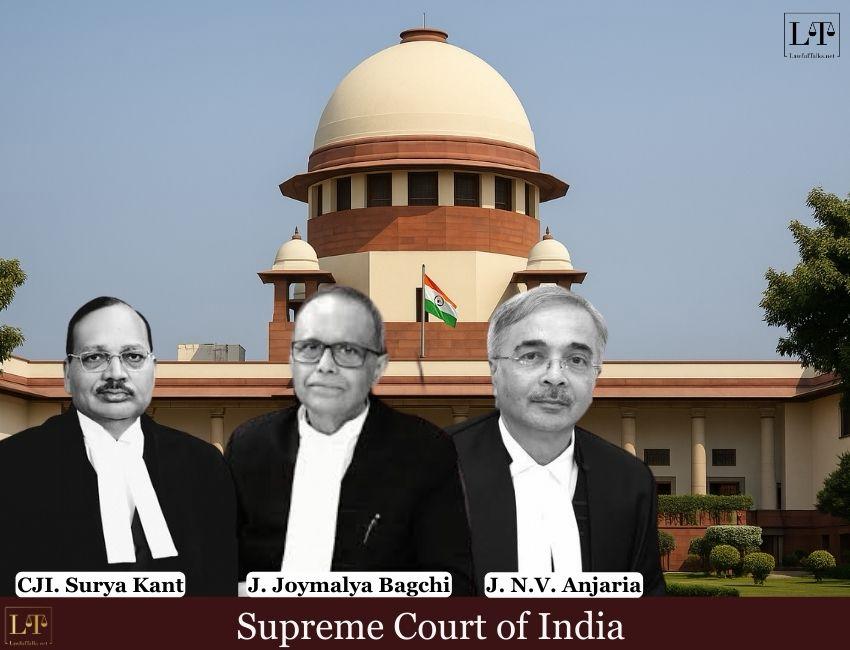
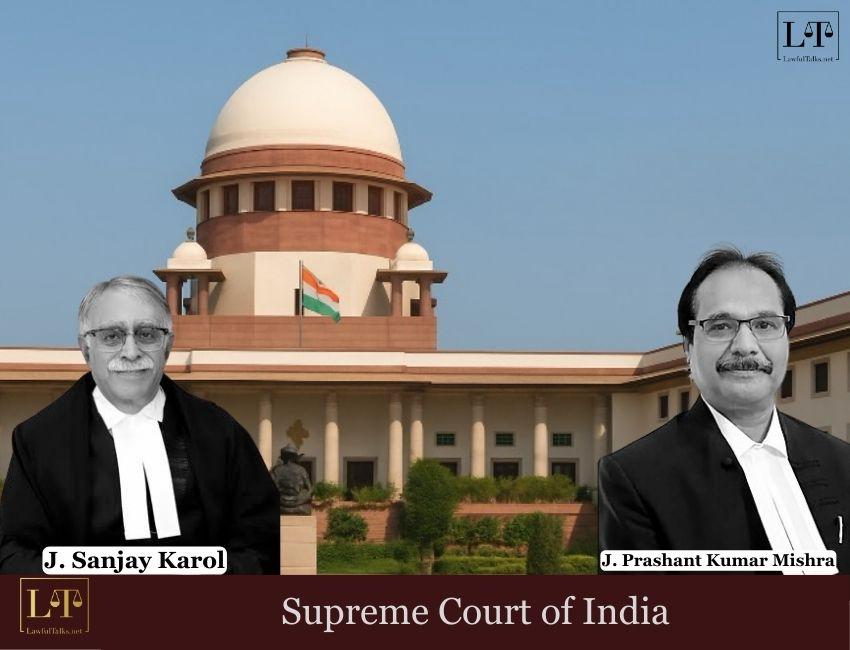
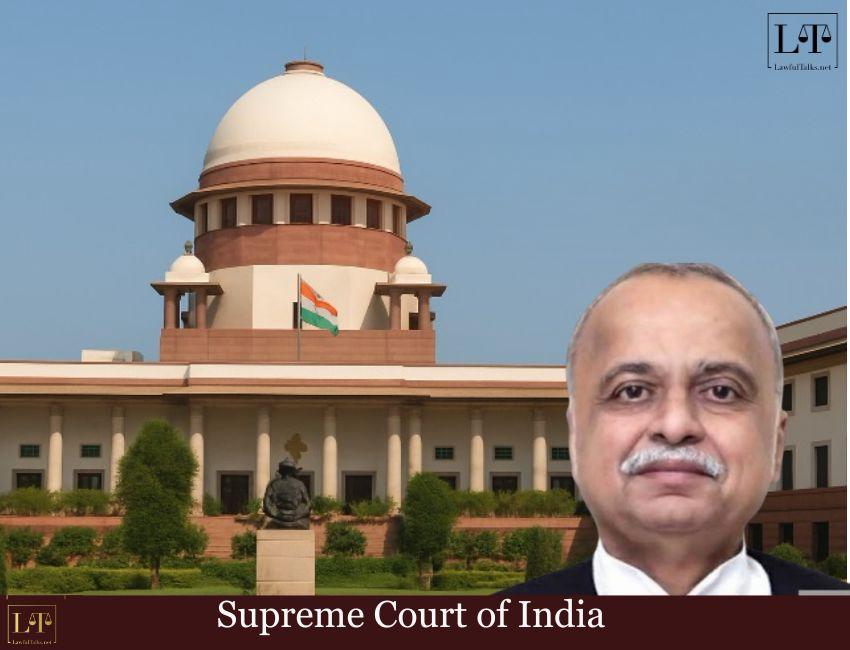
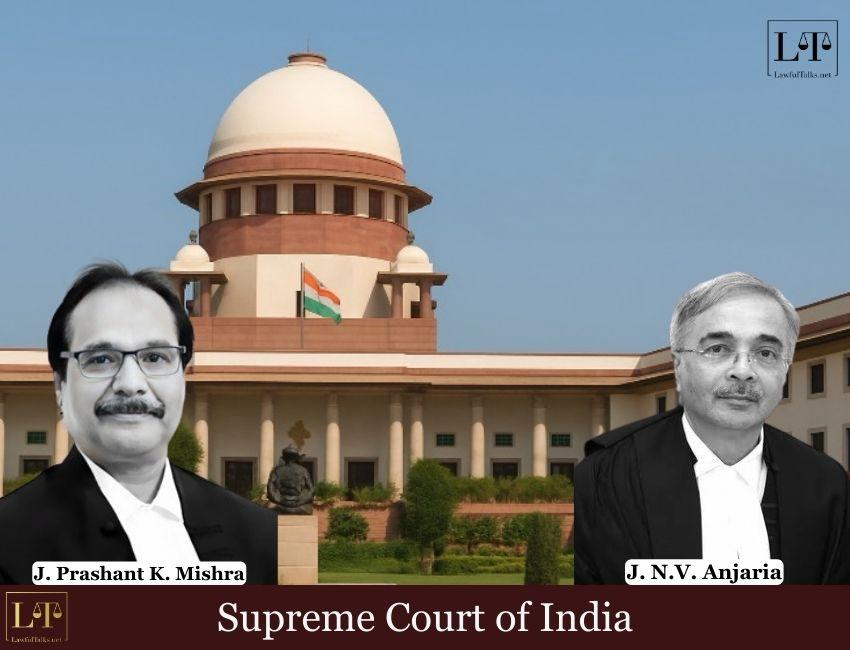
The Supreme Court clearly rejected this reasoning. The Bench of Justice Prashant Kumar Mishra and Justice N.V. Anjaria held that the grant of probation in a criminal case cannot be relied upon to change or reduce the punishment imposed in departmental proceedings.
The court reiterated, “having noted the submission made by the learned counsel for the appellant, we are of the considered view that what has been observed by this Court in Bakshi Ram (supra) and noted by the High Court itself is that release of offenders on probation does not obliterate the stigma of conviction.”
The appellant’s counsel relied on the Supreme Court decision in Union of India v. Bakshi Ram (1990) 2 SCC 426, which the Court accepted. The Court also referred to Southern Railway v. T.R. Chellappan while explaining the scope of Sections 3, 4 and 9 of the Probation of Offenders Act.
In this context, the court clarified that release on probation can be ordered only after the accused is found guilty and convicted of the offence.
The ruling specifically states:
“These provisions would clearly show that an order of release on probation comes into existence only after the accused is found guilty and is convicted of the offence. Thus the conviction of the accused or the finding of the court that he is guilty cannot be washed out at all because that is the sine qua non for the order of release on probation of the offender.”
The court further stated:
“Section 12 of the Act does not preclude the department from taking action for misconduct leading to the offence or to his conviction thereon as per law. The section was not intended to exonerate the person from departmental punishment.”
The bench added:
“In our considered view, the observation made by the High Court runs contrary to the law laid down in Bakshi Ram (Supra)”.and set aside the order that had been made in favor of the respondent-worker. It was reaffirmed that being released on probation does not protect an employee from service-related action when misconduct has been proved.
However, considering the fact that the workman had passed away, the Court refrained from interfering with the modification of the punishment as made by the High court in the impugned judgment.
As a result, the Civil appeal was finally disposed of.
Case Title: THE SUPERINTENDING ENGINEER VERSUS THE LABOUR COURT MADURAI & ORS.






















































































































































































































































































































































Sign up for free and be the first to get notified about curated content just for you.