“No Escape For Predator: Bombay HC Hands Life Sentence In Minor’s Rape Case”

- January 20, 2026


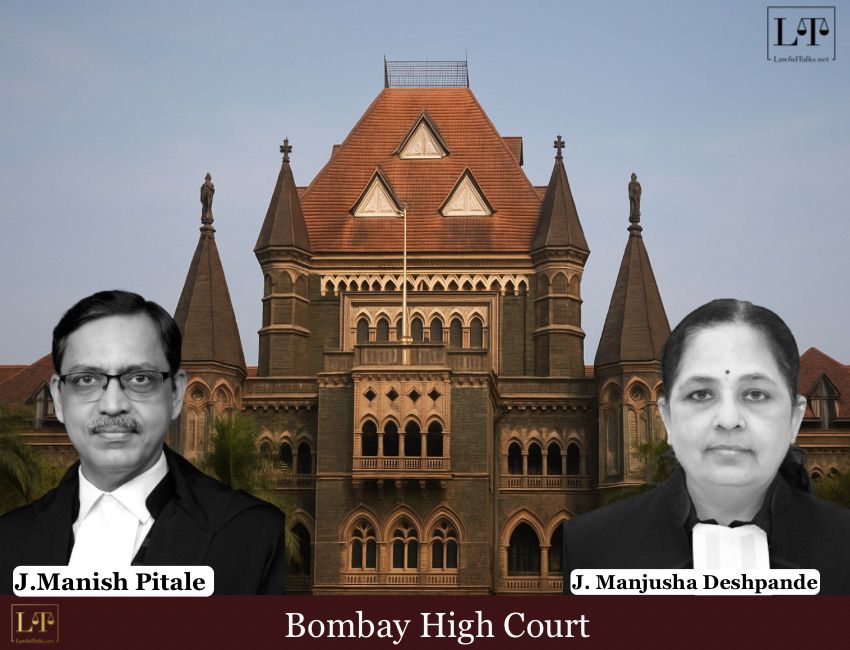
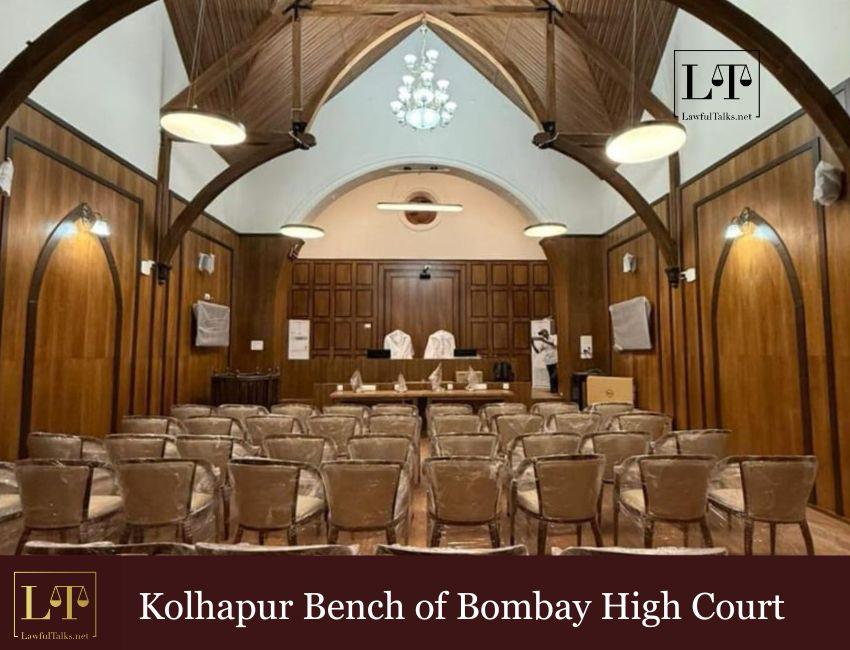
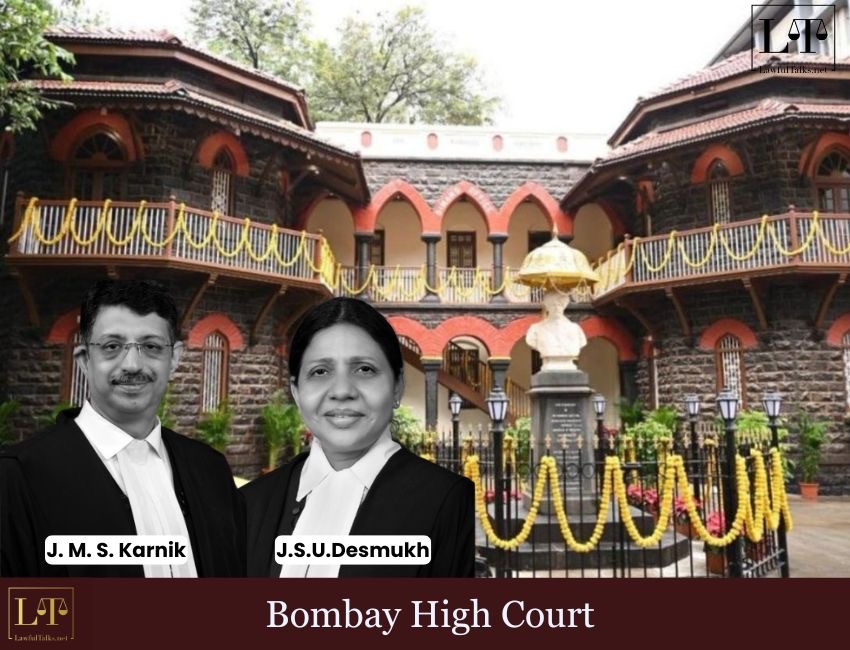
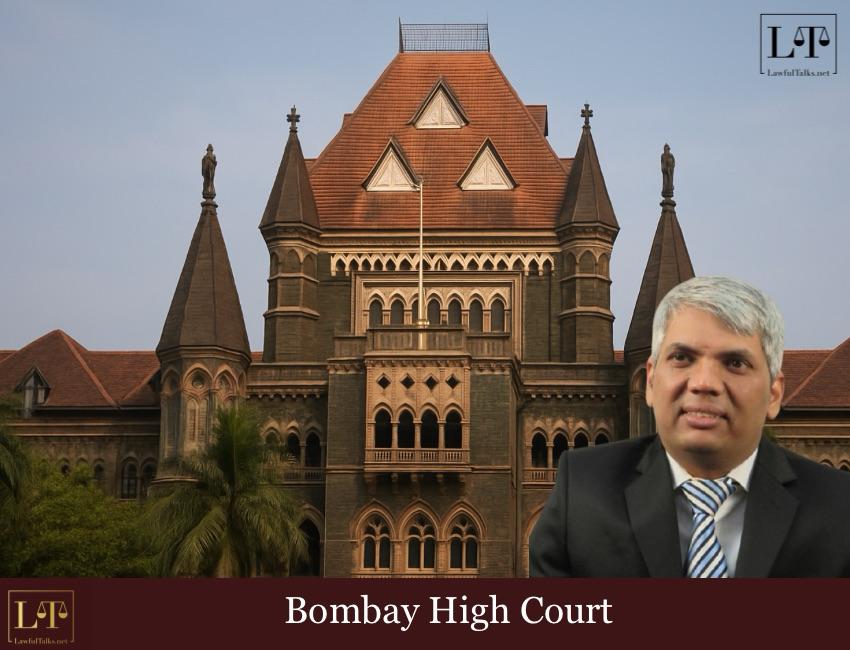
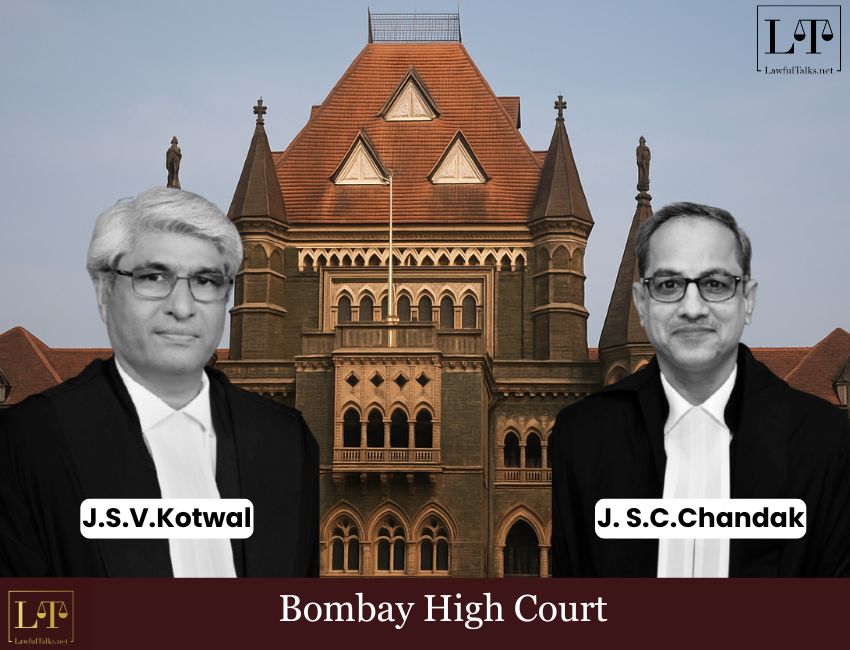
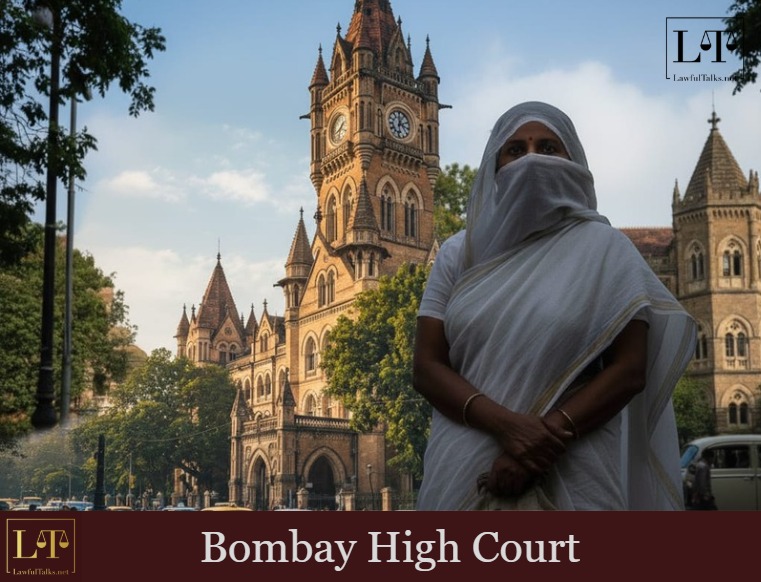
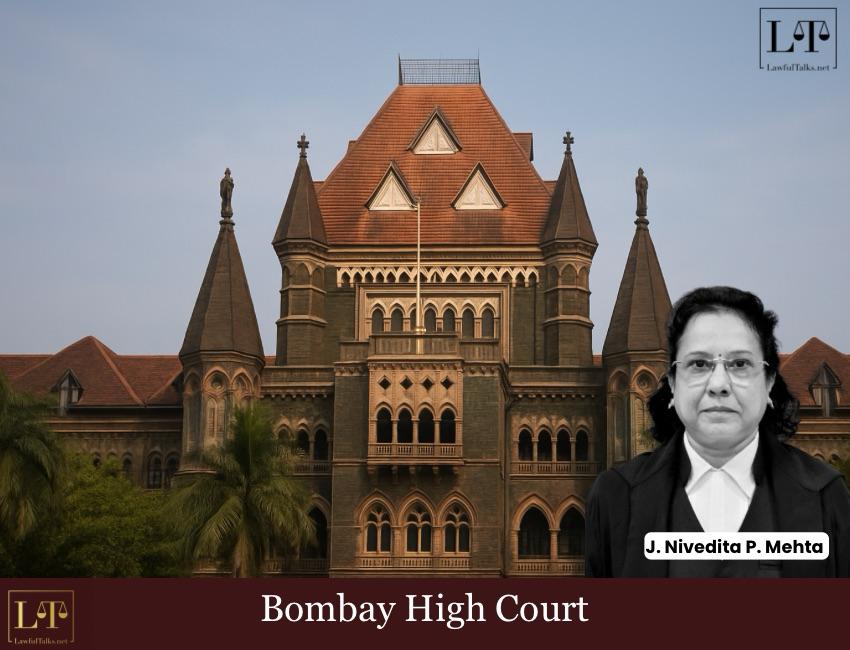
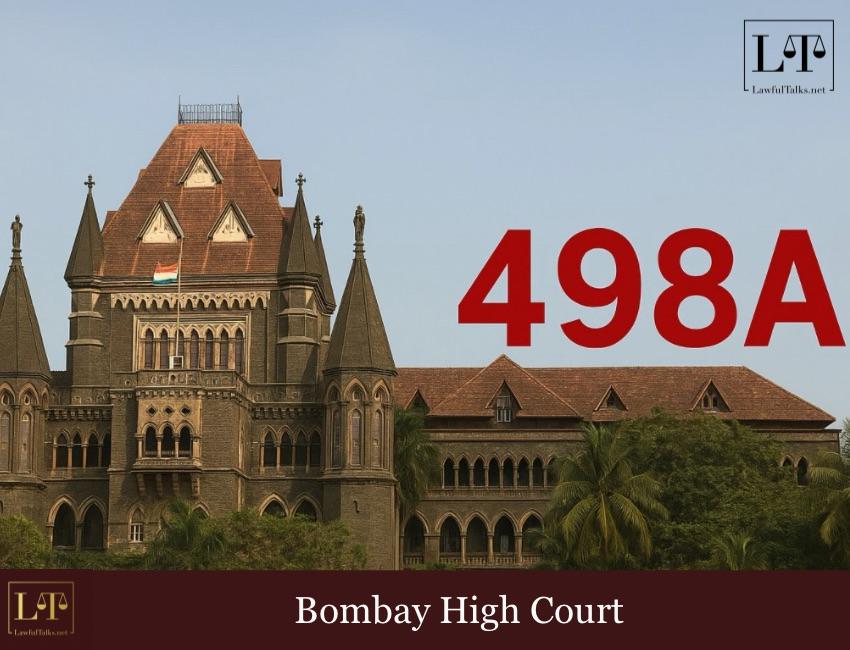
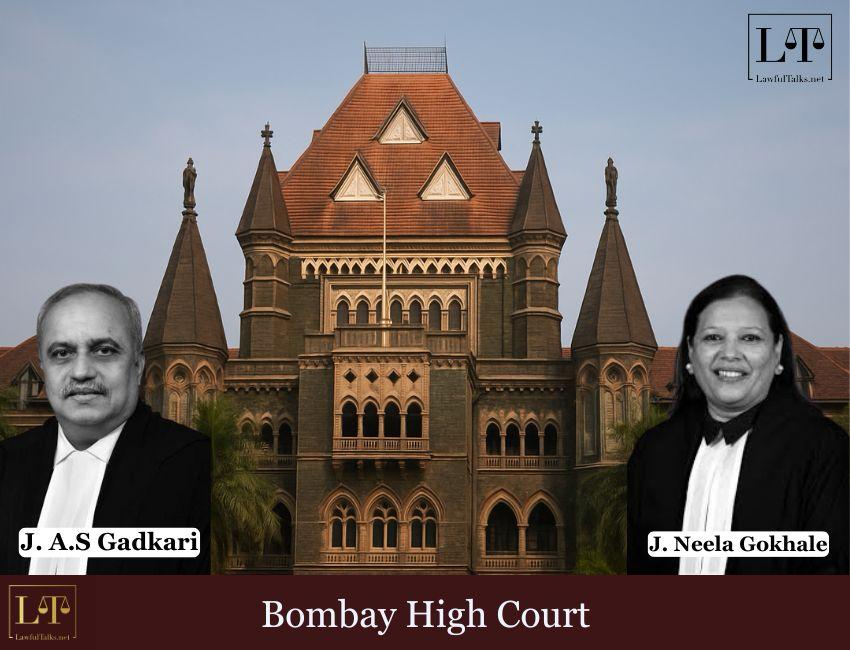
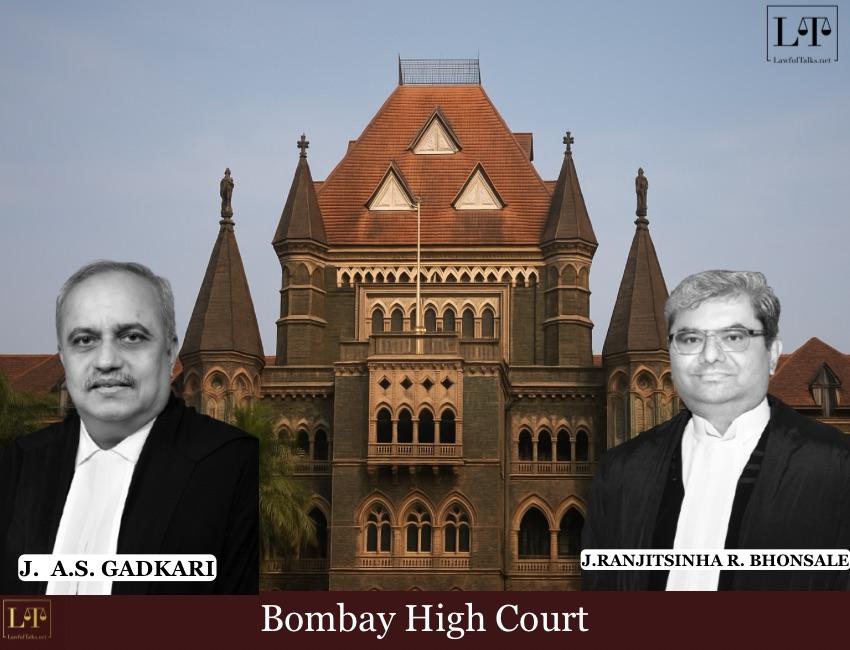
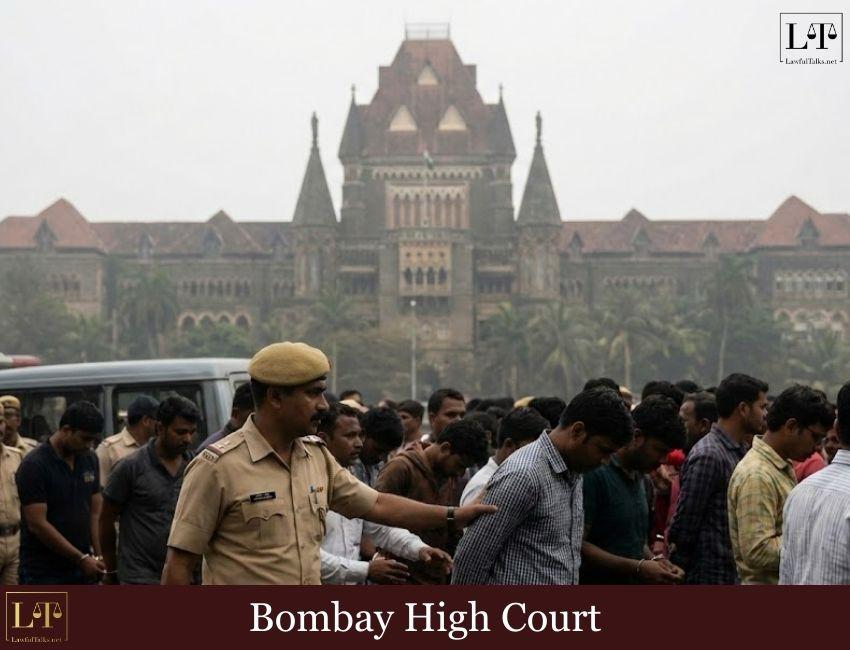
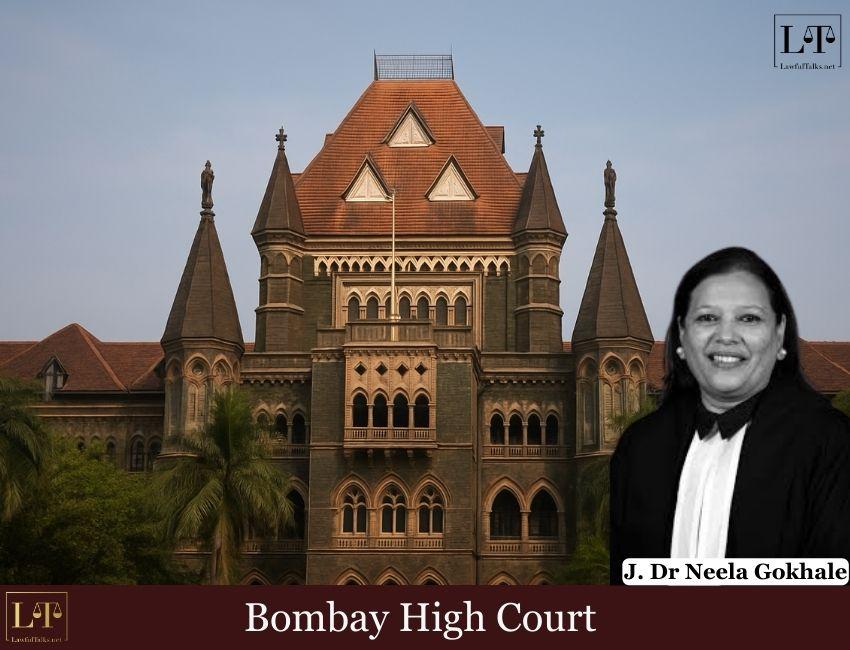
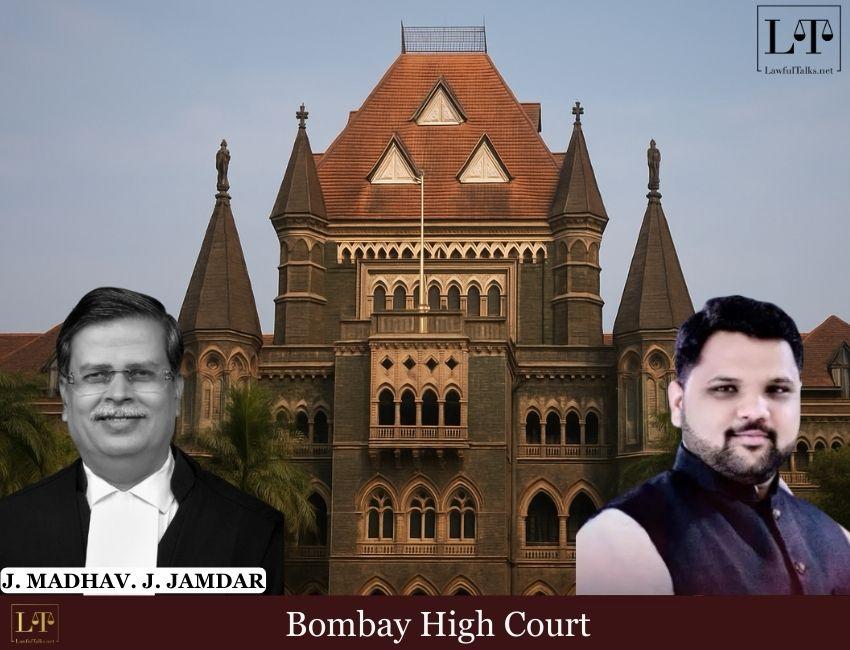
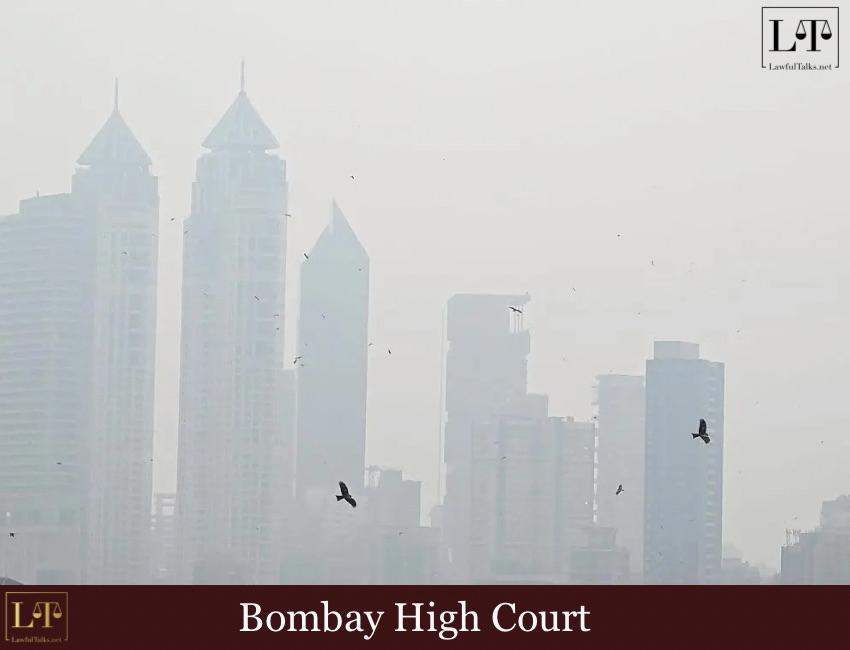
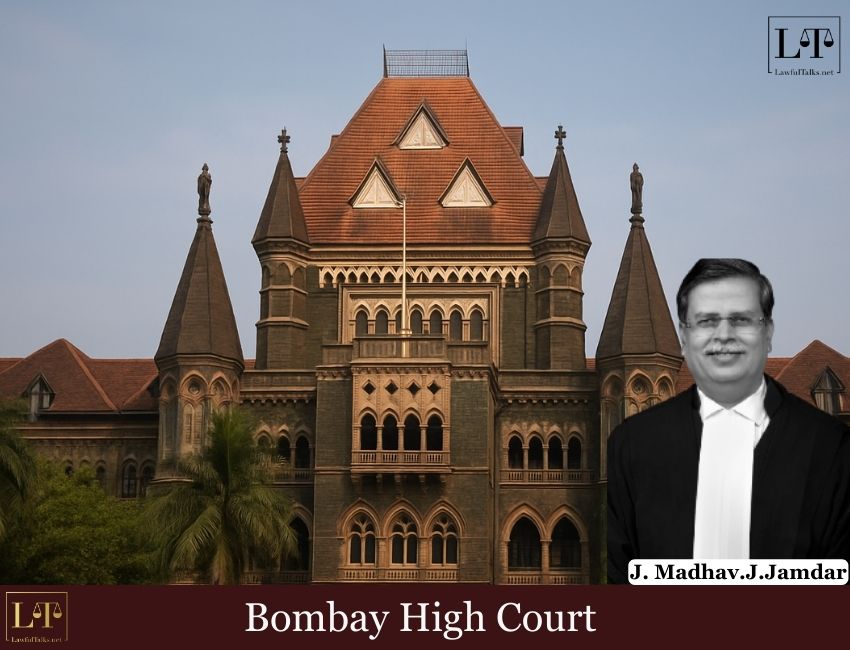
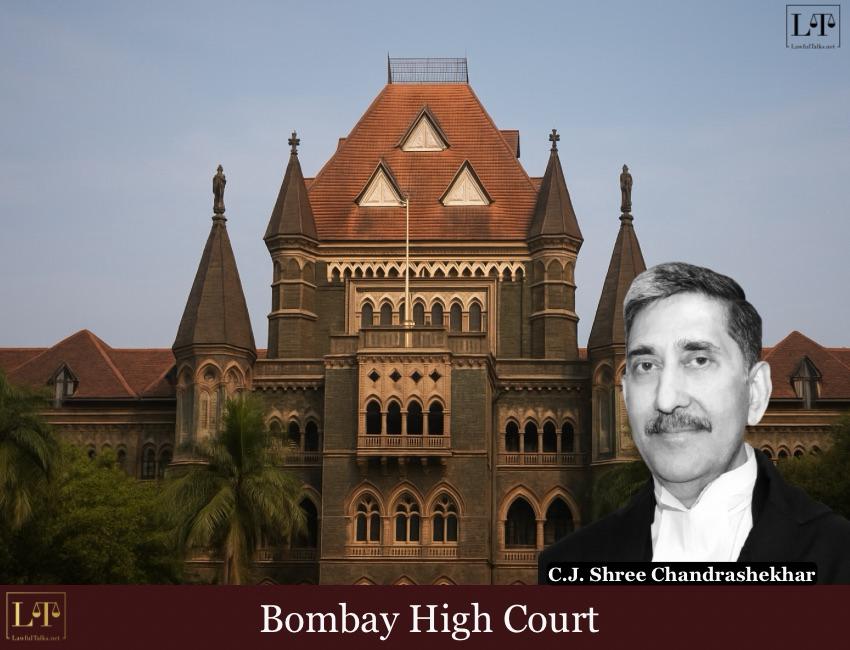
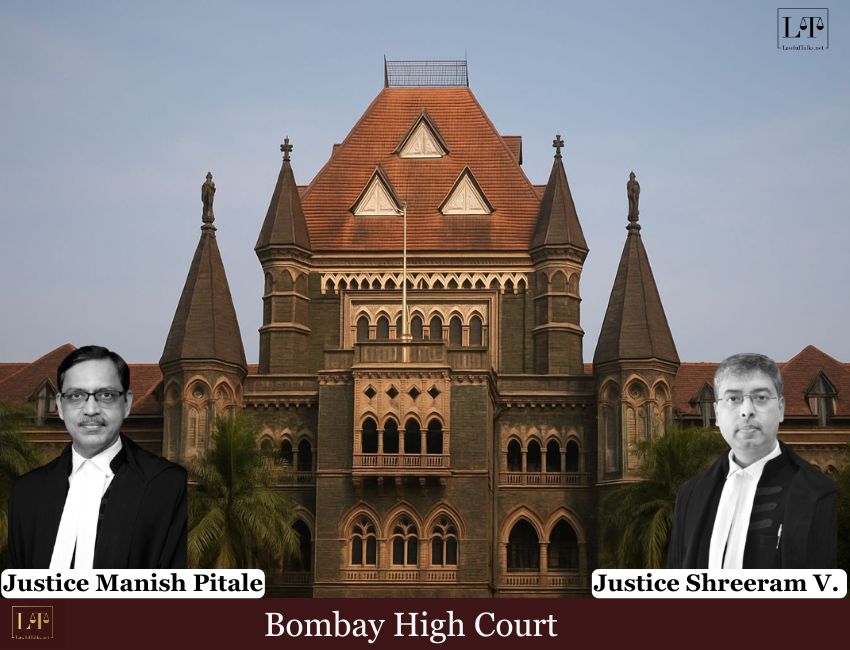
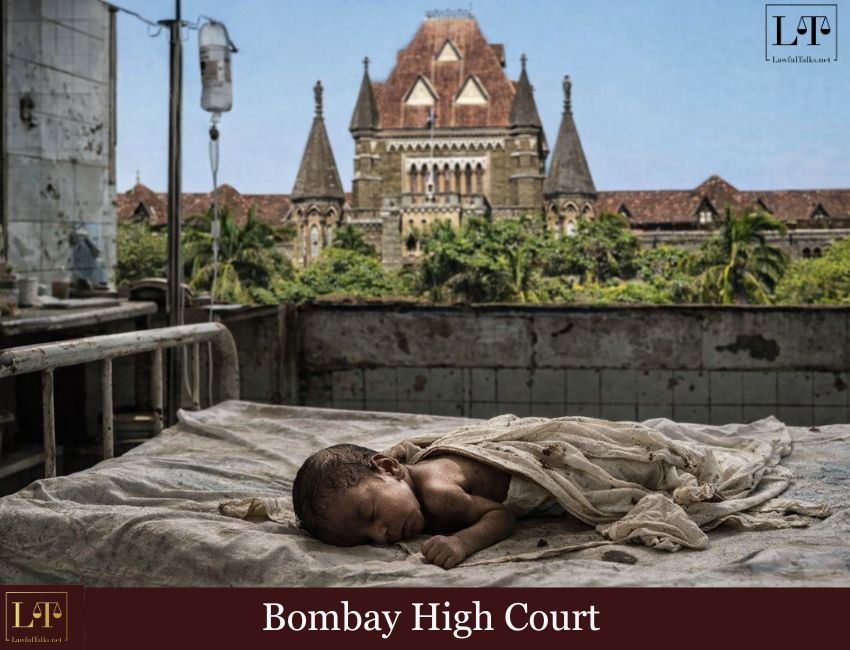
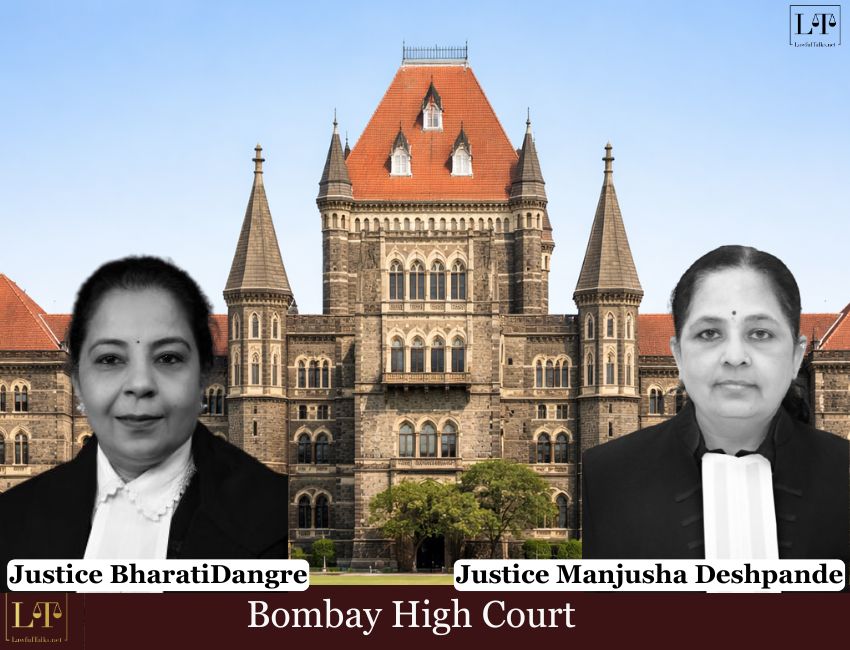
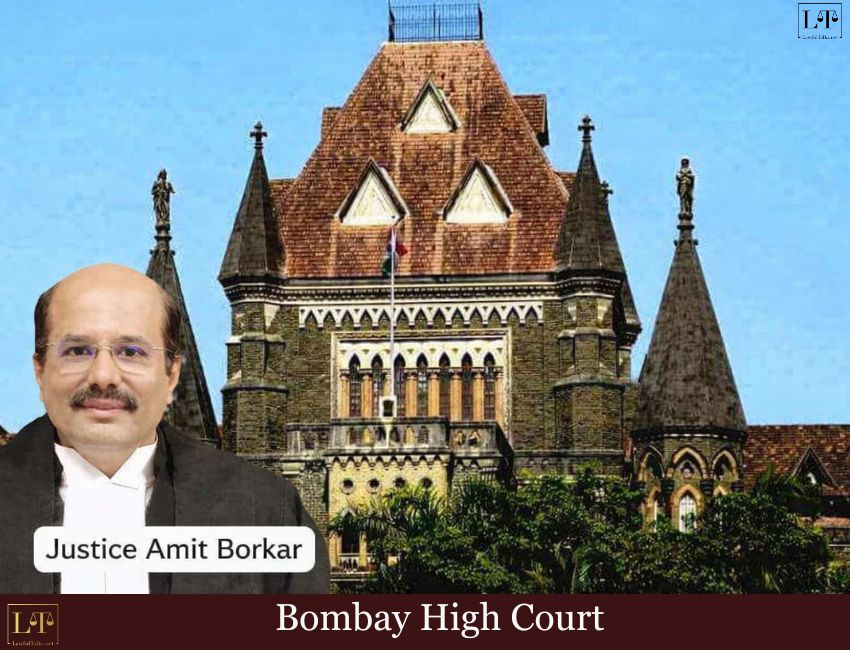
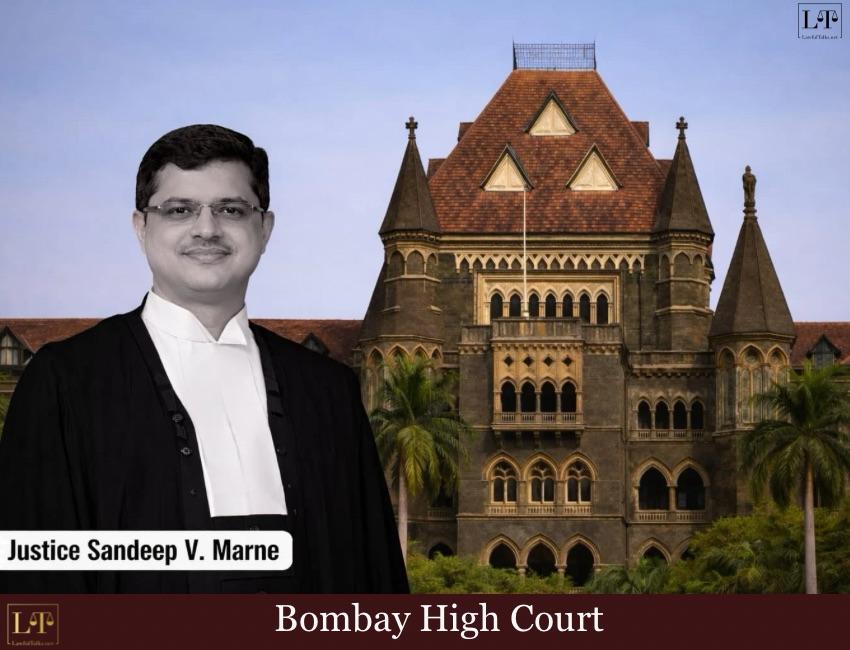
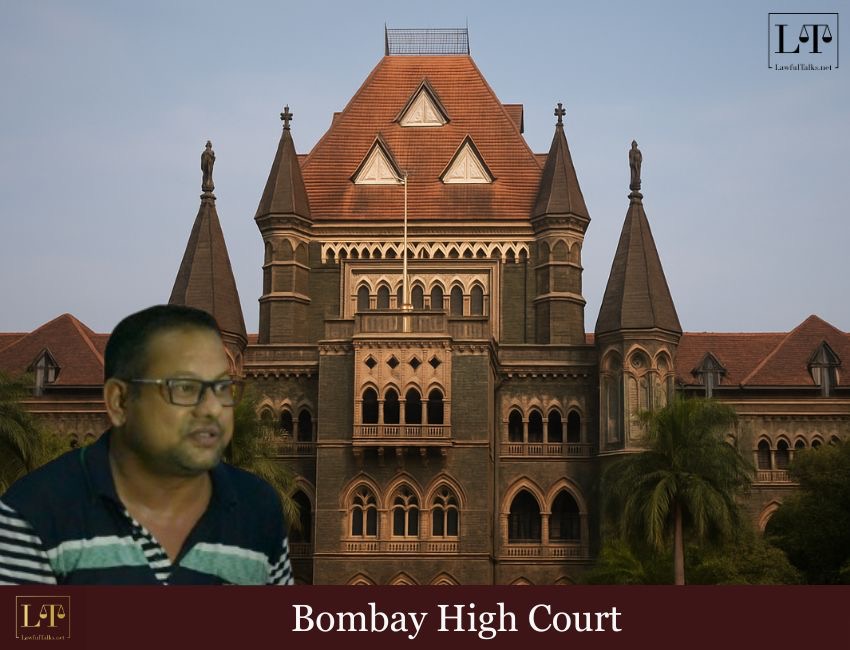
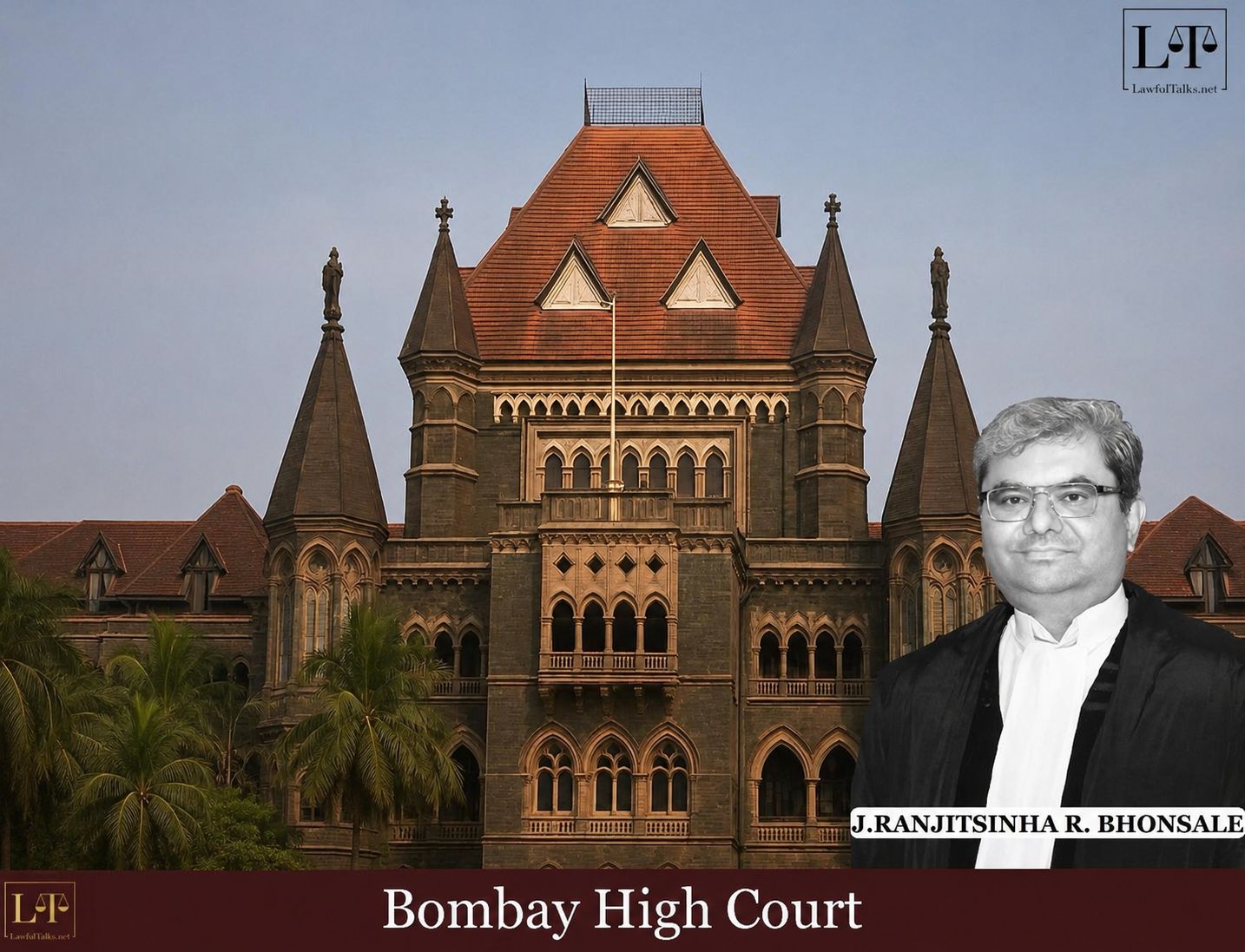
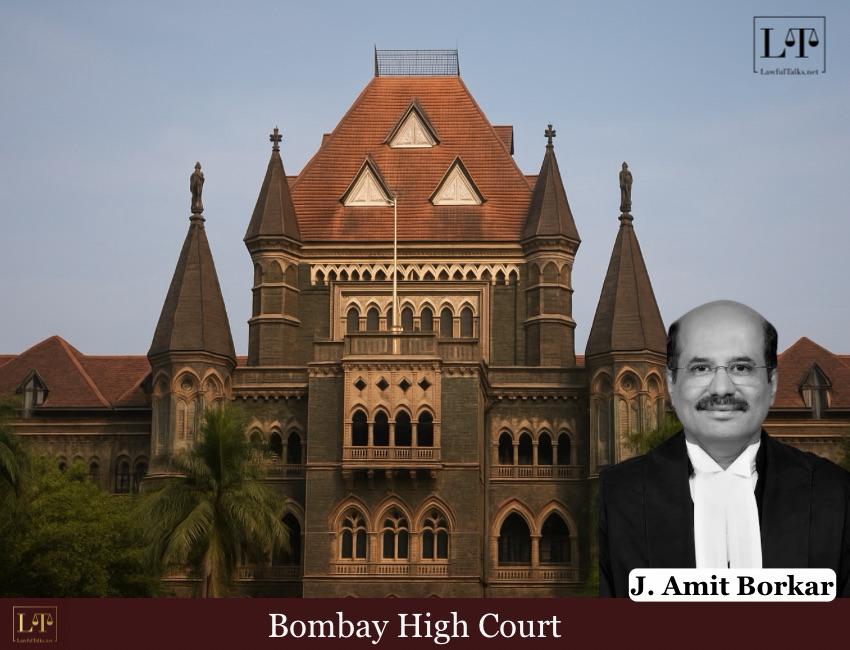
In a significant judgment delivered on January 19, 2026, a Division Bench of the Bombay High Court comprising Justice Manish Pitale and Justice Manjusha Deshpande dismissed the appeal filed by Ramesh Dada Kalel against his conviction for the rape of a minor. The Court upheld the trial court’s sentence of life imprisonment, to be served for the remainder of his natural life.
Background:
The case originated from an incident on October 29, 2018, in Panvel-Raigad, where the 13-year-old victim, a girl suffering from epilepsy, went missing after returning home from school around 12:30 p.m. to take her medication before heading back to school. Her mother, Ashabai (PW-1), the first informant, searched for her along with family and neighbours, including the appellant who was their neighbour, but the girl could not be found until the next morning around 5:00 a.m. on October 30, 2018.
Upon returning home, the victim confided in her mother that the appellant had forcibly taken her to his house, raped her multiple times through the night while keeping her trapped in a bedbox, and threatened her with dire consequences. An FIR was registered, the victim underwent medical examination that evening showing signs consistent with sexual assault such as old hymenal tears, redness around the hymen, tenderness in private parts, breasts, and anus, and the appellant was arrested after investigation.
During the trial before the Extra Joint District and Additional Sessions Judge, Panvel-Raigad, the prosecution examined 11 witnesses. These included the victim (PW-4), her mother (PW-1), the doctor who examined the victim (PW-6), and the school headmistress (PW-10). Based on this evidence, the appellant was convicted on August 29, 2023, for offences relating to wrongful confinement, kidnapping, rape, criminal intimidation, and aggravated penetrative sexual assault under the POCSO Act. He was sentenced to life imprisonment and fined ₹50,000.
The State countered that the victim's testimony was reliable and did not require corroboration, particularly in cases involving minors. It submitted that her account was supported by medical evidence and witness statements on the sequence of events, in line with Supreme Court rulings such as State of Punjab v. Gurmit Singh.
On the issue of procedure, the State contended that any procedural lapse was not significant because it caused no prejudice to the accused, and that such an error could be corrected at the appellate stage under the CrPC, as held in Dalbir Singh v. State of U.P..
Court's Analysis and Ruling
The bench found the victim's account believable, dismissing minor discrepancies and noting her age made consent irrelevant: “The victim has specifically described as to the manner in which the appellant forcibly took her to his house... committed rape on her and trapped her inside the bedbox... [thrice].” Medical evidence corroborated, as “ocular evidence always prevails over medical evidence,” and precedents affirmed no need for further corroboration when testimony inspires confidence.
On the procedural issue, the court held that no prejudice was caused by the error in framing the charge because the victim’s age was always a central issue and the defence was fully aware of it. The court stated,“The order framing the charge... recorded at five places that the victims age was 13 years.”
On the issue of balancing rights, the court observed,“In our system, sometimes there is a danger of over‑emphasis on the rights of the accused, while completely forgetting or ignoring the rights of the victim.” It emphasised that the concerns of the victim must be given due weight alongside the protections available to the accused, in line with Darbara Singh v. State of Punjab.
The Court further held that the appellate court was empowered to correct the conviction to Section 376(3) IPC without remanding the matter, because the maximum punishment under the relevant provisions was the same and the hearing at the appellate stage cured any procedural defect.
Ultimately, the Division Bench upheld all convictions, confirmed life imprisonment with fine, dismissing the appeal.
Case Detail: Ramesh Dada Kalel Vs. The State of Maharashtra and another, Criminal Appeal No. 1133 of 2023
































































































































































Sign up for free and be the first to get notified about curated content just for you.